Deviled egg pasta is a culinary innovation that takes a classic dish to new heights, effortlessly blending the creamy, tangy flavors of deviled eggs with the comforting texture of pasta. My first encounter with this delightful dish was during a family reunion several summers ago. As I walked into my aunt’s sun-filled kitchen, the aroma of spices mingled with the sound of laughter and clinking dishes filled the air. It was then that I spotted a vibrant bowl of deviled egg pasta, glistening under the soft golden light. Curious, I scooped a generous portion onto my plate, and with the first bite, I was transported to a world where creamy yolks met al dente pasta. It was a revelation that sparked an obsession.
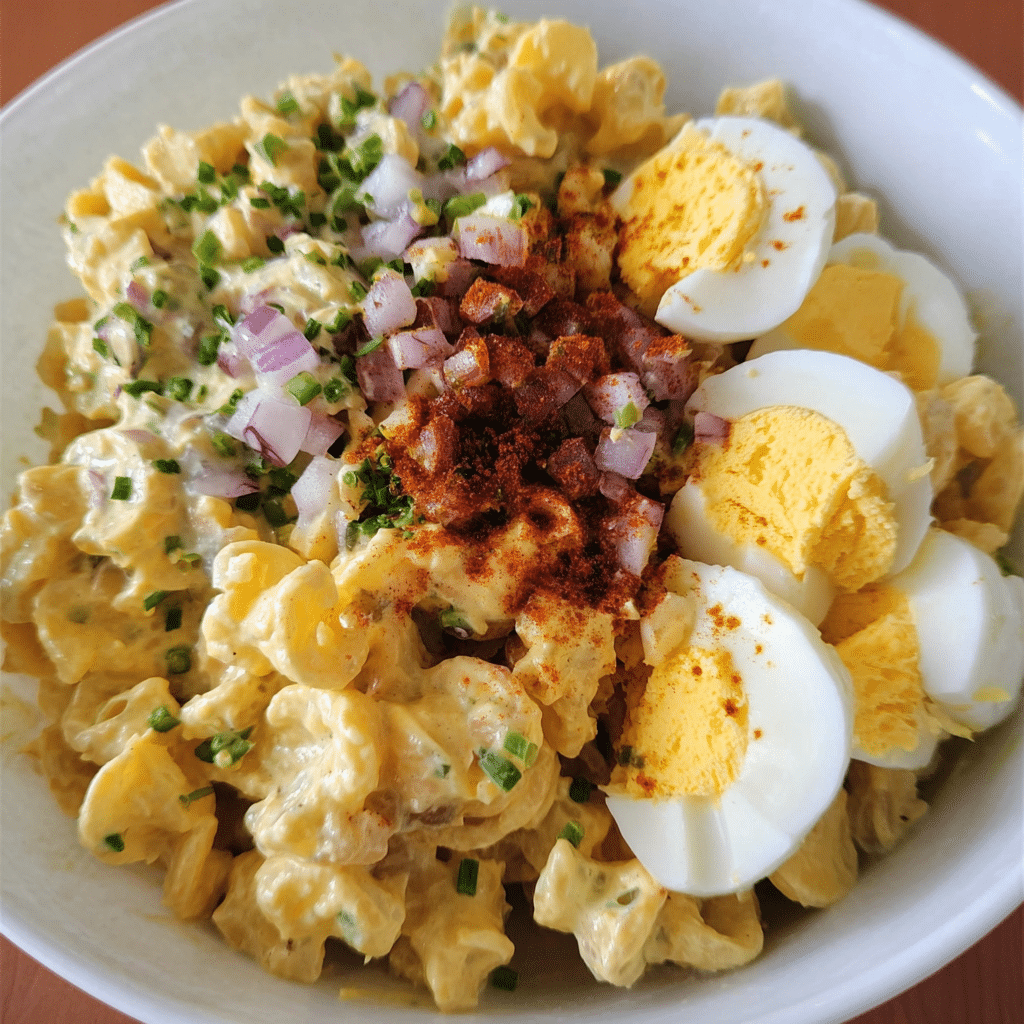
As someone who has always relished the art of cooking, I found myself captivated not just by the taste, but by the story behind this dish. It was a summer dish, perfect for potlucks and barbecues, embodying the spirit of community and shared meals. The joy of this dish lies in its versatility; it can be served warm, chilled, or at room temperature, making it a perfect candidate for busy families looking for quick dinner solutions. Whether you’re coming in from a long day at work or trying to feed a gaggle of hungry kids, deviled egg pasta is a lifesaver.
The Story Behind This Recipe
The origins of deviled egg pasta are a delightful mix of tradition and creativity. Deviled eggs themselves date back to ancient Rome, where boiled eggs were seasoned with various spices and served as appetizers. The term “deviled” became popular in the 18th century, particularly in Britain and the United States, where it referred to food that was zesty or spicy. The idea of combining these beloved flavors with pasta emerged much later, likely as home cooks sought to merge their favorite recipes into one harmonious dish.
As I delved into the history of this dish, I realized that deviled egg pasta isn’t just a meal; it’s a celebration of culinary evolution. Families have adapted the basic concept over the years, incorporating local ingredients and flavors. For instance, some versions include crispy bacon or fresh herbs, while others might feature a touch of mustard or pickles for an added zing. Each family has its own twist, making it a dish rich with personal stories and memories.
Why You’ll Love This Dish
This recipe is special and different from other pasta salads because it captures the essence of deviled eggs—the creamy yolk and the tangy flavor of mustard—while adding the comforting heartiness of pasta. It’s a dish that resonates emotionally; it reminds me of family gatherings, sunny picnics, and the simple pleasures of life. You can whip it up in under 30 minutes, making it an ideal choice for weeknight dinners or last-minute gatherings. The vibrant colors and textures are appealing to both the eye and the palate, making it a hit with kids and adults alike.
Seasonally, deviled egg pasta shines brightest in the warmer months, perfect for backyard barbecues, potluck dinners, and even holiday gatherings. However, its comforting qualities make it suitable for year-round enjoyment. There’s something about the creamy, savory flavors that feels like a warm hug, especially during the colder months when you crave hearty meals. It’s a dish that evokes nostalgia and connection, perfect for sharing with loved ones.
In this ultimate guide to deviled egg pasta, you will learn everything from crafting the perfect recipe to exploring variations that can suit any occasion. I’ll share tips on ingredient choices, preparation methods, and personal anecdotes that make this dish not just food, but a cherished part of my family’s culinary legacy. Whether you’re a seasoned cook or a novice in the kitchen, I promise you’ll find joy and satisfaction in making your own version of this delightful pasta salad.
The Rich History and Cultural Significance of deviled egg pasta
The journey of deviled egg pasta is as rich and flavorful as the dish itself. To truly appreciate this unique fusion of flavors, we must explore its history, cultural significance, and the ways it has evolved over time. The origins of deviled egg pasta can be traced back to the classic deviled egg, which has been a staple in American cuisine since the 19th century. Traditionally, deviled eggs are made by hard-boiling eggs, halving them, and mixing the yolks with mayonnaise, mustard, and spices before placing the mixture back into the egg whites.
Origins and History
The concept of deviled eggs likely originated from ancient culinary practices in Europe, where eggs were often boiled and seasoned. However, it was in the United States that deviled eggs truly captured hearts, often making appearances at picnics, brunches, and festive gatherings. The 1950s and 1960s, in particular, saw a surge in popularity for both deviled eggs and pasta salads, leading to the creative combination of the two. This fusion reflects the American spirit of innovation in the kitchen, where traditional recipes are transformed into new culinary adventures.
As deviled egg pasta emerged, it became a canvas for creativity, with each family bringing in their own flavors and influences. In the southern United States, for example, you might find a version that incorporates a hint of hot sauce or smoked paprika, while in the Midwest, families might add crunchy vegetables like celery or bell peppers. The dish has evolved into a celebration of regional ingredients, making it a versatile option that speaks to the heart of American cooking.
Cultural Significance
Deviled egg pasta carries with it a sense of nostalgia, often associated with gatherings of family and friends. It’s a dish that brings people together, whether it’s at a summer barbecue or a holiday celebration. The act of sharing food is deeply ingrained in many cultures, and deviled egg pasta exemplifies this beautifully. It’s not just about the meal; it’s about the memories created around the table.
In addition to its role in family gatherings, deviled egg pasta has found its way into various culinary settings. Some upscale restaurants have embraced this dish, presenting it as a gourmet offering with unique twists—perhaps a truffle-infused dressing or garnished with caviar. This adaptability showcases how a beloved home recipe can transcend its humble beginnings and evolve into something extraordinary. However, it’s the home-cooked versions that often hold the most meaning, as they are often passed down through generations, carrying with them the love and laughter of family kitchens.
Nutritional Benefits
Beyond its cultural and historical significance, deviled egg pasta also offers nutritional benefits. Eggs are an excellent source of protein, containing essential amino acids necessary for our bodies. When combined with pasta, which provides carbohydrates for energy, this dish becomes a balanced meal that fuels our bodies. The addition of vegetables—like peas, cucumbers, or bell peppers—can further enhance its nutritional profile, adding vitamins, minerals, and fiber.
While it’s easy to indulge in the creamy richness of deviled egg pasta, being mindful of portion sizes and ingredient choices can help you create a healthier version without sacrificing flavor. For instance, using Greek yogurt instead of mayonnaise can reduce calorie counts while still maintaining that creamy texture we all love. This balance of indulgence and nutrition makes deviled egg pasta a dish that can fit into various dietary preferences, making it accessible to everyone.
As we dive deeper into the world of deviled egg pasta, you’ll discover the myriad ways to customize this dish, ensuring it suits your taste and occasion. From understanding ingredient swaps to exploring international variations, the possibilities are endless. So, let’s embark on this culinary adventure together and uncover the secrets of deviled egg pasta!
Essential Ingredients for Perfect deviled egg pasta
When it comes to creating the perfect deviled egg pasta, the foundation lies in the ingredients you choose. Each component plays a pivotal role in not only the flavor profile but also the texture and overall appeal of this delightful dish. Let’s dive into the essential ingredients that will elevate your deviled egg pasta to a culinary masterpiece!
Essential Ingredients
- Chicken – 1 cup, cooked and shredded
- Beef – 1 cup, cooked and diced
- Pork – 1 cup, cooked and shredded
- Seafood – 1 cup, cooked shrimp or crab meat
- Pasta – 2 cups, your choice of pasta (shells or elbow)
- Fruits – 1/2 cup, diced apples or grapes
- Vegetables – 1 cup, diced celery and bell peppers
Deviled Egg Pasta Salad
Ingredients
- 1 tablespoon plus 1/2 teaspoon kosher salt, divided
- 1 pound macaroni pasta
- 6 large eggs
- 2 stalks celery, finely chopped
- 5 green onions, thinly sliced, divided
- 1 cup matchstick carrots, roughly chopped
- 1/2 cup chopped dill pickles
- 1 cup mayonnaise
- 1/3 cup white sugar
- 2 tablespoons white vinegar
- 1 1/2 teaspoons yellow mustard
- 1/2 teaspoon freshly ground black pepper
- 1/2 teaspoon paprika
Instructions
-
Bring a large pot of water to a boil. Add 1 tablespoon salt and pasta. Carefully add eggs and return to a boil. Cook until pasta is tender with a bite, about 9 minutes. Drain. Remove eggs and add to an ice bath. Rinse pasta with cold water and drain well. Add pasta to a large bowl.
-
Peel eggs; separate yolks and whites. Roughly chop egg whites and add to pasta bowl. Place yolks in a medium bowl and set aside.
-
Reserve 2 tablespoons green onions for garnish and add remaining green onions to pasta bowl. Add in celery, carrots, and pickles.
-
Mash egg yolks in the medium bowl and add remaining salt, mayonnaise, sugar, vinegar, mustard, and pepper. Stir mixture until smooth and pour over pasta mixture. Toss until well combined. Sprinkle with reserved green onions and paprika and serve immediately, or refrigerate until ready to serve.
The backbone of your deviled egg pasta is, of course, the pasta itself. Choose a pasta that can hold the creamy dressing well. Shells or elbow pasta are my favorites as they catch the dressing beautifully, ensuring each bite is flavorful. When selecting pasta, opt for high-quality brands that list semolina or durum wheat as the primary ingredient. The texture should be rough to better hold onto sauces and dressings.
Next, let’s talk about proteins. Whether you choose chicken, beef, pork, or seafood, each brings a unique flavor to your dish. For chicken, consider using rotisserie chicken for a quick and convenient option, ensuring it is moist and flavorful. Beef should be lean; ground beef works, but for a gourmet touch, use tender cuts diced into small pieces. Pork can be represented by pulled pork or even bacon bits for a smoky flavor. Seafood, especially succulent shrimp or lump crab meat, adds a luxurious touch to your deviled egg pasta. Always look for seafood that is fresh or frozen at peak quality.
Incorporating fruits adds a surprising sweetness to the dish. I love using crisp apples or juicy grapes. When shopping, select fruits that are firm and free from blemishes. Remember that seasonal fruits not only taste better but are also more affordable. Vegetables, like celery and bell peppers, provide crunch and freshness. Choose vibrant, crisp vegetables, and if you can, source them from local farmers’ markets to ensure freshness.
Shopping Tips
When shopping for ingredients, always prioritize quality over quantity. For meats, look for cuts that are organic or grass-fed when possible. These will provide richer flavors and healthier options. For seafood, ensure that it smells fresh and doesn’t have a fishy odor. When it comes to fruits and vegetables, look for organic options if you’re concerned about pesticide exposure. They tend to have better flavor profiles and contribute to a healthier meal.
Buying in bulk is a great way to save money, especially for pasta and proteins. If you have the means, consider purchasing larger quantities of chicken or beef from a butcher or local farm. You can freeze what you won’t use immediately, which helps reduce waste.
Substitutions and Alternatives
Dietary restrictions should never hinder the enjoyment of a dish like deviled egg pasta. If you’re cooking for someone who is vegetarian, feel free to substitute the meat with additional vegetables or plant-based proteins like chickpeas or tofu. For a lighter option, consider using whole grain or gluten-free pasta. This can accommodate those with gluten sensitivities while still providing a satisfying meal.
If you need to avoid eggs altogether, a creamy dressing made from silken tofu blended with mustard and spices can replicate the rich texture associated with traditional deviled eggs. This way, you maintain the spirit of the dish without compromising dietary needs!
When storing your ingredients, ensure that meats are kept in airtight containers in the fridge and used within a few days. Cooked pasta can be refrigerated for up to five days. As for vegetables, keep them in crisper drawers of your refrigerator to maintain their freshness. Fruits should be stored at room temperature until ripe, then moved to the fridge to prolong their shelf life.
Creating the perfect deviled egg pasta is about more than just following a recipe; it’s about understanding and selecting the right ingredients that will marry together beautifully to create a dish that is both delicious and memorable. So next time you’re at the grocery store, keep these tips in mind, and you’ll be well on your way to crafting a delightful pasta salad that will impress your family and friends!
Detailed Step-by-Step deviled egg pasta Cooking Instructions
Now that we’ve gathered our essential ingredients for deviled egg pasta, it’s time to delve into the cooking process. Cooking is an art, and as with any masterpiece, it requires patience, precision, and a sprinkle of creativity. Follow these detailed step-by-step instructions to create a dish that’s not just a meal but an experience!
Preparation Steps
- Mise en Place: Before diving into cooking, gather all your ingredients and tools. This includes your pasta, proteins, vegetables, and any spices or dressings you plan to use. Having everything ready will streamline your cooking process and minimize mess.
- Cook the Pasta: Bring a large pot of salted water to a boil. Once boiling, add your pasta and cook according to package instructions until al dente. Typically, this takes about 8-10 minutes. Stir occasionally to prevent sticking.
- Prepare the Proteins: While the pasta cooks, shred or dice your chosen proteins. If using chicken, rotisserie chicken is a great shortcut. For beef and pork, ensure they are cooked and prepped ahead of time. If using seafood, make sure it’s fully cooked and chopped into bite-sized pieces.
- Chop the Vegetables: Dice your celery and bell peppers into small, uniform pieces. This ensures even distribution throughout the pasta salad. The crunch from these vegetables will enhance the overall texture of the dish.
- Dice the Fruits: If you’re using apples or grapes, chop them into small pieces. This adds a beautiful contrast to the savory elements of the dish.
- Prepare the Dressing: In a separate bowl, combine mayonnaise, mustard, and any seasonings you desire. Mix well until smooth. This dressing is what ties all the flavors of your deviled egg pasta together.
Cooking Process
Once everything is prepped, it’s time to start cooking! Cooking is not just about following steps; it’s about using your senses to guide you. Watch the pasta closely as it cooks, and taste it a minute or two before the suggested cooking time is up. You want it to be firm but not crunchy.
- Drain and Rinse the Pasta: Once cooked, drain the pasta in a colander. Rinse it under cold water to stop the cooking process and to cool it down. This is a crucial step as it prevents the pasta from becoming mushy.
- Combine Ingredients: In a large mixing bowl, combine the cooled pasta with your prepared proteins, vegetables, and fruits. Toss everything together gently to ensure even distribution.
- Add the Dressing: Pour your prepared dressing over the pasta mixture. Use a spatula or wooden spoon to fold the dressing into the salad. Be careful not to break up the pasta too much; you want to maintain those lovely shapes!
- Taste and Adjust: This is the moment to taste your deviled egg pasta. Adjust the seasoning with salt, pepper, or more mustard as needed. This is where your personal touch really shines through!
Final Assembly
Once everything is combined, it’s time for the final touches!
- Chill the Salad: For the best flavor, cover the bowl with plastic wrap and refrigerate for at least 30 minutes. This allows the flavors to meld beautifully.
- Garnish: Right before serving, consider garnishing with fresh herbs like parsley or chives for a pop of color and freshness. You can also sprinkle some paprika on top for a hint of spice.
- Serve and Enjoy! Scoop the deviled egg pasta into serving bowls, and watch as your friends and family dig in. This dish is perfect for potlucks, barbecues, or simply as a satisfying weeknight dinner.
Cooking is often about trial and error, so don’t be discouraged if things don’t go perfectly the first time. Each attempt is a learning experience. Embrace the process, and soon enough, you’ll be serving up a delicious bowl of deviled egg pasta that everyone will love!
Professional Tips and Techniques for deviled egg pasta
When it comes to creating a delicious deviled egg pasta dish, there are a few professional tips and techniques that can elevate your culinary creation from good to extraordinary. I’ve spent countless hours in the kitchen experimenting with various recipes, and I’ve learned that the key to a perfect deviled egg pasta lies not just in the ingredients, but also in the technique and presentation. Let’s dive into some insider secrets that will help you master this dish.
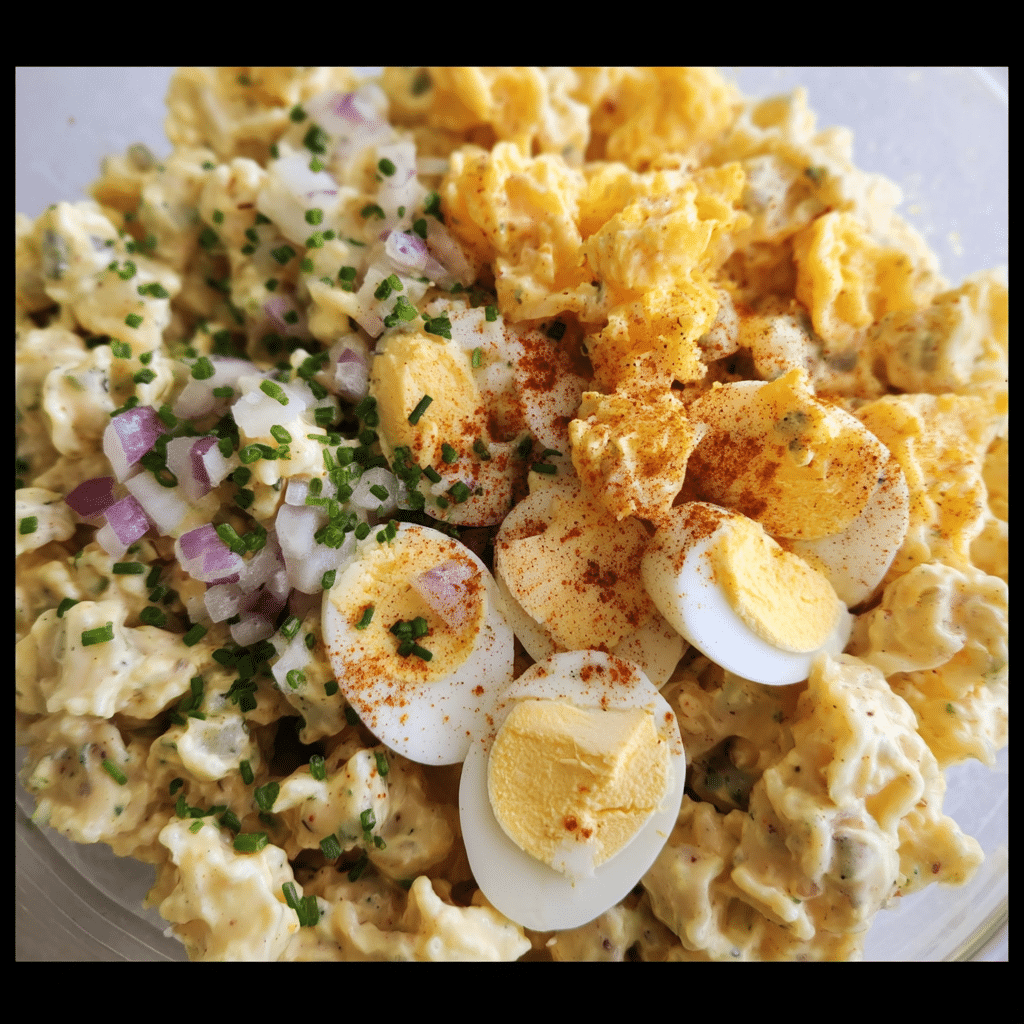
Professional Techniques
Starting with the basics, the foundation of any great deviled egg pasta is, of course, the pasta. I recommend using a short pasta shape like rotini or elbow macaroni. These shapes hold onto the creamy dressing beautifully and allow for each bite to be packed with flavor. Cook your pasta according to package instructions, but here’s the trick: to prevent it from becoming mushy, make sure to salt your boiling water generously. This not only seasons the pasta but also helps to maintain its firmness.
Once the pasta is cooked, drain it and rinse it under cold water. This stops the cooking process and helps cool it down quickly, which is essential for a salad. Here’s a little insider tip: add a splash of olive oil to the pasta as you toss it to prevent sticking and add a layer of flavor.
Now, let’s talk about the star of the show: the deviled egg filling. A classic deviled egg filling typically consists of egg yolks, mayonnaise, mustard, vinegar, salt, and pepper. To bring this into your pasta salad, you’ll want to create a similar creamy dressing. I like to mash the yolks with a fork until they are smooth, then blend them with mayonnaise and a touch of Dijon mustard for a kick. Here’s another tip: for a creamier texture, consider using Greek yogurt instead of mayonnaise, which also adds a tangy flavor.
Troubleshooting Guide
Even the most seasoned cooks encounter issues. One common problem when making deviled egg pasta is that the pasta can become gummy. If this happens, ensure you are cooking the pasta al dente, and remember to rinse it with cold water immediately after draining. If your dressing is too thick, you can thin it out with a splash of pasta cooking water or additional vinegar. For those who find their eggs are hard to peel, try using slightly older eggs, as they tend to shell more easily than fresh ones.
You might also run into a situation where your pasta salad is too dry. If you find this happening, a drizzle of olive oil or a splash of lemon juice can bring back the moisture without compromising flavor. In my experience, adjusting flavors is part of the process; don’t be afraid to taste and tweak your dressing until it’s just right.
Make-Ahead and Meal Prep Strategies
One of the best aspects of deviled egg pasta is that it can be made ahead of time. I often prepare it the night before a gathering, as flavors deepen and meld beautifully when left to sit in the refrigerator. To keep it fresh, store the pasta and dressing separately until you’re ready to serve. You can also prepare the eggs and pasta a day in advance, making assembly a breeze. Just remember to add a bit of extra dressing if the pasta seems dry after sitting in the fridge.
Scaling the Recipe Up or Down
Scaling your deviled egg pasta recipe is a breeze. If you’re cooking for a crowd, simply double the ingredients while keeping the same ratios. Conversely, if you’re cooking for one or two, you can easily halve the recipe. It’s a versatile dish that can be adjusted based on your needs, which makes it perfect for potlucks and family gatherings alike.
Presentation Tips
Now, let’s move on to the fun part: presentation! A beautiful deviled egg pasta should be an eye-catching centerpiece at any gathering. I like to serve mine in a large, shallow bowl, allowing the colors and textures to shine. Garnish with fresh herbs like chives or dill for a pop of color and freshness. You can also sprinkle a bit of paprika on top for a classic touch reminiscent of traditional deviled eggs.
Wine and Beverage Pairings
Finally, let’s talk about what to drink with your deviled egg pasta. A crisp white wine, such as a Sauvignon Blanc or a light Pinot Grigio, pairs wonderfully with the creamy texture of the pasta. If you prefer something non-alcoholic, a sparkling water with a splash of lemon can cleanse the palate beautifully. In any case, the goal is to enhance the flavors of your dish while providing a refreshing counterpoint.
In conclusion, mastering the art of deviled egg pasta requires attention to detail and a willingness to experiment. With these professional tips and techniques, you’ll be well on your way to creating a show-stopping dish that will impress friends and family alike!
Creative Variations and Adaptations of deviled egg pasta
The beauty of deviled egg pasta lies in its versatility. While the classic recipe is already a crowd-pleaser, there are countless creative variations and adaptations that can cater to different tastes, dietary needs, and seasonal ingredients. As someone who loves to experiment in the kitchen, I’ve discovered that each twist on this dish tells a unique story, reflecting personal preferences and cultural influences. Let’s explore some of these delightful variations together!
Seasonal Variations
When it comes to seasonal ingredients, there’s no shortage of options to elevate your deviled egg pasta. In the spring, consider adding fresh asparagus or peas to your salad for a burst of color and sweetness. I remember one year, I made this dish for a spring picnic, and the addition of bright green peas not only made it visually appealing but also added a delightful crunch.
In the summer, ripe cherry tomatoes and sweet corn can provide a refreshing twist. I love to roast the corn slightly to bring out its natural sweetness before tossing it with the pasta. For fall, think about incorporating roasted butternut squash or diced apples for a touch of sweetness and warmth. And come winter, you can add some roasted Brussels sprouts or even some cooked kale for a hearty, nutritious touch. Each of these seasonal ingredients not only enhances the flavor profile but also makes your deviled egg pasta a vibrant centerpiece at any table.
Dietary Adaptations
For those with dietary restrictions, there’s no need to miss out on the joy of deviled egg pasta. A keto-friendly version can be made by substituting the pasta with spiralized zucchini or shirataki noodles, creating a low-carb alternative. For a vegan option, try using avocado instead of eggs for that creamy texture. The mash of avocado with a touch of lime juice can mimic the richness of the original dish beautifully.
Gluten-free eaters can enjoy this dish by simply using gluten-free pasta varieties available in stores. The key is to ensure that your dressing ingredients are also gluten-free, which is usually the case. I once hosted a gathering for friends with varied dietary needs, and I prepared a gluten-free version that was met with rave reviews, proving that everyone can enjoy this dish regardless of dietary restrictions.
Creative Twists
Let’s get adventurous! One of my favorite creative twists on deviled egg pasta is to incorporate international flavors. For example, adding curry powder to the dressing gives it an exotic flair. Imagine the surprise on your guests’ faces when they taste a hint of curry in their pasta salad! You could also experiment with a Mediterranean version by incorporating ingredients like feta cheese, olives, and sun-dried tomatoes, giving your dish a flavorful twist that transports you straight to the Mediterranean coast.
Another fun idea is to create a spicy version by adding diced jalapeños or a splash of hot sauce to the dressing. This can bring a delightful kick to your deviled egg pasta and is perfect for those who enjoy a little heat. I have a friend who can’t resist anything spicy, and the first time I made this spicy version for her, she couldn’t stop raving about it!
Different Cooking Methods
While the traditional method of boiling pasta works beautifully, you can also explore different cooking techniques. For a smoky flavor, consider grilling the vegetables before mixing them in. If you’re short on time, a slow cooker can be a lifesaver; simply combine all the ingredients and let it meld together while you focus on other tasks. This method is particularly great for potlucks or gatherings where you want to prepare in advance.
For those who love the oven, consider baking your deviled egg pasta as a casserole. Mix the ingredients in a baking dish, top with breadcrumbs and cheese, and bake until golden and bubbly. It adds a whole new dimension to the dish while keeping the essence of deviled eggs intact.
Leftover Transformation Ideas
Leftovers are a reality in any kitchen, but with deviled egg pasta, they can be transformed into something entirely new! If you find yourself with extra pasta, consider stuffing large bell peppers with the mixture and baking them until the peppers are tender. You can also fold the leftover pasta into an omelet for a hearty breakfast the next day. The possibilities are endless, and it’s always satisfying to turn yesterday’s meal into something exciting and fresh.
In conclusion, deviled egg pasta is a versatile dish that can be easily adapted for any season, dietary requirement, or personal taste. By exploring these creative variations and adaptations, you can keep your meals exciting while still enjoying the comforting flavors of this beloved dish. So, roll up your sleeves, get creative, and let your culinary imagination run wild!
Storage, Reheating, and Meal Prep for deviled egg pasta
When it comes to preparing a delightful dish like deviled egg pasta, one of the most frequently asked questions is about storage. Whether you’ve made a big batch for a family gathering or just enough for a cozy dinner, understanding how to store, reheat, and even meal prep your deviled egg pasta can make all the difference in preserving its flavor and quality. Let’s dive into the best practices for storing this delicious salad.
Short-term Storage
After you’ve whipped up your deviled egg pasta, the first thing to consider is short-term storage. If you plan to enjoy your pasta salad within a few days, refrigeration is your best bet. Transfer the pasta salad into an airtight container. This is crucial, as it prevents moisture from getting in and keeps the pasta from absorbing odors from other foods in your fridge.
I often recommend using glass containers with tight-sealing lids because they are less likely to retain odors compared to plastic. You can also use BPA-free plastic containers if glass isn’t an option. Make sure the pasta salad is cooled down to room temperature before sealing it up; this helps prevent condensation, which can lead to sogginess.
Your deviled egg pasta will typically stay fresh in the refrigerator for up to 3 to 5 days. It’s essential to keep an eye (and nose) on it; if you notice any off smells, it’s best to err on the side of caution and discard the dish.
Freezing and Long-term Storage
If you’ve made a large batch of deviled egg pasta and want to save some for later, freezing is an excellent option. However, it is important to note that while freezing can extend the shelf life of your pasta salad, the texture of some ingredients, particularly eggs and creamy dressings, may change upon thawing.
To freeze your deviled egg pasta, first portion it into individual servings. This makes it easier to thaw just what you need later. Use freezer-safe containers or heavy-duty freezer bags. If using bags, try to remove as much air as possible before sealing to prevent freezer burn. Label each container or bag with the date and contents so that you can easily keep track of how long it’s been stored.
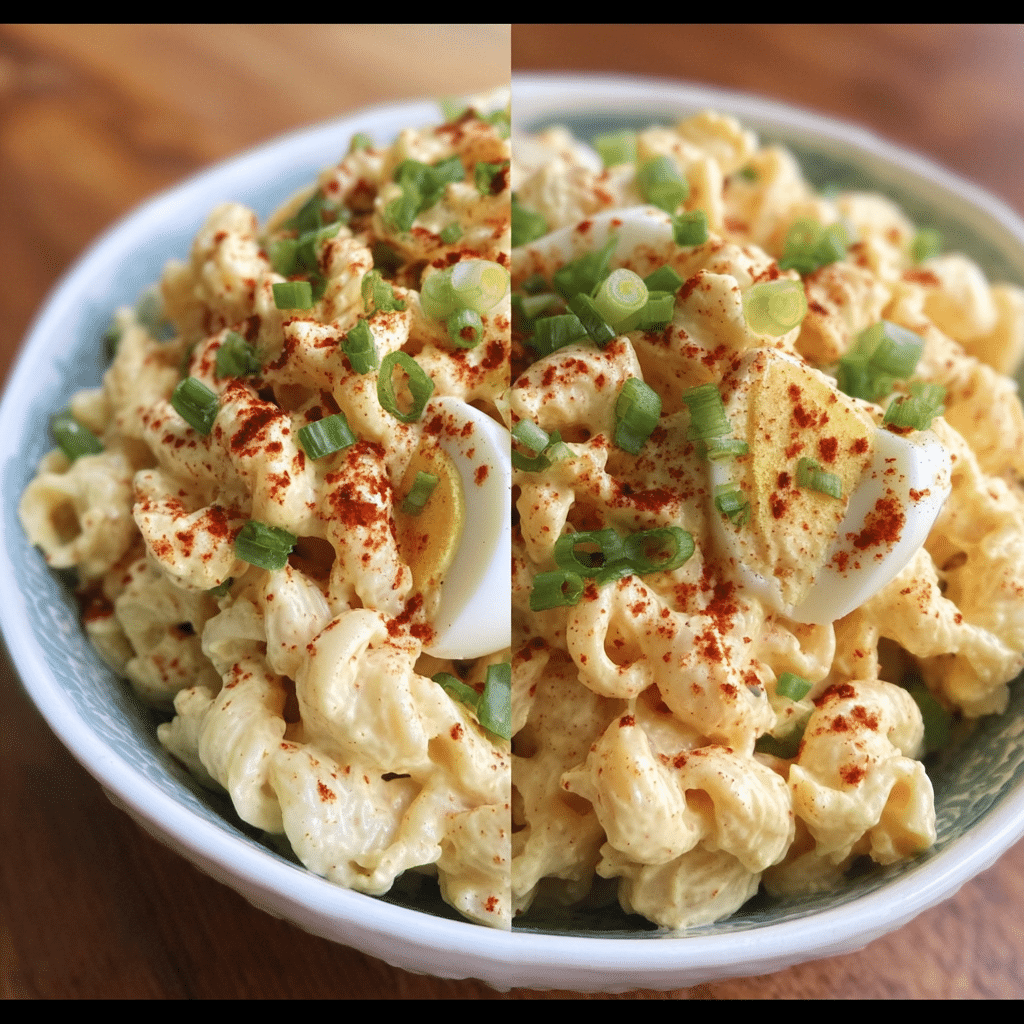
In the freezer, your deviled egg pasta can last for about 2-3 months. When you’re ready to enjoy it again, simply transfer a portion to the refrigerator to thaw overnight. If you’re in a pinch, you can also use the microwave to defrost it, but be careful not to overheat the pasta, as this can make it mushy.
Reheating Best Practices
Reheating deviled egg pasta requires some finesse to ensure you maintain its delightful taste and texture. If you’ve stored your pasta in the fridge, take it out and allow it to come to room temperature before reheating. This helps to ensure even heating and reduces the risk of the pasta becoming too soft.
You can reheat deviled egg pasta in a couple of ways. The microwave is the quickest option: place your serving in a microwave-safe dish, cover it with a damp paper towel (this helps retain moisture), and heat it in 30-second increments, stirring in between, until warmed through. I recommend not overheating, as this can make the eggs rubbery.
If you prefer a stovetop method, you can gently warm the pasta in a skillet over low heat. Add a splash of water or broth to help rejuvenate the creamy dressing and stir occasionally to heat evenly. This method takes a bit longer, but many find that it yields better results in terms of texture.
Lastly, always be mindful of food safety. Never leave your deviled egg pasta out at room temperature for more than two hours, as this can promote bacterial growth. If you’re unsure about the freshness, trust your instincts and don’t hesitate to discard it.
In conclusion, storing deviled egg pasta properly can greatly enhance your culinary experience. By following these guidelines for short-term and long-term storage, as well as reheating, you can enjoy this delicious dish at its best, whether you’re serving it fresh or rediscovering it from the freezer. Happy cooking!
Nutritional Benefits and Health Information
As we delve into the nutritional benefits of deviled egg pasta, it’s essential to understand that this dish is not only comfort food but also packed with various health benefits. With its unique blend of ingredients, deviled egg pasta offers a delightful balance of flavors and nutrients that can fit into numerous dietary plans.
Nutritional Profile
Let’s break down the typical components of deviled egg pasta. The primary ingredients usually include pasta, eggs, mayonnaise, mustard, and various seasonings. Depending on your specific recipe, the nutritional content may vary, but generally, a serving of deviled egg pasta can provide around 250-350 calories.
In terms of macronutrients, you can expect approximately 10-15 grams of protein from the eggs and pasta, which is essential for muscle repair and overall body function. The carbohydrates from the pasta provide a quick energy source, making this dish quite filling. However, it’s important to be mindful of the fat content, especially if you’re using full-fat mayonnaise. A serving could have about 15-20 grams of fat, primarily from the mayonnaise and eggs.
Health Benefits
One of the standout ingredients in deviled egg pasta is, of course, the egg. Eggs are a powerhouse of nutrition, providing high-quality protein and a range of essential vitamins and minerals. They are rich in vitamin D, which is crucial for bone health, and vitamin B12, which is important for energy production and maintaining healthy nerve cells.
Beyond eggs, the pasta can be a good source of B vitamins, particularly if you choose whole-grain varieties. These B vitamins play a vital role in energy metabolism and are key for maintaining a healthy nervous system. Additionally, the mustard in deviled egg pasta can add a punch of flavor while also providing some antioxidants.
Dietary Considerations
One of the beautiful aspects of deviled egg pasta is its versatility. While traditional recipes might call for mayonnaise, you can easily substitute it with Greek yogurt for a lighter version, boosting the protein content while reducing fat. For those on a gluten-free diet, using gluten-free pasta is an excellent option, allowing everyone to enjoy this dish without worry.
When it comes to allergens, eggs and wheat are the primary concerns. Always ensure that your guests are aware of the ingredients used, especially if you’re making this for a gathering. Some may wish to avoid eggs entirely, in which case you can experiment with egg substitutes or vegan mayo to create a similar taste profile without the allergens.
Comparatively, deviled egg pasta stands out when stacked against other pasta salads. Many pasta salads are loaded with creamy dressings high in calories and fats, while the deviled egg version offers a more balanced approach with its protein-rich ingredients. It can be a smarter choice when you want something filling yet nutritious.
In conclusion, deviled egg pasta is more than just a tasty dish; it’s also a source of essential nutrients that can fit well into various dietary lifestyles. With a few modifications, like switching to whole grain or reducing the amount of mayonnaise, you can enjoy this comforting meal while reaping its nutritional benefits. As someone who loves to experiment in the kitchen, I often find that this dish is not only a crowd-pleaser but also a nourishing option for any occasion. The balance of flavors and nutrients makes deviled egg pasta a delightful choice for both family dinners and potlucks.