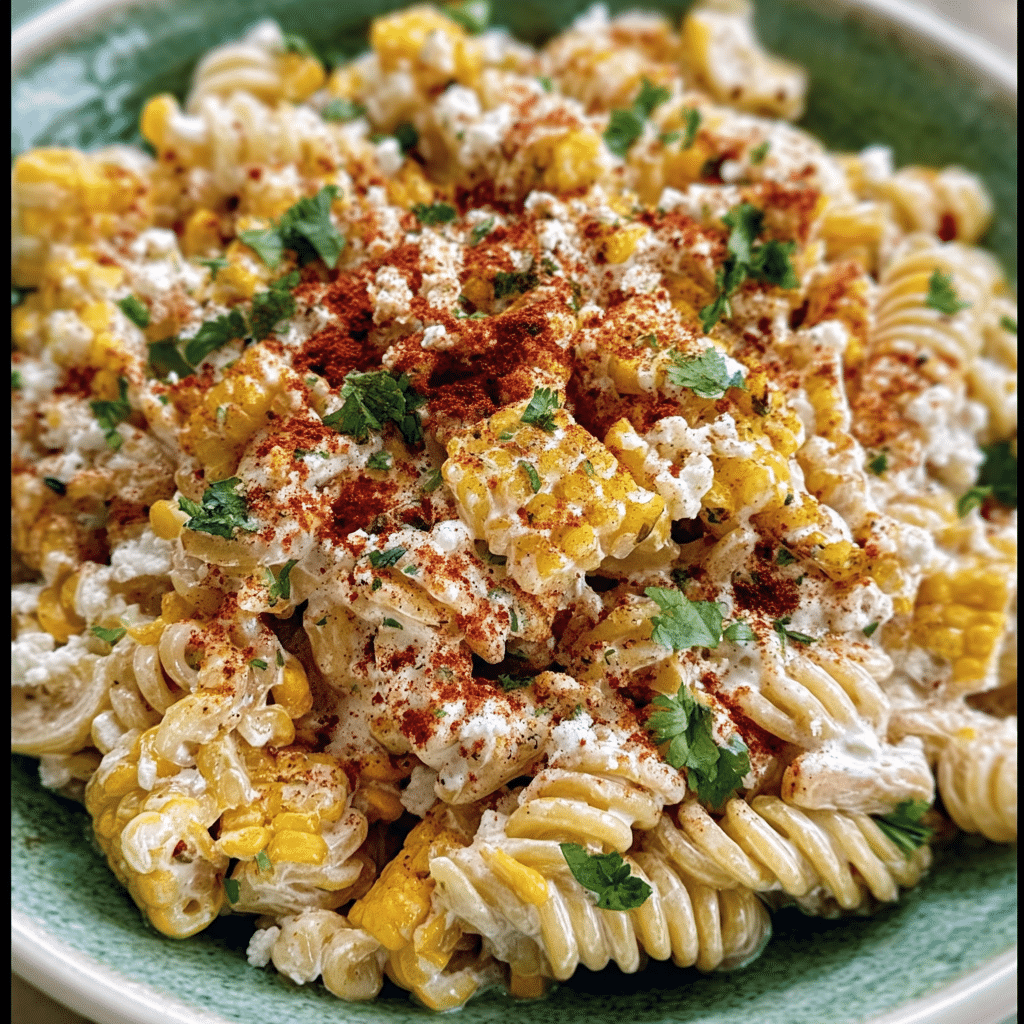
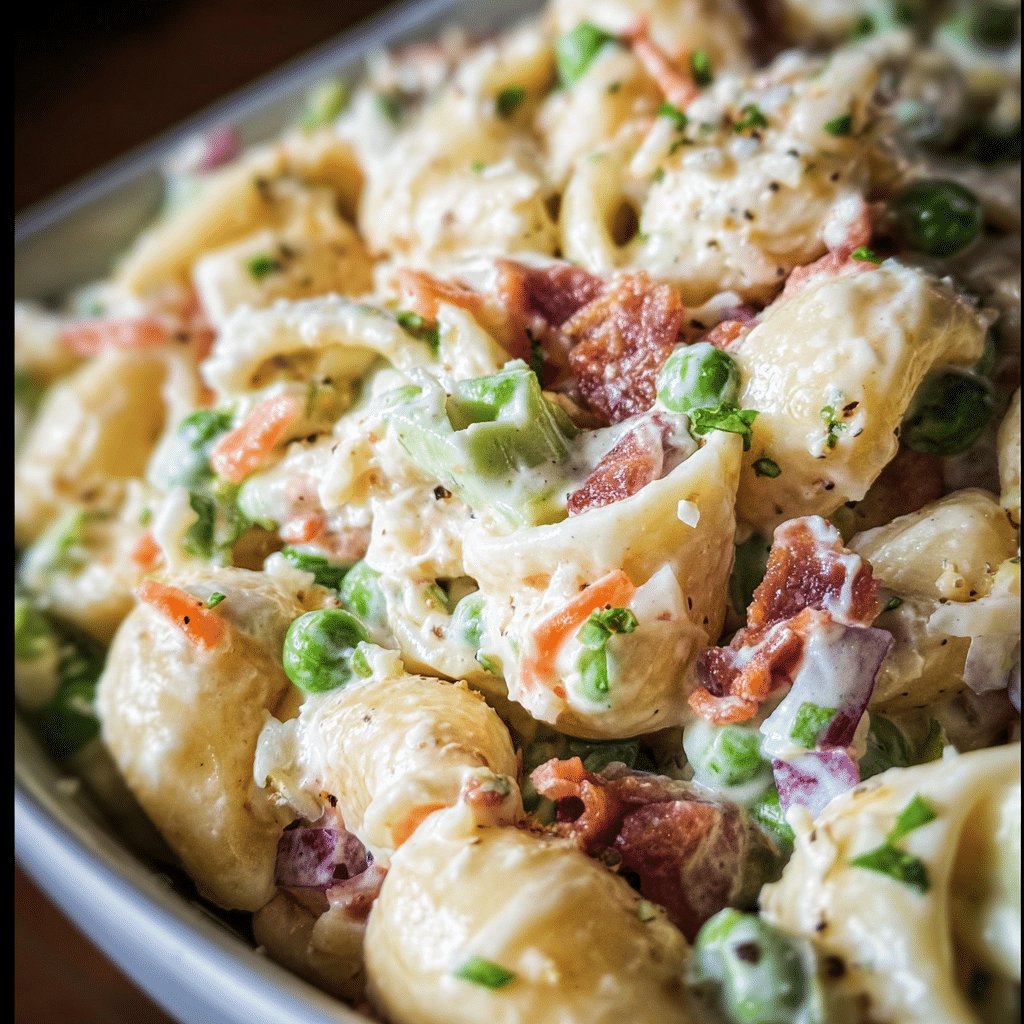
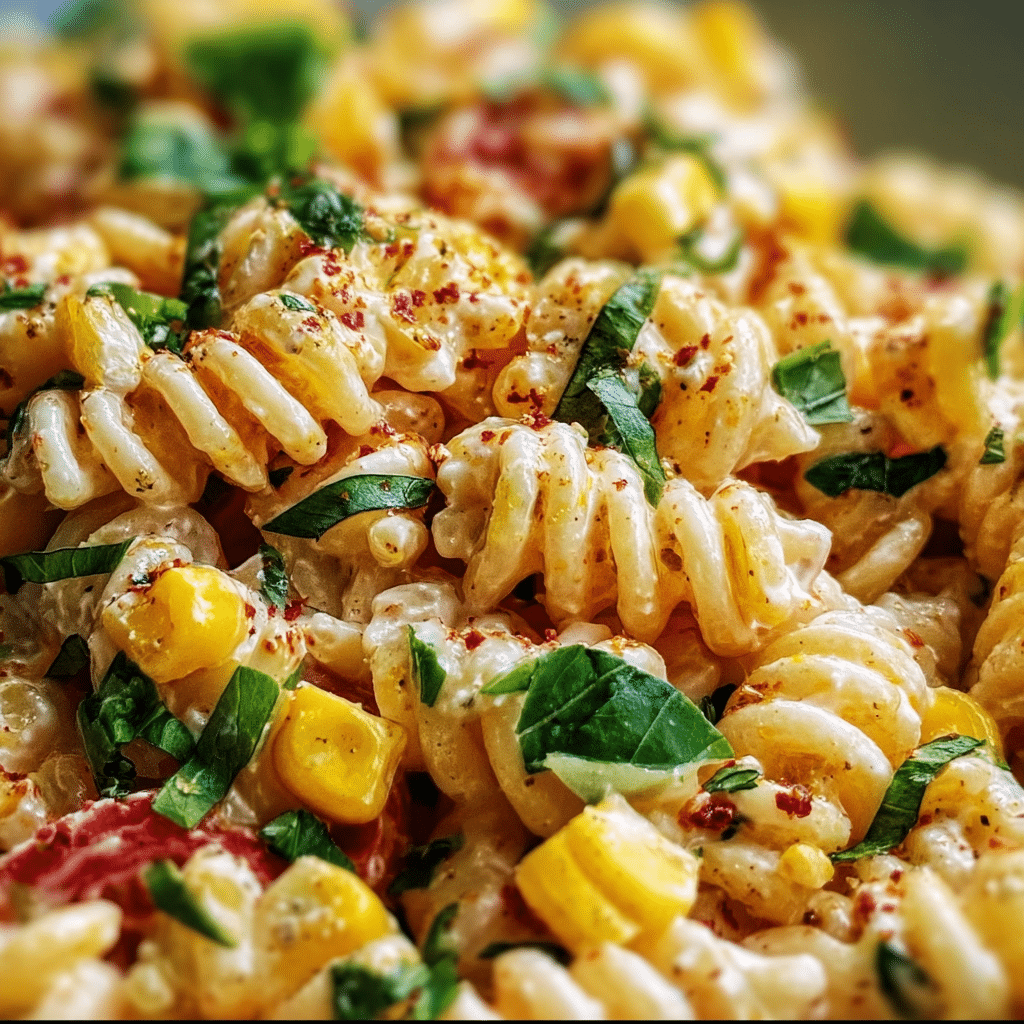
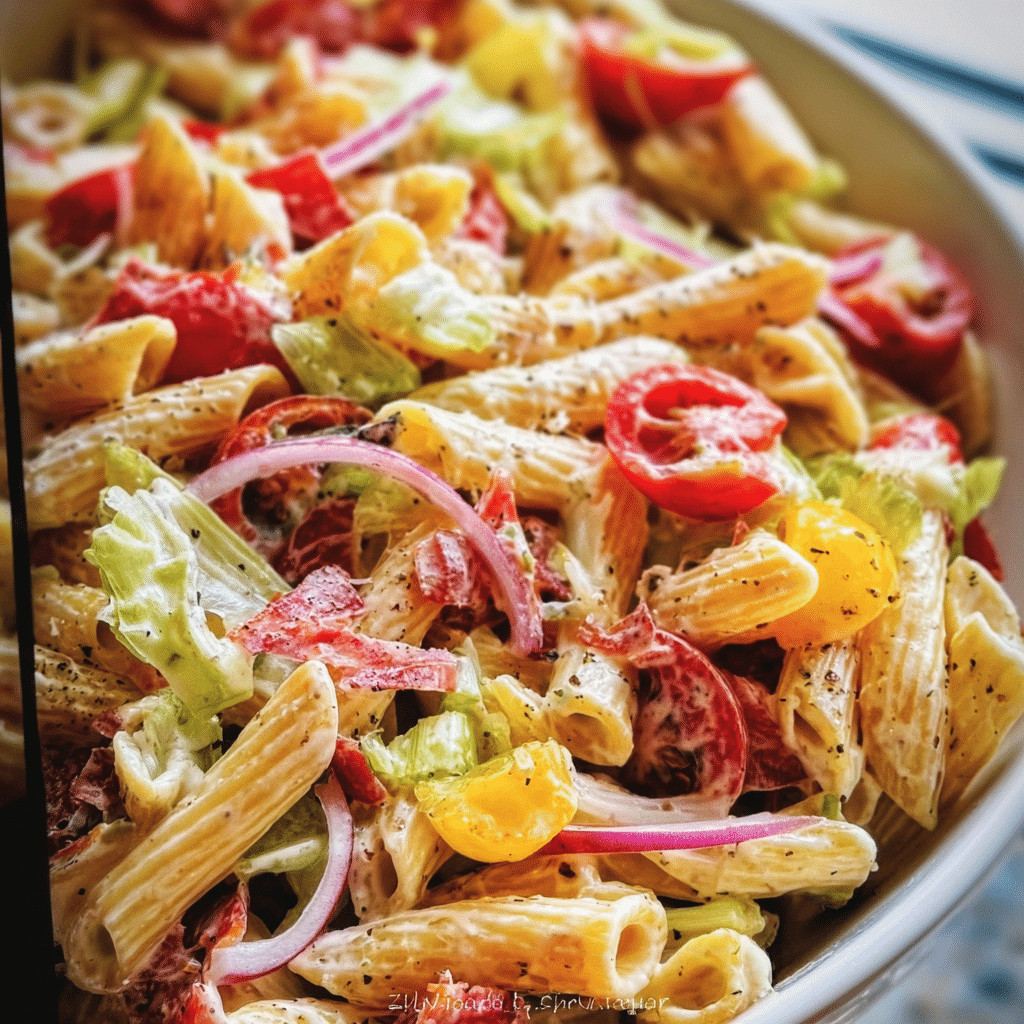
Dill pickle pasta is not just a dish; it’s a delightful experience that brings a burst of flavor and nostalgia to the table. I first stumbled upon this quirky yet delicious recipe during a particularly busy week when dinner felt like a daunting task. It was one of those evenings where the kids were cranky, the laundry was piling up, and all I could think about was how to whip up something fast and tasty. As I rifled through my pantry, I found a jar of dill pickles sitting innocently on the shelf, a relic from our last barbecue. Suddenly, inspiration struck: why not combine those tangy pickles with some pasta? The result was a surprisingly refreshing and satisfying dish that quickly became a family favorite.
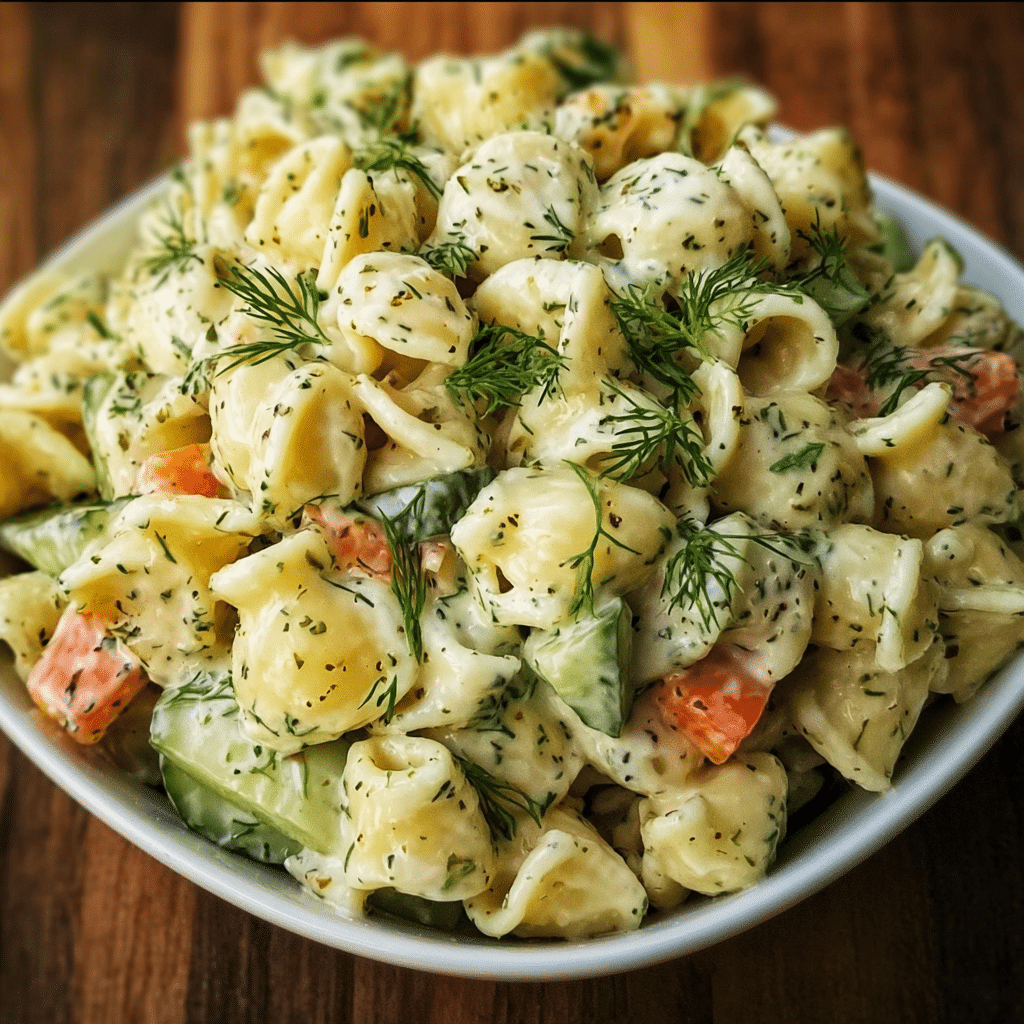
Reflecting on that moment, I realize that it wasn’t just about throwing ingredients together; it was about rekindling the joy of cooking with what you have on hand. Dill pickle pasta, with its unique blend of flavors, manages to evoke memories of summer picnics, family gatherings, and the simple pleasures of homemade meals. This dish is perfect for busy families looking for quick dinner solutions, as it comes together in a flash without sacrificing flavor or nutrition. Whether it’s a weeknight meal or a potluck dish, dill pickle pasta fits the bill.
The Story Behind This Recipe
Let’s delve into the cultural background of dill pickle pasta. This dish is a modern take on the traditional pasta salad, which has been a staple in American households since the mid-20th century. As families began to gather for picnics and barbecues, pasta salads became an easy and versatile option. What makes dill pickle pasta stand out, however, is its incorporation of dill pickles, which add a zesty crunch and a burst of flavor that elevates the entire dish. It’s this unexpected twist that makes the recipe so special.
Many people might wonder, “Why dill pickles?” Well, pickles have long been a beloved staple in American cuisine, often associated with comfort food and nostalgia. They remind us of backyard cookouts, where the tangy crunch of pickles complements grilled meats and summer salads. By incorporating them into a pasta salad, we not only pay homage to this classic but also introduce a new way to enjoy them. This dish has a way of bringing people together, sparking conversations and stories around the dinner table.
Why You’ll Love This Dish
One of the key reasons I adore dill pickle pasta is its versatility. It’s the kind of recipe that invites creativity; you can add in whatever vegetables or proteins you have on hand, making it adaptable to your family’s tastes. It’s also a dish that can be made ahead of time, allowing busy families to enjoy a stress-free meal after a long day. The flavors only get better as the salad sits, making it an ideal option for meal prep.
Seasonally, dill pickle pasta shines during the warmer months. It’s a fantastic dish to serve at summer gatherings, potlucks, or picnics. The bright, tangy flavor is refreshing on hot days, and it pairs beautifully with grilled meats or as a standalone vegetarian option. It’s a dish that embodies the spirit of summer, evoking feelings of warmth and togetherness.
Every time I serve dill pickle pasta, it brings back memories of those bustling weeknight dinners with my family. It’s more than just food; it’s a reminder of the importance of gathering around the table, sharing stories, and creating lasting memories. I promise that as you explore this recipe, you’ll not only learn how to prepare it but also discover the joy of cooking with your loved ones. So let’s dive into this culinary adventure together!
The Rich History and Cultural Significance of dill pickle pasta
The rich history and cultural significance of dill pickle pasta offer a fascinating glimpse into how food evolves and reflects the times we live in. Pasta salads as a genre emerged in the mid-20th century, during a time of convenience and innovation in American cooking. The introduction of pre-packaged ingredients and a growing interest in easy-to-prepare meals during the post-war era paved the way for pasta salads to become a household staple. Dill pickle pasta is a modern twist on this classic, showcasing how regional flavors can inspire new culinary creations.
Origins and History
The origins of pasta salad can be traced back to European traditions, where cold pasta dishes were often served at picnics and gatherings. Italian pasta salads, for example, typically feature olive oil, vinegar, and a variety of fresh vegetables. As these concepts made their way to America, they morphed into its own versions, incorporating local ingredients and flavors. Dill pickles, being a quintessential American food, made their way into pasta salads as a way to add a zesty crunch, transforming them into something uniquely American.
Dill pickle pasta, as we know it today, likely gained popularity in the 1990s, coinciding with the rise of culinary experimentation and the fusion of traditional recipes with new ingredients. As more home cooks began to explore creative ways to use pantry staples, dill pickle pasta emerged as a beloved dish, known for its bold flavors and ease of preparation. It quickly became a favorite at family gatherings, potlucks, and barbecues, where it stood out among more traditional salads.
Cultural Significance
Dill pickle pasta is more than just a dish; it represents a cultural shift towards comfort food and the fusion of flavors that define American cuisine. It’s a dish that transcends generations, often passed down from parents to children, and is embraced by families across various cultural backgrounds. The tangy, crunchy pickles evoke a sense of nostalgia, reminding us of summer picnics and family cookouts.
This dish is also significant in that it reflects the American spirit of innovation and adaptability in the kitchen. As families become busier, the need for quick and convenient meal solutions grows, and dill pickle pasta perfectly fits this narrative. It’s a dish that encourages creativity, allowing cooks to customize it based on what’s in the fridge or pantry. The cultural significance of dill pickle pasta lies in its ability to bring people together, whether at a summer barbecue or a cozy weeknight dinner.
Nutritional Benefits
Beyond its delightful taste and cultural relevance, dill pickle pasta also offers a range of nutritional benefits. Pasta, particularly when made from whole grains, provides essential carbohydrates for energy, while the addition of fresh vegetables contributes vitamins, minerals, and fiber. Dill pickles themselves are low in calories, making them a guilt-free addition that adds flavor without excess fat. They also contain probiotics, which are beneficial for gut health, especially when fermented.
Moreover, the versatility of dill pickle pasta allows for the inclusion of protein sources, such as chicken, turkey, or beans, which can enhance the nutritional profile even further. For those looking to make healthier choices, substituting traditional pasta with whole grain or legume-based pasta can boost fiber content and overall nutritional value. In this way, dill pickle pasta is not only a comforting dish but also a wholesome option that aligns with modern dietary preferences.
In summary, dill pickle pasta is a dish steeped in history and cultural significance, evolving from traditional pasta salads into a modern favorite. It reflects the adaptability of American cuisine and offers both comfort and nutrition, making it a perfect choice for families seeking quick and satisfying meal solutions. Whether enjoyed at a summer barbecue or as a quick weeknight dinner, this unique dish is sure to bring joy and flavor to your table.
Essential Ingredients for Perfect dill pickle pasta
When it comes to creating a delightful dish that marries the tangy crunch of dill pickles with the comforting nature of pasta, nothing beats a well-crafted dill pickle pasta salad. This dish is not just a side; it’s a celebration of flavors and textures that can elevate any gathering or meal. To ensure your dill pickle pasta is a resounding success, it’s crucial to start with the right ingredients. Let’s dive into the essential components that will make your dill pickle pasta shine.
Essential Ingredients
- ½ pound medium shells (about 3 cups): The foundation of your dish, medium shells are perfect for holding onto the creamy dressing and pickle juice. Their unique shape allows for the perfect bite, combining the pasta with the crunchy ingredients.
- ¾ cup sliced pickles: Dill pickles are the star of this salad, providing that quintessential tang and crunch. Choose a brand that you love or even make your own for a personal touch!
- ⅔ cup diced cheddar cheese: Cheddar adds a creamy, rich flavor that complements the tartness of the pickles. Opt for sharp cheddar for a more pronounced taste or mild cheddar for a subtler profile.
- 3 tablespoons minced white onion: The freshness and slight crunch of white onion introduce an aromatic quality to the dish. Its sharpness can be balanced with the creamy elements in the salad.
- 2 tablespoons chopped fresh dill: Fresh dill enhances the pickle flavor and adds a bright, herbal note that makes the salad feel vibrant and fresh. If you can’t find fresh dill, you can use dried dill, but the flavor will be less intense.
- ½ cup dill pickle juice: This ingredient is essential for marinating the pasta and imbuing it with that delicious pickle flavor. It’s the secret to a zesty finish!
- ⅔ cup mayonnaise: Mayonnaise serves as the creamy base for your dressing, binding all the ingredients together. Use a high-quality mayo for the best flavor.
- ⅓ cup sour cream: Sour cream adds a tangy creaminess that complements the mayonnaise and enhances the overall flavor of the salad.
- ⅛ teaspoon cayenne pepper: Just a pinch of cayenne adds a subtle heat, creating a delightful contrast with the other ingredients. Adjust to your spice preference!
- 4 tablespoons dill pickle juice: This is an additional amount of pickle juice to enhance the flavor further; it’s a little extra love for your pasta salad.
- Salt and black pepper to taste: Seasoning is crucial. Don’t forget to taste as you go to ensure that your dill pickle pasta is perfectly seasoned!
Dill Pickle Pasta Salad
Ingredients
- ½ pound medium shells about 3 cups
- ¾ cup sliced pickles
- ⅔ cup diced cheddar cheese
- 3 tablespoons minced white onion
- 2 tablespoons chopped fresh dill
- ½ cup dill pickle juice
Dressing
- ⅔ cup mayonnaise
- ⅓ cup sour cream
- ⅛ teaspoon cayenne pepper
- 4 tablespoons dill pickle juice
- salt and black pepper to taste
Instructions
- Boil pasta al dente according to package directions. Run under cold water to stop cooking.
- Toss cold pasta with about ½ cup of pickle juice and set aside for about 5 minutes. Drain & discard pickle juice.
- Combine all dressing ingredients in a small bowl and mix well.
- Toss all ingredients in a large bowl. Refrigerate at least 1 hour before serving.
Each ingredient plays a vital role in achieving the delightful balance of flavors and textures that make dill pickle pasta so special. For instance, the pickles and pickle juice provide the tangy, crisp flavor that’s essential to this dish, while the cheddar cheese adds creamy richness. The combination of mayonnaise and sour cream creates a luscious dressing that envelops the pasta and other ingredients beautifully.
Shopping Tips
When shopping for these ingredients, quality matters. For pasta, look for brands that offer semolina or whole wheat options for better flavor and texture. The pickles should be crisp and fresh; check the expiration date and avoid any jars that show signs of damage. As for cheese, consider visiting a local cheese shop or deli where you can sample different varieties. Fresh herbs like dill can often be found at farmers’ markets, which is a great way to support local agriculture while also getting the freshest possible ingredients.
Additionally, be mindful of seasonal availability. Fresh dill is typically best in the spring and summer months, so if you want to use it during the off-season, consider using dried dill instead. You can also grow your own dill at home; it’s a relatively easy herb to cultivate!
Substitutions and Alternatives
For those with dietary restrictions or preferences, there are several substitutions you can make without sacrificing flavor. If you’re looking for a gluten-free option, use gluten-free pasta, which is widely available in various shapes and sizes. For a lighter version, you could substitute Greek yogurt for the mayonnaise and sour cream, providing a similar creaminess with added protein.
If you’re vegan, there are plant-based mayo and sour cream options that can work well. For a dairy-free alternative, consider using a nut-based cheese or omitting the cheese altogether while ensuring you ramp up the flavor with additional herbs or spices.
As for the pickles, if you prefer a milder flavor, sweet pickles can be used instead of dill, but they will change the overall profile of your dill pickle pasta. Always remember to taste and adjust as you go!
Lastly, if you find yourself with leftover ingredients, store them properly to extend their shelf life. Leftover dill can be frozen, while pickles and cheese should be kept in airtight containers in the refrigerator. Mayonnaise and sour cream should also be refrigerated and consumed before their expiration dates for best quality.
Creating a delightful dill pickle pasta salad begins with these carefully selected ingredients. Each element comes together to create a dish that is not only flavorful but also a joy to prepare. So gather your ingredients and prepare to create something delicious that will surely impress your family and friends!
Detailed Step-by-Step dill pickle pasta Cooking Instructions
Preparing a delicious dill pickle pasta salad is a straightforward process, but the key to success lies in the details. This dish can be made in about 30 minutes, and with a bit of planning and some culinary know-how, you can elevate this simple salad into a crowd favorite. Let’s break down the cooking process step-by-step to ensure your dill pickle pasta turns out perfect every time.
Preparation Steps
- Gather Your Ingredients: Before anything else, gather all your ingredients on the counter. This step, known as mise en place, ensures you have everything you need and helps streamline the cooking process.
- Cook the Pasta: Bring a large pot of salted water to a boil. Add the medium shells and cook according to the package instructions until al dente, usually about 8-10 minutes. Be sure to stir occasionally to prevent sticking. Al dente pasta will hold up better in the salad and won’t become mushy after combining with the dressing.
- Drain and Rinse: Once the pasta is cooked, drain it in a colander and rinse it under cold water. Rinsing stops the cooking process and cools the pasta down, which is especially important for a salad. It also helps to prevent the pasta from becoming sticky.
- Chop and Prep Fresh Ingredients: While the pasta is cooling, take this time to slice the pickles, dice the cheddar cheese, and mince the white onion. Fresh ingredients add crunch and flavor, so be sure to chop them evenly to ensure a good distribution throughout the salad.
- Combine the Dressing: In a large mixing bowl, combine the mayonnaise, sour cream, dill pickle juice, and cayenne pepper. Using a whisk, blend these ingredients until smooth and creamy. Taste the dressing and adjust seasoning with salt and black pepper as needed. This creamy base will be the glue that holds your dill pickle pasta salad together.
Cooking Process
- Add the Pasta: Once the pasta is cooled and rinsed, add it to the mixing bowl with the dressing. Gently fold the pasta into the dressing using a spatula or wooden spoon, ensuring that all the shells are well coated.
- Incorporate the Remaining Ingredients: Next, add the sliced pickles, diced cheddar cheese, minced onion, and chopped fresh dill. Gently mix everything together until well combined. Be careful not to mash the pasta or other ingredients; you want to maintain their textures.
- Taste and Adjust: This is the moment of truth! Taste your dill pickle pasta salad and adjust the seasoning if necessary. You might want to add a bit more dill pickle juice for extra tang, more salt, or even a dash of cayenne if you like a kick.
- Chill Before Serving: For the best flavor, cover the salad with plastic wrap or transfer it to an airtight container and refrigerate for at least 30 minutes before serving. This allows the flavors to meld beautifully.
- Serve and Enjoy: Once chilled, give the salad a gentle stir before serving. You can serve it on a bed of leafy greens or on its own as a side dish. Garnish with additional dill or a sprinkle of cayenne on top for a pop of color.
Final Assembly
As you set up your serving station, consider how to present your dill pickle pasta salad. A vibrant serving bowl can elevate the dish, making it visually appealing. You might also want to provide a serving spoon for easy portioning. If you have leftovers, store them in an airtight container in the refrigerator. This salad is great for meal prep, as the flavors continue to develop over time.
Common mistakes to avoid include overcooking the pasta, which leads to a mushy texture, or not rinsing it adequately, resulting in sticky shells. Additionally, be cautious with seasoning; it’s easier to add more salt or pepper than to take it away. And remember, if you’re making this salad for a gathering, consider making a double batch—your friends and family will likely be coming back for seconds!
In conclusion, making dill pickle pasta salad is a delightful process that should be enjoyed. With the right ingredients, careful preparation, and attention to detail, you’ll create a dish that not only satisfies cravings but also brings joy to any meal. So roll up your sleeves, gather your loved ones, and enjoy the vibrant, tangy goodness of dill pickle pasta!
Professional Tips and Techniques for dill pickle pasta
When it comes to crafting the perfect dill pickle pasta, a few professional tips and techniques can elevate this dish from ordinary to extraordinary. Whether you’re a novice cook or an experienced chef, these insights will help you create a pasta salad that bursts with flavor and textures, ensuring that every bite is as delightful as the last.
Professional Techniques
The foundation of any great pasta salad lies in the quality of the ingredients and the cooking techniques employed. For dill pickle pasta, start with the pasta itself. While traditional choices include rotini or penne, consider using fresh or artisanal pasta for a unique twist. Fresh pasta cooks faster and has a delightful texture that pairs beautifully with creamy dressings.
Make sure to cook the pasta al dente. This means boiling it until it’s firm to the bite, typically a minute or two less than the package instructions recommend. A quick tip is to reserve a cup of the pasta cooking water before draining; this starchy water can be a game-changer, helping to adjust the consistency of your dressing later if needed.
Once the pasta is cooked, immediately transfer it to an ice bath to stop the cooking process. This technique not only preserves the pasta’s firmness but also cools it down quickly, making it ready for mixing with your other ingredients.
Now, let’s talk about pickles — the star of our dill pickle pasta. Choose high-quality dill pickles, whether they are homemade or store-bought. If you’re feeling adventurous, you might even try making your own pickles! The homemade variety can bring a fresh crunch and a bright flavor that store-bought versions sometimes lack. Slice them into bite-sized pieces, and don’t forget to reserve some pickle juice; it can add a tangy kick to your dressing.
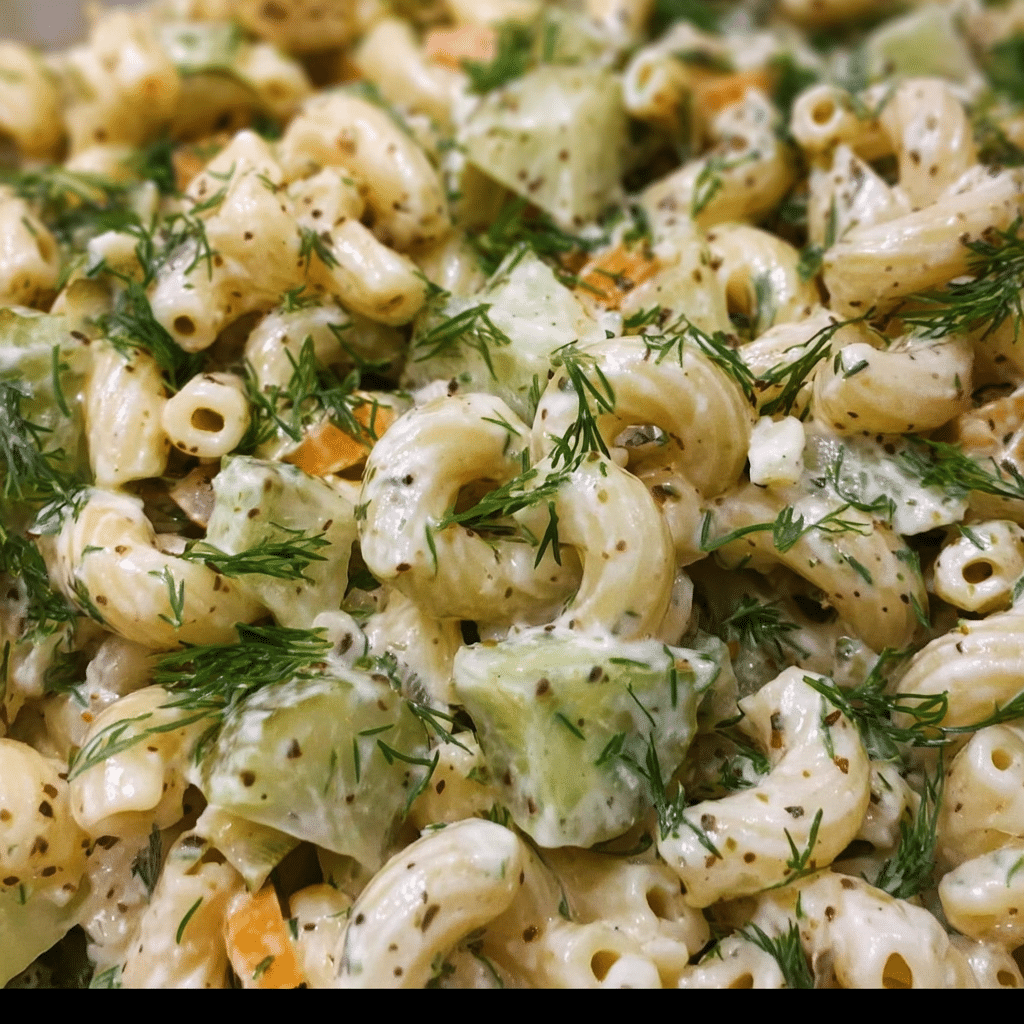
Troubleshooting Guide
Even the best chefs encounter challenges in the kitchen. Here are some common problems you might face when making dill pickle pasta and how to solve them:
- Too dry: If your pasta salad ends up too dry, simply add a splash of the reserved pasta water or additional dressing until you reach your desired consistency. The starchy water will blend seamlessly with the other ingredients.
- Unbalanced flavors: If the flavors seem off, it may be due to an imbalance of acidity and creaminess. Adjust the seasoning with more dill, a touch of sugar, or a splash of vinegar to brighten it up.
- Limpy vegetables: To keep your vegetables crisp, add them just before serving. If you’re making the salad in advance, consider using firmer vegetables like bell peppers or cucumbers instead of softer ones like tomatoes, which can release moisture and make the salad soggy.
Presentation Tips
Presentation is key when serving any dish, and dill pickle pasta is no exception. Consider using a large, shallow bowl to display the vibrant colors of your ingredients. For an added touch of elegance, garnish with fresh dill sprigs or a sprinkle of paprika for a pop of color.
To create a layered effect, start with a base of greens, like arugula or spinach, before adding the pasta salad on top. This not only adds visual appeal but also enhances the flavor profile.
Wine pairings can also elevate the dining experience. A crisp, chilled Sauvignon Blanc or a slightly off-dry Riesling complements the tanginess of the dill pickles beautifully. For a non-alcoholic option, consider a sparkling water with a wedge of lemon or lime for a refreshing touch.
Lastly, if you’re planning to serve dill pickle pasta at a gathering, consider preparing individual servings in mason jars for a charming, portable presentation. Layer the ingredients for a fun surprise for your guests when they dig in!
Creative Variations and Adaptations of dill pickle pasta
When it comes to dill pickle pasta, the possibilities are endless! This dish can take on numerous forms and flavors, allowing you to get creative in the kitchen. Here are some innovative variations and adaptations to consider, ensuring that your pasta salad remains a crowd-pleaser no matter the occasion.
Seasonal Variations
As seasons change, so too can the ingredients in your dill pickle pasta. In the summer, fresh garden vegetables like cherry tomatoes, bell peppers, and sweet corn can add brightness and sweetness. In the fall, consider incorporating roasted butternut squash or sautéed Brussels sprouts for a hearty twist. Winter brings the opportunity to add roasted root vegetables, which can deepen the flavors and add a comforting element to your dish.
Spring is perfect for including peas and asparagus, which complement the dill flavor beautifully. Think about adding fresh herbs, such as chives or parsley, to bring a burst of freshness that echoes the seasonal bounty. Each season offers unique ingredients that can transform your pasta salad and keep it exciting!
Dietary Adaptations
Adapting your dill pickle pasta to accommodate various dietary preferences is easier than you might think. For those following a keto lifestyle, consider using spiralized zucchini or spaghetti squash instead of traditional pasta. These alternatives not only cut down on carbs but also add a delightful texture to your dish.
If you’re aiming for a vegan version, swap out the mayonnaise for a plant-based alternative or a creamy avocado dressing. This substitution not only aligns with vegan diets but also adds a rich flavor profile that pairs well with the tanginess of the pickles.
For gluten-free adaptations, utilize gluten-free pasta options available in stores today, made from rice, quinoa, or chickpeas. These options can provide a similar texture without compromising on flavor.
Creative Twists
If you want to take your dill pickle pasta to the next level, consider international fusion variations. For example, a Mediterranean twist could include feta cheese, Kalamata olives, and sun-dried tomatoes, all complemented by the tangy pickle flavor. Alternatively, a spicy twist might involve adding diced jalapeños or a drizzle of sriracha for those who enjoy a little heat.
Another creative idea is to transform leftovers into a baked pasta dish. Combine your dill pickle pasta with cooked chicken and top it with cheese, then bake until golden and bubbly. This method not only provides a new meal option but also minimizes food waste.
Lastly, don’t shy away from experimenting with cooking methods. While traditional pasta salad is cold and tossed, consider using a slow cooker to create a warm version. Combine the cooked pasta with pickles, cream, and cheese, allowing the flavors to meld together as it simmers.
In conclusion, dill pickle pasta is a versatile dish that invites creativity and personalization. With the right techniques, variations, and adaptations, you can cater to any palate, making it a staple in your culinary repertoire. So roll up your sleeves, gather your ingredients, and let your imagination run wild in the kitchen!
Storage, Reheating, and Meal Prep for dill pickle pasta
When it comes to enjoying dill pickle pasta, knowing how to properly store it can make all the difference in maintaining its delightful flavor and texture. Whether you’re preparing a batch for a summer picnic or simply want to enjoy it throughout the week, understanding the best storage techniques will ensure that your dish remains tasty and safe to eat.
Short-term Storage
Once you prepare your dill pickle pasta, it’s essential to store it correctly to preserve its freshness. The best practice is to transfer your pasta salad into an airtight container. This prevents exposure to air, which can lead to dried-out ingredients and loss of flavor. If you’ve made a large batch, consider portioning it into smaller containers. This not only makes it easy to grab a quick lunch but also minimizes the number of times you open the main container, keeping the rest of the salad fresh.
In general, dill pickle pasta can be stored in the refrigerator for about 3 to 5 days. However, I’ve found that it tastes best within the first two days when the flavors are still vibrant. To avoid any potential spoilage, always check for signs of freshness. If you notice any off-putting smells or changes in texture, it’s best to err on the side of caution and discard it.
Freezing and Long-term Storage
If you want to enjoy your dill pickle pasta beyond a week, freezing is an excellent option. However, it’s important to note that freezing can change the texture of some ingredients, particularly if your pasta salad contains cucumbers or certain dairy products. To freeze your dill pickle pasta, start by ensuring it is completely cooled. Transfer it into a freezer-safe container, making sure to leave some space at the top for expansion. You can also use freezer bags, squeezing out as much air as possible before sealing.
When you’re ready to enjoy your frozen dill pickle pasta, transfer it to the refrigerator and allow it to thaw overnight. After thawing, give it a good stir, and consider adding a bit more dressing to restore moisture and flavor. Generally, frozen pasta salad can last for 1 to 2 months without losing too much quality, but for the best taste, I recommend consuming it within a month.
Reheating Best Practices
Reheating dill pickle pasta requires some finesse to maintain its delightful flavors and textures. If you’re enjoying it cold, simply take it out of the refrigerator or freezer and allow it to reach room temperature. You can also add a splash of extra dressing if it seems dry after thawing. For those who prefer their pasta warm, gently reheat it on the stove over low heat. Adding a bit of water or broth can help to revive the dish without compromising the flavors.
Be cautious with reheating, as high temperatures can cause the ingredients, particularly any dairy components, to curdle or become rubbery. I recommend avoiding the microwave for reheating dill pickle pasta, as it can unevenly heat the ingredients and alter the texture. Instead, opt for the stovetop method for the best results.
Another option for meal prep is to make the components of your dill pickle pasta ahead of time and store them separately. For instance, you can cook the pasta, chop the vegetables, and prepare the dressing all in advance. Then, when you’re ready to eat, simply combine them for a fresh and delicious meal.
Food safety is always a priority when storing any dish. Be sure to keep your dill pickle pasta refrigerated at or below 40°F (4°C). If you’re ever in doubt about the freshness of your dish, do not hesitate to throw it out. The last thing you want is to risk foodborne illness.
In terms of shelf life, homemade dill pickle pasta can be a bit unpredictable since it largely depends on the freshness of the ingredients used. As a general rule, aim for consuming your prepared salad within a week for the best quality. If you’re making it for a gathering, I suggest preparing it a day or two in advance. This not only gives the flavors time to meld but also helps you manage your time in the kitchen more efficiently.
Lastly, when packaging for storage, consider labeling your containers with the date they were made. This way, you can easily keep track of how long it’s been sitting in your fridge or freezer. Enjoying dill pickle pasta should be a delight, not a concern, so mastering storage techniques is key to savoring every bite.
Nutritional Benefits and Health Information
When diving into the world of dill pickle pasta, it’s essential to not only savor its tangy and delightful flavors but also to appreciate the nutritional benefits it brings to the table. This dish, often seen as a picnic staple, packs a punch in terms of both taste and nutrition, making it a popular choice for health-conscious eaters and food lovers alike.
Nutritional Profile
The primary ingredients of dill pickle pasta include pasta, dill pickles, mayonnaise, and various vegetables such as onions, celery, and bell peppers. Here’s a closer look at the nutritional breakdown of these ingredients. A typical serving of dill pickle pasta (about 1 cup) usually contains around 300 to 400 calories, depending on the specific recipe and portion size. The macronutrient distribution typically includes around 10-15 grams of protein, 15-20 grams of fat, and 40-50 grams of carbohydrates.
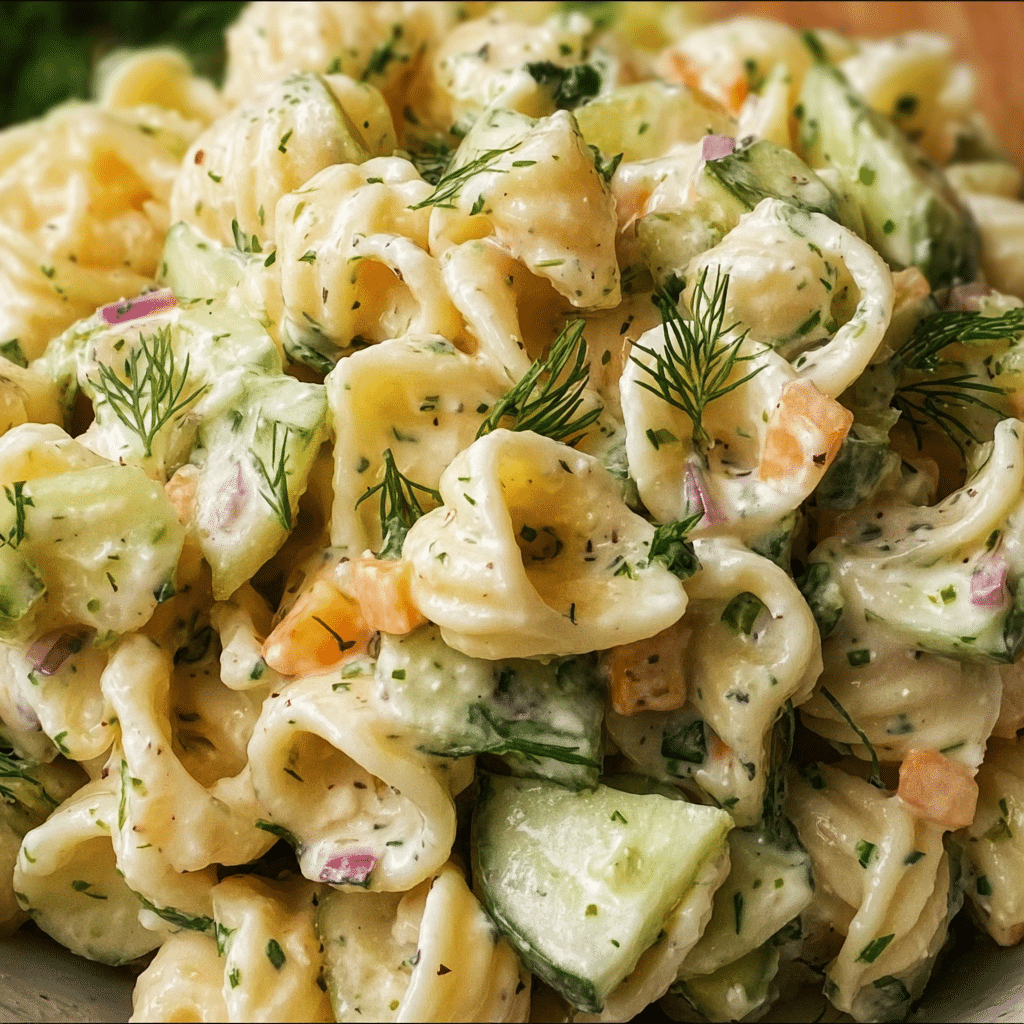
Pasta, the star of this dish, is primarily a source of carbohydrates, providing energy for your daily activities. Whole grain or legume-based pasta options can enhance the fiber content significantly, which is essential for digestive health. Meanwhile, the addition of dill pickles contributes a unique flavor profile, as well as being low in calories and high in sodium, which is important to consider for those monitoring their salt intake.
Health Benefits
Beyond just calories and macronutrients, dill pickle pasta offers several health benefits, largely due to its ingredients. Dill pickles are renowned for their probiotic content, especially if you choose fermented varieties. Probiotics are beneficial bacteria that promote gut health, enhance digestion, and may even boost your immune system. Additionally, the inclusion of fresh vegetables not only adds crunch and flavor but also contributes essential vitamins and minerals. For instance, bell peppers are high in vitamin C, while celery provides hydration and a good dose of Vitamin K.
Moreover, incorporating healthy fats, like those found in mayonnaise or Greek yogurt, can aid in the absorption of fat-soluble vitamins such as A, D, E, and K from the vegetables included in your dill pickle pasta. This synergy between ingredients creates a well-rounded dish that not only satisfies your palate but also nourishes your body.
Dietary Considerations
For those with specific dietary restrictions, dill pickle pasta can be easily modified to fit various needs. If you’re looking for a gluten-free option, consider using gluten-free pasta made from rice or quinoa. For a lighter version, you can swap traditional mayonnaise for Greek yogurt or a vegan mayonnaise alternative. This substitution not only reduces calories but also enhances the protein content, making it a great choice for those watching their diet.
Another important consideration is allergen information. Traditional recipes may include dairy products, so if you or someone you’re serving has lactose intolerance, it’s advisable to opt for lactose-free alternatives. Always be mindful of any other allergens, such as nuts or specific grains, and consider labeling your dish if serving to guests to ensure everyone can enjoy it safely.
In terms of fitting dill pickle pasta into various diet plans, it can serve as a versatile option. For those on a Mediterranean diet, the use of olive oil instead of mayonnaise and incorporating more vegetables aligns perfectly with the dietary guidelines. Similarly, it can be enjoyed in moderation by those on a low-carb or ketogenic diet by adjusting the pasta portion and increasing non-starchy vegetables.
When comparing dill pickle pasta to similar dishes, such as traditional macaroni salad, it often comes out on top in terms of flavor and nutritional value. The tanginess of the dill pickles adds a unique twist that standard macaroni salad lacks, while also incorporating probiotics for gut health. Ultimately, dill pickle pasta stands as a delicious option that not only satisfies cravings but also contributes positively to your overall well-being.
In conclusion, dill pickle pasta is not just a tasty dish to enjoy at gatherings or family meals; it’s a nutritious option that can be tailored to meet various dietary needs. By understanding its nutritional profile, health benefits, and how to modify it for specific diets, you can confidently serve this delightful dish knowing it’s as good for your health as it is for your taste buds.