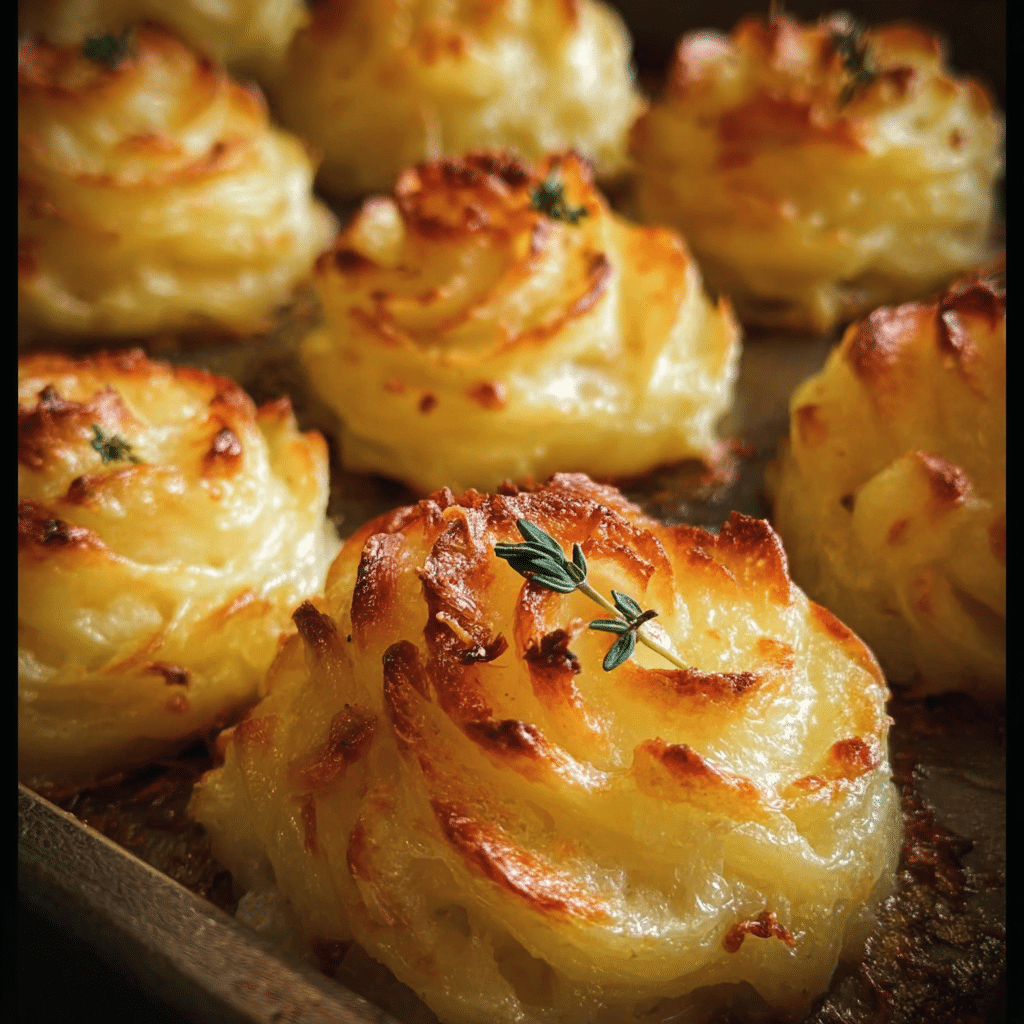
Duchess potatoes are one of those culinary delights that not only satisfy your taste buds but also evoke a sense of nostalgia and warmth. I still remember the first time I encountered this elegant dish at a family gathering. My Aunt Marge, a self-proclaimed cooking aficionado, had whipped up a batch for our holiday dinner. As I took my first bite, the creamy and fluffy texture, combined with the delicate flavor and golden-brown edges, transported me to a cozy world of comfort food. It was a moment of sheer joy, and from that day forward, duchess potatoes have held a special place in my heart and my kitchen.
The Story Behind This Recipe
As a busy parent, I often find myself juggling work, family, and the never-ending task of meal prep. Duchess potatoes have become my secret weapon in the kitchen. Not only do they look impressive, but they’re also a fantastic way to elevate any meal, turning the ordinary into the extraordinary. The beauty of duchess potatoes lies in their versatility; they can be served alongside a simple roast chicken or as a stunning side for a more elaborate celebration. The memories of those family gatherings remind me that food is not just about sustenance but about creating moments that we cherish.
The origins of duchess potatoes are steeped in French culinary tradition, dating back to the 18th century. The name itself is a nod to the elegance associated with nobility, as the dish was often served at banquets and feasts for the aristocracy. This backstory adds a layer of sophistication to an otherwise simple dish, and it’s fascinating how food can tell us stories about culture and history.
Why You’ll Love This Dish
If you’re looking for a quick dinner solution that doesn’t compromise on taste or presentation, duchess potatoes are your answer. They can be prepared ahead of time and popped in the oven right before serving, making them perfect for busy families. Imagine coming home after a long day, assembling a simple protein and vegetable, and then pulling out a tray of golden duchess potatoes that look as if they were crafted by a professional chef. It’s a win-win situation that will impress your family and guests alike.
Seasonal relevance is another reason to adore duchess potatoes. Whether it’s winter holidays, spring gatherings, or summer barbecues, this dish adapts beautifully to any occasion. The use of rich, buttery potatoes in the colder months feels like a warm hug, while the lightness of the dish adds a refreshing touch to summer meals. Each bite is a reminder of the changing seasons and the joy of gathering around the table with loved ones.
For me, duchess potatoes are more than just a side dish; they carry emotional weight. They remind me of family traditions, laughter, and shared meals that linger long after the last bite. Each time I make them, I feel a connection to my past and an excitement for the memories yet to be created. I promise you that by the end of this guide, you will not only learn how to make duchess potatoes but also understand the rich tapestry of history and emotion woven into every bite.
The Rich History and Cultural Significance of duchess potatoes
The rich history and cultural significance of duchess potatoes are as layered and complex as the dish itself. Originating from France, the recipe was initially crafted during the reign of King Louis XIV, often considered the father of French cuisine. The elegant presentation and refined flavors of duchess potatoes made them a staple in the kitchens of the French aristocracy. They were not only a delicious accompaniment to various main courses but also a way to showcase culinary skill and artistry. Over the years, the dish has transcended its royal roots, becoming beloved in homes and restaurants worldwide.
Origins and History
Duchess potatoes were born out of a need for a dish that was both practical and visually stunning. The technique involves mashing potatoes and then enriching them with butter, cream, and egg yolks, giving the mixture a luxurious texture. Once piped into decorative shapes and baked until golden, they create an impressive side that elevates any meal. The method of piping, reminiscent of pastry techniques, reflects the French influence on culinary arts, where presentation is just as crucial as flavor.
Over time, variations of duchess potatoes have emerged. In some regions, chefs add herbs, cheese, or spices to enhance the flavor profile, while others may incorporate different types of potatoes for a unique twist. These adaptations showcase the dish’s versatility and allow it to fit seamlessly into different cultural cuisines. For instance, in some Eastern European countries, you might find duchess potatoes infused with garlic or served alongside traditional dishes like roast pork or beef stroganoff.
Cultural Significance
Duchess potatoes hold a special place in many culinary traditions. In France, they are often served during festive occasions, such as weddings and holiday feasts, symbolizing luxury and celebration. The dish has also made its way into American cuisine, particularly during Thanksgiving and Christmas dinners, where families gather around the table to share not just food but also stories and laughter. Serving duchess potatoes during these gatherings adds a touch of elegance and thoughtfulness that resonates with family and friends alike.
Moreover, the rise of celebrity chefs and cooking shows has further popularized duchess potatoes, bringing them into the homes of everyday cooks. Renowned figures such as Julia Child and Gordon Ramsay have featured this dish in their culinary teachings, showcasing its adaptability and timeless appeal. Their recipes often incorporate personal flair, encouraging home cooks to experiment and create their interpretations of this classic dish.
Nutritional Benefits
While duchess potatoes may appear indulgent, they can also offer nutritional benefits when prepared thoughtfully. Potatoes are an excellent source of vitamins C and B6, potassium, and dietary fiber. When combined with healthy fats from butter and cream, duchess potatoes can provide a satisfying and nourishing side dish. Additionally, by using smaller portions, you can enjoy the rich flavors without overindulging. The beauty of this dish is that it can easily be made healthier by substituting ingredients, such as using olive oil instead of butter or incorporating sweet potatoes for added nutrition.
In conclusion, duchess potatoes represent a harmonious blend of history, culture, and culinary artistry. They are a testament to how food can connect us to our past while creating new memories for the future. Whether you’re looking to impress your guests or simply enjoy a comforting meal with family, duchess potatoes are sure to deliver a delightful experience that resonates far beyond the plate.
Essential Ingredients for Perfect duchess potatoes
Duchess potatoes are a classic French dish that combines the comforting flavors of mashed potatoes with a touch of elegance. This dish is not only a delight to the taste buds but also a feast for the eyes, thanks to its beautifully piped shape and golden-brown top. To create the perfect duchess potatoes, it is essential to select the right ingredients, as each plays a crucial role in achieving the ultimate flavor and texture. Let’s delve into the essential ingredients that make this dish a standout.
Essential Ingredients
- Potatoes: 2 pounds of russet or Yukon gold potatoes
- Butter: 4 tablespoons of unsalted butter
- Cream: 1/2 cup of heavy cream
- Eggs: 2 large eggs (plus 1 egg for egg wash)
- Salt: 1 teaspoon of kosher salt (adjust to taste)
- Pepper: Freshly ground black pepper to taste
- Nutmeg: A pinch of freshly grated nutmeg (optional)
- Parmesan Cheese: 1/2 cup of grated Parmesan (optional for added flavor)
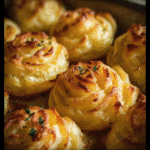
Duchess Potatoes
Ingredients
- 3 pounds russet potatoes, peeled and quartered
- 3 tablespoons cold unsalted butter
- 2 teaspoons kosher salt, or to taste
- 1 pinch cayenne pepper
- 1 pinch ground nutmeg
- ⅓ cup cream
- 3 large egg yolks
- 2 tablespoons melted butter
Instructions
- Add potatoes to a large pot of very well salted cold water and bring to a boil over high heat. Reduce heat to medium-low and simmer until potatoes are very tender but not falling apart, 30 to 45 minutes. Drain very well, and let sit in strainer for at least 5 minutes.
- Transfer to a bowl, and mash potatoes until smooth. Add 3 tablespoons butter, salt, cayenne, and nutmeg, and continue mashing and mixing until butter completely disappears and mixture is smooth.
- Add cream and egg yolks, and whisk vigorously until mixture is very smooth. Taste to check seasoning and adjust to your liking. Cover and let mashed potatoes cool to room temperature.
- Preheat the oven to 450 degrees F (220 degrees C). Line a baking sheet with parchment paper.
- Spoon mixture into a piping bag. Pipe 12 portions on the prepared baking sheet (alternatively you can scoop out 12 portions). Chill potatoes in the refrigerator until you’re ready to bake them.
- Drizzle or lightly brush melted butter over each duchess potato.
- Bake in the preheated oven until well browned, about 20 minutes.
Each ingredient in this list plays a vital role in the creation of duchess potatoes. The potatoes, of course, are the star of the show. Opt for starchy varieties like russet or Yukon gold, as they yield a fluffy texture when mashed. The butter and cream contribute rich flavor and creaminess, while eggs help bind the mixture together, allowing for easy piping. Seasonings like salt, pepper, and nutmeg elevate the dish, giving it a depth of flavor that’s simply irresistible. Adding Parmesan cheese can provide an extra umami punch, making your duchess potatoes even more decadent.
Quality Indicators and Selection Tips
When it comes to selecting potatoes, look for those that are firm and free from blemishes. Avoid any that have sprouted or have soft spots, as these indicate age and poor quality. For butter, choose unsalted to have better control over the seasoning of your dish. Heavy cream should be fresh and free from any off-smells; check the expiration date. For eggs, opt for organic, free-range varieties when possible, as they tend to have richer flavors. Lastly, fresh nutmeg is always preferable; the whole nutmeg can be grated as needed for maximum flavor.
Seasonal Availability and Sourcing Tips
Potatoes are typically available year-round, but their peak season is in the late summer and early fall. This is when they are most flavorful and at their best quality. For butter and cream, local farmers’ markets often supply high-quality dairy products, especially from artisanal producers. Eggs can also be sourced from local farms, which not only supports your community but often results in fresher and tastier options.
Substitutions and Alternatives
If you have dietary restrictions or preferences, there are several substitutions you can consider. For a dairy-free version, you can replace the butter with olive oil or vegan butter and use coconut cream or almond milk as a substitute for heavy cream. If you are looking to reduce calories, consider using Greek yogurt instead of cream for a tangy twist. For the egg component, aquafaba (the liquid from canned chickpeas) can be a surprising yet effective binder.
Storage Tips
When storing your ingredients, keep potatoes in a cool, dark place, away from light, as exposure can cause them to sprout. Butter can be stored in the refrigerator for several months, while heavy cream should be used within a week or two after opening. Eggs can last several weeks in the fridge, but always check the expiration date. If you have leftover duchess potatoes, they can be stored in an airtight container in the fridge for up to three days, or frozen for longer storage. Just be sure to reheat them gently to avoid drying them out.
Cost-Saving Tips and Budget Alternatives
To save on costs, consider purchasing ingredients in bulk or during sales. Potatoes are often affordable, especially when bought in larger quantities. Buying store brands for butter, cream, and eggs can also help you stick to your budget without sacrificing quality. If you’re growing your own herbs or vegetables, that can also significantly cut costs while enhancing your dish with fresh flavors.
In conclusion, the ingredients for duchess potatoes are simple yet essential in creating a dish that is both comforting and sophisticated. By selecting high-quality ingredients and being mindful of seasonal availability, you can ensure your duchess potatoes are a hit at your next gathering.
Detailed Step-by-Step duchess potatoes Cooking Instructions
Detailed Step-by-Step Duchess Potatoes Cooking Instructions
Creating the perfect duchess potatoes is a rewarding culinary endeavor that combines technique and artistry. This elegant dish is a testament to the magic of simple ingredients transformed into something spectacular. Follow these detailed instructions to master the art of making duchess potatoes, ensuring a successful outcome every time.
Preparation Steps
- Gather Your Ingredients: Start by assembling all your ingredients listed in the previous section. Ensure your potatoes are washed and peeled, ready for cooking.
- Prep Your Equipment: You will need a large pot for boiling, a ricer or potato masher for mashing, a mixing bowl, a piping bag fitted with a large star tip, and a baking sheet lined with parchment paper.
- Cut Potatoes: Cut your peeled potatoes into equal-sized chunks (about 1-2 inches) to ensure even cooking.
Cooking Process
- Boil the Potatoes: Place the cut potatoes into a large pot and cover them with cold water. Add a generous pinch of salt to the water. Bring to a boil over high heat, then reduce to a simmer. Cook for about 15-20 minutes or until the potatoes are fork-tender.
- Drain and Dry: Once cooked, drain the potatoes in a colander. Allow them to sit for a few moments to steam dry. This step is crucial to avoid watery duchess potatoes.
- Mash the Potatoes: Pass the hot potatoes through a ricer into a mixing bowl, or use a potato masher to achieve a smooth consistency. Avoid over-mashing to prevent them from becoming gummy.
- Add Butter and Cream: While the potatoes are still warm, add the unsalted butter and heavy cream. Mix until well combined and creamy.
- Incorporate Eggs and Seasoning: Crack in the eggs, adding them one at a time, and mix thoroughly. Season with salt, pepper, and nutmeg (if using). At this point, if you’re using Parmesan cheese, fold it in gently.
- Taste and Adjust: Always taste your mixture before piping. Adjust seasonings if necessary. The warm mixture will have a different flavor than when cooled, so it’s important to get it right now.
Final Assembly
- Preheat the Oven: Preheat your oven to 425°F (220°C). This high temperature will give your duchess potatoes a beautiful golden color.
- Pipe the Potatoes: Transfer the potato mixture into a piping bag fitted with a large star tip. Pipe small mounds onto the prepared baking sheet, spacing them about 2 inches apart. Aim for a decorative swirl to create that classic duchess look.
- Egg Wash: Beat the additional egg in a small bowl and brush it gently over the tops of the piped potatoes. This egg wash will help achieve a golden-brown finish.
- Bake: Place the baking sheet in the preheated oven and bake for about 20-25 minutes, or until the tops are golden brown and slightly crispy.
- Serve Immediately: Once baked, remove the duchess potatoes from the oven and serve them hot. They make an excellent side dish for chicken, beef, pork, or seafood.
Throughout this process, visual cues play a critical role. The potatoes should be creamy and smooth before piping; if they are too thick, add a bit more cream. The egg wash should glisten, and the potatoes should puff up and become golden in the oven. Common mistakes to avoid include overcooking the potatoes (which can lead to a gummy texture) and under-seasoning. Remember that the quality of your ingredients will shine through in the final dish.
Finally, timing is everything when it comes to serving. Duchess potatoes are best enjoyed freshly made, but you can prepare them in advance and reheat gently in the oven before serving. This dish is not only a crowd-pleaser but also a beautiful way to showcase your culinary skills. With practice, you will find yourself mastering this classic French dish, bringing a touch of elegance to your dining table.
Professional Tips and Techniques for duchess potatoes
When it comes to preparing duchess potatoes, having a solid understanding of professional techniques can elevate your dish from simple to spectacular. These elegant, piped potato mounds are not only a feast for the eyes but also a delight for the palate. Here, I’ll share some insider secrets that will help you achieve the perfect duchess potatoes every time, along with troubleshooting tips, presentation ideas, and even beverage pairings.
Professional Techniques
First and foremost, the choice of potato is crucial when making duchess potatoes. The ideal choice is a starchy variety, such as Russet or Yukon Gold potatoes. These types yield a fluffy texture that is essential for a smooth mixture. Begin by peeling and cutting your potatoes into uniform pieces before boiling them in salted water. This ensures they cook evenly and absorb flavor.
Once your potatoes are fork-tender, drain them thoroughly and return them to the pot over low heat for a minute. This step not only helps evaporate any excess moisture but also enhances the potato’s flavor. Now, it’s time to mash! Use a potato ricer or a food mill for the smoothest consistency. A standard potato masher will do in a pinch, but the silkiness of a ricer will truly take your duchess potatoes to the next level.
Next, you’ll want to incorporate eggs into your mixture. It’s important to let your mashed potatoes cool slightly before adding the eggs to avoid scrambling them. A common ratio is about two large eggs for every pound of potatoes, but feel free to adjust based on your desired richness. For added flavor, consider mixing in some grated cheese, like Gruyère or Parmesan, or fresh herbs such as chives or parsley.
Troubleshooting Guide
Even seasoned cooks encounter hiccups when preparing duchess potatoes. One common issue is a mixture that is too dry or too wet. If your potatoes are too dry, consider adding a bit of cream or butter until you reach your desired consistency. Conversely, if your mixture is too wet, you might try adding a little more potato or even some breadcrumbs to help bind it.
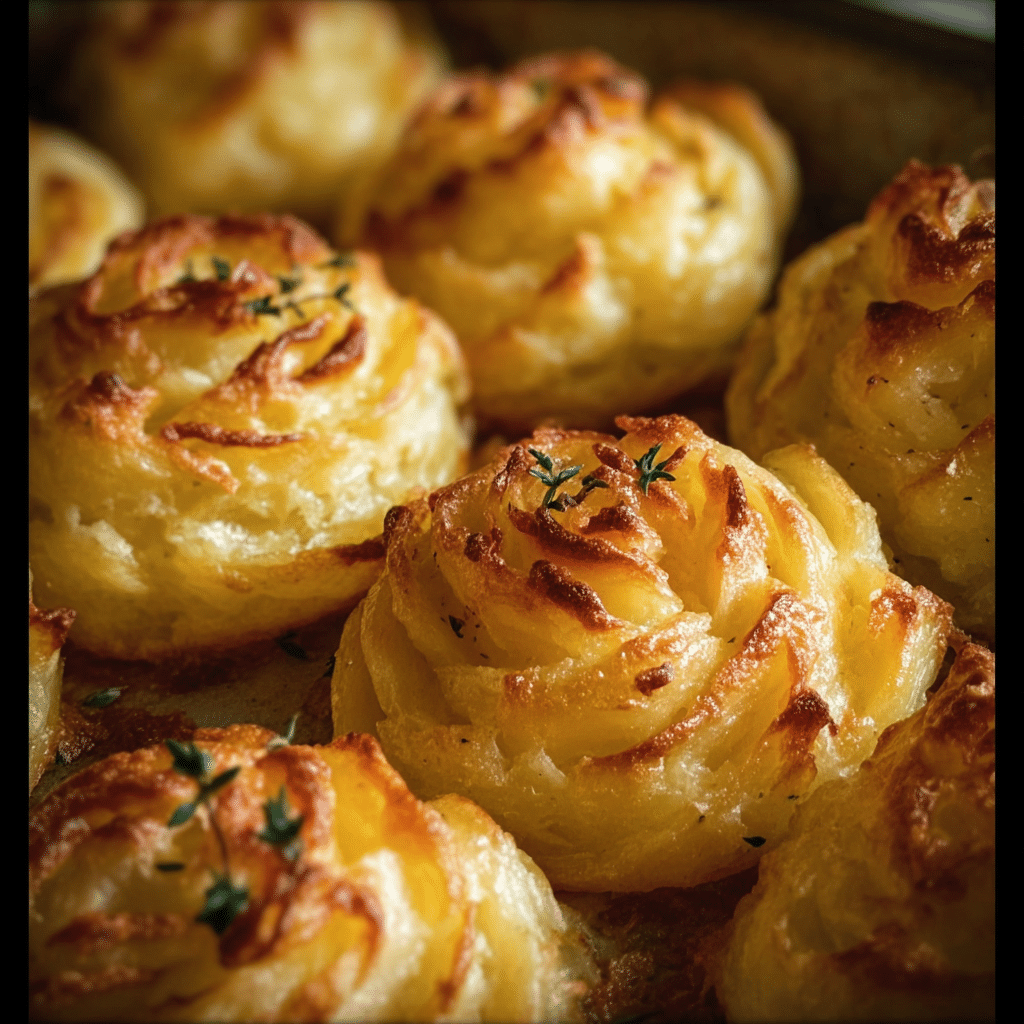
Another frequent dilemma is the piping process. If you find your duchess potatoes are not holding their shape when piped, your mixture may be too soft. To correct this, refrigerate the mixture for about 30 minutes before attempting to pipe. This will help firm it up. Using a star tip will create those lovely ridges that not only enhance the visual appeal but also allow for better browning in the oven.
Presentation Tips
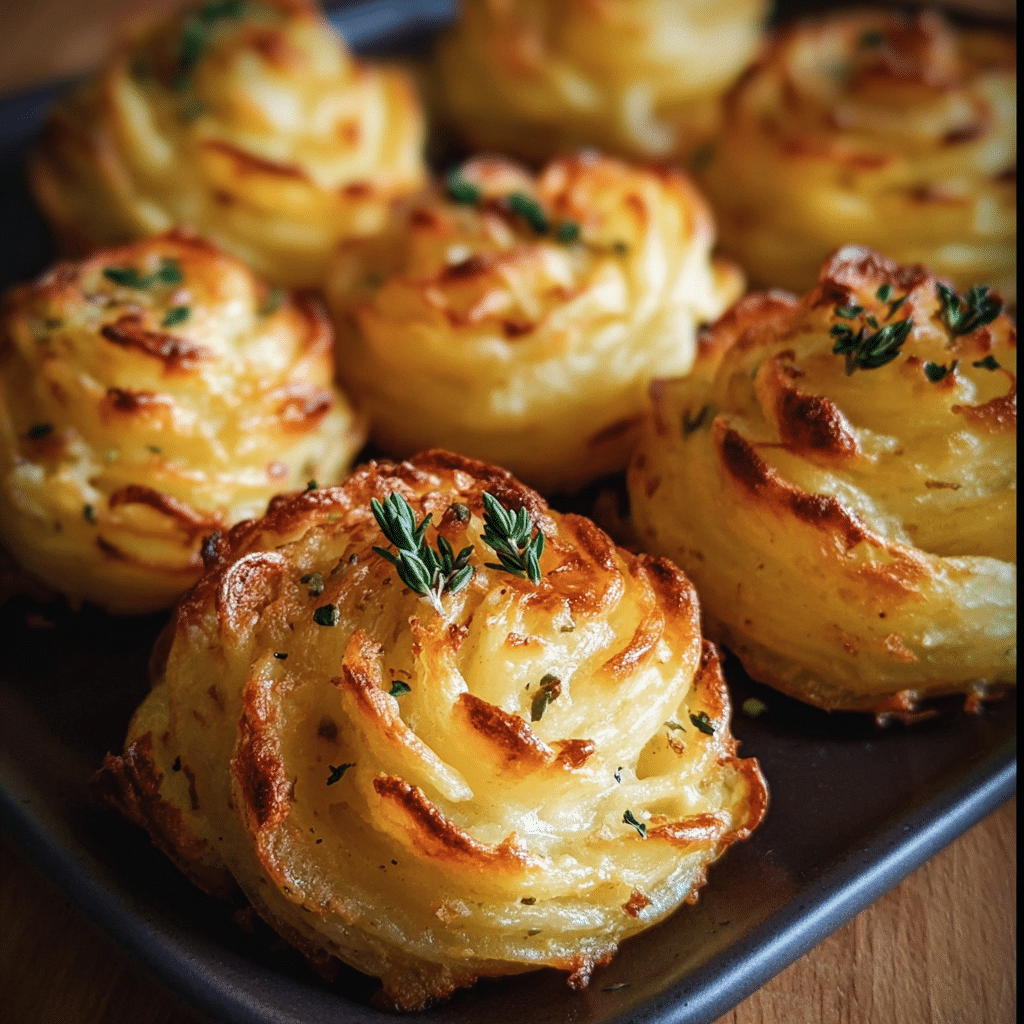
Presentation is key when it comes to duchess potatoes. Once piped onto a baking sheet, brush them with a little egg wash to achieve that golden-brown finish. You can also sprinkle them with fresh herbs or a light dusting of smoked paprika for an extra pop of color and flavor.
For an elegant touch, consider serving duchess potatoes in a ramekin alongside a protein like roast chicken or beef wellington. The combination of textures and flavors will create a dish that looks as stunning as it tastes. Pairing duchess potatoes with a rich, full-bodied wine such as a Cabernet Sauvignon or a creamy Chardonnay can create a harmonious balance on the palate. The richness of the potatoes complements the depth of the wine beautifully.
For meal prep, consider making the duchess potato mixture a day in advance. Store it in an airtight container in the fridge, and then pipe and bake just before serving. This allows you to enjoy your time with guests rather than being stuck in the kitchen. Scaling the recipe up or down is straightforward; simply adjust the amounts of potatoes and eggs while maintaining the same ratios.
Creative Variations and Adaptations of duchess potatoes
Duchess potatoes are a versatile and delightful dish that can be adapted in numerous ways to suit various tastes and dietary needs. While the classic version is undeniably delicious, adding a personal twist can make this dish even more special. Here, I’ll explore creative variations, seasonal ingredient swaps, and dietary modifications to inspire your culinary creativity.
Seasonal Variations
One of my favorite aspects of duchess potatoes is their adaptability to seasonal ingredients. In the spring, consider incorporating fresh herbs like dill or parsley, or even finely chopped asparagus for a vibrant touch. In the fall, a dash of nutmeg or a swirl of roasted garlic can add a comforting flavor that pairs beautifully with autumn dishes. For winter gatherings, why not fold in some caramelized onions or smoked bacon to give your duchess potatoes a heartier appeal?
During the summer months, you can lighten your duchess potatoes by blending in some sautéed zucchini or roasted bell peppers. These vibrant colors not only enhance the dish visually but also add a refreshing taste that complements grilled meats perfectly. The key is to use fresh, seasonal produce that complements the overall flavor profile of your meal.
Dietary Adaptations
As dietary preferences evolve, so too can your duchess potato recipe. For those following a keto diet, you can substitute traditional potatoes with cauliflower. Simply steam the cauliflower until tender, then proceed with the same mashing and mixing process as you would with potatoes. Add cream cheese or cheddar cheese for richness and flavor.
Vegan variations are also easy to achieve! Instead of eggs, you can use aquafaba (the liquid from canned chickpeas) or a flaxseed mixture (1 tablespoon of ground flaxseed mixed with 3 tablespoons of water) as a binding agent. Use plant-based butter and non-dairy milk to achieve the creamy texture that makes duchess potatoes so delectable.
Creative Twists
If you’re feeling adventurous, consider exploring international fusion variations of duchess potatoes. For instance, you might try adding curry powder or garam masala for an Indian twist, or folding in some roasted red peppers and feta for a Mediterranean flair. The world is your oyster when it comes to flavor combinations!
In terms of cooking methods, while baking is the traditional approach, you can also experiment with air frying for a crispier texture or even using a slow cooker to keep the potatoes warm for longer periods. This method is particularly useful for large gatherings or holiday meals where you want to ensure your sides are ready when you are.
If you find yourself with leftovers, don’t let them go to waste! Transform them into potato cakes or croquettes by mixing in breadcrumbs and frying them until golden brown. You could also mash them up and use them as a filling for savory pastries or stuffed peppers. The possibilities are endless!
In conclusion, duchess potatoes are not only a classic dish but also a blank canvas for creativity. Whether you’re sticking to tradition or venturing into new culinary territory, these fluffy, piped delights are sure to impress. So roll up your sleeves, gather your ingredients, and let your imagination run wild with this versatile potato dish!
Storage, Reheating, and Meal Prep for duchess potatoes
When it comes to duchess potatoes, the elegance of their presentation is only matched by their delightful flavor. As a food blogger and home cook, I often find myself experimenting with these delightful potato pipings, and part of that experience is ensuring they stay fresh for as long as possible. Today, we’ll dive into the storage, reheating, and meal prep for duchess potatoes, ensuring you can enjoy them at their best. Whether you’re preparing for a family gathering or planning your weekly meals, understanding how to store and reheat these beauties will make all the difference.
Short-term Storage
After making a batch of duchess potatoes, it’s essential to know how to store them properly if you intend to keep them for a day or two. The best way to store your freshly piped potatoes is in the refrigerator. Start by allowing them to cool to room temperature. This step is crucial as placing hot potatoes directly into the fridge can create condensation, leading to sogginess.
Once cooled, you can transfer your duchess potatoes into an airtight container. I recommend using a shallow container to avoid stacking, which can cause the delicate shapes to become misshapen. Layer a piece of parchment paper between layers if you have multiple rows, which will help maintain their form. Typically, duchess potatoes can be stored in the refrigerator for about 2-3 days. However, the sooner you consume them, the better the texture and flavor will be.
Freezing and Long-term Storage
If you want to store duchess potatoes for a longer period, freezing is an excellent option. The first step is to prepare them as you normally would, piping them onto a baking sheet lined with parchment paper. This method allows you to freeze them individually without sticking together. Place the baking sheet in the freezer for about an hour or until the potatoes are frozen solid.
Once frozen, transfer the duchess potatoes into freezer-safe bags or containers. Make sure to remove as much air as possible to prevent freezer burn. Label the bags with the date and type of dish, and they can last in the freezer for up to three months. When you’re ready to enjoy your frozen duchess potatoes, there’s no need to thaw them; you can bake them directly from frozen, which keeps them from becoming too mushy.
Reheating Best Practices
Reheating duchess potatoes requires a little finesse to maintain their crispy exterior and creamy interior. The best method is to bake them in the oven. Preheat your oven to 375°F (190°C). Arrange the refrigerated or frozen duchess potatoes on a baking sheet, spacing them out to ensure even heating. For refrigerated potatoes, bake for about 10-15 minutes, and for frozen, you may need to extend that time to about 20-25 minutes.
For an added touch, you can brush the tops with a little melted butter or olive oil before reheating. This not only enhances the flavor but also helps regain that crispy texture. I love to serve them fresh out of the oven, golden and crispy, with a sprinkle of fresh herbs for a touch of color and flavor.
When it comes to meal prep, duchess potatoes are a fantastic choice. They can be made in bulk and stored for various meals throughout the week. Consider portioning them into individual servings before freezing; this way, you can grab just what you need for a quick lunch or dinner. Additionally, think about pairing them with different proteins or sauces to keep your meals exciting. One week, they might accompany a rich beef stew, while the next, they could complement a light lemon chicken dish.
Food safety is paramount when storing any dish, including duchess potatoes. Always check for signs of spoilage, such as an off smell or unusual texture. If you’re unsure, it’s always better to err on the side of caution. Also, remember that the shelf life of your duchess potatoes is influenced by how they were prepared and stored. For example, if you added cream or cheese to the mixture, the shelf life may be shorter due to dairy content.
In summary, the key to enjoying your duchess potatoes over several days lies in proper storage and reheating techniques. By following these guidelines, you can savor the rich flavors and textures of this classic dish, whether fresh out of the oven or reheated from the freezer. So go ahead, indulge in the elegance of duchess potatoes, and make them a staple in your culinary repertoire!
Nutritional Benefits and Health Information
When we think of duchess potatoes, we often envision an elegant side dish gracing the tables of formal dinners. However, beyond their impressive appearance, duchess potatoes offer a nutritional profile that deserves some attention. As a home cook with a passion for healthy eating, I love to explore the nutritional benefits of my favorite dishes, and duchess potatoes are no exception.
Nutritional Profile
At their core, duchess potatoes are made from mashed potatoes, typically mixed with butter, egg yolks, and sometimes cream or cheese. This mixture creates a rich, creamy base that is piped into beautiful shapes. On average, a serving of duchess potatoes contains approximately 200-250 calories, depending on the specific ingredients used. The primary macronutrients include carbohydrates from the potatoes, fats from the butter, and protein from the egg yolks.
The carbohydrate content is substantial, providing energy primarily from starch. For those watching their carb intake, it’s essential to consider this aspect, especially if you’re following a low-carb diet. However, the potatoes also contain dietary fiber, which contributes to digestive health and helps regulate blood sugar levels.
The fat content, often derived from butter or cream, adds richness but should be moderated for those concerned about saturated fat intake. Alternatively, you can make healthier adaptations by opting for olive oil or using less butter without sacrificing flavor. The protein from the egg yolks not only helps bind the mixture but also contributes to muscle repair and overall health.
Health Benefits
While duchess potatoes are undoubtedly a comfort food, they can also provide several health benefits when included as part of a balanced diet. Potatoes are an excellent source of vitamin C, which plays a crucial role in immune function and skin health. They also contain potassium, an essential mineral for maintaining healthy blood pressure levels and proper muscle function.
The presence of B vitamins, particularly B6, supports metabolism and energy production. Additionally, the dietary fiber found in potatoes can aid in digestion and promote a feeling of fullness, which can be beneficial for weight management.
However, the health benefits largely depend on how you prepare the duchess potatoes. For instance, adding too much cream or butter can increase the calorie count significantly. To make a healthier version, consider using Greek yogurt instead of cream for that creamy texture while reducing calories and adding protein.
Dietary Considerations
When it comes to dietary considerations, it’s important to note that traditional duchess potatoes are not gluten-free, as they are made from potatoes. However, they are inherently vegetarian and can be adapted to accommodate different dietary preferences. If you’re looking for a dairy-free version, you can substitute the butter with dairy-free margarine or olive oil and use aquafaba (the liquid from canned chickpeas) instead of egg yolks for binding.
For those following a ketogenic or low-carb diet, duchess potatoes may not fit within their guidelines due to the high carbohydrate content. In such cases, consider substituting with cauliflower or other low-carb vegetable mash alternatives that can be piped and baked similarly.
In summary, duchess potatoes can be a flavorful addition to your meal rotation when prepared mindfully. By understanding their nutritional profile and making conscious ingredient choices, you can enjoy this classic dish while still aligning with your health goals. So the next time you serve duchess potatoes, know that you’re not just delighting your guests with their beauty, but also providing them with a dish that offers both taste and nutrition!
Conclusion: Mastering the Perfect duchess potatoes
Creating the perfect duchess potatoes is more than just following a recipe—it’s about understanding the techniques, ingredients, and cultural significance behind this beloved dish. Throughout this comprehensive guide, we’ve explored everything from the historical origins to modern variations, ensuring you have all the knowledge needed to make this recipe your own.
Whether you’re a beginner cook or an experienced chef, the techniques and tips we’ve shared will help you create a duchess potatoes that’s not only delicious but also meaningful. Remember that cooking is a journey of discovery, and each time you make this dish, you’ll learn something new.
We encourage you to experiment with the variations we’ve discussed, adapt the recipe to your dietary needs, and most importantly, share it with the people you love. Food has the incredible power to bring people together, and Duchess Potatoes is the perfect dish to create lasting memories around your dinner table.
Don’t forget to share your cooking adventures with us on social media, and feel free to ask questions in the comments below. Happy cooking!
Share this recipe and let us know how it turned out! Tag us on social media for a chance to be featured.