Easy chow mein is not just a dish; it’s a culinary adventure that takes you on a flavorful journey through the heart of Chinese cuisine. My first encounter with easy chow mein was during a bustling summer vacation in San Francisco’s Chinatown. The air was thick with the aroma of stir-fried noodles, and I was instantly captivated. As I wandered through the vibrant streets, I stumbled upon a small, family-owned restaurant. The owner, a warm-hearted woman with flour-dusted hands, was preparing this delightful dish right before my eyes. The sizzle of the noodles hitting the hot wok, combined with the vivid colors of vegetables, was mesmerizing. That day, I not only enjoyed a delicious bowl of easy chow mein but also discovered a recipe that would become a staple in my own kitchen.
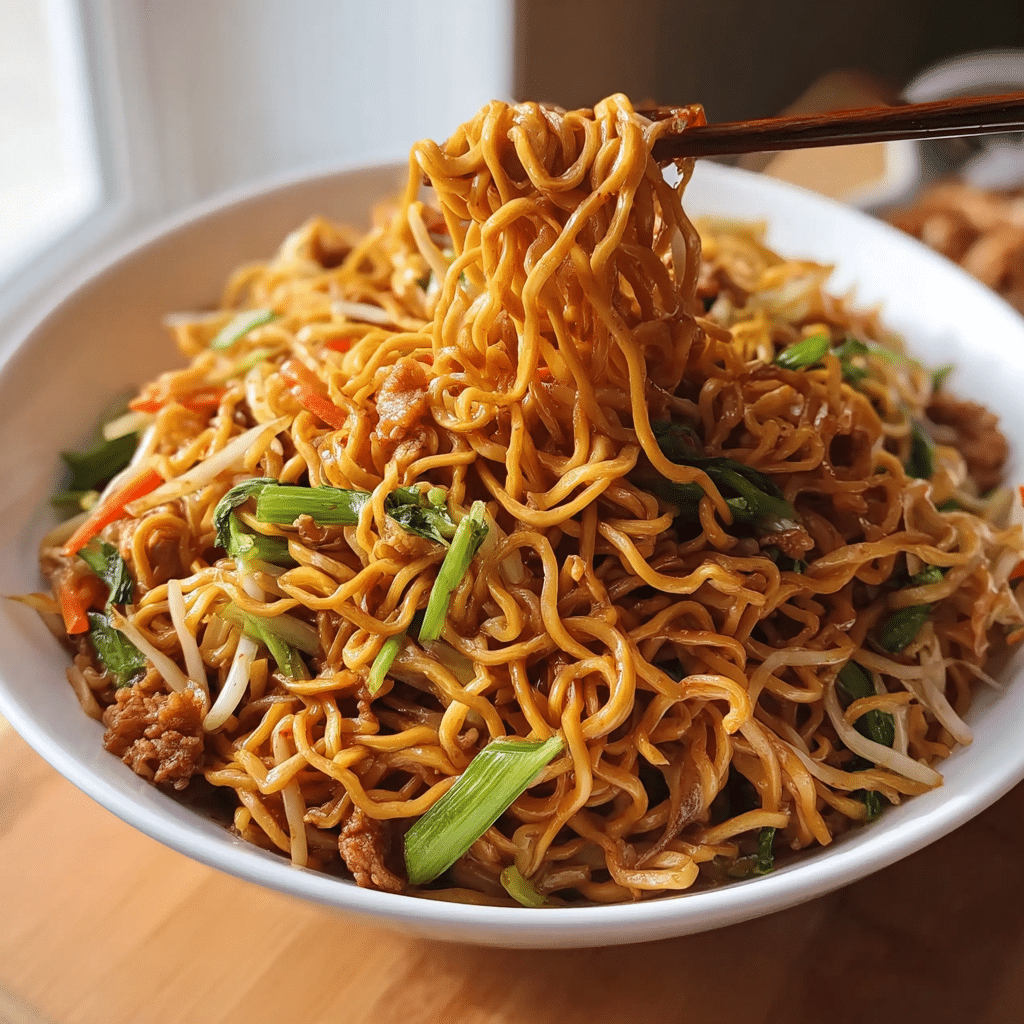
Easy chow mein is a beloved dish among families for its simplicity and versatility. It’s a meal that can be whipped up in under 30 minutes, making it perfect for busy weeknights. As a mother of two energetic kids, I’ve learned the importance of quick dinner solutions. With easy chow mein, I can toss in whatever vegetables I have on hand, whether it’s bell peppers, carrots, or broccoli, and they always seem to disappear before my eyes. The beauty of this dish lies in its adaptability; you can easily customize it to suit your family’s tastes or dietary preferences. Plus, it’s a fantastic way to sneak in those essential nutrients without any complaints from the kiddos!
The Story Behind This Recipe
As I began experimenting with various ingredients and flavors, I realized that easy chow mein holds a special place in many cultures around the world, especially for families looking for quick and satisfying meals. This dish originated in China and has been embraced globally, with each culture adding its unique twist. It’s fascinating to see how a simple noodle dish can evolve and adapt to different palates while retaining its essence. My version of easy chow mein is influenced by traditional recipes but infused with my family’s favorites, making it a true labor of love.
This recipe is special because it combines quick cooking techniques with fresh ingredients, allowing for a wholesome meal that doesn’t compromise on taste. Unlike more complicated Chinese dishes that require hours of marinating or preparation, easy chow mein is straightforward and approachable. It’s a reminder that cooking can be both enjoyable and efficient. In our fast-paced lives, it’s crucial to have recipes that bring us together at the dinner table without the stress of long prep times.
Why You’ll Love This Dish
Seasonally, easy chow mein shines bright in the spring and summer when fresh vegetables are abundant. Imagine tossing in snap peas, vibrant bell peppers, and crisp carrots, all bursting with flavor and color. However, it’s just as comforting in the fall and winter months, where you can incorporate hearty vegetables like cabbage and mushrooms. The dish is truly versatile, making it a year-round favorite in our household.
Beyond its practicality, easy chow mein evokes a deep emotional connection for me. It reminds me of family gatherings and cozy dinners filled with laughter and conversation. As I serve it to my family, I see their eyes light up, and it fills my heart with joy knowing that I’m providing something that brings us closer together. It’s more than just a meal; it’s a cherished tradition that I hope to pass down to my children.
In this article, you will learn not only how to prepare easy chow mein but also the secrets behind achieving that perfect stir-fry texture and flavor. From choosing the right noodles to mastering the timing of adding your ingredients, I will guide you through each step of the process. Get ready to embrace the art of cooking easy chow mein and transform your weeknight dinners into something extraordinary!
The Rich History and Cultural Significance of easy chow mein
The rich history and cultural significance of easy chow mein are as colorful as the dish itself. To understand where easy chow mein comes from, we need to explore its origins, regional variations, and the role it plays in the culinary world. Easy chow mein is a dish with roots deeply embedded in Chinese cuisine, specifically in the Cantonese style of cooking. The term “chow mein” translates to “stir-fried noodles,” which is a fitting description of this delightful meal that has captivated taste buds for generations.
Origins and History
The history of chow mein can be traced back to the late 19th century when Chinese immigrants began to arrive in the United States. They brought with them traditional recipes and cooking techniques, but they also had to adapt to the ingredients available in their new home. This adaptation led to the creation of various regional versions of chow mein, each showcasing local ingredients and preferences. The classic chow mein consists of egg noodles, which are either crispy fried or soft, stir-fried with an array of vegetables and protein.
In traditional Chinese cooking, chow mein is often made with long, thin noodles, stir-fried quickly to achieve that perfect texture. However, as the dish gained popularity in the U.S., it evolved further. Americanized versions often include a thicker sauce and a variety of proteins, such as chicken or shrimp, becoming a staple in Chinese-American cuisine. This evolution highlights how easy chow mein has adapted to the tastes and preferences of different cultures while still maintaining its original charm.
Cultural Significance
In Chinese culture, food is more than sustenance; it’s a way to celebrate occasions and bring families together. Easy chow mein is often served during festivals, family gatherings, and special events. The dish symbolizes prosperity and good fortune, embodying the spirit of sharing and togetherness. For many families, it’s a go-to dish during Lunar New Year celebrations, where the act of sharing a meal is seen as an important ritual that fosters bonds and connections.
In the culinary world, easy chow mein has also made its mark in various renowned restaurants, where chefs showcase their unique takes on this classic dish. From high-end dining establishments to cozy neighborhood joints, easy chow mein can be found on menus everywhere. Famous chefs have created their versions, often highlighting locally sourced ingredients or innovative cooking techniques, contributing to the dish’s evolving legacy.
Nutritional Benefits
Beyond its delicious taste and cultural significance, easy chow mein also boasts a range of nutritional benefits. The dish can be easily tailored to accommodate different dietary needs, whether you’re looking for a vegetarian option or something packed with protein. The use of colorful vegetables not only enhances the dish’s visual appeal but also adds essential vitamins and minerals. Carrots, bell peppers, and broccoli are rich in antioxidants, while the noodles provide a good source of carbohydrates for energy.
By incorporating lean proteins such as chicken or tofu, easy chow mein can become a balanced, wholesome meal that supports a healthy lifestyle. Additionally, making it at home allows you to control the ingredients and reduce the amount of sugar or sodium typically found in restaurant versions.
In conclusion, exploring the rich history and cultural significance of easy chow mein gives us a deeper appreciation for this beloved dish. It’s not just a quick meal; it’s a celebration of heritage, community, and the joy of sharing food with loved ones. With its versatility and ease of preparation, easy chow mein is sure to remain a cherished recipe in kitchens around the world for years to come.
Essential Ingredients for Perfect easy chow mein
Creating an easy chow mein dish is not only about the techniques you use but also about the ingredients you choose. Each component plays a vital role in building the flavors, textures, and authenticity of this beloved dish. Below, I will break down each ingredient you’ll need to make a delicious chow mein that has that perfect balance of savory, sweet, and slightly spicy flavors.
Essential Ingredients
- 14 oz yakisoba refrigerated noodles or 16 oz chow mein noodles
- 1 lb boneless skinless chicken breasts
- Salt and pepper to taste
- 3 Tablespoon vegetable oil or canola oil, divided
- 2 cups finely shredded cabbage
- 1 large carrot, shredded
- 2 ribs celery, chopped
- 4 green onions, chopped white and green separated
- 3 cloves garlic, minced
- 2 teaspoons freshly grated ginger
- 1 cup fresh bean sprouts (optional)
- 1/4 cup oyster sauce
- 1/3 cup low sodium soy sauce
- 2 Tablespoons sesame oil
- 1 Tablespoon rice vinegar
- 1 teaspoon cornstarch
- 1 Tablespoon light brown sugar
- 1 2 teaspoons Asian Garlic Chili Sauce for spice (optional)
Now let’s dive deeper into why each ingredient is essential for your easy chow mein and how to select the best ones.
Print
Easy Chow Mein Recipe
Ingredients
- 14 oz yakisoba refrigerated noodles , or 16 oz chow mein noodles
- 1 lb boneless skinless chicken breasts
- salt and pepper
- 3 Tablespoon vegetable oil , or canola oil, divided
- 2 cups finely shredded cabbage
- 1 large carrot , shredded
- 2 ribs celery , chopped
- 4 green onions , chopped, white and green separated
- 3 cloves garlic , minced
- 2 teaspoons freshly grated ginger
- 1 cup fresh bean sprouts (optional)
Sauce:
- 1/4 cup oyster sauce
- 1/3 cup low-sodium soy sauce
- 2 Tablespoons sesame oil
- 1 Tablespoon rice vinegar
- 1 teaspoon cornstarch
- 1 Tablespoon light brown sugar
- 1–2 teaspoons Asian Garlic Chili Sauce , for spice, optional
Instructions
- Chow mein sauce: In a small bowl, whisk the sauce ingredients together and set aside.
- Cook chicken: Heat a large pan or wok on high heat. Add 1 tablespoon oil. Season chicken with salt and pepper and add to hot pan. Sauté until cooked through, then remove to a plate.
- Cook Veggies: Add another tablespoon of oil. Once hot add cabbage, carrots, celery, and the whites of the chopped green onion. Stir fry over high heat for 1-2 minutes. Add the garlic and ginger and cook for 30 seconds, then remove everything to a plate.
- Noodles: Add last tablespoon of oil to the pan and add the noodles. Cook for 1 minute. Add the sauce and cook, tossing to coat. Return veggies and chicken to the pan, along with fresh bean sprouts.
- Serve immediately, garnished with green onion.
Ingredient Breakdown
The noodles are the heart of any chow mein. Yakisoba noodles or chow mein noodles provide different textures and flavors. I prefer yakisoba for that chewy bite, but chow mein noodles are equally delightful. When buying, look for fresh options in the refrigerated section, as they tend to have better texture than the dried varieties.
Next, we have chicken breasts. They are a great source of protein and add a tender bite to your dish. Always choose boneless, skinless breasts for ease of preparation. Fresh chicken should feel firm and never have a strong odor. If you’re looking for more flavor, consider marinating the chicken in soy sauce and ginger beforehand.
Vegetable oil or canola oil is essential for stir-frying. I recommend using a high smoke point oil for this method to achieve that perfect wok hei, or “breath of the wok,” which imparts a smoky flavor to the dish. Look for oils that are clear and free from any residue.
Moving on to the vegetables, cabbage, carrots, and celery provide the crunch and freshness that balance the dish’s richness. Always choose vibrant, firm vegetables. The cabbage should be crisp with no brown spots, while carrots should have a bright orange color. The green onions add a mild onion flavor and a pop of color, with their white parts adding a bit of bite and their green tops a fresh finish.
Don’t overlook the garlic and ginger! These aromatics are key in Asian cooking, lending warmth and depth to your easy chow mein. Always opt for fresh garlic and ginger, as they provide a more potent flavor than pre-minced versions.
Bean sprouts are optional but can really add a crunchy texture. When buying, look for firm, crisp sprouts. They should be sold refrigerated and should not have a strong odor.
Building the Sauce
The sauce is where the magic happens! The oyster sauce and low sodium soy sauce create the savory foundation, while sesame oil adds nuttiness. When selecting soy sauce, low sodium is a smart choice as it allows you to control the saltiness of the dish. The rice vinegar balances the flavors with a touch of acidity, and the brown sugar adds a subtle sweetness. Lastly, the cornstarch helps thicken the sauce, making it cling beautifully to the noodles.
For those who like a kick, the Asian Garlic Chili Sauce can elevate your dish with heat. Always taste as you go, adjusting the sauce to your preference.
Shopping Tips
When shopping for ingredients, freshness is key. I often visit my local Asian grocery store for the freshest produce, especially for items like noodles, which are often made in-house. If you don’t have access to an Asian market, most supermarkets will carry all these ingredients, especially in their international aisle. Consider shopping for organic options if possible, particularly for vegetables, as they tend to have more flavor and fewer pesticides.
Substitutions and Alternatives
If you have dietary restrictions, don’t worry! There are plenty of substitutions available. For a vegetarian or vegan version, you can replace chicken with tofu or tempeh, and use mushroom soy sauce instead of regular soy sauce for a similar umami flavor. If you’re gluten-free, opt for rice noodles and ensure that your sauces are gluten-free certified. Also, skip the oyster sauce for a mushroom-based alternative or homemade sauce using soy sauce and sugar.
Finally, storage is crucial. Keep your fresh vegetables in the crisper drawer of your refrigerator, and store noodles according to package instructions. If you have leftover ingredients, many can be frozen for later use, especially chicken and vegetables, but try to avoid freezing noodles to maintain their texture.
With the right ingredients in hand, you’re already on your way to creating an easy chow mein that will impress anyone at the dinner table!
Detailed Step-by-Step easy chow mein Cooking Instructions
Now that you have all the essential ingredients for your easy chow mein, it’s time to dive into the cooking process. This dish is not only quick to prepare—taking about 30 minutes—but also a fantastic opportunity to practice your stir-frying and flavor-building skills. Follow these detailed steps to ensure your chow mein turns out perfectly every time!
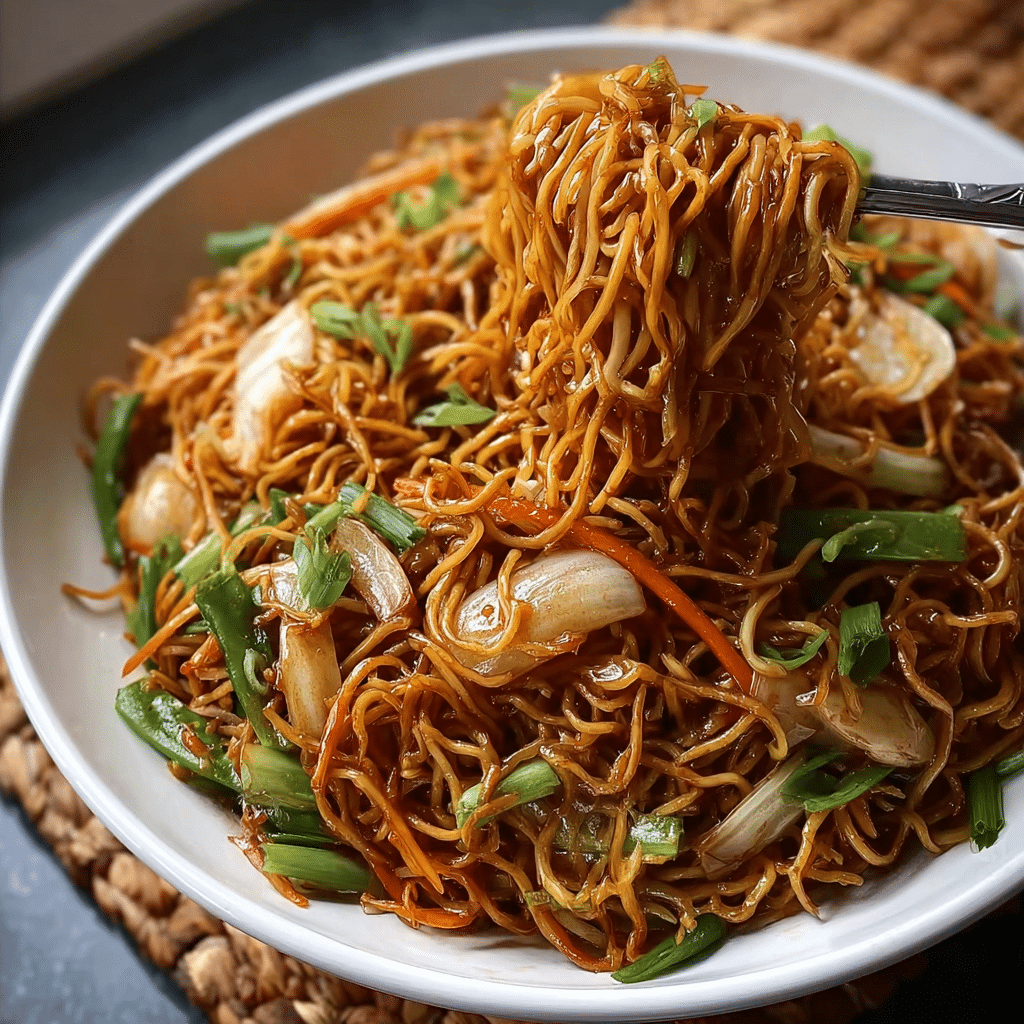
Preparation Steps
- Mise en Place: Start by gathering and preparing all your ingredients. This includes mincing the garlic, grating the ginger, shredding the cabbage and carrot, chopping the celery, and slicing the green onions. Having everything ready to go will streamline the cooking process.
- Prepare the Chicken: Slice the boneless, skinless chicken breasts into thin strips. This will ensure even cooking and allow the chicken to absorb the flavors of the sauce better. Season with salt and pepper to taste.
- Soak the Noodles: If you’re using dried chow mein noodles, soak them according to package instructions until al dente. However, if you’re using yakisoba noodles, they can be used straight from the package, as they are typically pre-cooked.
- Measure the Sauce Ingredients: In a bowl, mix the oyster sauce, low sodium soy sauce, sesame oil, rice vinegar, cornstarch, brown sugar, and Asian Garlic Chili Sauce if using. Whisk until combined, and set aside.
Cooking Process
- Heat the Oil: In a large skillet or wok, heat 2 tablespoons of vegetable or canola oil over medium-high heat. The oil should shimmer when it’s hot enough, indicating it’s ready for cooking.
- Cook the Chicken: Add the sliced chicken to the hot oil, spreading it out in a single layer. Let it sear for 2-3 minutes without stirring, until it’s golden brown on one side. Flip it over and cook for an additional 2-3 minutes until cooked through. Remove the chicken from the pan and set aside.
- Stir-Fry the Vegetables: In the same pan, add another tablespoon of oil if necessary. Toss in the minced garlic and grated ginger, stirring quickly for about 30 seconds until fragrant. Then, add the shredded cabbage, carrots, and chopped celery. Stir-fry for 3-5 minutes until the vegetables are tender but still crisp. The colors should be vibrant!
- Add the Noodles: Once the vegetables are cooked to your liking, add the drained noodles to the pan. Use a pair of tongs or a spatula to gently toss everything together, ensuring the noodles get coated in the oil and mix well with the veggies.
- Incorporate the Chicken: Return the cooked chicken to the pan, along with the prepared sauce. Stir everything together, allowing the sauce to coat the noodles and vegetables. Cook for an additional 2-3 minutes, stirring frequently. You want the sauce to thicken slightly and cling to the noodles.
Final Assembly
- Add Bean Sprouts: If you’re using bean sprouts, toss them in during the last minute of cooking. This will keep them crunchy and fresh.
- Finish with Green Onions: Stir in the chopped green onions, reserving some of the green parts for garnish. They add a fresh note that brightens the dish.
- Taste and Adjust: Before serving, taste your chow mein. This is your chance to adjust any flavors—add more soy sauce for saltiness, more sugar for sweetness, or more chili sauce for heat.
- Serve Hot: Transfer the chow mein to a serving platter or individual bowls. Garnish with the reserved green onions and serve immediately. Chow mein is best enjoyed fresh!
Throughout the cooking process, keep an eye on your stove’s temperature. High heat is essential for stir-frying, as it helps achieve that sought-after wok hei. Common mistakes to avoid include overcrowding the pan, which can lead to steaming rather than frying, and not having your ingredients prepped ahead of time, which can result in overcooked components.
With these steps, you’ll create a delightful easy chow mein that is not only satisfying but also a crowd-pleaser at any meal. Enjoy the process, and remember—the best dishes often come from a touch of love and creativity!
Professional Tips and Techniques for easy chow mein
When it comes to whipping up a delicious plate of easy chow mein, mastering the art of preparation can elevate your dish from good to unforgettable. After years of experimenting in my kitchen, I’ve gathered a treasure trove of professional tips and techniques that I’m excited to share. Whether you’re an experienced home cook or a novice in the kitchen, these insights will help you create restaurant-quality chow mein that’s bursting with flavor.
Professional Techniques
To truly nail the execution of easy chow mein, you have to pay attention to a few key techniques. First and foremost, the stir-frying method is essential. This high-heat cooking technique allows you to quickly sear the ingredients while preserving their textures and flavors. Use a wok if you have one, as its shape promotes even heat distribution and allows for easy tossing of ingredients. If you don’t have a wok, a large skillet will work just fine.
Before you start cooking, make sure all your ingredients are prepped and ready to go. In professional kitchens, this practice is known as “mise en place,” which translates to “everything in its place.” Chop your vegetables, slice your proteins, and have your sauces measured out. This ensures that once you start cooking, you can work quickly and efficiently without losing any heat in the pan.
Troubleshooting Guide
Even the best cooks face challenges when preparing easy chow mein. Here are some common problems and how to solve them:
- Sticking Noodles: If your chow mein noodles stick together, it’s often due to not adding enough oil or water during the cooking process. Make sure to toss them in a bit of oil right after boiling to prevent them from clumping.
- Overcooked Vegetables: To keep vegetables crisp, add them in stages. Start with the denser vegetables like carrots and bell peppers, and add more delicate options like bean sprouts and green onions later in the cooking process.
- Flavorless Sauce: If your sauce lacks punch, consider incorporating additional elements like soy sauce, oyster sauce, or even a splash of sesame oil for depth. Tasting as you go is essential!
Advanced Techniques
For those looking to take their easy chow mein to the next level, consider incorporating advanced cooking techniques such as marinating your proteins. A simple marinade of soy sauce, garlic, and ginger can add a profound depth of flavor. Moreover, you might also experiment with a sous-vide method for meats, ensuring they remain juicy and tender before finishing them in the wok.
Another advanced technique is creating a “flavor base” by first frying garlic and ginger in the oil before adding your proteins and vegetables. This can significantly enhance the overall taste profile of your dish.
Equipment Recommendations
To make your cooking experience seamless, certain tools can be invaluable. A non-stick wok or skillet is a must for easy stir-frying. Additionally, a good-quality knife will make chopping vegetables a breeze. A spatula or wok ladle is also essential for tossing ingredients effectively. If you’re serious about your chow mein, consider investing in a bamboo steamer for vegetables or dumplings that can accompany your meal.
Make-Ahead and Meal Prep Strategies
One of the best parts about easy chow mein is that it can be a fantastic meal prep option. You can chop and store your vegetables in advance, and even pre-cook your noodles. This way, on a busy weeknight, you can have your chow mein on the table in 15 minutes or less. Just remember to store everything separately to maintain the freshness of the ingredients.
Scaling the Recipe
If you’re hosting a gathering or simply want to batch-cook, scaling your easy chow mein recipe is straightforward. Simply multiply the ingredient quantities by the number of servings you need. However, be mindful that cooking in larger batches may require a larger pan to ensure even cooking. If you find your wok or skillet is too crowded, consider cooking in smaller batches and combining them at the end.
Presentation Tips
Presentation can elevate your easy chow mein from a home-cooked meal to a restaurant-quality dish. Consider serving your chow mein in a large bowl or on a platter, garnished with sesame seeds and freshly chopped green onions. A sprinkle of cilantro can add a pop of color and flavor. If you want to impress, consider using chopsticks for serving alongside traditional Chinese tea cups for an authentic touch.
Wine and Beverage Pairings
To round off your meal, consider pairing your easy chow mein with a light, crisp wine. A Sauvignon Blanc or a light-bodied Pinot Noir can complement the flavors beautifully. Alternatively, if you prefer non-alcoholic options, a green tea or ginger ale can also enhance the dining experience.
With these tips and techniques, you’re well on your way to mastering the art of easy chow mein. The beauty of this dish lies in its adaptability, allowing you to experiment and make it your own. Happy cooking!
Creative Variations and Adaptations of easy chow mein
While the classic version of easy chow mein is delicious on its own, the beauty of cooking lies in its versatility. Let’s explore some creative variations and adaptations that can turn this simple dish into something extraordinary, allowing you to cater to different tastes and dietary preferences.
Seasonal Variations
One of the joys of cooking is using seasonal ingredients. In spring, consider adding fresh snap peas, asparagus, or even early spring onions to your easy chow mein. These vibrant vegetables not only add color but also a delightful crunch. During summer, zucchini and bell peppers are at their peak, offering a sweet and juicy taste to your dish. Fall can introduce heartier vegetables such as butternut squash or mushrooms, while winter can bring in root vegetables like carrots and parsnips. Each season offers unique flavors that can be showcased in your chow mein.
Additionally, consider incorporating fresh herbs that align with the season. A sprinkle of fresh basil in the summer or rosemary in the fall can create a refreshing twist on this traditional dish.
Dietary Adaptations
As dietary preferences continue to evolve, it’s essential to know how to adapt your easy chow mein for various diets. For those following a keto diet, swap out regular noodles for zucchini noodles or shirataki noodles. This keeps the dish low in carbohydrates while still providing that satisfying noodle experience.
If you’re cooking for vegans, simply omit the meat and use tofu or tempeh as a protein source. Marinating your tofu in a delicious soy sauce-based mix before stir-frying can add an incredible depth of flavor. For gluten-free options, use rice noodles or gluten-free soy sauce to ensure that everyone at your table can enjoy this meal.
Creative Twists
Don’t be afraid to think outside the box when it comes to easy chow mein. Consider international fusion variations that incorporate different cuisines. A Thai-inspired chow mein could feature ingredients like coconut milk and lime, while a Mexican twist might include black beans, corn, and a sprinkle of queso fresco. The key is to harmonize flavors and textures, creating a unique dish that still honors the original.
Another creative twist is to play with the spice levels. If you enjoy heat, add some sliced jalapeños or a drizzle of sriracha for an extra kick. Conversely, if you prefer milder flavors, consider a sweeter sauce with hoisin or teriyaki to balance out the dish.
Different Cooking Methods
While stir-frying is the traditional method for preparing easy chow mein, there are various other cooking techniques you can explore. For a healthier option, consider baking the chow mein in the oven. After preparing your ingredients, combine them in a baking dish and bake until everything is cooked through and flavors meld together.
Alternatively, you can use a slow cooker for a set-it-and-forget-it approach. Just combine your ingredients and let them cook on low for several hours. This method can result in an incredibly flavorful dish as the ingredients have time to meld.
Leftover Transformation Ideas
One of my favorite aspects of easy chow mein is its ability to transform leftovers into something new. If you have any leftover chow mein, consider using it as a filling for spring rolls or dumplings. Simply wrap the leftovers in rice paper or dumpling skins and steam or fry until crispy. You can also toss leftover chow mein into a soup for a hearty meal or serve it over a bed of greens for a refreshing salad.
With these variations and adaptations, you can keep your chow mein experience fresh and exciting. The key is to embrace creativity and make the dish your own while enjoying the process. Whether you’re cooking for a crowd or just yourself, there’s always a new way to enjoy easy chow mein! Bon appétit!
Storage, Reheating, and Meal Prep for easy chow mein
When it comes to enjoying an easy chow mein, one of the most delightful aspects is how versatile it can be in terms of storage and meal prep. Whether you’re making a large batch for a family dinner or just whipping up a quick meal for yourself, knowing how to store and reheat your chow mein can greatly enhance its flavor and texture when it’s time to eat again. Let’s dive into the best practices for keeping your easy chow mein fresh and delicious.
Short-term Storage
After you’ve prepared a scrumptious batch of easy chow mein, you might find yourself with leftovers. If you plan to enjoy your dish within the next few days, proper short-term storage is key. The first step is to allow the chow mein to cool down to room temperature. This is crucial because placing hot food directly into the refrigerator can raise the temperature inside, potentially leading to food spoilage.
Once your chow mein has cooled, transfer it into an airtight container. These containers come in various sizes, but I recommend using medium-sized ones that can hold meals for one or two servings. This makes it easier to reheat just the right amount later without having to thaw out everything. For added freshness, you can place a piece of parchment paper between the noodles and the lid to absorb moisture, which helps prevent sogginess.
In the refrigerator, your easy chow mein will maintain its quality for up to 3-5 days. I personally like to label my containers with the date I made the dish, which is helpful to keep track of freshness. When you’re ready to enjoy it again, simply pull it out of the fridge and follow the reheating instructions below.
Freezing and Long-term Storage
If you anticipate not finishing your easy chow mein within the week, freezing it is a fantastic option. Freezing not only extends the shelf life to about 2-3 months, but it also preserves the flavors beautifully. However, there are a few important steps to follow for optimal freezing.
Start by portioning your chow mein into single-serving containers or freezer bags. If you’re using bags, try to squeeze out as much air as possible before sealing them. This helps prevent freezer burn, which can affect the taste and texture. I often use a straw to suck out the air—this method works surprisingly well!
Before placing the containers or bags in the freezer, make sure to label them with the date and contents. It’s easy to forget what’s what when you have a full freezer. When you’re ready to eat, simply remove the chow mein from the freezer and let it thaw in the refrigerator overnight or use the defrost setting on your microwave.
Reheating Best Practices
Reheating your easy chow mein can be a bit tricky; you want to ensure it’s heated thoroughly without losing that delightful texture. The best method is to use a skillet on the stove. Heat a small amount of oil over medium heat, then add your chow mein. Stir frequently to prevent sticking and ensure even heating. This method not only warms your meal but also gives it a nice crispiness that microwave reheating can’t achieve.
If you’re in a hurry, a microwave can be a convenient option. Place your chow mein in a microwave-safe bowl, add a splash of water to create steam, and cover it with a microwave-safe lid or plastic wrap. Heat in short intervals of about a minute, stirring in between, until it’s heated through.
Regardless of the reheating method you choose, always ensure that your chow mein reaches an internal temperature of 165°F to guarantee food safety. If you’ve added any proteins like chicken or shrimp, make sure they are heated thoroughly as well.
As you embark on your journey of storing, freezing, and reheating your easy chow mein, remember to always practice food safety. Pay attention to how long items are kept in the fridge or freezer and be mindful of any changes in smell or texture. With these strategies, you can enjoy your chow mein at its best, even days after you’ve made it!
Nutritional Benefits and Health Information
Understanding the nutritional benefits of your easy chow mein can transform this delightful dish from a simple meal to a wholesome experience. It’s not just about the taste; it’s also about how the ingredients contribute to your overall health. Let’s explore the nutritional breakdown and health benefits of this beloved dish.
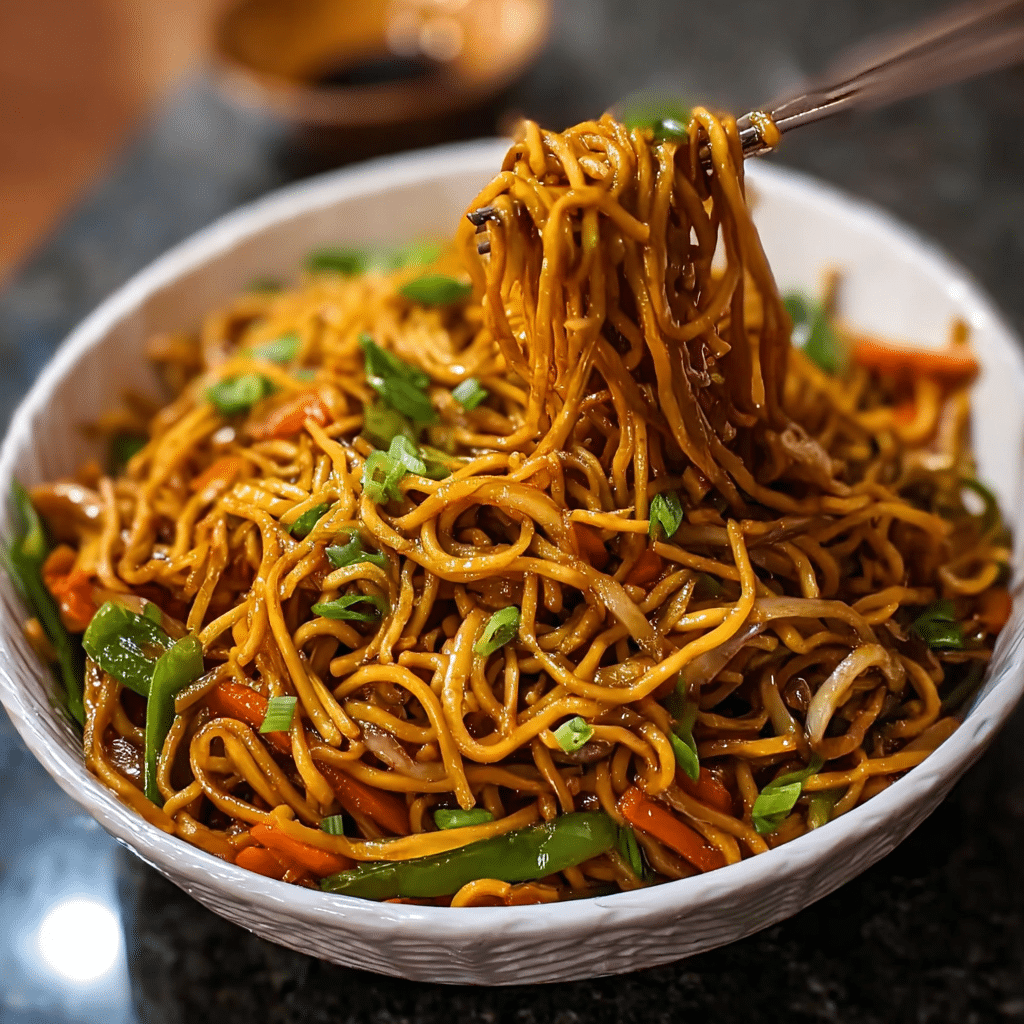
Nutritional Profile
The beauty of easy chow mein lies in its versatility when it comes to ingredients. Typically, chow mein consists of egg noodles, a mix of vegetables, and protein such as chicken, beef, or tofu. On average, a serving of chow mein can contain about 300-500 calories, depending on the specific ingredients used. Here’s a basic breakdown:
- Carbohydrates: Chow mein noodles provide a healthy dose of carbohydrates, which serve as your body’s primary energy source.
- Protein: Adding chicken or tofu boosts the protein content, essential for muscle repair and growth.
- Fats: Using a small amount of sesame oil or other cooking oils adds healthy fats, which are crucial for nutrient absorption.
Moreover, the vegetables in your chow mein, like bell peppers, carrots, and snap peas, bring a wealth of vitamins and minerals to the table, making the dish not only hearty but also nutritious.
Health Benefits
One of the best parts of making easy chow mein is how many health benefits can come from its key ingredients. For instance, vegetables like carrots are rich in beta-carotene, which is essential for eye health. Bell peppers provide an excellent source of vitamin C, which is crucial for immune function. Additionally, adding greens like bok choy or spinach increases the dish’s iron and calcium content, vital for bone health and oxygen transport in the body.
If you opt for a protein like chicken, you get the benefit of lean protein without the excess fat found in some other meats. On the other hand, tofu is an excellent source of plant-based protein, making chow mein a great option for vegetarians and vegans. With the addition of these ingredients, chow mein can be a balanced meal that fuels your body effectively.
Dietary Considerations
As with any dish, there are dietary considerations to keep in mind with easy chow mein. If you’re gluten-sensitive or have celiac disease, traditional chow mein noodles made from wheat should be avoided. Luckily, there are gluten-free noodles available that can be used as a substitute.
For those watching their sodium intake, it’s wise to monitor the amount of soy sauce or other sauces you add, as they can be high in sodium. Opting for low-sodium soy sauce or using homemade sauces can help you control the salt content.
Moreover, it’s essential to be cautious of allergens. If you’re preparing easy chow mein for guests, consider their dietary restrictions. Common allergens include soy (from soy sauce) and gluten (from noodles). Always ask your guests about their allergies before cooking.
In conclusion, easy chow mein is not just a delicious dish; it’s also a nutritious option that can fit into various dietary plans. With its adaptable ingredients and health benefits, you can enjoy this meal while feeling good about what you’re eating. Whether you’re indulging in a quick weeknight dinner or preparing a meal for friends, chow mein is a fantastic choice that nourishes the body and delights the palate.
Frequently Asked Questions About Easy Chow Mein
Easy chow mein recipe with rice
To create a delicious chow mein with rice, start by cooking jasmine or basmati rice as per package instructions. In a large wok or skillet, heat some oil over medium-high heat, then add minced garlic and ginger for flavor. Stir in your choice of vegetables, such as bell peppers, carrots, and snow peas, and sauté until tender. Next, add the cooked rice and toss everything together, seasoning with soy sauce, sesame oil, and a dash of white pepper for an authentic taste. Finally, stir in some green onions and serve hot for a satisfying meal.
Easy chow mein recipe with chicken
Begin your easy chicken chow mein by slicing boneless chicken breast into thin strips. Heat a tablespoon of oil in a wok or large skillet and add the chicken, cooking until it’s golden and cooked through. Remove the chicken and set it aside, then add a mix of vegetables like cabbage, carrots, and bean sprouts to the pan, stir-frying them until crisp-tender. Return the chicken to the skillet, add cooked chow mein noodles, and toss everything with soy sauce, oyster sauce, and a hint of sesame oil for flavor. Serve immediately, garnished with chopped green onions for a fresh finish.
Easy chow mein recipe without oyster sauce
If you want to make chow mein without oyster sauce, you can substitute it with soy sauce or a mix of soy sauce and hoisin sauce for sweetness. Start by stir-frying your choice of protein, such as chicken, shrimp, or tofu, in a hot wok with some oil. Once cooked, add a variety of vegetables like bell peppers and broccoli, and stir-fry until just tender. Incorporate cooked chow mein noodles and season with soy sauce, garlic, and a splash of rice vinegar for a zesty touch. This version maintains the essence of chow mein while accommodating dietary preferences.
Easy chow mein sauce
To whip up a quick and easy chow mein sauce, combine 3 tablespoons of soy sauce, 1 tablespoon of sesame oil, and a teaspoon of sugar in a small bowl. For added depth of flavor, consider mixing in a teaspoon of cornstarch dissolved in water to thicken the sauce as it cooks. You can also add minced garlic, ginger, and a splash of rice vinegar for an extra flavor boost. Drizzle this sauce over your stir-fried noodles and vegetables in the wok, tossing to evenly coat everything before serving.
Authentic chow mein recipe
For an authentic chow mein recipe, start by preparing the chow mein noodles according to package instructions, ensuring they are al dente. Use a combination of proteins like chicken, pork, or shrimp, thinly sliced, and sauté them in a hot wok with vegetable oil. Add traditional vegetables such as bok choy, carrots, and bean sprouts, cooking them quickly to maintain their crunch. Incorporate the cooked noodles, and season with a blend of soy sauce, oyster sauce, and white pepper, tossing everything together until heated through. Serve your chow mein garnished with scallions and a sprinkle of sesame seeds for an authentic touch.
Chow mein sauce recipe
To make a simple chow mein sauce, mix together 4 tablespoons of soy sauce, 2 tablespoons of oyster sauce (if desired), and 1 tablespoon of hoisin sauce in a bowl. Add a teaspoon of sesame oil and a teaspoon of cornstarch mixed with water to help thicken the sauce when it’s heated. For extra flavor, you can include minced garlic and ginger, as well as a pinch of sugar to balance out the saltiness. This sauce can be drizzled over your stir-fried noodles and vegetables or tossed in during the last few minutes of cooking to enhance the dish’s overall flavor.
How to make chicken chow mein like the takeaway
To replicate takeaway-style chicken chow mein at home, start by marinating chicken strips in soy sauce, cornstarch, and a hint of sesame oil for extra flavor. Use a hot wok to quickly stir-fry the marinated chicken until it’s cooked through and slightly caramelized. Add a mix of classic vegetables like cabbage, carrots, and bell peppers, and stir-fry them until they are tender yet crisp. Finally, add pre-cooked chow mein noodles and toss everything with a sauce made from soy sauce, oyster sauce, and a splash of chicken broth for extra richness. Serve hot, garnished with sesame seeds and chopped scallions for that authentic takeaway experience.
Easy chow mein recipe vegetarian
For a delicious vegetarian chow mein, start by cooking chow mein noodles according to package instructions, then set them aside. In a wok, heat vegetable oil and add garlic and ginger for aromatics. Next, toss in a variety of colorful vegetables like bell peppers, broccoli, and carrots, stir-frying until just tender. Add the cooked noodles and season generously with soy sauce, a splash of sesame oil, and some crushed red pepper flakes for heat. Stir well to combine all the flavors, and serve hot, garnished with sesame seeds and fresh cilantro if desired.