Easy corned beef is not just a recipe; it’s a warm embrace of flavors that evokes memories of family gatherings and hearty meals. I still remember the first time I stumbled upon this delightful dish. It was a rainy Sunday afternoon, and I was flipping through my grandmother’s old recipe book, the pages yellowed and frayed with age. As I read through the ingredients and preparation steps, I could almost hear her voice guiding me through the process. The aroma of spices and tender beef filled our kitchen every time she made corned beef hash, a dish that always brought us together around the dining table.

The beauty of easy corned beef lies in its simplicity and versatility. Initially, corned beef was a method of preserving meat, especially during times when refrigeration was not available. The term “corned” refers to the large grains of salt used to cure the beef. Over time, it evolved into a beloved dish across various cultures, particularly among Irish and Jewish communities. In American culture, corned beef became synonymous with St. Patrick’s Day, a celebration that honors Irish heritage. However, I believe that this dish deserves to be enjoyed year-round, not just during the festivities. Each bite of easy corned beef hash carries with it the history of those who made it a staple in their homes.
The Story Behind This Recipe
My journey with easy corned beef hash didn’t start with the perfect recipe but rather with a love for comfort food. One afternoon, while living in a bustling city, I found myself craving the hearty meals that had been staples in my childhood. I decided to experiment with what I had in my pantry, combining canned corned beef with leftover potatoes, onions, and spices. The result was a delightful, crispy hash that transported me back to my grandmother’s kitchen. I realized that this dish was not only easy to prepare but also a canvas for creativity, allowing me to play with flavors and ingredients.
What sets this easy corned beef hash apart from others is its adaptability. You can throw in whatever leftover vegetables you have on hand or change up the spices to suit your taste. It’s a forgiving recipe that welcomes experimentation, making it perfect for busy families looking for quick dinner solutions. Whether you’re juggling work, school, or other responsibilities, this meal comes together in no time, yet it still feels indulgent.
Why You’ll Love This Dish
Another reason why easy corned beef hash holds a special place in my heart is the emotional connection it fosters. Food has a way of bringing people together, creating memories that last a lifetime. I remember hosting a brunch for my friends, and as I served the crispy corned beef hash topped with sunny-side-up eggs, I saw their faces light up with delight. It’s not just a meal; it’s an experience that encourages laughter and conversation, making it ideal for family dinners or casual get-togethers.
As we dive deeper into the world of easy corned beef, you’ll learn the secrets behind achieving the perfect crispy texture, how to choose the best cuts of beef, and tips for elevating this dish from simple to extraordinary. You’ll discover how to incorporate seasonal ingredients, making it a versatile option for any month of the year. So, whether you’re looking to revive family traditions or create new memories, this guide will empower you to make easy corned beef a staple in your kitchen.
The Rich History and Cultural Significance of easy corned beef
The rich history and cultural significance of easy corned beef are woven into the fabric of many communities around the world. The origins of corned beef can be traced back to ancient times when salting meat was a common preservation method. The term “corned” comes from the use of large grains of salt, or “corns,” that were used to cure the meat. This preservation technique allowed people to store beef for extended periods, which was especially crucial before refrigeration was invented.
Origins and History
Historically, corned beef became popular in Ireland in the 17th century. The Irish were known for their cattle farming, and during this time, they developed various methods for preserving beef, including corning. It wasn’t until the 19th century that Irish immigrants brought corned beef to America, where it quickly gained popularity, particularly among Jewish communities in cities like New York. These cultural exchanges helped shape the dish as we know it today.
In the United States, corned beef hash emerged as a way to utilize leftover corned beef, especially after the traditional St. Patrick’s Day feast. The dish became a staple in diners and breakfast joints, often served with eggs and toast. The combination of crispy potatoes, savory corned beef, and various spices creates a symphony of flavors that appeals to many palates. Over the years, easy corned beef has evolved to include various regional variations, including a Southern twist with the addition of collard greens or a Mexican flair with spices like cumin and chili powder.
Cultural Significance
Easy corned beef holds a special place in various cultural celebrations. For Irish Americans, it is a symbol of their heritage, especially during St. Patrick’s Day. The dish has also found its way into Jewish delis, where it is often served in sandwiches or as part of a hearty breakfast. Beyond its cultural roots, corned beef has become a beloved comfort food for many families, transcending borders and bringing people together around the table.
Additionally, the dish has become synonymous with hearty meals served during holidays and family gatherings. It’s often featured in brunch menus, where diners seek a filling, flavorful option to start their day. The versatility of easy corned beef means it can be enjoyed in various settings, from casual family dinners to festive celebrations.
Nutritional Benefits
While easy corned beef is undeniably delicious, it also offers nutritional benefits. Beef is an excellent source of high-quality protein, essential for muscle growth and repair. It is also rich in important vitamins and minerals, including iron, zinc, and B vitamins, which are vital for energy production and overall health. Pairing corned beef with vegetables like bell peppers, onions, and potatoes increases the fiber content of the dish, making it a more balanced meal.
However, it is essential to be mindful of the sodium content in corned beef, as the curing process involves significant amounts of salt. For those watching their sodium intake, opting for low-sodium versions or making homemade corned beef can be excellent alternatives. By adjusting the ingredients and cooking methods, you can create a dish that is not only mouthwatering but also aligned with your health goals.
As we explore the world of easy corned beef, you’ll find that this dish is more than just a quick meal; it’s a testament to cultural heritage, culinary evolution, and the joy of sharing food with loved ones. The next time you prepare easy corned beef, remember that you’re not just cooking a dish; you’re participating in a rich tradition that has brought families together for generations.
Essential Ingredients for Perfect easy corned beef
When it comes to creating a mouthwatering dish of easy corned beef hash, the ingredients you choose play a crucial role in the overall flavor and texture. Selecting high-quality ingredients not only enhances the taste but also supports a more enjoyable cooking experience. Below, we’ll dive into the essential ingredients for making the perfect easy corned beef hash, exploring their roles, quality indicators, and tips for sourcing and storing.
Essential Ingredients
Here’s a complete list of the ingredients you’ll need to whip up a delicious batch of easy corned beef hash:
- Chicken: 1 cup, cooked and shredded
- Beef: 2 cups, corned beef, diced
- Pork: 1 cup, diced cooked ham (optional)
- Seafood: 1/2 cup, shrimp, peeled and deveined (optional)
- Pasta: 1 cup, cooked pasta (optional for added texture)
- Fruits: 1/2 cup, apples or pears diced (for a touch of sweetness)
- Vegetables: 2 cups, mixed vegetables (like bell peppers, onions, and potatoes)

Easy Corned Beef Hash
Ingredients
- 6 large potatoes, peeled and diced
- 1 (12 ounce) can corned beef, cut into chunks
- 1 medium onion, chopped
- 1 cup beef broth
Instructions
- 6 large potatoes, peeled and diced
- 1 (12 ounce) can corned beef, cut into chunks
- 1 medium onion, chopped
- 1 cup beef broth
Each ingredient contributes to the flavorful symphony of this dish. The corned beef, of course, is the star of the show, bringing that signature salty, savory flavor that pairs beautifully with the tender vegetables and the sweetness from fruits like apples or pears. The optional additions of chicken, pork, seafood, and pasta can enhance the dish, transforming it from a simple hash into a more substantial meal.
Quality Indicators
When selecting your ingredients, quality is key. Here are some tips for choosing the best:
- Chicken: Look for organic, free-range chicken whenever possible. Fresh chicken should have a pinkish hue and no unpleasant odor.
- Beef: For corned beef, choose a brisket that is well-marbled with fat. The color should be a deep pink, and it should feel firm to the touch.
- Pork: If you’re including pork, opt for a ham that is minimally processed without added nitrates or preservatives.
- Seafood: Fresh seafood should smell like the ocean, not fishy. Look for firm flesh and clear eyes in shrimp.
- Pasta: Use high-quality dried pasta made with durum wheat for the best texture.
- Fruits: Choose apples or pears that are firm and free of blemishes.
- Vegetables: Fresh vegetables should be vibrant and crisp. Avoid any that are wilted or overly soft.
Shopping Tips
For sourcing your ingredients, consider local farmers’ markets for fresh produce and meats. Seasonal availability can greatly enhance the quality of your dish. For example, fresh vegetables are typically at their peak during summer and fall, while winter may offer heartier greens and root vegetables.
Additionally, don’t shy away from organic options. While they may be slightly pricier, organic ingredients can offer better flavor and fewer pesticides. If you’re on a budget, buying in bulk or choosing frozen fruits and vegetables can be a cost-effective alternative without sacrificing nutrition.
Substitutions and Alternatives
Dietary restrictions? No problem! Here are some substitutions you could consider:
- Chicken: Tofu or tempeh can be great vegetarian alternatives.
- Beef: If beef isn’t your thing, opt for turkey or a plant-based meat substitute.
- Pork: Skip it entirely or replace it with smoked turkey for a similar flavor.
- Seafood: Leave this out if you prefer a meatless option, or use canned tuna as a quick substitute.
- Pasta: Quinoa or rice can provide a gluten-free base if you want to avoid traditional pasta.
- Fruits: Instead of apples or pears, consider adding dried cranberries for a burst of flavor.
- Vegetables: Feel free to mix and match based on availability—zucchini, spinach, or kale can all work beautifully.
Storage is also crucial. Ensure you store your fresh ingredients properly—keep meats in the refrigerator and use them within a few days or freeze them for later use. Vegetables should be kept in a cool, dark place, and fruits should be stored at room temperature until ripe. Always check for spoilage before cooking to ensure the best flavor and safety.
With all these details in mind, you’re well on your way to gathering the perfect ingredients for your easy corned beef hash. The next step is to transform these components into a delicious, hearty meal that’s sure to please everyone at the table!
Detailed Step-by-Step easy corned beef Cooking Instructions
Now that you have gathered all of your ingredients for the easy corned beef hash, it’s time to roll up your sleeves and get cooking! The following section will guide you through detailed, step-by-step instructions to create this delightful dish. Whether you’re a seasoned chef or a kitchen novice, these instructions will help you achieve a glorious result.
Preparation Steps
- Gather Your Ingredients: Before you start cooking, ensure all your ingredients are ready and within reach. This is known as mise en place and is crucial for a smooth cooking process.
- Dice the Vegetables: Take your mixed vegetables, such as bell peppers, onions, and potatoes, and chop them into small, even pieces. This ensures they cook evenly. Aim for a 1/2-inch dice.
- Prep the Meats: If you’re using corned beef from a deli or can, chop it into bite-sized pieces. If you’re using leftover chicken or pork, shred or dice those as well.
- Cook the Potatoes: If you’re using fresh potatoes, you may want to parboil them for about 10 minutes to soften them before adding them to the hash.
- Measure Your Seasonings: Gather your spices and seasonings, including salt, pepper, and any herbs you plan to use. Pre-measuring these will help you add them quickly as you cook.
Cooking Process
- Heat the Pan: In a large skillet, heat about 2 tablespoons of olive oil or butter over medium heat. You’ll know it’s ready when the oil shimmers or the butter is bubbling.
- Sauté the Onions: Add your diced onions first, cooking them for about 3-4 minutes until they become translucent. This step builds a flavorful base for your hash.
- Add the Mixed Vegetables: Toss in the diced vegetables and potatoes. Stir occasionally, allowing them to cook until they start to brown, which should take about 5-7 minutes.
- Incorporate the Meats: Add the corned beef, cooked chicken, and any other meats you’re using. Stir everything together and allow it to cook for another 5 minutes. The key is to let the corned beef get a bit crispy on the edges for texture.
- Season the Hash: Sprinkle in your pre-measured spices, adjusting to your taste. If you enjoy a bit of heat, consider adding a dash of hot sauce or cayenne pepper.
- Cook Thoroughly: Continue stirring occasionally for about 10 more minutes. You’ll want everything to meld together beautifully, and the veggies should be tender but not mushy. Keep an eye out for that golden-brown color.
Final Assembly
- Check for Doneness: Take a moment to taste your hash. Adjust any seasonings as necessary. If you prefer a little extra crunch, you can let it cook a few minutes longer.
- Serve Warm: Once you’re satisfied with the flavor and texture, transfer your easy corned beef hash to a serving dish. It’s best served warm, straight from the pan.
- Optional Toppings: Consider garnishing with fresh herbs like parsley or chives, or even a dollop of sour cream or fried egg on top for added richness.
- Enjoy: Gather around the table and enjoy the fruits of your labor! This dish is not only satisfying but also a great way to bring people together.
As you can see, making easy corned beef hash is straightforward and oh-so-rewarding. By following these detailed steps, you’ll create a dish that’s full of flavor and sure to impress. Whether it’s breakfast, brunch, or dinner, this easy corned beef hash will surely become a favorite in your household!
Professional Tips and Techniques for easy corned beef
When it comes to preparing easy corned beef hash, there are a multitude of techniques and tips that can elevate your dish from ordinary to extraordinary. Whether you’re a seasoned chef or just starting out, understanding the nuances of cooking corned beef can enhance your culinary experience and delight your taste buds. Here, we’ll dive into professional techniques, troubleshooting common issues, and expert advice that will help you master this beloved dish.
Professional Techniques
First, let’s explore some professional cooking techniques that can make your easy corned beef hash truly shine. The foundation of a great corned beef hash is, of course, the corned beef itself. If you are using store-bought corned beef, be sure to choose a high-quality cut. Look for brisket that has a good amount of marbling—this fat will render down during cooking, adding flavor and moisture to your hash.
One insider secret is to roast your corned beef before dicing it. This method enhances the flavor profile and adds a subtle crunch to the edges. Simply season the corned beef with black pepper and garlic powder, then roast it in the oven at 325°F for about 1.5 to 2 hours, or until it’s tender. Let it rest, then chop it into small cubes, ready to be transformed into a delicious hash.
Another technique involves the cooking method. While many home cooks will simply sauté their ingredients in a skillet, a two-step process can lead to a more satisfying texture. Start by cooking the potatoes separately until they are tender and slightly crispy. Once they are done, set them aside while you sauté the onions and corned beef. This way, you ensure that everything retains its texture and the flavors meld beautifully without turning mushy.
Troubleshooting Guide
Even the best chefs encounter challenges, and knowing how to troubleshoot common problems can save your dish. One common issue is the hash becoming too greasy. If you find that your easy corned beef hash is swimming in fat, try draining some of the excess grease before you add the potatoes. Alternatively, using less fatty corned beef can prevent this problem from the start.
If your hash seems bland, don’t hesitate to amp up the seasoning. A pinch of cayenne pepper or smoked paprika can add depth and warmth. Fresh herbs like thyme or parsley can also bring brightness to the dish. Remember, cooking is all about tasting as you go!
Presentation Tips
Presentation is key when it comes to serving your easy corned beef hash. A simple yet elegant way to elevate your dish is by using a ring mold to shape your hash on the plate. This technique not only creates an eye-catching presentation but also allows for even layering of flavors.
Garnishing with fresh herbs, a drizzle of hollandaise sauce, or a poached egg can make your dish restaurant-worthy. For a pop of color, consider adding vibrant roasted vegetables around the plate or a side of pickled cucumbers, which provides a delightful contrast to the rich flavors of the hash.
Don’t forget about wine and beverage pairings! A crisp, dry Riesling or a light lager complements the savory notes of the corned beef beautifully. If you’re serving this dish for brunch, a mimosa or a Bloody Mary can add a festive touch.

Make-Ahead and Meal Prep Strategies
One of the best aspects of easy corned beef hash is its versatility for meal prep. You can prepare the corned beef in advance, allowing the flavors to deepen. Cooked corned beef can be stored in the refrigerator for up to five days, making it a perfect candidate for quick weeknight dinners.
For those busy mornings, consider making a larger batch of hash and storing it in individual portions. Reheat it in the microwave or on the stovetop for a quick breakfast or lunch option. The flavors often improve after a day in the fridge, as the ingredients meld together beautifully.
Scaling the recipe up or down is also straightforward. Simply adjust the quantities of potatoes and corned beef based on the number of servings you need. Keep in mind that cooking times may vary slightly if you double or halve the recipe, so always check for doneness and adjust as necessary.
In conclusion, with these professional tips and techniques, you’ll be well on your way to mastering the art of easy corned beef hash. From selecting the right ingredients to perfecting your cooking methods, each step plays a vital role in creating a delicious, satisfying dish that you’ll be proud to serve.
Creative Variations and Adaptations of easy corned beef
When you think of easy corned beef, the classic hash may come to mind, but the possibilities are truly endless! This beloved dish is not only versatile but also receptive to a variety of creative variations and adaptations that can cater to seasonal ingredients, dietary restrictions, and even international flavors. Let’s dive into some inventive ways to enjoy corned beef hash that will keep your taste buds excited!
Seasonal Variations
One of the beauties of corned beef hash is its adaptability to seasonal ingredients. In the spring, consider adding fresh asparagus or peas to your hash. Simply blanch them before tossing them in with the potatoes and corned beef. This not only adds a burst of color but also a delightful crunch.
In the fall, sweet potatoes can be swapped in for traditional white potatoes, giving your easy corned beef hash a hint of sweetness and a beautiful orange hue. The earthiness of sweet potatoes pairs wonderfully with the savory notes of corned beef, and they bring their own nutritional benefits to the dish.
For a winter twist, consider using root vegetables like parsnips and carrots. These hearty additions will not only enhance the flavor but also provide a lovely texture contrast against the tender corned beef.
Dietary Adaptations
With the rise of various dietary preferences, it’s important to note that corned beef hash can be modified to suit different needs. For those following a keto diet, you can replace potatoes with cauliflower. Simply steam or roast the cauliflower until tender, then chop it finely and sauté it with the corned beef. The result is a low-carb, delicious alternative that maintains the essence of the original dish.
For vegan adaptations, consider using jackfruit or tempeh in place of corned beef. While it won’t have the same flavor, marinating the jackfruit in a mixture of soy sauce, liquid smoke, and spices can create a satisfying substitute that delivers richness and depth. Pair it with diced sweet potatoes for a truly unique vegan hash.
If gluten is a concern, rest assured that most ingredients in corned beef hash are naturally gluten-free. Just be sure to check the labels on any condiments you use, such as sauces or seasonings, to ensure they are gluten-free. Additionally, serve your hash with gluten-free bread or tortillas for a delightful brunch option.
Creative Twists
Why not take your easy corned beef hash on a global adventure? Incorporate flavors from around the world for an exciting twist. For instance, adding kimchi brings a spicy, tangy element that pairs surprisingly well with the savory corned beef. Top it off with a fried egg and you have yourself a Korean-inspired dish that’s sure to impress!
Alternatively, you can infuse Mediterranean flavors by adding olives, sun-dried tomatoes, and feta cheese. The briny olives and creamy feta add a whole new dimension to the hash, making it a unique offering for brunch or dinner.
Another fun idea is to turn your corned beef hash into a breakfast burrito. Simply prepare the hash as you normally would, then scoop it into a warm tortilla, adding avocado and salsa for a fresh kick. This portable option is perfect for those busy mornings when you need something quick yet satisfying.
Leftover transformations can also be exciting. If you have extra hash, try stuffing it into bell peppers and baking them for a hearty meal. Or, create a savory corned beef hash pizza by spreading the hash over a pre-baked crust, topping it with cheese, and baking until golden and bubbly.
In summary, the world of easy corned beef hash is vast and full of potential. From seasonal ingredient swaps to international fusions, you can continuously reinvent this classic dish to suit your tastes and dietary needs. So, don your apron and let your creativity flow in the kitchen!
Storage, Reheating, and Meal Prep for easy corned beef
When it comes to preparing easy corned beef, one of the most common questions I hear is about storage. After all, you want to enjoy your delicious dish without any food waste, right? Whether you’ve just cooked up a storm or you’re looking to make the most of leftovers, understanding the proper storage techniques for corned beef can take your culinary adventures to the next level.
Short-term Storage
Once you’ve prepared your easy corned beef, the first step is to ensure that it is stored properly in the refrigerator. The key to keeping it fresh for a few days lies in how you store it. After your meal, allow the corned beef to cool down to room temperature. This is crucial; placing hot food directly into the refrigerator can raise the temperature inside the fridge and potentially spoil other foods.
Once cooled, wrap the corned beef in airtight containers or heavy-duty aluminum foil. If you prefer, you can also use a resealable plastic bag, squeezing out as much air as possible before sealing. This will help prevent the beef from drying out and maintain its flavor. Generally, easy corned beef will keep in the refrigerator for about 3 to 4 days.
To avoid confusion, it’s a good idea to label your containers with the date you prepared the corned beef. This simple act will help you keep track of freshness and encourage you to enjoy the leftovers sooner rather than later.
Freezing and Long-term Storage
If you find yourself with more corned beef than you can eat in a few days, freezing is an excellent option for long-term storage. When done correctly, you can enjoy your easy corned beef for up to 2 to 3 months in the freezer without compromising its flavor or texture.
Begin by slicing the corned beef into portion-sized pieces. This way, you can thaw just what you need later without having to defrost the entire batch. Wrap each piece tightly in plastic wrap and then place it in a freezer-safe container or a resealable freezer bag. Again, make sure to remove as much air as possible to prevent freezer burn.
It’s also beneficial to label your freezer bags with the date and contents. If you’re feeling creative, you might even jot down a quick note about how you plan to use the corned beef once it’s thawed, whether for a hearty breakfast hash, sandwiches, or a comforting stew.
Reheating Best Practices
Reheating corned beef can be a bit tricky, as you want to ensure that it doesn’t dry out. One of my favorite methods is to use a skillet. Heat a non-stick pan over medium-low heat and add a splash of broth or a bit of water to create steam. Place the corned beef in the skillet, cover it with a lid, and let it heat gently for about 5-10 minutes. The steam will help retain moisture, ensuring that your easy corned beef remains juicy and flavorful.
If you’re in a rush, the microwave is another option, but it requires a bit more care. Place the corned beef on a microwave-safe plate, add a few drops of water, and cover it with a microwave-safe lid or a damp paper towel. Heat in short intervals, checking frequently to avoid overheating and drying out the meat.
Regardless of the method you choose, always check the internal temperature of the reheated corned beef. It should reach at least 165°F to ensure safety. Once heated to your liking, enjoy it in your favorite dishes.
When it comes to meal prep, corned beef is a fantastic candidate. You can batch cook it ahead of time, portion it out, and have ready-to-go meals for the week. Think about how versatile easy corned beef can be! Use it in salads, on sandwiches, or serve it with eggs for breakfast. The possibilities are endless!
Food safety is paramount when storing and reheating corned beef. Always remember the “two-hour rule”: food should not sit out at room temperature for more than two hours. If your corned beef has been sitting out, it’s better to err on the side of caution and discard it.
In terms of shelf life, you can expect your refrigerated corned beef to be at its best within a few days, while frozen corned beef can last for several months. Just remember, the longer you keep it in the freezer, the more its quality may decline, so try to enjoy it within that 2-3 month window.
In conclusion, mastering the art of storing and reheating easy corned beef ensures that you can savor every last bite without worrying about waste. With proper techniques, you’ll have delicious, ready-to-eat meals awaiting you whenever the craving strikes!
Nutritional Benefits and Health Information
When indulging in a hearty dish like easy corned beef, it’s essential to consider the nutritional aspects, especially if you’re trying to maintain a balanced diet. Corned beef, a beloved staple in many households, is packed with flavor and has its own unique set of nutritional benefits.
Nutritional Profile
At its core, corned beef is primarily made from beef brisket, which is a cut of meat from the chest of the cow. It’s usually cured in a brine solution, which not only adds flavor but also helps preserve it. A standard serving size of corned beef (approximately 3 ounces) contains around 210 calories, depending on the fat content. In this serving, you can expect about 28 grams of protein, making it an excellent source of this essential macronutrient.
In terms of fat, corned beef is relatively high, with approximately 10 grams of fat per serving. However, much of this fat is saturated, which is something to be mindful of if you’re watching your cholesterol levels. On the flip side, corned beef also contains iron, which is crucial for transporting oxygen in the blood, and zinc, which plays a vital role in immune function.
Health Benefits
The health benefits of easy corned beef largely stem from its protein content. Protein is essential for muscle repair and growth, making it a favorite among athletes and those engaged in regular exercise. Additionally, the iron found in corned beef can help combat fatigue, especially for individuals who may be at risk of anemia.
Moreover, the B vitamins in corned beef, particularly B12, are essential for energy metabolism and neurological function. If you’re looking to boost your energy levels, enjoying a serving of corned beef once in a while can definitely help!
Dietary Considerations
While corned beef has several nutritional benefits, it’s important to consider dietary restrictions and allergen information. For those who are watching their sodium intake (and who isn’t these days?), it’s worth noting that corned beef is typically high in sodium due to the brining process. A serving can contain upwards of 900 milligrams of sodium, which is a significant portion of the recommended daily limit.
Vegetarians and vegans, of course, should steer clear of corned beef altogether, but there are creative ways to enjoy the flavors and textures of corned beef by using plant-based substitutes. For instance, jackfruit or lentils can be seasoned similarly to mimic the taste of corned beef.
For those following specific diet plans, such as Keto or Paleo, corned beef can fit well into these frameworks due to its high protein and fat content. However, it’s best to pair it with low-carb vegetables to create a balanced meal.
In terms of modifications, consider opting for leaner cuts of beef if you’re aiming to reduce fat intake. You can also explore homemade brining solutions with less salt or natural sweeteners to control the sodium level better.
Comparing easy corned beef to similar dishes, like pastrami or roast beef, reveals some intriguing differences. While these meats are also flavorful and rich in protein, corned beef stands out due to its unique brined preparation, giving it a distinct taste that’s hard to replicate. It often has a more robust flavor profile thanks to the spices used in the curing process.
In conclusion, while indulging in easy corned beef, it’s essential to be mindful of the nutritional aspects. This dish can be a flavorful and satisfying addition to your meal repertoire, especially when enjoyed in moderation and balanced with other nutrient-dense foods. With its protein-rich content and unique flavor, corned beef offers not just culinary delight but also several health benefits that make it a worthy choice for your dining table.
Conclusion: Mastering the Perfect easy corned beef
Creating the perfect easy corned beef is more than just following a recipe—it’s about understanding the techniques, ingredients, and cultural significance behind this beloved dish. Throughout this comprehensive guide, we’ve explored everything from the historical origins to modern variations, ensuring you have all the knowledge needed to make this recipe your own.
Whether you’re a beginner cook or an experienced chef, the techniques and tips we’ve shared will help you create a easy corned beef that’s not only delicious but also meaningful. Remember that cooking is a journey of discovery, and each time you make this dish, you’ll learn something new.
We encourage you to experiment with the variations we’ve discussed, adapt the recipe to your dietary needs, and most importantly, share it with the people you love. Food has the incredible power to bring people together, and Easy Corned Beef Hash is the perfect dish to create lasting memories around your dinner table.
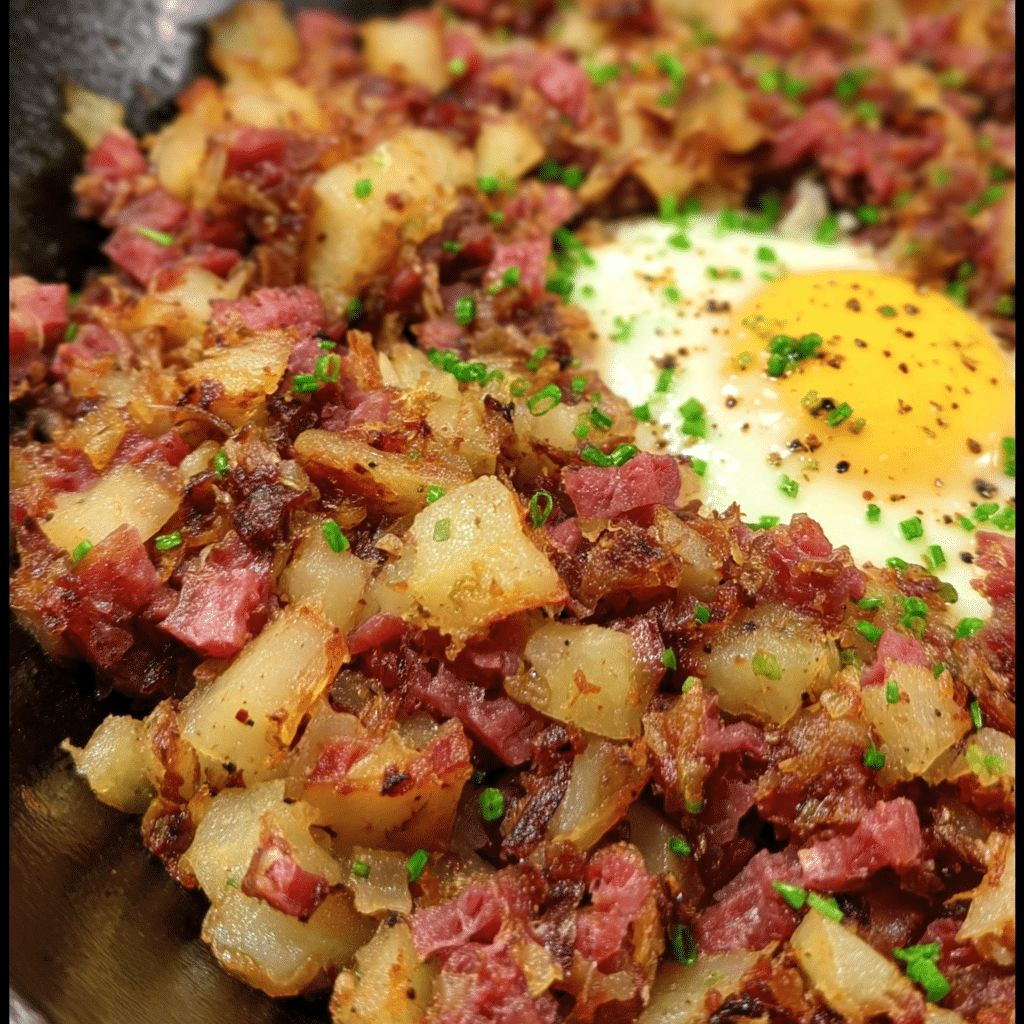
Don’t forget to share your cooking adventures with us on social media, and feel free to ask questions in the comments below. Happy cooking!
Share this recipe and let us know how it turned out! Tag us on social media for a chance to be featured.