Egg roll bowl is a delightful dish that captures the essence of traditional egg rolls but strips them down to their core comfort food elements. My journey with this recipe began on a particularly hectic weeknight when I was rummaging through my fridge, desperately seeking a quick dinner solution that wouldn’t compromise on flavor. As I pulled out a bag of coleslaw mix, some leftover rotisserie chicken, and a few condiments from the pantry, the idea for an egg roll bowl sparked in my mind. I had grown up loving egg rolls, the crispy exterior and warm, savory filling were a staple at family gatherings. But the thought of deep-frying on a busy night felt daunting. Instinctively, I began to envision a simplified version of this classic dish, and thus, my love affair with the egg roll bowl began.
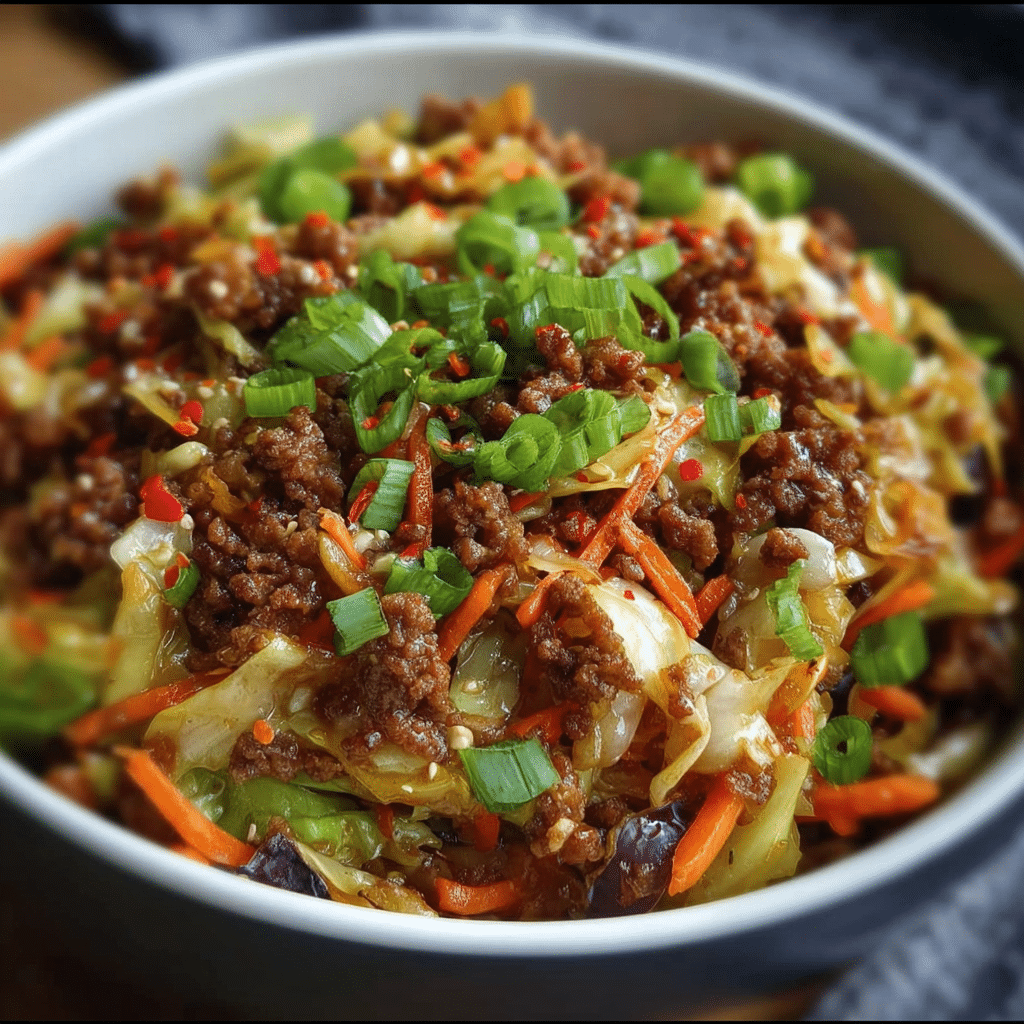
As I sautéed the veggies and seasoned the dish with soy sauce and sesame oil, memories of my childhood flooded back. I could almost hear the crackling of the oil as my grandmother expertly fried her signature egg rolls. I remembered the anticipation of waiting for them to cool before indulging, and the way they would disappear almost immediately at family gatherings. The egg roll bowl was not just a dish for me; it was a bridge connecting my past to my present, a way to recreate those flavors without the fuss of frying.
The Story Behind This Recipe
The egg roll bowl is a modern twist on a beloved classic, representing how food evolves with our lifestyles. Traditional egg rolls originated in China, where they were stuffed with a variety of fillings like pork, shrimp, and vegetables, all wrapped in a thin, crispy dough. As Chinese cuisine traveled and adapted, especially in the United States, egg rolls became a popular takeout item, often served with sweet and sour sauce. However, with the increasing demand for healthier, quicker meal options, the egg roll bowl emerged as a fantastic alternative that retains the flavors we love without the added calories or complicated preparation.
This dish is special for many reasons, one being its versatility. You can customize the egg roll bowl with whatever proteins and vegetables you have on hand, making it perfect for busy families looking for quick dinner solutions. It’s an adaptable dish that can cater to various dietary preferences—vegetarians can swap in tofu or mushrooms, while meat lovers can add chicken, beef, or shrimp. Plus, it’s an opportunity to sneak in those extra servings of vegetables, something most of us are guilty of neglecting.
Why You’ll Love This Dish
The egg roll bowl is especially relevant during the busy weekdays when time is of the essence. It’s a one-pan meal, meaning fewer dishes to wash and more time to enjoy with family. In just 30 minutes or less, you can have a wholesome meal on the table. The vibrant colors and enticing aromas will have everyone gathering around the table, and before you know it, your family will be asking for “egg roll bowl” night to become a weekly tradition.
Emotionally, this dish resonates with me deeply. Each bite transports me back to those cherished moments with family, sharing stories and laughter over a plate of egg rolls. The egg roll bowl serves as a reminder that food is not just about sustenance; it’s about connection, memories, and the joy of bringing loved ones together. As I serve this dish, I feel like I’m passing on a piece of my heritage, making it a special addition to our family’s recipe repertoire.
In this article, you’ll learn how to make your own egg roll bowl at home, along with tips for customizing it to suit your family’s tastes. I’ll share insights into the ingredients, cooking methods, and even some fun variations to keep things exciting. Whether you’re a seasoned cook or a kitchen novice, I promise you’ll find this dish just as enjoyable to make as it is to eat. So, let’s dive into the world of egg roll bowls and discover the magic of this fabulous dish!
The Rich History and Cultural Significance of egg roll bowl
The Rich History and Cultural Significance of egg roll bowl
The egg roll bowl is more than just a meal; it’s a representation of the intersection between tradition and innovation in culinary practices. Understanding its history and cultural significance can enhance our appreciation for this dish, as it connects us to generations past while allowing for modern adaptations. The origins of the egg roll itself can be traced back to Chinese cuisine, where it was known as a spring roll. These rolls were made of thin sheets of dough filled with a mixture of meats and vegetables, often served during festivals and special occasions.
Origins and History
The concept of wrapping food in dough is ancient, with records dating back thousands of years in China. However, the egg roll—a thicker, more substantial version—became popular in the United States during the mid-20th century, particularly with the rise of Chinese-American cuisine. It was a time when immigrants adapted their traditional recipes to local tastes, leading to the creation of dishes like the egg roll. Traditionally, egg rolls are filled with a combination of cabbage, pork, and other vegetables, then fried until golden brown. This crispy exterior combined with a savory filling quickly made them a favorite in Chinese restaurants across America.
As food trends shifted towards healthier options, the egg roll bowl emerged as a creative solution. It maintains the essential flavors of an egg roll but eliminates the need for frying, making it a lighter alternative. Today, you’ll find countless variations of egg roll bowls, incorporating different proteins, vegetables, and sauces, all reflecting the individual tastes of the home cook.
Cultural Significance
The egg roll bowl symbolizes the adaptability of food culture. It represents how immigrant communities in the U.S. have not only preserved their culinary heritage but also blended it with local ingredients and preferences. This dish is often served at gatherings, potlucks, and family dinners, making it a communal experience that brings people together. It’s not just a meal; it’s a conversation starter, a way to share stories, and a vehicle for connection.
Additionally, the egg roll bowl has become a staple in many households, especially among busy families looking for nutritious, quick, and satisfying meals. It embodies the spirit of modern cooking—simple, efficient, and delicious. As we continue to navigate our hectic lives, the egg roll bowl stands out as a testament to how we can honor traditions while embracing contemporary culinary practices.
Nutritional Benefits
One of the most appealing aspects of the egg roll bowl is its nutritional profile. Unlike traditional egg rolls, which can be high in calories due to frying, the egg roll bowl allows for a healthier take on this beloved dish. By sautéing or steaming the ingredients instead of frying, you reduce the fat content significantly. Moreover, the use of fresh vegetables in the bowl increases your intake of vitamins, minerals, and fiber.
Common ingredients like cabbage, carrots, and bell peppers are low in calories and high in nutrients, making them perfect for those watching their weight or looking to maintain a balanced diet. You can also easily incorporate lean proteins like chicken or tofu, which provide essential amino acids while keeping the dish light. The egg roll bowl is also highly customizable, allowing for the inclusion of whole grains or additional vegetables, enhancing both its flavor and health benefits.
As we explore the rich history and cultural significance of the egg roll bowl, it becomes evident that this dish is more than just a meal; it’s a reflection of our evolving relationship with food, a bridge between tradition and modernity. With each bite, we honor the past while enjoying the present, making the egg roll bowl a dish worthy of being celebrated in homes around the world.
Essential Ingredients for Perfect egg roll bowl
When it comes to crafting a delicious egg roll bowl, the ingredients play a pivotal role in not only flavor but also texture and presentation. Each component is essential, contributing to the overall experience of this delightful dish. Let’s dive into the specifics of what you need for your egg roll bowl, how to choose the best ingredients, and some tips on substitutions.
Essential Ingredients
- 1 pound ground chicken or ground pork
- 4 green onions, thinly sliced (whites and greens separated)
- 2 teaspoons grated fresh ginger
- 4 cloves garlic, minced
- 16 ounces coleslaw mix or shredded cabbage
- 3 tablespoons soy sauce
- 1 teaspoon sesame oil (or to taste)
- Chopped fresh cilantro for garnish
- Sesame seeds for garnish
Egg Roll in a Bowl
Ingredients
- 1 pound ground chicken or ground pork
- 4 green onions thinly sliced, whites and greens separated
- 2 teaspoons grated fresh ginger
- 4 cloves garlic minced
- 16 ounces coleslaw mix or shredded cabbage
- 3 tablespoons soy sauce
- 1 teaspoon sesame oil or to taste
- chopped fresh cilantro for garnish
- sesame seeds for garnish
Instructions
- In a 10-inch skillet over medium-high heat, brown the ground chicken or pork, breaking it up with a wooden spoon. Drain any fat.
- Stir in the whites of the green onions, ginger, garlic, and coleslaw mix. Cook, stirring occasionally, until the coleslaw becomes tender, about 5 minutes.
- Stir in soy sauce and sesame oil and cook for 1 minute more.
- Divide into bowls and garnish with cilantro, greens of green onions, and sesame seeds.
Now, let’s explore each ingredient in detail:
Ground Chicken or Ground Pork
The choice between ground chicken and ground pork largely depends on personal preference. Ground chicken is leaner and offers a milder flavor, making it an excellent base for the bold seasonings in the egg roll bowl. On the other hand, ground pork provides a richer, juicier bite, which some may find more satisfying. When shopping for these meats, look for fresh options with a bright pink color and minimal liquid in the packaging. Consider organic or free-range options for better quality and taste.
Green Onions
These vibrant greens add a punch of flavor and a pop of color to your egg roll bowl. The white parts are used during cooking for their robust taste, while the green tops are reserved for garnish, providing a fresh finish. Choose green onions that are firm and bright green, avoiding any that are wilting or turning yellow.
Fresh Ginger
Ginger is a key player in giving your dish that authentic Asian flair. Its peppery, warm flavor complements the other ingredients beautifully. When selecting ginger, look for pieces that are smooth and firm. Avoid those that are wrinkled or shriveled. Fresh ginger can be stored in the refrigerator for several weeks, or you can freeze it for longer storage.
Garlic
No culinary adventure is complete without garlic! Its aromatic qualities elevate the flavors in the egg roll bowl. Fresh garlic is preferable for its intense flavor; choose heads that are firm and plump. Store garlic in a cool, dry place, and it can last for weeks.
Coleslaw Mix or Shredded Cabbage
This ingredient adds crunch and volume to your egg roll bowl. A pre-packaged coleslaw mix is convenient, but if you prefer, you can shred your own cabbage. Look for cabbage that is heavy for its size and has a crisp texture for the best results. Cabbage is widely available year-round, but sourcing seasonal varieties can give your dish an extra layer of flavor.
Soy Sauce
Soy sauce is the umami powerhouse, tying all the flavors together. Whether you choose regular, low-sodium, or tamari (a gluten-free option), it’s essential to test the flavor as you cook. Look for dark, rich soy sauce with no additives for the best quality in your egg roll bowl.
Sesame Oil
This oil adds a nutty depth to your dish. It’s best used sparingly, as its flavor can be quite potent. Opt for toasted sesame oil for a more intense flavor, and always check for freshness, as it can go rancid quickly. Store it in a cool, dark place to maintain its quality.
Cilantro and Sesame Seeds for Garnish
These garnishes are the finishing touches that bring your egg roll bowl to life. Fresh cilantro adds a burst of brightness, while sesame seeds contribute texture and visual appeal. When selecting cilantro, choose vibrant green leaves and avoid any that appear wilted. Sesame seeds are often found in both white and black varieties, with each offering a unique presentation.
Shopping Tips
When shopping for your egg roll bowl ingredients, a trip to your local farmer’s market can lead to fresher produce and potentially lower prices. If you’re grocery shopping, consider shopping the perimeter of the store where fresh ingredients are more likely to be found. Remember to check for seasonal produce to ensure the best flavor and price.
Substitutions and Alternatives
Dietary restrictions are common, so feel free to adjust your ingredient list. For a vegetarian option, consider using tofu or tempeh instead of ground meat. Gluten-free soy sauce or coconut aminos can be used as a soy sauce alternative for those avoiding gluten. If you’re not fond of cabbage, other crunchy vegetables like bell peppers or zucchini can work beautifully in your egg roll bowl.
In summary, understanding the role of each ingredient in your egg roll bowl can help you create a dish that is both delicious and tailored to your preferences. By selecting quality ingredients and being mindful of substitutions, you can craft a meal that is not only satisfying but also a true reflection of your culinary style.
Detailed Step-by-Step egg roll bowl Cooking Instructions
Detailed Step-by-Step Egg Roll Bowl Cooking Instructions
Creating a flavorful egg roll bowl is not just about having the right ingredients; it’s also about mastering the cooking process. Over the years, I’ve made my share of egg roll bowls, and I’ve learned that the secret lies in the details. With a bit of preparation and attention to cooking techniques, you can whip up this dish in about 30 minutes. Let’s get started on this delicious journey!
Preparation Steps
- Mise en Place: Before you start cooking, gather all your ingredients. This means measuring out the ground chicken or pork, slicing your green onions (keeping whites and greens separate), grating ginger, and mincing garlic. Having everything ready will streamline your cooking process.
- Prepare Vegetables: If you’re using a whole cabbage instead of pre-packaged coleslaw mix, take the time to shred it finely. Aim for small pieces so they cook evenly and blend well in the egg roll bowl. I find that using a sharp knife or a mandoline can speed up this process.
- Set Up Your Cooking Space: Ensure that your workspace is organized. Use a large skillet or wok, and have your spatula and other utensils within reach. This will help you avoid unnecessary delays while cooking.
Cooking Process
- Heat the Pan: Place your skillet or wok over medium-high heat and add a splash of sesame oil. The oil should shimmer, indicating it’s hot enough to start cooking your meat.
- Cook the Meat: Add the ground chicken or pork to the pan. Use a spatula to break it up into small pieces. Cook until browned and cooked through, about 5-7 minutes. You’ll know it’s done when there’s no pink left in the meat. This is a crucial step, as undercooked meat can ruin your egg roll bowl.
- Add Aromatics: Once the meat is cooked, add the minced garlic and grated ginger to the pan. Stir-fry for about 1 minute until fragrant. This step is essential as it infuses the meat with aromatic flavors.
- Incorporate Vegetables: Add the coleslaw mix or shredded cabbage and the white parts of the green onions. Stir well to combine, cooking for another 3-4 minutes until the cabbage is slightly wilted but still has some crunch. The visual cue here is the vibrant color of the cabbage; it should be bright and shiny.
- Add Seasoning: Pour in the soy sauce and mix well. This is where your egg roll bowl starts to come together. Taste and adjust seasoning if necessary. If you prefer a stronger flavor, you can add more soy sauce or a drizzle of sesame oil.
- Finishing Touches: Once everything is cooked through and well combined, remove the pan from heat. The dish should look colorful and aromatic at this point. If you’re feeling adventurous, you can toss in a handful of bean sprouts for added texture.
Final Assembly
- Plating: Serve your egg roll bowl in bowls, ensuring everyone gets a generous portion of the meaty, veggie mixture. I love to use clear glass bowls for presentation, showcasing all the vibrant colors.
- Garnishing: Top each bowl with the green parts of the green onions, a sprinkle of sesame seeds, and a handful of fresh cilantro. This not only adds flavor but also enhances the visual appeal of the dish.
- Serve Hot: Enjoy your creation while it’s hot! The combination of flavors and textures will surely impress anyone lucky enough to join you for dinner.
Throughout this cooking process, remember that timing and multitasking are crucial. While the meat is cooking, you can prep your vegetables, making the process efficient. Pay attention to cooking times; vegetables should remain crunchy to provide that delightful contrast in your egg roll bowl.
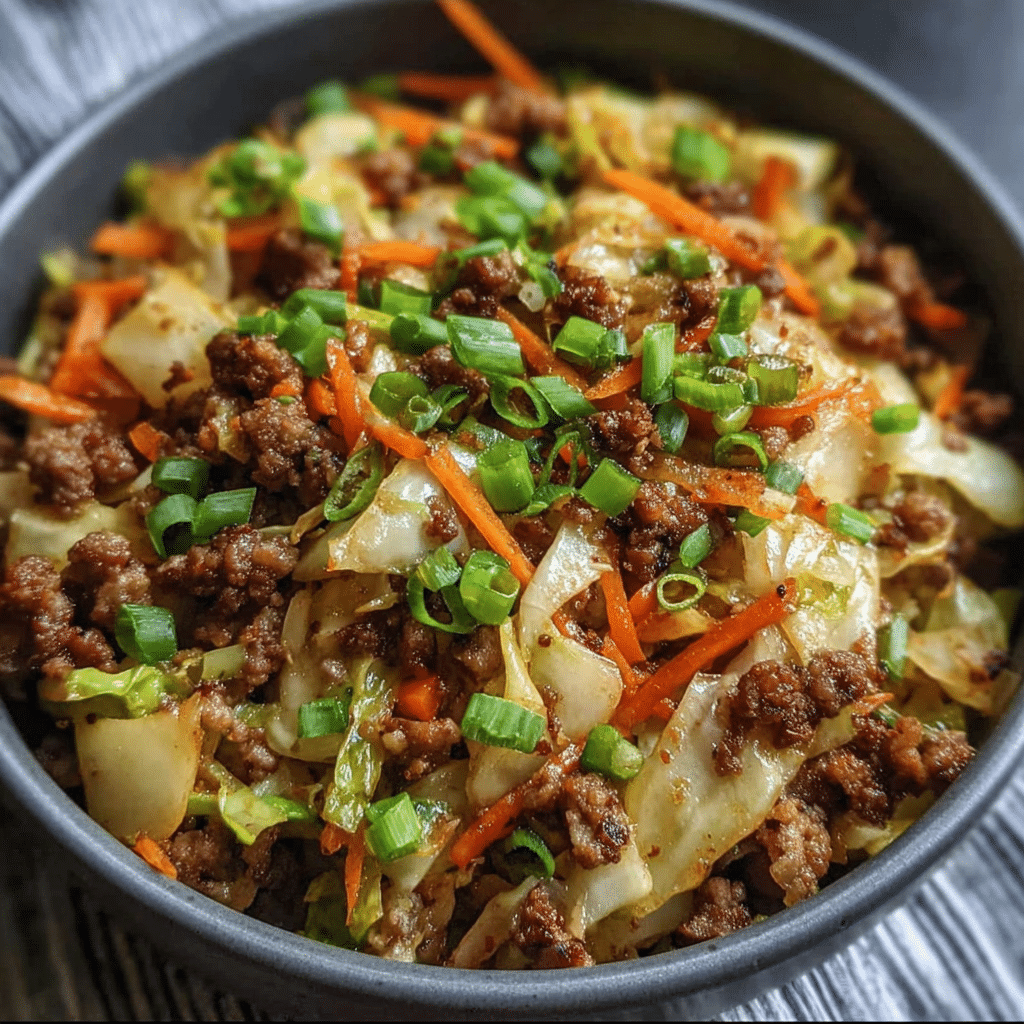
Also, ensure that your cooking surfaces are clean and that you’re practicing food safety. Keep raw meats separate from vegetables, and always wash your hands after handling them. The end result will be a beautifully balanced egg roll bowl that’s not only tasty but also visually appealing.
Professional Tips and Techniques for egg roll bowl
When it comes to creating the perfect egg roll bowl, there are a few professional tips and techniques that can elevate your dish from good to outstanding. An egg roll bowl is a delightful amalgamation of flavors and textures, and understanding how to master the cooking process makes all the difference. With a warm, savory filling that mirrors the beloved egg roll but without the hassle of frying, it’s no wonder that this dish has gained such popularity in home kitchens across the globe.
Professional Techniques
Let’s start with the fundamentals. The foundation of any great egg roll bowl lies in the ingredients. Fresh, high-quality vegetables are essential—think crisp cabbage, vibrant carrots, and aromatic green onions. When preparing your vegetables, aim for uniform cuts. This ensures even cooking and a pleasing texture in every bite. A mandoline slicer can be a great investment for achieving consistent cuts, especially for the cabbage.
Another key technique is to sauté your vegetables in the right order. Begin with the sturdier vegetables like onions and carrots, as they take longer to soften. After a few minutes, add the cabbage and any delicate vegetables, such as bell peppers. This layering technique allows each ingredient to reach its optimal texture without turning to mush.
For seasoned cooks, consider incorporating flavors through your cooking method. Instead of merely sautéing your ingredients, try caramelizing them slightly to enhance their natural sweetness. A splash of soy sauce or a sprinkle of sesame oil at the end of cooking will add depth and umami to your egg roll bowl, making each bite more satisfying.
Troubleshooting Guide
Even the best cooks face challenges in the kitchen. Here are some common problems you might encounter while preparing your egg roll bowl, along with solutions:
- Soggy Vegetables: If your vegetables are releasing too much water, make sure to cook them over medium-high heat. This will allow moisture to evaporate quickly, preventing a watery dish.
- Too Much Sauce: If you find your egg roll bowl too saucy, try to balance it with additional vegetables or even some cooked rice or quinoa. These will absorb excess moisture and create a more harmonious dish.
- Flavor Lacking: A common mistake is under-seasoning. Don’t shy away from tasting your dish as you cook. If it lacks flavor, a dash of soy sauce, a sprinkle of garlic powder, or a hint of ginger can work wonders.
Presentation Tips
Food is not just about taste; it’s also about aesthetics. An egg roll bowl can be beautifully presented to make it appealing and appetizing. Use a wide, shallow bowl to allow your ingredients to be displayed prominently. Layer your ingredients in a way that showcases their colors—a bed of cabbage, followed by the sautéed vegetables, and topped with sliced green onions and sesame seeds for that final touch. For an added flair, consider drizzling some sriracha or hoisin sauce artistically over the top.
Wine and beverage pairings can also enhance your dining experience. A crisp white wine like Sauvignon Blanc or a lightly chilled Pinot Grigio complements the savory flavors of your egg roll bowl beautifully. If you prefer non-alcoholic options, a refreshing iced green tea or a homemade ginger lemonade can offer a delightful contrast to the richness of the dish.
Finally, for those looking to meal prep or make ahead, the egg roll bowl excels. You can chop your vegetables and store them in airtight containers in the fridge for up to three days. Cooked egg roll bowls can also be refrigerated and reheated easily. Just make sure to store any sauces separately to prevent the dish from becoming soggy. This makes it a practical choice for a busy weeknight dinner.
Scaling the recipe is straightforward as well. If you’re cooking for a crowd, simply double or triple your ingredients. The cooking time may vary slightly, so keep an eye on your vegetables to ensure they’re perfectly cooked. With these tips in mind, you’re well on your way to mastering the art of the egg roll bowl!
Creative Variations and Adaptations of egg roll bowl
One of the most exciting aspects of an egg roll bowl is its versatility. You can easily adapt this dish to suit your tastes, dietary needs, or seasonal ingredients. Let’s dive into some creative variations and adaptations that will keep your egg roll bowl experience fresh and exciting.
Seasonal Variations
Seasonal ingredients can bring new life to your egg roll bowl. In the spring, consider adding fresh snap peas and asparagus for a delightful crunch. Summer lends itself to vibrant bell peppers and corn, while autumn calls for earthy vegetables like butternut squash or roasted sweet potatoes. In winter, try hearty greens such as kale or Swiss chard. Each season offers a unique palette of flavors, allowing you to create an egg roll bowl that celebrates the time of year.
For a unique twist, consider incorporating fruits. Pineapple chunks can be a delightful addition, providing a sweet contrast to the savory elements of your dish. Just sauté them for a few minutes to caramelize their sugars and enhance their flavor.
Dietary Adaptations
Another great aspect of the egg roll bowl is its adaptability for various dietary needs. For those following a keto diet, you can substitute traditional rice with cauliflower rice. This not only lowers the carb count but also adds a lovely texture to your dish. If you’re looking for a vegan option, simply replace any meat with tofu or tempeh, marinated in soy sauce or teriyaki for added flavor. You can even use chickpeas for a protein-packed option.
Gluten-free eaters can easily enjoy this dish by ensuring that any sauces used are gluten-free, like tamari instead of soy sauce. Furthermore, you can explore alternative wraps or leave out the grains altogether, making your egg roll bowl more vegetable-centric.
Creative Twists
For those who love to experiment, consider international fusion variations. Try adding elements from different cuisines to create a unique take on the egg roll bowl. For instance, a Mexican-inspired version could include black beans, corn, avocado, and a sprinkle of cotija cheese, topped with a zesty lime dressing. Alternatively, a Thai-inspired egg roll bowl could feature peanut sauce, cilantro, and crushed peanuts for an added crunch.
Cooking methods can also be varied. While a stovetop method is traditional, you can opt for an oven-baked version that allows for a slightly different texture. Simply spread your ingredients on a baking sheet and roast them until tender. A slow cooker is another great option for busy days; just toss all your ingredients in and let them meld together throughout the day for an easy weeknight meal.
Don’t forget about leftovers! If you find yourself with extra egg roll bowl components, consider transforming them into a delicious fried rice dish. Simply sauté cooked rice in a pan, add your leftover ingredients, and stir-fry until heated through. This not only minimizes waste but also provides a fresh take on your previous meal.
In conclusion, the egg roll bowl is a canvas for culinary creativity. With these variations and adaptations, you can cater to any palate or dietary preference while keeping your meals exciting and delicious. Whether you’re preparing for a special occasion or a casual weeknight dinner, the possibilities are endless!
Storage, Reheating, and Meal Prep for egg roll bowl
When it comes to enjoying a delicious egg roll bowl, one of the best aspects is its versatility—not just in flavors but in storage and meal prep as well. Cooking up a big batch of this savory dish not only satisfies your cravings but also sets you up for multiple meals throughout the week. Understanding how to properly store, reheat, and prepare your egg roll bowl can maximize its freshness and flavor, allowing you to savor that delicious taste longer.
Short-term Storage
After you’ve whipped up your egg roll bowl, it’s important to store it correctly to maintain its flavor and texture. Once your meal has cooled down to room temperature, transfer it into airtight containers. Glass containers are ideal since they don’t retain odors like plastic can, and they’re microwave-safe. If you’re using plastic, make sure to choose BPA-free options.
For short-term storage in the refrigerator, your egg roll bowl will last about 3 to 4 days. If you’re like me and love to meal prep, portioning your egg roll bowl into individual servings can be a game-changer. This way, when hunger strikes, you can easily grab a container and reheat it without having to deal with the whole batch. Additionally, don’t forget to store any sauces or toppings separately to keep everything fresh and crispy.
Freezing and Long-term Storage
If you want to extend the life of your egg roll bowl even further, freezing is your best bet. However, it’s essential to consider the ingredients you’ve used. While the proteins and vegetables can freeze well, ingredients like cabbage may become a bit soggy upon thawing. To freeze your egg roll bowl, I recommend separating components into different containers: one for protein, one for veggies, and another for any sauces. This way, when you’re ready to enjoy your meal, you can thaw and reheat only what you need.
When you freeze your egg roll bowl, aim to consume it within 2 to 3 months for the best flavor and texture. Label your containers with the date you prepared them, so you don’t get caught off guard by freezer burn. If you’ve ever pulled out a mystery container only to find something unrecognizable, you know the importance of labeling! Make sure to use freezer-safe containers or bags, expelling as much air as possible to prevent freezer burn.
Reheating Best Practices
Reheating your egg roll bowl can be just as critical as how you store it. The goal is to maintain the dish’s delightful flavors and textures, which can be tricky if reheated improperly. The microwave is the quickest option, but it can sometimes leave your veggies limp and your proteins rubbery. Instead, I suggest reheating your egg roll bowl in a skillet on low heat. Add a splash of water or broth to the pan to create steam, which helps to keep everything moist. Stir occasionally to ensure even heating.

For those who want to take their time, the oven is another excellent option. Preheat your oven to 350°F (175°C) and place your egg roll bowl in an oven-safe dish, covering it with foil to trap moisture. Heat it for about 15-20 minutes until warmed through. This method can help revitalize the original textures of your ingredients, making your meal feel freshly prepared.
As with any leftovers, keeping food safety in mind is crucial. Always reheat your egg roll bowl to an internal temperature of 165°F (74°C) to ensure that any potential bacteria are killed off. If you’re ever unsure about how long leftovers have been in the fridge or freezer, it’s better to err on the side of caution—when in doubt, throw it out!
In summary, mastering the art of storing and reheating your egg roll bowl can elevate your meal prep game significantly. By following these simple guidelines, you can ensure that you enjoy your savory bowl of goodness for days to come, all while keeping it safe and delicious!
Nutritional Benefits and Health Information
As we dive into the world of the egg roll bowl, let’s explore not just the delicious flavors but also the nutritional benefits packed into this vibrant dish. Understanding the nutritional profile of your food is essential, especially when you’re focusing on a balanced diet. The egg roll bowl is not only a delightful meal option but also a health-conscious one, with a plethora of nutrients from its core ingredients.
Nutritional Profile
The egg roll bowl is typically made with a base of finely chopped cabbage, carrots, and a protein source—be it chicken, pork, tofu, or shrimp—along with seasonings and sauces. When you look at the nutritional breakdown, you’ll find that a standard serving of an egg roll bowl can range from 300 to 500 calories, depending on the protein and the sauces used. The macronutrient distribution is generally well-balanced, often containing 20-30 grams of protein, 15-25 grams of carbohydrates, and a moderate amount of healthy fats.
One of the standout components of the egg roll bowl is the fiber content from the vegetables. A serving can easily provide you with 5-8 grams of dietary fiber, which is fantastic for digestive health. Plus, the low-calorie density of vegetables means you can enjoy a hearty portion without derailing your dietary goals. The vitamins and minerals derived from the veggies, like vitamin C from cabbage and beta-carotene from carrots, enhance the overall nutrient density of the dish.
Health Benefits
The health benefits of the egg roll bowl extend beyond just the nutritional content. For instance, the cruciferous nature of cabbage is known for its cancer-fighting properties, thanks to compounds that help detoxify the body. Carrots are rich in antioxidants and promote eye health due to their high beta-carotene levels. Including a lean protein source not only helps in muscle repair but can also keep you feeling satiated longer, reducing the chances of snacking on unhealthy options.
Moreover, if you choose to go with a healthier sauce option—like a homemade soy sauce or a low-sodium teriyaki sauce—you can significantly lower the sodium content, making your egg roll bowl even more heart-healthy. You can also play around with spices and herbs to enhance flavor without adding extra calories, making it a perfect dish for anyone looking to maintain or lose weight.
Dietary Considerations
When it comes to dietary considerations, the egg roll bowl can easily be adapted to fit various diet plans. For those following a low-carb or keto diet, you can skip the rice and load up on extra vegetables and protein. If you’re vegetarian or vegan, substituting meat with tofu or tempeh not only maintains the protein level but also adds a lovely texture to the dish.
Allergen information is also crucial to note. For those with gluten intolerance, using tamari instead of soy sauce ensures that your egg roll bowl remains gluten-free. Additionally, if you’re sensitive to soy, there are plenty of alternatives available, like coconut aminos, which provide a similar flavor profile without the soy.
In terms of healthy modifications, consider adding more vegetables for volume or swapping out traditional toppings like crispy noodles for a sprinkle of sesame seeds or chopped nuts for a healthy crunch. This not only keeps the dish nutritious but also adds an extra layer of flavor and texture.
In conclusion, the egg roll bowl is not just a satisfying meal; it’s packed with nutritional benefits that cater to various dietary needs and preferences. Whether you’re meal prepping for the week or enjoying a cozy dinner at home, this dish provides a delicious way to nourish your body while enjoying all the flavors you love.
Frequently Asked Questions About Egg Roll Bowl
Best egg roll in a bowl recipe
The best egg roll in a bowl recipe typically includes a balance of protein, vegetables, and seasonings that mimic the flavors of traditional egg rolls. Start with ground pork or chicken for authentic taste, and add shredded cabbage, carrots, and green onions for crunch. A splash of soy sauce, sesame oil, and a sprinkle of ginger enhance the dish’s flavor profile. For an easy meal prep option, make a large batch and store it in the fridge for up to three days. Serve it with a garnish of sesame seeds and scallions for an extra touch.
Egg Roll in A Bowl Pinterest
Searching for “Egg Roll in A Bowl” on Pinterest will yield a plethora of creative variations and presentation ideas. Many Pinterest users share vibrant photos and unique twists on the classic recipe, such as adding different proteins like shrimp or tofu, or experimenting with various sauces. You can also find tips on meal prep and how to make the dish more visually appealing. Be sure to check the comments for user feedback and modifications that might enhance your cooking experience. Save your favorite pins to create a personalized recipe board for easy access.
Egg roll in a bowl with coleslaw mix
Using coleslaw mix in your egg roll in a bowl is a fantastic shortcut that saves time on prep while adding great texture. Simply replace the shredded cabbage and carrots with a pre-packaged coleslaw mix, which often contains a blend of cabbage, carrots, and sometimes green onions. This mix not only adds flavor but also provides a crunchy element that complements the savory meat. For an extra kick, consider adding a dash of rice vinegar or a sprinkle of sesame seeds to enhance the dish. It’s a perfect option for a quick weeknight dinner!
Egg roll in a bowl turkey
For a healthier twist on the traditional egg roll in a bowl, using ground turkey is an excellent option. Turkey provides lean protein while still delivering a satisfying meal. When cooking, season the turkey well with garlic, ginger, and soy sauce to ensure it remains flavorful, as turkey can be a bit bland on its own. Incorporate plenty of vegetables, like bell peppers and snap peas, for added nutrition and color. This dish is not only lower in fat but also packed with nutrients, making it a great choice for health-conscious eaters.
Egg roll in a bowl high protein
To create a high-protein egg roll in a bowl, focus on using protein-rich ingredients such as lean meats like chicken, turkey, or beef, and consider incorporating edamame or tofu for additional protein sources. You can also add a scoop of cooked quinoa or brown rice to boost the protein content while making the dish more filling. For an extra flavor punch, mix in a bit of hoisin sauce or a dash of sriracha. This high-protein version not only satisfies hunger but also supports muscle maintenance and recovery, making it ideal for active individuals.
Egg roll in a bowl keto
Making a keto-friendly egg roll in a bowl is simple and delicious! Focus on using low-carb vegetables like cabbage and zucchini as substitutes for higher-carb options. Ground pork, chicken, or beef are great protein choices, while adding sesame oil gives the dish an authentic flavor. To enhance the taste without carbs, opt for soy sauce or coconut aminos, which are both keto-friendly. Serve your keto egg roll in a bowl topped with chopped green onions and sesame seeds for a satisfying meal that fits your dietary needs.
Healthy egg roll in a bowl with coleslaw mix
To make a healthy egg roll in a bowl using coleslaw mix, start with a base of lean protein, such as ground turkey or chicken, and sauté it with garlic and ginger for flavor. Incorporate a coleslaw mix that includes a variety of cabbage and carrots, which adds crunch and nutrition. For dressing, use a light soy sauce or a homemade sauce with reduced sugar and sodium. You can also add extra veggies like bell peppers and broccoli to increase the fiber content. This version is quick to prepare, packed with nutrients, and perfect for meal prep!
Egg roll in a bowl with coleslaw mix Pioneer Woman
The Pioneer Woman’s take on egg roll in a bowl with coleslaw mix emphasizes simplicity and flavor. She typically suggests using pre-packaged coleslaw mix to save time, while also encouraging the addition of classic Asian flavors like ginger and garlic. To enhance the recipe, consider adding sesame oil for richness and soy sauce for seasoning. Don’t forget to top your dish with sliced green onions and sesame seeds for added texture and presentation. This recipe is not only easy to make but also delivers a comforting and satisfying meal the whole family will enjoy.