Fall harvest salad is not just a meal; it’s a celebration of the season, a vibrant tapestry woven with colors and flavors that speak of autumn’s bounty. I still remember the first time I made this dish. It was a crisp October afternoon, the kind of day that beckons you to step outside, breathe in the cool air, and revel in the changing leaves. I had just returned from the local farmer’s market, my bags overflowing with the season’s best produce: kale, apples, roasted squash, and a handful of walnuts. Inspired by the sights and smells around me, I decided to create something that would encapsulate the very essence of fall. As I tossed the fresh ingredients together, I could feel the warmth of the season wrap around me, and I knew I was onto something special.
The cultural background of fall harvest salad is deeply rooted in the traditions of celebrating the harvest. Many cultures have dishes that honor the bounty of the land, and this salad is a modern interpretation of those timeless recipes. In the past, communities gathered to share in the fruits of their labor, often featuring seasonal vegetables and fruits that were picked at their peak. The fall harvest salad embodies this spirit, bringing together an array of ingredients that not only nourish the body but also evoke memories of family gatherings, laughter, and gratitude. The tradition of making a salad that celebrates the harvest is a way to honor those who have worked hard to bring food to our tables.
The Story Behind This Recipe
What makes fall harvest salad stand out from other salads is its ability to transform simple, wholesome ingredients into a dish that feels both homey and sophisticated. It’s a recipe that is adaptable, allowing busy families to incorporate whatever local produce is available, making it a versatile option for weeknight dinners or festive gatherings. When I prepare this salad for my family, I find it brings everyone together around the table, and the colorful array of ingredients sparks joy and conversation.
This dish is perfect for busy families looking for quick dinner solutions. With a base of hearty greens, like kale or spinach, and a variety of toppings such as roasted vegetables, nuts, and fruits, it can be assembled in less than 30 minutes. This is especially important during the fall season when evenings get shorter, and the hustle of everyday life can overshadow the joy of cooking. The fall harvest salad is a go-to recipe for me; it’s quick, nutritious, and satisfying. Plus, it’s a great way to use up leftover roasted vegetables or fruits that may be nearing their expiration date.
Seasonal relevance is another aspect that makes fall harvest salad a must-try. As the days grow cooler and the leaves change color, this salad serves as a hearty yet refreshing meal that highlights the best of what fall has to offer. It’s a dish that can be enjoyed at any time during the season, whether it’s a cozy family dinner, a potluck with friends, or even as a side dish for Thanksgiving. Each bite is a reminder of the beauty of autumn and the abundance it brings.
For me, the emotional connection to this dish runs deep. It symbolizes the warmth of family gatherings and the joy of sharing meals together. Cooking this salad often brings back memories of my grandmother, who would spend hours in her kitchen preparing seasonal dishes that filled the house with the aromas of fall. It’s a dish that connects generations, allowing us to carry on the tradition of celebrating the harvest and enjoying the flavors of the season with loved ones.
In this article, you will learn how to create your own delicious fall harvest salad, explore variations that suit your taste, and discover the health benefits of the ingredients that make this dish so special. Whether you’re a seasoned cook or just starting out, this guide will provide you with everything you need to know to make a fall harvest salad that will impress your family and friends. Get ready to embrace the flavors of the season!
The Rich History and Cultural Significance of fall harvest salad
The rich history and cultural significance of fall harvest salad are as diverse as the ingredients that comprise it. This dish is a modern tribute to the age-old traditions of celebrating the harvest season, which is rooted in agricultural practices that date back thousands of years. Cultures around the world have always sought to honor the earth’s bounty, and fall harvest salad serves as a delicious reminder of this connection. The origins of the salad can be traced back to various regions, each contributing its unique twist to the concept of a seasonal salad.
Origins and History
Fall harvest salad has its roots in the practice of utilizing seasonal produce that is harvested in the autumn months. Historically, communities would come together to celebrate the end of the harvest season, often sharing meals that featured the fruits and vegetables they had grown throughout the year. In many cultures, this celebration took the form of harvest festivals, where people would gather to enjoy food, music, and dance. The ingredients for fall harvest salad—like squashes, apples, and leafy greens—were staples in many of these celebrations.
As time passed, the concept of the harvest salad evolved, incorporating various regional ingredients and flavors. In Europe, for instance, the tradition of mixing greens with nuts and fruits can be traced back to the Roman era, where salads were often composed of fresh greens and whatever seasonal fruits were available. This practice migrated across continents, influencing culinary traditions in North America, where the fall harvest salad began to take shape as we know it today. The modern iteration embraces a medley of tastes and textures, from crunchy nuts to sweet roasted vegetables.
Cultural Significance
Fall harvest salad holds a cultural significance that goes beyond just being a dish on the table; it represents community, gratitude, and the celebration of abundance. In many Native American cultures, the harvest season is a time for giving thanks for the earth’s gifts. Traditional dishes often included a variety of ingredients that reflect the local environment, and the fall harvest salad embodies this philosophy. Families would gather to prepare meals, sharing stories and traditions, which reinforced community bonds.
Today, fall harvest salad is often served during Thanksgiving and other harvest-related celebrations, making it a staple for fall gatherings. The salad can be dressed in various ways, showcasing local or family recipes that have been passed down through generations. It’s not uncommon to find versions of this salad that incorporate local specialties, such as cranberries in New England or pumpkin seeds in the Midwest, further enriching its cultural tapestry.
Nutritional Benefits
Beyond its cultural significance, fall harvest salad is also packed with nutritional benefits that make it an excellent choice for health-conscious families. The main components—leafy greens, root vegetables, fruits, and nuts—offer a wealth of vitamins, minerals, and antioxidants. For example, kale and spinach are rich in vitamins A, C, and K, as well as fiber, making them essential for a balanced diet. Roasted vegetables like sweet potatoes and butternut squash provide complex carbohydrates that offer sustained energy, especially as the days grow shorter.
Moreover, the addition of nuts, such as walnuts or pecans, contributes healthy fats and protein, which are vital for maintaining energy levels throughout the day. Fruits like apples and pears add natural sweetness and fiber, keeping the salad interesting and satisfying. The combination of these ingredients not only makes for a visually appealing dish but also ensures that it’s a powerhouse of nutrition, ideal for families looking to stay healthy while enjoying hearty meals.
As you delve into the world of fall harvest salad, you’ll discover a dish that is steeped in history, rich in culture, and brimming with health benefits. It’s a recipe that adapts to the seasons and brings families together, inviting everyone to share in the joy of good food and good company. By understanding the background and significance of this dish, you can appreciate the layers of meaning behind each bite, transforming your meal into a celebration of the season and a tribute to the traditions that have shaped it.
Essential Ingredients for Perfect fall harvest salad
When it comes to creating a delicious and visually stunning fall harvest salad, the ingredients play an essential role in both flavor and presentation. Each component not only contributes to the overall taste but also adds to the health benefits and seasonal charm of this dish. Let’s dive deep into the essential ingredients that will elevate your salad to new heights.
Essential Ingredients
- 1/4 cup raw pecans
- 2 tablespoons pumpkin seeds
- 3 tablespoons maple syrup
- 1/2 teaspoon cayenne pepper
- 1/4 teaspoon ground cinnamon
- Flaky sea salt
- 3 ounces thinly sliced prosciutto
- 6 cups arugula or shredded kale
- 2 honeycrisp apples, thinly sliced
- 1 avocado, diced
- Arils from 1 pomegranate
- 1/2 cup crumbled feta cheese
- Apple Vinaigrette
- 1/3 cup extra virgin olive oil
- 1/4 cup apple cider vinegar
- 1 tablespoon dijon mustard
- 1 tablespoon apple butter (optional)
- 2 teaspoons honey or maple syrup
- 1 tablespoon fresh thyme leaves
- 2 teaspoons chopped fresh sage
- Kosher salt and black pepper
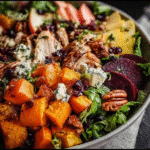
Fall Harvest Salad
Ingredients
- 1/4 cup raw pecans
- 2 tablespoons pumpkin seeds
- 3 tablespoons maple syrup
- 1/2 teaspoon cayenne pepper
- 1/4 teaspoon ground cinnamon
- flaky sea salt
- 3 ounces thinly sliced prosciutto
- 6 cups arugula or shredded kale
- 2 honeycrisp apples, thinly sliced
- 1 avocado, diced
- arils from 1 pomegranate
- 1/2 cup crumbled feta cheese
Apple Vinaigrette
- 1/3 cup extra virgin olive oil
- 1/4 cup apple cider vinegar
- 1 tablespoon dijon mustard
- 1 tablespoon apple butter (optional)
- 2 teaspoons honey or maple syrup
- 1 tablespoon fresh thyme leaves
- 2 teaspoons chopped fresh sage
- kosher salt and black pepper
Instructions
- Preheat the oven to 350° F. Line a baking sheet with parchment paper.
- On the prepared baking sheet, toss together the pecans, pumpkin seeds, maple, cayenne, and cinnamon. Arrange in a single layer. Lay the prosciutto flat around the nuts. Transfer to the oven and bake for 10-15 minutes or until the nuts are toasted and the prosciutto is crisp. Watch both closely. Sprinkle the nuts with sea salt.
- Meanwhile, in a large salad bowl, combine the arugula, apples, avocado, and pomegranate arils.
- To make the vinaigrette. Combine all ingredients in a jar with a lid and shake. Taste and adjust as needed.
- Pour the vinaigrette over the salad, tossing to combine. Top the salad with toasted nuts, prosciutto, and feta. Eat and enjoy!
Let’s explore the importance of each ingredient in your fall harvest salad.
Pecans: These nuts provide a delightful crunch and a rich, buttery flavor that beautifully complements the sweet and savory elements of the salad. Opt for raw pecans whenever possible to keep their healthy oils intact. Look for pecans that are plump and free of any discoloration or rancid smell.
Pumpkin Seeds: Also known as pepitas, these little green gems add a nutty flavor and additional crunch. They are also packed with nutrients, including magnesium and zinc. When selecting pumpkin seeds, choose those that are raw and unsalted for the best flavor and health benefits.
Maple Syrup: This natural sweetener is essential for balancing the flavors in your fall harvest salad. It adds a touch of autumn sweetness that pairs well with the tartness of apples and the saltiness of the prosciutto. Look for pure maple syrup, as imitation syrups often contain additives and artificial flavors.
Cayenne Pepper: A pinch of cayenne adds a subtle kick that contrasts with the sweetness of the other ingredients. You can adjust the amount according to your desired spice level. Fresh cayenne peppers can also be used if you prefer a more intense flavor.
Ground Cinnamon: This warming spice is a staple in fall dishes and enhances the flavor profile of your salad by adding a hint of warmth. Make sure to use freshly ground cinnamon for the best taste. It can often be found in bulk at local spice shops or farmer’s markets.
Flaky Sea Salt: The finishing touch for your salad, flaky sea salt enhances all the flavors and balances the sweetness. It’s important to sprinkle it on just before serving to maintain its texture.
Prosciutto: Thinly sliced prosciutto offers a savory, salty element that contrasts beautifully with the sweetness of the apples. For the best quality, look for prosciutto that is sliced paper-thin and has a rosy color with a good amount of marbling.
Arugula or Kale: This leafy base is crucial for adding volume and nutrition to your fall harvest salad. Arugula has a peppery flavor, while kale provides a hearty texture. Choose fresh leaves that are vibrant in color and free of wilting or browning.
Honeycrisp Apples: These apples are known for their sweet yet tart flavor and crisp texture. When picking apples, look for those that are firm and free of bruises. Honeycrisp are usually in season during the fall, making them a perfect addition.
Avocado: Diced avocado adds creaminess and healthy fats to your salad. Choose avocados that yield slightly to pressure but are not overly soft. Store unripe avocados at room temperature to ripen, and refrigerate once ripe to prolong freshness.
Pomegranate Arils: These jewel-like seeds add a burst of color and a tangy flavor to your dish. When selecting pomegranates, look for ones that are heavy for their size, indicating juiciness. You can also buy pre-packaged arils for convenience.
Feta Cheese: The briny flavor of crumbled feta cheese complements the sweetness of the salad. Go for high-quality feta, preferably made from sheep’s milk, for a creamier texture and richer flavor.
Apple Vinaigrette: This dressing ties all the elements together. A homemade vinaigrette using extra virgin olive oil, apple cider vinegar, dijon mustard, and apple butter creates a lovely balance of tang and sweetness.
Shopping Tips
When preparing to make your fall harvest salad, consider visiting local farmers’ markets where you can often find the freshest seasonal ingredients. This not only supports local agriculture but also guarantees the best quality produce.
For nuts and seeds, check the bulk section of your grocery store, which can be more economical than packaged options. Look for organic varieties when possible, as they tend to be fresher and free of harmful chemicals.
Substitutions and Alternatives
If you have dietary restrictions or preferences, there are plenty of substitutions you can make. For instance, if you’re vegan, you can omit the prosciutto and feta or substitute them with marinated tofu and nutritional yeast for a cheesy flavor. You can also replace maple syrup with agave nectar or a sugar substitute for a lower-calorie option.
In terms of greens, feel free to use spinach or mixed greens if arugula or kale isn’t available. For the dressing, a simple lemon vinaigrette can be a refreshing alternative to the apple vinaigrette.
Ultimately, the beauty of a fall harvest salad lies in its flexibility. Feel free to experiment with different ingredients according to what you have on hand, and enjoy the process of creating a dish that’s uniquely yours!
Detailed Step-by-Step fall harvest salad Cooking Instructions
Creating a fall harvest salad is not only about the ingredients but also about the process. The beauty of this dish lies in its vibrant colors and diverse textures, which are best achieved with careful attention to detail in the preparation and assembly. Let’s walk through the step-by-step process to ensure your salad is both delicious and visually stunning.
Preparation Steps
- Gather Your Ingredients: Start by assembling all your ingredients on the counter. This mise en place ensures that you have everything within reach, which streamlines the process and keeps you organized.
- Toast the Nuts and Seeds: Preheat your oven to 350°F (175°C). Spread the raw pecans and pumpkin seeds on a baking sheet and toast them for about 8-10 minutes or until they are golden and fragrant. This step intensifies their flavors and adds a lovely crunch. Keep an eye on them to prevent burning!
- Prepare the Dressing: In a medium bowl, whisk together the extra virgin olive oil, apple cider vinegar, dijon mustard, apple butter (if using), honey or maple syrup, fresh thyme leaves, chopped sage, and a pinch of kosher salt and black pepper. Taste and adjust seasoning as necessary. The dressing should be tangy with a hint of sweetness, perfectly complementing the other components of your salad.
- Slice the Apples: Core the honeycrisp apples and thinly slice them. You can leave the skin on for extra nutrients and color. To prevent browning, toss the slices in a little lemon juice if you’re not using them immediately.
- Dice the Avocado: Cut the avocado in half, remove the pit, and scoop the flesh out with a spoon. Dice it into bite-sized pieces and sprinkle a little lime or lemon juice over it to keep it from browning.
- Prepare the Greens: If using arugula, simply rinse and dry the leaves. For kale, remove the tough stems and chop the leaves into bite-sized pieces. Massage the kale with a little olive oil and salt to soften it if using kale.
- Remove Pomegranate Arils: Cut the pomegranate in half and gently tap the back with a wooden spoon, or use your fingers to loosen the arils. This can be a bit messy, so consider doing it over a bowl to catch any juice!
- Slice the Prosciutto: If your prosciutto isn’t pre-sliced, use a sharp knife to thinly slice it. You want to achieve delicate, paper-thin pieces that will wrap around the other ingredients beautifully.
Cooking Process
This salad is largely uncooked, but the toasting of nuts and seeds is a vital step that enhances their flavors. If you’re preparing any additional protein, such as roasted chicken or chickpeas, you can do this while the nuts are toasting. Just remember to keep an eye on your oven and set a timer!
During this time, you can also prepare the dressing. Whisking it together in advance allows the flavors to meld beautifully, making your fall harvest salad even more delightful.
Final Assembly
- Mix the Greens: In a large serving bowl, combine the arugula or kale. Add the sliced apples, diced avocado, toasted nuts, and pumpkin seeds.
- Add the Prosciutto: Gently fold in the thinly sliced prosciutto, ensuring even distribution throughout the salad.
- Incorporate the Pomegranate: Sprinkle the pomegranate arils over the top for that burst of color and flavor.
- Dress the Salad: Drizzle the apple vinaigrette over the salad just before serving. This ensures the greens remain crisp and fresh. You want just enough dressing to coat the ingredients without making them soggy.
- Finish with Feta: Finally, crumble the feta cheese on top, allowing it to nestle among the other ingredients.
- Toss and Serve: Gently toss all the ingredients together, ensuring everything is well-coated with dressing. Serve immediately for the best texture and flavor.
And there you have it! A stunning fall harvest salad that’s as beautiful as it is delicious, ready to impress your family and friends. This dish is perfect for holiday gatherings, potlucks, or simply as a nutritious meal that celebrates the flavors of the season. Enjoy the process and happy cooking!
Professional Tips and Techniques for fall harvest salad
As the leaves begin to turn shades of amber and gold, the idea of a fall harvest salad becomes not only appealing but a delightful celebration of seasonal flavors. Crafting the perfect fall harvest salad is an art that can elevate your dining experience, whether you’re hosting a gathering or looking for a nutritious weeknight meal. Here, I’ll share some professional tips and techniques that will transform your salad from ordinary to extraordinary.
Professional Techniques
To create a stellar fall harvest salad, understanding the importance of texture and flavor balance is crucial. Start with a solid base—consider using mixed greens, kale, or arugula. These greens not only provide a robust foundation but also add nutritional value. When selecting your greens, always opt for fresh, crisp leaves. If you want to take it up a notch, try massaging your kale with a bit of olive oil and salt. This technique helps to soften the leaves, making them much more palatable, especially for those who find raw kale too tough.
Another professional tip is to roast your vegetables. Roasting brings out the natural sugars in root vegetables like sweet potatoes, carrots, and beets, enhancing their flavors. Preheat your oven to 400°F (200°C), toss your chopped vegetables in olive oil, salt, and pepper, and roast them for about 25-30 minutes, or until they are tender and caramelized. The process not only enriches the taste but also adds a lovely warmth to your salad, perfect for fall.
Incorporating nuts and seeds can add a delightful crunch. Toasting these ingredients in a dry skillet over medium heat for a few minutes can elevate their flavor profile significantly. Try using walnuts or pecans for a nutty taste that pairs beautifully with the sweetness of roasted squash and the acidity of a balsamic vinaigrette.
Troubleshooting Guide
Even the best chefs encounter issues in the kitchen. When making a fall harvest salad, it’s essential to troubleshoot common problems. One common issue is the salad becoming soggy. To prevent this, make sure to dry your greens thoroughly after washing. A salad spinner can be your best friend here. Excess moisture can lead to a lackluster salad experience.
If your salad feels bland, consider what you might be missing. Seasoning is key! Don’t shy away from seasoning each component as you prepare it. A pinch of salt on your roasted vegetables or a dash of pepper on your greens can make a world of difference. Additionally, ensure your dressing is well-balanced—include acidity (like lemon juice or vinegar), sweetness (honey or maple syrup), and oil to create a harmonious flavor.
Presentation Tips
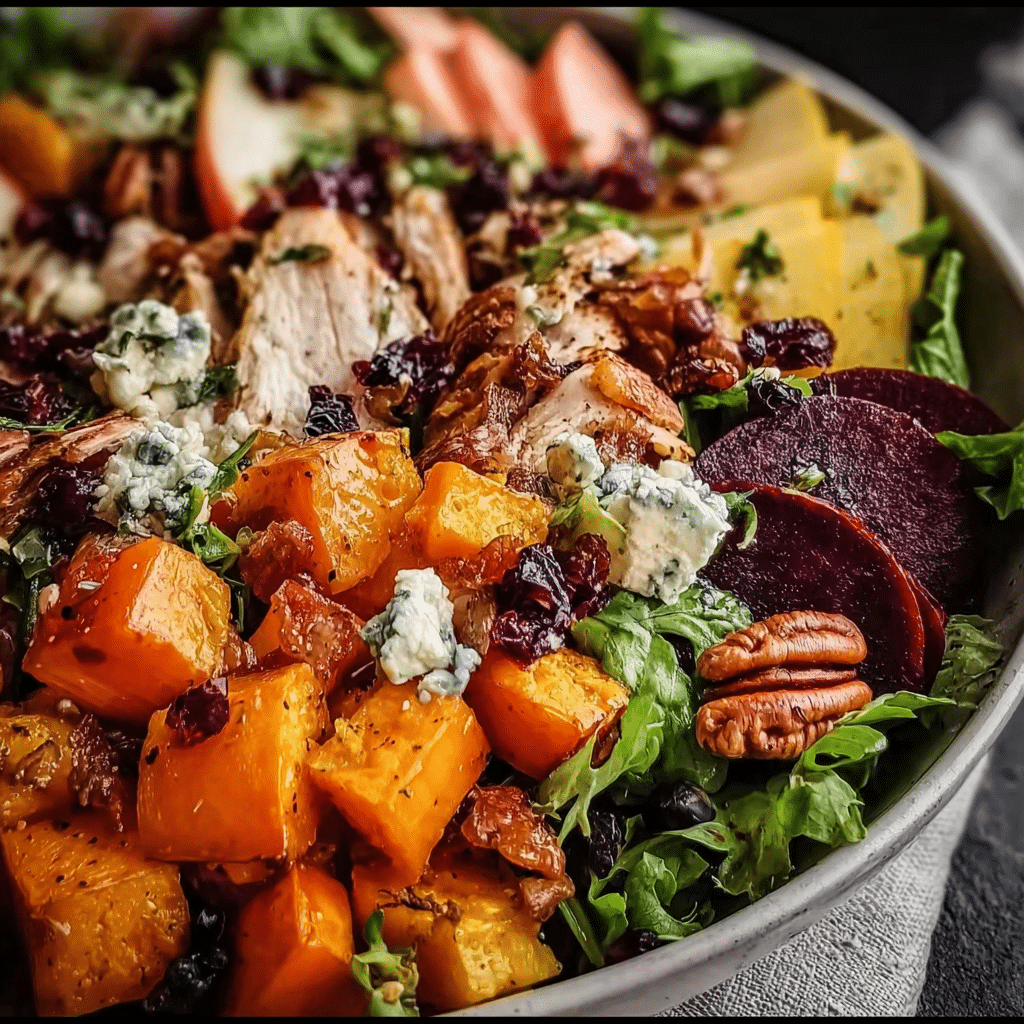
Once you’ve crafted your delicious fall harvest salad, it’s time to think about presentation. A well-presented salad can make your meal feel special. Use a large, shallow bowl to allow the colors and textures of your ingredients to shine. Layering is another technique that can enhance visual appeal. Start with your greens, then add roasted vegetables, followed by nuts, cheese, and finally, perhaps some fresh herbs for a pop of color.
Don’t forget about the dressing! Drizzling it over the top not only looks beautiful but allows your guest to see the fresh ingredients and anticipate the flavors. For an added touch, consider garnishing with edible flowers or microgreens, which can elevate the aesthetic of your fall harvest salad even further.
Lastly, beverage pairing can enhance your dining experience. A crisp white wine, such as Sauvignon Blanc, or a light red, like Pinot Noir, complements the earthy flavors of roasted vegetables. Alternatively, for a non-alcoholic option, a sparkling apple cider can echo the flavors of fall and bring a refreshing zing to your meal.
In conclusion, crafting the perfect fall harvest salad involves a blend of professional techniques, troubleshooting, and presentation skills. With these tips under your belt, you’ll be well-equipped to impress friends and family with a salad that not only tastes great but looks stunning on your table.
Creative Variations and Adaptations of fall harvest salad
One of the joys of preparing a fall harvest salad is the freedom to experiment with seasonal ingredients and variations that reflect personal taste and dietary needs. In this section, we will explore creative adaptations, ingredient swaps, and international twists that can help you customize your salad to perfection.
Seasonal Variations
As the seasons change, so do the ingredients available at your local markets. When making a fall harvest salad, think about incorporating seasonal produce. For instance, consider adding roasted Brussels sprouts, which become sweet and tender when roasted. They provide a wonderful contrast to the crunch of fresh greens.
Another seasonal staple is the pomegranate. Not only do the jewel-like seeds add a burst of color, but they also offer a tangy flavor that balances the sweetness of roasted vegetables. Apples and pears, which are plentiful in the fall, can add a crisp texture and natural sweetness. Thinly slice them and toss them in a little lemon juice to prevent browning before adding them to your salad.
Don’t forget about grains! Quinoa, farro, or even wild rice can be wonderful additions, making your salad heartier and more filling. These ingredients not only add texture but also a nutty flavor that pairs beautifully with the earthy tones of fall.
Dietary Adaptations
Today’s world is all about inclusivity, especially when it comes to food. A fall harvest salad can easily be adapted to accommodate various dietary preferences. For a vegan version, simply skip the cheese and opt for a plant-based protein, such as chickpeas or lentils. The creaminess of avocado can also serve as a fantastic substitute for cheese, adding healthy fats and a delightful texture.
If you’re catering to a gluten-free audience, ensure that any grains you use are certified gluten-free. Often, quinoa is a safe bet. And for those following a keto diet, you might want to swap out starchy vegetables like sweet potatoes for roasted cauliflower, which provides a similar texture without the carbs.
Creative Twists
To keep things interesting, consider international fusion variations of the traditional fall harvest salad. For instance, you could create a Mediterranean-inspired version by adding roasted eggplant, feta cheese, and a dressing made with tahini and lemon juice. Alternatively, for an Asian twist, use sesame oil and soy sauce in your dressing and incorporate ingredients like edamame, shredded cabbage, and sliced radishes.
Explore different cooking methods as well. While roasting is a popular choice, grilling your vegetables can impart a smoky flavor that’s incredibly enjoyable. Similarly, using a slow cooker for certain components, like a warm grain base, can provide a comforting touch to your salad. This method is especially appealing on chilly fall evenings.
Lastly, don’t let leftovers go to waste! Transform your fall harvest salad into a hearty soup. Simply blend leftover salad with vegetable broth, heat it up, and you have a delicious, warming dish. Or, use leftover roasted vegetables in a frittata or omelet for a cozy breakfast option.
In conclusion, the versatility of a fall harvest salad allows for endless creativity. By utilizing seasonal ingredients, making dietary adaptations, and experimenting with international flavors, you can create a dish that not only nourishes but also excites the palate. Embrace the beauty of fall and the bounty it offers with your unique take on this delightful salad.
Storage, Reheating, and Meal Prep for fall harvest salad
When it comes to preparing a delicious and vibrant fall harvest salad, one of the most crucial aspects to consider is how to store it properly. Whether you’ve prepared a big batch for a gathering or just want to save some leftovers for later, knowing the right storage techniques can make all the difference in preserving flavor and freshness. Let’s dive into the nitty-gritty of storage, reheating, and meal prep strategies for your fall harvest salad.
Short-term Storage
After you’ve tossed together your fall harvest salad, the first step in storage is to ensure it remains fresh for as long as possible. The refrigerator is your best friend here. Start by using airtight containers that are specifically designed for salads. Glass containers are ideal as they don’t retain odors and can be easily cleaned. If you’re using plastic, make sure it’s BPA-free.
When storing your salad, it’s essential to keep the dressing separate. If you mix the dressing in with the salad beforehand, the greens will wilt and lose their crispiness. Instead, store the dressing in a small container, either a jar or a squeeze bottle, and add it just before serving. Generally, a prepared fall harvest salad can last in the fridge for about 3 to 5 days, depending on the ingredients used. For example, hearty ingredients like roasted root vegetables will hold up better than delicate greens like arugula.
Freezing and Long-term Storage
If you’ve made a large quantity of your fall harvest salad and want to store it for a more extended period, freezing might cross your mind. However, freezing salads isn’t always the best option due to the textures involved. While cooked components like roasted squash and grains can be frozen, the fresh greens will not fare well once thawed. If you know you won’t consume the salad within a few days, consider freezing only the hearty ingredients separately.
For freezing, let the cooked components cool entirely before placing them in freezer-safe bags or containers. Remove as much air as possible to prevent freezer burn. Label the bags with the date and contents for easy identification later. When stored this way, roasted vegetables and grains can last for about 3 to 4 months in the freezer.
Reheating Best Practices
When you’re ready to enjoy your fall harvest salad leftovers, reheating is an important step to ensure quality. For the roasted vegetables or grains, the best method is to reheat in the oven. Preheat your oven to 350°F (175°C), spread the ingredients on a baking sheet, and warm them for about 10-15 minutes, or until heated through. This method helps maintain the textures of the vegetables, ensuring they retain their delicious, roasted flavors.
For greens or any dressing, it’s best to avoid reheating as they will wilt or separate. Instead, consider adding fresh greens to the reheated components for a refreshing contrast. Remember, if you’ve added proteins like chicken or cheese, ensure they reach a temperature of 165°F (74°C) for food safety.
Meal Prep and Batch Cooking Strategies
Meal prepping your fall harvest salad is a fantastic way to save time throughout the week while ensuring you have nutritious options at your fingertips. Start by washing and chopping all your salad ingredients ahead of time. Store them in separate containers to maintain freshness. For example, keep the grains in one container, roasted vegetables in another, and greens in a separate bag or container. This way, you can mix and match throughout the week without compromising the salad’s quality.
Consider preparing a large batch of dressing as well. Store it in the refrigerator, and it should last about one week. Making this a regular part of your meal prep routine can help you create delicious, customized salads that reflect your mood and cravings each day.
Food Safety Considerations and Guidelines
Food safety is paramount when it comes to storing any food, including your fall harvest salad. Always ensure your salad is stored at the correct temperature, ideally below 40°F (4°C) in the refrigerator. If your salad has been left out at room temperature for more than two hours, it’s best to discard it to avoid any risk of foodborne illness.
Additionally, when preparing your salad ingredients, ensure you maintain proper hygiene. Wash your hands and all produce thoroughly. For ingredients like nuts or cheese that might be more perishable, consider their shelf life and how they fit into your meal prep plan. For example, cheese can last up to a week in the fridge, but always check for any signs of spoilage.
Shelf Life Expectations
Understanding the shelf life of your fall harvest salad components will help you enjoy it at its best. Generally, leafy greens like spinach or kale will remain fresh for about 3 to 5 days, while hearty vegetables can last much longer. Grains such as quinoa or farro can last up to a week when stored properly. If you’re using items like nuts or seeds, their shelf life can vary but generally lasts several weeks in the refrigerator.
Portioning and Packaging Tips
When it comes to portioning your fall harvest salad for storage, consider using individual containers. This not only makes it easy to grab a healthy lunch on the go but also helps control portion sizes. If you’re preparing the salad for a crowd, consider using a large bowl for serving and letting guests assemble their salads, allowing them to customize their portions and toppings.
In conclusion, mastering the storage, reheating, and meal prep of your fall harvest salad can significantly enhance your culinary experience. By following these guidelines, you’ll ensure that each bite is as delicious as the first, whether you’re enjoying it fresh or as leftovers. Remember, the key is to keep things organized, separated, and stored correctly to maintain the quality and flavors of your seasonal creation!
Nutritional Benefits and Health Information
As we transition into the wonderful flavors of fall, one of the most delightful ways to celebrate the season is through a vibrant fall harvest salad. Not only does it showcase a kaleidoscope of colors and textures, but it also brings a wealth of nutritional benefits that can support a healthy lifestyle. Let’s explore the key ingredients, their nutritional profiles, and how this salad can fit into various dietary plans.
Nutritional Profile
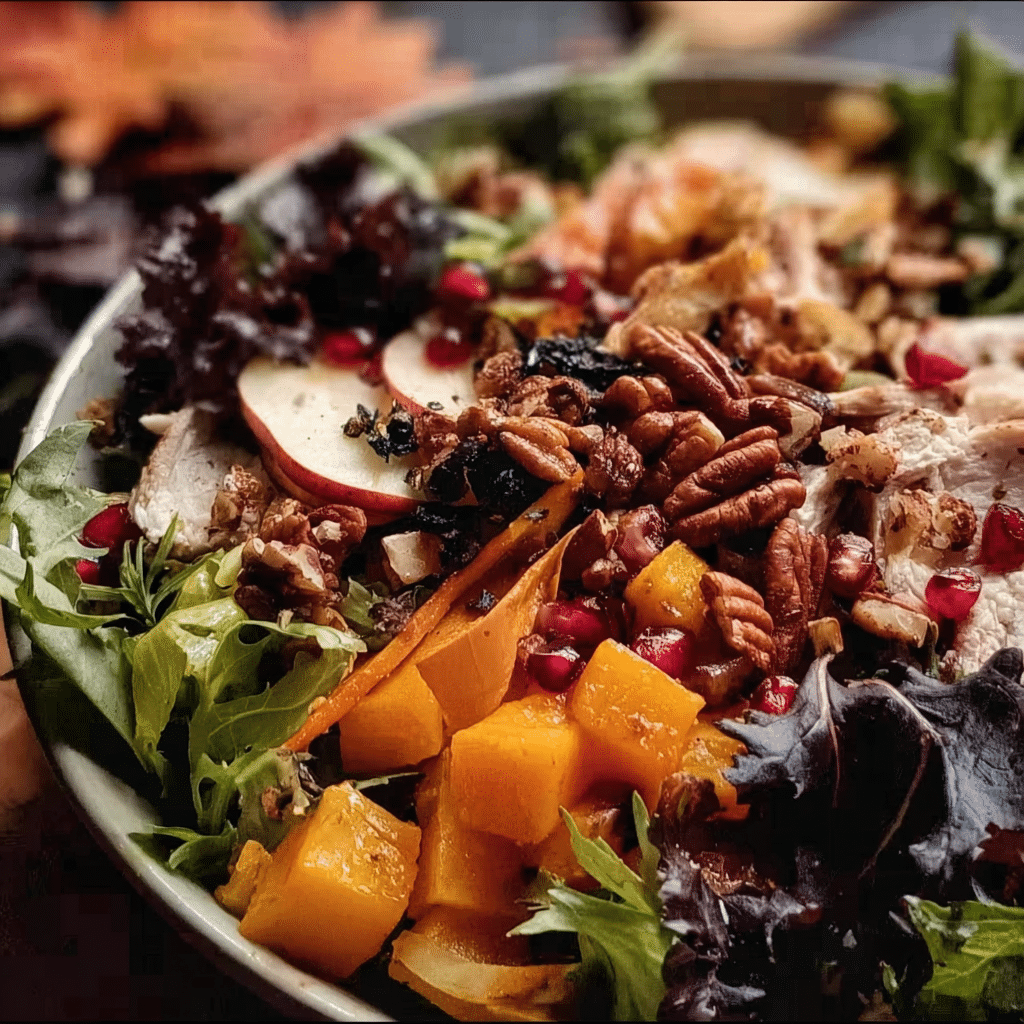
The beauty of a fall harvest salad lies in its versatility. Typically, it features a medley of seasonal ingredients such as roasted squash, kale, apples, cranberries, nuts, and grains like quinoa or farro. Each component contributes unique nutritional benefits that pack a mighty punch. For instance, a basic serving of this salad can provide a balanced array of macronutrients, including carbohydrates, proteins, and healthy fats.
On average, a serving of a well-balanced fall harvest salad can contain around 300-400 calories, depending on the ingredients and portion sizes. This caloric content is derived from the fiber-rich grains and vegetables, healthy fats from nuts and seeds, and natural sugars from fruits, making it a nourishing option that can keep you full without weighing you down.
Health Benefits
The health benefits of a fall harvest salad are extensive. First and foremost, the abundance of vegetables and fruits provides essential vitamins and minerals. For instance, kale is rich in vitamins A, C, and K, which are vital for maintaining healthy vision, boosting the immune system, and supporting bone health. Similarly, squash is an excellent source of beta-carotene, which our bodies convert to vitamin A.
In addition to vitamins, these salads are also packed with antioxidants, particularly from ingredients like cranberries, apples, and nuts. Antioxidants help combat oxidative stress in the body, reducing the risk of chronic diseases and promoting overall health. The inclusion of healthy fats from nuts can also support heart health by improving cholesterol levels and providing anti-inflammatory benefits.
Dietary Considerations
When it comes to dietary considerations, the fall harvest salad can be incredibly adaptable. For those following a vegetarian or vegan lifestyle, this salad is a fantastic option since it’s naturally plant-based and can be modified to suit various preferences. Simply omit any cheese or animal-based proteins and focus on nutrient-dense ingredients like legumes or additional seeds for protein.
For gluten-free diets, using quinoa or brown rice instead of traditional grains like barley or farro ensures that everyone can enjoy this vibrant dish. Additionally, if you have nut allergies, consider replacing nuts with seeds such as pumpkin or sunflower seeds, which provide a similar crunch and nutritional benefits without the allergens.
When it comes to calorie-conscious eating, the fall harvest salad is inherently a low-calorie option packed with fiber. This means it can be part of a weight loss or maintenance plan without sacrificing flavor or satisfaction. Furthermore, you can easily adjust the ingredients to reduce calorie density, such as using less dressing or incorporating more leafy greens.
For those following a ketogenic or low-carb diet, the key is to focus on the vegetables and healthy fats while limiting the grains and fruits. Opt for leafy greens, low-carb vegetables like bell peppers, and add a good source of fat, such as avocado or a rich olive oil dressing, to keep the meal satisfying while adhering to dietary restrictions.
Healthy Modification Suggestions
There’s always room for creativity in a fall harvest salad. If you’re looking to amp up the nutrition even more, consider adding ingredients like chickpeas or lentils for added protein and fiber. You can also experiment with different types of leafy greens; while kale is a great option, spinach or arugula can bring a different flavor profile.
If you’re craving a little sweetness, consider substituting fresh figs or pomegranate seeds for cranberries, which offer a unique twist while also being nutrient-dense. To enhance the crunch factor, try adding roasted chickpeas or a sprinkle of hemp seeds for extra protein without the guilt.
Comparison with Similar Dishes
When comparing the fall harvest salad to other seasonal salads, its nutritional value stands tall. Many traditional salads focus heavily on creamy dressings and less nutrient-dense ingredients. In contrast, a fall harvest salad is inherently light yet satisfying, making it a perfect choice for those looking to maintain a healthy lifestyle during the indulgent holiday season.
Salads like Caesar or potato salad often contain heavier dressings and ingredients that can lead to higher calorie counts without the same level of nutritional benefits. The fall harvest salad not only provides a feast for the eyes but also a wealth of nutrients that nourish the body.
In conclusion, the fall harvest salad is more than just a seasonal dish; it’s a celebration of health and nutrition. With its vibrant ingredients and numerous health benefits, this salad can easily fit into a variety of dietary plans while providing you with the nourishment your body craves. So, next time you whip up a batch, remember that you’re not just creating a meal; you’re fueling your body with wholesome goodness!
Frequently Asked Questions About Fall Harvest Salad
Fall harvest salad with chicken
A fall harvest salad with chicken is a hearty and nutritious option that combines protein with seasonal produce. To enhance the flavors, consider using grilled or roasted chicken that has been seasoned with herbs like thyme or rosemary, which complement the autumnal ingredients. Adding nuts such as walnuts or pecans can provide a satisfying crunch while also boosting the salad’s nutritional profile. Don’t forget to include a variety of colorful vegetables like roasted Brussels sprouts or sliced apples for a contrast in texture and taste. Finally, drizzle your salad with a homemade vinaigrette to tie all the flavors together beautifully.
Roasted fall harvest salad
A roasted fall harvest salad elevates the flavors of seasonal vegetables by enhancing their natural sweetness and depth. Start by roasting root vegetables like carrots, parsnips, or sweet potatoes at a high temperature (around 400°F) until they are tender and caramelized. Combine these warm vegetables with fresh greens like arugula or spinach to create a delightful contrast. To add protein, consider including roasted chickpeas or crumbled feta cheese, which will add creaminess and flavor. Finish with a sprinkle of toasted seeds or nuts for an added crunch, and a drizzle of balsamic reduction to enhance the overall taste of the salad.
Fall harvest salad recipe
A classic fall harvest salad recipe typically includes a mix of seasonal ingredients such as kale, roasted squash, apples, and dried cranberries. To create a balanced dish, start with a base of hearty greens like kale or spinach, then layer in roasted vegetables like butternut squash and Brussels sprouts. Incorporate fruits such as sliced pears or apples for sweetness, and add nuts like almonds or walnuts for texture. For a finishing touch, consider crumbling some goat cheese or feta on top. This combination of flavors and textures not only makes for a visually appealing salad but also creates a satisfying meal.
Fall harvest salad dressing
The right dressing can elevate your fall harvest salad to new heights. A simple yet flavorful dressing can be made by whisking together olive oil, apple cider vinegar, Dijon mustard, and honey, balancing the tanginess with a touch of sweetness. For added flavor, consider infusing your dressing with minced garlic or finely chopped shallots. If you prefer a creamier option, you can blend in Greek yogurt or tahini for richness. Always taste and adjust the seasoning with salt and pepper before serving, as this will enhance the overall flavor profile of your salad.
Easy harvest salad recipe
If you’re looking for an easy harvest salad recipe, start with a base of mixed greens and add in whatever seasonal fruits and vegetables you have on hand. For a quick and delicious option, toss together pre-washed baby spinach with sliced apples, walnuts, and crumbled blue cheese. A simple dressing of olive oil, balsamic vinegar, and a pinch of salt can be whipped up in no time. To make it even heartier, consider adding cooked quinoa or canned chickpeas for protein. This flexible recipe allows you to customize with your favorite ingredients, making it both easy and delicious.
Fall harvest salad butternut squash
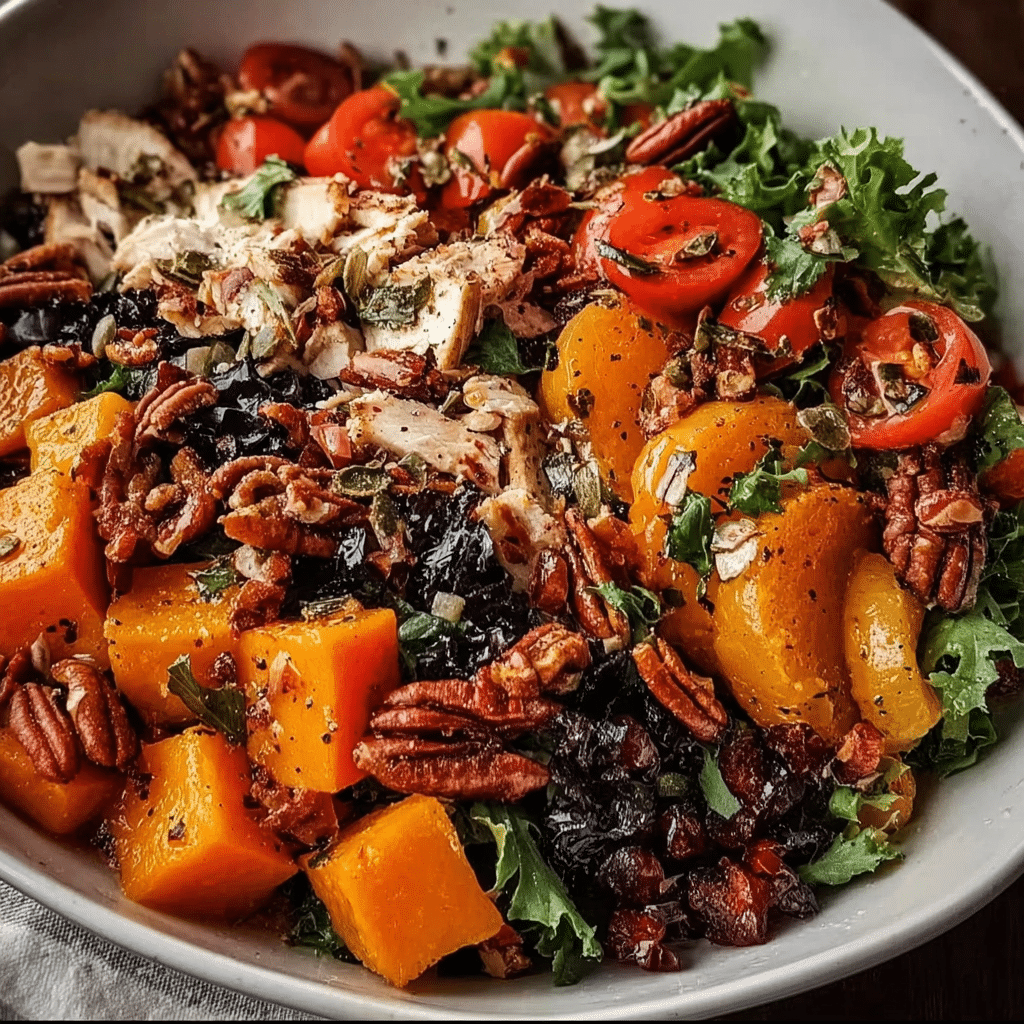
Incorporating butternut squash into your fall harvest salad adds a delightful sweetness and a beautiful pop of color. To prepare it, peel and cube the squash, then roast it in the oven with olive oil, salt, and pepper until tender and slightly caramelized. This enhances its natural flavor and makes it a perfect addition to your salad. Combine the roasted squash with ingredients like arugula, dried cranberries, and toasted pecans for a well-rounded dish. A drizzle of maple vinaigrette can complement the sweetness of the squash beautifully and bring all the flavors together.
Fall harvest salad with sweet potato
A fall harvest salad with sweet potato is a nutritious and filling option, perfect for cooler weather. Start by peeling and cubing the sweet potatoes, then roast them with a sprinkle of cinnamon and olive oil to bring out their natural sweetness. Combine the roasted sweet potatoes with ingredients like kale, pomegranate seeds, and feta cheese for a vibrant and tasty salad. To add crunch, toss in some pumpkin seeds or nuts. A zesty lemon vinaigrette can brighten the flavors and balance the sweetness of the sweet potatoes, making this salad a delightful fall dish.
Harvest salad dressing
A great harvest salad dressing can enhance the flavors of your seasonal ingredients significantly. A popular choice is a maple balsamic dressing, made by whisking together balsamic vinegar, pure maple syrup, Dijon mustard, and olive oil. This combination lends a sweet and tangy flavor that pairs beautifully with roasted vegetables and fruits like apples or pears. If you’re looking for a creamier option, try a yogurt-based dressing with garlic, lemon juice, and herbs for a fresh twist. Always remember to taste your dressing and adjust the seasonings to suit your preferences before serving.