Festive Christmas bread is more than just a delightful treat; it’s a warm hug in the form of baked goodness, often woven into the fabric of holiday traditions around the world. I still vividly remember the first time I stumbled upon a recipe for this enchanting bread. It was a chilly December evening, and the aroma of cinnamon and sugar wafting from the kitchen filled my home with an inviting warmth. As I flipped through an old cookbook passed down from my grandmother, the page dedicated to festive breads caught my eye, and I knew I had to try my hand at it.
As I mixed the ingredients, I felt an undeniable connection to my family’s past. My grandmother had always emphasized the importance of cooking as a way to bond with loved ones, and this recipe was no exception. I can still hear her voice narrating the story of her own Christmas memories, where the scent of freshly baked bread mingled with laughter and love. That first loaf was a bit lopsided and uneven, but the joy it brought to my family and the nostalgic feelings it evoked made it worth every imperfect moment.
The Story Behind This Recipe
The origins of festive Christmas bread can be traced back to various cultures, each adding their unique twist to the recipe. In many European countries, bread has been a staple of holiday celebrations, symbolizing abundance and togetherness. For instance, in Germany, you might encounter Stollen, a fruit-filled bread dusted with powdered sugar. Meanwhile, in Italy, Panettone reigns supreme, a tall, dome-shaped bread studded with candied fruits and raisins. Each variation tells its own story, reflecting the history and traditions of the people who make it.
What makes my family’s version of festive Christmas bread truly special is the way it brings everyone together during the busy holiday season. Unlike more complicated dishes that require hours of preparation, this bread can be put together relatively quickly, allowing families to enjoy the baking process without the stress. The recipe I use is a blend of traditional elements and modern conveniences, making it perfect for busy families looking for a quick dinner solution that still captures the festive spirit.
Seasonally, this bread is best enjoyed in the weeks leading up to Christmas. Its rich flavors and inviting aroma make it the perfect accompaniment to holiday gatherings, cozy evenings by the fire, or even as a unique centerpiece for your Christmas dinner table. The emotional connection I feel towards this bread is profound; it’s not just about the delicious taste, but the memories created around the kitchen as we knead the dough and share stories.
In this article, I promise to guide you through the ins and outs of making your very own festive Christmas bread. From the ingredients you’ll need to the techniques that will elevate your baking game, you’ll learn how to create a loaf that not only tastes amazing but also becomes a cherished part of your holiday traditions. Whether you’re a seasoned baker or just starting out, this guide will equip you with the knowledge and confidence to make a loaf that will delight your family and friends.
The Rich History and Cultural Significance of festive christmas bread
To truly appreciate the beauty of festive Christmas bread, it’s essential to delve into its rich history and cultural significance. This beloved dish has evolved over centuries, shaped by the customs and traditions of various regions around the world. Understanding its origins allows us to connect more deeply with the bread we bake and share during the festive season.
Origins and History
The history of festive Christmas bread can be traced back to ancient civilizations, where bread was not just a food item but a fundamental part of life. In ancient Rome, for example, bread was used in religious rituals, symbolizing life and sustenance. As Christianity spread throughout Europe, bread became a significant element of holiday celebrations, particularly during Christmas. Various cultures began to incorporate spices, fruits, and nuts into their bread recipes, creating the festive flavors we associate with Christmas today.
In Germany, the tradition of Stollen dates back to the 15th century. This rich, fruit-laden bread was originally a simple yeast dough but evolved over time to include marzipan and a generous dusting of powdered sugar, symbolizing the sweetness of the holiday season. Similarly, the Italian Panettone has origins that date back to the Middle Ages, becoming a symbol of Milanese culture. Each region boasts its unique recipe, reflecting local ingredients and traditions while maintaining the essence of festive celebration.
Cultural Significance
The cultural significance of festive Christmas bread is profound, often serving as a centerpiece during holiday meals and gatherings. In many households, baking this bread is a cherished family tradition that brings generations together. It’s common for families to gather in the kitchen, sharing laughter and stories while creating their version of this beloved dish. The act of baking itself becomes a ritual, fostering a sense of community and love.
Moreover, festive Christmas bread is frequently associated with various holiday customs. For instance, in some cultures, families will bake a special loaf to share with neighbors, symbolizing goodwill and community spirit. In others, it may be served alongside seasonal meals, enhancing the festive atmosphere. This bread carries with it stories, traditions, and emotions that connect us to our heritage and loved ones.
Nutritional Benefits
While festive Christmas bread is undoubtedly a treat, it also offers some nutritional benefits worth noting. Many recipes incorporate whole grains, nuts, and dried fruits, providing a good source of fiber, vitamins, and minerals. Whole grain flours can contribute to better digestion and sustained energy levels, making it a more wholesome option than many other holiday sweets.
Furthermore, the inclusion of nuts and fruits adds healthy fats and antioxidants, which can help support overall health. Enjoying this bread in moderation during the festive season allows you to indulge without sacrificing your health goals. Plus, the joy of sharing homemade bread with family and friends is an experience that nourishes the soul.
In conclusion, the rich history and cultural significance of festive Christmas bread make it a remarkable dish that transcends borders and generations. From its ancient origins to the modern adaptations we see today, this bread symbolizes warmth, togetherness, and the spirit of celebration. As we embark on our journey to create this delightful treat, let us honor the traditions and stories that have shaped it, making our own memories in the process.
Essential Ingredients for Perfect festive christmas bread
When it comes to creating a stunning and delicious festive Christmas bread, the ingredients you choose are paramount. They not only contribute to the flavor and texture of your bread but also set the stage for a delightful baking experience. Here, we delve into the essential ingredients that will transform your kitchen into a haven of holiday cheer.
Essential Ingredients
- 3 to 5 pounds ribeye roast: This cut of beef is renowned for its tenderness and rich flavor. Look for a ribeye roast with good marbling, which ensures juiciness and flavor. When selecting your roast, choose one that feels firm to the touch and has a bright red color. The marbling should be creamy white, indicating it’s well-aged and fresh.
- 1/2 cup Balsamic vinegar: This ingredient brings a sweet and tangy depth to your festive Christmas bread, enhancing the overall flavor profile. Opt for high-quality balsamic vinegar, preferably aged, which has a thicker consistency and a more complex flavor. When shopping, check the label for a higher percentage of grape must, which indicates better quality.
- 2 garlic cloves, minced: Garlic adds a savory note that complements the richness of the ribeye roast. Select fresh garlic bulbs with tight, unblemished skins. The aroma should be strong, and the cloves should be firm, not sprouting or soft.
- 1/4 cup cranberry sauce: Cranberry sauce introduces a sweet-tart balance that is quintessential during the festive season. Whether you choose store-bought or homemade, ensure it’s pure and free from additives for the best flavor. If making your own, fresh cranberries are typically available in late fall and early winter.
- 2 tablespoons brown sugar: This ingredient not only sweetens the dish but also adds moisture and a subtle caramel flavor. Choose dark brown sugar for a richer taste. Store it in a cool, airtight container to prevent it from hardening.
- 1 teaspoon red pepper flakes: A pinch of heat from red pepper flakes enhances the overall complexity of the bread. Look for bright red flakes, which indicate freshness. They’re widely available year-round.
- Salt to taste: Salt is essential for enhancing flavors in any dish. Use kosher salt for a more even distribution, or sea salt for a touch of minerality. Always taste as you go to avoid over-salting.
- 2 tablespoons olive oil: Olive oil adds richness and moisture to the dough. Opt for extra virgin olive oil for its robust flavor and health benefits. It’s best to store it in a dark bottle away from light and heat to preserve its quality.
- 2 tablespoons vegetable oil: This can be used to create a lightness in your festive Christmas bread. While any neutral oil will work, canola oil or grapeseed oil are both great options. Look for oils that are expeller-pressed for a more natural product.
- 1/2 cup beef broth: Beef broth adds depth and richness to the dough. Choose low-sodium versions to control the saltiness of your bread. Homemade broth can be made from leftover bones and vegetables, enhancing the flavor even further.
- 2 cups cranberries: Fresh cranberries add a burst of tartness and color to your festive Christmas bread. Look for firm, plump berries that are deep red in color. If fresh cranberries are unavailable, frozen ones work well too; just ensure they’re unsweetened.
- 6 sprigs thyme: Fresh thyme brings an aromatic herbal note that pairs beautifully with the other flavors. Choose bright green sprigs with no signs of wilting. If fresh thyme is unavailable, dried thyme can be used; however, reduce the amount since it’s more concentrated.
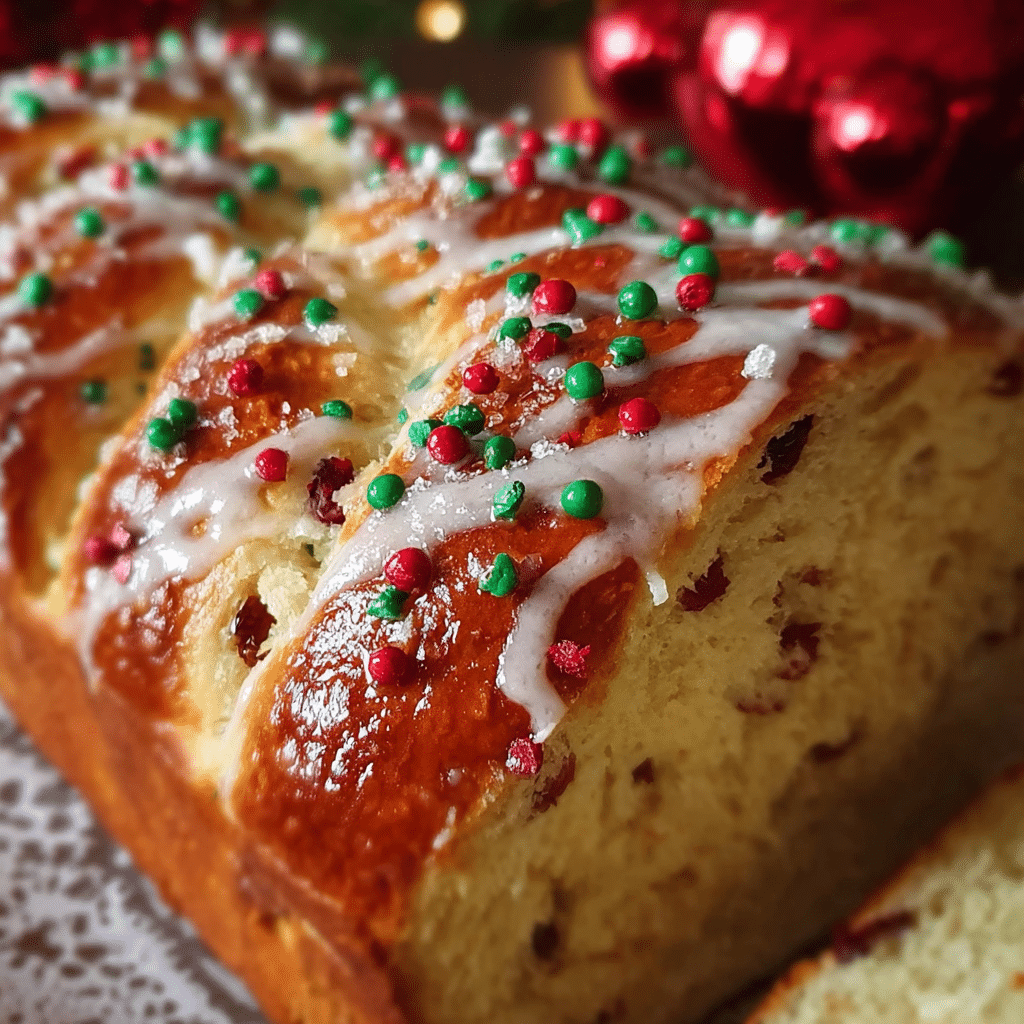
Festive Christmas Bread
Ingredients
Bread
- ½ cup unsalted butter softened
- 1 cup granulated sugar
- 2½ teaspoons vanilla extract
- 3 large eggs
- ½ cup sour cream
- ¼ cup whole milk
- 1¾ cups all-purpose flour
- 1 teaspoon baking powder
- ¼ teaspoon baking soda
- 1 teaspoon salt
- ½ teaspoon ground cinnamon
- ⅔ cup Christmas sprinkles plus more for topping
Icing
- 1¼ cups powdered sugar
- 2 tablespoons heavy cream
- 1 teaspoon vanilla extract
Instructions
- Preheat the oven to 350°F and spray a 9×5-inch loaf pan with non-stick cooking spray; set aside.
- In a large bowl with a hand mixer, cream together the butter and sugar until light and fluffy.
- Add in the eggs and vanilla and mix just until combined then mix in the sour cream and milk until incorporated; set aside.
- In a separate large bowl whisk together the flour, baking powder, baking soda, salt, and cinnamon.
- Add the dry ingredients into the wet ingredients and stir in until just combined and no flour streaks remain.
- Lastly, fold in the sprinkles but do not overmix them or they could bleed into the batter.
- Spread into the prepared loaf pan and bake for about 60 to 70 minutes or until a toothpick comes clean from the center and the top is just golden. Remove from the oven and cool in the pan for 5 minutes then transfer to a wire rack to cool completely.
- Meanwhile, make the glaze by whisking together the powdered sugar, heavy cream, and vanilla. Spread the icing over the cooled bread and smooth out with a rubber spatula.
- Sprinkle with extra sprinkles if desired then let set then slice and serve.
Shopping Tips
When shopping for ingredients for your festive Christmas bread, consider visiting local farmers’ markets or specialty food stores. They often carry fresher produce and high-quality meat options. For herbs and spices, organic choices can provide superior flavor and aroma, though they may come at a higher price. If you’re on a budget, buying in bulk or using dried herbs instead of fresh can be a significant cost-saver.
Substitutions and Alternatives
Dietary restrictions can often lead to creative substitutions. For those avoiding beef, a pork or turkey roast can replace the ribeye. For a vegetarian option, consider using a hearty mushroom or a nut-based alternative, like lentil loaf. If you’re looking to avoid sugar, natural sweeteners such as maple syrup or honey can work as substitutes for brown sugar. Ensure that the flavors balance well to maintain the integrity of your festive Christmas bread.
In conclusion, understanding the role and importance of each ingredient in your festive Christmas bread is crucial to achieving a delicious result. Selecting high-quality ingredients, being mindful of seasonal availability, and exploring substitutions can all contribute to a successful baking experience that will delight your guests during the holiday season.
Detailed Step-by-Step festive christmas bread Cooking Instructions
Now that you have gathered all the essential ingredients for your festive Christmas bread, it’s time to dive into the exciting world of baking. This step-by-step guide will walk you through the process, ensuring that your bread turns out perfectly every time.
Preparation Steps
- Gather Your Tools: Before you start, ensure you have all your baking tools ready. You will need a large mixing bowl, a wooden spoon or spatula, measuring cups and spoons, a baking sheet, parchment paper, and an oven thermometer. If you have a stand mixer, feel free to use it to make the mixing process easier.
- Mise en Place: This French culinary phrase means “everything in its place.” Prepare your workspace by measuring out all the ingredients beforehand. Mince the garlic, measure the balsamic vinegar, and get the ribeye roast ready. Having everything prepared will streamline the cooking process.
- Prepare the Cranberries: If you’re using fresh cranberries, rinse them under cold water and remove any that are soft or bruised. If you have frozen cranberries, there’s no need to thaw them beforehand; they can be added directly to the mixture.
- Marinate the Roast: In a bowl, combine the balsamic vinegar, minced garlic, cranberry sauce, brown sugar, red pepper flakes, and salt. Place the ribeye roast in a large resealable bag and pour the marinade over it. Seal the bag, ensuring it’s tightly closed, and refrigerate for at least one hour or overnight for maximum flavor infusion.
Cooking Process
- Preheat the Oven: Preheat your oven to 375°F (190°C). This temperature is ideal for roasting, allowing the meat to cook evenly while developing a beautiful crust.
- Prepare the Baking Sheet: Line a baking sheet with parchment paper to prevent sticking and make cleanup a breeze. This is also where your festive Christmas bread will bake, so ensure it’s ready to go.
- Remove the Roast from Marinade: Take the marinated ribeye roast out of the bag, discarding the marinade. Pat the roast dry with paper towels, ensuring it’s not too wet to achieve a nice sear.
- Sear the Roast: In a large skillet, heat the olive oil and vegetable oil over medium-high heat. Once hot, add the ribeye roast, searing each side for 3-4 minutes until a golden-brown crust forms. This step is crucial for locking in the juices and enhancing the flavor.
- Transfer to Baking Sheet: After searing, place the ribeye roast on the prepared baking sheet. Add the cranberries and thyme sprigs around the meat. Pour the beef broth over everything, which will create a moist environment for roasting.
- Roast in the Oven: Place the baking sheet in the preheated oven. Roast for about 30 minutes, or until the internal temperature of the meat reaches your desired doneness (135°F for medium-rare). Use a meat thermometer to check for accuracy.
- Monitor the Cooking: Keep an eye on the roast. If you notice the cranberries starting to burn, you can cover the roast loosely with aluminum foil. This will help retain moisture and prevent overcooking.
Final Assembly
- Rest the Roast: Once cooked to perfection, remove the ribeye roast from the oven and let it rest for about 10-15 minutes. This allows the juices to redistribute, ensuring that your festive Christmas bread is tender and juicy.
- Slice and Serve: After resting, slice the roast against the grain into thick pieces. Serve it alongside the roasted cranberries and any juices from the baking sheet to enhance the flavor of your festive Christmas bread.
- Enjoy the Festivities: Now that you’ve successfully created your festive Christmas bread, it’s time to gather your family and friends around the table. Share stories, laughter, and the joy of the season as you savor every bite of your culinary masterpiece.
Throughout this process, keep in mind that baking is as much an art as it is a science. Don’t be afraid to make adjustments based on your taste preferences or dietary needs. Whether you’re a seasoned baker or a novice, the key is to enjoy the journey and the delicious outcome. Happy baking!
Professional Tips and Techniques for festive christmas bread
When it comes to making festive christmas bread, there’s something truly magical about the process. The aroma of freshly baked bread wafting through the kitchen can evoke memories of family gatherings, laughter, and the warmth of the holiday season. However, mastering the art of this beloved tradition requires some professional tips and techniques. Let’s dive into the essentials that will elevate your festive bread-making experience.
Professional Techniques
The foundation of any great festive christmas bread lies in understanding the dough. Start with high-quality ingredients. Use bread flour instead of all-purpose flour for a chewier texture. The higher protein content in bread flour helps create a better gluten structure, leading to a more flavorful and airy loaf.
One of my favorite techniques is the “autolyse” method, where you mix the flour and water first and let it rest for about 30 minutes before adding in the yeast and salt. This allows the flour to fully hydrate and begins gluten development, resulting in a better texture.
Pay attention to your yeast! If you’re using active dry yeast, be sure to activate it in warm water with a pinch of sugar before adding it to your dough. Instant yeast can be mixed directly with your dry ingredients, but for optimal results, fresh yeast is always worth considering. The freshness of your yeast can make a significant difference in the rise and flavor of your festive christmas bread.
Another insider secret is to create a warm environment for your dough to rise. On cold winter days, I like to preheat my oven to the lowest setting for just a couple of minutes before turning it off. I then place my dough inside, covered with a damp kitchen towel. This simple trick helps create the perfect warm space for the yeast to work its magic.
Troubleshooting Guide
Even seasoned bakers encounter hiccups when making festive christmas bread. Let’s address some common issues:
Problem: Dough is too sticky or too dry.
Solution: If your dough is too sticky, add flour a tablespoon at a time until it reaches the desired consistency. Conversely, if your dough is too dry, add a little water gradually until it’s soft and pliable.
Problem: Bread doesn’t rise.
Solution: Ensure your yeast is fresh and activate it correctly. Also, check the temperature of your rising area—if it’s too cold, the yeast won’t do its job.
Problem: Bread is dense.
Solution: Over-kneading can lead to dense bread. Aim for a kneading time of about 10 minutes until the dough is smooth and elastic, but avoid going overboard.
Advanced bakers can experiment with the “stretch and fold” method during the first rise to develop gluten without intensive kneading. This technique allows you to gently stretch the dough, folding it over itself every 30 minutes, which can enhance the final texture of your festive christmas bread.
Presentation Tips
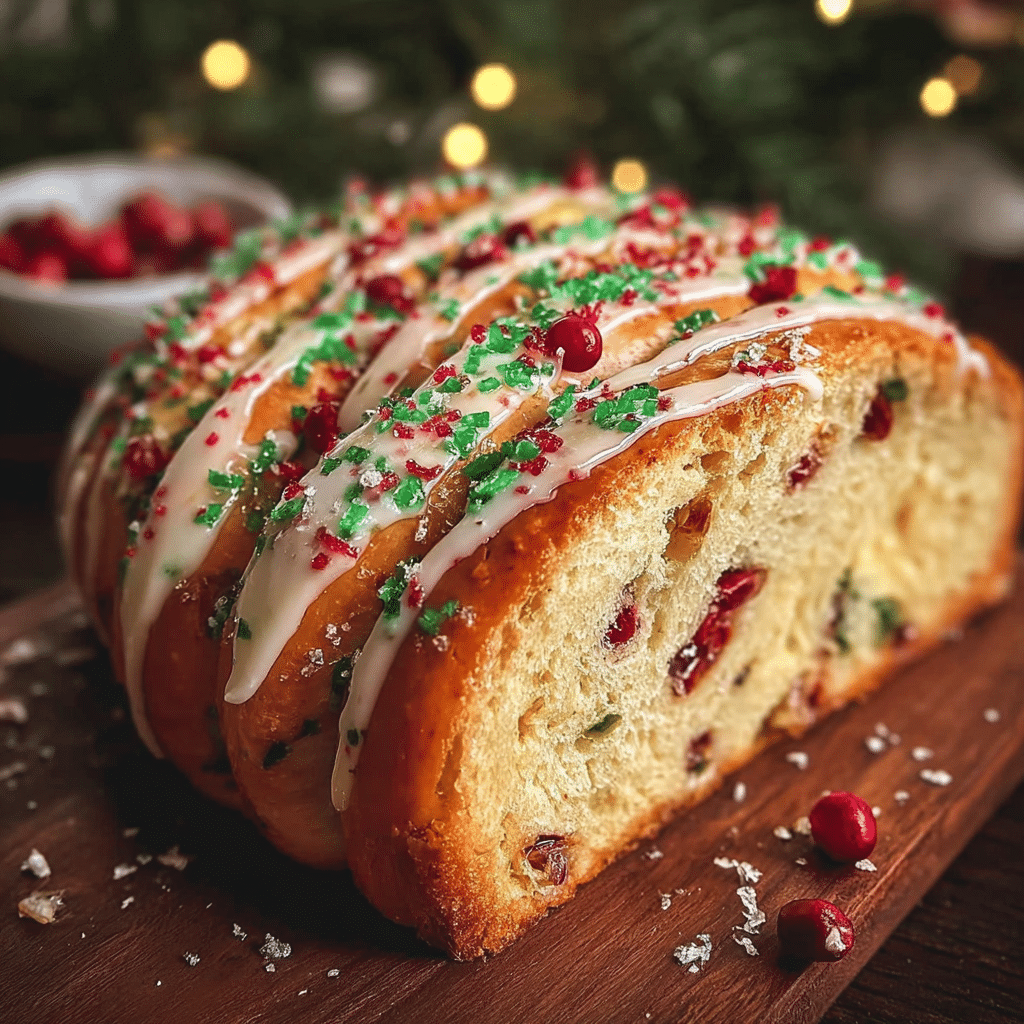
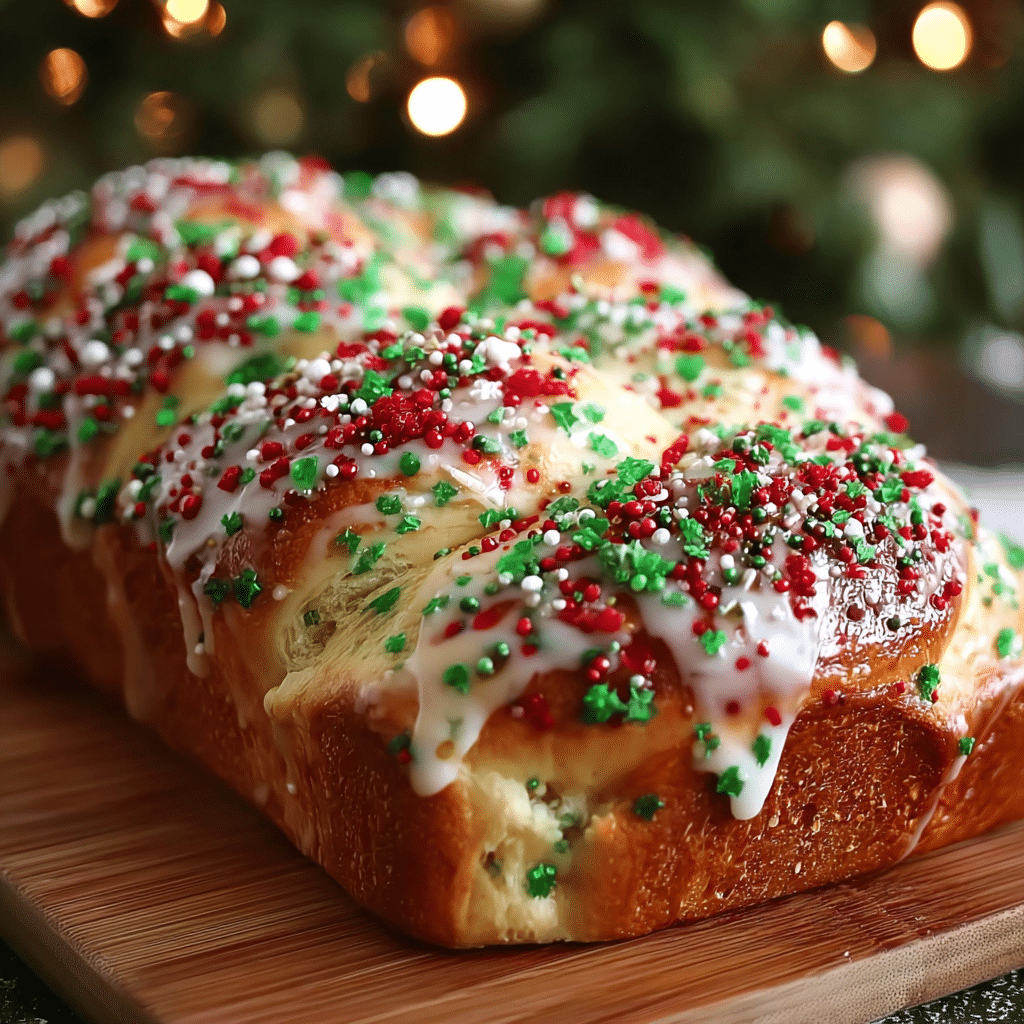
Once your bread is baked to perfection, the next step is to present it beautifully. A well-presented loaf not only looks appealing but also adds to the festive spirit. Consider garnishing your festive christmas bread with a light dusting of powdered sugar or a drizzle of icing made with powdered sugar and milk for a sweet finish.
Serving your bread on a rustic wooden board enhances the homey feel, and you can accompany it with seasonal spreads like cranberry compote or spiced butter. For a whimsical touch, shape your dough into festive forms, such as stars or wreaths, before baking. This not only adds flair but also sparks conversations at your holiday table.
Finally, don’t forget about beverage pairings! A warm cup of spiced cider or a glass of mulled wine complements the flavors of your festive christmas bread beautifully, making your gathering even more special. Cheers to creating cherished memories around the holiday table!
Creative Variations and Adaptations of festive christmas bread
As much as I adore the classic festive christmas bread, the beauty of baking lies in creativity. There are endless ways to adapt and personalize your recipe to suit your palate and dietary needs. Let’s explore some exciting variations and adaptations that will bring a unique twist to your holiday baking.
Seasonal Variations
The holiday season is bursting with flavors, and incorporating seasonal ingredients can take your festive christmas bread to a whole new level. Consider adding dried fruits like cranberries, apricots, or figs to your dough. Not only do they add a hint of sweetness, but they also provide a lovely visual contrast when sliced.
For a fragrant twist, include spices such as cinnamon, nutmeg, or allspice. A dash of vanilla extract can also elevate the flavors, making your bread taste like a warm hug on a cold winter’s day. In my family, we love adding orange zest for a hint of citrus that balances the richness of the dough.
If you’re feeling adventurous, try incorporating nuts like walnuts or pecans for added texture and flavor. These ingredients not only enhance the taste but also provide nutritional benefits, making your festive christmas bread a wholesome treat.
Dietary Adaptations
In today’s culinary landscape, accommodating various dietary needs is crucial. If you’re looking to make a gluten-free version of your festive christmas bread, consider using a gluten-free flour blend. Be sure to add xanthan gum, which helps mimic the elasticity of gluten, ensuring your bread rises beautifully.
For those following a vegan diet, simply substitute dairy with plant-based alternatives. Almond milk or oat milk works wonderfully, and coconut oil can replace butter in the recipe. You can still achieve a rich and flavorful loaf without compromising on taste.
If you’re aiming for a low-carb version, try using almond flour or coconut flour. These alternatives offer a different texture and flavor but can yield delicious results when paired with the right ingredients.
Creative Twists
Why not take your festive christmas bread on an international journey? Explore fusion flavors by infusing your dough with ingredients from various cuisines. For instance, you can add cardamom and saffron for a Middle Eastern flair or incorporate matcha for a unique green color and earthy flavor.
Another fun twist is experimenting with different cooking methods. While traditional baking in the oven is a staple, consider using a slow cooker for a soft, pillowy loaf. Simply shape your dough and place it in the slow cooker on low for several hours. The result is a wonderfully moist bread, perfect for holiday gatherings.
Don’t forget about leftover transformations! If you have any slices left, turn them into French toast or bread pudding. Adding a festive twist to these dishes will ensure nothing goes to waste and that every bite is a delightful experience.
With these variations, your festive christmas bread can become a versatile dish that embraces different flavors, dietary needs, and creative expressions. This holiday season, let your baking reflect your personal style while still holding onto the warmth and traditions of family gatherings.
Storage, Reheating, and Meal Prep for festive christmas bread
When it comes to enjoying your homemade festive Christmas bread, proper storage is key to maintaining its delicious flavor and texture. Whether you’ve baked a loaf to share with family or just for yourself, understanding how to store, reheat, and meal prep this delightful treat will ensure that every slice is as fresh as the day it was baked. In this section, we’ll delve into the ins and outs of storage techniques, freezing methods, and tips for reheating your festive Christmas bread without compromising its quality.
Short-term Storage
For short-term storage, your festive Christmas bread can be kept at room temperature, which is ideal if you plan on consuming it within a few days. I usually place my loaves in a bread box or wrap them in a clean kitchen towel. This helps to retain moisture while preventing the crust from becoming too soft. If you are in a particularly humid climate, consider using a paper bag instead, as it allows for a bit more air circulation while still keeping the bread protected.
If you have cut into your festive Christmas bread, it’s best to wrap the remaining pieces in plastic wrap or aluminum foil. This technique helps to prevent the bread from drying out. I recommend placing the wrapped bread in an airtight container or a resealable plastic bag to further protect it from air exposure. When stored this way, your bread can last for about 3 to 5 days at room temperature, depending on the humidity level in your kitchen.
Freezing and Long-term Storage
For longer-term storage, freezing is an excellent option that can extend the shelf life of your festive Christmas bread. Before freezing, make sure the bread is completely cooled to room temperature to prevent condensation from forming inside the packaging, which can lead to freezer burn. I often slice my bread before freezing, as it makes it easier to pull out just the amount I need later on. Wrap each slice individually in plastic wrap, and then place them in a freezer-safe bag or container. This not only preserves freshness but also makes it more convenient for quick snacks or breakfast options.
When properly stored, your festive Christmas bread can last in the freezer for up to three months. When you’re ready to enjoy it again, simply remove the desired slices from the freezer and let them defrost at room temperature for about 30 minutes. If you’re in a hurry, you can also use the microwave to reheat slices. Just be sure to wrap them in a damp paper towel to keep them moist.
Reheating Best Practices
Reheating your festive Christmas bread correctly can make a world of difference in taste and texture. One of my favorite methods is to preheat the oven to 350°F (175°C), wrap the bread in aluminum foil, and heat it for about 10-15 minutes. This method allows the bread to warm through evenly while keeping the crust crisp. If you’re in a rush, the microwave is a quick option, but it can sometimes lead to a chewy texture, so make sure to use the damp paper towel trick I mentioned earlier.
Another great method for reheating is to toast individual slices in a toaster or on a skillet. This not only warms the bread but also revitalizes the crust, giving it a delightful crunch. Top it with a bit of butter or cream cheese for that extra festive touch!
Meal prepping your festive Christmas bread can be a wonderful way to enjoy it throughout the holiday season. Consider baking multiple loaves at once and storing them in different ways. For example, you can keep one loaf at room temperature for immediate enjoyment, freeze another for later, and even try experimenting with different flavors or toppings to change things up as the weeks progress.
Food safety is a crucial consideration when it comes to storing any baked goods, including festive Christmas bread. Always ensure that your bread is cooled before wrapping or storing it to prevent the growth of mold. If you notice any signs of spoilage, such as an off smell or visible mold, it’s best to err on the side of caution and discard it. Your health is paramount, and there’s nothing festive about getting sick over your holiday baking.
In summary, proper storage, freezing, and reheating techniques are essential for enjoying your festive Christmas bread to the fullest. Whether you’re savoring it fresh out of the oven or reheating a slice for a cozy evening treat, following these guidelines will ensure that your bread remains delicious throughout the holiday season.
Nutritional Benefits and Health Information
When we think of festive Christmas bread, we often envision a delicious, warm loaf filled with spices and flavors that evoke the holiday spirit. But beyond its delightful taste, it’s essential to consider the nutritional benefits that come with this seasonal treat. In this section, we’ll explore the nutritional breakdown of festive Christmas bread, the health benefits associated with its ingredients, and how it can fit into various dietary plans.
Nutritional Profile
The nutritional content of festive Christmas bread can vary significantly based on the ingredients used. Most traditional recipes incorporate flour, sugar, eggs, and butter, along with spices like cinnamon and nutmeg, and additional ingredients such as dried fruit or nuts. A typical slice of festive Christmas bread may contain around 200-300 calories, depending on the thickness and specific additions. The macronutrient distribution generally includes carbohydrates as the primary component, with moderate amounts of fat and protein.
A standard slice might provide approximately:
- Calories: 250
- Carbohydrates: 40g
- Protein: 5g
- Fat: 10g
- Sugars: 8g
This breakdown highlights that while festive Christmas bread can be a caloric treat, enjoying it in moderation allows for indulgence without derailing a balanced diet.
Health Benefits
One of the standout features of festive Christmas bread is the potential health benefits derived from its key ingredients. For instance, many recipes include spices such as cinnamon, which is known for its anti-inflammatory properties and ability to help regulate blood sugar levels. Nuts, often included in festive recipes, are a great source of healthy fats, protein, and essential nutrients like vitamin E and magnesium.
Dried fruits commonly found in festive Christmas bread, such as raisins or cranberries, provide a natural sweetness along with antioxidants, vitamins, and dietary fiber. These components contribute to digestive health and can help keep you feeling full longer. Additionally, eggs in the recipe provide high-quality protein and various vitamins, including B12 and D, which are vital for maintaining energy levels and overall health.
Dietary Considerations
When it comes to dietary considerations, festive Christmas bread can be adaptable to fit various preferences and restrictions. For those avoiding gluten, consider using gluten-free flour alternatives such as almond or oat flour. Vegan versions can be created by substituting eggs with flaxseed meal or applesauce and using plant-based butter or oil.
For those watching their sugar intake, reducing the amount of sugar in the recipe or using natural sweeteners like honey or maple syrup can be excellent alternatives. Additionally, incorporating whole grains or adding seeds like chia or flaxseed can enhance the nutritional profile, increasing fiber content while promoting heart health.
It’s worth comparing festive Christmas bread to similar baked goods like fruitcake or panettone. While fruitcake is denser and often loaded with candied fruits and nuts, festive Christmas bread tends to be lighter and fluffier, allowing for a more versatile flavor profile. Panettone, on the other hand, is typically sweeter and richer due to its use of sugar and butter, making festive Christmas bread a delightful alternative for those looking for a less indulgent option.
In summary, festive Christmas bread is not only a delicious treat to enjoy during the holidays but also offers various nutritional benefits. With a little creativity, it can be tailored to fit different dietary needs while still delivering that festive flavor we all love. So, as you gather with friends and family this season, don’t hesitate to slice into a loaf of festive Christmas bread and savor every bite, knowing it’s as good for your body as it is for your soul.
Frequently Asked Questions About Festive Christmas Bread
Festive Christmas bread where to buy
You can find festive Christmas bread at local bakeries, especially those that specialize in seasonal goods. Many grocery stores also stock traditional holiday breads, particularly in the weeks leading up to Christmas. Look for artisanal shops or farmers’ markets in your area, as they often carry unique and homemade varieties. If you’re short on time, numerous online retailers offer delivery options for festive breads, so you can enjoy them right at home.
Traditional Christmas bread
Traditional Christmas bread varies by culture but often includes rich, sweet dough flavored with spices and dried fruits. A popular example is the German Stollen, which is filled with marzipan and dusted with powdered sugar, while Italian Panettone is known for its fluffy texture and candied fruit. These breads are typically enjoyed during festive meals and are sometimes gifted to friends and family. To create an authentic experience, consider pairing your traditional bread with mulled wine or eggnog during your celebrations.
Festive Christmas bread recipe
To make a delightful festive Christmas bread, start with a basic sweet bread dough that includes flour, sugar, yeast, milk, and eggs. Enhance the flavor by adding spices like cinnamon and nutmeg, and mix in dried fruits such as cranberries, raisins, or candied citrus peel. Once the dough has risen, shape it into a festive braid or wreath before baking it to golden perfection. For a finishing touch, drizzle a simple icing made from powdered sugar and milk over the top once cooled, and sprinkle with festive sprinkles or nuts for added texture.
Festive Christmas bread recipe UK
In the UK, a popular festive bread recipe is the “Twelve Breads of Christmas,” which incorporates a variety of dried fruits, spices, and sometimes nuts. Start by mixing strong white flour, yeast, milk, butter, eggs, and a medley of dried fruits like currants and sultanas. For an authentic British touch, add a pinch of mixed spice or nutmeg to the dough. Once baked, serve your bread warm with a spread of butter or a dollop of brandy butter for a truly festive treat during the holiday season!
Christmas bread with fruit
Christmas bread with fruit is a festive favorite, as the sweetness of the fruit complements the rich dough beautifully. Incorporate a variety of dried fruits such as apricots, cranberries, and raisins into your bread recipe for added flavor and texture. Soaking the fruits in warm water or even rum before mixing them into the dough can enhance their flavor and moisture. Consider making a fruit-studded bread that can be enjoyed fresh or toasted for breakfast, making it a versatile addition to your holiday spread.
Christmas bread recipes
There are numerous Christmas bread recipes to explore, ranging from sweet to savory options that cater to all tastes. Traditional recipes like Stollen and Panettone are classics, but you might also try making a savory herb and cheese bread for a unique twist. For sweet options, consider recipes that incorporate spices, nuts, and fruits to create a rich flavor profile. Don’t hesitate to experiment with different toppings, such as a glaze or streusel, to elevate your Christmas bread and make it a centerpiece for your holiday table.