French onion soup has a way of warming not just the body, but the soul. I remember the first time I tried it: I was a young culinary enthusiast, eager to explore the world of flavors and textures. It was a chilly autumn evening, and I wandered into a quaint little bistro in the heart of Paris. The moment I took my first spoonful, the rich aroma of caramelized onions mingled with the savory broth and melted cheese transported me to a place of comfort and nostalgia. It was a revelation, and from that day forward, it became a staple in my kitchen.

As I delved deeper into the preparation of French onion soup, I discovered that this dish is more than just a warm bowl of goodness; it’s steeped in history and cultural significance. Traditionally, this soup dates back to ancient Roman times when soldiers would make a broth using onions, and in the 18th century, it found its way into French cuisine as a popular dish among the working class. The beauty of French onion soup lies in its simplicity and the depth of flavor achieved through the slow caramelization of onions. It’s a dish that tells a story of resourcefulness, transforming humble ingredients into a luxurious experience.
The Story Behind This Recipe
The recipe I cherish today is a modern twist on classic French onion soup. It’s special because it marries the traditional elements of the dish with the comforting goodness of mac and cheese. Imagine the luscious, gooey cheese coating the pasta, paired with the sweet, rich flavor of caramelized onions—it’s a marriage made in culinary heaven. This fusion not only preserves the essence of French onion soup but also makes it accessible for busy families looking for quick dinner solutions. With this recipe, you can enjoy the sophistication of a French bistro from the comfort of your home.
The beauty of this dish is that it transcends seasons; it’s perfect for cozy winter nights but also a delightful surprise on a rainy spring day. It evokes the kind of emotional connection that only food can—bringing back memories of family dinners and shared laughter. There’s something profoundly comforting about a warm, cheesy bowl of French onion soup mac and cheese, reminding us that food is not just about sustenance but about connection and love.
In this guide, you will learn everything from the history of French onion soup to step-by-step instructions on how to create your own delicious version. We will explore the ingredients that make this dish unique, discuss tips for perfecting the caramelization process, and even delve into variations that can cater to different dietary needs. Whether you’re a novice cook or someone looking to elevate your culinary game, this article promises to be an invaluable resource.
So grab your apron, dust off your favorite pot, and prepare to embark on a culinary adventure that will not only satisfy your taste buds but also feed your soul. The journey of French onion soup is about more than just the dish itself; it’s about the stories we share and the memories we create around the dinner table.
The Rich History and Cultural Significance of french onion soup
The origins of French onion soup can be traced back to the ancient Romans, who were known to enjoy a simple broth made from onions. However, it wasn’t until the 18th century in France that this humble dish began to take on its modern form. It became particularly popular among the working class, who appreciated the accessible ingredients—onions, broth, and bread—transforming them into a hearty meal. The soup was often prepared in the homes of laborers, where the long cooking times allowed for the flavors to develop beautifully. The classic recipe we know today—rich beef broth, sweet caramelized onions, and a topping of melted cheese—was popularized in the 19th century, particularly in Parisian bistros.
Origins and History
Interestingly, the earliest known recipe for French onion soup appeared in a cookbook published in 1781, which was titled “Le Cuisinier François” by the chef Vincent La Chapelle. This was a time when culinary arts were beginning to flourish in France, and the fondness for onions was evident in many dishes. The soup was initially seen as a peasant food, but as the French cuisine evolved, it was embraced by the upper classes as well, eventually becoming a staple in fine dining establishments.
As the years turned into decades, chefs began experimenting with variations of the recipe, incorporating different types of broth, onions, and even alcohol, like white wine or sherry, to enhance the flavor profile. Today, you can find numerous regional variations across France, such as the use of local cheeses or even adding herbs like thyme for additional depth.
Cultural Significance
French onion soup has become synonymous with French culinary tradition and is often served in French restaurants around the world. It’s a dish that represents comfort and celebration, often enjoyed during gatherings or special occasions. In some households, it is a beloved part of holiday feasts, especially during winter months when warmth and comfort are sought after. This soup is not just food; it’s a cultural experience that brings people together, bridging generations through shared recipes and stories.
Famous chefs like Julia Child and Jacques Pépin have popularized French onion soup in their cookbooks and television shows, showcasing its versatility and inviting home cooks to experiment with their own versions. It’s fascinating to see how a dish rooted in humble beginnings has garnered such reverence in the culinary world.
Nutritional Benefits
Aside from its rich history and cultural significance, French onion soup offers some nutritional benefits as well. Onions, the star ingredient, are known for their health properties. They are low in calories but high in vitamins and minerals, particularly vitamin C, which boosts the immune system. Onions also contain antioxidants and anti-inflammatory compounds that can help maintain heart health and improve digestion.
When prepared with a quality broth, French onion soup can provide additional nutrients, such as collagen from bone broth, which is beneficial for joint health. By choosing whole-grain bread and cheese, you can elevate the dish further, adding fiber and protein. While it’s not the healthiest option on the menu, with mindful ingredient choices, you can enjoy a comforting bowl without compromising on nutrition.
In summary, French onion soup is a dish rich in history, cultural significance, and nutritional benefits. Its evolution from a humble peasant meal to a celebrated culinary classic reflects the power of food to transcend time and connect us with our heritage. As you explore this delightful recipe, you’ll not only learn how to make a delicious meal but also appreciate the journey of this iconic dish through history.
Essential Ingredients for Perfect french onion soup
When it comes to creating the perfect French Onion Soup, the foundation of this beloved dish lies in its ingredients. Each component contributes to the rich, savory flavors that define this classic favorite. In this section, we’ll delve into the essential ingredients needed to craft an exquisite French Onion Soup, along with tips on selection, substitutions, and storage. Let’s get started on your culinary adventure!
Essential Ingredients
- 3 x 425g tins of cherries in syrup: While cherries in syrup may not be the traditional addition in a classic French Onion Soup, they evoke a delightful contrast of sweetness that can enhance the dish. The syrupy cherries can be used as a garnish or a side, adding a vibrant color and a sweet note that complements the savory depth of the soup.
- 300g dark chocolate (70% cocoa solids): Dark chocolate is an unexpected but intriguing element. In certain variations of French cuisine, chocolate can add a depth of flavor that elevates the dish. When melted and drizzled, it can give a gourmet touch, creating a contrast with the soup’s hearty flavors.
- 4 leaves of gelatine: Gelatin can play a role in creating a luscious texture in certain adaptations of French Onion Soup, especially if you decide to create a more refined presentation or a terrine version. This ingredient helps to stabilize the dish and give it a velvety mouthfeel.
- 3 x 400g tins of custard: While custard is not a traditional ingredient in French Onion Soup, it can be reimagined as a creamy topping, providing a unique twist. It can be whipped to create a foam that adds a delightful creaminess, balancing the savory notes of the soup.
- 100g hazelnuts: These nuts add a lovely crunch and nutty flavor that can enhance the overall taste profile of the dish. Toasting the hazelnuts brings out their oils and enhances their flavor, making them an excellent garnish or mix-in for the soup.
- 600ml double cream: Cream is essential for adding richness and a luxurious texture to French Onion Soup. The double cream will create a silky finish, allowing the flavors to meld beautifully.
- 1 teaspoon vanilla bean paste: Vanilla bean paste might seem unconventional, but it can add a subtle sweetness that contrasts with the onion’s savory notes. It’s important to use high-quality vanilla for the best flavor.
- 1 heaped tablespoon icing sugar: A small amount of icing sugar can balance out the flavors, especially if your onions are particularly robust. It’s a secret ingredient that can enhance the sweetness of the dish.
- 3 x 1cm slices of panettone: Panettone can be used as a creative garnish or crouton in your French Onion Soup. Its sweetness and texture can add an interesting twist, making your dish unique and memorable.
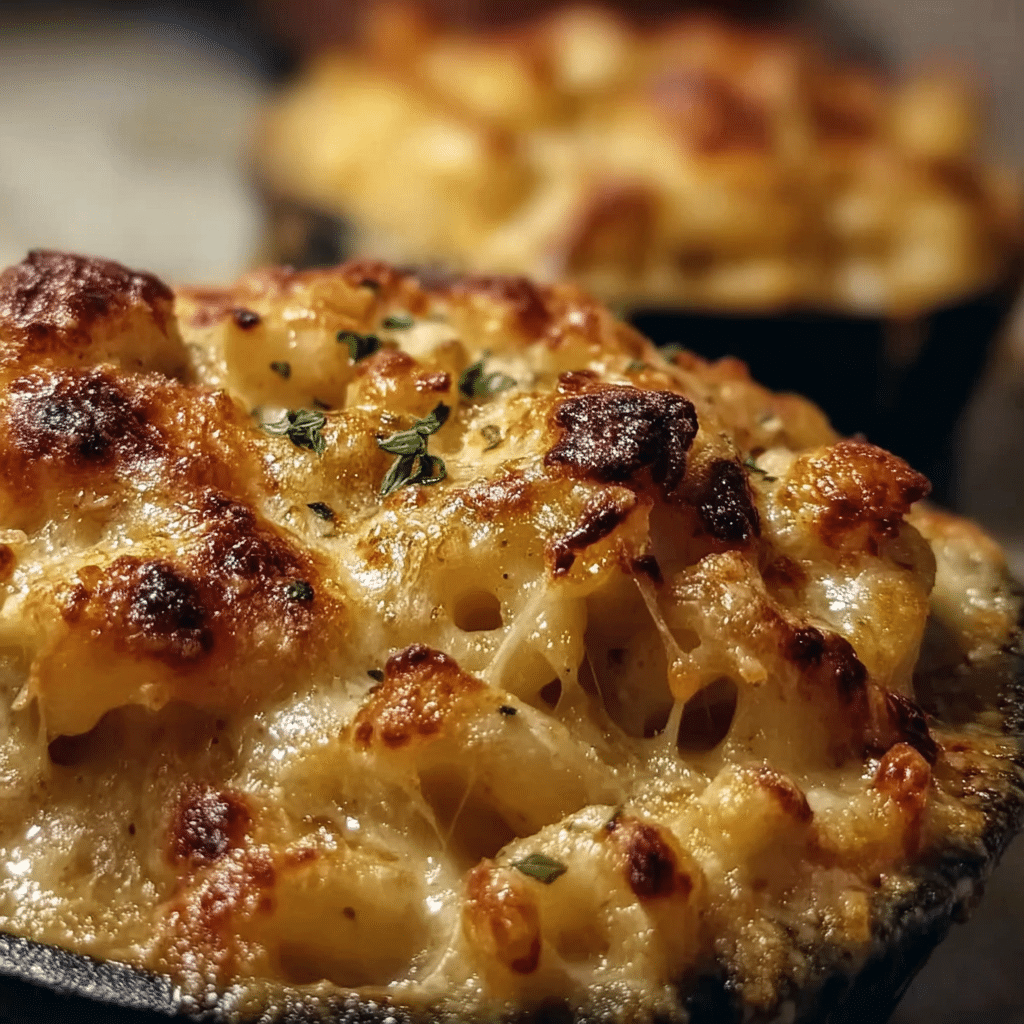
French Onion Soup Mac & Cheese
Ingredients
- 3 tablespoons olive oil
- 4 large sweet onions, thinly sliced
- kosher salt and pepper
- 1 pound short cut pasta, cooked
- 3 tablespoons unsalted butter
- ¼ cup all-purpose flour
- 2 ½ cups milk
- ¼ teaspoon freshly ground nutmeg
- 12 ounces gruyere cheese, freshly grated
- 4 ounces parmesan cheese, freshly grated
- ⅓ cup seasoned bread crumbs
- fresh thyme, for serving
Instructions
- Heat the olive oil in a large oven-safe skillet over medium-heat. Stir in the onions with a big pinch of salt. Cook over medium, stirring often, until the onions soften, about 10 to 15 minutes.
- Decrease the heat to low or medium-low. Cook the onions, stirring often, for about 60 to 90 minutes, until they are golden and caramelly. If at any time the onions start to burn, low the heat or add a few splashes of water to keep them hydrated.
- Preheat the oven to 375 degrees F. Boil the pasta according to the package directions.
- Once the onions are golden and caramelly, transfer them to a plate. (Note: if you’re really in a rush, you can add 1 teaspoon of sugar, honey, maple syrup, etc to speed along the caramelization process. Be sure to stir often and check on the progress!)
- Add the butter to the skillet. Once melted, add in the flour, whisking to create a roux. Cook for 2 to 3 minutes, until it becomes golden in color and starts to smell nutty. Slowly stream in the milk while stirring constantly. The mixture will begin to come together and thicken. Stir in the nutmeg.
- Stir in almost all of the cheese (reserve a bit for topping) until it is melted. Add in ¾ of the caramelized onions. Stir in the pasta. Toss it together over and over until it is combined.
- Top with the remaining cheese on top along with the remaining onions. Sprinkle with the bread crumbs. Bake for 25 to 30 minutes, or until golden and bubbly.
- Remove and sprinkle with fresh thyme. Serve!
Shopping Tips
When sourcing ingredients for your French Onion Soup, quality is key. For onions, look for firm, unblemished bulbs. Vidalia and yellow onions are typically the best choices for their sweetness. If you can find locally sourced or organic options, those will offer a more vibrant flavor. For the cherries, choose those in heavy syrup for the richest taste.
For the dark chocolate, aim for a high cocoa content—70% or more. It should have a glossy appearance and a smooth texture. When purchasing cream, ensure it’s fresh and check the expiration date. For nuts, always opt for raw or lightly roasted hazelnuts without added oils or preservatives to ensure crispness and flavor.
Substitutions and Alternatives
If you’re looking for alternatives due to dietary restrictions, consider these options:
- For gluten-free variations, use gluten-free bread instead of panettone.
- Nut allergies? You can skip the hazelnuts altogether or substitute them with pumpkin seeds for a similar crunch.
- For a dairy-free version, use coconut cream instead of double cream and a dairy-free custard alternative.
When storing your ingredients, keep onions in a cool, dry place away from direct sunlight to prolong their freshness. Hazelnuts should be stored in an airtight container and can be refrigerated for longer shelf life. And as for the chocolate, make sure to keep it in a cool, dark place to prevent it from melting or losing its quality.
With these ingredients and tips in mind, you’re well-equipped to create a French Onion Soup that not only pays homage to tradition but also adds a personal twist. Every ingredient plays a vital role in crafting a dish that is not just a meal, but an experience. Now, let’s move on to the cooking instructions!
Detailed Step-by-Step french onion soup Cooking Instructions
Ready to dive into the cooking process for your French Onion Soup? This dish may appear simple, but it’s all about technique and patience. The steps outlined below will guide you through making a delicious, hearty soup that will impress your family and friends. Buckle up, and let’s get cooking!
Preparation Steps
- Gather Your Ingredients: Start by measuring out all your ingredients. Mise en place is key in cooking. Having everything ready will help you move smoothly through each step without feeling rushed or confused.
- Prepare Your Onions: Thinly slice your onions. Aim for a uniform thickness to ensure even cooking. If you’re using yellow onions, you’ll need about 4 large onions to achieve that sweet, caramelized flavor that forms the base of your soup.
- Toast the Hazelnuts: Preheat your oven to 350°F (175°C). Spread hazelnuts on a baking sheet and toast them for about 10-12 minutes until they are golden brown and fragrant. Keep an eye on them to prevent burning. Once done, let them cool before chopping roughly.
- Prepare the Broth: If you’re using homemade broth, now is the time to heat it up. If you’re using store-bought, gently warm it in a separate pot.
- Soak the Gelatin: Place the gelatin leaves in a bowl of cold water for about 5-10 minutes until softened. This step is crucial if you want your soup to have a creamy texture later on.
Cooking Process
- Sauté the Onions: In a large pot, melt 3 tablespoons of butter over medium heat. Add the sliced onions and a pinch of salt. Stir occasionally, allowing them to cook down slowly. The goal is to caramelize the onions, which can take about 30-40 minutes. You want them to turn a rich, golden brown. This step is essential to develop the sweet flavor of French Onion Soup.
- Deglaze the Pot: Once your onions are beautifully caramelized, add a splash of white wine or sherry to deglaze the pot. Scrape up any brown bits from the bottom, as they are packed with flavor. Let the liquid reduce for a couple of minutes.
- Add the Broth: Pour in your broth and bring the mixture to a simmer. The broth should enhance the sweet, complex flavor profile of the caramelized onions. Simmer for about 20 minutes to let the flavors meld.
- Incorporate the Gelatin: Once the broth is simmering, remove the gelatin from the water and squeeze out any excess moisture. Add the soaked gelatin to the soup, stirring until completely dissolved. This will give your soup a luxurious body.
- Mix in the Cream: Slowly stir in the double cream, allowing it to blend seamlessly into the soup. This step adds richness and creaminess, making your French Onion Soup irresistible.
- Adjust Seasoning: Taste your soup and adjust the seasoning with salt and pepper. If your onions are very sweet, you might want to balance that with a touch of acidity. A squeeze of lemon juice can do wonders here.
Final Assembly
- Prepare the Toppings: To finish off your French Onion Soup, prepare your toppings. For a traditional touch, you can use slices of crusty bread, toasted and topped with cheese. Gruyère is classic, but feel free to experiment with other cheeses you enjoy.
- Broil for Perfection: Ladle the soup into oven-safe bowls, place them on a baking sheet, and top with your toasted bread and a generous amount of cheese. Broil in the oven until the cheese is bubbly and golden brown—keep a close watch to avoid burning.
- Garnish with Hazelnuts: Once out of the oven, sprinkle the toasted hazelnuts on top for a delightful crunch. This adds an unexpected twist that will surprise your guests.
- Serve and Enjoy: Serve your French Onion Soup hot, garnished with a drizzle of cream and perhaps a sprig of fresh thyme. Enjoy the rich, comforting flavors and the satisfaction of having created a culinary masterpiece.
Cooking French Onion Soup can be a joyously rewarding experience. From the caramelization of the onions to the melty, cheesy topping, every step is a testament to the beauty of traditional French cooking. Remember, patience is key, and this soup only gets better with time. Serve it on a chilly evening, and it will warm your heart and soul!
Professional Tips and Techniques for french onion soup
When it comes to making the perfect french onion soup, there are a few professional tips and techniques that can elevate your dish from good to exceptional. This classic French dish is all about the depth of flavor, the richness of the broth, and the perfect balance of toppings. Let’s dive into some insider secrets, troubleshooting tips, and advanced techniques for making french onion soup that will impress even the most discerning palates.

Professional Techniques
One of the most important aspects of preparing french onion soup is the caramelization of onions. This process can take time and requires patience, but it’s worth every minute. Start with a mix of yellow and sweet onions for a balanced flavor. Use a heavy-bottomed pot to ensure even heat distribution and prevent burning. Keep your heat at medium-low and allow the onions to slowly cook down, stirring frequently. The goal is to let the natural sugars in the onions caramelize, which can take anywhere from 30 to 45 minutes.
Another technique to enhance the flavor of your french onion soup is the deglazing step. Once the onions are deeply caramelized, add a splash of dry white wine or sherry to the pot. This not only lifts all the beautiful brown bits stuck to the bottom but also adds another layer of flavor. Scrape the bottom with a wooden spoon as you stir, allowing the alcohol to evaporate and the flavors to meld.
For a richer broth, consider using a combination of beef and chicken stock. The beef stock adds depth, while the chicken stock provides a lighter touch. If you prefer a vegetarian option, vegetable stock can work beautifully too, especially when fortified with additional herbs and spices.
Troubleshooting Guide
Even the best chefs encounter issues. Here are some common problems you might face when making french onion soup and how to troubleshoot them:
- Onions burning: If you notice that your onions are burning, reduce the heat. Caramelization is a low and slow process, and patience is key.
- Too salty broth: If your broth ends up too salty, you can balance it out by adding a splash of vinegar or a little sugar to counteract the saltiness.
- Thin soup: If your soup is too thin, consider simmering it longer to reduce the liquid. Alternatively, a cornstarch slurry can help thicken it without altering the flavor.
Presentation Tips
Presentation plays a crucial role in the enjoyment of any dish, especially one as comforting as french onion soup. To serve, ladle the soup into oven-safe bowls and top generously with crusty bread and a blend of cheeses like Gruyère, Swiss, or mozzarella. You can even add a sprinkle of fresh herbs like thyme or parsley for a pop of color.
For a truly indulgent experience, broil the bowls in the oven until the cheese is bubbly and golden brown. Just be sure to watch them closely to avoid burning. Serve immediately for a warm, inviting presentation that is sure to impress your guests.
Pair your french onion soup with a crisp white wine like Sauvignon Blanc or a light-bodied red like Pinot Noir. The acidity of the wine complements the rich flavors of the soup, enhancing the overall dining experience.
Lastly, consider preparing your french onion soup ahead of time. The soup can be made a day in advance and stored in the refrigerator. When ready to serve, just reheat and add the toppings before broiling. This make-ahead strategy not only saves time but allows the flavors to develop even further.
Creative Variations and Adaptations of french onion soup
While traditional french onion soup holds a special place in the hearts of many, exploring creative variations can lead to delightful new interpretations. Whether you’re looking to use seasonal ingredients, adapt the recipe for dietary needs, or simply try something different, there are countless ways to make this classic dish your own. Let’s explore some exciting adaptations and variations!
Seasonal Variations
Seasonal ingredients can transform your french onion soup into something uniquely reflective of the time of year. In the fall, consider adding roasted butternut squash or sweet potatoes for a hint of sweetness and a pop of color. In spring, fresh herbs like chives or tarragon can brighten the flavor profile, giving your soup a fresh twist.
During the summer, you can incorporate grilled onions for a smoky flavor or add a splash of balsamic vinegar for depth. In winter, spice it up by adding a pinch of nutmeg or cloves to bring warmth to the dish. Each season offers a unique opportunity to play with flavors and ingredients, making your french onion soup a year-round favorite.
Dietary Adaptations
Many people have dietary restrictions, but that shouldn’t stop you from enjoying a delicious bowl of french onion soup. For a keto-friendly version, use a low-carb thickener like xanthan gum instead of bread and cheese. You can also skip the bread altogether and load up on caramelized onions and cheese for a hearty, satisfying meal.
If you’re catering to a vegan crowd, use vegetable stock and omit the cheese or substitute it with a vegan cheese alternative. Nutritional yeast can also lend a cheesy flavor while keeping it plant-based. Gluten-free options are readily available as well; simply use gluten-free bread or skip the bread entirely if you prefer. With these adaptations, everyone can enjoy a comforting bowl of french onion soup.
Creative Twists
Don’t be afraid to get creative with your french onion soup. International fusion variations can add exciting flavors to this traditional dish. For instance, adding a splash of Asian-inspired soy sauce or miso can give your soup umami richness, while a hint of curry powder can introduce an unexpected twist.
Consider making a french onion soup casserole by layering the soup with bread and cheese in a baking dish, then baking until bubbly. You can even create a french onion soup grilled cheese sandwich by using the soup as a dip for a gooey, cheesy sandwich. The possibilities are endless, and experimenting with flavors can lead to delightful discoveries.
Finally, don’t forget about leftovers! If you find yourself with extra soup, it can be transformed into a delicious risotto by stirring it into Arborio rice as it cooks, or you can use it as a braising liquid for meats, adding depth and flavor to your dishes. With a little creativity, your french onion soup can become a versatile ingredient in your culinary repertoire.
Storage, Reheating, and Meal Prep for french onion soup
When it comes to enjoying french onion soup, storage and reheating are crucial for maintaining its rich flavors and delightful textures. After all, who wants to savor a bowl of lukewarm, soggy soup? I’ve spent countless hours perfecting my french onion soup recipe, and learning how to store and reheat it has been an essential part of that journey. In this section, I’ll share some expert tips on how to store, freeze, and reheat your french onion soup while preserving its quintessential characteristics.
Short-term Storage
After you’ve whipped up a delightful batch of french onion soup, you might find yourself with leftovers. No need to fret! Proper short-term storage can keep your soup fresh for about 3 to 5 days in the refrigerator. The key is to use airtight containers. I recommend glass containers for several reasons: they are non-reactive, won’t absorb odors, and are easily stackable in your fridge.
Once your french onion soup has cooled to room temperature, ladle it into these containers, filling them only about three-quarters full to allow for any expansion. Seal tightly and label with the date. When I store my soup, I like to add a little piece of parchment paper between the lid and the soup to prevent condensation from dripping into the soup, which can dilute those rich flavors. You’ll be amazed at how effective this method is!
Freezing and Long-term Storage
If you want to enjoy your french onion soup later, freezing is a fantastic option. However, it’s important to understand that not all ingredients freeze equally well. The caramelized onions, broth, and seasonings freeze beautifully, but the cheese topping can become rubbery when thawed. To freeze your french onion soup, follow these steps:
First, allow the soup to cool completely. Next, pour it into freezer-safe containers, leaving about an inch of space at the top. If you plan to freeze the soup with cheese, I recommend doing so without the cheese and adding it fresh when you reheat. Alternatively, you can freeze the cheese separately. Once the soup is packed, seal it tightly and label it with the date.
Generally, your french onion soup can be frozen for up to 3 months. To maintain the best quality, try to consume it within the first month. This way, you can enjoy that fresh, homemade taste whenever you crave it.
Reheating Best Practices
Reheating your french onion soup properly is crucial to reviving its original flavors. Start by thawing the soup overnight in the refrigerator if it’s frozen. If you’re short on time, you can place the container in a bowl of warm water to speed up the thawing process.
Once thawed, the best method for reheating is on the stove over medium heat. Pour the soup into a saucepan and stir occasionally to ensure even heating. If the soup appears to have thickened, add a splash of broth or water to reach your desired consistency. You want it to be steaming hot but not boiling, as boiling can alter the texture of the ingredients.
If you prefer a quick method, you can use the microwave. Pour the soup into a microwave-safe bowl, cover it (to avoid splattering), and heat it in 1-minute intervals, stirring between each interval until it’s heated through. Just be careful; the soup can become very hot, so take caution when removing it from the microwave.
For that classic cheesy topping, consider broiling slices of bread with cheese on top until golden and bubbly, and then placing them on your reheated soup. Trust me, this step is worth it!
Food safety is essential when storing and reheating your french onion soup. Always store leftovers within two hours of cooking to prevent bacterial growth. If you’re unsure whether the soup is still good, do the smell test! If it smells off, it’s better to err on the side of caution and discard it.
In summary, proper storage, freezing, and reheating techniques can significantly enhance your experience with french onion soup. By following these guidelines, you’ll ensure that every bowl is as delightful as the first, and you can savor the comforting flavors of this classic dish at your leisure.
Nutritional Benefits and Health Information
The beauty of french onion soup lies not only in its mouthwatering flavor profile but also in its nutritional benefits. As someone who has always been conscious about what I eat, I’ve delved into the health aspects of this classic dish. Understanding its nutritional content can help you appreciate it even more. Here, we will explore the french onion soup nutritional profile, its health benefits, and dietary considerations.
Nutritional Profile
A typical serving of french onion soup (about 1 cup) contains approximately 200-300 calories, depending on the ingredients used. The caloric content can fluctuate based on the amount of cheese and bread you add. Here’s a general breakdown:
- Calories: 200-300
- Protein: 7-10 grams
- Carbohydrates: 25-30 grams
- Fat: 8-15 grams
- Sodium: 800-1,200 mg
- Fiber: 2-3 grams
The primary ingredients—onions, broth, cheese, and bread—contribute to this nutritional makeup. Onions are relatively low in calories but rich in vitamins and minerals, making them a powerful base for any soup.
Health Benefits
Onions, the star ingredient in french onion soup, are packed with antioxidants and have been shown to have anti-inflammatory properties. They are particularly high in quercetin, a flavonoid that may help lower blood pressure and improve heart health. Additionally, onions contain prebiotics, which can aid digestion by promoting the growth of beneficial gut bacteria.
The broth in your french onion soup can vary in nutritional content based on whether it’s made from vegetables or meat. Vegetable broth is typically lower in calories and sodium, while beef broth adds a richer flavor and a bit more protein. However, it’s essential to choose low-sodium options to keep your soup heart-healthy.
The cheese adds a delightful creaminess to the soup, but it also increases the caloric and fat content. Opting for a lower-fat cheese can help if you’re watching your fat intake while still providing that classic cheesy goodness. If you’re looking for a healthier twist, consider using a blend of cheeses or reducing the amount of cheese used. Balance is key!
Dietary Considerations
While french onion soup is undoubtedly delicious, it can pose challenges for certain dietary preferences. For those who are lactose intolerant or vegan, traditional recipes might not fit the bill. However, with some adjustments, you can create a version that suits your needs. Using plant-based cheeses or nutritional yeast can provide a cheesy flavor without the lactose. Additionally, using vegetable broth instead of beef broth can make the soup suitable for vegans.
For those on a gluten-free diet, simply substitute traditional bread with a gluten-free variety, and you can still enjoy the comforting flavors of french onion soup. Always check the labels of your ingredients to ensure they meet your dietary requirements.
In terms of macronutrients, french onion soup can fit into various diet plans, including Mediterranean, low-carb, and even paleo, with slight modifications. If you’re following a low-carb diet, consider limiting the bread and focusing on the broth and onions to keep your carb intake low.
In conclusion, french onion soup is not just a rich and comforting dish; it also offers a variety of nutritional benefits when prepared thoughtfully. Whether you’re enjoying it as a hearty meal or a side dish, understanding its health aspects can enhance your dining experience. So go ahead, indulge in a warm bowl of french onion soup—your taste buds and your body will thank you!
Frequently Asked Questions About French Onion Soup
Old fashioned french onion soup mac and cheese
Old fashioned French onion soup mac and cheese combines the rich, savory flavors of traditional French onion soup with creamy, cheesy pasta. To achieve this, start by caramelizing onions slowly until they are golden brown and sweet, which enhances their flavor. Incorporate beef broth and a splash of white wine to mimic the soup’s base, then mix in your choice of cheeses, such as Gruyère and cheddar, for depth. When mixing with cooked macaroni, ensure the pasta is coated in the sauce for maximum flavor. Finally, bake it until golden and bubbly for a comforting dish that brings nostalgia to the table.
French onion soup mac and cheese recipe
For a delicious French onion soup mac and cheese, begin by preparing a classic caramelized onion base. Sauté sliced onions in butter over low heat for about 30-40 minutes until they are deeply caramelized. Next, add flour to create a roux, followed by beef broth and heavy cream to form a silky sauce. Stir in cooked elbow macaroni and a blend of cheeses, such as Gruyère and mozzarella, for a rich and gooey texture. Finally, top with breadcrumbs and bake until golden brown for a delightful crispy topping.
Easy french onion soup mac and cheese
To make an easy French onion soup mac and cheese, start by using pre-sliced onions to save time. Sauté them in butter until they become soft and translucent, then sprinkle in some thyme and a dash of balsamic vinegar for added flavor. Mix cooked macaroni with a simple cheese sauce made from shredded cheese and milk, combining everything in one pot for convenience. For extra flavor, consider adding a splash of Worcestershire sauce. Serve immediately for a quick and satisfying meal that embodies the essence of French onion soup.
Best french onion soup mac and cheese
The best French onion soup mac and cheese is all about balancing flavors and textures. Start with high-quality ingredients, such as sweet yellow onions and a mix of cheeses like Gruyère and aged cheddar for depth. Don’t skimp on the caramelization; allow the onions to develop a rich, sweet flavor before incorporating them into your cheese sauce. A touch of sherry or white wine adds acidity, enhancing the dish’s complexity. For the ultimate finish, bake it with a crispy breadcrumb topping until golden, providing a delightful contrast to the creamy pasta.
French onion soup mac and cheese samseats
French onion soup mac and cheese from Samseats is known for its rich flavors and creamy texture. To replicate this delicious dish, focus on the caramelization of onions, as this is key to achieving that deep, savory flavor characteristic of French onion soup. Incorporate a blend of cheeses for a creamy consistency, and consider using a combination of beef broth and cream for a luxurious sauce. Don’t forget to bake it until bubbling and golden, which adds a lovely crispy layer on top. This dish is perfect for a comforting family meal or a cozy night in.
French onion mac and cheese Allrecipes
Allrecipes offers a fantastic take on French onion mac and cheese that is both comforting and easy to make. Typically, the recipe highlights the importance of slowly caramelizing onions to develop their natural sweetness, which serves as the backbone of the dish. You can enhance the flavor by adding garlic and thyme, which complement the rich cheese sauce perfectly. The use of a cheesy blend, often including Gruyère and mozzarella, ensures that the mac and cheese is creamy and indulgent. Baking it with a layer of breadcrumbs adds a delightful crunch, making each bite satisfying.
Easy French onion mac and cheese
An easy French onion mac and cheese can be whipped up in under an hour, making it a great weeknight meal. Start by sautéing sliced onions in butter until they are golden brown, which can be accelerated by using higher heat. Create a simple cheese sauce by melting cheese into hot milk, and mix in cooked macaroni and the caramelized onions. For added flavor, consider stirring in some beef broth or a splash of soy sauce. Top with cheese and breadcrumbs, then bake until bubbly for a quick, delicious meal that doesn’t skimp on flavor.
Creamy french onion soup mac and cheese
For a creamy French onion soup mac and cheese, focus on the sauce’s richness by using a blend of heavy cream and cheese, such as Gruyère, to create a velvety texture. Begin with caramelizing onions slowly; this will add a depth of flavor that is crucial for a satisfying dish. Incorporate seasonings like thyme and a hint of garlic for an aromatic touch. Mix the cooked macaroni with the creamy cheese sauce and pour into a baking dish, topping with more cheese and breadcrumbs. Bake until golden and serve hot for a comforting, indulgent meal.