Garlic herb butter is not just a simple condiment; it’s a culinary experience, a flavor that dances on your palate and fills your home with warmth and comfort. I can still remember the first time I stumbled upon this delightful concoction. It was during a chilly autumn evening when my mother decided to prepare a special family dinner. As she melted the butter and infused it with fresh garlic and herbs, the aroma wafted through our home, wrapping us in a cozy embrace. That evening, we didn’t just eat; we celebrated the flavors of the season, and garlic herb butter became a staple at our family gatherings.
The Story Behind This Recipe
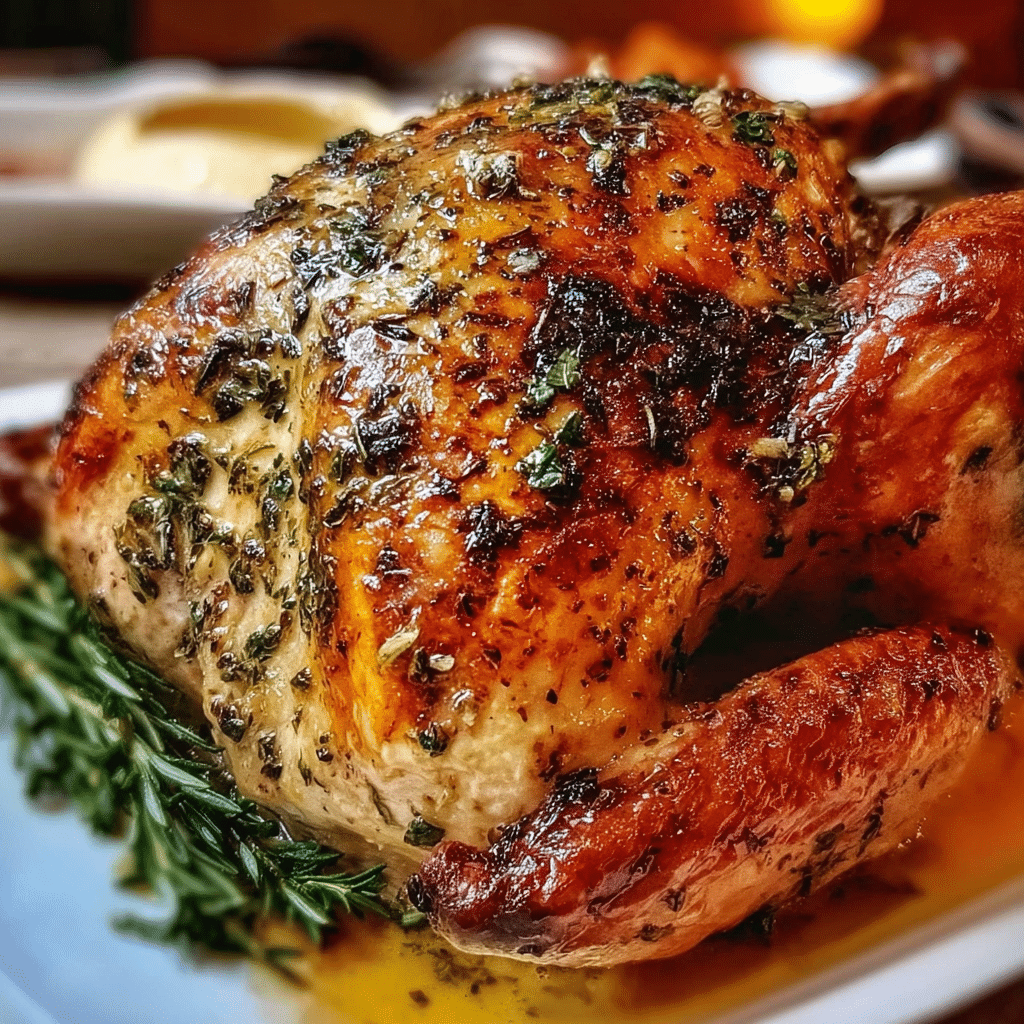
Over the years, I’ve experimented with various recipes, but the garlic herb butter roast turkey has always held a special place in my heart. It was a dish that my grandmother prepared for Thanksgiving, and the tradition carried on through generations. The roast turkey, enveloped in that rich, garlicky butter, was not just a meal; it was an event. Friends and family gathered around the table, laughter mingling with the aroma of herbs and spices, creating memories that would last a lifetime.
This dish is unique because it embodies the essence of comfort food while being incredibly versatile. Whether it’s a holiday feast or a weeknight dinner, garlic herb butter can elevate any meal. The simplicity of the ingredients allows for a personal touch—experimenting with different herbs or adding a hint of citrus can transform the flavor profile entirely, making it a go-to for busy families looking to impress without spending hours in the kitchen.
One of the reasons I adore this recipe, especially for families, is its adaptability. Life can be hectic—juggling work, school, and extracurricular activities—but this recipe allows for a touch of elegance without the need for elaborate preparation. You can prepare the garlic herb butter ahead of time, slather it on your turkey, and let the oven do the work. In just a couple of hours, you’ll have a stunning centerpiece for your dinner table, leaving you free to focus on what truly matters—spending time with loved ones.
Seasonally, garlic herb butter roast turkey shines brightest during the fall and winter months, particularly around Thanksgiving and Christmas. The rich flavors resonate with the essence of these festive occasions, making it a beloved choice when families come together to celebrate. I often find myself reminiscing about those chilly evenings spent with family, relishing in the warmth of the meal and the laughter shared around the table. The emotional connection to this dish runs deep, reminding me of love, tradition, and the importance of gathering together.
In this ultimate guide to garlic herb butter, you will learn not only how to create this flavorful butter but also how to incorporate it into your turkey roasting process to achieve a juicy, tender bird. We’ll explore tips and tricks for perfecting your roast, along with variations that can suit your personal taste. Whether you’re a novice cook or a seasoned chef, I promise you’ll find something new and exciting to bring to your kitchen. Let’s embark on this flavorful journey together, where garlic herb butter takes center stage!
The Rich History and Cultural Significance of garlic herb butter
The rich history and cultural significance of garlic herb butter can be traced back centuries, intertwining with various culinary traditions across the globe. While the exact origins are somewhat murky, the use of garlic and herbs in cooking has been a staple in many cultures, often celebrated for their flavor and health benefits. The tradition of combining these ingredients with butter likely emerged from the need to enhance flavors and create a more luxurious mouthfeel in dishes.
Origins and History
Garlic itself has been revered since ancient times, with records indicating its use in Egyptian, Greek, and Roman cuisines. The Egyptians utilized garlic not only for its flavor but also for its medicinal properties, believing it provided strength and vitality. In Mediterranean cooking, garlic became a key ingredient, often paired with various herbs that were readily available in the region. The combination of garlic and herbs with butter likely evolved from the French culinary tradition, where the use of compound butters became a hallmark of fine dining.
Garlic herb butter as a concept began to gain popularity in the late 19th and early 20th centuries, particularly with the rise of French cuisine in America. As more families embraced home cooking, they sought ways to replicate the elegant dishes they experienced in restaurants. Garlic herb butter became an accessible way to elevate everyday meals. The roasting of turkey, especially during holidays, was transformed with the introduction of this rich butter, making it a beloved staple at festive gatherings.
Cultural Significance
In terms of cultural significance, garlic herb butter roast turkey has become synonymous with Thanksgiving in the United States. This dish represents more than just a meal; it symbolizes gratitude, family unity, and the warmth of tradition. Many families have their unique spin on the recipe, incorporating local herbs or family secrets that have been passed down through generations. It’s not uncommon for the preparation of the turkey to be a communal activity, bringing family members together in the kitchen, reinforcing bonds and shared memories.
Across the globe, variations of roasted turkey seasoned with garlic and herbs can be found in diverse culinary traditions. For example, in the Mediterranean, you might find a roasted bird infused with olive oil, garlic, and rosemary, reflecting the local flavors and customs. In Latin American countries, the use of garlic and herbs in marinades for turkey is common, showcasing the adaptability of this flavor combination.
Nutritional Benefits
Aside from its rich history, garlic herb butter also brings nutritional benefits to the table. Garlic is renowned for its health-promoting properties; it has been studied for its potential to improve heart health, boost the immune system, and even fight certain types of cancer. The herbs commonly used—such as thyme, rosemary, and parsley—are also packed with antioxidants and essential vitamins. When combined with butter, you add a source of healthy fats, which can aid in the absorption of fat-soluble vitamins.
In conclusion, garlic herb butter has evolved into a dish that not only satisfies the palate but also tells a story of cultural heritage and communal gatherings. It remains a beloved choice for holiday celebrations, bringing families together around the dinner table, creating memories that last a lifetime. As we dive deeper into the art of making garlic herb butter roast turkey, we’ll uncover tips and techniques to ensure that this dish becomes a cherished part of your culinary repertoire.
Essential Ingredients for Perfect garlic herb butter
When it comes to creating a memorable holiday centerpiece, nothing beats the allure of a perfectly roasted turkey. This garlic herb butter roast turkey is not just a dish; it’s an experience that brings family and friends together. To achieve that succulent, flavorful masterpiece, it’s essential to gather the right ingredients. Below, I’ll break down each component of this delightful recipe, explaining why they matter, how to choose the best quality, and even some tips for sourcing and storing them.
Essential Ingredients
- 2.5 – 3 kg / 5-6 lb single turkey breast, skin on, bone in (Note 1), NOT BRINED
- 1/2 tsp salt
- Black pepper to taste
- Small bunch of fresh herbs – 4 rosemary sprigs, 8 sprigs sage, 10 thyme sprigs
- 12 garlic cloves, smashed with the side of a knife
- Butter:
- 150 g / 5 oz (10 tbsp) unsalted butter, softened
- 1 1/4 tsp table salt or 1 1/2 tsp kosher salt
- 1/2 tsp black pepper
- 4 large garlic cloves, minced
- 1 tbsp finely chopped sage, fresh
- 1 tbsp finely chopped rosemary, fresh
- 1 tbsp fresh thyme leaves, fresh
- 1 tbsp finely chopped parsley leaves, fresh

Garlic Herb Butter Roast Turkey
Ingredients
- 2.5 – 3 kg / 5-6 lb single turkey breast , skin on, bone in (Note 1), NOT BRINED
- 1/2 tsp salt
- Black pepper
- Small bunch of fresh herbs – 4 rosemary sprigs , 8 sprigs sage, 10 thyme sprigs
- 12 garlic cloves
Butter:
- 150 g / 5 oz (10 tbsp) unsalted butter, softened
- 1 1/4 tsp table salt or 1 1/2 tsp kosher salt
- 1/2 tsp black pepper
- 4 large garlic cloves , minced
- 1 tbsp finely chopped sage , fresh
- 1 tbsp finely chopped rosemary , fresh
- 1 tbsp fresh thyme leaves , fresh
- 1 tbsp finely chopped parsley leaves , fresh
Instructions
- Remove fridge chill: Take turkey out of the fridge 45 minutes before cooking (or 30 minutes if it’s super hot where you are).
- Preheat oven to 200C / 390F (all oven types). Put rack in the lower middle position. (Note 3)
- Place garlic and bunch of herbs in the middle of a baking dish. (Note 4)
- Butter: Mix Butter ingredients together.
- Loosen skin: Use an upside teaspoon to help loosen the skin from the turkey flesh (easiest to go under the paper thin layer under the surface skin). Video helpful here.
- Smear butter under skin: Use about 2/3 of the butter, and smear it under the skin on the top half of the breast. Best to smear using hands under the skin (not on surface), to ensure it spreads as evenly as possible.
- Turn turkey upside down. Reserve about 2 tbsp butter for the surface, smear the rest on the underside.
- Place turkey in pan on the herbs, skin side up. Now smear skin with remaining butter – you don’t want much on the skin because the herb bits burn.
- STOP HERE for make ahead option – the turkey can be left like this for up to 24 hours. Remove from fridge 45 minutes before serving then proceed.
Roasting:
- Sprinkle top and sides of breast with salt and pepper all over. Place turkey in oven, turn DOWN to 180C/350F.
- Roast for 1 hr 30 minutes, basting all over every 30 minutes. (Note 5)
- COOK TIME / INTERNAL TEMPERATURE: The turkey is cooked when the meat thermometer inserted at the thickest part is 74C/165F. I check in several places. Allow 15 minutes per 500g/1 lb of turkey. My 2.8 kg / 5.5lb bone in turkey took 1 hr 40 minutes.
- COVER turkey with foil when it becomes golden to your taste, at any point during the cook time (1 hr 15 minutes for me).
- Rest – Remove turkey from pan and place on serving plate. Cover loosely with foil and rest for 15 to 20 minutes before carving.
Butter Sauce:
- The pan will have melted butter and roasting juices. Remove herbs and garlic, squeezing out juices. Pour sauce into jug, serve with turkey.
Each ingredient plays a pivotal role in crafting the rich, savory flavors that define this garlic herb butter roast turkey. Let’s dive deeper into their significance:
Turkey Breast: Selecting the right turkey is crucial. A single turkey breast with the skin on and bone in retains moisture during cooking. When shopping, look for turkeys that are fresh rather than frozen, as they often have better flavor and texture. If possible, choose organic or free-range birds, as these tend to be more flavorful and ethically raised.
Salt and Black Pepper: These are your foundational seasonings. Salt enhances the natural flavors of the turkey and the garlic herb butter, while black pepper adds a subtle heat. Make sure to use good quality sea salt or kosher salt for the best results.
Fresh Herbs: The combination of rosemary, sage, and thyme brings a fragrant herbaceous note that elevates the dish. When choosing herbs, opt for vibrant, fresh sprigs. They should feel firm and have a strong aroma. Dried herbs can be used in a pinch, but nothing compares to the brightness of fresh herbs.
Garlic: Garlic is the star of the show in this recipe. Its rich, aromatic qualities are enhanced when roasted, adding depth to the turkey. Look for heads of garlic that are firm and plump. Avoid any that feel soft or have sprouting shoots.
Unsalted Butter: Using unsalted butter allows you to control the saltiness of your dish. The butter should be softened at room temperature to make it easier to blend with the herbs and garlic. For a richer flavor, look for European-style butter, which contains a higher fat content.
Shopping Tips
When it comes to sourcing your ingredients for this garlic herb butter roast turkey, seasonal availability can significantly impact quality. Fresh herbs are typically at their peak during the spring and summer months, while turkey is most commonly available during the fall and winter, especially around Thanksgiving. If you can, try to buy your turkey from a local farm or butcher, where you can ask questions about its sourcing and freshness.
For herbs, consider visiting a local farmers’ market or growing your own. Fresh herbs can enhance the flavor profile immensely, and it’s a great way to ensure that you’re getting the best quality. Garlic is usually available year-round, but again, look for firm heads with no blemishes. If you’re in a pinch, many grocery stores now carry pre-minced garlic, though it won’t have the same fresh taste.
Substitutions and Alternatives
For those with dietary restrictions, there are several substitutions you can consider. If you’re looking for a dairy-free option, you can replace the unsalted butter with vegan butter or olive oil, which will still provide moisture and flavor. You can also opt for a lower-sodium salt or a salt substitute if you’re watching your sodium intake.
If fresh herbs are unavailable, dried herbs can be used at a ratio of 1:3 (for example, use 1 teaspoon of dried herbs for every tablespoon of fresh herbs). Just be mindful that dried herbs may lack some of the vibrancy of their fresh counterparts. When using garlic, consider garlic powder as a last resort, but fresh garlic truly shines in this recipe.
As you gather these ingredients, keep in mind that quality is key. Investing in fresh, high-quality components will yield the best results in flavor and texture, transforming your garlic herb butter roast turkey into a dish that will be remembered long after the meal is over.
Detailed Step-by-Step garlic herb butter Cooking Instructions
Now that you have all of your ingredients ready, it’s time to embark on the exciting journey of preparing your garlic herb butter roast turkey. Cooking a turkey might seem intimidating, but with a detailed step-by-step guide, you’ll find that it’s quite manageable and immensely rewarding. Let’s break down the cooking process into clear, actionable steps to ensure your turkey turns out perfectly every time.
Preparation Steps
- Preheat the Oven: Start by preheating your oven to 190°C (375°F). This ensures that your turkey will roast evenly and develop a beautiful golden-brown color. An important tip here is to check your oven’s accuracy with an oven thermometer, as many home ovens can be off by quite a bit.
- Prepare the Turkey: Remove the turkey breast from its packaging and pat it dry with paper towels. This step is crucial as it helps the skin crisp up beautifully during roasting. Season the turkey generously with salt and pepper, both inside and out. This is the first layer of flavor, so don’t skimp on this step!
- Make the Garlic Herb Butter: In a medium bowl, combine the softened unsalted butter, minced garlic, finely chopped sage, rosemary, thyme, parsley, and salt and pepper. Use a fork or spatula to mix everything until well combined. The goal here is to create a flavorful herb-infused butter that will be slathered all over the turkey.
- Apply the Butter: Gently loosen the skin of the turkey breast with your fingers or a spoon, being careful not to tear it. This allows the garlic herb butter to penetrate the meat, resulting in a juicy and flavorful turkey. Take half of the butter mixture and spread it evenly under the skin. Use the remaining butter to coat the outside of the turkey, ensuring every inch is covered.
- Add the Fresh Herbs and Garlic: Place the smashed garlic cloves and additional fresh herbs inside the cavity of the turkey. This will infuse the meat with aromatic flavors as it cooks. The herbs and garlic will also help keep the meat moist.
Cooking Process
- Roast the Turkey: Place the turkey breast on a roasting rack in a pan. This setup allows hot air to circulate around the meat, promoting even cooking. Roast the turkey in the preheated oven for approximately 30 minutes per kilogram (or about 15 minutes per pound). Keep an eye on the turkey and rotate the pan halfway through for even browning.
- Monitor the Temperature: Use a meat thermometer to check the internal temperature of the turkey. Insert it into the thickest part of the breast without touching the bone. The turkey is done when it reaches an internal temperature of 74°C (165°F). This is a crucial step to ensure food safety and that your turkey is cooked perfectly.
- Baste Occasionally: If you want to enhance the flavor further, consider basting the turkey with the pan juices every 30-45 minutes. This step helps to keep the turkey moist and adds an additional layer of flavor.
- Let it Rest: Once the turkey reaches the desired temperature, remove it from the oven and let it rest for at least 20-30 minutes before carving. Resting allows the juices to redistribute throughout the meat, ensuring each slice is juicy and tender.
Final Assembly
- Carve the Turkey: After resting, it’s time to carve your turkey. Use a sharp carving knife to slice through the skin and meat. Serve the turkey with the pan juices drizzled over the top for added flavor.
- Presentation: Arrange the slices on a platter and garnish with additional fresh herbs for a beautiful presentation. This adds a pop of color and gives your dish a gourmet touch.
- Enjoy: Finally, gather your loved ones around the table and enjoy the fruits of your labor. The garlic herb butter roast turkey will surely be the star of your meal, sparking conversations and creating lasting memories.
Throughout this process, remember that cooking is an art as much as it is a science. Don’t be afraid to adjust the steps to fit your style or preferences. With practice, you’ll become more comfortable and confident with each roast. The magic of this garlic herb butter roast turkey lies not just in the cooking, but in the love and care you put into it. Happy roasting!
Professional Tips and Techniques for garlic herb butter
Cooking a turkey can be an intimidating experience, especially when it comes to making it flavorful and juicy. One of the best ways to infuse your turkey with rich flavors is by using garlic herb butter. This compound butter not only enhances the moisture but also creates a beautiful golden-brown skin. Here are some professional tips and techniques to ensure your garlic herb butter roast turkey is a showstopper this holiday season.
Professional Techniques
First things first, let’s talk about the garlic herb butter itself. The beauty of this compound butter is that it can be made ahead of time. Simply mix softened unsalted butter with minced garlic, fresh herbs like rosemary, thyme, and parsley, and a pinch of salt and pepper. You can even add a squeeze of lemon juice for acidity. Once combined, roll the butter in parchment paper and chill it in the fridge or freeze it for later use. This strategy not only saves time but also allows the flavors to meld beautifully.
When it comes to applying the garlic herb butter to the turkey, you have a couple of options. For maximum flavor infusion, consider lifting the skin gently and spreading the butter directly onto the meat. This technique allows the butter to melt into the turkey as it roasts, ensuring each bite is packed with flavor. If you’re feeling adventurous, you can also inject some melted garlic herb butter directly into the breast meat using a meat injector. It sounds fancy, but it’s an easy technique that can significantly enhance the juiciness of your turkey.
Another key technique is to truss your turkey properly. Trussing involves tying the legs together and securing the wings to the body of the turkey. This not only helps the turkey cook evenly but also gives it a more aesthetically pleasing shape for presentation. Use kitchen twine for this task, and don’t forget to tuck the wing tips under the bird to prevent them from burning.
Troubleshooting Guide
Even the most seasoned cooks can run into issues when roasting a turkey. One common problem is dry meat. If you’re concerned about overcooking, invest in a good meat thermometer. The internal temperature of the turkey should reach 165°F in the thickest part of the thigh. If you notice your turkey is browning too quickly, tent it loosely with aluminum foil. This will allow it to continue cooking without burning the skin.
Another issue can be uneven cooking. If your turkey is particularly large, consider starting it breast-side down for the first half of the cooking time. This method allows the juices to flow into the breast meat instead of pooling in the cavity. After a few hours, flip it over and finish cooking it breast-side up to achieve that beautiful, golden color.
Don’t forget about the basting! Basting with the pan juices or additional melted garlic herb butter every 30-45 minutes will help keep the skin crisp while adding moisture to the meat. Just be cautious not to open the oven door too frequently, as this can lower the cooking temperature.
Presentation Tips
Once your turkey is cooked to perfection, it’s time to make it look as good as it tastes. First, let it rest for at least 20-30 minutes before carving. This resting period allows the juices to redistribute, making the meat more succulent. While the turkey rests, you can prepare a simple herb garnish by combining fresh herbs and citrus slices to decorate your serving platter. This not only adds a pop of color but also hints at the flavors within the turkey.
When carving, use a sharp knife and start with the legs and thighs before moving on to the breast. Serve the meat with a drizzle of the pan juices or a spoonful of additional melted garlic herb butter on top for that extra touch of luxury. Pair your beautifully roasted turkey with sides like garlic mashed potatoes, roasted vegetables, and cranberry sauce for a well-rounded meal.
Finally, let’s talk about wine pairings. A roasted turkey with garlic herb butter pairs beautifully with a crisp Sauvignon Blanc or a fruity Pinot Noir. The acidity in the wine complements the richness of the turkey while enhancing the herbaceous notes of the garlic herb butter.
With these professional tips and techniques, your garlic herb butter roast turkey is sure to impress your guests and make your holiday gatherings memorable. Happy cooking!
Creative Variations and Adaptations of garlic herb butter
While the classic garlic herb butter roast turkey is a delicious centerpiece for any holiday table, there are countless variations and adaptations that can elevate your dish even further. Embracing creativity in the kitchen is not only fun but also a fantastic way to cater to diverse palates and dietary needs. Here, we will explore some creative variations and adaptations of garlic herb butter that will make your turkey the star of the meal.
Seasonal Variations
One of the best parts about cooking with garlic herb butter is its versatility. Depending on the season, you can swap out herbs and ingredients to reflect the flavors of the time of year. For instance, in the fall, consider incorporating sage and thyme into your garlic herb butter for an earthy, aromatic flavor that pairs beautifully with turkey. You can also add chopped apples or pears to the butter for a subtle sweetness that complements the savory notes.
In the spring, try using fresh dill and lemon zest in your garlic herb butter. This bright, zesty combination is perfect for a light, refreshing flavor that embodies the essence of spring. If you’re cooking during summer, consider adding fresh basil and sun-dried tomatoes. This will give your turkey a Mediterranean flair that is perfect for outdoor gatherings and barbecues.
Dietary Adaptations
As dietary preferences and restrictions become more common, it’s essential to adapt recipes to accommodate everyone. If you’re cooking for a keto crowd, you can easily make a low-carb version of garlic herb butter by using ghee instead of butter. Ghee is clarified butter that is lactose-free and has a higher smoke point, making it ideal for roasting.

For those following a vegan diet, consider using a plant-based butter alternative or even coconut oil combined with minced garlic and fresh herbs. This creates a delicious vegan garlic herb butter that will still infuse your turkey (or a vegetable alternative) with incredible flavor.
Gluten-free guests will appreciate your attention to their needs. Thankfully, turkey is naturally gluten-free, but always check any additional ingredients, such as broth or sauces, to ensure they don’t contain gluten. You can enhance the flavors of your turkey with gluten-free chicken broth or homemade stock made from leftover bones.
Creative Twists
If you’re feeling adventurous, consider infusing your garlic herb butter with unique flavors. For instance, adding a touch of smoked paprika will give your turkey a smoky depth that is irresistible. Alternatively, you can mix in some chili flakes for a spicy kick. This is particularly delightful if you enjoy a bit of heat in your dishes.
Another fun twist is to create a compound butter with exotic spices. Consider using Moroccan spices like cumin and coriander for a North African-inspired turkey. You can also experiment with herbs from different cuisines, such as cilantro and lime for a Latin flair, or za’atar spice blend for a Middle Eastern touch.
Different cooking methods can also yield exciting results. If you’re short on time, consider using a slow cooker or an Instant Pot. The garlic herb butter can still be used to coat the turkey, and the slow cooking method will keep your turkey moist and tender. Just be aware that the skin won’t get crispy as it would in an oven, so you might want to finish it off under the broiler for a few minutes to achieve that beautiful golden finish.
Lastly, let’s not forget about the leftovers! If you find yourself with extra turkey, shred it up and mix it into a creamy pasta dish or a hearty soup. You can even make turkey sliders topped with additional garlic herb butter and your favorite toppings. The possibilities are endless!
In summary, the world of garlic herb butter roast turkey is filled with exciting variations and adaptations. Whether you’re looking to change up the flavors based on the season, accommodate dietary restrictions, or experiment with creative twists, there’s no limit to the ways you can enjoy this delicious dish. So don your apron, gather your ingredients, and let your culinary creativity shine!
Storage, Reheating, and Meal Prep for garlic herb butter
When it comes to preparing a delicious garlic herb butter roast turkey, understanding how to properly store, reheat, and meal prep your dishes is just as important as the cooking process itself. Whether you’re a seasoned chef or a novice in the kitchen, knowing the ins and outs of storage can help you maximize your culinary creations and minimize food waste. In this section, we’ll dive deep into the best practices for storing garlic herb butter, reheating it, and effective meal prep strategies.
Short-term Storage
After you’ve whipped up a batch of garlic herb butter, proper short-term storage is key to maintaining its flavor and freshness. If you plan to use the garlic herb butter within a week, your best bet is to store it in the refrigerator. First, choose an airtight container or a small glass jar with a tight-fitting lid. This will help prevent any unwanted odors from permeating the butter and keep it from absorbing other flavors in your fridge.
When storing, it’s essential to ensure that your garlic herb butter is at room temperature before sealing it. This prevents condensation from forming inside the container, which can lead to spoilage. For even better results, consider portioning the butter into smaller amounts using muffin tins or ice cube trays. Once frozen, you can transfer the portions to a zip-top bag labeled with the date and contents, making it easy to grab just what you need for your recipes.
Additionally, if you’re using garlic herb butter as a condiment or for spreading, consider wrapping it in parchment paper and then placing it in a resealable plastic bag. This method not only keeps the butter fresh but also allows for easy slicing straight from the fridge.
Freezing and Long-term Storage
If you find yourself with more garlic herb butter than you can use in a week, freezing is an excellent option. Garlic herb butter can be frozen for up to six months without losing its flavor or texture. To freeze, use the same portioning method mentioned earlier. Fill an ice cube tray with the butter and freeze until solid. Once frozen, pop the cubes out and store them in a labeled zip-top bag. This way, you can easily thaw just the amount you need for any recipe.
Another option is to wrap the garlic herb butter in plastic wrap, shaping it into a log. Once wrapped, place the log in a freezer-safe bag, and you’ve got a ready-to-use garlic herb butter that can be sliced as needed. Just remember to label the bag with the date and contents to keep track of freshness.
When it comes to thawing, the best method is to transfer the desired amount of garlic herb butter to the refrigerator the night before you plan to use it. This slow thawing method helps maintain the butter’s consistency. If you’re in a pinch, you can also thaw it in the microwave on a low setting, but be careful not to melt it completely.
Reheating Best Practices
Reheating garlic herb butter doesn’t have to be complicated. If you’re using it for a dish that requires melted butter, simply place the necessary amount in a small saucepan over low heat. Stirring occasionally, the butter will melt evenly, releasing that heavenly aroma of garlic and herbs as it warms. If you’re using it to top a dish, consider using it at room temperature. It spreads beautifully on warm bread and softens quickly when placed atop a hot turkey.
It’s crucial to avoid overheating garlic herb butter, as this can alter its flavor and texture. High heat can cause the butter to separate, leading to an oily residue rather than the creamy consistency you want. Always opt for low and slow when it comes to reheating.
Meal prep can also be a game-changer, especially during the busy holiday season. Preparing garlic herb butter in advance allows you to elevate your dishes with minimal effort. Simply make a batch of garlic herb butter, portion it out, and freeze it. This way, you’ll have a versatile ingredient on hand for everything from vegetables to meats, making your cooking experience more enjoyable and streamlined.
When it comes to food safety, always ensure that your garlic herb butter is kept at safe temperatures. Refrigerate any leftovers within two hours of cooking, and if you’re unsure about its freshness, trust your senses. If it looks off or smells funky, it’s best to err on the side of caution and discard it. Generally, garlic herb butter stored in the refrigerator should be used within one week, while frozen portions can last up to six months.
In conclusion, mastering the art of storage, reheating, and meal prep for garlic herb butter can elevate your culinary game. By following these guidelines, you’ll ensure that your butter remains fresh, flavorful, and ready to enhance your dishes whenever you need it. Whether it’s for a special occasion or just a weeknight dinner, having garlic herb butter on hand can make all the difference in your cooking.
Nutritional Benefits and Health Information
Understanding the nutritional benefits of garlic herb butter is essential, especially if you’re looking to maintain a balanced diet while enjoying delicious flavors in your meals. This section will delve into the nutritional profile of garlic herb butter, highlighting its key ingredients and their health benefits, as well as providing insights into dietary considerations and modifications.
Nutritional Profile
Garlic herb butter is primarily made from butter, garlic, and a variety of herbs, which can include parsley, thyme, and rosemary. The primary ingredient, butter, is high in fat, particularly saturated fat, which has been a topic of discussion in nutritional circles for years. A tablespoon of garlic herb butter typically contains about 100 calories, with approximately 11 grams of fat, of which 7 grams are saturated fat. While some may view saturated fat as detrimental, recent research suggests that it’s not as harmful as once believed, especially when consumed as part of a balanced diet.
Garlic, the star ingredient apart from the butter, is not only flavorful but also packs a nutritional punch. It contains compounds such as allicin, which has been linked to improved heart health and has anti-inflammatory properties. Garlic also provides essential vitamins like Vitamin C, B6, and minerals such as manganese and selenium. The herbs included in garlic herb butter contribute additional vitamins and antioxidants, enhancing the overall health benefits of the mixture.
Health Benefits
The health benefits of garlic herb butter go beyond just flavor; they also include several notable advantages. Garlic, known for its medicinal properties, has been shown to help lower blood pressure, improve cholesterol levels, and support immune function. The anti-inflammatory properties of garlic can assist in reducing the risk of chronic diseases such as heart disease and certain types of cancer.
The herbs in garlic herb butter also play a significant role in promoting health. For example, parsley is rich in Vitamin K, which is important for bone health, while rosemary has been linked to improved digestion and cognitive function. When combined, these components create a flavorful and nutritious addition to your meals.
Dietary Considerations
For those who are conscious of their dietary choices, it’s important to consider how garlic herb butter fits within various diet plans. For individuals following a low-carb or ketogenic diet, garlic herb butter can be a great option, as it’s high in fat and virtually carb-free. However, those on a dairy-free or vegan diet will need to look for alternative options, such as plant-based butters or oils infused with garlic and herbs.
Additionally, if you’re watching your sodium intake, you can control the amount of salt added to your garlic herb butter, tailoring it to meet your dietary needs. Always check the labels of store-bought options, as they can often contain added preservatives and sodium that may not align with your health goals.
For those concerned about calories, it’s important to remember that moderation is key. While garlic herb butter adds delicious flavor to your dishes, using it in balance with other healthy ingredients will help you maintain a nutritious diet. Consider using it as a finishing touch rather than a cooking base, allowing the flavors to shine without overindulging in calories.
In conclusion, garlic herb butter is not just a flavor enhancer; it also brings a variety of nutritional benefits to the table. Understanding the health advantages of its key ingredients, along with mindful portion control, can help you enjoy this delightful condiment while supporting your overall health. So the next time you prepare garlic herb butter, take a moment to appreciate not only the delectable taste it brings but the health benefits that accompany it as well.
Frequently Asked Questions About Garlic Herb Butter
Garlic herb butter roast turkey breast
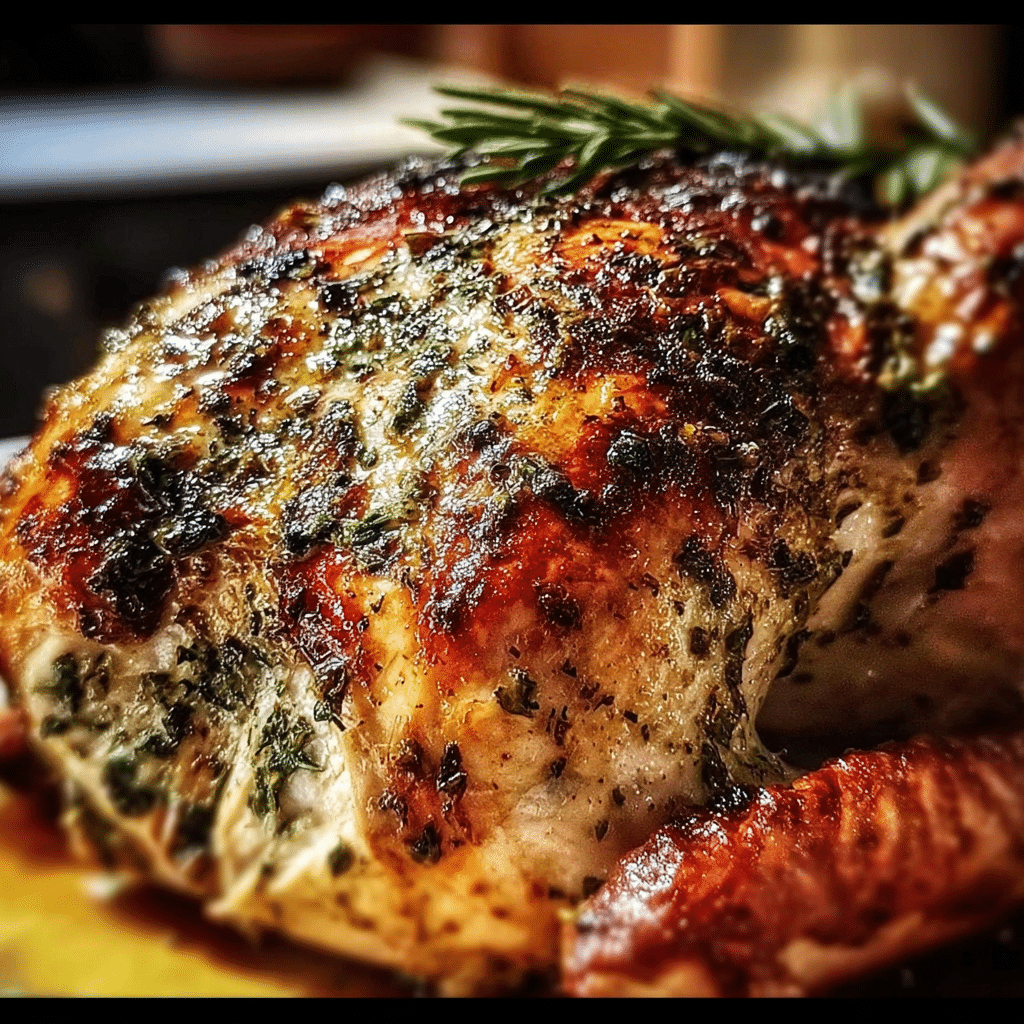
Garlic herb butter roast turkey breast is a delectable way to infuse flavor into your turkey while keeping it moist and succulent. To prepare, start by combining softened butter with minced garlic, fresh herbs like rosemary and thyme, and a pinch of salt and pepper. Ensure the butter is well-mixed and can be easily spread under the turkey skin for maximum flavor absorption. For best results, let the seasoned turkey breast sit at room temperature for about 30 minutes before roasting, allowing the butter to meld with the meat. Baste periodically during cooking to enhance moisture and flavor.
Garlic herb butter roast turkey recipe
This garlic herb butter roast turkey recipe is a showstopper for any holiday dinner, featuring a rich and aromatic flavor profile. Begin by preheating your oven to 325°F (165°C) and preparing your garlic herb butter by mixing softened butter with minced garlic, chopped fresh herbs, and lemon zest. Rub this mixture generously under the skin and all over the turkey for a flavorful and crispy skin. Roast the turkey until it reaches an internal temperature of 165°F (74°C), basting every 30 minutes with the juices from the pan to keep it moist and enhance the flavor. Allow the turkey to rest for at least 20 minutes before carving for juicy results.
Garlic herb butter roast turkey in oven
Roasting garlic herb butter turkey in the oven brings out incredible flavors and creates a beautiful crispy skin. Start by preheating your oven to 325°F (165°C) and preparing the garlic herb butter by combining softened butter with minced garlic, chopped herbs, and seasonings. Place the turkey breast-side up on a roasting rack, and rub the herb butter all over and under the skin for deep flavor infusion. Roast in the preheated oven, and be sure to baste with the pan juices every 30 minutes for even cooking. Using a meat thermometer, ensure the thickest part of the meat reaches 165°F (74°C) before removing it from the oven to rest.
Herb butter for turkey Gordon Ramsay
Gordon Ramsay’s herb butter for turkey is a simple yet effective way to elevate your turkey’s flavor profile. To make it, combine softened butter with fresh herbs such as thyme, rosemary, and sage, along with minced garlic and a squeeze of lemon juice. This mixture works wonders when rubbed under the skin of the turkey, ensuring that the flavors penetrate deeply during cooking. Ramsay emphasizes the importance of seasoning liberally with salt and pepper, which enhances the overall taste. For a perfect finish, consider adding a touch of white wine to the roasting pan, enhancing the drippings for a delicious gravy.
Garlic herb turkey recipe
A garlic herb turkey recipe is perfect for a flavorful holiday feast, combining aromatic herbs with rich garlic butter for a succulent bird. Start by making the garlic herb butter with softened butter, minced garlic, parsley, and thyme, then rub it generously over the turkey, both on the skin and underneath. This technique allows the flavors to permeate the meat as it roasts, ensuring a juicy result. Roast the turkey in a preheated oven at 325°F (165°C) until the internal temperature reaches 165°F (74°C), basting every 30 minutes with pan juices for added moisture and flavor. Finally, let the turkey rest before carving to allow the juices to redistribute.
Garlic butter turkey breast
Garlic butter turkey breast is a quick and flavorful way to prepare turkey, perfect for weeknight dinners or festive occasions. To create this dish, mix softened butter with minced garlic, fresh herbs, and your favorite spices, then generously rub it over the turkey breast. For best results, sear the breast in a hot skillet to create a golden-brown crust before transferring it to the oven to roast at 350°F (175°C). Cooking time will vary based on size, but ensure the internal temperature reaches 165°F (74°C) for safe consumption. Let it rest for a few minutes before slicing to maintain juiciness.
Turkey butter rub recipe
A turkey butter rub recipe is essential for achieving a flavorful and moist turkey. Combine softened butter with minced garlic, chopped herbs like rosemary and thyme, and seasonings such as paprika and black pepper to create a rich paste. Rub this mixture generously under the turkey skin and all over the exterior for maximum flavor penetration. For an added layer of taste, consider incorporating citrus zest or juice, which can brighten the overall flavor. Roast the turkey at 325°F (165°C), basting regularly, and always check the internal temperature to ensure it reaches 165°F (74°C) before serving.
Herb butter for turkey with dried herbs
Using dried herbs in your herb butter for turkey can be a convenient alternative while still packing a flavor punch. To prepare, mix softened butter with dried herbs like thyme, rosemary, and oregano, along with minced garlic and a pinch of salt. Although fresh herbs provide a vibrant flavor, dried herbs can be just as effective when allowed to infuse into the butter. Apply the herb butter generously underneath the skin of the turkey and all over the exterior before roasting. Remember to baste the turkey periodically during cooking to ensure a moist and flavorful outcome.