Glazed carrots are not just a side dish; they are a delightful symphony of flavors that can elevate any meal. My first encounter with glazed carrots was during a family gathering, where my grandmother stood proudly at the stove, her apron dusted with flour and a smile that could light up any room. As the sweet aroma filled the kitchen, I was instantly captivated. She was stirring a pot filled with vibrant orange carrots, glistening in a rich glaze that promised a burst of flavor with every bite. That day, I learned that glazed carrots could be both simple and extraordinary, a dish that transcends the ordinary boundaries of cooking.
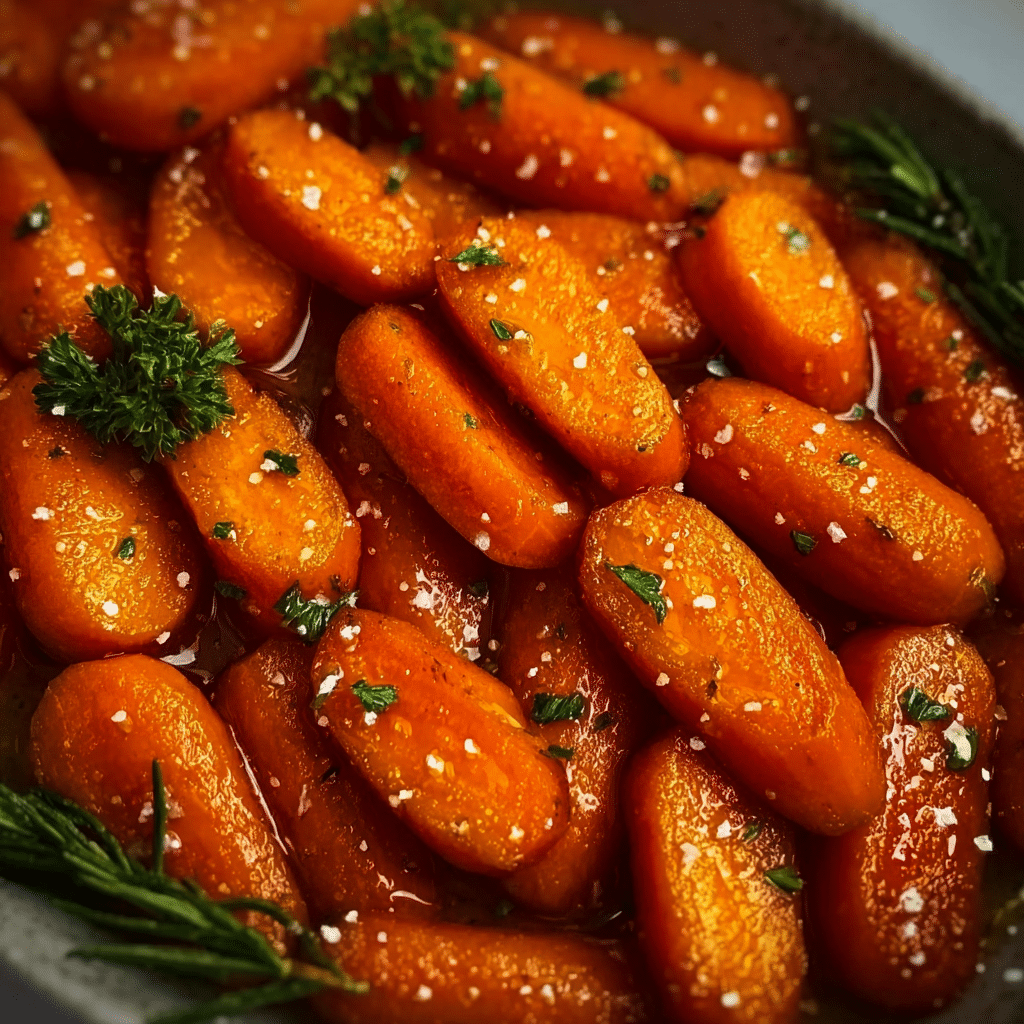
As I watched her prepare this dish, I noticed her effortless style—just a handful of ingredients: fresh carrots, butter, brown sugar, and a pinch of salt. This simplicity is what makes glazed carrots so special; they require minimal effort yet deliver maximum flavor. It was a revelation for me, as I realized that cooking doesn’t always have to be complicated to be delicious. From that moment, I became enamored with glazed carrots, and they quickly became a staple in my own kitchen.
The Story Behind This Recipe
What I love about glazed carrots is their rich cultural history. The preparation of carrots dates back thousands of years, with their origins tracing back to Asia, specifically Afghanistan, where the first cultivated carrots were purple or yellow rather than the orange we are accustomed to today. The idea of glazing vegetables, however, is a technique that has roots in French cuisine, where the method was used to create shine and enhance flavors. This practice has elegantly migrated into various cuisines around the world, making glazed carrots a beloved dish in many cultures.
In the United States, glazed carrots became particularly popular in the mid-20th century, coinciding with the rise of convenience cooking. Busy families were looking for quick yet satisfying meals, and glazed carrots fit the bill perfectly. They are not just easy to prepare but also provide a touch of elegance to any plate, making them ideal for both everyday meals and special occasions. The glossy finish of the carrots, achieved by cooking them in a sweet glaze, brings a delightful visual appeal that can make even the simplest of dinners feel festive.
Seasonality plays a significant role in the beauty of glazed carrots. Fresh, young carrots are best enjoyed during spring and early summer when they are at their peak sweetness. This is the perfect time to make glazed carrots, as the natural sugars in the vegetables caramelize beautifully when cooked. With a drizzle of honey or maple syrup, these glazed carrots can be transformed into a dish that sings of the season, celebrating the bounty of nature’s offerings.
Emotionally, glazed carrots hold a special place in my heart. They remind me of family gatherings, laughter, and the comfort of home. Each bite takes me back to those warm summers spent in my grandmother’s kitchen, a place filled with love, stories, and the delightful smell of freshly cooked food. It’s amazing how a simple dish can carry so much nostalgia and connection, making it a cherished recipe that I now pass on to my children.
In this ultimate guide to glazed carrots, you will discover not only how to prepare this delectable dish but also the nuances that make it unique. I will share tips on selecting the best carrots, creating the perfect glaze, and serving suggestions that will impress your family and friends. Whether you are cooking for a busy weeknight dinner or planning a festive holiday feast, glazed carrots are sure to be a hit. So, let’s dive into the world of glazed carrots, where tradition meets modern convenience, and every bite tells a story.
The Rich History and Cultural Significance of glazed carrots
To fully appreciate glazed carrots, we must explore their rich history and cultural significance. The origins of glazed carrots can be traced back to various culinary traditions, with each culture contributing its unique spin on this beloved vegetable dish. As mentioned earlier, carrots were first cultivated in parts of Asia, primarily Afghanistan. These early varieties were not the vibrant orange we see today but were instead purple or yellow. It wasn’t until the 17th century that the orange carrot became popular, thanks to Dutch growers who selectively bred them for their color and sweetness.
Origins and History
The technique of glazing vegetables, including carrots, has its roots in French cuisine. The French mastered the art of creating a shiny, sweet coating using butter and sugar, which enhances the natural flavors of the vegetables. This method was not only practical but also visually appealing, making it a popular choice for chefs looking to impress their guests. Over time, glazed carrots made their way into American kitchens, particularly during the 1950s, when convenience cooking became prevalent. The introduction of pre-packaged and frozen foods made it easier for families to prepare meals quickly, and glazed carrots were a perfect fit for this new way of cooking.
Today, glazed carrots are a staple in many households across the globe. In addition to the classic preparation, various regional variations have emerged. For example, in Southern cooking, glazed carrots might be prepared with the addition of bacon or other savory ingredients, creating a delightful contrast to the sweetness of the carrots. Meanwhile, in Asian cuisines, carrots may be glazed with soy sauce and ginger, giving them a unique twist that reflects the flavors of the region.
Cultural Significance
Glazed carrots are often associated with special occasions and holiday meals. In the United States, they frequently grace the Thanksgiving dinner table, serving as a colorful and nutritious side dish alongside turkey and stuffing. Their vibrant color and sweet flavor make them a favorite among kids and adults alike, bridging the gap between health and indulgence. Many families pass down their own versions of glazed carrots through generations, making it a dish that carries sentimental value and family tradition.
Moreover, in many cultures, carrots symbolize prosperity and good luck. For instance, in Chinese culture, carrots are often included in dishes served during the Lunar New Year as they are believed to bring good fortune and success. This cultural significance adds another layer of meaning to glazed carrots, as they are not just a delicious side dish but also a symbol of hope and abundance.
Nutritional Benefits
Aside from their cultural importance, glazed carrots also pack a nutritional punch. Carrots are rich in vitamins A, C, and K, as well as several essential minerals. Vitamin A, in particular, is vital for maintaining healthy vision and immune function. When glazed, the natural sweetness of the carrots is enhanced, making them a more appealing option for children who may be hesitant to eat their vegetables. By incorporating glazed carrots into your meals, you are not only providing your family with a delicious side dish but also nourishing them with essential nutrients.
As we continue this journey into the world of glazed carrots, you will discover the various ways to prepare this dish, along with tips to customize it to your family’s tastes. Whether you’re looking for a quick weeknight side or a standout dish for holiday gatherings, glazed carrots are sure to delight. So, let’s embrace the history, culture, and deliciousness of glazed carrots together, as we explore the many ways to enjoy this timeless dish.
Essential Ingredients for Perfect glazed carrots
When it comes to creating the perfect dish of glazed carrots, the ingredients you choose are paramount. Each component plays a vital role in ensuring that your glazed carrots are not only delicious but also visually appealing. Let’s dive into the essential ingredients that make up this classic side dish and explore how each one contributes to the final result.
Essential Ingredients
- 1 kg / 2 lb carrots, peeled (Note 1)
- 1/4 cup (40g) brown sugar, loosely packed (Note 2)
- 2 garlic cloves, minced
- 2 tbsp butter (30g), melted (or olive oil)
- 1 tbsp olive oil
- 1/2 tsp salt
- 1/4 tsp black pepper
- Parsley, for garnish (optional)
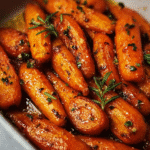
Glazed Carrots
Ingredients
- 1 kg / 2 lb carrots , peeled
- 1/4 cup (40g) brown sugar , loosely packed
- 2 garlic cloves , minced
- 2 tbsp butter (30g) , melted (or olive oil)
- 1 tbsp olive oil
- ½ tsp salt
- ¼ tsp black pepper
- Parsley , for garnish (optional)
Instructions
- Preheat oven to 220C/425F (standard) or 200C/400F (fan).
- Cut carrot on the diagonal into 4cm / 1.75” lengths. Halve thicker end so they are all roughly the same width.
- Toss in a bowl with sugar, butter, garlic, oil, salt and pepper. Pour onto tray, spread out.
- Roast 15 minutes. Toss, then roast a further 10 minutes until soft and caramelised on the edges with plenty of glaze left on the tray.
- Toss carrots in the glaze, sprinkle with parsley if using. Serve warm.
Let’s break down these ingredients one by one:
Carrots: The star of the show! Carrots are not only sweet and crunchy, but they also bring a vibrant color to the dish. When selecting carrots, look for firm, smooth ones without blemishes. Organic carrots may have a richer taste, but conventional ones are often just as good. For the best flavor, try to choose fresh, seasonal carrots, which can often be found at local farmers’ markets. If you have leftover carrots, store them in the refrigerator, wrapped in a damp paper towel to maintain moisture.
Brown Sugar: This ingredient adds that unmistakable sweetness that makes glazed carrots so irresistible. The molasses in brown sugar also provides depth and a slight caramel flavor. While light brown sugar works perfectly, you can experiment with dark brown sugar for an even richer taste. If you’re trying to cut back on sugar, consider using maple syrup or honey as a natural sweetener, adjusting the quantity to your taste. Just remember that these alternatives may alter the flavor profile slightly.
Garlic: The addition of minced garlic enhances the overall flavor, adding a hint of savory depth to the dish. Fresh garlic is always best, but if you’re in a pinch, you can use garlic powder. If you’re sensitive to garlic, you can reduce the amount or leave it out entirely; however, you’ll miss out on that aromatic goodness!
Butter and Olive Oil: Combining these fats helps to achieve that perfect glaze. Butter offers a rich, creamy taste, while olive oil adds a slight fruitiness. You could use just one or the other, but we recommend the combination for the best flavor. If you’re looking for a dairy-free alternative, use vegan butter or simply increase the amount of olive oil. Both fats also help to enhance the absorption of fat-soluble vitamins present in the carrots.
Salt and Black Pepper: These simple seasonings are essential for balancing the sweetness of the carrots and the richness of the butter. Always taste your dish as you cook; seasoning can be adjusted to personal preference. If you’re on a low-sodium diet, consider using a salt substitute or seasoning blend.
Parsley: This fresh herb is an optional garnish that adds a pop of color and a refreshing flavor to your glazed carrots. It brightens the dish visually and complements the sweetness beautifully. If parsley isn’t available, consider using chives or fresh thyme instead.
Shopping Tips
When shopping for your ingredients, always prioritize quality. Fresh produce, especially carrots, can make a significant difference in flavor. Visit local farmers’ markets or organic grocery stores if possible. Look for carrots that are firm and vibrant in color; avoid those that are soft or have a dull appearance. For brown sugar, ensure it feels moist and clumps slightly when squeezed in your hand.
For the garlic, choose bulbs that are firm with tight skin. If you can, go for organic options, which are generally more flavorful and free from pesticides. Regarding butter, select high-quality brands that use cream as their primary ingredient. And remember, olive oil should be extra virgin for the best flavor; look for dark bottles to prevent light damage.
Substitutions and Alternatives
If you have dietary restrictions, there are several ways to adapt this recipe. For instance, if you’re vegan, substitute the butter with additional olive oil or a plant-based butter. For those who cannot consume sugar, try using alternatives like stevia or agave syrup, keeping in mind the adjustments needed for sweetness levels.
Another option is to enhance the flavor profile with spices; consider adding a pinch of cinnamon or nutmeg for warmth, especially in the fall. If you’re looking to add more texture, you might incorporate nuts like pecans or walnuts as a topping when serving.
Ultimately, while the classic glazed carrots recipe is delightful as is, don’t hesitate to experiment with these ingredients to find what excites your palate. Happy cooking!
Detailed Step-by-Step glazed carrots Cooking Instructions
Now that you have a solid understanding of the essential ingredients for glazed carrots, it’s time to roll up your sleeves and dive into the cooking process. Making glazed carrots is not only straightforward but also an enjoyable experience that will fill your kitchen with incredible aromas. Let’s break down the step-by-step instructions for achieving perfectly glazed carrots every time.
Preparation Steps
- Gather Your Ingredients: Before you start cooking, ensure you have all your ingredients ready. This is known as mise en place, a French culinary term that means “everything in its place.” It helps streamline the cooking process, making it more efficient. Lay out the carrots, brown sugar, garlic, butter, olive oil, salt, and pepper in your cooking area.
- Peel and Cut the Carrots: Take your 1 kg of carrots and peel them with a vegetable peeler. Then, slice them into even pieces, about 1-inch thick. This ensures they cook evenly. If you’re using baby carrots, you can simply halve them lengthwise.
- Minced Garlic: Take two garlic cloves and finely mince them. A sharp knife is essential for this task, as it allows you to control the size of your garlic pieces, enhancing the flavor distribution in your dish.
- Measure the Ingredients: In a small bowl, measure out 1/4 cup of brown sugar, 2 tablespoons of melted butter, and 1 tablespoon of olive oil. This pre-measurement avoids any last-minute scrambling.
Cooking Process
- Heat the Pan: Place a large skillet over medium heat and add the butter and olive oil mixture. Allow it to melt and combine, making sure not to let it brown too much.
- Add Carrots: Once the butter has melted, add the prepared carrots to the skillet. Toss them gently in the butter and oil to ensure they are well-coated.
- Incorporate Brown Sugar: Sprinkle the brown sugar over the carrots. As the sugar heats, it will begin to melt and create a syrupy glaze. Stir the mixture to combine everything evenly.
- Add Garlic: Now, add the minced garlic to the skillet. This step is crucial — you want to avoid burning the garlic, which can turn it bitter. Stir it in gently and watch for that fragrant aroma!
- Season the Carrots: Sprinkle in the salt and black pepper, adjusting to taste. This is where you can make it your own; don’t be afraid to taste as you go!
- Cooking Time: Cover the skillet with a lid and let the carrots cook for about 10-15 minutes. Stir occasionally to avoid sticking and ensure even cooking. You’ll know they are done when they are tender and easily pierced with a fork.
- Uncover and Glaze: Remove the lid and continue to cook for another 5-10 minutes. This step allows the liquid to reduce further, creating that beautiful glossy glaze. Keep stirring to coat the carrots evenly.
Final Assembly
- Check for Doneness: The carrots should be tender but not mushy. A fork should pierce them easily, but they should still hold their shape. If they are not done to your liking, give them a few more minutes.
- Garnish: Once cooked, transfer the glazed carrots to a serving dish. If desired, sprinkle chopped parsley on top for a pop of color and freshness.
- Serve and Enjoy: These glazed carrots make a delightful side dish for any meal, especially during holiday gatherings or family dinners. Serve them warm and watch everyone’s eyes light up!
In terms of timing, the entire process should take about 30 minutes, from preparation to plating. Make sure to keep an eye on the carrots during cooking; they can go from perfectly glazed to overly soft in a flash. The key is to enjoy the process, savor the aromas, and appreciate how a few simple ingredients can create such a beloved dish. Happy cooking, and enjoy your delicious glazed carrots!
Professional Tips and Techniques for glazed carrots
When it comes to preparing glazed carrots, there’s a delightful simplicity that belies the depth of flavor you can achieve. Whether you’re a novice or an experienced cook, a few professional tips and techniques can elevate your dish from ordinary to extraordinary. I remember the first time I made glazed carrots for a dinner party. I was nervous, but the compliments I received were worth every moment spent in the kitchen. Let’s dive into the tips that will help you create the perfect batch of glazed carrots.
Professional Techniques
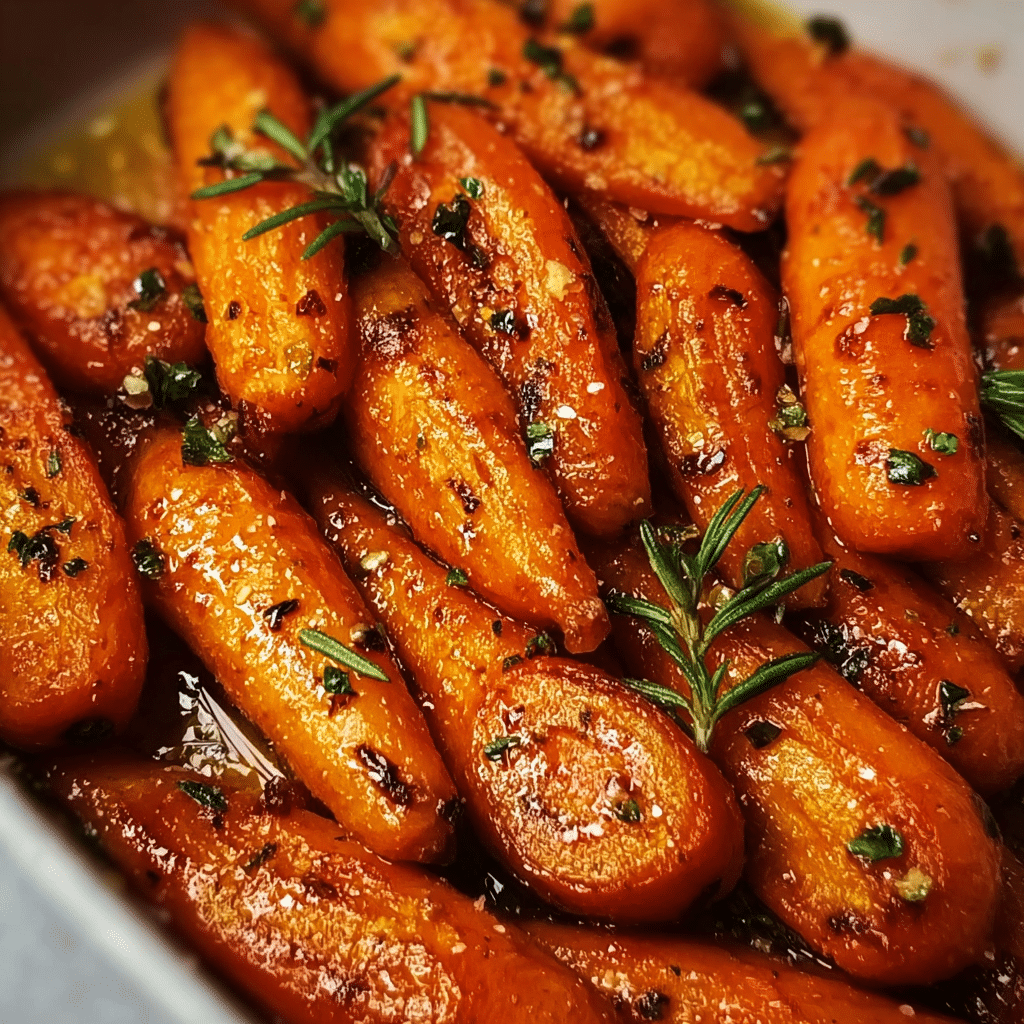
The key to perfect glazed carrots lies in the cooking method. You want to achieve that delightful balance of tender yet firm carrots, coated in a glossy glaze. Start with fresh, vibrant carrots. Baby carrots are cute, but for the best flavor, consider using whole carrots. Peel them and cut them into uniform pieces for even cooking.
One of the most effective methods for cooking glazed carrots is blanching. Blanching involves boiling the carrots briefly and then plunging them into ice water. This not only helps to retain their brilliant color but also ensures they are tender without becoming mushy. After blanching, you can sauté them in butter and sugar to create that luscious glaze.
Another technique is to roast your glazed carrots. Tossing them in olive oil, salt, and pepper before roasting intensifies their natural sweetness and adds a caramelized flavor. Roasting also allows for a variety of herbs and spices to be introduced, enhancing the overall taste.
Troubleshooting Guide
Even seasoned cooks can encounter issues when making glazed carrots. One common problem is overcooking, which leads to mushy carrots. To avoid this, keep a close eye on your cooking time. Carrots should be fork-tender but still have a slight crunch. If your glazed carrots are too sweet, balance the sweetness with a splash of vinegar or lemon juice to add acidity. On the flip side, if they lack flavor, consider adding more salt or a sprinkle of fresh herbs like thyme or parsley right before serving.
Another consideration is the glaze itself. If the glaze isn’t sticking to the carrots, ensure you’re using enough fat and sugar. Butter is traditional, but you can also experiment with honey or maple syrup for a different flavor profile. Remember, the key is to let the glaze cook down until it thickens and clings beautifully to the carrots.
Presentation Tips
Presentation is just as important as flavor, especially when serving glazed carrots at a dinner party. To make your dish visually appealing, consider arranging the carrots in a circular pattern on the plate. Drizzle the glaze over the top for a glossy finish. Garnishing with fresh herbs not only adds a pop of color but also a burst of freshness. I often use chopped parsley or dill, depending on the flavor profile of the meal.
For a more rustic presentation, serve your glazed carrots in a wooden bowl or on a rustic platter. This approach adds warmth and charm to your table setting. If you’re feeling adventurous, you can even mix in other colorful vegetables like parsnips or beets for a vibrant medley.
Wine and Beverage Pairings
Pairing the right beverage with your glazed carrots can enhance the overall dining experience. If you’re serving a rich meat dish, consider a light-bodied white wine like Sauvignon Blanc or a dry Riesling. The acidity in these wines cuts through the sweetness of the carrots beautifully. If you prefer red wine, a light Pinot Noir complements the earthy flavors of the carrots without overpowering them.
For non-alcoholic options, a sparkling water infused with lemon or a light tea can provide a refreshing contrast to the sweetness of the glazed carrots. Remember, the goal is to create a harmonious balance between the flavors on your plate and in your glass.
Creative Variations and Adaptations of glazed carrots
While classic glazed carrots are a timeless favorite, there are countless creative variations that can bring new life to this beloved dish. The beauty of glazed carrots lies in their versatility. You can adapt the recipe based on the season, dietary preferences, and even your mood. Let’s explore some exciting variations and adaptations that can take your glazed carrots to new heights.
Seasonal Variations
Seasonal ingredients can dramatically change the flavor profile of your glazed carrots. In spring, consider adding fresh herbs like mint or chives for a bright, refreshing twist. Summer is the perfect time to incorporate citrus; a splash of orange juice or zest can elevate the dish, bringing a lively brightness that pairs wonderfully with grilled meats.
In fall, the addition of warming spices like cinnamon or nutmeg can evoke the essence of the harvest season. You might even consider adding diced apples or pears to your glaze for a sweet, fruity contrast. In winter, don’t hesitate to incorporate roasted garlic or even a hint of maple syrup for a richer flavor.
Dietary Adaptations
Today’s culinary landscape encourages us to be more mindful of dietary needs. If you’re cooking for someone on a keto diet, swap out sugar for a sugar substitute like erythritol or stevia. For a vegan version of glazed carrots, replace butter with coconut oil or vegan margarine. The caramelization of the carrots will still shine through, and you won’t lose that delicious glaze.
If gluten is a concern for you or your guests, rest assured that glazed carrots are naturally gluten-free. Just be cautious with any additional sauces or seasonings you might add. Always check labels to make sure they meet gluten-free standards.
Creative Twists
Why not get adventurous with spices? A pinch of cayenne pepper can add a gentle heat, while smoked paprika can impart a beautiful depth of flavor. If you’re feeling bold, experiment with global flavors. For instance, a dash of soy sauce and sesame oil can turn your glazed carrots into a delightful Asian-inspired side dish. Alternatively, adding a touch of balsamic vinegar can create a sweet and tangy glaze that’s simply irresistible.
Another fun idea is to transform your leftover glazed carrots. Add them to a stir-fry, mash them into a delicious spread, or toss them into a salad for a sweet crunch. The possibilities are endless!
Storage, Reheating, and Meal Prep for glazed carrots
When it comes to enjoying delicious glazed carrots, understanding how to properly store them can make all the difference between a side dish that stays vibrant and flavorful and one that becomes a soggy, unappetizing mess. Having experimented with glazed carrots in my kitchen over the years, I’ve learned a thing or two about how to store, reheat, and meal prep this delightful dish. Whether you’re making a big batch for a holiday dinner or just a weeknight meal, knowing the ins and outs of storage will ensure you always have a delicious side ready to go.
Short-term Storage
After you’ve made your glazed carrots, the first thing you’ll want to do is let them cool down to room temperature. This is crucial because placing hot food directly into the refrigerator can raise the temperature inside and potentially spoil other food. Once cooled, transfer your glazed carrots into an airtight container. Glass containers are excellent for this purpose, as they do not retain odors and are safe for both the fridge and microwave. If you’re using plastic containers, make sure they are BPA-free and designed for food storage.
In the refrigerator, glazed carrots can typically be stored for about 3 to 5 days. To maintain their best quality, try to avoid opening and closing the container too often. Every time you do, you’re exposing them to air, which can cause them to dry out and lose their vibrant color. If you find yourself with leftover glazed carrots after a family dinner or holiday gathering, consider portioning them out into smaller containers. This not only helps with easy access but also allows you to reheat only what you need, preserving the rest.
Freezing and Long-term Storage
If you want to keep your glazed carrots for a longer period, freezing is a fantastic option. However, you need to follow specific steps to ensure they freeze well. First, blanch your glazed carrots before freezing. Blanching involves briefly boiling them, then plunging them into ice water. This process helps to preserve their color and texture as well as enhance their flavor upon reheating. Once blanched, let them cool completely, then arrange them in a single layer on a baking sheet. Freeze them for about 1 to 2 hours until solid, then transfer the carrots into freezer-safe bags or containers, removing as much air as possible to prevent freezer burn.
When stored correctly, glazed carrots can last up to 10 to 12 months in the freezer. However, for the best taste and texture, I recommend consuming them within 6 months. Remember to label your containers with the date and contents, so you can keep track of what you have on hand. It’s a good idea to have a designated area in your freezer for your meal prep items, making it easier to find your glazed carrots when you’re ready to use them.
Reheating Best Practices
Reheating glazed carrots can be simple, but there are methods to ensure they remain tender and flavorful. The microwave is the quickest method. Place your glazed carrots in a microwave-safe dish, add a splash of water, cover with a microwave-safe lid or wrap, and heat on medium power in short intervals, stirring in between. This helps to steam the carrots without drying them out.
For those who prefer a more traditional method, reheating on the stovetop is also effective. Place the glazed carrots in a skillet over medium-low heat with a little butter or olive oil, stirring occasionally until heated through. This method not only warms up the carrots but also gives them a bit of a fresh glaze, enhancing their flavor. If you’re reheating from frozen, it’s best to thaw them in the refrigerator overnight before reheating, or you can add them directly to a simmering pot of water or sauce to heat them gently.
When it comes to food safety, always be mindful of how long your glazed carrots have been stored. If they have been in the fridge for over five days, or if you notice any off smells or changes in texture, it’s best to err on the side of caution and discard them. Glazed carrots can be a delightful addition to your meals, and with the right storage and reheating techniques, you can enjoy them deliciously even days later. Remember to think ahead during meal prep, and you’ll always have this simple yet delicious side dish within reach!
Nutritional Benefits and Health Information
Glazed carrots are not only a delicious addition to any meal, but they also pack a nutritional punch that makes them a fantastic option for health-conscious eaters. Understanding the nutritional benefits of glazed carrots can elevate your cooking game and help you make informed choices about your diet. So, let’s dive into the delightful world of glazed carrots and explore what makes them not just tasty but also nutritious.
Nutritional Profile
The basic ingredients in glazed carrots—carrots, butter or oil, sugar, and sometimes spices like cinnamon or nutmeg—combine to create a dish that is both satisfying and beneficial. One medium raw carrot contains roughly 25 calories, 6 grams of carbohydrates, and less than 1 gram of protein and fat. When glazed, the addition of butter and sugar does increase the calorie count, but the overall dish remains relatively low in calories when used in moderation. A typical serving of glazed carrots (about half a cup) might range from 50 to 80 calories, depending on the specific recipe and amounts used.
Carrots are an excellent source of vitamin A, as they are rich in beta-carotene, which the body converts into this essential nutrient. One serving of glazed carrots can provide you with over 200% of your daily vitamin A needs, which is vital for maintaining healthy eyesight, immune function, and skin health. Additionally, glazed carrots contain a variety of other vitamins and minerals, including vitamin K, potassium, and antioxidants, which contribute to overall health.
Health Benefits
The health benefits of glazed carrots extend beyond their impressive vitamin A content. Carrots are high in dietary fiber, which can aid in digestion and promote a healthy gut. A diet rich in fiber can help prevent constipation, lower cholesterol levels, and even aid in weight management by promoting a feeling of fullness. Furthermore, the antioxidants found in carrots, including carotenoids, have been linked to a reduced risk of chronic diseases, such as heart disease and certain cancers.
Incorporating glazed carrots into your meals can also enhance the overall nutritional value of your diet. They can be paired with proteins, grains, and other vegetables to create a well-rounded plate. For those on a plant-based diet, glazed carrots can add a sweet and savory element to salads, grain bowls, or even tacos, making them a versatile addition to a variety of dishes.
Dietary Considerations
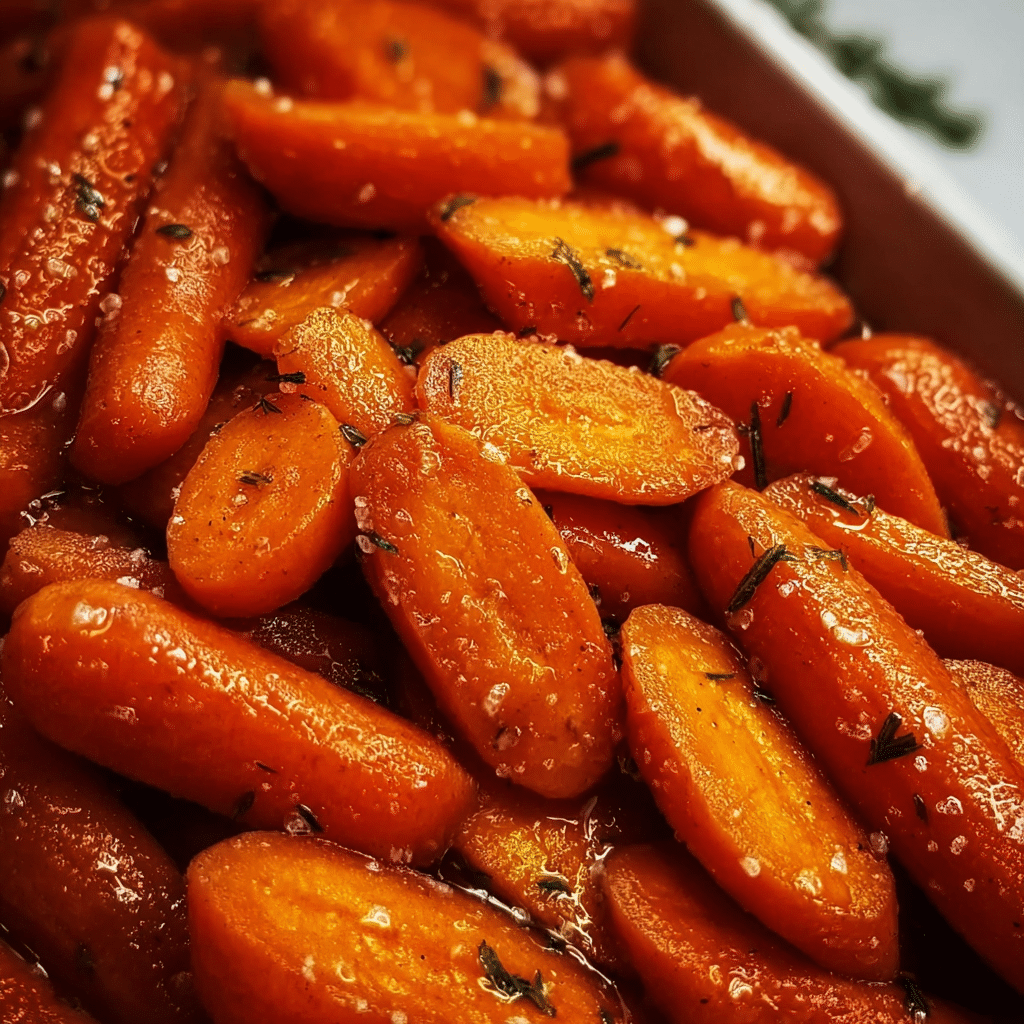
When it comes to dietary considerations, glazed carrots can fit into most eating plans, including vegetarian, vegan, and gluten-free diets. However, if you’re looking to make a healthier version of glazed carrots, consider swapping out the sugar for a natural sweetener like honey or maple syrup. This not only reduces refined sugars but also adds additional flavor dimensions to the dish.
For those watching their calorie intake, be mindful of the amount of butter or oil used in the glazing process. You can substitute with olive oil or even vegetable broth to reduce the fat content while still achieving a delicious flavor. Additionally, adding spices such as ginger or turmeric can enhance the health benefits while minimizing the need for added sugars.
In comparison to similar dishes such as candied carrots or roasted carrots with heavy seasoning, glazed carrots provide a more balanced approach. They offer sweetness without overwhelming the palate or the waistline. By controlling the glazing process, you can enjoy the natural sweetness of the carrots while still keeping the dish relatively healthy.
In conclusion, glazed carrots are more than just a delightful side dish; they are a nutritious addition to your diet that can provide numerous health benefits. By understanding their nutritional profile and making informed choices about preparation and ingredients, you can enjoy glazed carrots as part of a balanced and healthy lifestyle. So the next time you’re preparing a meal, think about how you can incorporate this vibrant, delicious vegetable into your plate. Not only will your taste buds thank you, but your body will too!
Frequently Asked Questions About Glazed Carrots
Glazed carrots maple syrup
Using maple syrup to glaze your carrots adds a rich, natural sweetness that complements their earthy flavor. Start by peeling and slicing your carrots into uniform pieces for even cooking. In a skillet, combine the carrots with a tablespoon of butter, a splash of water, and a generous drizzle of maple syrup. Allow the mixture to simmer on medium heat, stirring occasionally, until the carrots are tender and the syrup has thickened into a glossy glaze. For added depth, consider incorporating a pinch of salt and a sprinkle of cinnamon to enhance the flavors.
Simple recipe for glazed carrots
A simple recipe for glazed carrots requires just a few ingredients: carrots, butter, sugar (or honey), and salt. Begin by washing and slicing your carrots into even pieces, ideally about 1 to 2 inches long. Melt 2 tablespoons of butter in a skillet over medium heat, then add the carrots and a tablespoon of sugar, stirring to coat. Pour in a small amount of water (about 1/4 cup) and cover the skillet to steam the carrots for about 5-7 minutes. Remove the lid and cook for an additional 5 minutes, allowing the liquid to reduce and glaze the carrots, stirring occasionally for an even coating.
Glazed carrots (oven)
To make glazed carrots in the oven, preheat your oven to 400°F (200°C). Toss peeled and sliced carrots in a mixture of melted butter, brown sugar, and a pinch of salt in a large bowl. Spread the carrots evenly on a baking sheet lined with parchment paper to prevent sticking. Roast for about 25-30 minutes, tossing them halfway through to ensure even caramelization. For an extra touch, sprinkle with fresh herbs like thyme or parsley before serving for added flavor and color.
Honey glazed carrots
Honey glazed carrots are a delightful twist on the classic recipe, offering a floral sweetness that pairs beautifully with the natural flavor of the carrots. To prepare, slice your carrots and toss them in a mixture of melted butter, honey, and a dash of salt in a pan. Cook on medium heat for about 10 minutes until the carrots are tender and the honey has formed a lovely glaze. For additional flavor, consider adding a squeeze of lemon juice or a sprinkle of chopped fresh herbs like dill or parsley just before serving to elevate the dish.
Brown sugar glazed carrots stovetop
For brown sugar glazed carrots on the stovetop, start by cutting your carrots into uniform pieces and boiling them in salted water until just tender, about 5 minutes. Drain the carrots and return them to the skillet, adding a tablespoon of butter and a quarter cup of brown sugar. Cook over medium heat, stirring frequently until the sugar dissolves and the mixture thickens, creating a glossy glaze around the carrots. This method not only enhances the sweetness but also keeps the carrots vibrant and flavorful—an excellent side dish for any meal.
Boiled glazed carrots
Boiled glazed carrots are a quick and easy option if you’re short on time. Start by peeling and slicing your carrots, then add them to a pot of boiling salted water. Boil for about 5-7 minutes until they are just tender, then drain. In a separate pan, melt butter and add brown sugar or honey, then toss in the drained carrots, cooking for a few more minutes until they are coated and glazed. This method retains the carrots’ bright color and crunch while infusing them with sweetness.
Glazed carrots Serious Eats
Serious Eats offers a highly regarded recipe for glazed carrots that emphasizes technique for achieving perfect tenderness and flavor. They recommend using a combination of butter and sugar to create a rich glaze. Start by cooking the carrots in a little water and butter, covering them to steam until tender, then uncovering to allow the glaze to thicken. For additional flavor, consider adding aromatics like garlic or herbs during the cooking process. This method ensures that each carrot is evenly coated and maximizes their natural sweetness, making them a standout side dish.
Glazed carrots air fryer
Making glazed carrots in an air fryer is a fast and convenient way to achieve perfectly cooked veggies with minimal effort. Begin by slicing your carrots into even pieces and tossing them in a mixture of olive oil, honey, and any desired spices like cinnamon or garlic powder. Preheat your air fryer to 375°F (190°C) and arrange the carrots in a single layer in the basket. Cook for about 15-20 minutes, shaking the basket halfway through to ensure even cooking and glazing. This method gives the carrots a nice caramelization while keeping them tender inside, making for a delicious and healthy side dish.