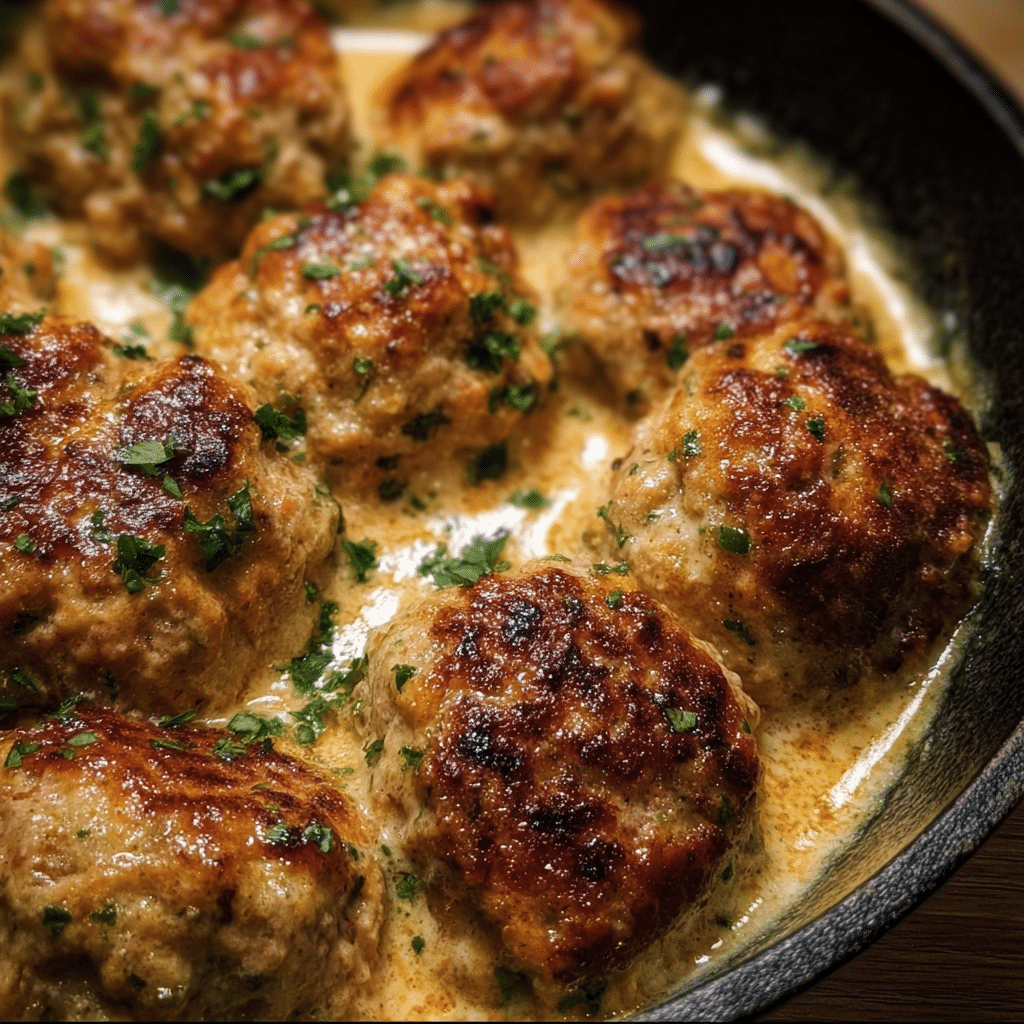
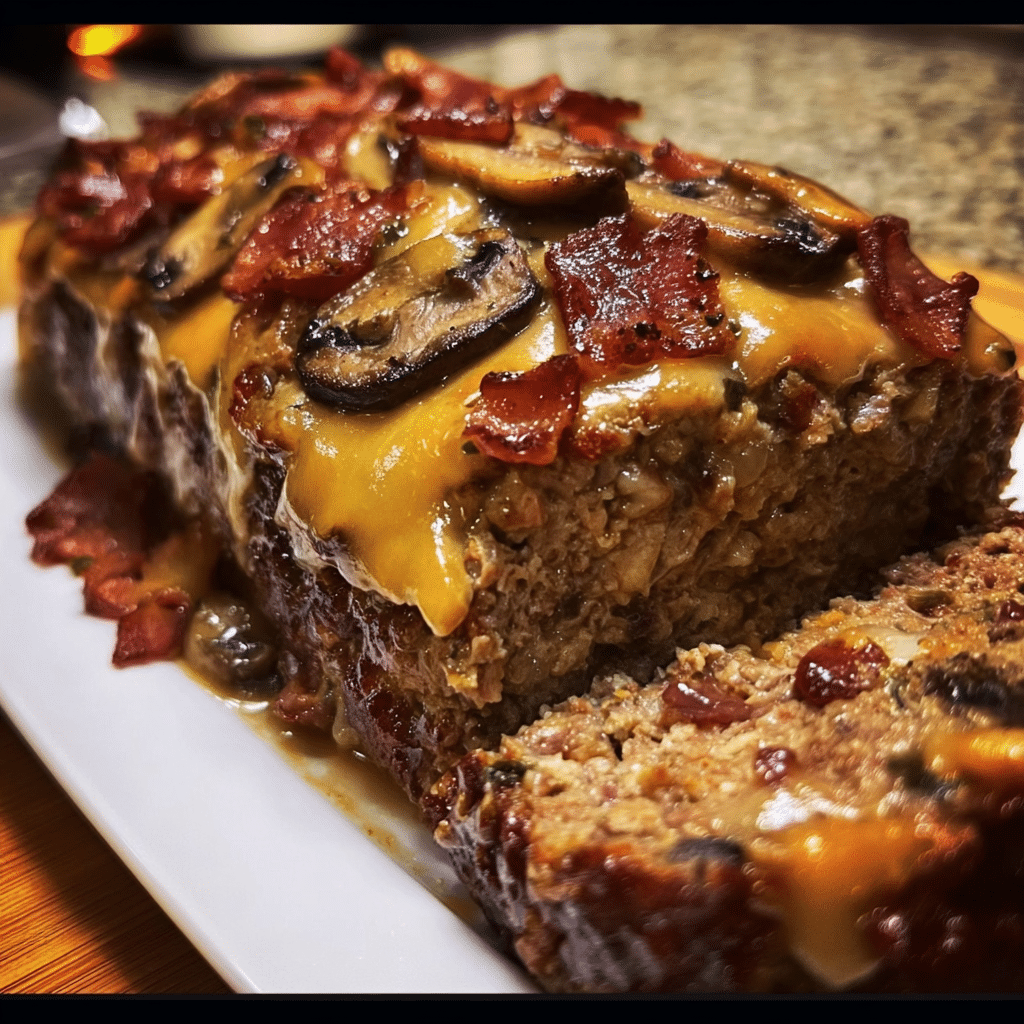
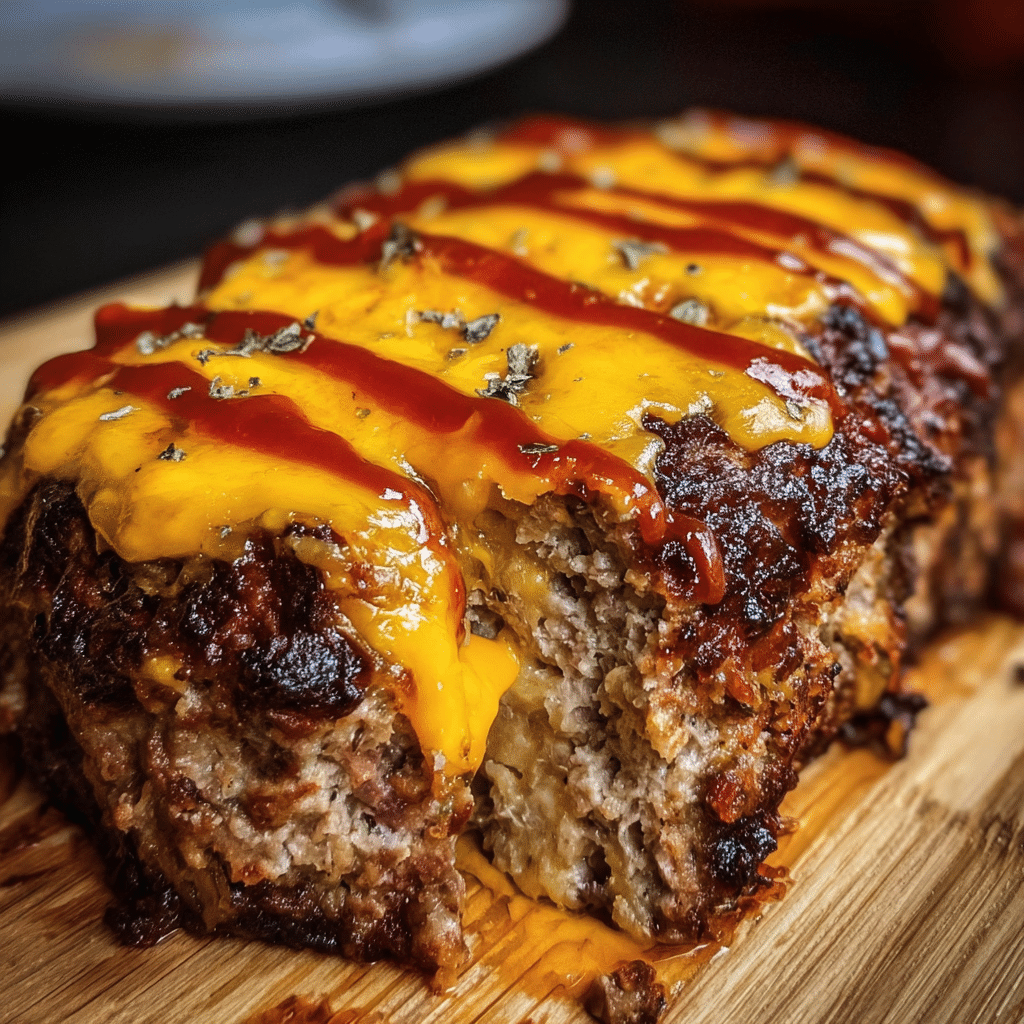
Gordon Ramsay ground turkey pasta is not just a meal; it’s an experience that has the power to elevate any weeknight dinner into something extraordinary. I remember the first time I stumbled across this recipe while flipping through one of Gordon’s cookbooks. It was a particularly hectic Tuesday evening, and the thought of preparing yet another mundane dinner was daunting. As I browsed through the vibrant pages filled with mouth-watering images and tantalizing descriptions, I felt an electric spark of inspiration when I came upon this dish. The combination of ground turkey, fresh herbs, and a rich tomato sauce was not only enticing but also offered a promise of comfort and satisfaction, making it the perfect solution for my busy family.
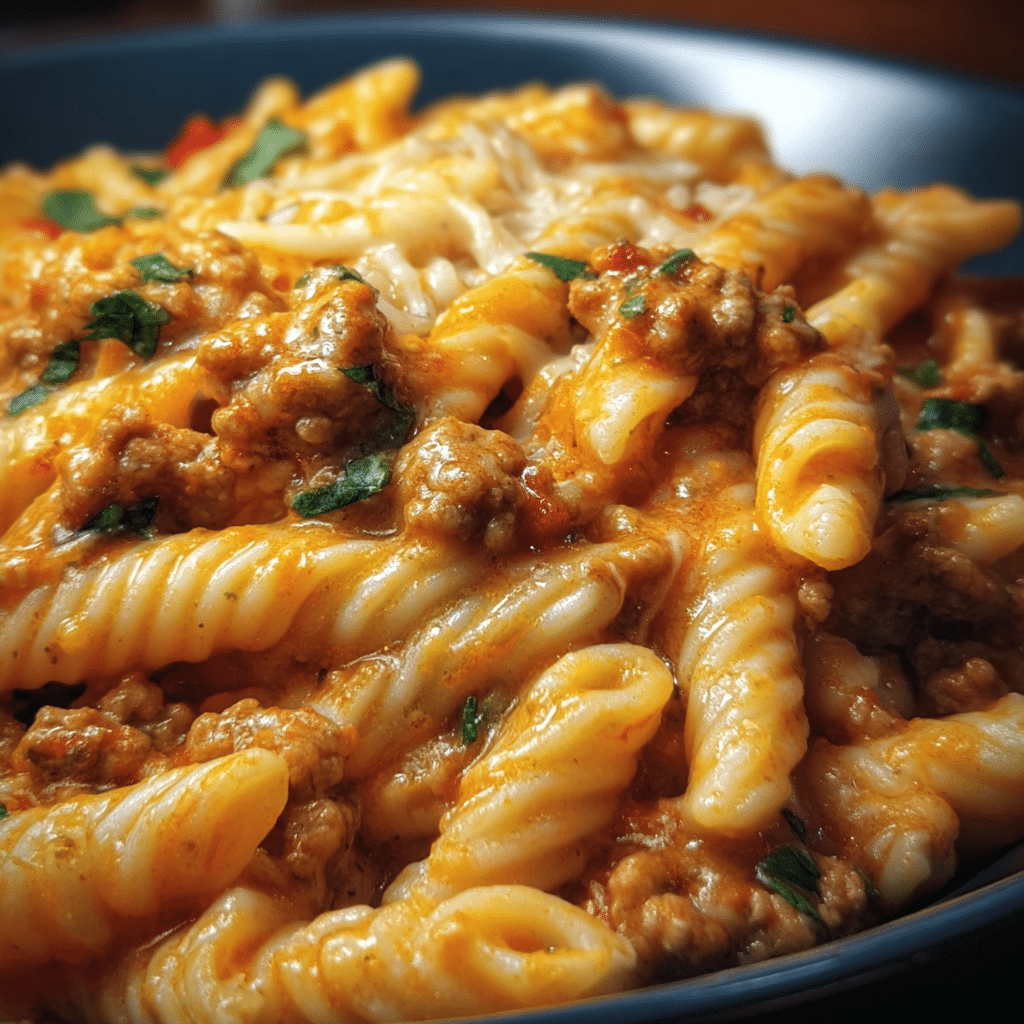
As I gathered the ingredients, I could feel the excitement building. Cooking has always been a form of therapy for me—a way to unwind after a long day. The moment I started sautéing the garlic and the onions, the aromas wafted through my kitchen, instantly transforming my home into a warm, inviting space. The addition of ground turkey brought a lightness to the dish that was refreshing compared to the heavy meats I often used. This experience wasn’t just about preparing a meal; it was about creating a moment of joy and connection with my family, something I cherish deeply.
The Story Behind This Recipe
The cultural background of this dish is rich and layered. Ground turkey is a staple in many cuisines worldwide, known for its versatility and health benefits. In American households, it has gained popularity as a healthier alternative to ground beef, offering a leaner option without sacrificing flavor. The beauty of Gordon Ramsay’s interpretation lies in his ability to blend traditional Italian flavors with modern sensibilities, creating a dish that speaks to both the heart and the palate.
This recipe is special because it marries convenience with gourmet flair. As a busy parent, I often find myself searching for meals that can be prepared in under 30 minutes but still impress my family. Gordon Ramsay’s ground turkey pasta does just that. It’s quick to make, yet the layers of flavor make it feel like a restaurant-quality dish. The incorporation of fresh herbs, a splash of white wine, and a sprinkle of parmesan elevates the humble ground turkey to new heights, showcasing Ramsay’s signature style. This dish is perfect for weeknights but also holds its own for special occasions.
The beauty of this recipe is that it is seasonally relevant. While it can be enjoyed year-round, I find it particularly delightful during the fall when the air turns crisp, and hearty meals become a comfort. It’s a dish that not only nourishes the body but also warms the soul, making it an ideal choice for cozy family gatherings around the dinner table. The emotional connection I have formed with this dish is profound; it represents love, warmth, and togetherness, which is what cooking is all about.
In this article, you will learn the ins and outs of making Gordon Ramsay’s ground turkey pasta, from selecting the best ingredients to mastering cooking techniques that will leave everyone at your table asking for seconds. We will explore variations of the recipe, tips for making it your own, and ways to incorporate it into your weekly meal planning. Get ready to embark on a culinary adventure that will not only satisfy your cravings but also create lasting memories with your loved ones.
The Rich History and Cultural Significance of gordon ramsay ground
The rich history and cultural significance of Gordon Ramsay ground turkey pasta can be traced back through the culinary traditions that have shaped modern cooking. Ground turkey, which is a relatively newer protein option in many kitchens, has its roots in various global cuisines. While turkey has been consumed for centuries in the Americas, ground turkey as we know it today began to gain prominence in the late 20th century, particularly as health-conscious diets started to trend.
Origins and History
Ground turkey’s rise in popularity can be attributed to several factors, including the increasing awareness of nutrition and a shift towards leaner meats. The idea of using ground poultry in recipes is not entirely new; many cultures have incorporated various forms of ground meat into their traditional dishes. For instance, in Mediterranean cooking, ground meats have long been used in stuffed vegetables, pastas, and savory pastries. Gordon Ramsay’s approach to ground turkey pasta is a modern twist that respects these culinary traditions while adapting them to contemporary tastes and lifestyles.
The dish itself is influenced by classic Italian pasta recipes, which often feature robust sauces and fresh herbs. Ramsay’s version honors these elements, combining them with the lighter texture and flavor of ground turkey. This creates a meal that feels indulgent but is much healthier than its counterparts made with heavier meats. The evolution of this dish reflects a broader trend in the culinary world, where chefs and home cooks alike are seeking to create meals that are both nutritious and delicious.
Cultural Significance
Ground turkey pasta is often served during family gatherings, casual dinners, and even potlucks, making it a dish synonymous with comfort and camaraderie. It embodies the spirit of sharing, as families come together to enjoy a meal that is both satisfying and easy to prepare. In many households, it has become a go-to recipe for busy weeknights, symbolizing the fusion of convenience and flavor that modern cooking strives for.
In terms of cultural significance, this dish transcends geographical boundaries. It is representative of a global culinary landscape where ingredients are chosen for their health benefits and ease of preparation. Gordon Ramsay, as a prominent figure in the culinary world, has played a crucial role in popularizing recipes that celebrate such values, making them accessible to home cooks everywhere. His recipes often serve as gateways for individuals to explore their culinary creativity and gain confidence in the kitchen.
Nutritional Benefits
From a nutritional standpoint, Gordon Ramsay’s ground turkey pasta offers numerous health benefits. Ground turkey is an excellent source of high-quality protein, essential for maintaining muscle mass and overall health. It is lower in saturated fat compared to beef, making it a heart-healthy option for those looking to manage their weight or cholesterol levels. Additionally, this dish can be easily adapted to include a variety of vegetables, which enhances its nutritional profile significantly.
By incorporating fresh ingredients like tomatoes, spinach, or zucchini, you can increase the fiber and vitamin content, making it a well-rounded meal. The use of herbs not only adds flavor but also brings a wealth of antioxidants to the dish. Overall, Gordon Ramsay’s ground turkey pasta is not just a satisfying meal; it’s a smart choice for anyone looking to enjoy delicious food that aligns with a healthy lifestyle.
Essential Ingredients for Perfect gordon ramsay ground
When it comes to crafting the perfect dish inspired by the culinary genius of Gordon Ramsay, the ingredients are paramount. The variety and quality of what you choose can elevate your cooking from mundane to extraordinary. In this section, we will explore the essential ingredients for a delightful Gordon Ramsay ground turkey pasta that you can whip up in your kitchen.
Essential Ingredients
- Ground Turkey (1 pound): This is the star of the dish! Ground turkey is a lean protein that absorbs flavors beautifully and offers a healthier alternative to traditional ground meats. When purchasing ground turkey, look for packages that are labeled as “organic” or “natural” for the best quality. The meat should be pink with minimal fat for a fresher taste.
- Pasta (8 ounces): Choose your favorite type, whether it’s spaghetti, penne, or fusilli. Pasta is the backbone of many Italian dishes, and the choice of pasta can change the texture and experience of the meal. Look for high-quality durum wheat pasta, as it holds sauces better and provides a superior bite.
- Vegetables (2 cups, mixed): Fresh vegetables add color, flavor, and nutrition. You can use bell peppers, spinach, or zucchini—whatever is in season! Selecting vibrant, firm vegetables not only enhances the dish’s visual appeal but also ensures maximum freshness. When selecting vegetables, always opt for those that are organic when possible, as they are typically free from harmful pesticides.
- Olive Oil (2 tablespoons): A good quality extra-virgin olive oil is essential for sautéing your vegetables and enhancing the overall flavor. Look for oil that is cold-pressed and has a rich, fruity aroma. Store it in a dark bottle to maintain its quality.
- Garlic (4 cloves): Fresh garlic adds an aromatic depth to the dish. When shopping, choose garlic bulbs that are firm and free from blemishes. Fresh garlic will have a pungent smell and will be more flavorful than pre-minced options.
- Herbs (1 tablespoon fresh basil or parsley): Fresh herbs elevate the dish with brightness and complexity. Basil pairs beautifully with the flavors of the ground turkey and pasta. When selecting herbs, opt for those with vibrant colors and fresh aromas. Dried herbs can be used in a pinch, but fresh will always yield better results.
- Parmesan Cheese (½ cup, grated): A classic finishing touch for any pasta dish, freshly grated Parmesan adds a nutty, salty flavor that enhances the overall taste. Choose a block of Parmigiano-Reggiano for the best quality and flavor.
- Salt and Pepper (to taste): These basic seasonings are fundamental in enhancing the flavors of the ingredients. Opt for sea salt and freshly cracked black pepper for the best flavor profile.
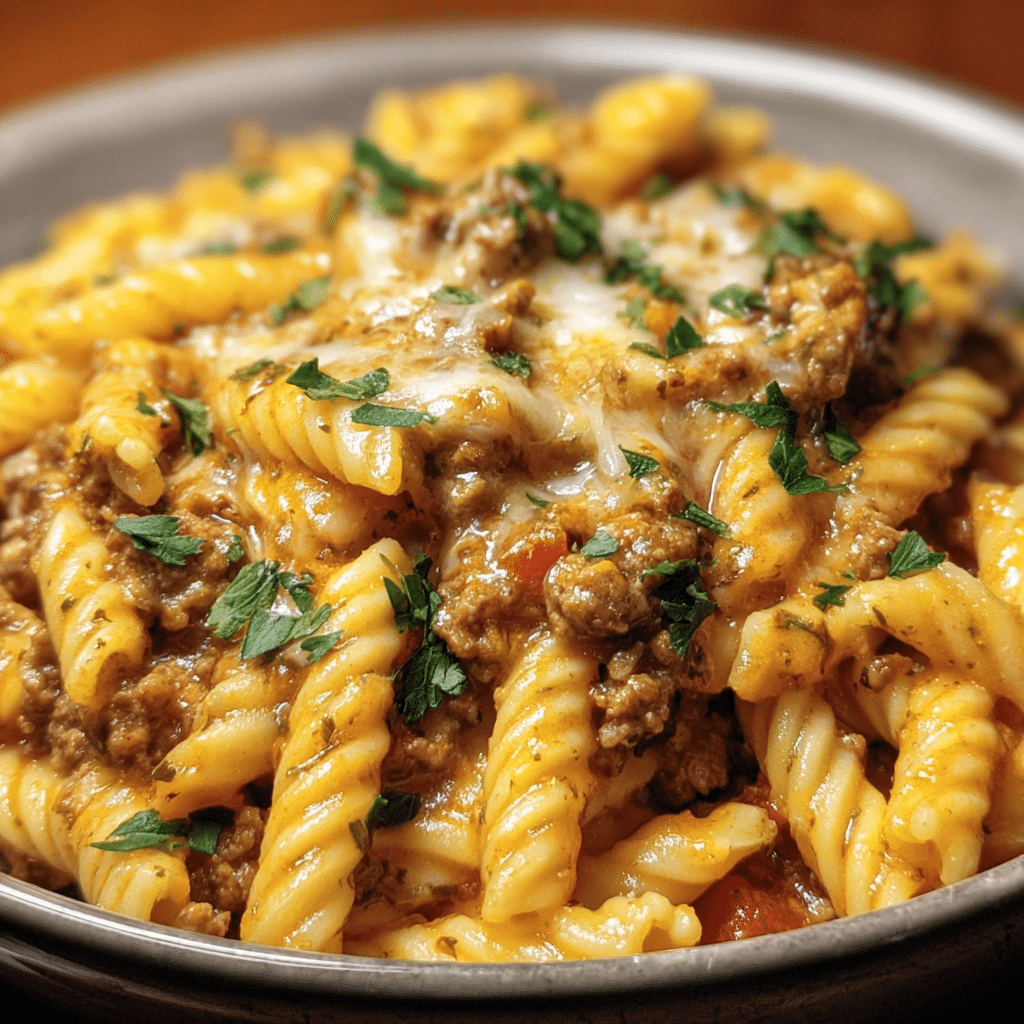
Gordon Ramsay Ground Turkey Pasta
Ingredients
- 1 pound ground turkey
- 1 medium onion, chopped
- 3 cloves garlic, minced
- 2 tablespoons chopped fresh oregano
- 1 teaspoon garlic powder
- 1 teaspoon dried basil
- 3 cups rotini pasta
- 1 (28 ounce) jar spaghetti sauce
- 1 (14 ounce) can chicken broth
- ¼ cup freshly grated Parmesan cheese, or to taste
Instructions
-
Heat a high-sided 12-inch skillet with a lid over medium heat. Add ground turkey, onion, and garlic; cook and stir until turkey browned, about 8 minutes. Season with oregano, garlic powder, and basil. Stir in rotini until well combined.
-
Add pasta sauce and broth, making sure rotini is completely covered. Bring to a boil, then reduce heat, cover, and cook until rotini tender yet firm to the bite, 7 to 10 minutes.
-
Top with Parmesan cheese to serve.
Shopping Tips
When shopping for your ingredients, aim for local farmers’ markets or organic grocery stores whenever possible. Seasonal produce not only tastes better but is often more affordable. Ground turkey can typically be found in your local supermarket, but check for sales or discounts to save on costs. If you’re looking to cut down on expenses, consider purchasing larger quantities of pasta and freezing it for later use. Always check expiration dates on dairy products like Parmesan cheese to ensure freshness.
Substitutions and Alternatives
Dietary restrictions shouldn’t hold you back from enjoying a delicious Gordon Ramsay ground turkey pasta. If you’re looking for alternatives, consider using ground chicken, beef, or even plant-based options like lentils or chickpeas for a vegetarian dish. For gluten-free diets, opt for gluten-free pasta made from rice or chickpeas. If you’re lactose intolerant, vegan cheese can be a great substitute for Parmesan. Always remember to taste as you go and adjust seasonings accordingly.
In summary, the ingredients are your canvas. By selecting high-quality, seasonal components and being mindful of substitutions where necessary, you can create a dish that is not only delicious but also reflects the passion and precision that Gordon Ramsay embodies in his cooking. Let’s move on to the preparation of this flavorful meal!
Detailed Step-by-Step gordon ramsay ground Cooking Instructions
Now that we have gathered our essential ingredients, it’s time to dive into the heart of the cooking process—transforming those ingredients into a gourmet Gordon Ramsay ground turkey pasta. This step-by-step guide will walk you through each part of the process, ensuring you create a dish that bursts with flavor and showcases your culinary skills.
Preparation Steps
- Mise en Place: Begin by preparing all your ingredients. Mince the garlic, chop the vegetables, and measure out your pasta. This will streamline the cooking process and ensure you have everything at your fingertips. Gordon Ramsay often emphasizes the importance of organization in the kitchen, and mise en place is an essential part of that.
- Cook the Pasta: Bring a large pot of salted water to a boil. Once boiling, add your pasta and cook according to the package instructions until al dente. Remember, the pasta will continue to cook slightly when you mix it with the sauce later, so it’s okay if it’s just undercooked. Reserve about a cup of the pasta cooking water before draining, as it will help to thicken your sauce later.
- Heat the Oil: In a large skillet, heat the olive oil over medium heat. Once hot, add your minced garlic and sauté for about 30 seconds until fragrant. Be careful not to burn the garlic; if it turns too brown, it will become bitter.
Cooking Process
- Add the Vegetables: Toss in your chopped vegetables and sauté them for about 5-7 minutes until they are tender. The colors should brighten and the flavors will meld beautifully. Be sure to stir frequently to prevent sticking.
- Cook the Ground Turkey: Push the vegetables to the side of the skillet and add the ground turkey. Use a spatula to break it up as it cooks. Stir the meat occasionally until it’s browned and cooked through, about 7-10 minutes. This step is crucial for developing flavor; browning the meat creates a nice crust that adds depth.
- Season: Once the turkey is cooked, season with salt, pepper, and chopped fresh herbs. This is where you can adjust the flavors to your liking. If you want to add a pinch of crushed red pepper for a kick, now is the time!
- Add the Pasta: Add the drained pasta to the skillet, along with a splash of the reserved pasta water. Toss everything together, allowing the pasta to absorb some of the sauce and flavors. This is where the magic happens—the pasta will soak up the delicious juices from the turkey and vegetables.
- Finish with Cheese: Grate the Parmesan cheese over the pasta and stir until it melts and combines with the sauce. If the mixture seems too dry, add more pasta water until you reach your desired consistency.
Final Assembly
- Plate Your Dish: Once everything is well combined, taste and adjust the seasoning if necessary. Spoon the pasta into serving bowls and garnish with additional Parmesan and fresh herbs. A drizzle of high-quality olive oil on top can elevate the dish further.
- Serve Immediately: Gordon Ramsay’s recipes often shine when served fresh. Present your dish with pride, and don’t forget to share your culinary creation with family and friends. Enjoy the fruits of your labor while reminiscing about the journey of creating this dish!
Throughout this cooking process, remember to engage your senses. The smell of sautéing garlic, the vibrant colors of fresh vegetables, and the satisfying sound of bubbling sauce all contribute to the experience. Cooking is as much about the process as it is about the final product, and with these detailed instructions, you’re sure to create a dish that embodies the essence of Gordon Ramsay ground turkey pasta.
Professional Tips and Techniques for gordon ramsay ground
If you’re a fan of Gordon Ramsay’s culinary style, you know that cooking is about more than just following a recipe; it’s an art form. When preparing dishes like his famous ground turkey pasta, there are several professional tips and techniques you can adopt to elevate your cooking game. Whether you’re a novice or an experienced chef, understanding the nuances of cooking with ground turkey will enhance your dishes and impress your family and friends.
Professional Techniques
One of the first things to know about cooking with ground turkey is its lean nature. Unlike beef, ground turkey has less fat, which can lead to a drier consistency if not handled properly. To avoid this pitfall, consider the following professional techniques:
- Brown it Right: Start by heating your skillet until it’s hot before adding the ground turkey. This will help to create a beautiful sear, locking in moisture and flavor. Don’t overcrowd the pan; cook in batches if necessary to ensure even browning.
- Use Aromatics: Enhance the flavor of your ground turkey by incorporating aromatics like garlic, onions, and shallots. Sauté these ingredients first to create a flavorful base before adding the turkey.
- Incorporate Fats: Since ground turkey is low in fat, consider adding a splash of olive oil or a knob of butter to your pan. This will not only prevent sticking but also enrich the flavor profile of your dish.
- Season Generously: Don’t shy away from seasoning your turkey. Ground turkey can taste bland if under-seasoned. Use a mix of salt, pepper, herbs, and spices to build layers of flavor.
Troubleshooting Guide
Even the most seasoned cooks run into issues from time to time. Here are some common problems you might encounter while preparing Gordon Ramsay ground turkey pasta and how to troubleshoot them:
- Dry Turkey: If your turkey turns out dry, ensure you’re not overcooking it. Ground turkey should be cooked to an internal temperature of 165°F, but cooking it too long can lead to dryness. Consider adding a splash of broth or sauce to the meat while cooking to retain moisture.
- Flavorless Sauce: If your sauce lacks depth, try deglazing the pan with a splash of white wine or chicken broth, scraping up any flavorful bits stuck to the bottom. This will add a lovely richness to your sauce.
- Too Much Fat: If you find your dish is too greasy, opt for leaner ground turkey or drain the excess fat after browning the meat. You can also balance it out by adding more vegetables to absorb the excess grease.
Presentation Tips
Presentation can make a simple dish feel gourmet. Here are some plating suggestions to elevate your Gordon Ramsay ground turkey pasta:
- Use Fresh Herbs: A sprinkle of freshly chopped parsley or basil can add a pop of color and freshness to your plate.
- Layer Your Ingredients: Instead of mixing everything together, try layering the pasta, sauce, and turkey in the bowl. This not only looks appealing but also allows for a delightful mix of flavors in every bite.
- Garnish Thoughtfully: Consider garnishing with a drizzle of high-quality olive oil, a sprinkle of freshly grated cheese, or even a few chili flakes for a touch of heat.
When it comes to serving your dish, consider pairing it with a glass of crisp white wine, like Pinot Grigio or Sauvignon Blanc. The acidity in these wines complements the richness of the turkey and the tanginess of the sauce, creating a harmonious dining experience. Alternatively, a refreshing iced tea or sparkling water with lemon can be a wonderful non-alcoholic option.
Whether you’re cooking for a special occasion or a weeknight dinner, these professional tips and techniques will help you master Gordon Ramsay’s ground turkey pasta. Remember, cooking is about being creative and having fun, so don’t be afraid to experiment and make the dish your own!
Creative Variations and Adaptations of gordon ramsay ground
When it comes to cooking, creativity knows no bounds! Gordon Ramsay’s ground turkey pasta is a versatile dish that can be adapted in countless ways to cater to different tastes, dietary needs, and seasonal ingredients. In this section, we’ll explore some exciting variations and adaptations that can keep your meals fresh and flavorful.
Seasonal Variations
One of the best parts about cooking is the ability to incorporate seasonal ingredients. Depending on the time of year, you can make delicious swaps to your ground turkey pasta:
- Spring: In spring, think about adding asparagus, fresh peas, or even radishes. These bright veggies not only add color but also a delightful crunch that complements the tender pasta.
- Summer: With summer comes a bounty of vegetables like zucchini, bell peppers, and tomatoes. Grill these veggies before adding them to the dish for a smoky flavor that elevates your pasta.
- Fall: Incorporate butternut squash or pumpkin puree into your sauce for a creamy, autumn-inspired twist. These ingredients add sweetness and richness that pairs beautifully with the turkey.
- Winter: In winter, consider using hearty greens like kale or spinach. Sauté these alongside your ground turkey for a nutrient-packed dish that warms you up on cold evenings.
Dietary Adaptations
In today’s world, dietary preferences are as varied as the ingredients we use. Here are some ideas to modify Gordon Ramsay’s ground turkey pasta to fit various diets:
- Keto-Friendly: Swap out regular pasta for zucchini noodles or spaghetti squash. These low-carb alternatives are not only delicious but add a unique texture to your dish.
- Vegan Version: Replace ground turkey with plant-based protein options like lentils or crumbled tofu. Add nutritional yeast for a cheesy flavor without the dairy.
- Gluten-Free: Use gluten-free pasta or spiralized vegetables like carrots or squash. Make sure to check the labels of any sauces or condiments you use to ensure they’re gluten-free.
Creative Twists
Why stick to traditional flavors when you can explore international cuisines? Here are some creative twists on Gordon Ramsay’s ground turkey pasta:
- Mexican-Inspired: Add taco seasoning to the ground turkey and incorporate black beans, corn, and diced tomatoes. Serve with avocado and fresh cilantro for a south-of-the-border flair.
- Asian Fusion: Use soy sauce and sesame oil to season the ground turkey, and toss in stir-fried vegetables like bok choy and bell peppers. Serve over rice noodles for a delightful twist.
- Italian Classic: Instead of a traditional tomato-based sauce, try a creamy Alfredo made with garlic and Parmesan. Toss in spinach for an added touch of color and flavor.
When it comes to cooking methods, don’t hesitate to experiment. While stovetop cooking is traditional, you can easily adapt Gordon Ramsay’s ground turkey pasta for other methods. Try using a slow cooker for a set-it-and-forget-it version, or bake it in the oven with a layer of cheese on top for a comforting casserole.
Finally, let’s talk about leftovers! If you find yourself with extra pasta, consider transforming it into a savory turkey pasta bake or a hearty soup. Simply add broth and vegetables, and simmer until everything is heated through. The possibilities for creativity are endless!
In conclusion, with a few creative variations and adaptations, you can take Gordon Ramsay’s ground turkey pasta from a simple meal to a gastronomic adventure. Allow your imagination to run wild, and let each season’s bounty inspire your cooking!
Storage, Reheating, and Meal Prep for gordon ramsay ground
When it comes to enjoying Gordon Ramsay’s ground turkey pasta, understanding how to store and reheat your delicious creation is just as important as the cooking process itself. This not only helps in maintaining the quality and flavor of the dish but also ensures that you’re optimizing your time in the kitchen. Let’s dive into the best practices for storing, reheating, and meal prepping this delightful dish.
Short-term Storage
After whipping up a batch of Gordon Ramsay ground turkey pasta, you might find yourself with leftovers, which is a wonderful problem to have! For short-term storage, the refrigerator is your best friend. First and foremost, let your pasta cool down to room temperature before you start packing it away. This is crucial as placing hot food directly into the fridge can raise the internal temperature, potentially risking food safety. Once cooled, transfer the pasta into airtight containers. Glass containers are often preferred as they don’t retain odors and are microwave-safe. If you’re using plastic containers, look for BPA-free options to ensure your food stays safe.
Make sure to label your containers with the date you prepared the dish. This way, you’ll easily keep track of how long it has been in the fridge. Generally, cooked pasta dishes can be stored in the refrigerator for about 3 to 5 days. If you notice any off smells or the pasta begins to look unappetizing, it’s best to err on the side of caution and toss it out.
Freezing and Long-term Storage
If you want to extend the life of your Gordon Ramsay ground turkey pasta even further, consider freezing it. Freezing is an excellent option for those who like to meal prep or simply want to have a homemade meal on hand for a busy weeknight. When freezing, portion out the pasta into smaller servings. This makes it easier to thaw only what you need later on.
For freezing, I recommend using freezer-safe containers or heavy-duty freezer bags. When using bags, try to remove as much air as possible before sealing to prevent freezer burn. Label each bag with the date and contents, so you can keep track of your meals. Generally, frozen pasta dishes can last for about 2 to 3 months without a significant decline in quality. Just remember, the sooner you use it, the better the taste and texture will be!
When you’re ready to enjoy your frozen pasta, the best method of thawing is an overnight stay in the refrigerator. This allows for a gradual thaw which helps maintain the texture of the pasta. If you’re short on time, you can also use the microwave, but be sure to use the defrost setting to avoid uneven heating.
Reheating Best Practices
Reheating your Gordon Ramsay ground turkey pasta correctly is crucial to preserving its original flavor and texture. The microwave is a quick option, but it can sometimes lead to dry or rubbery pasta. To mitigate this, add a splash of water or broth to the pasta before microwaving. Cover the container with a microwave-safe lid or a damp paper towel to trap steam, which helps keep the dish moist. Heat in short intervals, stirring in between, until it’s warmed through.
If you prefer a stovetop method, heat a skillet over medium-low heat, add a little olive oil or butter, and toss in the pasta. Stir frequently to ensure even heating. This method not only warms the dish but can also add a bit of a crispy texture to the edges, which can be delicious.
As with any food storage and reheating, food safety must always be a priority. Always check your leftovers for signs of spoilage before reheating. When it comes to reheating, make sure your pasta reaches an internal temperature of at least 165°F (74°C) to ensure it’s safe to eat.
Lastly, if you’re looking to get organized in the kitchen, consider batch cooking your Gordon Ramsay ground turkey pasta. This means preparing a larger quantity in one go and then dividing it into meal-sized portions for easy access throughout the week. Not only does this save time, but it also encourages healthier eating habits since you have delicious homemade meals readily available.
In conclusion, storing, freezing, and reheating your Gordon Ramsay ground turkey pasta doesn’t have to be a daunting task. With the right techniques, you can enjoy this delicious meal multiple times without sacrificing flavor or quality. Happy cooking and storage!
Nutritional Benefits and Health Information
Understanding the nutritional benefits of Gordon Ramsay’s ground turkey pasta is essential not just for those who are health-conscious but also for anyone looking to make informed dietary choices. Ground turkey is a versatile and nutritious ingredient that can elevate a simple pasta dish into a healthy meal that aligns with various dietary needs. Here’s a closer look at the nutritional profile of this delightful dish.
Nutritional Profile
When we break down the components of Gordon Ramsay ground turkey pasta, we find a balanced combination of macronutrients. Ground turkey is known for being a lean protein source, which is essential for muscle repair and growth. A typical serving of ground turkey (about 3 ounces) contains around 22 grams of protein. This protein content makes it an excellent choice for those looking to increase their protein intake without consuming too much fat.
Moreover, ground turkey is comparatively lower in calories than red meats. For instance, a serving of cooked ground turkey typically has around 170 calories, making it a great option for those monitoring their calorie intake. Pairing it with whole grain pasta not only boosts the fiber content but also provides complex carbohydrates that keep you full and energized. Whole grain pasta can contain about 6-7 grams of fiber per serving, which is beneficial for digestive health.
Additionally, incorporating vegetables into the dish, such as bell peppers, spinach, or zucchini, enhances the vitamin and mineral content significantly. These additions can provide essential nutrients like Vitamin C, Vitamin A, and folate, enhancing the overall health benefits of your pasta dish.
Health Benefits
The health benefits of Gordon Ramsay ground turkey pasta extend beyond just macronutrients. The lean protein from ground turkey supports weight management and muscle maintenance, making it a popular choice for fitness enthusiasts. Furthermore, its low-fat content means you can enjoy a hearty meal without feeling weighed down.
The vegetables you choose to add can also contribute to a host of health benefits. For example, spinach is packed with iron, which is crucial for energy production, while tomatoes (if included in your sauce) are rich in antioxidants like lycopene, which has been linked to heart health. The combination of protein, fiber, and various vitamins creates a well-rounded meal that supports overall health and well-being.
Dietary Considerations
When considering dietary restrictions, Gordon Ramsay ground turkey pasta can be quite accommodating. For those following a gluten-free diet, simply swap out traditional pasta for gluten-free alternatives made from rice, quinoa, or chickpeas. This allows everyone to enjoy the dish without compromising on taste or texture.
If you’re looking to reduce carbohydrates, you might consider using spiralized vegetables, such as zucchini or carrots, as a substitute for traditional pasta. This not only cuts down on carbs but also adds an extra serving of vegetables to your meal.
For individuals with allergies, it’s always essential to check the ingredients in your pasta sauce and any additional components you might be adding. Many store-bought sauces can contain allergens like dairy or gluten, so opting for homemade sauces can give you more control over what goes into your dish.
In terms of caloric distribution, a typical serving of Gordon Ramsay ground turkey pasta can be balanced with a ratio of approximately 40% carbohydrates, 30% protein, and 30% fats, depending on the sauce and additional ingredients used. This balance can fit into various diet plans, whether you’re following a low-carb, balanced diet, or even a Mediterranean diet approach.
In conclusion, Gordon Ramsay ground turkey pasta is not just a delicious meal; it’s also a nutritious one. With its balanced macronutrient profile and the ability to cater to various dietary needs, it’s a dish that can fit seamlessly into many lifestyles. So, whether you’re meal prepping for the week or enjoying a cozy dinner with family, you can feel good about serving this hearty pasta dish. Happy cooking!
Conclusion: Mastering the Perfect gordon ramsay ground
Creating the perfect gordon ramsay ground is more than just following a recipe—it’s about understanding the techniques, ingredients, and cultural significance behind this beloved dish. Throughout this comprehensive guide, we’ve explored everything from the historical origins to modern variations, ensuring you have all the knowledge needed to make this recipe your own.
Whether you’re a beginner cook or an experienced chef, the techniques and tips we’ve shared will help you create a gordon ramsay ground that’s not only delicious but also meaningful. Remember that cooking is a journey of discovery, and each time you make this dish, you’ll learn something new.
We encourage you to experiment with the variations we’ve discussed, adapt the recipe to your dietary needs, and most importantly, share it with the people you love. Food has the incredible power to bring people together, and Gordon Ramsay Ground Turkey Pasta is the perfect dish to create lasting memories around your dinner table.
Don’t forget to share your cooking adventures with us on social media, and feel free to ask questions in the comments below. Happy cooking!
Share this recipe and let us know how it turned out! Tag us on social media for a chance to be featured.