Grasshopper mint chocolate has always held a special place in my heart, and I believe it will for you too once you dive into its deliciousness. I remember the first time I encountered this delightful treat at a quaint little café nestled in the hills of Vermont. It was a chilly evening in early spring, and the air was rich with the scent of melting chocolate and fresh mint. As I took my first bite, the coolness of the mint mingled with the rich chocolate, creating a symphony of flavors that danced on my palate. It was as if the seasons were colliding, with winter’s lingering chill being chased away by the fresh vibrancy of spring. From that moment on, grasshopper mint chocolate became a staple in my kitchen, a sweet reminder of that delightful evening.
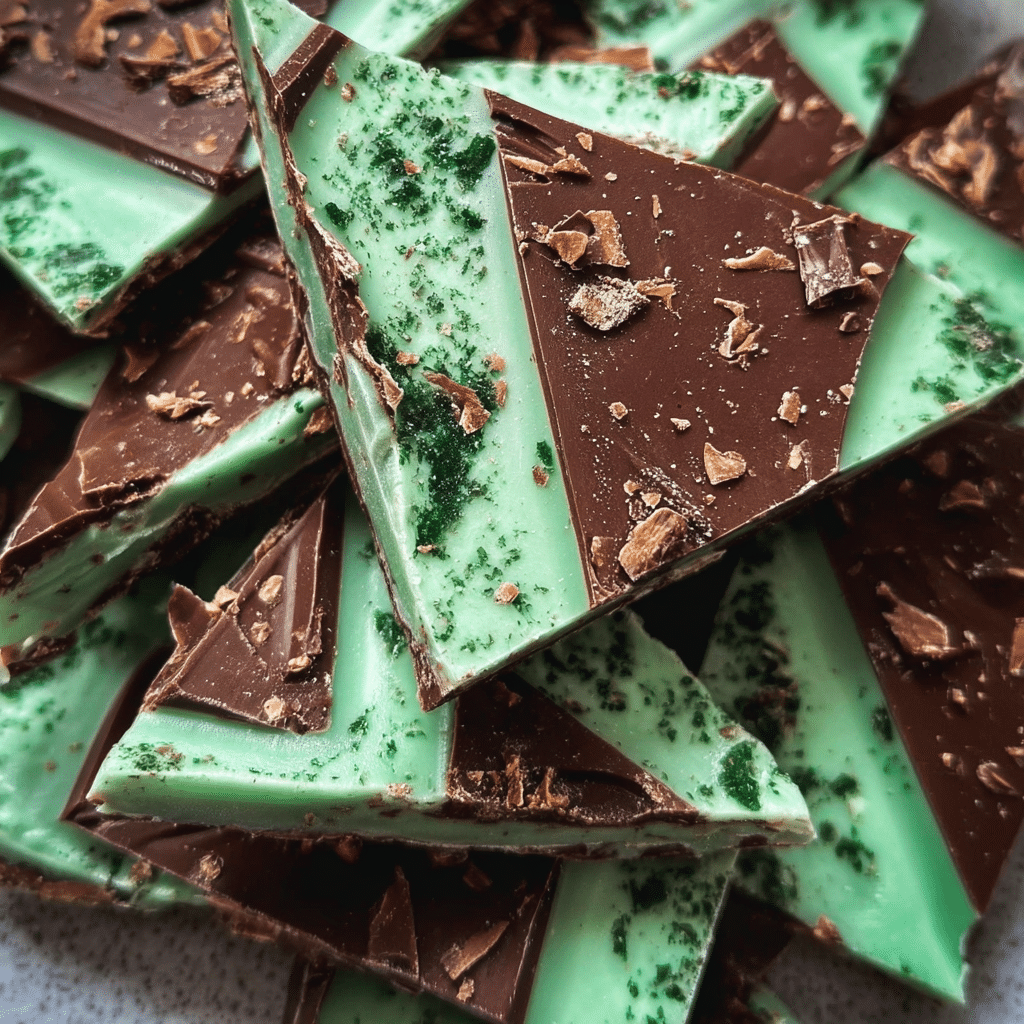
As I began to explore this recipe more deeply, I discovered that it is steeped in a delightful history that stretches far beyond my café experience. The origins of grasshopper mint chocolate are often attributed to the classic Grasshopper cocktail, a minty dessert drink that emerged in the early 20th century. This cocktail, made from crème de menthe, crème de cacao, and cream, served as the inspiration for many dessert versions, including the one I fell in love with. The dessert version retains that familiar minty freshness and chocolate richness, making it an irresistible treat for chocolate lovers everywhere.
The Story Behind This Recipe
For busy families, this grasshopper mint chocolate recipe is a lifesaver. Its ease of preparation means you can whip it up in no time, making it perfect for a last-minute dessert or a sweet treat after a hectic day. With just a few simple ingredients—dark chocolate, creamy white chocolate, and fresh mint—you can create a beautiful and delicious dessert that feels indulgent yet is surprisingly simple to make. I often find myself making it on a Sunday afternoon, preparing for the whirlwind of the week ahead, knowing it will be a comforting treat waiting for us.
Seasonally, grasshopper mint chocolate shines brightly during the spring and summer months, especially around St. Patrick’s Day when everything green takes center stage. However, it is versatile enough to enjoy year-round. The vibrant green color from the mint is visually appealing and adds a refreshing twist to winter gatherings or holiday parties. Whenever I serve it, I can see the smiles it brings to friends and family alike—a reminder that good food is not just about nourishment but also about creating memories together.
This recipe is special because it marries flavors that are often seen as distinct: the richness of chocolate and the refreshing coolness of mint. Together, they create a balance that is both comforting and invigorating. Each bite transports me back to that cozy café, and it’s this emotional connection that makes me eager to share it with others. As you learn to craft your version of grasshopper mint chocolate, I hope you find the same joy and nostalgia that I do.
In this guide, you will learn everything you need to know about making the perfect grasshopper mint chocolate bark, from selecting the right ingredients to tips for presentation. Whether you’re looking to impress guests at a dinner party or want a delightful treat to share with the family, this recipe promises to deliver. So, let’s embark on this delicious journey together!
The Rich History and Cultural Significance of grasshopper mint chocolate
The rich history and cultural significance of grasshopper mint chocolate provide a fascinating backdrop to this beloved dessert. It’s a treat that has evolved over time, remaining relevant and cherished in various culinary circles. As we delve into its origins, we can appreciate its journey from a simple cocktail-inspired dessert to a household favorite.
Origins and History
The roots of grasshopper mint chocolate can be traced back to the Grasshopper cocktail, which is believed to have been created in the 1910s by a bartender named Philip Green at a bar in New Orleans. This cocktail was meant to be a refreshing dessert drink, and its vibrant green color made it a popular choice for celebrations. It quickly garnered attention across the United States, leading to its adaptation into various dessert forms, including the chocolate bark we adore today.
Over the decades, this dessert has morphed into numerous variations, each reflecting the local ingredients and culinary preferences of different regions. Some versions lean heavily on the use of mint extract, while others might incorporate fresh mint leaves, allowing for a more natural and aromatic flavor profile. This flexibility has made grasshopper mint chocolate a canvas for creativity in kitchens around the world.
Cultural Significance
Culturally, grasshopper mint chocolate embodies the spirit of celebration and indulgence. It is often associated with festive occasions, especially St. Patrick’s Day, where green foods take the spotlight. However, it also finds its place at family gatherings, holiday celebrations, and casual get-togethers, serving as a reminder that some of the best moments in life are sweetened by good food and shared laughter.
Famous chefs have embraced this dessert, often putting their unique spin on it. You might find gourmet versions featuring high-quality chocolate or artisanal mint. Renowned establishments known for their creative desserts have also included grasshopper mint chocolate on their menus, showcasing its versatility and timeless appeal. This dessert has solidified its place in the hearts of many, making it a classic that continues to be reinvented.
Nutritional Benefits
On the nutritional front, grasshopper mint chocolate can offer some surprising benefits. Dark chocolate, a key ingredient, is known for its rich antioxidant properties and potential health benefits, such as improving heart health and boosting mood. Meanwhile, mint is often lauded for its digestive benefits and ability to add a refreshing touch to dishes. While this dessert is undoubtedly a treat, it can be enjoyed with a sense of balance, allowing you to indulge while still appreciating the positive aspects of its ingredients.
As we appreciate the history, cultural significance, and nutritional benefits of grasshopper mint chocolate, it becomes clear that this dessert is more than just a sweet treat. It represents a connection to tradition, creativity, and moments shared with loved ones. The next time you find yourself making this delightful recipe, take a moment to reflect on its journey and the joy it brings to your table.
Essential Ingredients for Perfect grasshopper mint chocolate
When it comes to creating the perfect grasshopper mint chocolate bark, the ingredients play a pivotal role in achieving that delightful balance of flavors and textures. Each ingredient not only contributes to the overall taste but also enhances the visual appeal of this delectable treat. Let’s take a closer look at what you’ll need to make this minty chocolate delight.
Essential Ingredients
- 16 ounces (453.59 g) white chocolate, finely chopped: White chocolate serves as the base for our grasshopper mint chocolate bark, providing a creamy texture and a sweet contrast to the rich semisweet chocolate. When selecting white chocolate, look for high-quality brands that list cocoa butter as one of the main ingredients. Avoid chocolate labeled as “white chocolate coating” or “white chocolate flavored,” as these often contain vegetable oils instead of cocoa butter, which can lead to a less satisfying texture.
- 1 teaspoon mint extract, NOT peppermint, optional: Mint extract introduces a refreshing flavor that complements the chocolate without overpowering it. While optional, I highly recommend using it for that extra burst of minty goodness. When purchasing mint extract, opt for pure extracts rather than imitation, as they tend to have a more authentic flavor profile. Keep in mind that mint extract is typically more potent than peppermint extract, so just a teaspoon will do.
- Green food coloring: A touch of green food coloring is essential for that signature grasshopper look. It brings visual appeal and a festive touch, particularly when serving this bark around holidays like St. Patrick’s Day. Choose gel food coloring for more vibrant and lasting results, as liquid food coloring can affect the consistency of the chocolate.
- 16 ounces (453.59 g) semisweet chocolate, finely chopped: Semisweet chocolate adds depth and richness to the bark. It’s important to choose a good quality chocolate that will melt smoothly and combine well with the white chocolate. Look for chocolate that has a cocoa content of around 60-70% for the best balance of sweetness and bitterness.
- 4.67 ounce (132.39 g) box Andes Crème de Menthe Thins, unwrapped and coarsely chopped: These iconic chocolate mints are the finishing touch for your grasshopper mint chocolate bark. Their creamy mint filling and chocolate coating add texture and a burst of mint flavor. When selecting Andes mints, check for freshness; they should have a nice shine and not be overly crumbly.
Grasshopper Mint Chocolate Bark
Ingredients
- 16 ounces (453.59 g) white chocolate, finely chopped
- 1 teaspoon mint extract, NOT peppermint, optional
- Green food coloring
- 16 ounces (453.59 g) semisweet chocolate, finely chopped
- 4.67 ounce (132.39 g) box Andes Crème de Menthe Thins, unwrapped and coarsely chopped
Instructions
- Line a quarter-sheet or jelly roll pan with parchment paper and set aside.
- Melt the white chocolate over a double boiler (or in 30-second intervals in the microwave on 50% power, stirring after each). Once the chocolate is melted, add the mint extract, if using, and stir to combine. Add a few drops of green food coloring and stir until desired color is reached.
- Spread the white chocolate mixture onto the prepared pan in an even layer (depending on the size of the pan and how thick you’d like your bark, you may not need the entire surface of the pan). Refrigerate for 15 minutes, until just about set.
- Meanwhile, melt the semisweet chocolate over a double boiler (or in 30-second intervals in the microwave on 50% power, stirring after each). Once the chocolate is melted, remove from the heat and pour over the white chocolate layer and spread evenly over top. Sprinkle with the chopped Andes mints and press down lightly to push the mints into the top chocolate layer. Refrigerate for at least 30 minutes, until completely set.
- Transfer the bark to a cutting board and use a sharp knife to cut into pieces. Store in an airtight container in the refrigerator for up to 2 weeks.
Shopping Tips
When shopping for these ingredients, consider visiting local specialty stores or gourmet grocery stores that might carry higher-quality chocolate and extracts. If you’re looking for budget-friendly options, most major supermarkets will have all the ingredients you need. Just be sure to compare brands, particularly for chocolate, to ensure you’re getting the best flavor for your money. Seasonal availability is generally not an issue for these ingredients, but it’s always smart to check your local stores, especially during busy baking seasons.
Substitutions and Alternatives
For those with dietary restrictions, there are several substitutions you can consider. For instance, if you’re looking for a dairy-free option, try using dairy-free chocolate chips for both the white and semisweet chocolate. There are also vegan mint extracts available if you want to keep things plant-based. If you cannot find Andes mints, you could substitute them with other mint-flavored chocolates or even make your own mint chocolate pieces using the same chocolate base and mint extract.
Storage is also an important factor for each ingredient. Store chocolate in a cool, dry place away from direct sunlight to prevent it from blooming. Mint extract should be kept in a dark bottle in a cool cupboard to maintain its potency. Food coloring should be stored in a cool, dry place to prevent clumping.
With these essential ingredients and tips in mind, you’re well on your way to crafting a delicious batch of grasshopper mint chocolate bark that’s sure to impress friends and family. Remember that the quality of your ingredients can make all the difference, so take the time to choose wisely!
Detailed Step-by-Step grasshopper mint chocolate Cooking Instructions
Now that we’ve gathered all the essential ingredients for our grasshopper mint chocolate bark, it’s time to dive into the cooking process. This delightful treat is surprisingly easy to make and can be whipped up in about 30 minutes, making it perfect for any occasion. Let’s break down the steps to ensure your bark is a success.
Preparation Steps
Before we start melting chocolate, let’s prepare our workspace and gather all the necessary tools. Here’s what you’ll need:
- Two heatproof bowls (one for white chocolate and one for semisweet chocolate)
- A baking sheet lined with parchment paper
- A rubber spatula for stirring
- A microwave or double boiler for melting chocolate
- A sharp knife for chopping chocolate and Andes mints
Start by measuring out all your ingredients. This mise en place will make the cooking process smoother and more efficient. Chop the white chocolate and semisweet chocolate into small, uniform pieces to ensure even melting. The finer the chop, the quicker it will melt.
Cooking Process
- Melt the White Chocolate: Begin by placing the finely chopped white chocolate in a heatproof bowl. If using a microwave, heat it in 30-second intervals, stirring between each interval until completely melted and smooth. If using a double boiler, bring a pot of water to a simmer and place the bowl with white chocolate on top, stirring until melted. Be cautious not to overheat, as white chocolate can scorch easily.
- Add Mint Extract and Food Coloring: Once your white chocolate is melted, add the teaspoon of mint extract and a few drops of green food coloring. Stir well to combine, adjusting the color as necessary until you achieve your desired shade of green.
- Pour the White Chocolate Mixture: Pour the melted white chocolate onto the lined baking sheet, spreading it out evenly with a spatula. This layer should be about 1/4 inch thick. Allow it to set for a few minutes while you prepare the semisweet chocolate.
- Melt the Semisweet Chocolate: In a separate bowl, repeat the melting process for the semisweet chocolate. Ensure it is smooth and fully melted before proceeding.
- Pour Semisweet Chocolate Over White Chocolate: Once the semisweet chocolate is melted, carefully pour it over the set white chocolate layer. Gently spread it out using your spatula, making sure to cover the white chocolate evenly.
- Add Andes Mints: While the semisweet chocolate is still warm, sprinkle the coarsely chopped Andes mints evenly over the top. Press them down gently to ensure they adhere to the chocolate.
- Chill to Set: Place the baking sheet in the refrigerator for about 30 minutes or until the chocolate is completely set. This step is crucial for achieving that satisfying snap when you break the bark.
Final Assembly
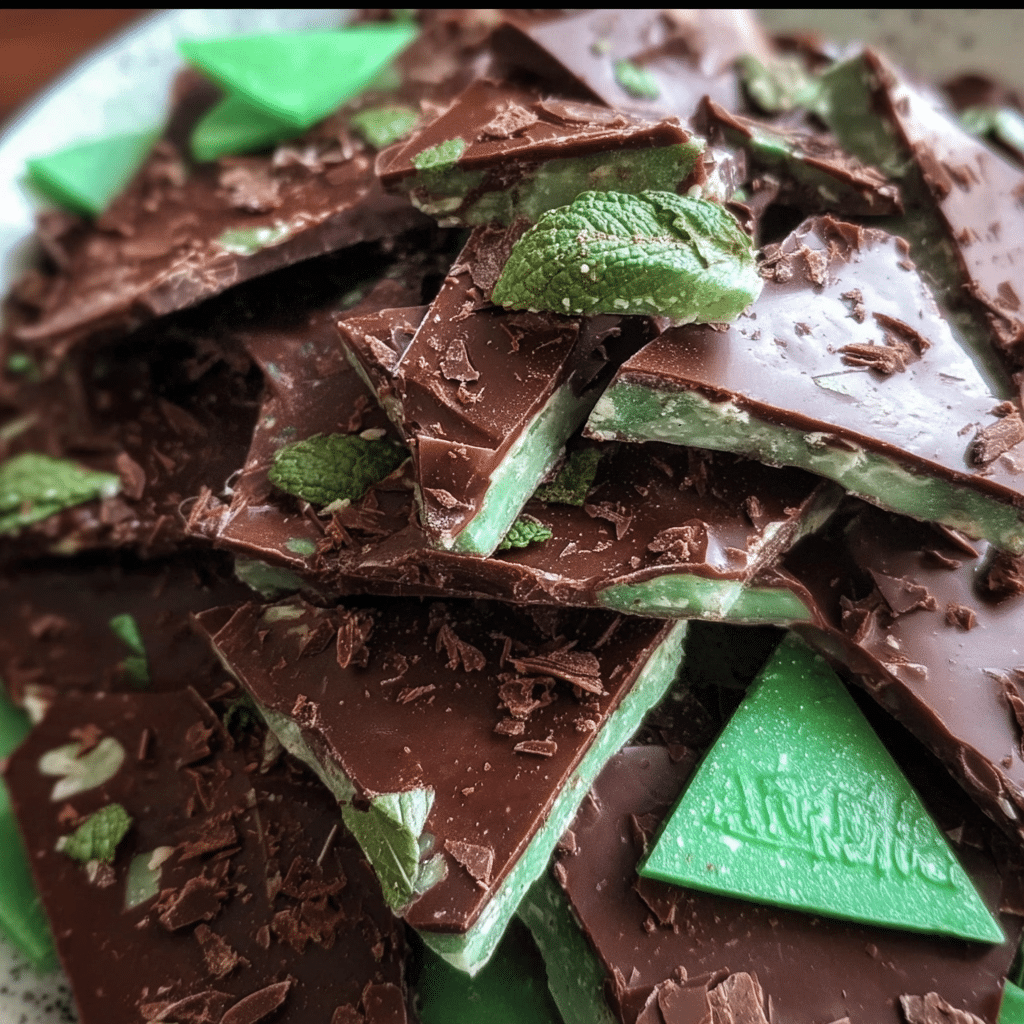
Once the chocolate has set, it’s time to break the bark into pieces. Use a sharp knife to cut it into squares or simply break it apart with your hands for a more rustic look. The contrasting colors of the white and semisweet chocolate, along with the green hints from the mint extract, create a visually stunning treat that’s sure to delight everyone.
As you prepare to serve your grasshopper mint chocolate bark, consider how you want to present it. You can place it in a decorative tin or on a festive platter, making it perfect for sharing at parties, holiday gatherings, or simply enjoying at home. Just remember, one piece is rarely enough!
In conclusion, making grasshopper mint chocolate bark is not only about following a recipe; it’s about enjoying the process and sharing the results with loved ones. So put on your favorite music, pour yourself a cup of tea or coffee, and relish the joy of creating and indulging in this delightful treat!
Professional Tips and Techniques for grasshopper mint chocolate
When it comes to making the perfect grasshopper mint chocolate, there are several professional tips and techniques that can elevate your creation from good to extraordinary. Whether you’re a seasoned chef or a home cook just starting out, these insights will help you master this delightful treat.
Professional Techniques
To create a truly exceptional grasshopper mint chocolate, understanding the melting process is crucial. One of the most effective methods is the double boiler technique. This involves placing a heatproof bowl over a pot of simmering water. The gentle heat ensures that the chocolate melts evenly without burning. Remember, the key here is to use high-quality chocolate; the cocoa content should ideally be between 60% to 70% for a rich flavor.
When you’re ready to mix in your mint flavoring, whether it’s peppermint extract or fresh mint leaves, balance is essential. Too much mint can overpower the chocolate, while too little can leave it flat. Start by adding just a drop or two of peppermint extract, tasting as you go to find that sweet spot.
Another professional tip is to temper your chocolate if you’re aiming for a glossy finish and a satisfying snap. This involves melting the chocolate, cooling it down to a specific temperature, and then reheating it slightly before pouring it into molds. Tempered chocolate not only looks beautiful but also has a much better texture.
Troubleshooting Guide
Even the best chefs encounter issues when making grasshopper mint chocolate. One common problem is the chocolate seizing. This can happen if even a small amount of water gets into your chocolate. If this occurs, don’t despair! You can rescue your seized chocolate by adding a teaspoon of vegetable oil or shortening, which can help restore its smoothness.
Another common issue is the chocolate not setting properly. This can be due to either too much moisture or not enough cooling time. Ensure your chocolate is poured into a dry, clean pan and allow it to cool at room temperature before transferring it to the refrigerator. Patience is key here; letting it chill for at least an hour will yield the best results.
Presentation Tips
Once your grasshopper mint chocolate is set and ready to serve, presentation is where the magic happens. A simple yet elegant way to present your bark is by breaking it into irregular pieces and placing them in a decorative bowl. For an added touch, sprinkle crushed peppermint candies or a dusting of edible gold or silver glitter on top before it sets.
If you’re looking for a more refined presentation, consider cutting the chocolate into uniform squares or rectangles. A sharp knife dipped in hot water will help achieve clean cuts. Pair your chocolate with fresh mint leaves for a pop of color and an aromatic touch. You might also consider serving it alongside a glass of dessert wine or a rich coffee to enhance the flavor experience. A creamy dessert wine such as a Moscato d’Asti works beautifully with the minty freshness of your bark.
When it comes to meal prep, grasshopper mint chocolate can easily be made ahead of time and stored in an airtight container. It can last up to two weeks in the fridge, making it a perfect treat for holiday gatherings or special occasions. If you’re scaling the recipe up or down, remember that chocolate can be tricky to work with in large quantities, so adjust your melting technique accordingly.
Creative Variations and Adaptations of grasshopper mint chocolate
As delightful as traditional grasshopper mint chocolate is, there are countless creative variations and adaptations that can cater to different tastes and dietary needs. Exploring these alternatives not only keeps the recipe fresh but also allows you to customize it for any occasion.
Seasonal Variations
Embracing seasonal ingredients can add a unique twist to your grasshopper mint chocolate. For instance, during the fall, consider incorporating crushed pumpkin spice cookies into your bark for a seasonal crunch. Just crush them into small pieces and sprinkle them on top before the chocolate sets. This not only adds flavor but also a delightful texture contrast.
In the summer, why not experiment with fruity variations? You can add freeze-dried raspberries or strawberries for a beautiful color contrast and a tangy flavor that pairs surprisingly well with mint. These vibrant additions will not only enhance the visual appeal but also provide a refreshing burst of flavor that’s perfect for hot days.
Dietary Adaptations
Making grasshopper mint chocolate suitable for various dietary needs can be an enjoyable challenge. For those following a vegan lifestyle, substitute regular chocolate with high-quality dairy-free chocolate. Many brands offer excellent options that melt just as beautifully as their dairy counterparts. Ensure the mint extract you choose is also free from animal products.
If you’re looking for a gluten-free option, the standard recipe is already gluten-free, but be cautious with any mix-ins. Always check the labels on ingredients like cookie crumbles or sprinkles to ensure they meet gluten-free standards.
For those on a keto diet, you can make a low-carb version by using sugar-free chocolate. You can sweeten the bark with a keto-friendly sweetener like erythritol or stevia, adjusting the quantity based on your taste preference. Just be mindful that some sugar substitutes can have a different taste profile, so sample a little as you go!
Creative Twists
One of the best parts of making grasshopper mint chocolate is the opportunity for creative twists. Why not try adding a hint of spice? A pinch of cayenne pepper can create a surprising heat that complements the coolness of the mint, offering a unique flavor profile that’s sure to impress adventurous eaters.
If you’re feeling adventurous, consider infusing your chocolate with different flavors. A splash of almond extract can add a nutty undertone, while a few drops of orange zest can provide a refreshing citrus note. These subtle changes can elevate the chocolate experience to new heights, making each bite a delightful surprise.
For a different cooking method, try using a slow cooker to create a melted chocolate fondue. Instead of making bark, you can create a dipping station with fruits, marshmallows, and even pretzels for a fun and interactive dessert. This variation can be a hit at parties and gatherings, providing a whimsical experience for your guests.
Finally, don’t forget about leftovers! If you have any remaining grasshopper mint chocolate, you can chop it up and use it as an ice cream topping or mix it into your morning oatmeal for a sweet breakfast twist. The possibilities are endless, and with a little creativity, you can transform this treat into new and exciting dishes.
Storage, Reheating, and Meal Prep for grasshopper mint chocolate
When it comes to enjoying your homemade grasshopper mint chocolate bark, proper storage is key to maintaining its delightful flavor and texture. Whether you plan to enjoy it yourself or share it with friends, understanding how to store, freeze, and reheat your grasshopper mint chocolate will ensure that every bite is as good as the first. Let’s dive into the details of storage, meal prep, and best practices to keep your minty treat fresh and delicious.
Short-term Storage
Once your grasshopper mint chocolate bark has cooled and set, the first step is to store it properly for short-term enjoyment. Ideally, you want to keep it in an airtight container. Consider using a container that is large enough to hold your bark without breaking it. If you’re like me, who loves to indulge in a piece (or two) after a long day, having it easily accessible is essential. A glass container with a lid works wonders, as it does not retain odors and keeps your bark in pristine condition.
Before placing the bark in the container, make sure it is completely cooled and hardened. If you’ve made a large batch (and trust me, it’s hard to resist making more than you need), cut it into smaller pieces to facilitate easy snacking. Layer parchment paper between the pieces to prevent them from sticking together. This not only keeps your grasshopper mint chocolate bark looking beautiful but also makes it easy to grab a piece whenever the craving strikes.
For short-term storage, your grasshopper mint chocolate can be kept at room temperature for about a week, provided you keep it in a cool and dry place away from direct sunlight. If your kitchen tends to get warm, it’s better to store it in the refrigerator. Just ensure that the container is well-sealed to prevent moisture from affecting the texture and taste.
Freezing and Long-term Storage
If you find yourself with an abundance of grasshopper mint chocolate bark, or if you want to prepare it ahead of time for a holiday gathering or party, freezing is a fantastic option. Freezing not only extends the shelf life of your delicious treat but also allows you to enjoy it on a whim later. To freeze your bark, start by cutting it into individual portions. This way, you can thaw only what you need.
Wrap each piece in plastic wrap or aluminum foil, and then place them in a labeled freezer bag or container. The labeling is crucial! I can’t tell you how many times I’ve pulled something out of the freezer and forgotten what it was. If you want to get fancy, you can even add the date to the label to keep track of how long it has been stored.
When properly stored, your grasshopper mint chocolate bark can last in the freezer for up to three months. However, for the best quality, I suggest consuming it within the first month. To enjoy your frozen bark, simply remove the desired amount from the freezer and let it sit at room temperature for about 10-15 minutes to soften slightly before indulging. This will help restore that delightful texture you love.
Reheating Best Practices
While you won’t typically need to reheat grasshopper mint chocolate bark, there may be occasions where you want to melt it down for a recipe, or perhaps you’ve stored it in the fridge and want it to return to a softer state. If you find yourself in this situation, here are some best practices for reheating your treat.
To gently melt your grasshopper mint chocolate, place the pieces in a microwave-safe bowl. Heat them in short intervals of 10-15 seconds, stirring in between, until just melted. This method helps avoid overheating, which can cause the chocolate to seize and ruin that silky texture. If you prefer the stovetop method, use a double boiler to melt the chocolate gently. This method ensures even heating and prevents scorching.
When it comes to meal prep and batch cooking strategies for grasshopper mint chocolate, consider making a bigger batch during the holidays or for special occasions. This way, you’ll have plenty to share or enjoy over time. Always remember the importance of food safety: keep your workspace clean, use fresh ingredients, and follow good hygiene practices while preparing your mint chocolate bark.
In terms of shelf life expectations, the general rule of thumb is to consume your grasshopper mint chocolate bark within one week if stored at room temperature, up to two weeks if refrigerated, and three months if frozen. By following these storage and reheating guidelines, you can ensure that every piece of your grasshopper mint chocolate bark remains as delightful as when it was first made.
Nutritional Benefits and Health Information
As we indulge in the sweet and minty goodness of grasshopper mint chocolate bark, it’s essential to take a moment to appreciate the nutritional benefits of this delightful treat. While we often think of desserts as guilty pleasures, they can also provide valuable nutrients when made with wholesome ingredients. Let’s explore the nutritional breakdown of grasshopper mint chocolate, its health benefits, and how it fits into various dietary lifestyles.
Nutritional Profile
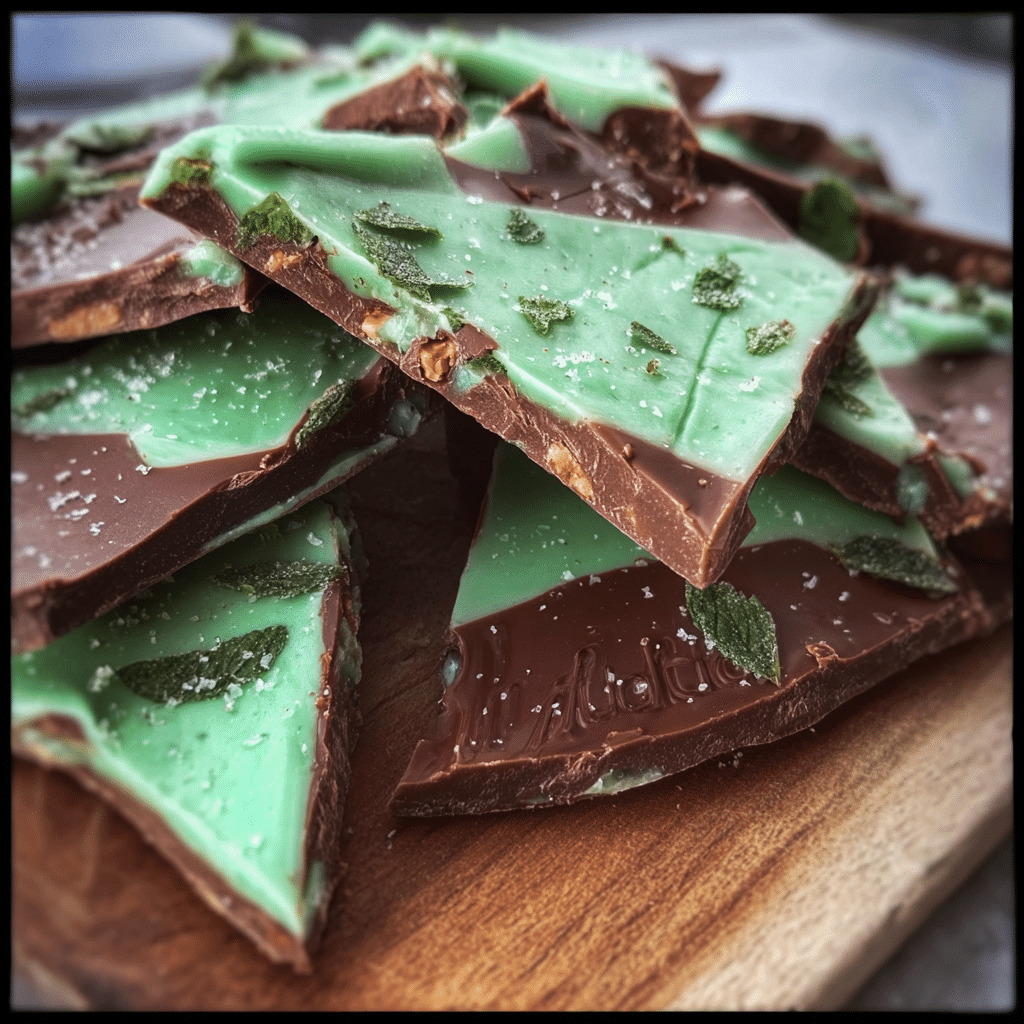
The primary ingredients in grasshopper mint chocolate bark typically include dark chocolate, peppermint extract, and sometimes nuts or other toppings. Dark chocolate, which is often the star of this treat, is rich in antioxidants and offers a variety of health benefits. A standard serving of grasshopper mint chocolate bark can contain around 150-200 calories, depending on the size and ingredients used. This serving generally includes about 10-15 grams of fat, primarily from the chocolate, and a modest amount of carbohydrates and sugars.
In terms of macronutrient distribution, dark chocolate is high in fats (mostly healthy fats), moderate in carbohydrates, and low in protein. However, the real magic lies in the micronutrient content. Dark chocolate is known to contain essential minerals such as iron, magnesium, copper, and manganese. These minerals play vital roles in various bodily functions, including energy production, immune support, and overall cellular health.
Health Benefits
One of the most significant health benefits of dark chocolate is its high antioxidant content, particularly flavonoids, which have been linked to improved heart health. Studies suggest that consuming dark chocolate in moderation can help lower blood pressure, improve blood flow, and reduce the risk of heart disease. Additionally, the presence of peppermint extract in grasshopper mint chocolate not only enhances flavor but also has its own health benefits. Peppermint is known for its digestive properties and can help alleviate symptoms of indigestion.
Moreover, the combination of chocolate and mint can elevate your mood. The aroma of peppermint is often associated with feelings of relaxation, making this treat not just a delicious indulgence but also a stress reliever. So next time you reach for a piece of grasshopper mint chocolate bark, remember that you might be doing more than just satisfying your sweet tooth!
Dietary Considerations
When it comes to dietary considerations, grasshopper mint chocolate can be easily tailored to accommodate various lifestyles. For those following a vegan diet, consider using dairy-free dark chocolate and ensuring that any additional ingredients, such as nuts or sweeteners, are also plant-based. Gluten-free diets can also benefit from this treat, as it is naturally gluten-free, provided that the chocolate is sourced from gluten-free facilities.
If you’re watching your sugar intake, you can modify your grasshopper mint chocolate by using sugar-free chocolate or natural sweeteners like stevia or erythritol. These alternatives allow you to enjoy the minty chocolate goodness without compromising your dietary goals. Additionally, for those looking to increase the nutritional value, consider adding nuts like almonds or walnuts for a healthy dose of protein and healthy fats.
In comparison to other desserts, grasshopper mint chocolate bark can be a healthier choice than traditional cookies or cakes, particularly due to its dark chocolate base and the absence of heavy creams or syrups. While it’s important to indulge mindfully, this treat can certainly be a part of a balanced diet when consumed in moderation.
In conclusion, grasshopper mint chocolate bark is not just a delicious dessert; it’s also a treat that can offer nutritional benefits and fit into various dietary plans. Whether you’re enjoying a piece after dinner, sharing it at a gathering, or savoring it as a midday snack, you can take comfort in knowing that your grasshopper mint chocolate is as beneficial as it is delightful.