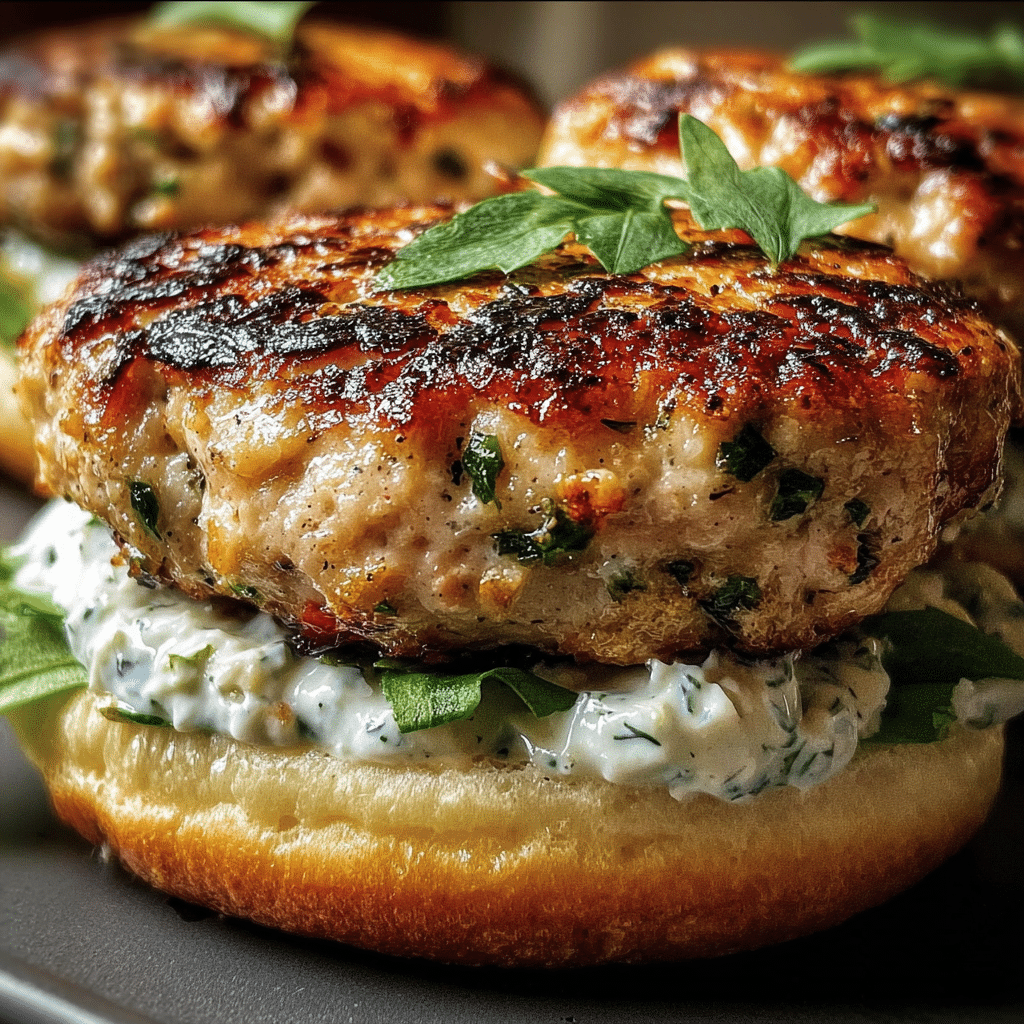
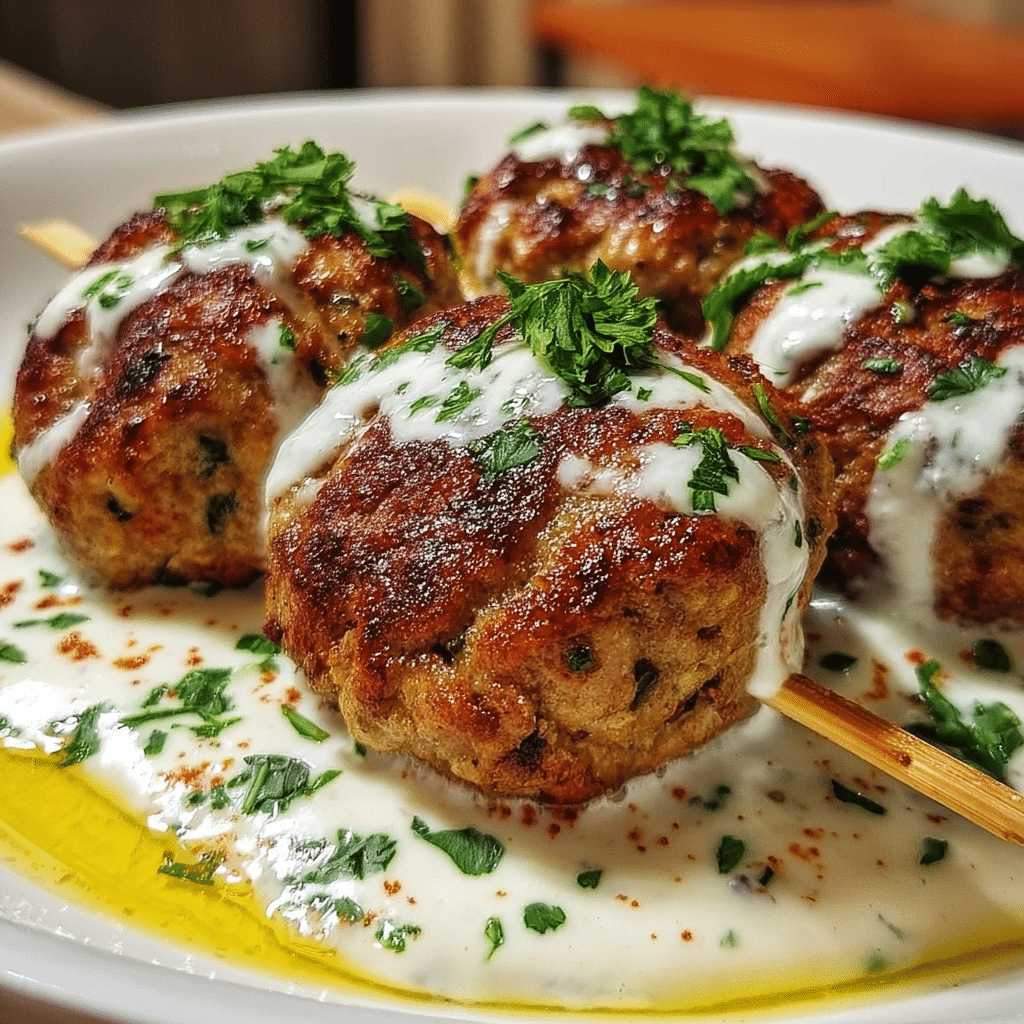
Greek chicken meatballs are a delightful twist on a classic dish, combining the savory flavors of tender chicken with aromatic herbs and spices that are quintessentially Greek. I first stumbled upon this recipe during a summer visit to a quaint little taverna on the island of Crete. The ambiance was enchanting, with the warm sun casting golden rays over the deep blue sea, and the scent of grilled meats wafting through the air. As I took my first bite of those succulent meatballs paired with a refreshing tzatziki sauce, I was transported to a culinary paradise. That moment marked the beginning of my love affair with Greek cuisine, and I knew that I had to recreate this experience at home.
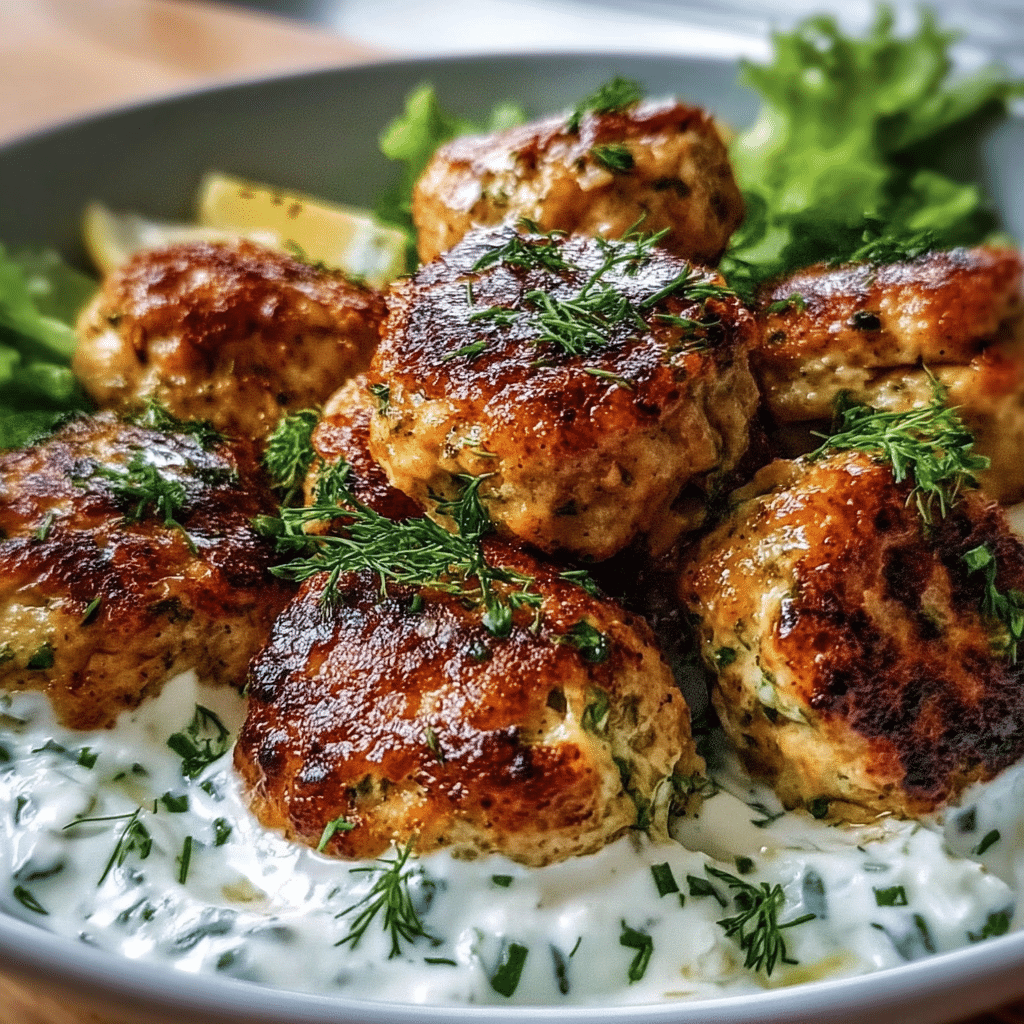
What struck me about the dish was not just its deliciousness but the way it encapsulated the essence of Greek culture. Greek chicken meatballs, or “keftedes,” have roots that stretch back through history, where they were often enjoyed at family gatherings, festive celebrations, and everyday meals alike. This dish is a reflection of the Mediterranean lifestyle, emphasizing fresh ingredients, communal dining, and the joy of sharing food with loved ones. As I began experimenting with recipes, I realized that each ingredient tells a story — from the fragrant oregano that grows wild on the hillsides to the creamy yogurt that forms the base of the tzatziki sauce.
The Story Behind This Recipe
What makes Greek chicken meatballs stand out is their versatility and the ease with which they can be prepared, making them an ideal option for busy families looking for quick dinner solutions. Unlike traditional meatballs that often rely on beef or pork, these meatballs are lighter, packed with flavor, and can be served in a variety of ways. They can be paired with a simple side salad, stuffed into pita bread, or served over a bed of fluffy rice. They are perfect for weeknight dinners, meal prep, or even entertaining guests on the weekends.
Another reason I adore this recipe is its seasonal relevance. Greek chicken meatballs can be enjoyed year-round, but they shine particularly in the warmer months when fresh herbs and vegetables are in abundance. Picture a lively summer evening, where you can grill these meatballs and serve them with a refreshing tzatziki sauce on the side, a dish that not only satisfies hunger but also brings family and friends together around the table. The vibrant colors of the ingredients and the enticing aromas create an unforgettable dining experience.
Beyond just being a recipe, Greek chicken meatballs hold an emotional connection for me. They remind me of the time spent with family and friends, sharing stories and laughter over a meal. Each time I prepare them, I am reminded of that sun-kissed taverna in Crete, where life felt slower and every bite was savored. The promise of this recipe is not just about creating a meal; it is about creating memories and experiences that last a lifetime.
In this ultimate guide, readers will learn how to make authentic Greek chicken meatballs, including tips for achieving the perfect texture, flavor profiles, and serving suggestions. From the history of the dish to its cultural significance, we’ll explore everything you need to know to bring a piece of Greece into your kitchen. Whether you’re a seasoned cook or a kitchen novice, I promise you will find joy in crafting these delicious meatballs that are sure to become a staple in your home.
The Rich History and Cultural Significance of greek chicken meatballs
The rich history and cultural significance of Greek chicken meatballs can be traced back to ancient times, where similar recipes using ground meats can be found in various Mediterranean cultures. While the exact origins of the dish may be difficult to pinpoint, it is believed that Greeks have been making meatballs for centuries, often using lamb, beef, or pork before chicken became a popular option. The use of chicken in meatballs provides a lighter alternative that fits perfectly with modern dietary preferences.
Origins and History
Greek chicken meatballs, known as “keftedes,” are often linked to the broader tradition of meatball-making found throughout the Mediterranean. In Greece, these meatballs are typically seasoned with aromatic herbs such as dill, parsley, and mint, which reflect the country’s agricultural bounty. Historically, these ingredients were used not only for flavor but also for their medicinal properties, showcasing the deep connection between food, health, and culture.
Over time, the recipe for keftedes has evolved, with regional variations reflecting local tastes and ingredient availability. For example, in some parts of Greece, meatballs are fried, while in others, they are baked or grilled. In the island of Rhodes, you might find them served in a rich tomato sauce, while in Crete, they might be enjoyed with a side of tzatziki or a fresh salad. This adaptability has allowed Greek chicken meatballs to remain a beloved dish across generations and regions.
Cultural Significance
Greek chicken meatballs hold a special place in the hearts of many Greeks, often served during family gatherings, holiday celebrations, and community feasts. They embody the spirit of sharing and hospitality that is central to Greek culture. It’s common to see these meatballs on the table during festivities such as Easter or weddings, where the act of sharing food symbolizes unity and love.
Moreover, the communal aspect of dining is deeply rooted in Greek tradition. Meals are often enjoyed together, with family and friends gathering around the table to share stories and laughter over delicious food. Greek chicken meatballs are a perfect fit for these occasions, as they can be easily prepared in large batches and served family-style, allowing everyone to indulge in the feast together.
Nutritional Benefits
In addition to their cultural significance, Greek chicken meatballs offer several nutritional benefits. Chicken is a lean source of protein, making it a healthier option compared to traditional meatballs made from red meats. The herbs and spices used in the recipe not only enhance flavor but also provide various health benefits. For instance, oregano is known for its antioxidant properties, while garlic is celebrated for its immune-boosting qualities.
When paired with tzatziki sauce, which is made from yogurt, cucumber, and garlic, the dish becomes even more nutritious. Yogurt is a great source of probiotics, which promote gut health, while cucumbers add hydration and crunch. This combination makes Greek chicken meatballs not just a delicious meal but also a wholesome one that can fit into a balanced diet.
As we delve deeper into the world of Greek chicken meatballs, we will explore recipes, cooking techniques, and serving suggestions that will make this dish a staple in your kitchen. Whether you are looking to celebrate a special occasion or simply enjoy a quick weeknight dinner, Greek chicken meatballs are sure to delight your taste buds and nourish your soul.
Essential Ingredients for Perfect greek chicken meatballs
When it comes to crafting the perfect greek chicken meatballs, the ingredients you choose play a pivotal role in achieving that vibrant and aromatic flavor profile that is synonymous with Mediterranean cuisine. Let’s dive into each ingredient that makes these meatballs not only delicious but also a wholesome addition to your culinary repertoire.
Essential Ingredients
- 2 teaspoons olive oil, divided
- 2 pounds ground chicken
- 1 egg
- 1/4 cup finely diced red onion
- 3 cloves garlic, finely minced
- 2 tablespoons fresh dill, chopped
- 2 tablespoons fresh mint, chopped
- 1/2 teaspoon lemon zest
- 1 teaspoon dried oregano
- 1/2 teaspoon ground coriander (or ground cumin)
- 1/2 teaspoon red pepper flakes
- 1 teaspoon salt
- 1/4 teaspoon black pepper
- 2 teaspoons red wine vinegar (optional)
- 1 cup grated cucumber (from about 1/2 large English cucumber)
- 1 cup Greek yogurt (not low-fat)
- 2 tablespoons lemon juice
- 1/2 teaspoon salt
- 1 clove garlic, grated or minced
- 2-3 tablespoons minced dill, mint or a mix (I always use a mix)
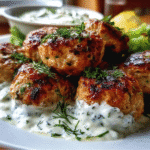
Greek Chicken Meatballs With Tzatziki Sauce
Ingredients
- 2 teaspoons olive oil, divided
- 2 pounds ground chicken
- 1 egg
- 1/4 cup finely diced red onion
- 3 cloves garlic, finely minced
- 2 tablespoons fresh dill, chopped
- 2 tablespoons fresh mint, chopped
- 1/2 teaspoon lemon zest
- 1 teaspoon dried oregano
- 1/2 teaspoon ground coriander (or ground cumin)
- 1/2 teaspoon red pepper flakes
- 1 teaspoon salt
- 1/4 teaspoon black pepper
- 2 teaspoons red wine vinegar (optional)
For The Tzatziki
- 1 cup grated cucumber (from about 1/2 large English cucumber)
- 1 cup Greek yogurt (not low-fat)
- 2 tablespoons lemon juice
- 1/2 teaspoon salt
- 1 clove garlic, grated or minced
- 2–3 tablespoons minced dill, mint or a mix (I always use a mix)
Instructions
- Preheat your oven to 400°F (200°C). Drizzle 1 teaspoon of the olive oil over a large baking sheet. Set aside.
- In a large bowl, combine the remaining teaspoon of the olive oil, ground chicken, egg, red onion, garlic, fresh dill, fresh mint, lemon zest, oregano, coriander, red pepper flakes, salt, pepper and red wine vinegar (if using). Mix until well combined but don’t over-mix.
- Using a cookie scoop or your hands, form the mixture into 1-inch meatballs and place them on a prepared baking sheet.
- Bake the meatballs for 18-20 minutes, or until they reach an internal temperature of 165°F (74°C). If you’d like the meatballs to have a little color, place them under the broiler 2-3 minutes before their cooking time is up.
- While the meatballs bake, make the tzatziki. Place grated cucumber in the middle of a clean kitchen towel, then squeeze out excess moisture. Place in a medium bowl and add the Greek yogurt, garlic, lemon juice, dill and/or mint and salt. Stir to combine.
- Serve the meatballs warm with tzatziki, pita, rice, or a Greek salad.
Now, let’s break down the role and importance of each of these ingredients, as well as some tips for selecting the best quality.
Olive Oil: Olive oil is a staple in Mediterranean cooking, and it’s used here to help bind the meatballs together while adding rich flavor. When shopping for olive oil, look for extra virgin varieties, which are cold-pressed and retain more of the olive’s natural flavors. A good olive oil should have a fruity aroma and a strong, peppery finish.
Ground Chicken: The star of our greek chicken meatballs, ground chicken is leaner than beef or pork, making it a healthier choice. When selecting ground chicken, look for options labeled as “fresh” rather than frozen for the best texture and flavor. You can also grind your own chicken if you want more control over the texture.
Egg: Acts as a binding agent, helping the meatballs hold their shape during cooking. Fresh eggs from local farms are usually the best choice, as they tend to have a richer flavor.
Red Onion: Finely diced red onion adds sweetness and a mild bite. Opt for firm onions with papery skin; avoid those with soft spots.
Garlic: Fresh garlic is essential for flavor. The more you mince it, the more intense the taste. When selecting garlic, choose bulbs that are firm and free from blemishes.
Fresh Dill and Mint: These herbs bring brightness and freshness to the meatballs. Always select vibrant, green herbs with no signs of wilting. If you can’t find fresh herbs, dried can be used, but the flavor will be less intense.
Lemon Zest: Lemon zest adds a zesty kick that complements the chicken and herbs beautifully. Using a microplane grater will give you the best results. Always choose organic lemons when possible to avoid pesticides.
Dried Oregano: A key herb in Greek cooking, oregano introduces an earthy depth. Make sure to check the expiration date on dried herbs to ensure maximum flavor.
Ground Coriander or Cumin: These spices add a warm, aromatic quality. If you’re not a fan of coriander, cumin can be a great substitute.
Red Pepper Flakes: For those who enjoy a bit of heat, red pepper flakes give the meatballs a subtle kick. Adjust the quantity based on your heat preference.
Salt and Pepper: Essential for enhancing the overall flavor of the dish. Use kosher salt for cooking, as it dissolves well and provides even seasoning.
Red Wine Vinegar: This is optional but adds a tangy depth to the meatballs. If you prefer, you can substitute with apple cider vinegar.
Grated Cucumber: This brings moisture to the tzatziki sauce, vital for balancing the rich flavors of the meatballs. English cucumbers are preferred as they have fewer seeds and a thinner skin.
Greek Yogurt: The base for the tzatziki, it’s creamy and tangy. Ensure you choose full-fat Greek yogurt for the best texture and flavor.
Lemon Juice: Freshly squeezed lemon juice enhances the flavors in the tzatziki and complements the meatballs perfectly.
Additional Garlic and Fresh Herbs for Tzatziki: This boosts the flavor profile of the sauce, making it a perfect companion for the meatballs.
Shopping Tips
When shopping for your ingredients, aim to buy fresh, high-quality items. Visiting local farmers’ markets can often yield the freshest produce and herbs. If you’re short on time, most grocery stores have a good selection of fresh herbs and spices, but always check for quality indicators—look for vibrant colors and firm textures. Organic options, while sometimes pricier, can offer better flavor and fewer chemicals, especially for items like cucumbers and herbs.
Substitutions and Alternatives
Dietary restrictions can often necessitate ingredient swaps. For gluten-free diets, ensure your spices and sauces are certified gluten-free. If you are avoiding meat, you can consider substituting ground chicken with ground turkey or a plant-based alternative like chickpeas blended into a paste. For those lactose-intolerant, consider using coconut yogurt or a dairy-free alternative for the tzatziki sauce. Always taste and adjust seasonings accordingly to suit your palate.
In conclusion, the ingredients for your greek chicken meatballs are not only crucial for flavor but also for texture and overall enjoyment of the dish. By selecting high-quality ingredients and understanding their roles, you set the stage for a delightful cooking experience that culminates in a delicious meal.
Detailed Step-by-Step greek chicken meatballs Cooking Instructions
Cooking greek chicken meatballs is an adventure filled with delightful aromas and mouthwatering flavors. Follow this detailed step-by-step guide to create the perfect meatballs that are sure to impress your family and friends.
Preparation Steps
- Gather Your Ingredients: Start by assembling all your ingredients. This makes the cooking process smoother and more enjoyable. You’ll need ground chicken, egg, red onion, garlic, herbs, spices, and everything for the tzatziki sauce.
- Mise en Place: This French cooking term means “everything in its place.” Dice the onion, mince the garlic, and chop the herbs. Grate the cucumber and set it aside in a clean cloth to remove excess moisture. This will prevent the tzatziki from becoming watery.
- Prepare the Tzatziki: In a bowl, combine the grated cucumber, Greek yogurt, lemon juice, grated garlic, and salt. Mix thoroughly and taste, adjusting the seasoning as necessary. Refrigerate the sauce to allow the flavors to meld while you prepare the meatballs.
Cooking Process
- Make the Meatball Mixture: In a large mixing bowl, combine the ground chicken, egg, red onion, garlic, dill, mint, lemon zest, oregano, coriander/cumin, red pepper flakes, salt, and black pepper. Use your hands or a fork to mix gently. Over-mixing can lead to dense meatballs, so be gentle!
- Check for Seasoning: Before forming all the meatballs, it’s a good idea to cook a small patty to taste the mixture. This way, you can adjust the seasoning as needed.
- Form the Meatballs: Using your hands, form the mixture into golf ball-sized meatballs, about 1-1.5 inches in diameter. Place them on a parchment-lined baking sheet for easy transfer to the oven.
- Preheat the Oven: Preheat your oven to 400°F (200°C). This temperature allows for a nice golden exterior while keeping the meatballs juicy inside.
- Cook the Meatballs: Drizzle a teaspoon of olive oil over the meatballs before placing them in the oven. Bake for about 20-25 minutes or until they reach an internal temperature of 165°F (74°C). You can also broil them for the last few minutes for extra browning.
Final Assembly
- Prepare to Serve: Once the meatballs are cooked, remove them from the oven and let them rest for a few minutes. This allows the juices to redistribute, making them even more tender.
- Plate the Dish: Serve the meatballs warm with a generous dollop of tzatziki sauce on the side. Garnish with additional chopped herbs or lemon wedges for an extra pop of color and flavor.
- Enjoy: These greek chicken meatballs can be served as an appetizer, a main dish, or even in a pita for a delicious sandwich. Pair them with a side salad or roasted vegetables for a complete meal.
Common Mistakes to Avoid: Ensure that you don’t over-mix the meatball mixture, as this can lead to a tough texture. Also, watch the cooking time closely; every oven is different. If your meatballs are browning too quickly, consider lowering the temperature slightly.
Chef Secrets: For even more flavor, consider adding a sprinkle of feta cheese into your meatball mixture. This brings a creamy, salty element that complements the herbs beautifully.
Cooking greek chicken meatballs can be a joyful, rewarding experience. With the right ingredients and techniques, you’ll create a dish that brings the vibrant flavors of Greece right to your kitchen. So roll up your sleeves, and get ready to savor the delightful taste of homemade meatballs!
Professional Tips and Techniques for greek chicken meatballs
When it comes to crafting the perfect greek chicken meatballs, the journey from mixing ingredients to savoring those succulent bites is as delightful as the flavors themselves. Whether you’re a novice cook or an experienced chef, mastering the art of making these meatballs involves a blend of professional techniques, insider secrets, and a pinch of creativity. Let’s dive into some tips that can elevate your greek chicken meatballs to restaurant-quality status.
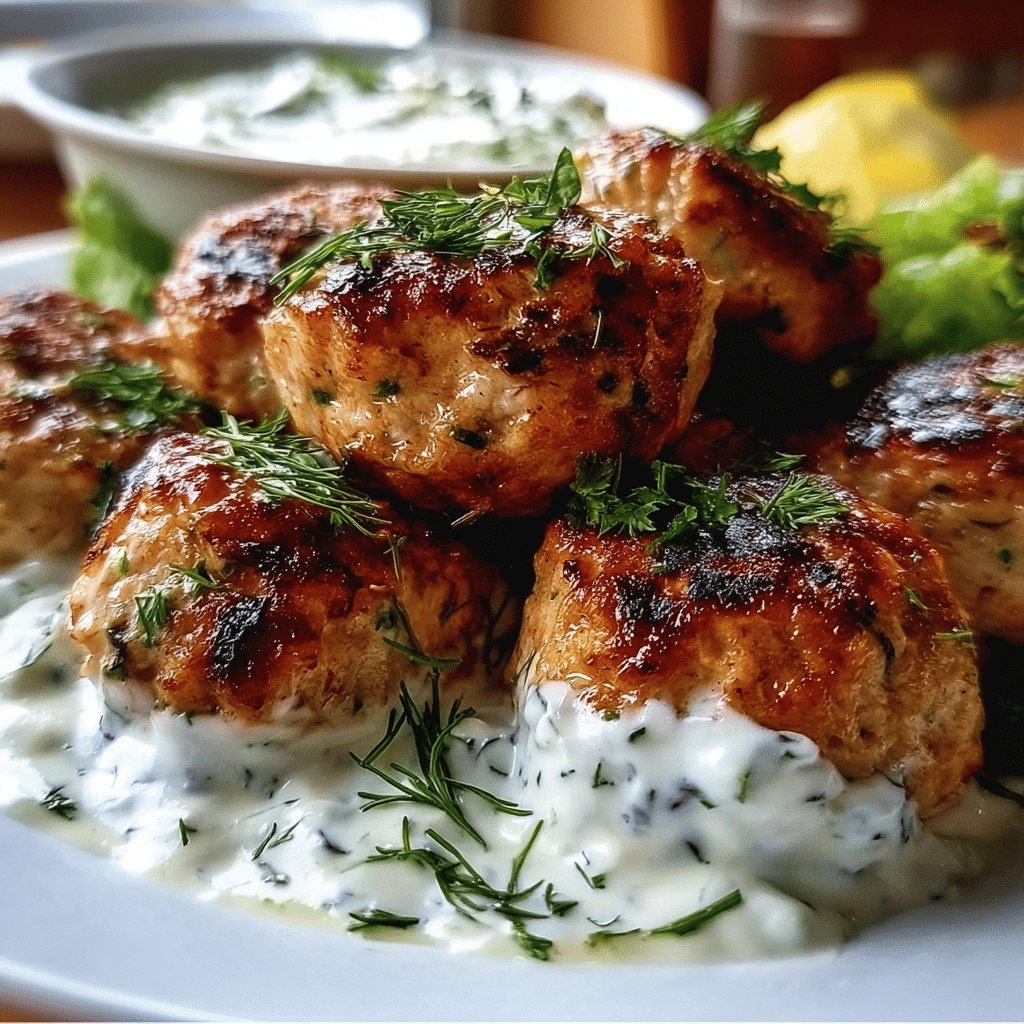
Professional Techniques
To start, let’s discuss the foundational techniques that will help you create juicy and flavorful greek chicken meatballs. First and foremost, the choice of ground chicken is crucial. Opt for a blend of both light and dark meat if possible. The dark meat will add moisture and richness, preventing your meatballs from becoming dry. Mixing in a bit of finely chopped onion, garlic, and herbs like dill and parsley enhances the flavor profile significantly.
When it comes to binding your meatballs, many home cooks rely solely on breadcrumbs and eggs. While these are essential, consider incorporating a bit of grated feta cheese. This not only acts as a binder but also infuses the meatballs with that iconic Greek flavor. For a bit of zest, add a splash of lemon juice to the mixture. It brightens up the taste and complements the herbs beautifully.
Another professional tip is to avoid overmixing your meatball mixture. Gently fold the ingredients until just combined; overmixing can lead to tough meatballs. Once mixed, allow your mixture to chill in the refrigerator for about 30 minutes. This helps the flavors meld and makes the mixture easier to handle when shaping your greek chicken meatballs.
Troubleshooting Guide
Even the most experienced cooks encounter issues from time to time. One common problem is meatballs falling apart during cooking. To counter this, ensure your mixture is adequately chilled before shaping. If you find your meatballs are still crumbling, consider adding a bit more binding agent, like breadcrumbs or egg. Conversely, if they’re too dense, a splash of milk can lighten the texture.
Another frequent concern is uneven cooking. If you’re pan-frying your meatballs, make sure not to overcrowd the pan. Give them ample space to brown evenly. Alternatively, baking the meatballs in the oven at 400°F (200°C) on a parchment-lined baking sheet can yield evenly cooked results with less fuss. Just remember to flip them halfway through for a beautiful golden crust.
Presentation Tips
Once your greek chicken meatballs are ready, it’s time to think about presentation. Serving these meatballs with a side of tzatziki sauce is a classic choice that not only adds flavor but also a beautiful contrast in color. Consider serving them on a large platter garnished with fresh herbs and lemon wedges to enhance the visual appeal.
For a more sophisticated presentation, skewer the meatballs on toothpicks or small skewers, perfect for appetizers at a gathering. Another idea is to serve them in a pita with fresh vegetables and a drizzle of tzatziki for a delightful wrap. Pair your dish with a glass of crisp white wine, such as a Sauvignon Blanc or a Greek Assyrtiko, which complements the flavors of the herbs and spices beautifully.
Finally, don’t forget about meal prep strategies! You can easily make a double batch of your greek chicken meatballs and freeze half for future meals. Just ensure they are fully cooked before freezing, and reheat them in the oven or stovetop when you’re ready to enjoy. This not only saves time but also guarantees that you always have a delicious, homemade meal on hand.
Creative Variations and Adaptations of greek chicken meatballs
The beauty of greek chicken meatballs lies in their versatility. While the classic recipe is undeniably delicious, there are countless variations and adaptations you can explore to keep things exciting in the kitchen. Let’s embark on a culinary adventure with some creative twists on this beloved dish.
Seasonal Variations
As the seasons change, so too can the ingredients in your greek chicken meatballs. In the spring, incorporate fresh herbs like mint or oregano to give your meatballs a bright and vibrant flavor. Adding grated zucchini can not only enhance the moisture content but also sneak in some extra veggies for a healthy touch. During the summer months, consider incorporating diced sun-dried tomatoes or olives to infuse a Mediterranean essence into your meatballs.
In the fall, a pinch of cinnamon or nutmeg can add a warm depth to your meatballs, making them perfect for cozy autumn dinners. You might also swap out the traditional tzatziki sauce for a roasted red pepper sauce for a unique seasonal twist. Winter brings hearty vegetables like spinach or kale, which you can finely chop and mix into your meatball mixture, providing a nutritious boost and a pop of color.
Dietary Adaptations
With the rise of dietary preferences and restrictions, adapting your greek chicken meatballs to cater to different needs is essential. For those following a keto diet, you can replace breadcrumbs with almond flour or crushed pork rinds, which will keep the meatballs low in carbs while still providing a satisfying texture.
If you’re cooking for vegans, consider creating a chickpea-based version, using mashed chickpeas, herbs, and spices to mimic the flavors of traditional meatballs. Additionally, for gluten-free options, ensure your breadcrumbs are certified gluten-free or use ground oats as a substitute.
Creative Twists
Don’t be afraid to experiment! International fusion variations of greek chicken meatballs can lead to delightful surprises. For instance, try incorporating spices from other cuisines—like adding a touch of cumin and coriander for a Middle Eastern flair, or chili flakes for a spicy kick. You could also try a teriyaki glaze for a unique Asian-inspired twist.
Different cooking methods can also transform your meatballs. While traditional baking or frying yields delicious results, consider using a slow cooker for a more hands-off approach. Simply place the formed meatballs in the slow cooker with your favorite sauce and let them simmer for hours. Alternatively, grilling your meatballs can impart a smoky flavor that’s absolutely mouthwatering.
And let’s not forget about leftover transformations! If you find yourself with extra greek chicken meatballs, get creative. They can be turned into a flavorful meatball sub, served over a bed of fresh greens for a salad, or even crumbled into a pasta dish for a hearty meal. The possibilities are endless!
In conclusion, the realm of greek chicken meatballs is rich with potential for creativity. By embracing seasonal ingredients, dietary adaptations, and international flavors, you can keep this classic dish fresh and exciting every time you make it. So roll up your sleeves, gather your ingredients, and let your culinary imagination run wild!
Storage, Reheating, and Meal Prep for greek chicken meatballs
When it comes to delicious greek chicken meatballs, proper storage and reheating techniques are essential to ensure that you enjoy them at their best, whether you’re diving into a freshly cooked batch or enjoying leftovers. I remember the first time I made these flavorful meatballs; the aroma filled my kitchen, and I couldn’t resist making a double batch. Little did I know, proper storage would become a game changer for me. Let’s explore the best practices for storing, reheating, and meal prepping these delightful bites.
Short-term Storage
After cooking your greek chicken meatballs, it’s crucial to store them properly if you plan to enjoy them a few days later. Start by letting them cool to room temperature, which helps prevent condensation and moisture buildup in your storage containers. Use airtight containers that are specifically designed for food storage; glass containers are excellent as they don’t stain or retain odors, and they can go directly from the fridge to the oven.
For short-term storage, your cooked meatballs can be kept in the refrigerator for up to three to four days. To ensure optimal freshness, I often separate the meatballs from any sauces or sides. This helps maintain their texture and flavor. If you have leftovers from a meal, consider portioning them into smaller containers for easy grab-and-go options throughout the week. Label each container with the date to keep track of how long they’ve been stored.
Freezing and Long-term Storage
If you want to keep your greek chicken meatballs for an extended period, freezing is the way to go. The great thing about these meatballs is that they freeze beautifully! To freeze, first, allow them to cool completely, then arrange them in a single layer on a baking sheet lined with parchment paper. This step is crucial as it prevents them from sticking together. Once they’re frozen solid (about 1-2 hours), transfer the meatballs to freezer-safe bags or airtight containers, making sure to remove as much air as possible to prevent freezer burn.
In the freezer, your greek chicken meatballs can last for up to three months. It’s a lifesaver on busy weeknights when you want a homemade meal but don’t have the time to cook from scratch. Just remember to label your bags with the date and quantity, so you know exactly what you have on hand. When you’re ready to use them, it’s best to thaw them in the refrigerator overnight before reheating. This slow thawing method helps maintain their moisture and flavor.
Reheating Best Practices
Reheating your greek chicken meatballs properly is just as important as how you store them. The goal is to warm them through without drying them out. There are several methods you can use, depending on your preference and available time. The oven is my favorite method: preheat it to 350°F (175°C), place the meatballs on a baking sheet, cover them with foil to retain moisture, and heat for about 15-20 minutes, or until warmed through.
If you’re in a hurry, the microwave is an option. Place the meatballs on a microwave-safe plate, cover them with a damp paper towel (this helps steam them), and heat in 30-second intervals until they are hot. However, be cautious as this method can lead to uneven heating and a rubbery texture if overdone.
For those who love the crispy texture, consider pan-frying the thawed meatballs in a little olive oil over medium heat. This method not only warms them up quickly but also gives them a delightful crispiness that enhances their flavor.
Meal prep enthusiasts will love that greek chicken meatballs can be easily incorporated into weeknight meals. I often prepare a large batch on the weekends and store them in portioned containers with sides like salads or roasted vegetables. This makes it easy to grab a healthy meal when life gets hectic.
Food safety is paramount, so always ensure that your cooked meatballs reach an internal temperature of 165°F (74°C) when reheating, especially if they’ve been frozen. Never refreeze meatballs that have been thawed, as this can compromise the quality and safety of your food.
In conclusion, mastering the art of storage, reheating, and meal prep for greek chicken meatballs not only enhances your culinary experience but also allows you to enjoy them in various ways throughout the week. Whether you’re making them for a family dinner or preparing them for meal prep, these tips will ensure that you savor every bite.
Nutritional Benefits and Health Information
When indulging in a plate of delicious greek chicken meatballs, it’s essential to consider not only the flavor but also the nutritional benefits they offer. I remember my first encounter with these delectable meatballs at a local Greek festival. The explosion of flavors and the accompanying tzatziki sauce left me not just craving more, but also wanting to understand what I was putting into my body. Let’s dive into the nutritional aspects of these delightful morsels.
Nutritional Profile
To appreciate the health benefits of greek chicken meatballs, we first need to break down their nutritional profile. Typically, a serving of three meatballs (about 4 oz) contains approximately 250-300 calories, depending on the specific ingredients used. These meatballs are rich in protein due to the ground chicken, providing around 20-25 grams of protein per serving. Protein is essential for muscle repair and growth, making these meatballs a great post-workout meal.
The carbohydrate content is relatively low, often ranging from 5-10 grams, depending on whether breadcrumbs or other fillers are added. This makes them a suitable option for low-carb diets. Additionally, the healthy fats from olive oil and any added feta cheese contribute to a satisfying meal without overwhelming your calorie count.
Health Benefits
The key ingredients in greek chicken meatballs bring numerous health benefits. Ground chicken, being leaner than beef or pork, provides high protein content with less saturated fat, making it heart-friendly. The spices commonly used, such as garlic, oregano, and mint, not only add flavor but also offer anti-inflammatory properties. Garlic, in particular, has been linked to improved heart health and immune function.
Olive oil, a staple in Greek cuisine, is rich in monounsaturated fats and antioxidants, promoting healthy cholesterol levels and reducing the risk of chronic diseases. Feta cheese, often used in the recipe, adds a creamy texture and is a good source of calcium, which is vital for bone health. The incorporation of fresh herbs contributes additional vitamins and minerals, enhancing the overall nutritional value of each bite.
Dietary Considerations
When it comes to dietary considerations, greek chicken meatballs can easily accommodate various eating plans. They can be gluten-free if made without breadcrumbs or with gluten-free alternatives. For those following a Mediterranean diet, these meatballs fit perfectly, as they emphasize whole foods and healthy fats. Additionally, you can adjust the seasonings and sauces to suit personal taste or dietary restrictions.
For those watching their sodium intake, consider using low-sodium chicken broth or feta cheese, as traditional recipes can often be higher in salt. The versatility of these meatballs means you can customize the ingredients while still maintaining the essence of Greek flavors.
In terms of vitamin and mineral content, greek chicken meatballs can be a good source of vitamin B6, niacin, and phosphorus, all of which play crucial roles in energy metabolism and overall health. Pairing them with a side of vegetables or a Greek salad can further enhance their nutritional value, creating a well-rounded meal.
When compared to similar dishes, such as Italian meatballs made with beef and breadcrumbs, greek chicken meatballs tend to be lighter and lower in calories. This makes them a fantastic alternative for those looking to enjoy flavorful meals without the guilt.
If you’re looking to make your greek chicken meatballs even healthier, consider baking them instead of frying. Additionally, you can experiment with adding finely grated vegetables into the mixture, such as zucchini or carrots, which can boost the fiber content and add moisture.
In conclusion, the nutritional benefits of greek chicken meatballs make them a smart and delicious choice for any meal. Whether you’re indulging in them for their flavor or their health benefits, understanding their nutritional profile empowers you to make informed choices that align with your lifestyle and dietary goals.
Conclusion: Mastering the Perfect greek chicken meatballs
Creating the perfect greek chicken meatballs is more than just following a recipe—it’s about understanding the techniques, ingredients, and cultural significance behind this beloved dish. Throughout this comprehensive guide, we’ve explored everything from the historical origins to modern variations, ensuring you have all the knowledge needed to make this recipe your own.
Whether you’re a beginner cook or an experienced chef, the techniques and tips we’ve shared will help you create a greek chicken meatballs that’s not only delicious but also meaningful. Remember that cooking is a journey of discovery, and each time you make this dish, you’ll learn something new.
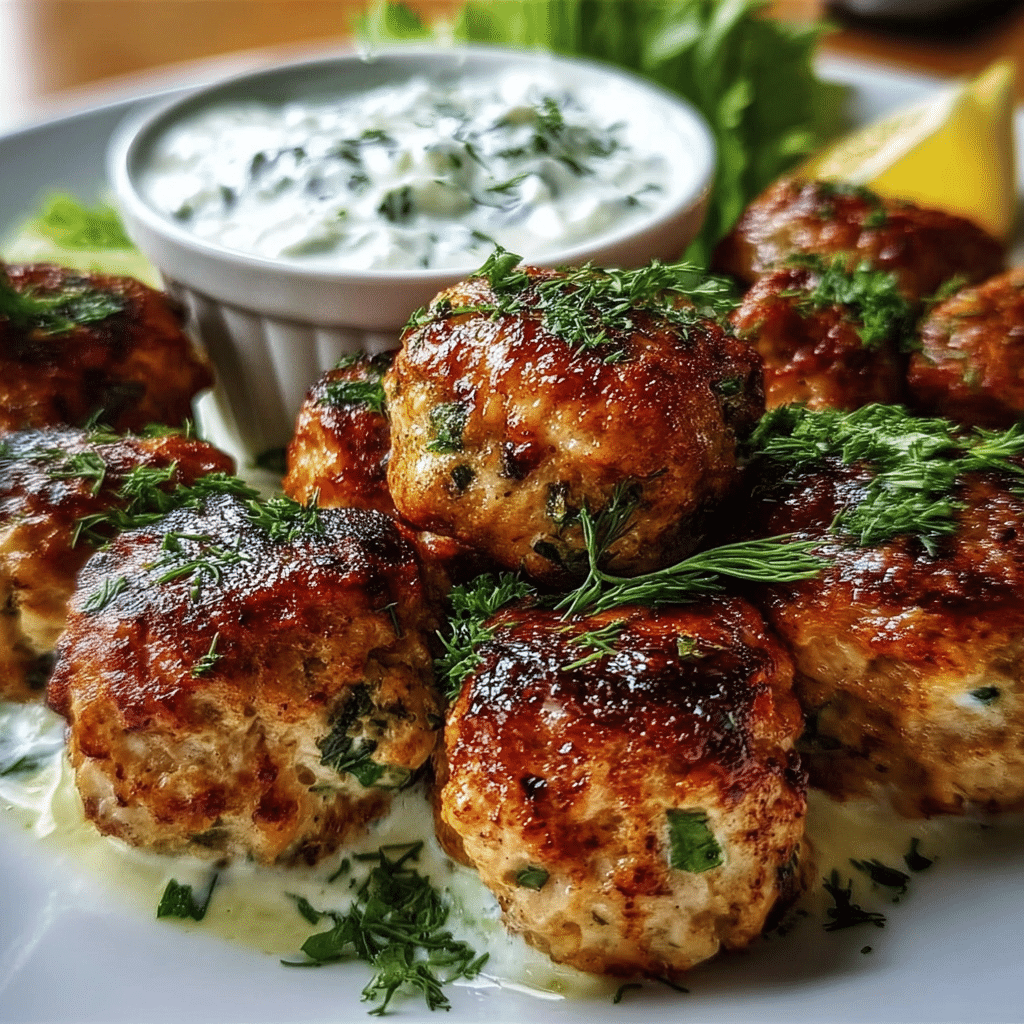
We encourage you to experiment with the variations we’ve discussed, adapt the recipe to your dietary needs, and most importantly, share it with the people you love. Food has the incredible power to bring people together, and Greek Chicken Meatballs with Tzatziki Sauce is the perfect dish to create lasting memories around your dinner table.
Don’t forget to share your cooking adventures with us on social media, and feel free to ask questions in the comments below. Happy cooking!
Share this recipe and let us know how it turned out! Tag us on social media for a chance to be featured.