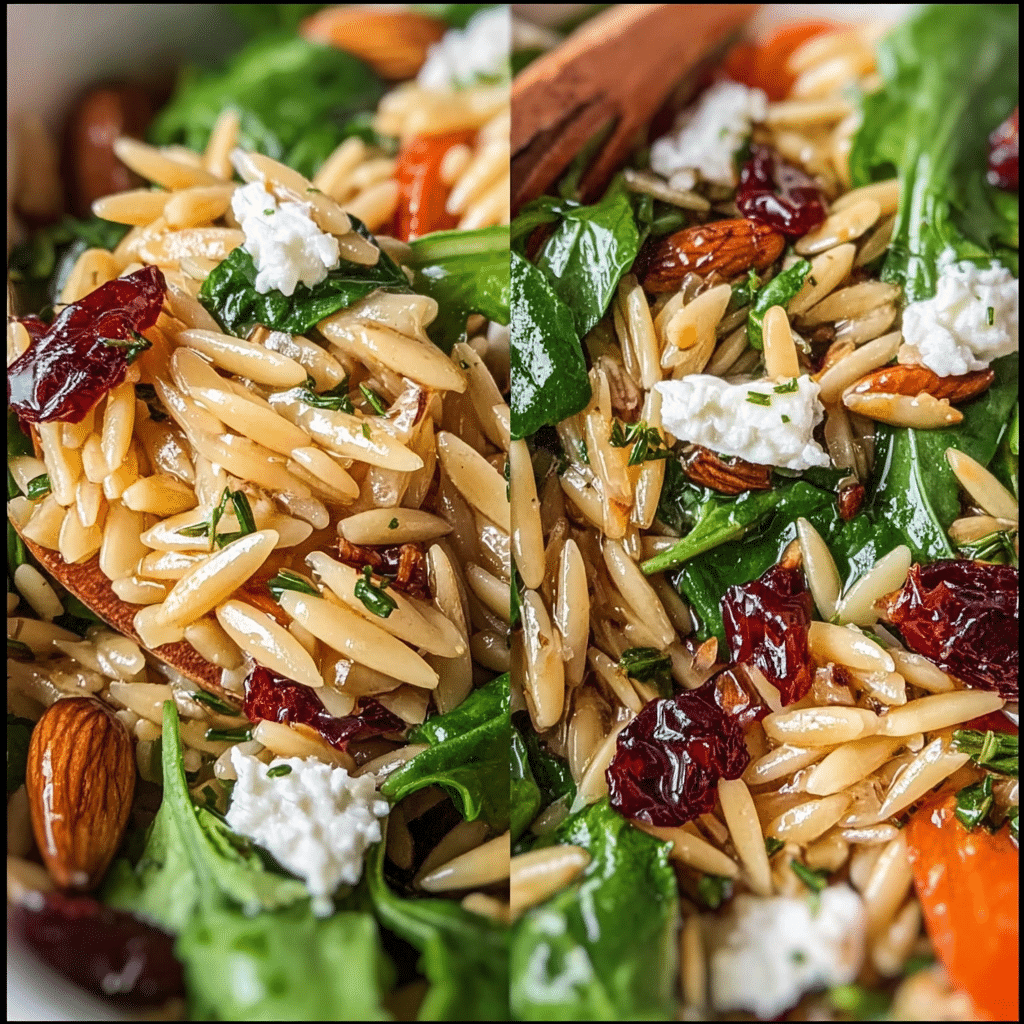
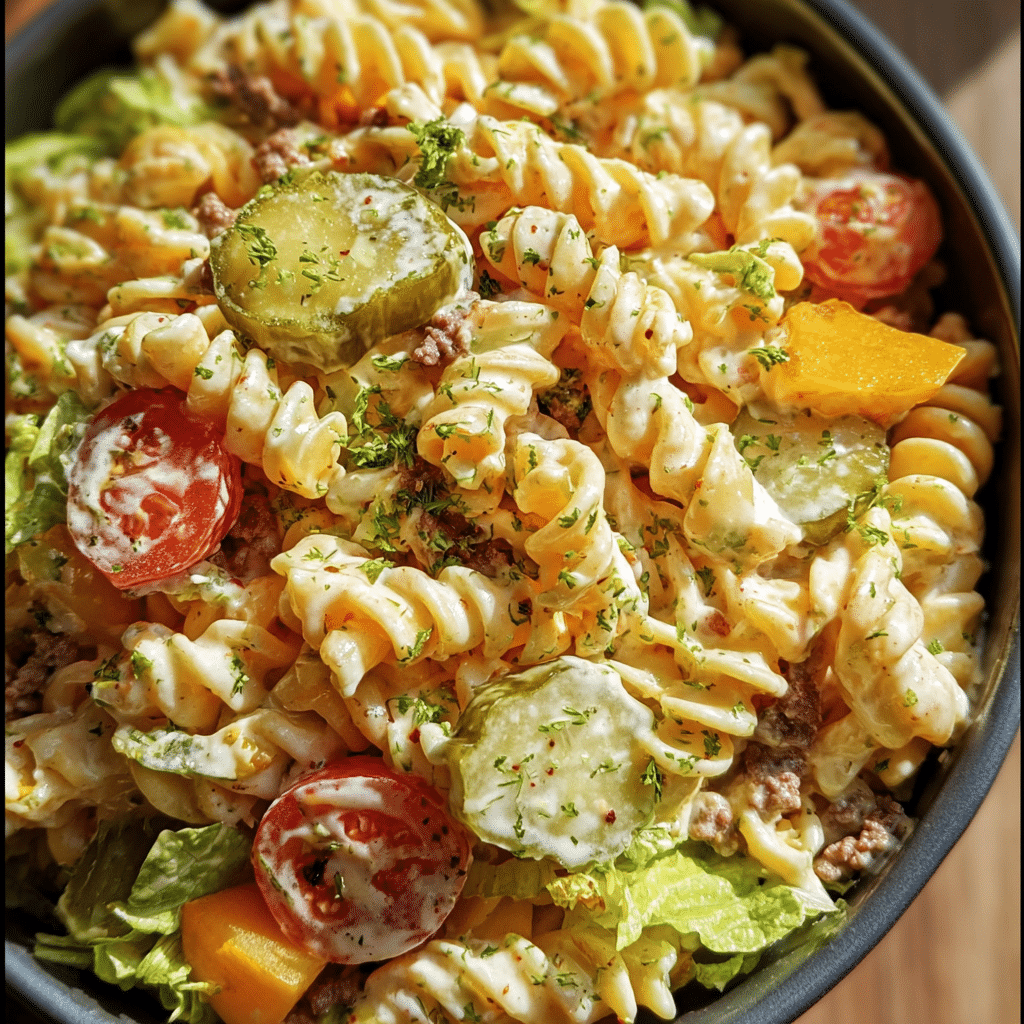
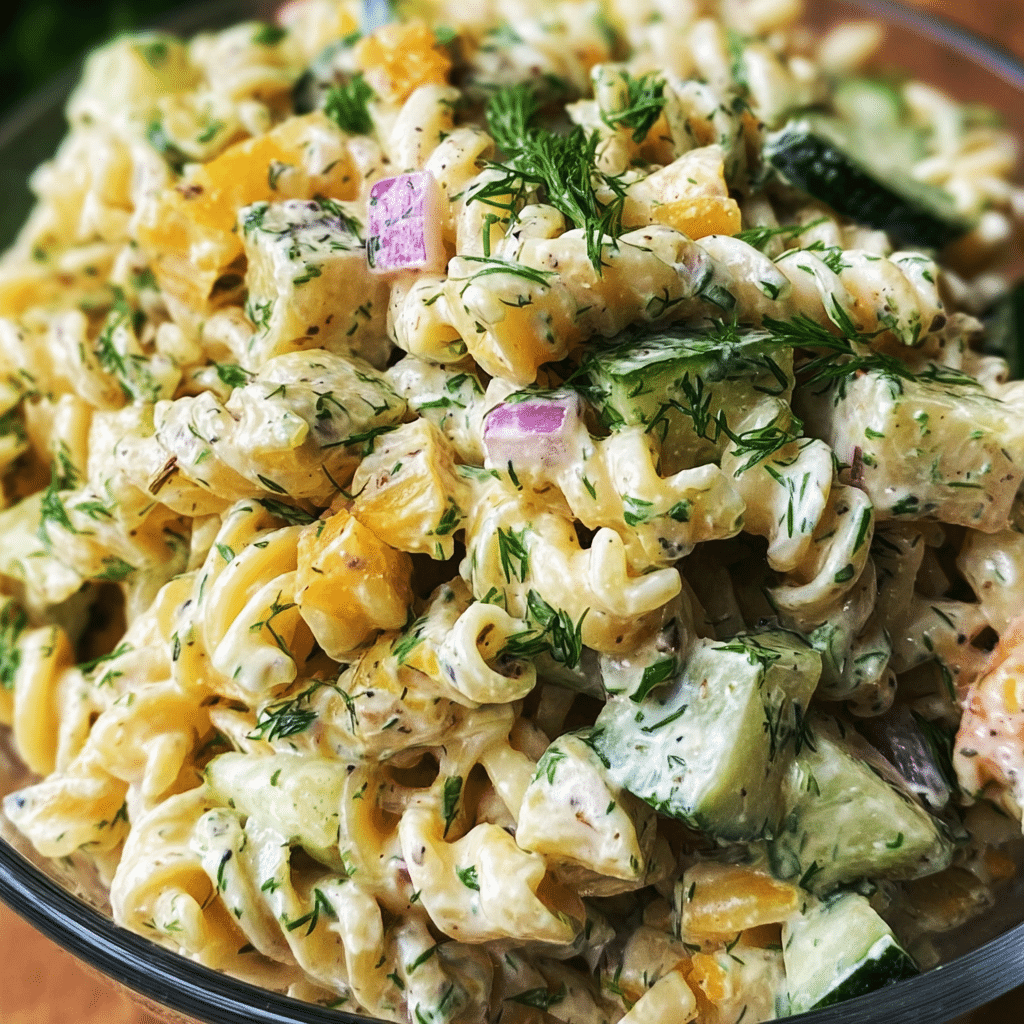
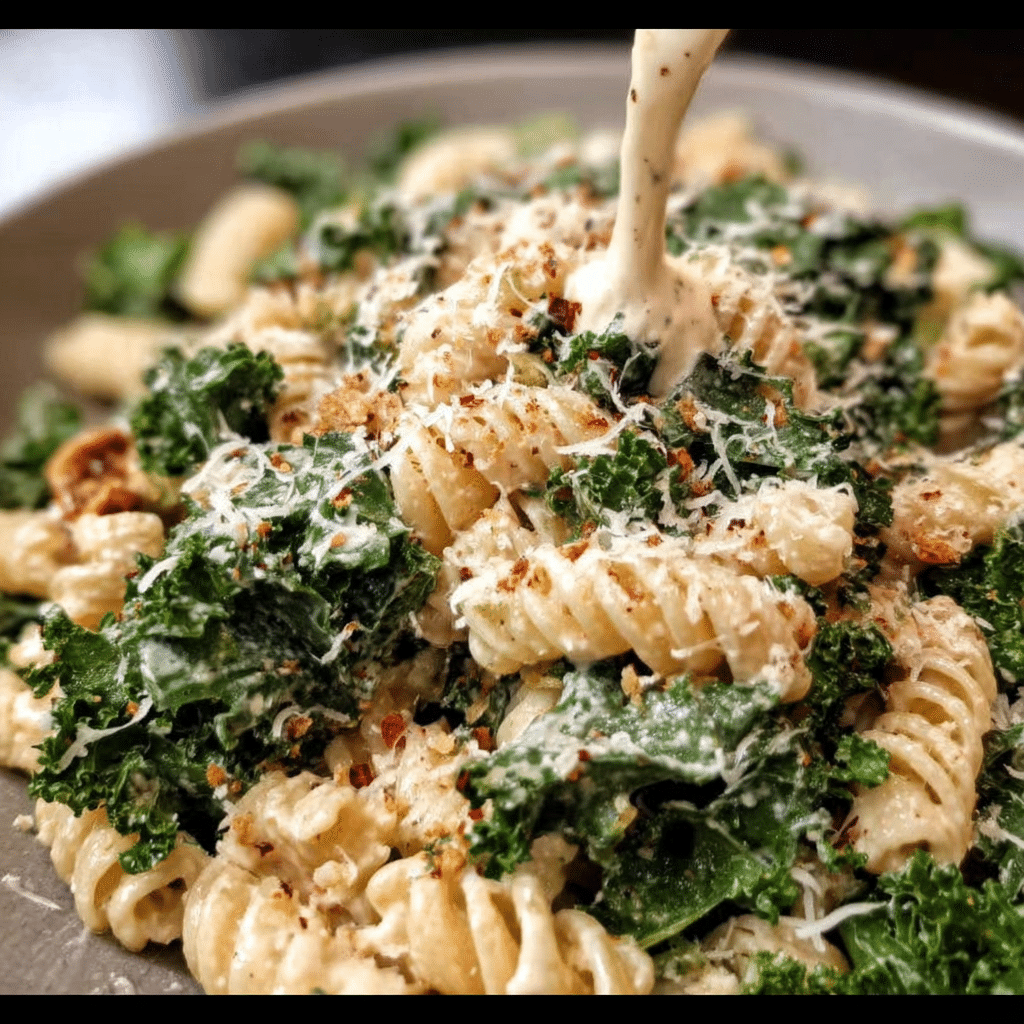
Green goddess pasta has become a staple in my kitchen; it’s more than just a dish—it’s a vibrant expression of flavor and creativity. I remember the first time I stumbled upon this delightful recipe. I was flipping through a food magazine during a lazy Sunday afternoon, and there it was, a colorful photograph of pasta coated in a rich green sauce, garnished with fresh herbs and vegetables. Intrigued, I decided to give it a try, and little did I know that this simple decision would revolutionize my approach to weeknight dinners.
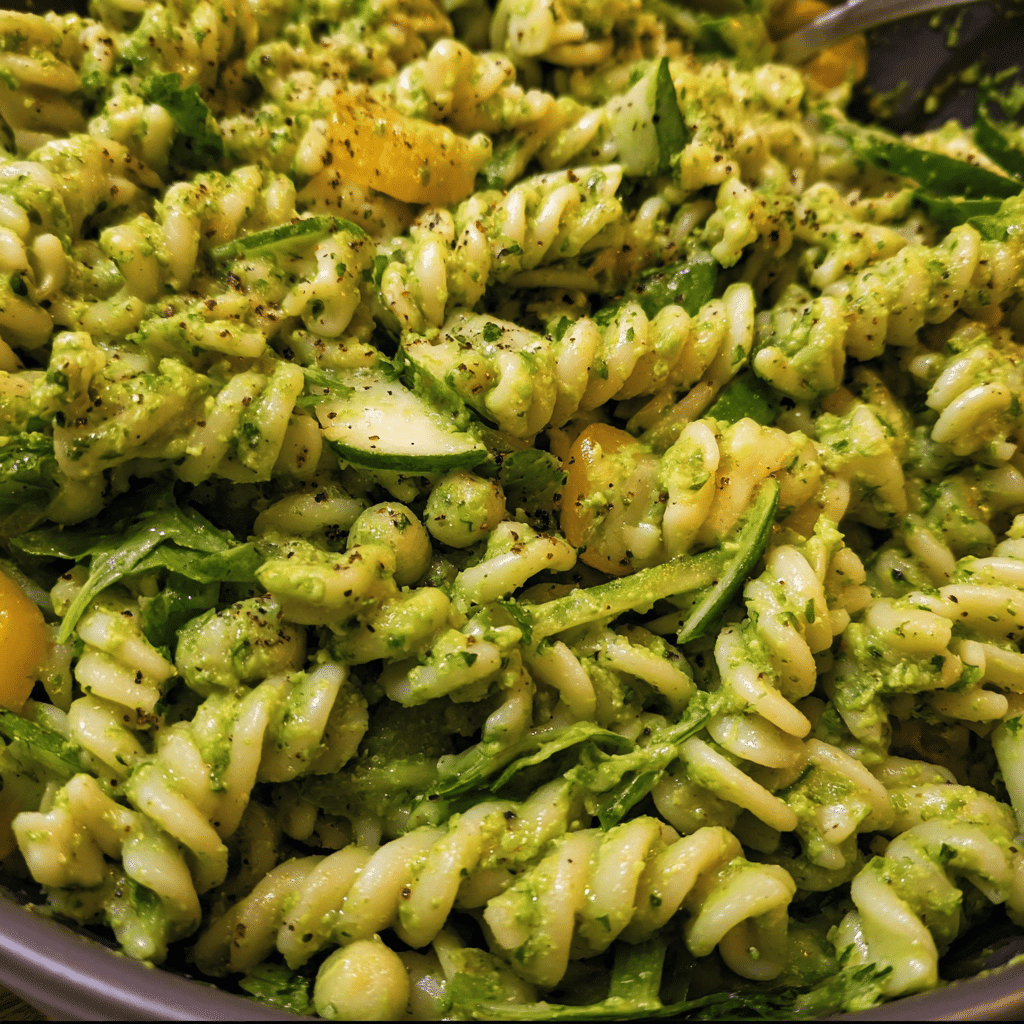
As I prepared the green goddess pasta for the first time, I was swept away by the aromatic blend of fresh herbs, garlic, and the creamy texture that enveloped each strand of pasta. The recipe called for ingredients I already had on hand: basil, parsley, spinach, and some Greek yogurt. It felt like a celebration of greens, vibrant and alive, a dish that not only looked beautiful but also tasted heavenly. My family gathered around the table, and as we dug in, I could see the joy on their faces. It was a moment of connection, laughter, and full bellies—a perfect example of how food can bring people together.
The Story Behind This Recipe
The origins of green goddess pasta can be traced back to the iconic Green Goddess dressing, which emerged in the 1920s in San Francisco. This dressing, made from a blend of herbs, garlic, and mayonnaise, was created for a theatrical production. Over the years, it has evolved into a beloved condiment, inspiring various recipes that incorporate its unique flavor profile. The transition from dressing to pasta sauce is a natural evolution, allowing home cooks to enjoy the freshness of the herbaceous dressing while making it more substantial and satisfying.
What makes this dish special is its versatility. You can easily adapt it to your dietary needs or the season’s freshest ingredients. Whether you’re adding grilled chicken for protein, tossing in seasonal vegetables, or keeping it vegetarian, green goddess pasta meets the demands of busy families looking for quick dinner solutions. In a world where time is often scarce, this dish shines as a beacon of simplicity and flavor, making it easy to whip up a satisfying meal in under 30 minutes.
Seasonally, green goddess pasta is perfect for spring and summer when herbs are at their peak. The bright greens of basil, parsley, and spinach provide a refreshing taste that complements the warmer weather. I often find myself making this dish when my garden is overflowing with fresh herbs, and I want to showcase their beauty and flavor. It’s a dish that invites creativity and spontaneity, allowing you to experiment with what you have on hand.
There’s an emotional connection tied to green goddess pasta that goes beyond the ingredients. It reminds me of family dinners, laughter over shared plates, and the joy of cooking for loved ones. It’s an invitation to slow down, savor each bite, and appreciate the little moments that life offers. This dish is about love—love for food, love for family, and love for the art of cooking. As you explore this recipe, I promise you will not only learn how to create a delightful meal but also discover the joy of shared experiences that come with it.
Why You’ll Love This Dish
In this guide, you’ll learn the ins and outs of crafting the perfect green goddess pasta. From selecting the freshest ingredients to tips for achieving that creamy, herbaceous sauce, I’ll walk you through every step. You’ll discover how to customize the dish to fit your family’s preferences, ensuring that it becomes a beloved staple in your household as it has in mine. Plus, I’ll share some personal anecdotes and variations that have emerged over the years, making this not just a recipe but a journey through the flavors and memories it inspires.
So, grab your apron, and let’s embark on this culinary adventure together. The vibrant world of green goddess pasta awaits you, filled with flavor, creativity, and the promise of joyful dining experiences.
The Rich History and Cultural Significance of green goddess pasta
The green goddess pasta is rooted deeply in culinary history, drawing inspiration from the classic Green Goddess dressing, which originated in the early 20th century. This dressing was created for a gathering honoring actor George Arliss, who was starring in the play “The Green Goddess.” The dressing was a blend of herbs, mayonnaise, and sour cream, capturing the essence of fresh, vibrant flavors that became iconic in American cuisine. As the decades rolled on, this dressing evolved into various forms, inspiring a host of recipes, including the beloved green goddess pasta.
Origins and History
While the dressing itself is steeped in history, the transition to pasta began as chefs and home cooks sought new ways to incorporate this delicious dressing into more substantial meals. The idea of marrying the creamy herbaceous flavors with pasta was a stroke of brilliance, allowing the dish to retain its fresh characteristics while becoming a filling option for dinner. This fusion reflects the culinary creativity that defines American cooking, where traditional recipes are reimagined to fit contemporary tastes and lifestyles.
As different regions embraced green goddess pasta, variations emerged. Some might add avocado for a richer texture, while others may incorporate vegetables like peas or asparagus for added nutrition. The beauty of this dish lies in its adaptability; it encourages experimentation and personalization, allowing it to thrive in a variety of culinary contexts.
Cultural Significance
Throughout the years, green goddess pasta has found its way onto the tables of many families, especially during gatherings and celebrations. It’s a dish that invites sharing, making it perfect for potlucks or summer barbecues. The vibrant green color symbolizes freshness and vitality, often associated with spring and summer, making it a seasonal favorite. In many households, it serves as a reminder of the importance of family meals—an opportunity to gather, connect, and enjoy delicious food together.
Famous chefs have also taken notice of this delightful dish, incorporating their unique twists into their menus. Restaurants known for seasonal, farm-to-table cuisine often feature green goddess pasta as a special, showcasing the best of local produce and herbs. This dish has become a testament to the culinary world’s appreciation for fresh ingredients and innovative flavor combinations.
Nutritional Benefits
Beyond its delightful taste, green goddess pasta boasts numerous nutritional benefits that make it a smart choice for health-conscious eaters. The primary ingredients—herbs, greens, and yogurt—are rich in vitamins, minerals, and antioxidants. Fresh herbs like parsley and basil not only enhance flavor but also provide essential nutrients that support overall health. Spinach, a key ingredient, is loaded with iron and vitamins A and C, making it a powerhouse of nutrition.
The yogurt base in the dressing adds a creamy texture while also contributing probiotics that promote gut health. When paired with whole-grain or legume-based pasta, this dish becomes a balanced meal, providing complex carbohydrates and protein, which are essential for maintaining energy levels and supporting overall well-being.
In conclusion, the journey of green goddess pasta from its dressing origins to a beloved pasta dish reflects the evolution of culinary traditions and the quest for fresh, flavorful meals. It’s a dish that not only delights the palate but also nourishes the body and soul. As you explore its rich history and cultural significance, you’ll find that this vibrant dish is more than just a meal—it’s a celebration of creativity, family, and the joy of eating well.
Essential Ingredients for Perfect green goddess pasta
When it comes to creating a vibrant and delicious meal like green goddess pasta, the importance of high-quality ingredients cannot be overstated. Each component plays a crucial role not only in flavor but also in texture and nutritional value. In this section, we will explore each ingredient that makes up this delightful dish, offering insights into their selection, preparation, and even storage tips. Let’s dive into the essential ingredients that will elevate your green goddess pasta to new heights!
Essential Ingredients
- 2 lemons – Fresh lemons bring a zesty brightness to the dish, balancing the richness of the other ingredients.
- 1/2 cup olive oil – Extra virgin olive oil is ideal for its robust flavor and health benefits, serving as the base for our creamy dressing.
- 1 1/4 cups basil leaves, tightly packed – This aromatic herb is essential for that classic green goddess flavor; fresh basil adds a sweet and slightly peppery note.
- 1 cup baby spinach leaves, tightly packed – Spinach adds a mild earthiness and a vibrant green color, enhancing both nutrition and aesthetics.
- 2 cloves garlic – Fresh garlic introduces a pungent and savory depth; it’s a fundamental flavor in many pasta dishes.
- 1/4 cup raw cashews – Soaked cashews contribute creaminess to the dressing, making it rich without the need for dairy.
- 1/3 cup nutritional yeast or grated Parmesan cheese – This ingredient adds a cheesy flavor; nutritional yeast is a great vegan option, while Parmesan offers a classic touch.
- 1 teaspoon salt, plus more to taste – Salt is crucial for enhancing all the flavors in the dish, and it’s essential to taste and adjust throughout the cooking process.
- 1/2 teaspoon freshly ground black pepper – Freshly ground pepper adds warmth and complexity, rounding out the flavor profile.
- 1 tablespoon salt – This is for seasoning the pasta water, ensuring the pasta is flavorful right from the beginning.
- 1 pound dry medium pasta shells – The pasta serves as the backbone of the dish; medium shells hold the dressing and the ingredients beautifully.
- 1 1/2 cups frozen peas – Peas add a pop of sweetness and a lovely contrast in color, as well as extra nutrition.
- 12 spears thin green asparagus, tough stems trimmed and cut into 1/2-inch pieces – Asparagus provides a delightful crunch and a distinct flavor that complements the greens.
- 1 fennel bulb, cored and very thinly sliced – Fennel adds a subtle anise flavor and a delightful crunch, enhancing the dish’s freshness.
- 6 ounces drained, jarred pitted green olives – Olives bring a briny, savory note that contrasts beautifully with the creamy dressing.
- 3 tablespoons finely chopped chives – Chives introduce a mild onion flavor and a lovely garnish for the final dish.
- 3 scallions, thinly sliced – Scallions add a fresh, sharp bite that enhances the overall flavor of the green goddess pasta.
Green Goddess Pasta Salad
Ingredients
For the pasta salad:
- 16 oz. bow tie pasta, cooked and cooled (or your favorite pasta)
- 1½ cups corn kernels (about 2 ears of corn)*
- 1½ cups cherry tomatoes, halved
- ½ of a small red onion, chopped or thinly sliced
- 2 Tbsp cilantro, finely chopped
- 1–2 avocados, diced
- Cotija cheese, crumbled (optional)
For the dressing: (see the Notes section for variations)
- ½ cup plain Greek yogurt
- ¼ cup fresh lime juice
- ¼ cup cilantro, roughly chopped (leaves & stems are ok)
- 2 garlic cloves
- ½ tsp salt
- ⅛ tsp cayenne
Instructions
- Make the dressing. Add your dressing ingredients to a food processor and blend until smooth. Then cover and keep it stored in the refrigerator.
- Toss the pasta salad. Add the cooled pasta, corn kernels, tomatoes, onion and cilantro to a large bowl and pour your desired amount of dressing over the top. Toss the salad until it’s fully coated.
- Serve. Top each individual portion with avocado and cotija cheese (if using) and serve immediately.
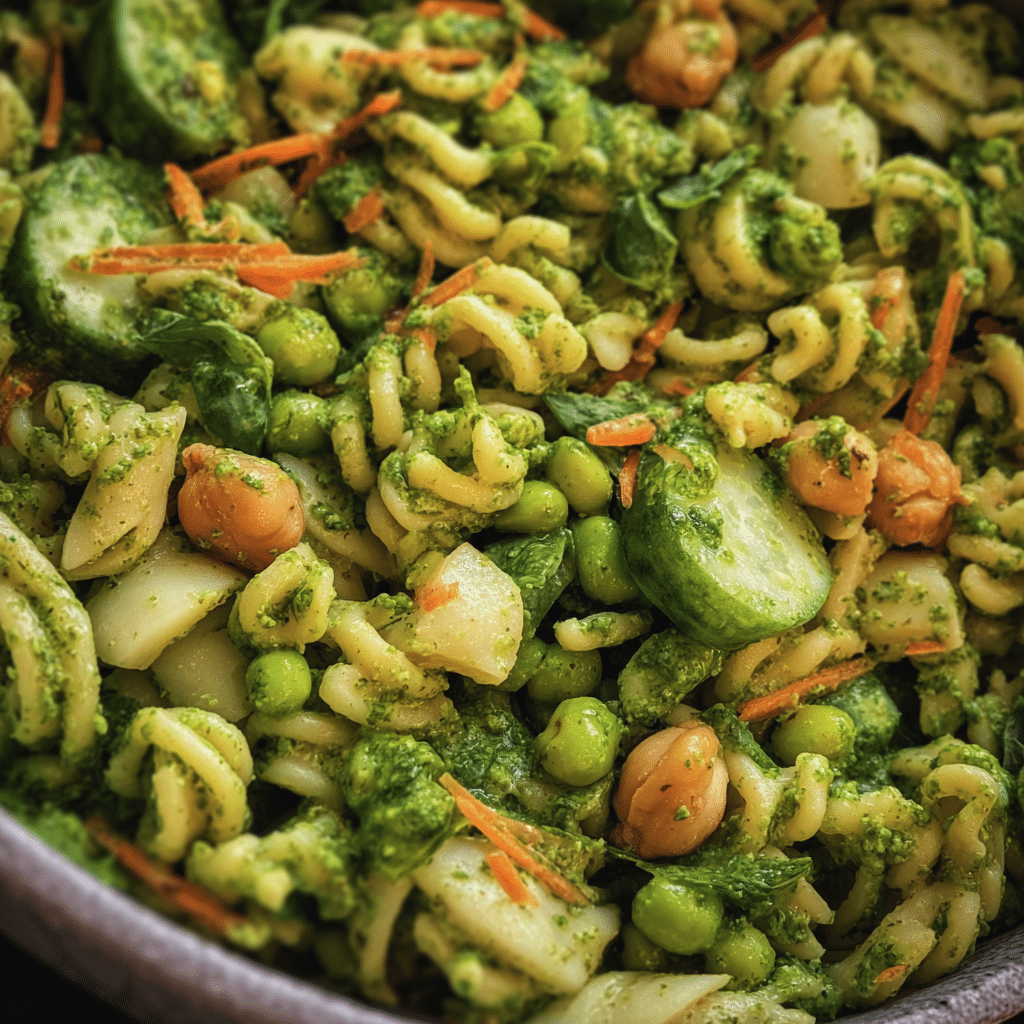
Shopping Tips
When shopping for the ingredients for your green goddess pasta, it’s important to choose the freshest options available. Here are some tips:
- Lemons: Look for bright yellow lemons that feel heavy for their size. They should be firm but yield slightly to pressure.
- Olive Oil: Opt for extra virgin olive oil, preferably in a dark bottle to protect it from light. Buy from reputable brands or local producers for the best quality.
- Fresh Herbs: Choose vibrant green basil and spinach without any wilting or browning. Fresh herbs should smell aromatic and feel crisp.
- Cashews: Select raw, unsalted cashews for the dressing. Purchase in bulk or from health food stores for better prices.
- Frozen Peas: Ensure the package is sealed and check the expiration date. Frozen peas should be bright green with no freezer burn.
Substitutions and Alternatives
Dietary preferences and restrictions can often influence ingredient choices. Here are some substitutions to consider:
- Cashews: If you have a nut allergy, consider using sunflower seeds or silken tofu to achieve a similar creaminess.
- Nutritional Yeast: For a dairy option, grated Parmesan cheese can be used instead, while vegan cheese can be a wonderful alternative.
- Olive Oil: In a pinch, avocado oil or vegetable oil can work, although they may change the flavor profile slightly.
- Asparagus: Green beans or zucchini can be substituted if asparagus isn’t available, offering a different but still delightful crunch.
Understanding how to select, store, and substitute ingredients is key to making your green goddess pasta a success. By choosing the best quality components and being mindful of dietary needs, you’ll create a dish that’s not just delicious but also nourishing and satisfying.
Detailed Step-by-Step green goddess pasta Cooking Instructions
Creating a stunning plate of green goddess pasta is not only about the ingredients but also about the technique and love you put into the process. In this section, we’ll walk through the detailed cooking instructions, transforming our fresh ingredients into a beautiful and delicious dish. Grab your apron, and let’s get started!
Preparation Steps
- Gather Your Ingredients: Before you start, make sure you have all the ingredients mentioned above ready and measured. This is known as mise en place, which means “everything in its place.” This will streamline your cooking process.
- Prep the Greens: Rinse your basil and spinach leaves under cold water, then gently pat them dry with a clean kitchen towel. You want to remove excess moisture, as it could dilute the dressing.
- Soak the Cashews: If you have time, soak the cashews in warm water for about 30 minutes. This will soften them and make them easier to blend into a creamy dressing.
- Prepare the Garlic: Peel the garlic cloves and set them aside. A good tip is to crush the cloves slightly with the flat side of a knife; it releases more flavor when blended.
- Trim the Asparagus: Snap the woody ends off the asparagus spears. They should naturally break where the tender part begins. Cut them into 1/2-inch pieces.
- Slice the Fennel: With a sharp knife, thinly slice the fennel bulb. If you have a mandoline, this can make the process quicker and ensure uniform slices.
- Chop the Chives and Scallions: Finely chop the chives and slice the scallions. Keep them separate for now, as they will be used as a garnish later.
Cooking Process
- Boil Water for Pasta: Fill a large pot with water and add the tablespoon of salt. Bring it to a rolling boil; this is essential for flavoring the pasta.
- Cook the Pasta: Once boiling, add the dry medium pasta shells. Stir occasionally to prevent sticking. Cook according to package instructions, usually around 8-10 minutes, but taste for doneness to ensure it’s al dente.
- Blanch the Peas and Asparagus: In the last 2 minutes of pasta cooking, add the frozen peas and asparagus to the boiling pot. This will blanch them, keeping their vibrant color and crunch.
- Drain and Rinse: Once the pasta and vegetables are cooked, drain them in a colander. Rinse under cold water to stop the cooking process and cool them down for the salad.
- Make the Dressing: In a blender or food processor, combine the soaked cashews, basil, spinach, garlic, olive oil, lemon juice from both lemons, nutritional yeast or Parmesan, salt, and pepper. Blend until smooth and creamy. If it’s too thick, add a splash of water to reach your desired consistency.
- Taste and Adjust: Before assembling, taste the dressing. You might want to add a little more salt, lemon juice, or nutritional yeast depending on your preference.
Final Assembly
- Combine Pasta and Veggies: In a large mixing bowl, combine the drained pasta, peas, asparagus, fennel, and olives. Gently toss to mix the ingredients evenly.
- Add the Dressing: Pour the creamy dressing over the pasta and vegetables. Use a spatula to fold it in gently, ensuring everything is well-coated without breaking the pasta.
- Garnish: Sprinkle the chopped chives and sliced scallions over the top. They will add a pop of color and flavor that enhances the dish.
- Chill or Serve: For best results, let the green goddess pasta sit in the refrigerator for at least 30 minutes before serving. This allows the flavors to meld beautifully. However, it can also be enjoyed immediately!
- Enjoy: Serve your green goddess pasta chilled or at room temperature. It’s perfect for a summer picnic or a cozy weeknight dinner.
Cooking this green goddess pasta is a delightful experience that combines fresh flavors and vibrant ingredients into a dish that is both nutritious and satisfying. By following these step-by-step instructions carefully, you’ll avoid common pitfalls and ensure that every bite is bursting with flavor and freshness. Enjoy your culinary adventure!
Professional Tips and Techniques for green goddess pasta
When it comes to creating the perfect green goddess pasta, there are a myriad of tips and techniques that can elevate your dish from good to spectacular. Whether you’re a seasoned chef or a home cook, understanding some professional secrets can make a significant difference in your pasta salad experience. Over the years, I’ve gathered various tips that not only enhance flavor but also improve presentation and ensure that your dish is crowd-pleasing.
Professional Techniques
First and foremost, let’s talk about the pasta itself. Choosing the right kind of pasta is crucial for a successful green goddess pasta salad. I recommend using shapes that hold onto the dressing and ingredients well, like fusilli or farfalle. These shapes have nooks and crannies that trap the creamy dressing, ensuring that each bite is packed with flavor.
When cooking pasta, always remember to salt your water generously. This is your first chance to season the pasta, and it can greatly enhance the overall flavor of your dish. A good rule of thumb is to add enough salt to make the water taste like the sea. Once your pasta is cooked to al dente, drain it and immediately rinse it under cold water to stop the cooking process. This keeps the pasta firm and prevents it from becoming mushy in your green goddess pasta salad.
Next up, let’s discuss the dressing – the heart of your green goddess pasta. A traditional green goddess dressing is creamy, herbaceous, and full of flavor. To achieve that perfect balance, consider using a mix of fresh herbs like basil, parsley, and chives. When blending your dressing, start with the herbs and a bit of olive oil before adding the other ingredients. This not only helps in achieving a smoother texture but also ensures that the herbs are well-pureed and evenly distributed throughout the dressing.
Troubleshooting Guide
Even the most experienced cooks face challenges from time to time. If you find that your green goddess pasta dressing is too thick, simply add a splash of water or lemon juice to thin it out. Conversely, if it’s too thin, adding a bit more mayonnaise or Greek yogurt can help achieve the desired consistency.
Another common issue is the pasta salad becoming dry after sitting for a while. To combat this, you can reserve a bit of the dressing and add it just before serving. This keeps the pasta moist and flavorful. Additionally, if you notice your veggies have lost their crunch, consider adding them just before serving to maintain their texture.
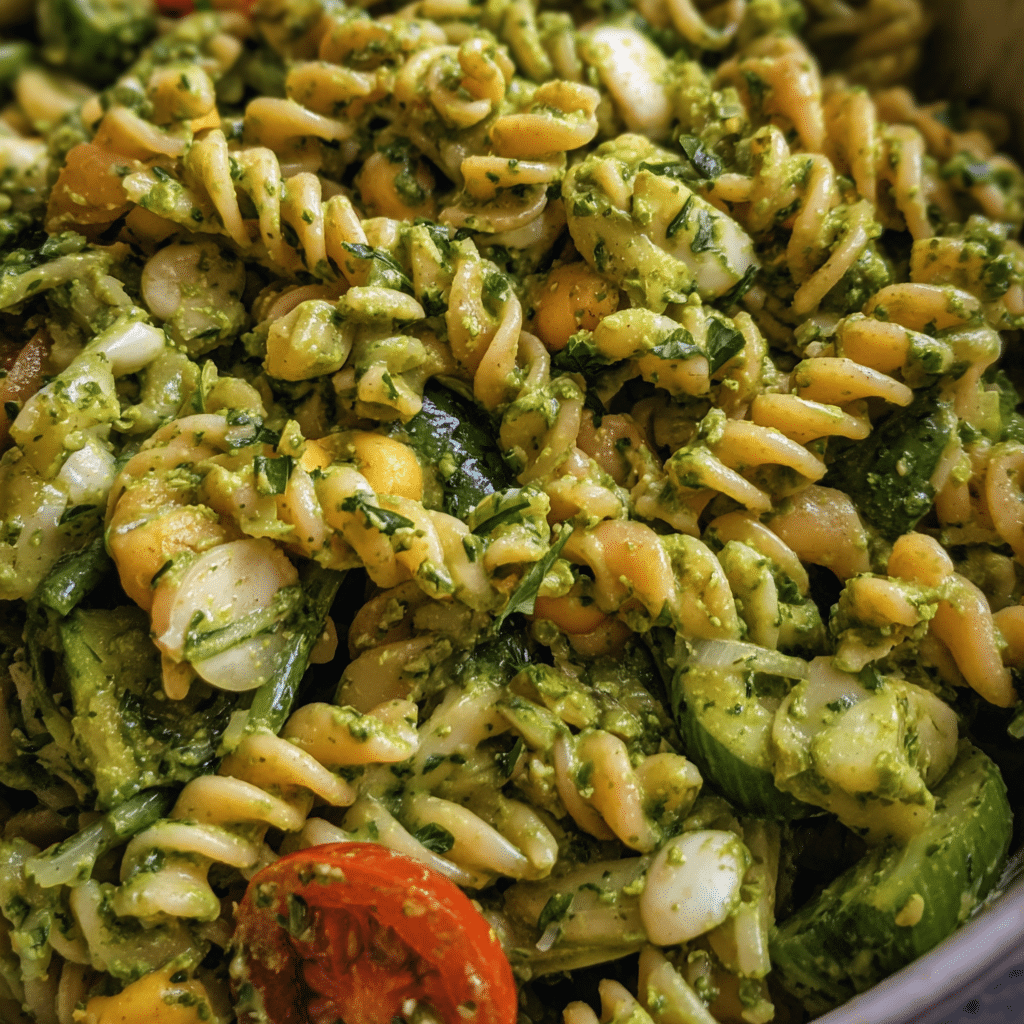
Presentation Tips
When it comes to wine pairings, a crisp, chilled white wine like Sauvignon Blanc complements the herbaceous notes of the green goddess pasta beautifully. If you prefer something non-alcoholic, a sparkling water with a splash of citrus can provide a refreshing cleanse to your palate between bites.
For those who love to plan ahead, consider making your green goddess pasta salad a day in advance. This allows the flavors to meld beautifully, creating an even more delicious dish. Just be sure to store it in an airtight container in the refrigerator and add any delicate ingredients, like tomatoes or cheese, just before serving.
Finally, if you’re scaling the recipe, remember that the dressing can easily be adjusted. For every additional cup of pasta, you can generally add about a third of the dressing recipe. This allows you to maintain the perfect balance of flavors regardless of the portion size.
Creative Variations and Adaptations of green goddess pasta
Exploring variations of the green goddess pasta allows for a creative culinary adventure. This dish is incredibly versatile, inviting you to experiment with flavors, textures, and even dietary needs. Here, I’ll share some exciting adaptations that can make your pasta salad unique and cater to various preferences.
Seasonal Variations
When it comes to seasonal ingredients, the possibilities are endless. In the warmer months, consider adding in fresh cherry tomatoes, cucumber, and sweet corn for a bright, refreshing twist. In the fall, roasted butternut squash and Brussels sprouts can add depth and a touch of sweetness to your green goddess pasta. Winter variations might include roasted root vegetables or even sautéed kale, which brings some heartiness to the dish.
Another seasonal favorite of mine is to incorporate citrus fruits like orange or grapefruit segments. The zing from the citrus balances out the creaminess of the dressing, making it a delightful option for spring gatherings or summer picnics.
Dietary Adaptations
In our increasingly diverse culinary world, it’s important to consider dietary modifications. For those on a vegan diet, simply substitute the mayonnaise and Greek yogurt in the dressing with avocado or a vegan mayo alternative. This not only maintains the creaminess but also adds a rich flavor profile that pairs perfectly with the herbs. Gluten-free pasta options are plentiful these days, so swapping in a gluten-free variety will ensure that everyone can enjoy your green goddess pasta.
If you’re looking to cut carbs, consider spiralizing zucchini or using cauliflower rice instead of traditional pasta. The dressing works wonderfully on these alternatives, giving you the same vibrant flavors without the added carbs.
Creative Twists
If you’re feeling adventurous, international fusion variations can transform your green goddess pasta into a global cuisine experience. For example, adding some Asian flair with sesame oil, edamame, and a sprinkle of sesame seeds can give your dish a delightful twist. Or, if you’re in the mood for something spicy, try incorporating diced jalapeños or a drizzle of sriracha into the dressing for an unexpected kick.
There’s also the option of using different cooking methods. Instead of boiling your pasta, consider roasting it along with some vegetables for a smoky, caramelized flavor. A slow cooker can also be an innovative way to meld the flavors together, especially if you’re adding proteins like chicken or shrimp to the mix.
Finally, let’s talk about leftover transformations. If you find yourself with leftover green goddess pasta, consider turning it into a delicious baked casserole. Just layer it in a baking dish with cheese and breadcrumbs, then pop it into the oven until golden and bubbly. This not only reduces food waste but also gives you a completely new meal to enjoy!
In conclusion, the green goddess pasta offers a canvas for culinary creativity. By incorporating seasonal ingredients, accommodating dietary needs, and exploring innovative twists, you can create a dish that’s not only delicious but also a reflection of your own personal cooking style. So, roll up your sleeves and let your imagination run wild in the kitchen!
Storage, Reheating, and Meal Prep for green goddess pasta
When it comes to preparing a delicious green goddess pasta salad, understanding how to store and reheat your dish can enhance your dining experience. Whether you’re making this dish for a summer picnic, a family gathering, or simply for an easy weeknight dinner, proper storage is essential for keeping the flavors fresh and the ingredients safe. Here’s a comprehensive guide on storage, reheating, and meal prep strategies for your green goddess pasta.
Short-term Storage
Once your green goddess pasta is prepared, it’s important to store it correctly to maintain its flavor and texture. If you plan on consuming your pasta salad within a few days, the refrigerator is your best bet. Here are some detailed storage instructions to follow:
- Use Airtight Containers: Transfer your pasta salad into airtight containers to minimize exposure to air, which can cause the ingredients to spoil faster. Glass containers are excellent as they don’t retain odors and are easy to clean.
- Layer Wisely: If you have added multiple ingredients like vegetables, proteins, and greens, try to layer them in a way that keeps the dressing separate until you’re ready to serve. This will prevent sogginess. For instance, keep the pasta at the bottom and the delicate greens on top.
- Chill Promptly: After preparing your green goddess pasta, let it cool down slightly before sealing it in the container and placing it in the refrigerator. This helps to prevent condensation from forming inside the container, which can lead to spoilage.
The general guideline for storing your green goddess pasta in the refrigerator is to consume it within 3 to 5 days. Always check for signs of spoilage, such as off smells or changes in texture, before eating.
Freezing and Long-term Storage
If you want to keep your green goddess pasta salad for an extended period, freezing is a viable option. However, it’s important to note that not all ingredients freeze well. Here’s how to do it right:
- Choose Freezer-Friendly Ingredients: Before freezing, evaluate the components of your salad. Ingredients like pasta, beans, and some vegetables freeze well, while lettuce or creamy dressings may not fare as well. If your salad contains fresh greens, it’s best to add them after thawing.
- Use Proper Freezer Containers: Use freezer-safe bags or containers that are specifically designed for freezing. Make sure to remove as much air as possible from bags to prevent freezer burn.
- Label and Date: Always label your containers or bags with the date and contents, so you can keep track of how long it’s been in the freezer. Ideally, enjoy your frozen green goddess pasta within 2 to 3 months for the best quality.
When you’re ready to enjoy your frozen pasta salad, thaw it in the refrigerator overnight for best results. This gradual thawing helps maintain the texture and flavor of the ingredients.
Reheating Best Practices
Reheating your green goddess pasta can be a bit tricky, especially if it contains delicate ingredients like fresh herbs or vegetables that can wilt. Here are some best practices:
- Gentle Reheating: If you’ve stored your pasta salad with the dressing, consider reheating it gently on the stove over low heat. Stir frequently to ensure even heating without cooking the ingredients.
- Microwave Method: If you prefer using a microwave, place your pasta in a microwave-safe dish, cover it with a damp paper towel to trap steam, and heat it in short bursts, stirring in between. This helps to avoid overheating.
- Freshening Up: After reheating, consider adding a splash of fresh dressing or a squeeze of lemon juice to revitalize the flavors. This tip works wonders, especially for salads that may lose their vibrant taste after being refrigerated.
When it comes to food safety, always ensure that your green goddess pasta reaches an internal temperature of at least 165°F (74°C) when reheating. This is crucial to eliminate any potential bacteria.
In summary, proper storage and reheating methods are essential for enjoying your green goddess pasta at its best. By following these tips, you can ensure that your delicious salad remains fresh and flavorful, whether you’re enjoying it immediately or saving it for later. Remember, a little bit of attention to detail goes a long way in the kitchen!
Nutritional Benefits and Health Information
As we dive into the world of green goddess pasta, it’s essential to not only savor its delectable flavors but also to understand the nutritional benefits that this colorful dish brings to the table. This pasta salad is not just a meal; it is a celebration of fresh ingredients, vibrant flavors, and a variety of health benefits that cater to various dietary needs. Let’s explore the nutritional breakdown and health information associated with this delightful dish.
Nutritional Profile
The beauty of green goddess pasta lies in its fresh, wholesome ingredients. A typical serving of green goddess pasta salad can provide a balanced mix of macronutrients, vitamins, and minerals. Here’s a breakdown of what you can expect:
- Calories: Depending on the ingredients used, a serving may contain around 300-450 calories. This makes it a satisfying option without being overly heavy.
- Carbohydrates: Pasta is a primary ingredient, contributing approximately 40-60 grams of carbohydrates per serving. This is essential for providing energy, especially if you’re looking for a post-workout meal.
- Proteins: If you add ingredients like chickpeas or grilled chicken, you can increase the protein content to around 15-25 grams, making it a great option for muscle recovery and growth.
- Fats: The healthy fats from ingredients like avocado and olive oil can contribute around 10-20 grams of fat, which are important for heart health and nutrient absorption.
Health Benefits
Each ingredient in a green goddess pasta salad brings its own unique health benefits. Here’s a closer look at some of the key components:
- Greens: Most green goddess dressings are made with fresh herbs like basil, parsley, and spinach, which are rich in vitamins A, C, and K. These nutrients are vital for immune function, skin health, and bone health.
- Avocado: This creamy fruit not only adds a rich texture but is also packed with monounsaturated fats that can help lower bad cholesterol levels and reduce the risk of heart disease.
- Pasta: Using whole grain or legume-based pasta can provide additional fiber, which is beneficial for digestive health and can help maintain a healthy weight.
The combination of these ingredients creates a nutrient-dense meal that supports overall well-being, making green goddess pasta an ideal choice for those looking for both flavor and nutrition.
Dietary Considerations
When it comes to dietary considerations, green goddess pasta can easily be adapted to meet various needs:
- Gluten-Free: By using gluten-free pasta, this dish can easily cater to those with gluten sensitivities or celiac disease.
- Vegan: Substituting traditional creamy dressings with plant-based alternatives ensures that vegans can enjoy this dish without missing out on flavor.
- Low-Carb Options: For those following a low-carb diet, zucchini noodles or spaghetti squash can replace traditional pasta, allowing you to enjoy the green goddess flavors without the carbs.
The versatility of green goddess pasta makes it an appealing option for a wide range of dietary preferences. You can enjoy this dish while still adhering to your personal health goals.
In conclusion, green goddess pasta is not only a celebration of flavors but also a powerhouse of nutrition. Its blend of fresh ingredients offers numerous health benefits, making it a wonderful addition to your meal rotation. As you prepare this vibrant dish, remember that you can customize it to fit your needs, ensuring that every bite is both delicious and nourishing!
Conclusion: Mastering the Perfect green goddess pasta
Creating the perfect green goddess pasta is more than just following a recipe—it’s about understanding the techniques, ingredients, and cultural significance behind this beloved dish. Throughout this comprehensive guide, we’ve explored everything from the historical origins to modern variations, ensuring you have all the knowledge needed to make this recipe your own.
Whether you’re a beginner cook or an experienced chef, the techniques and tips we’ve shared will help you create a green goddess pasta that’s not only delicious but also meaningful. Remember that cooking is a journey of discovery, and each time you make this dish, you’ll learn something new.
We encourage you to experiment with the variations we’ve discussed, adapt the recipe to your dietary needs, and most importantly, share it with the people you love. Food has the incredible power to bring people together, and Green Goddess Pasta Salad is the perfect dish to create lasting memories around your dinner table.
Don’t forget to share your cooking adventures with us on social media, and feel free to ask questions in the comments below. Happy cooking!
Share this recipe and let us know how it turned out! Tag us on social media for a chance to be featured.