Green goddess salad is not just a dish; it’s an experience that brings together vibrant flavors, textures, and memories. The first time I stumbled upon this delightful salad was during a summer picnic with friends. The sun was shining, and the warmth of the day felt perfect for a light meal. One of my friends brought along a bowl of this green goddess salad, and I remember being immediately drawn to its beautiful presentation—the lush greens, the creamy dressing glistening under the sun, and the colorful toppings made it irresistible. That first bite was an explosion of freshness, and I was hooked.
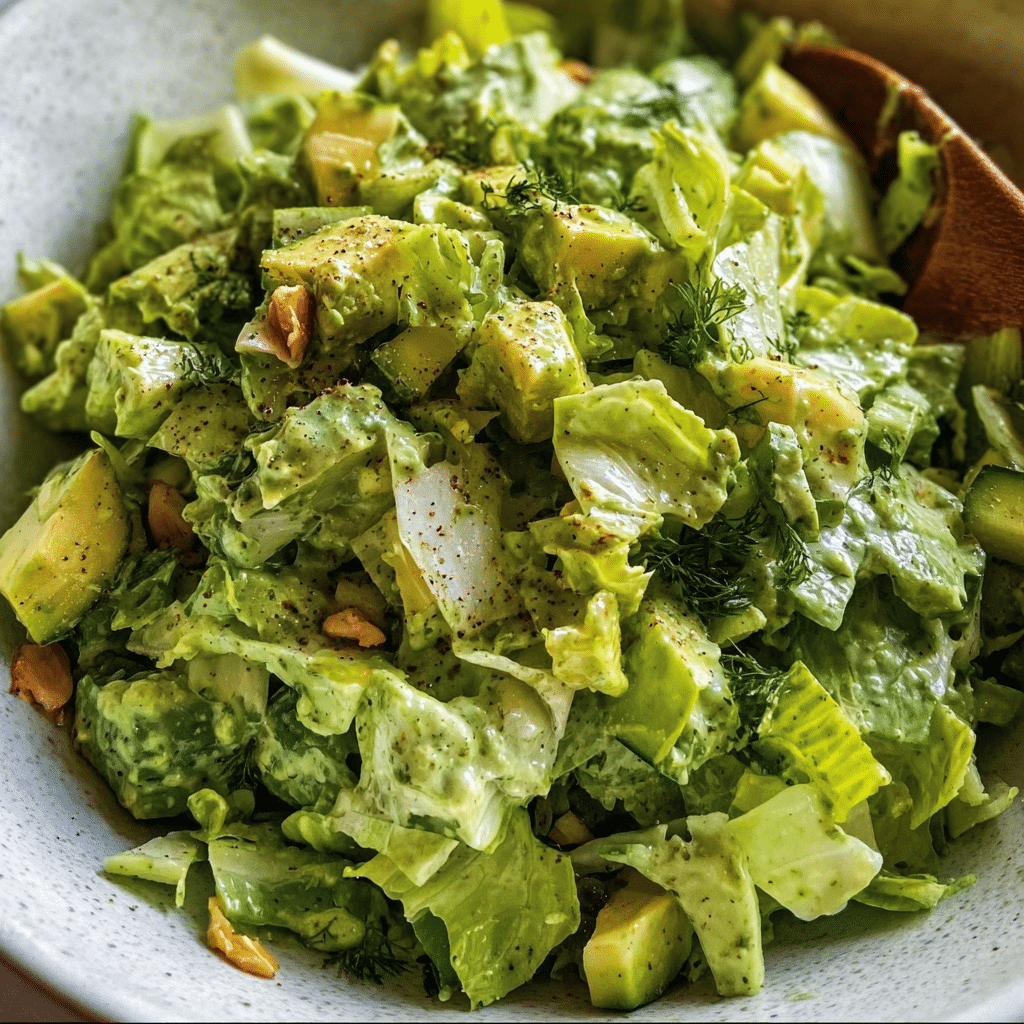
As I savored each forkful, I couldn’t help but inquire about the recipe. My friend explained that this salad is named after the legendary Green Goddess dressing, which was created in the 1920s at the Palace Hotel in San Francisco. It was originally served with a roast chicken dish and quickly gained popularity, spawning numerous variations, including this vibrant salad. The history behind the green goddess salad is as rich as its flavors, and it’s this blend of culinary tradition and personal experience that makes it so special.
The Story Behind This Recipe
In my culinary adventures, I’ve come to appreciate the beauty of recipes that tell stories. The green goddess salad is one of those recipes. It encapsulates the spirit of fresh, seasonal ingredients that are often celebrated in summer months. The original dressing, made with a blend of herbs like tarragon, chives, and parsley, comes together beautifully with the greens, creating a salad that feels both comforting and invigorating.
What truly sets the green goddess salad apart from other salads is its versatility. You can customize it with a variety of toppings—grilled chicken, avocado, nuts, or seeds—making it a fantastic option for busy families looking for quick dinner solutions. I often find myself whipping up this salad on hectic weeknights; it’s quick to prepare, and the kids love it! Just a few minutes of chopping and tossing, and dinner is served. It’s healthy, filling, and satisfying, making it a win-win for everyone at the table.
Why You’ll Love This Dish
Seasonal relevance is another compelling reason to embrace the green goddess salad. It shines brightest in the warmer months when fresh herbs and vegetables are at their peak. I often find myself making it during late spring and summer, when farmers’ markets overflow with vibrant produce. The salad becomes a celebration of the season, showcasing the best nature has to offer. Whether you’re hosting a summer barbecue or enjoying a quiet dinner at home, the green goddess salad is the perfect companion to any meal.
On a personal note, this dish evokes a deep emotional connection for me. It reminds me of gatherings with friends, laughter around the table, and warm summer evenings. Each time I prepare the salad, I’m transported back to those moments, creating new memories with every bite. This emotional resonance is what makes cooking and sharing meals so meaningful, and the green goddess salad encapsulates that sentiment perfectly.
As you delve deeper into this article, you’ll learn not only how to prepare your own green goddess salad but also the rich history behind it. We’ll explore its cultural roots, variations across different regions, and tips for making it your own. So grab your apron, and let’s embark on this delicious journey together!
The Rich History and Cultural Significance of green goddess salad
The green goddess salad has a rich history that intertwines with culinary innovation and cultural significance. It all began in the 1920s at the Palace Hotel in San Francisco, where the original green goddess dressing was created to accompany a roast chicken dish. Named after the play “The Green Goddess,” the dressing was a creamy concoction of mayonnaise, sour cream, and herbs that became a sensation. Over the years, chefs and home cooks alike began to experiment with this dressing, eventually leading to the creation of the green goddess salad we know today.
Origins and History
The transition from a dressing to a full-fledged salad showcases the adaptability of culinary traditions. As the green goddess dressing gained popularity, it found its way into salads, capturing the essence of freshness and flavor. Different variations of the salad emerged, each with its own twist, but the core elements remained the same—vibrant greens and a rich, herbaceous dressing. This adaptability speaks to the cultural significance of incorporating seasonal ingredients into meals, a practice that has been cherished in many culinary heritages around the world.
In the decades following its inception, the green goddess salad made its way into countless cookbooks and restaurant menus. It became a staple in California cuisine, celebrated for its emphasis on fresh, local produce. Chefs began to elevate the dish, experimenting with various greens, proteins, and toppings, further enhancing its reputation as a go-to salad for health-conscious diners. Today, you can find green goddess salads in various forms, from upscale dining establishments to casual family dinners.
Cultural Significance
The cultural significance of the green goddess salad extends beyond its delicious taste. It represents a movement towards healthier eating and the use of fresh, wholesome ingredients. In a world where convenience often trumps quality, this salad serves as a reminder of the joy found in preparing and sharing meals with loved ones. It’s often served at gatherings, picnics, and potlucks, making it a symbol of community and connection. The act of sharing this salad can turn any meal into a celebration, and it’s a dish that evokes feelings of warmth and togetherness.
Nutritional Benefits
Nutritionally, the green goddess salad is a powerhouse of vitamins and minerals. The base of leafy greens—whether you choose romaine, spinach, or mixed greens—provides essential nutrients like Vitamin A, C, and K. The addition of fresh herbs not only enhances the flavor but also adds a generous dose of antioxidants. Toppings like avocado or grilled chicken contribute healthy fats and protein, making this salad a balanced choice for any meal. It’s a dish that not only satisfies the palate but also nourishes the body, making it an ideal option for families striving for a healthier lifestyle.
In conclusion, the green goddess salad is more than just a meal; it’s a celebration of flavor, history, and culture. As you explore the various ways to prepare and enjoy this salad, you’ll find that it has the power to transform ordinary moments into extraordinary experiences. Whether you’re enjoying it at a summer barbecue or preparing it for a quick weeknight dinner, the green goddess salad is sure to impress and nourish.
Essential Ingredients for Perfect green goddess salad
Essential Ingredients for Perfect Green Goddess Salad
When it comes to crafting a delightful green goddess salad, the ingredients play a pivotal role in determining the flavor, texture, and overall satisfaction of the dish. Each component adds its unique touch, creating a harmonious blend that is both refreshing and satisfying. Let’s dive into the essential ingredients that make this salad a must-try, along with some valuable tips and insights to ensure your green goddess salad shines.
Essential Ingredients
- 1 small head of green cabbage, finely chopped – confetti-sized (8 cups chopped)
- 1/2 English cucumber or 3 small garden cucumbers
- 1 avocado, diced for creaminess
- 1 bunch of green onions, finely chopped
- 1 recipe Green Goddess Dressing, or added to taste
- Tortilla chips for serving, optional
Green Goddess Salad
Ingredients
- 1 small head of green cabbage, finely chopped – confetti-sized (8 cups chopped)
- 1/2 English cucumber or 3 small garden cucumbers
- 1 avocado, diced for creaminess
- 1 bunch of green onions, finely chopped
- 1 recipe Green Goddess Dressing, or added to taste
- Tortilla chips for serving, optional
Instructions
- Chop – Slice the cabbage in half through the core and cut out the tough core. Lay the halves flat, slice into thin shreds, then cross-cut the shreds into small confetti-sized pieces. Dice up the cucumbers and avocado, and finely chop green onion. Everything should be chopped to a similar size.
- Mix – In a large mixing bowl, combine the chopped cabbage, cucumbers, avocado if using, and green onions.
- Make the dressing in a blender or food processor, blending until it’s creamy and bright green in color.
- Add – Pour the dressing over the veggies, adding it to taste (I use most of it) and toss to combine.
- Serve – Enjoy as a salad or serve with crispy tortilla chips.
The first star of our green goddess salad is the green cabbage. This vibrant vegetable is not only packed with nutrients but also provides a satisfying crunch that contrasts beautifully with the creaminess of the avocado. When selecting cabbage, look for a small head that feels heavy for its size and has crisp, vibrant leaves. Avoid any heads with brown spots or wilting, as these indicate age.
Next up is the cucumber, which adds a refreshing element to the salad. Whether you choose a half of an English cucumber or three small garden cucumbers, make sure they are firm and free of blemishes. The English cucumber is known for its thin skin and fewer seeds, making it a great choice for salads. If you’re opting for garden cucumbers, look for those with smooth skin and a rich green color.
The avocado is the creaminess factor in this salad, providing healthy fats and a lovely texture. Choose an avocado that yields slightly to gentle pressure, which indicates ripeness. If you buy avocados that are still firm, you can ripen them at room temperature, and once they’re ready, store them in the refrigerator if you’re not using them immediately.
Green onions, also known as scallions, bring a mild onion flavor that brightens the overall taste of the green goddess salad. When buying green onions, look for firm stalks and vibrant green tops. Avoid those that appear limp or discolored, as freshness is key to maintaining that crispness.
Of course, no salad is complete without a delicious dressing, and the green goddess dressing is what ties all these ingredients together. This dressing typically includes fresh herbs, lemon juice, and a creamy base, which can be made from yogurt, mayo, or avocado. If you’re making it from scratch, consider using fresh herbs like parsley, chives, and tarragon for an authentic flavor. If you’re short on time or ingredients, there are plenty of store-bought options available, but I always recommend tasting and adjusting to your liking.
Lastly, tortilla chips can add a delightful crunch when served alongside the salad. They’re optional, but they can elevate the texture and provide a fun way to scoop up the salad. Look for chips that are made with simple ingredients and without added preservatives for the best quality.
Shopping Tips
When shopping for the ingredients for your green goddess salad, consider visiting local farmers’ markets or grocery stores that prioritize fresh produce. Seasonal ingredients not only taste better but also support local farmers and reduce your carbon footprint. Cabbage is generally available year-round, but cucumbers and avocados have peak seasons that vary by region. In the summer months, you’ll find the freshest cucumbers, while avocados are often best in late winter through spring.
Additionally, if you’re opting for organic produce, look for certifications on the packaging to ensure you’re getting high-quality products. Organic produce typically has lower pesticide residues and is grown without synthetic fertilizers, which can be better for both your health and the environment.
Substitutions and Alternatives
For those with dietary restrictions or preferences, there are plenty of substitutions you can make without sacrificing flavor. For example, if you’re looking for a gluten-free option, ensure that your tortilla chips are certified gluten-free. If you prefer a different type of dressing, consider a tahini-based sauce or a vinaigrette made with olive oil and balsamic vinegar. For a lower-calorie alternative to avocado, you might try using Greek yogurt for creaminess without the extra fat.
If you’re allergic to cabbage, kale or romaine lettuce can serve as excellent alternatives while still providing that necessary crunch. Similarly, if you want to steer clear of cucumbers, try adding bell peppers or shredded carrots for a touch of sweetness and crunch.
In terms of storage, keep your chopped cabbage and cucumbers in airtight containers in the refrigerator to maintain freshness. Avocados can be tricky; if you have leftover avocado, sprinkle some lemon juice on it and store it in an airtight container to prevent browning. Green onions can be kept in a glass of water in the fridge, which keeps them crisp for longer.
With the right ingredients and a little love, your green goddess salad will not only be a feast for the eyes but also a delightful explosion of flavors and textures. Whether you’re serving it as a side dish at a summer picnic or as a light lunch, this salad is sure to impress your family and friends.
Detailed Step-by-Step Green Goddess Salad Cooking Instructions
Creating a delicious green goddess salad is not only about the ingredients; it’s also about the technique and the love you put into it. In this section, I’ll guide you through the process step-by-step, ensuring that you achieve the perfect balance of flavors and textures. Let’s roll up our sleeves and get started!
Preparation Steps
- Gather Your Ingredients: Start by collecting all your ingredients. This includes your finely chopped green cabbage, cucumbers, diced avocado, chopped green onions, and of course, your green goddess dressing. Having everything at hand will streamline your cooking process and make it more enjoyable.
- Wash Your Produce: Rinse all your vegetables under cold running water. This is especially important for the cabbage and cucumbers, as soil and pesticides can linger on the surface. Use a vegetable brush to scrub the skins of the cucumbers for an extra clean finish.
- Chop the Cabbage: Begin by removing the outer leaves of the cabbage. Cut the cabbage in half, remove the core, and then chop it finely into confetti-sized pieces. Aim for about 8 cups of finely chopped cabbage. This will be the bulk of your salad and provide that satisfying crunch.
- Prepare the Cucumbers: If you are using an English cucumber, simply slice it in half lengthwise and then slice it into half-moons. If you’re using garden cucumbers, you may want to peel them if the skin is thick. Either way, cut them to a similar size as the cabbage for uniformity in your salad.
- Dice the Avocado: Slice the avocado in half, remove the pit, and scoop the flesh into a bowl. Dice it into cubes, ensuring you keep the pieces relatively uniform to match the other ingredients. If you want a creamy dressing, you can mash a portion of the avocado and mix it into the dressing as well.
- Chop the Green Onions: Using a sharp knife, trim the roots off the green onions and slice them thinly, including both the green and white parts. The green tops add a pop of color and a mild onion flavor that complements the other ingredients.
Cooking Process
- Make the Green Goddess Dressing: If you’re making the dressing from scratch, combine your herbs (like parsley and chives), lemon juice, olive oil, and any creamy base you’re using (avocado, yogurt, or mayonnaise) in a food processor. Blend until smooth and creamy. Taste and adjust seasoning with salt and pepper. If you prefer a thicker dressing, use less liquid; for a thinner dressing, add a splash of water or more lemon juice.
- Combine the Base Ingredients: In a large bowl, add the finely chopped cabbage, sliced cucumbers, diced avocado, and chopped green onions. Toss gently to combine, ensuring that the avocado is distributed evenly without getting too mashed.
- Dress the Salad: Drizzle the prepared green goddess dressing over the salad mixture. Start with a small amount and toss gently to coat the ingredients evenly. You can always add more dressing later if needed. Remember, you want the salad to be well-coated but not swimming in dressing.
- Season to Taste: After tossing the salad, take a moment to taste it. This is where you can adjust the seasoning with salt, pepper, or even a squeeze of extra lemon juice if you desire more acidity. This step is crucial as it ensures that all flavors are balanced.
- Serve with Tortilla Chips: If you’re using tortilla chips, place them in a bowl on the side or sprinkle them over the top of the salad for added crunch. This optional step adds a delightful texture and makes for a fun presentation.
- Garnish and Enjoy: For an extra touch, consider garnishing your salad with additional herbs or even some edible flowers for a beautiful presentation. Serve immediately to enjoy the freshness of the ingredients, or let it chill in the fridge for a bit if you prefer a cold salad.
Final Assembly
Once everything is combined, take a moment to appreciate the beautiful colors and textures of your green goddess salad. The vibrant green cabbage, the crisp cucumbers, the creamy avocado, and the fresh green onions all come together to create a visually stunning dish. Remember, presentation matters! Use a large serving bowl to showcase the salad, and consider serving it alongside some colorful plates for your guests.
As you dig into your salad, take note of the balance of flavors. The crunch of the cabbage, the coolness of the cucumber, the creaminess of the avocado, and the zesty freshness of the dressing should all shine through. This is a salad that not only nourishes the body but delights the senses. Enjoy the journey of making this salad as much as the delicious end result!
Professional Tips and Techniques for green goddess salad
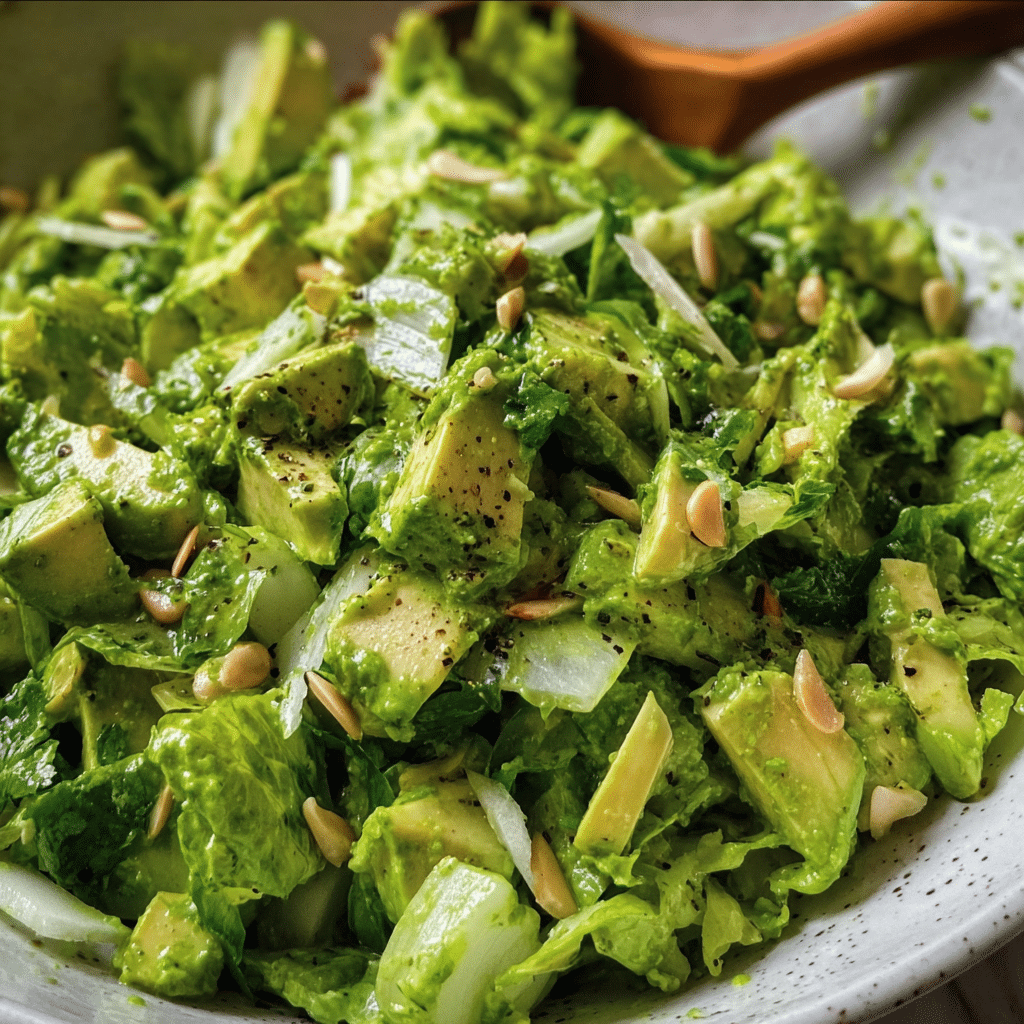
When it comes to creating a dish as vibrant and delightful as the green goddess salad, there are numerous professional tips and techniques that can elevate your experience in the kitchen. As someone who has spent countless afternoons experimenting with various greens, herbs, and dressings, I can assure you that the right techniques can make all the difference. Let’s dive into some invaluable tips that will not only enhance your green goddess salad but also your overall cooking skills.
Professional Techniques
To master the art of the green goddess salad, you first need to understand the core components: fresh greens, a zesty dressing, and an assortment of toppings. Here’s how to put it all together like a pro:
- Fresh Ingredients: Always opt for the freshest ingredients you can find. Visit your local farmers’ market for greens and herbs. The fresher your produce, the more vibrant your salad will taste.
- Herb Selection: The traditional green goddess dressing is packed with herbs like basil, parsley, and chives. For an added depth of flavor, try using fresh dill or tarragon. These herbs can elevate your dressing and give your salad a unique twist.
- Mixing the Dressing: When making your dressing, combine the herbs, garlic, and anchovies (if using) in a food processor before adding the mayonnaise and sour cream. This technique ensures a more uniform distribution of flavors. Remember, the dressing should be thick enough to coat the greens without drowning them.
- Layering Flavors: Consider adding layers of flavor by incorporating ingredients like toasted nuts, seeds, or even roasted vegetables to your salad. Each bite should tantalize your taste buds.
Troubleshooting Guide
Even the best chefs encounter challenges in the kitchen. Here are some common issues you might face when preparing a green goddess salad and how to solve them:
- Too Tangy or Sour: If your dressing turns out too tangy, add a touch of honey or maple syrup to balance the flavors. A pinch of salt can also help to enhance the overall taste.
- Limp Greens: If your greens wilt or are limp, try soaking them in ice water for about 10 minutes before serving. This will revive them and add a satisfying crunch to your salad.
- Dressing Too Thin: If your dressing is too thin, try adding more mayonnaise or sour cream to thicken it up. Alternatively, a bit of Greek yogurt can add creaminess while keeping it lighter.
Presentation Tips
Presentation is key when serving a green goddess salad. Here are a few tips to ensure it looks as good as it tastes:
- Color Contrast: Use a variety of colorful vegetables and herbs to create a visually appealing salad. Consider adding radishes, cherry tomatoes, or edible flowers for pops of color.
- Layer and Arrange: When plating, layer your greens at the bottom, then artfully arrange toppings on top. Drizzle the dressing over the salad just before serving to keep the greens crisp.
- Garnish: A sprinkle of feta cheese or toasted nuts can add an inviting texture and flavor at the end. A few fresh herb sprigs can also make your salad look more gourmet.
As for scaling your recipe, the beauty of a green goddess salad lies in its flexibility. Whether you’re serving a small gathering or a large crowd, you can easily adjust the quantities of greens and toppings. For meal prep, consider making a batch of dressing in advance and storing it in the fridge. This way, you’ll have a quick and easy salad ready to go throughout the week. Pair your salad with a chilled Sauvignon Blanc or a light, bubbly Prosecco to complement the fresh flavors. With these tips in mind, you’re well on your way to mastering the green goddess salad!
Creative Variations and Adaptations of green goddess salad
One of the most exciting aspects of the green goddess salad is its adaptability. This dish can be tailored to fit various tastes, dietary needs, and seasonal ingredients. Drawing from my own experiences in the kitchen, I can tell you that experimenting with different flavors and textures can lead to delightful surprises. Let’s explore some creative variations and adaptations that will keep your green goddess salad fresh and exciting!
Seasonal Variations
When it comes to seasonal ingredients, the green goddess salad shines. During the spring, add in some tender asparagus and snap peas for a fresh crunch. In the summer, consider incorporating juicy heirloom tomatoes and sweet corn. As fall approaches, roasted butternut squash can add a warm, earthy flavor. And in winter, hearty kale or Brussels sprouts provide a robust foundation. The key is to embrace the colors and flavors of the season, allowing your salad to reflect the bounty of nature.
Dietary Adaptations
No matter your dietary restrictions, there’s a way to enjoy the green goddess salad. For those on a keto diet, swap out high-carb ingredients like croutons for crispy bacon bits or pumpkin seeds. Vegans can replace mayonnaise with avocado or a cashew cream to maintain that creamy texture without any animal products. If gluten is a concern, ensure that any added grains or toppings are certified gluten-free. The flexibility of this salad means that everyone can enjoy it, regardless of dietary preferences!
Creative Twists
For those with a flair for the adventurous, consider international fusion variations of the green goddess salad. How about a Mediterranean twist? Include olives, sun-dried tomatoes, and a sprinkle of za’atar to transport your taste buds. Or, for an Asian-inspired version, toss in edamame, sesame seeds, and a dressing made with soy sauce, ginger, and sesame oil. The possibilities are endless! You can also adjust the spice level by adding fresh jalapeños or sliced chili peppers for those who crave a little heat.
Another interesting way to reinvent the green goddess salad is through leftover transformations. If you have leftover roasted vegetables or grilled chicken from dinner, toss them into your salad the next day for a quick and delicious lunch. This not only reduces food waste but also adds new flavors to your dish. You could even consider making a green goddess pasta salad by mixing cooked pasta with the dressing and your favorite salad ingredients for a heartier option.
In conclusion, the green goddess salad is an ever-evolving dish that can adapt to your tastes, dietary needs, and seasonal ingredients. With these variations and adaptations, you can craft a salad that feels new and exciting every time you prepare it. So go ahead, explore the world of flavors that await you, and enjoy the creative journey of making your own green goddess salad!
Storage, Reheating, and Meal Prep for green goddess salad
When it comes to preparing a delicious green goddess salad, knowing how to store it properly can make all the difference in maintaining its freshness and flavor. Whether you’re planning to enjoy it as a quick lunch or as a meal prep option for the week, understanding storage techniques is essential. Let’s dive into the various methods of storing your green goddess salad, ensuring it remains vibrant and tasty.
Short-term Storage
For short-term storage, the refrigerator is your best friend. After preparing your green goddess salad, I recommend transferring it into airtight containers. This simple step helps to keep the salad fresh, preventing the lettuce and other greens from wilting. I typically use glass containers with tight-fitting lids, as they do an excellent job of locking in moisture while also allowing me to see what’s inside. If you’re using plastic containers, make sure they are BPA-free to avoid any unwanted chemicals leaching into your food.
It’s important to consider the components of your green goddess salad. If you’ve added ingredients prone to wilting, like avocados or tomatoes, it may be better to store them separately and add them just before serving. This helps maintain the crunchiness of your greens and the freshness of the other ingredients. A simple trick I learned from my mom is to layer the sturdier ingredients like cucumbers and carrots at the bottom of the container and add the more delicate greens on top. This prevents them from being squished and ensures a more enjoyable salad when you’re ready to dig in.
As for shelf life, a well-stored green goddess salad can typically last about 3 to 5 days in the refrigerator. However, I always recommend checking for any signs of spoilage, such as discoloration or an off smell, before consuming. If you find any of these signs, it’s best to err on the side of caution and toss the salad.
Freezing and Long-term Storage
Freezing salads is a bit tricky due to the high water content in many of the ingredients. However, if you’re looking to prepare a larger batch of green goddess salad for future meals, you can freeze the dressing separately and the chopped vegetables individually. Freezing the dressing in ice cube trays is a great method; once frozen, you can transfer the cubes to a freezer-safe bag and pull them out as needed. This way, you can always have your favorite dressing on hand without compromising the rest of the salad.
When it comes to freezing vegetables, consider blanching them first. This process helps to preserve their color, flavor, and nutritional value. After blanching, cool them quickly in ice water, drain, and then pack them into freezer-safe bags. Most vegetables can last about 8 to 12 months in the freezer, but I recommend using them within the first 3 months for optimal flavor.
Remember, though, that once you thaw the vegetables, they may not have the same crispness as when they were fresh. Therefore, I suggest using thawed vegetables in cooked dishes or soups rather than expecting a crunchy salad. If you prefer a salad, it’s best to stick with fresh ingredients.
Reheating Best Practices
While salads are generally enjoyed cold, you might find yourself wanting to warm up certain components of your green goddess salad. If you’ve included protein like grilled chicken or roasted vegetables, reheating them can provide a comforting touch. The best way to do this is to use the stovetop or microwave. If you’re using a microwave, place the ingredients in a microwave-safe dish and cover them with a damp paper towel to retain moisture. Heat in short increments, stirring occasionally, until warmed through.
However, I advise against reheating leafy greens like romaine or spinach, as they can become mushy and lose their appealing texture. Instead, consider adding fresh greens to the warmed ingredients just before serving to maintain that satisfying crunch. This method allows you to enjoy the warmth of the protein while still savoring the freshness of the salad.
Lastly, always prioritize food safety when storing your green goddess salad. Ensure your refrigerator is set to a safe temperature below 40°F (4°C) and remember to check for any signs of spoilage. Following these guidelines will help you enjoy your green goddess salad in its best form, keeping your meals exciting and flavorful throughout the week!
Nutritional Benefits and Health Information
When you think about a green goddess salad, you might envision a light, refreshing meal that’s packed with vibrant greens and delicious flavors. However, it’s not just about aesthetics—this salad can also be a powerhouse of nutrition, making it an excellent choice for anyone looking to eat healthier. Let’s explore the nutritional benefits and health information surrounding this delightful dish.
Nutritional Profile
The foundation of a green goddess salad typically includes a variety of leafy greens such as romaine, kale, or spinach, along with fresh herbs like parsley and chives. Each of these ingredients contributes unique nutrients to the mix. For instance, leafy greens are low in calories but high in vitamins A, C, K, and several B vitamins. Spinach, for example, is a fantastic source of iron and calcium, making it a great addition for those looking to boost their nutritional intake.
In terms of macronutrient distribution, a standard serving of green goddess salad can provide a balanced mix of carbohydrates, proteins, and healthy fats, especially if you add protein sources like chickpeas, grilled chicken, or tofu. The exact calorie content will depend on the dressing and additional toppings you include, but a typical serving can range from 150 to 350 calories. This makes it an excellent meal option for those watching their calorie intake while still wanting to feel satisfied.
Health Benefits
One of the primary health benefits of a green goddess salad lies in its potential to boost your overall well-being through its nutrient-dense ingredients. The antioxidants found in leafy greens can help combat oxidative stress in the body, reducing the risk of chronic diseases. Additionally, the healthy fats from ingredients like avocado or nuts not only enhance the flavor but also aid in the absorption of fat-soluble vitamins from the salad.
Furthermore, the fiber content in the vegetables and any whole grains you add can promote digestive health, keeping things running smoothly. I often feel lighter and more energetic after enjoying a large serving of green goddess salad, which I attribute to the combination of fiber, vitamins, and minerals working together to nourish my body.
Dietary Considerations
When it comes to dietary considerations, the green goddess salad is incredibly versatile. It can easily be tailored to accommodate various dietary restrictions, including gluten-free, vegetarian, and vegan diets. For those who are lactose intolerant, substituting traditional dairy-based dressings with plant-based alternatives is a simple switch that can maintain delicious flavors without compromising health.
Allergen information is also crucial to consider. Common allergens that might be found in a green goddess salad can include nuts, seeds, or dairy products, depending on your choice of toppings. Always be mindful of your guests’ dietary needs when preparing this salad for a group.
As for modifications, you can easily swap out ingredients to suit your taste or nutritional needs. Want a little more crunch? Add some sunflower seeds or pumpkin seeds. Looking for a protein boost? Toss in some grilled shrimp or quinoa. The beauty of this salad lies in its adaptability, allowing you to create a dish that not only fits your dietary requirements but also satisfies your taste buds.
In summary, the green goddess salad is not just a pretty dish; it’s a nutritional powerhouse that can fit seamlessly into a variety of diets. By understanding its nutritional profile, health benefits, and dietary considerations, you can enjoy this delicious salad while reaping its many rewards. So the next time you’re in the kitchen, consider whipping up a green goddess salad and savor the delightful flavors while nourishing your body!
Conclusion: Mastering the Perfect green goddess salad
Creating the perfect green goddess salad is more than just following a recipe—it’s about understanding the techniques, ingredients, and cultural significance behind this beloved dish. Throughout this comprehensive guide, we’ve explored everything from the historical origins to modern variations, ensuring you have all the knowledge needed to make this recipe your own.
Whether you’re a beginner cook or an experienced chef, the techniques and tips we’ve shared will help you create a green goddess salad that’s not only delicious but also meaningful. Remember that cooking is a journey of discovery, and each time you make this dish, you’ll learn something new.
We encourage you to experiment with the variations we’ve discussed, adapt the recipe to your dietary needs, and most importantly, share it with the people you love. Food has the incredible power to bring people together, and Green Goddess Salad is the perfect dish to create lasting memories around your dinner table.
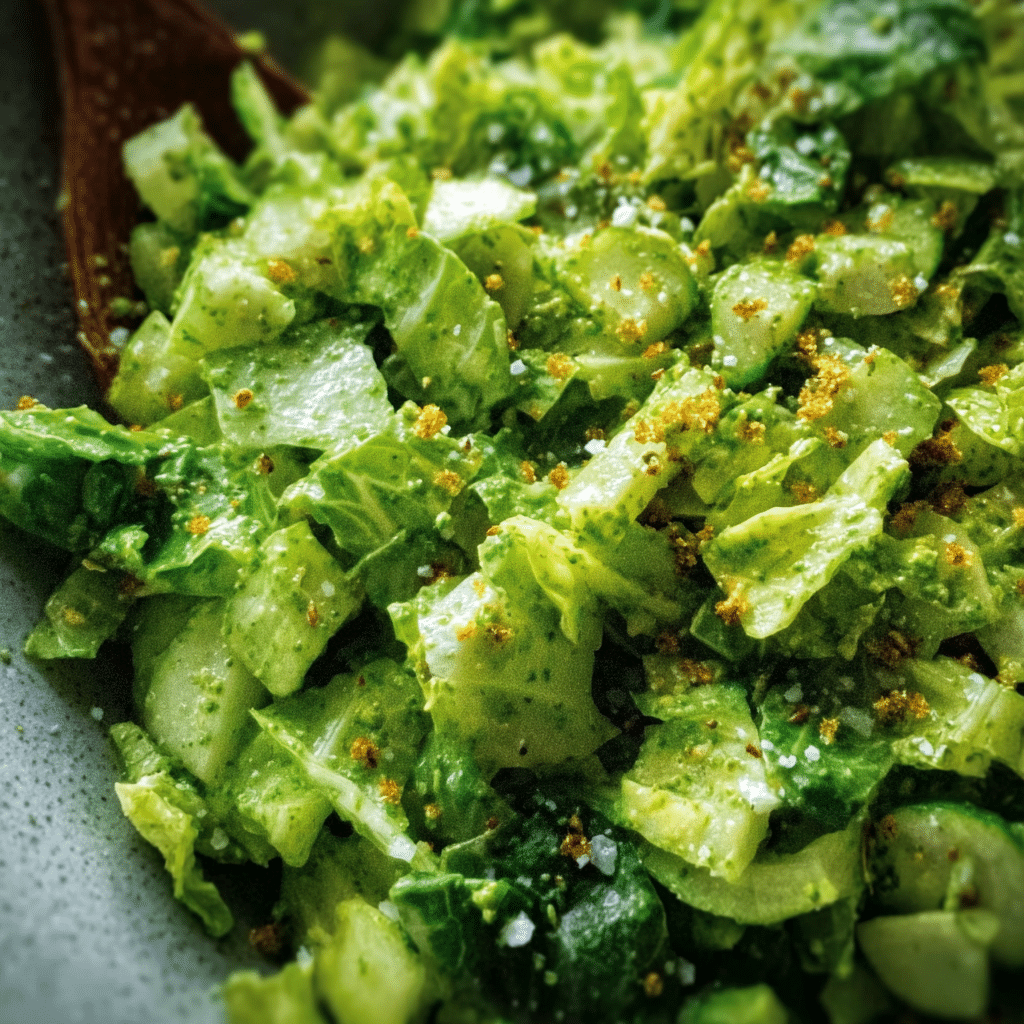
Don’t forget to share your cooking adventures with us on social media, and feel free to ask questions in the comments below. Happy cooking!
Share this recipe and let us know how it turned out! Tag us on social media for a chance to be featured.