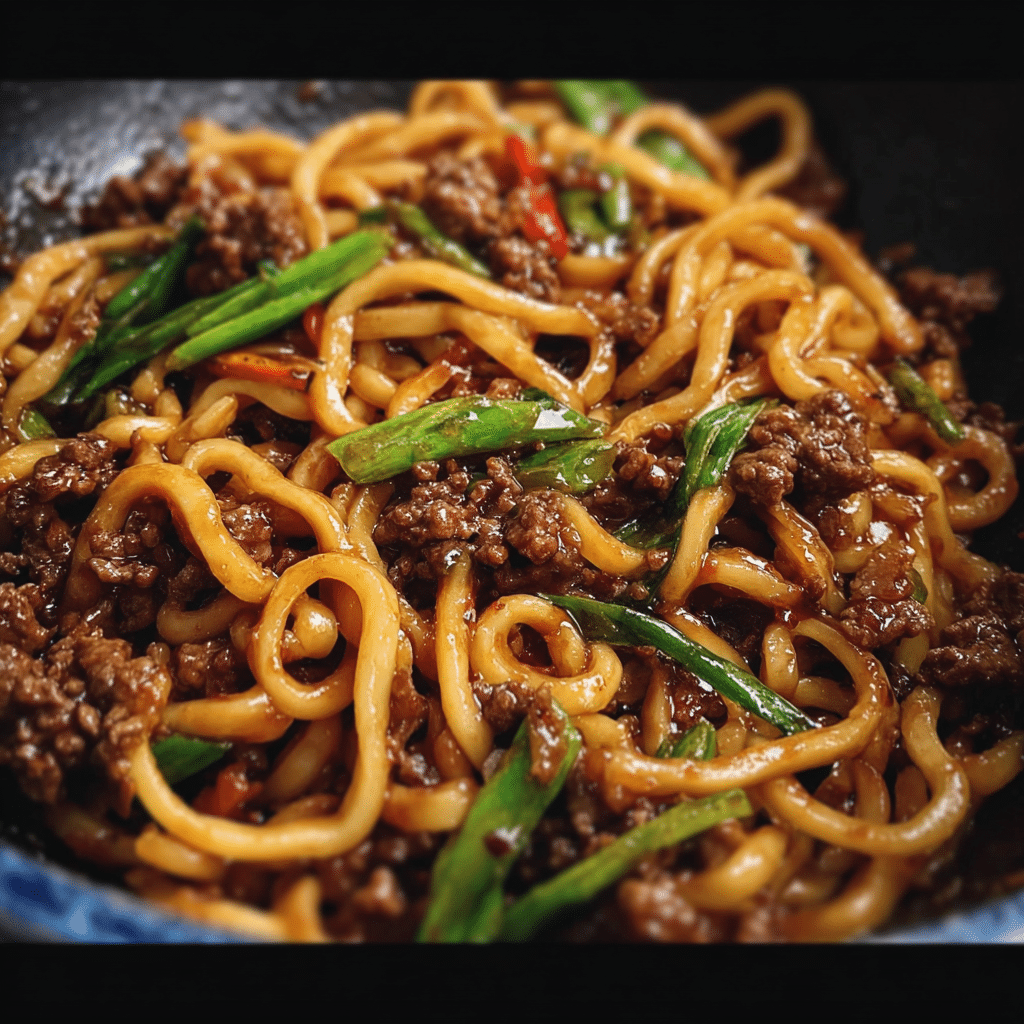
Ground beef mongolian has become a beloved staple in my kitchen, particularly during those busy weeknights when the clock seems to race ahead while I scramble to find a satisfying meal for my family. I can vividly recall the first time I stumbled upon this recipe. It was a chilly evening, and I was thumbing through a well-worn cookbook that I had collected over the years. The pages were filled with vibrant images of dishes that promised warmth and comfort, and then I saw it: a vibrant plate of ground beef mongolian, glistening with savory sauce and accompanied by perfectly cooked noodles. I was instantly intrigued and couldn’t help but imagine how it would taste, how the flavors would meld together, and how it would be a hit at my dinner table.
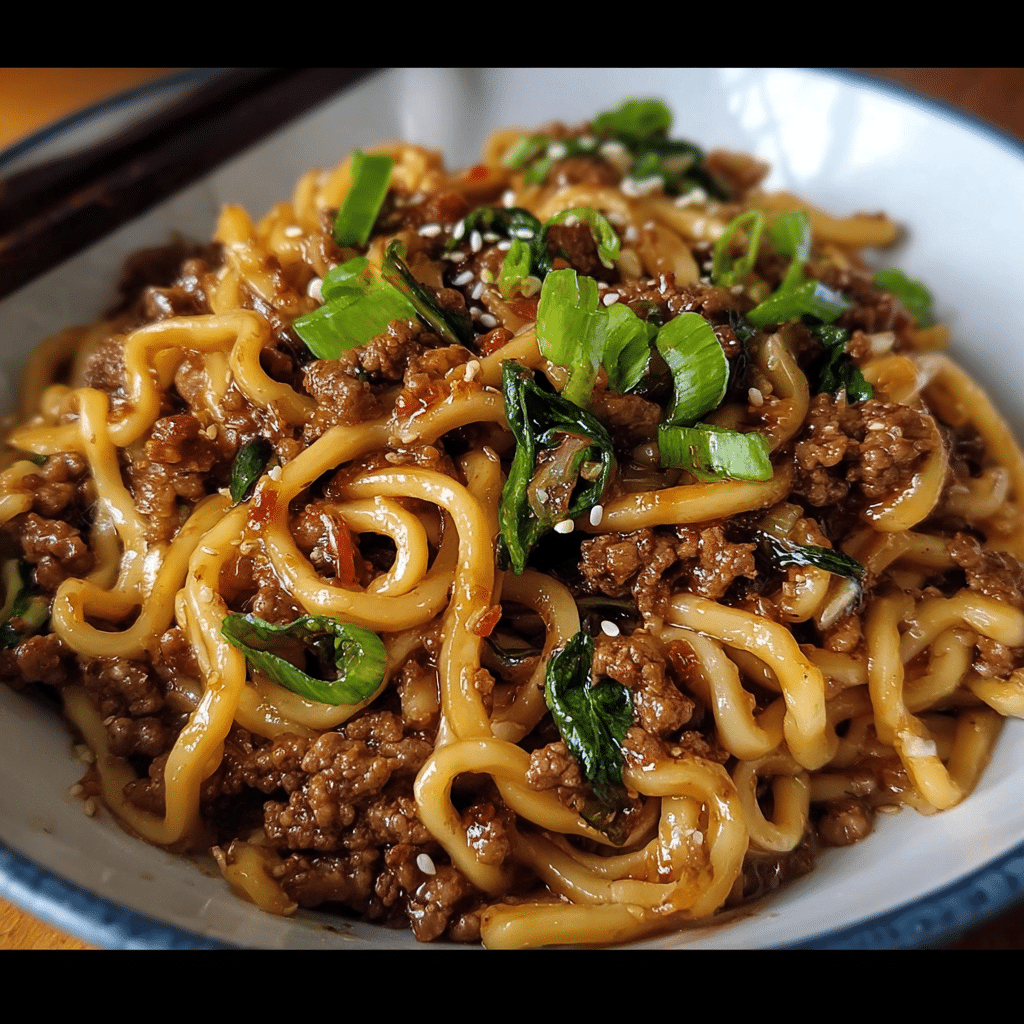
As I prepared the dish that night, the aromas wafted through my kitchen, creating a sense of anticipation that filled the air. The combination of ground beef and fresh vegetables in a rich sauce over noodles was not just a meal; it was a journey into the heart of Mongolian-inspired cuisine, adapted to suit the needs of busy families like mine. This dish encapsulates the essence of comfort food while allowing for creativity and personalization based on what you have on hand. It’s a dish that tells a story, and every ingredient plays a part in that narrative.
The Story Behind This Recipe
When we think of Mongolian cuisine, we often picture hearty stews, grilled meats, and dishes that celebrate the nomadic lifestyle. However, the dish we now call ground beef mongolian is a modern interpretation, often influenced by Chinese-American culinary practices. While traditional Mongolian food focuses on lamb and dairy, the ground beef mongolian recipe reflects the adaptability of global cuisines in a melting pot like America.
This dish is special not only because of its unique flavor profile but also due to its versatility. It’s a canvas for so many flavors and textures—crunchy vegetables, chewy noodles, and tender beef all come together in a way that feels both familiar and exotic. Ground beef mongolian stands out from other noodle dishes because it embraces a bold, savory sauce that can be adjusted to suit your taste preferences. Whether you like it spicy, sweet, or somewhere in between, this dish can accommodate your desires.
Why You’ll Love This Dish
One of the reasons this recipe resonates with busy families is its speed and simplicity. In under 30 minutes, you can have a delightful meal on the table that pleases both kids and adults alike. The ingredients are often readily available in most pantries, making it a go-to meal when you need something quick yet satisfying. Plus, it’s an excellent opportunity to sneak in some vegetables, ensuring that everyone gets a nutritious meal without even realizing it!
For me, ground beef mongolian is more than just a meal; it’s a reminder of the importance of family dinners. I cherish the moments when I gather around the table with my loved ones, sharing stories and laughter as we enjoy a homemade meal. There’s something magical about the way food brings us together, transcending the chaos of our daily lives. This dish has become a part of our family traditions, often making appearances during busy weekdays or even on special occasions when we want something comforting yet quick to prepare.
As we delve into this guide, you’ll learn how to make ground beef mongolian from scratch, explore various adaptations, and discover tips for making this dish your own. We’ll also discuss how it can fit into different seasons and occasions, ensuring that you can enjoy this delightful recipe year-round. So grab your apron, and let’s embark on this culinary adventure together!
The Rich History and Cultural Significance of ground beef mongolian
The rich history and cultural significance of ground beef mongolian is a fascinating journey through the evolution of cuisine that transcends borders and traditions. This dish, while inspired by Mongolian flavors, has taken on a life of its own, particularly within the realm of American dining. To truly appreciate this dish, we must first explore its origins and how it has been shaped over time.
Origins and History
While ground beef mongolian may suggest a connection to Mongolia, the reality is that its roots lie more within the fusion of Asian cuisines, particularly the influence of Chinese cooking techniques and flavors. Traditional Mongolian food is heavily based on the use of lamb, dairy products, and grains, reflecting the nomadic lifestyle of the Mongolian people. However, when this cuisine traveled to the West, particularly to the United States, it began to adapt to local tastes and available ingredients.
The concept of stir-frying, which is integral to preparing ground beef mongolian, is a method that has been embraced across various Asian cultures. It allows for quick cooking and the preservation of nutrients in vegetables, making it a healthy choice for busy families. As Asian cuisine became more popular in America, recipes like ground beef mongolian emerged, showcasing a unique blend of flavors that appealed to the Western palate.
Over the years, culinary experts and home cooks alike have contributed their own twists to the traditional recipe. From incorporating different vegetables like bell peppers and snap peas to experimenting with varying sauces—such as soy sauce, hoisin, or even peanut sauce—this dish has evolved into a versatile meal that can be tailored to individual preferences.
Cultural Significance
Ground beef mongolian holds a special place in the hearts of many, especially within the realm of family dining. Its convenience and adaptability make it a favorite among parents looking to prepare delicious meals without spending hours in the kitchen. This dish is often served at family gatherings, casual dinners, and even potlucks, embodying the spirit of shared meals that are so integral to our social lives.
In addition to its place at the dinner table, ground beef mongolian has also made its mark on restaurant menus across the United States. Many Asian-inspired restaurants feature this dish, showcasing their unique interpretations while maintaining the core essence that makes it so appealing. It has become a popular choice for those seeking a quick yet flavorful meal, proving that it transcends cultural boundaries and resonates with diverse audiences.
Nutritional Benefits
One of the appealing aspects of ground beef mongolian is its balance of nutrition. Ground beef provides a good source of protein and essential vitamins and minerals, such as iron and zinc, which are important for maintaining a healthy body. When paired with colorful vegetables, the dish becomes a complete meal that is rich in fiber, vitamins, and antioxidants.
Moreover, the use of whole grain noodles or alternative pasta options can enhance the nutritional profile even further, making it a wholesome choice for families. The ability to customize this dish means you can include a variety of vegetables, ensuring that everyone at the table gets their daily servings of produce.
In conclusion, the journey of ground beef mongolian from its cultural origins to its modern interpretations reflects the beauty of culinary evolution. This dish is not just about satisfying hunger; it embodies the connections we create through shared meals and the memories we build around the table. As we continue to explore this recipe in greater detail, you will not only learn how to prepare it but also appreciate its rich history and significance in our lives.
Essential Ingredients for Perfect ground beef mongolian
Cooking has always been a passion of mine, and one of my favorite dishes to whip up is Ground Beef Mongolian. This delightful meal is not only packed with flavor but also easy to prepare, making it an excellent choice for weeknight dinners or special occasions. Let’s dive into the essential ingredients that will make your Ground Beef Mongolian a hit at the dinner table.
Essential Ingredients
Here’s a complete list of the ingredients you will need for a delicious batch of Ground Beef Mongolian:
- 1 pound lean ground beef
- 4 teaspoons fresh ginger, minced
- 6 cloves garlic, minced
- ½ cup brown sugar (can reduce to 1/3 or 1/4 cup)
- ½ cup beef broth
- ½ cup low sodium soy sauce
- 4 tablespoons hoisin sauce (if you can find low-sodium, I recommend it)
- ½ teaspoon black pepper
- ½ teaspoon red pepper flakes (optional)
- 10 ounces noodles (linguine, fettuccine, or spaghetti)
- 1 tablespoon cornstarch
- 2 tablespoons water
- 4 medium green onions, sliced
Ground Beef Mongolian Noodles
Ingredients
- 1 pound lean ground beef
- 4 teaspoons fresh ginger minced
- 6 cloves garlic clove minced
- ½ cup brown sugar can reduce to 1/3 or 1/4 cup
- ½ cup beef broth
- ½ cup low sodium soy sauce low sodium
- 4 tablespoons hoisin sauce if you can find low-sodium, I recommend it.
- ½ teaspoon black pepper
- ½ teaspoon red pepper flakes optional
- 10 ounces noodles linguine, fettuccine, or spaghetti
- 1 tablespoon cornstarch
- 2 tablespoons water
- 4 medium green onions sliced
Instructions
- In a large skillet with high sides brown the ground beef on the stovetop. Add the ginger and garlic the last 2 minutes of browning the ground beef. Break up the meat as it cooks.
- While the ground beef is cooking, cook the pasta according to the package instructions. (I recommend you do not salt the water.) Drain.
- Drain the ground beef and return it to the skillet along with the soy sauce, beef broth, brown sugar, red pepper flakes, pepper, and hoisin sauce. Stir to combine.
- Dissolve the cornstarch in the water and add it to the ground beef mixture. Stir and bring the mixture to a low boil. After the sauce has thickened slightly add the drained noodles to the beef mixture. Stir to combine.
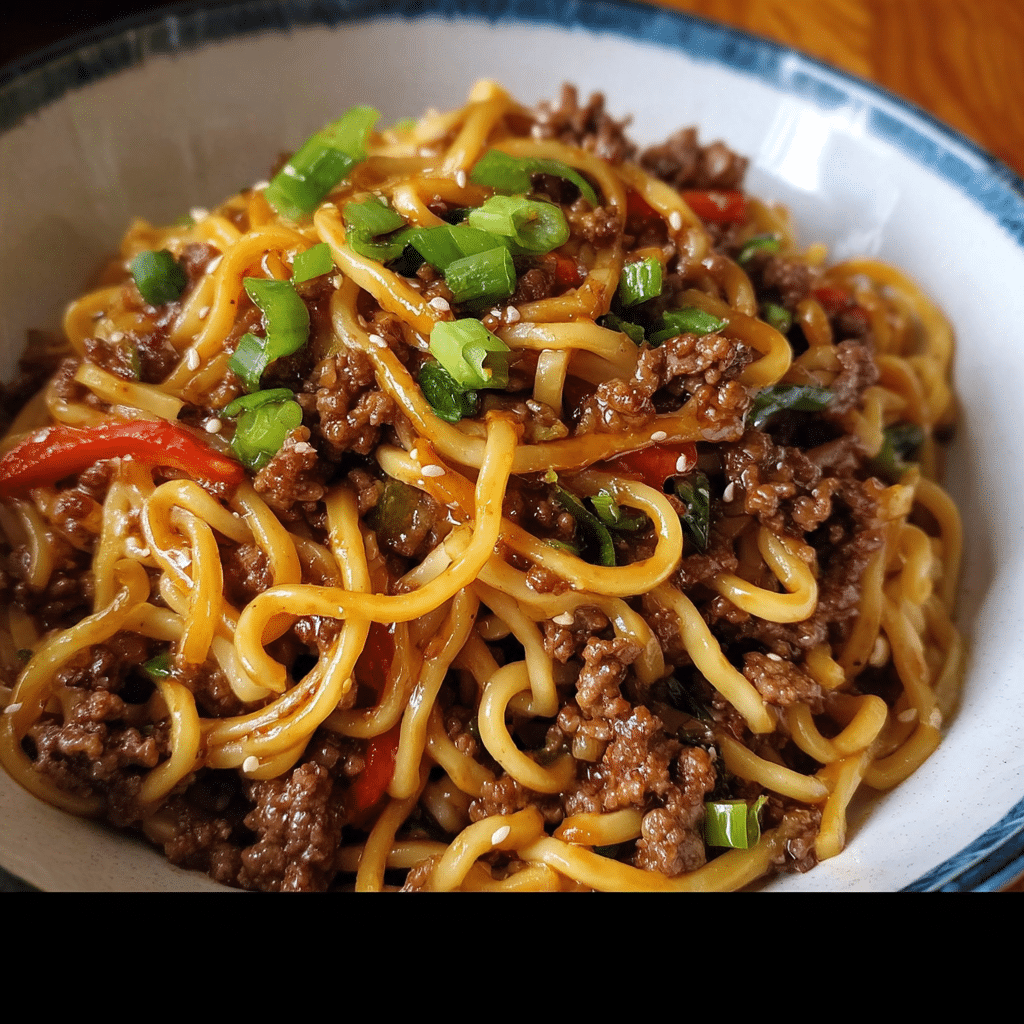
- Allow the noodles to sit in the sauce a few minutes to absorb flavor. Serve hot with a garnish of sliced green onions.
Ingredient Breakdown
Each ingredient plays a crucial role in bringing out the flavors of your Ground Beef Mongolian. Let’s take a closer look:
1. Lean Ground Beef: The star of the dish! Choose lean ground beef (around 80/20 fat content) for a healthier option. It’s critical to drain off excess fat during cooking to keep the dish light.
2. Fresh Ginger: This ingredient adds a warm, slightly spicy flavor that complements the beef beautifully. Fresh ginger is always preferable to powdered ginger because it has a more vibrant taste. When selecting ginger, look for firm pieces with smooth skin.
3. Garlic: Minced garlic infuses the dish with its distinct aroma and flavor. Use fresh garlic for the best results, and ensure it’s finely minced to distribute its flavor evenly throughout the dish.
4. Brown Sugar: The sweetness of brown sugar balances the savory flavors of the soy sauce and beef. Adjust the amount to your taste; a little goes a long way in enhancing the overall flavor profile.
5. Beef Broth: This adds depth to the sauce, enriching the flavor of the ground beef. Look for low-sodium options to control the saltiness of the dish.
6. Low Sodium Soy Sauce: Soy sauce is a key player in this recipe, providing umami while keeping the dish from becoming overly salty. The low sodium version is a healthier choice that doesn’t compromise flavor.
7. Hoisin Sauce: This thick, sweet sauce adds complexity and a touch of sweetness. Check labels for low-sodium versions if you are watching your salt intake.
8. Black Pepper and Red Pepper Flakes: These spices add heat and enhance the flavors. Adjust the amount of red pepper flakes according to your heat preference.
9. Noodles: I love using linguine or fettuccine for this dish, as their broad shapes hold onto the sauce well. However, spaghetti works just as beautifully. When cooking noodles, aim for al dente for the best texture.
10. Cornstarch: This is used for thickening the sauce and giving it a glossy finish. It’s essential to mix it with water to prevent clumps.
11. Green Onions: These provide a fresh, crisp finish to the dish. Use both the green and white parts for added flavor and color.
Shopping Tips
When shopping for these ingredients, quality matters. Here are some tips:
- For ground beef, try to buy from a trusted butcher or grocery store that has a good turnover rate to ensure freshness.
- Fresh ginger can often be found in the produce section. Look for firm ginger with a smooth skin, which indicates freshness.
- Garlic should be firm and free of sprouting. You can buy it in bulk or pre-minced, but fresh is always best.
- Check expiration dates on sauces and broths, especially if buying in bulk.
- For noodles, consider whole-wheat or gluten-free options if you have dietary restrictions.
Substitutions and Alternatives
Not everyone can enjoy the same ingredients, and that’s okay! Here are some alternatives:
- If you’re vegetarian, consider using plant-based ground meat or tofu as a substitute for ground beef. Just ensure to drain any excess moisture.
- For those avoiding sugar, try using coconut sugar or a sugar substitute like erythritol.
- Low-sodium soy sauce can be replaced with tamari for a gluten-free option.
- Feel free to customize the spice level by adjusting or omitting the red pepper flakes.
With these ingredients and tips, you’re well on your way to creating a delicious Ground Beef Mongolian dish that everyone will love. Next up, we’ll cover the detailed instructions on how to prepare this delightful meal!
Detailed Step-by-Step ground beef mongolian Cooking Instructions
Now that we have all the essential ingredients for our Ground Beef Mongolian, let’s get cooking! This dish is not only quick to prepare, taking about 30 minutes, but it also bursts with flavor and is sure to impress your family and friends. Let’s break down the cooking process step-by-step.
Preparation Steps
Before we start cooking, it’s essential to have everything organized. This is known as mise en place, a French term meaning “everything in its place.” Here’s how to prepare:
- Gather Your Ingredients: Start by collecting all the ingredients listed above. Measure them out beforehand to streamline the cooking process.
- Prepare the Noodles: Cook the noodles according to package instructions in a large pot of salted boiling water. You want them al dente since they’ll continue cooking in the sauce later. Drain and set aside, reserving about a cup of the pasta water.
- Minced Garlic and Ginger: Peel and mince the garlic and ginger. I like to use a microplane for ginger as it creates a fine texture that blends well into the sauce.
- Slice Green Onions: Chop the green onions, separating the white part from the green. The white parts will be cooked with the beef, while the green parts will be used as a garnish.
- Mix the Cornstarch: In a small bowl, combine the cornstarch with 2 tablespoons of water, mixing it thoroughly to create a slurry. This will help thicken the sauce later.
Cooking Process
Now that we have everything prepped, it’s time to cook. Follow these steps to ensure a delicious outcome:
- Heat the Pan: In a large skillet or wok, heat a tablespoon of oil over medium-high heat. Make sure it’s hot enough so that the meat sizzles when added.
- Add Ground Beef: Once the oil is hot, add the pound of lean ground beef. Use a wooden spoon to break it apart as it cooks. Cook for about 5-7 minutes or until browned. Drain excess fat, if necessary.
- Add Garlic and Ginger: Stir in the minced garlic and ginger. Sauté for about 1 minute until fragrant, stirring frequently to prevent burning.
- Incorporate the Sauce Ingredients: Add the beef broth, low sodium soy sauce, hoisin sauce, brown sugar, black pepper, and red pepper flakes. Stir to combine everything evenly.
- Simmer: Allow the mixture to come to a simmer. This will help meld the flavors together beautifully. Let it cook for about 3-5 minutes.
- Thicken the Sauce: Stir the cornstarch slurry into the sauce. This will thicken the sauce and give it a silky texture. If it becomes too thick, add reserved pasta water a little at a time.
- Add Noodles: Toss the cooked noodles into the skillet with the beef mixture. Gently stir to coat the noodles with the sauce, ensuring everything is well combined.
- Final Touches: Add the sliced green onions (white parts) and mix well. Cook for an additional 1-2 minutes until everything is heated through.
Final Assembly
Now that your Ground Beef Mongolian is ready, it’s time to plate it up!
- Serve: Spoon the beef and noodle mixture onto plates or into bowls, ensuring an even distribution of beef and sauce.
- Garnish: Top with the remaining green onion slices for a fresh crunch and extra color.
- Enjoy: Serve immediately while it’s hot. I love pairing it with a side of steamed vegetables or a fresh salad for a complete meal.
Cooking Ground Beef Mongolian is a delightful experience that combines flavors and techniques to create a dish that’s not only satisfying but also comforting. Remember, cooking is all about enjoying the process, so don’t rush and take the time to appreciate the aromas and textures as you cook. Happy cooking!
Professional Tips and Techniques for ground beef mongolian
When it comes to crafting the perfect plate of ground beef mongolian noodles, the devil truly is in the details. As a home cook who has spent countless weekends perfecting this dish, I’ve gathered some professional tips and techniques that can elevate your meal from good to extraordinary. Whether you’re a novice in the kitchen or an experienced chef looking for some insider secrets, this guide has you covered.
Professional Techniques
First and foremost, let’s talk about the ground beef itself. Choosing the right meat is essential; I recommend using a blend of chuck and sirloin for the best flavor and texture. When cooking the beef, allow it to come to room temperature before cooking. This helps it cook evenly and prevents it from becoming tough. In a hot skillet, use a high smoke point oil, such as canola or grapeseed, to sear your meat. This will give it a beautiful brown crust and enhance the overall flavor of your ground beef mongolian noodles.
For the noodles, you can use traditional Asian egg noodles or opt for a healthier choice like zucchini noodles for a low-carb version. If you decide to use fresh noodles, ensure they are cooked al dente, as they will continue to cook slightly when combined with the hot beef and sauce.
Another key technique is the sauce. A well-balanced sauce is the soul of ground beef mongolian. Typically, a combination of soy sauce, oyster sauce, and a hint of sesame oil works wonders. I also like to add a splash of rice vinegar for acidity and to cut through the richness of the beef. Remember to taste and adjust your sauce as it cooks; it should be the perfect balance of salty, savory, and slightly sweet.
Troubleshooting Guide
Even the most seasoned cooks run into challenges. One common issue is overcooked beef, which can lead to a chewy texture. To avoid this, cook the beef just until it’s browned and no longer pink, then remove it from the pan to rest. The residual heat will finish cooking it without drying it out.
If your sauce turns out too salty, a little sugar or honey can balance it out beautifully. And if you find yourself with a too-thick sauce, simply add a splash of beef broth or water to loosen it up.
Presentation Tips
Plating your ground beef mongolian noodles can turn a simple meal into a feast for the eyes. Start by twirling the noodles onto the center of the plate, creating a nest-like appearance. Top with your beautifully cooked ground beef and drizzle the sauce over the top. For a pop of color and freshness, garnish with sliced green onions and sesame seeds. A sprig of cilantro can add a refreshing touch, as well.
For beverages, a light white wine, such as a Riesling, pairs nicely with the savory flavors of your dish. Alternatively, a crisp iced tea can also complement the meal wonderfully, especially if you’re serving it on a warm summer evening.
Meal prep can be a game changer for busy weeknights. You can cook your ground beef and prepare the sauce ahead of time, storing them separately in the fridge. When you’re ready to eat, simply heat them together and toss in the noodles. This makes enjoying ground beef mongolian on a weekday a breeze!
Lastly, if you want to scale the recipe up or down, it’s quite easy! Just maintain the same ratios, and you’ll have a large batch for meal prepping or a smaller one for a quiet dinner at home. Cooking should be flexible and enjoyable, so take these tips, adapt them to your style, and have fun in the kitchen!
Creative Variations and Adaptations of ground beef mongolian
The beauty of ground beef mongolian noodles lies not only in their delightful flavor but also in their versatility. With a few simple tweaks, you can create a myriad of variations that cater to different tastes and dietary needs. Let’s explore some creative adaptations that can add exciting twists to your beloved dish.
Seasonal Variations
Incorporating seasonal ingredients can elevate your ground beef mongolian experience. For example, in spring, adding snap peas or asparagus can bring a fresh crunch to the dish. You can quickly blanch these vegetables before tossing them in with the noodles and beef. In the fall, consider incorporating roasted pumpkin or squash; their sweetness pairs beautifully with the savory flavors of the sauce.
Summer is perfect for vibrant bell peppers and fresh basil, while winter can benefit from heartier vegetables like carrots and bok choy. Each season offers a chance to experiment with different textures and flavors, making your ground beef mongolian more dynamic and exciting.
Dietary Adaptations
In today’s culinary world, it’s essential to cater to various dietary needs. For those following a keto diet, you can swap out traditional noodles for spiralized zucchini or shirataki noodles. These alternatives retain the dish’s integrity while keeping carbs in check.
If you’re looking for a vegan version, you can replace ground beef with plant-based crumbles or lentils. Enhance the umami flavor by adding mushrooms, which provide a meaty texture. You can also create a gluten-free option by using tamari instead of soy sauce and ensuring your noodles are gluten-free. With a few adjustments, everyone can enjoy their own version of ground beef mongolian noodles!
Creative Twists
Why stop at traditional flavors? You can take your ground beef mongolian noodles on a global journey! Imagine a spicy Korean twist by adding gochujang (Korean chili paste) for heat and sweetness, or give it a Thai flair with coconut milk and lime for a creamy, zesty sauce. The possibilities are endless!
For those who love a bit of heat, you can adjust the spice level by adding red pepper flakes or chili oil. If you want a sweeter version, consider adding a touch of brown sugar or hoisin sauce for depth and complexity.
Lastly, think about different cooking methods. While stir-frying is traditional, you can also create a one-pot version by combining everything in a slow cooker. This method allows the flavors to meld beautifully, and it’s perfect for busy weekdays. Just toss in your ingredients in the morning, and you’ll come home to a delicious meal ready to be enjoyed!
And let’s not forget about leftovers! If you find yourself with extra ground beef mongolian, consider transforming it into a hearty soup the next day. Just add broth, more vegetables, and noodles to create a new meal that feels entirely different from the first.
In conclusion, the creative variations of ground beef mongolian noodles are limited only by your imagination. With seasonal ingredients, dietary adaptations, and international twists, you can keep this dish fresh and exciting for everyone at the table!
Storage, Reheating, and Meal Prep for ground beef mongolian
When it comes to enjoying your delicious ground beef Mongolian dish, proper storage is key to maintaining its taste and quality. Whether you’re cooking in bulk for meal prep or just have leftovers from a family dinner, understanding how to store, reheat, and even freeze this dish can help you savor those rich flavors long after the initial meal.
Short-term Storage
After you’ve whipped up a hearty batch of ground beef Mongolian noodles, you may find yourself with leftovers that need to be stored properly. The first step is to let the dish cool down to room temperature. Avoid placing hot food directly into the refrigerator, as this can raise the temperature inside the fridge and potentially spoil other food items.
Once your dish has cooled, transfer it into airtight containers. Glass containers are ideal, as they not only keep your food fresh but are also microwave-safe for convenient reheating. If you’re using plastic containers, ensure they are BPA-free and safe for microwave use. Label your containers with the date so you can keep track of freshness. Generally, your ground beef Mongolian can be stored in the refrigerator for up to 3-4 days. During this time, it’s best to avoid opening the container too frequently to minimize exposure to air and potential bacteria.
Freezing and Long-term Storage
If you find that you have made a large batch of ground beef Mongolian noodles, freezing is a fantastic option for long-term storage. Start by allowing the dish to cool completely. Just like with refrigerator storage, transferring hot food directly into the freezer can raise the temperature inside, causing other foods to partially thaw.
For freezing, consider portioning your ground beef Mongolian into smaller servings. This makes it easier to thaw only what you need later on. Use freezer-safe containers or heavy-duty freezer bags for this purpose. If you opt for freezer bags, try to remove as much air as possible before sealing; this will help prevent freezer burn. Label each bag with the contents and date. In the freezer, your ground beef Mongolian can last for up to 2-3 months without losing quality.
When you’re ready to enjoy your frozen ground beef Mongolian, the best method for thawing is to move it to the refrigerator the night before you plan to eat it. This slow thawing method will preserve the flavors and texture. However, if you’re short on time, you can also use the microwave, but be sure to reheat it in intervals to avoid cooking the noodles further.
Reheating Best Practices
Reheating is an essential part of enjoying your stored ground beef Mongolian. The objective is to bring it back to a delicious, piping-hot state without sacrificing its quality. The microwave is often the quickest option. Place your portion in a microwave-safe dish, cover it with a microwave-safe lid or wrap, and heat it in 1-minute intervals until heated through.
If you prefer a stovetop method, which can help to revive the noodles’ texture, heat a small amount of oil in a skillet over medium heat. Add your ground beef Mongolian and stir occasionally until warmed through. This method also allows you to add a splash of soy sauce or water to help rehydrate the noodles if they seem a bit dry after storage.
Food safety is crucial when reheating. Always ensure that your dish reaches an internal temperature of 165°F (74°C) to kill any potential bacteria. Avoid reheating multiple times; it’s best to reheat only what you plan to consume in one sitting.
As a personal tip from my own kitchen experiences, I love to make a double batch of ground beef Mongolian on busy weekends. It not only makes meal prep a breeze but also allows for easy weeknight dinners. Just remember to follow these storage and reheating guidelines to keep your dish as enjoyable as the first time you made it!
With proper storage, freezing, and reheating techniques, your ground beef Mongolian can remain a delightful and convenient meal option, ready to be savored at any time.
Nutritional Benefits and Health Information
When it comes to the delicious world of ground beef Mongolian noodles, it’s easy to focus solely on the taste and forget about the nutritional value. However, understanding the health benefits and nutritional breakdown of this dish can enhance your dining experience and help you make informed dietary choices.
Nutritional Profile
The primary ingredients in ground beef Mongolian noodles typically include ground beef, noodles (often egg or rice noodles), vegetables such as bell peppers and onions, and a savory sauce made from soy sauce, ginger, and garlic. A standard serving (about one cup) of this dish can contain approximately 400-500 calories, depending on the specific ingredients and portions used.
Let’s break it down further:
- Calories: 400-500 calories
- Protein: 20-30 grams (from the ground beef and noodles)
- Fat: 15-25 grams (depending on the cut of beef)
- Carbohydrates: 40-60 grams (mostly from the noodles)
- Fiber: 2-4 grams (depending on the vegetables added)
This makes ground beef Mongolian a balanced dish, providing a good source of protein and carbohydrates, especially beneficial for those who lead active lifestyles.
Health Benefits
One of the standout ingredients in ground beef Mongolian is ground beef. It is a fantastic source of high-quality protein, essential for muscle growth and repair. Additionally, beef is rich in vital nutrients like iron, zinc, and B vitamins, which play a crucial role in energy production and maintaining overall health.
When you incorporate a variety of colorful vegetables into your ground beef Mongolian, you enhance the dish’s nutritional profile significantly. Vegetables like bell peppers and broccoli not only add flavor and texture but also provide essential vitamins (like Vitamin C and A) and antioxidants that support immune function and overall health.
Dietary Considerations
While ground beef Mongolian can be an excellent addition to many diets, it’s important to consider various dietary restrictions and preferences. For those who are watching their caloric intake, you can easily modify the recipe by using leaner ground beef or substituting it with ground turkey or chicken. This can reduce the fat content while still providing ample protein.
If you’re following a gluten-free diet, consider using gluten-free noodles or even zucchini noodles (zoodles) for a lighter twist. This not only keeps the dish within dietary limits but also adds a fresh, healthy element to your meal.
For those adhering to low-carb diets, think about reducing the amount of noodles and increasing the vegetables. You can create a hearty stir-fry that still captures the essence of ground beef Mongolian while aligning with your dietary goals.
When comparing ground beef Mongolian to similar dishes, such as beef stir-fry or lo mein, you may find it offers a unique combination of flavors and textures that are difficult to replicate. The balance of meat, noodles, and sauce in this dish creates a satisfying meal that stands out in both taste and nutritional value.
Ultimately, ground beef Mongolian can be a delicious and healthful addition to your menu, whether you’re looking for a quick weeknight dinner or a dish to impress guests. By being mindful of ingredient choices and portion sizes, you can enjoy this flavorful meal while still adhering to your personal health goals.