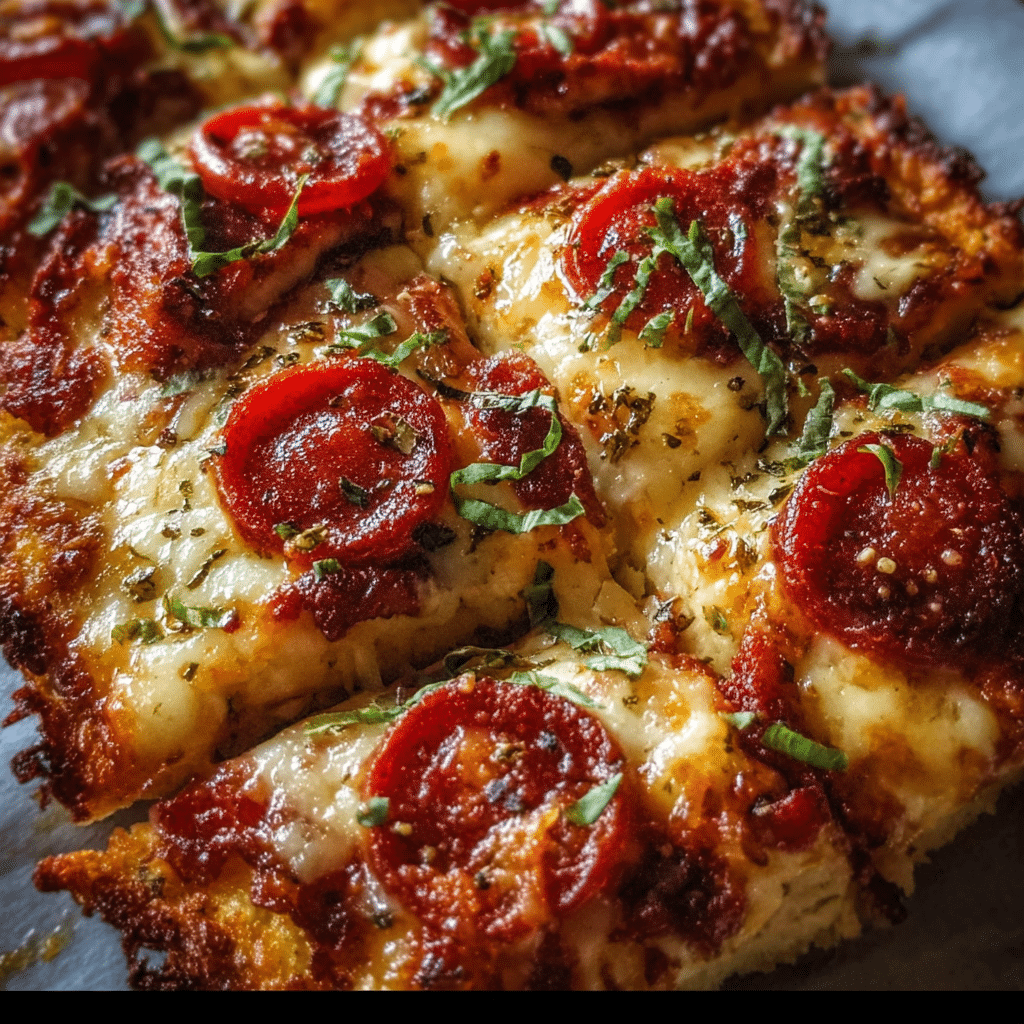
High-protein chicken crust is not just a trendy dish; it’s a culinary revelation that has transformed the way I approach pizza night at home. I’ll never forget the first time I stumbled upon this innovative recipe. It was a busy weeknight, and I found myself searching for something that would satisfy my cravings for pizza while keeping my family’s health in mind. As a self-proclaimed pizza enthusiast, I was skeptical at first—how could chicken replace dough? But the moment I took that first bite of my homemade high-protein chicken crust pizza, I was hooked. The savory flavors, the satisfying texture, and the knowledge that I was serving up something nutritious to my family made it an instant favorite.
The Story Behind This Recipe
Let me take you back to that evening when I decided to explore this uncharted territory in my kitchen. I had a few leftover chicken breasts and a craving for pizza that wouldn’t quit. I was scrolling through social media when I came across a tantalizing post showcasing a high-protein chicken crust. The concept intrigued me: using shredded chicken mixed with cheese and seasonings to create a crust that was both gluten-free and packed with protein. I couldn’t resist trying it out!
After a bit of experimentation, adjusting the cheese ratio and adding some spices to enhance the flavor, I finally nailed it. The first slice was a revelation; it was as if I had been missing out on a whole new world of pizza possibilities! My family loved it too, and we now have a tradition of making high-protein chicken crust pizza on busy weeknights, allowing us to gather around the table for a healthy, delicious meal.
This dish is special because it provides a guilt-free alternative to traditional pizza. It’s perfect for busy families seeking quick dinner solutions without sacrificing taste or nutrition. The high-protein chicken crust is not only filling but also provides a way to sneak in more protein without the carbs that usually accompany pizza crusts. And let’s face it, who doesn’t love pizza? It’s universal comfort food, and this version allows you to indulge without the typical dietary remorse.
Seasonally, this dish is versatile; you can whip it up any time of year. In the summer, load it with fresh, seasonal vegetables and herbs from your garden or local farmers’ market. In the winter, add hearty toppings like roasted vegetables or a warm marinara sauce. The emotional connection to this dish runs deep for me, as it represents family bonding time, creativity in the kitchen, and a healthier lifestyle choice.
In this article, you’ll learn everything there is to know about high-protein chicken crust pizza. From its cultural significance and nutritional benefits to recipe variations and tips for perfecting your crust, I promise you’ll be inspired to try it for yourself. So, roll up your sleeves and get ready to discover how this innovative dish can elevate your pizza nights!
The Rich History and Cultural Significance of high-protein chicken crust
The rich history and cultural significance of high-protein chicken crust pizza may not be as widely recognized as traditional pizza recipes, but it carries its own unique charm. This innovative dish has gained popularity in recent years, particularly among health-conscious eaters and those following low-carb or gluten-free diets. Its origins can be traced back to the growing movement towards healthier eating and the desire to create alternatives to traditional pizza crusts, which are typically high in carbohydrates and low in protein.
Origins and History
While the exact origin of using chicken as a pizza crust is difficult to pinpoint, it is believed to have gained traction in the early 2000s alongside the rise of low-carb diets such as Atkins and Paleo. These diets encouraged the consumption of protein-rich foods while limiting carbohydrates, which led to creative culinary adaptations. Shredded chicken, mixed with cheese and egg, emerged as the star ingredient that could mimic the texture of traditional crust while offering a nutritious twist.
Regional variations of the high-protein chicken crust have begun to develop as more people experiment with flavors and ingredients. For example, in the southern United States, you might find this dish infused with spices like Cajun seasoning or served with a spicy dipping sauce. Meanwhile, in urban centers with diverse culinary influences, you may encounter versions topped with exotic ingredients, such as sriracha or avocado, making it a fusion dish that appeals to modern palates.
Cultural Significance
High-protein chicken crust pizza has become a symbol of the shift towards healthy eating, representing a blend of tradition and modern dietary needs. In many households, it serves as a weeknight staple that allows families to come together over a shared meal, regardless of their differing dietary restrictions. It’s not just about the food; it’s about creating memories, sharing laughter, and enjoying the process of cooking together. Many families have embraced this dish as a healthier alternative that still brings the joy of pizza night into their homes.
Additionally, the dish has found its way into fitness communities, where it is often shared as a post-workout meal. Many athletes and fitness enthusiasts have taken to social media to showcase their own versions, creating a community around this innovative dish. You might see it featured in meal prep blogs or fitness magazines, emphasizing its nutritional benefits and versatility.
Nutritional Benefits
Speaking of nutrition, the high-protein chicken crust is a powerhouse of health benefits. Chicken, as a primary ingredient, is a lean source of protein that supports muscle growth and repair, making it an excellent choice for anyone trying to maintain a balanced diet. Additionally, the cheese adds calcium and healthy fats, while the potential toppings—such as vegetables and healthy sauces—contribute a range of vitamins and minerals.
For families looking to incorporate more protein into their diets without the extra carbs, this dish is a game-changer. It allows you to enjoy the flavors of pizza without compromising on your health goals. Plus, with the ability to customize toppings, you can cater to various preferences and dietary restrictions, ensuring that everyone at the table finds something they love.
In summary, high-protein chicken crust pizza is more than just a meal; it’s a celebration of creativity in the kitchen, a testament to the evolving nature of food culture, and a delicious way to bring families together. As you explore this dish further, you’ll uncover the endless possibilities it presents, both nutritionally and culinarily.
Essential Ingredients for Perfect high-protein chicken crust
When it comes to creating a delicious high-protein chicken crust pizza, the choice of ingredients is crucial. The combination of ground chicken, eggs, and cheese not only provides a satisfying texture but also boosts the overall protein content of your meal. Let’s explore the essential ingredients that make this pizza crust not just healthy but also incredibly tasty.
Essential Ingredients
- 450 g (1 lb) ground chicken: The star of the show! Ground chicken is a lean protein source that forms the base of our high-protein chicken crust. When selecting ground chicken, look for fresh meat with a pink hue and minimal fat. Avoid any packages that appear gray or have an off smell. Ground chicken can be easily found at your local grocery store or butcher.
- 2 eggs: Eggs serve as a binding agent in this recipe, helping to hold the chicken together while adding richness. When choosing eggs, opt for organic or free-range varieties whenever possible, as they are often fresher and richer in flavor. Check for a clean shell and a sell-by date.
- 1/2 cup shredded parmesan cheese: Parmesan cheese not only adds flavor but also aids in achieving a crispy texture. Aged parmesan is best for this purpose. Look for blocks of parmesan that you can shred yourself for a fresher taste. Store it in the fridge and use it within a week for optimal flavor.
- 1 tsp garlic powder: This ingredient brings an aromatic flavor that complements the chicken beautifully. Garlic powder is a pantry staple, but fresh garlic can also be used for a more robust taste. If using fresh, remember that one clove equals about 1/8 teaspoon of garlic powder.
- 1 tsp dried oregano: Oregano adds a wonderful herbal note that is quintessential in Italian cuisine. Make sure to buy high-quality dried herbs, as they can lose potency over time. Store them in a cool, dark place to maintain their flavor.
- 1/2 tsp salt: Salt enhances the flavors of all the ingredients. Use kosher salt or sea salt for better texture and flavor distribution.
- 1/2 tsp black pepper: Freshly ground black pepper adds a subtle heat to your crust. Invest in a pepper mill for the freshest taste.
- 1 cup pizza sauce: The sauce can be homemade or store-bought, but I always lean towards homemade for the freshest taste. Look for sauces with minimal additives and a rich tomato flavor.
- 2 cups shredded mozzarella cheese: Mozzarella is essential for that gooey, cheesy goodness. Opt for whole milk mozzarella for a richer flavor. Shred it yourself for the best meltability.
- 1 cup pepperoni slices: This classic topping adds a savory kick. You can find turkey or plant-based versions if you’re looking for alternatives.
- 1/2 cup chopped green onions: These provide a fresh crunch and a burst of color. Choose green onions with firm green tops for the best flavor.
- Hot honey (for drizzling): A drizzle of hot honey offers a sweet and spicy finish that balances the savory elements of the pizza. Look for artisanal brands or make your own by infusing honey with chili flakes.
- Fresh basil leaves (for garnish): Basil brings a fragrant, herbal note that brightens the dish. Use fresh basil rather than dried for a more vibrant flavor.
High-Protein Chicken Crust Pizza
Ingredients
For the Chicken Crust
- 450 g (1 lb) ground chicken
- 2 eggs
- 1/2 cup shredded parmesan cheese
- 1 tsp garlic powder
- 1 tsp dried oregano
- 1/2 tsp salt
- 1/2 tsp black pepper
Toppings
- 1 cup pizza sauce
- 2 cups shredded mozzarella cheese
- 1 cup pepperoni slices
- 1/2 cup chopped green onions
- Hot honey (for drizzling)
- Fresh basil leaves (for garnish)
Instructions
- Preheat your oven to 400°F (200°C). Line a baking sheet with parchment paper.
- In a large bowl, mix together the ground chicken, eggs, parmesan cheese, garlic powder, oregano, salt, and pepper until well combined.
- Transfer the mixture to your prepared baking sheet. Use a silicone spatula to spread it out into a thin, even rectangle or square—about ¼ to ½ inch thick.
- Place the baking sheet in the oven and bake for 25 minutes. Remove from the oven and let it rest on the pan for 5 minutes to firm up.
- Increase oven temperature to 425°F (220°C). Spread the pizza sauce evenly over the crust, followed by the mozzarella, pepperoni, and green onions.
- Return to the oven and bake for 10 more minutes, or until the cheese is bubbly and melted. For a golden finish, broil for 1–2 minutes—but watch closely so it doesn’t burn!
- Drizzle with hot honey and scatter fresh basil leaves over the top. Slice and enjoy!
Shopping Tips
When shopping for your high-protein chicken crust ingredients, freshness is key. Visit your local farmers’ market for the freshest vegetables and herbs. For meat, if possible, choose a butcher who sources from local farms. This not only supports local agriculture but often results in better quality meat. For cheese, artisan shops often have better options than mass-produced brands. Don’t forget to check for seasonal ingredients, especially herbs like basil; they’re typically at their peak during the summer months.
Substitutions and Alternatives
Dietary restrictions should not keep you from enjoying a delightful pizza experience. If you’re looking for alternatives to ground chicken, consider using ground turkey or even a plant-based ground meat substitute for a vegetarian option. Eggs can be replaced with flaxseed meal (1 tablespoon of flaxseed meal mixed with 2.5 tablespoons of water equals one egg) for a vegan crust. For cheese, nutritional yeast can provide a cheesy flavor without the dairy. If you’re gluten-sensitive, ensure your pizza sauce does not contain gluten and that all other ingredients are certified gluten-free.
With these ingredients in hand, you’ll be well-equipped to create a high-protein chicken crust pizza that not only satisfies your cravings but also supports your health goals. Cooking is about experimenting, so feel free to adjust these ingredients to suit your preferences. Happy cooking!
Detailed Step-by-Step high-protein chicken crust Cooking Instructions
Detailed Step-by-Step High-Protein Chicken Crust Cooking Instructions
Now that you have gathered all your ingredients, it’s time to transform them into a delightful high-protein chicken crust pizza! This process is straightforward, but attention to detail will elevate your dish to new heights. Let’s dive into the cooking process step-by-step.
Preparation Steps
- Preheat Your Oven: Start by preheating your oven to 400°F (200°C). This ensures that your pizza crust will bake evenly and reach that perfect golden brown color.
- Prepare Your Baking Sheet: Line a baking sheet with parchment paper or a silicone baking mat. This will prevent the crust from sticking and make for easy cleanup.
- Gather Your Tools: For this recipe, you’ll need a large mixing bowl, a spatula, measuring cups, and a baking sheet. If you have a food processor, it can be handy for mixing the chicken and ingredients.
- Prep the Chicken: In your large mixing bowl, add the ground chicken. Be sure to break it up into smaller pieces to mix more evenly with the other ingredients.
- Crack the Eggs: Crack the eggs directly into the bowl with the ground chicken. This will help bind the ingredients together. If you’re using flaxseed meal as a substitute, prepare it now and add it to the bowl.
- Add the Dry Ingredients: Sprinkle in the parmesan cheese, garlic powder, oregano, salt, and pepper. Mixing these dry ingredients with the chicken and eggs will ensure an even distribution of flavors.
- Mix It Up: Using your hands (this is the best way to ensure everything is well combined), mix the ingredients together until you have a uniform mixture. Make sure there are no dry spots of chicken or clumps of cheese.
- Shape the Crust: Transfer the mixture onto your prepared baking sheet. With your hands, spread it out into a circular shape, about 1/2 inch thick. This will be your pizza crust, so make sure the edges are slightly thicker to hold the toppings later.
Cooking Process
- Bake the Crust: Place your baking sheet in the preheated oven and bake for about 15-20 minutes. Keep an eye on it; you want the crust to turn golden brown and firm to the touch. This is a crucial step as it sets the foundation for your pizza.
- Check for Doneness: After about 15 minutes, take a peek. The edges should be crisp, and the center should no longer be wet. A good test is to gently press the crust with a spatula – it should feel solid.
- Add the Pizza Sauce: Once the crust is baked, remove it from the oven. Spread the pizza sauce evenly over the crust, leaving a small border around the edges. This will keep your crust crispy.
- Layer with Cheese and Toppings: Sprinkle the shredded mozzarella cheese generously over the sauce, followed by the pepperoni slices. Feel free to add more toppings if you desire, like bell peppers or mushrooms.
- Return to the Oven: Place the pizza back into the oven and bake for an additional 10-15 minutes. You want the cheese to be bubbly and golden brown, which adds to the overall visual appeal of your pizza.
Final Assembly
- Garnish: Once your pizza is out of the oven, drizzle hot honey over the top for a sweet and spicy kick. This step is optional, but it adds a fantastic flavor dimension.
- Add Fresh Herbs: Scatter fresh basil leaves over the pizza for a pop of color and freshness. It’s best to add them after baking to retain their vibrant green color and aromatic flavor.
- Slice and Serve: Allow the pizza to cool for a few minutes before slicing. This will make it easier to cut and will help the cheese set slightly. Serve hot and enjoy your delicious high-protein chicken crust pizza!
This entire process takes about 30 minutes, from prep to plating, and it’s well worth the time spent. Cooking is not just about feeding yourself; it’s about enjoying the journey, the smells, and the flavors that come together to create something truly delicious. Don’t be afraid to experiment with the toppings, and remember, the best pizzas are the ones made with love and creativity. Enjoy your culinary adventure!
Professional Tips and Techniques for high-protein chicken crust
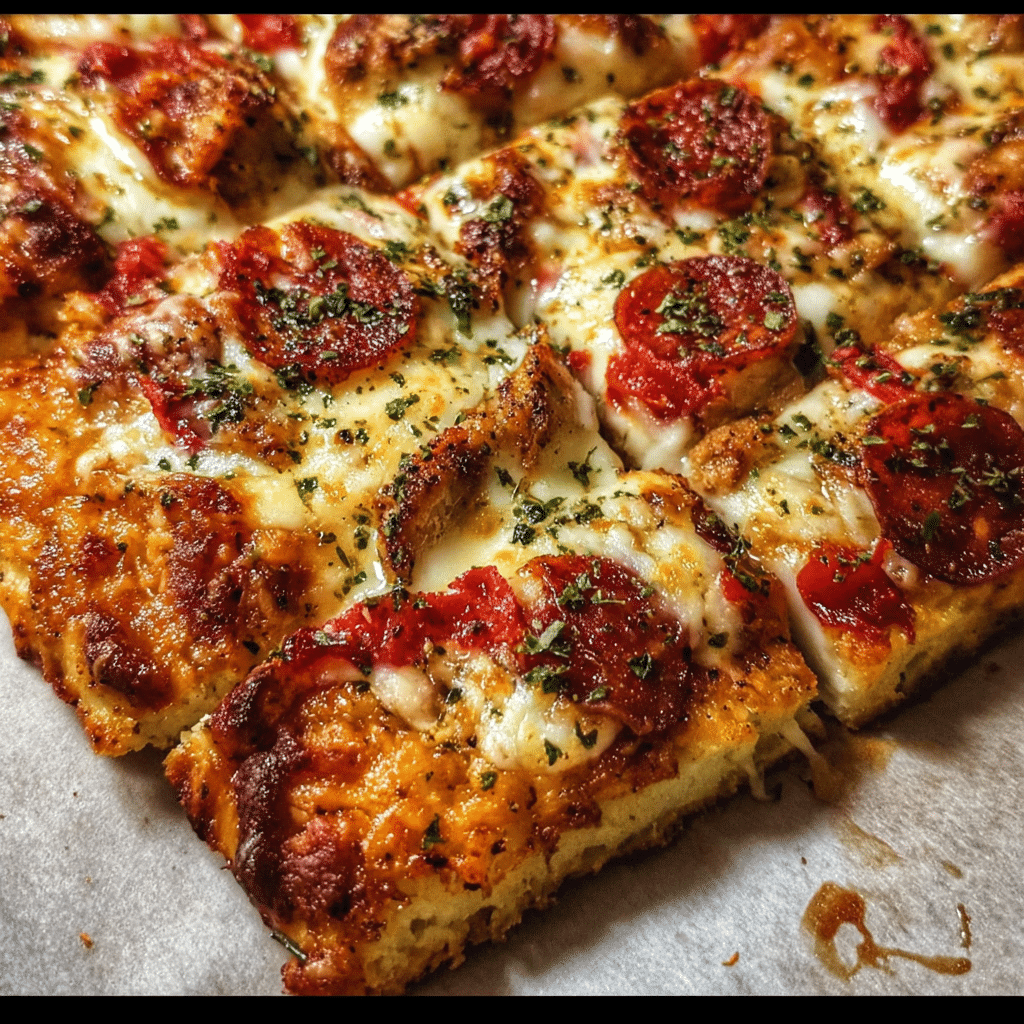
When it comes to creating a delicious high-protein chicken crust pizza, having the right techniques and insider knowledge can elevate your dish from good to extraordinary. These professional tips and tricks will not only make your cooking experience smoother but also ensure that you achieve a beautifully textured crust that is packed with flavor and nutrition.
Professional Techniques
First things first, let’s discuss the primary ingredient: chicken. For a high-protein chicken crust, using ground chicken is ideal. It allows you to easily mix in seasonings and binders, creating a pliable dough that holds its shape. When selecting your ground chicken, opt for lean cuts, as they will yield a healthier crust without sacrificing flavor. If you can, grind your chicken at home using a food processor. This allows you to control the texture and freshness.
Next, let’s talk about binding agents. While some recipes suggest using breadcrumbs or flour, we prefer alternatives that keep the dish gluten-free and low-carb. Adding shredded mozzarella cheese and an egg can help bind the chicken while also contributing to the flavor. The key is to mix the ingredients just enough to combine them without overworking the dough, which can lead to a tough crust.
Texture is crucial for a high-protein chicken crust. To achieve a crispy base, pre-bake the crust before adding your toppings. This step ensures that the moisture evaporates, giving you that crunchy, golden-brown finish. Aim for a baking temperature of around 400°F (200°C) and keep an eye on it to avoid over-baking.
Troubleshooting Guide
Even with the best intentions, cooking can sometimes present unexpected challenges. Here are some common issues you might encounter when making a high-protein chicken crust, along with solutions to resolve them.
- Crust Too Wet: If your mixture is too wet, it can lead to a soggy crust. To remedy this, add a bit more shredded cheese or some almond flour to absorb excess moisture. You can also try squeezing out moisture from any vegetables mixed into the dough.
- Crust Falling Apart: If your crust doesn’t hold together, it likely needs more binding agents. An additional egg or some grated cheese can help create a more cohesive structure.
- Crust Too Dry: On the flip side, if your crust is dry, it could be due to overbaking. Keep an eye on the timer and remove it from the oven as soon as it turns golden brown. You might also want to brush a little olive oil on top before baking to enhance moisture and flavor.
Equipment Recommendations
To create the perfect high-protein chicken crust, having the right tools can make all the difference. Here are some essential kitchen tools you should consider:
- Food Processor: For grinding chicken or mixing ingredients quickly and efficiently.
- Baking Sheet or Pizza Stone: A sturdy baking sheet or a pizza stone can help distribute heat evenly, ensuring a perfectly cooked crust.
- Parchment Paper: Lining your baking sheet with parchment paper can prevent sticking, making it easier to remove the crust once baked.
- Measuring Cups and Spoons: Accurate measurements are key when it comes to mixing ingredients for your high-protein chicken crust.
Make-Ahead and Meal Prep Strategies
One of the best aspects of a high-protein chicken crust pizza is its meal-prepping potential. You can prepare the crust in advance and store it for later use. After forming the crust, allow it to cool completely, then wrap it tightly in plastic wrap or foil and freeze. When you’re ready to use it, simply thaw it in the refrigerator overnight and bake as directed.
Additionally, consider making a double batch of the crust. You can quickly freeze the second crust for a hassle-free meal later in the week. Top it with your favorite ingredients, and you’ll have a delicious, healthy pizza ready in no time!
Presentation Tips
Presentation is key when it comes to impressing your guests or family with your high-protein chicken crust pizza. Here are a few suggestions:
- Garnish: A sprinkle of fresh herbs like basil or parsley can add a pop of color and freshness to your dish.
- Slice Evenly: Use a sharp pizza cutter or knife to slice your pizza into equal pieces for a more polished look.
- Serving Plate: Consider using a wooden pizza board for a rustic presentation, or a sleek white plate to let the colors of your toppings shine.
Wine and Beverage Pairings
Finally, let’s not forget about the perfect beverage to accompany your high-protein chicken crust pizza. A light-bodied red wine, such as Pinot Noir, complements the savory flavors of the chicken and toppings beautifully. If you prefer a white wine, a crisp Sauvignon Blanc can also be a delightful pairing.
For non-alcoholic options, consider serving your pizza with a refreshing sparkling water infused with lemon or a light herbal iced tea. These drinks can cleanse the palate and balance the richness of the crust and toppings.
In summary, creating a high-protein chicken crust pizza involves a blend of proper techniques, troubleshooting skills, and thoughtful presentation. With these professional tips, you’re well-equipped to make a delicious, nutritious pizza that will satisfy your cravings and impress your guests.
Creative Variations and Adaptations of high-protein chicken crust
The beauty of high-protein chicken crust pizza lies not only in its nutritious benefits but also in its incredible versatility. This pizza base can serve as a canvas for a myriad of culinary creations, allowing you to explore flavors from around the world and tailor the dish to meet your dietary preferences. Let’s delve into some creative variations and adaptations that can take your high-protein chicken crust to new heights.
Seasonal Variations
One of the most enjoyable aspects of cooking is adapting recipes to feature seasonal ingredients. In the spring, consider using fresh asparagus and cherry tomatoes as toppings, perhaps drizzled with a balsamic glaze for a touch of sweetness. Summer brings a bounty of vegetables like zucchini and bell peppers, which can be grilled for added flavor. In the fall, roasted butternut squash and sage can create a warm, comforting pizza, while winter calls for hearty toppings like sautéed mushrooms or kale.
When using seasonal ingredients, not only do you enhance the flavor of your high-protein chicken crust pizza, but you also support local farmers and enjoy fresher produce. Each season invites a unique combination of tastes that can make your pizza feel special and tailored to the time of year.
Dietary Adaptations
With the rising interest in specialized diets, it’s essential to consider how to modify your high-protein chicken crust pizza to accommodate various dietary needs. For those following a keto diet, the low-carb chicken crust is already a perfect fit. You can enhance it by using high-fat cheeses and low-carb vegetables as toppings.
If you’re catering to gluten-free eaters, the chicken crust naturally meets this requirement. However, if you want to switch things up, consider experimenting with alternative flours made from almond or coconut for a different texture or flavor.
For vegan adaptations, while you can’t have chicken, you can create a similar crust using chickpeas or lentils as the base. Combining these legumes with spices and nutritional yeast can yield a protein-packed alternative that’s both delicious and filling. Topping this crust with cashew cheese or a plethora of vegetables can make a satisfying vegan pizza experience.
Creative Twists
Don’t be afraid to think outside the box when it comes to toppings for your high-protein chicken crust pizza. Why not explore international flavors? A Mediterranean-inspired pizza with feta, olives, and artichokes can transport your taste buds straight to the coast of Greece. Alternatively, a spicy Mexican-style pizza topped with chorizo, jalapeños, and avocado brings a kick of flavor that is hard to resist.
You can also adjust the spice level to suit your palate. If you like heat, try adding crushed red pepper flakes or a drizzle of sriracha before serving. For something milder, consider using fresh herbs like cilantro or basil to brighten up the dish.
Different Cooking Methods
While baking in the oven is the most common method for cooking high-protein chicken crust pizza, there are plenty of other techniques to consider. You can grill your pizza outdoors for a smoky flavor that infuses the crust with depth. Just be sure to use a grill-safe pizza stone or a cast-iron skillet to prevent sticking.
If you’re short on time, you can also use a stovetop method. Start by cooking the crust in a skillet over medium heat until it starts to set, then add your toppings and cover to allow the cheese to melt. This method results in a beautifully crispy crust while keeping the toppings warm and gooey.
Leftover Transformation Ideas
If you find yourself with leftover high-protein chicken crust pizza, don’t let it go to waste! There are so many creative ways to repurpose it. Consider chopping the cold pizza into bite-sized pieces and tossing them into a salad for a protein-packed lunch. Alternatively, you can crumble the leftover crust into a frittata or breakfast scramble for a hearty morning meal.
Another fun idea is to transform your pizza into a savory breakfast sandwich. Just cut a slice of your chicken crust pizza, add a fried egg on top, and maybe some avocado for a delicious start to your day.
In conclusion, the possibilities for your high-protein chicken crust pizza are endless. From seasonal adaptations to dietary modifications and creative twists, you can easily customize this dish to fit your preferences and the ingredients you have on hand. Enjoy experimenting with flavor combinations and cooking techniques; your taste buds will thank you!
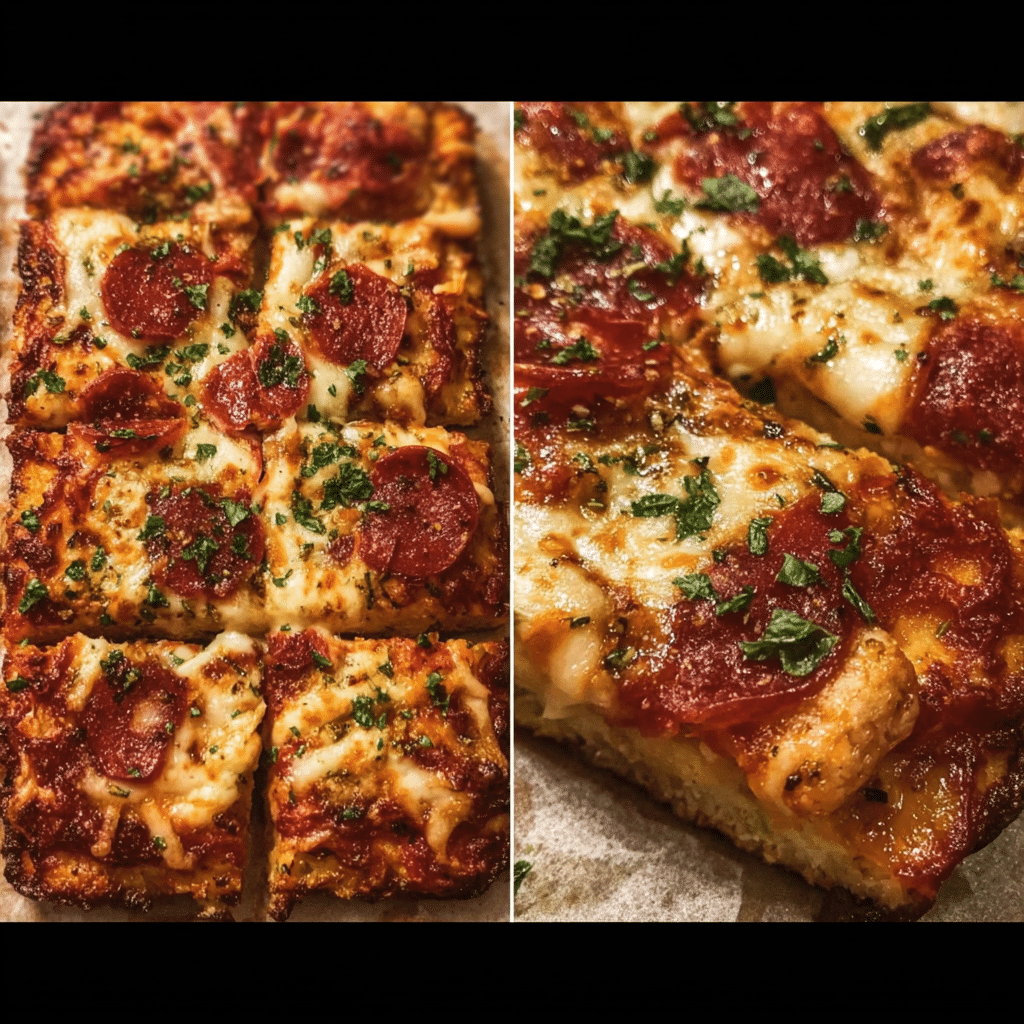
Storage, Reheating, and Meal Prep for high-protein chicken crust
When you’ve whipped up a delicious high-protein chicken crust pizza, the last thing you want is for it to go to waste. Knowing how to properly store and reheat your culinary creation can extend the life of your meal and maintain its delightful flavors and textures. Let’s dive into all the ins and outs of storage, meal prep, and reheating, ensuring that your homemade pizza remains as scrumptious as the day it was made.
Short-term Storage
After you’ve enjoyed your high-protein chicken crust pizza, you might find yourself with leftovers. The first step in short-term storage is to let your pizza cool to room temperature. Storing hot food can create condensation in the container, which leads to sogginess, and nobody wants that! Once cooled, slice the pizza into portions for easy access later. I often use a pizza cutter for this job—it makes slicing so much easier!
For refrigerator storage, opt for airtight containers. Glass containers with snap-on lids work wonderfully since they don’t absorb odors and are easy to clean. If you don’t have these, plastic wrap can also be effective. Wrap each slice tightly in plastic wrap and then place them in a resealable plastic bag. This layering helps to lock in moisture while preventing the pizza from absorbing other flavors from the fridge.
Your high-protein chicken crust pizza will typically last for about 3 to 4 days in the refrigerator. However, the quality may start to decline after day two, so I suggest eating it sooner rather than later. You can also use a marker or label to note the date you made it, making it easier to keep track of when it needs to be consumed.
Freezing and Long-term Storage
If you want to keep your high-protein chicken crust pizza for a longer period, freezing is the way to go! Freezing is a great option for those busy weeks when you anticipate not having time to cook. To freeze, first make sure your pizza is completely cooled, as previously mentioned. Then, wrap each slice in plastic wrap. After that, place the wrapped slices in a freezer-safe bag or container, ensuring you expel as much air as possible before sealing. This is crucial as it helps prevent freezer burn, which can ruin the taste and texture of your pizza.
When properly stored, your pizza can last for up to three months in the freezer. However, for the best quality, I recommend consuming it within one month. Remember to label your bags with the date so you can keep track of how long they’ve been stored. I often find myself doing this, especially when I batch cook several meals at once!
Reheating Best Practices
When it comes to reheating your high-protein chicken crust pizza, there are a few methods that work wonders at maintaining the quality of your meal. The microwave is the quickest option, but it can often make the crust rubbery. Instead, consider using the oven or a skillet for the best results.
To reheat in the oven, preheat it to 375°F (190°C). Place the pizza slices on a baking sheet lined with parchment paper and cover it loosely with aluminum foil. The foil helps to keep moisture in while preventing the crust from getting too hard. Heat for about 10-15 minutes or until the cheese is bubbly and the crust is warm.
If you prefer the stovetop method, heat a skillet over medium heat. Place a slice in the skillet and cover it with a lid. This allows the cheese to melt while the crust crisps up nicely. Heat for about 5-7 minutes, checking occasionally to make sure it doesn’t burn.
In terms of food safety, always ensure that your pizza is heated to an internal temperature of 165°F (74°C) before consuming. This is especially important to keep any harmful bacteria at bay.
By practicing proper storage and reheating techniques, you can enjoy your high-protein chicken crust pizza well beyond its original serving. Whether you’re meal prepping for a busy week or just ensuring your leftovers last, these tips will help you savor every bite!
Nutritional Benefits and Health Information
The high-protein chicken crust pizza is not just a culinary innovation; it’s a nutritional powerhouse that can fit seamlessly into various diets. As someone who is always looking for healthier meal options, I was thrilled to discover just how beneficial this pizza can be. Let’s explore the nutritional benefits, health information, and how it fits into a balanced diet.
Nutritional Profile
The base of a high-protein chicken crust pizza is naturally high in protein due to the use of ground chicken, making it a great alternative to traditional pizza crusts that are often high in carbohydrates and low in protein. A typical serving of this pizza (one slice) can contain approximately 20-25 grams of protein, depending on the ingredients used. This is a significant increase compared to traditional pizza, which usually has about 8-10 grams of protein per slice.
The calorie content can vary, but generally, one slice of a high-protein chicken crust pizza ranges from 150 to 220 calories, making it a filling yet light meal option. This pizza crust is also low in carbohydrates, which is appealing for those following low-carb or ketogenic diets. The fats present mainly come from the cheese and any added toppings, allowing for healthy modifications based on personal dietary needs.
Health Benefits
One of the standout features of the high-protein chicken crust is the health benefits associated with its key ingredients. Ground chicken is an excellent source of lean protein, which is essential for muscle repair and growth. It’s lower in saturated fat compared to beef or pork, making it a heart-healthy option.
In addition to protein, chicken is rich in essential vitamins and minerals, such as B vitamins, iron, and zinc. These nutrients are crucial for various bodily functions, including energy production and immune system support. When you layer your pizza with fresh vegetables as toppings, you enhance the dish’s nutritional profile even further. Vegetables like bell peppers, spinach, and mushrooms add fiber, vitamins A and C, and antioxidants, making your meal not just tasty but also nourishing.
Dietary Considerations
For those with dietary restrictions, the high-protein chicken crust pizza can be easily customized. It’s gluten-free, making it suitable for individuals with celiac disease or gluten intolerance. You can also modify the recipe to suit dairy-free diets by using plant-based cheese or omitting cheese altogether. If you’re watching your sodium intake, consider using low-sodium chicken and controlling the amount of salt in your seasoning.
People following a ketogenic diet will find this pizza particularly appealing, as it allows them to indulge in a pizza night without straying from their dietary goals. For those on a paleo diet, using organic, free-range chicken adds to the nutritional integrity of the meal.
In comparison to traditional pizza, the high-protein chicken crust pizza shines in various aspects. Not only does it provide significantly more protein, but it also has lower carbohydrates and calories, making it a guilt-free option for pizza lovers. You can enjoy a slice (or two) without the post-meal sluggishness often associated with regular pizza.
In conclusion, the high-protein chicken crust pizza is more than just an inventive twist on a classic dish; it’s a nourishing meal that can fit into many dietary lifestyles. With its protein-packed crust, nutrient-rich toppings, and customizable nature, it stands out as a healthy alternative that allows you to enjoy pizza without the guilt. So, next time you’re craving a slice, consider making a high-protein chicken crust pizza, and you won’t be disappointed!