High protein pepperoni has become a beloved staple in my kitchen, and it all started on a busy weeknight when I was scrambling to find a quick yet satisfying meal for my family. I remember standing in front of the fridge, contemplating my options, when a light bulb went off! Why not create something that combines the classic flavors of pepperoni pizza with the convenience of a roll? That night, I crafted my very first batch of high protein pepperoni pizza rolls, and my family couldn’t get enough of them. With each bite, I knew I had stumbled upon a fantastic fusion of taste and nutrition.
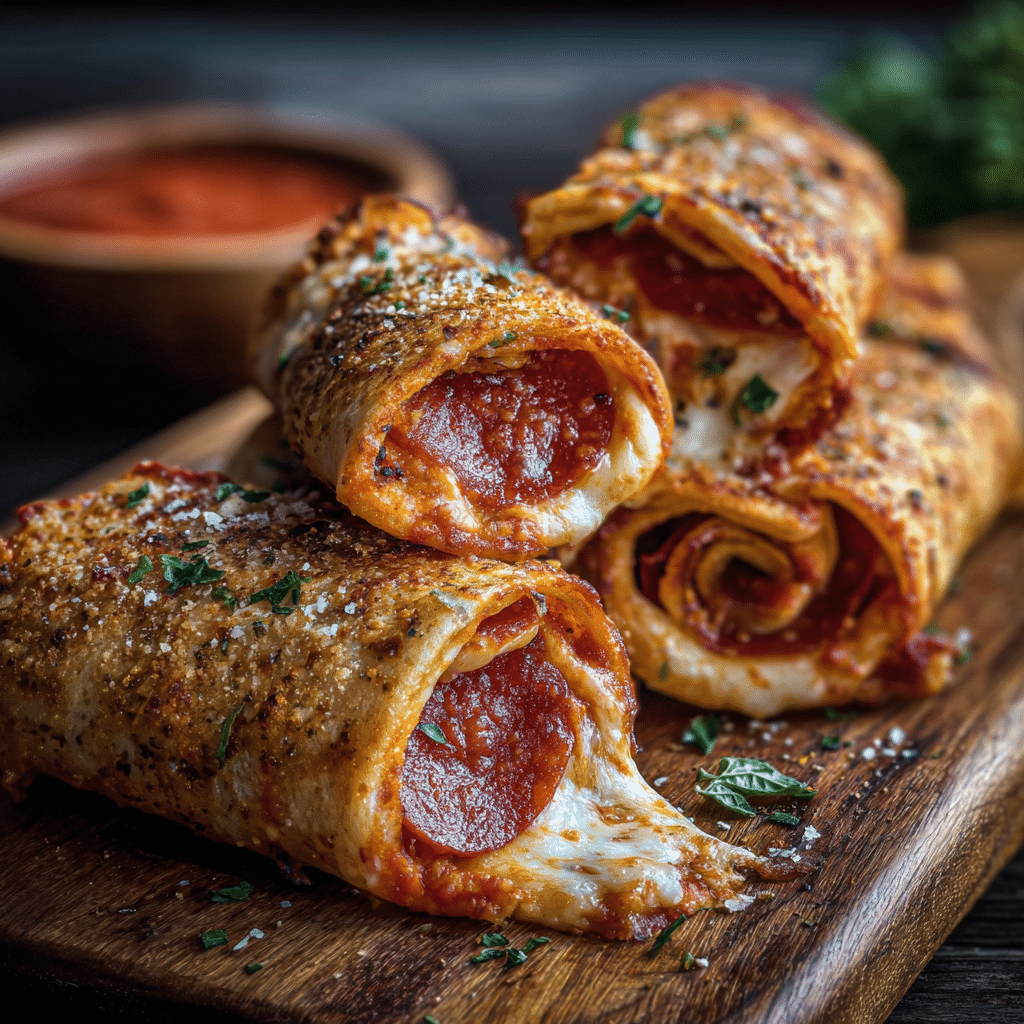
This recipe is not just about convenience; it’s also steeped in cultural significance. Originating from the Italian-American community, pepperoni has long been a favorite pizza topping in the United States. The combination of seasoned meat with rich, gooey cheese and a crispy crust creates an irresistible dish that resonates with many people, including myself. Growing up, pizza nights were a family tradition, a time when we would gather around the table with laughter and stories. The high protein pepperoni pizza rolls pay homage to those cherished memories while adding a modern twist that fits our busy lifestyle.
The Story Behind This Recipe
As a working parent, I often find myself racing against the clock. It’s a juggling act of school runs, work commitments, and trying to maintain a semblance of order at home. When I first conceived the idea for high protein pepperoni pizza rolls, I was looking for something that would not only satisfy my family’s cravings but also provide them with the nutrition they need. These rolls are unique because they are not just filled with pepperoni; they are packed with high-protein ingredients like cottage cheese or Greek yogurt, which elevate the nutritional value significantly. It’s like sneaking in a protein boost without compromising on flavor!
What sets this recipe apart from traditional pepperoni rolls is its adaptability. You can customize the filling to include vegetables or different types of cheese, making it perfect for picky eaters. Not only do these rolls deliver on taste, but they also cater to the health-conscious, which is a win-win in my household.
Why You’ll Love This Dish
High protein pepperoni pizza rolls are the ideal solution for busy families. They can be prepared in advance and frozen, making them a quick dinner option or an easy snack after school. Just pop them in the oven, and within minutes, you’ll have a delectable meal that everyone will love. The aroma of the rolls baking in the oven takes me back to my childhood, reminding me of the times I spent in my grandmother’s kitchen, where food was always the centerpiece of our gatherings.
These rolls are also versatile! You can serve them at parties, game nights, or even as a fun lunch option. With football season around the corner, they are perfect for tailgating or watching the big game with friends. The portable nature of high protein pepperoni pizza rolls means you can take them anywhere, making them a hassle-free option for on-the-go families.
As the seasons change, this dish shines in various contexts. Whether it’s a cozy winter evening or a summer barbecue, high protein pepperoni pizza rolls can be adapted to fit the mood. You might even find that kids love them as a fun finger food at a birthday party or picnic. No matter the occasion, they bring joy and connection, reminding us of the importance of sharing meals together.
In this article, you will learn how to craft your own high protein pepperoni pizza rolls from scratch, along with tips for perfecting the recipe and variations to try. Whether you’re a seasoned cook or a kitchen novice, this guide will empower you to create a dish that not only satisfies but also nourishes. Let’s dive into the delicious world of high protein pepperoni!
The Rich History and Cultural Significance of high protein pepperoni
The rich history and cultural significance of high protein pepperoni can be traced back to its Italian roots, where cured meats have been a part of the culinary landscape for centuries. Pepperoni, as we know it today, is a uniquely American invention that emerged in the early 20th century, heavily influenced by Italian immigrants who sought to replicate their traditional flavors in a new land. The name “pepperoni” itself is derived from the Italian word “peperoni,” meaning bell peppers, although the American version is a spicy sausage made from a mixture of pork and beef, seasoned with paprika and other spices. It’s fascinating to see how a recipe can evolve over time, transforming from its original form to something that resonates with a new culture.
Origins and History
High protein pepperoni’s journey reflects a broader narrative of how food evolves through migration and cultural fusion. In the early 1900s, pizza began to gain popularity in the United States, particularly in cities like New York and Chicago. As pepperoni became a staple topping for pizzas, it also found its way into various other dishes, including the now-popular pepperoni rolls. These rolls are believed to have originated in West Virginia during the 1920s, created by Italian coal miners who needed a hearty meal that was easy to carry. The concept of stuffing dough with pepperoni and cheese became a convenient and delicious way to fuel their long workdays.
Over the years, variations of the classic pepperoni roll have emerged, with different regions of the U.S. putting their own spin on this beloved dish. In some areas, you may find them baked with additional ingredients like cheese or even vegetables, while others stick to the traditional filling. Regardless of the variation, the essence of the high protein pepperoni pizza roll remains the same: a delicious and satisfying snack or meal that brings people together.
Cultural Significance
High protein pepperoni pizza rolls have transcended their humble origins to become a beloved comfort food across the U.S. They are often served at family gatherings, sporting events, and celebrations, symbolizing togetherness and shared experiences. Their versatility makes them a favorite at potlucks and parties, where they can be enjoyed by both adults and children alike. For many families, including mine, these rolls are more than just food; they are a source of nostalgia and a way to connect with our roots.
As we look at the nutritional landscape of high protein pepperoni, it’s important to consider the health benefits that come with this dish. The high protein content, primarily from the pepperoni and any added ingredients like cheese or yogurt, makes these rolls a filling option that can keep you energized throughout the day. Protein is essential for muscle repair and growth, making it an excellent choice for active families. Additionally, by incorporating whole wheat dough or adding vegetables, you can further enhance the nutritional profile of these rolls, creating a balanced meal that is both satisfying and health-conscious.
Nutritional Benefits
High protein pepperoni pizza rolls aren’t just tasty; they also offer a range of nutritional benefits. When made with high-quality ingredients, these rolls can provide a substantial amount of protein per serving, making them an ideal choice for those looking to increase their protein intake. The combination of protein and carbohydrates from the dough provides sustained energy, making it a perfect option for busy days or after-school snacks.
Moreover, using lean pepperoni or alternative meats can help reduce saturated fat content, allowing you to enjoy the flavors you love without compromising your health. Additionally, by incorporating ingredients like spinach or bell peppers into the filling, you can add vitamins and minerals that further enhance the health benefits of the dish.
In conclusion, high protein pepperoni pizza rolls are a delicious representation of culinary evolution, rich in history and cultural significance. Whether you’re enjoying them at a family gathering or whipping them up for a quick weeknight dinner, they are sure to bring comfort and joy to your table. As we delve deeper into the recipe and its variations, you’ll discover how easy it is to create this delightful dish in your own kitchen!
Essential Ingredients for Perfect high protein pepperoni
When it comes to crafting the ultimate high protein pepperoni dish, the ingredients you choose can make all the difference. Each component not only contributes to the flavor and texture of the final product but also plays a crucial role in achieving that high protein content that keeps you feeling satisfied. In this section, we’ll dive deep into the essential ingredients needed for your high protein pepperoni pizza rolls.
Essential Ingredients
- 1 cup cottage cheese (I used full fat)
- 1 ½ cups all-purpose flour
- 2 teaspoons baking powder
- 1 teaspoon salt
- ½ cup pasta or pizza sauce
- 1 cup shredded mozzarella cheese (I shredded mine from a roll of buffalo mozzarella)
- ½ cup fresh chopped basil
Let’s break down why each of these ingredients is essential for your high protein pepperoni pizza rolls.
Print
High Protein Pepperoni Pizza Rolls
Ingredients
dough
- 1 cup cottage cheese I used full fat
- 1 ½ cups all purpose flour
- 2 teaspoons baking powder
- 1 teaspoon salt
toppings
- ½ cup pasta or pizza sauce
- 1 cup shredded mozzarella cheese I shredded mine from a roll of buffalo mozzarella
- ½ cup fresh chopped basil
Instructions
- Preheat oven to 350 degrees.
- Add cottage cheese to a food processor and blend until smooth. Although you can do this in a blender, I recommend a food processor as it will emulsify better.
- In a large bowl, mix together flour salt and baking powder. Then add in the blended cottage cheese and mix/knead until the flour and cottage cheese are fully combined.
- Coat a cutting board in a dusting of flour. Using a rolling pin (Wine bottle or another smooth bottle should work), roll dough into a rectangle that is about ½ inch thick.
-
Spread on sauce. Then top with cheese and basil. Roll up the dough jelly roll style. Then using a wet sharp knife cut the dough into 9-10 portions.
-
Add rolls to a sheet pan lined with parchment paper. Bake for 20-30 minutes until dough is cooked through.
-
Let rolls cool for 10-15 minutes and then dig in. Serve with extra marinara sauce if desired.
Cottage Cheese
Cottage cheese is the cornerstone of our high protein content. Not only does it deliver a whopping amount of protein per serving, but it also adds moisture and creaminess to the dough. When selecting cottage cheese, go for full-fat versions for richness; however, low-fat options will also work if you’re watching your calories. Look for curds that are plump and moist with a fresh aroma. If you find it difficult to use cottage cheese, Greek yogurt can be a suitable substitute.
All-Purpose Flour
All-purpose flour is what gives the pizza rolls their structure. It acts as the backbone of your dough. When shopping for flour, choose a brand that is finely milled and free from additives. If you’re looking for a healthier alternative, whole wheat flour can be used, but it might alter the texture slightly. To ensure your flour is fresh, check the expiration date on the bag, as older flour can affect the rise of your dough.
Baking Powder
Baking powder is a leavening agent that provides the necessary lift for your pizza rolls. It helps achieve a light and airy texture, which is essential for making your high protein pepperoni rolls fluffy. Always check the expiration date on your baking powder, as expired leavening agents won’t work effectively. For those looking for a gluten-free option, gluten-free baking powder is available and works just as well.
Salt
Salt is more than just a seasoning; it enhances all the flavors in your dish while also strengthening the gluten structure in your dough. Use kosher or sea salt for a more robust flavor, and be sure to measure accurately, as too much can overpower the dish. When cooking, consider using flavored salts, like garlic or herb salt, to add an extra layer of taste.
Pasta or Pizza Sauce
The sauce is where the magic happens! It adds moisture and a burst of flavor to your high protein pepperoni pizza rolls. You can use store-bought sauces or even make your own from fresh tomatoes, garlic, and herbs for a more authentic taste. When selecting a sauce, look for options that have fewer preservatives and ingredients. If you prefer a spicier kick, try a spicy marinara or arrabbiata sauce.
Shredded Mozzarella Cheese
Mozzarella cheese, particularly buffalo mozzarella, melts beautifully, creating that gooey, satisfying texture we all love in pizza. Shredding your own cheese from a block gives you better melting properties compared to pre-shredded varieties, which often contain anti-caking agents. Look for cheese that is fresh and has a soft texture. If you’re looking for a lower-fat option, part-skim mozzarella works well too.
Fresh Chopped Basil
Basil adds a beautiful aroma and freshness to your high protein pepperoni pizza rolls. It’s best to use fresh basil for its vibrant flavor, but dried basil can be used in a pinch. When shopping for fresh basil, look for bright green leaves without any wilting or browning. If you’re cooking in the winter months and fresh basil is hard to come by, consider growing your own on a windowsill; it’s surprisingly easy!
Shopping Tips
When it comes to sourcing these ingredients, local farmers’ markets are a treasure trove for fresh produce and dairy products. Not only do you support local businesses, but you also have the opportunity to ask questions about how the food is grown or made. For pantry staples like flour and baking powder, big-box stores usually offer the best prices. However, it’s often worth checking specialty stores for high-quality or organic options.
Substitutions and Alternatives
If you have dietary restrictions or simply want to try something different, there are several substitutions you can make without sacrificing flavor. For a dairy-free option, you can use almond or soy yogurt in place of cottage cheese and vegan cheese alternatives instead of mozzarella. For low-carb enthusiasts, consider using almond flour mixed with psyllium husk instead of all-purpose flour. Remember, however, that each change may slightly alter the texture and flavor of your high protein pepperoni pizza rolls.
In conclusion, each ingredient in your high protein pepperoni pizza rolls has a specific role that contributes to its success. By understanding these components, you’ll not only create a dish that’s delicious but also packed with the protein you crave.
Detailed Step-by-Step high protein pepperoni Cooking Instructions
Detailed Step-by-Step High Protein Pepperoni Cooking Instructions
Creating the perfect high protein pepperoni pizza rolls is not just a cooking task; it’s an experience. From preparing the ingredients to savoring that first bite, every step brings you closer to a delightful dish that’s loaded with flavor and nutrition. Below, I’ll guide you through each step of the process, ensuring that you have all the tips and tricks needed to create a successful batch of these delicious rolls.
Preparation Steps
Before diving into the cooking process, it’s crucial to prepare your workspace and ingredients. This step, known as mise en place, is a French culinary term meaning “everything in its place.” It helps ensure a smooth cooking experience and minimizes the chances of forgetting an ingredient. Here’s how to prepare:
- Gather all your ingredients and equipment. You’ll need mixing bowls, measuring cups, a baking sheet, parchment paper, and a spatula.
- Preheat your oven to 375°F (190°C) to ensure it’s ready when your rolls are assembled.
- In a large mixing bowl, combine your dry ingredients: all-purpose flour, baking powder, and salt. Whisk them together until well combined, ensuring there are no lumps.
- In another bowl, take your cottage cheese and use a fork or a whisk to break it down slightly. This helps it blend better into the dough later.
- Chop your fresh basil finely and set it aside. Fresh herbs add a pop of flavor that really elevates the dish.
Cooking Process
Now that everything is prepared, it’s time to mix and bake. The magic happens in this part of the process, so pay close attention to the details!
- Gradually add the cottage cheese to the flour mixture, stirring gently as you do so. The goal is to combine the wet and dry ingredients without overmixing, which can lead to tough dough.
- Once combined, fold in the shredded mozzarella cheese and chopped basil. You want a uniform mixture, but handle it gently to maintain the cheese’s texture.
- At this point, the dough will be somewhat sticky. If it’s too wet to handle, sprinkle a little extra flour onto your work surface.
- Transfer the dough onto a floured surface and knead it gently for about 1-2 minutes until it becomes smooth and slightly elastic. Don’t over-knead; you’re just looking for a cohesive dough.
- Roll out the dough into a rectangle about ¼ inch thick. Use a rolling pin, and don’t be afraid to sprinkle a bit more flour if it sticks.
- Spread your pasta or pizza sauce evenly over the surface of the dough, leaving a small border around the edges.
- Now, layer your high protein pepperoni slices on top of the sauce, distributing them evenly for maximum flavor.
- Starting from one edge, carefully roll the dough into a log shape. Use a sharp knife to cut the log into equal-sized pieces, about 1-2 inches thick.
- Place the rolls on a baking sheet lined with parchment paper, ensuring they have a bit of space between them to allow for expansion.
Final Assembly
The final assembly is where everything comes together, and it’s essential for achieving that perfect golden-brown finish.
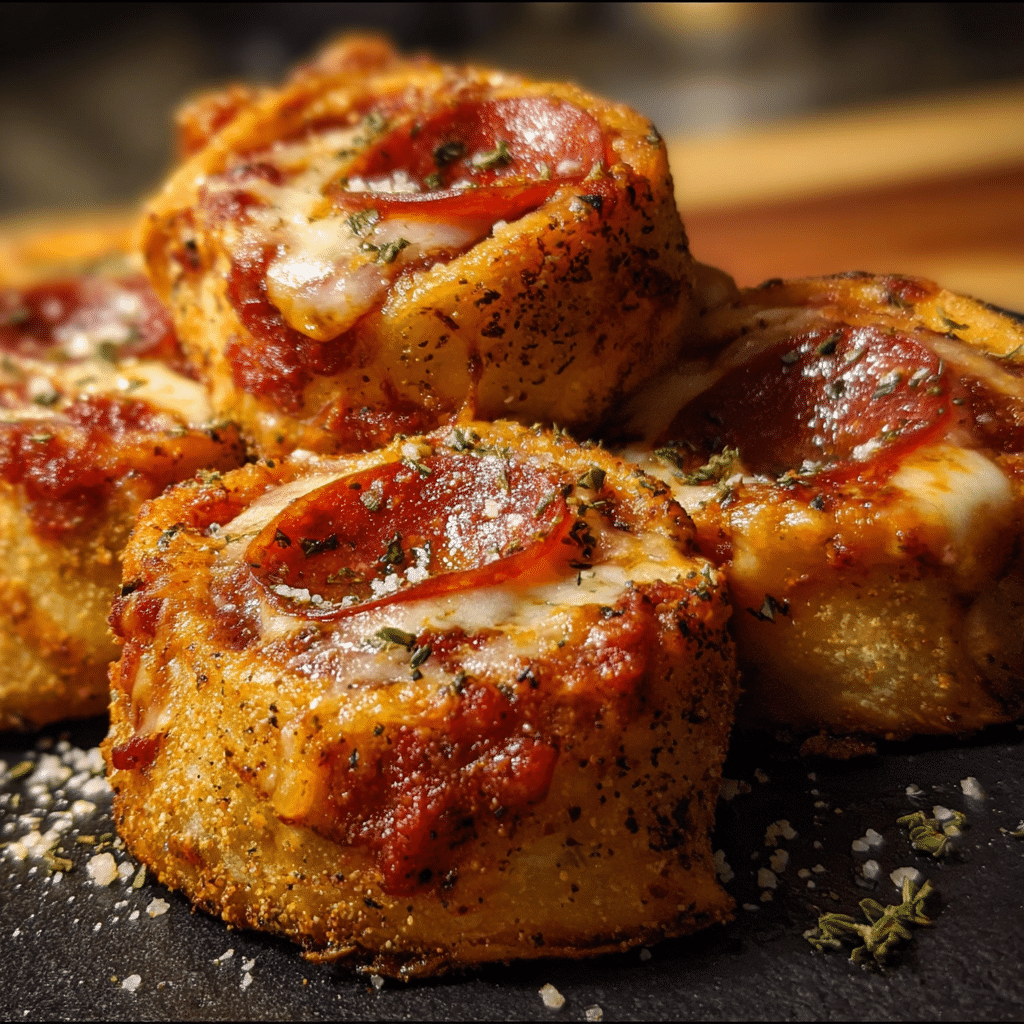
- Brush the tops of the rolls with a little olive oil or melted butter to promote golden-browning.
- Sprinkle any remaining mozzarella cheese on top for an extra cheesy finish.
- Optional: Add a sprinkle of Italian seasoning or extra chopped basil for an aromatic touch.
- Bake the rolls in the preheated oven for about 25-30 minutes, or until they are golden and cooked through. Keep an eye on them towards the end to prevent burning.
- Once done, remove the rolls from the oven and let them cool for a few minutes before serving. This cooling time helps the cheese set a bit, making them easier to handle.
- Serve warm with additional pasta or pizza sauce for dipping, and enjoy your delicious, high protein pepperoni pizza rolls!
Throughout this cooking process, remember to trust your senses. The aroma of the herbs as they cook, the bubbling of the cheese, and the golden color of the dough are all indicators that you’re on the right track. Cooking is as much about intuition as it is about following a recipe. Don’t be afraid to adjust based on your preferences or the ingredients you have on hand. Enjoy the process, and soon you’ll have a tray of delectable high protein pepperoni pizza rolls ready to satisfy your cravings!
Professional Tips and Techniques for high protein pepperoni
Creating high protein pepperoni pizza rolls not only satisfies your cravings but also provides a nutritious twist on a classic favorite. Whether you’re a novice in the kitchen or a seasoned cook, mastering the art of making these rolls can be both fun and rewarding. Below are some professional tips and techniques that will elevate your cooking game and ensure your pizza rolls are a hit every time.
Professional Techniques
When it comes to making high protein pepperoni pizza rolls, mastering the dough is crucial. Start with a high-protein flour, such as bread flour or a protein-enriched flour blend, which helps give the rolls their structure and chewiness. This type of flour contains more gluten, which is essential for creating that perfect pizza texture.
Another key technique is to properly stretch the dough. Instead of using a rolling pin, which can deflate the dough, use your hands to gently stretch it out. This helps maintain the air bubbles that contribute to a light and airy texture. If you’re feeling adventurous, consider a traditional Neapolitan technique by tossing the dough in the air, but be prepared for a bit of practice!
For the filling, choose high-quality pepperoni. Look for brands that offer natural ingredients without fillers. Pair your pepperoni with a mix of high-protein cheeses, such as mozzarella and ricotta, to enhance the flavor and protein content. Don’t forget to season your filling with herbs like oregano and basil for an extra layer of flavor.
Troubleshooting Guide
Even the best chefs encounter challenges in the kitchen. If your high protein pepperoni pizza rolls are turning out soggy, it could be due to an excess of sauce or moisture in the filling. To combat this, use a thicker pizza sauce and pat your pepperoni dry with a paper towel before adding it to the filling. Additionally, consider pre-baking the dough for a few minutes before adding the filling to create a barrier against moisture.
If your rolls are bursting at the seams, you may be overstuffing them. Aim for about 2 tablespoons of filling per roll. Ensure you seal the edges well by crimping them with a fork or your fingers, and try to remove as much air as possible from the filling before sealing.
Lastly, if your rolls aren’t browning as desired, make sure your oven is preheated to the right temperature. A hot oven is essential for achieving that perfect golden-brown crust. Consider brushing the tops with an egg wash or olive oil before baking to enhance browning.
Presentation Tips
Presentation can elevate your high protein pepperoni pizza rolls from a simple snack to a gourmet dish. Start by arranging the rolls on a vibrant platter or wooden board. You can garnish with fresh herbs like parsley or basil for a pop of color. Serve alongside a small bowl of marinara sauce for dipping, as this not only adds flavor but also visual appeal.
For an elegant touch, consider drizzling the rolls with a balsamic reduction or a bit of olive oil just before serving. This adds a glossy finish and enhances the overall taste. You can also sprinkle some grated Parmesan or crushed red pepper flakes on top for a touch of sophistication and flavor.
Pairing your high protein pepperoni pizza rolls with beverages can also enhance the dining experience. A crisp, cold lager or a fruity red wine, such as Chianti, complements the flavors beautifully. Additionally, if you prefer non-alcoholic options, a sparkling water with a slice of lemon or lime can cleanse the palate and refresh your taste buds.
In summary, making high protein pepperoni pizza rolls is a delightful experience that combines cooking techniques, thoughtful troubleshooting, and beautiful presentation. With these tips, you’re well on your way to impressing family and friends with your culinary skills.
Creative Variations and Adaptations of high protein pepperoni
Exploring creative variations and adaptations of high protein pepperoni pizza rolls not only keeps your meals exciting but also allows you to cater to various dietary preferences and seasonal ingredients. Let’s dive into some innovative ideas that will inspire you to experiment in the kitchen.
Seasonal Variations
One of the joys of cooking is adapting recipes to reflect the seasons. In the fall, consider adding roasted butternut squash and sage to your high protein pepperoni pizza rolls. The sweetness of the squash pairs wonderfully with the savory pepperoni, creating a deliciously unique flavor combination. In the summer, fresh basil and sun-dried tomatoes can bring a refreshing twist. You can even replace the traditional pepperoni with turkey pepperoni for a lighter version.
As the holidays approach, you might want to consider a stuffing inspired by traditional holiday flavors. Adding crumbled sausage and cranberry sauce can create a festive bite that’s perfect for gatherings. The key is to think about flavors that complement one another while still keeping the protein content high.
Dietary Adaptations
Creating high protein pepperoni pizza rolls that cater to various dietary needs doesn’t have to be complicated. For those following a keto diet, you can use almond flour or coconut flour in place of traditional flour to create a low-carb version. You can also incorporate shredded chicken or turkey as a high-protein filling instead of traditional pepperoni.
If you’re cooking for vegans, try replacing pepperoni with plant-based alternatives, like marinated tofu or tempeh, and use vegan cheese. Chickpea flour can also be used to create a high-protein dough that’s both delicious and nutritious. For gluten-free options, gluten-free all-purpose flour blends work well for the dough, ensuring that everyone can enjoy these tasty treats.
Creative Twists
Don’t be afraid to get adventurous with your high protein pepperoni pizza rolls! Consider international flavors by incorporating spicy chorizo or prosciutto for a different twist. You can also add a layer of pesto to the filling for a Mediterranean flair. For a unique flavor profile, experiment with adding different spices, such as smoked paprika or cumin, to the dough or filling.
Leftovers can also be transformed into something new. If you have extra high protein pepperoni pizza rolls, try dicing them up and mixing them into a salad for a protein-packed lunch. You could also toss them into a pasta dish or bake them into a frittata for a hearty breakfast the next day.
In conclusion, the possibilities for variations and adaptations of high protein pepperoni pizza rolls are endless. By incorporating seasonal ingredients, accommodating dietary preferences, and allowing your creativity to shine, you can enjoy a constantly evolving dish that’s sure to please everyone at your table. So roll up your sleeves and start experimenting—you might just discover your new favorite flavor combination!
Storage, Reheating, and Meal Prep for high protein pepperoni
When it comes to enjoying your homemade high protein pepperoni pizza rolls, understanding how to properly store, reheat, and meal prep them can make a world of difference in maintaining their flavor and texture. I remember the first time I made these delightful rolls; I had a few leftovers, and I was unsure how to store them effectively. After some trial and error, I learned valuable lessons that I’m excited to share with you!
Short-term Storage
If you find yourself with leftover high protein pepperoni pizza rolls, the best method for short-term storage is to keep them in the refrigerator. Begin by letting the rolls cool completely—this step is crucial as placing warm food directly into the refrigerator can create condensation, leading to sogginess.
Once cooled, you can transfer your pizza rolls into airtight containers or resealable plastic bags. If you’re using containers, make sure they are not overcrowded; stacking them can lead to squished rolls and uneven heating later on. A good rule of thumb is to place parchment paper between layers if you’re stacking them for short-term storage.
Generally, your high protein pepperoni pizza rolls can be stored in the refrigerator for up to 3-5 days. If you know you won’t be finishing them in that time frame, it’s wise to consider freezing them, which leads us to the next section.
Freezing and Long-term Storage
For longer-term storage, freezing is your best bet. Freezing not only helps to preserve the freshness of your high protein pepperoni pizza rolls but also allows you to enjoy them at your convenience. To freeze, first, let your pizza rolls cool completely. Then, arrange them in a single layer on a baking sheet lined with parchment paper. This step prevents them from sticking together. Freeze them for about 1-2 hours until they are solid.
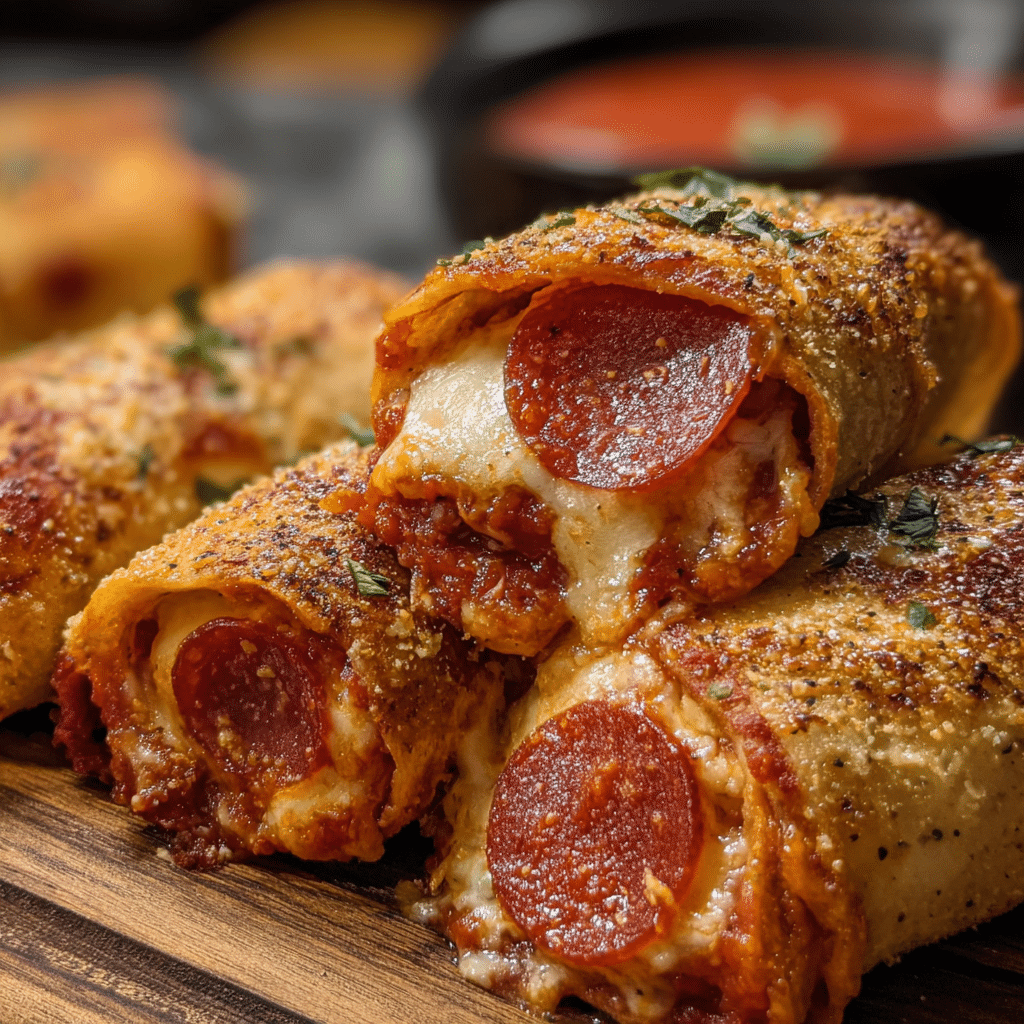
Once frozen, you can transfer the pizza rolls into freezer-safe containers or heavy-duty freezer bags. Make sure to label them with the date—this little step can help you keep track of how long they’ve been stored. When properly stored, these pizza rolls can last in the freezer for up to 2-3 months without significant loss of quality.
A great tip I learned is to portion out your high protein pepperoni pizza rolls into meal-sized packs before freezing. This way, you can simply grab a portion when you’re hungry without having to defrost a larger batch.
Reheating Best Practices
Reheating your high protein pepperoni pizza rolls properly is essential to ensure they taste just as amazing as when they were freshly made. There are a few methods to choose from, but I find that the oven yields the best results, as it helps retain that delightful crispiness.
To reheat in the oven, preheat it to 375°F (190°C). Place the pizza rolls on a baking sheet lined with parchment paper to prevent sticking. Bake them for about 10-15 minutes or until heated through and crispy. If they were previously frozen, you might need to extend the reheating time by a few minutes.
If you’re in a hurry, you can also reheat them in the microwave. Just place the pizza rolls on a microwave-safe plate and cover them with a damp paper towel to maintain moisture. Heat them in 30-second intervals until warm. However, be cautious as the microwave can make them chewy rather than crispy.
Alternatively, a stovetop method works well too. Heat a non-stick skillet over medium heat, add a little oil, and place the pizza rolls in the pan. Cover them with a lid to trap the heat and moisture, flipping them occasionally until they are heated through.
Regardless of your reheating choice, ensure that the internal temperature reaches 165°F (73.9°C) to guarantee food safety.
With these storage and reheating tips in mind, you can enjoy your high protein pepperoni pizza rolls whenever the craving strikes, knowing they will taste fresh and delicious. Whether you’re preparing for a busy week ahead or just looking to enjoy a quick snack, proper storage and reheating techniques make it all possible!
Nutritional Benefits and Health Information
When it comes to indulging in your high protein pepperoni pizza rolls, understanding the nutritional benefits and health information associated with them can enhance your culinary experience and overall health. As someone who prides themselves on making delicious yet nutritious meals, I’ve always been curious about the ingredients I use, particularly in popular comfort foods like pizza rolls. Let’s dive deep into the nutritional aspects of these delightful bites!
Nutritional Profile
At the heart of every high protein pepperoni pizza roll is a carefully selected array of ingredients that contribute to its nutritional profile. Typically, a single pizza roll contains around 100-150 calories, depending on its size and the specific ingredients used. The protein content stands out, often containing 5-7 grams per roll. This makes them an excellent choice for those looking to boost their protein intake without sacrificing taste.
The dough is usually made from high-protein flour or a blend that includes ingredients like almond flour or whole wheat flour, contributing additional protein and fiber. The pepperoni itself, while traditionally considered a guilty pleasure, is often made from leaner cuts of meat these days, leading to a reduction in calories and fat content.
When you combine these ingredients, the macronutrient distribution generally ranges from 15-20% protein, 30-40% carbohydrates, and 30-40% fats, making them a balanced option if enjoyed in moderation.
Health Benefits
One of the most significant benefits of high protein pepperoni pizza rolls is their protein content. Protein is essential for muscle repair and growth, making these rolls a great post-workout snack. The addition of fiber from whole grains or vegetables can further enhance digestive health, keeping you feeling full longer.
Moreover, the use of quality ingredients allows for a more nutrient-dense meal. For instance, if you incorporate vegetables like spinach or bell peppers into your pizza rolls, you’re not just adding flavor but also essential vitamins and minerals. Spinach is rich in iron, while bell peppers provide a healthy dose of vitamin C, which is vital for immune health.
Additionally, using low-fat cheese can cut down on saturated fats, making your high protein pepperoni pizza rolls a heart-healthier option. In the grand scheme of things, this means you can indulge without feeling guilty, balancing your cravings with health-conscious choices.
Dietary Considerations
When making your high protein pepperoni pizza rolls, it’s essential to consider dietary restrictions and allergen information. For those who are gluten-sensitive or have celiac disease, using gluten-free flour blends can create an equally delicious version without the adverse effects. Additionally, you can experiment with various protein sources, such as turkey pepperoni or plant-based alternatives, allowing those on vegetarian or vegan diets to enjoy a similar flavor profile.
For those watching their sodium intake, opting for reduced-sodium pepperoni or even making your own can drastically decrease your salt consumption. It’s all about customizing the recipe to fit your dietary needs while still enjoying a nostalgic treat.
In terms of calorie content, remember that moderation is key. While these pizza rolls can be a great source of protein, indulging too often can lead to an excess of calories, especially if you pair them with high-calorie dips or sides. A well-rounded meal should include a variety of food groups, so consider serving your high protein pepperoni pizza rolls with a side salad or steamed vegetables for a balanced plate.
In conclusion, high protein pepperoni pizza rolls are not just a tasty snack but can also fit seamlessly into a healthy lifestyle. By understanding their nutritional benefits and making thoughtful ingredient choices, you can enjoy these delightful rolls while still prioritizing your wellbeing. Remember, food is not just about sustenance; it’s about enjoyment, balance, and nourishing your body with the flavors you love!