High protein pepperoni has revolutionized the way I view snack foods, particularly when it comes to whipping up something delicious and nutritious in a pinch. It all began one evening when I was juggling a busy work schedule, family commitments, and of course, the daunting question of what to prepare for dinner. As I rummaged through the fridge, I stumbled upon some pepperoni, cheese, and a few other ingredients that sparked a lightbulb moment. What if I could create a high protein snack that not only satisfied my family’s cravings but also packed a nutritional punch? Thus, my journey into crafting high protein pepperoni pizza rolls began.
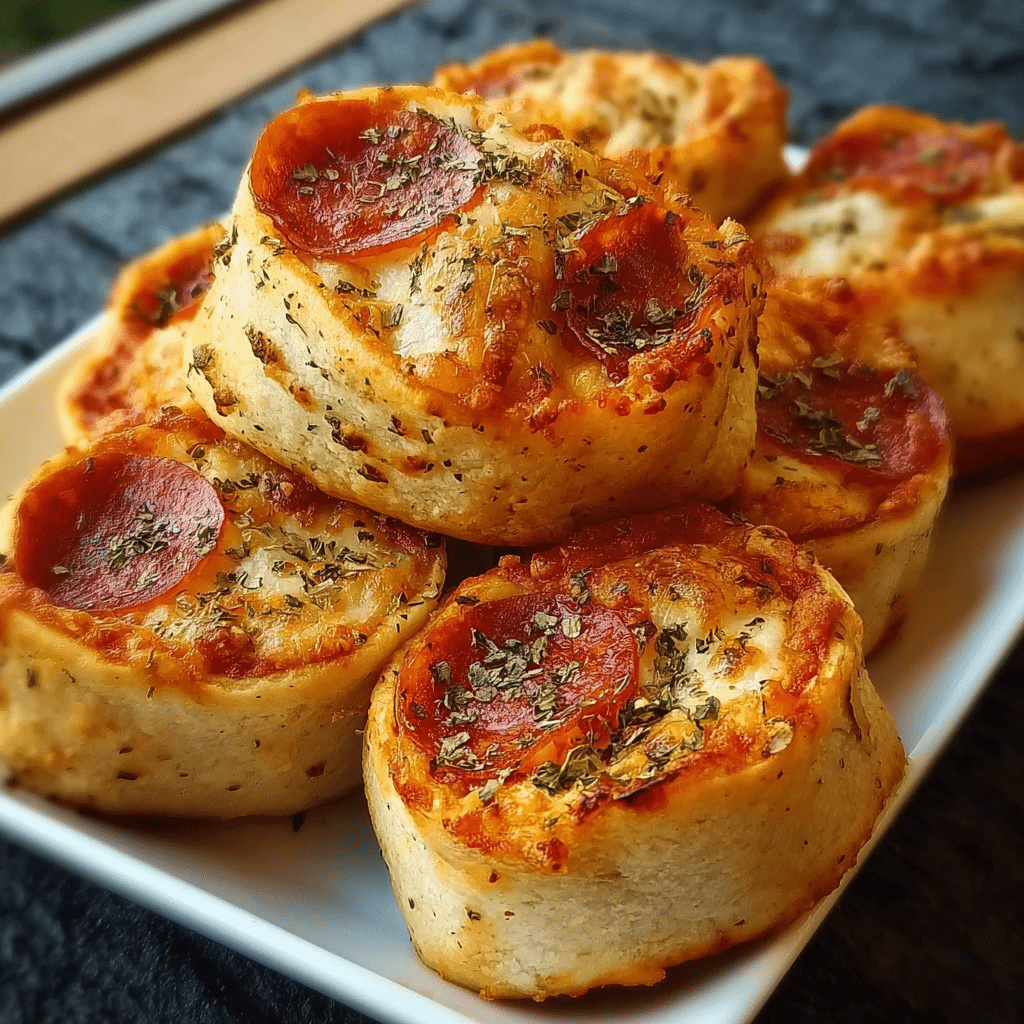
As I experimented with different ingredients and methods, I discovered that these pizza rolls were not just a quick meal; they became a beloved staple in our household. The excitement on my kids’ faces when they saw me preparing these rolls was priceless. No longer did I have to succumb to the guilt of feeding them processed snacks. Instead, I was providing a dish that was not only filled with flavor but also enriched with protein, all thanks to the pepperoni and cheese I used. Each bite was a delightful blend of savory and cheesy goodness, making it a hit that even my picky eaters adored.
The Story Behind This Recipe
The origins of high protein pepperoni can be traced back to a desire for convenience without sacrificing flavor or nutrition. In many cultures, pizza and its various forms have been a go-to comfort food, often celebrated during family gatherings and parties. However, the traditional pizza can sometimes be laden with carbs and calories, making it less appealing to health-conscious families. That’s where my high protein pepperoni pizza rolls come into play, offering a modern twist that aligns with contemporary nutritional goals.
What truly sets my recipe apart is the focus on wholesome ingredients and the versatility it offers. Unlike typical frozen pizza rolls that can be high in unhealthy fats and preservatives, my version uses whole wheat dough and low-fat cheese, ensuring that each roll is a healthier alternative. The beauty of these rolls lies in their simplicity; they can be made ahead of time, frozen, and baked right when you need them. This makes them perfect for busy weeknights when time is of the essence, yet you still want to serve something home-cooked and nutritious.
Why You’ll Love This Dish
High protein pepperoni pizza rolls are not just a meal; they are a celebration of family and tradition. With the hustle and bustle of modern life, it’s crucial to find recipes that can bring people together, even if it’s just for a quick dinner. These rolls are not only satisfying but also allow for creativity in the kitchen. You can customize the ingredients to reflect your family’s tastes, adding vegetables or switching up the cheese. They are perfect for any season—whether it’s a cozy winter night or a summer BBQ, they always hit the spot.
Moreover, the emotional connection to this dish runs deep. It’s more than just food; it’s a way to bond with my kids over cooking, teaching them the importance of healthy eating while having fun in the kitchen. As we roll out the dough and fill it with pepperoni and cheese, laughter fills the air. These moments create lasting memories that I cherish deeply.
In this article, you will not only learn how to make these delicious high protein pepperoni pizza rolls, but you’ll also discover tips on ingredient substitutions, cooking techniques, and even some creative serving suggestions. Whether you’re looking for a quick family dinner or a tasty snack to impress your guests, this recipe is sure to become a staple in your kitchen as it has in mine.
The Rich History and Cultural Significance of high protein pepperoni
The rich history and cultural significance of high protein pepperoni are fascinating and deeply intertwined with the evolution of pizza itself. Pepperoni, a beloved topping in American cuisine, has Italian roots but has transformed in the United States into a staple that many cannot resist. The word “pepperoni” originates from the Italian word “peperoni,” which refers to bell peppers. However, it was adopted in American culture to describe a spicy sausage made from cured pork and beef, seasoned with paprika and chili pepper.
Origins and History
The journey of pepperoni in American cuisine began in the early 20th century, particularly in New York City, where Italian immigrants introduced their culinary traditions. Over time, the spicy sausage gained popularity, especially as pizza became a household favorite. As pizza shops proliferated across the country, pepperoni took center stage as the most requested topping, leading to the creation of various pepperoni-infused recipes, including the high protein pepperoni pizza rolls.
As the recipe for high protein pepperoni evolved, it became more than just a snack; it morphed into a comfort food that people of all ages could enjoy. The roll format offers a finger-friendly option that is perfect for parties, game days, or even a simple weeknight dinner. This recipe reflects the broader trends in American culture, where convenience and flavor reign supreme.
Cultural Significance
High protein pepperoni pizza rolls carry a cultural significance that extends beyond mere taste. They embody the spirit of sharing and community, often served at family gatherings, birthday parties, and casual get-togethers. The act of making these rolls can be a family affair, encouraging bonding over cooking and the joy of creating something delicious together. In many households, they represent a quick solution to busy schedules while still allowing for a home-cooked meal, making them a beloved choice for busy parents.
Moreover, these rolls are often associated with celebrations, whether it’s a birthday, a sports event, or a movie night. They have become a staple in many American homes, signifying a joyful occasion where families come together to enjoy good food and good company.
Nutritional Benefits
In addition to their cultural relevance, high protein pepperoni pizza rolls also boast numerous nutritional benefits. The use of whole wheat dough significantly increases the fiber content, which aids in digestion and keeps you feeling full longer. The protein content from the pepperoni and cheese provides essential amino acids necessary for muscle repair and overall health. For those looking to maintain a balanced diet, these rolls can easily be customized; you can substitute turkey or chicken pepperoni for a leaner option or add vegetables like spinach or bell peppers for added nutrients.
Furthermore, the high protein content makes these rolls an excellent post-workout snack, helping to replenish energy and aid in recovery. As more people become health-conscious, recipes like high protein pepperoni pizza rolls bridge the gap between indulgence and nutrition, offering a satisfying option that doesn’t compromise health.
In conclusion, the evolution of high protein pepperoni pizza rolls speaks to the changing landscape of American cuisine, where flavor meets health. By exploring the roots of pepperoni and its journey through American culture, we can appreciate not just a recipe but a dish that connects us to our past while nourishing our present and future. This dish is perfect for any occasion, promising satisfaction and joy in every bite.
Essential Ingredients for Perfect high protein pepperoni
When it comes to crafting the perfect high protein pepperoni pizza rolls, the foundation lies in selecting the right ingredients. Each ingredient plays a crucial role in not only flavor but also in texture and nutritional value. Let’s dive into the essential components that will make your high protein pepperoni pizza rolls a hit at your next gathering or a comforting meal at home.
Essential Ingredients
- 1 cup cottage cheese (I used full fat)
- 1 ½ cups all-purpose flour
- 2 teaspoons baking powder
- 1 teaspoon salt
- ½ cup pasta or pizza sauce
- 1 cup shredded mozzarella cheese (I shredded mine from a roll of buffalo mozzarella)
- ½ cup fresh chopped basil
HIGH PROTEIN Pepperoni Pizza Rolls
Ingredients
dough
- 1 cup cottage cheese I used full fat
- 1 ½ cups all purpose flour
- 2 teaspoons baking powder
- 1 teaspoon salt
toppings
- ½ cup pasta or pizza sauce
- 1 cup shredded mozzarella cheese I shredded mine from a roll of buffalo mozzarella
- ½ cup fresh chopped basil
Instructions
- Preheat oven to 350 degrees.
- Add cottage cheese to a food processor and blend until smooth. Although you can do this in a blender, I recommend a food processor as it will emulsify better.
- In a large bowl, mix together flour salt and baking powder. Then add in the blended cottage cheese and mix/knead until the flour and cottage cheese are fully combined.
- Coat a cutting board in a dusting of flour. Using a rolling pin (Wine bottle or another smooth bottle should work), roll dough into a rectangle that is about ½ inch thick.
- Spread on sauce. Then top with cheese and basil. Roll up the dough jelly roll style. Then using a wet sharp knife cut the dough into 9-10 portions.
- Add rolls to a sheet pan lined with parchment paper. Bake for 20-30 minutes until dough is cooked through.
- Let rolls cool for 10-15 minutes and then dig in. Serve with extra marinara sauce if desired.
Let’s explore the significance of each of these ingredients in the context of our high protein pepperoni pizza rolls:
Cottage Cheese: This ingredient is a powerhouse of protein, making it a superb choice for anyone looking to boost their protein intake. Full-fat cottage cheese adds a creamy texture that enriches the dough, providing moisture without making it overly heavy. When selecting cottage cheese, aim for brands that use simple ingredients without additives. Look for a fresh product that has a pleasant, slightly tangy aroma and a smooth texture without excess liquid.
All-Purpose Flour: The backbone of many baked goods, all-purpose flour provides the structure needed for our pizza rolls. It’s important to choose high-quality flour that has a good protein content to help achieve a chewy, satisfying texture. When shopping, pay attention to the flour’s origin and look for brands that have a high reputation for quality. Store your flour in an airtight container in a cool, dry place to keep it fresh.
Baking Powder: This leavening agent is essential for creating that light, airy texture in your rolls. It works by releasing carbon dioxide when combined with moisture and heat, causing the dough to rise. Always ensure your baking powder is fresh. To test it, simply mix a teaspoon in warm water; if it bubbles vigorously, you’re good to go!
Salt: Salt isn’t just for seasoning; it enhances flavors and strengthens the dough structure. Look for high-quality sea salt or kosher salt for the best flavor. Salt is also a natural preservative and plays a critical role in controlling yeast fermentation when used in recipes that involve yeast.
Pasta or Pizza Sauce: This is where the flavor really kicks in! The sauce adds moisture and a burst of flavor that complements the pepperoni and cheese. Opt for a sauce that has a rich taste and is made from high-quality tomatoes and herbs. You can even make your own sauce from fresh tomatoes, garlic, and basil for a homemade touch.
Shredded Mozzarella Cheese: The gooey, melty cheese that binds our rolls together and provides that classic pizza flavor. Shredding your own mozzarella from a block, especially buffalo mozzarella, can elevate the taste since pre-shredded cheese often contains anti-caking agents that interfere with melting. Look for fresh mozzarella that has a creamy texture and a slightly sweet flavor.
Fresh Chopped Basil: Basil adds a fresh, aromatic quality to the rolls, balancing out the richness of the cheese and meats. When selecting basil, choose vibrant green leaves with a fragrant aroma. Fresh basil can be substituted with dried basil in a pinch, but use it sparingly as dried herbs are more concentrated.
Shopping Tips
When it comes to sourcing these ingredients, local farmers’ markets can be a treasure trove for fresh produce, including basil. For items like mozzarella and cottage cheese, specialty grocery stores or local dairies often have fresher options than larger chain stores. Organic ingredients can be a great choice, particularly for items like tomatoes and herbs, which can have higher pesticide residues when conventionally grown.
Substitutions and Alternatives
In today’s culinary landscape, it’s essential to cater to various dietary needs. If you’re lactose intolerant, consider using a lactose-free cottage cheese or a plant-based cheese alternative. For those avoiding gluten, almond flour or a gluten-free all-purpose blend can be used instead of traditional flour, though you may need to experiment with ratios to achieve the desired dough consistency.
To cut down on calories but keep the protein high, consider using reduced-fat mozzarella and cottage cheese, though be mindful that this may alter the texture slightly. For a vegan option, look for plant-based cheeses and sauces, and replace the cottage cheese with a tofu or cashew-based alternative.
In terms of storage, most of these ingredients can be kept in the pantry or fridge, but always check for expiration dates. Cottage cheese and mozzarella should be used fresh for the best flavor and texture. If you have leftovers, store them in airtight containers to maintain their quality.
For cost-saving tips, buying in bulk or during sales can significantly cut down expenses. Flour and cheese often have a long shelf life, making them excellent candidates for bulk purchases. Remember, high quality doesn’t always mean high cost; look for local brands that offer great products at competitive prices.
Detailed Step-by-Step high protein pepperoni Cooking Instructions
Creating high protein pepperoni pizza rolls is a delightful culinary adventure that combines the joy of cooking with the satisfaction of indulging in a delicious snack. The entire process can be completed in about 30 minutes, which makes it a perfect recipe for busy weeknights or spontaneous gatherings. Let’s walk through the steps to ensure your pizza rolls turn out perfectly every time!
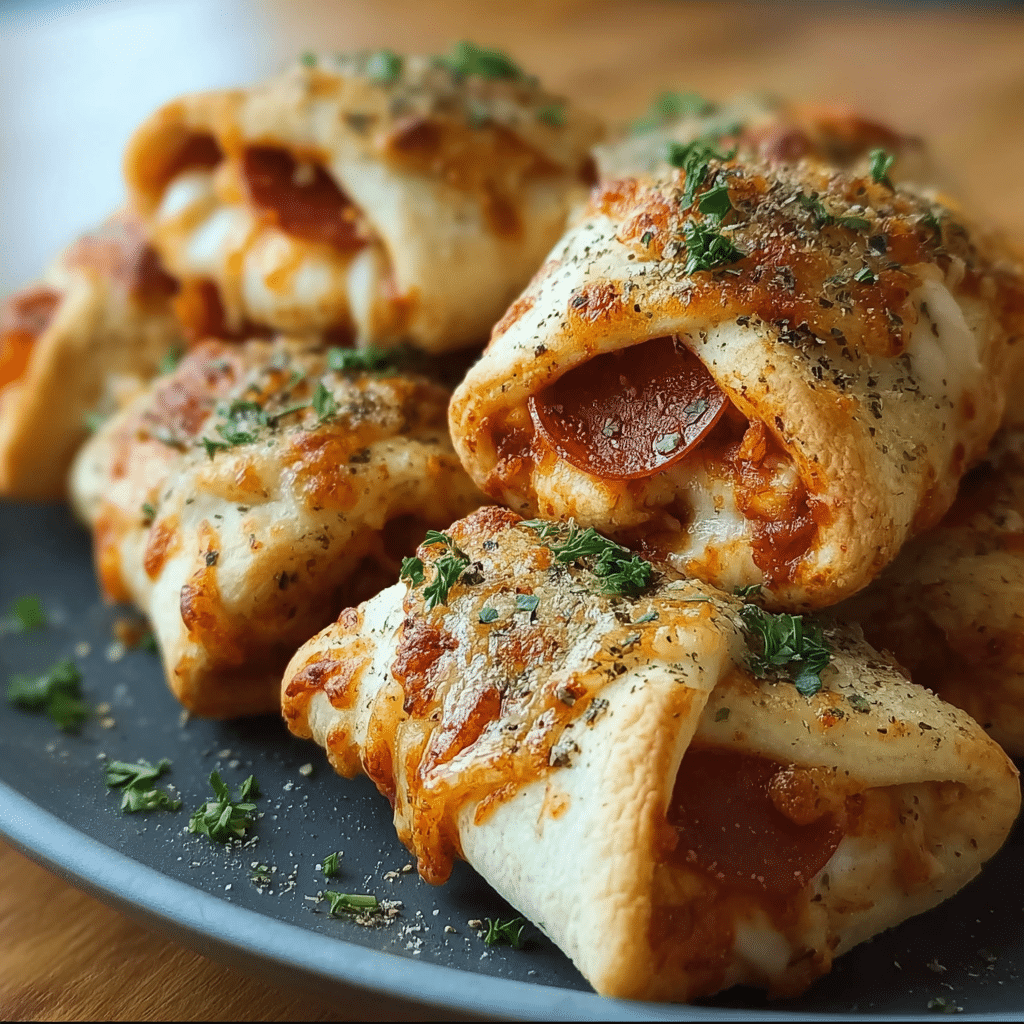
Preparation Steps
- Gather Your Ingredients: The first step is to gather all your ingredients and tools. This not only makes the cooking process smoother but also allows you to get a visual sense of what you’ll be working with. Make sure your cottage cheese is at room temperature, as this will help it incorporate more easily into the dough.
- Preheat Your Oven: Preheat your oven to 400°F (200°C). A hot oven is crucial for achieving that perfect golden-brown crust on your pizza rolls.
- Prepare Your Baking Sheet: Line a baking sheet with parchment paper. This will prevent the rolls from sticking and make for an easier cleanup.
- Mix the Dry Ingredients: In a large mixing bowl, combine the all-purpose flour, baking powder, and salt. Whisk them together until well combined. This step is important as it ensures that the baking powder is evenly distributed throughout the flour.
- Combine Wet Ingredients: In another bowl, mix the cottage cheese, mozzarella, and chopped basil. Stir until fully incorporated. The cottage cheese and mozzarella will create a creamy texture that will bind the rolls together and provide a delicious cheesy flavor.
- Combine Wet and Dry Mixtures: Gradually add the cottage cheese mixture to the dry ingredients, mixing until a dough forms. Don’t be afraid to get your hands in there! Knead the dough for a few minutes until it’s smooth and elastic. This is a sensory experience; you want the dough to feel slightly tacky but not overly sticky.
Cooking Process
- Roll Out the Dough: On a lightly floured surface, roll out the dough to about ¼ inch thick. Use a rolling pin and add flour as needed to prevent sticking. This is where you can get creative! If you want thicker rolls, you can adjust the thickness accordingly.
- Cut into Squares: Using a sharp knife or pizza cutter, cut the rolled-out dough into squares, approximately 3 inches by 3 inches. This size is perfect for holding the filling and will ensure even cooking.
- Add the Filling: Place a spoonful of pizza or pasta sauce in the center of each square, followed by a few slices of pepperoni (if using) and a sprinkle of additional mozzarella. Be careful not to overfill, as this can lead to messy rolls.
- Seal the Rolls: Fold each square over to create a triangle or rectangle and press the edges together to seal. You can use a fork to crimp the edges for added security and a decorative touch. Make sure there are no gaps for the filling to escape during baking.
- Brush with Oil: For a golden finish, brush the tops of the rolls with a little bit of olive oil. This will help them brown nicely and add an extra layer of flavor.
- Bake: Place your prepared rolls on the lined baking sheet and bake in the preheated oven for about 15-20 minutes, or until they are golden brown. Keep an eye on them during the last few minutes of baking to prevent over-browning.
Final Assembly
- Cool and Serve: Once baked, remove the rolls from the oven and let them cool for a few minutes. This will make them easier to handle and enhance the flavors as they settle.
- Garnish: If you desire, you can sprinkle some extra fresh chopped basil or a pinch of grated Parmesan on top for a burst of flavor and a beautiful presentation.
- Enjoy: Serve your high protein pepperoni pizza rolls warm, alongside a small bowl of extra sauce for dipping. These rolls are perfect for sharing—or not! They make a great snack, appetizer, or even a meal when paired with a side salad.
Throughout this process, remember to engage your senses—notice the aromas, textures, and colors of your ingredients. Cooking is as much about enjoyment as it is about nourishment. And if you happen to have leftovers (though I doubt you will!), store them in an airtight container in the fridge for up to three days. Reheat in the oven or microwave for a quick snack later.
By following these detailed steps, you’ll be well on your way to creating delicious high protein pepperoni pizza rolls that are sure to impress family and friends alike. So roll up your sleeves, put on your apron, and let’s get cooking!
Professional Tips and Techniques for high protein pepperoni
When it comes to mastering the art of creating high protein pepperoni pizza rolls, having a solid foundation of professional tips and techniques can truly elevate your cooking game. Whether you’re a seasoned chef or a home cook, these insider secrets will guide you through the process, ensuring your pizza rolls not only taste amazing, but also come together smoothly and efficiently.
Professional Techniques
One of the most crucial aspects of preparing high protein pepperoni pizza rolls is the dough. For a perfectly textured dough, consider using a combination of bread flour and all-purpose flour. Bread flour has a higher protein content, which helps create that delightful chewiness we all crave in a good pizza roll. Knead the dough until it’s smooth and elastic, which usually takes about 10 minutes by hand or 5 minutes in a stand mixer. The goal is to develop the gluten, which will give your rolls structure and support the filling.
Once the dough is ready, let it rise in a warm environment until it doubles in size. This fermentation process not only enhances flavor but also contributes to a light, airy texture in your rolls. A great tip is to turn your oven on to its lowest setting for just a minute or two, then turn it off. Place the covered dough inside—the residual warmth creates the perfect rising environment.
When it comes time to fill your pizza rolls with high protein pepperoni, consider using a mix of traditional mozzarella cheese and a touch of ricotta for added creaminess. This combination not only enhances flavor but also contributes to the overall protein content. Make sure to evenly distribute your filling to avoid any burst rolls during baking, which can be a common issue if the filling is too heaped.
Troubleshooting Guide
Even the best chefs encounter obstacles in the kitchen. If your high protein pepperoni pizza rolls are coming out too dry, it could be due to overbaking. Keep an eye on them during the last few minutes of baking; they should be golden brown but not overly hard. On the other hand, if they are too soggy, ensure that your filling isn’t too wet. If using canned tomatoes or other liquids, drain them thoroughly before adding to your filling mix.
Another common issue is the dough sticking to the surface. Always flour your work surface generously, and if you’re using a rolling pin, dust it with flour as well. If you find the dough is still difficult to manage, let it rest for a few minutes; this will relax the gluten and make it easier to roll out.
Equipment Recommendations
To make your high protein pepperoni pizza rolls as efficient as possible, having the right equipment is key. A quality stand mixer can save you time and effort when kneading the dough, while a rolling pin and a sharp knife or pizza cutter will help you cut and shape the rolls perfectly. Don’t forget to invest in a good baking sheet and parchment paper, as this will prevent sticking and make cleanup a breeze.
For those who love to meal prep, consider using a silicone mat for rolling out your dough. These mats are non-stick and can be easily cleaned. Additionally, having a set of measuring cups and spoons on hand will ensure your ingredients are perfectly portioned, which is crucial for achieving that high protein pepperoni flavor balance.
Make-Ahead and Meal Prep Strategies
One of the best things about high protein pepperoni pizza rolls is their adaptability for meal prepping. You can prepare the dough and filling in advance, then store them separately in the refrigerator for up to 24 hours. This allows you to assemble your rolls fresh when you’re ready to bake, making them ideal for busy weeknights or unexpected guests.
If you want to go a step further, you can also freeze the assembled rolls before baking. Arrange them on a baking sheet in a single layer and freeze until solid. Once frozen, transfer them to an airtight container or freezer bag. When you’re ready to bake, there’s no need to thaw; just add a few extra minutes to the baking time for perfectly cooked, high protein pepperoni pizza rolls.
Presentation Tips
Presentation matters, especially when serving your high protein pepperoni pizza rolls at a gathering. Consider slicing them in half to reveal the gooey cheese and pepperoni filling. Serve them on a wooden board with a side of marinara sauce for dipping—this not only enhances the visual appeal but also adds an interactive element to your dish. A sprinkle of fresh basil or parsley on top can provide a pop of color and freshness.
Wine and Beverage Pairings
To complete your pizza rolls experience, think about pairing them with the right beverage. A light, crisp Italian white wine, such as Pinot Grigio, complements the richness of the cheese and pepperoni beautifully. If you prefer beer, try a pale lager or a light IPA that won’t overpower the flavors of your dish. For non-alcoholic options, a sparkling water with a splash of lemon can cleanse the palate while enhancing the overall dining experience.
By employing these professional tips and techniques, you will not only create delicious high protein pepperoni pizza rolls but also enjoy the process of cooking. Remember, every roll you make is an opportunity to express your creativity and passion for food, so embrace the journey!
Creative Variations and Adaptations of high protein pepperoni
When it comes to high protein pepperoni pizza rolls, the possibilities for creative variations and adaptations are virtually endless. Whether you’re looking to shake things up with seasonal ingredients, explore international twists, or modify the recipe for dietary preferences, there’s something for everyone to enjoy in this delicious dish.
Seasonal Variations
One of the best things about pizza rolls is their versatility with seasonal ingredients. In the summer, fresh vegetables like zucchini, bell peppers, and even corn can be added to the filling for a vibrant twist. Imagine biting into a high protein pepperoni pizza roll filled with the sweetness of summer squash and the savory kick of pepperoni—it’s a match made in heaven!
As fall approaches, consider incorporating roasted pumpkin or butternut squash into your filling. These ingredients not only add a touch of sweetness but also increase the overall protein content when paired with a rich cheese mixture. A sprinkle of nutmeg or cinnamon can elevate your filling to new heights, creating a warm, comforting flavor profile that’s perfect for chilly evenings.
Dietary Adaptations
With the rise of diverse dietary preferences, creating high protein pepperoni pizza rolls that cater to different needs has never been easier. For those following a keto diet, swap out traditional flour for almond flour or coconut flour to create a low-carb dough. This option not only keeps the rolls low in carbs but also adds a nutty flavor that pairs beautifully with the pepperoni.
If you’re catering to a vegan audience, consider using plant-based pepperoni and a mix of vegan cheese alternatives. Some brands even offer high protein plant-based cheeses that melt beautifully, providing that gooey texture we all love. You can also add nutritional yeast to the filling for a cheesy flavor without the dairy. For gluten-free options, there are fantastic gluten-free pizza crust mixes available that can easily be adapted to make your high protein pepperoni pizza rolls.
Creative Twists
For those who enjoy experimenting in the kitchen, try giving your high protein pepperoni pizza rolls an international flair. Inspired by the Mediterranean, consider adding olives, sun-dried tomatoes, and feta cheese to your filling for a Greek-inspired twist. Combining these flavors with the pepperoni creates a delicious fusion that’s both unexpected and delightful.
Another creative adaptation could be inspired by Mexican cuisine. Incorporate jalapeños, black beans, and a sprinkle of taco seasoning into your filling. This spicy variant brings a whole new level of flavor to your high protein pepperoni pizza rolls, serving as a fun appetizer for a game day gathering or a casual dinner with friends.
When it comes to cooking methods, don’t be afraid to think outside the box. While baking is the traditional method, you can also pan-fry your pizza rolls for a crispy outer crust. Simply heat a small amount of oil in a skillet over medium heat and cook each roll until golden brown on all sides. This method not only adds a delightful crunch but also reduces the time it takes to prepare your dish.
If you have leftovers—or simply want to repurpose your high protein pepperoni pizza rolls—think about creating a delicious casserole. Layer slices of the pizza rolls with marinara sauce and cheese in a baking dish, then bake until bubbly and golden. This transformation is not only a great way to reduce waste but also offers a comforting, hearty meal that the whole family will love.
With these creative variations and adaptations, high protein pepperoni pizza rolls can be customized to suit any palate or dietary requirement. The key is to embrace your creativity and explore the flavors and ingredients that inspire you. Cooking should be fun and exploratory, so don’t hesitate to try new things and make this recipe your own!
Storage, Reheating, and Meal Prep for high protein pepperoni
When it comes to enjoying high protein pepperoni pizza rolls, proper storage and reheating techniques are crucial to maintain their deliciousness. Whether you have leftovers from a party or you’re batch cooking for the week, knowing how to store these tasty treats can make all the difference. Let’s dive into the ins and outs of keeping your high protein pepperoni pizza rolls fresh, safe, and ready to eat!
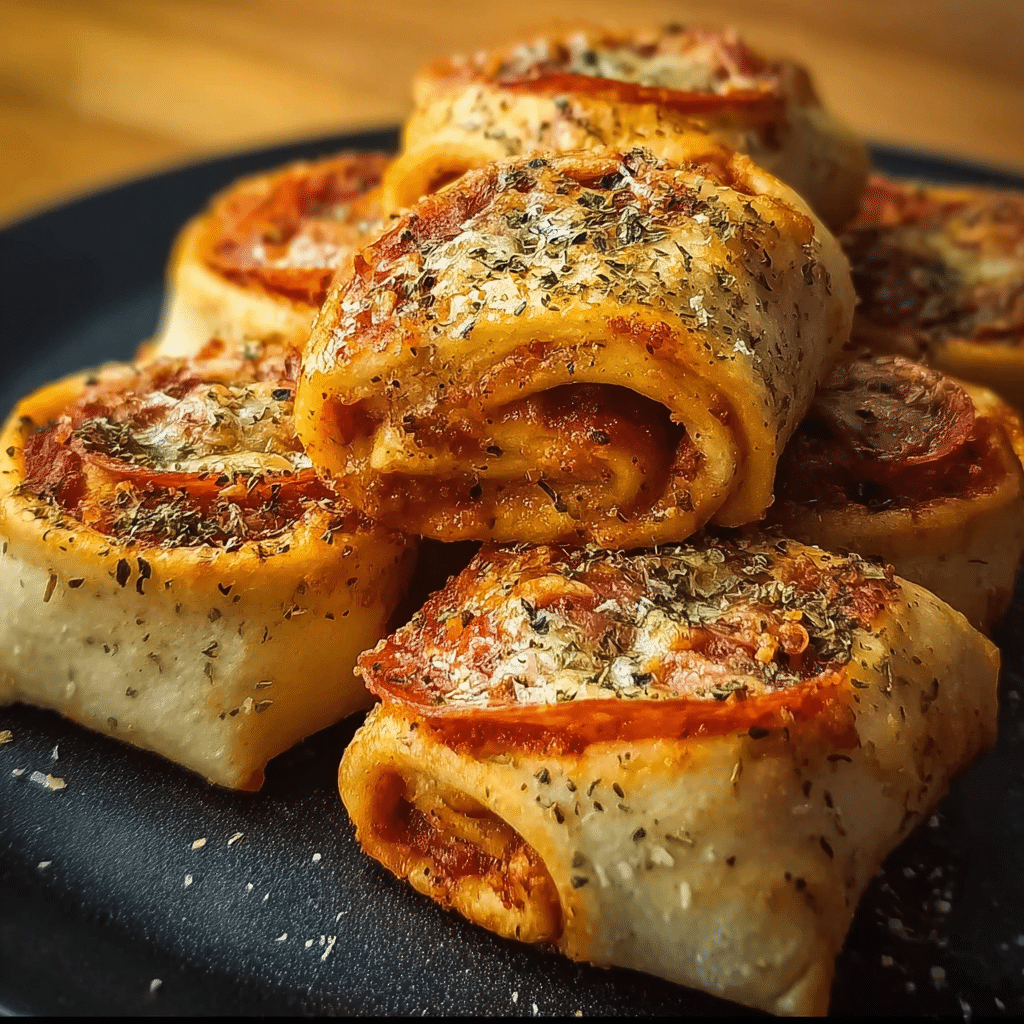
Short-term Storage
If you find yourself with leftover high protein pepperoni, the first step is to cool them down to room temperature. It’s essential to avoid placing hot pizza rolls directly into the fridge, as this can raise the overall temperature inside, creating an unsafe environment for other foods. Once cooled, you can store your high protein pepperoni pizza rolls in an airtight container. I always opt for glass containers with a tight-sealing lid, as they help preserve the texture and flavor better than plastic.
When storing in the refrigerator, your pizza rolls should be good for about 3 to 4 days. Just remember to label the container with the date, so you know when to consume them by. I often make a habit of checking my fridge every few days for leftovers, and the labeling helps me avoid those unfortunate ‘mystery meals’ that sometimes appear!
Freezing and Long-term Storage
If you want to extend the shelf life of your high protein pepperoni pizza rolls even further, freezing is your best bet. The process is relatively simple and ensures you can enjoy these delicious bites for months to come. Start by placing the pizza rolls on a baking sheet lined with parchment paper, making sure they’re not touching each other. This allows them to freeze individually without sticking together.
After a few hours in the freezer, transfer the frozen high protein pepperoni pizza rolls into a freezer-safe bag or airtight container. Make sure to remove as much air as possible to prevent freezer burn. I like to use a vacuum sealer for this purpose, but squeezing out the air works fine too. Label the bags with the date, and you can store them for up to 3 months without losing too much flavor or quality.
One useful tip I learned during my cooking adventures is to portion the rolls into meal-sized servings before freezing. This way, you can easily grab just what you need without having to thaw the entire batch. It also makes meal planning a breeze!
Reheating Best Practices
Now that you have your high protein pepperoni pizza rolls stored safely, it’s time to talk about reheating them. The goal is to retain that delightful crispiness while warming them through. The oven is your best friend here. Preheat your oven to 350°F (175°C) and place the pizza rolls on a baking sheet. Bake for about 10-15 minutes, or until they are heated through and the outside is crisp again. If you’re in a hurry, a microwave can work too, but be cautious as it can make the rolls soggy. If you choose this method, heat them in 30-second intervals and check for doneness.
For those who love their high protein pepperoni pizza rolls with a bit of a twist, consider using an air fryer! This method gives you that crunchy exterior without the need for excess oil. Set your air fryer to 350°F (175°C) and cook for about 5-7 minutes. It’s a game changer!
Lastly, always remember food safety considerations. If you’ve stored your high protein pepperoni pizza rolls in the fridge, make sure to consume them within the recommended time frame. If you notice any off smells or changes in texture, it’s best to err on the side of caution and discard them.
In summary, proper storage and reheating techniques can ensure that your high protein pepperoni pizza rolls remain just as delightful as when you first made them. With the right containers, freezing methods, and reheating practices, you can enjoy these treats for days or even weeks to come. So go ahead, make a big batch, store them properly, and relish every bite whenever the craving strikes!
Nutritional Benefits and Health Information
When it comes to high protein pepperoni pizza rolls, they not only satisfy your cravings but also pack a nutritional punch that can fit into various dietary lifestyles. Understanding the nutritional benefits of these delightful snacks can help you make informed choices while indulging in your favorite flavors. Let’s break down the nutritional aspects, health benefits, and dietary considerations of high protein pepperoni pizza rolls!
Nutritional Profile
High protein pepperoni pizza rolls typically contain a blend of ingredients that contribute to their nutritional value. The primary components include protein-rich pepperoni, cheese, and a dough base, along with any additional toppings or spices. A standard serving (about 4 rolls) can provide approximately 200-300 calories, depending on the specific ingredients used and portion size.
In terms of macronutrients, you can expect around 10-15 grams of protein per serving, making these rolls a great option for those looking to increase their protein intake. The carbohydrate content usually ranges from 20-30 grams, primarily coming from the dough. Fats contribute about 10-15 grams, with a portion of these being saturated fats from the cheese and pepperoni. If you’re monitoring your macronutrient ratios, adjusting the cheese or opting for a leaner protein can help tailor the rolls to your specific dietary needs.
Health Benefits
The primary ingredient, pepperoni, is not only flavorful but also a source of protein that can aid in muscle repair and growth. Protein is essential for maintaining a healthy metabolism and supports overall body function. Incorporating high protein foods like these pizza rolls can enhance satiety, making you feel fuller for longer periods. This can be especially beneficial if you’re trying to manage your weight or snack healthily between meals.
Additionally, cheese adds calcium and phosphorus to the mix, essential for strong bones and teeth. If you choose a whole-grain dough or a crust made from chickpeas or cauliflower, you can increase the fiber content, which is important for digestive health. Fiber helps regulate blood sugar levels and can aid in weight management.
Dietary Considerations
While high protein pepperoni pizza rolls can fit well into a balanced diet, it’s essential to consider any dietary restrictions. For those who are lactose intolerant, using a dairy-free cheese alternative can still provide that gooey texture and flavor. If you’re watching your sodium intake, opting for low-sodium pepperoni or creating your own version with lean turkey or chicken can reduce the salt content considerably.
For those on a gluten-free diet, you can easily adapt the dough recipe using gluten-free flour or pre-made gluten-free dough. This way, you can still enjoy the deliciousness of high protein pepperoni pizza rolls without compromising your dietary needs.
In terms of calorie content, it’s worth noting that homemade versions allow for more control over ingredients and portion sizes. Store-bought options can often be higher in preservatives, unhealthy fats, and sodium. By making your own, you can experiment with healthier modifications, such as incorporating vegetables into the filling or using whole-grain dough to boost the fiber content.
In conclusion, high protein pepperoni pizza rolls are not just a convenient snack but also a nutritious option that can be tailored to fit various dietary preferences. With an understanding of their nutritional profile and by making thoughtful ingredient choices, you can enjoy these delicious rolls guilt-free. So the next time you whip up a batch of high protein pepperoni pizza rolls, know that you are indulging in a treat that can support your health and well-being!