Homemade Greek potato salad is more than just a dish; it’s a heartfelt embrace that transports you to sun-soaked shores and bustling village markets. My first encounter with this delightful salad was during a summer vacation in Greece, where I was lucky enough to dine at a quaint taverna nestled between olive groves. As I took my first bite, something magical happened. The creamy potatoes mixed with vibrant herbs and a drizzle of olive oil set off a taste explosion that I had never experienced before. It was then that I realized I had stumbled upon a culinary treasure, one that I would soon bring back to my kitchen and share with my family.
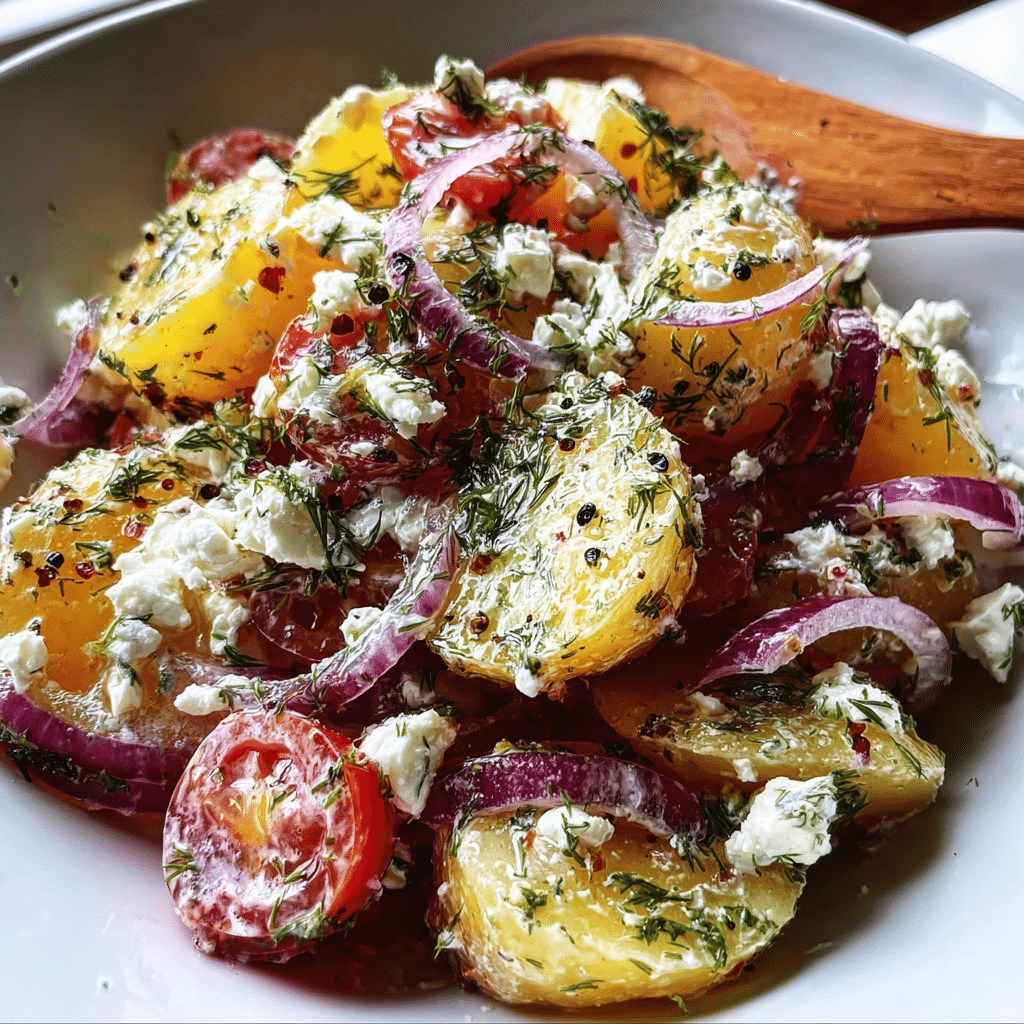
The homemade Greek potato salad I encountered that day was unlike any version I had ever tasted back home. It was more than just the ingredients; it was the love and tradition that infused every bite. As I sat there, surrounded by the sounds of laughter and the warm sun, I felt a deep connection to this dish. It was a reminder of how food can bridge cultures, evoke memories, and create a sense of belonging. Since that day, I have dedicated myself to mastering this recipe, making it a staple in my family’s meals.
The Story Behind This Recipe
As I began experimenting with the homemade Greek potato salad, I learned that the essence of Greek cuisine lies in its simplicity and freshness. The ingredients are typically straightforward: potatoes, olive oil, lemon juice, herbs, and sometimes a touch of feta cheese or olives. Yet, each family has its own twist, a secret that has been passed down through generations. It’s this personal touch that makes every version unique and special.
In my quest, I discovered that the origins of this dish can be traced back to the Mediterranean, where potatoes were introduced in the 18th century. Over time, they became a staple ingredient in Greek homes, celebrated for their versatility and heartiness. I was fascinated to learn about the historical context: during times of economic hardship, dishes like this were created to feed families affordably while still being delicious. It’s incredible how a simple salad can carry such a rich history and reflect the resilience and creativity of a culture.
Why You’ll Love This Dish
One of the primary reasons I adore homemade Greek potato salad is its adaptability. Whether you’re hosting a summer barbecue, preparing a quick weeknight dinner, or looking for a refreshing side for a holiday meal, this salad fits the bill perfectly. It’s a crowd-pleaser that can be made ahead of time, allowing busy families to enjoy a nutritious and flavorful dish without the stress of last-minute cooking.
Seasonal relevance plays a significant role in the beauty of this salad. While it shines in the summer months when fresh herbs and vegetables are at their peak, I’ve found that it can easily transition into a cozy fall dish by adding roasted vegetables or a sprinkle of paprika for a little warmth. The emotional connection I have with this dish is deeply rooted in family gatherings, where we gather around the table, sharing stories and laughter, all while savoring this delightful creation.
In this article, readers will not only learn how to make homemade Greek potato salad but also the stories and traditions behind it. I promise you’ll discover tips and variations that will elevate your dish to new heights, bringing a touch of Greece into your kitchen. Prepare to embark on a culinary journey filled with flavors, history, and cherished memories as we delve deeper into the heart of this beloved recipe.
The Rich History and Cultural Significance of homemade greek potato
The homemade Greek potato salad carries with it a rich tapestry of history and cultural significance that dates back centuries. As I dove deeper into the origins of this dish, I was captivated by the stories woven into the fabric of Greek cuisine. The humble potato, once a foreign ingredient introduced from the Americas, has become a beloved staple in Greek households. This journey started in the 18th century when Greek chefs began to incorporate potatoes into their meals, adapting to the Mediterranean climate and local flavors.
Origins and History
This salad is a testament to the adaptability of Greek cuisine. Initially, potatoes were used in various stews and hearty dishes, but as time went on, they found their place in salads, offering a refreshing contrast to the heavier fare. The evolution of the homemade Greek potato salad reflects the changes in Greek society, as families began to embrace lighter, more health-conscious meals. It’s fascinating to see how this dish has transformed from a simple side to a centerpiece, often served during celebrations and gatherings.
Regional variations of the homemade Greek potato salad abound, each bringing its unique twist to the table. In some areas, you might find the addition of capers or even a dollop of yogurt, while others may lean towards a more straightforward approach with just olive oil and herbs. This diversity is what makes Greek cuisine so enchanting; it’s a reflection of the local ingredients available and the personal preferences of each family. I’ve had the pleasure of tasting many variations, each one a delightful reminder of the creativity found in the heart of Greek cooking.
Cultural Significance
The cultural significance of homemade Greek potato salad extends beyond mere sustenance; it’s a dish often served at communal gatherings, weddings, and holidays. During the summer months, you’ll find families enjoying this salad at picnics and barbecues, where it becomes a symbol of sharing and togetherness. The act of preparing this dish is often a family affair, with children helping to peel potatoes and adults teaching them the secrets of the recipe, ensuring that the tradition continues for generations to come.
In Greece, food is not just about nourishment; it’s about connection. This salad embodies that philosophy, bringing people together around the table, fostering conversations and memories. It’s a dish that celebrates life’s milestones and everyday moments alike. I often think back to those summer nights spent outside, laughter filling the air as we enjoyed this salad, and it brings a smile to my face.
Nutritional Benefits
Beyond its delightful taste, the homemade Greek potato salad boasts numerous nutritional benefits. Potatoes are an excellent source of vitamins C and B6, as well as potassium and fiber, making them a nutritious addition to any meal. When combined with olive oil, a staple in Greek cuisine, you’re also incorporating healthy fats that are known to support heart health. Fresh herbs like parsley and dill provide antioxidants and add a burst of flavor, elevating this salad from a simple side to a healthful accompaniment.
When preparing your homemade Greek potato salad, consider adding seasonal vegetables to boost its nutritional value. In the spring, you might include peas or radishes, while in the fall, roasted sweet potatoes can lend a delightful sweetness that complements the traditional recipe beautifully. This flexibility allows you to enjoy the salad year-round while reaping the benefits of fresh, healthy ingredients.
As we dive into the art of making homemade Greek potato salad, it’s clear that this dish is more than just a meal; it’s a celebration of culture, history, and family. It invites us to gather around the table, share our stories, and enjoy the simple pleasures of life. So, let’s roll up our sleeves and embrace the joy of cooking this beloved recipe.
Essential Ingredients for Perfect homemade greek potato
When it comes to crafting the perfect homemade Greek potato salad, selecting the right ingredients is crucial. Each component not only adds flavor but also brings its own unique texture and cultural significance to the dish. Here, we will delve into an essential list of ingredients that will elevate your Greek potato salad to a level that will impress both family and friends.
Essential Ingredients
- 2 pounds petite white or red potatoes: The star of our dish! These smaller potatoes have a creamy texture that holds up well when mixed with other ingredients. When selecting potatoes, look for ones that are firm with smooth skin, avoiding any that have blemishes or soft spots. They should be stored in a cool, dark place and can last for several weeks.
- 1 cup pitted kalamata olives: These dark, almond-shaped olives add a briny flavor to our salad. When purchasing kalamata olives, opt for those packed in brine rather than oil for a fresher taste. Make sure they’re pitted for easier incorporation into the salad. Store them in an airtight container in the fridge to prolong their shelf life.
- 7 ounces oil-packed sun-dried tomatoes, drained and chopped: These tomatoes contribute a sweet, tangy flavor that complements the other elements beautifully. Look for sun-dried tomatoes that are plump and not overly dry; they should have a vibrant color. Drain and chop them just before adding to your salad for the best flavor.
- 4 ounces capers, drained and reserved brine: Capers add a pop of saltiness and a unique briny flavor. Choose capers that are firm and have a bright green color for the best quality. You can keep them in the fridge, submerged in their brine, to maintain freshness.
- 1 cup red onion, thinly sliced: The sharpness of red onion brings a nice contrast to the creamy potatoes. When selecting onions, look for firm ones with dry, papery skins. Slice them thinly for a milder flavor, and soak them in cold water for a few minutes if you want to tone down their pungency.
- ½ cup fresh dill, roughly chopped: Dill is a classic herb in Greek cuisine, adding a fresh, slightly tangy note. Always opt for fresh dill over dried for this recipe to capture its vibrant flavor. Store it in the fridge with the stems in water, covered with a plastic bag to keep it fresh longer.
- ½ cup feta cheese, crumbled: Feta cheese provides a creamy, salty addition. Look for good-quality, block feta that you can crumble yourself, as pre-crumbled varieties often lack flavor. Keep feta cheese refrigerated and consumed within a week for the best taste.
- ½ cup extra-virgin olive oil: A staple in Greek cooking, this oil enhances the overall flavor of our salad. Choose a high-quality, cold-pressed extra-virgin olive oil for the best taste. Store it in a dark bottle and keep it in a cool place to maintain its quality.
- ½ cup red wine vinegar: This vinegar adds acidity and brightness to the salad. Opt for a good-quality vinegar that has been aged for a more complex flavor. Store it in a cool, dark place, and it will last for a long time.
- 2 cloves garlic, pressed or minced: Garlic adds depth and a robust flavor. Choose fresh garlic bulbs with tight skins and avoid any sprouted cloves. Store garlic in a cool, dry place, and it can last for several weeks.
- 2 teaspoons dry mustard: Dry mustard adds a subtle heat and depth. Look for high-quality mustard powder that has not expired for the best flavor.
- 2 teaspoons dried thyme: Thyme adds earthiness and complexity. Choose aromatic dried thyme, and store it in an airtight container away from light.
- 2 teaspoons dried oregano: Another staple in Greek cuisine, oregano offers a warm, slightly bitter flavor. Fresh oregano is ideal, but dried works well too, especially if stored properly.
- 1 teaspoon kosher salt: Salt is essential for enhancing flavors. Use kosher salt for its coarse texture, making it easier to control seasoning without over-salting.
- 1 teaspoon freshly ground black pepper: Freshly ground pepper adds a spiciness that rounds out the flavors. Invest in a good pepper grinder for the best taste.

Homemade Greek Potato Salad
Ingredients
- 2 pounds petite white or red potatoes
- 1 cup pitted kalamata olives
- 7 ounces oil-packed sun dried tomatoes , drained and chopped
- 4 ounces capers , drain and reserve brine
- 1 cup red onion , thinly sliced
- ½ cup fresh dill , roughly chopped
- ½ cup feta cheese , crumbled
Greek Salad Dressing
- ½ cup extra-virgin olive oil
- ½ cup red wine vinegar
- 2 cloves garlic , pressed or minced
- 2 teaspoons dry mustard
- 2 teaspoons dried thyme
- 2 teaspoons dried oregano
- 1 teaspoon kosher salt
- 1 teaspoon freshly ground black pepper
Instructions
- Add the potatoes to a medium pot and fill with enough water to cover the potatoes by 1 inch, then bring to a boil. Add 1-2 teaspoons of kosher salt, reduce to a rolling simmer, and cook until tender or when the potatoes can be pierced with a fork or skewer, about 15 minutes.
- While the potatoes are cooking, make the dressing. To a jar fitted with a lid, add the olive oil, red wine vinegar, garlic, dry mustard, oregano, thyme, kosher salt, and freshly ground black pepper. Top with lid, shake well, and set aside.
- The potatoes are done cooking when they can be easily pierced with a sharp knife or skewer. Drain them. Then when the potatoes are cool enough to handle, cut them in half or into bite-sized chunks, depending on how big they are. While they’re still warm, drizzle with the reserved caper brine, toss, and set aside to cool.
- Add the kalamata olives, red onion, capers, sun dried tomatoes, and dill. Gently toss with the dressing. Taste for seasoning and add more salt and pepper to taste, then top with the feta cheese. Serve warm, at room temperature, or chilled. This salad is best served at least an hour after cooking so the potatoes absorb the dressing and flavor. Keeps in the refrigerator for 3-4 days.
Shopping Tips
When it comes to sourcing ingredients for your homemade Greek potato salad, quality is paramount. Shopping at local farmers’ markets can provide you with the freshest produce, and you can often find organic options. For pantry staples like olive oil and vinegars, consider visiting specialty stores where you may find higher-quality products that can enhance your dish significantly. Always read labels and check for the best-before dates, especially for herbs and spices, as their potency diminishes over time.
Substitutions and Alternatives
If you’re dealing with dietary restrictions or personal preferences, don’t worry! There are plenty of substitutions you can make without sacrificing flavor. For instance, if you’re gluten-free, ensure that any mustard or vinegar you use is certified gluten-free. For a vegan option, you could replace feta with a plant-based cheese or omit it entirely. If you want a creamier texture, consider incorporating avocado or using a vegan mayo. And if you’re watching your sodium intake, you can reduce or omit the capers and salt—just remember to taste as you go!
Ultimately, the beauty of a homemade Greek potato salad lies in its versatility. Feel free to experiment and make it your own while keeping the foundational flavors intact.
Detailed Step-by-Step homemade greek potato Cooking Instructions
Now that we have gathered all the essential ingredients for our homemade Greek potato salad, it’s time to roll up our sleeves and dive into the cooking process. Cooking can be an enjoyable journey, and with this detailed step-by-step guide, you’ll find that making this salad is both easy and rewarding.
Preparation Steps
- Wash the Potatoes: Start by rinsing the petite white or red potatoes under cold running water. Use a vegetable brush to scrub the skins gently, as you want to keep the skins on for added texture and nutrients.
- Boil the Potatoes: Place the washed potatoes in a pot and cover them with cold water. Add a generous pinch of kosher salt. Bring the water to a boil over medium-high heat. Once boiling, reduce the heat to medium and let them simmer for about 15-20 minutes. You’ll know they are done when a fork can easily pierce through the potatoes but they are not falling apart.
- Drain and Cool: Once cooked, drain the potatoes in a colander and rinse them under cold water to stop the cooking process. Let them cool for about 10 minutes. This cooling time is crucial as it allows the potatoes to firm up a bit, making them easier to chop.
- Chop the Potatoes: Once cool enough to handle, cut the potatoes into bite-sized pieces. Consider leaving them a bit chunky, as this will add more texture to the salad.
- Prepare the Vegetables: While the potatoes are cooling, prepare your other ingredients. Thinly slice the red onion and chop the fresh dill. If you haven’t done so already, drain and chop the sun-dried tomatoes, and drain the capers, reserving their brine.
- Mix the Dressing: In a large bowl, combine the extra-virgin olive oil, red wine vinegar, minced garlic, dry mustard, dried thyme, dried oregano, kosher salt, and freshly ground black pepper. Whisk together until emulsified. This dressing will not only flavor the potatoes but also help to meld all the ingredients.
Cooking Process
- Combine Ingredients: Add the chopped potatoes to the bowl with the dressing. Gently fold them together so that the potatoes are well-coated without breaking them apart.
- Add Olives and Capers: Incorporate the pitted kalamata olives and drained capers into the potato mixture. The brininess of the olives and capers will complement the potatoes beautifully.
- Incorporate Sun-Dried Tomatoes: Next, add the chopped sun-dried tomatoes. Their sweet and tangy flavor will add a lovely contrast to the savory elements of the salad.
- Mix in Onions and Dill: Gently fold in the thinly sliced red onion and chopped fresh dill. The onion adds a sharp bite, while the dill brings a fresh herbal note that is signature in Greek cuisine.
- Feta Cheese: Finally, sprinkle the crumbled feta cheese over the top. Gently mix everything together, being careful not to break the potatoes or crumble the feta too much.
Final Assembly
- Let It Marinate: For the best flavor, cover the salad with plastic wrap and let it marinate in the refrigerator for at least 30 minutes. This resting time allows the potatoes to absorb the flavors of the dressing and other ingredients.
- Serve: When ready to serve, give the salad a gentle stir and taste for seasoning. Add more salt, pepper, or a splash of the reserved caper brine if desired. Serve chilled or at room temperature, garnished with a few sprigs of fresh dill for an elegant touch.
- Storage Tips: If you have leftovers, store them in an airtight container in the refrigerator. The salad will keep well for about 3-4 days, but the flavors will continue to deepen as it sits. Just be aware that the potatoes may soak up more dressing over time.
Cooking this homemade Greek potato salad is not just about following a recipe; it’s about creating a dish that tells a story of tradition and flavor. As you prepare it, think about the various elements that contribute to its identity, and allow yourself to enjoy the process. After all, great cooking is as much about the journey as it is about the destination!
Professional Tips and Techniques for homemade greek potato
Creating the perfect homemade Greek potato salad can be a delightful experience that combines the rich flavors of the Mediterranean with the comforting essence of home-cooked meals. However, achieving that perfect balance of creaminess, tang, and texture requires some insider knowledge and techniques. In this section, we’ll explore professional tips and techniques that will elevate your potato salad game.
Professional Techniques
When making homemade Greek potato salad, the foundational step lies in selecting the right type of potato. Waxy potatoes, such as Yukon Gold or red potatoes, hold their shape better when boiled and provide a creamy texture that’s ideal for salads. On the other hand, starchy potatoes like Russets can become mushy, which isn’t desirable for this dish. To achieve the best results, peel your potatoes and cut them into evenly sized cubes, ensuring they cook uniformly.
Cooking the potatoes correctly is another critical factor. A common mistake is boiling them for too long, resulting in a mushy mess. Instead, place your cubed potatoes in a pot of cold salted water and bring it to a gentle boil. This method helps the potatoes cook evenly and prevents them from falling apart. Once they’re tender but still firm (about 10-15 minutes), drain and let them cool slightly before adding them to your salad.
For a flavor boost, consider marinating your potatoes in a mixture of olive oil, lemon juice, and herbs as they cool. This step infuses the potatoes with deliciousness right from the start, making your homemade Greek potato salad even more irresistible.
Troubleshooting Guide
Even seasoned cooks can run into issues when preparing a homemade Greek potato salad. One common problem is overly dry or bland potatoes. If you find your salad lacking flavor, try adding more dressing or a splash of vinegar or lemon juice. Remember, the potatoes will absorb flavors, so taste as you go and adjust accordingly.
Another frequent issue is a salad that feels too heavy or greasy. If your dressing is too rich, consider adding a dollop of Greek yogurt to lighten it up without sacrificing creaminess. This also adds a tangy flavor that complements the Mediterranean theme perfectly.
Lastly, if your salad is too watery, you might have added too much dressing. A simple fix is to strain off the excess liquid and incorporate more solid ingredients like diced cucumbers or bell peppers to balance the texture.
Presentation Tips
Presentation can elevate your homemade Greek potato salad from a simple side dish to a stunning centerpiece. Use a large, shallow serving bowl to showcase the colorful ingredients. Garnish with fresh herbs like parsley or dill for a vibrant touch. You can also sprinkle crumbled feta cheese on top, not just for flavor but for visual appeal.

For a touch of elegance, consider serving your salad in individual cups or jars. This method not only looks appealing but also makes it easy for guests to serve themselves during gatherings. Enhance the presentation further with a drizzle of extra virgin olive oil or a few olives placed strategically on top.
Pairing your homemade Greek potato salad with the right beverages can enhance the overall dining experience. A crisp white wine, such as Sauvignon Blanc or a light-bodied red like Pinot Noir, complements the salad beautifully. Alternatively, for a non-alcoholic option, serve sparkling water with a slice of lemon or cucumber to refresh the palate.
In conclusion, mastering the art of homemade Greek potato salad requires a blend of the right techniques, troubleshooting skills, and presentation flair. With these professional tips in hand, you’re well on your way to creating a stunning and flavorful dish that will impress friends and family alike.
Creative Variations and Adaptations of homemade greek potato
While the traditional homemade Greek potato salad is a classic, there are countless creative variations and adaptations that can suit different tastes, dietary needs, and seasonal ingredients. Let’s explore some exciting ways to reinvent this beloved dish.
Seasonal Variations
One of the joys of cooking is adapting recipes to incorporate seasonal ingredients. For instance, in the summer, you can add fresh garden tomatoes and cucumbers to your homemade Greek potato salad for a refreshing twist. The juiciness of ripe tomatoes and the crunch of cucumbers not only enhance the salad’s texture but also add vibrant colors that make it visually appealing.
In the fall, consider adding roasted sweet potatoes or butternut squash to create a heartier, more comforting salad. Tossing in some spiced nuts or pumpkin seeds can offer a delightful crunch, while a sprinkle of pomegranate seeds adds a burst of sweetness and a pop of color. These adaptations not only keep the dish exciting but also celebrate the flavors of the season.
Dietary Adaptations
As dietary needs evolve, so can your homemade Greek potato salad. For those following a keto diet, replace the potatoes with cauliflower. Steamed and mashed cauliflower offers a similar texture and can absorb flavors beautifully. Dress it with a classic Greek dressing for that beloved tangy taste.
If you’re looking for vegan options, substitute traditional mayonnaise with a vegan alternative or use a mix of tahini and lemon juice to create a creamy dressing that’s still rich and flavorful. You can also add chickpeas or black beans for added protein and texture, making your salad not just a side dish but a satisfying main course.
Creative Twists
For those who enjoy culinary experimentation, consider infusing international flavors into your homemade Greek potato salad. A Mexican twist could include black beans, corn, cilantro, and a zesty lime dressing, providing a vibrant and festive touch. Alternatively, you could add Middle-Eastern flair with ingredients like tahini, sumac, and roasted red peppers, creating a unique fusion that surprises the palate.
Another fun idea is to change the cooking method. Instead of the traditional boiled potatoes, try grilling them for a smoky flavor. Simply parboil the potatoes, toss them in olive oil and herbs, and then grill until they have beautiful char marks. This variation not only adds depth to the flavor but also brings a delightful textural contrast.
For those with leftover homemade Greek potato salad, there are plenty of creative transformations. Consider using it as a filling for stuffed peppers or adding it to a breakfast hash with eggs for a hearty morning meal. You can also mix it into a savory frittata or bake it into a savory pancake for a unique brunch option.
In closing, the versatility of homemade Greek potato salad means that you can adapt it to fit any occasion, season, or dietary preference. With the right creative variations, you can keep this classic dish exciting and relevant, ensuring it remains a cherished part of your culinary repertoire.
Storage, Reheating, and Meal Prep for homemade greek potato
When it comes to preparing a delicious homemade Greek potato salad, knowing how to store it properly can make all the difference in keeping it fresh and tasty for your next meal. Whether you’re planning to enjoy it for lunch later in the week or hosting a gathering, understanding the nuances of storage, reheating, and meal prepping is essential. Let’s dive into the best practices for keeping your homemade Greek potato salad at its very best.
Short-term Storage
After whipping up your delightful homemade Greek potato salad, the first step is to store it in the refrigerator. It’s important to let the salad cool down to room temperature before placing it in the fridge. This prevents condensation from forming inside the container, which can make the salad watery and less appetizing. I usually use a glass or BPA-free plastic container with a tight-fitting lid to ensure an airtight seal. Glass containers are particularly great as they don’t absorb odors and are microwave safe.
For short-term storage, your homemade Greek potato salad can last about 3 to 5 days in the refrigerator. To maximize freshness, keep the salad away from other strong-smelling foods, as potatoes can absorb odors. If you’re storing it with other dishes, consider placing it on a shelf where it won’t be disturbed, as gentle handling helps preserve the texture of the potatoes and other ingredients.
Freezing and Long-term Storage
If you’ve made a large batch of homemade Greek potato salad, you might wonder if you can freeze it. The answer is yes, but with a few caveats. Freezing can affect the texture of the potatoes, making them grainy or mushy when thawed. To freeze your salad, it’s best to separate the components—potatoes, vegetables, and dressing—and freeze them individually. This allows you to maintain the integrity of each ingredient.
For the potatoes, let them cool completely, then place them in a freezer-safe bag, squeezing out as much air as possible before sealing. Similarly, store any chopped vegetables in airtight bags, and the dressing can be stored in a separate container. When it’s time to enjoy your homemade Greek potato salad, simply thaw the potatoes and vegetables in the refrigerator overnight, then mix them with the freshly made dressing to maintain flavor and texture. Under optimal conditions, your salad can be frozen for up to 3 months.
Reheating Best Practices
When it comes to reheating your homemade Greek potato salad, you’ll want to be gentle. The key is to avoid overheating, which can turn your creamy dressing into a curdled mess. If you’ve stored it in the fridge, there’s no need for reheating; simply serve it cold. However, if you prefer it warm, you can gently warm the potatoes in the microwave for 30 seconds at a time, stirring in between until they reach your desired temperature. This method helps to ensure that the rest of the ingredients maintain their integrity and flavors.
For those who enjoy meal prepping, consider portioning your homemade Greek potato salad into individual servings. This not only aids in portion control but also makes it easy to grab and go during busy weekdays. Use smaller containers for each serving and label them with the date to keep track of freshness.
Another great meal prep strategy is to prepare the dressing separately. This keeps the potatoes from becoming soggy if you plan to store them for several days. Just mix the dressing in small jars, and when you’re ready to enjoy your salad, combine all components for a fresh-tasting meal, even days later.
Food safety is crucial when storing any dish, including your homemade Greek potato salad. Always ensure that your ingredients are fresh at the time of preparation, and keep your storage containers clean. If you notice any off smells, discoloration, or sliminess in your salad, it’s best to err on the side of caution and discard it. Generally, if stored correctly, you can expect your salad to last about 3 to 5 days in the refrigerator and up to 3 months in the freezer. With these tips, you can enjoy your homemade Greek potato salad at its best, whether fresh or reheated!
Nutritional Benefits and Health Information
The homemade Greek potato salad is not just a delightful side dish; it’s also packed with nutritional benefits. Let’s explore its nutritional profile, health benefits, and how it fits into various dietary considerations.
Nutritional Profile
At its core, a classic homemade Greek potato salad typically consists of potatoes, fresh vegetables, olives, and a dressing made from olive oil, lemon juice, and herbs. Each of these ingredients contributes to a balanced nutritional profile. One serving of homemade Greek potato salad (about 1 cup) generally contains:
- Calories: Approximately 180-250 calories
- Carbohydrates: 30-35g
- Protein: 3-5g
- Fat: 7-10g (mostly healthy fats from olive oil)
- Fiber: 3-4g
This salad is a great source of carbohydrates thanks to the potatoes, which provide energy. The addition of vegetables, like bell peppers, cucumbers, and tomatoes, boosts the salad’s fiber and vitamin content, making it a satisfying dish. A sprinkle of feta cheese or olives adds flavor while providing healthy fats.
Health Benefits
The primary ingredient—potatoes—are often misunderstood. They are a rich source of potassium, vitamin C, and B vitamins. Potassium is crucial for maintaining healthy blood pressure levels, while vitamin C aids in immune function and skin health.
Olive oil, a staple in Greek cuisine, is renowned for its heart-healthy properties. It contains monounsaturated fats that can help reduce inflammation and lower bad cholesterol levels. The antioxidants found in olive oil are also beneficial for overall health, protecting your body from free radicals.
Fresh vegetables not only add crunch but also increase the nutritional value of your homemade Greek potato salad. For instance, tomatoes are rich in lycopene, a powerful antioxidant linked to various health benefits, including reduced risk of heart disease and certain cancers.
Dietary Considerations
When it comes to dietary considerations, the homemade Greek potato salad can easily be modified to suit various dietary needs. For those on a gluten-free diet, this salad is naturally gluten-free, making it a perfect choice. If you’re watching your carbohydrate intake, consider reducing the number of potatoes and increasing the proportion of vegetables.
For vegans, you can omit the feta cheese or substitute it with a plant-based cheese alternative. The dressing can remain the same, as it naturally consists of vegan-friendly ingredients. Additionally, if you’re looking to cut down on calories, using less olive oil or swapping it for a vinaigrette made with vinegar, herbs, and lemon juice can lighten the dish.
In terms of allergens, this homemade Greek potato salad is generally safe for most, but be cautious with olives and feta if you have a sensitivity to dairy or certain preservatives. Always read labels or opt for fresh ingredients where possible.
Comparing this salad to other similar dishes, like traditional American potato salad, you’ll find that the Greek version tends to be lighter due to its olive oil-based dressing rather than a mayonnaise base. This not only reduces the calorie content but also enhances the flavor profile with fresh herbs and zesty lemon.
Moreover, the cultural context of the homemade Greek potato salad ties back to the Mediterranean diet, which is celebrated for its health benefits, including heart health and longevity. Incorporating this salad into your meals can be a delicious way to embrace this wholesome eating philosophy.
In conclusion, a homemade Greek potato salad is not just a delightful side dish; it’s packed with nutrition and can easily be tailored to fit various dietary needs. With its beneficial ingredients and flexible nature, it’s a perfect addition to your meal rotation!
Conclusion: Mastering the Perfect homemade greek potato
Creating the perfect homemade greek potato is more than just following a recipe—it’s about understanding the techniques, ingredients, and cultural significance behind this beloved dish. Throughout this comprehensive guide, we’ve explored everything from the historical origins to modern variations, ensuring you have all the knowledge needed to make this recipe your own.
Whether you’re a beginner cook or an experienced chef, the techniques and tips we’ve shared will help you create a homemade greek potato that’s not only delicious but also meaningful. Remember that cooking is a journey of discovery, and each time you make this dish, you’ll learn something new.
We encourage you to experiment with the variations we’ve discussed, adapt the recipe to your dietary needs, and most importantly, share it with the people you love. Food has the incredible power to bring people together, and Homemade Greek Potato Salad is the perfect dish to create lasting memories around your dinner table.
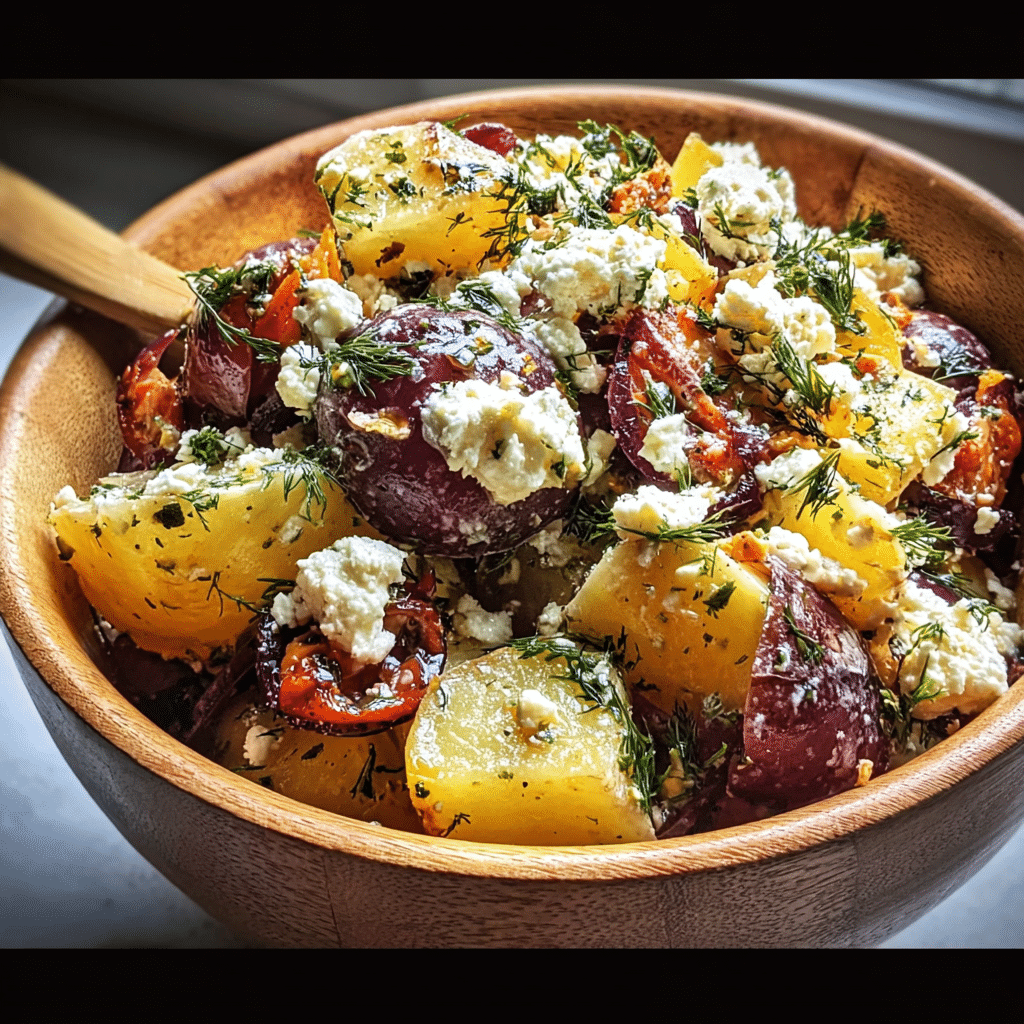
Don’t forget to share your cooking adventures with us on social media, and feel free to ask questions in the comments below. Happy cooking!
Share this recipe and let us know how it turned out! Tag us on social media for a chance to be featured.