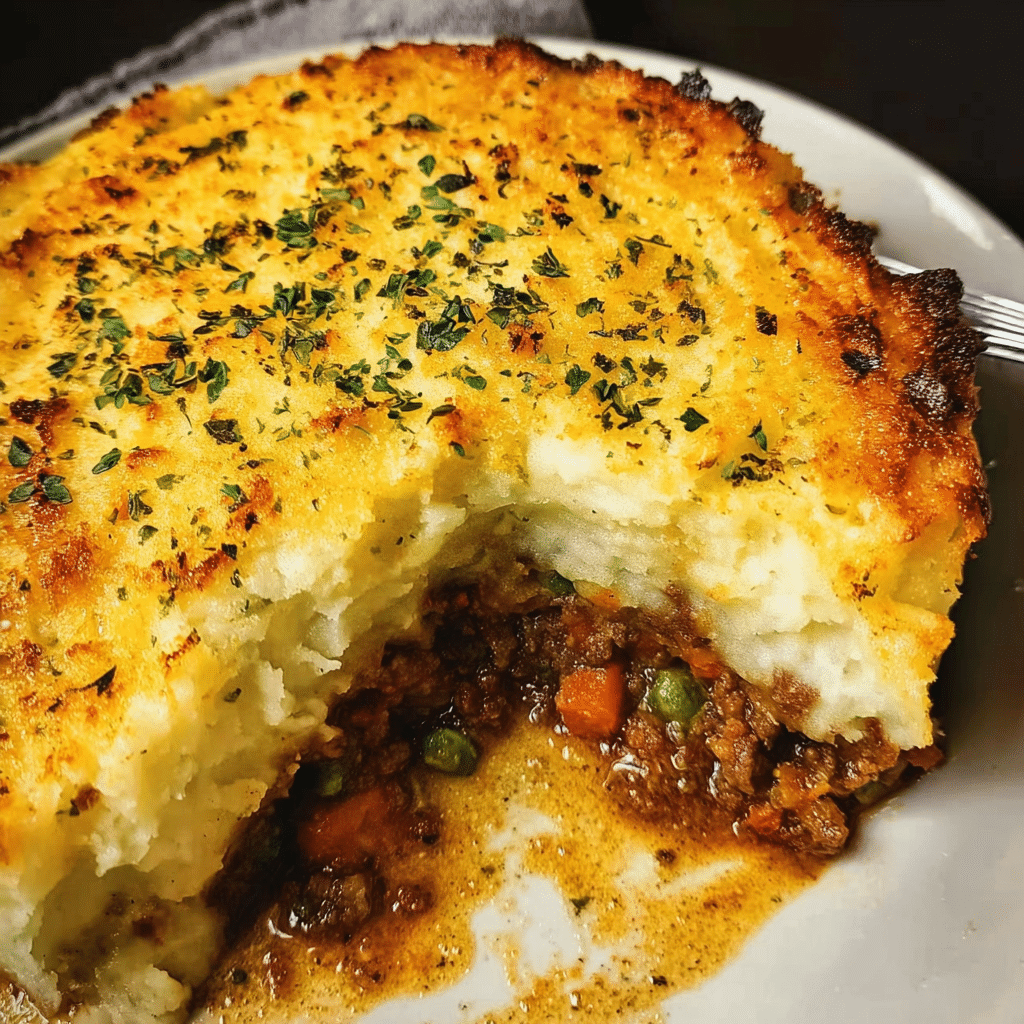
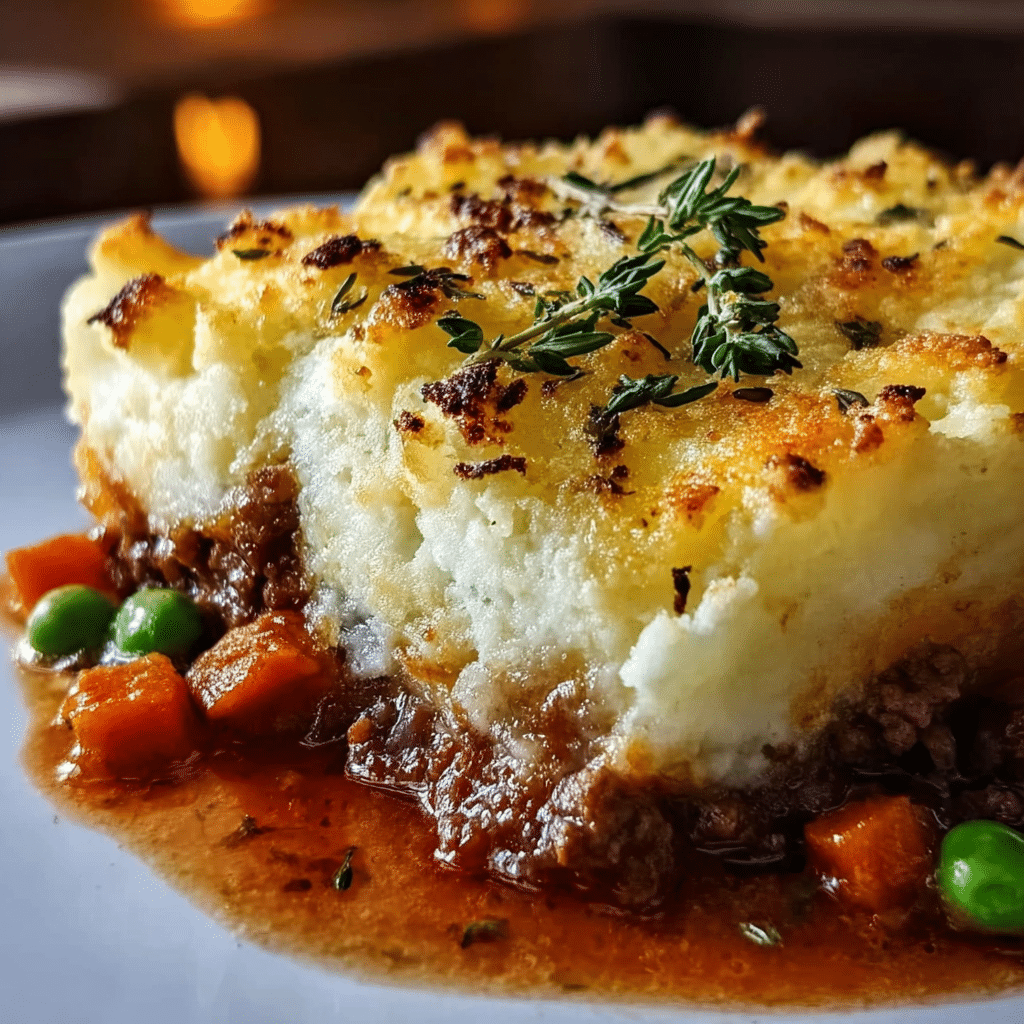
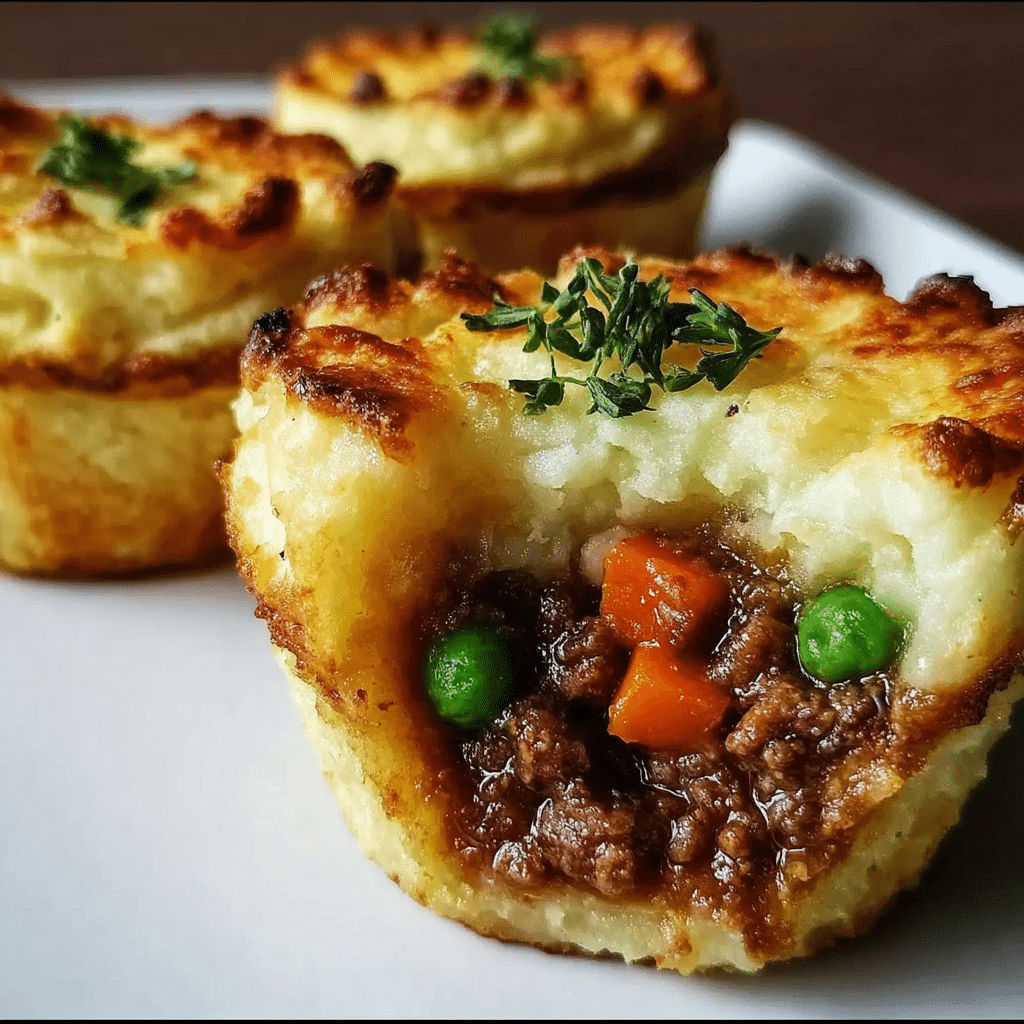
Homemade shepherd’s pie is a dish that embodies warmth, comfort, and a sense of belonging. I vividly remember the first time I encountered this hearty meal. It was a chilly autumn evening, and I had just returned home after a long day at work. The air was crisp, and the leaves crunched underfoot as I entered my cozy kitchen. My partner had decided to surprise me with a steaming dish of shepherd’s pie, the aroma wafting through our small abode like a warm hug. The layers of creamy mashed potatoes, seasoned ground meat, and vibrant vegetables beckoned me, promising a meal that would not only satisfy my hunger but also lift my spirits. With every bite, I was transported to a place filled with nostalgia, family dinners, and the essence of home-cooked love.
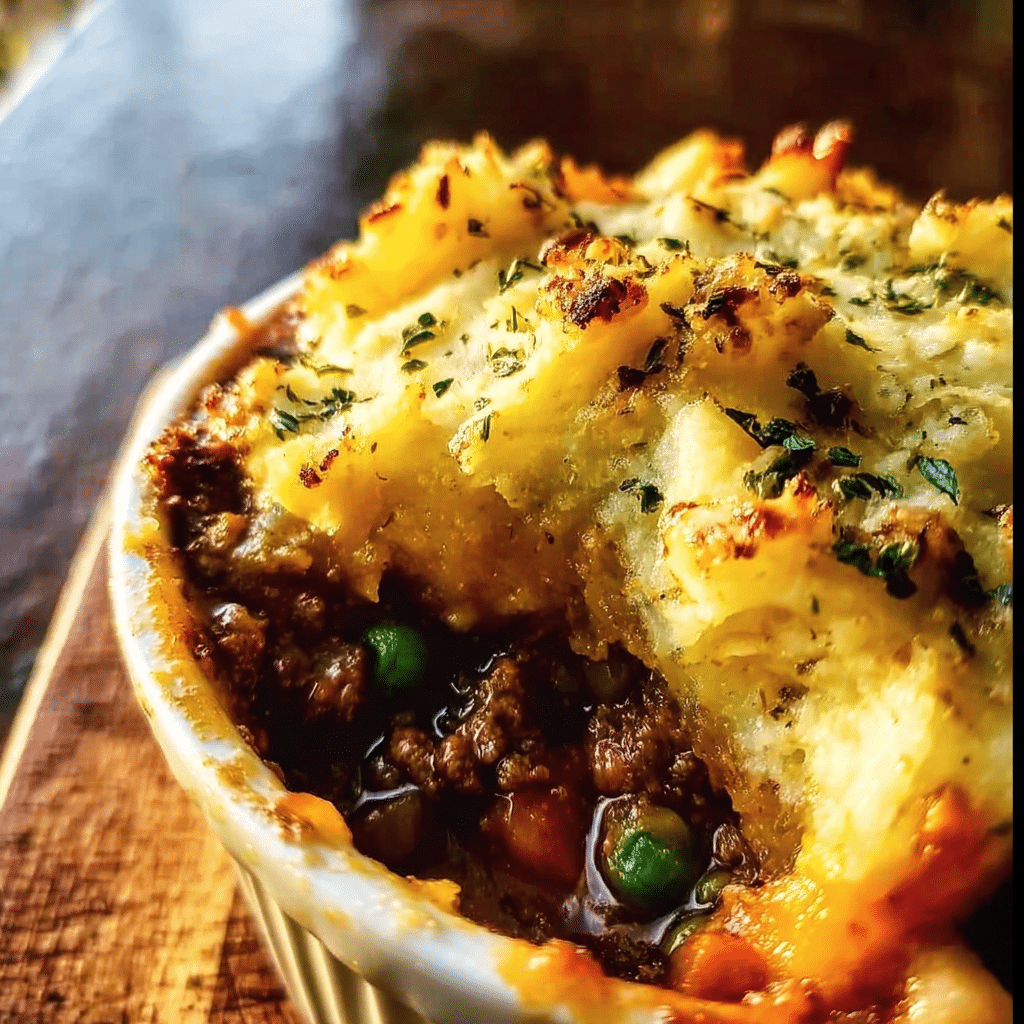
This experience ignited my passion for homemade shepherd’s pie, and I soon found myself experimenting in the kitchen, trying to perfect my version of this classic dish. What I adore about homemade shepherd’s pie is not just its delectable taste, but also the versatility it offers. It can be tailored to suit different dietary preferences, whether you’re a meat lover or a vegetarian, and it’s a fantastic way to utilize leftovers. This dish holds a special place in my heart because it reminds me that food has the power to bring people together, to create memories, and to nurture our souls.
The Story Behind This Recipe
The origins of shepherd’s pie can be traced back to the early 19th century in the United Kingdom. Traditionally, this dish was made with lamb or mutton, which is why it’s called “shepherd’s” pie—shepherds are known for tending to sheep. The essence of shepherd’s pie lies in its humble beginnings; it was a practical solution for using leftover meat and vegetables. The dish gained popularity as a way for families to stretch their meals and minimize waste, a practice that resonates deeply with today’s emphasis on sustainability.
As I delved into the history of homemade shepherd’s pie, I discovered that its evolution has been shaped by cultural influences and regional variations. In Ireland, for example, a similar dish known as “cottage pie” uses beef instead of lamb, while in Scotland, you might find it topped with a layer of haggis. The beauty of homemade shepherd’s pie is how it adapts to the ingredients available, making it a canvas for creativity in the kitchen.
Why You’ll Love This Dish
What makes homemade shepherd’s pie particularly special is its ability to fit seamlessly into the busy lives of families today. After a long day, when time is of the essence, this dish can be prepared in advance and stored in the fridge, ready to be popped in the oven for a quick dinner solution. The comforting nature of the dish, with its layers of flavor and texture, ensures that everyone at the table leaves satisfied. Moreover, it is a meal that encourages sharing; it’s not just food on a plate, but a vessel for conversation and connection.
Seasonally, homemade shepherd’s pie shines brightest in the cooler months. As the leaves turn and the temperature drops, there’s nothing quite like curling up with a warm bowl of this dish. It’s perfect for family gatherings during the holidays or for a cozy Sunday dinner. The emotional connection to homemade shepherd’s pie runs deep—each bite carries with it stories of family traditions, laughter around the dinner table, and cherished moments.
In this guide, you can expect not only to learn how to make the perfect homemade shepherd’s pie but also to explore its rich history, nutritional benefits, and tips for making it your own. Whether you’re a seasoned chef or a novice in the kitchen, I promise you’ll find joy in crafting this beloved dish. So roll up your sleeves, grab your apron, and let’s embark on this delicious journey together!
The Rich History and Cultural Significance of homemade shepherd’s pie
The rich history and cultural significance of homemade shepherd’s pie is a tapestry woven from the threads of tradition, necessity, and love. As we explore its origins, we uncover a dish that has not only stood the test of time but has also adapted to the evolving culinary landscape. Shepherd’s pie, as we know it today, is more than just a meal; it’s a reflection of the communities and cultures that have embraced it.
Origins and History
Homemade shepherd’s pie dates back to the early 1800s in the United Kingdom, when it was a practical solution for utilizing leftover meat and vegetables. The term “shepherd’s pie” was first used in the late 19th century, and it became synonymous with the use of lamb or mutton. Earlier versions of this dish were often referred to as “cottage pie,” which traditionally used beef. The basic premise was ingenious: a layer of meat and vegetables topped with a creamy layer of mashed potatoes, baked until golden brown.
As time went on, shepherd’s pie became a staple in British households. Its roots lie in the working-class tradition of making the most out of limited resources. The dish was not only economical but also nourishing, providing sustenance to families who worked hard on the land. As industrialization took hold, the popularity of shepherd’s pie spread, and it found its way into pubs and restaurants, often featured as a comfort food that resonated with patrons seeking a hearty meal after a long day.
In contemporary kitchens, homemade shepherd’s pie has undergone a delightful transformation. While traditional recipes remain cherished, modern variations have emerged, catering to diverse dietary preferences, including vegetarian and gluten-free adaptations. This evolution reflects our changing relationship with food, as we seek to balance tradition with innovation.
Cultural Significance
Homemade shepherd’s pie has a cultural significance that transcends its humble ingredients. It is often associated with family gatherings, celebrations, and comforting moments shared around the dinner table. In the UK, it’s common to enjoy shepherd’s pie on special occasions, especially during colder months, when the warmth of a baked dish can bring people together. This connection to family and tradition enhances the dish’s nostalgia, making it a beloved part of many people’s culinary heritage.
In addition to its familial ties, shepherd’s pie has also gained recognition in popular culture. Renowned chefs and restaurants have elevated this classic dish, showcasing it on menus and in cookbooks. Celebrity chefs often put their unique spin on the recipe, introducing global flavors that expand its appeal. This blend of tradition and modernity ensures that homemade shepherd’s pie remains relevant in today’s culinary scene.
Nutritional Benefits
Beyond its comforting taste, homemade shepherd’s pie offers numerous nutritional benefits. The primary ingredients—meat, vegetables, and potatoes—create a balanced meal rich in protein, vitamins, and minerals. The meat provides essential amino acids necessary for muscle repair and growth, while the vegetables contribute fiber, antioxidants, and a range of micronutrients that support overall health.
Moreover, the adaptability of homemade shepherd’s pie allows for the inclusion of various vegetables, making it easy to incorporate seasonal produce. Carrots, peas, onions, and even greens can be added, enhancing the dish’s nutritional profile and flavor. For those looking to make it healthier, using lean cuts of meat or plant-based alternatives can significantly reduce calorie content without sacrificing taste.
In conclusion, the rich history and cultural significance of homemade shepherd’s pie reveal a dish that is deeply rooted in tradition while remaining adaptable to modern tastes. Whether enjoyed during a family gathering or as a comforting weeknight dinner, shepherd’s pie continues to be a beloved meal that resonates with people of all ages. As we embrace its history, we can also celebrate the joy of creating our own versions of this classic dish, making this culinary journey all the more meaningful.
Essential Ingredients for Perfect homemade shepherd’s pie
When it comes to crafting the perfect homemade shepherd’s pie, the foundation lies in the choice of ingredients. This dish, a classic comfort food originating from the British Isles, is hearty, rich, and packed with flavor. Each ingredient plays a vital role in creating a symphony of tastes and textures that will not only warm your belly but also your heart. Let’s dive into the essential ingredients that will make your homemade shepherd’s pie a memorable culinary experience.
Essential Ingredients
- 2 lb. russet potatoes, peeled, sliced 1/2″ thick: The star of the dish, these starchy potatoes create a creamy and fluffy topping. Russet potatoes are ideal due to their high starch content, which results in a light and airy mash.
- Kosher salt: Essential for seasoning, kosher salt enhances the natural flavors of the dish. Its coarse texture makes it easy to control the seasoning.
- 2/3 cup half-and-half: A blend of cream and milk, half-and-half adds richness and creaminess to the mashed potatoes, making them indulgently smooth.
- 4 Tbsp. unsalted butter: Butter not only adds flavor but also contributes to the creamy texture of the mash. Using unsalted allows you to control the overall saltiness of the dish.
- 2 Tbsp. chopped fresh parsley, divided: Fresh parsley brings a pop of color and a hint of freshness to the dish. It’s perfect for garnishing and enhances the overall flavor.
- Freshly ground black pepper: A staple seasoning, freshly ground pepper adds a subtle heat and depth to the filling.
- 1 Tbsp. canola oil: This oil is used for sautéing the vegetables and meat. It has a high smoke point and neutral flavor, making it perfect for cooking.
- 2 lb. lean ground beef: The protein base of the dish, lean ground beef provides a hearty and filling element. It’s important to choose lean cuts to keep the dish from becoming too greasy.
- 1 medium yellow onion, chopped: Onions form the aromatic base for the filling, providing depth and sweetness as they caramelize.
- 2 medium carrots, peeled, chopped: Carrots add a natural sweetness and vibrant color to the filling, complementing the savory elements beautifully.
- 3 cloves garlic, chopped: Garlic brings a depth of flavor and aroma that elevates the dish, making it more fragrant and inviting.
- 2 tsp. chopped fresh rosemary: Rosemary adds an earthy, aromatic component that pairs beautifully with the beef and potatoes.
- 2 tsp. chopped fresh thyme: Another herb that enhances the flavor profile, thyme adds a subtle earthiness to the mix.
- 3 Tbsp. tomato paste: Tomato paste provides a rich umami flavor and helps to create a cohesive filling for the shepherd’s pie.
- 1/2 cup dry red wine, such as Cabernet Sauvignon: The wine adds depth and richness to the filling, enhancing the overall flavor profile.
- 1 cup low-sodium beef broth: This broth acts as a cooking liquid for the filling, ensuring it remains moist and flavorful.
- 3 Tbsp. Worcestershire sauce: A quintessential ingredient in many savory dishes, Worcestershire sauce adds complexity and a tangy kick to the filling.
- Cooking spray: Used for greasing your baking dish, cooking spray helps prevent the shepherd’s pie from sticking.
- 3 Tbsp. all-purpose flour: Flour is used to thicken the filling, giving it a hearty and satisfying texture.
- 1 cup frozen corn: Corn adds sweetness and texture to the filling, making each bite a delightful mix.
- 1 cup frozen peas: Peas introduce a pop of color and a burst of freshness, contrasting beautifully with the other ingredients.
- 3 Tbsp. grated Parmesan: This cheese not only adds a savory flavor but also helps achieve a golden crust on top of the mashed potatoes.
Homemade Shepherd’s Pie
Ingredients
- 2 lb. russet potatoes, peeled, sliced 1/2″ thick
- Kosher salt
- 2/3 cup half-and-half
- 4 Tbsp. unsalted butter
- 2 Tbsp. chopped fresh parsley, divided
- Freshly ground black pepper
- 1 Tbsp. canola oil
- 2 lb. lean ground beef
- 1 medium yellow onion, chopped
- 2 medium carrots, peeled, chopped
- 3 cloves garlic, chopped
- 2 tsp. chopped fresh rosemary
- 2 tsp. chopped fresh thyme
- 3 Tbsp. tomato paste
- 1/2 cup dry red wine, such as Cabernet Sauvignon
- 1 cup low-sodium beef broth
- 3 Tbsp. Worcestershire sauce
- Cooking spray
- 3 Tbsp. all-purpose flour
- 1 cup frozen corn
- 1 cup frozen peas
- 3 Tbsp. grated Parmesan
Instructions
- Preheat oven to 400°. In a medium saucepan, cover potatoes with water by 1/2″; season with 1 tablespoon salt. Bring to a boil over high heat. Cook until potatoes are fork-tender, 12 to 15 minutes. Drain potatoes; set aside in colander.
- In same pot over medium-low heat, cook half-and-half and butter, stirring until butter is melted. Return potatoes to pot. Mash potatoes with a potato masher or a fork. Stir in 1 tablespoon parsley; season with salt and pepper. Remove from heat.
- Meanwhile, in a large skillet over medium-high heat, heat oil. Add beef; season with 2 teaspoons salt and 1/2 teaspoon pepper. Break up beef with a wooden spoon and cook until crumbled and no longer pink, 6 to 8 minutes. Using a slotted spoon, transfer beef to a plate. Pour off all but 2 tablespoons beef drippings.
- In same skillet over medium heat, cook onion and carrots, stirring, until onions begin to soften, 5 to 6 minutes. Add garlic, rosemary, and thyme and cook, stirring, until fragrant, about 2 minutes more. Return beef and accumulated juices to skillet; stir in tomato paste. Cook, stirring, until tomato paste turns dark red, 3 to 4 minutes. Add wine and cook, stirring, until almost completely evaporated, 2 to 3 minutes. Stir in broth and Worcestershire and bring to a simmer. Sprinkle with flour and cook, stirring occasionally, until sauce is thickened, about 5 minutes. Stir in corn and peas.
- Pour beef mixture into a 13″ x 9″ pan and dollop mashed potatoes on top. Lightly spray a rubber spatula with cooking spray and spread potatoes over beef mixture. Sprinkle with Parmesan; season with a pinch of pepper.
- Bake shepherd’s pie until beef mixture is bubbling, about 25 minutes. Remove from oven. Place a rack in upper third of oven and turn broiler to high. Broil until top begins to brown, 1 to 2 minutes.
- Sprinkle with remaining 1 tablespoon parsley. Let cool 10 minutes before serving.
Shopping Tips
When shopping for the ingredients for your homemade shepherd’s pie, it’s essential to prioritize quality. For the potatoes, look for firm, unblemished russets. They should feel heavy for their size, indicating they’re full of moisture. If you can, buy them from local farmers’ markets, where they tend to be fresher and often more flavorful than store-bought options.
For the ground beef, opt for grass-fed if possible; it tends to have a richer flavor. When selecting your herbs, fresh is always best, but if you can only find dried options, remember that dried herbs are more potent, so use about one-third the amount. When it comes to wine, choose a bottle that you would also drink; the quality of the wine will directly affect the flavor of your filling.
Substitutions and Alternatives
For those with dietary restrictions, there are plenty of substitutions you can make without sacrificing flavor. If you’re looking to make a vegetarian version of homemade shepherd’s pie, consider substituting the ground beef with lentils or a mix of finely chopped mushrooms and vegetables. You could also use cauliflower as a topping instead of potatoes for a low-carb option.
If you’re lactose intolerant, swap the half-and-half for a plant-based alternative, such as almond or oat milk, and use vegan butter. For gluten-free options, simply replace the all-purpose flour with a gluten-free blend.
Storage tips are also crucial; store any leftover ingredients in airtight containers in the fridge to maintain freshness. Most ingredients, like vegetables and meat, can last several days if stored properly, while potatoes should be kept in a cool, dark place to prevent sprouting.
By being mindful of your ingredient choices and considering substitutes, you can make a delicious homemade shepherd’s pie that caters to your dietary needs without compromising on taste.
Detailed Step-by-Step homemade shepherd’s pie Cooking Instructions
Creating a homemade shepherd’s pie is not just about combining ingredients; it’s an art form that requires technique, timing, and a bit of love. The process may seem daunting at first, but with the right guidance, you can master this classic dish. Below is a detailed step-by-step guide to ensure your homemade shepherd’s pie turns out perfectly every time.
Preparation Steps
- Preheat your oven: Start by preheating your oven to 400°F (200°C). This allows the oven to reach the right temperature for baking your shepherd’s pie, ensuring a beautifully golden crust on top.
- Prepare the potatoes: While the oven is preheating, peel and slice your russet potatoes into 1/2-inch thick pieces. This size allows for even cooking. Place them in a large pot and cover them with cold water. Add a generous pinch of kosher salt to the water to enhance the potato flavor.
- Boil the potatoes: Bring the pot to a boil over high heat. Once boiling, reduce the heat to medium and let them simmer for about 15-20 minutes, or until they are fork-tender. Be careful not to overcook them; you want them soft enough to mash, but not mushy. Drain the potatoes and return them to the pot.
- Mash the potatoes: Add the half-and-half, unsalted butter, and a pinch of salt and pepper to the potatoes. Mash them until creamy and smooth. If you prefer a bit of texture, you can leave them slightly chunky. Stir in 1 tablespoon of the chopped fresh parsley for added flavor.
- Prepare your filling: While the potatoes are cooking, heat 1 tablespoon of canola oil in a large skillet over medium heat. Add the chopped onion and carrots, cooking for about 5-7 minutes until softened. Add the chopped garlic, rosemary, and thyme, cooking for another minute until fragrant.
- Brown the meat: Increase the heat to medium-high and add the lean ground beef to the skillet. Use a wooden spoon to break it up as it cooks. Brown the meat for about 8-10 minutes, until fully cooked and no longer pink. Drain any excess fat if necessary.
- Build the filling: Stir in the chopped tomato paste, cooking it for about 2 minutes. This will deepen its flavor. Then pour in the dry red wine, scraping the bottom of the skillet to deglaze and incorporate any flavorful bits stuck to the pan. Allow the wine to simmer until reduced by half.
- Add the broth: Pour in the low-sodium beef broth and Worcestershire sauce, stirring to combine. Sprinkle the all-purpose flour over the mixture, stirring well to thicken. Add the frozen corn and peas, mixing everything together. Let the filling simmer for about 5 minutes until it thickens slightly.
Cooking Process
- Check the seasoning: Taste your filling and adjust the seasoning with salt and pepper as necessary. Remember that the flavors will meld as it bakes, but you want to ensure it’s well-seasoned at this stage.
- Assemble the pie: In a greased 9×13-inch baking dish, pour the beef and vegetable filling evenly across the bottom. Spread the creamy mashed potatoes on top, using a spatula to smooth them out. For added texture, you can use a fork to create peaks and valleys in the potatoes, which will crisp up nicely while baking.
- Top with cheese: Sprinkle the grated Parmesan cheese evenly over the mashed potatoes. This will create a beautiful golden crust as it bakes.
- Bake the pie: Place the assembled shepherd’s pie in your preheated oven and bake for 25-30 minutes, or until the top is golden brown and bubbling around the edges. Keep an eye on it to avoid burning, as oven temperatures can vary.
- Let it rest: Once out of the oven, let the shepherd’s pie sit for about 10-15 minutes. This resting time allows the filling to set, making it easier to serve. While you wait, you can prepare a simple side salad or some crusty bread to accompany your meal.
Final Assembly
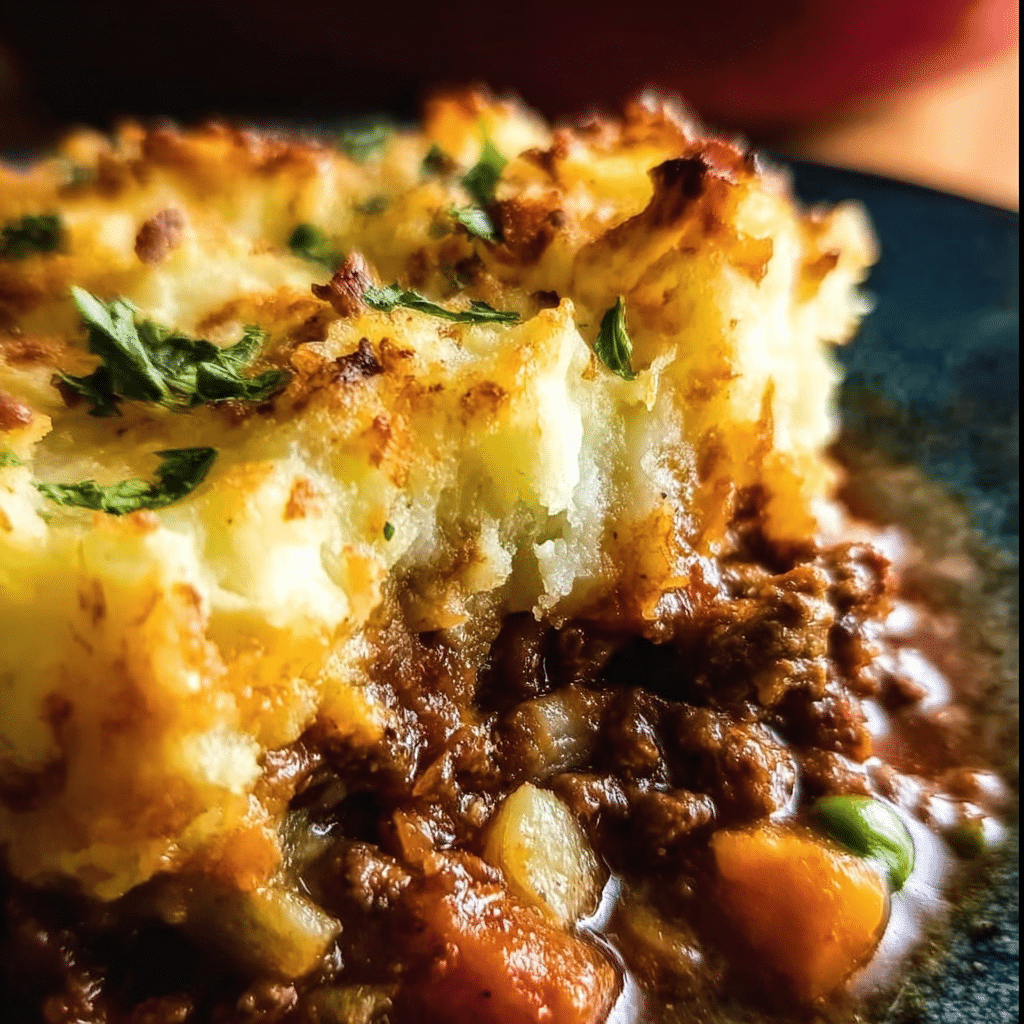
When ready to serve, use a sharp knife to cut into the pie, revealing the layers of flavorful filling and creamy mashed potatoes. The aroma will fill your kitchen, inviting everyone to the table. Homemade shepherd’s pie is an excellent dish for gatherings, as it can easily be made in advance and reheated. The flavors only improve after sitting for a day, making it a perfect candidate for leftovers.
One common mistake to avoid is rushing the cooking process. Allowing the ingredients to develop their flavors during each step is crucial for achieving that rich, comforting taste that we love in a homemade shepherd’s pie. Also, don’t skip the resting time after baking; it truly makes a difference in the final presentation and enjoyment.
With these detailed instructions, you are now equipped to create a homemade shepherd’s pie that will impress family and friends alike. Enjoy the process, savor the flavors, and don’t forget to share your creation with loved ones!
Professional Tips and Techniques for homemade shepherd’s pie
When it comes to crafting the perfect homemade shepherd’s pie, there are a myriad of techniques that can elevate your dish from good to extraordinary. Over the years, I’ve spent countless hours perfecting my own recipe, gathering tips from professional chefs and culinary enthusiasts alike. Whether you’re a novice cook or a seasoned chef, these insights will help you create a shepherd’s pie that’s not only delicious but also impressive.

Professional Techniques
One of the first things I learned in my culinary journey is the importance of quality ingredients. Using fresh, seasonal vegetables and high-quality meat will significantly enhance the flavor of your homemade shepherd’s pie. Start with a base of finely chopped onions, carrots, and celery—often referred to as a mirepoix. Sauté these in butter or oil until they are soft and fragrant, which creates a beautiful flavor foundation for your filling.
Next, consider the meat. Traditional shepherd’s pie is made with lamb, but ground beef is often used in cottage pie. If you’re feeling adventurous, blend both for a richer flavor. Browning the meat properly is crucial; this step develops a deep, savory flavor. Use a cast-iron skillet for even heat distribution, and don’t overcrowd the pan. Cook the meat in batches if necessary.
One technique I love is deglazing the pan after browning the meat with a splash of red wine or broth. This not only lifts the fond (that delicious browned bit stuck to the bottom of the pan) but also adds a layer of complexity to your filling. Once deglazed, add in your sautéed mirepoix and let it simmer together to meld the flavors.
Troubleshooting Guide
Even the most experienced cooks encounter challenges. One common issue with homemade shepherd’s pie is a watery filling. This can occur if you add too much broth or don’t allow your vegetables to cook down adequately. To combat this, you can use a cornstarch slurry to thicken the mixture or reduce the liquid by simmering it longer before assembling the pie.
Another frequent problem is the topping. If your mashed potatoes are too thick, they can become dry during baking. Ensure you add enough butter and cream for a creamy consistency. A little trick I’ve learned is to add an egg yolk to the potatoes for an extra richness that helps with browning and texture. If you find that your topping is browning too quickly, cover it loosely with foil until it’s cooked through to prevent burning.
Make-Ahead and Meal Prep Strategies
One of the best things about homemade shepherd’s pie is that it can be made ahead of time. Prepare the filling and mashed potatoes a day in advance, store them separately in the refrigerator, then assemble and bake when you’re ready to serve. You can also freeze the assembled pie; just make sure to wrap it tightly to prevent freezer burn. When you’re ready to enjoy it, bake from frozen, adding extra time to ensure it heats through properly.
For those cooking for a crowd, scaling the recipe is straightforward. Simply double or triple the ingredients and use a larger baking dish. Just keep an eye on the cooking time, as larger portions may take longer to bake. Additionally, consider individual servings in ramekins for a fun presentation and easier meal prep for the week.
Presentation Tips
When it comes to plating your homemade shepherd’s pie, a bit of creativity can go a long way. For a rustic touch, you can use a deep dish and simply serve directly from the baking dish. However, if you’re aiming for elegance, consider using a piping bag to create beautiful peaks with your mashed potatoes. This not only looks stunning but also promotes even browning.
To elevate your presentation further, sprinkle fresh herbs like parsley or thyme on top before serving. Not only do they add a pop of color, but they also enhance the flavor. Pair your shepherd’s pie with a side salad or roasted veggies for a complete meal that looks as good as it tastes.
Wine and Beverage Pairings
No meal is complete without the perfect beverage! A hearty homemade shepherd’s pie pairs beautifully with a full-bodied red wine, such as a Cabernet Sauvignon or a Merlot, which complements the richness of the meat and the creaminess of the potatoes. If you prefer beer, a classic stout or porter can also be a wonderful choice, enhancing the robust flavors of the dish.
For those who prefer non-alcoholic options, a rich, homemade ginger ale or a sparkling apple cider can be refreshing and delightful. With these tips and techniques, your homemade shepherd’s pie will not only be delicious but also an impressive centerpiece for any dinner table.
Creative Variations and Adaptations of homemade shepherd’s pie
While traditional homemade shepherd’s pie has its roots in Irish and British cuisine, it’s a dish that invites creativity and adaptation. Over the years, I’ve explored various twists and turns on this classic, resulting in endless possibilities that cater to different tastes and dietary preferences.
Seasonal Variations
One of the most delightful aspects of making homemade shepherd’s pie is the opportunity to incorporate seasonal ingredients. In spring, consider adding peas and asparagus for a fresh, vibrant touch. These bright greens not only enhance the flavor but also add a burst of color to your dish.
In the fall, sweet potatoes can be a fantastic swap for traditional mashed potatoes. Their natural sweetness pairs beautifully with savory fillings and adds a unique twist. You can also experiment with a pumpkin or butternut squash puree for an autumnal vibe. For winter, root vegetables like parsnips or turnips can be mixed into your mash for a hearty, warming dish.
Dietary Adaptations
For those following specific diets, homemade shepherd’s pie can easily be adapted. For a keto-friendly version, swap out the mashed potatoes for a cauliflower mash. Simply steam cauliflower until tender, blend it with cream and cheese, and season well. This will give you a creamy topping that satisfies without the carbs.
If you’re catering to vegan guests, replace the meat with lentils or mushrooms for a satisfying filling. A mix of black beans and corn can also provide a hearty texture, while nutritional yeast can add a cheesy flavor. For the mash, consider using vegan butter and almond or oat milk to create a creamy consistency without dairy.
Creative Twists
Don’t be afraid to experiment with flavor profiles! For a Mediterranean twist, incorporate olives, sun-dried tomatoes, and feta cheese into your filling. You can even add a touch of oregano and thyme to give it an aromatic lift. Alternatively, a Mexican shepherd’s pie can be created using ground beef or turkey, black beans, corn, and topped with a spicy jalapeño-infused mashed potato.
Leftover transformations are also a fun way to reinvent your homemade shepherd’s pie. If you find you have extra filling, consider using it as a stuffing for bell peppers or as a topping for nachos. The possibilities are endless, and you’ll find that being creative with leftovers can lead to delightful surprises!
Different Cooking Methods
While baking is the classic method for preparing homemade shepherd’s pie, don’t overlook other cooking methods. Using a slow cooker is a fantastic way to develop deep flavors without much effort. Simply layer your ingredients in the slow cooker and let it do the work. You can still prepare your mashed potatoes separately and add them on top just before serving.
If you’re short on time, consider making a stovetop version where you cook the filling in a skillet and then top it with quick-cooking mashed potatoes. This method can cut down on prep time while still delivering a comforting meal.
In each of these variations, you’ll find that the fundamental love for homemade shepherd’s pie remains intact while still allowing you to explore new flavors and adapt to your dietary needs. So go ahead, embrace your creativity, and make this classic dish your own!
Storage, Reheating, and Meal Prep for homemade shepherd’s pie
When it comes to homemade shepherd’s pie, one of the greatest joys is not just the deliciousness of the dish but also the convenience of storing and reheating it later. After all, who doesn’t love a comforting meal that can be enjoyed on a busy weeknight? In this section, we’ll explore the best practices for storage, reheating, and meal prep to ensure your homemade shepherd’s pie remains as delightful as the day it was made.
Short-term Storage
Once you’ve whipped up a delicious batch of homemade shepherd’s pie, the question arises: how do you store it properly? If you plan to enjoy your shepherd’s pie within a few days, the refrigerator is your best friend. Allow the dish to cool down to room temperature before transferring it to an airtight container. This is crucial because putting hot food directly into the fridge can raise the temperature inside, leading to food safety concerns.
For short-term storage, consider using glass containers with tight-fitting lids or BPA-free plastic containers. These types of storage options not only help maintain the integrity of the shepherd’s pie but also make it easy to reheat. You can typically store homemade shepherd’s pie in the refrigerator for up to three days. Make sure to label the container with the date you prepared the dish to keep track of its freshness.
Another tip is to portion out your shepherd’s pie into smaller containers if you anticipate eating it over several days. This allows for quicker reheating and minimizes the chance of spoiling the entire dish if only part of it is consumed. Remember, once you take a portion out, it’s best not to return it to the main dish to ensure food safety.
Freezing and Long-term Storage
If you want to extend the life of your homemade shepherd’s pie, freezing is an excellent option. Freezing allows you to preserve the flavors and textures of the dish for months. To freeze, start by letting the shepherd’s pie cool completely. Then, you can either freeze it in its original baking dish (if it’s freezer-safe) or transfer it to a freezer-friendly container.
When freezing in a container, make sure to leave some space at the top, as the dish may expand slightly when frozen. For best results, wrap the dish tightly in plastic wrap or aluminum foil before sealing it in a container, which adds an extra layer of protection against freezer burn. You can freeze homemade shepherd’s pie for up to three months, but for optimal flavor and quality, try to consume it within the first month.
When you’re ready to enjoy your frozen shepherd’s pie, the best way to defrost it is in the refrigerator overnight. This gradual thawing helps maintain the texture of the potatoes and meat filling. If you’re short on time, you can also reheat it from frozen, but this will take longer. Just ensure it reaches an internal temperature of 165°F to ensure it’s safe to eat.
Reheating Best Practices
Reheating homemade shepherd’s pie properly will ensure that it retains its original flavors and textures. The microwave is often the quickest method, but it can lead to uneven heating and a soggy crust. If you choose to use the microwave, consider reheating individual portions on a microwave-safe plate. Cover it with a damp paper towel to keep the moisture in.
However, for the best results, I recommend reheating shepherd’s pie in the oven. Preheat your oven to 350°F (175°C), place the shepherd’s pie in an oven-safe dish, and cover it with aluminum foil. This will prevent the top from browning too much while the inside heats through. Bake for about 20 minutes if thawed, or longer if frozen, until it’s piping hot in the center.
Another great method is to use an air fryer, which can give you that crispy topping without drying out the filling. Set your air fryer to around 300°F and cook for about 10-15 minutes, checking occasionally for doneness. No matter how you choose to reheat it, always ensure that the internal temperature reaches 165°F to maintain food safety.
In conclusion, maintaining the quality of your homemade shepherd’s pie through proper storage and reheating techniques is simple when you follow these guidelines. Whether you’re enjoying it fresh or saving it for later, these tips will help you savor every bite of this classic dish, ensuring it remains a comforting staple in your home.
Nutritional Benefits and Health Information
When we think of homemade shepherd’s pie, we often picture a hearty dish filled with rich flavors and a golden-brown crust. But beyond its comforting taste, it’s also important to understand the nutritional benefits that come along with this traditional meal. In this section, we’ll dive deep into the nutritional profile of homemade shepherd’s pie and explore how it fits into a healthy diet.
Nutritional Profile
A classic homemade shepherd’s pie typically consists of ground meat (usually lamb or beef), vegetables like carrots and peas, topped with creamy mashed potatoes. A standard serving of shepherd’s pie (about one cup) offers a well-rounded balance of macronutrients. On average, you can expect it to contain around 300-400 calories, depending on the specific ingredients and portion sizes used.
In terms of macronutrients, a serving generally provides:
- Protein: Approximately 20-25 grams, primarily from the meat.
- Fat: About 15-20 grams, which can vary based on the type of meat and amount of butter or cream used in the mashed potatoes.
- Carbohydrates: Roughly 30-40 grams, mainly from the potatoes and vegetables.
This balance makes homemade shepherd’s pie a filling meal that can provide sustained energy, especially when paired with a side salad or some steamed vegetables.
Health Benefits
Homemade shepherd’s pie is not just a tasty dish; it also offers several health benefits thanks to its wholesome ingredients. For instance, the primary ingredients such as ground meat and potatoes are excellent sources of essential nutrients. Lean ground beef or lamb provides high-quality protein, which is vital for muscle repair and growth. Additionally, these meats are rich in iron, a mineral important for oxygen transport in the body.
Vegetables like carrots and peas add not only flavor but also beneficial vitamins and minerals. Carrots are high in beta-carotene, which converts to vitamin A in the body, promoting eye health and immune function. Peas are a great source of fiber, which aids in digestion and can help you feel fuller for longer, making homemade shepherd’s pie a satisfying meal.
Moreover, if you use fresh herbs or spices in your recipe, you can also enhance the dish’s antioxidant properties. Ingredients like rosemary or thyme introduce additional nutrients and can add anti-inflammatory benefits to your meal. So, not only is this dish comforting, but it also contributes positively to your overall health.
Dietary Considerations
While homemade shepherd’s pie is a nutritious option, it’s essential to consider dietary restrictions and preferences. For those who are gluten-free, a simple substitution of regular flour for a gluten-free blend can make the dish suitable. Similarly, for a lower-carb version, you can replace traditional mashed potatoes with cauliflower mash, which significantly reduces the carbohydrate content while still providing that creamy texture.
Vegetarians or vegans can enjoy a plant-based shepherd’s pie by using lentils or mushrooms as a meat substitute, along with vegetable broth and a medley of vegetables. This not only caters to different dietary needs but also introduces a variety of flavors and textures that can make the dish equally satisfying.
In terms of allergen information, traditional shepherd’s pie may contain common allergens such as dairy (in the mashed potatoes) and gluten (if thickened with flour). Always check your ingredients if cooking for someone with allergies and adjust the recipe accordingly.
In conclusion, homemade shepherd’s pie is not only a delicious meal but also a nutritious one that can fit well into various diets and lifestyles. Its rich flavors, combined with the health benefits of its core ingredients, make it a wonderful addition to your meal rotation. Whether you’re enjoying it on a chilly evening or prepping it for meal prep, this dish is sure to bring warmth and satisfaction to your table.