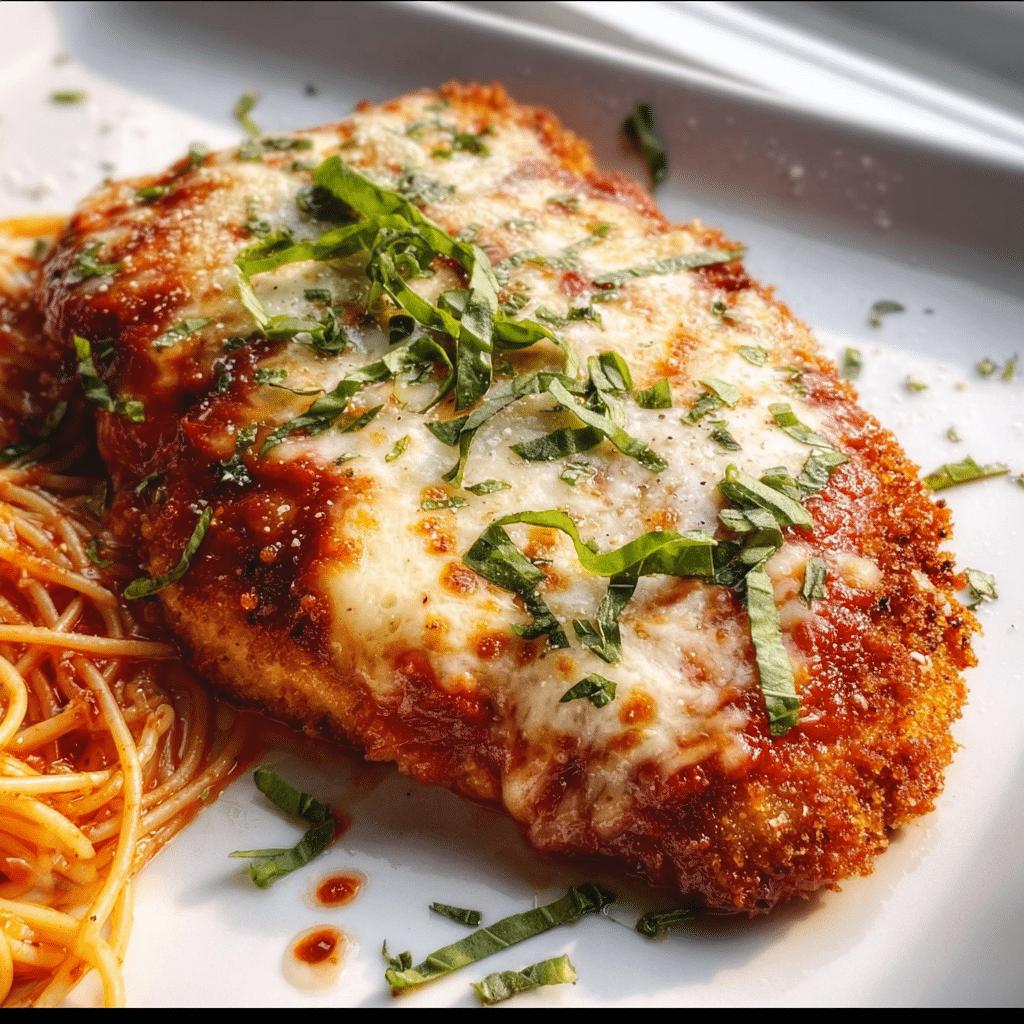
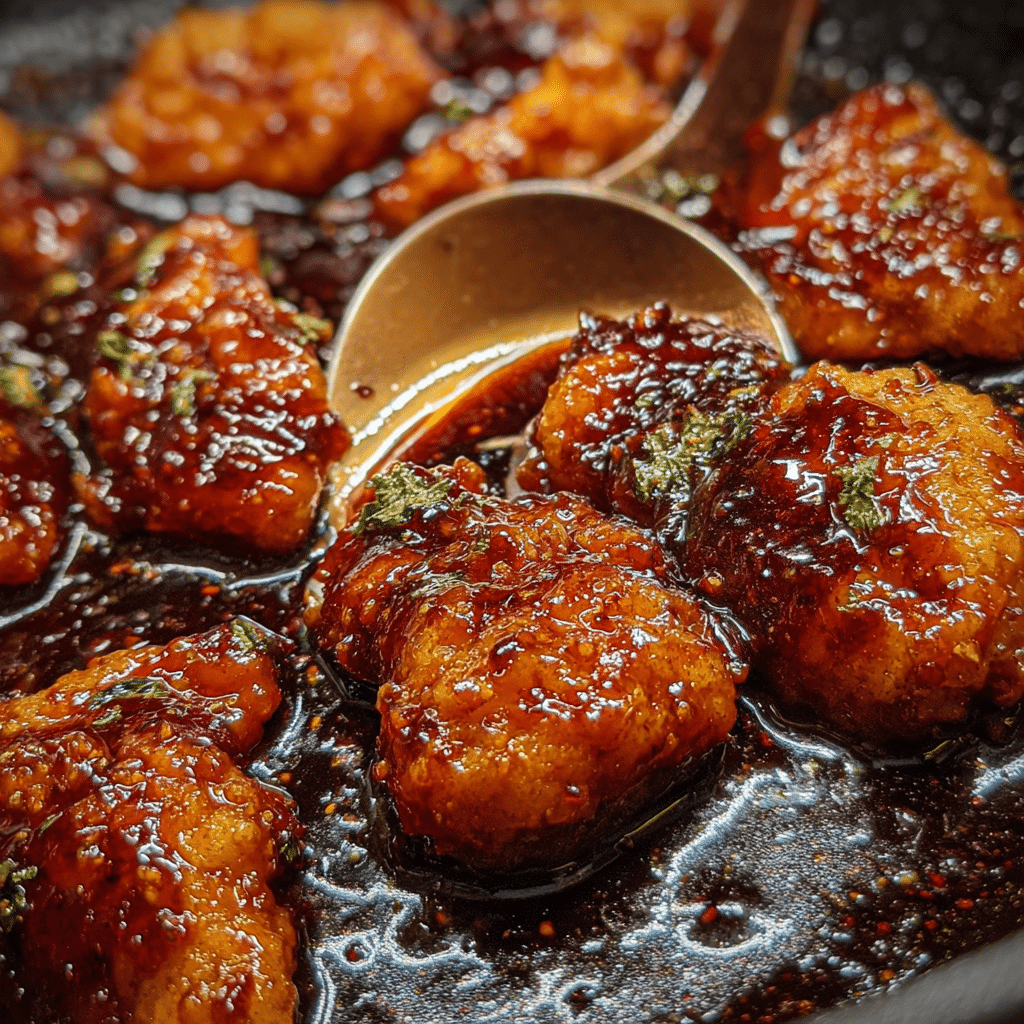
Honey butter chicken is more than just a dish; it’s a delightful experience that tantalizes your taste buds and warms your heart. I can still remember the first time I tasted this exquisite creation. It was a chilly autumn evening, and I was visiting my aunt’s house for a family gathering. As soon as I stepped through the door, the comforting aroma of sweet and savory filled the air, weaving its way into my very being. My aunt greeted me with a warm hug and a plate of honey butter chicken, her signature dish. The golden-brown chicken glistened under the soft kitchen light, drizzled with a luscious honey butter glaze that promised a burst of flavor. That moment sparked my love affair with honey butter chicken, leading me on a culinary journey that would forever change my weeknight dinner routine.
The Story Behind This Recipe
As I savored each bite, I couldn’t help but ask my aunt for the recipe. She chuckled and said it was a family secret passed down through generations. It wasn’t just about the ingredients; it was about the memories made around the dinner table. The recipe originated in the heart of Southern kitchens, where bold flavors and hearty meals were staples of family life. The combination of honey and butter brought a unique sweetness and richness to the chicken that resonated deeply with the comfort food genre.
Honey butter chicken is special because it seamlessly marries the crispy texture of fried chicken with a sweet, buttery glaze. Unlike other chicken recipes that often rely on heavy sauces or complicated marinades, this dish simplifies the process without sacrificing flavor. Perfect for busy families, honey butter chicken can be whipped up in under an hour, making it an ideal choice for weeknight dinners when time is of the essence. It’s versatile enough to pair with seasonal vegetables or served over rice, allowing for a variety of serving options that can cater to any palate.
Moreover, honey butter chicken is a dish that evokes nostalgia and warmth. It’s not just a meal; it’s an emotional connection to family gatherings, celebrations, and cozy nights in. Whether it’s a rainy Sunday or a festive holiday, this dish has a way of bringing people together. The laughter, the stories shared, and the joy of eating together create a tapestry of memories that are treasured for years to come.
As we dive deeper into this guide, I promise you’ll learn everything you need to know to make your own honey butter chicken—from the ingredients required to the techniques that ensure your chicken turns out perfectly crispy and coated in that irresistible glaze. Whether you’re a seasoned cook or a novice looking for an easy dinner solution, this guide will empower you to create a dish that resonates with love and comfort.
Why You’ll Love This Dish
Honey butter chicken is not only easy to prepare but also incredibly satisfying. The dish can be modified to suit various dietary needs, making it a go-to option for families with picky eaters. For instance, you can use boneless, skinless chicken breasts for a lighter version or opt for thighs for that extra juiciness. The honey butter glaze can also be adjusted to enhance the sweetness or add a hint of spice, allowing you to tailor it to your family’s preferences. Additionally, it’s a fantastic dish to serve for gatherings, as it impresses guests with its flavor while remaining simple enough for you to enjoy the celebration.
As the seasons change, honey butter chicken remains relevant all year round. In the spring, you can pair it with fresh asparagus or a light salad, while in the winter, it complements hearty mashed potatoes and roasted vegetables. No matter the time of year, this dish will undoubtedly become a cherished addition to your dining table.
The Rich History and Cultural Significance of honey butter chicken
The honey butter chicken we know today has a rich history that traces its roots back to the Southern United States. It’s a dish reminiscent of comfort and hospitality, embodying the essence of Southern cooking that has been passed down through generations. The origins of honey butter chicken can be traced to the traditional frying techniques of the South, where chicken is often marinated in buttermilk to enhance its flavor and tenderness. This preparation method allows the chicken to soak in the spices and create a succulent base for the sweet honey butter glaze that is applied later.
Origins and History
Historically, fried chicken has been a staple in Southern cuisine, celebrated for its crunchy exterior and juicy interior. The use of honey and butter began as a way to elevate the dish, transforming it into something unique and memorable. Honey has been used in cooking for centuries, not only for its sweetness but also for its preservative qualities. Combining honey with butter created a rich, flavorful glaze that perfectly complements the savory notes of fried chicken.
As the recipe evolved, regional variations began to emerge. For instance, in some parts of the South, chefs might add spices like paprika or cayenne pepper to the honey butter mixture, giving the dish a little kick. Others might incorporate different types of honey, such as wildflower or clover, to infuse the chicken with distinct flavors. Each family has its own twist on the classic recipe, contributing to the dish’s rich tapestry of flavors and traditions.
Cultural Significance
Honey butter chicken is more than just food; it’s a symbol of Southern hospitality and community. It’s often served during family gatherings, church potlucks, and special occasions, bridging generations through shared meals. The act of preparing and sharing this dish fosters a sense of togetherness, making it a beloved choice for celebrations and casual weeknight dinners alike. It exemplifies the love and care that goes into cooking for others, reinforcing the idea that food brings people closer.
Moreover, the rise of food media and the popularity of Southern cuisine have helped honey butter chicken gain recognition beyond its regional roots. Food enthusiasts and chefs alike have embraced this dish, showcasing it in various culinary contexts, from upscale restaurants to food trucks. It’s a testament to how traditional recipes can evolve while still maintaining their core essence.
Nutritional Benefits
While honey butter chicken may not be the first dish that comes to mind when thinking of health foods, it does offer some nutritional benefits. Chicken is an excellent source of protein, which is essential for muscle growth and repair. When prepared with care, the dish can be made healthier by opting for skinless chicken and using moderate amounts of honey and butter. Additionally, serving it with a side of vegetables can balance the meal, providing essential vitamins and minerals.
In conclusion, honey butter chicken is a dish steeped in history and culture, with roots that run deep in Southern culinary traditions. Its evolution over time speaks to the creativity of home cooks and chefs who continue to celebrate this beloved meal. As we explore more about how to prepare this dish and its variations, you’ll find that it holds a special place not only in our kitchens but also in our hearts.
Essential Ingredients for Perfect honey butter chicken
When it comes to preparing a delicious and satisfying meal, the ingredients play a crucial role, especially in a dish as delightful as honey butter chicken. This dish has gained immense popularity for its sweet and savory flavor profile, making it a favorite in many households. Let’s dive into the essential ingredients that come together to create this culinary masterpiece.
Essential Ingredients
The following is a complete list of ingredients required to make honey butter chicken, along with their measurements:
- 800 g Boneless chicken thighs or chicken tenders
- ⅔ cup Flour
- 1 teaspoon Kosher salt
- ½ teaspoon Black pepper
- 1 teaspoon Garlic powder
- 3 tablespoon Olive oil or canola oil or vegetable oil
- ⅓ cup Honey
- 100 g Butter (unsalted)
- 2 cloves Garlic (minced)
- 2 tablespoon Soy sauce (light soy sauce)
Honey Butter Chicken
Ingredients
- 800 g Boneless chicken thighs or chicken tenders
- ⅔ cup Flour
- 1 teaspoon Kosher salt
- ½ teaspoon Black pepper
- 1 teaspoon Garlic powder
- 3 tablespoon Olive oil or canola oil or vegetable oil
- For the honey butter sauce
- ⅓ cup Honey
- 100 g Butter unsalted
- 2 cloves Garlic minced
- 2 tablespoon Soy sauce light soy sauce
Instructions
- In a large bowl or a large flat plate, mix together the flour, salt, black pepper, and garlic powder.
- Add the chicken chunks and coat them well with the flour mixture.
- Heat a large pan with oil over medium-high heat and cook the chicken on each side until it is crispy and golden brown on the outside.
- Remove the chicken from the pan while you make the sauce (Place the cooked chicken on a plate).
- Melt the butter over medium heat along with the honey, soy sauce, and garlic. Mix well and cook for about 2 minutes until the sauce is bubbly.
- Add the chicken to the sauce and mix well and cook for another minute or so to let the sauce cling to the crust. Serve hot and enjoy!
Now, let’s explore the role and importance of each ingredient in our honey butter chicken.
- Boneless Chicken Thighs or Chicken Tenders: The star of our dish! Chicken thighs are preferred for their juiciness and flavor, but tenders are a great alternative if you prefer white meat. When choosing chicken, look for pieces that are firm, with a pinkish hue and no unpleasant odor.
- Flour: This ingredient is essential for creating a crispy coating on the chicken. When fried, the flour forms a beautiful golden crust that locks in moisture. Always opt for all-purpose flour for this dish, as it provides the right texture.
- Kosher Salt: Salt is fundamental in enhancing the flavors of the dish. Kosher salt is often preferred by chefs because of its larger grain size, which allows for better control of seasoning.
- Black Pepper: Freshly ground black pepper adds a subtle heat and depth to the dish. Look for whole peppercorns and grind them just before use for maximum flavor.
- Garlic Powder: While fresh garlic is also used, garlic powder provides a concentrated flavor that blends well with the other spices. It’s a great pantry staple to have on hand.
- Olive Oil or Canola Oil or Vegetable Oil: The choice of oil is important for frying. Olive oil adds a slight flavor, while canola or vegetable oil has a higher smoking point, making it a popular choice for frying.
- Honey: The star ingredient that provides sweetness and a sticky glaze that coats the chicken beautifully. Look for raw or local honey for the best flavor.
- Butter (Unsalted): Butter adds richness and depth to the sauce. Using unsalted butter allows you to control the saltiness of the dish better.
- Garlic (Minced): Fresh garlic brings a vibrant flavor that elevates the dish. Always choose firm garlic bulbs that are free from sprouting.
- Soy Sauce (Light): Light soy sauce adds umami and a hint of saltiness, balancing the sweetness of the honey. Opt for a quality brand to ensure a rich flavor.
Shopping Tips
When shopping for these ingredients, quality matters. For chicken, seek out organic or free-range options if possible. The texture and flavor can be noticeably better than conventional chicken. Fresh garlic and quality oils can also make a significant impact on the overall taste of the dish.
Consider visiting local farmers’ markets for honey and fresh produce. This not only supports local businesses but often yields better quality ingredients. For flour, look for brands that offer unbleached varieties, as they tend to have better flavor and texture.
Substitutions and Alternatives
Not everyone may have access to every ingredient, or dietary restrictions may necessitate some substitutions:
- If you’re looking for a gluten-free option, substitute all-purpose flour with gluten-free flour blends or cornstarch.
- For a dairy-free version, replace butter with a dairy-free margarine or coconut oil.
- Vegetarians can substitute chicken with firm tofu or seitan, adjusting cooking times accordingly.
- For a sugar-free alternative, consider using sugar-free honey substitutes or maple syrup.
Storage tips are also crucial. Keep chicken in the coldest part of your fridge, and use it within a couple of days. Flour should be stored in an airtight container in a cool, dry place, while honey can be stored in any pantry. Garlic should be kept in a cool, dark place, and oils should be stored away from heat to maintain their quality.
In conclusion, the success of your honey butter chicken will greatly depend on the quality and freshness of the ingredients you choose. Each element has its unique role, and when combined, they create a dish that is not only delicious but also a joy to prepare and share with loved ones.
Detailed Step-by-Step honey butter chicken Cooking Instructions
Cooking honey butter chicken can seem daunting at first, but with a detailed step-by-step guide, you’ll find that it’s straightforward and incredibly rewarding. This dish can be prepared in roughly 30 minutes, making it a perfect choice for a weeknight dinner that feels special. Let’s break down the cooking process into three main phases: preparation, cooking, and final assembly.
Preparation Steps
- Gather Your Ingredients: Start by assembling all your ingredients. This is known as mise en place in culinary terms, which means having everything organized and ready to go. It not only makes the cooking process smoother but also more enjoyable.
- Prepare the Chicken: If you’re using chicken thighs, trim any excess fat. Cut the chicken into bite-sized pieces if you prefer smaller servings or keep them whole for a more rustic presentation. Pat the chicken dry with paper towels; this will ensure a crispier coating.
- Season the Flour: In a shallow bowl, combine flour, kosher salt, black pepper, and garlic powder. This seasoned flour is crucial for flavoring the chicken and creating a delicious crust.
- Minced Garlic Preparation: Take two cloves of garlic and mince them finely. The fresher, the better! Set aside to add later to the sauce.
- Measure Out Honey and Soy Sauce: In a small bowl, combine honey and light soy sauce. This mixture will be the glaze for your chicken. Ensure you have everything measured out, as this will help you keep the cooking process moving quickly.
Cooking Process
- Heat the Oil: In a large skillet, pour in your choice of oil (olive, canola, or vegetable) and heat over medium-high heat. You want the oil hot enough to sizzle when you add the chicken, but not smoking. A good visual cue is to drop a pinch of flour into the oil; if it sizzles, the oil is ready.
- Coat the Chicken: Dredge each piece of chicken in the seasoned flour, shaking off any excess. This step is key to achieving that golden, crispy crust.
- Fry the Chicken: Carefully place the coated chicken pieces in the hot oil, ensuring not to overcrowd the pan. Fry in batches if necessary. Cook for about 4-5 minutes on each side, or until golden brown and cooked through. Use a meat thermometer to check the internal temperature, which should reach at least 75°C (165°F).
- Remove and Drain: Once cooked, transfer the chicken to a plate lined with paper towels to drain excess oil. This keeps the chicken crispy.
- Prepare the Sauce: In the same skillet, reduce the heat to medium and add the unsalted butter. Once melted, add the minced garlic and sauté for about 30 seconds until fragrant. Be careful not to burn the garlic as it can turn bitter.
- Add Honey Soy Mixture: Pour in your honey and soy sauce mixture, stirring to combine. Allow this to bubble for a minute, creating a thick and sticky sauce that will coat the chicken beautifully.
Final Assembly
- Combine Chicken and Sauce: Return the fried chicken to the skillet, tossing it in the sauce to ensure every piece is coated. This step is where the magic happens, as the chicken absorbs the sweet, savory flavors of the honey butter sauce.
- Serve Hot: Plate your honey butter chicken, garnishing with sesame seeds or chopped green onions if desired. This adds a pop of color and flavor.
- Pair and Enjoy: Honey butter chicken pairs beautifully with steamed rice, mashed potatoes, or a simple side salad to balance the richness of the dish. Enjoy it with family and friends, and watch as they savor every bite!
Throughout the cooking process, keep an eye on your timing and multitasking. While the chicken is frying, you can prepare your sauce, making the process efficient. Remember to check the chicken’s internal temperature for food safety, and always practice good hygiene in the kitchen.
In conclusion, making honey butter chicken is not only about following a recipe; it’s about enjoying the process and creating something delicious that brings people together. With these detailed instructions, you’re well on your way to mastering this wonderful dish!
Professional Tips and Techniques for honey butter chicken
When it comes to cooking honey butter chicken, achieving that perfect balance of sweetness and savory goodness is essential. This dish, which has gained popularity for its unique flavor profile and comforting qualities, requires some professional tips and techniques to elevate it from ordinary to extraordinary. Whether you are a novice cook or a seasoned chef, these insider secrets will help you navigate the journey of preparing honey butter chicken with ease.
Professional Techniques
To start, let’s discuss the importance of marinating the chicken. Marination is not just a step; it’s a transformative process that infuses the meat with flavor. A simple marinade of honey, butter, garlic, and a splash of vinegar can do wonders. Let the chicken marinate for at least an hour, but if you have the time, overnight is even better. This not only enhances the flavor but also tenderizes the meat, making it juicy and succulent.
For the cooking method, frying the chicken in a cast-iron skillet is a game-changer. The cast iron retains heat beautifully, ensuring that you get that crispy, golden crust that’s reminiscent of southern fried chicken. Preheat your skillet before adding the oil; this helps achieve an even cook and minimizes the risk of the chicken sticking to the pan.
Another advanced technique involves using a two-step frying method. Start by frying the chicken pieces until they are golden brown, then finish them in the oven. This method ensures that the chicken is cooked through without becoming dry, allowing the honey butter glaze to adhere beautifully.
Troubleshooting Guide
No recipe is without its pitfalls, and honey butter chicken is no exception. One common problem is the glaze not sticking to the chicken. If you find this happening, it may be due to the chicken being too wet after frying. Make sure to let the chicken drain on a cooling rack rather than paper towels to avoid trapping moisture. Another issue might arise if the glaze burns; this can happen if your heat is too high. Always keep an eye on your glaze, and if it starts to darken too quickly, lower the heat.
For those who find their chicken to be too salty, consider the type of soy sauce or seasoning used; some brands are saltier than others. A simple solution is to balance it out with a bit more honey or butter, which will enhance the sweetness and create that signature honey butter chicken flavor.
Presentation Tips
Once your honey butter chicken is cooked to perfection, presentation is key. A simple yet effective way to plate this dish is to serve it on a bed of fluffy rice or creamy mashed potatoes, allowing the chicken to soak up all the delicious juices. Drizzle the honey butter sauce over the chicken generously, and garnish with chopped green onions or fresh herbs like parsley for a pop of color.
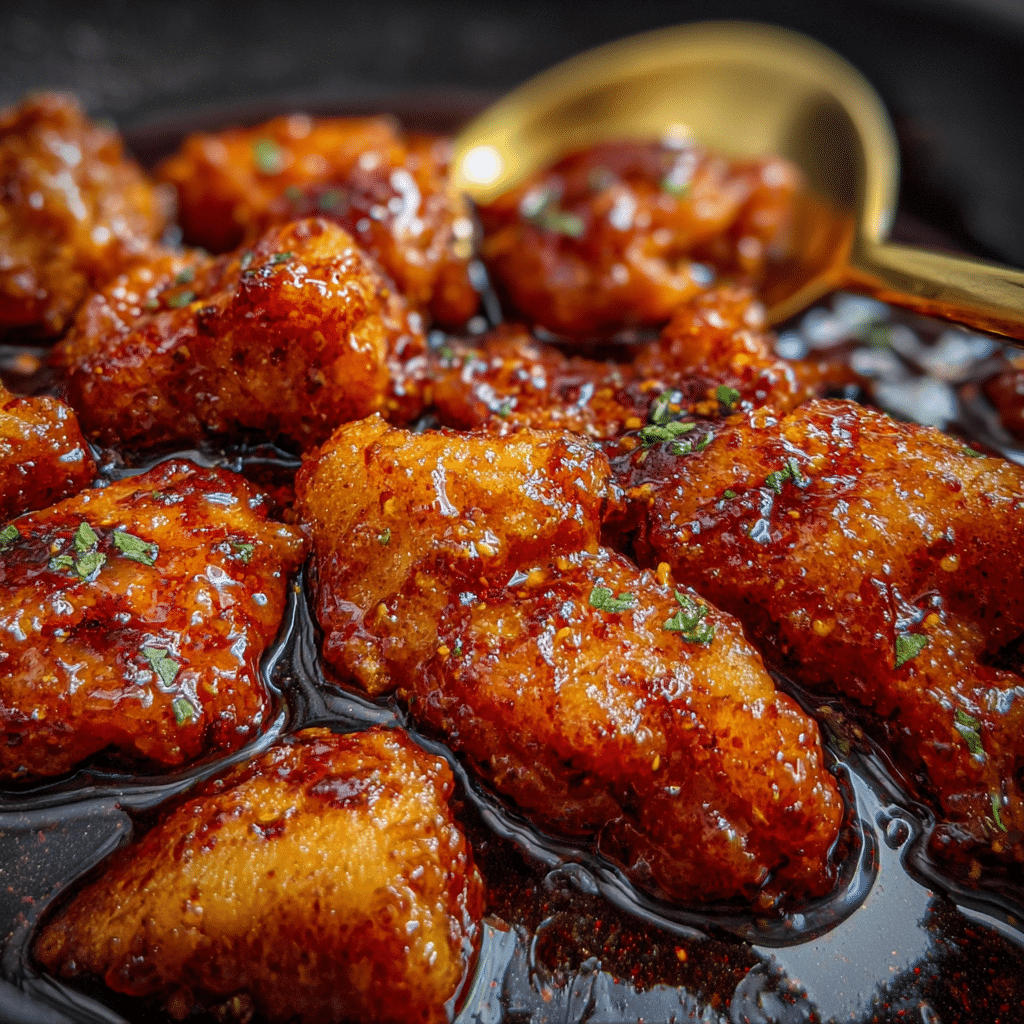
For a more rustic presentation, consider serving the dish in a cast-iron skillet. This not only keeps the chicken warm but also adds a charming, homey touch to your table setting. Pair your honey butter chicken with seasonal vegetables such as roasted carrots or sautéed green beans, giving your plate a vibrant and wholesome look.
Wine and Beverage Pairings
Now, let’s not forget about beverages. A meal is never complete without a drink to complement the flavors of your dish. For honey butter chicken, a slightly sweet white wine like Riesling or a light-bodied red like Pinot Noir can be delightful pairings. The sweetness in the wine beautifully balances the savory notes of the chicken, while the acidity cuts through the richness of the butter. For a non-alcoholic option, consider a sparkling apple cider, which echoes the dish’s sweet and savory elements while adding a refreshing fizz.
In conclusion, cooking honey butter chicken can be a delightful experience when you arm yourself with these professional tips and techniques. From mastering the art of marinating to troubleshooting common issues, each step plays a critical role in achieving that perfect dish. Remember, cooking is not just about following a recipe but also about infusing your passion and creativity into every bite. Happy cooking!
Creative Variations and Adaptations of honey butter chicken
Honey butter chicken is a versatile dish that lends itself well to creative variations and adaptations. As I’ve explored different avenues in the kitchen, I’ve discovered that the core concept of sweet and savory can be played with in delightful ways, allowing you to cater to various tastes and dietary needs. Let’s dive into some exciting variations that can transform this dish into something uniquely yours.
Seasonal Variations
Seasonal ingredients can significantly impact the flavor and presentation of your honey butter chicken. In the spring, consider incorporating fresh herbs such as thyme or rosemary into your marinade, enhancing the dish with bright, earthy notes. Summer is perfect for pairing the chicken with grilled peaches or pineapple; the caramelization from the grill adds a delicious smoky sweetness that complements the honey glaze beautifully.
As we transition into autumn, pumpkin puree can be added to your honey butter sauce for a cozy twist. This adaptation not only adds a rich, creamy texture but also introduces a warm flavor profile that is perfect for the season. During winter, consider adding a touch of cayenne or smoked paprika to bring a bit of heat and warmth, making it a comforting dish during the colder months.
Dietary Adaptations
In today’s culinary landscape, accommodating different dietary preferences is essential. For those following a keto diet, you can use almond flour or crushed pork rinds as a coating for the chicken instead of traditional breadcrumbs. This switch provides that desired crunch while keeping the carb count low. To make a gluten-free version, ensure your soy sauce is gluten-free or try tamari as a substitute, keeping the flavor profile intact.
For vegan adaptations, consider using cauliflower or tofu as the base. Marinate the cauliflower florets in the honey butter sauce (or a vegan alternative using maple syrup and vegan butter) before roasting or frying. The result will be a deliciously satisfying dish that caters to plant-based diets without sacrificing flavor.
Creative Twists
Branching out into international flavors can yield some exciting honey butter chicken variations. For instance, consider a Korean-inspired twist by adding gochujang (Korean chili paste) to your honey butter sauce. This addition introduces a spicy kick that perfectly balances the sweetness, creating a bold flavor profile that’s sure to impress.
Another fun idea is to infuse Asian flavors by marinating the chicken in a mixture of honey, soy sauce, and ginger. This version can be served over a bed of jasmine rice and garnished with sesame seeds and sliced green onions for a delightful fusion dish.
Let’s not forget about cooking methods! If you’re short on time, using a slow cooker can make your life easier. Simply place your marinated chicken in the slow cooker, pour the honey butter sauce over, and let it cook on low for several hours. This method yields tender, fall-off-the-bone chicken that is bursting with flavor.
Leftover Transformation Ideas
One of my favorite parts about cooking honey butter chicken is the delightful leftovers. However, rather than simply reheating them, consider transforming your leftovers into a new dish. Shred the chicken and use it as a filling for tacos or burritos, paired with fresh slaw and avocado for a delicious twist. Alternatively, you can toss the shredded chicken in a salad with mixed greens, nuts, and a light vinaigrette, providing a refreshing and healthy option.
In summary, honey butter chicken is not just a single recipe but a canvas that welcomes creativity. From seasonal adaptations to catering to dietary needs, the possibilities are endless. Embrace the art of cooking by experimenting with different flavors and techniques, and you’ll discover the joy that comes from making this dish your own. Happy cooking!
Storage, Reheating, and Meal Prep for honey butter chicken
When it comes to keeping your honey butter chicken fresh and delicious, storage plays a pivotal role. Whether you’re preparing a large batch for a family gathering or just want to enjoy leftovers from a cozy dinner, understanding the best practices for storage, reheating, and meal prep can enhance your culinary experience. So, let’s dive into the nitty-gritty of how to store, freeze, and reheat your honey butter chicken so it remains a flavorful delight.
Short-term Storage
After you’ve savored your honey butter chicken, the first step in short-term storage is to let the dish cool down to room temperature. This is an important step to avoid condensation in your storage container, which can lead to sogginess. Once cooled, transfer your chicken into airtight containers. Glass containers are a great choice; they’re non-toxic, won’t absorb odors, and are microwave-safe. If you’re using plastic, ensure they are BPA-free and labeled safe for microwave use.
In the refrigerator, your honey butter chicken will stay fresh for about three to four days. It’s essential to keep it in the main part of the fridge rather than the door, where the temperature fluctuates more. For best results, try to store it in a shallow container, which allows it to cool more quickly and evenly.
In addition to the chicken, if you’ve made a sauce, consider storing it in a separate container. This keeps the chicken from becoming overly soggy and allows you to control the amount of sauce you’d like to add upon reheating. Finally, label your containers with the date you cooked the dish to keep track of freshness.
Freezing and Long-term Storage
For longer-term storage, freezing your honey butter chicken is a fantastic option. Properly stored, it can last for up to three months in the freezer. To freeze, I recommend using freezer-safe bags or containers. If you’re using freezer bags, try to remove as much air as possible before sealing to prevent freezer burn, which can affect both the flavor and texture of your chicken.
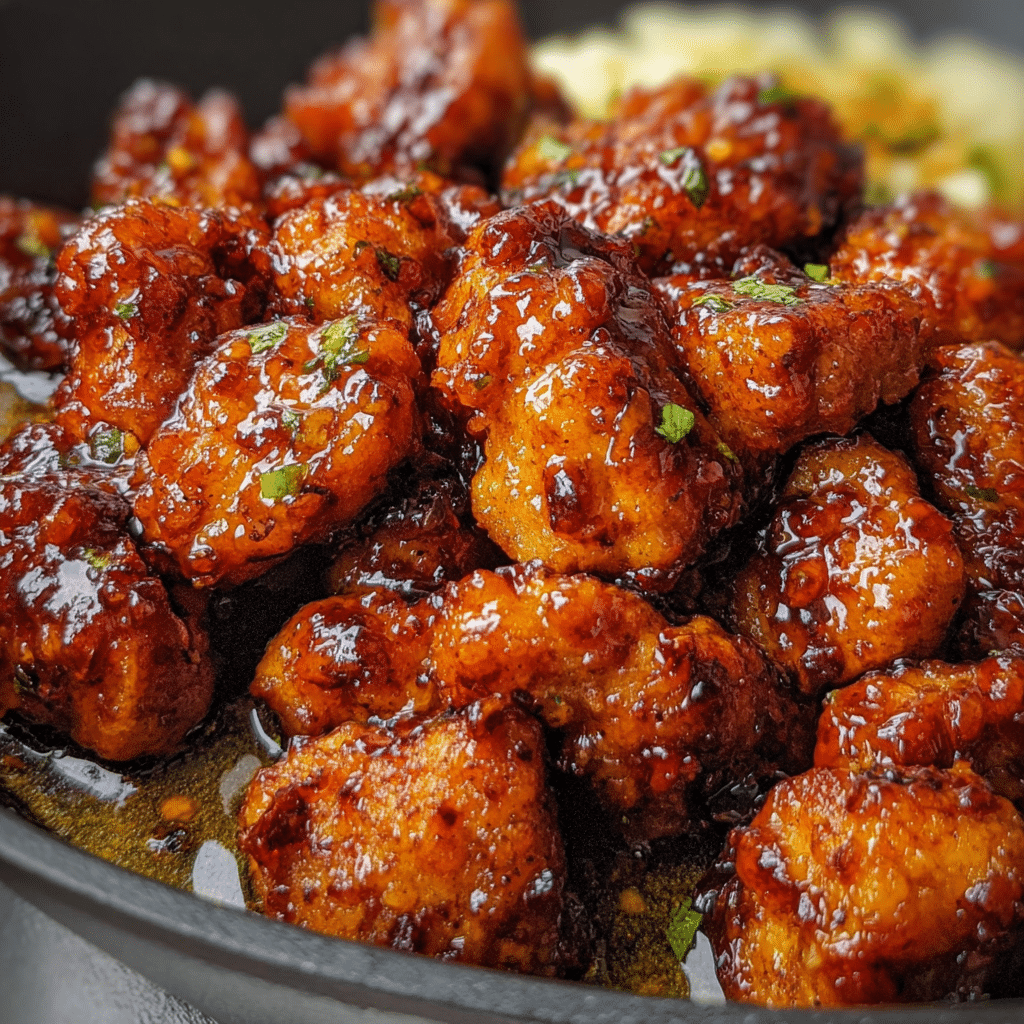
Portioning is key when it comes to freezing. If you know you’ll be eating this dish in smaller servings, consider dividing the chicken into portions before freezing. This way, you can thaw only what you need, making it more convenient and minimizing waste.
When you freeze the sauce, consider adding it separately to maintain the integrity of the chicken. Alternatively, you can freeze the entire dish, but be aware that the sauce may change texture once thawed. To defrost your honey butter chicken, simply transfer it from the freezer to the refrigerator the night before you plan to enjoy it. This gradual thawing process helps maintain the quality of the dish.
Reheating Best Practices
Reheating your honey butter chicken properly is crucial to keeping it tender and flavorful. The microwave is the quickest option, but it can lead to uneven heating. If you go this route, place your chicken on a microwave-safe plate, cover it with a microwave-safe lid or damp paper towel, and heat in short increments, stirring occasionally to ensure even cooking. Aim for medium heat, checking for doneness every 30 seconds.
For a better flavor and texture, consider reheating your honey butter chicken in a skillet. This method allows you to add a little extra honey or butter if needed, rejuvenating the dish. Heat a tablespoon of oil in a skillet over medium heat, add the chicken, and stir it occasionally until heated through. This approach also gives a nice crispiness to the edges, which can enhance the overall eating experience.
Another option is to use the oven, which is ideal for larger portions. Preheat your oven to 350°F (175°C), place the chicken in an oven-safe dish, cover it with foil to retain moisture, and heat for about 20-25 minutes, or until warmed through. You can remove the foil for the last 5 minutes if you want it to get a bit crispy.
Finally, always pay attention to food safety. Reheat your honey butter chicken to an internal temperature of 165°F (74°C) to ensure that it’s safe to eat. If you’re unsure, a food thermometer can be a handy tool to have on hand.
Storing, freezing, and reheating your honey butter chicken can seem like a daunting task, but with these tips, you’ll ensure that every bite is just as delicious as the first. Whether it’s a cozy weeknight dinner or a meal prep staple, your chicken will be ready to shine!
Nutritional Benefits and Health Information
Understanding the nutritional benefits of your favorite dishes is crucial, especially when you’re indulging in something as delectable as honey butter chicken. This dish, with its sweet and savory glaze, is not only comforting but can also be part of a balanced diet. Let’s explore the nutritional information and health benefits of the key ingredients in this tantalizing meal.
Nutritional Profile
At its core, honey butter chicken typically consists of chicken, honey, butter, and a variety of spices. A standard serving size of boneless, skinless chicken breast (about 4 ounces) contains approximately 165 calories, 31 grams of protein, 3.6 grams of fat, and no carbohydrates. When you add honey, which has about 64 calories per tablespoon, and butter, which contains around 100 calories per tablespoon, the calorie count can rise significantly depending on the quantities used. However, the protein content remains a significant benefit, making this dish a great option for those looking to build or maintain muscle mass.
When prepared with care—using less butter or opting for alternatives like olive oil—you can enjoy a flavorful meal without compromising health. Depending on how you prepare your honey butter chicken, the caloric content can vary, so it’s important to keep that in mind for portion control. For those watching their calorie intake, you might consider using less honey or a sugar substitute, which can help reduce the overall calories while still providing that sweet flavor.
Health Benefits
The star of the show in honey butter chicken is undoubtedly the chicken itself. Chicken is a fantastic source of lean protein, which is essential for muscle repair and growth, as well as overall health. Protein aids in weight management by promoting satiety, which helps curb hunger and reduces the likelihood of snacking between meals.
Honey, while sweet, is packed with antioxidants, which can help combat oxidative stress and inflammation in the body. It’s also known for its antibacterial properties and can even soothe sore throats. Plus, honey is a natural source of energy, making it a better alternative to refined sugars.
Butter, while often viewed skeptically due to its saturated fat content, can be consumed in moderation as part of a balanced diet. It contains essential fatty acids and fat-soluble vitamins like A, D, E, and K. These vitamins support various bodily functions, including immune health and skin health. However, it’s wise to consider portion sizes, especially if you are watching your fat intake.
Dietary Considerations
When preparing honey butter chicken, it’s essential to consider dietary restrictions and preferences. For those who are gluten-free, this dish is naturally safe, as none of the standard ingredients contain gluten. However, be cautious if you’re using any marinades or sauces that may include gluten-containing ingredients.
If you’re vegan or vegetarian, there are alternatives to create a plant-based version of honey butter chicken. Substitute chicken with tofu or tempeh, and use agave syrup or maple syrup in place of honey for a vegan-friendly sweetness. Plant-based butter made from olive oil or coconut oil can replace traditional butter without sacrificing flavor.
For those following a low-carb or ketogenic diet, consider using less honey or experimenting with sugar-free alternatives. You can still capture the essence of honey butter chicken while adhering to your dietary goals.
In comparison to similar dishes, honey butter chicken stands out not only for its unique flavor but also for its balanced nutritional profile. Many fried chicken dishes are laden with heavy batter and unhealthy oils, while honey butter chicken can be prepared in a healthier way by baking or grilling the chicken instead.
In conclusion, indulging in honey butter chicken can be a wholesome experience when you pay attention to ingredient choices and portion sizes. With its rich protein content and the health benefits of honey and butter, this dish can fit seamlessly into various dietary preferences. Just remember, enjoying it in moderation is key to maintaining a balanced diet!