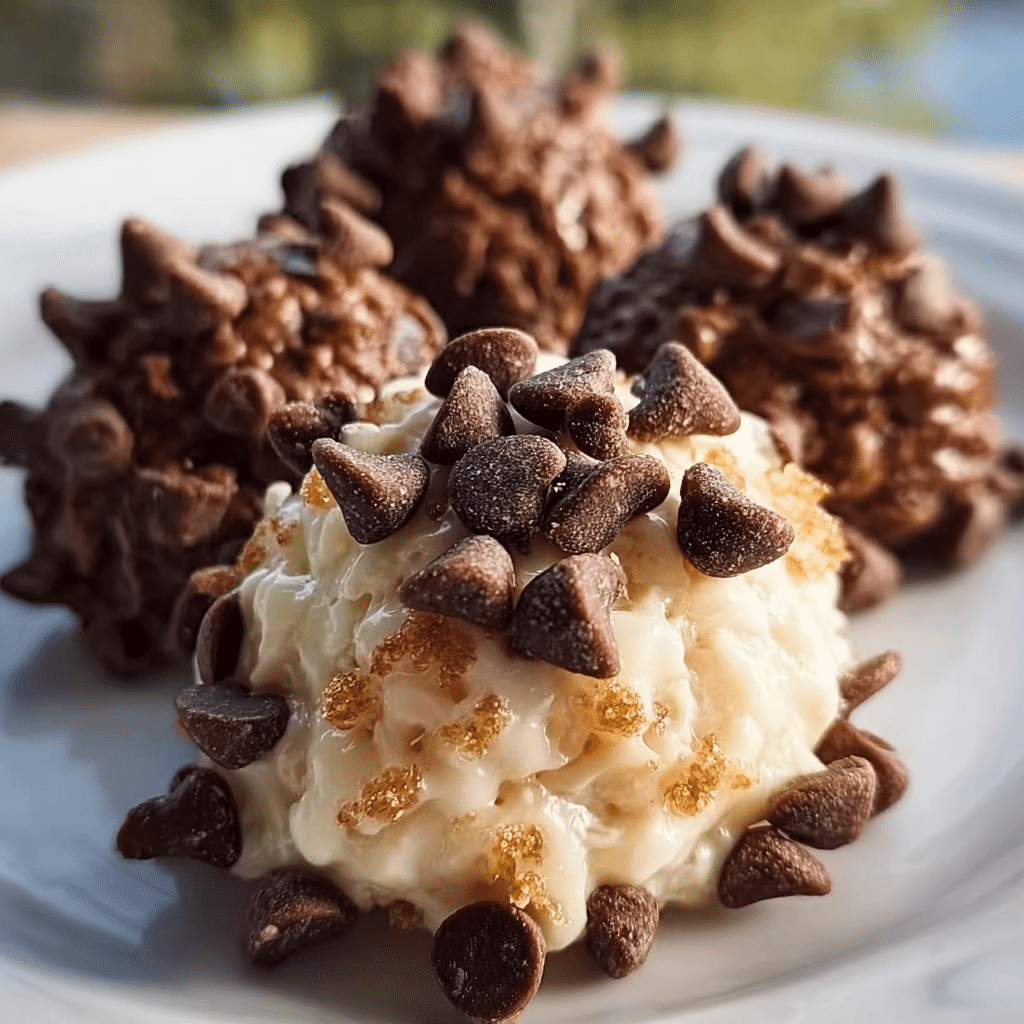
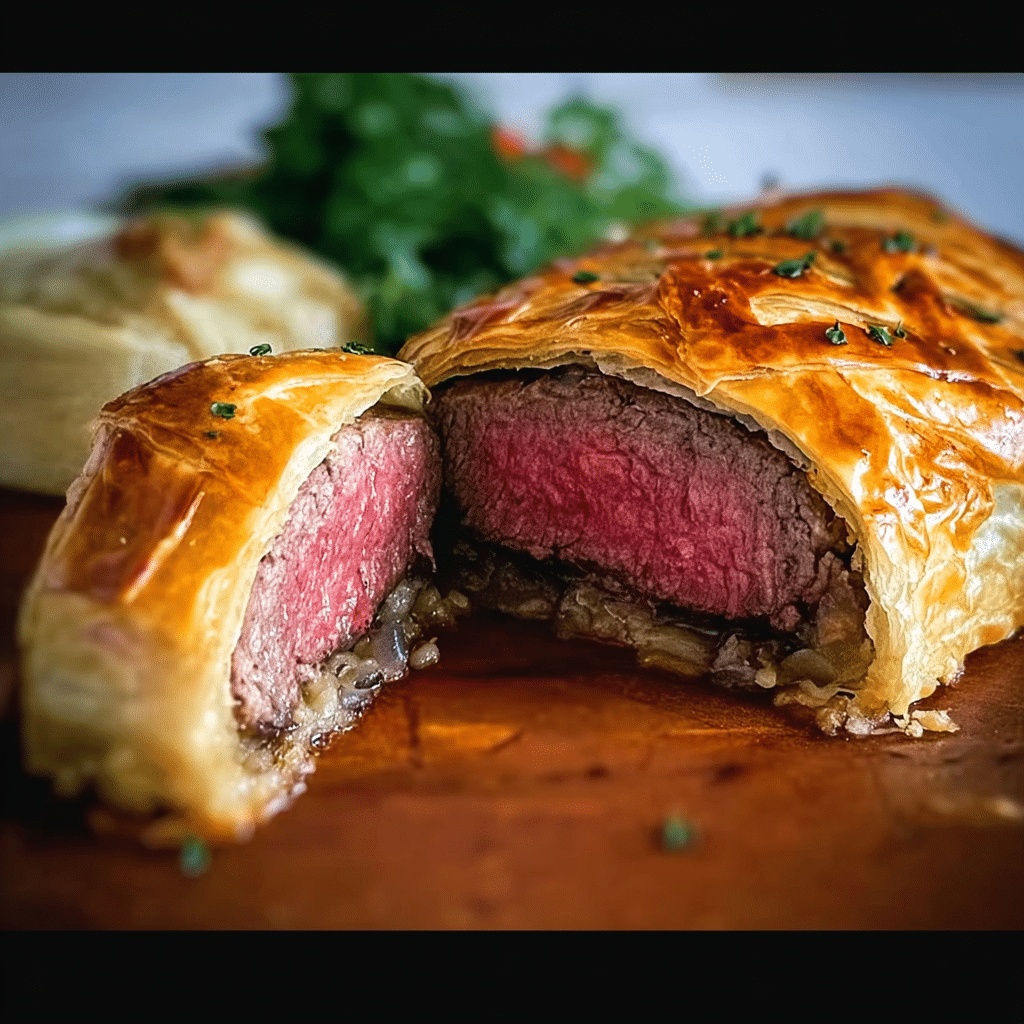
Individual beef wellington is not just a dish; it’s an experience, a celebration of flavors, and a gastronomic adventure that has captivated the hearts and palates of many. I still remember the first time I laid eyes on a perfectly crafted individual beef wellington. The golden-brown puff pastry gleamed under the kitchen lights, and the aroma wafted through the air, teasing my senses and igniting my curiosity. It was a special occasion, my best friend’s birthday, and I had volunteered to cook something extraordinary to mark the celebration. Little did I know that this decision would lead me down a culinary path of discovery and joy.
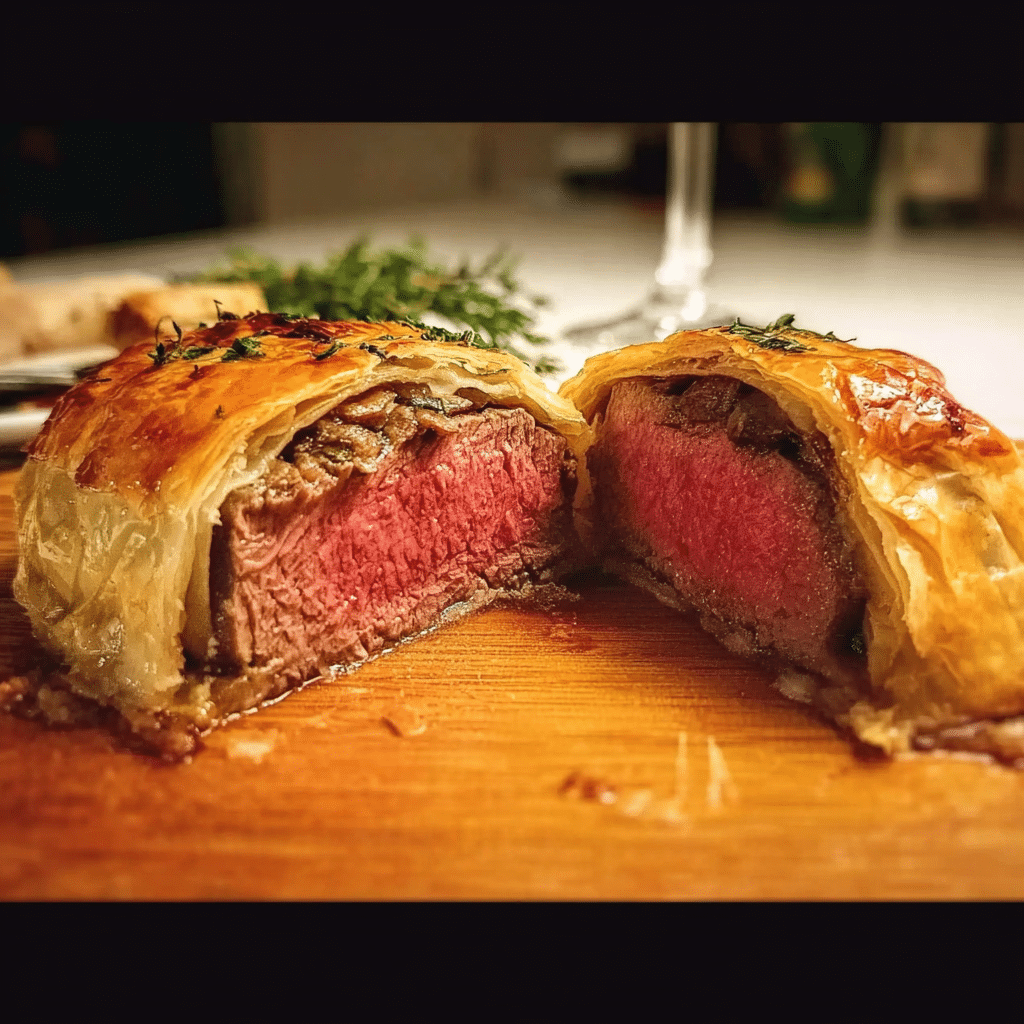
As I meticulously prepared each component—the succulent beef fillet, the earthy mushroom duxelles, and the delicate layers of pastry—I felt a connection to the generations of cooks who had mastered this dish before me. The process was more than just cooking; it was about creating something beautiful and delicious that would evoke emotions and memories. By the end of the evening, my friends and I were not just enjoying a meal; we were reveling in a moment that felt timeless and special.
The Story Behind This Recipe
Individual beef wellington has its roots in traditional British cuisine, specifically tracing back to the 19th century. Named after the Duke of Wellington, who famously defeated Napoleon at the Battle of Waterloo, this dish symbolizes a sense of celebration and achievement. The classic preparation typically involves encasing a whole beef tenderloin in layers of pastry, but the individual version allows for a perfect personal touch, making it ideal for family dinners or special occasions.
What sets the individual beef wellington apart is the ability to customize each portion to suit individual tastes. You can play with the flavors by adding different herbs, spices, or even a touch of foie gras, elevating the experience and making it uniquely yours. This adaptability is what makes it perfect for busy families looking for quick dinner solutions. You can prepare the components ahead of time and assemble them in a matter of minutes, ensuring a delicious meal without the stress of last-minute cooking.
Seasonal relevance also plays a big part in when to enjoy this dish. While it can be savored year-round, the winter months offer a cozy backdrop for such a warming meal. The rich flavors of beef and earthy mushrooms pair beautifully with colder weather, making it a perfect choice for holiday gatherings or winter celebrations. I often find myself preparing individual beef wellington during the festive season when family and friends come together, creating an emotional connection to the dish that goes beyond just flavor.
Why You’ll Love This Dish
As you embark on this culinary journey with me, I promise you’ll learn not only how to prepare individual beef wellington but also how to appreciate the artistry behind it. You’ll discover the importance of each layer, from the perfectly seared beef that melts in your mouth to the crispy pastry that envelops it, preserving its succulence. More than just a recipe, it’s a way to connect with loved ones, share stories over a beautifully plated meal, and perhaps even spark new traditions in your own kitchen.
So, roll up your sleeves and get ready to dive into the world of individual beef wellington. Let’s create something that’s not just food, but a memory that will linger long after the last bite has been savored.
The Rich History and Cultural Significance of individual beef wellington
The rich history and cultural significance of individual beef wellington is as layered as the dish itself. Its origins can be traced back to the early 19th century in England. The classic beef wellington, with its stunning combination of tender beef, mushroom duxelles, and flaky pastry, was created to honor the Duke of Wellington, a national hero after his victory over Napoleon. However, the individual beef wellington takes this classic dish and transforms it into a personal experience, bringing a modern twist to a traditional favorite.
Origins and History
The exact origins of beef wellington are somewhat obscured by time, but it is believed to have been inspired by the French dish filet de boeuf en croûte, which translates to beef fillet in crust. This dish gained popularity in England, becoming a staple at grand celebrations and a symbol of sophistication. Over the years, it evolved into a dish that showcased the culinary skill of the chef, often featured at lavish banquets and special occasions.
As culinary traditions spread and adapted, the individual beef wellington emerged as a more accessible version, allowing families to enjoy this classic dish in a more intimate setting. The personal portions make it easy to serve at dinner parties, holiday meals, or even a quiet family dinner. It’s a versatile dish that can be tailored to suit anyone’s palate, whether you prefer classic mushroom duxelles or a spicy twist with jalapeños.
Cultural Significance
In British culture, beef wellington has become synonymous with celebration and festivity. It is often served during special occasions—weddings, anniversaries, and holiday feasts—where the goal is to impress guests and create memorable experiences. The individual beef wellington allows for a more personal touch, making it a great choice for family gatherings where each member can have their own unique take on the dish.
Famous chefs like Gordon Ramsay have popularized the dish further, featuring it on their menus and cooking shows, which has led to a resurgence in its popularity. Restaurants around the world have embraced their own versions, incorporating local ingredients and flavors that reflect their culinary heritage, proving that while the individual beef wellington may have a classic foundation, it’s still evolving with the times.
Nutritional Benefits
While individual beef wellington is often considered an indulgent dish due to its rich ingredients, it also offers several nutritional benefits. Beef is a great source of high-quality protein, essential for muscle growth and repair. It’s also rich in vitamins and minerals, including iron, zinc, and B vitamins, which are crucial for overall health. When paired with mushrooms, which are low in calories and rich in antioxidants, you create a dish that not only satisfies the palate but also nourishes the body.
The incorporation of fresh herbs and spices into the mushroom duxelles and the buttery pastry can further enhance the dish’s health profile, providing additional nutrients and flavor without the need for excessive salt or fat. By making individual portions, you have greater control over the serving size and can easily adjust the recipe to fit dietary preferences or restrictions.
In conclusion, individual beef wellington is more than just a meal; it is a cultural treasure that carries a rich history and a world of flavors. Whether you are serving it at a grand celebration or a cozy family dinner, it’s a dish that promises both satisfaction and connection, making it a timeless addition to any culinary repertoire.
Essential Ingredients for Perfect individual beef wellington
When it comes to creating an exquisite dish like individual beef wellington, the quality and selection of ingredients play a pivotal role in determining the final outcome. This dish is a beautiful balance of flavors and textures, and every ingredient contributes to its overall elegance and sophistication. Let’s dive into the essential ingredients you’ll need to create your own individual beef wellington, along with tips on selecting, storing, and substituting them if necessary.
Essential Ingredients
- For the Mushroom Duxelles:
- 3 tablespoons unsalted butter
- 10 large brown mushrooms, finely chopped
- 1/4 teaspoon salt
- 2 tablespoons minced shallots
- Freshly ground black pepper to taste
- 1 pinch cayenne pepper or to taste
- 3 tablespoons white wine
- 2 ounces pâté
- For the Wellingtons:
- 4 (8 ounce) filet mignon steaks
- Salt and freshly ground black pepper to taste
- 2 tablespoons salted butter
- 1 (17.25 ounce) package frozen puff pastry
- 2 tablespoons Dijon mustard
- 1 large egg, beaten
- 1 teaspoon water
Now that we have a complete list of ingredients, let’s explore each component in detail and understand their importance in crafting the perfect individual beef wellington.
Print
Individual Beef Wellington
Ingredients
For the Mushroom Duxelles:
- 3 tablespoons unsalted butter
- 10 large brown mushrooms, finely chopped
- ¼ teaspoon salt
- 2 tablespoons minced shallots
- freshly ground black pepper to taste
- 1 pinch cayenne pepper, or to taste
- 3 tablespoons white wine
- 2 ounces pate
For the Wellingtons:
- 4 (8 ounce) filet mignon steaks
- salt and freshly ground black pepper to taste
- 2 tablespoons salted butter
- 1 (17.25 ounce) package frozen puff pastry
- 2 tablespoons Dijon mustard
- 1 large egg, beaten
- 1 teaspoon water
Instructions
- Melt butter over medium-high heat. Add mushrooms and salt; cook and stir until well browned and caramelized, about 5 minutes. They will be wet and soggy at first but will dry out.
- Add shallots and cook until they soften up and turn translucent, about 3 minutes. Add black pepper, cayenne, and white wine. Stir until wine evaporates, about 1 minute. Turn off the heat and transfer to a bowl to cool to room temperature.
- Add pate to cooled mushroom mixture; toss and mash with a spoon until thoroughly combined. Set aside.
- Generously season filets with salt and pepper. Melt butter for Wellingtons in the same pan over high heat. Sear, one at a time, in the hot pan until the sides and edges are nicely browned, about 5 minutes per filet. Transfer to a plate and place in the refrigerator until needed.
- Cut each sheet of pastry into 4 squares. Place one square frozen puff pastry onto a lightly floured surface. Spoon about 3 tablespoons pate mixture into the center and press out to roughly the same size as a filet. Spread 1/2 tablespoon mustard on top of one filet and place mustard-side down on the pate.
- Gently stretch and fold the shorter sides of the pastry around the filet, then bring the longer sides up and over to seal. You can stretch the dough that will be on the bottom of the filet, but try not to stretch it on the sides and top. It’s okay to have a couple of small holes at the bottom. Flip Wellington over and place seam-side down on a plate. Repeat to form remaining 3 Wellingtons, then transfer all to the refrigerator.
- Preheat the oven to 425 degrees F (220 degrees C). Line a sheet pan with parchment paper.
- Cut remaining 4 squares of puff pastry into circles that are roughly the size of the Wellingtons. Place on the prepared sheet pan and poke all over each circle with a fork.
- Bake in the center of the preheated oven for 15 minutes. Remove from the oven, flip, and press circles down with a spatula to flatten. Return to the oven and bake until cooked through and crispy, 5 to 10 minutes longer. Remove from the oven and lift off the sheet pan to cool. Increase the oven temperature to 450 degrees F (230 degrees C).
- Transfer Wellingtons to the freezer for exactly 15 minutes. Line the same sheet pan with aluminum foil, then top with parchment paper. Beat egg with water in a small bowl.
- When Wellingtons have been in the freezer for 15 minutes, transfer to the prepared pan and generously brush with egg wash.
- Bake pastry in the center of the preheated oven until pastry is golden brown and puffed and filets are cooked through, 23 to 25 minutes. An instant-read thermometer inserted into the center should read 122 degrees F (50 degrees C).
- Immediately remove from the hot pan and transfer onto a plate or cutting board for at least 5 minutes. Cut Wellingtons in half, then trim each end to create a flat surface.
- Place each rounded pastry base on a plate and stand 2 filet halves on top with center cut facing up
Ingredient Roles and Importance
The unsalted butter is crucial for the mushroom duxelles, adding richness and depth to the filling. Choose a high-quality butter for the best results. The brown mushrooms should be fresh and firm, as they provide an earthy flavor that complements the beef. Look for mushrooms that are free from blemishes and have a pleasant aroma. The shallots add a mild sweetness and a subtle onion flavor, making them the perfect base for our duxelles.
White wine adds acidity, which balances the richness of the dish, while the pâté contributes a luxurious texture and flavor. When selecting your pâté, a good quality chicken liver pâté will enhance the overall taste. The filet mignon steaks are the stars of the show; opt for well-marbled cuts for the best flavor and tenderness. Freshly ground black pepper and salt will elevate all the flavors, while cayenne pepper adds a hint of heat that can be adjusted to your taste.
As for the puff pastry, it’s essential to use frozen, high-quality pastry as it will create that flaky, buttery exterior we all love in a traditional individual beef wellington. The Dijon mustard provides a tangy kick that contrasts beautifully with the richness of the beef and the duxelles. Finally, the egg wash made from the beaten egg and water ensures a golden, crisp crust that will impress anyone who lays eyes on your creation.
Shopping Tips
When shopping for these ingredients, freshness is key. Visit local farmers’ markets for mushrooms and shallots, as they often have the freshest produce. For meats, checking with your butcher may yield better quality than what you find pre-packaged. Don’t hesitate to ask questions about the origin of the beef and whether it’s grass-fed or organic. If you’re looking for the best flavor, grass-fed beef tends to have a richer taste profile.
In terms of seasonal availability, mushrooms can be found year-round, but for the best flavor, consider sourcing them in the fall when they are in peak season. If you’re making this dish during the holiday season, you might even find specialty mushrooms like chanterelles or portobellos that can elevate your dish even further.
Substitutions and Alternatives
For those with dietary restrictions, there are several substitutions you can consider. Instead of beef, you could use a high-quality piece of salmon or a plant-based protein for a vegetarian version. For the mushrooms, if you’re allergic or dislike them, finely chopped spinach or a mixture of other vegetables can serve in their place, although this will change the flavor profile significantly.
If you’re avoiding gluten, look for gluten-free puff pastry options available in specialty stores. When it comes to the pâté, consider using a vegetarian pâté or even a rich spread made from nuts for a similar texture. Just keep in mind that these substitutions will alter the dish’s traditional taste, but can still result in a delicious meal.
Storage Tips
For storage, fresh mushrooms should be kept in a paper bag in the fridge to help absorb moisture. They are best used within a week of purchase. The beef should be stored in the coldest part of your refrigerator and used within a couple of days or can be frozen for longer storage. Puff pastry can remain in the freezer until ready to use, but it’s important to thaw it slowly in the refrigerator to maintain its texture.
Overall, as you gather your ingredients for your individual beef wellington, pay careful attention to their quality and freshness. Each component contributes to this elegant dish, and the effort in selecting the best will certainly pay off when you take that first bite, surrounded by friends and family, celebrating the love of good food.
Detailed Step-by-Step individual beef wellington Cooking Instructions
Creating a perfect individual beef wellington may seem daunting, but with a step-by-step approach, you will find that it’s not only manageable but also incredibly rewarding. This dish is often reserved for special occasions, and mastering it will elevate your culinary skills. Here, I will guide you through the preparation and cooking processes, ensuring that every aspect is covered for your success.
Preparation Steps
- Mise en Place: Before you start cooking, gather all your ingredients and tools. This includes your cutting board, sharp knife, measuring cups, mixing bowls, and a baking tray lined with parchment paper. Having everything in place will make the cooking process smooth and enjoyable.
- Prepare the Mushroom Duxelles: In a skillet over medium heat, melt the unsalted butter. Add the finely chopped mushrooms and cook until they release their moisture and start browning, about 10 minutes. Stir in the shallots and cook for an additional 3-4 minutes until soft and translucent.
- Season the Mixture: Sprinkle with salt, black pepper, and cayenne pepper to taste. Pour in the white wine and allow it to simmer until most of the liquid has evaporated. Then, remove from heat and stir in the pâté. Set aside to cool.
- Prepare the Beef: Season the filet mignon steaks generously with salt and freshly ground black pepper on both sides. In a hot skillet, melt the salted butter and sear the steaks for 2-3 minutes on each side to achieve a nice brown crust. They should not be cooked through at this point. Remove from the skillet and allow them to rest.
- Roll out the Puff Pastry: On a lightly floured surface, roll out your frozen puff pastry to about 1/8-inch thick. If it’s too thick, it won’t puff properly in the oven, and if it’s too thin, it may break. Cut the pastry into squares large enough to fully encase each steak.
Cooking Process
- Assemble the Wellingtons: Place a portion of the cooled mushroom duxelles in the center of each pastry square. Place a seared steak on top of the duxelles and spread a thin layer of Dijon mustard on top of the steak for extra flavor.
- Wrap the Wellingtons: Carefully fold the pastry over the steak and mushrooms, sealing the edges. Make sure to pinch them tightly to avoid any leakage during baking. You can use a fork to create decorative patterns along the edges.
- Prepare for Baking: Preheat your oven to 400°F (200°C). Place the wrapped individual beef wellingtons on the prepared baking tray. In a small bowl, mix the beaten egg with 1 teaspoon of water. Brush the egg wash over each pastry to ensure a golden finish.
- Bake: Transfer the tray to the preheated oven and bake for about 25-30 minutes, or until the pastry is puffed and golden brown. Keep an eye on them, as oven temperatures can vary. A meat thermometer inserted into the center should read about 125°F (52°C) for medium-rare.
Final Assembly
- Rest the Wellingtons: Once baked, remove the individual beef wellingtons from the oven and let them rest for 5-10 minutes. This is crucial as it allows the juices to redistribute throughout the meat, making each bite tender and juicy.
- Serving Suggestions: Serve your wellingtons with a side of roasted vegetables or a simple salad. A rich red wine sauce or gravy can elevate the dish even further.
- Common Mistakes to Avoid: One common mistake is overcooking the beef during the searing stage. Remember, the goal is to brown the outside while keeping the inside rare or medium-rare. Also, ensure your puff pastry is thawed properly; if it’s too warm, it may not puff up nicely.
- Chef Secrets: For an extra layer of flavor, you can wrap the beef in prosciutto before adding the mushroom duxelles. This not only adds flavor but also helps keep the pastry from becoming soggy.
- Equipment Recommendations: A quality chef’s knife for chopping, a heavy-bottomed skillet for searing, and a pastry brush for applying the egg wash are essential tools that will make your cooking experience smoother.
With careful attention to detail and following these steps, you’ll create a stunning individual beef wellington that will impress your guests and elevate your cooking repertoire. Enjoy the process and allow yourself to celebrate this remarkable dish that brings people together, just as it has done for generations.
Professional Tips and Techniques for individual beef wellington
When it comes to creating the perfect individual beef wellington, understanding the nuances of preparation and execution can elevate the dish from something ordinary to extraordinary. This dish, often reserved for special occasions, deserves the utmost attention to detail. Here are some professional tips and techniques that will help you become a master of this culinary classic.
Professional Techniques
To begin with, let’s talk about the beef itself. Choosing the right cut of meat is paramount. A tenderloin is the go-to choice for an individual beef wellington due to its buttery texture and flavor. However, for those seeking a more budget-friendly option, a well-trimmed sirloin can also work if cooked to perfection. The key is to sear the beef quickly on high heat to lock in the juices, creating a beautiful crust that adds depth to the dish.
Next up is the mushroom duxelles, which adds moisture and flavor to the filling. The traditional method involves finely chopping mushrooms and sautéing them until they release their moisture. It’s essential to cook them until they are dry; otherwise, they will turn your pastry soggy. A splash of white wine can add an extra layer of flavor, but be sure to let it evaporate completely before proceeding.
For the pastry, puff pastry is the traditional choice due to its flaky texture. However, for a more robust and rustic feel, consider using a shortcrust pastry. Roll the dough to a thickness of about 1/8 inch; this ensures that it cooks evenly and crisps up beautifully. Always keep your pastry cold, as warm dough can become sticky and difficult to handle.
Troubleshooting Guide
Even the most experienced cooks encounter hurdles when preparing an individual beef wellington. Here are some common problems and their solutions:
- Pastry is too soggy: This often happens if the filling is too wet. Ensure your duxelles are thoroughly cooked and consider adding a layer of prosciutto or even a thin layer of mustard on the pastry to create a barrier.
- Meat is overcooked: Use a meat thermometer to check the doneness. For a perfect medium-rare, aim for an internal temperature of 130°F (54°C) before resting.
- Pastry is burnt: If you find the pastry browning too quickly, cover the edges with foil to protect them from direct heat.
Presentation Tips
Presentation is where you can really let your creativity shine. For an individual beef wellington, consider using a ring mold to shape the pastry for a perfect round appearance. Once baked, brush the tops with an egg wash for that stunning golden color.
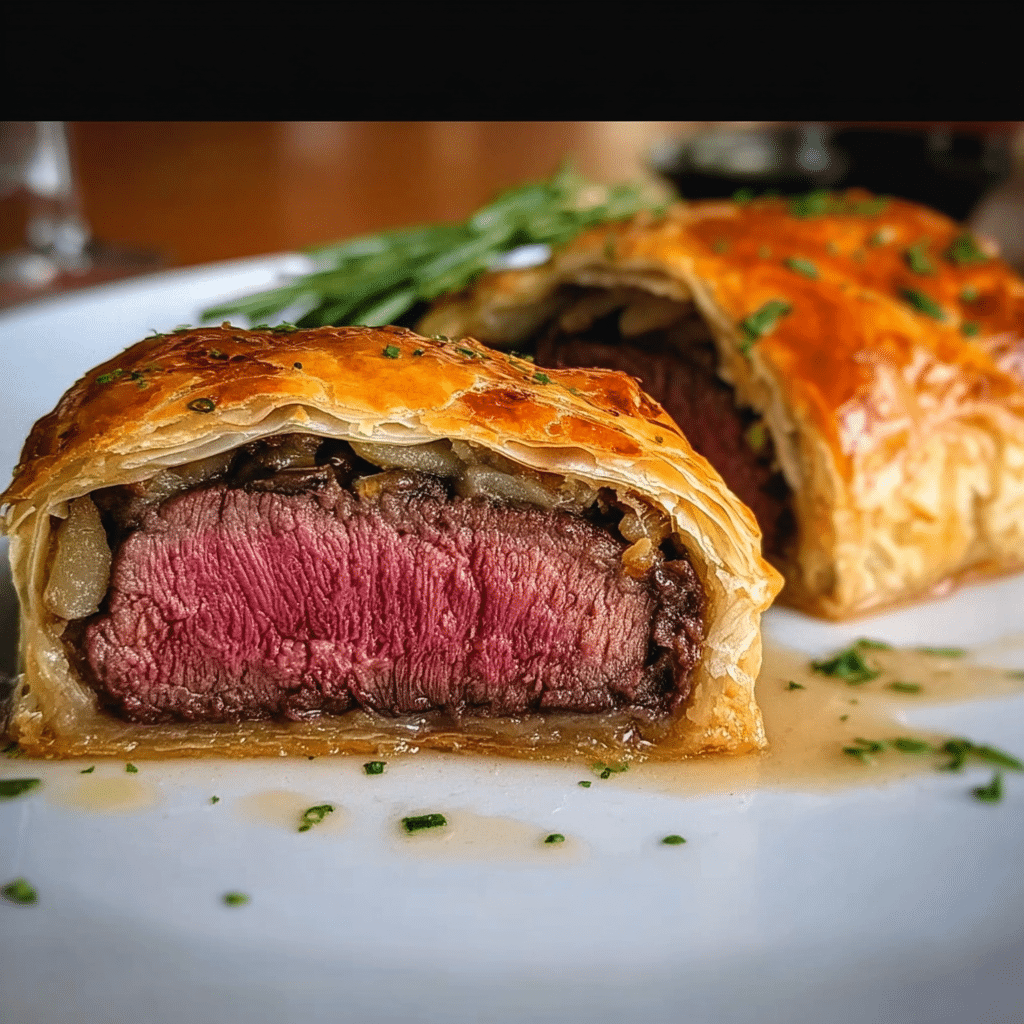
When serving, slice the wellington in half to expose the beautifully cooked beef and the rich duxelles. Serve it on a warm plate with a drizzle of red wine sauce or a rich demi-glace. Adding a sprig of fresh thyme or rosemary can enhance the dish visually while also imparting a delightful aroma.
For wine pairings, a full-bodied red wine such as a Cabernet Sauvignon or Merlot complements the flavors beautifully. Alternatively, a robust Pinot Noir brings out the earthiness of the mushrooms. For those who prefer a non-alcoholic option, a rich, non-alcoholic grape juice can mimic the depth of flavor in the dish.
Lastly, consider the setting. A beautifully set table with candles and fresh flowers can elevate the dining experience, making your individual beef wellington not just a dish but a memory.
Creative Variations and Adaptations of individual beef wellington
While the traditional individual beef wellington can be a showstopper on its own, exploring creative variations can introduce exciting flavors and textures that appeal to a broader audience. Here are some fun adaptations and modifications to consider.
Seasonal Variations
Seasonality can play a significant role in enhancing the flavors of your individual beef wellington. In the autumn, consider incorporating ingredients like roasted butternut squash or caramelized apples into your duxelles. These ingredients can add a touch of sweetness and warmth that complements the beef. In spring, fresh herbs like dill and tarragon can brighten the dish, while a mix of wild mushrooms can bring an earthy depth reminiscent of an early morning forest walk.
Summer is a great time to experiment with lighter ingredients. Instead of a heavy mushroom filling, consider a mixture of sautéed spinach and feta cheese for a Mediterranean twist. Alternatively, a fresh herb pesto can serve as a vibrant layer between the beef and pastry, elevating the flavor profile significantly.
Dietary Adaptations
For those with dietary restrictions, the individual beef wellington can be adapted to cater to various needs. For a keto-friendly option, consider substituting the puff pastry with a cauliflower crust, which can be made by ricing cauliflower, squeezing out the moisture, and mixing it with cheese and eggs to form a dough.
For a vegan version, use a plant-based protein such as lentils or mushrooms as a filling, and wrap it in a vegan pastry. There are several store-bought options available that mimic the flaky texture of traditional puff pastry. You can also experiment with tofu or seitan, marinated and roasted for added flavor.
Gluten-free individuals need not miss out either! A gluten-free pastry made from almond flour or a pre-made gluten-free dough can serve as an excellent substitute. Just be sure to check that all your fillings are also gluten-free, especially sauces or condiments you may want to add.
Creative Twists
Think outside the box by incorporating international flavors into your individual beef wellington. Perhaps a chimichurri sauce in place of the traditional duxelles for a South American flair, or a curry-spiced filling for an Indian twist. The world is your oyster!
If you’re feeling adventurous, try different cooking methods. A stovetop version can be achieved by searing the beef and finishing it in a covered skillet with a bit of broth or wine. For a slow cooker adaptation, prepare the beef with spices and herbs, then wrap in pastry before serving. The versatility of this dish is what makes it so beloved.
Lastly, let’s not forget about leftovers! If you have any remaining beef wellington, don’t waste it. Transform it into a delicious beef and mushroom pie by chopping the leftovers and mixing them with some gravy, then topping with a layer of pastry. Bake until golden brown, and you have a whole new meal!
In conclusion, the individual beef wellington is a dish that invites creativity and adaptation. Whether you stick to the classic recipe or venture into new territory, your culinary journey will be enriched with every twist you make.
Storage, Reheating, and Meal Prep for individual beef wellington
When it comes to preparing a delicious individual beef wellington, one of the most satisfying experiences is sharing this culinary delight with others. However, what happens when you have leftovers? Or perhaps you want to prep for a special occasion ahead of time? Understanding how to properly store, reheat, and meal prep your individual beef wellington can make all the difference in maintaining its exquisite flavor and texture.
Short-term Storage
Once your individual beef wellington has cooled down to room temperature, it’s essential to store it correctly to prevent any spoilage. Ideally, you should consume your beef wellington within 3 to 4 days if stored in the refrigerator. To keep it fresh, wrap each individual portion tightly in plastic wrap or aluminum foil. This not only prevents air exposure but also helps to lock in moisture. For added protection, you can place the wrapped portions in an airtight container. Remember, the less air that comes in contact with your beef wellington, the better.
While it might be tempting to stack your individual beef wellington on top of each other to save space, it’s best to avoid this. Stacking can lead to squished pastries and uneven textures. Instead, arrange them in a single layer within the container. If you’re planning to store the wellington for a short period, make sure your refrigerator is set to a temperature below 40°F (4°C) to ensure food safety.
Freezing and Long-term Storage
If you want to store your individual beef wellington for an extended period, freezing is the way to go. This method will preserve the quality and flavor for up to 3 months. To freeze, first, ensure that the wellington has completely cooled. Just like with short-term storage, wrap each portion tightly with plastic wrap, making sure there are no exposed areas. Then, place the wrapped portions inside a freezer-safe bag or container. Be sure to label the container with the date it was frozen, so you can keep track of its freshness.
When you’re ready to enjoy a frozen individual beef wellington, the best method for thawing is to move it to the refrigerator the night before. This slow thawing process helps maintain texture and flavor. Avoid thawing at room temperature, as this could promote bacterial growth. If you’re short on time, you can also use the microwave’s defrost setting, but I recommend keeping an eye on it to prevent uneven thawing.
Reheating Best Practices
Reheating your individual beef wellington is all about restoring that glorious flaky crust and juicy filling. The best way to reheat is in the oven. Preheat your oven to 350°F (175°C), and place the wellington on a baking sheet lined with parchment paper. To help retain moisture, cover it loosely with aluminum foil. Heat for about 15-20 minutes, or until warmed through. If you want that crispy exterior, remove the foil for the last 5 minutes of heating.
Microwaving is a quicker option, but it can result in a soggy crust, which is something we want to avoid. If you must use this method, place the individual beef wellington on a microwave-safe plate, cover it with a damp paper towel, and heat in short bursts of 30 seconds until warmed through.
Meal prepping is also an excellent strategy when it comes to individual beef wellington. Consider preparing the filling ahead of time, which can be stored in the fridge for up to 3 days. On the day you plan to serve, simply wrap the filling in pastry and bake. This not only saves you time but also ensures that each bite is fresh and delightful.
Lastly, always keep in mind the food safety guidelines. If you notice any unusual smells, colors, or textures, it’s best to err on the side of caution and discard the wellington. Proper storage and reheating can help you enjoy your culinary creation for days to come, without sacrificing flavor or quality.
Nutritional Benefits and Health Information
The individual beef wellington is not just a feast for the eyes; it’s also a dish packed with nutritional value, making it both indulgent and nourishing. In this section, we’ll explore the nutritional benefits of this classic dish, breaking down its components to understand how it can fit into various dietary needs.
Nutritional Profile
Let’s start with the star of the show—the beef. A standard serving of beef wellington typically contains around 300-500 calories, depending on the size and specific ingredients used. The beef itself is an excellent source of high-quality protein, which is crucial for muscle repair and overall bodily functions. It also provides essential vitamins and minerals such as iron, zinc, and B vitamins, which are vital for energy production and immune function.
Next up is the puff pastry. While it adds a delightful flaky texture, it also contributes to the overall caloric content. A single serving of puff pastry can add around 200-300 calories, depending on the thickness and size. However, it’s worth noting that puff pastry is usually made from refined flour, which may lack some of the nutrients found in whole grains. That said, the balance of protein from the beef and carbohydrates from the pastry can create a satiating meal.
Health Benefits
The key ingredients in individual beef wellington come with their own set of health benefits. As mentioned, beef is rich in iron, which is crucial for the production of red blood cells. This can help combat fatigue and improve energy levels. The inclusion of mushrooms in many wellington recipes also enhances its nutritional profile. Mushrooms are low in calories and rich in antioxidants, fiber, and important nutrients like selenium and vitamin D. They contribute to heart health and may help boost the immune system.
Don’t overlook the herbs and spices often included in the filling, such as thyme and garlic. Both have anti-inflammatory properties and can provide additional health benefits, including improved heart health and enhanced immunity. When combined, these ingredients make for a well-rounded meal that can support overall health.
Dietary Considerations
While individual beef wellington is a treat for many, it’s essential to consider dietary restrictions and allergen information. For those with gluten sensitivities, traditional puff pastry is not suitable. However, there are gluten-free alternatives available in the market, or you can create a gluten-free pastry at home using alternative flours. Additionally, for those who may be vegetarian or vegan, a plant-based version can be created using lentils or mushrooms as a filling, wrapped in a suitable pastry.
In terms of caloric distribution, a wellington can fit into various dietary plans, including balanced diets, as long as portion control is practiced. If you’re trying to reduce calorie intake, consider serving a smaller portion alongside a vibrant salad or steamed vegetables. This not only adds nutritional value but also enhances the overall dining experience.
In conclusion, the individual beef wellington is a dish that checks many boxes—delicious, visually stunning, and packed with nutrients. By understanding its nutritional profile and considering healthier modifications, you can enjoy this culinary classic guilt-free while still savoring every bite.
Frequently Asked Questions About Individual Beef Wellington
Best individual beef Wellington recipe
The best individual beef Wellington recipe typically includes high-quality beef tenderloin, a flavorful mushroom duxelles, and a layer of prosciutto, all wrapped in a flaky puff pastry. To enhance the flavor, consider adding a touch of Dijon mustard to the beef before wrapping it. Many chefs recommend searing the beef to lock in the juices and then chilling it before assembling to ensure it maintains its shape during baking. For a golden finish, brush the pastry with an egg wash before baking. Pairing it with a rich red wine reduction can elevate the dish further.
Individual beef wellington recipe
An individual beef Wellington recipe typically features a small piece of beef tenderloin, which is seasoned and seared before being topped with a mushroom duxelles and wrapped in puff pastry. Start by finely chopping mushrooms and cooking them down to remove excess moisture; this prevents a soggy pastry. For assembly, roll out the puff pastry and place the beef in the center, adding a layer of prosciutto if desired. After wrapping, chill the Wellingtons to help the pastry maintain its shape during baking. Bake at 400°F (200°C) until golden brown, usually about 20-25 minutes, depending on the desired doneness.
Individual beef wellington with puff pastry
When making individual beef Wellington with puff pastry, it’s crucial to use high-quality, ready-made puff pastry for the best results. Roll out the pastry to about 1/4 inch thickness, ensuring it’s large enough to fully encase the beef and its toppings. Before wrapping, chill the assembled Wellington for at least 15 minutes to set the shape and prevent the pastry from becoming too soft. Brush the outside with an egg wash to get that perfect golden color during baking. For added flavor, consider infusing the duxelles with herbs or a splash of brandy.
Individual beef Wellington with Boursin cheese
Incorporating Boursin cheese into your individual beef Wellington can add a rich and creamy element that complements the beef beautifully. Spread a thin layer of Boursin on the prosciutto before adding the mushroom duxelles, which enhances the flavor profile. Be mindful of the moisture content, as the cheese can make the pastry soggy if too much is used. To maintain the pastry’s integrity, ensure the beef is adequately seared and chilled before wrapping. This decadent touch is perfect for impressing guests at dinner parties or special occasions.
Individual Beef Wellington to buy
If you’re looking to buy individual beef Wellingtons, many gourmet retailers and specialty butcher shops offer pre-made options that maintain high quality. Look for brands that use fresh, premium ingredients and avoid overly processed options. Online meal delivery services also provide gourmet meals, including individual beef Wellingtons, allowing for easy preparation at home. Always check reviews and ingredient lists to ensure you’re getting a product that matches your taste preferences and dietary requirements. Purchasing from local artisan bakers can also yield delicious results.
Individual beef Wellington cooking time and temp
The ideal cooking time and temperature for individual beef Wellingtons typically falls around 400°F (200°C) for about 20 to 25 minutes, depending on the size and thickness of the beef. For perfect doneness, use a meat thermometer: aim for 120°F (49°C) for rare, 130°F (54°C) for medium-rare, and 140°F (60°C) for medium. It’s important to let the Wellingtons rest for about 5-10 minutes after baking to allow the juices to redistribute. Additionally, keep an eye on the pastry’s color; it should be golden brown and flaky when done.
Individual beef wellington recipe bbc
The BBC offers a classic individual beef Wellington recipe that emphasizes traditional techniques and high-quality ingredients. Their version typically includes a well-seasoned beef fillet, finely chopped mushrooms, and a layer of puff pastry. They recommend searing the beef and chilling it before wrapping to maintain its shape and avoid moisture issues. For a gourmet twist, consider adding herbs, such as thyme or parsley, to the mushroom mixture. Following their guidelines will ensure a beautifully presented and delicious dish that’s perfect for special occasions.
Individual beef Wellington with prosciutto
Adding prosciutto to your individual beef Wellington brings a savory richness that enhances the overall flavor. Lay thin slices of prosciutto over the seared beef before adding the mushroom duxelles to create a barrier that prevents moisture from affecting the pastry. Ensure to use high-quality prosciutto for the best taste and texture. When assembling, make sure the prosciutto is evenly distributed to avoid any sogginess. This ingredient not only adds flavor but also a sophisticated touch to your dish.