Italian grinder pasta is one of those dishes that feels like home. When I first stumbled upon this delightful recipe during a summer picnic with friends, I was immediately drawn to its vibrant colors and hearty ingredients. Each bite was a harmonious blend of flavors, and I knew instantly that I had discovered something special. This dish, combining the rustic charm of Italian cuisine with the practicality of a salad, quickly became a staple in my kitchen, especially during those bustling weekdays when time is at a premium.
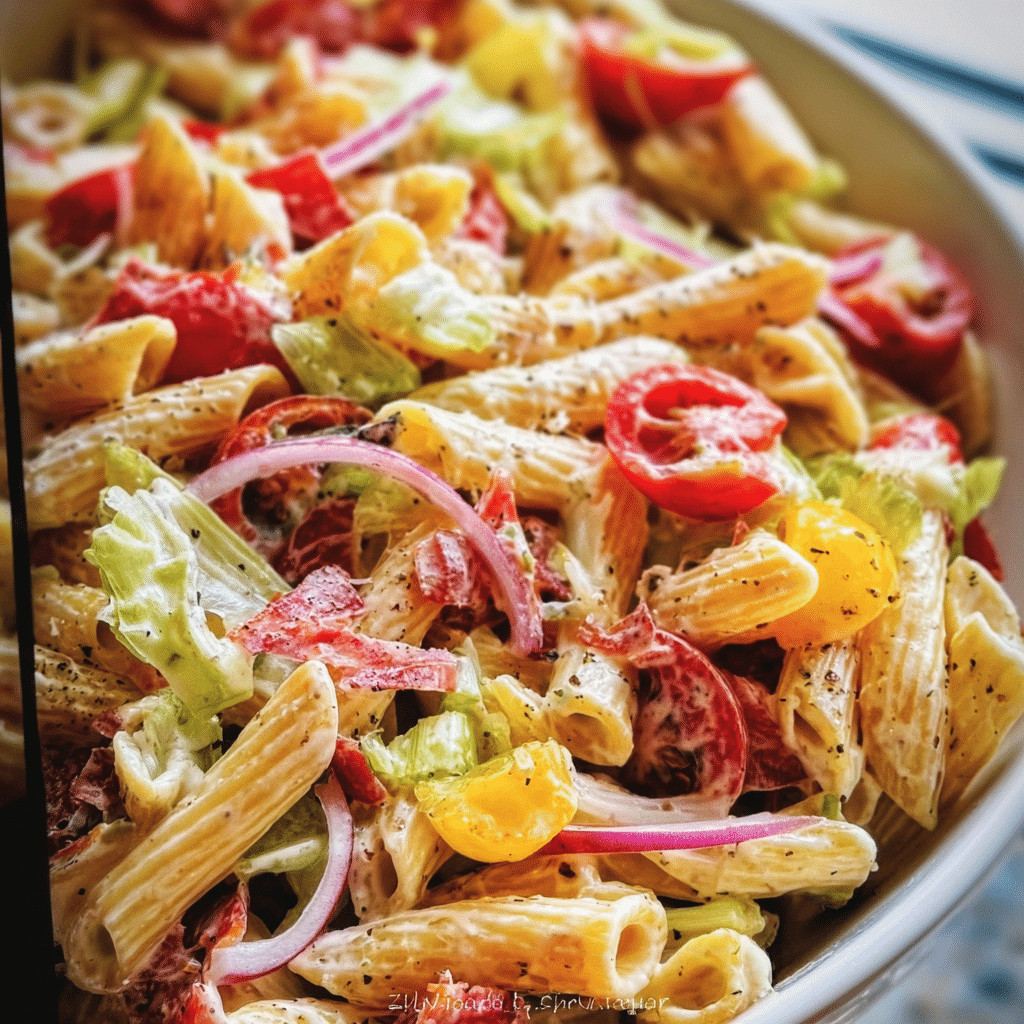
As I sat there, enjoying each mouthful of the Italian grinder pasta, I couldn’t help but think about the cultural roots of this dish. Originating from the Italian-American communities, particularly in New York and Chicago, the Italian grinder pasta is a reflection of the immigrant experience. This pasta salad is a culinary fusion, marrying traditional Italian flavors with the American penchant for convenience and variety. It’s a dish born out of necessity, designed to be made in large batches and enjoyed by families who needed to feed a crowd without breaking a sweat.
What makes Italian grinder pasta stand out from other pasta salads is its unique blend of ingredients. It’s not just about the pasta; it’s about the layers of flavor that come from cured meats, cheeses, and a medley of vegetables, all tossed together in a tangy dressing. This dish has a heartiness that can satisfy even the most discerning eaters, making it perfect for busy families looking for quick dinner solutions. You can serve it as a main dish or a side, and it’s just as delicious cold as it is at room temperature, making it a versatile option for potlucks, picnics, and family gatherings.
The Story Behind This Recipe
Every time I prepare Italian grinder pasta, I’m reminded of the summer afternoons spent with friends and family, laughing and sharing stories around a long picnic table laden with food. I recall my grandmother’s kitchen, where she taught me the importance of using fresh ingredients and letting flavors meld together. As we tossed the pasta with crisp vegetables and savory meats, she would share tales of her childhood in Italy, instilling in me a deep appreciation for the cultural significance of our meals. This dish encapsulates those memories beautifully, serving as a bridge between my Italian heritage and modern-day cooking.
This recipe is special not only for its flavors but also for its adaptability. You can tweak it according to the season, using fresh produce from the local farmer’s market in the summer or hearty vegetables in the fall. It’s a dish that welcomes creativity, allowing you to use whatever you have on hand. Whether it’s the crunch of bell peppers or the zing of pepperoncini, each ingredient adds its own character, making every batch unique. This adaptability makes Italian grinder pasta a reliable go-to for any occasion, whether you’re feeding a crowd or just yourself on a busy weeknight.
Seasonal relevance plays a significant role in the enjoyment of this dish. In spring and summer, I love incorporating bright cherry tomatoes and crisp cucumbers, while in the cooler months, roasted vegetables like butternut squash can add a comforting touch. Italian grinder pasta is also an excellent make-ahead meal; it tastes even better the next day as the flavors continue to meld together. This aspect makes it an ideal choice for those hectic weeknights when you want to serve something delicious without spending hours in the kitchen.
There’s an emotional connection to Italian grinder pasta that runs deeper than mere ingredients. For many, including myself, it’s a dish that brings people together, fostering a sense of community and warmth. It’s a reminder of family gatherings, laughter, and the joy of sharing a meal. Every time I serve this dish, I feel a sense of pride and nostalgia, knowing that I’m carrying on the traditions passed down through generations.
In this guide, you will learn everything you need to know about Italian grinder pasta—from its origins and how to prepare it, to tips on customizing it to suit your taste. I’ll share my personal favorite variations, ensuring that you can make this dish your own while still honoring its rich heritage. Get ready to dive into the world of Italian grinder pasta, where flavor meets tradition, and every bite tells a story.
The Rich History and Cultural Significance of italian grinder pasta
The rich history and cultural significance of Italian grinder pasta are woven into the very fabric of Italian-American cuisine. This dish represents not just a meal, but a journey of immigrants who brought their culinary traditions to the United States, adapting them to new ingredients and tastes. The history of Italian grinder pasta can be traced back to the late 19th and early 20th centuries when Italian immigrants settled in cities like New York and Chicago, seeking better opportunities. They brought with them a love for their traditional dishes, which evolved to reflect the availability of local ingredients and the American palate.
Origins and History
Italian grinder pasta is believed to have emerged as a practical solution for families who needed to feed large groups without spending hours in the kitchen. The dish often features pasta, which is a staple in Italian cuisine, combined with cured meats like salami and provolone cheese, fresh vegetables, and a zesty dressing. The term “grinder” itself is derived from the legendary Italian sandwiches known as “grinders” or “heroes,” which were filled with similar ingredients. As these sandwiches gained popularity, the concept of a pasta salad incorporating the same flavors naturally followed suit.
Over the years, Italian grinder pasta has evolved, picking up regional variations along the way. In some areas, you might find the inclusion of olives or artichokes, while others might incorporate different types of cheese or unique dressings. Regardless of the variations, the essence of the dish remains the same: a celebration of Italian flavors that can be enjoyed by everyone at the table.
Cultural Significance
This pasta salad is a staple at Italian-American gatherings, from family reunions to picnics in the park. It represents the spirit of sharing and community that is so integral to Italian culture. Traditionally, Italian meals are about bringing people together, and Italian grinder pasta embodies this ethos perfectly. It’s a dish that is often shared, served in large bowls that encourage family and friends to dig in and serve themselves.
Moreover, Italian grinder pasta has found its way into the modern culinary scene through its presence at food festivals, potlucks, and catered events. It’s a dish that appeals to a wide range of palates, making it a popular choice for celebrations. The vibrant colors and hearty ingredients make it visually appealing, and the combination of flavors keeps everyone coming back for seconds.
Nutritional Benefits
As we enjoy the rich flavors of Italian grinder pasta, it’s also essential to consider its nutritional benefits. This dish can be quite healthy, depending on the ingredients you choose. Whole grain or legume-based pasta can offer a great source of fiber and protein, while the variety of vegetables adds essential vitamins and minerals. Ingredients like olives and olive oil introduce healthy fats, which are beneficial for heart health.
By incorporating a mixture of fresh vegetables, lean proteins like turkey or chicken, and a light dressing, Italian grinder pasta can be a balanced meal that satisfies both hunger and nutritional needs. For those looking to make it even healthier, consider swapping out traditional dressings for lighter options or adding more vegetables for added crunch and flavor. The beauty of this dish lies in its flexibility, allowing you to tailor it to fit your dietary preferences while still celebrating its Italian roots.
In conclusion, the journey of Italian grinder pasta is a reflection of the broader narrative of Italian-American cuisine—one that emphasizes adaptability, community, and the joy of sharing a meal. This dish not only fills the stomach but also nourishes the soul, reminding us of the importance of family, tradition, and the simple pleasure of good food. As we explore the many facets of Italian grinder pasta, let’s embrace its rich history and the delightful flavors that come with it.
Essential Ingredients for Perfect italian grinder pasta
When it comes to crafting the perfect Italian Grinder Pasta, the choice of ingredients can make all the difference. This vibrant and hearty pasta salad is a medley of flavors and textures, making it a delightful dish for any occasion. Let’s dive into the essential ingredients that will elevate your Italian grinder pasta to a level that will impress your family and friends.
Essential Ingredients
- 1 lb Rummo Farfalle pasta
- ½ cup Salami, thinly sliced
- 8 oz Mozzarella balls
- ½ cup Red onion, finely chopped
- ½ cup Banana Peppers, sliced
- ½ cup Roasted Red Peppers, chopped
- 1 cup Romaine lettuce, chopped
- ½ cup Tomatoes, diced
- ½ cup Pepperoni, thinly sliced
- ½ cup Chickpeas, rinsed and drained
- ½ cup Parmesan Cheese, grated
For the dressing:
- ½ cup Olive Oil
- Juice of 2 Lemons
- 2 tbsp Red wine vinegar
- 3 Garlic cloves, minced
- 2 tbsp Pepperoncini juice
- 1 tsp honey
- 1 tsp Sea Salt
- 1 tsp Oregano
- ½ tsp Black Pepper
Italian Grinder Pasta Salad
Ingredients
- 1lb pasta Rummo Farfarlle
- ½ cup Salami, thinly sliced
- 8oz Mozzarella balls
- ½ cup Red onion
- ½ cup Banana Peppers
- ½ cup Roasted Red Peppers
- 1 cup Romaine lettuce
- ½ cup Tomatoes
- ½ cup Pepperoni, thinly sliced
- ½ cup Chickpeas
- ½ cup Parmesan Cheese
- For the dressing:
- ½ cup Olive Oil
- Juice of 2 Lemons
- 2 tbsp Red wine vinegar
- 3 Garlic cloves
- 2 tbsp Pepperoncini juice
- 1 tsp honey
- 1 tsp Sea Salt
- 1 tsp Oregano
- ½ tsp Black Pepper
Instructions
- Cook pasta according to package. Be sure to cook to al dente.
- Strain and lightly rinse with water to cool
- In a large bowl, combine all ingredients.
- In a small container, mix together dressing ingredients.
- Pour dressing on top of large bowl and mix to combine.
- Serve and enjoy!
Now that we have the complete list, let’s explore the role and importance of each ingredient in your Italian grinder pasta.
Farfalle Pasta: This butterfly-shaped pasta is ideal for salads because its unique shape holds onto the dressing and other ingredients beautifully. Rummo is a fantastic brand known for its high-quality durum wheat pasta, which ensures a firm texture even after cooking.
Salami and Pepperoni: These cured meats add a savory depth and a delightful chewiness to the salad. Opt for thinly sliced salami to make it easier to incorporate into the dish. Look for high-quality deli meats, preferably sourced from local artisan producers.
Mozzarella Balls: Fresh mozzarella adds a creamy texture and a mild flavor that balances the spiciness of the meats. Using the small balls, known as bocconcini, provides a lovely bite-sized element to your salad.
Red Onion: Finely chopped red onion brings a sharpness and crunch to the mix. It’s essential to balance the amount you use; a little goes a long way in flavor. You can soak the chopped onion in cold water for a few minutes to mellow its intense flavor if desired.
Banana Peppers and Roasted Red Peppers: Both peppers contribute a sweet and tangy flavor profile. Banana peppers add a mild heat, while roasted red peppers bring a smoky sweetness. Choose jarred for convenience or roast your own for a fresher taste.
Romaine Lettuce: The crispness of romaine lettuce adds a refreshing crunch that contrasts beautifully with the other richer ingredients. Freshness is key here; look for vibrant green leaves without any wilting.
Tomatoes: Fresh tomatoes provide juiciness and a burst of flavor. Cherry tomatoes work well in this salad for their sweetness and ease of preparation, but any ripe variety will do. Buy them in season for the best taste.
Chickpeas: Adding chickpeas not only introduces a wonderful texture but also makes the dish heartier and more filling. You can use canned chickpeas for convenience, but if you have the time, cooking dried chickpeas from scratch enhances the flavor.
Parmesan Cheese: Grated Parmesan is the finishing touch that adds umami richness to the entire dish. Always opt for a block of Parmigiano-Reggiano and grate it fresh for the best flavor.
Shopping Tips
When shopping for ingredients for your Italian grinder pasta, consider the following tips to ensure you are selecting the best quality:
- For pasta, look for brands that use high-quality durum wheat. Rummo is an excellent choice as it’s known for its texture and flavor.
- Choose fresh meats and cheeses from a reputable deli or butcher for authenticity and flavor.
- When selecting vegetables, opt for organic if possible, especially for leafy greens and tomatoes to avoid pesticides.
- Check the expiration dates on jarred items like roasted red peppers and olives to ensure freshness.
Substitutions and Alternatives
If you have dietary restrictions or preferences, here are some alternatives for your Italian grinder pasta:
- Pasta: Gluten-free pasta options are widely available and can be used in place of traditional pasta.
- Meats: For a vegetarian version, consider using marinated tofu or seitan instead of salami and pepperoni.
- Cheese: Vegan mozzarella is a great substitute if you want to keep it dairy-free.
- Chickpeas: If you’re looking for a lower-carb option, you can omit chickpeas or substitute them with diced avocado for creaminess.
Always remember to adjust your dressing and seasonings accordingly based on any substitutions made. The beauty of the Italian grinder pasta lies in its versatility and the ability to cater to various tastes and diets.
Finally, for storage, keep any leftover ingredients in airtight containers in the fridge. Pasta salad is best enjoyed fresh but can last up to three days in the refrigerator. Just remember to dress it before serving to refresh the flavors!
Detailed Step-by-Step italian grinder pasta Cooking Instructions
Cooking the perfect Italian grinder pasta is not just about following a recipe; it’s about embracing the process, enjoying the aromas, and savoring the flavors as they come together. This step-by-step guide will help you create a vibrant and delicious pasta salad that’s sure to impress. Gather your ingredients, and let’s get started!
Preparation Steps
- Gather Your Ingredients: Before you start cooking, it’s essential to have all your ingredients ready. This practice, known as mise en place, helps streamline the cooking process and keeps you organized.
- Cook the Pasta: Bring a large pot of salted water to a rolling boil. Add the 1 lb of Rummo Farfalle pasta and cook according to the package instructions, usually around 10-12 minutes. Stir occasionally to prevent sticking. Look for a ‘al dente’ texture, which means the pasta should be firm to the bite.
- Prepare the Vegetables: While the pasta cooks, chop your vegetables. Finely chop the ½ cup of red onion and slice the banana peppers and roasted red peppers. Dice the tomatoes and chop the romaine lettuce. The key here is to ensure all pieces are uniform for even distribution in your salad.
- Slice the Meats: Thinly slice the salami and pepperoni. If you have thicker slices, consider cutting them into smaller pieces that will integrate well into the salad.
Cooking Process
- Drain and Cool the Pasta: Once the pasta is cooked, drain it in a colander and rinse it under cold water to stop the cooking process. This will help maintain the pasta’s texture and prevent it from becoming mushy. Allow it to cool completely.
- Mix the Dressing: In a bowl, whisk together the ½ cup of olive oil, juice of 2 lemons, 2 tbsp of red wine vinegar, minced garlic, 2 tbsp of pepperoncini juice, 1 tsp of honey, sea salt, oregano, and black pepper. Taste and adjust the seasoning if necessary. The dressing is vital for tying all the flavors together in your Italian grinder pasta salad.
- Combine Ingredients: In a large mixing bowl, combine the cooled pasta, salami, pepperoni, mozzarella balls, chickpeas, diced tomatoes, banana peppers, roasted red peppers, red onion, and romaine lettuce. Toss gently to mix, being careful not to break the pasta or cheese.
Final Assembly
- Dress the Salad: Pour the prepared dressing over the pasta mixture and toss gently until everything is well coated. Make sure the dressing is evenly distributed throughout the salad; this is where the flavors come alive!
- Chill Before Serving: For the best flavor, cover the salad with plastic wrap or a lid and let it chill in the refrigerator for at least 30 minutes. This allows the flavors to meld together beautifully.
- Serve and Enjoy: Before serving, give the salad a good toss and check for seasoning again. You might want to add a bit more salt, pepper, or lemon juice for brightness. Serve it cold or at room temperature, garnished with freshly grated Parmesan cheese.
Common mistakes to avoid include overcooking the pasta, which can lead to a mushy salad, and not allowing the salad to chill, as this is crucial for flavor development. A professional tip is to keep the dressing on the side until just before serving if you plan to make the salad in advance. This prevents the pasta from absorbing all the dressing and becoming dry.
In terms of equipment, a large pot for boiling pasta, a colander for draining, a good mixing bowl, and a whisk for the dressing are all you need. A chef’s knife and cutting board are essential for prepping the ingredients, and a spatula or tongs will help you mix everything together without damaging the pasta.
Timing is crucial; aim to have all your ingredients prepped while the pasta is cooking, which can save you valuable time. Always ensure your food is cooked to safe temperatures; for pasta, that means boiling it thoroughly and chilling it promptly in cold water.
Your Italian grinder pasta is now ready for any gathering or simply a delightful meal at home. With every bite, enjoy the story of each ingredient and the love that went into preparing this beautiful dish!
Professional Tips and Techniques for italian grinder pasta
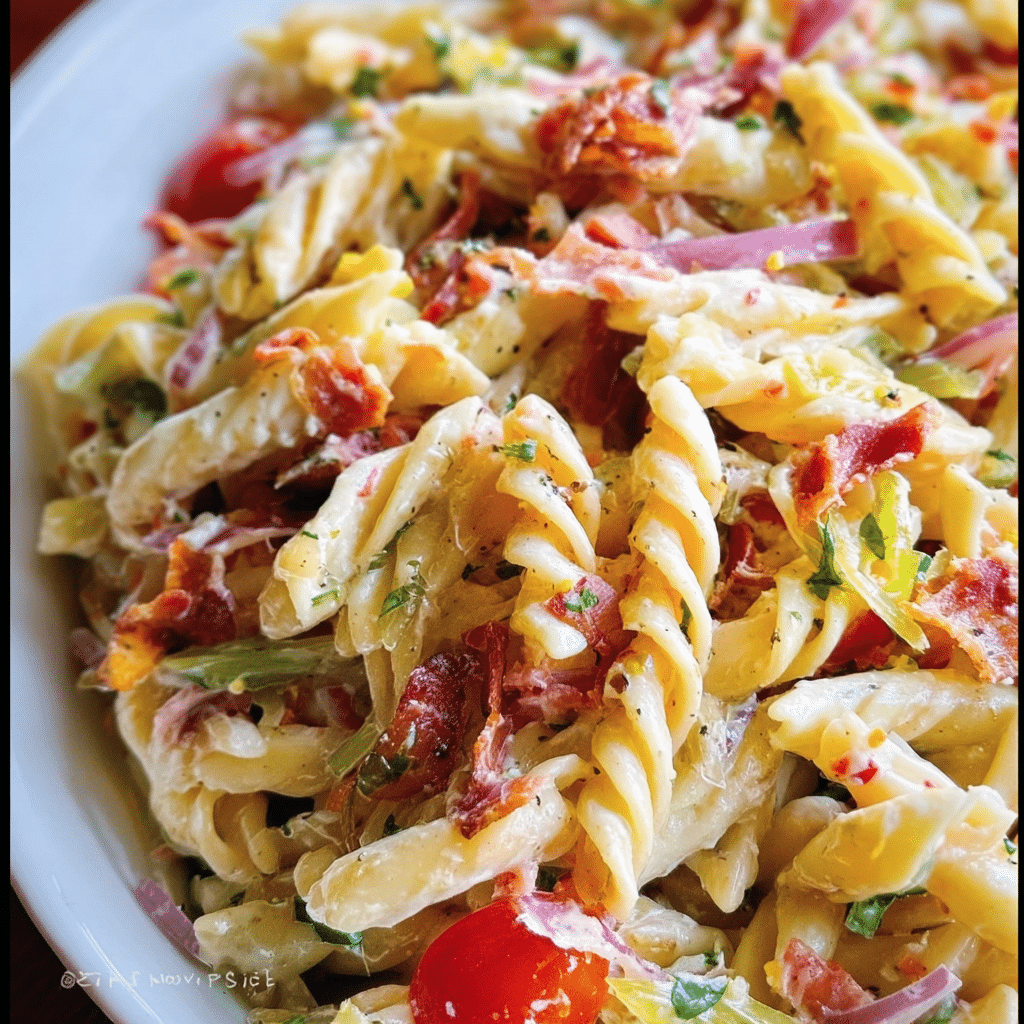
When it comes to crafting the perfect italian grinder pasta salad, having a few professional tips and techniques up your sleeve can elevate your dish from ordinary to extraordinary. As someone who has spent countless afternoons experimenting with various pasta salads, I’ve learned that the secret often lies in the details. Here, I’ll share some of my insider knowledge to help you achieve a delicious and visually stunning italian grinder pasta salad.
Professional Techniques
First, let’s talk about the pasta itself. The type of pasta you choose can drastically affect the final result of your italian grinder pasta salad. While traditional choices like rotini or fusilli are great because their shapes hold onto dressings and ingredients, don’t shy away from trying orecchiette or farfalle for a unique twist. The trick is to cook the pasta al dente, as it will continue to soften when mixed with the dressing and other ingredients. I often recommend boiling the pasta in well-salted water—think of it as seasoning the pasta from within.
Once your pasta is cooked to perfection, drain it and rinse it with cold water. This stops the cooking process and helps to prevent the pasta from becoming gummy. An insider tip: add a splash of olive oil to the pasta after rinsing to keep it from sticking together. This simple step can make all the difference, especially if you’re preparing your italian grinder pasta salad ahead of time.
Troubleshooting Guide
Even the most experienced cooks encounter issues from time to time. If your italian grinder pasta salad seems bland, it may need a bit more seasoning or acidity. A splash of red wine vinegar or a squeeze of lemon juice can brighten up the flavors. Also, consider your ingredients. Fresh herbs and vegetables can lose their vibrancy over time, so always aim to use the freshest produce available. If you’re preparing your salad a day in advance, holding off on adding delicate ingredients like avocado or fresh herbs until just before serving can maintain their flavor and texture.
Another common problem is sogginess. If you find your salad has become too wet, you can remedy this by adding a handful of fresh greens or croutons just before serving to absorb some of the excess moisture. On a related note, be cautious with the amount of dressing you use. It’s always better to start with less and add more as needed. You can always drizzle more dressing, but you can’t take it away!
Presentation Tips
When it comes to the italian grinder pasta salad, presentation is key. A beautiful salad can entice guests long before they take their first bite. Consider using a large, shallow bowl for serving; this allows the vibrant colors of the ingredients to shine through. Layer your salad with a variety of textures and colors, placing the pasta at the base, followed by colorful vegetables like cherry tomatoes, bell peppers, and olives. Top it off with fresh herbs like basil or parsley for that pop of green.
For an added touch of sophistication, you can serve individual portions in mason jars. Not only does this make for an adorable presentation, but it also allows your guests to enjoy the salad on the go! Just remember to layer your ingredients properly to ensure an even distribution of flavors.
Pairing wine with your italian grinder pasta salad can take your meal to the next level. A crisp white wine, such as Pinot Grigio or Sauvignon Blanc, complements the freshness of the salad beautifully. If you prefer red, a light Chianti can also work well, especially if your salad features richer ingredients like salami or cheese. Consider serving your salad alongside sparkling water with a slice of lemon for a refreshing non-alcoholic option.
In summary, the success of your italian grinder pasta salad hinges on a few key techniques: choosing the right pasta, being mindful of seasonings, and presenting your dish with flair. With these professional tips, you can create a pasta salad that not only tastes wonderful but also looks stunning on any dinner table.
Creative Variations and Adaptations of italian grinder pasta
One of the most delightful aspects of preparing italian grinder pasta salad is the endless possibilities for creative variations. The beauty of this dish is its adaptability; you can easily swap out ingredients to reflect seasonal flavors, dietary needs, or simply your culinary mood. Here’s a deep dive into some creative variations and adaptations that can help you personalize your salad.
Seasonal Variations
As the seasons change, so should your ingredients. In the spring, consider adding fresh asparagus, peas, or even artichoke hearts to your italian grinder pasta salad. These ingredients not only provide a burst of color but also bring a fresh, vibrant flavor that perfectly aligns with the season. During the summer months, I love incorporating roasted corn, zucchini, and cherry tomatoes for a sun-kissed twist. In the fall, think about adding roasted butternut squash or Brussels sprouts. And in winter, you might try using roasted root vegetables or hearty greens like kale or spinach, which can withstand the colder weather.
Don’t forget that you can also play with the dressing. A basil pesto during summer can elevate your salad, while a creamy tahini dressing in fall can add a richer, earthy flavor. This adaptability makes the italian grinder pasta salad a year-round favorite.
Dietary Adaptations
With the growing awareness of dietary restrictions, it’s important to create a italian grinder pasta salad that accommodates everyone. For those following a keto diet, you can swap traditional pasta with zucchini noodles or spaghetti squash. You’ll still achieve that satisfying texture while keeping the carb count low. If you’re catering to a vegan audience, consider eliminating cheese and using nutritional yeast for a cheesy flavor without the dairy. A drizzle of olive oil and lemon juice can help brighten up the flavors for a satisfying vegan meal.
If gluten is a concern, there are excellent gluten-free pasta options available today. Brands like Banza make pasta from chickpeas that not only add a unique flavor to your salad but also increase the protein content. For a lighter option, you could even try quinoa or farro, which adds a delightful chewiness.
Creative Twists
Don’t be afraid to think outside the box when it comes to flavor profiles. You can infuse your italian grinder pasta salad with international influences. For instance, adding a touch of sriracha or gochujang can introduce a spicy kick that’s reminiscent of Asian flavors. Alternatively, try an Italian-Mexican fusion by incorporating black beans, corn, and a cilantro-lime dressing. If you’re in the mood for a Mediterranean twist, feta cheese, olives, and sun-dried tomatoes are excellent additions.
Another fun way to use up leftovers from your italian grinder pasta salad is to transform it into a hearty wrap or sandwich. Simply spoon the salad onto a tortilla, wrap it up, and you have a delicious meal on the go! You can also toss it into an omelet for a quick breakfast or brunch option.
Lastly, consider different cooking methods to prepare your italian grinder pasta salad. While the classic method is to mix everything together raw, you can sauté some of the vegetables for a warm pasta salad. This method adds a new layer of flavor and is particularly comforting during the colder months.
In conclusion, the versatility of italian grinder pasta salad offers endless opportunities for creativity and personalization. By embracing seasonal ingredients, accommodating dietary needs, and experimenting with unique flavors, you can create a pasta salad that is not only satisfying but also a true reflection of your culinary journey.
Storage, Reheating, and Meal Prep for italian grinder pasta
When it comes to enjoying Italian grinder pasta, one of the most appealing aspects is its versatility and the ease with which you can store, reheat, and meal prep this delicious dish. Whether you’re making it for a picnic or just to have on hand for a busy week ahead, understanding how to properly store and reheat your pasta salad will ensure that it maintains its delightful flavor and texture. Let’s dive into the details of storage, reheating, and meal prep for Italian grinder pasta.
Short-term Storage
After whipping up a batch of Italian grinder pasta, you might be left with a generous portion, especially if you’re feeding a family or preparing for a gathering. The first step in short-term storage is to ensure that your pasta salad is cooled to room temperature before placing it in the fridge. This minimizes condensation and the risk of sogginess.
For refrigerator storage, opt for airtight containers. Glass or BPA-free plastic containers work best as they prevent moisture loss and keep your pasta salad fresh. Make sure to label your containers with the date, as this will help you keep track of freshness. Generally, Italian grinder pasta can be stored in the refrigerator for about 3 to 5 days, depending on the freshness of the ingredients used. If you’ve added ingredients like mozzarella or other cheese, it’s best to consume it within three days to avoid spoilage.
When I make Italian grinder pasta, I often prepare it a day in advance, letting all the flavors meld together overnight. This not only saves time but also enhances the taste, making it even more delicious when you’re ready to serve it.
Freezing and Long-term Storage
If you find yourself with more Italian grinder pasta than you can consume within a week, freezing is a fantastic option. However, keep in mind that some ingredients may not freeze well. For example, fresh vegetables like tomatoes might lose their texture and become mushy after thawing. It’s best to freeze your pasta salad without any delicate ingredients, especially fresh greens or creamy dressings.
To freeze Italian grinder pasta, start by portioning it into freezer-safe bags or containers. Remove as much air as possible to prevent freezer burn. Including a layer of parchment paper between the pasta and the lid of the container can help maintain freshness. Typically, your Italian grinder pasta can be frozen for up to 2-3 months. When you’re ready to enjoy it again, simply transfer your frozen pasta to the refrigerator to thaw overnight, or if you’re in a hurry, you can thaw it in the microwave using the defrost setting.
When I first started freezing pasta salads, I learned the hard way about vegetables that don’t fare well. I once froze a batch with cherry tomatoes, and while the flavor was still there, the texture was off-putting. Now, I make sure to keep my frozen portions simple, perhaps just pasta and a few hardy veggies.
Reheating Best Practices
Reheating Italian grinder pasta can be done in several ways, depending on your preference. If you’ve stored it in the refrigerator, you can enjoy it cold, which is how many people prefer their pasta salad. However, if you crave that warm, comforting experience, here’s how to do it without compromising quality.
For stovetop reheating, place the pasta salad in a skillet over low heat. Add a splash of olive oil or a bit of broth to keep it moist, stirring gently until it heats through. This method works well to restore some of the original texture and prevents it from drying out. If you’re using the microwave, transfer your pasta to a microwave-safe dish, cover it with a damp paper towel, and heat in short intervals, stirring in between to achieve even warmth.
When I reheat my Italian grinder pasta, I often find that adding a sprinkle of fresh herbs or a dash of vinegar can brighten up the flavors, making it taste freshly made again. Just a little bit of creativity can revive those flavors beautifully!
Food safety is a critical consideration with any dish, and Italian grinder pasta is no exception. Always ensure that your pasta salad is kept at safe temperatures—below 40°F when refrigerated and above 140°F when served hot. If you’re ever in doubt about the freshness, trust your instincts. It’s better to err on the side of caution when it comes to food safety.
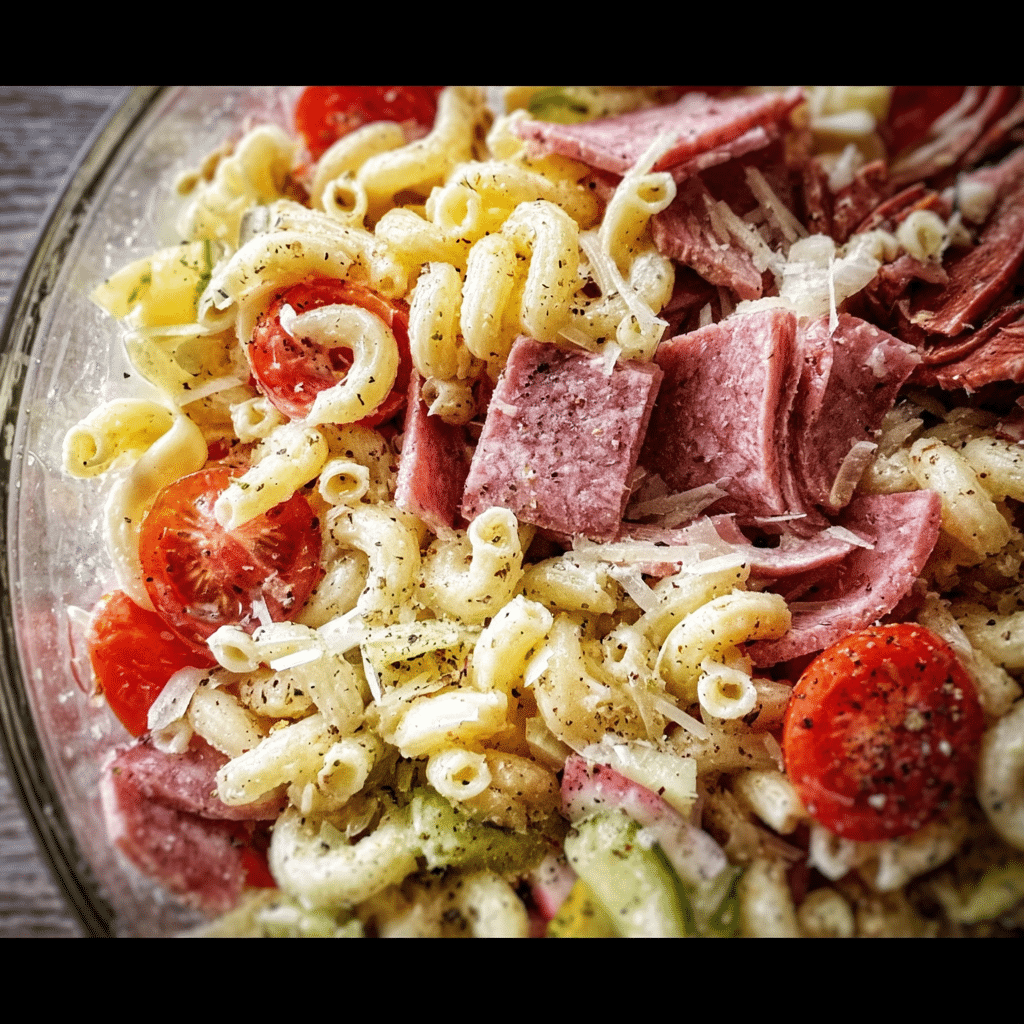
In conclusion, proper storage, reheating, and meal prep for Italian grinder pasta can extend its shelf life and maintain its delectable flavors. By following these guidelines, you can enjoy this dish over days or even weeks, making it a perfect option for meal prepping or entertaining. Embrace the versatility of Italian grinder pasta, and you’ll find yourself enjoying it in countless ways!
Nutritional Benefits and Health Information
Italian grinder pasta is not just a delicious and colorful dish; it also packs a nutritional punch that can contribute positively to your diet. As we dive into the nutritional benefits and health information surrounding this dish, it’s essential to consider the individual ingredients that make it unique while also looking at its overall contribution to a balanced diet. Let’s break this down!
Nutritional Profile
The base of Italian grinder pasta typically includes pasta, various vegetables, meats, and a dressing that ties everything together. The nutrition of your pasta salad can vary significantly based on the ingredients you choose. For example, a standard serving of Italian pasta salad (about one cup) can contain around 200-300 calories. Here’s a rough breakdown of the macronutrients you might find:
- Carbohydrates: 30-40 grams
- Protein: 10-15 grams
- Fat: 8-15 grams
These numbers can change depending on whether you add protein-rich ingredients like salami or chicken, or if you opt for a lighter dressing. Whole grain pasta can also increase fiber content, which is beneficial for digestive health.
Health Benefits
One of the standout features of Italian grinder pasta is its incorporation of fresh vegetables. Ingredients such as bell peppers, cucumbers, and olives contribute vitamins and minerals essential for overall health. For instance, bell peppers are high in vitamin C, which supports the immune system, while olives provide healthy fats that are good for heart health.
Moreover, if you choose to include whole grain pasta, you’re also boosting the fiber content. Fiber is crucial for maintaining a healthy digestive system, helping to regulate blood sugar levels, and keeping you feeling full longer. This makes Italian grinder pasta not just a delightful dish but a substantial one that can fit into a variety of health-conscious diets.
I love adding a variety of colorful vegetables to my Italian grinder pasta. Not only do they make the dish visually appealing, but each vegetable brings its unique health benefits. It’s like a rainbow of nutrition in one bowl!
Dietary Considerations
When preparing Italian grinder pasta, it’s essential to consider dietary restrictions and allergens. For those following gluten-free diets, there are excellent gluten-free pasta alternatives available, such as chickpea or brown rice pasta. Additionally, if you’re vegetarian or vegan, substituting meats with plant-based proteins like chickpeas or tofu, and using olive oil or a vinegar-based dressing can make this dish friendly for your dietary needs.
Caloric content and macronutrient distribution can also be adjusted based on your goals. For those looking to reduce calorie intake, consider using less dressing or opting for lighter ingredients. You can also increase the vegetable content to add bulk without significantly increasing calories.
In comparison to similar dishes, such as traditional pasta salads that may rely heavily on creamy dressings, Italian grinder pasta offers a fresher, lighter alternative that still satisfies. The balance of flavors and textures in this dish makes it stand out, allowing you to enjoy a wholesome meal without feeling weighed down.
To make the most of your Italian grinder pasta, consider healthy modifications. Opt for homemade dressings using olive oil, vinegar, and herbs rather than store-bought versions that can be loaded with sugars and preservatives. Experimenting with different herbs and spices can elevate the flavor profile while keeping the dish nutritious.
In summary, Italian grinder pasta is not only a tasty meal option but also a nutritious one. By understanding its nutritional profile, health benefits, and dietary considerations, you can enjoy this dish in a way that aligns with your health goals. Embrace the endless possibilities this pasta salad offers, and let it be a staple in your meal rotation!