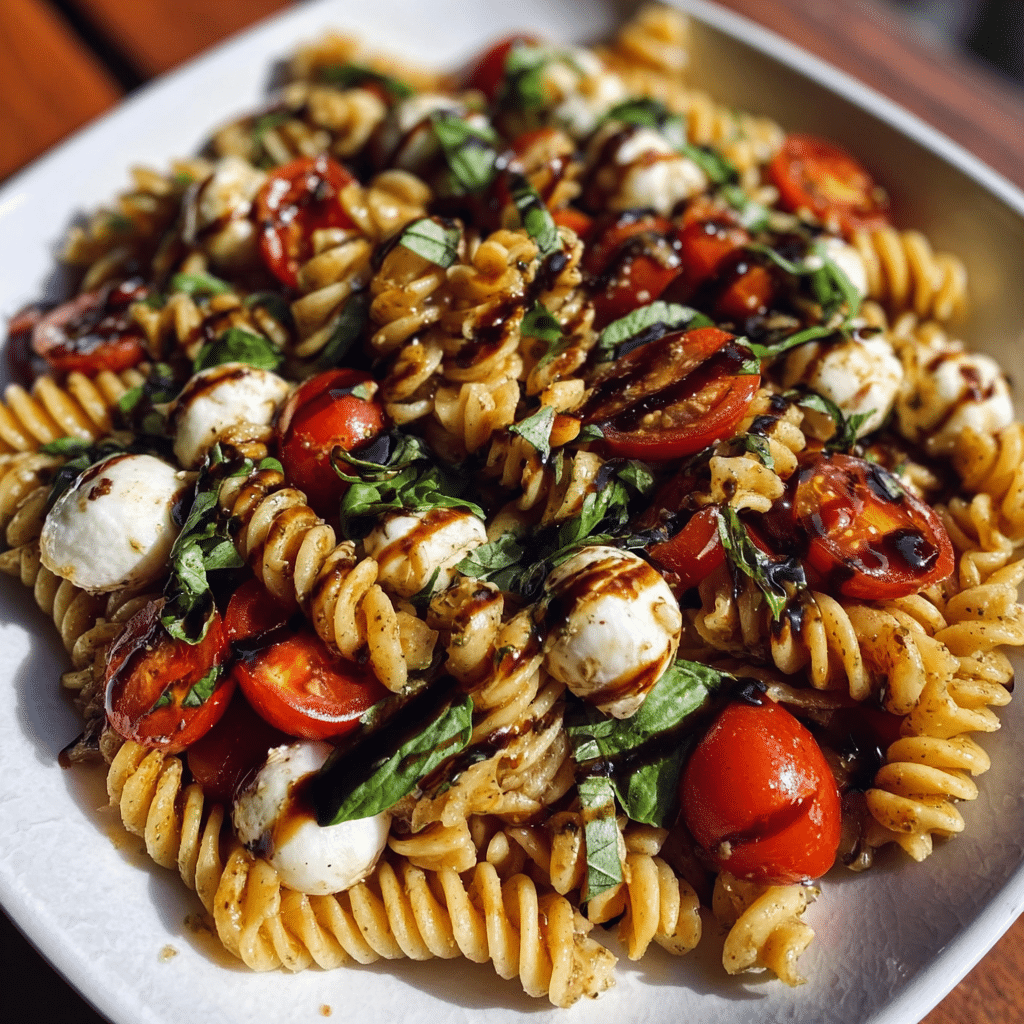
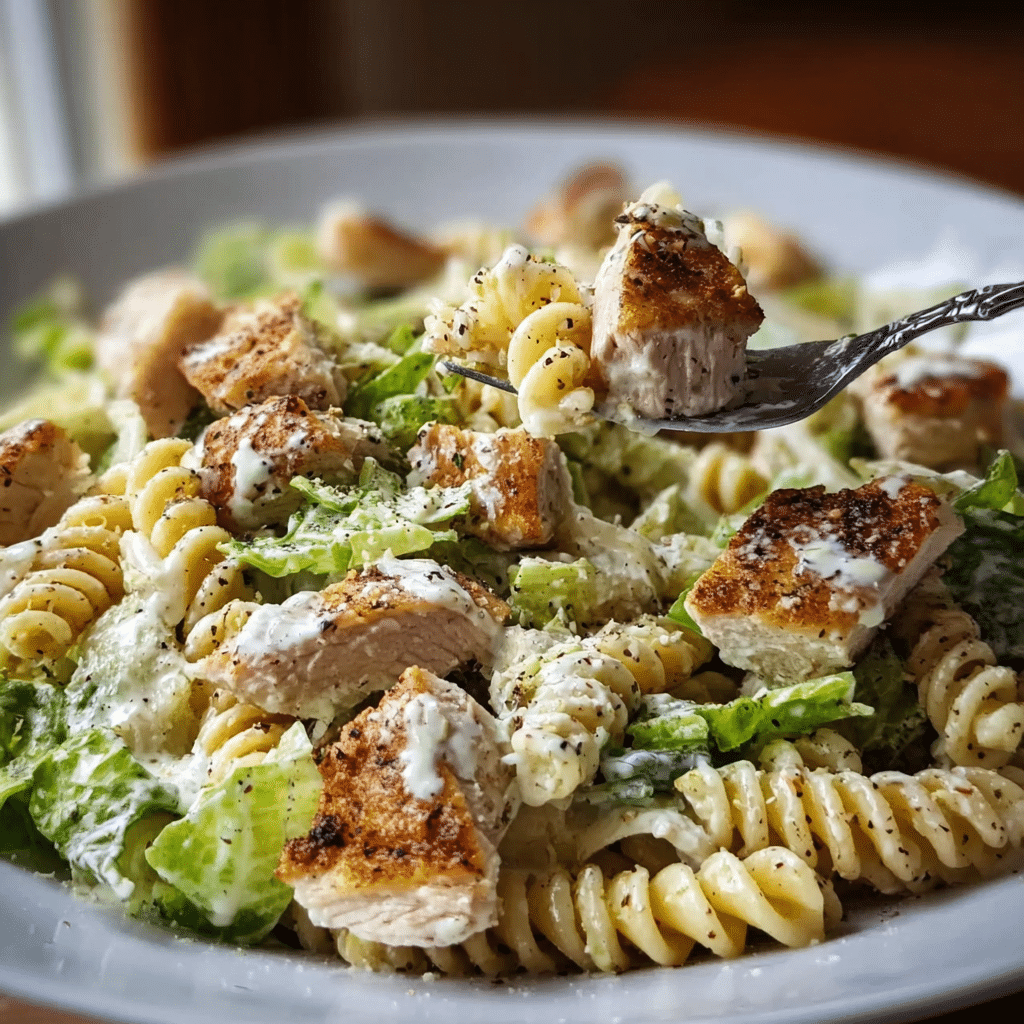
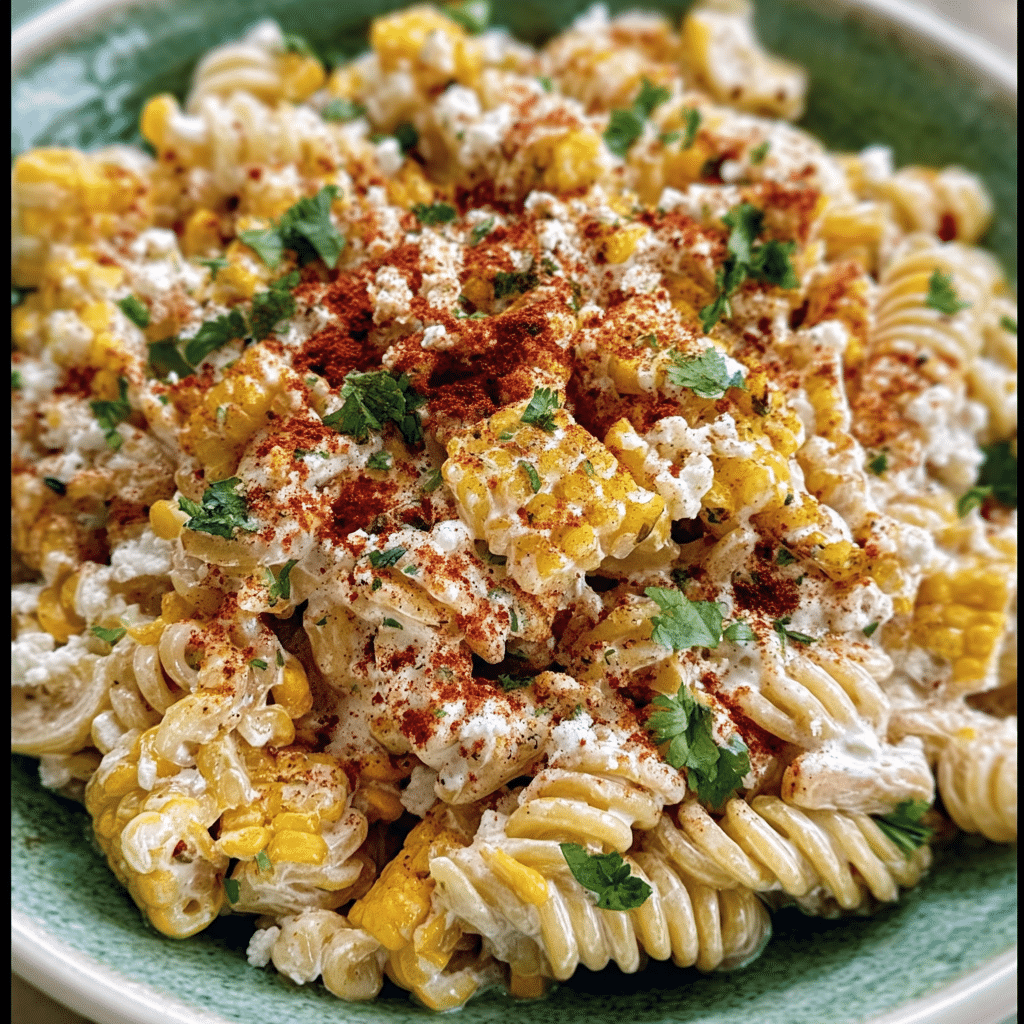
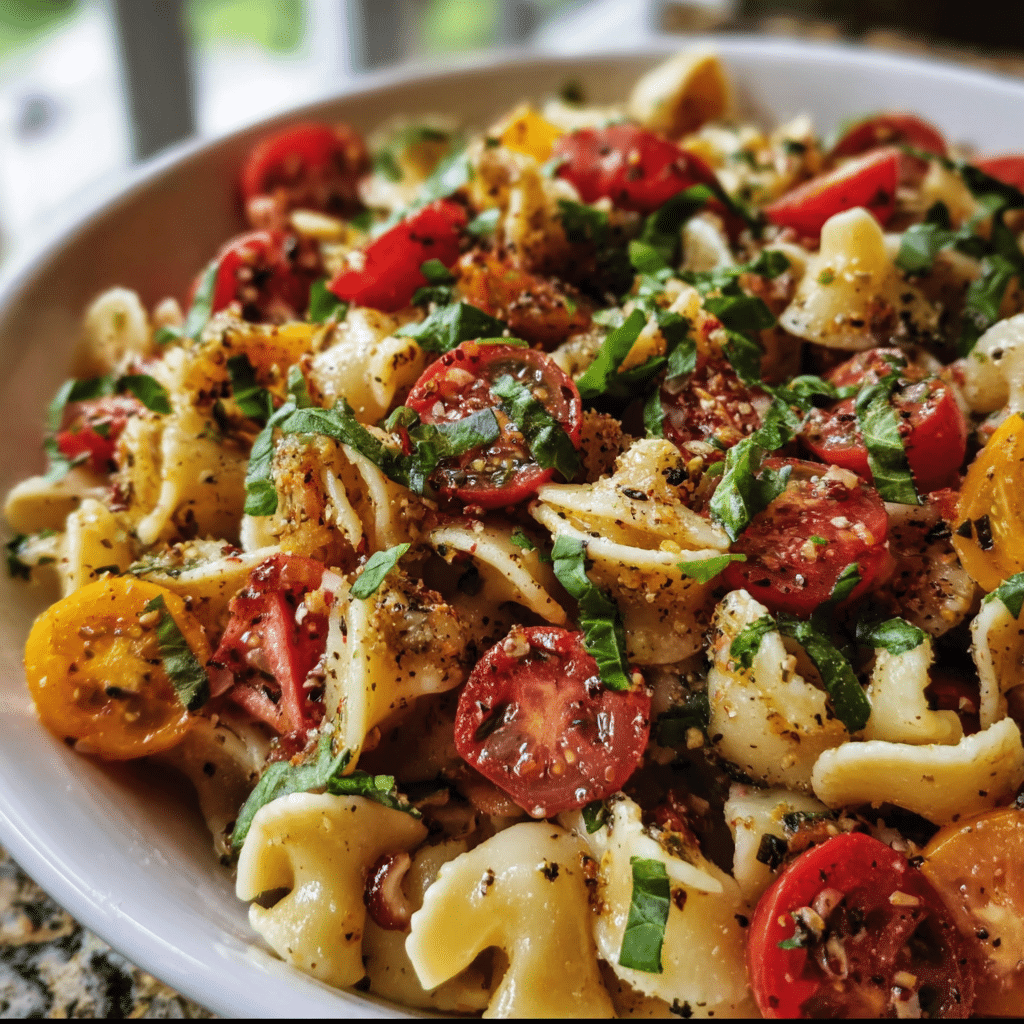
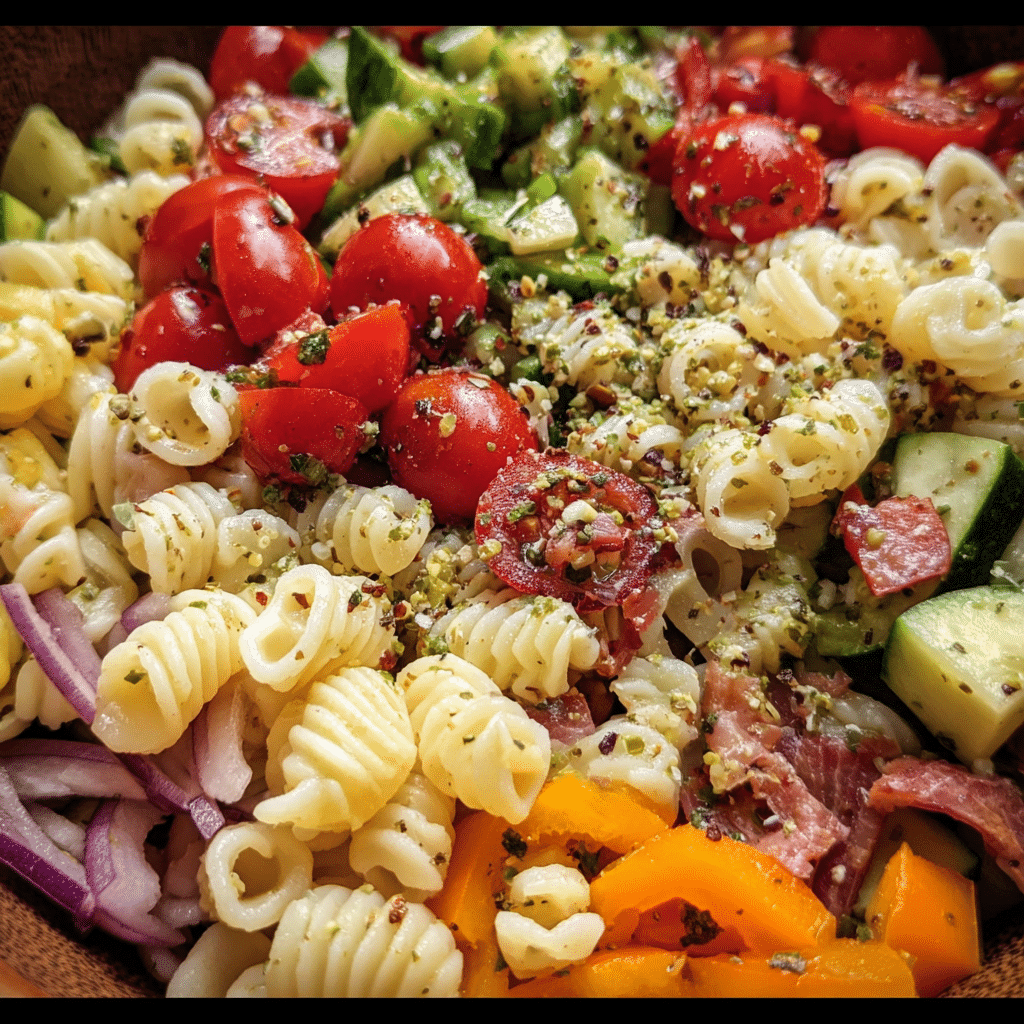
Italian pasta salad is a vibrant, hearty dish that embodies the spirit of Italian cuisine. My first encounter with this delightful salad happened on an unforgettable summer afternoon in my grandmother’s backyard. The sun was shining brightly, and the air was filled with laughter and the tantalizing aroma of fresh basil and tomatoes. As kids, we would gather around the large picnic table, where my grandmother would present her famous Italian pasta salad, a staple at every family gathering. The moment I took my first bite, I was instantly transported to a world of flavor, where the tanginess of olives danced with the sweetness of peppers and the richness of cheese. Little did I know then that this simple dish would become a cherished recipe in my own home.
The Story Behind This Recipe
Italian pasta salad has remained a beloved dish not just because of its vibrant colors and delicious taste, but also due to the memories it evokes. My grandmother, who hailed from a small town in Italy, would often tell stories of her childhood, where pasta was a daily staple, transforming simple ingredients into extraordinary meals. She taught me that the beauty of Italian pasta salad lies in its versatility—there are no hard and fast rules. You can use any pasta shape, mix in seasonal vegetables, and add your choice of proteins, making it a customizable dish that reflects the ingredients available at the time.
This dish truly represents the Italian ethos of “cucina povera,” or “poor kitchen,” where frugality meets creativity. It’s about making the most out of what you have, and I’ve taken this lesson to heart, especially as a busy parent. In our fast-paced lives, Italian pasta salad serves as a quick meal solution that doesn’t compromise on flavor or nutrition. Whether it’s a sunny picnic day or a cozy family dinner, this dish is perfect for any occasion, making it a staple in my household.
Why You’ll Love This Dish
What makes Italian pasta salad special is its ability to adapt to the seasons. In the summer, when vegetables are at their peak, you can add sun-ripened tomatoes, crunchy cucumbers, and fragrant basil. Come fall, roasted vegetables can add a cozy depth to the dish. It’s this seasonal flexibility that allows it to remain relevant throughout the year, making it a go-to recipe for busy families seeking quick dinner solutions. No matter when you make it, you can always count on your Italian pasta salad to be a crowd-pleaser.
Emotionally, this dish connects me to my roots and family traditions. It reminds me of laughter-filled gatherings, sunlit afternoons, and the warmth of my grandmother’s kitchen. Every time I prepare it, I feel like I’m passing down a piece of my heritage to my children, teaching them not just how to cook but also the values of love, sharing, and togetherness that Italian cuisine embodies.
In this ultimate guide to Italian pasta salad, you’ll learn how to create your own version of this beloved dish. I’ll share tips on selecting the best ingredients, various variations, and even how to make it ahead of time for those busy weekdays. Get ready to embark on a flavorful journey that will elevate your cooking and bring your family closer together.
The Rich History and Cultural Significance of italian pasta salad
The history of Italian pasta salad is as rich and varied as the ingredients that go into it. Originating in Italy, this dish is a celebration of the Mediterranean diet, which emphasizes fresh vegetables, wholesome grains, and healthy fats. The concept of mixing pasta with vegetables and seasonings isn’t new; it can be traced back to the 19th century when pasta was a common feature in Italian households. However, the modern interpretation of Italian pasta salad has evolved significantly, incorporating influences from various regions and culinary traditions.
Origins and History
The roots of Italian pasta salad can be linked to the concept of “pasta fredda,” or cold pasta, which became popular as a convenient way to serve meals in warmer months. In Italy, particularly in the southern regions, it became customary to prepare cold pasta dishes for picnics and outdoor gatherings. Families would make large batches, allowing them to enjoy the flavors over several days, a practice that is still common today. The traditional pasta salad often included ingredients like cherry tomatoes, mozzarella, and olives, but over time, each region began to add their own twist, creating a plethora of variations.
As Italian immigrants spread across the globe, they brought their culinary traditions with them, which led to the Americanized version of Italian pasta salad. In the United States, the dish has become synonymous with potlucks and summer barbecues. The typical American Italian pasta salad might include bell peppers, Italian dressing, and even a variety of meats, transforming it into a hearty meal that can stand alone.
Cultural Significance
Italian pasta salad is more than just a dish; it’s a cultural emblem of togetherness and celebration. In Italy, meals are an essential part of social life, and pasta salad often graces the table during gatherings, commemorating special occasions such as weddings, birthdays, and holidays. Each family has its own recipe, a reflection of their heritage and personal preferences, making it a symbol of love and tradition.
In Italian culture, food is a medium of connection, and sharing a meal can strengthen bonds between family and friends. This is particularly true with Italian pasta salad, which is often prepared in large quantities to accommodate gatherings. The act of preparing and sharing this dish fosters a sense of community, making it a staple at celebrations and casual get-togethers alike.
Nutritional Benefits
Beyond its cultural significance, Italian pasta salad also offers numerous nutritional benefits. At its core, this dish is an excellent source of carbohydrates from the pasta, which provides energy. When you incorporate a variety of fresh vegetables, you increase the fiber content, contributing to digestive health. Ingredients like olives and olive oil provide healthy fats, which are essential for heart health. Additionally, the inclusion of proteins, whether from cheese, beans, or meats, can make it a balanced meal.
For those looking to maintain a healthy lifestyle, Italian pasta salad can be tailored to fit dietary preferences. You can opt for whole grain pasta for added fiber, use low-fat cheese, or load up on vegetables to enhance its health profile. It’s a versatile dish that can easily accommodate different dietary needs while still being delicious and satisfying.
As you explore the rich history and cultural significance of Italian pasta salad, you’ll come to appreciate not just the flavors, but the stories and traditions that this dish carries. From its humble beginnings in Italian kitchens to its global presence, Italian pasta salad is more than just a meal—it’s a celebration of life, love, and togetherness.
Essential Ingredients for Perfect italian pasta salad
When it comes to crafting the perfect Italian pasta salad, the foundation lies in selecting the right ingredients. Each component plays a vital role in building flavor and texture, creating a dish that is not just a meal but an experience. Below, I’ve compiled a comprehensive list of the ingredients you will need, along with their importance, optimal selection tips, and storage advice.
Essential Ingredients
- 1/2 cup extra virgin olive oil
- 1/4 cup red or white wine vinegar (I like using red)
- 1 1/2 tbsp freshly grated parmesan cheese
- 1 tbsp sugar (any)
- 1 large garlic clove, minced
- 1/2 tsp each dried basil and oregano
- 1/4 tsp dried parsley
- 1/2 tsp dried chilli flakes (red pepper flakes) (optional)
- 3/4 tsp salt
- 1/2 tsp black pepper
- 300g/10oz spiral pasta, or other pasta of choice
- 180g/6oz thick sliced salami, cut into 2.5cm/1″ batons
- 200g/7oz baby bocconcini, halved
- 1 red capsicum/bell pepper, cut into 3cm/2.2cm strips
- 250g/8oz whole olives (Sicilian and pitted black)
- 2 cups cherry tomatoes, halved
- 1 cup (tightly packed) fresh basil leaves
Italian Pasta Salad
Ingredients
Italian Dressing
- 1/2 cup extra virgin olive oil
- 1/4 cup red or white wine vinegar (I like using red)
- 1 1/2 tbsp freshly grated parmesan cheese
- 1 tbsp sugar (any)
- 1 large garlic clove, minced
- 1/2 tsp each dried basil and oregano
- 1/4 tsp dried parsley
- 1/2 tsp dried chilli flakes (red pepper flakes) (optional)
- 3/4 tsp salt
- 1/2 tsp black pepper
Pasta Salad
- 300g/10oz spiral pasta, or other pasta of choice
- 180g/6oz thick sliced salami, cut into 2.5cm/1″ batons (see photo in post or videos) (I use spicy salami)
- 200g/7oz baby bocconcini, halved
- 1 red capsicum/bell pepper, cut into 3cm/2.2cm strips
- 250g/8oz whole olives (I used Sicilian and pitted black)
- 2 cups cherry tomatoes, halved (~1.5 Australian punnets)
- 1 cup (tightly packed) fresh basil leaves
Instructions
- Place Dressing ingredients in a jar and shake well.
- Cook pasta according to packet directions minus 1 minute. Drain in a colander and rinse under cold water to stop it cooking further. Shake excess water off well then transfer into large bowl.
- Place remaining Pasta Salad ingredients in the bowl. Drizzle over Dressing and toss. Serve at room temperature.
Make ahead PRO TIP (Note 4):
- SCOOP OUT a mug of pasta cooking water just before draining. Add 3 tbsp water to Dressing, shake well. Use this Dressing per above, but reserve 3 tbsp to freshen up pasta salad on Day 2 onwards.
- Freshen up pasta salad: Bring to room temp or briefly microwave (cold pasta = dry) to warm gently. Toss with Reserved Dressing then serve.
Now let’s delve deeper into the significance of each ingredient. The extra virgin olive oil is not just a cooking medium; it adds a rich, fruity flavor that elevates the entire salad. When selecting olive oil, look for the “extra virgin” label, which indicates a high-quality, cold-pressed oil with minimal processing. It should have a fresh aroma and a rich greenish hue.
The choice of vinegar is crucial as well. I prefer using red wine vinegar for its robust flavor profile that pairs beautifully with the other ingredients. It’s important to select a good quality vinegar; you want one that is bright and tangy, not overly acidic.
Freshly grated parmesan cheese adds a savory depth to the dressing. Always opt for freshly grated over pre-packaged, as the latter often contains anti-caking agents that can affect flavor. The same goes for the garlic; fresh garlic brings a pungent aroma that dried garlic simply cannot match.
Seasonings like dried basil, dried oregano, and dried parsley are essential for infusing the dish with Italian flair. I often suggest checking the expiration dates on your herbs and spices, as old ones can lose potency and flavor.
For those who enjoy a little heat, the addition of dried chilli flakes can add a delightful kick. However, if you’re sensitive to spice, feel free to omit them.
The salt and black pepper are fundamental for enhancing the flavors of the entire dish, acting like a flavor amplifier. Use kosher salt for seasoning, as its texture makes it easier to control the amount you use.
When it comes to pasta, I recommend using spiral pasta or any pasta shape you prefer. Spirals hold onto the dressing beautifully. To ensure the best texture, cook the pasta al dente, according to package instructions. This way, it remains firm and doesn’t become mushy in the salad.
For protein, I’ve included thick sliced salami, which adds a savory, meaty element. When choosing salami, look for ones that are well-seasoned and avoid overly processed varieties. If you prefer a vegetarian option, try using marinated artichokes or roasted vegetables instead.
Baby bocconcini adds a creamy texture that contrasts wonderfully with the crunch of the vegetables. When shopping for bocconcini, look for fresh ones that are plump and have a milky aroma.
The addition of red bell pepper brings sweetness and color, while whole olives—I recommend Sicilian olives for their robust flavor—add a salty, briny bite that complements the other ingredients. Choose pitted olives for ease of eating.
Lastly, cherry tomatoes bring a burst of freshness and acidity to the salad, while fresh basil leaves infuse the dish with an aromatic, herbaceous note that screams summer. Always select basil that is vibrant green and fragrant, avoiding any wilting or browning leaves.
Shopping Tips
When shopping for your Italian pasta salad ingredients, consider visiting local farmers’ markets for fresh produce. Not only will you find seasonal ingredients at their peak flavor, but you’ll also support local agriculture, which is always a win-win. For olive oil, specialty stores often carry high-quality options that might not be available in regular supermarkets.
For pasta, don’t hesitate to explore various shapes. While spiral pasta is my go-to, you might discover that farfalle (bow-tie pasta) or rotini works just as well. The important thing is to ensure whatever you choose can hold the dressing and flavors well.
Substitutions and Alternatives
Dietary restrictions? No problem! If you’re gluten-free, opt for gluten-free pasta alternatives, which are widely available nowadays. For a lower-carb version, you could even use spiralized vegetables like zucchini or carrots.
For a vegan twist, simply omit the salami and cheese. You can replace the parmesan with nutritional yeast for a cheesy flavor without dairy. If you’re avoiding sugar, consider using a natural sweetener like agave or honey, depending on your dietary preferences.
When it comes to storage, make sure to keep your ingredients fresh. Store the olive oil in a cool, dark place, and keep your herbs in the fridge wrapped in a damp paper towel to prolong their life. Fresh vegetables should be consumed within a few days of purchase for the best flavor.
In conclusion, the key to a fantastic Italian pasta salad lies in the quality and selection of your ingredients. Each component contributes to the overall harmony of flavors and textures, making every bite a delightful experience. Happy cooking!
Detailed Step-by-Step italian pasta salad Cooking Instructions
Creating a delicious Italian pasta salad is not just about combining ingredients; it’s an art form that requires attention to detail and a little bit of love. Below, I’ll guide you through each step in a comprehensive manner, ensuring that your salad turns out perfectly every time.
Preparation Steps
- Gather Your Ingredients: Before you start cooking, it’s essential to have all your ingredients ready. This process, known as mise en place, makes cooking much smoother and more enjoyable. Lay out your olive oil, vinegar, cheese, sugar, garlic, herbs, pasta, salami, bocconcini, bell pepper, olives, cherry tomatoes, and basil so they’re easily accessible.
- Prep the Vegetables: Start by washing and cutting your vegetables. Halve the cherry tomatoes, cut the red bell pepper into strips, and slice the salami into batons. The beauty of this salad is in its visual appeal, so aim for uniform sizes to create a harmonious look.
- Cook the Pasta: Fill a large pot with water, add a generous amount of salt, and bring it to a boil. Once boiling, add the pasta and cook according to the package instructions until it’s al dente. This usually takes about 8-10 minutes. Remember, overcooked pasta will turn mushy in your salad, so keep an eye on it!
- Drain and Rinse: After the pasta is cooked, drain it in a colander and rinse it briefly under cold water. This stops the cooking process and helps cool down the pasta, which is crucial for a salad. It also prevents the pasta from sticking together.
Cooking Process
- Make the Dressing: In a large bowl, combine the extra virgin olive oil, red wine vinegar, freshly grated parmesan cheese, sugar, minced garlic, dried basil, oregano, parsley, chili flakes (if using), salt, and black pepper. Whisk until well combined. The dressing is the heart of your Italian pasta salad, so take your time to blend these flavors together.
- Taste and Adjust: Before adding the pasta, taste your dressing. This is a chef’s secret: adjust the seasoning based on your preference. If it’s too acidic, add a pinch of sugar; if it’s too oily, a splash of vinegar can help balance it out.
- Combine Pasta and Dressing: Once the pasta has cooled, add it to the bowl with the dressing. Toss well to ensure every piece of pasta is coated with that delicious mixture. This is where the flavors start to meld together, and your salad begins to take shape.
Final Assembly
- Add the Salami and Vegetables: Now, gently fold in the salami, bocconcini, red bell pepper, olives, and cherry tomatoes. Be careful not to break the bocconcini; you want those creamy bites intact in your salad.
- Incorporate Fresh Basil: Finally, add in the fresh basil leaves. Tear them by hand rather than chopping, as this releases their fragrant oils and enhances the salad’s aroma. Give everything a gentle toss to combine.
- Chill Before Serving: For the best flavor, let your Italian pasta salad sit in the refrigerator for at least 30 minutes before serving. This allows the flavors to marry and intensify. If you’re in a hurry, you can skip this step, but trust me, patience pays off!
- Serve and Enjoy: When ready to serve, give the salad a quick toss again. You might want to add a drizzle of olive oil or a sprinkle of parmesan cheese on top for that final touch. Enjoy your creation with friends and family, and watch as they savor each bite!
Throughout this process, keep in mind the importance of cooking times and temperatures. Always ensure your pasta is cooked to al dente to avoid a mushy salad. The beauty of this Italian pasta salad lies in its versatility. Feel free to tweak ingredients based on your preferences or what you have on hand. Happy cooking!
Professional Tips and Techniques for italian pasta salad
When it comes to crafting the perfect Italian pasta salad, there are a few professional tips and techniques that can elevate your dish from good to unforgettable. Having spent countless afternoons tossing together various pasta salads in my kitchen, I’ve gathered a wealth of knowledge that I’m excited to share with you. So, grab your apron and let’s dive into the art of making a stellar Italian pasta salad!
Professional Techniques
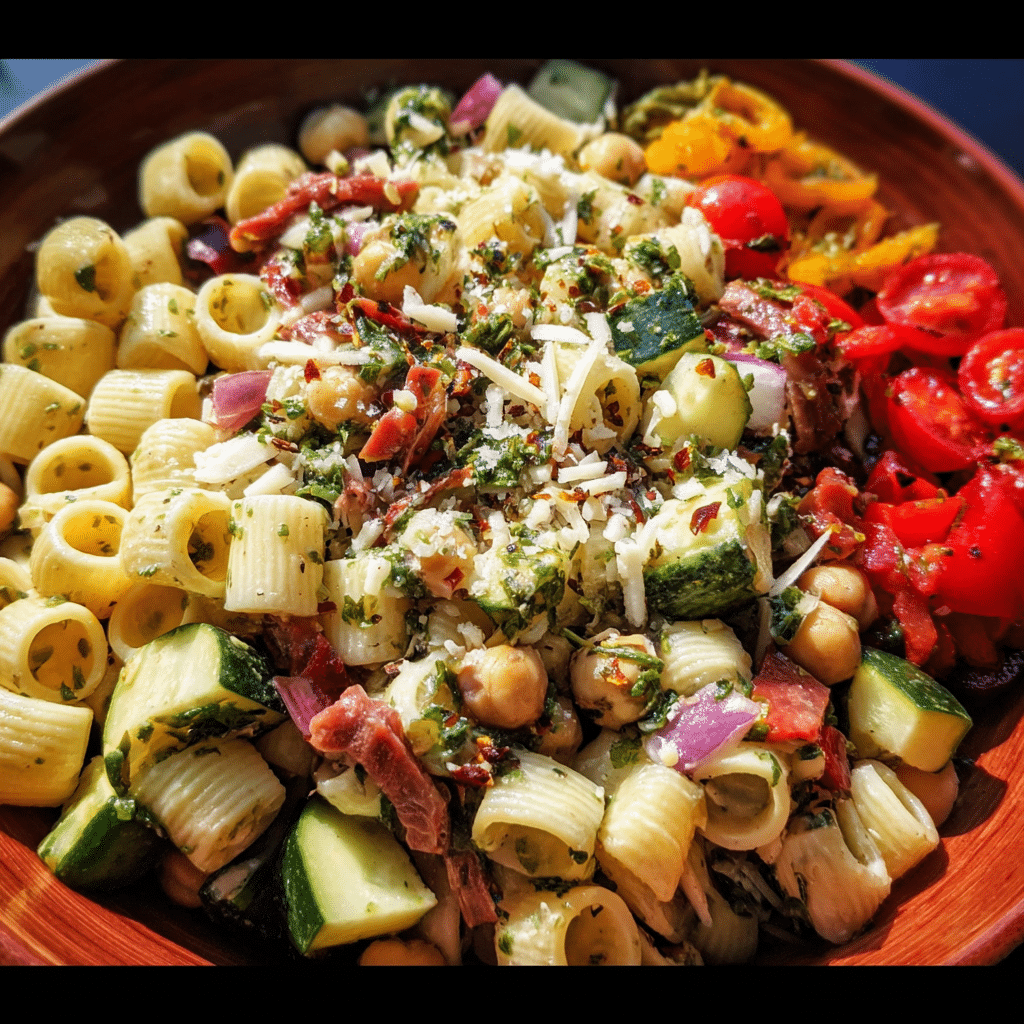
To begin with, let’s talk about the pasta itself. Choosing the right type of pasta is crucial for an authentic Italian pasta salad. While traditional recipes often call for rotini or penne, feel free to experiment with farfalle, or even whole wheat pasta for a healthier twist. The key is to cook your pasta al dente, which means it should have a slight bite to it. This not only prevents the pasta from becoming mushy when mixed with dressing but also adds a delightful texture to your salad.
Another secret? Rinse your pasta under cold water after cooking. This simple step stops the cooking process and cools the pasta down, making it easier to combine with the other ingredients. Plus, it helps to remove excess starch that can make your salad sticky.
When it comes to dressing your Italian pasta salad, consider making your own vinaigrette. A homemade dressing allows you to control the flavors and adjust the acidity to your liking. A classic mixture of olive oil, red wine vinegar, garlic, and a pinch of oregano can take your salad to new heights. As a personal touch, I often add a splash of lemon juice for brightness.
Troubleshooting Guide
Even seasoned cooks encounter hurdles, so here are a few common problems and their solutions. If you find your salad is too dry, don’t hesitate to add more dressing or a drizzle of olive oil. Conversely, if it’s too oily, try adding a handful of fresh herbs or some diced vegetables to absorb excess oil.
Another common issue is flavor imbalance. If your salad tastes bland, consider adding a little salt and pepper or even some grated Parmesan cheese to amplify the flavors. Remember, seasoning is key in making an Italian pasta salad truly shine.
For those who may struggle with overcooked pasta, the best remedy is prevention. Set a timer when cooking your pasta, and taste it a minute or two before the package instructions indicate. This way, you can catch it at just the right moment.
Presentation Tips
Now that you have your pasta salad perfected, let’s talk about presentation. First impressions matter, especially when it comes to food! For an elegant touch, serve your salad in a large, shallow bowl. This allows the colorful ingredients to shine and makes it easier for guests to serve themselves.
Consider garnishing your Italian pasta salad with fresh herbs, such as basil or parsley, just before serving. Not only does this add a pop of color, but it also enhances the aroma and flavor. You can even top it with sliced olives or cherry tomatoes for added visual interest.
When it comes to beverage pairings, a crisp white wine such as Pinot Grigio complements the flavors of an Italian pasta salad beautifully. If you prefer a non-alcoholic option, try serving sparkling water with a slice of lemon or a refreshing iced tea.
Meal prep can also be a game-changer. If you’re planning to serve this salad for a gathering, consider making it a day in advance. This not only saves time but also allows the flavors to meld together beautifully. Just store it in an airtight container in the fridge and give it a gentle toss before serving.
Lastly, scaling your recipe is easy. If you’re hosting a larger gathering, simply double or triple your ingredients! Just keep in mind that you may need extra dressing to ensure everything is well-coated.
Creative Variations and Adaptations of italian pasta salad
One of the best things about Italian pasta salad is its versatility. With a few creative variations, you can adapt this dish to suit your taste preferences or the season. Let’s explore some fun twists and adaptations that will keep your pasta salad exciting and flavorful!
Seasonal Variations
As the seasons change, so too do the ingredients available at your local market. In spring, consider adding fresh asparagus and peas to your Italian pasta salad for a pop of color and crunch. In the summer, sun-dried tomatoes and fresh mozzarella can bring a delightful richness to the dish. Autumn is the perfect time to incorporate roasted butternut squash or kale, while winter can benefit from hearty ingredients like olives and artichokes. The best part is that you can mix and match these seasonal ingredients to create a salad that reflects the flavors of the current season.
Dietary Adaptations
In today’s culinary landscape, accommodating dietary preferences is essential. If you’re looking for a keto-friendly option, swap traditional pasta for spiralized zucchini or cauliflower. For a vegan take, omit cheese and substitute with nutritional yeast for a cheesy flavor without the dairy. Gluten-free options are also widely available, with many brands offering gluten-free pasta made from chickpeas or lentils. These adaptations ensure that everyone can enjoy a delicious bowl of Italian pasta salad, regardless of dietary restrictions.
Creative Twists
Don’t be afraid to think outside the box! Italian pasta salad can be a canvas for culinary creativity. For an international fusion, try adding ingredients like grilled chicken marinated in teriyaki sauce or using a sesame dressing instead of a traditional vinaigrette for an Asian-inspired twist. You could also create a Mediterranean version by adding feta cheese, cucumber, and olives, then dressing it with lemon and oregano. The possibilities are endless, and each variation tells a unique story.
As for cooking methods, consider trying an oven-baked version of your Italian pasta salad. Combine your pasta and ingredients in an oven-safe dish, sprinkle with cheese, and bake until bubbly and golden. This method adds a new dimension of flavor and texture, making it a delightful twist on the classic.
Leftovers don’t have to be boring either! Transform your Italian pasta salad into a hearty frittata by mixing it with beaten eggs and baking it in a skillet. Alternatively, toss it with some stock and heat it up for a comforting soup, turning yesterday’s salad into today’s warm meal.
With these creative variations and adaptations, your Italian pasta salad will never feel stale. Embrace the flexibility of this dish, and let each season and occasion inspire you to create something new and delicious!
Storage, Reheating, and Meal Prep for italian pasta salad
When it comes to enjoying a delicious italian pasta salad, understanding how to properly store, reheat, and prepare it in advance can make all the difference. I’ve come to learn that a well-prepared salad can last for several days in the fridge and can be a lifesaver for meal prep enthusiasts like me. Let’s dive into the ins and outs of storage, reheating, and strategies for meal prep that will keep your italian pasta salad fresh and flavorful!
Short-term Storage
After whipping up a big batch of your favorite italian pasta salad, the first thing you want to consider is how to store it properly. Ideally, you should allow the salad to cool down to room temperature before refrigeration. This is crucial because placing warm food in the fridge can raise the temperature inside, which may promote bacterial growth.
For short-term storage, airtight containers are your best friend. I often use glass containers with tight-fitting lids, as they prevent any odors from permeating the salad and keep it fresher for longer. If you prefer plastic containers, make sure they are BPA-free and dishwasher safe for easy cleaning.
As for shelf life, a well-prepared italian pasta salad can last about 3 to 5 days in the refrigerator. However, the freshness of your ingredients plays a significant role. If you’ve used fresh vegetables like tomatoes or cucumbers, expect a shorter shelf life, as these can get soggy or spoil more quickly. To extend the life of your salad, consider storing the dressing separately and adding it right before serving. This keeps the pasta and veggies from becoming mushy.
Freezing and Long-term Storage
Now, if you’re thinking about making a larger batch of italian pasta salad for future meals, you might wonder about freezing it. Unfortunately, freezing isn’t the best option for this type of salad due to its ingredients. While pasta can be frozen, vegetables like bell peppers, olives, and dressing tend to lose their texture and flavor when thawed. However, if you’ve made a pasta salad with just pasta and some cooked proteins, such as chicken or shrimp, you can freeze those components separately.
If you decide to freeze parts of your italian pasta salad, make sure to use freezer-safe containers or bags. Remove as much air as possible to prevent freezer burn, which can ruin the texture. When you’re ready to enjoy your frozen pasta, simply thaw it in the refrigerator overnight and reheat it gently on the stove or in the microwave, combining it with fresh veggies and dressing afterward.
Reheating Best Practices
When it’s time to enjoy your stored italian pasta salad, reheating doesn’t always have to be in the traditional sense. Many people prefer their pasta salads cold, especially during warm weather. If you’ve stored it in the fridge, just take it out and give it a good stir to redistribute the dressing and ingredients.
If you prefer your salad warmed, gently reheat the pasta and proteins on the stovetop over low heat, adding a splash of olive oil or extra dressing to keep it moist. Avoid microwaving directly from the fridge, as this can lead to uneven heating and overcooked pasta. Instead, transfer it to a microwave-safe dish and cover it with a damp paper towel to retain moisture.
When reheating any food, always check the internal temperature. It should reach at least 165°F for safety. I always remind myself that food safety is paramount, especially when working with leftovers.
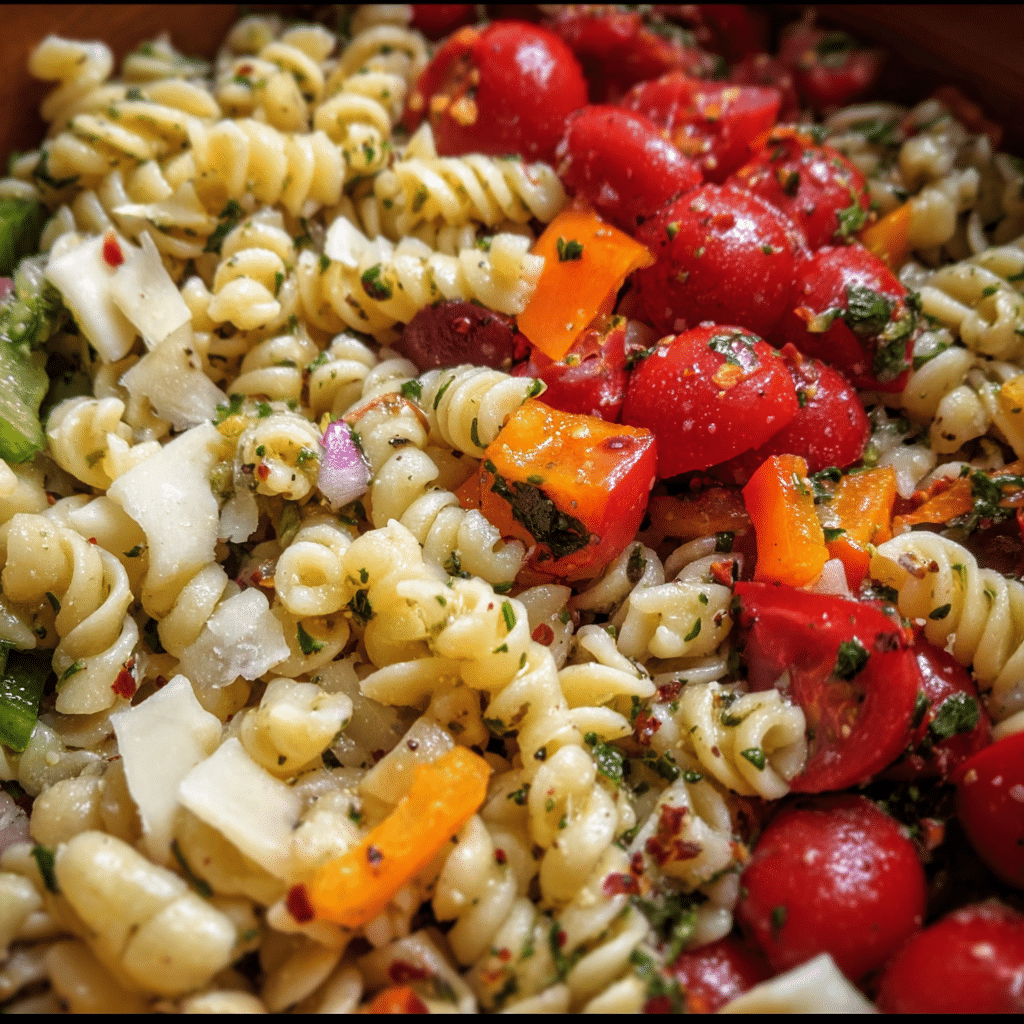
In terms of meal prep, I’ve found that preparing all the components of the italian pasta salad ahead of time works wonders. Cook the pasta and protein, chop the vegetables, and store everything separately in airtight containers. This way, when you’re ready to eat, you can quickly assemble your salad, ensuring everything remains fresh and crisp.
Additionally, consider portioning your salad into single-serving containers for easy grab-and-go meals. This not only helps with portion control but also makes it incredibly convenient for busy weekdays or picnics. Just remember to keep your dressing in a separate small container to maintain the perfect texture!
Overall, mastering the storage, reheating, and meal prep of italian pasta salad ensures you can enjoy this delightful dish anytime without compromising on flavor or safety. So, the next time you whip up a batch, keep these tips in mind for the best experience!
Nutritional Benefits and Health Information
As we delve into the world of italian pasta salad, it’s essential to not only appreciate its vibrant flavors but also to understand its nutritional benefits. This dish, a staple in many Italian-American households, brings together a medley of ingredients that can offer a range of health benefits. Join me as we explore the nutritional profile, health benefits, and dietary considerations that make this salad a worthy addition to your meal rotation.
Nutritional Profile
To begin with, let’s break down the typical ingredients of an italian pasta salad. While recipes can vary widely, a classic version often includes cooked pasta, colorful bell peppers, cherry tomatoes, olives, mozzarella cheese, Italian dressing, and sometimes proteins like salami or grilled chicken. The beauty of this dish lies in its versatility, allowing you to customize based on personal preferences and dietary needs.
Looking at a standard serving (approximately 1 cup), you can expect the following nutritional content:
- Calories: 300-400
- Protein: 10-15g
- Carbohydrates: 40-50g
- Fat: 10-20g
- Fiber: 3-5g
- Sodium: 600-800mg
This profile may vary based on the specific ingredients used, particularly the type of dressing and cheese. Whole grain pasta options can increase fiber content, while adding lean proteins can enhance the overall nutritional value.
Health Benefits
One of the standout features of an italian pasta salad is its colorful array of vegetables. Each ingredient contributes its unique set of vitamins and minerals. For instance:
- Bell Peppers: Packed with vitamin C and antioxidants, they support immune health and skin vitality.
- Cherry Tomatoes: Rich in lycopene, these little gems are great for heart health and have anti-inflammatory properties.
- Olives: A source of healthy fats, olives provide monounsaturated fats that can help lower bad cholesterol.
- Cheese: While it adds flavor, cheese also contributes calcium and protein, important for bone health.
Additionally, the pasta serves as a carbohydrate source, providing energy for your body. When paired with vegetables and proteins, it creates a balanced meal that can keep you satiated for longer, making it an excellent option for lunch or dinner.
Dietary Considerations
While italian pasta salad is a delightful dish, it’s essential to consider any dietary restrictions or allergen information. For those who are gluten-sensitive or have celiac disease, gluten-free pasta is now widely available and can easily be substituted without sacrificing flavor. Additionally, for those following a vegetarian or vegan lifestyle, replacing cheese with a dairy-free alternative and omitting meats can create a satisfying salad just as delicious.
When it comes to calorie content, the salad can be adjusted to fit various dietary plans. If you’re watching your caloric intake, consider using a lighter dressing or reducing the amount of cheese. Alternatively, increasing the amount of vegetables can add bulk without significantly increasing calories.
Moreover, if you’re following a Mediterranean diet, italian pasta salad aligns beautifully with its focus on whole grains, healthy fats, and plenty of vegetables. Incorporating this dish into your meal plan could offer a delicious way to stick to your dietary goals while enjoying the flavors of Italy.
In summary, the italian pasta salad is not just a tasty dish; it’s also packed with nutritional benefits that can support a healthy lifestyle. Whether you’re preparing it for a family gathering, a picnic, or a simple weekday meal, knowing its health implications can enhance your appreciation for this Italian classic. So, the next time you toss together your pasta salad, take a moment to savor not only the flavors but also the nourishing goodness it brings to your table!