italian pasta salad is more than just a dish; it’s a delightful symphony of flavors, textures, and colors that reflects the essence of Italian cuisine. I still remember the first time I tasted it—my grandmother had prepared it for a family reunion, and the moment I took a bite, I was transported to a sun-drenched Italian garden, surrounded by loved ones. The crunchy vegetables, the chewy pasta, and the zesty dressing intertwined in perfect harmony, creating a memory that would last a lifetime. It was in that moment I realized that italian pasta salad was not just food; it was a celebration of family, tradition, and a love for good cooking.
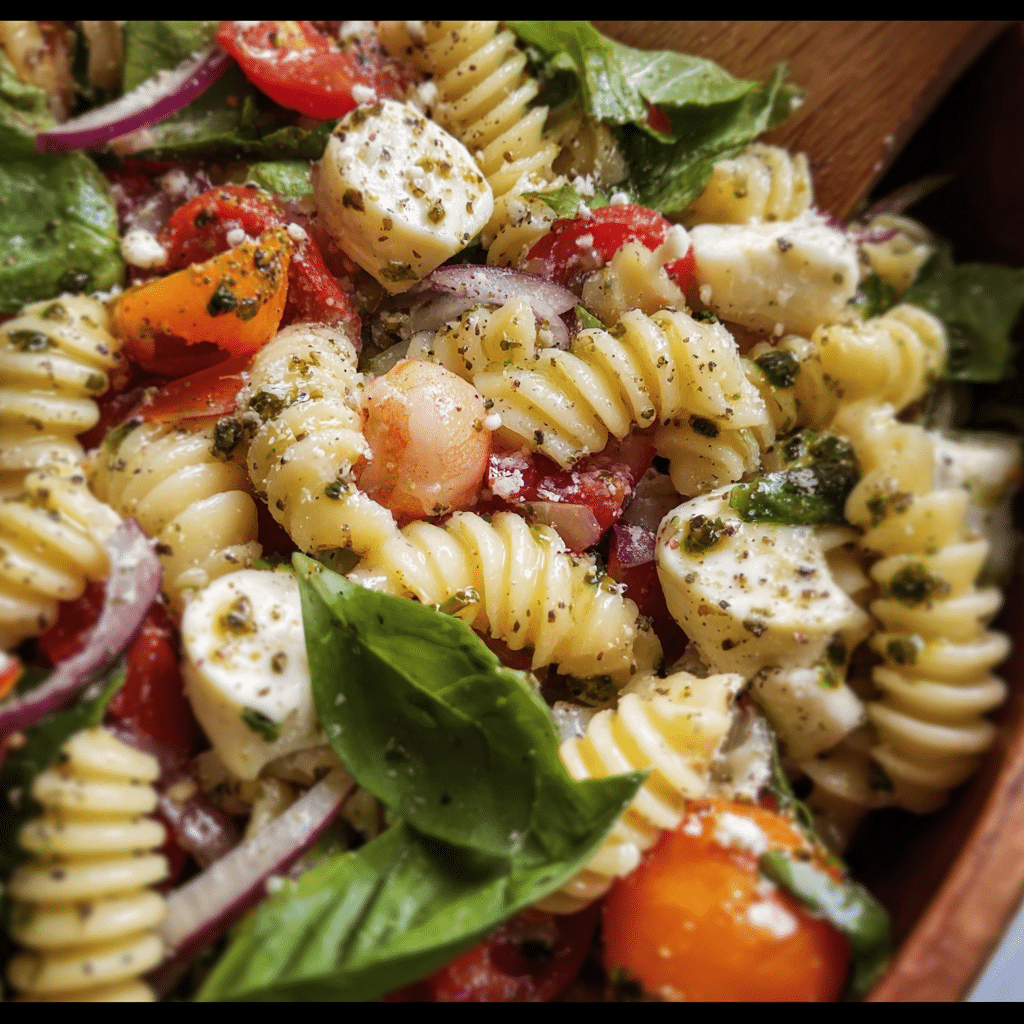
The Story Behind This Recipe
My journey with italian pasta salad began with my grandmother’s recipe, passed down through generations. As a child, I watched in awe as she tossed together colorful ingredients with a flourish, her laughter filling the kitchen. She often told stories of her travels to Italy, where she learned to make this dish in a small trattoria. Those evenings spent cooking together became cherished memories; the aroma of fresh basil and ripe tomatoes made my heart swell with joy. Over the years, I’ve adapted her recipe, adding my own twists while keeping the spirit of her culinary legacy alive.
italian pasta salad is rooted in Italy’s rich culinary traditions, where food is a way of life, not just sustenance. Traditionally, this salad is made with short pasta, such as fusilli or penne, combined with a variety of vegetables, cheeses, and meats, all dressed in a tangy vinaigrette. The beauty of this dish lies in its versatility. Each region in Italy has its own take on pasta salad, often influenced by local ingredients, resulting in a delightful diversity that reflects the country’s rich agricultural heritage.
Why You’ll Love This Dish
This recipe is special because it caters to the modern-day family’s busy lifestyle without compromising on flavor or nutrition. In today’s fast-paced world, finding meals that are quick to prepare yet healthy can be a challenge. italian pasta salad checks all the boxes: it’s easy to make, can be prepared in advance, and is perfect for serving a crowd. With busy weeknights and weekend gatherings in mind, this dish allows you to spend less time in the kitchen and more time enjoying the company of friends and family.
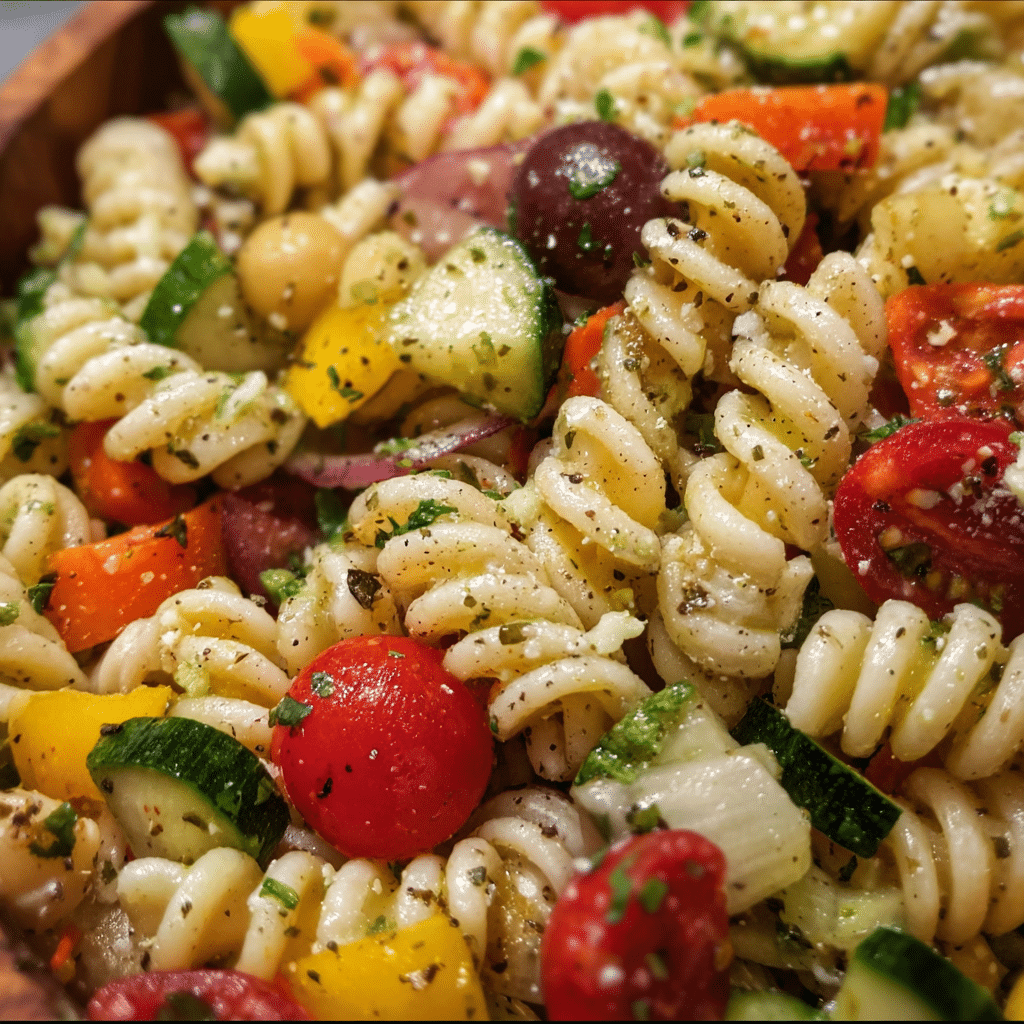
Moreover, the seasonal relevance of italian pasta salad makes it a year-round favorite. In the spring and summer, you can incorporate fresh, in-season vegetables like bell peppers, zucchini, and cherry tomatoes, making the dish vibrant and refreshing. As the cooler months approach, you can add roasted vegetables or even winter greens, giving it a cozy touch. This adaptability means you can enjoy italian pasta salad no matter the season.
On an emotional level, italian pasta salad evokes a sense of nostalgia and connection to family traditions. It’s a dish that brings people together, whether at a potluck, picnic, or a simple dinner at home. Each bite carries with it the warmth of shared moments and laughter. When I serve it, I often find myself reminiscing about those joyful kitchen escapades with my grandmother, feeling her spirit alive in every forkful.
In this guide, you’ll learn everything you need to know about crafting the perfect italian pasta salad. From choosing the right ingredients to tips on making the best dressing, I promise to share the secrets that make this dish a timeless classic. Whether you’re looking to impress guests at a summer barbecue or simply want to whip up a quick meal for your family, this guide will equip you with the knowledge and confidence to make italian pasta salad your own.
The Rich History and Cultural Significance of italian pasta salad
The history of italian pasta salad is as rich and varied as Italy itself. This dish is believed to have originated in the 20th century, during a time when Italian immigrants began adapting traditional recipes to fit the ingredients available in their new homes. Unlike more formal Italian dishes that require hours of preparation, italian pasta salad emerged as a practical solution for busy families needing to feed large gatherings with minimal fuss. It quickly became a staple at picnics, potlucks, and family reunions, symbolizing togetherness and celebration.
Print
Italian Pasta Salad
Ingredients
Italian Dressing
- 1/2 cup extra virgin olive oil
- 1/4 cup red or white wine vinegar (I like using red)
- 1 1/2 tbsp freshly grated parmesan cheese (Note 1)
- 1 tbsp sugar (any)
- 1 large garlic clove, minced
- 1/2 tsp each dried basil and oregano
- 1/4 tsp dried parsley
- 1/2 tsp dried chilli flakes (red pepper flakes) (optional)
- 3/4 tsp salt
- 1/2 tsp black pepper
Pasta Salad
- 300g/10oz spiral pasta, or other pasta of choice
- 180g/6oz thick sliced salami, cut into 2.5cm/1″ batons (see photo in post or videos) (I use spicy salami)
- 200g/7oz baby bocconcini, halved (Note 2)
- 1 red capsicum/bell pepper, cut into 3cm/2.2cm strips
- 250g/8oz whole olives (I used Sicilian and pitted black)
- 2 cups cherry tomatoes, halved (~1.5 Australian punnets)
- 1 cup (tightly packed) fresh basil leaves
Instructions
- Place Dressing ingredients in a jar and shake well.
- Cook pasta according to packet directions minus 1 minute. Drain in a colander and rinse under cold water to stop it cooking further. Shake excess water off well then transfer into large bowl.
- Place remaining Pasta Salad ingredients in the bowl. Drizzle over Dressing and toss. Serve at room temperature.
Make ahead PRO TIP (Note 4):
- SCOOP OUT a mug of pasta cooking water just before draining. Add 3 tbsp water to Dressing, shake well. Use this Dressing per above, but reserve 3 tbsp to freshen up pasta salad on Day 2 onwards.
- Freshen up pasta salad: Bring to room temp or briefly microwave (cold pasta = dry) to warm gently. Toss with Reserved Dressing then serve.
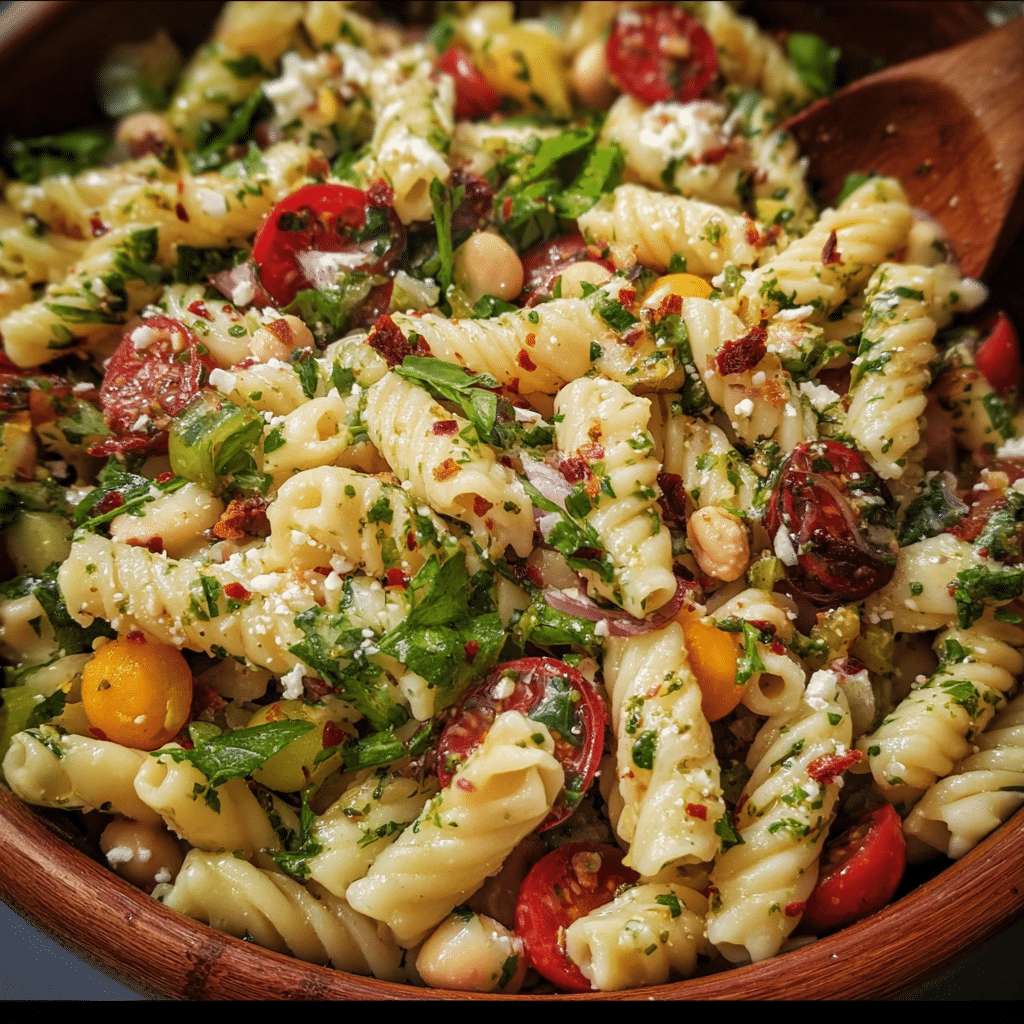
Origins and History
In Italy, this dish varies by region, often reflecting local produce and culinary traditions. For example, in the southern parts of Italy, you might find a version that includes olives, sun-dried tomatoes, and capers, while northern versions may feature creamy dressings and an abundance of fresh herbs. The distinctive flavors and textures of each regional variation add depth to the dish’s history, making it a true culinary tapestry.
Cultural Significance
italian pasta salad holds a special place in Italian culture as it embodies the spirit of community and sharing. It is often served at gatherings, family celebrations, and holidays, symbolizing hospitality and warmth. During summer months, it’s common to find families enjoying pasta salad at outdoor barbecues or picnics in the park, where the dish shines as a refreshing complement to grilled meats and fresh fruit.
Moreover, the dish has evolved into a beloved favorite worldwide, often appearing on restaurant menus and at catered events. It has transcended its humble origins to become a symbol of Italian-American cuisine, showcasing how food can bridge cultural divides and bring people together. Italian chefs and restaurants have also embraced this dish, offering their unique interpretations and elevating it to new heights while maintaining its essence.
Nutritional Benefits
Another significant aspect of italian pasta salad lies in its nutritional benefits. The dish is typically packed with vegetables, providing essential vitamins and minerals while being low in calories. Whole grain pasta can be used to increase fiber content, making it a healthier option for those looking to maintain a balanced diet. Additionally, the inclusion of olive oil as a dressing offers heart-healthy fats, while the addition of protein-rich ingredients like cheese and meats can help create a more balanced meal.
As an adaptable recipe, you can customize the ingredients to meet dietary preferences, whether you’re vegan, gluten-free, or simply looking to cut down on carbs. This versatility makes italian pasta salad not just a delicious option but a nutritious one as well, making it a go-to dish for families seeking to eat healthily without sacrificing flavor.
In conclusion, italian pasta salad is a dish steeped in rich history and cultural significance. It has evolved over time, adapting to the needs and tastes of different communities while maintaining its core essence. With its vibrant colors, fresh ingredients, and delightful flavors, this dish is not only a feast for the eyes but also a celebration of the bonds we share around the table.
Essential Ingredients for Perfect italian pasta salad
When it comes to creating a stunning italian pasta salad, the ingredients you choose can make all the difference. Not only do they contribute to the flavor, but they also provide texture, color, and nutrition to your dish. Let’s dive into the essential ingredients that will help you craft the perfect italian pasta salad that will impress your family and friends.
Essential Ingredients
- 1/2 cup extra virgin olive oil
- 1/4 cup red or white wine vinegar (I like using red)
- 1 1/2 tbsp freshly grated parmesan cheese
- 1 tbsp sugar (any)
- 1 large garlic clove, minced
- 1/2 tsp each dried basil and oregano
- 1/4 tsp dried parsley
- 1/2 tsp dried chili flakes (red pepper flakes) (optional)
- 3/4 tsp salt
- 1/2 tsp black pepper
- 300g/10oz spiral pasta, or other pasta of choice
- 180g/6oz thick sliced salami, cut into 2.5cm/1″ batons
- 200g/7oz baby bocconcini, halved
- 1 red capsicum/bell pepper, cut into 3cm/2.2cm strips
- 250g/8oz whole olives (I used Sicilian and pitted black)
- 2 cups cherry tomatoes, halved
- 1 cup (tightly packed) fresh basil leaves
Let’s break down the significance of each of these ingredients and how they contribute to the overall flavor and texture of your italian pasta salad.
Exploring the Role of Each Ingredient
Extra Virgin Olive Oil: This acts as the base of your dressing, adding richness and a fruity flavor. Choose high-quality extra virgin olive oil, which is cold-pressed and has a vibrant green hue. Look for oils from regions like Tuscany or Sicily for authentic flavor.
Red or White Wine Vinegar: The acidity of vinegar balances the richness of the olive oil. I prefer red wine vinegar for its robust flavor, but white wine vinegar works just as well. It’s crucial to use a vinegar that you enjoy tasting on its own.
Freshly Grated Parmesan Cheese: This adds a salty, nutty flavor that enhances the overall dish. Freshly grating your cheese yields the best flavor and texture, as pre-grated cheese often contains anti-caking agents that can affect the salad.
Sugar: A touch of sugar balances the acidity from the vinegar, enhancing the overall flavor profile of your italian pasta salad. You can use granulated sugar, honey, or even maple syrup as alternatives.
Garlic: Freshly minced garlic brings a pungent, aromatic flavor. When using garlic, aim for the freshest you can find – it should be firm and free of any green shoots for the best taste.
Dried Herbs: Basil and oregano are classic Italian herbs that add depth to your salad. Dried herbs are intense in flavor, so a little goes a long way. Look for herbs packaged in glass containers for better preservation of flavor.
Dried Chili Flakes: These are optional but can add a delightful kick to your salad. Adjust the amount according to your heat preference.
Salt and Black Pepper: These essential seasonings enhance all the other flavors. Use kosher salt for seasoning during preparation and freshly cracked black pepper for a more pronounced flavor.
Pasta: Spiral pasta is perfect for italian pasta salad as its shape holds onto the dressing and other ingredients. You can substitute with fusilli, penne, or farfalle based on your preference.
Salami: This adds a savory, meaty element. Opt for a spicy salami for added flavor, but feel free to use a milder variety if that suits your taste better.
Baby Bocconcini: These small mozzarella balls add creaminess and a mild flavor. When selecting bocconcini, ensure they are fresh and stored in brine for optimal taste.
Red Capsicum/Bell Pepper: Provides a sweet crunch and vibrant color to your salad. Choose firm peppers without blemishes for the best quality.
Whole Olives: Olives bring a briny, tangy flavor. Sicilian olives are a great choice, but you can use any variety you prefer. Make sure they are pitted for easy eating.
Cherry Tomatoes: These add a burst of sweetness and juiciness. Look for tomatoes that are firm and brightly colored for the best flavor.
Fresh Basil Leaves: Fresh herbs elevate the dish with brightness and aroma. When selecting basil, choose vibrant green leaves without browning or wilting.
Shopping Tips
When shopping for your ingredients, consider visiting local farmers’ markets for the freshest produce and herbs. This not only supports local farmers but also provides you with ingredients at their peak flavor. For pantry staples like olive oil and vinegar, check for quality indicators like a harvest date and origin. Investing in high-quality ingredients may cost more upfront, but the difference in flavor will elevate your italian pasta salad immensely.
Substitutions and Alternatives
If you’re dealing with dietary restrictions or preferences, there are plenty of substitutions available. For a vegan version, replace the salami with marinated artichoke hearts and omit the cheese or substitute it with a vegan cheese alternative. Gluten-free pasta options are widely available and work just as well in this recipe. If you are sensitive to garlic, consider using garlic-infused olive oil for the dressing. The key is to maintain a balance of flavors while accommodating your needs.
In conclusion, the ingredients you choose play a pivotal role in creating a delicious italian pasta salad. From the richness of the olive oil to the crunch of fresh vegetables, each component contributes to a delightful culinary experience. So gather your ingredients, and let’s get cooking!
Detailed Step-by-Step italian pasta salad Cooking Instructions
Now that we’ve covered the essential ingredients for your italian pasta salad, it’s time to delve into the step-by-step instructions that will guide you through the cooking process. This section is all about making the preparation easy and enjoyable, ensuring that your dish turns out perfectly every time.
Preparation Steps
- Gather Your Ingredients: Before you begin cooking, make sure you have all your ingredients ready. This includes measuring out the olive oil, vinegar, herbs, and other ingredients. Having everything prepped and organized will streamline the process and make cooking more enjoyable.
- Cook the Pasta: In a large pot, bring salted water to a boil. Once boiling, add your spiral pasta. Cook according to package instructions until al dente, usually around 8-10 minutes. Stir occasionally to prevent sticking. You want the pasta to have a slight bite to it, as it will absorb the dressing while cooling.
- Prepare the Dressing: While your pasta is cooking, in a large bowl, combine the extra virgin olive oil, vinegar, freshly grated parmesan cheese, sugar, minced garlic, dried basil, oregano, dried parsley, chili flakes (if using), salt, and black pepper. Whisk these ingredients together until well blended. The dressing should have a smooth consistency, and the flavors should meld beautifully.
- Chop and Prepare Vegetables: While the pasta cooks, chop your vegetables. Cut the red capsicum into strips and halve the cherry tomatoes. Make sure your bocconcini are halved as well. This preparation will not only enhance the visual appeal of your salad but also provide a variety of textures.
Cooking Process
- Drain the Pasta: Once the pasta is cooked to al dente, drain it in a colander. Do not rinse the pasta as this will wash away the starch that helps the dressing adhere to it. Allow it to cool for a few minutes; you want it warm but not hot.
- Toss the Pasta with Dressing: Add the warm pasta to the bowl with the dressing. This is important, as the warmth helps the pasta absorb the flavors. Toss gently to coat the pasta evenly with the dressing.
- Add Vegetables and Salami: Now, fold in the chopped red capsicum, halved cherry tomatoes, baby bocconcini, salami, and olives. Be gentle to avoid breaking the bocconcini. The aim is to create a colorful and appealing mixture.
- Incorporate Fresh Basil: Tear the fresh basil leaves and add them to the salad. The aroma of fresh basil is unmatched and contributes to the authentic Italian flavor profile of your italian pasta salad.
Final Assembly
- Taste and Adjust Seasonings: Before serving, taste your salad and adjust the seasoning if necessary. You may want to add a pinch more salt or a dash of vinegar depending on your preference.
- Chill Before Serving: For the best flavor, let your italian pasta salad chill in the refrigerator for at least 30 minutes. This allows the flavors to meld together beautifully. If you’re in a hurry, even 10-15 minutes will suffice.
- Serve and Enjoy: Serve the salad in a large bowl or individual servings. Garnish with additional fresh basil or parmesan cheese if desired. This dish can be enjoyed as a side or a main dish, perfect for picnics, potlucks, or family gatherings.
Throughout this process, remember that cooking is not just about following steps but also about enjoying the journey. Take in the aromas, appreciate the vibrant colors, and savor the flavors as you create your italian pasta salad. A little patience and creativity go a long way in the kitchen!
Professional Tips and Techniques for italian pasta salad
When it comes to crafting the perfect Italian pasta salad, there are a myriad of techniques and tips that can elevate your dish from good to unforgettable. Having spent countless summer afternoons creating this dish for family gatherings and picnics, I’ve learned a few insider secrets that can truly make a difference. Let’s dive into the professional tips and techniques that will help you master the art of Italian pasta salad.
Professional Techniques
First and foremost, the choice of pasta is crucial. While traditional recipes often call for rotini or penne, I’ve found that using farfalle, or bowtie pasta, adds a whimsical touch that children adore. Cooking the pasta is an art in itself; always cook it to al dente. This ensures that it retains a slight bite, which is essential because it will continue to absorb the dressing after it’s mixed with the other ingredients. A good rule of thumb is to cook the pasta according to the package instructions but set a timer for about two minutes less than recommended. This way, you can keep an eye on its texture.
Another key technique is to rinse the pasta after draining it. This may seem counterintuitive, but rinsing helps cool the pasta down quickly, stopping the cooking process and preventing it from becoming mushy. I usually run cold water over the pasta while gently tossing it, ensuring it cools evenly. Remember, the pasta will absorb the dressing, so the less sticky it is, the better the salad will be.
One of my favorite insider secrets is to make the dressing in advance. A robust Italian dressing can elevate your Italian pasta salad significantly. I often combine olive oil, red wine vinegar, Dijon mustard, fresh herbs like basil and oregano, and a sprinkle of garlic powder. Allowing the dressing to marinate for at least an hour—or even overnight—enhances the flavors and gives your salad a depth that is simply irresistible.
Troubleshooting Guide
Even the most seasoned cooks encounter issues from time to time. One of the most common problems I’ve faced is a bland Italian pasta salad. This can usually be fixed by adjusting your seasoning. An easy trick is to squeeze a bit of fresh lemon juice over the salad before serving; it brightens up the flavors beautifully. If you find your salad too oily, consider adding a bit more vinegar or a splash of broth to balance it out. Conversely, if it’s too tangy, a bit of sugar can help round off the acidity.
Another frequent issue is sogginess. This often arises when the veggies are not adequately dried before adding them to the salad. I recommend patting down tomatoes, cucumbers, and bell peppers with a paper towel to absorb excess moisture. Also, consider adding heartier vegetables like artichoke hearts or olives that won’t release as much water into the salad.
Presentation Tips
Presentation is key when serving your Italian pasta salad, especially if it’s for a gathering. I love layering the salad in a clear glass bowl to showcase the vibrant colors of the ingredients. Consider garnishing with freshly chopped herbs on top for a pop of green, and a sprinkle of grated Parmesan can make it look even more appealing.
If you’re preparing this salad for a picnic or potluck, consider using individual jars for serving. This not only makes it easy to transport but also adds a fun, rustic touch. You can layer the ingredients in the jars, starting with the dressing at the bottom, followed by pasta, vegetables, and finally, the leafy greens on top. Just give it a shake before serving!
Lastly, when it comes to wine pairings, I’ve found that a chilled Pinot Grigio or a light red like Chianti complements the flavors of the Italian pasta salad beautifully. These wines enhance the savory notes of the dressing and the freshness of the vegetables, making your meal truly memorable. Always serve the wine slightly chilled, and consider offering sparkling water with a slice of lemon as a refreshing non-alcoholic option.
With these professional tips and techniques, you’ll not only create an Italian pasta salad that’s delicious but also one that looks as good as it tastes. The beauty of this dish lies in its flexibility and ease, allowing you to customize it to your liking while still following some foundational techniques. Happy cooking!
Creative Variations and Adaptations of italian pasta salad
One of the most delightful aspects of preparing an Italian pasta salad is the vast array of creative variations and adaptations that can be made. Over the years, I have experimented with numerous ingredients and flavor profiles, often inspired by seasonal produce or international tastes. Let’s explore some exciting variations that can take your salad from classic to extraordinary.
Seasonal Variations
The beauty of Italian pasta salad lies in its adaptability to the seasons. In the summer months, I love incorporating fresh cherry tomatoes, cucumbers, and bell peppers, as they are at the peak of their flavor. A handful of arugula or baby spinach tossed in just before serving adds a refreshing crunch and a burst of color. As the weather cools down, I switch to heartier ingredients like roasted butternut squash or Brussels sprouts, which add an earthy depth to the salad.
During autumn, consider using roasted vegetables or even incorporating nuts and seeds for added texture and flavor. Toasted pine nuts or walnuts can add a delightful crunch and a nutty flavor that complements the pasta beautifully. In winter, I might include roasted root vegetables like carrots or parsnips, which provide sweetness and warmth to the dish. Every season offers a new opportunity to recreate this classic dish!
Dietary Adaptations
In today’s culinary landscape, accommodating dietary preferences is more important than ever. For those following a keto diet, you can easily substitute traditional pasta with spiralized zucchini or shirataki noodles. These alternatives provide that pasta-like texture without the carbs. Additionally, a rich Italian dressing made with olive oil, vinegar, and spices can enhance the flavor without adding unnecessary calories.
If you’re catering to vegan guests, consider swapping out cheese for a vegan alternative or simply omitting it altogether. Nutritional yeast can be a fantastic replacement, providing that cheesy flavor without dairy. For gluten-free options, there are numerous gluten-free pasta varieties available, from brown rice to chickpea pasta, which work wonderfully in an Italian pasta salad.
Creative Twists
If you’re feeling adventurous, why not try an international fusion twist? I recently made a Mediterranean-inspired Italian pasta salad by adding feta cheese, Kalamata olives, and a sprinkle of fresh oregano. The combination of flavors transported me straight to the sun-drenched shores of Greece! Another twist I enjoy is a Mexican-inspired salad, incorporating black beans, corn, diced avocado, and a zesty lime vinaigrette. It’s a fun way to give a classic dish a fresh identity.
For those who love a bit of heat, consider adding chili flakes or sliced jalapeños for a spicy kick. The balance of heat against the coolness of the vegetables creates a delightful contrast that keeps every bite interesting. And if you have leftovers, think about transforming your Italian pasta salad into a hearty wrap or a filling for stuffed peppers. The possibilities are endless!
In terms of cooking methods, don’t hesitate to experiment. While the traditional method involves boiling the pasta, you can also grill the vegetables for a smoky flavor that adds depth to your salad. Alternatively, prepare your pasta in a slow cooker with broth for a unique twist that infuses the pasta with flavor from the start.
In conclusion, the variations and adaptations of Italian pasta salad are limited only by your imagination. Whether you’re drawn to seasonal ingredients, dietary needs, or creative twists, there’s an endless world of flavors waiting to be explored. This dish is not only versatile but also a canvas for your culinary creativity. Enjoy the journey of making it your own, and remember to share your delicious creations with those you love!
Storage, Reheating, and Meal Prep for italian pasta salad
When it comes to preparing a delicious italian pasta salad, one of the most appealing aspects is its versatility, not just in flavors but also in storage options. Whether you’re making a big batch for a summer barbecue or simply whipping up a quick lunch for the week, knowing how to store your italian pasta salad properly can make all the difference in taste and freshness. In this section, we’ll explore various storage methods, meal prep strategies, and food safety considerations to ensure your salad remains delicious from the first bite to the last.
Short-term Storage
Once you’ve crafted your perfect italian pasta salad, the first step is to store it correctly if you’re not consuming it right away. For short-term storage, it’s best to use airtight containers. Glass containers are particularly great because they don’t stain, won’t hold onto odors, and are easy to clean. If you’re using plastic containers, make sure they are BPA-free and designed for food storage.
Before storing, let your salad cool to room temperature. This helps prevent condensation from forming inside the container, which can lead to sogginess. If you’ve added dressing to your salad, consider storing the dressing separately, especially if you plan to keep it for more than a day. This prevents the pasta from absorbing too much of the dressing and becoming mushy.
In the refrigerator, your italian pasta salad can last for about 3 to 5 days. However, this can vary depending on the freshness of the ingredients used. For example, if you included delicate vegetables like cucumbers or lettuce, they might not hold up as well after a few days. To maintain the freshness, try to consume your salad within the first 72 hours.
Freezing and Long-term Storage
Now, let’s talk about freezing, which can be a bit tricky with italian pasta salad. While certain components freeze well, pasta salads in general do not fare well in the freezer due to the texture changes that occur when the pasta thaws. However, if you find yourself with a large batch and want to preserve it, here’s how to do it effectively.
First, remove any fresh vegetables or delicate ingredients like cheese and herbs, as these do not freeze well. Cooked pasta and hearty vegetables, such as bell peppers or onions, can be frozen. Place the pasta in a freezer-safe container or bag, ensuring you remove as much air as possible to prevent freezer burn. When you’re ready to enjoy your salad again, simply thaw it overnight in the refrigerator before reassembling with fresh ingredients and dressing.
For long-term storage, aim to consume frozen pasta within 2 to 3 months. After that, while it may still be safe to eat, the quality might deteriorate. Always label your containers with the date to keep track of how long they’ve been stored.
Reheating Best Practices
Reheating your italian pasta salad can be a bit of a balancing act. If you’ve stored it without dressing, you can gently reheat the pasta on the stove over low heat, adding a splash of olive oil or a little broth to prevent sticking. For a cold salad, it’s generally better to enjoy it as is. However, if you feel like a warm pasta salad, you can quickly toss your thawed pasta in a pan with some olive oil and seasoning to bring it back to life.
It’s crucial to remember that reheating should be done gradually to maintain the salad’s integrity. If the pasta appears dry after reheating, consider adding a bit of fresh dressing to enhance flavor and moisture. Always taste before serving to adjust seasonings and ensure everything is to your liking.
When meal prepping, consider portioning out your italian pasta salad into single-serving containers. This not only makes it easier to grab-and-go but also helps control serving sizes, aiding in portion management. Having a well-organized refrigerator with labeled containers can truly make meal times easier and more exciting.
As with any food storage practice, food safety is paramount. Always ensure your salad is stored at the correct temperature, ideally below 40°F (4°C). If you’re ever in doubt about the freshness of your salad, trust your senses—if it smells off or looks different, it’s best to err on the side of caution and discard it.
In summary, proper storage and reheating methods can elevate your experience with italian pasta salad. By practicing short-term and long-term storage techniques, you’ll be able to enjoy this delightful dish for days to come, maintaining the flavors and textures that make it such a beloved staple in many homes.
Nutritional Benefits and Health Information
As we dive into the world of italian pasta salad, it’s essential to recognize not only its delicious flavors but also its nutritional benefits. This dish is often seen as a go-to for gatherings and picnics, but how does it stack up in terms of health? In this section, we’ll explore the nutritional profile, health benefits of key ingredients, and dietary considerations that make italian pasta salad a worthy addition to your meal rotation.
Nutritional Profile
At its core, italian pasta salad is a versatile dish that can be customized to fit various dietary needs. Typically made with cooked pasta, a variety of vegetables, and a dressing, the nutritional breakdown can vary significantly based on the ingredients used. For an average serving of a classic italian pasta salad (about 1 cup), you might find the following nutritional values:
- Calories: 250-300
- Carbohydrates: 30-35g
- Protein: 5-8g
- Fat: 10-15g
- Fiber: 2-4g
These values can shift dramatically based on the type of pasta used (whole grain versus regular), the amount of dressing added, and the variety of vegetables included. Whole grain pasta, for instance, increases the fiber content and may provide a more sustained energy release, making it a preferable choice for many.
Health Benefits
One of the standout features of italian pasta salad is its ability to incorporate a rainbow of vegetables, each bringing unique health benefits. Ingredients such as bell peppers, cherry tomatoes, and spinach are not only vibrant but also packed with vitamins and minerals.
For example, bell peppers are rich in vitamin C, which is vital for immune function and skin health. Tomatoes, especially when used in a salad, provide lycopene, a powerful antioxidant associated with various health benefits, including reduced risk of heart disease. Spinach adds iron and calcium, while olives contribute healthy fats, particularly monounsaturated fats that support heart health.
Moreover, the inclusion of herbs like basil or parsley not only enhances flavor but also adds additional vitamins and antioxidants. These components work synergistically to create a dish that is not only satisfying but also nourishing.
Dietary Considerations
In a world where dietary restrictions are increasingly common, italian pasta salad remains adaptable. For those following gluten-free diets, consider using gluten-free pasta made from rice, quinoa, or legumes. For a vegetarian or vegan twist, simply omit any cheese or meat, and explore plant-based dressing alternatives, such as a homemade vinaigrette with olive oil and vinegar.
Additionally, for those watching their caloric intake, it’s easy to modify this dish. Reducing the amount of dressing, opting for low-fat cheese, or adding a higher ratio of veggies can make a significant difference in the overall caloric content. You can also substitute mayonnaise-based dressings with lighter options such as yogurt-based or oil-and-vinegar dressings.
In terms of allergens, be mindful of ingredients that may trigger sensitivities. Common allergens in italian pasta salad include gluten (from traditional pasta), dairy (from cheese), and nuts (if added as toppings). Always label your salads accordingly if you’re serving them to a group to ensure everyone can enjoy without worry.
In conclusion, italian pasta salad can be a nutritious, flavorful, and adaptable dish that fits various dietary needs. With its combination of wholesome ingredients, it serves not just as a side dish but as a potential meal option that is satisfying and healthful. By understanding its nutritional benefits and considering modifications, you can enjoy this classic dish while feeling good about what’s on your plate.
Conclusion: Mastering the Perfect italian pasta salad
Creating the perfect italian pasta salad is more than just following a recipe—it’s about understanding the techniques, ingredients, and cultural significance behind this beloved dish. Throughout this comprehensive guide, we’ve explored everything from the historical origins to modern variations, ensuring you have all the knowledge needed to make this recipe your own.
Whether you’re a beginner cook or an experienced chef, the techniques and tips we’ve shared will help you create a italian pasta salad that’s not only delicious but also meaningful. Remember that cooking is a journey of discovery, and each time you make this dish, you’ll learn something new.
We encourage you to experiment with the variations we’ve discussed, adapt the recipe to your dietary needs, and most importantly, share it with the people you love. Food has the incredible power to bring people together, and Italian Pasta Salad is the perfect dish to create lasting memories around your dinner table.
Don’t forget to share your cooking adventures with us on social media, and feel free to ask questions in the comments below. Happy cooking!
Share this recipe and let us know how it turned out! Tag us on social media for a chance to be featured.