Kale caesar pasta is not just another recipe; it’s a delightful fusion of textures and flavors that embodies both tradition and innovation. I first stumbled upon this dish during a particularly hectic week when my family was yearning for something fresh yet comforting. Among the usual rotation of quick meals, I wanted to try something new. One afternoon, while scrolling through social media, a vibrant photo of kale caesar pasta caught my eye. The way the nutty kale mingled with creamy dressing and al dente pasta was irresistible. I decided to give it a shot, and that’s when I realized I had discovered a culinary gem that would soon become a staple in my household.
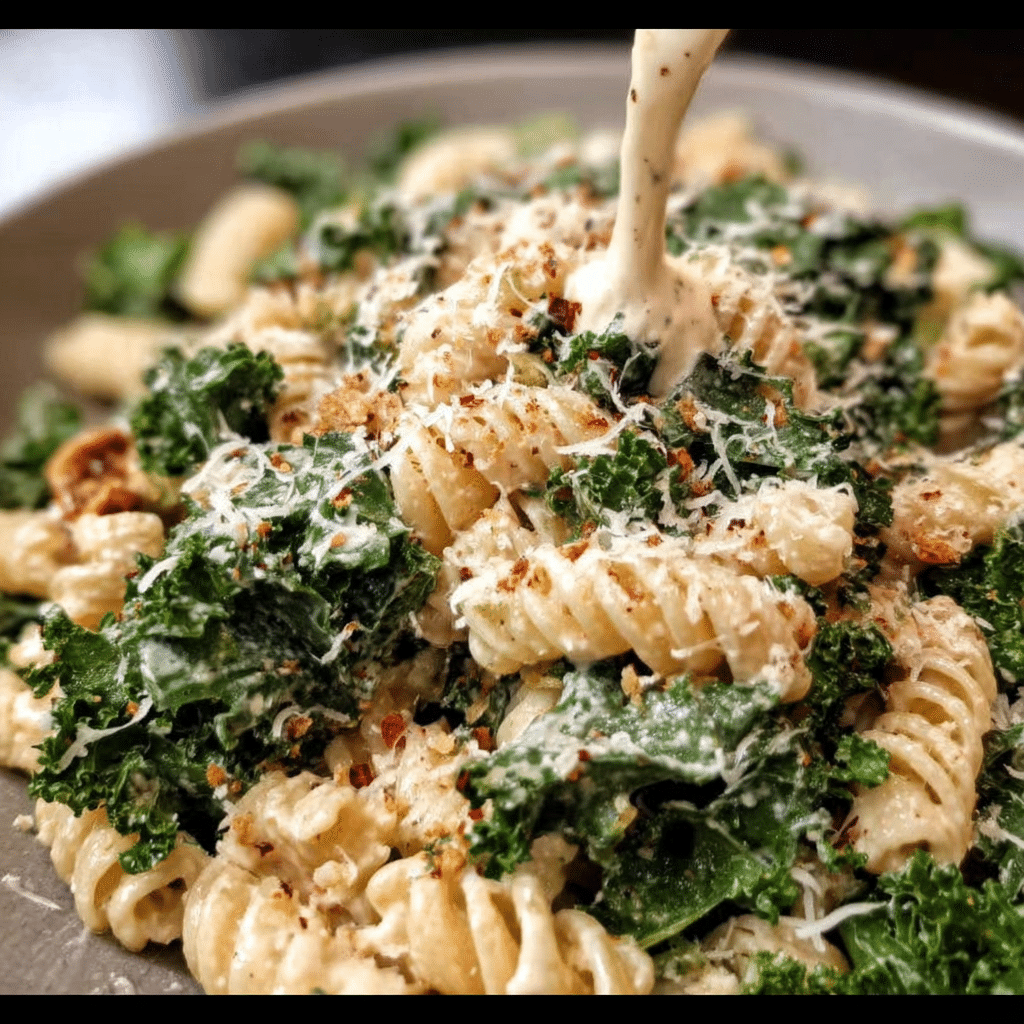
The first time I made kale caesar pasta, it was a sunny Saturday afternoon. I remember feeling triumphant as I tossed everything together, the bright green kale contrasting beautifully with the golden pasta and the rich, creamy dressing. My kids, who often turn their noses up at vegetables, were intrigued by the colors and textures. As we gathered around the table, I felt a sense of accomplishment not just because of the dish itself, but because it brought us together. We laughed, shared stories, and enjoyed a meal that was not only delicious but also packed with nutrients.
The Story Behind This Recipe
The origins of kale caesar pasta may seem straightforward, but its evolution is steeped in cultural influences and culinary creativity. The classic Caesar salad, which features crisp romaine lettuce, creamy dressing, and crunchy croutons, was created in the 1920s by Italian immigrant Caesar Cardini in Tijuana, Mexico. Over the years, chefs have reinvented this beloved salad in various ways, leading to the incorporation of kale as a superfood alternative. Kale, with its robust flavor and nutritional density, became a star ingredient in many kitchens.
Adding pasta to the mix is a natural evolution, as it makes the dish more filling and versatile. This combination speaks to a modern approach to cooking—one that embraces convenience without sacrificing health. Kale caesar pasta takes the essence of the traditional Caesar salad and transforms it into a complete meal, making it especially appealing for busy families seeking quick yet nutritious dinner solutions.
Why You’ll Love This Dish
What sets kale caesar pasta apart is its adaptability. Whether you’re in the mood for a light lunch or a hearty dinner, this dish delivers. It’s perfect for meal prep; you can whip up a batch on Sunday and enjoy it throughout the week. It’s also a fantastic way to sneak in those greens—something I’ve found invaluable as a parent. The creamy dressing and the satisfying chew of the pasta make it easy for even the pickiest of eaters to enjoy kale.
This dish is particularly seasonal. While you can enjoy it year-round, it shines in the spring and summer when kale is at its peak. Incorporating seasonal ingredients not only enhances the flavor but also connects us with the rhythms of nature. As the weather warms up, the thought of a chilled kale caesar pasta becomes irresistible. Picture a beautiful garden, the sun shining, and a bowl of this vibrant dish at the center of your picnic table, surrounded by family and friends.
Emotionally, kale caesar pasta resonates with me because it represents simplicity and togetherness. It’s a dish that I can prepare with my children; they love tearing the kale leaves and stirring the pasta. Cooking becomes a shared experience, a way to bond and create memories. I often find myself reminiscing about those sunny afternoons, filled with laughter and the warm aroma of olive oil and garlic wafting through the kitchen.
In this article, you’ll discover not only the ins and outs of making delicious kale caesar pasta but also tips for customizing it to suit your taste. You’ll learn about the best types of pasta to use, how to make a homemade dressing that elevates the dish, and even some fun variations to try. So, gather your ingredients, roll up your sleeves, and let’s dive into the joy of creating this culinary masterpiece together!
The Rich History and Cultural Significance of kale caesar pasta
The rich history and cultural significance of kale caesar pasta illustrate the evolution of food through time and place. This dish is more than just a meal; it embodies a blend of traditions and modern influences, reflecting how food can evolve while still paying homage to its roots. The traditional Caesar salad, from which this dish draws its inspiration, has a storied past that dates back to the 1920s. Its creator, Caesar Cardini, was an Italian immigrant who crafted this now-iconic salad in his restaurant in Tijuana, Mexico. The original recipe featured romaine lettuce, garlic, olive oil, and a unique dressing made from Worcestershire sauce, lemon juice, and Parmesan cheese.
Origins and History
As food culture expanded, so did variations of the Caesar salad. The introduction of kale—a nutritious leafy green—marked a turning point, reflecting a broader trend towards healthier eating. Kale has been celebrated in various cuisines for centuries, recognized for its hardiness and nutritional benefits. Its rise in popularity in the United States during the health food movement of the late 20th century made it a staple in many households. By combining kale with pasta and Caesar dressing, home cooks found a way to create a dish that was not only delicious but also appealing to health-conscious eaters.
Across different regions, variations of the Caesar salad have emerged. In some places, you might find added proteins like grilled chicken or shrimp, while others might incorporate unique ingredients such as avocado or even quinoa. The kale caesar pasta is a natural extension of this creativity—offering an Italian twist to a classic with the incorporation of pasta, bringing a new layer of texture and satisfaction.
Cultural Significance
Culturally, kale caesar pasta can be seen as a celebration of both the old and the new. It represents the blending of culinary traditions, showcasing how food can bring people together while also adapting to modern tastes and health trends. In many families, especially those with children, this dish serves as a bridge—allowing parents to introduce nutritious ingredients in a way that is enjoyable and appealing to younger palates.
Moreover, kale caesar pasta has found its place in social gatherings, potlucks, and family dinners. It’s a dish that sparks conversation and encourages sharing. The vibrant colors and flavors draw people in, making it a favorite among both hosts and guests. It’s not uncommon to see variations of this dish at summer barbecues or holiday celebrations, where the blend of textures and flavors is a perfect complement to other dishes.
Nutritional Benefits
One of the most compelling reasons to embrace kale caesar pasta is its nutritional profile. Kale is renowned for being a superfood, packed with vitamins A, K, and C, as well as antioxidants and fiber. When combined with whole-grain pasta, this dish becomes a powerhouse of nutrients, offering both energy and sustenance. The creamy dressing, often made with yogurt or a plant-based alternative, can provide healthy fats and protein, making this dish a balanced meal option.
Incorporating kale caesar pasta into your diet is an excellent way to boost your vegetable intake while enjoying a hearty and satisfying meal. For those who may be gluten-sensitive, there are plenty of gluten-free pasta options available today, allowing everyone to enjoy this delicious dish without worry.
In conclusion, kale caesar pasta is not just a meal; it’s a celebration of culinary evolution, cultural significance, and nutritional value. Its journey from a classic Caesar salad to a modern pasta dish reflects the changing landscape of food and cooking. The next time you sit down to enjoy this delightful dish, remember the rich history and culture that have shaped it, and savor every bite knowing you’re part of a larger culinary tradition.
Essential Ingredients for Perfect kale caesar pasta
Creating a delicious kale caesar pasta starts with selecting the right ingredients. Each component not only contributes to the flavor and texture of the dish but also plays a crucial role in its overall nutritional value. Below is a complete ingredients list, accompanied by detailed explanations of each component’s importance, quality indicators, and useful tips for sourcing, substituting, and storing them.
Essential Ingredients
- 1 can chickpeas (15 oz) – Chickpeas add a hearty texture and protein boost to the salad. They’re also rich in fiber, making your dish more filling.
- 1 tbsp olive oil – A splash of good quality olive oil enhances the salad’s richness and helps in emulsifying the dressing.
- 1/2 tsp smoked paprika – This spice brings a smoky depth to the dish, balancing the brightness of the kale and lemon.
- 1/4 tsp sea salt – Salt is essential for enhancing all the flavors in the kale caesar pasta.
- 3 tbsp olive oil – This is used in the dressing, providing flavor and smoothness.
- 4 tbsp lemon juice – Fresh lemon juice adds acidity that brightens the dish and balances the richness.
- 2 tbsp tahini – Tahini gives creaminess to the dressing, making it richer and more flavorful.
- 1 tbsp Dijon mustard – This ingredient adds a tangy kick and helps emulsify the dressing.
- 1 garlic clove – Fresh garlic infuses the dressing with a bold flavor that complements the kale perfectly.
- 1 tsp nutritional yeast – This adds a cheesy flavor without the dairy, making it a great option for vegans.
- 1/4 tsp salt – Additional seasoning for the dressing for a balanced flavor.
- 1/4 tsp pepper – Freshly ground black pepper adds a subtle heat and depth to the dressing.
- 4 tbsp water – Used to thin the dressing to the desired consistency.
- 8 oz pasta, cooked according to package directions (I use Fusilli Bucati Corti) – The pasta serves as the base of the salad; its shape captures the dressing and other ingredients beautifully.
- 1/3 cup grated parmesan cheese (omit for vegan) – Parmesan adds a salty, nutty flavor that elevates the dish. For a vegan option, you can skip this or use a dairy-free alternative.
- 5 cups shredded kale – The star ingredient! Kale is nutrient-dense and provides a robust texture that pairs wonderfully with the creamy dressing.
Kale Caesar Pasta Salad
Ingredients
Crispy smoked chickpeas
- 1 can chickpeas (15 oz)
- 1 tbsp olive oil
- 1/2 tsp smoked paprika
- 1/4 tsp sea salt
Caesar dressing (vegan-friendly)
- 3 tbsp olive oil
- 4 tbsp lemon juice
- 2 tbsp tahini
- 1 tbsp Dijon mustard
- 1 garlic clove
- 1 tsp nutritional yeast
- 1/4 tsp salt
- 1/4 tsp pepper
- 4 tbsp water
Salad
- 8oz pasta, cooked according to package directions
- 1/3 cup grated parmesan cheese (omit for vegan)
- 5 cups shredded kale
Instructions
- Crispy smoked chickpeas: Preheat the oven to 375 degrees F. Drain & rinse the can of chickpeas and then place on a baking pan between two paper towels. Roll the chickpeas in the paper towels and remove as much water as possible. Some of the skins will come off the chickpeas, discard the skins. (This will make the chickpeas crispier!) Drizzle olive oil, smoked paprika and sea salt on the chickpeas mixing with your hands or a spoon until evenly coated. Bake for 30-40 minutes.
- Caesar dressing: blend the olive oil, lemon juice, tahini, dijon mustard, garlic, nutritional yeast, salt, pepper and water in a blender until smooth.
- Mix the Salad: Add the pasta, kale, chickpeas, parmesan cheese and dressing to a bowl and mix to combine. Serve and enjoy!
Shopping Tips
When selecting ingredients for your kale caesar pasta, quality is key. For canned chickpeas, look for brands that are low in sodium or organic. If you can, opt for dried chickpeas; soak and cook them for a fresher taste. For olive oil, choose extra virgin, as it has the best flavor and health benefits. Smoked paprika is best when it’s fresh—check the label for a recent packaging date. Fresh garlic should be firm and free of sprouting, while kale should be vibrant and crisp, avoiding any yellowing leaves. For the pasta, select high-quality options that are made from durum wheat for the best texture and bite.
Substitutions and Alternatives
Dietary restrictions should never hold you back from enjoying a delicious kale caesar pasta. If you’re looking for a gluten-free option, you can substitute the pasta with gluten-free varieties made from chickpeas or lentils. For a nut-free version, replace tahini with sunflower seed butter or omit it entirely. If you’re avoiding dairy, skip the parmesan or use nutritional yeast as a cheesy substitute. To add protein, consider adding grilled chicken or tofu, which can work well with the flavors of the salad. If you need to cut down on calories, you could reduce the amount of olive oil or use a yogurt-based dressing instead of the tahini and oil combination.
When it comes to storage, canned chickpeas can last for years in the pantry, while fresh ingredients like garlic and kale should be stored in a cool, dark place and used within a week for optimal freshness. Olive oil should be kept in a dark bottle to protect it from light, and it’s best used within six months after opening for the best flavor. For those who love home cooking on a budget, consider buying in bulk when possible, especially for pantry staples like pasta, olive oil, and spices to save money in the long run.
In conclusion, the ingredients for your kale caesar pasta are not just about flavor; they encompass health, quality, and personal preference. By choosing the right components and being mindful of substitutions, you can create a dish that is not only satisfying but also tailored to your dietary needs.
Detailed Step-by-Step kale caesar pasta Cooking Instructions
Cooking the perfect kale caesar pasta is a delightful experience that combines technique with creativity. With a clear step-by-step process, you’ll find that creating this dish is not only straightforward but also enjoyable. Let’s dive into the detailed cooking instructions that will guide you through the process, ensuring a delicious outcome every time.
Preparation Steps
- Gather Your Ingredients: Start by assembling all your ingredients on the counter. This is known as mise en place, which translates to ‘everything in its place.’ It makes the cooking process smoother and more organized.
- Cook the Pasta: Bring a large pot of salted water to a rolling boil. Add the 8 oz of fusilli bucatini corti and cook according to package directions until al dente. This usually takes about 8-10 minutes. Remember to stir occasionally to prevent sticking. When it’s done, reserve a cup of pasta water before draining, then rinse the pasta under cold water to stop the cooking process. This helps maintain the pasta’s texture.
- Prepare the Chickpeas: While the pasta is cooking, drain and rinse the can of chickpeas. In a small bowl, toss the chickpeas with 1 tablespoon of olive oil, 1/2 teaspoon of smoked paprika, and 1/4 teaspoon of sea salt. Spread them on a baking sheet and roast in the oven at 400°F (200°C) for about 20 minutes until crispy. This adds a delightful crunch to your salad.
- Make the Dressing: In a medium bowl, combine 3 tablespoons of olive oil, 4 tablespoons of lemon juice, 2 tablespoons of tahini, 1 tablespoon of Dijon mustard, 1 minced garlic clove, 1 teaspoon of nutritional yeast, 1/4 teaspoon of salt, and 1/4 teaspoon of pepper. Whisk until smooth. If the dressing is too thick, add the 4 tablespoons of water gradually until you reach your desired consistency. Taste and adjust seasoning as necessary.
Cooking Process
- Prepare the Kale: While the pasta and chickpeas are cooking, wash and dry the kale thoroughly. Remove the tough stems and chop the leaves into bite-sized pieces. To soften the kale, you can massage it gently with a little olive oil and salt for a few minutes. This helps break down the tough fibers, making it more palatable.
- Combine Ingredients: In a large mixing bowl, combine the cooked pasta, roasted chickpeas, and the massaged kale. Pour the dressing over the top and gently toss everything together until well coated. Here’s where you can add in any additional ingredients you may like, such as halved cherry tomatoes or diced avocado for a pop of color and flavor.
- Final Touches: If using parmesan cheese, sprinkle the 1/3 cup of grated parmesan over the pasta salad and mix gently. This adds a savory depth to the dish. Taste again and adjust seasoning if needed, adding more salt, pepper, or lemon juice if desired.
Final Assembly
- Serve or Store: Your kale caesar pasta is now ready to be served! You can enjoy it immediately while it’s fresh, or let it chill in the refrigerator for about 30 minutes to let the flavors meld together. This dish can be served warm, at room temperature, or cold, making it a perfect option for meal prep or potlucks.
- Garnish: Before serving, consider garnishing with extra parmesan, a sprinkle of smoked paprika, or freshly cracked black pepper for a finishing touch.
- Storing Leftovers: If you have leftovers, store them in an airtight container in the refrigerator for up to three days. The kale will soften over time, but the flavors will continue to develop, making it a delightful next-day meal.
Throughout this process, be mindful of timing and multitasking. While waiting for the pasta to cook, you can prepare the dressing or roast the chickpeas, making efficient use of your time. Remember, the key to a successful kale caesar pasta lies in the balance of flavors and textures. Enjoy the cooking experience, and don’t hesitate to make the recipe your own by adding personal touches or variations!
Professional Tips and Techniques for kale caesar pasta
Creating a delightful kale caesar pasta dish is not just about following a recipe; it’s about understanding the nuances of flavor, texture, and presentation. As someone who has experimented with various pasta salads over the years, I’ve gathered a wealth of tips that can elevate your cooking game. Whether you’re a novice or an experienced cook, these professional techniques and insider secrets will help you craft the perfect kale caesar pasta.
Professional Techniques
To start, let’s talk about the kale. This leafy green is robust and can sometimes be a little tough. To enhance its texture and flavor, it’s essential to massage the kale. By simply rubbing the leaves gently with your hands and a bit of olive oil, you break down the fibrous structure, resulting in a more tender, palatable green. This method also allows the kale to absorb the flavors of the dressing more effectively.
When it comes to the pasta, consider using whole grain or gluten-free options if you’re looking for a healthier twist. Cooking the pasta al dente is crucial, as it will continue to cook slightly when mixed with the dressing and other ingredients. A good rule of thumb is to reduce the cooking time by one or two minutes from what the package suggests. Once drained, toss the pasta in a drizzle of olive oil to prevent it from sticking.
Now, let’s discuss the dressing. A classic caesar dressing typically includes anchovies, garlic, parmesan cheese, lemon juice, and olive oil. However, to achieve a perfectly balanced kale caesar pasta, it’s essential to emulsify the dressing. This means whisking the ingredients together until they are fully combined and creamy. Using a food processor can also help achieve this texture. Don’t forget to taste and adjust the seasoning; a pinch of salt or a dash of lemon juice can make a world of difference!
Troubleshooting Guide
Even the most experienced cooks encounter challenges in the kitchen. One common issue with kale caesar pasta is that the pasta can sometimes absorb too much dressing and become dry. To remedy this, you can reserve some of the dressing to add just before serving. Additionally, if your salad seems bland, consider adding more fresh ingredients such as cherry tomatoes or chopped cucumbers to boost flavor and texture.
What if your dressing is too thick? Simply thin it out with a bit of water or additional lemon juice until you reach your desired consistency. On the other hand, if it’s too thin, you can whisk in more parmesan or a bit of mustard to thicken it up. The key here is to taste as you go and make adjustments based on your preference.
Presentation Tips
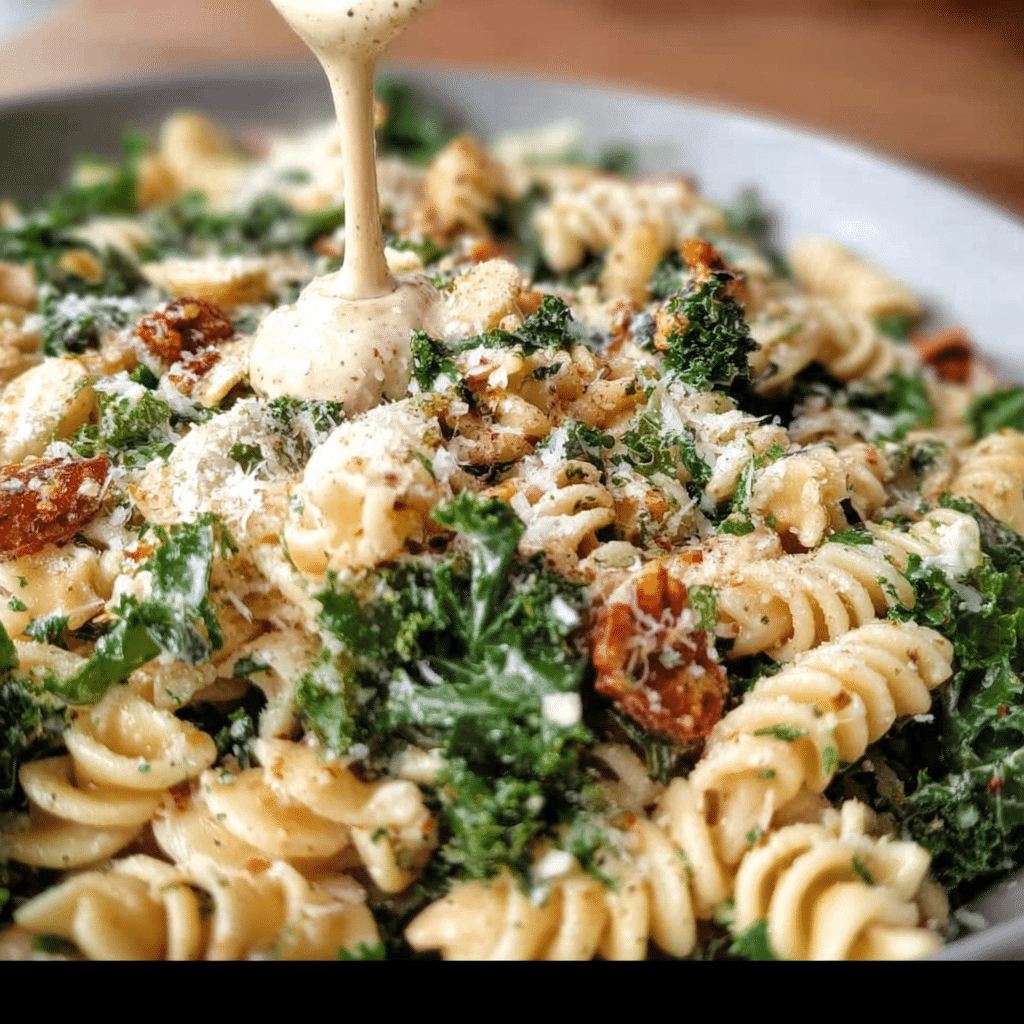
Presentation is vital when serving your kale caesar pasta, as an aesthetically pleasing dish can enhance the overall dining experience. For an eye-catching presentation, consider layering the ingredients in a large serving bowl. Start with a base of kale, add the pasta, and then top it off with a sprinkle of parmesan cheese and a few croutons for texture. A drizzle of extra dressing on top can also make it look enticing.
For an elegant touch, serve individual portions in mason jars or clear glasses, showcasing the vibrant colors of the ingredients. Garnishing with lemon wedges and freshly cracked pepper can also elevate the dish visually while adding a zesty aroma. Remember, we eat with our eyes first, so make it beautiful!
Wine and Beverage Pairings
Pairing wine with your kale caesar pasta can enhance your dining experience significantly. A crisp Sauvignon Blanc or a light-bodied Pinot Grigio complements the tangy dressing beautifully. If you prefer red wine, try a light Chianti or a Grenache, which will harmonize well with the robust flavors of the kale and garlic. For non-alcoholic options, consider serving iced herbal tea or sparkling water with a slice of lemon for a refreshing contrast.
Lastly, if you’re preparing this dish for a gathering, consider your guests’ preferences. Having a variety of beverages can enhance the meal and ensure everyone finds a drink they enjoy. The right wine or beverage can create a memorable dining experience, making your kale caesar pasta not just a meal, but a celebration.
Creative Variations and Adaptations of kale caesar pasta
One of the greatest joys of cooking is the ability to adapt and create variations of a classic dish. Kale caesar pasta is no exception. With a bit of creativity, you can transform this dish to suit any palate or occasion. Let’s explore some exciting adaptations and variations that will inspire your culinary journey.
Seasonal Variations
Seasonal ingredients can breathe new life into your kale caesar pasta. In the spring, consider adding fresh peas or asparagus for a pop of color and sweetness. As summer rolls around, cherry tomatoes and grilled zucchini can add freshness and vibrant flavor. In the fall, roasted butternut squash or sweet potatoes can provide a hearty element, while winter may call for the addition of roasted Brussels sprouts or other root vegetables.
Don’t be afraid to mix and match! The beauty of seasonal cooking is that it allows you to utilize what’s fresh and available, ensuring the flavors are bright and authentic. Plus, it encourages creativity in the kitchen, allowing you to develop your unique take on the classic kale caesar pasta.
Dietary Adaptations
In today’s diverse culinary landscape, accommodating various dietary preferences is essential. For those following a keto diet, consider substituting traditional pasta with spiralized zucchini or cauliflower rice. This will create a low-carb version of kale caesar pasta that retains the delicious flavors while fitting into a keto lifestyle.
If you’re catering to vegans, simply omit the anchovies and parmesan cheese from the dressing, replacing them with nutritional yeast for that umami kick. There are also fantastic vegan caesar dressing recipes available that utilize cashews or tofu to mimic the creaminess of traditional dressings. Gluten-free eaters can opt for gluten-free pasta options, ensuring everyone can enjoy this delightful dish.
Creative Twists
Don’t shy away from adding your own personal flair to your kale caesar pasta! International fusion variations can be a fun way to explore new flavors. For example, try incorporating elements from a Greek salad by adding feta cheese, olives, and a splash of balsamic vinegar to the dressing. Alternatively, a Mexican twist could include black beans, corn, and diced avocado, offering a fresh and vibrant take on the classic.
Another creative twist could involve experimenting with different cooking methods. While most recipes call for a simple stovetop preparation, consider grilling the kale briefly to impart a smoky flavor or roasting the pasta after cooking for a crispy texture. The possibilities are endless!
Finally, if you find yourself with leftovers, think about transforming them into a new dish. Use the kale caesar pasta as a filling for stuffed peppers or mix it into a frittata for a hearty breakfast option. This not only minimizes food waste but also keeps your meals exciting and varied.
In conclusion, kale caesar pasta is a versatile dish that can be adapted to fit any occasion or dietary need. Whether you’re looking to impress guests with a seasonal twist, accommodate special diets, or simply get creative in the kitchen, these variations will help you explore the delightful world of flavors and textures that kale caesar pasta has to offer.
Storage, Reheating, and Meal Prep for kale caesar pasta
When we think of pasta salads, we often think of warm summer days, picnics in the park, and gatherings with friends and family. One of my all-time favorites is the kale caesar pasta, a dish that combines the rich, creamy flavors of traditional Caesar dressing with the heartiness of kale and the comforting texture of pasta. But what happens when you have leftovers? Or perhaps you want to prepare this dish in advance for a busy week? In this section, we’ll explore all the ins and outs of storing, reheating, and meal prepping your kale caesar pasta, ensuring that every bite remains delicious and satisfying.
Short-term Storage
After whipping up a big batch of kale caesar pasta, you may be left with a delightful amount of leftovers, or perhaps you want to prepare it ahead of time. First and foremost, let’s discuss short-term storage methods. The best way to store your kale caesar pasta is in an airtight container. This helps preserve the flavors and textures of the ingredients, particularly the kale, which can wilt if not stored properly. I recommend using glass containers with silicone seals, as they not only keep your food fresh but also allow you to easily see what’s inside.
To store your kale caesar pasta, allow it to cool to room temperature. This is important, as placing hot pasta directly into the refrigerator can create condensation, leading to sogginess. Once cooled, portion out your salad into individual servings if you plan on taking it for lunches during the week. This also helps with portion control!
When stored in the refrigerator, your kale caesar pasta will typically last for about 3 to 5 days. However, it’s essential to monitor the freshness of the ingredients, especially the kale and any proteins you may have added, like grilled chicken or shrimp. If you notice any changes in color or smell, it’s best to err on the side of caution and discard it.
Freezing and Long-term Storage
Now, what if you want to keep your kale caesar pasta for a more extended period? Freezing is a great option, but there are a few important considerations to keep in mind. First, it’s crucial to understand that while pasta can be frozen, the texture may change upon thawing. Kale can also become mushy if not prepared correctly before freezing. To freeze your kale caesar pasta, I recommend separating the dressing from the pasta and kale. This will prevent the dressing from breaking down and affecting the overall texture of the dish.
Once separated, you can freeze the cooked pasta and kale in airtight containers or freezer bags. Be sure to remove as much air as possible to prevent freezer burn. For added convenience, consider freezing the salad in single-serving portions, making it easier to thaw just what you need. When it comes to the dressing, you can store it in a separate container, and it will keep well in the freezer for about 1 to 2 months.
To thaw your frozen kale caesar pasta, simply transfer it to the refrigerator a day before you plan to eat it. This slow thawing helps maintain the texture of the pasta and kale. Once thawed, combine the pasta and kale with the dressing, and give it a good toss. If the dressing has thickened in the freezer, you may want to add a splash of water or olive oil to reach your desired consistency.
Reheating Best Practices
When it comes time to enjoy your stored kale caesar pasta, reheating it properly is key to retaining its delicious flavors. If you’re reheating a portion that has been stored in the refrigerator, I recommend using either the stovetop or microwave. For the stovetop method, add a splash of water or broth to a skillet over medium heat, then add the pasta and kale. Stir gently until heated through, being careful not to overcook it.
For microwave reheating, place the pasta in a microwave-safe bowl, cover it with a damp paper towel (this helps retain moisture), and heat in 30-second increments until warm. This method ensures that your kale caesar pasta doesn’t dry out, giving you a more enjoyable eating experience.
Food safety is also a critical consideration when it comes to storage and reheating. Always ensure that your kale caesar pasta is heated to at least 165°F (74°C) to eliminate any potential bacteria. Also, remember to only reheat the portions you plan to consume. Repeatedly reheating and cooling food can lead to food safety issues.
In summary, with the right storage techniques and reheating methods, your kale caesar pasta can remain a delightful meal option for days or even weeks to come. Whether you’re meal prepping for the week ahead or simply storing leftovers, these guidelines will ensure that every bite is as fresh and flavorful as the first.
Nutritional Benefits and Health Information
When it comes to enjoying a delightful dish like kale caesar pasta, it’s easy to get lost in the flavors and textures, but understanding its nutritional benefits is just as important. I remember the first time I made this dish; I was amazed by how such a simple combination of ingredients could yield not only a comforting meal but also a powerhouse of nutrients. In this section, we’ll dive into the nutritional aspects of kale caesar pasta, breaking down its health benefits, dietary considerations, and how it fits into various diet plans.
Nutritional Profile
Let’s start with the nutritional breakdown of kale caesar pasta. The primary ingredients include kale, pasta, Caesar dressing, and any additional toppings like croutons or protein sources. One serving of kale caesar pasta typically provides around 400-600 calories, depending on the specific ingredients and portion size. The macronutrient distribution generally includes:
- Carbohydrates: The pasta is the main carbohydrate source, providing energy to fuel your day. Whole grain or legume-based pasta options can increase fiber content, making the dish more filling.
- Protein: If you add grilled chicken, chickpeas, or another protein source, the protein content can range from 20-30 grams, making it a satisfying meal.
- Fats: The Caesar dressing typically contains healthy fats from olive oil or avocado, which are essential for nutrient absorption.
Additionally, kale is a nutrient-dense leafy green that packs a punch with vitamins A, C, and K, along with essential minerals such as calcium and potassium. This makes kale caesar pasta not only delicious but also a wholesome choice for your diet.
Health Benefits
Kale, often hailed as a superfood, is rich in antioxidants and essential nutrients. It has been linked to numerous health benefits, including improved heart health, better bone density, and enhanced eye health. The high vitamin K content in kale is particularly important for bone health, as it plays a vital role in calcium absorption. Furthermore, the antioxidants present in kale can help combat oxidative stress and inflammation in the body.
The addition of protein sources, such as grilled chicken or chickpeas, enhances the health benefits of your kale caesar pasta by providing essential amino acids necessary for muscle repair and growth. This makes it an excellent option after a workout or as a hearty lunch to keep you energized throughout the day.
Dietary Considerations
When preparing kale caesar pasta, it’s essential to consider dietary restrictions and allergens. Traditional Caesar dressing contains anchovies, which can be a concern for vegetarians or those with fish allergies. Fortunately, there are many alternative dressings available that maintain the creamy texture without the fish. Additionally, for those following gluten-free diets, opt for gluten-free pasta options made from rice, quinoa, or legumes. This allows everyone to enjoy this delicious dish without compromising on their dietary needs.
The calorie content and macronutrient distribution can be easily modified based on personal dietary goals. For those looking to lower calorie intake, consider using less dressing or opting for a lighter version made with yogurt. Alternatively, if you’re looking to increase protein, adding more protein-rich toppings or using a higher-protein pasta can help meet your nutritional needs.
In comparing kale caesar pasta to similar dishes, such as traditional Caesar salads or macaroni salads, it stands out for its unique combination of flavors and nutritional benefits. While traditional Caesar salads can be lower in calories, they often lack the filling nature of pasta. On the other hand, macaroni salads can be heavier and less nutrient-dense, particularly if they rely on mayonnaise for creaminess.
In conclusion, kale caesar pasta is not just a delicious meal; it’s a nutritional powerhouse. With its rich blend of flavors and textures, it fits seamlessly into various dietary plans and offers a myriad of health benefits. Whether you’re enjoying a single serving or meal prepping for the week, knowing the nutritional value of your dish can enhance your cooking experience and overall health journey.
Conclusion: Mastering the Perfect kale caesar pasta
Creating the perfect kale caesar pasta is more than just following a recipe—it’s about understanding the techniques, ingredients, and cultural significance behind this beloved dish. Throughout this comprehensive guide, we’ve explored everything from the historical origins to modern variations, ensuring you have all the knowledge needed to make this recipe your own.
Whether you’re a beginner cook or an experienced chef, the techniques and tips we’ve shared will help you create a kale caesar pasta that’s not only delicious but also meaningful. Remember that cooking is a journey of discovery, and each time you make this dish, you’ll learn something new.
We encourage you to experiment with the variations we’ve discussed, adapt the recipe to your dietary needs, and most importantly, share it with the people you love. Food has the incredible power to bring people together, and Kale Caesar Pasta Salad is the perfect dish to create lasting memories around your dinner table.
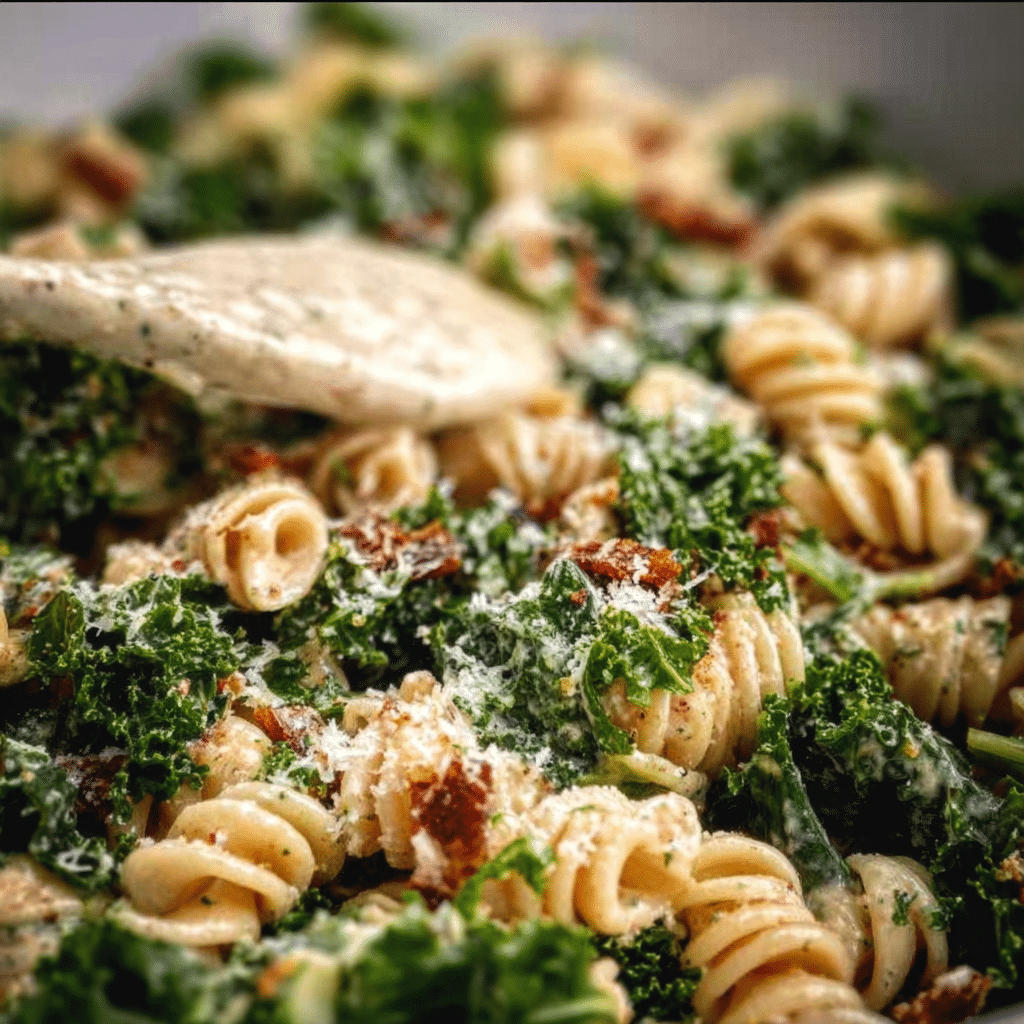
Don’t forget to share your cooking adventures with us on social media, and feel free to ask questions in the comments below. Happy cooking!
Share this recipe and let us know how it turned out! Tag us on social media for a chance to be featured.