Seasonally, Korean ground beef shines in the summer when fresh produce is bountiful, making it easy to serve alongside colorful vegetables. However, I find it equally comforting in the cooler months, where the warmth of the dish wraps around you like a cozy blanket. It’s the kind of meal that brings people together, whether it’s a casual weeknight dinner or a festive gathering.
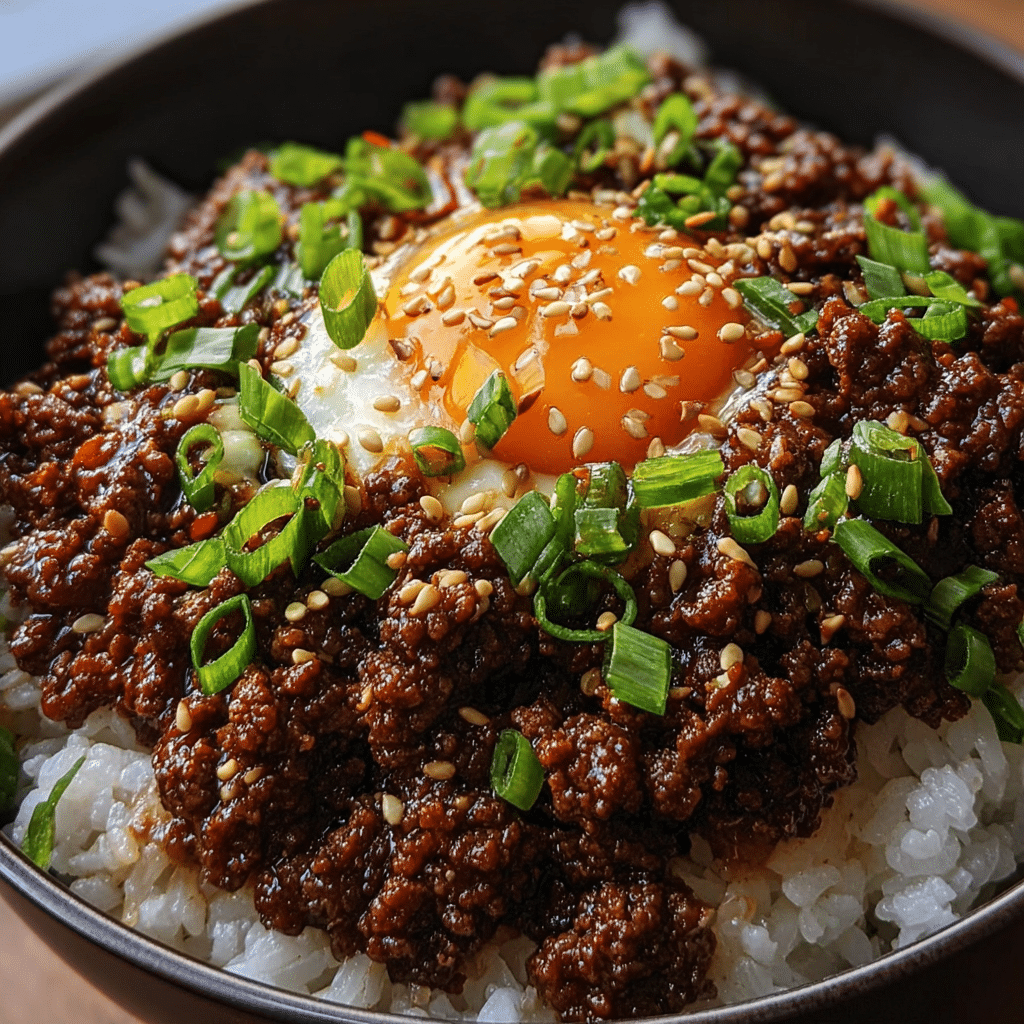
Emotionally, Korean ground beef holds a significant place in my heart. It represents not just a meal but a connection to my heritage and the love shared among family. As I prepare this dish, I often reflect on those moments spent in the kitchen with my mother, the aromas filling our home, and the joy of sharing a meal with those I love. This dish promises to do the same for you: to create a space for connection, laughter, and the joy of cooking together.
In this article, you will learn everything you need to know about Korean ground beef—from its cultural significance to variations and tips for preparing it at home. Whether you’re new to Korean cuisine or looking to refine your cooking skills, I promise you will find inspiration and joy in this delicious dish.
The Rich History and Cultural Significance of korean ground beef
The rich history and cultural significance of Korean ground beef are as captivating as the flavors themselves. This dish not only serves as a delightful meal but also as a reflection of Korea’s vibrant culinary traditions and the evolution of its food culture. Understanding the origins of Korean ground beef provides a deeper appreciation for its complex flavors and the ways it has adapted over time.
Origins and History
Korean ground beef, often associated with the famous bulgogi, has its roots in Korea’s ancient past. The word ‘bulgogi’ translates to ‘fire meat,’ which refers to the traditional method of preparing marinated beef over an open flame. This method can be traced back to the Goryeo Dynasty, where meat was marinated to enhance its flavor and preserve it for longer periods. The marinade typically included ingredients such as soy sauce, sugar, sesame oil, garlic, and pepper, creating a sweet and savory profile that has become synonymous with Korean cooking.
Regional variations of Korean ground beef have emerged over the centuries, with each region putting its unique spin on the dish. For example, in Jeolla Province, the marinade might include more local ingredients such as pear or apple, adding a fruity note to the beef. Meanwhile, in the bustling city of Seoul, you may find a more robust version that incorporates additional spices and even gochujang (Korean chili paste) for an extra kick. These variations reflect the diverse agricultural products and culinary traditions found throughout Korea, showcasing how the dish has evolved in response to local tastes and ingredients.
Cultural Significance
In Korean culture, food is more than sustenance; it is a way to bond and celebrate. Korean ground beef is often served during special occasions such as birthdays, holidays, or family gatherings, symbolizing abundance and joy. It has become a go-to dish for celebrations due to its rich flavor and the communal aspect of sharing meals. The experience of cooking together, whether grilling at the table or preparing it in the kitchen, fosters a sense of togetherness that is deeply ingrained in Korean society.
Famous chefs and restaurants have further elevated the status of Korean ground beef, showcasing its versatility and appeal. Renowned establishments in Korea and abroad have created innovative dishes that honor traditional recipes while incorporating modern culinary techniques. This ongoing evolution speaks to the dish’s adaptability and its ability to resonate with both traditionalists and contemporary food enthusiasts.
Nutritional Benefits
Beyond its cultural significance, Korean ground beef also boasts several nutritional benefits. Made primarily with lean ground beef, this dish is a great source of protein, essential for maintaining muscle mass and overall health. The marinade, rich in ingredients like garlic and sesame oil, not only adds flavor but also provides antioxidants and healthy fats. Additionally, serving it with a side of vegetables or over brown rice can enhance its nutritional profile, offering a balanced meal that satisfies both the palate and the body.
As we explore the depths of Korean ground beef, you’ll discover not just a recipe but a culinary journey that connects you to Korea’s rich heritage, vibrant flavors, and the joy of cooking. Whether you’re preparing it for a family meal or a special occasion, this dish promises to bring warmth and connection to your table.
Essential Ingredients for Perfect korean ground beef
Essential Ingredients for Perfect Korean Ground Beef
When it comes to cooking a delicious Korean Ground Beef bowl, the ingredients you choose can make all the difference. Each element plays a vital role in building the rich, savory, and slightly sweet flavor profile that characterizes this dish. As someone who has spent countless evenings experimenting with different recipes, I can assure you that mastering the ingredients is half the battle won. Let’s dive deep into what you need to create the perfect Korean Ground Beef.
Essential Ingredients
- 1 pound lean ground beef (90% lean): The star of the dish, ground beef provides the protein base. Choosing 90% lean ensures that you have enough fat for flavor without being too greasy.
- 3 garlic cloves, minced: Garlic adds a robust aroma and depth to the flavor. Freshly minced garlic releases essential oils that enhance the overall taste of the dish.
- 1/4 cup packed brown sugar: This ingredient is crucial for balancing the savory and spicy ingredients. The molasses in brown sugar adds a deeper, richer sweetness compared to white sugar.
- 1/4 cup reduced-sodium soy sauce: Soy sauce adds umami, the fifth taste that deepens the flavor of your Korean ground beef. Opting for reduced-sodium helps control the saltiness without sacrificing flavor.
- 2 teaspoons sesame oil: With its nutty flavor, sesame oil is a staple in Korean cuisine. It brings warmth and richness, making the dish feel more indulgent.
- 1/4 teaspoon ground ginger: Ginger provides a warm spice that complements the other flavors. It’s essential for giving the dish that authentic Korean touch.
- 1/4 teaspoon crushed red pepper flakes: For those who enjoy a bit of heat, crushed red pepper flakes will spice things up without overwhelming the dish.
- 1/4 teaspoon pepper: A simple seasoning that rounds out the flavors.
- 2 cups hot cooked white or brown rice: The base for your bowl! The rice soaks up all the delicious juices from the beef, making each bite satisfying.
- Sliced green onions and sesame seeds for garnish: These not only add a pop of color but also bring fresh flavors and texture to the dish.
Korean Ground Beef Bowl
Ingredients
- 1 pound lean ground beef 90% lean
- 3 garlic cloves minced
- 1/4 cup packed brown sugar
- 1/4 cup reduced-sodium soy sauce
- 2 teaspoons sesame oil
- 1/4 teaspoon ground ginger
- 1/4 teaspoon crushed red pepper flakes
- 1/4 teaspoon pepper
- 2 cups hot cooked white or brown rice
- sliced green onions and sesame seeds for garnish
Instructions
- In a large skillet cook the ground beef and garlic breaking it into crumbles over medium heat until no longer pink. Drain the grease.
- In a small bowl whisk brown sugar, soy sauce, sesame oil, ginger, red pepper flakes and pepper. Pour over the ground beef and let simmer for another minute or two.
- Serve over hot rice and garnish with green onions and sesame seeds.
Shopping Tips
When shopping for ingredients, quality is key. Here are some tips for selecting the best components:
- Ground Beef: Look for bright red color and avoid any that appear brown. Freshness is crucial, so buy from a reputable butcher or grocery store.
- Garlic: Choose firm cloves with no sprouting. Fresh garlic will have a more pungent flavor compared to pre-minced or jarred options.
- Brown Sugar: Make sure it’s packed and moist; dry brown sugar won’t dissolve properly in your dish.
- Soy Sauce: Check the label for natural fermentation methods; they enhance the flavor better than chemically produced options.
- Rice: If you prefer brown rice, opt for organic varieties if available, as they often have a richer flavor and are healthier.
Substitutions and Alternatives
Not everyone has the same dietary preferences or restrictions, so here are some substitutions:
- Ground Beef: You can use ground turkey or chicken for a leaner option. Tofu or tempeh can be great vegetarian alternatives.
- Soy Sauce: For a gluten-free option, use tamari or coconut aminos. Both provide a similar umami flavor profile.
- Brown Sugar: Honey or maple syrup can offer a different sweetness, while maintaining the dish’s integrity.
- Sesame Oil: If you’re allergic to sesame, try using a light olive oil or avocado oil, although the flavor will slightly change.
Each ingredient has its unique role in this Korean ground beef bowl, and understanding their importance will elevate your cooking game. Remember to consider seasonal availability and always opt for fresh, high-quality ingredients when possible. Enjoy the journey of making this dish, and savor the delightful flavors that come together in every bite!
Detailed Step-by-Step Korean Ground Beef Cooking Instructions
Cooking can sometimes feel daunting, but breaking the process into manageable steps makes it enjoyable. I remember the first time I attempted to make a Korean Ground Beef bowl; it was a bit chaotic in my kitchen, but the end result was so rewarding. Let’s take it slow and ensure that you have all the tips and tricks to make this dish effortlessly.
Preparation Steps
- Mise en Place: Begin by assembling all your ingredients. This means measuring out the ground beef, soy sauce, brown sugar, and so on. Having everything ready to go will streamline your cooking process.
- Minced Garlic: Peel and mince your garlic cloves. I like to use a garlic press for uniform pieces, but a sharp knife works just as well. The more finely minced, the better the flavor will diffuse into the beef.
- Prepare Cooking Area: Ensure your cooking area is clean and organized. A tidy workspace helps maintain focus and avoids mishaps.
- Cook Rice: If you haven’t prepared your rice yet, start cooking it now. Follow the instructions on the package, but generally, 1 cup of rice to 2 cups of water will yield about 2 cups of cooked rice.
Cooking Process
- Heat the Pan: Place a large skillet over medium-high heat and allow it to warm up. A non-stick skillet works beautifully for this dish, ensuring the beef doesn’t stick.
- Brown the Beef: Once the skillet is hot, add the ground beef, breaking it up with a wooden spoon. Cook for about 5-7 minutes until browned and no longer pink. This is where the magic begins; the aroma of cooking beef fills your kitchen and sets the stage.
- Add Garlic and Ginger: Once the beef is browned, add the minced garlic and ground ginger. Stir continuously for about 1-2 minutes until fragrant, being careful not to burn the garlic, as it can turn bitter.
- Stir in Seasonings: Lower the heat slightly and add the brown sugar, reduced-sodium soy sauce, sesame oil, crushed red pepper flakes, and pepper. Stir well to combine. The mixture should begin to bubble slightly, creating a sauce that clings to the beef.
Final Assembly
- Simmer: Reduce the heat to low and let the mixture simmer for about 3-5 minutes. This allows the flavors to meld together beautifully. You’ll notice the sauce thickening slightly, which is ideal.
- Prepare the Rice: If your rice is done cooking, fluff it with a fork and prepare to serve. If you enjoy a bit of texture, consider mixing in a teaspoon of sesame oil into your rice.
- Serve: To plate, scoop a generous serving of rice into a bowl and top it with the Korean ground beef mixture. Don’t be shy; let that sauce flow over the rice!
- Garnish: Finally, sprinkle sliced green onions and sesame seeds on top for a beautiful presentation and added crunch. This is the finishing touch that elevates your dish.
- Enjoy: Serve immediately while hot, and enjoy the fruits of your labor. Pair it with a side of kimchi for an authentic Korean experience.
Cooking this Korean ground beef bowl can be completed in about 30 minutes, making it a perfect weeknight dinner. Just remember the importance of timing and multitasking; while the beef cooks, you can prepare the rice simultaneously. Avoid common mistakes like overcrowding the pan or skipping the simmering step, as these can lead to less flavorful results. With these detailed instructions, you’ll not only avoid pitfalls but also impress your family or friends with a delightful homemade meal. Happy cooking!
Professional Tips and Techniques for korean ground beef
Cooking with ground beef can be a delightful and fulfilling experience, especially when it comes to creating a flavorful korean ground beef dish. As someone who has spent countless weekends experimenting with Korean cuisine, I can assure you that having a few professional tips and techniques up your sleeve can elevate your cooking game. Here, I’ll share some insider secrets, troubleshooting advice, and valuable strategies for preparing the perfect korean ground beef bowl.
Professional Techniques
When it comes to preparing korean ground beef, the first step is choosing the right type of beef. Ideally, you want to use ground beef with a fat content of around 80/20. This ratio provides enough fat to keep the beef juicy and flavorful without being overly greasy. If you want a healthier option, you can opt for ground turkey or chicken, but remember that the flavor profile will slightly differ.
One of my favorite techniques is marinating the ground beef. A simple mixture of soy sauce, sesame oil, garlic, and a hint of brown sugar can work wonders. Allowing the beef to marinate for at least 30 minutes—or even overnight—can help infuse the flavors deeply, making every bite a burst of umami goodness. This step is particularly crucial if you’re preparing a dish for guests; the depth of flavor will impress even the most discerning palates.
Another professional tip is to cook the korean ground beef over medium-high heat. This ensures that the beef browns nicely without stewing in its juices. Be sure to break apart the meat into small pieces as it cooks for an even texture. One mistake I often see is people overcrowding the pan, which leads to steaming rather than browning. Cook in batches if necessary to achieve that perfect sear.
Troubleshooting Guide
Even the most experienced cooks encounter challenges, and preparing korean ground beef is no exception. One common issue is ending up with dry, overcooked beef. To combat this, make sure to monitor the cooking time closely. Ground beef typically cooks quickly, so keep an eye on it and remove it from the heat as soon as it’s no longer pink. If you do find yourself with dry beef, consider adding a splash of beef broth or a drizzle of sesame oil to reintroduce moisture.
Another frequent problem is the balance of flavors. If your dish tastes too salty, this may be due to the soy sauce. A helpful tip is to start with less soy sauce and gradually add more to taste. You can also balance out excess saltiness with a bit of sugar or vinegar, which adds complexity to the flavor profile.
Presentation Tips
Once you’ve mastered the art of cooking korean ground beef, it’s time to think about presentation. A beautifully plated dish not only pleases the eye but also enhances the dining experience. Consider serving the beef over a bed of fluffy rice or quinoa, topped with a sprinkle of sesame seeds and chopped green onions for color and texture. A drizzle of spicy gochujang sauce can add a vibrant hue and a kick of heat.
For a touch of elegance, use a large, shallow bowl rather than a deep plate. This allows the ingredients to be spread out and seen, creating an inviting and appetizing look. If you want to add a pop of color, include some vibrant sautéed vegetables like bell peppers or snap peas on the side. Don’t forget to garnish with fresh cilantro or parsley for a fresh finish.
Pairing beverages with your korean ground beef bowl can also enhance the meal. A light, crisp Riesling or a fruity red like Pinot Noir complements the flavors beautifully. If you prefer non-alcoholic options, try a sparkling water with a splash of lime or a refreshing iced tea.
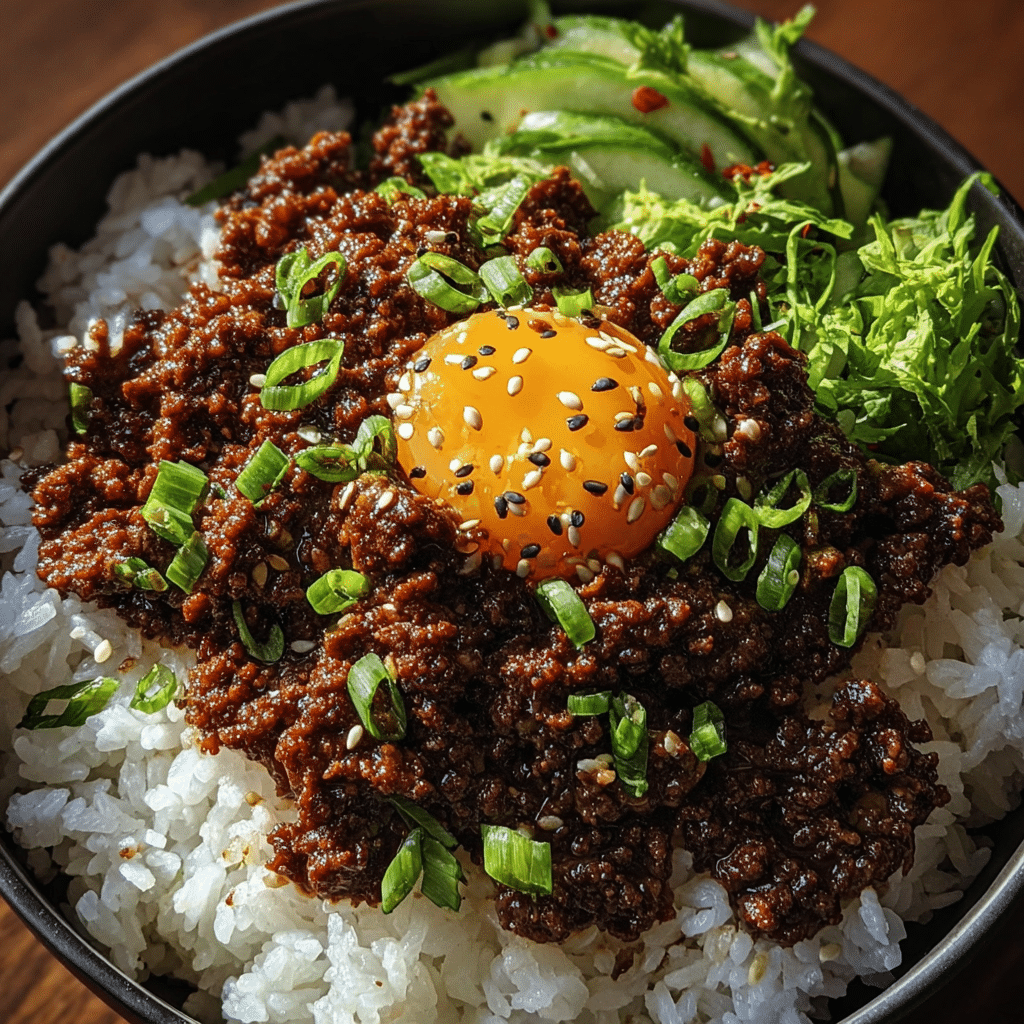
Meal prepping with korean ground beef is another efficient way to enjoy this dish throughout the week. You can cook a larger batch and store individual portions in the refrigerator for up to three days or freeze them for up to three months. Just remember to store the beef separately from the rice or other sides to maintain their textures. Reheating can be done quickly in a microwave or on the stovetop, making it a convenient option for busy days.
In conclusion, mastering korean ground beef comes down to a mix of professional techniques, troubleshooting skills, and thoughtful presentation. With practice and a little creativity, you can create a dish that not only satisfies your taste buds but also impresses your family and friends.
Creative Variations and Adaptations of korean ground beef
The beauty of korean ground beef lies in its versatility. Whether you’re looking to experiment with seasonal ingredients, cater to dietary preferences, or simply add a creative twist, there are numerous ways to adapt this dish to suit your palate. Throughout my culinary journey, I’ve discovered various exciting adaptations that can make your korean ground beef bowl even more delightful.
Seasonal Variations
As the seasons change, so do the ingredients available to us. Embracing seasonal produce can not only enhance the flavor of your korean ground beef but also make your meals more sustainable. In spring, consider adding fresh asparagus or peas for a pop of color and a crunchy texture. In summer, colorful bell peppers and zucchini can be sautéed alongside the beef, adding vibrant hues and additional nutrients.
Autumn brings a bounty of root vegetables, and incorporating diced sweet potatoes or carrots into your korean ground beef can add sweetness and depth. Finally, in winter, think about including hearty greens like kale or spinach, which wilt down beautifully when cooked with the beef. Each season offers unique flavors and textures that can transform your dish.
Dietary Adaptations
One of the most rewarding aspects of cooking korean ground beef is its adaptability to various dietary needs. For those following a keto diet, you can substitute the rice with cauliflower rice or spiralized zucchini. This not only reduces the carb count but also introduces new textures and flavors. If you’re vegan, consider using plant-based ground meat alternatives that are widely available now. These products can mimic the texture and flavor of beef quite well, especially when seasoned correctly.

For gluten-free diets, ensure that you’re using tamari instead of regular soy sauce. You can also swap out rice for quinoa or serve the beef in lettuce wraps for a fresh, crunchy alternative. Additionally, if spice is a concern, you can adjust the level of gochujang or even omit it entirely for a milder flavor. This ensures that everyone can enjoy a delicious bowl of korean ground beef, tailored to their personal preferences.
Creative Twists
As someone who loves to experiment in the kitchen, I’ve found that adding international flavors can elevate the classic korean ground beef bowl. For example, a taco-inspired twist could incorporate taco seasoning and serve the beef in corn tortillas, topped with avocado and pico de gallo. This fusion not only makes for a fun meal but also introduces new flavor profiles that keep things interesting.
Another fun idea is to make a stir-fry with the korean ground beef, adding a variety of vegetables and a splash of oyster sauce for richness. You can serve this over rice noodles for a delightful change of pace. Leftovers can be transformed into a delicious beef fried rice by simply sautéing with leftover rice and adding eggs for protein.
When it comes to cooking methods, using a slow cooker can yield incredibly tender results. Simply combine the korean ground beef with your marinade and let it cook on low for several hours. The longer cooking time allows the flavors to meld beautifully, making it an easy weeknight meal. Alternatively, grilling the beef in patties can create a smoky flavor that pairs wonderfully with a fresh salad.
Finally, don’t forget about transforming leftovers into new meals. If you find yourself with extra korean ground beef, consider using it in stuffed peppers or as a topping for baked potatoes. The possibilities are endless, and you’ll be amazed at how a simple ingredient can inspire so many different dishes.
In conclusion, whether you’re looking for seasonal adaptations, dietary modifications, or exciting twists, the world of korean ground beef is full of potential. Embrace your creativity in the kitchen, and you’ll discover that this dish can be reinvented time and time again, making every meal a delightful experience.
Storage, Reheating, and Meal Prep for korean ground beef
When it comes to enjoying a delicious Korean ground beef bowl, storage, reheating, and meal prep are crucial aspects to consider. Let’s dive into how to properly store your Korean ground beef, ensuring that it stays fresh and flavorful for as long as possible while also simplifying your meal prep efforts.
Short-term Storage
After you’ve prepared your Korean ground beef, the first step is to store any leftovers properly. If you plan to consume the dish within a few days, refrigeration is your best option. Place the leftover Korean ground beef in an airtight container to prevent moisture loss and contamination. I personally love using glass containers with silicone lids; they are not only eco-friendly but also allow me to see what’s inside without opening each one. The key is to ensure the beef is cool before sealing the container to avoid condensation, which can lead to sogginess.
For best results, consume your refrigerated Korean ground beef within 3-4 days. If you’re anything like me, you might forget about that tasty bowl in the back of the fridge, so labeling your containers with dates can be a game-changer. Simply write the date on a piece of tape and stick it to the container—voilà! You’ll always know when it’s time to eat or toss.
Freezing and Long-term Storage
If you want to extend the life of your Korean ground beef beyond its refrigerator shelf life, freezing is the way to go. This method is excellent for meal prep enthusiasts! To freeze, allow the beef to cool completely, then portion it into smaller amounts based on your meal needs. I recommend using freezer-safe bags, as they take up less space and can be laid flat in the freezer. Press out as much air as possible before sealing to prevent freezer burn. The Korean ground beef can be frozen for up to three months without losing its quality.
When it comes to thawing, the best approach is to place the frozen beef in the refrigerator the night before you plan to enjoy it. This slow thawing process preserves the texture and flavor. If you’re in a pinch, you can use the microwave’s defrost setting, but be cautious to avoid cooking any part of the beef during this process.
Reheating Best Practices
Reheating your Korean ground beef can be a delicate process; you want to retain that juicy, flavorful essence without overcooking it. One of my favorite methods is to reheat it in a skillet over medium-low heat. Add a splash of water or broth to the pan to help steam the beef and keep it moist. Stir occasionally until heated through. This method is ideal for maintaining the texture and flavor of the dish, making it almost as delightful as when you first made it.
Another option is to use the microwave, but for the best results, heat it in short intervals of 30 seconds on medium power. Stir in between intervals to ensure even heating. No one wants dry, rubbery beef! As a rule of thumb, aim to reheat to an internal temperature of at least 165°F (74°C) for food safety.
Meal prepping is where the magic happens with Korean ground beef. Preparing a large batch on the weekend can save you time during the week. I often prepare a double batch so I can have quick lunches or dinners ready to go. Simply divide the cooked beef into portions and store them in individual containers. Pair with rice, vegetables, or lettuce wraps for a balanced meal. Having these meals ready makes it easier to resist the temptation of takeout on busy nights.
Food safety is paramount when handling any meat. Always ensure that your Korean ground beef is cooked to an internal temperature of 160°F (71°C) before storing. Keep your cooking area and utensils clean to avoid contamination. When reheating, remember to reheat all portions to the safe temperature mentioned earlier. In terms of shelf life, when stored properly in the refrigerator, cooked Korean ground beef can last for about 3-4 days, whereas frozen beef can be kept for about three months.
Lastly, portioning and packaging for storage can make meal prep a breeze. Consider using a scale for accurate portion sizes, especially if you’re counting calories or macros. Labeling packages with contents and dates helps keep track of what you have in your freezer. You can even create a meal schedule to plan when you’ll use each portion to avoid freezer burnout. Trust me; this thoughtful approach to storage not only saves time but also enhances your cooking experience!
Nutritional Benefits and Health Information
Korean ground beef, often seasoned with a delightful mix of ingredients, is not just a tasty dish but also provides a range of nutritional benefits. Understanding its nutritional profile can help you incorporate this delicious meal into your diet while meeting your health goals.
Nutritional Profile
Let’s start with a breakdown of the nutritional content of a typical serving of Korean ground beef. A standard serving size, which is about 3 ounces (85 grams), contains approximately 250-300 calories, depending on the fat content of the beef used. The protein content is significant, offering around 20-25 grams, making it a great option for muscle building and repair.
The macronutrient distribution is also noteworthy. Generally, you can expect around 15-20 grams of fat, with a mix of saturated and unsaturated fats, depending on whether you choose lean or regular ground beef. Carbohydrates are minimal unless you add rice or other sides. This makes Korean ground beef a fantastic option for those who are following low-carb diets.
Health Benefits
One of the standout health benefits of Korean ground beef lies in its protein content. Protein is essential for building and repairing tissues, and it plays a vital role in producing enzymes and hormones. If you’re an active person or trying to build muscle, this dish can provide a significant boost to your daily protein intake.
Moreover, ground beef is a good source of essential vitamins and minerals, particularly B vitamins such as B12, niacin, and riboflavin, which are crucial for energy metabolism. Iron is another important nutrient found in beef, which contributes to the formation of red blood cells and helps transport oxygen throughout the body. A delicious Korean ground beef bowl can definitely contribute to your iron levels, especially for those who might not consume enough iron-rich foods.
Dietary Considerations
While Korean ground beef is nutritious, it’s essential to consider dietary restrictions and preferences. For those who are watching their saturated fat intake, opting for lean ground beef (like 90% lean) can make a significant difference. Individuals following a gluten-free diet should also be cautious about the sauces used in the preparation, as some may contain wheat or gluten. Fortunately, there are plenty of gluten-free soy sauce and gochujang options available that can be used without compromising flavor.
For those who are vegetarian or vegan, it’s easy to modify this dish by substituting ground beef with plant-based alternatives such as lentils, tofu, or store-bought meat substitutes. These alternatives can provide similar texture and flavor when seasoned appropriately, allowing everyone to enjoy the essence of a Korean ground beef bowl irrespective of dietary choices.
When considering how this dish fits into various diet plans, it’s versatile enough to adapt to many lifestyles. Whether you’re following a ketogenic diet, a high-protein regimen, or simply trying to maintain a balanced diet, Korean ground beef can fit seamlessly. Pair it with a variety of vegetables to enhance fiber content and boost overall nutrition.
Finally, if you’re looking to make your Korean ground beef bowl even healthier, consider incorporating more vegetables into the mix. Bell peppers, zucchini, and spinach can increase your dish’s vitamins and minerals while adding color and texture. Additionally, you can swap out traditional rice for cauliflower rice or quinoa for a lower-carb option or to add a different flavor profile.
In conclusion, Korean ground beef is not only a delightful dish but also packed with nutritional benefits. By understanding its components and how to modify it for your dietary needs, you can enjoy a bowl full of flavor while keeping your health goals in check. With a little creativity and mindful preparation, this dish can become a staple in your kitchen, celebrating the rich flavors of Korean cuisine while nourishing your body.
Conclusion: Mastering the Perfect korean ground beef
Creating the perfect korean ground beef is more than just following a recipe—it’s about understanding the techniques, ingredients, and cultural significance behind this beloved dish. Throughout this comprehensive guide, we’ve explored everything from the historical origins to modern variations, ensuring you have all the knowledge needed to make this recipe your own.
Whether you’re a beginner cook or an experienced chef, the techniques and tips we’ve shared will help you create a korean ground beef that’s not only delicious but also meaningful. Remember that cooking is a journey of discovery, and each time you make this dish, you’ll learn something new.
We encourage you to experiment with the variations we’ve discussed, adapt the recipe to your dietary needs, and most importantly, share it with the people you love. Food has the incredible power to bring people together, and Korean Ground Beef Bowl is the perfect dish to create lasting memories around your dinner table.
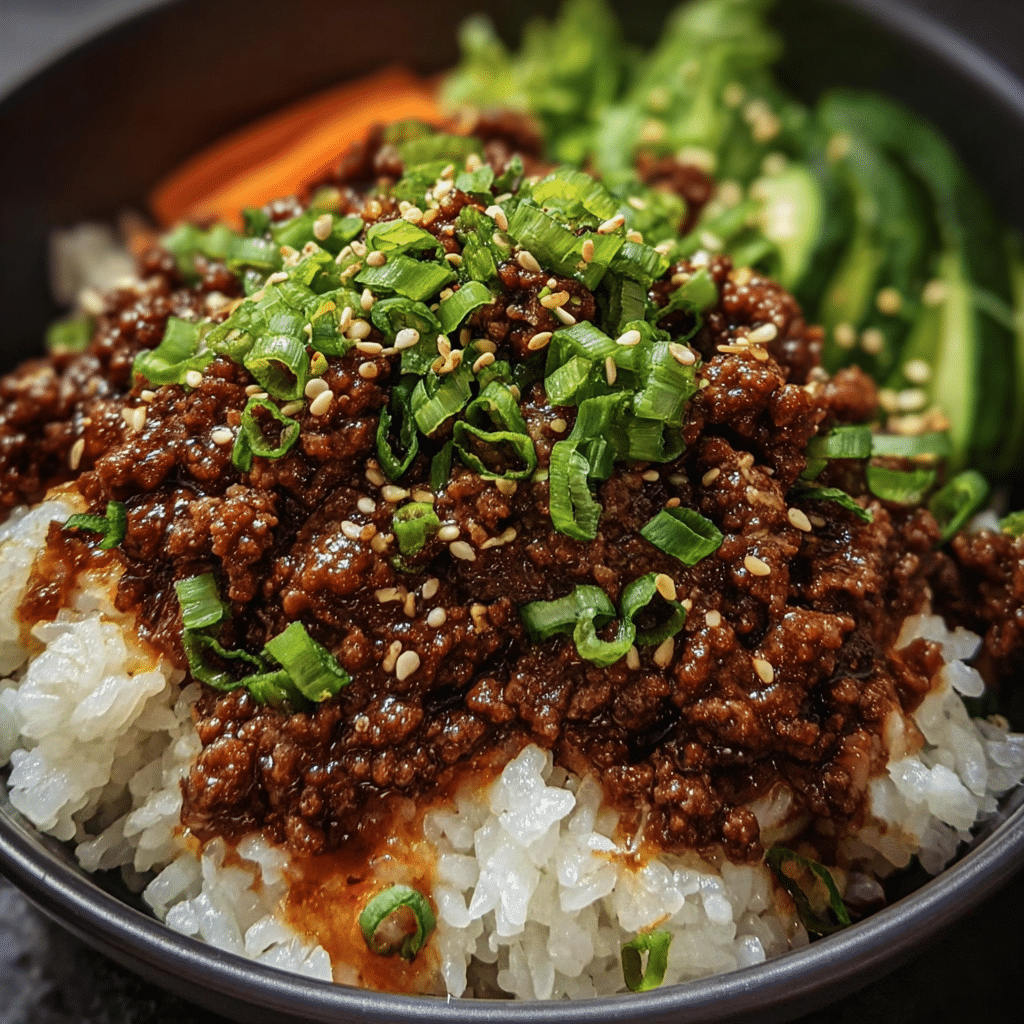
Don’t forget to share your cooking adventures with us on social media, and feel free to ask questions in the comments below. Happy cooking!
Share this recipe and let us know how it turned out! Tag us on social media for a chance to be featured.