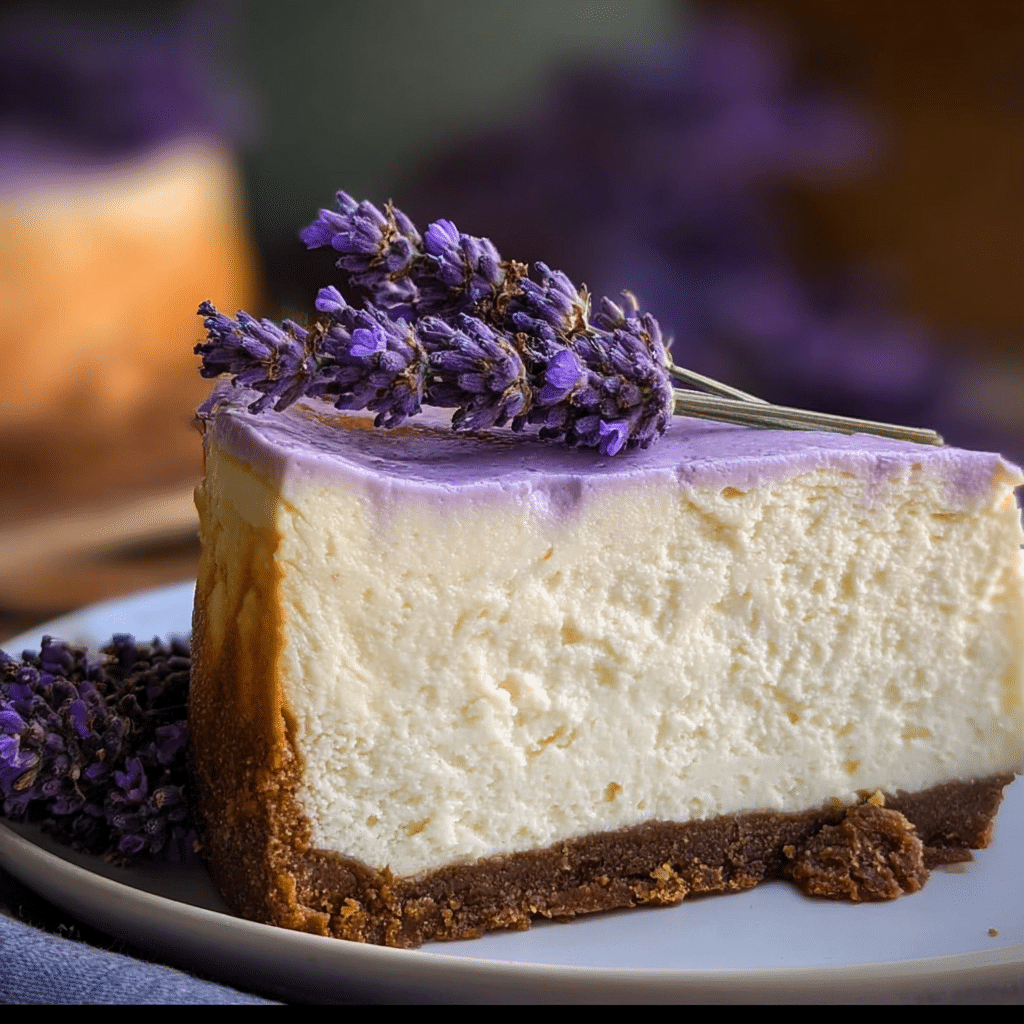
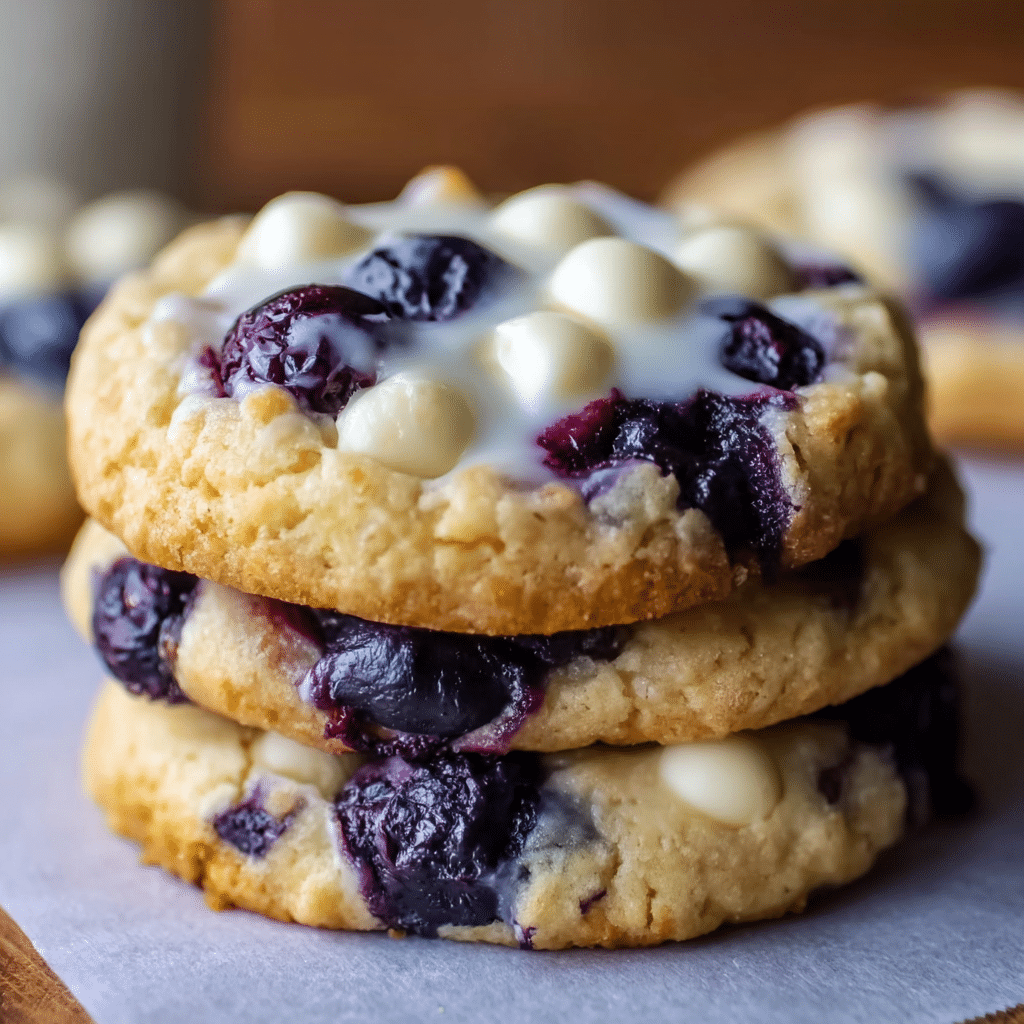
Seasonally, lemon blueberry cake shines during the warmer months when fresh blueberries are abundant. However, with the convenience of frozen blueberries, you can enjoy this delightful dessert year-round. I often associate this cake with summer picnics and sunny afternoons, evoking memories of laughter, love, and togetherness. The emotional connection runs deep, as each slice carries a piece of my family history and the beautiful moments we’ve shared.
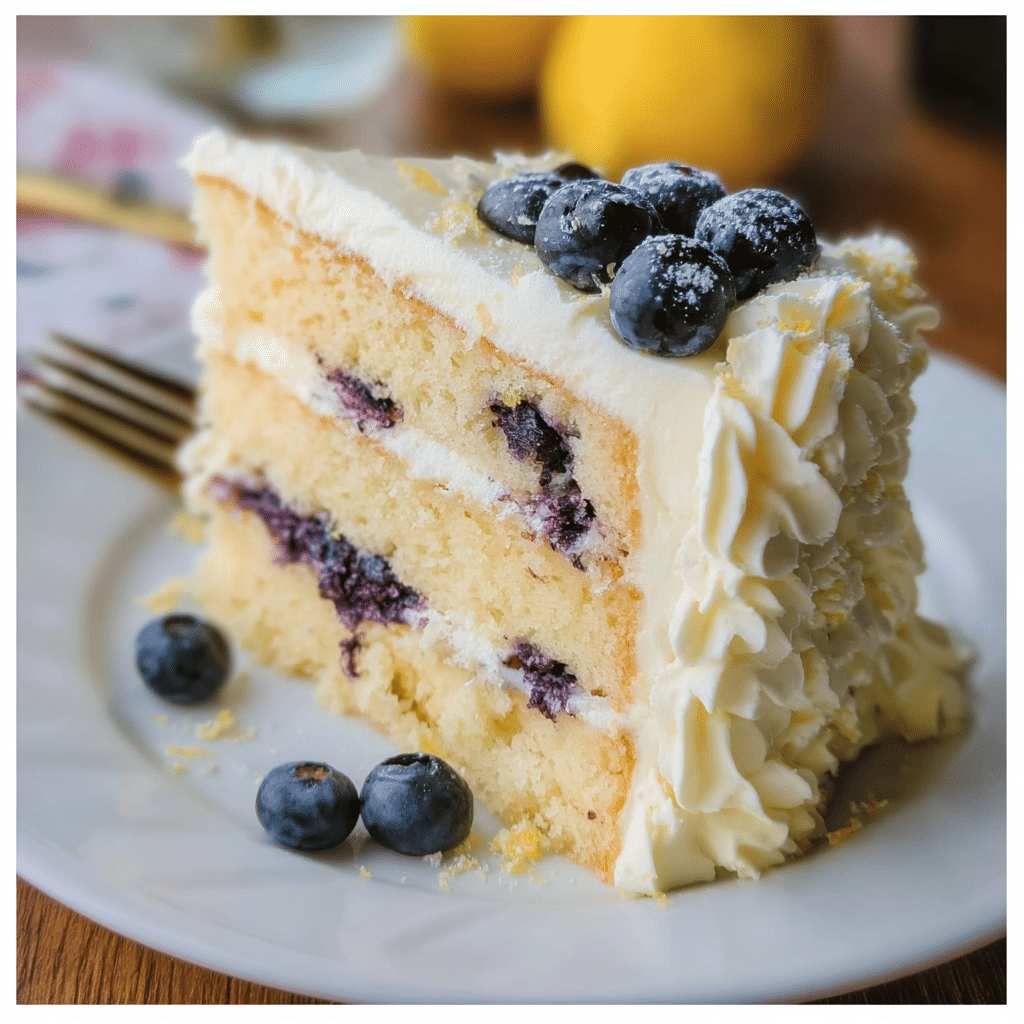
As you dive into this guide, you’ll learn not only how to make the perfect lemon blueberry cake but also the story behind its evolution, its cultural significance, and tips to elevate your baking game. I promise you’ll find joy in every step, whether you’re baking for yourself or sharing it with loved ones. So, let’s embark on this delicious journey together and discover the magic of lemon blueberry cake!
The Rich History and Cultural Significance of lemon blueberry cake
The rich history and cultural significance of lemon blueberry cake are as layered as the cake itself. This delightful dessert has roots that trace back to the use of lemons and blueberries in various cuisines around the world. The combination of these two ingredients signifies a sweet and tangy balance that has captivated taste buds for generations. Understanding the origins of lemon blueberry cake not only enhances our appreciation for it but also connects us to the cultures that have embraced these ingredients over time.
Origins and History
Lemons have been cultivated for thousands of years, with origins believed to be in Southeast Asia. They made their way to the Mediterranean by the first century AD, where they became popular in cooking and baking. In Europe, particularly in England, lemon became a staple ingredient in desserts, known for its ability to brighten flavors and add a refreshing twist. Blueberries, on the other hand, are native to North America. Indigenous peoples used them for centuries, not only as a food source but also for medicinal purposes. With the arrival of European settlers, the blueberry began to play a significant role in traditional American desserts.
The combination of lemon and blueberry in a cake likely emerged in the 19th century when baking became a popular pastime in American households. As home bakers experimented with available ingredients, the lemon blueberry cake was born. Regional variations began to surface, with some incorporating cream cheese or whipped cream for added richness, while others focused on the purity of the lemon and blueberry flavors.
Cultural Significance
Lemon blueberry cake has become a beloved dessert for many families, often served during celebrations, summer picnics, and holiday gatherings. Its bright colors and refreshing taste make it a popular choice for special occasions like birthdays, graduations, and even weddings. In some cultures, the act of baking and sharing this cake symbolizes community and togetherness. It is not just a dessert; it is a vessel for memories, bringing friends and family together around the table.
Famous chefs and bakers have also added their twist to this classic cake, elevating it to gourmet status. Many upscale restaurants feature variations of lemon blueberry cake on their dessert menus, often served with complementary flavors like lavender or a hint of almond. This evolution showcases the versatility of the cake while honoring its roots.
Nutritional Benefits
Beyond its delightful taste, lemon blueberry cake offers some nutritional benefits. Blueberries are known for their high antioxidant content, which can help combat oxidative stress in the body. They are also rich in vitamins C and K, as well as dietary fiber, making them a heart-healthy choice. Lemons, with their high vitamin C content, can boost the immune system and aid in digestion. While cake is often viewed as a treat best enjoyed in moderation, incorporating these nutritious ingredients means you can savor each bite with a little less guilt.
In recent years, many bakers have adapted the lemon blueberry cake to accommodate dietary preferences, creating gluten-free or reduced-sugar versions without sacrificing flavor. This adaptability ensures that everyone can enjoy a slice of this beloved dessert, regardless of their dietary restrictions.
As we explore the world of lemon blueberry cake, we uncover not only a delightful recipe but also a rich tapestry of history, culture, and nourishment. Each bite connects us to the past while inviting us to create new memories in the present. So, whether you’re baking this cake for a special occasion or simply to indulge your sweet tooth, know that you’re part of a long tradition that celebrates the beauty of food and the joy it brings to our lives.
Essential Ingredients for Perfect lemon blueberry cake
When it comes to baking a delicious lemon blueberry cake, the ingredients you choose can truly make or break the final outcome. From the zestiness of fresh lemons to the sweetness of ripe blueberries, each component plays a crucial role in creating that perfect balance of flavors. Let’s dive into the essential ingredients you’ll need for this delightful cake, along with tips on selecting the best options and some helpful insights into each ingredient’s purpose.
Essential Ingredients
- 1/2 cup (8 Tbsp; 113g) unsalted butter, softened to room temperature: Butter is the backbone of most cakes, providing moisture and a rich flavor. Using unsalted butter allows you to control the saltiness of your cake better. Make sure it’s softened to room temperature for easy creaming with sugar.
- 1 and 1/4 cups (250g) granulated sugar: This sweetener not only adds sweetness but also helps with the cake’s structure and tenderness. When choosing sugar, look for a fine, white granulated sugar for the best texture.
- 1/2 cup (100g) packed light brown sugar: Brown sugar adds moisture and a subtle caramel flavor to your lemon blueberry cake. The molasses in brown sugar contributes to a denser cake, which is particularly lovely in sweet baked goods.
- 6 Tablespoons (90ml) vegetable oil, canola oil, or avocado oil: Oil adds moisture and keeps the cake fluffy. Vegetable oil is neutral-flavored and a great option, while avocado oil can add a subtle richness.
- 4 large eggs, at room temperature: Eggs bind the ingredients and provide structure. Room temperature eggs mix better, ensuring a smooth batter.
- 1 Tablespoon pure vanilla extract: This adds a depth of flavor to your cake, enhancing the overall experience. Opt for pure vanilla extract for the best taste, as imitation vanilla can alter the cake’s flavor profile.
- 3 cups (375g) all-purpose flour (spooned & leveled): Flour is the main structure-builder in baking. Be sure to spoon and level it to avoid packing it down, which can lead to a dense cake.
- 2 teaspoons baking powder: This leavening agent helps your cake rise, creating that light and fluffy texture we all love.
- 1/2 teaspoon baking soda: Similar to baking powder, baking soda helps with leavening but requires an acid to activate. The lemon juice in your cake will do just that!
- 1/2 teaspoon salt: Salt enhances the flavors of the cake and balances the sweetness.
- 3/4 cup (180ml) buttermilk, at room temperature: Buttermilk adds moisture and a slight tang, which complements the lemon beautifully. It also reacts with baking soda, aiding in leavening.
- 2 Tablespoons lemon zest: Fresh lemon zest adds a vibrant citrus flavor that elevates the cake. Use a microplane for the finest zest.
- 1/2 cup (120ml) lemon juice (3–4 lemons), at room temperature: Freshly squeezed lemon juice provides the tangy flavor that makes this cake so refreshing. Always opt for fresh lemons rather than bottled juice for the best flavor.
- 1 and 1/2 cups (210g) fresh blueberries (I do not recommend frozen): Fresh blueberries add bursts of sweetness and color. Look for plump, firm berries that are vibrant in color.
- 1 Tablespoon all-purpose flour: This is used to coat the blueberries, preventing them from sinking to the bottom of the cake.
- 8 ounces (226g) full-fat brick cream cheese, softened to room temperature: Cream cheese adds a rich, creamy texture to the frosting. Softening it beforehand makes it easier to whip.
- 1/2 cup (8 Tbsp; 113g) unsalted butter, softened to room temperature: Just like in the cake batter, butter in the frosting contributes to a smooth texture and rich flavor.
- 3 and 1/2 cups (420g) confectioners’ sugar: This sweetener helps achieve the right consistency and sweetness for your frosting.
- 1 Tablespoon (15ml) heavy cream: Heavy cream adds a luxurious texture to the frosting, making it spreadable and creamy.
- 1 teaspoon pure vanilla extract: Just like in the cake, vanilla in the frosting enhances the overall flavor.
- Pinch salt: A pinch of salt balances the sweetness of the frosting.

Lemon Blueberry Cake
Ingredients
- 1/2 cup (8 Tbsp; 113g) unsalted butter, softened to room temperature
- 1 and 1/4 cups (250g) granulated sugar
- 1/2 cup (100g) packed light brown sugar
- 6 Tablespoons (90ml) vegetable oil, canola oil, or avocado oil
- 4 large eggs, at room temperature
- 1 Tablespoon pure vanilla extract
- 3 cups (375g) all-purpose flour (spooned & leveled)
- 2 teaspoons baking powder
- 1/2 teaspoon baking soda
- 1/2 teaspoon salt
- 3/4 cup (180ml) buttermilk, at room temperature
- 2 Tablespoons lemon zest
- 1/2 cup (120ml) lemon juice (3–4 lemons), at room temperature
- 1 and 1/2 cups (210g) fresh blueberries (I do not recommend frozen)
- 1 Tablespoon all-purpose flour
- Cream Cheese Frosting
- 8 ounces (226g) full-fat brick cream cheese, softened to room temperature*
- 1/2 cup (8 Tbsp; 113g) unsalted butter, softened to room temperature
- 3 and 1/2 cups (420g) confectioners’ sugar
- 1 Tablespoon (15ml) heavy cream*
- 1 teaspoon pure vanilla extract
- pinch salt
Instructions
- Preheat oven to 350°F (177°C). Grease three 8-inch round cake pans, line with parchment paper rounds, then grease the parchment paper. Parchment paper helps the cakes seamlessly release from the pans. (If it’s helpful, see this parchment paper rounds for cakes video & post.)
- Make the cake: Using a handheld or stand mixer with a paddle attachment, beat the butter on high until smooth and creamy, about 1 minute. Add granulated and brown sugars and beat on medium-high speed until combined, about 2 minutes. (Here’s a helpful tutorial if you need guidance on how to cream butter and sugar.) Add the oil and beat until combined and light and creamy, about 3 more minutes. Add the eggs and vanilla, and beat on medium speed until everything is completely combined, about 1 minute. Scrape down the sides and bottom of the bowl as needed.
- In a large bowl, whisk together the flour, baking powder, baking soda, and salt. Add the dry ingredients to the wet ingredients. Beat on low speed for a few seconds, then beat in the milk, lemon zest, and lemon juice *just* until combined. Toss the blueberries with 1 Tablespoon of flour and gently fold into the batter. Batter is thick. Do not over-mix.
- Spoon batter evenly into prepared cake pans. Bake for about 22–26 minutes or until a toothpick inserted in the center comes out clean. Remove from the oven and allow to cool completely in the pan before assembling and frosting.
- Make the frosting: Using a handheld or stand mixer with a paddle attachment, beat cream cheese and butter together on medium speed until no lumps remain, about 3 full minutes. Add confectioners’ sugar, heavy cream, vanilla extract, and salt with the mixer running on low. Turn mixer up to high speed and beat for 3 minutes.
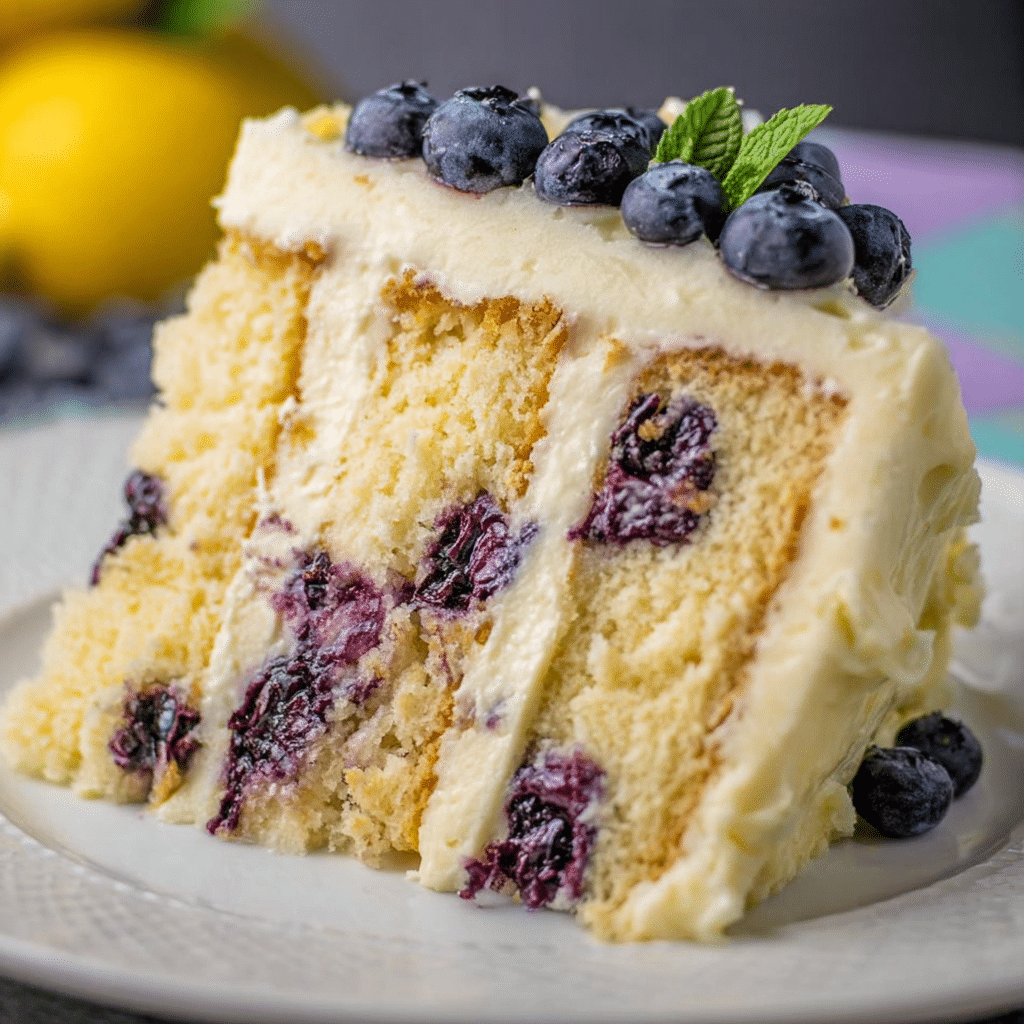
- Assemble and frost: (Note: See my how to assemble and decorate a layer cake video & tutorial if you want extra help with this step.) First, using a large serrated knife, slice a thin layer off the tops of the cakes to create a flat surface. Place 1 layer on your cake stand. Evenly cover the top with cream cheese frosting. Top with 2nd layer, more frosting, then the third layer. Top with frosting and spread around the sides. The recipe doesn’t make a ton of frosting, just enough for a light frost. Top with blueberries or lemon garnish if desired. Refrigerate for at least 45 minutes before cutting or else the cake may fall apart as you cut.
- Cover leftover cake tightly and store in the refrigerator for up to 5 days.
Shopping Tips
When shopping for your ingredients, freshness is key, especially for items like blueberries and lemons. Check for berries that are firm and plump, avoiding any that are mushy or show signs of mold. For lemons, choose ones that are heavy for their size with smooth skin; these are typically juicier. As for the dairy ingredients, always opt for those with the latest expiration dates to ensure freshness. If you’re looking for organic options, many supermarkets now offer organic butter, flour, and sugar. While these may be slightly more expensive, the flavor and quality can often justify the cost.
Substitutions and Alternatives
For those with dietary restrictions or preferences, there are several substitutions you can make without compromising the integrity of your lemon blueberry cake. For a dairy-free option, you can use almond milk or oat milk in place of buttermilk, adding a tablespoon of vinegar to mimic the acidity. If you’re looking for a gluten-free version, a 1:1 gluten-free flour blend can work well, but make sure it includes xanthan gum for the best structure. For the frosting, a vegan cream cheese alternative can replace the full-fat cream cheese, and coconut cream can be a lovely substitute for heavy cream.
As you gather your ingredients, consider this: each one has a story to tell, from the lemons that brighten your day to the blueberries that burst with flavor. As you combine them into your lemon blueberry cake, you’re not just baking a dessert—you’re creating a memory, one delicious slice at a time.
Detailed Step-by-Step lemon blueberry cake Cooking Instructions
Now that you have gathered all your ingredients, it’s time to dive into the world of baking with our detailed step-by-step instructions for creating the most delightful lemon blueberry cake. Baking is as much about the process as it is about the ingredients, and following each step carefully can make the difference between a good cake and an exceptional one. Let’s get started!
Preparation Steps
- Preheat your oven: Begin by preheating your oven to 350°F (175°C). This temperature is ideal for baking cakes, allowing them to rise and develop a golden crust. Preheating is crucial to ensure your cake bakes evenly.
- Prepare your pans: Grease and flour two 9-inch round cake pans. You can use baking spray for convenience, or you can rub a little butter inside the pans and dust them with flour. This will help your cakes release easily once baked.
- Gather your ingredients: Ensure all your ingredients are at room temperature. This includes butter, eggs, and buttermilk. Room temperature ingredients mix more uniformly and lead to a better texture.
- Measure your ingredients: Precision is vital in baking. Use a kitchen scale for weight measurements, especially for flour and sugars, to ensure accuracy. If using cups, spoon the flour into your measuring cup and level it off with a knife.
- Prepare the blueberries: In a small bowl, toss the fresh blueberries with 1 tablespoon of all-purpose flour. This step prevents them from sinking to the bottom of the cake during baking and ensures even distribution throughout.
Cooking Process
- Cream the butter and sugars: In a large mixing bowl, add the softened unsalted butter, granulated sugar, and light brown sugar. Using an electric mixer, cream the mixture on medium speed until it becomes light and fluffy. This process usually takes about 3-5 minutes. The air incorporated during this step helps the cake rise.
- Add the oil: Slowly drizzle in the vegetable oil while continuing to mix. The oil adds moisture and creates a tender crumb in your lemon blueberry cake.
- Incorporate the eggs: Add the eggs one at a time, mixing well after each addition. This ensures that each egg is fully incorporated into the batter. Then, mix in the vanilla extract.
- Combine dry ingredients: In another bowl, whisk together the all-purpose flour, baking powder, baking soda, and salt. This helps distribute the leavening agents evenly.
- Mix the wet ingredients: In a separate bowl, combine the buttermilk, lemon juice, and lemon zest. The acidity from the lemon juice and buttermilk reacts with the baking soda, enhancing the rise of the cake.
- Combine wet and dry mixtures: Gradually add the dry ingredients to the butter mixture, alternating with the wet ingredients. Start and end with the dry ingredients. Mix until just combined; be careful not to over-mix, as this can lead to a dense cake.
- Fold in blueberries: Gently fold the floured blueberries into the batter using a rubber spatula. This step should be done carefully to avoid breaking the berries.
Final Assembly
- Pour into pans: Divide the batter evenly between the prepared cake pans. Use a spatula to smooth the tops, ensuring even baking.
- Bake: Place the pans in the preheated oven and bake for 25-30 minutes or until a toothpick inserted into the center comes out clean. Keep an eye on them toward the end of the baking time, as oven temperatures can vary.
- Cool the cakes: Once baked, remove the pans from the oven and let them cool in the pans for about 10 minutes. Then, carefully turn the cakes out onto a wire rack to cool completely.
- Prepare the frosting: While the cakes cool, you can prepare the cream cheese frosting. In a mixing bowl, beat the softened cream cheese and butter until smooth and creamy. Gradually add confectioners’ sugar and mix until combined. Add in the heavy cream, vanilla extract, and a pinch of salt, mixing until the frosting is fluffy.
- Assemble the cake: Once the cakes are completely cool, place one layer on a serving plate. Spread a generous amount of frosting on top, followed by a layer of fresh blueberries. Place the second cake layer on top and frost the top and sides of the cake.
- Decorate: For an extra touch, you can garnish the top with more blueberries and a sprinkle of lemon zest for a pop of color and flavor.
Enjoy your beautiful lemon blueberry cake with family and friends. Remember, the joy of baking is not just in the final product but in the moments created along the way. Each slice is a reminder of the love and effort you put into it, and it’s bound to bring smiles all around!
Professional Tips and Techniques for lemon blueberry cake
When it comes to baking a delicious lemon blueberry cake, having the right techniques and tips can elevate your dessert from good to extraordinary. Whether you are a seasoned baker or just starting, these professional tips and insider secrets will help you craft a perfect lemon blueberry cake that will impress anyone who tastes it.
Professional Techniques
First things first: understand the importance of using high-quality ingredients. For a lemon blueberry cake, fresh lemons and plump, juicy blueberries make a significant difference in flavor. If you can, opt for organic produce as they often have a more vibrant taste. When measuring your flour, always spoon it into the measuring cup and level it off with a knife. This prevents you from packing the flour too tightly, which can lead to a dense cake.
Another crucial technique is to properly cream the butter and sugar. This process incorporates air into the mixture, resulting in a light and fluffy cake. Beat the butter until it’s pale and creamy, then gradually add the sugar. Don’t rush this step; take your time to ensure you achieve the desired texture.
Also, remember to separate your wet and dry ingredients. By combining them in this manner, you minimize the risk of overmixing, which can develop gluten and lead to a tougher cake. Once you’ve combined the dry ingredients with the wet, mix just until you see no flour; a few lumps are perfectly fine!
Troubleshooting Guide
Even the most experienced bakers encounter hiccups now and then. One common issue is a dense cake. If your lemon blueberry cake turns out heavier than expected, you might have overmixed the batter or added too much flour. To ensure your cake is light and airy, always follow the correct measuring techniques and mix just until combined.
Another frequent problem is overbaking. Keep a close eye on your cake as it approaches the end of the baking time. Every oven is unique, so start checking for doneness a few minutes earlier than the recipe suggests. You can use the toothpick test: insert a toothpick into the center of the cake, and if it comes out clean or with a few moist crumbs, your cake is done.
Presentation Tips
Once your lemon blueberry cake is baked to perfection, presentation is key! A simple glaze made from lemon juice and powdered sugar can add a beautiful sheen and a burst of flavor. Drizzle the glaze over the cooled cake for an elegant finish. You can also garnish with fresh blueberries and lemon zest for a pop of color. Consider serving slices on a rustic wooden board or a delicate china plate, depending on the occasion.
For a fun twist, you can layer the cake with a lemon blueberry filling and top it with whipped cream. This not only adds flavor but also creates an impressive visual. Don’t forget to sprinkle some powdered sugar on top before serving for that beautiful, finished touch.
Make-Ahead and Meal Prep Strategies
If you plan to serve your lemon blueberry cake for a special occasion, you can bake the cake a day or two in advance. Once cooled, wrap it tightly in plastic wrap and store it at room temperature. You can also freeze the cake for up to three months. Just make sure to double-wrap it in plastic wrap and aluminum foil to prevent freezer burn. When you’re ready to serve, let it thaw overnight in the refrigerator and bring it back to room temperature before decorating.
Scaling your recipe is also a breeze. If you’re looking to make a smaller cake, you can easily halve the recipe, or if you’re hosting a larger gathering, consider doubling it. Just remember to adjust your baking time accordingly and check for doneness regularly.
Wine and Beverage Pairings
Pairing beverages with your lemon blueberry cake is an excellent way to enhance the flavors. A light, crisp white wine, like a Sauvignon Blanc or a Prosecco, complements the citrus notes beautifully. If you prefer non-alcoholic options, a sparkling lemonade or herbal iced tea can be refreshing choices. You can even serve a light, fruity punch that echoes the flavors of your cake, making for a delightful experience.
Creative Variations and Adaptations of lemon blueberry cake
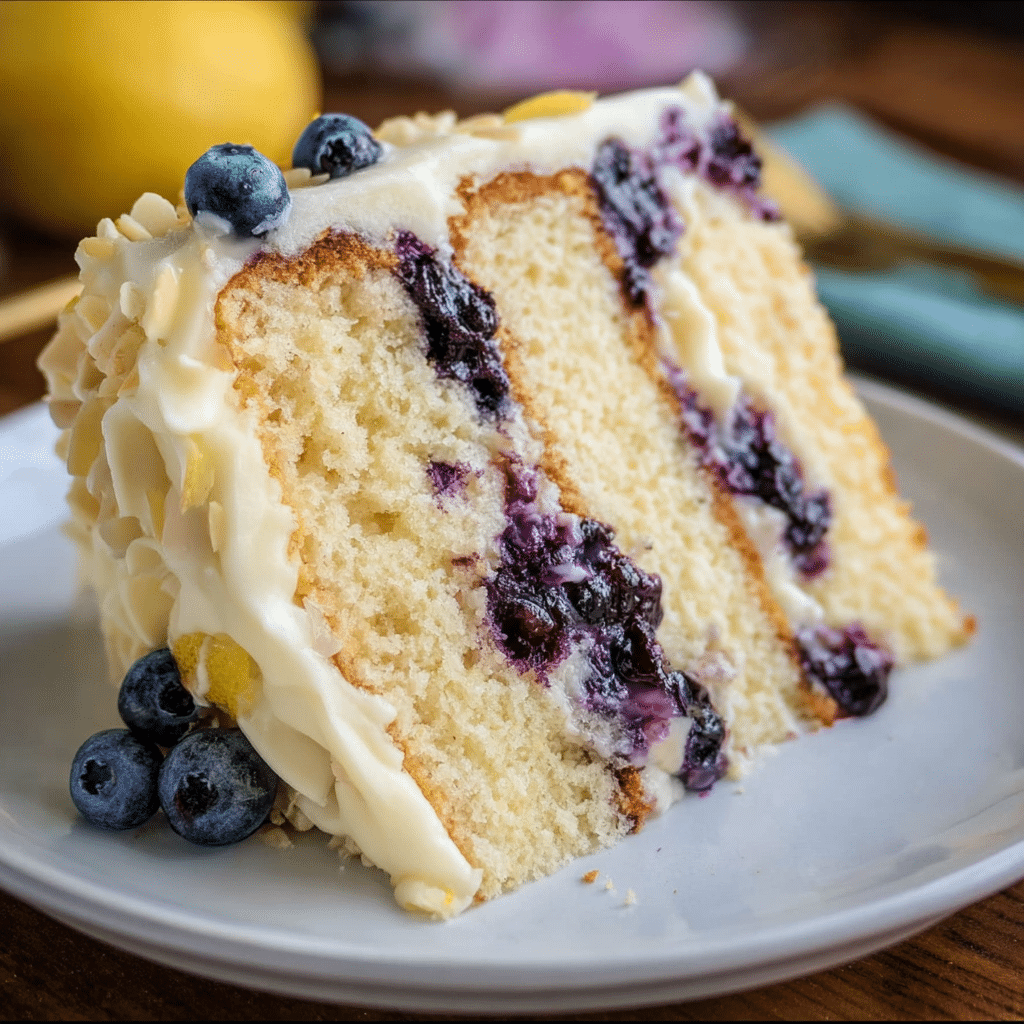
While the classic lemon blueberry cake is a beloved dessert, exploring creative variations and adaptations can take your baking to new heights. Whether you’re looking to suit different dietary needs, celebrate seasonal ingredients, or simply try something new, there are countless ways to put your spin on this delightful cake.
Seasonal Variations
One of the beautiful aspects of baking is adapting recipes to reflect the changing seasons. In spring and summer, you can experiment with different berries. Raspberries and strawberries can easily replace blueberries, creating a vibrant and colorful cake. If you want to add a tropical twist, consider incorporating diced pineapple or passion fruit into the batter for a refreshing burst of flavor. Pairing lemon with these fruits not only brightens the cake but also adds a unique taste that’s sure to impress your guests.
As the fall approaches, think about adding spices like cinnamon or nutmeg to the batter for a warm, comforting flavor profile. You can even create a lemon blueberry cake with a layer of spiced cream cheese frosting for a seasonal twist. The possibilities are endless, and each iteration can evoke a sense of seasonal nostalgia.
Dietary Adaptations
In today’s world, accommodating dietary restrictions is becoming increasingly important. Luckily, lemon blueberry cake can be modified to suit various diets. For those following a gluten-free regimen, substitute all-purpose flour with a gluten-free blend or almond flour. Ensure your baking powder is gluten-free as well. The flavor and texture may differ slightly, but your cake will still be delicious.
For a vegan option, you can replace eggs with flaxseed meal or applesauce. Use a plant-based milk and substitute butter with coconut oil or vegan butter. The result is a moist and flavorful lemon blueberry cake that everyone can enjoy, regardless of their dietary preferences.
Creative Twists
Looking to add a little flair to your lemon blueberry cake? Consider infusing the cake with herbs like rosemary or thyme. A subtle hint of fresh herbs can enhance the flavor profile and create a unique dessert that surprises your taste buds. You might also try adding a layer of lemon curd between the cake layers for an extra tangy kick.

For an international twist, how about a lemon blueberry cake inspired by Italian tiramisu? Incorporate mascarpone cheese into your frosting and soak the cake layers in a lemon syrup before stacking. This method adds depth and richness to the cake while still honoring the classic lemon blueberry flavors. You can even sprinkle some cocoa powder on top for a beautiful contrast.
Don’t forget about cooking methods, either! If you’re short on time, you can make a lemon blueberry cake in a slow cooker. The result is a moist, dense cake that can be enjoyed warm with a scoop of vanilla ice cream. Alternatively, you can bake it in a skillet for a rustic presentation that’s perfect for a cozy gathering.
And let’s not overlook what to do with leftovers! If you find yourself with extra cake, consider transforming it into a trifle. Layer crumbled cake with whipped cream and fresh blueberries in a glass for a stunning dessert that looks just as good as it tastes. You can also make cake pops by mixing the leftover cake with frosting, rolling it into balls, and coating them in chocolate for a fun treat.
With these creative variations and adaptations, your lemon blueberry cake will never become boring. You can always find a new way to enjoy this delightful dessert, making it a staple in your baking repertoire.
Storage, Reheating, and Meal Prep for lemon blueberry cake
When it comes to enjoying a delicious lemon blueberry cake, understanding how to store it properly can make all the difference in maintaining its freshness and flavor. This delightful cake, with its zesty lemon notes and sweet, juicy blueberries, deserves to be treated with care after it leaves the oven. Whether you’re planning to savor your cake over several days or want to keep it for a special occasion later, I’ve got you covered with detailed storage instructions, reheating methods, and meal prep strategies.
Short-term Storage
After baking your lemon blueberry cake, the first thing you might wonder is how to store it for short periods. If you plan on consuming the cake within three to four days, the refrigerator is your best bet. Allow the cake to cool completely at room temperature before storage to prevent condensation, which can make your cake soggy. Once cooled, wrap the cake tightly in plastic wrap or aluminum foil.
If your cake is frosted, it’s best to place it in an airtight container. This not only preserves the moisture but also protects the icing from any odors in the fridge. You can also use a cake dome or a large bowl inverted over the cake to keep it covered. Just remember that lemon blueberry cake is best enjoyed at room temperature, so take it out of the fridge about 30 minutes before serving.
For those who prefer to slice their cake ahead of time, consider portioning it into individual pieces. Place each slice in its own airtight container or wrap them in plastic wrap. This way, you can easily grab a slice for a snack without having to cut into the whole cake again. Plus, portioning helps maintain the cake’s freshness and makes it easy for serving at gatherings or when you have guests over.
Freezing and Long-term Storage
If you want to keep your lemon blueberry cake for longer, freezing is the way to go. Freezing can extend the shelf life of your cake for up to three months without sacrificing too much of its taste or texture. To freeze your cake, first ensure that it is completely cooled. If your cake is frosted, it’s a good idea to freeze it uncovered for about an hour to let the frosting harden. This prevents the frosting from sticking to the wrap and ruining the presentation when you thaw it.
Once the frosting has set, wrap the cake tightly in plastic wrap and then in aluminum foil. This double wrapping helps prevent freezer burn. For individual slices, wrap each slice in plastic wrap and place them in a freezer-safe bag or container, removing as much air as possible to keep the cake fresh.
When you’re ready to enjoy your frozen cake, transfer it to the refrigerator to thaw overnight. If you’re in a rush, you can let it sit at room temperature for a few hours, but be cautious with this method as it can cause condensation to form. Once thawed, your lemon blueberry cake should taste just as delightful as when you first baked it!
Reheating Best Practices
Sometimes, you might want to enjoy a warm slice of lemon blueberry cake. Reheating it properly is crucial to ensure that the cake remains moist and flavorful. The best method for reheating is to use the oven. Preheat your oven to 350°F (175°C). While the oven is heating, place your slice of cake on a baking sheet and cover it loosely with aluminum foil. This prevents the top from browning too much while the inside warms up.
Bake the cake for about 10 to 15 minutes, or until it’s warmed through. If you’re reheating an entire cake, you’ll need to allow for a longer time, around 20 to 30 minutes, depending on the size of your cake. Always check the center with a toothpick to ensure it’s heated properly.

For those who prefer a quicker method, you can reheat individual slices in the microwave. Place a slice on a microwave-safe plate and cover it with a damp paper towel. Heat it for about 15 to 20 seconds, checking frequently to avoid overheating, which can dry out the cake.
Food safety is always a priority, especially when it comes to baked goods. Always ensure your lemon blueberry cake is stored in a clean, dry container to prevent contamination. The general rule of thumb is that your cake should be consumed within three to four days if stored in the refrigerator and up to three months if frozen. Keeping track of the dates you baked and stored the cake can help you enjoy it at its best without any worries.
In conclusion, whether you are storing, freezing, or reheating your lemon blueberry cake, following these tips will ensure that this delightful dessert remains a treat for days to come. By understanding the best practices for storage and reheating, you can savor every last crumb of this delicious cake, keeping the memories of baking and sharing it with loved ones alive.
Nutritional Benefits and Health Information
As we dive deeper into the world of delicious desserts, it’s essential to consider not just the taste but also the nutritional benefits that come with them. Lemon blueberry cake, while undoubtedly a sweet indulgence, can also offer a delightful array of health benefits thanks to its key ingredients. Let’s explore the nutritional profile of this cake, the health benefits of its components, and some tips for making it a little healthier without sacrificing flavor.
Nutritional Profile
The basic ingredients of lemon blueberry cake include flour, sugar, eggs, butter, fresh blueberries, and lemon juice. Each of these ingredients contributes to the cake’s overall nutritional value. A typical slice of lemon blueberry cake (about 1/12 of a 9-inch round cake) contains approximately 250 to 300 calories. Of course, this can vary depending on the specific recipe and portion sizes.
In terms of macronutrients, you can expect around 40 grams of carbohydrates, 8 grams of fat, and 3 grams of protein per slice. While the carbohydrates primarily come from the flour and sugar, the fat content varies depending on the amount of butter used. The protein content is modest, primarily derived from the eggs.
Moreover, the cake is enriched with vitamins and minerals thanks to the blueberries and lemon juice. Blueberries are known for their high antioxidant content and provide vitamins C and K, as well as dietary fiber. Lemon juice adds a refreshing zing and is also a good source of vitamin C, which plays a vital role in immune health and skin wellness.
Health Benefits
Let’s talk about the health benefits of the star ingredients in our lemon blueberry cake. Blueberries, often dubbed a “superfood,” are low in calories and high in nutrients. They are packed with antioxidants, which can help combat oxidative stress in the body. Regular consumption of blueberries has been linked to improved heart health, better brain function, and even weight management. It’s no wonder that they find their way into so many healthy recipes!
Lemon juice not only brightens the flavor of the cake but also brings a host of health benefits. The vitamin C present in lemons is vital for the body’s repair and growth processes. It helps in the absorption of iron from plant-based foods and can contribute to skin health by reducing wrinkles and dryness. Furthermore, lemon juice can aid digestion and may help in maintaining a healthy weight.
Dietary Considerations
For those with dietary restrictions or specific health goals, adapting the lemon blueberry cake recipe can make it more suitable. For instance, if you’re looking to reduce sugar intake, consider using natural sweeteners like honey or maple syrup. You can also experiment with whole grain flours instead of all-purpose flour for added fiber and nutrients.
If you’re avoiding gluten, almond flour or coconut flour can be excellent alternatives that bring a unique taste and texture to the cake. Additionally, for a dairy-free version, you can substitute butter with coconut oil or a dairy-free spread. These modifications will allow you to enjoy the flavors of lemon blueberry cake without compromising your dietary needs.
When comparing lemon blueberry cake to other desserts, it stands out for its use of fruit and citrus, which inherently offer more nutrients than cakes that rely heavily on processed ingredients. While it may not be a “health food,” it certainly can fit into a balanced diet when enjoyed in moderation.
In conclusion, lemon blueberry cake is more than just a delightful treat; it can also be a source of essential nutrients and health benefits. By understanding its nutritional profile and making mindful modifications, you can indulge in this delicious dessert while still adhering to your health goals. So the next time you whip up a batch, remember that you’re not just baking a cake, but also nourishing yourself and those you love with each bite!
Conclusion: Mastering the Perfect lemon blueberry cake
Creating the perfect lemon blueberry cake is more than just following a recipe—it’s about understanding the techniques, ingredients, and cultural significance behind this beloved dish. Throughout this comprehensive guide, we’ve explored everything from the historical origins to modern variations, ensuring you have all the knowledge needed to make this recipe your own.
Whether you’re a beginner cook or an experienced chef, the techniques and tips we’ve shared will help you create a lemon blueberry cake that’s not only delicious but also meaningful. Remember that cooking is a journey of discovery, and each time you make this dish, you’ll learn something new.
We encourage you to experiment with the variations we’ve discussed, adapt the recipe to your dietary needs, and most importantly, share it with the people you love. Food has the incredible power to bring people together, and Lemon Blueberry Cake is the perfect dish to create lasting memories around your dinner table.
Don’t forget to share your cooking adventures with us on social media, and feel free to ask questions in the comments below. Happy cooking!
Share this recipe and let us know how it turned out! Tag us on social media for a chance to be featured.