Lemon blueberry cream is the delightful marriage of tart citrus and sweet berries, beautifully balanced in a luscious, creamy texture. The first time I tasted this enchanting combination was during a summer picnic at my grandmother’s house. She was known for her culinary prowess, and each dish she prepared told a story. As I sat on the grass, savoring a slice of her famous lemon blueberry cream cake, I was transported to a world where flavors danced together in harmony. The creamy filling, enriched with cream cheese, wrapped around layers of fluffy cake, was a revelation. It was then that I knew I had to learn the secrets behind this recipe, and thus began my journey into the wonderful world of baking.
The Story Behind This Recipe

I vividly remember the warm sun on my skin as I watched my grandmother whip the cream and zest the lemons, her hands moving with the grace of someone who had perfected her craft over decades. She shared stories of her childhood, where lemons and blueberries were abundant in her garden. “These fruits have always been a part of our family’s history,” she would say, her eyes sparkling with nostalgia. Her love for the recipe was palpable, and it was more than just a dish; it was a symbol of family gatherings, celebrations, and the simple joys of life.
As I grew older and started cooking for my own family, I realized that the lemon blueberry cream recipe was not just a dessert; it became a canvas for creating memories. Whether it was a birthday celebration or a simple weekday dinner, this dish would grace our table, bringing smiles and laughter. Its versatility made it perfect for any occasion. I’ve learned that baking is not just about the final product but about the love and care infused in every step—something my grandmother taught me well.
Why You’ll Love This Dish
This recipe stands apart from other desserts because it effortlessly combines the rich tang of cream cheese with the refreshing brightness of lemon and the sweetness of blueberries. While many desserts can feel heavy, the lemon blueberry cream offers a lightness that makes it a delightful ending to any meal. Additionally, the vibrant colors and flavors evoke feelings of summer, making it a perfect pick-me-up during the drearier months.
For busy families, this dish shines as it can be prepared in advance. You can whip up the cream cheese filling and bake the cake on a Sunday, allowing the flavors to meld together beautifully by the time the week rolls around. It’s an excellent solution for those hectic weeknights when everyone is running in different directions. Just slice, serve, and watch as your family gathers around the table, drawn in by the heavenly aroma wafting through the air.
Seasonally, this recipe is particularly relevant in the spring and summer months when lemons and blueberries are at their peak. However, the beauty of this dish is that it can be enjoyed year-round; frozen blueberries work just as well in the cooler seasons, reminding us of sunny days gone by. As you bake and indulge in this delightful treat, you’ll find an emotional connection to each bite—a connection to family, childhood, and the sweet moments that life offers.
In this guide, you will learn not only how to make the ultimate lemon blueberry cream dessert but also the nuances of mastering the ingredients, tips for perfecting your technique, and how to infuse your own personal touch into this timeless recipe. So, let’s embark on this culinary adventure together, creating delectable memories that will last a lifetime!
The Rich History and Cultural Significance of lemon blueberry cream
The lemon blueberry cream recipe has roots deeply embedded in culinary history, reflecting a tapestry of flavors that span various cultures and regions. While the exact origins of this dessert are somewhat elusive, the combination of lemon and blueberries can be traced back to many parts of the world, particularly in North America, where these fruits flourish. The use of cream cheese in desserts gained popularity in the United States during the late 19th century, coinciding with the rise of cheesecake recipes, which would pave the way for creamy desserts like our beloved lemon blueberry cream.
Origins and History
Lemon and blueberry are quintessential fruits that resonate with many people, especially in the United States. Lemons, with their bright acidity, have long been celebrated in culinary traditions across Mediterranean regions. Their zest and juice add vibrancy to countless dishes, making them a staple in both savory and sweet recipes. Blueberries, native to North America, were cherished by Indigenous peoples long before they became a beloved fruit in modern cuisine. The blending of these two fruits into a creamy dessert mirrors the innovation and creativity of home cooks throughout history.
The concept of using cream cheese as a filling or frosting likely gained traction in the early 20th century, with recipes evolving to include more fruits and flavors. The popularity of lemon blueberry cream surged as home bakers began experimenting with various combinations, leading to the delightful dessert we know today. Traditional preparations often included a simple sponge cake or biscuit base, topped with a rich layer of lemon blueberry cream, creating a delightful contrast in textures.
Cultural Significance
Throughout the years, the lemon blueberry cream dessert has become a symbol of celebration in many households. It is often served during summer picnics, birthday parties, and holiday gatherings, reflecting a sense of community and joy. This dish has a comforting familiarity that ties generations together, often passed down from grandmothers to mothers and then to daughters, preserving family traditions.
In recent years, as more people embrace fresh and locally sourced ingredients, the lemon blueberry cream has seen a resurgence. Many chefs and home cooks alike have put their spin on the classic recipe, incorporating local blueberries or adding unique flavor profiles. Some might infuse herbs like basil or mint into the cream, while others add a hint of lavender for a floral note. This evolution keeps the tradition alive while allowing for creativity and personal expression in the kitchen.
Nutritional Benefits
Aside from its delightful flavor, the lemon blueberry cream also boasts several nutritional benefits. Blueberries are renowned for their antioxidant properties, which are linked to various health benefits, including improved heart health and cognitive function. They are rich in vitamins C and K, as well as dietary fiber, making them a healthy addition to any dessert.
Lemons are also packed with vitamin C, which is essential for immune health, and their acidity can aid in digestion. When used in combination with cream cheese, a source of protein and calcium, the dessert balances indulgence with nutrition. While it’s a treat meant to be enjoyed, knowing that it contains wholesome ingredients adds an extra layer of satisfaction for those who savor it.
In conclusion, the lemon blueberry cream embodies a rich history, cultural significance, and nutritional benefits that make it more than just a dessert. It serves as a reminder of the joys of cooking, the importance of family, and the beauty of tradition. As we continue to explore this delightful recipe, we not only indulge in its flavors but also celebrate the stories and memories that accompany each bite.
Essential Ingredients for Perfect lemon blueberry cream
When it comes to baking, particularly when making something as delightful as lemon blueberry cream cheese sourdough, the ingredients you choose can make all the difference. Each ingredient plays a unique role in the final flavor and texture of the bread, and understanding their importance can elevate your baking game significantly. Let’s dive into the essential ingredients you’ll need to create this tantalizing treat.
Essential Ingredients
- 100 g (1/2 cup) active sourdough starter: Your sourdough starter is the magical element that introduces natural yeast into your bread. It’s not just about leavening; it also adds depth of flavor and a lovely tanginess that complements the sweetness of the blueberries and the brightness of the lemon. Make sure your starter is bubbly and active. If you’re using a starter you’ve kept in the fridge, feed it the night before to ensure it’s at its peak.
- 440 g (2 3/4 cups) all-purpose flour: The backbone of your bread, all-purpose flour provides structure and strength. It has a moderate protein content, making it versatile for various baking needs. Opt for high-quality flour, preferably organic, as it usually contains fewer additives. Look for flour that feels soft and has a slightly creamy color. Store it in a cool, dry place to maintain its freshness.
- 260 g (1 cup 1 tbsp) water: Water is essential for hydrating the flour and activating the yeast in your sourdough starter. Use filtered water if possible; chlorine in tap water can inhibit yeast growth. The temperature of the water matters too; a lukewarm temp, around 75°F, is ideal for activating the yeast without killing it.
- 6 g (1 tsp) salt: Salt isn’t just for flavor; it controls fermentation and strengthens the dough’s structure. It’s crucial to mix it well into the dough to ensure even distribution. Use sea salt or kosher salt for the best flavor. Make sure to avoid iodized salt, which can affect yeast activity.
- 1+ cup blueberries: Fresh or frozen blueberries add natural sweetness and moisture, creating lovely pockets of flavor throughout the bread. When selecting fresh blueberries, look for plump, firm berries with a deep color. If using frozen, no need to thaw; simply toss them in straight from the freezer.
- 8oz+ cream cheese: Cream cheese provides a rich, creamy texture and tangy flavor that complements the lemon and blueberries beautifully. For the best results, use full-fat cream cheese, which will melt more smoothly into the bread. Make sure it’s at room temperature before you incorporate it into your dough for a more uniform blend.

Lemon Blueberry Cream Cheese Sourdough
Ingredients
- 100 g (1/2 cup) active sourdough starter
- 440 g (2 3/4 cups) all-purpose flour
- 260 g (1 cup 1 tbsp) water
- 6 g (1 tsp) salt
- 1+ cup blueberries
- 8oz+ cream cheese
Instructions
- Feed sourdough starter 4-12 hours before making dough.
- Mix the Ingredients
- Mix starter (active and bubbly), water, flour, and salt with a dough hook or your hands.
- Cover the bowl with a damp towel and let sit for 30 minutes.
- Stretch and Fold
- Stretch and fold the dough.
- Take the edge of the dough and stretch it up and in.
- Continue doing this until all of the dough has been stretched inward to make the dough look more ball-like.
- Cover the bowl with a damp towel and let sit for 30 minutes.
- Repeat stretch and fold.
- Cover the bowl with a damp towel and let rest on the counter for about 12 hours or until the dough has almost doubled in size.
- Shape
- Place the dough on a floured cutting board.
- Spread the dough out into a square-like shape.
- Cut the cream cheese into small cubes.
- Place cream cheese and blueberries on top of the dough.
- Fold each side of the dough up and in, covering the cream cheese and blueberries.
- Flip the dough over.
- Shape the dough into a round loaf. You can do this with your hands or by using a dough scraper.
- Place the dough in a banneton basket or cheesecloth-lined bowl. Cover the bowl in saran wrap and place the bowl in the refrigerator for about 12 hours.
- Score and Bake
- Preheat the oven to 450 degrees Fahrenheit.
- Place the Dutch oven, lid on, in the oven to heat up.
- Place the bowl of dough in the freezer for 10 minutes. This will harden the dough to make it easier to score.
- Flip the dough over onto parchment paper.
- Flour the top of the dough and score in any design you would like.
- Take the Dutch oven out of the oven.
- Place the dough and parchment paper into the Dutch oven carefully.
- Bake for 30 minutes with the lid on.
- Remove the lid and bake for 20 minutes.
- Cool
- Remove the Dutch oven and place the sourdough bread on a cooling rack.
- Let cool for at least 1 hour or until the bread is completely cooled off.
Shopping Tips
When sourcing your ingredients, freshness is key. For your sourdough starter, consider creating your own if you haven’t already; it’s a rewarding process that allows you to control the flavor profile. Look for local farms or farmers’ markets for the best quality flour and blueberries, especially during peak season when they’re at their sweetest and most flavorful. If you’re concerned about cost, buying in bulk can save money, particularly for flour.
Additionally, consider organic options for blueberries and flour, as they often contain fewer pesticides and chemicals. While they may be pricier, the quality and flavor can be worth the investment. If you’re on a budget, check out local co-ops or bulk food stores for more affordable organic ingredients.
Substitutions and Alternatives
For those with dietary restrictions or preferences, there are several substitutions you can consider. If you’re gluten-free, look for a gluten-free all-purpose flour that contains xanthan gum to mimic the elasticity of traditional flour. For a lower-carb option, almond flour or coconut flour can work, but they will require adjustments in liquid and other ingredients.
If you’re dairy-free, consider using a vegan cream cheese alternative, or even cashew cream blended with lemon juice for that tangy flavor. For the blueberries, you could substitute them with other fruits like raspberries or chopped strawberries, though they will impart different flavors.
For storage, keep your flour in an airtight container to prolong its shelf life, and store your blueberries in the fridge if they’re fresh, or in the freezer if you need them for later. Cream cheese can be kept in the fridge, and it’s best used within a week of opening for optimal freshness.
By ensuring you have the right ingredients and knowing how to select the best items, you’re setting yourself up for success in making this lemon blueberry cream cheese sourdough. The journey of baking can be as rewarding as the end result, so take your time, enjoy the process, and savor every step along the way!
Detailed Step-by-Step lemon blueberry cream Cooking Instructions
Now that you have gathered all the essential ingredients for your lemon blueberry cream cheese sourdough, it’s time to roll up your sleeves and dive into the cooking process. Baking sourdough might seem daunting, but with a little patience and the right techniques, you’ll be rewarded with a delicious loaf that fills your kitchen with the most tantalizing aromas. Let’s break down the detailed steps involved in creating this delightful treat.
Preparation Steps
- Feed Your Sourdough Starter: If your sourdough starter has been stored in the fridge, take it out and feed it at least 8 hours before you plan to bake. This will ensure it’s active and bubbly. The ideal feeding ratio is equal weight of flour and water to the existing starter. For instance, if you have 50 g of starter, feed it 50 g of water and 50 g of flour.
- Gather Your Equipment: Before you begin, make sure you have all your tools handy. You’ll need a mixing bowl, a spatula, a kitchen scale, a measuring cup, a whisk, and a baking dish or Dutch oven. If you have a bench scraper, it can be incredibly helpful for shaping your dough.
- Measure and Mix Your Ingredients: Use your kitchen scale to accurately measure out 440 g of all-purpose flour and 260 g of water into your mixing bowl. Add in your bubbly sourdough starter and the salt. Use your spatula to mix everything until there are no dry bits of flour left. This should create a shaggy, wet dough that may seem uncooperative at first, but don’t worry!
- Incorporate the Cream Cheese: Now, take your cream cheese, which should be at room temperature, and cut it into small cubes. Add these cubes to your dough and gently fold them in. The goal is to create pockets of cream cheese throughout the dough, so don’t overmix; some chunks will add delightful surprises in texture and flavor.
- Fold in the Blueberries: Gently fold in your fresh or frozen blueberries. Be cautious here—overmixing can crush the berries and turn your dough a beautiful shade of purple, which might not be what you’re aiming for! You want bursts of blueberry flavor, not a monochromatic loaf.
Cooking Process
- Autolyse Your Dough: Cover your mixing bowl with a damp kitchen towel or plastic wrap and let it rest for about 30 minutes. This process, known as autolyse, allows the flour to absorb the water and enzyme activity to begin, which will improve the dough’s structure and flavor.
- First Rise (Bulk Fermentation): After the autolyse, it’s time for the bulk fermentation. Leave your dough in a warm spot (around 75°F) for about 4-6 hours. During this time, you’ll want to perform a series of stretch and folds every 30 minutes for the first two hours. This technique strengthens the gluten structure and incorporates air into the dough.
- Pre-shape the Dough: Once your dough has risen and is bubbly, turn it onto a lightly floured surface. Pre-shape it into a loose round by gently folding the edges toward the center and letting it rest for 20-30 minutes.
- Final Shape: Now, it’s time to shape your dough into its final form. You can shape it into a round or a batard (oval). For a round, flip your dough seam-side down, gently stretch it into a circle, and fold the edges toward the center. Then flip it over and use your hands to create tension across the top by gently pulling it towards you.
- Second Rise (Proofing): Place your shaped dough into a floured proofing basket or bowl lined with a floured cloth. Cover it with a towel and let it rise for another 2-4 hours, or you can refrigerate it overnight for a more complex flavor profile.
Final Assembly
- Preheat Your Oven: About 30 minutes before your dough is ready, preheat your oven to 450°F (232°C). If you’re using a Dutch oven, place it inside the oven to heat up, as this will create a steamy environment for your bread to rise in the oven.
- Score the Dough: Once your dough has finished proofing, carefully turn it out onto a piece of parchment paper. Use a sharp blade or a bread lame to score the top of your dough. This allows for controlled expansion while baking and creates a beautiful design.
- Bake the Bread: Carefully remove the hot Dutch oven from the oven, lift the parchment with the dough, and place it inside. Cover it with the lid and return it to the oven. Bake for 30 minutes covered, then remove the lid and bake for an additional 15-20 minutes until the crust is a deep golden brown.
- Cooling: Once baked, remove the bread from the oven and let it cool on a wire rack for at least an hour before slicing. This cooling period is crucial as it allows the crumb to set properly and develops flavor.
- Enjoy! Once cooled, slice into your lemon blueberry cream cheese sourdough and experience the delightful combination of flavors. The tanginess of the cream cheese, the tartness of the blueberries, and the brightness of lemon will dance on your palate. Perfect for breakfast, an afternoon snack, or even a special brunch treat!
Baking is a journey filled with experimentation and joy, and making lemon blueberry cream cheese sourdough is no exception. Remember to embrace the process and enjoy the delicious rewards of your hard work. Happy baking!
Professional Tips and Techniques for lemon blueberry cream
When it comes to creating the perfect lemon blueberry cream dish, understanding the nuances of each ingredient and technique can elevate your culinary experience from good to unforgettable. Whether you’re a novice in the kitchen or a seasoned chef, mastering professional tips and techniques can give your dish that extra flair, ensuring that every bite is bursting with flavor.
Professional Techniques
To begin with, let’s talk about the foundational techniques that can significantly enhance your lemon blueberry cream creation. One of the most crucial elements is understanding the role of your sourdough. The fermentation process not only develops flavor but also affects the texture of your bread. To ensure your sourdough has the right amount of tang, aim for a starter that is bubbly and has doubled in size within its feeding window.

When incorporating the lemon and blueberry into your cream, consider the balance of acidity and sweetness. Fresh lemon juice and zest will provide that vibrant zing, but be cautious with the quantity. Start with a small amount of lemon juice, taste, and adjust as necessary. The zest carries a more concentrated flavor, so don’t skip it! It adds a beautiful aromatic quality that complements the blueberries perfectly.
Another insider secret lies in the temperature of your ingredients. For the best results, ensure that your cream cheese is at room temperature before mixing. This will help you achieve that smooth, creamy consistency without lumps. If you’re short on time, you can cut the cream cheese into small pieces and microwave it in short bursts, mixing in between until softened.
Troubleshooting Guide
Even the most experienced cooks encounter hurdles, so it’s essential to have a troubleshooting guide at hand. One common issue with lemon blueberry cream is curdling, which can occur if the temperature of your mixture is too high. To avoid this, always combine your ingredients gently and at room temperature. If you notice curdling, try whisking in a tablespoon of milk or cream to bring it back together.
Another potential problem is the blueberries sinking to the bottom of your batter or cream. This can happen if they are not coated in flour before being added. To prevent this, toss the blueberries in a bit of flour before folding them into your mixture. This will help them float evenly throughout your dish.
Presentation Tips
Now that you’ve mastered the techniques and troubleshooting, let’s move on to presentation. The visual appeal of your lemon blueberry cream dish can make a lasting impression. Consider using clear glass dishes to showcase the beautiful colors of the lemon and blueberry layers. A simple trifle dish or individual glass cups can add elegance to your presentation.
For garnishing, fresh mint leaves or a sprinkle of powdered sugar can provide a pop of color and a touch of sophistication. Drizzling a homemade lemon glaze over the top can add shine and enhance the flavor profile, making your dish even more irresistible.
Pairing your lemon blueberry cream with the right beverage can also enhance the dining experience. A chilled glass of sparkling wine or a light, citrusy cocktail can complement the dish beautifully. Alternatively, a refreshing herbal tea can provide a calming balance to the zesty flavors.
Make-Ahead and Meal Prep Strategies
One of the best aspects of working with lemon blueberry cream is its adaptability for meal prep. You can prepare the cream cheese mixture a day in advance and store it in the refrigerator. Just ensure you give it a good stir before serving. The flavors will meld beautifully overnight, resulting in a more vibrant taste.
When it comes to scaling your recipe, consider the following: if you’re preparing for a larger gathering, simply double or triple the ingredients keeping an eye on the mixing times, as larger quantities might require slightly longer to blend. However, if you’re cooking for one, you can easily halve the recipe, allowing you to enjoy the deliciousness without overwhelming leftovers.
In summary, the art of creating the perfect lemon blueberry cream dish is a blend of technique, creativity, and a little bit of science. By following these professional tips, you’ll not only avoid common pitfalls but also enhance your cooking experience, making every bite a delightful journey.
Creative Variations and Adaptations of lemon blueberry cream
When it comes to the world of culinary creativity, the lemon blueberry cream recipe offers a blank canvas waiting to be transformed. The beauty of this dish lies in its versatility, allowing you to explore various flavors and ingredients that can elevate the original recipe into something uniquely yours.
Seasonal Variations
Seasonality is key when thinking about adaptations. For spring and summer, fresh berries are a must, but as the seasons change, consider swapping blueberries for other fruits. In the fall, think about using cranberries or pomegranates for a beautiful color contrast and a tart flavor that pairs surprisingly well with lemon. In winter, consider using frozen berries, which can be just as flavorful and often more convenient.
Additionally, herbs can add a surprising twist. Basil, for instance, works wonderfully with lemon and can add an earthy depth to your lemon blueberry cream. Imagine a basil-infused cream layered with blueberries—an unexpected yet delightful pairing!
Dietary Adaptations
As we become more conscious of dietary needs, modifying the lemon blueberry cream recipe to cater to specific diets becomes essential. For those following a keto lifestyle, you can swap out sugar for a keto-friendly sweetener such as erythritol or stevia. Furthermore, substituting regular cream cheese with a nut-based cream cheese can make the dish vegan-friendly without sacrificing flavor.
Gluten-free options can be easily achieved by ensuring that any flour used is certified gluten-free. For an even more wholesome version, consider using almond flour or coconut flour in your sourdough recipe. These alternatives will not only cater to dietary restrictions but also impart a unique flavor profile.
Creative Twists
Now, let’s talk about some truly creative twists that can make your lemon blueberry cream dish stand out. What about adding a splash of flavored liqueur, such as limoncello, to the cream? This can bring an adult twist to your dessert, elevating it for a dinner party or special occasion. Alternatively, infusing your cream with a hint of vanilla or almond extract can create a richer flavor that complements the tartness of the lemon beautifully.
Experimenting with spices can also add a unique dimension. A pinch of cardamom or nutmeg can bring warmth to your dish, making it perfect for cozy gatherings. For those who enjoy a bit of heat, consider adding a dash of cayenne or black pepper into the mix—it’s unexpected but can create a delightful contrast to the sweetness of the blueberries.
No dish is complete without a nod to how to best use leftovers. If you find yourself with extra lemon blueberry cream, consider using it as a filling for pancakes or crepes, or even as a topping for a breakfast parfait with granola and fresh fruit. You could also swirl it into a cheesecake batter for an added layer of flavor.
In conclusion, the flexibility of the lemon blueberry cream recipe opens the door to a world of culinary exploration. Whether it’s through seasonal swaps, dietary adaptations, or creative variations, there’s no limit to the delicious possibilities that await. So roll up your sleeves, gather your ingredients, and let your imagination guide you through this delightful culinary adventure!
Storage, Reheating, and Meal Prep for lemon blueberry cream
When it comes to enjoying your delicious lemon blueberry cream sourdough, knowing how to store it properly can significantly enhance your experience. Whether you’re preparing for a busy week ahead or simply want to savor your creation for as long as possible, let’s dive into all the storage strategies you need to keep your sourdough fresh, tasty, and safe to eat.
Short-term Storage
For short-term storage, the refrigerator is your best friend. After you’ve baked your lemon blueberry cream sourdough, allow it to cool completely. This step is crucial because storing warm bread can create condensation, which leads to sogginess. Once your loaf is cool, wrap it carefully in plastic wrap or aluminum foil. This helps to seal in moisture without making the crust soggy.
For an extra layer of protection, consider placing the wrapped sourdough in an airtight container. Glass or plastic containers with a tight-fitting lid work wonderfully. This method helps to prevent any odors from the fridge from seeping into your bread, maintaining that fresh lemon and blueberry aroma.
In the refrigerator, your lemon blueberry cream sourdough will stay fresh for about 5 to 7 days. If you notice any moisture accumulation inside the container, it’s best to check for mold before consuming. Always trust your senses—if it smells off or looks questionable, it’s best to err on the side of caution.
Freezing and Long-term Storage
If you want to keep your lemon blueberry cream sourdough for a longer period, freezing is the way to go. Freezing not only preserves the quality of your bread but also locks in the flavors. To freeze your sourdough, start by slicing it into individual portions. This way, you can thaw only what you need without exposing the entire loaf to air and moisture.
Wrap each slice tightly in plastic wrap, ensuring that no air can get in. After wrapping, place the slices in a freezer bag or an airtight container. Be sure to label the bag or container with the date so you can keep track of how long it’s been stored. Properly stored, your lemon blueberry cream sourdough can last up to 3 months in the freezer.
When you’re ready to enjoy a slice, simply remove it from the freezer and let it thaw at room temperature for about 30 minutes. If you want to revive that freshly baked taste, pop it in the toaster or oven for a few minutes. This will bring back that lovely crust and soft interior.
Reheating Best Practices
Reheating your lemon blueberry cream sourdough should be done with care to maintain its texture and flavor. If you’re reheating a whole loaf, preheat your oven to 350°F (175°C). Place the loaf directly on the oven rack for about 10-15 minutes, or until warmed through. This method is ideal because it revives the crust and ensures the inside remains soft and moist.
If you’re reheating individual slices, a toaster or toaster oven is a fantastic option. Toasting not only warms the bread but also helps to restore that delightful crunch. Just keep an eye on it to avoid over-toasting.
For those who prefer a microwave, it’s essential to use it wisely. Microwaving can make the bread tough and chewy if not done correctly. Place a slice on a microwave-safe plate and cover it with a damp paper towel. Heat in 10-15 second increments, checking frequently until warm. This method adds moisture back into the bread, preventing it from drying out.
When planning meal prep, consider batch cooking your lemon blueberry cream sourdough. It’s a delightful addition to breakfast or brunch, and having it on hand can save you time during busy mornings. Just prepare multiple loaves at once, slice them, and follow the freezing guidelines mentioned above. You’ll be grateful for the convenience on hectic days!
Remember, food safety is paramount. Always let your sourdough cool completely before wrapping it for storage. If you’re unsure about the quality of your bread, trust your instincts. While a well-stored loaf can last several days, if it shows signs of mold or an off smell, it’s best to discard it.
Understanding how to properly store, freeze, and reheat your lemon blueberry cream sourdough not only prolongs its freshness but also enhances your enjoyment. With these tips, you can indulge in your homemade bread without worrying about waste or decline in quality.
Nutritional Benefits and Health Information
As you take a bite of your delightful lemon blueberry cream sourdough, it’s easy to overlook the nutritional benefits packed into each slice. This recipe isn’t just a treat for the taste buds; it also brings a wealth of nutrients and health benefits to the table. Let’s dive into the nutritional profile, health benefits, and some dietary considerations to consider when indulging in this sweet and tangy delight.
Nutritional Profile
The nutritional makeup of your lemon blueberry cream sourdough can vary based on the specific ingredients you use, but let’s break down a typical serving. A standard slice (about 60 grams) can contain around 150-200 calories. This calorie count includes a balanced mix of carbohydrates, proteins, and fats, primarily derived from the flour, cream cheese, and added fruits.
In terms of macronutrients, you can expect approximately:
- Carbohydrates: 25-30 grams
- Protein: 3-5 grams
- Fat: 5-7 grams
These numbers can fluctuate based on portion size and any substitutions made, such as using low-fat cream cheese or whole wheat flour.
Moreover, the vitamin and mineral content is noteworthy. Blueberries are particularly rich in antioxidants, vitamin C, and vitamin K. They also provide dietary fiber, which supports digestive health. The lemon zest and juice not only contribute a bright flavor but also infuse your bread with additional vitamin C, which is vital for collagen production and immune function.
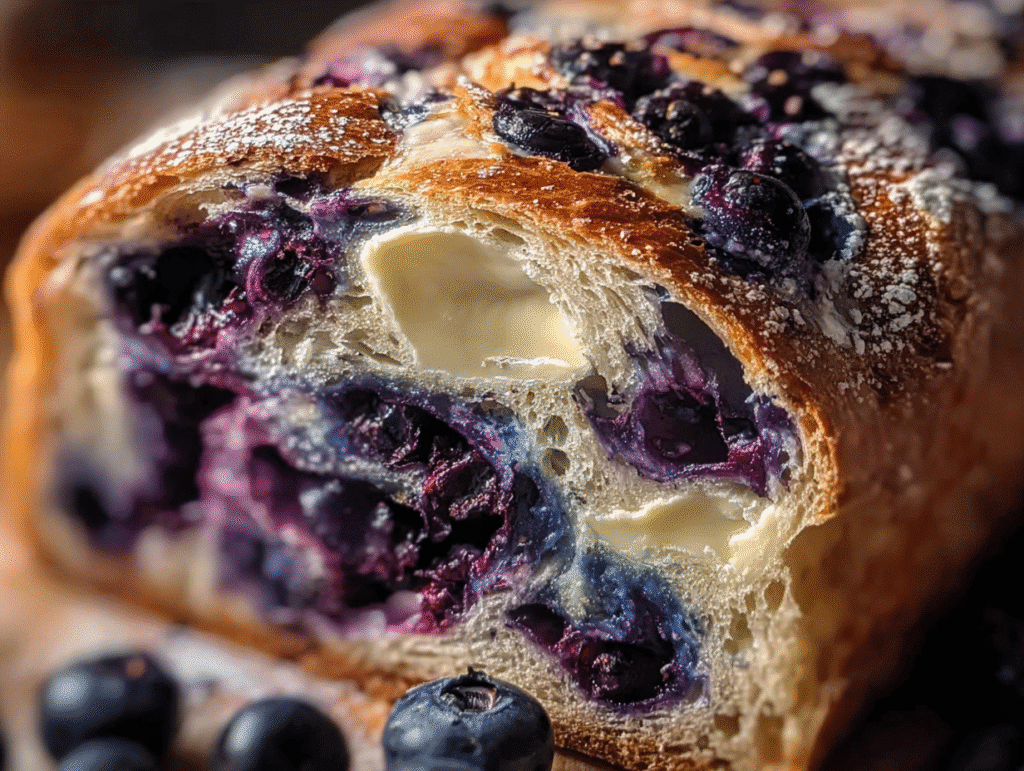
Health Benefits
The health benefits of key ingredients in your lemon blueberry cream sourdough are substantial. Blueberries are often dubbed a superfood due to their high antioxidant content, which can help combat oxidative stress and inflammation in the body. Regular consumption of blueberries has been linked to improved heart health, better brain function, and even enhanced mood.
Lemon, on the other hand, provides a refreshing burst of flavor and is packed with health benefits. Its high vitamin C content can bolster your immune system and improve skin health. Additionally, lemon has been associated with improved digestive health and can even aid in weight management when incorporated into a balanced diet.
Another crucial element is the cream cheese, which adds a creamy texture and flavor while providing protein and calcium. While cream cheese is often viewed as a guilty pleasure, it can be part of a healthy diet when used in moderation. For those concerned about calorie intake, consider opting for reduced-fat cream cheese or even Greek yogurt as a substitute to cut down on fat while retaining creaminess.
Dietary Considerations
For those with dietary restrictions, it’s essential to consider the ingredients in your lemon blueberry cream sourdough carefully. The traditional recipe contains gluten, making it unsuitable for those with celiac disease or gluten sensitivity. However, gluten-free flour blends are widely available and can be used as a substitute, allowing everyone to enjoy this delicious treat.
Additionally, if you’re managing sugar intake, be mindful of the amount of sugar you incorporate into the recipe. While the natural sweetness of the blueberries is delightful, you can adjust the sugar to your preference or use alternatives like honey or maple syrup for a more natural sweetness.
In terms of calorie content, incorporating more of the whole fruits and reducing the added sugars can make this a more health-conscious option. The beauty of baking is that you can experiment with substitutions to make the recipe fit your dietary lifestyle, whether you’re low-carb, vegan, or on a whole-foods diet.
When compared to similar baked goods, such as traditional blueberry muffins or sweet breads, your lemon blueberry cream sourdough can be a more wholesome choice. Many commercial baked goods are loaded with preservatives and unhealthy fats, whereas your homemade version allows you to control the ingredients, making it a more nutritious option.
In conclusion, your homemade lemon blueberry cream sourdough is not just a delightful treat but also a source of numerous health benefits. By understanding its nutritional profile and considering dietary modifications, you can enjoy this delicious bread without compromising your health goals. So, the next time you slice into a piece of this tangy delight, remember, it’s not just a dessert—it’s a step towards a healthier lifestyle!