Lemon blueberry sourdough has a special place in my heart and my kitchen. I vividly recall the first time I stumbled upon this delightful recipe while flipping through an old family cookbook one lazy Sunday afternoon. The golden sun streamed through my kitchen window, illuminating the pages filled with cherished memories and handwritten notes from my grandmother. Intrigued by the combination of zesty lemon and sweet blueberries nestled within the tangy embrace of sourdough, I decided to give it a try. Little did I know, this would not only become a staple in my home but also a cherished family tradition.

As I kneaded the dough, the bright aroma of fresh lemons filled the air, mingling with the earthy scent of the sourdough starter. This sensory experience transported me back to my childhood, where my grandmother would often bake with me on weekends, filling our home with warmth and love. It was in those moments that I learned not just about baking, but about the joy of sharing food with family and the memories that are created around the dining table. This lemon blueberry sourdough became a bridge connecting my past with the present, and I knew I had to share it with others.
The Story Behind This Recipe
The origins of sourdough bread can be traced back thousands of years to ancient civilizations, where wild yeast and bacteria naturally fermented the dough. The addition of fruits and flavors like lemon and blueberries is a more modern twist, reflecting a growing interest in combining sweet and savory elements in baking. The lemon blueberry sourdough mirrors the spirit of innovation in the culinary world, as it invites creativity and personal expression into the kitchen. Each loaf tells a story—of the ingredients, the baker, and the moments shared over slices of warm bread.
This recipe stands out from others because it harmoniously blends the tartness of lemons with the sweetness of blueberries, creating a delightful contrast that dances on the palate. The sourdough starter adds depth and complexity to the flavor profile, resulting in a bread that is not just a side dish but a centerpiece. It can be enjoyed fresh out of the oven, toasted with butter, or even transformed into delectable French toast. For busy families, this recipe is a lifesaver. The dough can be prepared in advance, and with a little planning, it can be ready just in time for dinner. Imagine walking into a home filled with the intoxicating aroma of freshly baked bread, a perfect end to a hectic day.
Why You’ll Love This Dish
The lemon blueberry sourdough is not just a recipe; it’s an experience, an emotional connection that extends beyond the ingredients. It invites you to slow down, to savor the process of baking, and to revel in the joy of sharing with loved ones. The seasonal relevance of this dish cannot be overstated. As spring blossoms and summer approaches, the vibrant flavors of lemons and blueberries are at their peak, making this bread a perfect addition to your culinary repertoire. It’s a fantastic way to celebrate the bounty of the season, bringing a burst of sunshine to your table.
In this guide, you will learn everything you need to know to master the art of making lemon blueberry sourdough. From understanding the sourdough fermentation process to tips for incorporating fruits without compromising the bread’s structure, I promise you’ll find a wealth of knowledge and inspiration. Whether you’re a seasoned baker or a novice looking to impress, this recipe will not only elevate your skills but also fill your home with the warmth and love that only freshly baked bread can provide.
The Rich History and Cultural Significance of lemon blueberry sourdough
The lemon blueberry sourdough is a delightful fusion of flavors that speaks volumes about its rich history and cultural significance. Sourdough itself has been around for thousands of years, with origins that can be traced back to ancient Egypt around 1500 BC. It was the bread of the common people, a staple that fed families and communities alike. Over the centuries, sourdough baking has evolved, adapting to the tastes and preferences of different cultures, and today, it is celebrated worldwide.
Origins and History
The combination of lemon and blueberries in sourdough bread is a relatively modern twist. Traditionally, sourdough recipes would focus on the basic ingredients of flour, water, and salt, allowing the natural fermentation process to shine. However, as culinary experimentation grew, bakers began to explore the inclusion of fruits and flavors, resulting in the creation of the lemon blueberry sourdough. This dish is particularly popular in regions where both lemons and blueberries thrive, such as the Pacific Northwest of the United States. Here, the abundance of fresh produce has inspired countless home bakers to create unique and delicious variations of sourdough bread.
The evolution of this recipe reflects a broader trend in the culinary world, where traditional dishes are reimagined and infused with new life. The playful combination of tart lemons and sweet blueberries showcases the creativity of modern bakers, allowing them to craft a bread that is not only delicious but also visually stunning. The flecks of bright blue from the blueberries against the golden crust of the sourdough create a feast for the eyes, inviting you to indulge in a slice.
Cultural Significance
The lemon blueberry sourdough carries cultural significance as it is often associated with seasonal gatherings, picnics, and family reunions. In many cultures, food is a central part of celebrations, and this bread exemplifies that spirit. It is often served at brunches, where friends and family come together to share stories and laughter over a spread of delicious dishes. The act of breaking bread together fosters connections, and this particular recipe encourages a sense of community and togetherness.
Famous chefs and restaurants have also embraced this dish, elevating it to new heights. From trendy bakeries to fine dining establishments, the lemon blueberry sourdough has become a sought-after item on menus, showcasing the best of seasonal ingredients and artisanal baking techniques. The popularity of this bread has sparked a movement among home bakers, inspiring them to replicate these flavors in their own kitchens and share their creations with loved ones.
Nutritional Benefits
Beyond its delectable flavors, the lemon blueberry sourdough also boasts numerous nutritional benefits. Sourdough bread is known for its unique fermentation process, which breaks down gluten and makes it easier to digest. The addition of blueberries not only enhances the taste but also provides a healthy dose of antioxidants, vitamins, and minerals. Blueberries are often hailed as a superfood, packed with nutrients that support heart health and cognitive function. Moreover, lemons are rich in vitamin C, which boosts the immune system and adds a refreshing zing to the bread.
Incorporating this bread into your family meals is a wonderful way to introduce healthier options while still enjoying the pleasures of baking. The lemon blueberry sourdough is a versatile recipe that can be enjoyed in various forms—whether as a breakfast treat, a savory side for dinner, or even as a sweet indulgence with a smear of cream cheese. The possibilities are endless, making it a valuable addition to your culinary repertoire.
Essential Ingredients for Perfect lemon blueberry sourdough
When it comes to baking, the ingredients are the magic that transforms simple elements into something divine. For our lemon blueberry sourdough, each ingredient plays a crucial role in achieving that perfect balance of flavor, texture, and rise. This delightful bread combines the tangy brightness of lemon with the sweet juiciness of fresh blueberries, creating a stunning visual and culinary experience. Let’s dive into the essentials that will make your baking adventure a success!
Essential Ingredients
- 45 grams sourdough starter (ripe, bubbly, and active, about 3 Tablespoons) – Your sourdough starter is the heart of this recipe, providing the necessary wild yeast and bacteria for fermentation. A healthy starter should be bubbly and have a pleasant, slightly tangy aroma.
- 45 grams all-purpose or bread flour (about 6 Tablespoons) – This flour serves as the base for your starter mixture, giving it the structure it needs to rise. All-purpose flour is versatile, while bread flour has a higher protein content, resulting in a chewier texture.
- 45 grams water (about 3 Tablespoons) – Water is essential for hydrating the flour and activating the yeast in your sourdough starter. Use filtered water for the best results, as chlorinated water can inhibit yeast activity.
- 120 grams levain (ripe, bubbly, and active, about ½ cup) – Levain is the mixture of sourdough starter, flour, and water that you feed and nurture. It should be at its peak activity when you incorporate it into your dough.
- 330 grams water (1 cup plus 6 Tablespoons) – This water is added to the dough to create the right hydration level. The amount can vary based on the flour’s absorbency, so keep an eye on the dough’s consistency.
- 55 grams granulated sugar (about 1/4 cup) – Sugar not only sweetens the bread but also helps in browning the crust and enhancing the overall flavor profile.
- 12 grams lemon zest (about 2 Tablespoons from 2 medium-sized lemons) – Lemon zest adds a burst of citrus flavor and aroma, elevating the sourdough experience. Always use organic lemons when possible to avoid pesticides.
- 10 grams salt (about 1.5 teaspoons) – Salt is crucial in balancing flavors, controlling yeast activity, and strengthening gluten structure within the dough. It also enhances the overall taste of the bread.
- 500 grams bread flour (about 3.5 cups) – The main ingredient for the dough, bread flour contributes to the chewy texture and structure of the final bread. Look for high-protein options for the best results.
- 150 grams fresh blueberries (about 1 cup) – Fresh blueberries are the star of this recipe, adding natural sweetness and moisture. Make sure they are plump and free from blemishes for the best flavor.
Lemon Blueberry Sourdough Bread
Ingredients
Levain (1:1:1 ratio, 3-4 hours peak at 78-80ºF)
- 45 grams sourdough starter ripe, bubbly and active , about 3 Tablespoons
- 45 grams all-purpose or bread flour , about 6 Tablespoons
- 45 grams water , about 3 Tablespoons
Blueberry Lemon Sourdough Bread
- 120 grams levain ripe, bubbly and active, about ½ cup, see recipe notes
- 330 grams water, 1 cup plus 6 Tablespoons
- 55 grams granulated sugar, about 1/4 cup
- 12 grams lemon zest, about 2 Tablespoons from 2 medium-sized lemons
- 10 grams salt, about 1.5 teaspoons
- 500 grams bread flour, about 3.5 cups
- 150 grams fresh blueberries, about 1 cup
Instructions
Levain (1:1:1 ratio, 3-4 hours peak at 78-80ºF)
- Mix together ripe/active sourdough starter with all-purpose or bread flour and water. Cover loosely and let sit 3-4 hours at 78-80°F until doubled, bubbly & peaked.
Note: If you have a ripe, bubbly, active sourdough starter that is fed equal parts flour and water – you can substitute 120 grams of it for the levain in this recipe.
Blueberry Lemon Sourdough Bread (78-80ºF dough temperature throughout the bulk fermentation)
- Mix Dough: To a large bowl, mix together ripe levain with water, granulated sugar and lemon zest. Whisk together. Then add salt and bread flour. Mix together using a dough whisk or spoon until a wet and sticky dough forms and the ingredients are fully combined. Cover and let rest for 30 minutes.
- Stretch and Folds: After the dough has rested, you will perform a series of “stretch and folds” over the next 1 ½ hours. The goal is to strengthen the dough through a gentle kneading process. You will also add the blueberries into the dough during this process which will evenly disperse them throughout the dough.
- To “stretch and fold,” wet your hand (so it doesn’t stick to the dough). Reach around the dough down to the bottom of the bowl, pull the dough up and over and place it on top of the dough. Turn the bowl a quarter turn and repeat the stretch and fold. Turn another quarter turn and repeat. Perform one more quarter turn, stretching and folding the dough. Cover and set aside. Take note of how the dough feels through this process. It will go from feeling a little shaggy to smooth and elastic. Cover the bowl and wait about 30 minutes between stretch and folds.
- Stretch and fold #1: 30 minutes into bulk fermentation
- Stretch and fold #2: 30 minutes later, the dough will spread out. Add the fresh blueberries. Stretch and fold again, beginning to incorporate the blueberries into the dough.
- Stretch and fold #3: 30 minutes later, stretch and fold again. The blueberries will continue dispersing throughout the dough. Be gentle so you don’t squash the berries, releasing their juices. We want the blueberries to stay as whole as possible.
- Stretch and fold #4: 30 minutes later, stretch and fold again. You should notice the dough feeling more cohesive and strong during this stretch and fold and not needing very much folding to come together. If your dough still feels loose, add in another couple stretch and folds to help strengthen and tighten the gluten strands.
- Rest: Cover the dough and let rise for 2-2.5 more hours at 78ºF. You’ll know the dough is ready to shape when the dough is puffed up about 40%, jiggles when you shake the bowl, and has scattered bubbles visible on the sides and top.
- If your dough is cooler, this will take longer and you will want to look for a larger percentage rise before shaping the dough.
- Pre-shape: Tip the bowl upside down, allowing the dough to fall onto a clean counter surface. Be gentle to avoid degassing the dough as much as possible. Wet your hands and the bench knife if needed and push the bench knife under the dough on one side and your free hand on the other side to tuck the dough under itself. The goal is to introduce some tension into the dough. Repeat this process, going around in a circle until you have a ball of dough. Do your best not to break any of the blueberries open.
- Bench Rest: Let the dough rest uncovered for about 30 minutes at room temperature. The dough will flatten a little as it sits. This allows the gluten in the dough to relax and prepares the dough to be shaped.
- Shaping: Prepare a bowl or banneton. Place a kitchen towel or hair net in the bowl and liberally flour as needed. Sprinkle a little flour on top of the dough if desired. Using a bench knife, lift the dough up off the counter and place it on top of the countertop – floured side down. This ensures that the flour is staying mainly on the outside of the dough.
Going around in a circle, pull the dough sideways towards you and then fold up to the top of the round. Move 90 degrees and repeat the same process pulling the dough sideways and then folding up to the top. As you continue this process around the dough, increase the tension as you pull. Gather the bread into a circle and place into a lined bowl. If any of the blueberries pop out of the bread, remove them or stick them on the bottom side of the bread dough.
Note: It is possible to shape the dough without any extra flour. The dough can stick to the kitchen towel but doesn’t stick to the hair nets if cold proofed.
- Cold Fermentation: Cover the dough with the tea towel/shower cap/plastic wrap and refrigerate overnight or up to 14-20 hours. If you want to bake the same day, you can let the dough rise for about 2-3 hours until puffed up and risen. Then bake according to recipe directions.
- Preheat the oven: Put a Dutch oven (top and all) into the oven and preheat to 450°F for 20 minutes. You are working with very high temperatures, so make sure you have some good hot pads. Once preheated for 20 minutes, pull the loaf out of the refrigerator. Remove the covering. Place a piece of parchment paper on top of the dough. Flip the dough over so it is now sitting on the parchment paper. Take off the bowl/banneton and the kitchen towel.
- Scoring: Use a very sharp knife or bread lame to score the dough. Take the bread lame and score on one side of the dough, at a shallow angle about 30º and 1 inch deep. Score straight from the refrigerator on the cold dough for best results. This is not a loaf for intricate scoring – the blueberries will burst during baking which will be the focal point of your loaf.
- Baking: Carefully remove the Dutch oven from the 450°F oven. Take the lid off and place your bread into the Dutch oven (including parchment paper – this helps with the transfer). Put the lid on and put it back in the oven. Lower the temperature to 425°F and bake for 25 minutes. After 25 minutes, take the lid off the Dutch oven and lower the temperature again to 400ºF for the remainder of the bake. The sugar in the dough can lead to a crispier crust, so I like to decrease the temperature for the last 20 minutes of baking. Once the loaf reaches 200-210ºF, remove the bread from the Dutch oven to a cooling rack and let the bread cool completely before slicing. Enjoy!
Shopping Tips
When shopping for ingredients for your lemon blueberry sourdough, it’s essential to select the best quality to ensure a delicious outcome. For your sourdough starter, look for a lively one that has been recently fed. If you are new to sourdough, consider purchasing a starter from a reputable bakery or making your own from scratch to develop unique flavors.
For flour, choose high-quality all-purpose or bread flour. Organic options are often better as they are less processed and can provide more flavor. Check the packaging for freshness dates. Avoid flour that has been sitting on the shelf for too long, as stale flour can lead to poor fermentation.
When it comes to blueberries, buy them fresh and in season if possible. They should be firm, plump, and have a vibrant color. If fresh blueberries are out of season, you can use frozen ones, but be aware that they might release more moisture into the dough.
Substitutions and Alternatives
While the traditional ingredients for lemon blueberry sourdough are essential for the best flavor and texture, it’s great to have alternatives for those with dietary restrictions. For gluten-free bakers, you can experiment with a gluten-free flour blend that is designed for baking. Just keep in mind that you may need to adjust hydration levels since gluten-free flours can absorb moisture differently.
If you’re looking to reduce sugar, consider using a natural sweetener like honey or maple syrup, but remember that this may alter the fermentation process. For those avoiding dairy or eggs, this recipe is naturally vegan-friendly!
Additionally, you can customize the flavor by experimenting with different fruits or zest. Raspberries or cranberries paired with lime zest could give you a different yet delightful bread. Always be sure to adjust the sugar levels according to the sweetness of your substitutions!
Finally, understanding how to store your ingredients can help maintain their quality. Keep flour in a cool, dry place in an airtight container to prolong its freshness. Fresh blueberries can be stored in the fridge and should be consumed within a week for the best flavor. If you buy in bulk, consider freezing what you won’t use immediately.
With all of these ingredients and tips in mind, you’re well on your way to creating a beautiful lemon blueberry sourdough bread that will not only satisfy your taste buds but also impress your friends and family!
Detailed Step-by-Step lemon blueberry sourdough Cooking Instructions
Now that we’ve gathered all our ingredients, it’s time to roll up our sleeves and dive into the baking process! Making lemon blueberry sourdough bread is a labor of love, but the rewards are well worth the effort. This section will guide you through each step to ensure that your baking journey is smooth and successful.
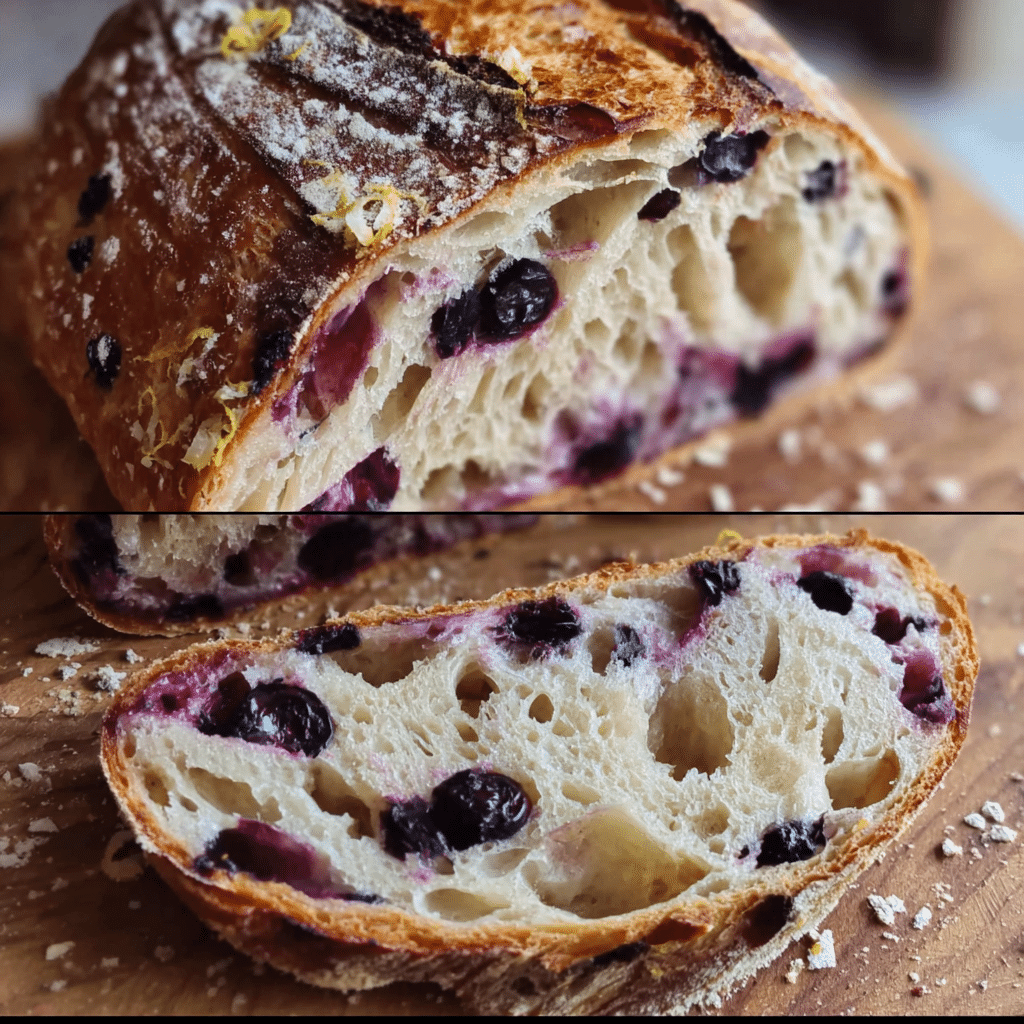
Preparation Steps
- Feed your sourdough starter: Begin by feeding your sourdough starter 4-6 hours before you plan to bake. Combine 45 grams of all-purpose or bread flour and 45 grams of water with your ripe starter. This will ensure that it’s bubbly and active when you incorporate it into your bread.
- Prepare the levain: In a separate bowl, mix together 120 grams of your active starter, 120 grams of all-purpose or bread flour, and 120 grams of water. Let this sit at room temperature for about 4-6 hours until it is bubbly and has a pleasant aroma.
- Gather your ingredients: Once your levain is ready, gather all your ingredients in one location. This makes the process smoother and more enjoyable. Have your measured bread flour, sugar, lemon zest, salt, fresh blueberries, and additional water at the ready.
- Mix the dough: In a large mixing bowl, combine your ripe levain with 330 grams of water, 500 grams of bread flour, 55 grams of granulated sugar, 10 grams of salt, and 12 grams of lemon zest. Use your hands or a dough whisk to combine until a shaggy dough forms. Don’t worry about kneading yet; just ensure everything is moistened.
Cooking Process
- Autolyse: Allow the dough to rest for about 30 minutes. This period lets the flour absorb the water, which helps to develop gluten and creates a better texture.
- Incorporate blueberries: After the autolyse, gently fold in the 150 grams of fresh blueberries. Be careful not to crush them; you want to maintain their integrity for bursts of flavor in the final bread.
- Bulk fermentation: Cover the bowl with a damp cloth and let it rise at room temperature for about 4-6 hours. Every 30 minutes during this time, perform a series of stretch and folds to develop gluten structure. To do this, wet your hand, grab one side of the dough, stretch it upwards, and fold it over the other side. Rotate the bowl and repeat until you have stretched all sides.
- Pre-shape the dough: Once the bulk fermentation is complete, turn the dough out onto a lightly floured surface. Gently shape it into a round using your hands, being careful not to deflate it too much. Allow it to rest for about 20-30 minutes.
- Final shape: After the bench rest, shape the dough into its final form. For a round boule, flatten the dough slightly, then fold the edges toward the center. Flip it over, seam side down, and use your hands to create tension by pulling it towards you on the work surface.
Final Assembly
- Proofing: Place the shaped dough into a well-floured proofing basket or bowl and cover it with a cloth. Let it proof for about 1-2 hours at room temperature, or for more complex flavors, you can opt for a cold proof in the fridge overnight.
- Preheat the oven: About 30 minutes before baking, preheat your oven to 450°F (232°C). If you are using a Dutch oven, place it inside the oven during preheating to create a steamy environment for your bread.
- Score the dough: Once the dough has finished proofing, carefully turn it out onto parchment paper or directly into the hot Dutch oven. Use a sharp razor blade or bread lame to score the top of the dough. This allows for expansion during baking and creates a beautiful crust.
- Baking: If using a Dutch oven, cover it with the lid and bake for 30 minutes. Then remove the lid and bake for an additional 15-20 minutes, or until the crust is deeply golden brown and the internal temperature reaches about 210°F (99°C).
- Cooling: Once baked, carefully remove the bread from the oven and let it cool on a wire rack. Allow it to cool completely before slicing, as this helps the crumb structure to set and enhances the overall flavor.
Throughout this process, remember to engage your senses. Observe the dough’s texture, smell the aromas wafting through your kitchen, and enjoy the tactile experience of shaping the bread. Mistakes can happen, but with practice, you’ll find that each loaf of lemon blueberry sourdough becomes a little more perfect. Whether you’re sharing this delightful bread with loved ones or savoring it yourself, each bite will be a testament to your dedication and love for the craft of baking.
Professional Tips and Techniques for lemon blueberry sourdough
When it comes to baking, particularly with something as delightful as lemon blueberry sourdough, the experience can be a mixture of art and science. As someone who has spent countless hours kneading, fermenting, and experimenting in the kitchen, I can assure you that a few professional tips and techniques can elevate your bread-making game to a whole new level. This beautiful blend of tangy lemon and sweet blueberries not only tastes wonderful but also offers the satisfaction that comes with creating your very own bread from scratch.
Professional Techniques
To master the art of making lemon blueberry sourdough, start by understanding the importance of your ingredients. Use high-quality flour, as it serves as the foundation of your bread. Bread flour, with its higher protein content, will give you that lovely chewy texture. For the sourdough starter, ensure it’s active and bubbly; this is crucial for the fermentation process. A well-fed starter will yield the best rise and flavor.
One technique I often recommend is the autolyse method. This involves mixing your flour and water and letting it sit for about 30 minutes to an hour before adding salt and starter. This resting period allows the flour to fully hydrate and improves gluten development, resulting in a more elastic dough. With lemon blueberry sourdough, consider adding lemon zest and sugar during this phase to infuse the dough with flavor right from the start.
Another insider secret is to fold the dough instead of kneading it. After the autolyse, add the salt and starter, then stretch and fold the dough every 30 minutes during the first couple of hours of bulk fermentation. This gentle handling helps build strength and structure without the harshness of traditional kneading.
Troubleshooting Guide
Even the most seasoned bakers encounter challenges. One common issue with lemon blueberry sourdough is a dense texture. This can often be attributed to under-proofing. To check if your dough is ready, perform the “poke test.” Gently poke the surface; if it springs back slowly, it’s ready. If it collapses, it needs more time.
Another problem might be the blueberries sinking during baking. To avoid this, I recommend dusting them lightly in flour before folding them into your dough. This helps create a barrier that keeps them suspended throughout the loaf. If your bread turns out too sour, consider adjusting the feeding schedule of your starter or reducing the fermentation time slightly, especially if you live in a warm climate where fermentation occurs faster.
Equipment Recommendations
Investing in the right equipment can make all the difference. A digital kitchen scale ensures precise measurements, which is vital for consistency. A bench scraper is handy for handling sticky dough, while a dough whisk can mix all your ingredients efficiently without overworking the dough. Additionally, a Dutch oven is my go-to for baking sourdough. It traps steam, creating that perfect crust while keeping the inside moist and airy.
Having a good thermometer is also crucial. The ideal baking temperature for lemon blueberry sourdough typically ranges from 450°F to 475°F. A quick check with a thermometer will help you avoid under-baking or over-baking.
Make-ahead and Meal Prep Strategies
For those busy days, consider preparing your dough in advance. You can shape the dough and place it in the refrigerator overnight for a slow fermentation. This not only enhances the flavor but also allows you to bake fresh bread in the morning with minimal effort. Simply remove it from the fridge, let it come to room temperature, and bake. Alternatively, you can freeze your shaped dough. Just remember to let it thaw completely before baking.
Scaling the Recipe
If you’re planning to make a larger batch of lemon blueberry sourdough, scaling the recipe is straightforward. Just multiply the ingredient amounts by the desired number of loaves. However, be mindful of your mixing and fermentation times, as larger quantities may require adjustments. If you’re a beginner, start with one loaf and gradually increase as you gain confidence.
Presentation Tips
When it comes to plating your lemon blueberry sourdough, the visual appeal is just as important as the flavor. Slice the bread evenly and arrange it on a wooden board. Drizzle a bit of honey or a dusting of powdered sugar on top for an added touch of sweetness. Consider serving it with a dollop of whipped cream or a citrus-infused butter to complement the flavors. Adding fresh blueberries or lemon slices around the bread can also enhance the presentation.
Wine and Beverage Pairings
Lastly, don’t overlook the importance of beverage pairings. A chilled glass of Sauvignon Blanc or a light rosé complements the citrus notes beautifully. If you prefer non-alcoholic options, a refreshing iced tea with lemon or a sparkling lemonade can elevate your bread experience. No matter your choice, these pairings can transform a simple meal into a delightful culinary adventure.
Creative Variations and Adaptations of lemon blueberry sourdough
As a passionate home baker, I love exploring the creative possibilities of recipes. Lemon blueberry sourdough is a fantastic base for experimentation. Its unique flavor profile opens the door to countless variations and adaptations, allowing you to tailor it to your taste or the season. Let’s dive into some innovative twists that you can incorporate into your baking routine!
Seasonal Variations
One of the joys of cooking is adapting recipes to reflect the seasons. In spring and summer, you can use fresh blueberries when they’re in season for a more vibrant flavor. In fall, consider substituting blueberries with cranberries and adding a hint of cinnamon for a delightful autumn twist. This not only changes the flavor but also introduces a beautiful color contrast in your loaf.
During winter, you might want to swap fresh blueberries for dried ones, which can add a lovely chewiness and intense flavor. Soaking them in warm water or lemon juice for about 30 minutes before incorporating them into the dough can help plump them up and enhance their flavor. Each season brings its own unique ingredients, and with lemon blueberry sourdough, you can easily adapt this recipe to whatever is available.
Dietary Adaptations
In today’s world, accommodating various dietary needs is crucial. If you’re looking to create a gluten-free version of lemon blueberry sourdough, you can experiment with gluten-free all-purpose flour blends. However, remember that the texture may differ significantly. Adding psyllium husk can help provide structure similar to traditional gluten. For a vegan adaptation, replace the honey with maple syrup and ensure that any additional flavorings or toppings are plant-based.
For those following a keto diet, consider using almond flour and a sugar substitute. While the texture will change, the flavor can still be delightful. You might miss the classic sourdough tang, but with the right adjustments, you can create a low-carb version that satisfies your cravings.
Creative Twists
For an international flair, think about infusing your lemon blueberry sourdough with ingredients that reflect different cuisines. Adding cardamom or saffron can give it a Middle Eastern twist, while incorporating matcha powder can introduce a unique flavor and beautiful green hue. You can even try a savory version by mixing in herbs like rosemary or thyme, complementary to the sweetness of the blueberries and the tartness of the lemon.
Another creative idea is to use lemon curd as a filling instead of just flavoring the dough. You can create a beautiful swirl within the bread, giving each slice a burst of tangy sweetness. Alternatively, consider making a lemon blueberry sourdough French toast. Simply slice the bread, dip it in an egg mixture, and cook it on a skillet for a breakfast treat that’s both beautiful and delicious.
Different Cooking Methods
While baking in a Dutch oven is a classic method, you can explore other cooking techniques to change the outcome of your lemon blueberry sourdough. For a more rustic feel, try baking it on a pizza stone or using a baking steel. This method can help achieve a crisper crust and adjust the baking time slightly for optimal results.
If you’re looking for a quicker option, consider using a bread machine. While some purists might scoff, it can save you time and effort. Just remember to adjust the moisture levels since machines can vary in how they process dough. For those who enjoy hands-on cooking, a stovetop method can also be employed using a cast-iron skillet with a lid, creating a mini oven effect.
Leftover Transformation Ideas
Finally, let’s talk about what to do with any leftover lemon blueberry sourdough. If you find yourself with extra slices, transform them into a delicious bread pudding. Layer the bread with a custard mixture of eggs, milk, and sugar, and bake until golden and set. You can also make lemon blueberry sourdough croutons for salads or soups; just cube the bread, toss it with olive oil, and bake until crispy. This not only minimizes waste but also introduces new textures and flavors to your meals.
Experimenting with lemon blueberry sourdough opens up a world of culinary possibilities. Whether you’re adapting it for seasonal ingredients, accommodating dietary restrictions, or simply looking to have fun in the kitchen, the variations are endless. So, roll up your sleeves and get creative, because the world of sourdough baking is waiting for you!
Storage, Reheating, and Meal Prep for lemon blueberry sourdough
When it comes to enjoying your delightful lemon blueberry sourdough, understanding how to store it properly can make all the difference in maintaining its freshness and flavor. Whether you’re preparing a batch for a special occasion or simply indulging in a personal treat, effective storage techniques can extend the life of your bread while preserving its quality. Let’s dive into the various storage strategies that will keep your lemon blueberry sourdough at its best.
Short-term Storage
For those who plan to consume their lemon blueberry sourdough within a few days, short-term storage is the best route. After baking, allow the bread to cool completely on a wire rack. This cooling process is crucial as it helps to prevent condensation, which can lead to sogginess. Once cooled, you can store your sourdough in a paper bag for up to two days. The paper bag allows the bread to breathe while protecting it from moisture and excess air that can cause it to stale quickly.
If you prefer a softer crust, consider wrapping the bread in a clean kitchen towel after it has cooled. This will help maintain the moisture without making the crust too soft. However, if you’re storing your bread in a warm environment, be cautious, as this method can promote mold growth. For optimal conditions, store your lemon blueberry sourdough in a bread box, which offers a balanced environment for your bread to stay fresh.
Freezing and Long-term Storage
Freezing is a fantastic option for extending the shelf life of your lemon blueberry sourdough. If you find yourself with more bread than you can consume in a few days, freezing is your best friend. To freeze your sourdough, first slice it into individual pieces; this way, you can take out only what you need without having to thaw the entire loaf. Wrap each slice tightly in plastic wrap or aluminum foil, and place them in a freezer-safe zip-top bag. Make sure to remove as much air as possible to prevent freezer burn.
When stored correctly, your lemon blueberry sourdough can last in the freezer for up to three months without losing its flavor and texture. When you’re ready to enjoy a slice, simply remove it from the freezer and let it thaw at room temperature for about 30 minutes. For a delightful experience, you can also toast the slices directly from frozen, which will help revive that fresh-baked flavor.
Reheating Best Practices
Reheating your lemon blueberry sourdough properly is key to reviving its original texture and taste. If you’ve frozen your bread, consider using an oven to reheat it. Preheat your oven to 350°F (175°C), place your slices on a baking sheet, and cover them with aluminum foil to prevent them from drying out. Heat for about 10-15 minutes. This method will ensure that the sourdough warms evenly while maintaining a crispy crust.
For a quick option, you can also use a toaster or toaster oven. Simply toast the slices until they’re golden brown, giving you that freshly baked taste without the long wait. If you have leftover whole loaves that you want to reheat, wrap them in foil and heat them in the oven for about 20-30 minutes.
Meal prep enthusiasts will appreciate the versatility of lemon blueberry sourdough for batch cooking. You can bake a large batch, slice it, and freeze it as described above. This way, you’ll always have a delicious breakfast or snack on hand. Pair it with yogurt, fresh fruit, or honey for a quick, nutritious meal. Just be mindful of food safety; always ensure that your bread is completely cooled before wrapping and freezing to minimize moisture buildup.
In terms of shelf life, when stored at room temperature, your lemon blueberry sourdough can last for about 3-5 days, while refrigerated sourdough can last up to two weeks. In the freezer, you can enjoy it for about three months. It’s crucial to monitor your bread for any signs of spoilage, such as an off smell or visible mold, especially if you’re storing it for longer durations.
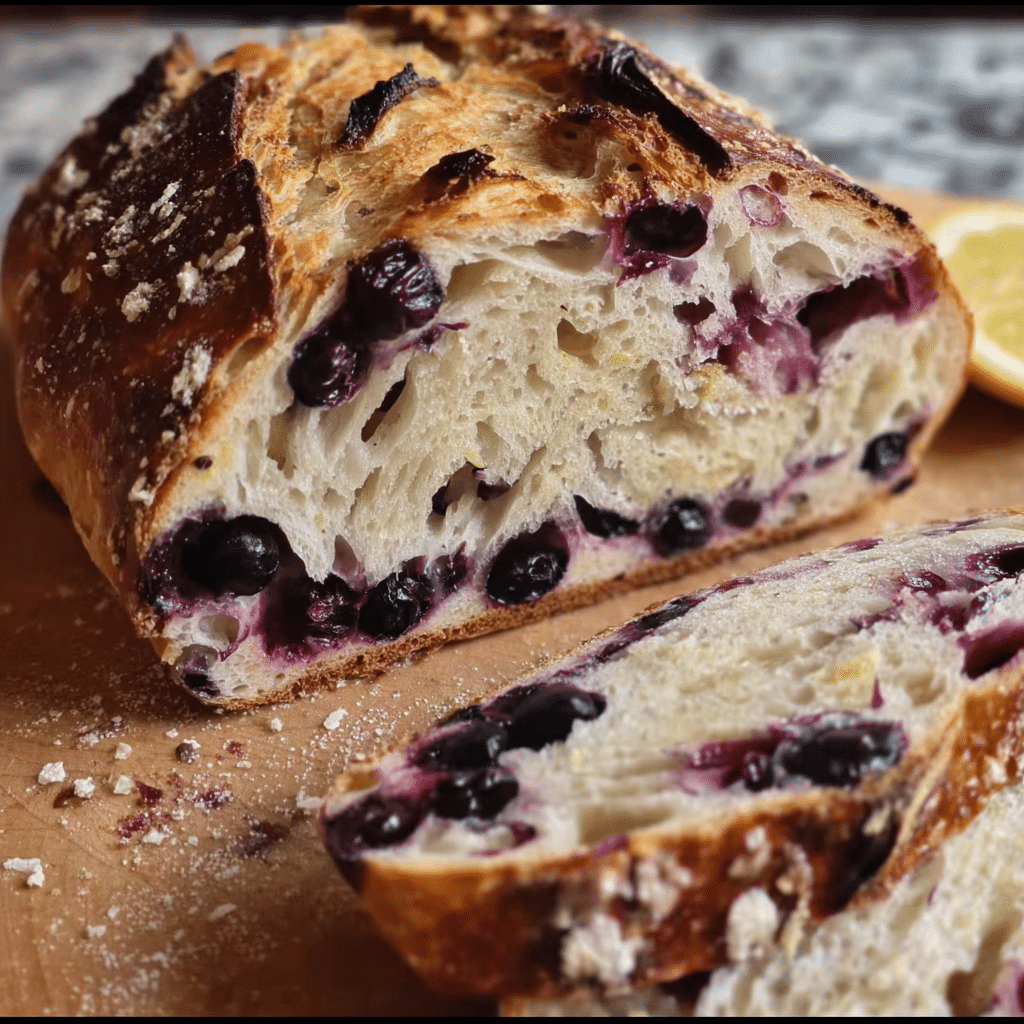
Portioning your sourdough can also be helpful. Instead of freezing an entire loaf, consider dividing it into smaller portions that you can easily grab and use throughout the week. This not only saves you time but also helps in maintaining the quality of each slice.
By following these storage tips, you can ensure that your lemon blueberry sourdough remains fresh and delicious, ready to be enjoyed whenever the craving strikes. Happy baking and storing!
Nutritional Benefits and Health Information
When you indulge in a slice of lemon blueberry sourdough, you’re not just treating your taste buds; you’re also nourishing your body. Understanding the nutritional composition and health benefits of this delightful bread can elevate your appreciation and enjoyment. Let’s explore the nutritional aspects of lemon blueberry sourdough and how it fits into a balanced diet.
Nutritional Profile
The primary ingredients in lemon blueberry sourdough include flour, water, salt, sourdough starter, fresh blueberries, and lemon zest. Each of these components contributes to the overall nutritional profile. A typical slice of lemon blueberry sourdough (around 50 grams) contains approximately:
- Calories: 150
- Carbohydrates: 30 grams
- Protein: 4 grams
- Fat: 1.5 grams
- Fiber: 2 grams
- Sugar: 5 grams
The bread is rich in carbohydrates, primarily coming from the flour, which serves as a quick source of energy. The presence of blueberries adds natural sweetness and fiber, while also providing essential vitamins and antioxidants.
Health Benefits
The health benefits of lemon blueberry sourdough largely stem from its ingredients. Blueberries are often dubbed a superfood due to their high antioxidant content, particularly anthocyanins, which are linked to improved heart health and cognitive function. They also provide vitamin C, vitamin K, and fiber, promoting overall well-being.
Lemon zest not only enhances the flavor of the bread but also brings in a dose of vitamin C, which supports a healthy immune system. Additionally, the natural acidity of sourdough fermentation makes it easier for your body to absorb certain nutrients, such as calcium and magnesium, from the other ingredients.
Moreover, the fermentation process involved in making sourdough can lead to a lower glycemic index compared to regular bread, which means it could potentially help in managing blood sugar levels. This makes lemon blueberry sourdough a better option for those who are mindful of their carbohydrate intake, especially individuals with diabetes.
Dietary Considerations
When considering dietary needs, lemon blueberry sourdough can be a versatile addition to various meal plans. While it does contain gluten due to the flour, individuals with gluten intolerance or celiac disease should avoid it. However, it can be adapted with gluten-free flour options for those looking to enjoy a similar taste without the gluten.
For those following a plant-based diet, lemon blueberry sourdough is naturally vegan-friendly, as it contains no animal products. It can also be made using organic ingredients for a more health-conscious choice. Additionally, you can modify the recipe by using whole grain or spelt flour, increasing its fiber content and nutritional value.
Calorie-conscious individuals might be pleased to know that, despite its delicious flavor, you can enjoy your sourdough without excessive guilt. The balance of carbohydrates, fiber, and a modest amount of fat makes it a satisfying option that can fit into a healthy eating plan. Pairing your lemon blueberry sourdough with protein sources like Greek yogurt or nut butter can further enhance its nutritional benefits and keep you feeling fuller for longer.
In comparison to similar baked goods, such as traditional blueberry muffins or sugary breakfast pastries, lemon blueberry sourdough offers a lighter, healthier alternative. It provides the sweet and tangy goodness you crave without the overload of sugars and fats often found in those treats. By making this simple switch, you can enjoy a delicious breakfast or snack that aligns better with your health goals.
Ultimately, lemon blueberry sourdough is more than just a treat; it’s a nourishing option that can easily be incorporated into your daily meals. Whether you enjoy it toasted with a bit of butter, as part of a French toast, or simply on its own, knowing its nutritional benefits allows you to savor every bite, guilt-free.