Lemon blueberry sourdough is more than just a delightful combination of flavors; it’s a testament to the joy of baking and the comfort of home. My journey with this unique bread began on a sunny afternoon when I stumbled upon a recipe tucked away in an old cookbook. The vibrant colors of fresh blueberries and the zesty fragrance of lemons drew me in, and I couldn’t resist the urge to try it. From that first bite, the tangy sweetness of the blueberries paired with the bright citrus notes of the lemon left me enchanted. It was a flavor explosion that was both refreshing and comforting, and it quickly became a staple in my household.
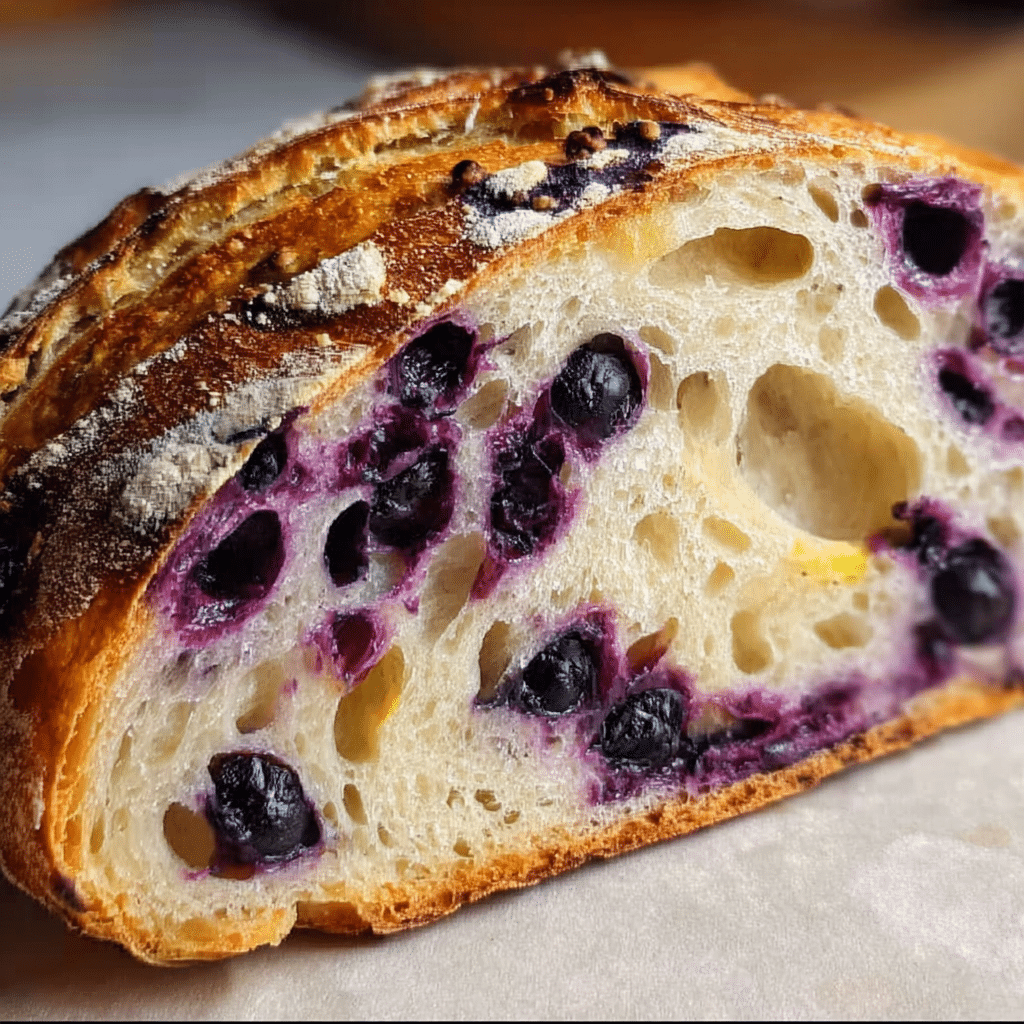
As I delved deeper into the world of sourdough, I discovered that this lemon blueberry sourdough recipe is not just another bread; it carries with it a rich cultural history that spans generations. Sourdough itself has roots that stretch back thousands of years, originating in ancient Egypt, where it was first used as a leavening agent. The art of sourdough has traveled across continents, evolving with each culture it touched. The addition of fruits like blueberries and flavors like lemon is a more modern twist, showcasing how traditional recipes can be adapted to suit contemporary palates while still honoring their origins.
The Story Behind This Recipe
This lemon blueberry sourdough is special because it represents the perfect marriage of tradition and creativity. While many sourdough recipes tend to stick to the basics, adding lemon and blueberries transforms it into a versatile bread that can be enjoyed at any time of day. Whether it’s slathered with butter for breakfast, served alongside a summer salad for lunch, or toasted for a cozy dinner, this bread fits seamlessly into busy family life. As a parent, I appreciate recipes that are not only simple to prepare but also yield impressive results that my family adores.
During the warmer months, when blueberries are in season, this bread becomes a delightful treat that brings the family together. I often find myself baking a loaf on weekends, filling the kitchen with the sweet aroma of baking bread. There’s something undeniably heartwarming about sharing warm slices of lemon blueberry sourdough with loved ones, especially when paired with a cup of tea or a refreshing lemonade. The vibrant colors and refreshing flavors evoke a sense of joy and celebration, making it perfect for family gatherings or simply a quiet evening at home.
Why You’ll Love This Dish
What sets lemon blueberry sourdough apart from other breads is its ability to be both indulgent and wholesome. The sourdough base provides a chewy texture and a tangy flavor that balances perfectly with the sweetness of the blueberries and the brightness of the lemon. Baking this bread also offers the opportunity to engage with the fermentation process, allowing the natural yeasts to work their magic, resulting in a loaf that’s not only delicious but also easily digestible. For busy families looking for quick dinner solutions, this bread can be prepped in advance and baked in just a couple of hours, making it a practical and exciting addition to any weeknight meal.
As you embark on this culinary adventure, you’ll learn about the art of sourdough, the science behind fermentation, and the joy of incorporating seasonal ingredients into your baking. I’ll share tips, tricks, and personal anecdotes that will help you navigate the process and inspire you to create your own variations of this delightful bread. Whether you’re a seasoned baker or a novice looking to try something new, I promise that this lemon blueberry sourdough recipe will bring a sprinkle of sunshine into your kitchen.
The Rich History and Cultural Significance of lemon blueberry sourdough
The rich history and cultural significance of lemon blueberry sourdough are deeply intertwined with the broader narrative of bread-making itself. This unique bread is a contemporary evolution of the classic sourdough that has been cherished across various cultures for centuries. The origins of sourdough can be traced back to ancient Egypt, where it was discovered that wild yeast could be cultivated from the environment to ferment dough, creating a leavened bread that was both nutritious and satisfying.
Origins and History
Throughout history, sourdough has been a staple in many cultures. In Europe, particularly in France and Germany, sourdough breads were the primary form of bread-making before the introduction of commercial yeast in the 19th century. Each region developed its own unique methods and variations, influenced by local ingredients and climate. The addition of fruits such as blueberries and zesty flavors like lemon is a modern twist that has emerged from the artisan baking movement, which encourages bakers to experiment with seasonal ingredients. It’s fascinating to observe how a simple loaf of bread can evolve and adapt while still retaining its cultural significance.
In the United States, the sourdough tradition gained traction during the Gold Rush in the mid-1800s, particularly in California. Gold miners relied on sourdough as a reliable source of sustenance, and it became a symbol of the frontier spirit. Fast forward to today, and we find ourselves in a time where sourdough baking has surged in popularity, especially during the pandemic, when many turned to baking as a comforting pastime. The lemon blueberry sourdough is part of this resurgence, marrying a beloved traditional method with fresh, vibrant flavors that appeal to today’s tastes.
Cultural Significance
Lemon blueberry sourdough not only showcases the evolution of sourdough bread but also reflects the cultural significance of seasonal eating. Blueberries are a quintessential summer fruit, often associated with family gatherings, picnics, and warm-weather celebrations. The combination of lemon and blueberry evokes memories of summer days spent picking berries and enjoying the outdoors. This dish carries with it a sense of nostalgia, making it a perfect addition to any family meal or gathering.
Traditionally, bread has been a symbol of community and togetherness. Sharing a loaf of lemon blueberry sourdough with family and friends fosters connection, creating moments of joy and warmth. It’s often served at brunches, holiday breakfasts, or even as a light dessert, making it a versatile dish that can be enjoyed on various occasions. The act of baking this bread can also serve as a bonding experience, as families come together to mix, knead, and shape the dough, infusing it with love and care.
Nutritional Benefits
Aside from its cultural and emotional significance, lemon blueberry sourdough also brings a wealth of nutritional benefits to the table. Sourdough fermentation enhances the bioavailability of nutrients, making it easier for our bodies to absorb essential vitamins and minerals. The addition of blueberries, which are packed with antioxidants, vitamins C and K, and fiber, elevates this bread to a healthful option that can be enjoyed guilt-free. Lemons contribute their own array of health benefits, including boosting immunity and aiding digestion.
For families looking to incorporate more wholesome options into their diets, lemon blueberry sourdough serves as a delightful way to enjoy the goodness of whole grains and fruits. It’s a bread that not only satisfies cravings but also nourishes the body and soul. As you explore the history, significance, and benefits of this unique bread, you’ll develop a deeper appreciation for the art of baking and the joy it brings to our lives.
Essential Ingredients for Perfect lemon blueberry sourdough
When it comes to baking a delightful loaf of lemon blueberry sourdough, the ingredients you choose are paramount. Each one plays a unique role in creating the perfect texture, flavor, and aroma that will fill your kitchen with warmth and joy. Let’s dive into the essential ingredients that will bring your vision of this unique bread to life.
Essential Ingredients
- 45 grams sourdough starter, ripe, bubbly, and active (about 3 Tablespoons)
- 45 grams all-purpose or bread flour (about 6 Tablespoons)
- 45 grams water (about 3 Tablespoons)
- 120 grams levain, ripe, bubbly, and active (about ½ cup)
- 330 grams water (1 cup plus 6 Tablespoons)
- 55 grams granulated sugar (about 1/4 cup)
- 12 grams lemon zest (about 2 Tablespoons from 2 medium-sized lemons)
- 10 grams salt (about 1.5 teaspoons)
- 500 grams bread flour (about 3.5 cups)
- 150 grams fresh blueberries (about 1 cup)
Lemon Blueberry Sourdough Bread
Ingredients
Levain (1:1:1 ratio, 3-4 hours peak at 78-80ºF)
- 45 grams sourdough starter ripe, bubbly and active , about 3 Tablespoons
- 45 grams all-purpose or bread flour , about 6 Tablespoons
- 45 grams water , about 3 Tablespoons
Blueberry Lemon Sourdough Bread
- 120 grams levain ripe, bubbly and active, about ½ cup, see recipe notes
- 330 grams water, 1 cup plus 6 Tablespoons
- 55 grams granulated sugar, about 1/4 cup
- 12 grams lemon zest, about 2 Tablespoons from 2 medium-sized lemons
- 10 grams salt, about 1.5 teaspoons
- 500 grams bread flour, about 3.5 cups
- 150 grams fresh blueberries, about 1 cup
Instructions
Levain (1:1:1 ratio, 3-4 hours peak at 78-80ºF)
- Mix together ripe/active sourdough starter with all-purpose or bread flour and water. Cover loosely and let sit 3-4 hours at 78-80°F until doubled, bubbly & peaked.
Note: If you have a ripe, bubbly, active sourdough starter that is fed equal parts flour and water – you can substitute 120 grams of it for the levain in this recipe.
Blueberry Lemon Sourdough Bread (78-80ºF dough temperature throughout the bulk fermentation)
-
- Mix Dough: To a large bowl, mix together ripe levain with water, granulated sugar and lemon zest. Whisk together. Then add salt and bread flour. Mix together using a dough whisk or spoon until a wet and sticky dough forms and the ingredients are fully combined. Cover and let rest for 30 minutes.
- Stretch and Folds: After the dough has rested, you will perform a series of “stretch and folds” over the next 1 ½ hours. The goal is to strengthen the dough through a gentle kneading process. You will also add the blueberries into the dough during this process which will evenly disperse them throughout the dough.
To “stretch and fold,” wet your hand (so it doesn’t stick to the dough). Reach around the dough down to the bottom of the bowl, pull the dough up and over and place it on top of the dough. Turn the bowl a quarter turn and repeat the stretch and fold. Turn another quarter turn and repeat. Perform one more quarter turn, stretching and folding the dough. Cover and set aside. Take note of how the dough feels through this process. It will go from feeling a little shaggy to smooth and elastic. Cover the bowl and wait about 30 minutes between stretch and folds.
-
- Stretch and fold #1: 30 minutes into bulk fermentation
Stretch and fold #2: 30 minutes later, the dough will spread out. Add the fresh blueberries. Stretch and fold again, beginning to incorporate the blueberries into the dough.
Stretch and fold #3: 30 minutes later, stretch and fold again. The blueberries will continue dispersing throughout the dough. Be gentle so you don’t squash the berries, releasing their juices. We want the blueberries to stay as whole as possible.
Stretch and fold #4: 30 minutes later, stretch and fold again. You should notice the dough feeling more cohesive and strong during this stretch and fold and not needing very much folding to come together. If your dough still feels loose, add in another couple stretch and folds to help strengthen and tighten the gluten strands.
- Rest: Cover the dough and let rise for 2-2.5 more hours at 78ºF. You’ll know the dough is ready to shape when the dough is puffed up about 40%, jiggles when you shake the bowl, and has scattered bubbles visible on the sides and top.
If your dough is cooler, this will take longer and you will want to look for a larger percentage rise before shaping the dough.
- Pre-shape: Tip the bowl upside down, allowing the dough to fall onto a clean counter surface. Be gentle to avoid degassing the dough as much as possible. Wet your hands and the bench knife if needed and push the bench knife under the dough on one side and your free hand on the other side to tuck the dough under itself. The goal is to introduce some tension into the dough. Repeat this process, going around in a circle until you have a ball of dough. Do your best not to break any of the blueberries open.
- Bench Rest: Let the dough rest uncovered for about 30 minutes at room temperature. The dough will flatten a little as it sits. This allows the gluten in the dough to relax and prepares the dough to be shaped.
- Stretch and fold #1: 30 minutes into bulk fermentation
- Shaping: Prepare a bowl or banneton. Place a kitchen towel or hair net in the bowl and liberally flour as needed. Sprinkle a little flour on top of the dough if desired. Using a bench knife, lift the dough up off the counter and place it on top of the countertop – floured side down. This ensures that the flour is staying mainly on the outside of the dough.
Going around in a circle, pull the dough sideways towards you and then fold up to the top of the round. Move 90 degrees and repeat the same process pulling the dough sideways and then folding up to the top. As you continue this process around the dough, increase the tension as you pull. Gather the bread into a circle and place into a lined bowl. If any of the blueberries pop out of the bread, remove them or stick them on the bottom side of the bread dough.
Note: It is possible to shape the dough without any extra flour. The dough can stick to the kitchen towel but doesn’t stick to the hair nets if cold proofed.
- Cold Fermentation: Cover the dough with the tea towel/shower cap/plastic wrap and refrigerate overnight or up to 14-20 hours. If you want to bake the same day, you can let the dough rise for about 2-3 hours until puffed up and risen. Then bake according to recipe directions.
- Preheat the oven: Put a Dutch oven (top and all) into the oven and preheat to 450°F for 20 minutes. You are working with very high temperatures, so make sure you have some good hot pads. Once preheated for 20 minutes, pull the loaf out of the refrigerator. Remove the covering. Place a piece of parchment paper on top of the dough. Flip the dough over so it is now sitting on the parchment paper. Take off the bowl/banneton and the kitchen towel.
- Scoring: Use a very sharp knife or bread lame to score the dough. Take the bread lame and score on one side of the dough, at a shallow angle about 30º and 1 inch deep. Score straight from the refrigerator on the cold dough for best results. This is not a loaf for intricate scoring – the blueberries will burst during baking which will be the focal point of your loaf.
- Baking: Carefully remove the Dutch oven from the 450°F oven. Take the lid off and place your bread into the Dutch oven (including parchment paper – this helps with the transfer). Put the lid on and put it back in the oven. Lower the temperature to 425°F and bake for 25 minutes. After 25 minutes, take the lid off the Dutch oven and lower the temperature again to 400ºF for the remainder of the bake. The sugar in the dough can lead to a crispier crust, so I like to decrease the temperature for the last 20 minutes of baking. Once the loaf reaches 200-210ºF, remove the bread from the Dutch oven to a cooling rack and let the bread cool completely before slicing. Enjoy!
Each of these ingredients contributes to the final product in ways that are both subtle and profound. Let’s explore the role and importance of each ingredient in your lemon blueberry sourdough bread.
The sourdough starter is the heart of this recipe. It’s a mixture of flour and water that has fermented, allowing wild yeast and bacteria to thrive. When you use a starter that is ripe, bubbly, and active, you ensure that your bread will rise beautifully and develop a rich, complex flavor. Look for a starter that has a pleasant sour aroma and is at its peak of fermentation.
The levain is essentially a more concentrated version of your starter, giving your bread an extra boost of flavor and structure. It’s important to make sure your levain is also bubbly and active, as this will ensure a good rise. The combination of both the starter and levain is crucial for achieving that characteristic sourdough taste that pairs so wonderfully with the bright notes of lemon and blueberries.
Water plays an often-underappreciated role in bread-making. The 330 grams of water in this recipe helps to hydrate the flour, making it easier for gluten to develop during kneading. The temperature of the water can also affect fermentation; using lukewarm water can help to jumpstart the yeast activity.
Next, we have granulated sugar. While it may seem counterintuitive to add sugar to a sourdough bread recipe, it serves several purposes. Not only does it enhance the overall flavor, but it also helps to balance the acidity of the sourdough and provides a bit of extra food for the yeast.
Lemon zest is one of the stars of this show. The zest from two medium-sized lemons adds a bright, citrusy flavor that cuts through the richness of the bread. It’s important to use fresh lemons for zesting, as the oils in the skin will provide a more vibrant flavor than pre-packaged zest. When selecting lemons, look for ones that are firm and fragrant, with a bright yellow color.
Salt is essential for flavor and also plays a crucial role in strengthening gluten structure. Use a good quality sea salt or kosher salt, and be mindful of the quantity, as too much salt can inhibit yeast activity.
The backbone of your lemon blueberry sourdough is the bread flour, which has a higher protein content than all-purpose flour. This higher protein content allows for the development of gluten, creating the chewy texture that sourdough is known for. If you’re looking for a lighter loaf, you can mix in some all-purpose flour, but be cautious not to compromise the overall structure.
Finally, the fresh blueberries add a burst of flavor and color to our bread. They should be ripe and juicy for the best results. Look for blueberries that are plump and have a deep blue color. If they’re in season, they can be quite affordable, but you can also use frozen blueberries if fresh ones aren’t available. Just be sure to thaw and drain them before adding to the dough to prevent excess moisture.
Shopping Tips
When heading out to shop for your ingredients, think about quality over quantity. Local farmers’ markets can be a treasure trove for fresh produce like lemons and blueberries. Not only are they often more flavorful, but you’re also supporting local agriculture.
For flour, consider visiting a specialty store or a local mill. They often carry high-quality, freshly milled bread flour that can elevate your baking experience. If you’re in a pinch, most supermarkets will carry reliable brands, but be sure to check the protein content on the packaging.
Substitutions and Alternatives
If you have dietary restrictions or preferences, there are several substitutions you can make. For a gluten-free option, consider using a gluten-free flour blend specifically designed for bread-making. The texture will differ slightly, but it can still yield delicious results.
For those avoiding sugar, honey or agave syrup can serve as a natural sweetener. Just be mindful of the quantity, as these sweeteners can be sweeter than granulated sugar. Additionally, for a more intense lemon flavor, you could incorporate lemon juice along with the zest.
Storing your ingredients properly is crucial for maintaining freshness. Flour should be kept in an airtight container in a cool, dry place, while berries are best stored in the refrigerator if you’re not using them right away. Lemons can also be stored in the fridge to prolong their shelf life.
In conclusion, the ingredients you choose for your lemon blueberry sourdough bread have a profound impact on the final product. By selecting high-quality, fresh ingredients and understanding their roles, you’re setting yourself up for a successful baking experience that will delight your family and friends.
Detailed Step-by-Step lemon blueberry sourdough Cooking Instructions
Now that we have our ingredients lined up, it’s time to dive into the detailed step-by-step instructions for creating your very own lemon blueberry sourdough bread. This process may seem daunting at first, but with patience and practice, you’ll find that it’s not only manageable but incredibly rewarding. Let’s embark on this baking journey together!
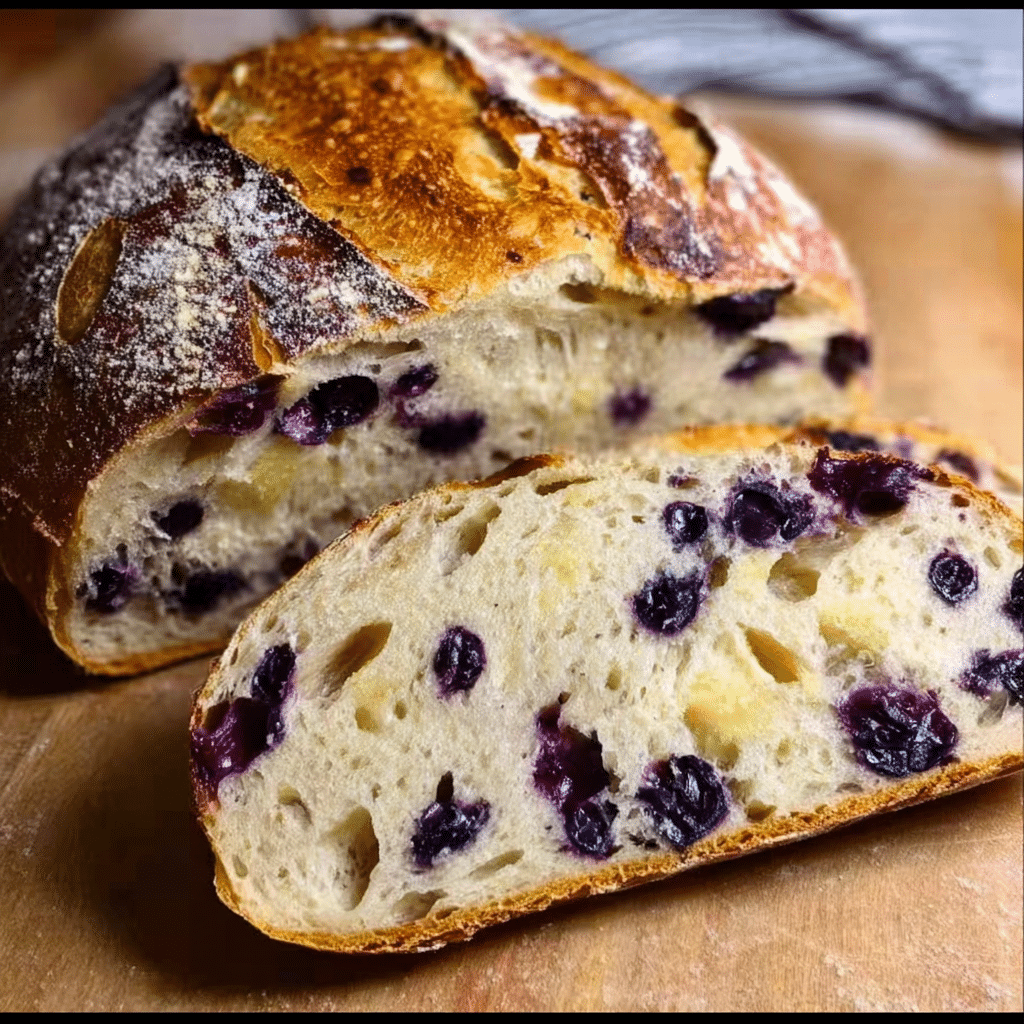
Preparation Steps
- Activate Your Sourdough Starter: Before you start, ensure your sourdough starter is active and bubbly. This typically means feeding it a few hours before you plan to begin mixing your dough. A good indicator is that it doubles in size and has a pleasant, tangy aroma.
- Prepare the Levain: In a large mixing bowl, combine 45 grams of your active sourdough starter, 45 grams of all-purpose or bread flour, and 45 grams of water. Stir until well combined. Cover the bowl with a damp cloth and let it sit for about 4-6 hours, or until it’s bubbly and has risen noticeably.
- Mise en Place: Gather all your ingredients and measure them out. This includes the 330 grams of water, 55 grams of sugar, 12 grams of lemon zest, 10 grams of salt, 500 grams of bread flour, and 150 grams of fresh blueberries. Having everything ready to go will make the process smoother.
- Mixing the Dough: In a large mixing bowl, combine the ripe levain with the 330 grams of water. Use a whisk or your hands to break up the levain and mix it into the water. Then, add the 55 grams of sugar, 12 grams of lemon zest, and 10 grams of salt. Mix this well until combined.
- Add the Flour: Gradually add in the 500 grams of bread flour while mixing with your hands or a spatula. You want to incorporate the flour until no dry bits remain, creating a shaggy dough. This process should take a few minutes.
- Resting the Dough: Cover the bowl with a damp cloth and let the dough rest for about 30 minutes. This rest period, known as autolyse, allows the flour to fully hydrate and the gluten to start developing.
- Incorporating Blueberries: After the autolyse, gently fold in the 150 grams of fresh blueberries. Be careful not to crush them; a gentle hand is key to maintaining their shape.
- Bulk Fermentation: Cover the bowl again and let the dough rise at room temperature for about 4-5 hours. During this time, every 30 minutes for the first two hours, perform a series of stretch and folds to help develop the gluten structure. To do this, wet your hands and grab one side of the dough, stretching it upward and folding it over itself. Rotate the bowl and repeat until you’ve come full circle.
- Pre-shape the Dough: After the bulk fermentation is complete, turn the dough out onto a lightly floured surface. Using your hands, gently shape it into a round loaf. Let it rest for about 20-30 minutes under a damp cloth.
- Final Shape: After resting, shape the dough into its final shape, whether that’s a round or oblong loaf. Place it seam-side up in a well-floured proofing basket or bowl. Cover it with a cloth and let it proof for another 1-2 hours at room temperature, or in the fridge overnight for a slower fermentation.
Cooking Process
- Preheat the Oven: About 30 minutes before you’re ready to bake, preheat your oven to 450°F (230°C). If you have a Dutch oven, place it in the oven to heat up as well. This will create a steamy environment that helps your bread rise beautifully.
- Score the Dough: Once the dough has finished proofing, carefully turn it out onto a piece of parchment paper. Using a sharp knife or a lame, score the top of the loaf. This allows steam to escape and helps control how the bread expands while baking.
- Baking: If using a Dutch oven, carefully remove it from the oven, lift the parchment with the dough, and place it inside. Cover the pot and bake for 30 minutes. Then, remove the lid and bake for an additional 15-20 minutes, or until the crust is a deep golden brown.
- Cooling: Once baked, carefully remove the bread from the Dutch oven and let it cool on a wire rack for at least an hour. This cooling period allows the interior to set and enhances the flavor.
Final Assembly
After your lemon blueberry sourdough has cooled, slice it open to reveal the beautiful crumb and the vibrant pockets of blueberries. The aroma will be intoxicating, with the tartness of the lemon perfectly complementing the sweet blueberries.
Enjoy your sourdough bread fresh with a pat of butter or toasted with a drizzle of honey. You can also use it for sandwiches, or serve it alongside a fresh salad for a delightful meal. And remember, baking is as much about the journey as it is about the destination. So take your time, enjoy the process, and savor the fruits of your labor!
Common mistakes to avoid include not allowing your starter enough time to activate, skipping the autolyse phase, or over-proofing your dough. Each of these can lead to disappointing results. Keep an eye on the texture and aroma of your dough; it will guide you in the right direction. Happy baking!
Professional Tips and Techniques for lemon blueberry sourdough
When it comes to baking, especially something as delightful as lemon blueberry sourdough, having the right techniques up your sleeve can make all the difference. I remember the first time I tried my hand at sourdough; I was both excited and intimidated. What I learned along the way was that with a few professional tips and techniques, you can elevate your baking game and create something truly special. So, let’s dive into the professional tips and techniques for mastering lemon blueberry sourdough.
Professional Techniques
Starting with the foundation of any great sourdough, your starter is paramount. A robust, active starter will elevate your lemon blueberry sourdough beyond what you might think possible. Make sure your starter is bubbly and doubles in size within a few hours after feeding. This ensures that it’s ready to leaven your bread effectively.
When combining your dough, the method of mixing can also significantly impact the final product. Using the stretch and fold technique rather than traditional kneading helps develop gluten without overworking the dough. This is especially important for a sourdough that includes delicate ingredients like blueberries, which can easily get crushed. Remember, the goal is to incorporate air into the dough while maintaining the integrity of the fruit.
Temperature control is another critical aspect. Sourdough loves a warm environment to ferment properly. If you’re in a cooler climate, find a cozy spot in your kitchen or consider using a proofing box. The ideal temperature for bulk fermentation is around 75°F to 80°F. This warmth helps the yeast flourish, resulting in a beautifully risen loaf.
Troubleshooting Guide
Even the best bakers encounter challenges, and knowing how to troubleshoot can save many a loaf. One common issue with lemon blueberry sourdough is dense bread. If your loaf turns out heavy, it could be due to insufficient fermentation time. Always trust your dough; it should be puffy and have increased in size considerably before shaping.
Another problem you might face is a gummy interior. This often happens when the dough is not fully baked. Use a thermometer to check the internal temperature of your bread – it should be around 200°F to 210°F when done. If your crust is browning too quickly, cover your loaf with foil during the last 10-15 minutes of baking to prevent it from burning.
Presentation Tips
Presentation is key when serving your lemon blueberry sourdough. I always believe that we eat with our eyes first! To elevate your loaf, consider slicing it thickly and toasting it slightly before serving. This adds a delightful crunch and enhances the flavor profile. You can serve it with a dollop of whipped cream cheese infused with lemon zest for an extra touch.
For a beautiful table setting, arrange slices on a rustic wooden board alongside fresh blueberries and lemon wedges. This not only looks appealing but also invites your guests to enjoy the flavors in a way that feels fresh and vibrant. Pairing your bread with a light white wine or a refreshing iced tea can also enhance the experience.
For those who want to prepare ahead, the dough can be prepped and shaped the night before and left in the refrigerator overnight. This cold fermentation allows the flavors to develop beautifully and can make the baking process the next day much smoother.
Lastly, if you want to scale your lemon blueberry sourdough recipe, simply adjust the ratio of ingredients according to your starter’s weight. Whether you’re baking for a crowd or a cozy family dinner, this flexibility in scaling allows you to enjoy your favorite recipe anytime.
Creative Variations and Adaptations of lemon blueberry sourdough
Once you’ve mastered the classic lemon blueberry sourdough, the door opens to a world of creative variations and adaptations. Baking is an art, and like all artists, you should feel free to express yourself! From seasonal adaptations to dietary modifications, let’s explore the various ways you can play with this delightful recipe.
Seasonal Variations
One of the most exciting aspects of baking is the ability to incorporate seasonal ingredients. For instance, during the summer months when blueberries are at their peak, you could also consider adding ripe peaches or strawberries for a fruit medley twist. The bright acidity of lemon pairs wonderfully with these fruits, creating a delightful balance of flavors.
As the weather cools down, think about adding spices like cinnamon or nutmeg to your lemon blueberry sourdough. These warm spices evoke the feeling of autumn and can transform the loaf into a cozy treat perfect for chilly mornings. You might even create a cranberry lemon version for the holidays, which adds a festive touch!
Dietary Adaptations
In today’s world, accommodating various dietary needs is essential. If you’re looking to make a gluten-free version of lemon blueberry sourdough, consider using a blend of gluten-free flours, such as almond and oat flour. However, it’s important to note that gluten-free breads often require additional binding agents like xanthan gum or psyllium husk to achieve that desirable chewy texture typical of sourdough.
For those on a vegan diet, you can easily substitute any dairy products. Instead of using butter or milk, opt for coconut oil and almond milk, which work beautifully in sourdough recipes. Additionally, the eggs can be replaced with flaxseed eggs or aquafaba to help bind the ingredients together.
Creative Twists
If you’re feeling adventurous, try experimenting with different cooking methods. While the oven is the classic choice, using a Dutch oven can create a beautifully crusty loaf, reminiscent of artisan bakery breads. Alternatively, if you want to change things up, consider making mini lemon blueberry sourdough loaves in muffin tins for an easy grab-and-go breakfast option. These mini loaves can be a hit at brunch parties!
And let’s not forget about leftovers. If you find yourself with extra slices, turn them into a delightful French toast. Simply soak the slices in a mixture of almond milk, a splash of vanilla, and some cinnamon, then cook them on a hot skillet. You’ll have a decadent breakfast that feels indulgent yet is made from your pretty loaf!
In conclusion, the journey of making lemon blueberry sourdough is not just about following a recipe; it’s an opportunity to explore, adapt, and most importantly, enjoy. So don your apron, gather your ingredients, and let your culinary creativity shine!
Storage, Reheating, and Meal Prep for lemon blueberry sourdough
When it comes to enjoying your delicious lemon blueberry sourdough, proper storage is essential for maintaining its flavor and texture. Whether you’re baking a loaf for yourself or preparing it as a gift for a friend, knowing how to store your sourdough can make a significant difference in its shelf life and quality. Let’s dive into the ins and outs of storing, reheating, and preparing this delightful bread.
Short-term Storage
After you’ve baked your lemon blueberry sourdough, you may be tempted to slice into it immediately. I remember the first time I made this bread; the aroma wafting through the kitchen was irresistible, and I couldn’t wait to enjoy a slice warm from the oven. However, if you want your bread to stay fresh for a few days, it’s crucial to store it properly.
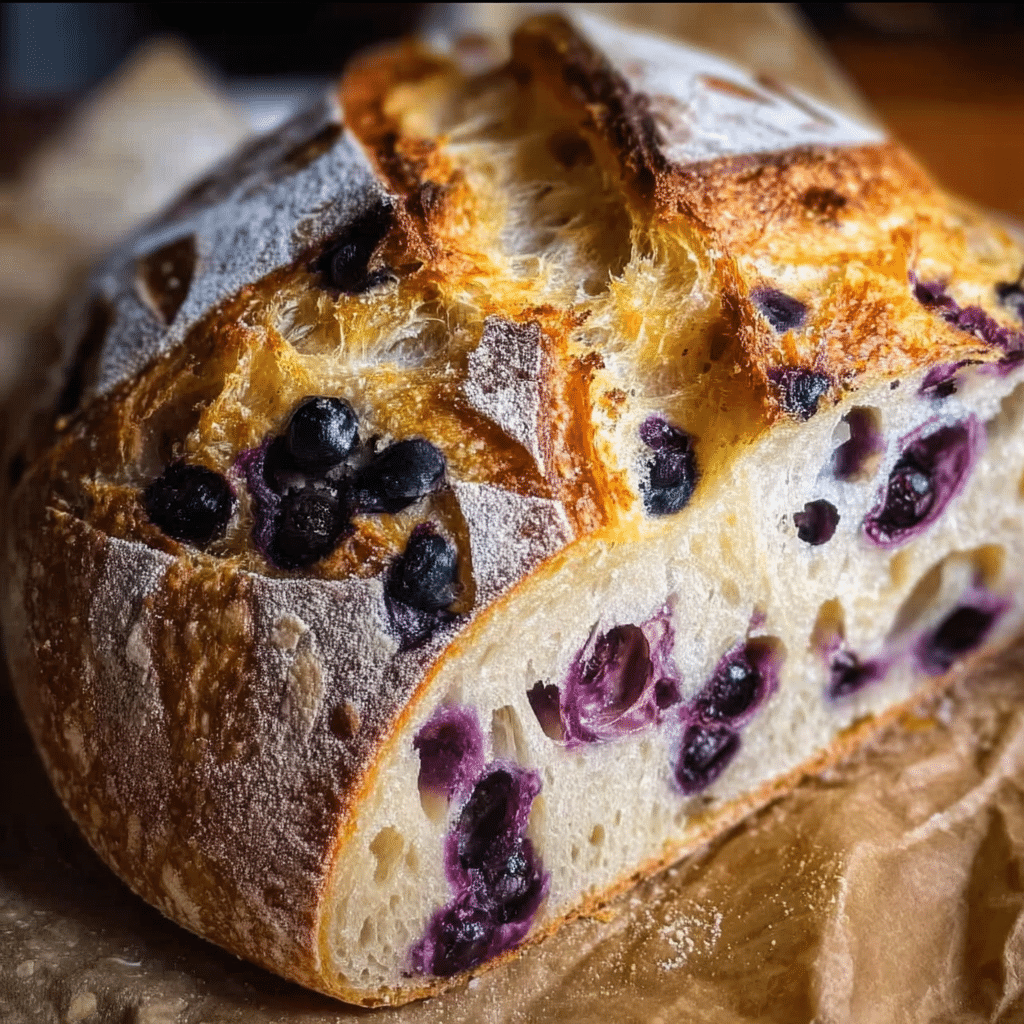
The best way to store your lemon blueberry sourdough for short-term use is to keep it at room temperature. Place the loaf in a paper bag or wrap it in a clean kitchen towel. This helps to absorb excess moisture while still allowing some air circulation, which is key to preventing sogginess. Avoid plastic bags; while they might seem convenient, they trap moisture and can lead to a gummy texture.
If you’ve already sliced into your sourdough, it’s wise to store the remaining pieces in an airtight container. However, to maintain that crusty exterior, consider placing parchment paper in between the slices. This way, you can prevent them from sticking together and keep the crust from becoming chewy.
In terms of shelf life, you can expect your lemon blueberry sourdough to remain fresh for about 2 to 3 days when properly stored at room temperature. After this, you might notice a decline in quality, and who wants to eat stale bread, right?
Freezing and Long-term Storage
If you’ve baked a batch of lemon blueberry sourdough and want to save some for later, freezing is an excellent option. I often make double batches because this bread is so versatile; it’s perfect for breakfast, snacking, or even dessert. To freeze your sourdough, first, let it cool completely. Slicing the loaf before freezing can be convenient, as it allows you to take out just what you need without defrosting the entire loaf.
Wrap each slice or the whole loaf tightly in plastic wrap, followed by a layer of aluminum foil. This extra layer helps protect against freezer burn. Alternatively, you can use a freezer-safe zip-top bag, squeezing out as much air as possible before sealing it. Label your packages with the date, and you can confidently store your lemon blueberry sourdough in the freezer for up to three months.
When you’re ready to enjoy your frozen sourdough, transfer it to the refrigerator overnight to thaw. If you’re short on time, you can also use the microwave on a low setting or toast it directly from the freezer. Just remember to keep an eye on it; no one likes a burnt piece of bread! The texture should remain intact, but be mindful that some of the moisture may be lost during freezing.
Reheating Best Practices
Reheating your lemon blueberry sourdough is a simple process that can bring it back to life. If you plan to enjoy a slice or two, toasting is one of my favorite methods. It adds a delightful crunch to the crust while warming the bread through. You can also use the oven; preheat it to 350°F (175°C), place the bread on a baking sheet, and warm it for about 10-15 minutes. This method works wonders for whole loaves or larger portions.
For a quick fix, the microwave can be a handy tool, especially if you’re in a hurry, but be careful not to overdo it. Microwave each slice for about 10-15 seconds to warm it without making it tough.
Meal prep is another fantastic way to utilize your lemon blueberry sourdough. Consider making mini loaves or rolls for portion control. You can freeze and reheat them as needed, making breakfast or snacks a breeze. Just remember to store them in individual portions for maximum convenience!
When it comes to food safety, always make sure to check for any signs of spoilage, especially if the bread has been stored for longer than a few days. Mold is a clear sign that it’s time to toss the loaf. Additionally, if you’ve thawed sourdough, it’s best to consume it within a week to ensure freshness.
In summary, proper storage, reheating, and meal prep techniques can significantly enhance your experience with lemon blueberry sourdough. By following these guidelines, you can savor every bite of this zesty, fruity bread, whether it’s fresh from the oven or warmed up from the freezer. Happy baking!
Nutritional Benefits and Health Information
When you bake a loaf of lemon blueberry sourdough, you create not just a delicious treat, but one that can offer a variety of nutritional benefits. Understanding the health aspects of this delightful bread can add another layer of appreciation for your homemade creation. Let’s dive into the nutritional profile, health benefits, and dietary considerations of lemon blueberry sourdough.
Nutritional Profile
The base ingredients of lemon blueberry sourdough include flour, water, salt, and a sourdough starter. The addition of fresh blueberries and lemon zest elevates the flavor while contributing additional nutrients. A typical slice of lemon blueberry sourdough (about 1 ounce) contains roughly 80-100 calories, depending on the specific recipe and portion size.
In terms of macronutrients, you can expect around 15-20 grams of carbohydrates, 2-3 grams of protein, and about 1-2 grams of fat per slice. The carbohydrates primarily come from the flour and blueberries. The protein is modest, but it can be complemented by pairing your bread with a protein-rich spread like almond butter or cream cheese.
Additionally, lemon blueberry sourdough contains various vitamins and minerals. Blueberries are packed with antioxidants, particularly vitamin C, vitamin K, and manganese. Lemons contribute vitamin C, which is essential for immune function and skin health. Whole grain flour can offer B vitamins and iron, making this a more nutritious option compared to standard white bread.
Health Benefits
The health benefits of lemon blueberry sourdough extend beyond basic nutrition. First, let’s talk about the role of sourdough fermentation. The fermentation process helps break down gluten, making it easier to digest for many individuals. It also enhances the bioavailability of nutrients, allowing your body to absorb them more effectively.
Blueberries are often dubbed a superfood, and for good reason. They’re low in calories but high in nutrients and antioxidants, which can help combat oxidative stress and inflammation in the body. This can be particularly beneficial for heart health and may even improve brain function.
Lemon zest not only brightens the flavor of the bread but also provides additional antioxidants and vitamin C. Together, they create a bread that’s not just satisfying to eat but also supportive of your overall health. Imagine enjoying a slice for breakfast and knowing you’re fueling your body with beneficial nutrients!
Dietary Considerations
When it comes to dietary considerations, lemon blueberry sourdough can fit into various eating plans, including vegetarian and some gluten-free diets (with appropriate flour substitutions). However, for those with celiac disease or severe gluten intolerance, it’s important to use certified gluten-free flour. This allows everyone to enjoy the tangy and sweet flavors of this unique bread.
If you’re watching your sugar intake, you can adjust the sweetness of your sourdough by controlling the amount of sugar in your recipe. Blueberries naturally add sweetness, so you might find you can reduce added sugars significantly while still enjoying a satisfying loaf.
For those looking to boost the fiber content, consider using whole wheat or spelt flour in your lemon blueberry sourdough. This not only enhances the nutritional profile but also adds a nutty flavor that complements the tartness of the lemon and the sweetness of the blueberries beautifully.
In conclusion, lemon blueberry sourdough isn’t just a delicious baked good; it’s also a nutritious option that can fit various dietary needs. From its wholesome ingredients to its health benefits, this bread represents a perfect blend of taste and nutrition. So, the next time you enjoy a slice, you can feel good about what you’re eating, knowing you’re indulging in something that nourishes both body and soul.