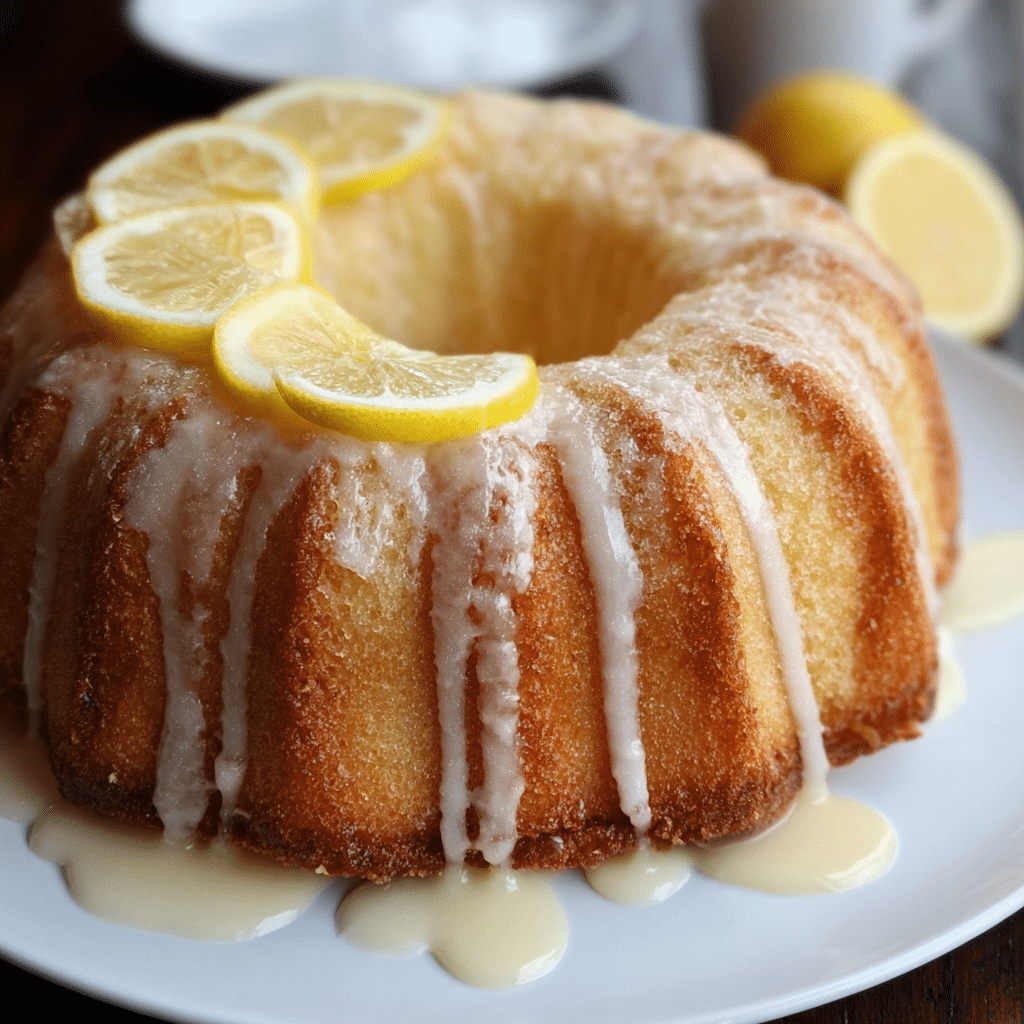
Lemon bundt cake has a special place in my heart, and I can still remember the first time I baked one. It was a sunny Saturday afternoon, and my kitchen was filled with the bright, zesty aroma of freshly squeezed lemons. I had just returned from a local farmer’s market, where I discovered an abundance of juicy citrus fruits. As I stood there, preparing to bake, I felt a wave of nostalgia wash over me. This was the same recipe my grandmother had used for family gatherings, each slice bringing back memories of laughter and love. Little did I know that this humble lemon bundt cake would become a staple in my own kitchen, a treat that brings joy not just to my family but to everyone who gets a taste of it.
The Story Behind This Recipe
This lemon bundt cake recipe was passed down through generations, evolving along the way but always retaining its core essence. My grandmother would often say that baking was her love language, and she expressed it most fervently through this cake. I remember how she would involve me in the process, letting me sift the flour and zest the lemons. Those moments were more than just baking; they were lessons in love, patience, and the importance of sharing food with others. Each time I bake this cake, I am reminded of those precious afternoons spent in her kitchen, the laughter, and the stories shared over a warm slice of cake.
What makes this lemon bundt cake truly special is its simplicity and versatility. Unlike complicated layered cakes, a bundt cake is straightforward and forgiving, making it perfect for busy families seeking quick dinner solutions or a last-minute dessert. It’s a one-bowl wonder, where you can mix everything together and pour it into a beautiful bundt pan. The shape itself is visually appealing, and with a drizzle of homemade lemon glaze, it becomes a stunning centerpiece for any occasion.
Season-wise, lemon bundt cake shines in spring and summer when lemons are at their peak. However, its bright, citrusy flavor makes it a delightful treat year-round. Imagine serving this cake at a summer picnic or during festive holiday gatherings; it never fails to impress. The bright yellow hue and the refreshing taste evoke feelings of sunshine and warmth, making every bite a celebration of life.
For me, the emotional connection to this lemon bundt cake goes beyond just the taste; it represents family traditions and cherished memories. It’s a reminder that food is not just sustenance—it’s a way to connect with those we love. Whether it’s a birthday, a holiday, or just a quiet evening at home, this cake can turn any moment into a special occasion. In this article, I promise to guide you through the ins and outs of making the perfect lemon bundt cake, sharing tips, tricks, and a deeper understanding of this beloved dessert.
Why You’ll Love This Dish
You’ll love lemon bundt cake not just for its delicious flavor but also for the ease of preparation. With just a handful of ingredients and straightforward steps, even novice bakers can achieve success. Furthermore, the cake is incredibly adaptable—feel free to experiment by adding poppy seeds, blueberries, or even a hint of lavender for a unique twist. This adaptability makes it a favorite among families, allowing everyone to put their personal touch on a classic recipe.
In conclusion, whether you’re a seasoned baker or just starting, lemon bundt cake is a recipe worth having in your repertoire. It’s more than just a dessert; it’s a narrative of family, culture, and joy. Join me as we dive deeper into the rich history and cultural significance of this delightful cake, ensuring that every bite is not just a taste but an experience.
The Rich History and Cultural Significance of lemon bundt cake
The rich history and cultural significance of lemon bundt cake can be traced back to the traditional bundt cakes that originated in Europe, specifically in Germany, where they were known as Gugelhupf. These cakes were typically baked in a distinctive circular pan, creating a beautiful, elegant shape that made them perfect for special occasions. As German immigrants made their way to America, they brought along their beloved bundt cake recipes, which began to gain popularity in the United States, particularly in the mid-20th century.
Origins and History
The term “bundt” itself is derived from the German word “bund,” which means “a gathering of people” or “a group.” This is fitting, considering that bundt cakes are often associated with gatherings and celebrations. The true turning point for bundt cakes came in 1950 when a woman named Ella Helfrich won a baking competition with her recipe for a chocolate bundt cake. Her cake gained immense popularity, and soon after, the Nordic Ware company began producing the iconic bundt pan, making it widely accessible for home bakers.
As bundt cakes became a staple in American homes, variations flourished, and the lemon bundt cake emerged as a beloved version. The bright and tangy flavor of lemons adds a refreshing twist to the traditional cake, making it perfect for spring and summer gatherings. Over the years, the recipe has undergone numerous adaptations, with bakers experimenting with different ingredients, such as buttermilk for added moisture or cream cheese for a richer texture. This evolution has allowed the lemon bundt cake to remain relevant and beloved across generations.
Cultural Significance
Lemon bundt cake holds a special place in American culture, often being served at various celebrations, from birthdays to holidays and everything in between. Its inviting flavor and beautiful presentation make it an ideal choice for gatherings with family and friends. In many households, it has become a tradition to bake lemon bundt cake during spring, symbolizing renewal and the vibrant colors of nature coming back to life after the cold winter months.
Moreover, the cake has been featured in numerous cookbooks and television shows, further cementing its status as a classic. Renowned chefs and bakers have put their spin on the lemon bundt cake, showcasing the versatility and adaptability of this delightful dessert. For instance, some chefs have introduced creative glazes or toppings, such as candied lemon slices or fresh berries, elevating the cake while retaining its core essence. This influence has only served to increase its popularity, making it a must-have recipe in every home baker’s collection.
Nutritional Benefits
While lemon bundt cake is certainly a treat, it can also offer some nutritional benefits, particularly when made with wholesome ingredients. Lemons are known for their high vitamin C content, which plays an essential role in boosting the immune system and promoting healthy skin. Additionally, using whole grain flour instead of all-purpose flour can add fiber to the cake, making it a more nutritious option.
Another option is to reduce the sugar content or substitute it with natural sweeteners like honey or maple syrup. By making these small adjustments, you can create a lemon bundt cake that is not only delightful but also a little healthier. The key is moderation; enjoy your cake as part of a balanced diet, and savor the flavors and memories it brings.
In summary, the lemon bundt cake is not just a delicious dessert but a cultural symbol that has evolved over time. Its origins, rich history, and the emotional connections it fosters make it a cherished recipe in many households. By understanding its background, you’ll appreciate each slice even more as you carry on the tradition of baking and sharing this delightful cake.
Essential Ingredients for Perfect lemon bundt cake
When it comes to baking a delectable lemon bundt cake, the quality and selection of your ingredients can make all the difference. Each ingredient plays a vital role, not only in the flavor but also in the texture and overall success of the cake. Let’s dive into the essential ingredients for the perfect lemon bundt cake.
Essential Ingredients
- 1 cup butter, softened to room temperature: Butter is the foundation of your cake, providing richness and moisture. Make sure it’s softened, as this will help with the creaming process, creating a fluffy texture.
- 2 cups granulated sugar: Sugar not only sweetens your cake but also contributes to its structure. It helps to create air pockets when creamed with butter, which leads to a light and airy bundt cake.
- 2 Tbsp lemon zest: This ingredient is crucial for infusing the cake with vibrant lemon flavor. Zest from fresh lemons offers a more intense flavor than bottled extracts.
- 4 large eggs: Eggs add moisture and richness, acting as a binding agent to hold the cake together. They also contribute to the cake’s rise.
- 3/4 tsp salt: A pinch of salt enhances the sweetness and balances the flavors. It’s a key ingredient that shouldn’t be overlooked.
- 2 tsp baking powder: This leavening agent will help your cake rise and achieve that perfect fluffy texture. Make sure it’s fresh for the best results.
- 2 3/4 cups all-purpose flour: Flour provides the structure of the cake. All-purpose flour is versatile and works well in this recipe, but you can also experiment with cake flour for a finer crumb.
- 3 Tbsp cornstarch: Cornstarch adds tenderness to the cake, making it less dense. It helps to create a soft texture that melts in your mouth.
- 1/2 cup milk (whole or 2%): Milk adds moisture to the batter, contributing to the overall richness of the cake. Whole milk will yield a richer flavor, but 2% works just as well.
- 1/4 cup fresh lemon juice: Freshly squeezed lemon juice not only adds acidity but also enhances the lemon flavor throughout the cake.
- 1/4 cup sour cream (Greek yogurt may be substituted): Sour cream or Greek yogurt adds moisture and a slight tanginess, which complements the sweetness of the cake perfectly.
- 1 tsp vanilla extract: Vanilla enhances the overall flavor profile, making your lemon bundt cake taste more complex and delicious.
- 1 1/2 cups powdered sugar: This is used for the glaze, adding sweetness and a lovely finish to the cake.
- 2-3 Tbsp lemon juice: This is mixed into the glaze for a bright and zesty flavor, making the cake even more irresistible.
- 1 tsp lemon zest: Just like in the cake batter, lemon zest in the glaze provides an extra burst of flavor and aroma.
Lemon Bundt Cake
Ingredients
Lemon Bundt Cake
- 1 cup butter, softened to room temperature
- 2 cups granulated sugar
- 2 Tbsp lemon zest
- 4 eggs, large
- 3/4 tsp salt
- 2 tsp baking powder
- 2 3/4 cup all purpose flour
- 3 Tbsp cornstarch
- 1/2 cup milk (whole or 2%)
- 1/4 cup fresh lemon juice
- 1/4 cup sour cream (greek yogurt may be substituted)
- 1 tsp vanilla extract
Lemon Icing
- 1 1/2 cups powdered sugar
- 2–3 Tbsp lemon juice
- 1 tsp lemon zest
Instructions
Lemon Bundt Cake
- Preheat oven to 350 degrees.
- With a standing mixer or a handheld mixer, cream the butter until light and fluffy, about 1-2 minutes.
- Add granulated sugar and lemon zest to the butter and mix until it is well combined.
- Add in the eggs, one at a time, beating well after each addition.
- In a separate bowl, whisk salt, baking powder, all purpose flour and cornstarch together. Set aside.
- Mix lemon juice, milk and vanilla extract together.
- Alternately, add the flour mixture and milk mixture to the butter mixture, beginning and ending with the flour. Mix until everything is just combined.
- Add in sour cream and mix until just combined.
- Grease your bundt cake pan well and pour the batter evenly into the pan.
- Bake for 45-55 minutes, or until a cake tester comes out clean (if there are a few moist crumbs stuck to it, that’s fine). (My oven took exactly 49 minutes.)
- Allow to cool for about 10-15 minutes, then remove the cake from the bundt pan and allow it to finish cooling on a wire rack or plate.
Lemon Icing
- Whisk powdered sugar, lemon juice and lemon zest together. Once combined, drizzle over the cooled cake.
- Allow the icing to set, about 5 minutes, before serving.
- Enjoy!
Shopping Tips
When shopping for ingredients for your lemon bundt cake, consider quality indicators. For butter, choose a high-fat content variety for better flavor and texture. Look for fresh lemons, as their zest and juice are key to the cake’s flavor. Avoid lemons that are too soft or have blemishes. For eggs, free-range or organic options are often fresher and provide superior flavor.
Granulated sugar, baking powder, and cornstarch are pantry staples, but check expiration dates to ensure freshness. Flour should be stored in a cool, dry place, and make sure to check for any signs of moisture or bugs before purchasing. If you can, buy organic ingredients, especially for the dairy and eggs, as they tend to have better flavor profiles and are produced with higher welfare standards.
Substitutions and Alternatives
Substituting ingredients can help accommodate dietary restrictions or personal preferences. For those who are lactose intolerant, you can substitute milk with almond milk or a dairy-free alternative, and Greek yogurt can be swapped with a dairy-free yogurt. If you’re looking to reduce sugar, consider using a sugar substitute designed for baking, but be mindful of how it may affect the cake’s texture.
If you choose to make this cake gluten-free, you can use a gluten-free all-purpose flour blend, ensuring it contains xanthan gum for proper structure. Remember that these substitutions can alter the taste and texture, so some experimentation may be necessary.
Proper storage of your ingredients is also crucial for keeping them fresh. Store butter in the refrigerator and ensure it’s tightly wrapped. Flour should be kept in an airtight container, and eggs can be stored in their original carton in the fridge. For the best results, try to use fresh ingredients whenever possible, as they can significantly impact the outcome of your lemon bundt cake.
Ultimately, selecting the right ingredients is the first step towards creating a delicious lemon bundt cake that will impress your family and friends. The key is to balance quality with practicality, ensuring that your cake turns out as delightful as possible.
Detailed Step-by-Step lemon bundt cake Cooking Instructions
Now that you have gathered all the essential ingredients for your lemon bundt cake, it’s time to roll up your sleeves and get baking! This section will guide you through the detailed step-by-step process, ensuring that your cake turns out perfectly every time.
Preparation Steps
- Gather your ingredients: Start by placing all your ingredients on the counter. This practice, known as mise en place, helps streamline the cooking process and ensures you don’t miss anything.
- Preheat your oven: Preheat your oven to 350°F (175°C). This is an essential step, as starting with a hot oven will help your cake rise properly.
- Prepare your bundt pan: Grease the bundt pan generously with butter or non-stick cooking spray, ensuring all intricate designs are covered. To prevent sticking, you can dust it with flour or use a combination of flour and cocoa powder for chocolate cakes.
- Measure your ingredients: Accurately measure out all your dry and wet ingredients. Use a kitchen scale for precision, especially when measuring flour.
- Room temperature ingredients: Ensure your eggs, butter, and milk are at room temperature. This helps them combine more easily, resulting in a smoother batter.
Cooking Process
- Cream the butter and sugar: In a large mixing bowl, beat the softened butter and granulated sugar together using an electric mixer on medium speed until the mixture is light and fluffy, about 3-5 minutes. This crucial step introduces air into the batter, leading to a lighter cake.
- Add eggs one at a time: Add the eggs to the mixture, one at a time, ensuring each egg is fully incorporated before adding the next. Scrape down the sides of the bowl as needed to ensure even mixing.
- Incorporate lemon zest and vanilla: Mix in the lemon zest and vanilla extract until well combined. The aroma will start to fill your kitchen, making it hard to resist the anticipation of that lemon bundt cake!
- Combine dry ingredients: In a separate bowl, whisk together the flour, cornstarch, baking powder, and salt. This ensures that the baking powder and salt are evenly distributed throughout the flour.
- Alternate adding dry and wet ingredients: Gradually add the dry mixture to the wet mixture, alternating with the milk and sour cream. Start and end with the flour mixture (dry-wet-dry). Mix on low speed just until combined; overmixing can make your cake dense.
- Add lemon juice: Finally, fold in the fresh lemon juice gently. This will add that signature tartness to your lemon bundt cake.
Final Assembly
- Pour the batter into the bundt pan: Carefully pour the batter into the prepared bundt pan, smoothing the top with a spatula. Give the pan a gentle tap on the counter to release any air bubbles.
- Bake the cake: Place the bundt pan in the preheated oven and bake for about 30 minutes, or until a toothpick inserted into the center comes out clean. The cake should be golden brown and just pulling away from the sides of the pan.
- Cool the cake: Once baked, remove the cake from the oven and let it cool in the pan for about 10-15 minutes. Then, carefully invert it onto a wire rack to cool completely. This step is crucial to prevent sogginess.
- Prepare the glaze: While the cake cools, prepare the glaze by whisking together the powdered sugar, lemon juice, and zest in a bowl until smooth. Adjust the consistency by adding more lemon juice or sugar as needed.
- Glaze the cake: Once the cake is completely cooled, drizzle the glaze over the top, allowing it to cascade down the sides. This final touch not only adds sweetness but also enhances the cake’s visual appeal.
- Serve and enjoy: Slice the lemon bundt cake and serve it with tea or coffee for a delightful treat. Enjoy the fruits of your labor and share with family and friends!
Throughout this process, remember that patience is key. Baking is as much about the journey as it is about the destination, and each step is an opportunity to learn and savor the wonderful aromas wafting through your kitchen. Keep an eye out for visual and sensory indicators, such as the color of the cake or the aroma filling your home; these cues will guide you to a successful bake. And don’t forget the joy of sharing your lemon bundt cake—it’s perfect for celebrations, casual gatherings, or simply enjoying a slice at home with loved ones. Happy baking!
Professional Tips and Techniques for lemon bundt cake
When it comes to baking a lemon bundt cake, the right techniques can make all the difference between a good cake and an extraordinary one. There’s something inherently satisfying about pulling a perfectly baked lemon bundt cake from the oven, its golden crust glistening with a sugary glaze and that unmistakably fresh lemon scent wafting through the kitchen. To achieve this, let’s explore some professional tips and techniques that will elevate your baking game.
Professional Techniques
First and foremost, let’s talk about the importance of ingredient quality. Using fresh, organic lemons can significantly enhance the flavor of your lemon bundt cake. The zest of the lemon is where much of the essential oils reside, giving your cake that bright, citrusy flavor profile that you want. Make sure to zest the lemons before juicing them, as it’s easier to get a good amount of zest this way.
Next, consider the mixing method. Creaming the butter and sugar together until light and fluffy is crucial. This process incorporates air into the batter, which helps to create a light and airy texture. Remember to scrape down the sides of your mixing bowl occasionally to ensure that all ingredients are evenly combined. Also, when adding your eggs, do so one at a time, mixing well after each addition. This technique helps to emulsify the mixture, resulting in a smoother batter.
Additionally, be mindful of the flour. It’s best to use a kitchen scale to measure your flour accurately. Too much flour can lead to a dense cake, while too little can make it unstable. When you measure flour, spoon it into your measuring cup and level it off rather than scooping directly from the bag, which can compact the flour and lead to inaccuracies.
Troubleshooting Guide
Even the most experienced bakers encounter issues from time to time, so it’s important to know how to troubleshoot common problems related to lemon bundt cake. For instance, if your cake is too dry, it could be due to overbaking. Always check for doneness by inserting a toothpick into the center; it should come out with a few moist crumbs clinging to it. If you notice that your cake has domed too much, you might want to consider lowering the oven temperature slightly on your next attempt.
Another common issue is a cake that sticks to the bundt pan. To prevent this, be generous with your greasing. Use a combination of butter and flour or, for an even easier release, try using baking spray specifically designed for bundt pans. Make sure to coat all the crevices of the pan thoroughly.
Presentation Tips
Once you have mastered the art of baking a lemon bundt cake, the next step is to present it beautifully. A simple glaze made from powdered sugar and lemon juice can enhance the cake’s appearance and flavor. Drizzle the glaze over the top, allowing it to cascade down the sides for a dramatic effect. You can also garnish the cake with thin slices of lemon, fresh berries, or a dusting of powdered sugar for an elegant finish.
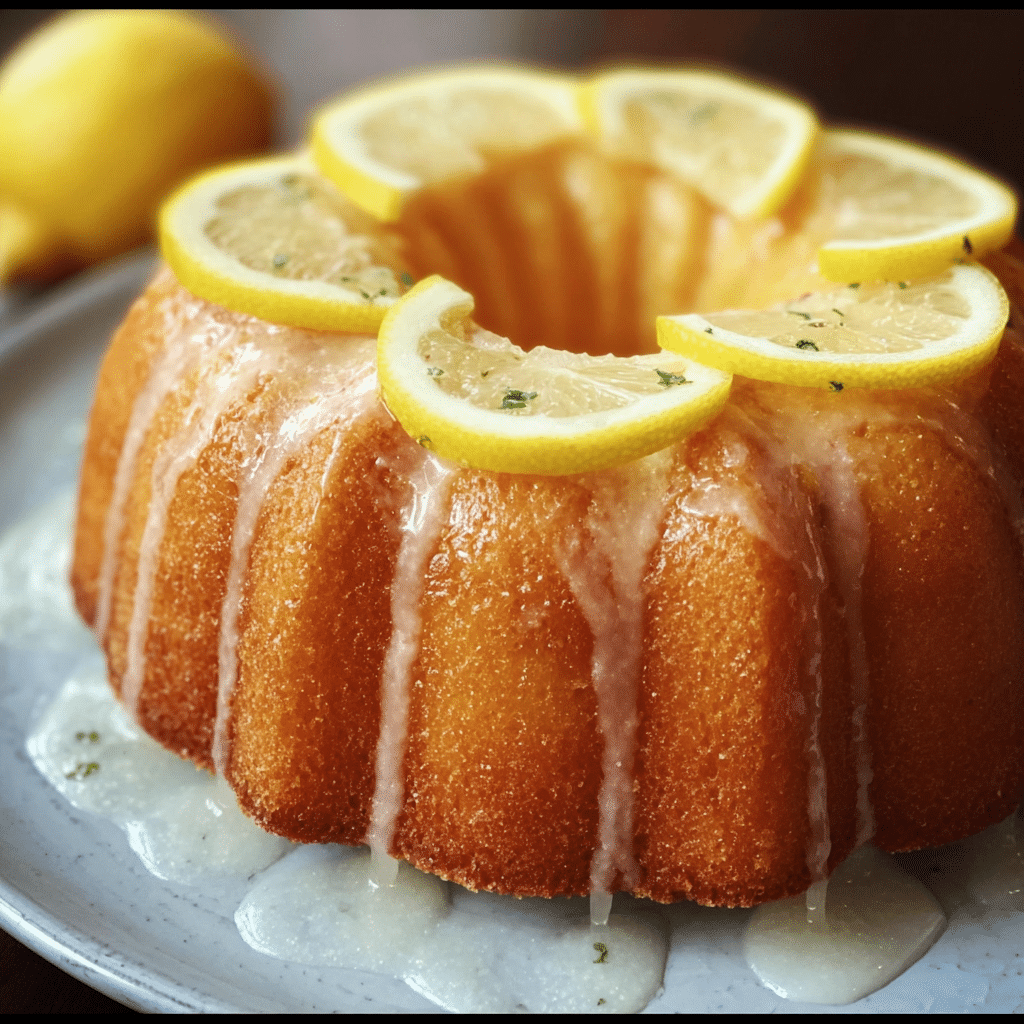
If you want to take your presentation a step further, consider serving your lemon bundt cake on a beautiful cake stand or platter. A simple white plate can make the vibrant yellow of the cake pop, or you might opt for a rustic wooden board for a more homey feel. The way you present your cake can elevate the entire experience, making it not just dessert but a centerpiece.
Pairing your lemon bundt cake with beverages can also enhance the experience. A refreshing glass of iced tea or lemonade complements the citrus flavors beautifully. For those who prefer something a bit stronger, a light white wine or prosecco can create a lovely contrast with the cake’s sweetness. For coffee lovers, a nice cup of brewed coffee will elevate the lemon bundt cake to a whole new level.
Lastly, if you’re looking to make your lemon bundt cake ahead of time, it freezes beautifully. Wrap it tightly in plastic wrap and then foil to prevent freezer burn. When you’re ready to enjoy it, let it thaw at room temperature, and then glaze it just before serving. This makes it a fantastic option for parties or gatherings, allowing you to enjoy more time with your guests and less time in the kitchen.
Creative Variations and Adaptations of lemon bundt cake
As delightful as a classic lemon bundt cake is, there’s a whole world of creative variations and adaptations that can take your baking adventures to the next level. Whether you’re looking to incorporate seasonal flavors, cater to dietary restrictions, or simply experiment with new textures and tastes, the possibilities are endless.
Seasonal Variations
One of the best things about lemon bundt cake is its versatility with seasonal ingredients. In the spring, think about incorporating fresh berries into your batter. Blueberries and raspberries work beautifully with lemon, adding both flavor and a pop of color. You can fold in a cup of fresh berries just before pouring the batter into the pan, and even consider topping the cake with a berry compote for serving.
In the summer months, consider infusing your cake with herbs like basil or mint. A hint of basil can add an unexpected twist that pairs wonderfully with the tartness of lemon. Simply chop the herbs finely and mix them into the batter. For an even stronger flavor, you could steep them in the melted butter before adding it to your mixture.
As the leaves begin to change in the fall, think about adding spices like cinnamon or nutmeg to your lemon bundt cake. These spices can bring a cozy warmth to the cake that’s perfect for autumn gatherings. A dash of cardamom can also add an exotic flair that delights the palate.
Dietary Adaptations
In today’s dietary landscape, making your lemon bundt cake accessible to everyone is essential. If you’re looking to create a keto-friendly version, you can substitute traditional flour with almond flour or coconut flour and replace sugar with a keto-friendly sweetener like erythritol or stevia. The texture will differ slightly, but the bright lemon flavor will still shine through.
For those who follow a vegan diet, you can replace eggs with flaxseed meal or applesauce. A simple ratio to remember is one tablespoon of ground flaxseed mixed with three tablespoons of water for each egg. This not only binds the ingredients but also adds some nutritional benefits. Additionally, use plant-based butter or oil in place of traditional butter to keep the cake moist and flavorful.
Gluten-free versions of lemon bundt cake can also be achieved by using a gluten-free all-purpose flour blend. Just be sure to check that the blend contains xanthan gum for the best results. This will help mimic the structure that gluten provides in traditional baking.
Creative Twists
Why not try a lemon bundt cake with a twist? Adding a layer of lemon curd in the center can create a delicious surprise when you slice into the cake. You can make your own lemon curd or purchase it from a store. Just pour half of your batter into the bundt pan, add a layer of lemon curd, and then top with the remaining batter before baking.
Another intriguing twist is to incorporate nuts or chocolate. Chopped walnuts or pecans can add a delightful crunch, while white chocolate chips can bring an indulgent sweetness that balances the tartness of the lemon. You can mix them into the batter or sprinkle them on top for a decorative touch.
If you’re feeling adventurous, consider experimenting with different cooking methods. While the traditional oven-baked lemon bundt cake is a classic, you can also try making it in a slow cooker for a moist, dense cake that’s perfect for those who might be short on oven space. Just remember to adjust the cooking time, as slow cookers can vary widely.
Finally, don’t let any leftovers go to waste! Transform stale lemon bundt cake into a delicious trifle. Layer pieces of the cake with whipped cream and fresh fruit in a glass dish for a stunning dessert that makes use of what you have on hand. It’s a great way to impress guests with minimal effort.
Ultimately, the world of lemon bundt cake is vast and filled with opportunities for creativity and adaptation. Whatever path you choose, rest assured that the bright, zesty flavor of lemon will always shine through, making each bite a delightful experience.
Storage, Reheating, and Meal Prep for lemon bundt cake
When it comes to baking a delightful lemon bundt cake, one of the most exciting aspects is enjoying it over the days to come. But how do you ensure that this zesty treat stays as fresh and delicious as the day you baked it? In this guide, we’ll explore everything you need to know about storing your lemon bundt cake, including short-term and long-term storage techniques, reheating methods, meal prep strategies, and food safety considerations.
Short-term Storage
After you’ve baked your lemon bundt cake, the first step in ensuring its longevity is proper short-term storage. If you plan to consume the cake within a few days, simply covering it should suffice. I recommend placing your lemon bundt cake on a cake stand or a plate and then covering it with a cake dome or a large bowl. This allows the cake to breathe while protecting it from dust and other contaminants.
For an even more airtight solution, you can wrap the cake in plastic wrap or aluminum foil—just ensure that the wrap doesn’t touch the icing, as it might stick and ruin the presentation. If you decide to store it in the refrigerator, make sure to place it in an airtight container to prevent it from absorbing any unwanted odors from the fridge.
In my experience, a freshly baked lemon bundt cake can stay well in the refrigerator for about 4 to 5 days. Just remember, the icing can sometimes lose its luster in the fridge due to moisture, so it’s best to add that just before serving, especially if you’re prepping for a special occasion.
Freezing and Long-term Storage
If you find yourself with leftover lemon bundt cake or want to prepare it in advance, freezing is a fantastic option that can extend its shelf life significantly. To freeze your cake, first, let it cool completely. Wrapping the cake properly is paramount; I recommend slicing it into portions before freezing. This makes it easier to thaw only what you need later on.
Use plastic wrap to wrap each slice tightly, then place them in a freezer-safe zip-top bag or airtight container. When properly stored, a lemon bundt cake can last in the freezer for up to 3 months without losing much quality. Just be sure to label the bag with the date and type of cake. I often find that my lemon bundt cake tastes even better after it’s been frozen and thawed, as the flavors have had time to meld.
When you’re ready to enjoy your frozen lemon bundt cake, simply remove it from the freezer and let it thaw in the refrigerator overnight. If you’re short on time, you can leave it on the counter for a couple of hours, but make sure you don’t rush the thawing process too much, as this might affect the texture.
Reheating Best Practices
Now, let’s talk about reheating. While lemon bundt cake is often enjoyed at room temperature, there are times when a warm slice can elevate the experience. If you prefer your cake warm, preheat your oven to 350°F (175°C) and place the cake on a baking sheet. Cover it loosely with aluminum foil to prevent it from drying out, and heat for about 10-15 minutes. Keep an eye on it to ensure it doesn’t overheat, as you want to maintain that delicious, moist texture.
Another method is to use the microwave. Place a slice of the lemon bundt cake on a microwave-safe plate and cover it with a damp paper towel. Heat it for about 15-20 seconds, checking to see if it’s warmed through. Be cautious not to overdo it, as microwaved cake can turn rubbery if heated for too long.
When it comes to meal prep and batch cooking, lemon bundt cake can be a fantastic addition to your baking lineup. Consider dedicating a day to bake multiple cakes at once, then store them in the fridge or freezer for later use. This can be especially useful during busy holiday seasons or for unexpected gatherings with friends and family. You can even customize each cake with different glazes or toppings, so everyone gets a unique treat.
Food safety is always a priority in the kitchen, especially when it comes to baked goods. Make sure to check for any signs of spoilage before consuming leftover cake. If you notice any mold or off smells, it’s best to err on the side of caution and discard the cake. Properly stored lemon bundt cake should not only be safe to eat but also maintain its delightful flavor and moist texture for days or even weeks, depending on your storage method.
In conclusion, whether you’re enjoying a slice of lemon bundt cake fresh out of the oven or savoring a piece from the freezer, proper storage, and reheating techniques can significantly enhance your experience. With a little care, your lemon bundt cake can be a delicious treat that lasts well beyond the baking day!
Nutritional Benefits and Health Information
As much as we all love indulging in a delicious lemon bundt cake, it’s essential to consider its nutritional value. This delightful dessert not only satisfies your sweet tooth but can also offer some surprising health benefits, thanks to its key ingredients. Let’s dive into the nutritional aspects of lemon bundt cake, exploring its components, health benefits, and dietary considerations.
Nutritional Profile
At its core, a lemon bundt cake is primarily made from flour, sugar, eggs, butter, and, of course, fresh lemons. The exact nutritional breakdown can vary depending on the specific recipe and portion size, but let’s look at a general idea of what you might find in a standard slice of lemon bundt cake (approximately 1/12th of a cake).
On average, a slice of lemon bundt cake contains about 300-400 calories, with a macronutrient distribution that typically looks like this:
- Carbohydrates: 40-50 grams
- Protein: 4-6 grams
- Fat: 12-20 grams
In terms of vitamins and minerals, lemon bundt cake can provide small amounts of Vitamin C due to the fresh lemons, as well as some calcium and iron from the flour and eggs. However, it’s important to note that while it does include some beneficial nutrients, it is primarily a dessert and should be enjoyed in moderation.
Health Benefits
Despite being a dessert, lemon bundt cake does offer some health benefits, particularly through its use of fresh lemons. Lemons are a great source of Vitamin C, which is known for boosting the immune system and acting as an antioxidant. They also contain flavonoids, which may have anti-inflammatory properties. The zest of the lemon, often included in the cake, can enhance flavor while providing even more of these beneficial compounds.
Moreover, baking at home allows for control over the ingredients. You can choose to use healthier options, such as whole wheat flour instead of all-purpose flour, or substitute some of the sugar with natural sweeteners like honey or maple syrup. This not only retains the cake’s lovely lemon flavor but can also improve the nutritional profile.
Dietary Considerations
When it comes to dietary considerations, lemon bundt cake can accommodate various preferences with a few adjustments. For those following a gluten-free diet, using a gluten-free flour blend can make this cake accessible. Additionally, for vegans, there are excellent egg substitutes available, like flaxseed meal or applesauce, that can be used without compromising the cake’s texture.
Those who are watching their sugar intake can also benefit from experimenting with sugar alternatives. Stevia or erythritol can provide sweetness without the calories, although they may slightly alter the cake’s flavor and texture. Always be aware of portion sizes, as even healthier alternatives should be consumed in moderation.
When comparing lemon bundt cake to similar desserts, such as pound cake or chocolate cake, lemon bundt cake often comes out as a lighter option. The refreshing citrus flavor can be less overwhelming than richer chocolate desserts, making it a preferred choice for those looking for a balance between indulgence and refreshment.
In conclusion, while lemon bundt cake might not be a health food, it can certainly fit into a balanced diet when enjoyed mindfully. With its zesty flavor and potential health benefits from its key ingredients, this delightful dessert is more than just a treat; it can be a part of your culinary repertoire that brings joy and satisfaction to your day. So, the next time you whip up a lemon bundt cake, remember that it’s not just a slice of cake—it’s a slice of happiness too!
Conclusion: Mastering the Perfect lemon bundt cake
Creating the perfect lemon bundt cake is more than just following a recipe—it’s about understanding the techniques, ingredients, and cultural significance behind this beloved dish. Throughout this comprehensive guide, we’ve explored everything from the historical origins to modern variations, ensuring you have all the knowledge needed to make this recipe your own.
Whether you’re a beginner cook or an experienced chef, the techniques and tips we’ve shared will help you create a lemon bundt cake that’s not only delicious but also meaningful. Remember that cooking is a journey of discovery, and each time you make this dish, you’ll learn something new.
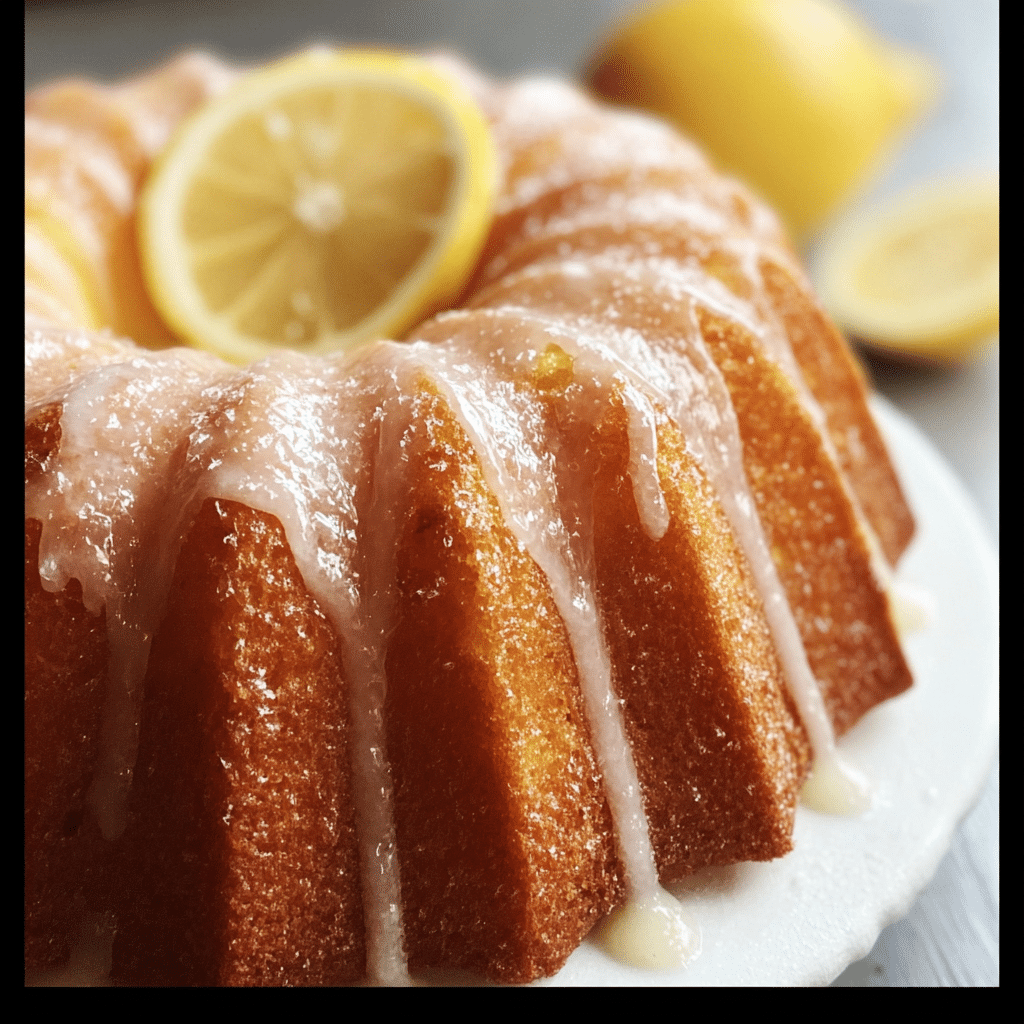
We encourage you to experiment with the variations we’ve discussed, adapt the recipe to your dietary needs, and most importantly, share it with the people you love. Food has the incredible power to bring people together, and Lemon Bundt Cake is the perfect dish to create lasting memories around your dinner table.
Don’t forget to share your cooking adventures with us on social media, and feel free to ask questions in the comments below. Happy cooking!
Share this recipe and let us know how it turned out! Tag us on social media for a chance to be featured.