Lemon garlic shrimp is a dish that has a special place in my heart, and it all began on a warm summer evening in my childhood home. I remember the sun setting over the horizon, casting a golden light through the kitchen window as my mother prepared dinner. The aroma of garlic sizzling in olive oil wafted through the air, and I knew something delicious was in the works. As she tossed fresh shrimp into the pan, she added a generous squeeze of lemon, and I was instantly captivated by the bright, zesty scent that filled the room. It was in that moment that I discovered the magic of lemon garlic shrimp—a dish that not only tantalizes the taste buds but also evokes cherished memories of family gatherings and joyful summer nights.
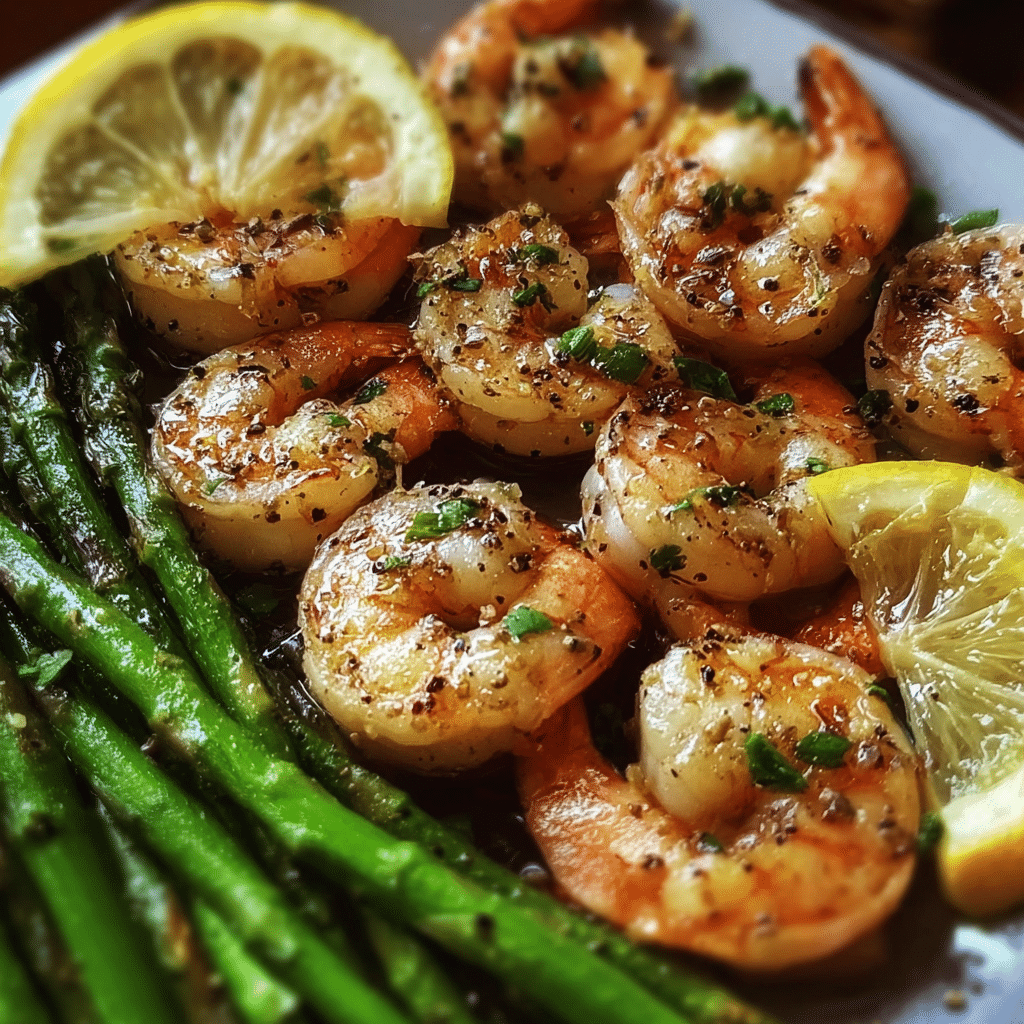
This dish has its roots in Mediterranean cuisine, where seafood is a staple ingredient. The combination of shrimp, garlic, and lemon is not only delicious but also has a long history of being celebrated in various cultures. The Mediterranean region, with its abundance of fresh seafood and citrus fruits, has inspired countless recipes that showcase the natural flavors of these ingredients. Lemon garlic shrimp is a beautiful representation of how simple ingredients can come together to create a dish that is both elegant and comforting, making it a perfect choice for any occasion.
The Story Behind This Recipe
What sets lemon garlic shrimp apart from other seafood dishes is its incredible simplicity and versatility. The basic recipe requires just a handful of ingredients—fresh shrimp, garlic, lemon juice, olive oil, and a sprinkle of seasoning. Yet, the flavors are so vibrant that they elevate the dish to something extraordinary. As I grew older, I began experimenting with variations of my mother’s recipe, adding herbs like parsley or red pepper flakes for a little kick, and each time I made it, I was reminded of those summer evenings from my childhood. It is a dish that has evolved with me, adapting to my tastes and the seasons, but its core essence remains the same—comforting, flavorful, and deeply satisfying.
This recipe is particularly special for busy families who are looking for quick dinner solutions. In today’s fast-paced world, it can be challenging to find the time to prepare a wholesome meal. Lemon garlic shrimp can be cooked in under 30 minutes, making it an ideal weeknight dinner option. Simply sauté the shrimp with garlic and lemon, toss in some asparagus for added nutrition, and you have a complete meal that is not only healthy but also bursting with flavor. The best part? It’s an impressive dish that looks and tastes gourmet, yet it requires minimal effort. You’ll feel like a culinary superstar without the stress of a complicated recipe.
As the seasons change, lemon garlic shrimp remains a dish I turn to time and time again. In the warmer months, it’s perfect for grilling on the patio, served alongside a fresh salad. During the cooler months, I love to serve it over a bed of pasta or rice, allowing the garlicky lemon sauce to soak into the grains. Its adaptability makes it a year-round favorite, and I often find myself making it for special occasions, family gatherings, or simply when I want to treat myself after a long day.
There’s an emotional connection to this dish that goes beyond just the flavors. It’s about the memories created around the dinner table, the laughter shared over a meal, and the love that infuses every bite. Lemon garlic shrimp is more than just a recipe; it’s a celebration of family, culture, and the joy of cooking. In this guide, you’ll learn everything you need to know about making the perfect lemon garlic shrimp, including tips and tricks for enhancing the flavors, pairing suggestions, and even some creative variations to try. So, let’s dive into the wonderful world of lemon garlic shrimp and discover why it’s a dish that deserves a spot in your kitchen!
The Rich History and Cultural Significance of lemon garlic shrimp
The history of lemon garlic shrimp is a fascinating journey through cultures and cuisines, reflecting the rich tapestry of Mediterranean culinary traditions. This dish, while simple in its core ingredients, draws from a long-standing history of seafood preparation that has evolved over centuries. The origins of shrimp as a culinary ingredient can be traced back to ancient civilizations along the Mediterranean coast, where fishing was a vital part of daily life. Coastal communities relied heavily on the ocean for sustenance, and shrimp quickly became a popular seafood choice due to its availability and versatility.
Origins and History
Historically, shrimp were often caught in nets and prepared with whatever ingredients were readily available. Garlic has been used in Mediterranean cooking since ancient times, valued not only for its flavor but also for its medicinal properties. The combination of shrimp with garlic likely emerged as cooks began to experiment with flavor pairings, leading to the delightful dish we know today. Furthermore, the use of lemon, a staple in Mediterranean cuisine, adds a bright acidity that enhances the natural sweetness of the shrimp, creating a harmonious balance of flavors.
As the dish spread across different regions, various interpretations emerged. In Southern European countries like Spain and Italy, lemon garlic shrimp became a popular tapas dish, often served with crusty bread for dipping in the garlicky sauce. In Greece, it’s common to find shrimp prepared with feta cheese and fresh herbs, showcasing the regional variations that highlight local ingredients. This adaptability has allowed lemon garlic shrimp to remain a beloved dish in countless households, each with its unique twist.
Cultural Significance
In many Mediterranean cultures, shrimp is more than just a meal; it’s a centerpiece for celebration. Families gather around the table to enjoy fresh seafood during special occasions, holidays, and festivals. Dishes like lemon garlic shrimp are often featured in these celebrations, symbolizing abundance and togetherness. The act of cooking and sharing food during these gatherings strengthens familial bonds and fosters a sense of community. Moreover, lemon garlic shrimp is often paired with seasonal vegetables, making it a dish that aligns with the Mediterranean diet, which emphasizes fresh produce and healthy fats.
Over time, the evolution of lemon garlic shrimp has also been influenced by famous chefs and culinary innovators who have brought their flair to this classic dish. Chefs like José Andrés and Lidia Bastianich have introduced their interpretations of lemon garlic shrimp, showcasing the dish in high-end restaurants while also making it accessible for home cooks. Their approaches have inspired a new generation of food enthusiasts to explore this delightful recipe and experiment with their variations, ensuring that the legacy of lemon garlic shrimp continues to thrive.
Nutritional Benefits
Beyond its cultural significance, lemon garlic shrimp offers numerous nutritional benefits, making it a smart choice for health-conscious diners. Shrimp is a lean source of protein, low in calories, and rich in essential nutrients such as selenium, vitamin B12, and iodine. These nutrients play an important role in maintaining a healthy immune system and supporting overall well-being. When paired with asparagus, which is packed with vitamins A, C, E, and K, as well as fiber and antioxidants, lemon garlic shrimp becomes a nutrient-dense meal that is both satisfying and beneficial for your health.
Additionally, the use of olive oil and garlic not only enhances the flavor but also brings heart-healthy fats and anti-inflammatory properties to the dish. Olive oil is a key component of the Mediterranean diet, known for its ability to promote heart health and reduce the risk of chronic diseases. Garlic, on the other hand, has been linked to numerous health benefits, including improved cardiovascular health and boosted immune function. Together, these ingredients create a dish that is not only delicious but also nourishing, making lemon garlic shrimp a perfect choice for families looking to enjoy a wholesome meal without compromising on flavor.
In summary, the rich history and cultural significance of lemon garlic shrimp elevate it beyond a mere recipe; it represents a connection to tradition, health, and the joy of sharing food with loved ones. Whether you’re cooking for a special occasion or simply seeking a quick weeknight meal, this dish embodies the essence of Mediterranean cooking—simple, flavorful, and deeply satisfying. As we explore more about lemon garlic shrimp, you’ll discover tips for perfecting your own version and perhaps even create memories that echo those warm summer evenings from my childhood.
Essential Ingredients for Perfect lemon garlic shrimp
Creating the perfect lemon garlic shrimp dish begins with using the right ingredients. Each component plays a vital role, not only contributing to the flavor profile but also affecting the dish’s texture and aroma. Let’s delve into the essential ingredients you will need, along with some helpful tips on selecting the best ones.
Essential Ingredients
- 4 Tablespoons unsalted butter: This will serve as the base for your sauce, providing richness and a luscious mouthfeel. Unsalted butter allows you to control the saltiness of your dish.
- ½ teaspoon crushed red pepper flakes: This adds a hint of heat to your lemon garlic shrimp. Adjust according to your spice tolerance; if you’re sensitive to heat, feel free to reduce the amount.
- 4 large garlic cloves, finely minced: Garlic is the star—providing its aromatic punch and depth. Fresh garlic is always preferable for its vibrant flavor.
- ¼ cup dry white wine: This enhances the dish with acidity and complexity. Choose a wine you enjoy drinking, as its flavor will concentrate during cooking.
- 2 tablespoons fresh lemon juice: Freshly squeezed lemon juice brightens the dish, balancing the richness of the butter and adding a refreshing zing.
- ½ teaspoon fresh lemon zest: Zest brings the essence of lemon without the acidity, enhancing the citrus flavor in the dish.
- 1 teaspoon salt (more to taste): Seasoning is crucial. Salt brings out the natural flavors of your ingredients, so taste as you go.
- ¼ teaspoon fresh ground black pepper (more to taste): Black pepper adds warmth and depth. Freshly ground pepper offers the best flavor.
- 1 pound asparagus, chopped into 1-inch pieces: Asparagus lends a crisp texture and a vibrant green color, complementing the shrimp beautifully.
- 1 pound fresh or frozen uncooked shrimp, patted dry: Make sure to choose high-quality shrimp. Fresh shrimp should smell like the ocean, while frozen shrimp should have no signs of freezer burn.
- ½ cup fresh basil, finely chopped: Basil adds a fragrant, herbaceous note that brightens the dish. Use fresh basil for the best flavor.
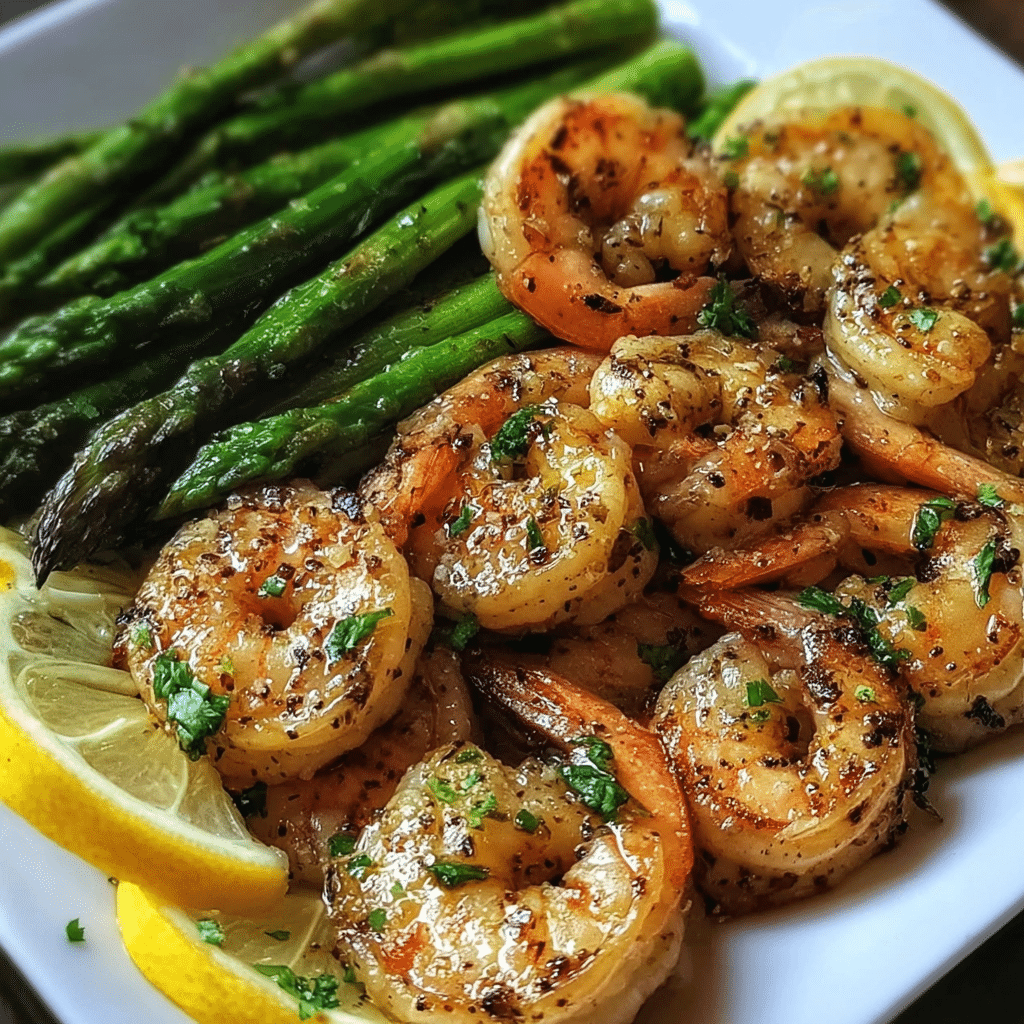
Lemon Garlic Shrimp and Asparagus
Ingredients
- 4 Tablespoons unsalted butter
- 1/2 teaspoon crushed red pepper flakes (use less if you don’t like spice)
- 4 large garlic cloves, finely minced
- 1/4 cup dry white wine
- 2 tablespoons fresh lemon juice
- 1/2 teaspoon fresh lemon zest
- 1 teaspoon salt (more to taste)
- 1/4 teaspoon fresh ground black pepper (more to taste)
- 1 pound asparagus, chopped into 1″ pieces
- 1 pound fresh or frozen uncooked shrimp, patted dry
- 1/2 cup fresh basil, finely chopped
Instructions
- Heat butter in a large saute pan over medium heat until it’s completely melted and just starts to brown.
- Add crushed red pepper flakes and garlic and saute for 1 minute, or until garlic is fragrant.
- Pour in the white wine, stir, and allow the mixture to come to a gentle simmer. Stir in the lemon juice, lemon zest, salt, and pepper and cook for 2 minutes.
- Add in the asparagus and cook, stirring occasionally, for 2 minutes.
- Add the shrimp to the pan and continue to simmer until the shrimp is cooked through, 5 to 7 minutes. Stir in the basil.
- Remove from heat. Taste and add more spices or lemon juice, as needed. Serve warm!
Shopping Tips
When it comes to sourcing ingredients for lemon garlic shrimp, quality is key. For garlic, look for firm, plump bulbs with tight skin. Soft or sprouting garlic should be avoided. When selecting shrimp, opt for wild-caught if possible. They tend to have better flavor compared to farmed shrimp. If you’re buying frozen, ensure they are flash-frozen right after being caught for optimum freshness.
Asparagus should be bright green with firm stalks, and the tips should be tightly closed. If you can, buy asparagus in season (typically spring) for the best flavor. For butter, choose brands with minimal additives, and always go for unsalted if you want to control the saltiness of your dish.
Substitutions and Alternatives
If you have dietary restrictions, many of these ingredients can be substituted. For a dairy-free version, try using olive oil or vegan butter instead of unsalted butter. You can skip the wine and use vegetable broth or additional lemon juice for moisture and flavor. If you prefer a milder dish, omit the crushed red pepper flakes or replace them with a dash of smoked paprika for a different flavor profile.
For those who do not consume seafood, consider using chicken or tofu as a protein alternative. Both can be marinated in the same lemon-garlic mixture for an equally delicious result. If you’re looking to switch up the vegetables, broccoli or green beans can be great substitutes for asparagus, though their cooking times may vary slightly.
Fresh herbs are preferred, but if dried basil is all you have, use about one-third of the amount as dried herbs are more concentrated. Keep in mind that your dish may lack some of the freshness that comes from using fresh herbs.
In terms of storage, keep your fresh produce in the fridge and your garlic in a cool, dark place. Shrimp should be consumed or frozen within a day or two of purchase, while wine can be stored for weeks if resealed properly. Always check the expiration dates on your pantry staples, especially spices, to ensure they’re still potent.
By understanding the role of each ingredient, how to choose the best quality, and knowing the alternatives, you can craft a delightful lemon garlic shrimp dish that’s both satisfying and tailored to your tastes.
Detailed Step-by-Step lemon garlic shrimp Cooking Instructions
Now that we’ve gathered our ingredients, it’s time to transform them into a tantalizing plate of lemon garlic shrimp! Cooking is all about the process, so let’s break down each step to ensure your dish turns out perfectly. With some preparation and attention to detail, you’ll have a delicious meal ready in just about 30 minutes.
Preparation Steps
- Mise en place: Start by preparing all your ingredients before you begin cooking. This French term means “everything in its place.” Mince your garlic, chop the asparagus into 1-inch pieces, and pat the shrimp dry with paper towels. If you’re using fresh basil, wash and chop it as well. Having everything ready will make the cooking process smoother and faster.
- Measure your liquids: Pour the dry white wine, lemon juice, and zest into separate small bowls or measuring cups. This will help you keep track of what goes into the pan and when.
- Prep your cooking space: Gather your tools— a large skillet or sauté pan, a spatula, and a serving dish. Ensure everything is within reach to keep your workflow efficient.
Cooking Process
- Heat the pan: Place your skillet over medium heat and add the unsalted butter. Allow it to melt completely, swirling the pan occasionally to prevent browning. This butter will create a beautiful sauce that will coat your shrimp and asparagus.
- Cook the garlic: Once the butter is melted, add the minced garlic to the pan. Sauté it for about 30 seconds until fragrant, being careful not to let it burn as burnt garlic can taste bitter. The aroma will be heavenly!
- Add the asparagus: Toss in the chopped asparagus and a pinch of salt. Stir-fry the asparagus for about 3-4 minutes, or until they are bright green and slightly tender but still crisp. This step ensures your vegetables are cooked to perfection without losing their nutrients.
- Introduce the shrimp: Now, add the pat-dried shrimp to the pan. Spread them out evenly and sprinkle with salt, black pepper, and crushed red pepper flakes. Cook for 2-3 minutes on one side until they turn pink, then flip them over to cook the other side. Shrimp cook quickly, so keep an eye on them.
- Add the liquids: Pour in the dry white wine, lemon juice, and zest. Stir everything together, bringing it to a gentle simmer. The wine will cook off quickly, leaving behind a rich flavor that complements the shrimp and asparagus beautifully.
- Finish with basil: After about 2-3 minutes, when the shrimp are fully cooked and the asparagus is tender, remove the skillet from the heat. Stir in the freshly chopped basil, allowing it to wilt slightly in the residual heat. This final touch brings a fresh and aromatic quality to your dish.
Final Assembly
- Plate your dish: Transfer the lemon garlic shrimp and asparagus to a serving platter or individual plates. Be generous with the sauce, as it’s packed with flavor.
- Garnish: For an extra touch, consider garnishing with additional lemon wedges or a sprinkle of fresh basil. This not only adds visual appeal but also enhances the flavor.
- Serve immediately: This dish is best enjoyed fresh. Serve your lemon garlic shrimp over a bed of rice, pasta, or even quinoa for a complete meal. The flavors are bright and vibrant, making it a perfect dinner option any night of the week.
Common Mistakes and Chef Secrets: One common mistake is overcooking shrimp, which can lead to a rubbery texture. Remember, shrimp cook quickly and will continue to cook in the residual heat after being removed from the pan. Also, don’t hesitate to taste your sauce as you cook. Adjust salt, pepper, and lemon juice to suit your palate. And for a professional touch, a splash of cream can be added at the end to enrich the sauce!
Timing and Multitasking Tips: Multitasking is key in the kitchen. While the garlic is sautéing, you can chop the asparagus, and while the shrimp are cooking, you can prepare your serving dish. This way, everything comes together seamlessly, and your meal is ready in no time!
With these detailed instructions, your lemon garlic shrimp will not only be delicious but also a joy to prepare. Enjoy the process as much as the end result, and don’t forget to savor every bite!
Professional Tips and Techniques for lemon garlic shrimp
When it comes to preparing a dish as delightful as lemon garlic shrimp, having the right techniques and tips in your culinary arsenal can elevate the experience from good to extraordinary. Over the years, I’ve picked up a few professional secrets that can help turn this simple recipe into a mouthwatering masterpiece. Let’s dive into some essential tips and techniques that will not only enhance the flavors of your lemon garlic shrimp but also make the cooking process enjoyable and stress-free.
Professional Techniques
Cooking shrimp may seem straightforward, but there are techniques that can make your dish shine. First and foremost, sourcing fresh shrimp is critical. Look for shrimp that is firm and has a mild ocean scent—this indicates freshness. If you’re using frozen shrimp, ensure you thaw them completely before cooking. A simple way to do this is by placing them in a bowl of cold water for about 20-30 minutes.
When preparing your lemon garlic shrimp, consider marinating the shrimp in a mixture of lemon juice, minced garlic, olive oil, and herbs for at least 15 minutes before cooking. This not only infuses the shrimp with flavor but also helps tenderize them. The acidity from the lemon juice is crucial here; however, avoid marinating for too long as the shrimp can become mushy.
For cooking, a hot skillet is your best friend. Use a heavy-bottomed skillet such as cast iron or stainless steel to achieve that coveted sear on your shrimp. Preheat the pan until it’s sizzling hot before adding the shrimp, which will help lock in moisture and flavor. Remember, shrimp cook very quickly, usually in just 2-3 minutes per side. Overcooking can lead to rubbery shrimp, which is something we want to avoid in our lemon garlic shrimp.
Troubleshooting Guide
Even with the best intentions, things can go awry in the kitchen. Here are some common problems you might encounter when preparing your lemon garlic shrimp and how to troubleshoot them:
- Shrimp are rubbery: This usually happens when they are overcooked. Keep a close eye on the shrimp while they cook, and remove them from the heat as soon as they turn pink and opaque.
- Flavor is too strong: If your shrimp taste overly lemony or garlicky, reduce the amount of lemon juice and garlic next time. You can also balance it out with a bit of honey or sugar.
- Too salty: This can happen if you’re using a salty butter or broth. Opt for unsalted versions to have better control over the seasoning.
Don’t be discouraged by setbacks; cooking is all about learning! With each attempt, you’ll refine your technique and develop a personal touch to your lemon garlic shrimp.
Presentation Tips
We eat with our eyes first, so a great presentation can elevate your dish tremendously. Serve your lemon garlic shrimp over a bed of fluffy rice or alongside vibrant asparagus to add color contrast. A sprinkle of fresh parsley or chives on top can add a touch of brightness. You can also serve it in a shallow bowl with a lemon wedge on the side for a pop of color.
Another great idea is to use a wooden board or slate for serving. Arrange the shrimp in a circle with the asparagus placed in the center. This not only looks stunning but also invites your guests to dig in. Consider using a drizzle of extra virgin olive oil or a balsamic reduction around the plate for a gourmet touch.
Lastly, pairing your lemon garlic shrimp with a well-chosen wine can further enhance the dining experience. A crisp Sauvignon Blanc or a light Pinot Grigio works beautifully. The acidity in these wines complements the lemon and garlic flavors perfectly, making your dish even more enjoyable.
In summary, cooking lemon garlic shrimp can be a delightful experience when you utilize these professional tips and techniques. From sourcing fresh ingredients to mastering cooking times and presentation, you will be well on your way to impressing your family and friends with this delicious dish.
Creative Variations and Adaptations of lemon garlic shrimp
Cooking is an art that thrives on creativity and experimentation, and when it comes to lemon garlic shrimp, there are countless ways to put your own spin on this classic dish. Whether it’s adapting the recipe to suit seasonal ingredients, accommodating dietary restrictions, or simply adding a unique twist, there’s something for everyone. Let’s explore some creative variations and adaptations that you can try in your kitchen.
Seasonal Variations
One of the best things about lemon garlic shrimp is how easily it can adapt to seasonal ingredients. In the spring, consider adding fresh peas or asparagus to the dish. The sweetness of the peas and the crunch of the asparagus not only complement the shrimp but also add a delightful freshness to your plate.
In the summer months, why not throw in some cherry tomatoes? Their burst of flavor when cooked can elevate the dish significantly. You can also serve it over a bed of zucchini noodles or a refreshing salad for a light summer meal.
As autumn approaches, consider incorporating roasted pumpkin or squash. The creamy texture of the squash pairs beautifully with the zesty flavors of lemon and garlic, creating a comforting yet sophisticated dish.
In winter, you can roast Brussels sprouts or use hearty greens like kale. The bitterness of the greens balances the bright flavors of the lemon garlic shrimp, making it a warming meal perfect for chilly nights.
Dietary Adaptations
Another fantastic way to adapt your lemon garlic shrimp is by modifying it to suit different dietary needs. For those following a keto diet, you could replace the rice with cauliflower rice, which provides a similar texture without the carbs. Simply sauté riced cauliflower in the same lemon-garlic sauce for a deliciously low-carb alternative.
If you’re aiming for a vegan version, consider substituting shrimp with marinated tofu or chickpeas. The marination process can mimic the flavors of the original dish beautifully, and while it won’t have the same texture, it will certainly satisfy your taste buds.
For gluten-free diners, ensure that all your ingredients, especially sauces, are certified gluten-free. This dish is naturally gluten-free unless you add soy sauce or similar condiments, which can often contain gluten.
Creative Twists
To take your lemon garlic shrimp to the next level, think about adding international flavors. A dash of chili flakes or Sriracha can spice things up, giving your dish a kick. You could also incorporate herbs like cilantro or basil for a fresh, aromatic touch. For a Mediterranean twist, add olives and feta cheese to the mix, offering a briny contrast to the sweetness of the shrimp.
If you’re feeling adventurous, try cooking your shrimp in coconut milk with a hint of lime instead of the traditional lemon. This will give your dish a tropical flair that’s perfect for summer gatherings.
Lastly, don’t overlook the power of leftovers. If you have any lemon garlic shrimp remaining, consider using them in a pasta salad or as a filling for tacos. Just reheat them slightly and serve with fresh toppings like avocado and lime for a quick and satisfying meal.
In conclusion, the beauty of lemon garlic shrimp lies in its versatility. By embracing seasonal ingredients, accommodating dietary preferences, and experimenting with creative twists, you can enjoy this dish in countless ways. So don’t hesitate to get creative in the kitchen; the possibilities are endless!
Storage, Reheating, and Meal Prep for lemon garlic shrimp
When it comes to enjoying a delicious plate of lemon garlic shrimp, understanding how to store, reheat, and meal prep this dish can greatly enhance your culinary experience. Whether you’re making this dish for a special occasion or a simple weeknight dinner, knowing how to properly handle leftovers can save you time and ensure you enjoy every bite. Let’s dive into the best practices for storing, reheating, and prepping your lemon garlic shrimp!
Short-term Storage
After you’ve whipped up a delightful batch of lemon garlic shrimp, you might find yourself with some leftovers. If you plan to enjoy them within a few days, proper short-term storage is key. First, let the shrimp cool down to room temperature. This is crucial because if you place hot shrimp directly into the refrigerator, it can raise the temperature inside, putting other foods at risk of spoiling.
Once cooled, transfer your lemon garlic shrimp into an airtight container. Glass containers are a fantastic option because they don’t absorb odors and are easy to clean. If you’re using plastic containers, make sure they are BPA-free. Ideally, you’ll want to consume your shrimp within two to three days for the best quality and flavor. When stored properly in the refrigerator, the lemon garlic shrimp will remain fresh and tasty.
Before putting the container in the fridge, consider portioning out the shrimp. This way, you can easily grab a single serving without needing to open the entire container, which can expose the remaining shrimp to air and moisture. Portioning not only helps maintain quality but also makes it easier to enjoy your meal throughout the week.
Freezing and Long-term Storage
If you’ve made a large batch of lemon garlic shrimp or want to prepare it ahead of time, freezing is a fantastic option. However, not all shrimp dishes freeze well, but this one does! To freeze, first ensure your shrimp are completely cooled. Then, transfer them into a freezer-safe bag or container. If using a bag, try to remove as much air as possible to prevent freezer burn. A vacuum sealer is excellent for this, but if you don’t have one, simply squeezing the excess air out before sealing will do the trick.
When freezing, consider portion sizes again. Freezing in single servings not only allows for quick reheating but also means you won’t have to defrost more than you need. Properly stored, your lemon garlic shrimp can last in the freezer for up to three months. After that time, while it may still be safe to eat, the quality will start to decline, and you may lose some of that delightful flavor.
Labeling your containers or bags is another smart strategy. Include the date and contents to help keep track of how long they’ve been in the freezer. This simple step can prevent you from forgetting about that delicious shrimp dish lurking in the back of the freezer!
Reheating Best Practices
When it’s time to enjoy your stored lemon garlic shrimp, reheating properly is essential to maintain its quality. The goal is to heat the shrimp gently to avoid overcooking, which can lead to a rubbery texture. One of the best ways to reheat shrimp is by using the stove. Place the shrimp in a skillet over medium heat and add a splash of olive oil or a bit of broth to keep it moist. Stir gently until heated through, and be mindful not to leave it on the heat for too long.
Alternatively, you can reheat the shrimp in the microwave, which is quick but requires some finesse. Place the shrimp in a microwave-safe dish, cover it with a damp paper towel, and heat it in short increments—about 30 seconds at a time—stirring in between to ensure even heating. This method helps to retain moisture and flavor, keeping your shrimp succulent.
Regardless of the method you choose, always check that the shrimp is heated to an internal temperature of 165°F (74°C) before serving. This not only ensures safety but also enhances your experience by bringing back the flavors that make lemon garlic shrimp so appealing.
In summary, understanding how to store, freeze, and reheat your lemon garlic shrimp can elevate your meal prep game. With these techniques at your disposal, you can enjoy this tantalizing dish multiple times without repeating the cooking process each time. Plus, knowing you have a delicious meal ready to go in your fridge or freezer can make weeknight dinners a breeze!
Nutritional Benefits and Health Information
As we dive into the nutritional benefits and health information surrounding lemon garlic shrimp, it’s essential to recognize that this dish is not only delicious but also packed with valuable nutrients. The vibrant combination of shrimp, garlic, and lemon not only tantalizes the taste buds but also contributes to a well-rounded, nutritious meal. Let’s explore the various aspects of this seafood delicacy, from its nutritional profile to its health benefits.
Nutritional Profile
At its core, lemon garlic shrimp primarily consists of shrimp—a lean protein that is low in calories and high in essential nutrients. A standard serving of shrimp (about 3 ounces) contains approximately 84 calories, 18 grams of protein, and less than 1 gram of fat. This makes shrimp an excellent option for those looking to maintain or lose weight while still getting ample protein.
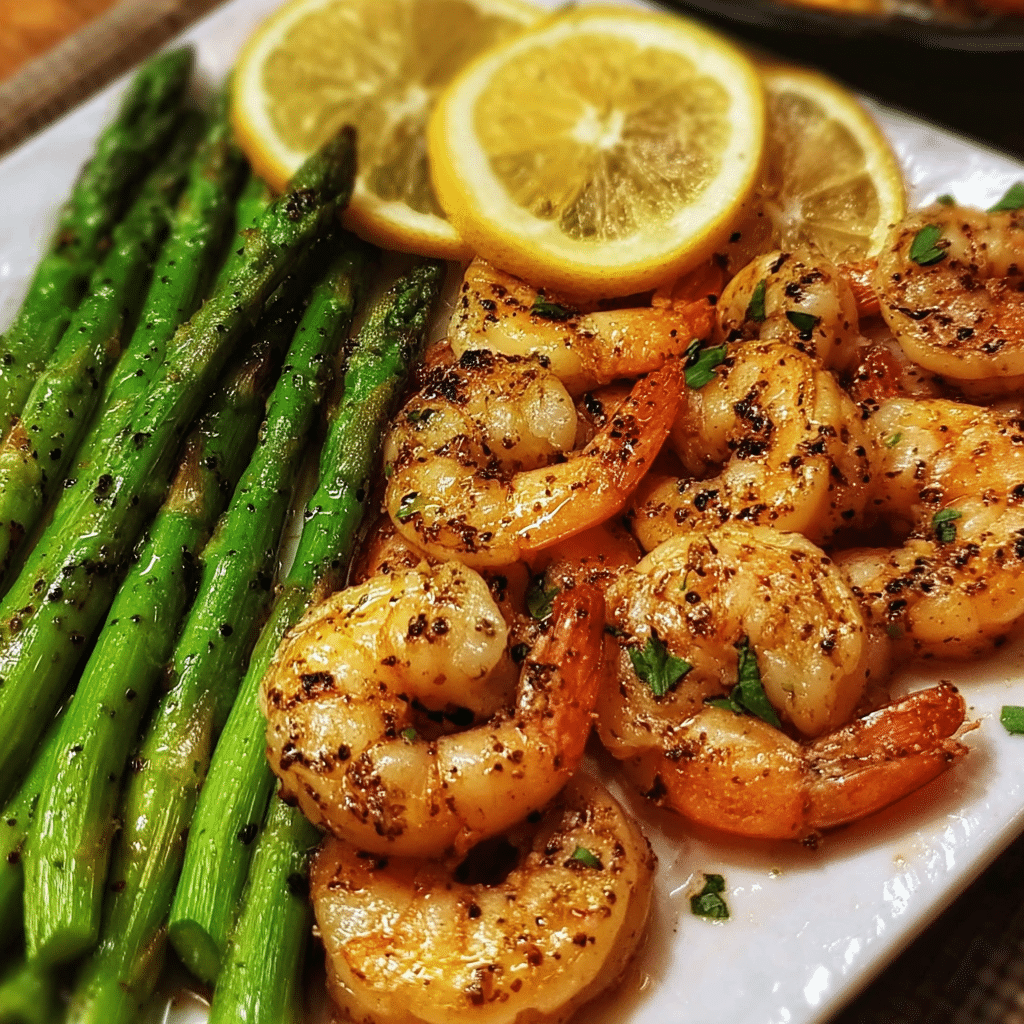
In addition to protein, shrimp is also a source of various vitamins and minerals. For instance, it provides a good amount of vitamin B12, which is crucial for nerve function and the production of DNA and red blood cells. Additionally, shrimp contains selenium, an antioxidant that plays a role in metabolism and thyroid function, and it is rich in iodine, an essential nutrient for maintaining proper thyroid health.
When you add garlic to the mix, you’re not just enhancing flavor; you’re also boosting the nutritional value. Garlic is known for its numerous health benefits, including anti-inflammatory and antioxidant properties. It contains compounds that can promote heart health and enhance the immune system. Lemon juice, often used in the dish, adds vitamin C and can improve iron absorption, making lemon garlic shrimp a nutrient powerhouse!
Health Benefits
The combination of shrimp, garlic, and lemon in lemon garlic shrimp creates a dish that is not only tasty but also beneficial for your health. First and foremost, the high protein content in shrimp can help you feel fuller for longer, making it an excellent choice for those on a weight-loss journey. Protein is essential for muscle repair and growth, and incorporating lean protein like shrimp into your diet can support overall health.
Furthermore, the omega-3 fatty acids present in shrimp can promote heart health. These healthy fats are known to lower the risk of heart disease by reducing inflammation and improving cholesterol levels. Garlic also plays a significant role in heart health, as it can lower blood pressure and cholesterol levels, making this dish a double whammy for heart health!
Additionally, the antioxidants found in garlic and the vitamin C from lemon juice can help combat oxidative stress in the body, which is linked to various chronic diseases. By enjoying lemon garlic shrimp, you’re not just treating your taste buds; you’re also nourishing your body.
Dietary Considerations
While lemon garlic shrimp is a fantastic dish for many, it’s essential to consider dietary restrictions and allergen information. For those with shellfish allergies, shrimp is a definite no-go. However, the flavors in this dish can easily be replicated with other proteins, such as chicken or tofu, allowing everyone to enjoy a similar taste experience.
For those following low-carb or ketogenic diets, lemon garlic shrimp fits perfectly into your meal plan. It’s low in carbohydrates and high in protein, making it a satisfying option that aligns with dietary goals. Additionally, for those looking to incorporate more veggies, you can serve the shrimp over a bed of sautéed asparagus, zucchini noodles, or even cauliflower rice for a nutritious and colorful meal.
The calorie content of lemon garlic shrimp is quite favorable, especially when compared to other popular dishes. For instance, when compared to creamy pasta dishes or fried seafood options, this shrimp dish stands out as a healthier alternative. The use of fresh ingredients and minimal added fats keeps the calorie count low while maximizing flavor.
In conclusion, lemon garlic shrimp is not only a delightful dish to savor but also a nutritious one that can fit into various dietary plans. With its impressive nutrient profile, health benefits, and flexibility for modifications, it’s a dish that deserves a spot in your regular meal rotation. Embrace the flavors and health benefits of this seafood delight, knowing that you’re making a wholesome choice for your body!
Frequently Asked Questions About Lemon Garlic Shrimp
Lemon garlic shrimp and asparagus pasta
Lemon garlic shrimp and asparagus pasta is a delightful dish that balances the tangy brightness of lemon with the rich flavors of garlic and shrimp. To make this dish, start by sautéing fresh asparagus until tender-crisp, then add garlic and shrimp, cooking until the shrimp are pink and opaque. Toss the mixture with cooked pasta of your choice and finish with a generous squeeze of lemon juice and a sprinkle of fresh parsley for added flavor. For a heartier meal, consider adding cherry tomatoes or a splash of white wine to enhance the sauce. Feel free to customize the dish with your favorite pasta and herbs to suit your taste.
Healthy lemon garlic shrimp and asparagus
For a healthy lemon garlic shrimp and asparagus dish, focus on using fresh, quality ingredients and healthy cooking methods. Opt for sautéing the shrimp and asparagus in a small amount of olive oil or cooking spray instead of butter, which reduces calories. Incorporating whole-grain pasta or zucchini noodles can add fiber and nutrients while keeping the meal light. Season with lemon juice, zest, and a pinch of red pepper flakes for added flavor without extra calories. Additionally, serving the dish with a side salad can enhance the meal’s nutritional profile and provide a refreshing contrast.
Easy lemon garlic shrimp and asparagus
Making easy lemon garlic shrimp and asparagus requires minimal ingredients and steps, perfect for a quick weeknight meal. Begin by quickly cooking asparagus in a skillet over medium heat until tender, then remove and set aside. In the same skillet, add shrimp, garlic, and a splash of lemon juice, cooking until the shrimp are fully cooked. Combine everything back in the pan, add your favorite seasonings, and serve over pre-cooked pasta or rice. This dish can be on the table in under 30 minutes, making it an ideal choice for busy evenings.
Shrimp and asparagus pasta
Shrimp and asparagus pasta is a versatile dish that can be tailored to your preferences by varying the pasta type and sauce. Start by blanching asparagus until bright green and tender, then sauté with garlic and shrimp. You can use linguine or penne for the pasta, creating a satisfying base for the shrimp and veggies. For a creamier texture, consider adding a splash of cream or a dollop of mascarpone cheese to the pan. Don’t forget to finish with a sprinkle of Parmesan cheese and fresh herbs for an elevated touch!
Shrimp and asparagus recipes
There are numerous shrimp and asparagus recipes that highlight the complementary flavors of these two ingredients. Besides pasta, you can prepare a shrimp and asparagus stir-fry by quickly cooking both in a hot pan with soy sauce and ginger for an Asian-inspired twist. Alternatively, consider grilling shrimp skewers with asparagus spears brushed with lemon-garlic marinade for a smoky, charred flavor. You can also create a shrimp and asparagus salad by tossing them with mixed greens, avocado, and a light vinaigrette, perfect for a healthy lunch or dinner option.
Healthy shrimp and asparagus recipes
Healthy shrimp and asparagus recipes can be both nutritious and delicious, focusing on whole, unprocessed ingredients. One great option is to prepare a quinoa bowl topped with sautéed shrimp and asparagus, dressed with a lemon vinaigrette for a refreshing meal. Another idea is to make a low-carb shrimp and asparagus stir-fry using low-sodium soy sauce and a variety of vegetables for added nutrition. You can also try baking shrimp and asparagus with a sprinkle of seasoning and lemon slices for a simple, healthy dish that’s full of flavor without excess calories.
Garlic butter shrimp and asparagus Delish
For a delicious garlic butter shrimp and asparagus dish, melt butter in a skillet and sauté minced garlic until fragrant before adding the shrimp and asparagus. Cook until the shrimp turn pink and the asparagus is tender-crisp, ensuring you don’t overcook either ingredient. To enhance the flavor, add a squeeze of lemon juice and a sprinkle of fresh herbs like parsley or basil before serving. This dish pairs perfectly with crusty bread or over a bed of rice to soak up the rich, buttery sauce. Just remember to keep the heat moderate to avoid burning the garlic.
Lemon shrimp and asparagus pasta
Lemon shrimp and asparagus pasta is a light and refreshing dish that combines the zestiness of lemon with the savory flavors of shrimp and fresh asparagus. Start by cooking your pasta al dente while sautéing asparagus and garlic in olive oil until tender. Once the shrimp are added, cook until they’re just done, then toss everything together with the pasta and a generous amount of lemon juice and zest. To elevate the dish, finish with a sprinkle of freshly grated Parmesan cheese and chopped herbs. This meal is perfect for a spring or summer dinner, and you can easily adjust the ingredients to include your favorite vegetables.