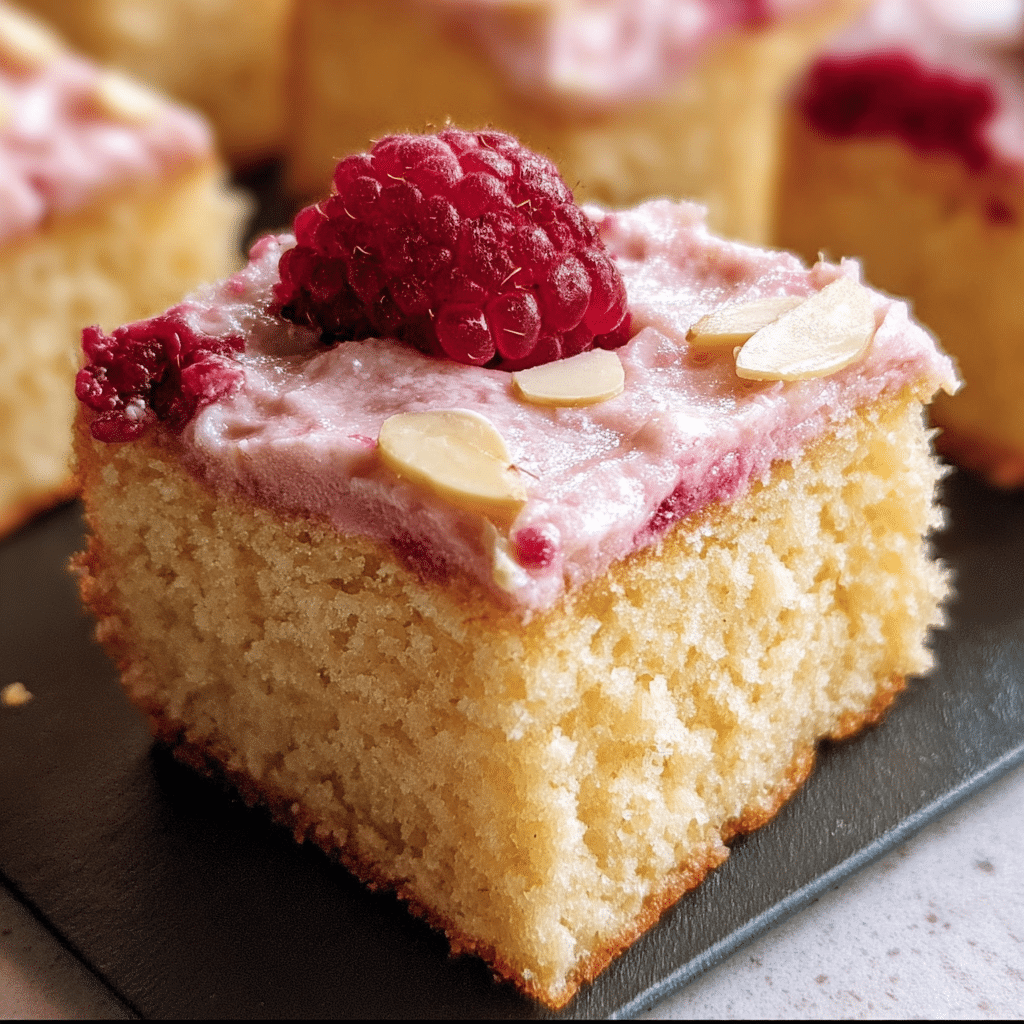
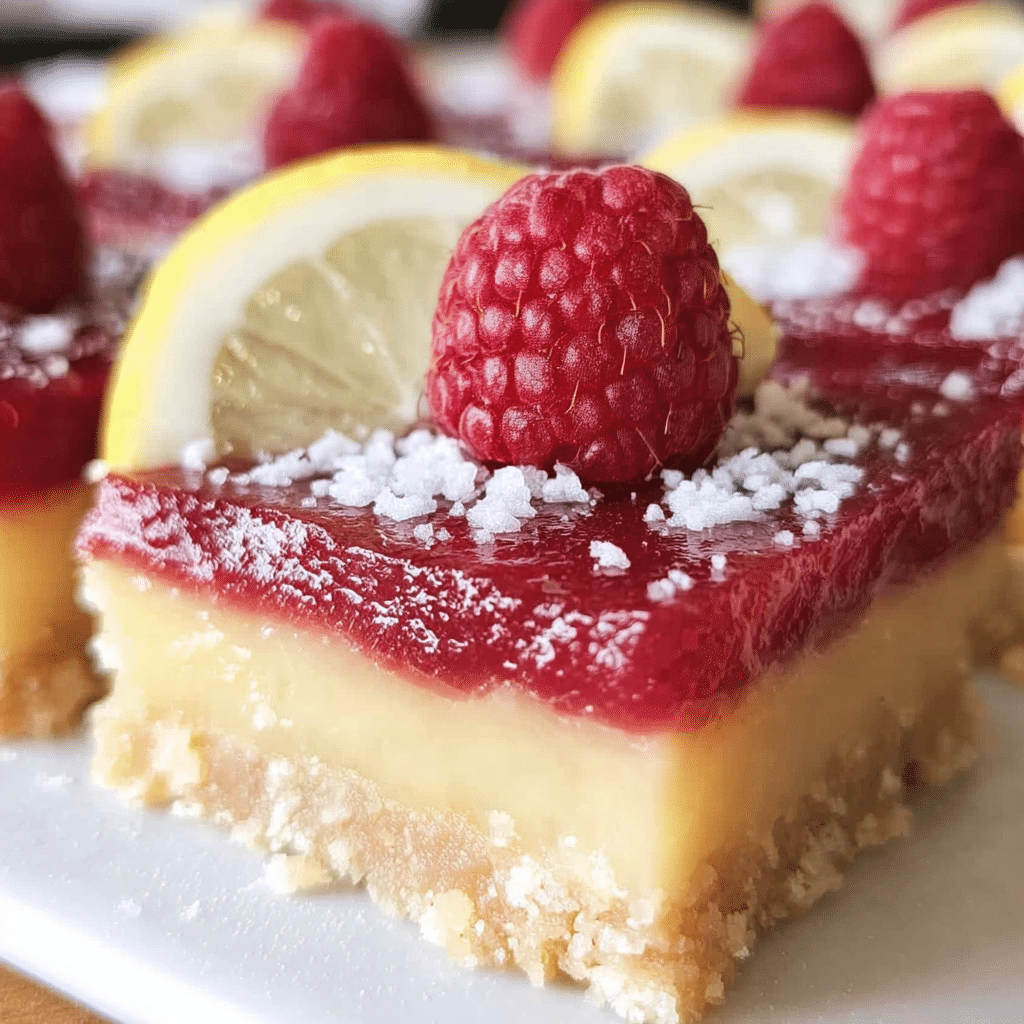
Lemon raspberry bars are a delightful treat that perfectly balances sweet and tart flavors in every bite. The first time I tasted these delicious bars was during a summer picnic at my aunt’s house. She pulled them out of the cooler, their bright yellow and vivid red colors sparkling in the sunlight. As I took my first bite, the refreshing tang of the lemon danced on my palate, complemented by the juicy bursts of raspberry. It was a moment of pure bliss, and I knew I had to learn how to make them myself. The combination of zesty lemon and succulent raspberry was not just a treat; it was an experience that brought back memories of family gatherings, laughter, and love.
The Story Behind This Recipe
As I began my culinary journey, I sought to recreate the magic of those lemon raspberry bars. After some trial and error, I discovered that the recipe was surprisingly simple yet allowed for creativity. Each time I made them, I felt a connection to my family traditions, as if I were passing down a cherished secret. The recipe became a staple in my own household, a go-to dessert for birthdays, holiday gatherings, and even spontaneous weeknight treats. It’s amazing how food can weave together stories and memories, and lemon raspberry bars are at the heart of many of mine.
Lemon raspberry bars hold a special place in the world of desserts. They are not just another sweet treat; they carry the essence of summer with their bright flavors and vibrant colors. This recipe stands out from others because it strikes the perfect balance between sweetness and acidity, leaving your taste buds wanting more. Unlike heavier desserts, lemon raspberry bars offer a lightness that makes them suitable for any occasion, whether you’re celebrating or simply enjoying a quiet evening at home.
Why You’ll Love This Dish
One of the reasons lemon raspberry bars are perfect for busy families is their quick preparation time. With a few simple ingredients, you can whip up a batch in no time, making it an ideal option for dessert after a hectic day. The recipe requires minimal effort, and it often leads to maximum enjoyment, which is a win-win for anyone juggling a busy lifestyle. Plus, they can be made ahead of time and stored in the fridge, ready to serve whenever you need a sweet pick-me-up.
Seasonally, lemon raspberry bars shine brightest during summer when fresh raspberries are abundant. However, their bright flavors make them a delightful treat year-round. Imagine serving them at a picnic in the park, a festive holiday gathering, or as a surprise dessert after a family dinner. No matter the occasion, these bars bring a sense of joy and celebration, reminding us of the simple pleasures in life.
There’s an emotional connection to this dish that transcends its deliciousness. Each bite is a reminder of carefree summer days, laughter-filled family gatherings, and the love that binds us together through food. Making lemon raspberry bars has become a cherished tradition in my home, and I hope that as you explore this recipe, you, too, will create your own memories and connections.
In this guide, you will learn everything there is to know about lemon raspberry bars—from the ingredients that make them sing to the perfect baking techniques. You’ll discover variations and tips to customize this classic dessert to your taste, ensuring that every batch is uniquely yours. So grab your apron and join me on this delicious journey into the world of lemon raspberry bars!
The Rich History and Cultural Significance of lemon raspberry bars
The rich history and cultural significance of lemon raspberry bars is a fascinating tale that intertwines flavors, traditions, and regional influences. While the exact origins of lemon raspberry bars are somewhat ambiguous, the combination of lemon and raspberry in desserts can be traced back to centuries of culinary experimentation in Europe, particularly in countries like France and England. Citrus fruits, especially lemons, were highly prized for their ability to elevate flavors and add brightness to various dishes. Raspberries, on the other hand, have been enjoyed since ancient times and were often used in desserts due to their natural sweetness and vibrant color.
Origins and History
The concept of bars or squares as a type of dessert began to gain popularity in the United States during the 20th century, particularly with the rise of home baking in the post-war era. The simplicity of bar desserts made them accessible to busy homemakers looking for quick yet satisfying sweet treats. Lemon bars, in particular, gained traction due to their refreshing taste and the ease with which they could be prepared. Over time, creative cooks began to experiment by combining different fruits with the classic lemon filling, leading to the delicious invention of lemon raspberry bars.
As the recipe evolved, variations began to emerge. In some regions, bakers would use other berries, such as blueberries or blackberries, but the lemon-raspberry combination remained a favorite for its striking flavor contrast. The bright yellow of the lemon filling paired with the deep red of the raspberries not only tantalizes the taste buds but also creates a visually stunning dessert that is perfect for any occasion.
Cultural Significance
Lemon raspberry bars have become a beloved dessert in many households across the United States, often served at family gatherings, potlucks, and summer picnics. They are a symbol of seasonal celebrations, particularly during the warm months when fresh raspberries are at their peak. This dessert has also become a staple in many bakeries and restaurants, where chefs showcase their unique twists on the classic recipe, often using locally sourced ingredients to elevate the flavors.
In addition to their popularity in the United States, lemon raspberry bars have made their way into various culinary cultures around the world. In some European countries, similar desserts featuring lemon or berries are often served as part of afternoon tea or as a light dessert after dinner. The universal appeal of citrus and berries transcends borders, making this dish a true global delight.
Nutritional Benefits
Beyond their delicious taste, lemon raspberry bars also offer some nutritional benefits. Raspberries, for instance, are packed with vitamins, minerals, and antioxidants. They are a great source of dietary fiber, which can aid in digestion and promote a feeling of fullness. Lemons, on the other hand, are rich in vitamin C, which is essential for a healthy immune system and skin. While lemon raspberry bars are undoubtedly a treat, incorporating these wholesome ingredients makes them a bit more guilt-free.
Moreover, making lemon raspberry bars at home allows you to control the ingredients, making it easier to opt for healthier alternatives without sacrificing flavor. For example, you can use whole grain flour for the crust, substitute refined sugar with natural sweeteners, or even add a dash of chia seeds for added nutrition. This adaptability makes lemon raspberry bars not only a delicious choice but also a smart one, especially for health-conscious families.
In conclusion, the rich history and cultural significance of lemon raspberry bars reveal a delightful journey through time and tradition. From their origins to their current status as a beloved dessert, they have captured the hearts and taste buds of many. Whether you’re baking them for a special occasion or simply indulging in a sweet treat, lemon raspberry bars are sure to bring joy and connection to your table.
Essential Ingredients for Perfect lemon raspberry bars
When it comes to baking, especially something as delightful as lemon raspberry bars, the quality and selection of ingredients can make all the difference. Each ingredient plays a pivotal role in creating that perfect balance of sweet and tart, creamy and crumbly. Let’s delve into the essential ingredients you’ll need for these delightful treats, and I’ll share some valuable tips along the way to ensure your lemon raspberry bars are nothing short of spectacular.
Essential Ingredients
- 8 ounces unsalted butter, at room temperature (1 cup) – Unsalted butter is essential because it gives you control over the saltiness of your lemon raspberry bars. The butter should be at room temperature for easy creaming with sugar, leading to a light and airy texture.
- ½ cup granulated sugar – This sugar helps to sweeten the crust just enough without overpowering the tartness of the lemon and raspberries. It’s the foundational sweetness that balances out the flavors.
- 2 cups all-purpose flour – All-purpose flour provides the structure for your bars. The gluten content in this flour helps create that perfect chewy base that pairs beautifully with the creamy lemon filling.
- ¼ teaspoon kosher salt – A pinch of salt enhances the flavors of the sugar and lemon, creating a more balanced taste. Don’t skip this ingredient; it’s crucial for flavor development.
- 1 teaspoon lemon zest, grated – This zest adds an intense lemon flavor that complements the lemon juice perfectly. Always use fresh lemons for zesting for the best quality and flavor.
- 2 tablespoons granulated sugar – Used in the filling, this sugar helps to sweeten the tart lemon juice and balance the flavors while enhancing the overall texture.
- ¼ cup lemon juice – Freshly squeezed lemon juice is a must. It provides the tartness that defines lemon raspberry bars. Bottled lemon juice lacks the fresh flavor and aroma of freshly squeezed juice.
- 2 teaspoons cornstarch – This ingredient acts as a thickening agent for the lemon filling, ensuring that it sets well without being overly firm or runny.
- 1 cup raspberries – Fresh raspberries add a burst of flavor and color. When selecting raspberries, look for plump, firm berries with a deep color. They should be fragrant and free of mold.
- 7 large eggs – Eggs are crucial for the filling’s structure and richness. They help bind all the ingredients, providing that creamy texture that is signature to lemon raspberry bars.
- 3 cups granulated sugar – This higher quantity of sugar is necessary to sweeten the lemon filling adequately. The sweetness from this sugar balances the tartness from the lemon juice.
- 2 tablespoons lemon zest, grated – Again, this zest adds depth to the lemon flavor, ensuring that every bite is fragrant and citrusy.
- 1 cup lemon juice, freshly-squeezed – The cornerstone of the filling, freshly squeezed juice is vital for achieving that tangy flavor profile characteristic of lemon desserts.
- 1 cup all-purpose flour – This flour, like in the crust, helps to provide the right texture and structure to the filling.
- Powdered sugar, confectioners’ sugar for dusting – This final touch gives your lemon raspberry bars a beautiful presentation. The powdered sugar adds a touch of sweetness and elegance.

Lemon Raspberry Bars
Ingredients
Crust
- 8 ounces unsalted butter, at room temperature (1 cup)
- ½ cup granulated sugar
- 2 cups all-purpose flour
- ¼ teaspoon kosher salt
- 1 teaspoon lemon zest, grated
- Raspberry Puree (makes ¾ cup)
- 2 tablespoons granulated sugar
- ¼ cup lemon juice
- 2 teaspoons cornstarch
- 1 cup raspberries
Lemon Filling
- 7 large eggs
- 3 cups granulated sugar
- 2 tablespoons lemon zest, grated
- 1 cup lemon juice, freshly-squeezed
- 1 cup all-purpose flour
- powdered sugar, Confectioners’ sugar for dusting
Instructions
Crust
- Preheat oven to 350°F.
- Lightly spray a 9×13-inch baking pan with cooking spray. Using a mixer fitted with a paddle attachment, cream the butter and sugar together on medium speed (about 2 minutes) until light in color. Add the lemon zest and mix for a few seconds.
- Combine the flour and salt in a separate bowl. With the mixer on low, add the flour mixture to the butter until just mixed, about 1 minute. Place the dough onto a well-floured board and gather into a ball and transfer to the baking pan. Using your fingers, evenly press and flatten the dough into the baking pan.
- Chill the dough for 15 minutes. Bake the crust for 15 to 20 minutes, until very lightly browned. Cool the crust in the baking sheet on a wire rack for about 30 minutes, until the dough is slightly firm. Keep oven heated to 350°F.
Raspberry Puree
- Put the sugar, cornstarch, and lemon juice in a small saucepan and whisk together. Add raspberries to the saucepan. Cook over medium heat, constantly whisking until the puree has broken down and thickened and has come to a bubble, about 6 minutes. Strain the hot thickened puree, discarding the seeds. Set the strained puree aside, at room temperature until ready to use.
Lemon Filling
- To make the filling, whisk together the eggs, sugar, lemon zest, and flour until combined. Gradually add the lemon juice and whisk until combined and pour over the crust. Add about a tablespoon-sized spoonfuls of raspberry puree around the entire surface of the lemon mixture. Quickly drag a toothpick across the surface to create swirls.
- Carefully transfer to the oven. Bake for 30-35 minutes until the filling is set in the center. Let cool to room temperature.
- Cut into squares or triangles and dust with confectioners’ sugar.
Shopping Tips
When shopping for these ingredients, quality matters. For butter, choose a reputable brand that offers a creamy texture, which can be a hallmark of a good baking experience. For sugar, organic options can provide a more robust sweetness, though standard granulated sugar works just fine. Always opt for fresh lemons, as their juice and zest can significantly impact the flavor of your lemon raspberry bars. If raspberries are out of season, consider using frozen ones, but ensure they are thawed and drained to avoid excess moisture.
Substitutions and Alternatives
If you have dietary restrictions or preferences, there are several substitutions you can consider. For a dairy-free option, substitute the unsalted butter with a plant-based margarine or coconut oil. You can use a gluten-free flour blend to replace the all-purpose flour if you’re gluten intolerant. Instead of granulated sugar, consider using coconut sugar or a sugar substitute like monk fruit sweetener, though be mindful that this may alter the taste and texture slightly. For a lower-calorie option, you could also use egg substitutes, like a flaxseed mixture or commercial egg replacers, though this may affect the final product’s texture.
Ultimately, the choice of ingredients is about balancing flavors, achieving the right texture, and creating a treat that not only looks great but tastes divine. The journey of making lemon raspberry bars is as delightful as the end product itself, and knowing how to select and work with these ingredients will elevate your baking experience.
Detailed Step-by-Step lemon raspberry bars Cooking Instructions
Baking lemon raspberry bars is not just about following a recipe; it’s a delightful culinary adventure that engages all your senses. From the moment you start mixing the ingredients to the fragrant aroma wafting through your kitchen, each step is an opportunity for creativity and joy. So, let’s roll up our sleeves and dive into the detailed step-by-step instructions for creating these delicious treats!
Preparation Steps
- Preheat your oven: Start by preheating your oven to 350°F (175°C). This is an essential step to ensure that your lemon raspberry bars bake evenly and have the perfect texture.
- Prepare your baking dish: Line a 9×13-inch baking dish with parchment paper, allowing some overhang on the sides. This will make it easier to lift out the bars after baking. Grease the parchment paper lightly with butter or cooking spray.
- Mise en place: Gather all your ingredients and have them measured out before you start. This will streamline your process and help you avoid any mishaps while baking.
Cooking Process
- Make the crust: In a large mixing bowl, cream together the 8 ounces of unsalted butter and ½ cup of granulated sugar until the mixture is light and fluffy. This should take about 3-5 minutes. The air incorporated during this step will contribute to the lightness of your crust.
- Add the dry ingredients: Gradually mix in the 2 cups of all-purpose flour and ¼ teaspoon of kosher salt until just combined. Be careful not to overmix, as this can lead to a tough crust.
- Press the crust into the pan: Spread the crust mixture evenly into the prepared baking dish, pressing it down firmly with your fingers or a spatula to create an even layer. This will form a sturdy base for your lemon raspberry bars.
- Bake the crust: Place the crust in the preheated oven and bake for 15-20 minutes, or until lightly golden. Keep an eye on it to prevent over-baking. You want it to be firm to the touch but not browned.
- Prepare the filling: While the crust is baking, prepare your filling. In a large mixing bowl, whisk together the 7 large eggs, 3 cups of granulated sugar, 2 tablespoons of lemon zest, 1 cup of freshly squeezed lemon juice, and 2 teaspoons of cornstarch until smooth.
- Add the raspberries: Gently fold in the 1 cup of raspberries, taking care not to break them apart too much. Their whole form will add a lovely surprise in each bite of your bars.
Final Assembly
- Combine filling and crust: Once the crust is done baking, remove it from the oven and immediately pour the lemon-raspberry filling over the hot crust. This helps the filling set better.
- Bake the bars: Return the dish to the oven and bake for an additional 20-25 minutes, or until the filling is set but still slightly jiggly in the center. Keep an eye on it towards the end; over-baking can lead to a rubbery texture.
- Cool and dust: Once baked, remove the lemon raspberry bars from the oven and allow them to cool in the pan on a wire rack. Once completely cooled, use the parchment paper to lift the bars out of the pan. Dust the top with powdered sugar for a beautiful finish.
- Cut and serve: Use a sharp knife to cut the bars into squares or rectangles. Serve chilled or at room temperature. Enjoy your lemon raspberry bars with friends and family!
As you prepare these lemon raspberry bars, remember that baking is as much about the process as it is about the product. Take your time, enjoy the sensory experiences— the zesty aroma of lemon, the vibrant color of raspberries, and the sweet taste of success as you take that first bite of your creation. Whether you’re making them for a special occasion or just because, these bars are sure to delight!
Professional Tips and Techniques for lemon raspberry bars
When it comes to creating the perfect lemon raspberry bars, having a few professional tips and techniques up your sleeve can make all the difference. Not only do these tips enhance the flavor and texture of your bars, but they also elevate your baking game. I can still remember the first time I made lemon raspberry bars; I was overwhelmed with joy as the tangy lemon and sweet raspberries danced together in a symphony of flavors. Let’s delve into the art of making these delightful treats!
Professional Techniques
To achieve the ideal lemon raspberry bars, mastering a few professional techniques is essential. First, always use fresh ingredients; this ensures that the flavor of your lemon raspberry bars is vibrant and fresh. You should zest your lemons right before juicing them to capture the maximum essential oils from the citrus peel, lending a fragrant aroma to your bars.
Another insider secret is to use a food processor for your crust. It not only saves time but ensures that the butter is evenly distributed, which is crucial for achieving a perfectly crumbly texture. If you prefer a more traditional method, ensure to cream the butter and sugar together until light and fluffy. This aerates the mixture, giving your crust a delightful texture.
When it comes to baking, consider using parchment paper to line your pan. This not only makes it easier to lift the bars out after baking but also ensures an even bake. Be sure to bake your crust prior to adding your lemon and raspberry filling. This pre-baking step, also known as blind baking, helps to create a sturdy base that won’t become soggy once the filling is added.
Troubleshooting Guide
Even seasoned bakers encounter obstacles when making lemon raspberry bars. One common issue is a soggy crust. If you find this happening, try blind baking a little longer or ensuring the filling is not too runny. If your bars are overly tart, consider adjusting the sugar levels in your filling. Remember, the balance between sweetness and tartness is what makes lemon raspberry bars so irresistible.
Another potential problem is overbaking. Keep an eye on the bars toward the end of the baking time; they should be set around the edges but slightly jiggly in the center, as they will continue to firm up as they cool. If you find your bars too crumbly, this can be a sign of too much flour or not enough moisture. It’s essential to measure ingredients accurately, especially when it comes to flour.
Presentation Tips
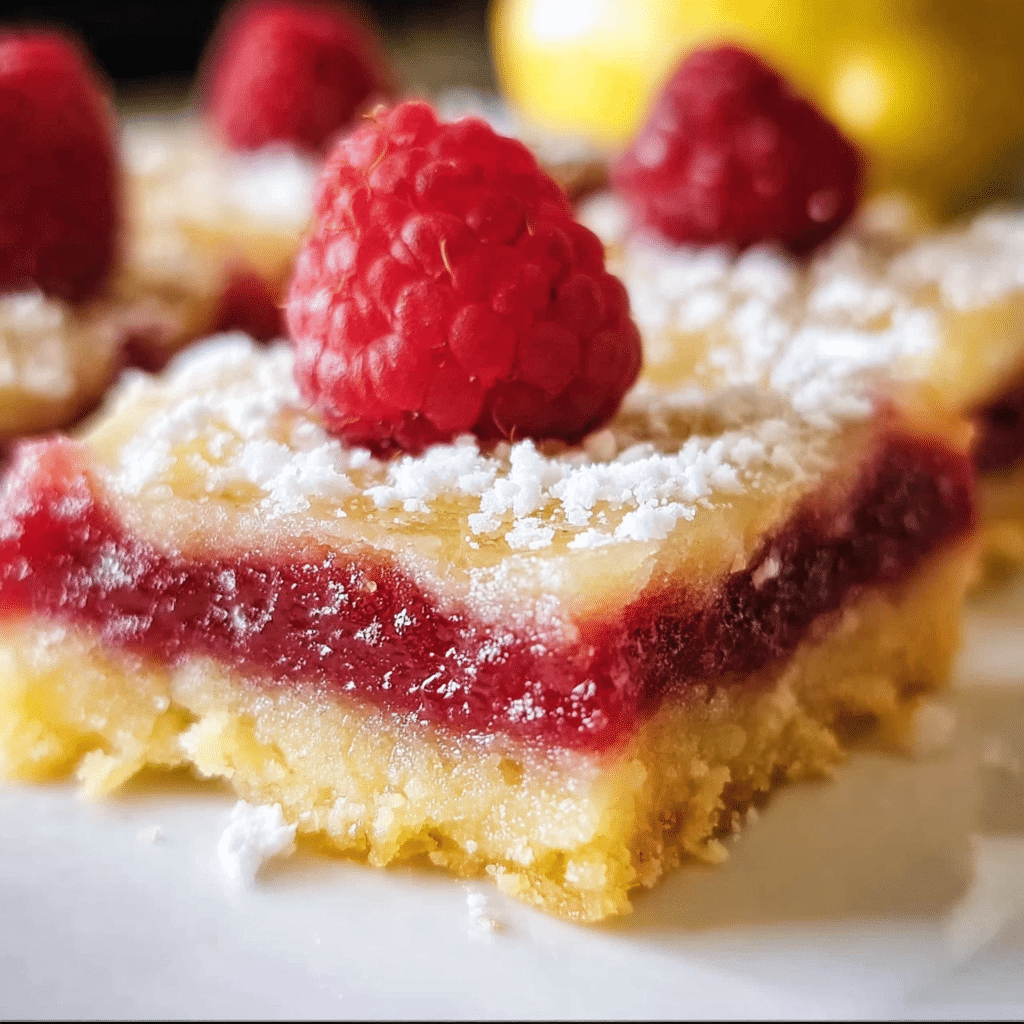
Once your lemon raspberry bars are baked to perfection, presentation is key! Sprinkle some powdered sugar on top for a simple yet elegant finish. You can cut the bars into squares or rectangles and serve them on a beautiful platter. For added flair, consider garnishing with fresh raspberries or lemon slices.
Pairing your lemon raspberry bars with a delightful beverage can elevate the experience. A crisp, chilled glass of Sauvignon Blanc complements the tartness of the lemon beautifully. For a non-alcoholic option, a refreshing lemon-infused sparkling water will do the trick. You can even create a fun mocktail with muddled raspberries and mint for a vibrant, refreshing drink.
Lastly, if you’re preparing these lemon raspberry bars for a special occasion, consider serving them alongside a scoop of vanilla ice cream or a dollop of whipped cream to add a creamy contrast to the tartness of the bars. Each bite will become a delightful exploration of flavors!
In conclusion, creating the perfect lemon raspberry bars involves more than just following a recipe; it’s about utilizing professional techniques, troubleshooting potential issues, and presenting your creation in a way that will make everyone’s mouth water. With these tips in your back pocket, you’re well on your way to impressing your family and friends with these delectable treats!
Creative Variations and Adaptations of lemon raspberry bars
One of the best things about lemon raspberry bars is their versatility. While the classic version is undeniably delicious, there are countless creative variations and adaptations that can cater to different tastes, dietary needs, and seasonal ingredients. I love experimenting in the kitchen, and I’ve discovered some fantastic twists on the traditional lemon raspberry bars that I can’t wait to share with you!
Seasonal Variations
As the seasons change, so do the flavors available to us. In the spring and summer, you can swap out raspberries for other berries like blueberries or strawberries, creating berry lemon bars that are just as delightful. In the fall, consider adding spices like cinnamon or nutmeg to the crust and using apples or pears for the filling to create a warm, comforting dessert that resonates with the season.
Winter brings its own opportunities for creativity! Why not infuse your lemon raspberry bars with a hint of peppermint? This can be done by adding a few drops of peppermint extract to the filling. The result is a refreshing twist that’s perfect for holiday gatherings. Additionally, you could incorporate crushed candy canes into the crust for a festive crunch.
Dietary Adaptations
With the rise of dietary restrictions and preferences, it’s essential to have options that cater to everyone. For those following a keto diet, you can easily make lemon raspberry bars by substituting the sugar with a keto-friendly sweetener like erythritol or stevia. Use almond flour instead of regular flour for the crust, and you’ll have a delicious low-carb treat!
If you’re hosting vegan friends, you can replace the eggs in the filling with a flaxseed or chia seed mixture, which binds the ingredients together beautifully. Coconut oil can be used in place of butter for the crust, making it entirely plant-based. These variations allow everyone to enjoy the tangy sweetness of lemon raspberry bars without compromising their dietary choices.
Creative Twists
For those who love to experiment, the possibilities are endless! Consider incorporating a layer of cream cheese between the crust and the filling for a richer, more decadent bar. You could also swirl in some raspberry puree into the lemon filling before baking to create a stunning marbled effect that is as beautiful as it is delicious.
Another fun idea is to add an herbal twist to your lemon raspberry bars. Infusing the lemon filling with fresh basil or rosemary can create a unique flavor profile that surprises and delights your taste buds. This unexpected herbaceous touch is a great conversation starter at gatherings!
If you find yourself with leftover lemon raspberry bars, don’t fret! Transform them into a delicious parfait by layering crumbled bars with whipped cream and fresh raspberries for a stunning dessert that’s sure to impress. Alternatively, consider using the bars as an ice cream topping or blending them into a smoothie for a refreshing treat.
In summary, the beauty of lemon raspberry bars lies in their adaptability. From seasonal variations to dietary modifications and creative twists, there is a version out there for everyone. Embrace the opportunity to experiment in the kitchen, and you’ll find that each variation brings a new story and experience to share with family and friends. So grab those lemons and raspberries, and let your culinary creativity shine!
Storage, Reheating, and Meal Prep for lemon raspberry bars
When it comes to enjoying your homemade lemon raspberry bars, understanding the best storage methods can make all the difference in maintaining their delicious flavor and texture. Whether you have leftovers or you’re preparing a batch for a gathering, knowing how to store these delightful treats will ensure they remain as scrumptious as the day they were made.
Short-term Storage
If you’re planning to enjoy your lemon raspberry bars within a few days, short-term storage is the way to go. Start by allowing the bars to cool completely after baking. This step is crucial; placing warm bars in a container can create condensation, leading to a soggy texture. Once cooled, cut the bars into squares or rectangles, depending on your preference.
For refrigerator storage, opt for an airtight container to keep the bars fresh. A glass baking dish with a lid works wonders, or if you’re using plastic, ensure it’s BPA-free. Lay a piece of parchment paper between layers if you’re stacking them, as this prevents sticking and preserves the integrity of each bar. Stored correctly in the refrigerator, your lemon raspberry bars will stay fresh for up to a week. However, I recommend enjoying them within the first three days for optimal taste.
Freezing and Long-term Storage
For longer storage, freezing your lemon raspberry bars is an excellent option. The key to successful freezing is to wrap the bars tightly to prevent freezer burn. Once cut, place each square on a baking sheet lined with parchment paper and freeze them for about an hour. This step is known as flash freezing and helps maintain their shape.
After they’re frozen solid, transfer the bars into a freezer-safe zip-top bag or a rigid container. Make sure to label the container with the date so you can keep track of how long they’ve been stored. When properly frozen, lemon raspberry bars can last up to three months without losing quality. When you’re ready to enjoy them, simply move the desired number of bars to the refrigerator to thaw overnight. If you’re in a hurry, you can leave them at room temperature for a couple of hours, but be cautious, as they may soften more than preferred.
Reheating Best Practices
Reheating lemon raspberry bars is not always necessary, but if you prefer them warm, there are methods to do so without compromising texture. The best way to reheat is gently in the oven. Preheat your oven to 350°F (175°C) and place the bars on a baking sheet. Heat for about 10-15 minutes, but keep an eye on them to prevent drying out. You can also cover them with aluminum foil to retain moisture.
Microwaving is another option for reheating, but it can alter the texture. If you choose this method, heat the bars in 10-15 second intervals to avoid overheating, which can lead to a rubbery consistency. Always allow them to cool slightly before taking a bite, as the filling can be quite hot.
Meal prepping lemon raspberry bars is a fantastic way to ensure you have a sweet treat ready to go at any time. Consider making a double batch and freezing half for later. You can also portion them into individual servings before freezing, making it simple to grab one or two at a time. This strategy not only saves time but also caters to portion control, especially if you’re watching your intake.
When meal prepping, remember food safety guidelines. Make sure to cool your bars adequately before wrapping or placing them in containers. Always check for any signs of spoilage before consumption, especially if they’ve been stored for a while. Properly stored, lemon raspberry bars are a delightful treat you can count on to brighten up your day.
In conclusion, whether you’re storing your lemon raspberry bars for a week, freezing them for a later date, or reheating them for an indulgent moment, the right techniques can preserve their amazing taste and texture. With these methods in mind, you can enjoy your delicious creation with confidence.
Nutritional Benefits and Health Information
Understanding the nutritional aspects of your favorite desserts, like lemon raspberry bars, can help you make informed choices while indulging in a sweet treat. While these bars are undeniably delicious, they also come with a unique blend of nutrients that can benefit your health in moderation. Let’s dive deep into the nutritional breakdown and health benefits of these delightful squares.
Nutritional Profile
A typical serving of lemon raspberry bars contains a mix of carbohydrates, fats, and proteins. On average, one bar may have around 150-200 calories, depending on the specific recipe and portion size. The primary ingredients usually include flour, sugar, butter, eggs, lemon juice, and raspberries, each contributing to the overall nutritional profile.
Carbohydrates are the largest macronutrient in these bars, primarily coming from the sugar and flour used. A serving typically contains about 20-30 grams of carbohydrates. While sugar is a significant component, it’s important to note that the natural sugars from raspberries also play a role. Raspberries are high in fiber, which enhances digestion and promotes satiety.
The fat content in lemon raspberry bars comes mainly from butter. A single serving can contain around 7-10 grams of fat, with some recipes opting for healthier fat substitutes, such as coconut oil or even avocado. This is a great way to add some nutritious benefits while still enjoying a rich flavor. Protein content is relatively low, usually around 2-4 grams per serving, which is typical for dessert bars.
Health Benefits
The key ingredients in lemon raspberry bars offer several health benefits worth noting. Raspberries, for instance, are a powerhouse of antioxidants, vitamins, and minerals. They are particularly rich in Vitamin C, which supports the immune system, and dietary fiber, which aids in digestion and helps maintain a healthy weight.
Lemon juice, another star ingredient, is packed with Vitamin C and flavonoids, both of which provide anti-inflammatory properties and can boost skin health. Additionally, the acidity of lemon juice enhances the absorption of iron from plant-based foods, making it a beneficial addition to your diet.
Furthermore, if you’re opting for whole wheat flour instead of white flour, you’ll also gain additional nutrients such as B vitamins, iron, and magnesium, along with the fiber content that aids in digestion. With these health benefits in mind, you can enjoy your lemon raspberry bars while knowing you’re treating your body to some nutritious elements.
Dietary Considerations
As with any dessert, there are dietary considerations to keep in mind. For those with gluten sensitivities, using gluten-free flour blends can make lemon raspberry bars accessible without sacrificing flavor. Additionally, if you’re looking to reduce sugar intake, consider substituting granulated sugar with alternatives like honey, maple syrup, or a sugar substitute that works well in baking.
For vegans, it’s easy to modify the recipe by using plant-based butter and a flaxseed or chia seed egg substitute. This way, you can savor these delightful bars without compromising your dietary preferences. Always check ingredient labels if you’re purchasing pre-made components, as some may contain allergens or unwanted additives.
In conclusion, lemon raspberry bars not only satisfy your sweet tooth but also provide a healthy dose of nutrients when enjoyed in moderation. Understanding the nutritional benefits and making informed dietary modifications can enhance your experience with this delicious treat while keeping your health goals in check. So go ahead, whip up a batch of these bars, and indulge in their zesty goodness knowing you’re also treating your body well!
Conclusion: Mastering the Perfect lemon raspberry bars
Creating the perfect lemon raspberry bars is more than just following a recipe—it’s about understanding the techniques, ingredients, and cultural significance behind this beloved dish. Throughout this comprehensive guide, we’ve explored everything from the historical origins to modern variations, ensuring you have all the knowledge needed to make this recipe your own.
Whether you’re a beginner cook or an experienced chef, the techniques and tips we’ve shared will help you create a lemon raspberry bars that’s not only delicious but also meaningful. Remember that cooking is a journey of discovery, and each time you make this dish, you’ll learn something new.
We encourage you to experiment with the variations we’ve discussed, adapt the recipe to your dietary needs, and most importantly, share it with the people you love. Food has the incredible power to bring people together, and Lemon Raspberry Bars is the perfect dish to create lasting memories around your dinner table.

Don’t forget to share your cooking adventures with us on social media, and feel free to ask questions in the comments below. Happy cooking!
Share this recipe and let us know how it turned out! Tag us on social media for a chance to be featured.