Low carb philly—those three words bring a smile to my face every time I think about them. It was a chilly evening not long ago, and I found myself rummaging through my pantry, determined to create something hearty yet healthy for dinner. My family was craving comfort food, but I was on a low-carb kick, trying to stick to my health goals. That’s when I stumbled upon some leftover steak, peppers, and cheese, and a light bulb went off in my head. Why not transform the classic Philly cheesesteak into a low-carb casserole? And thus, my journey into the world of low carb philly began.
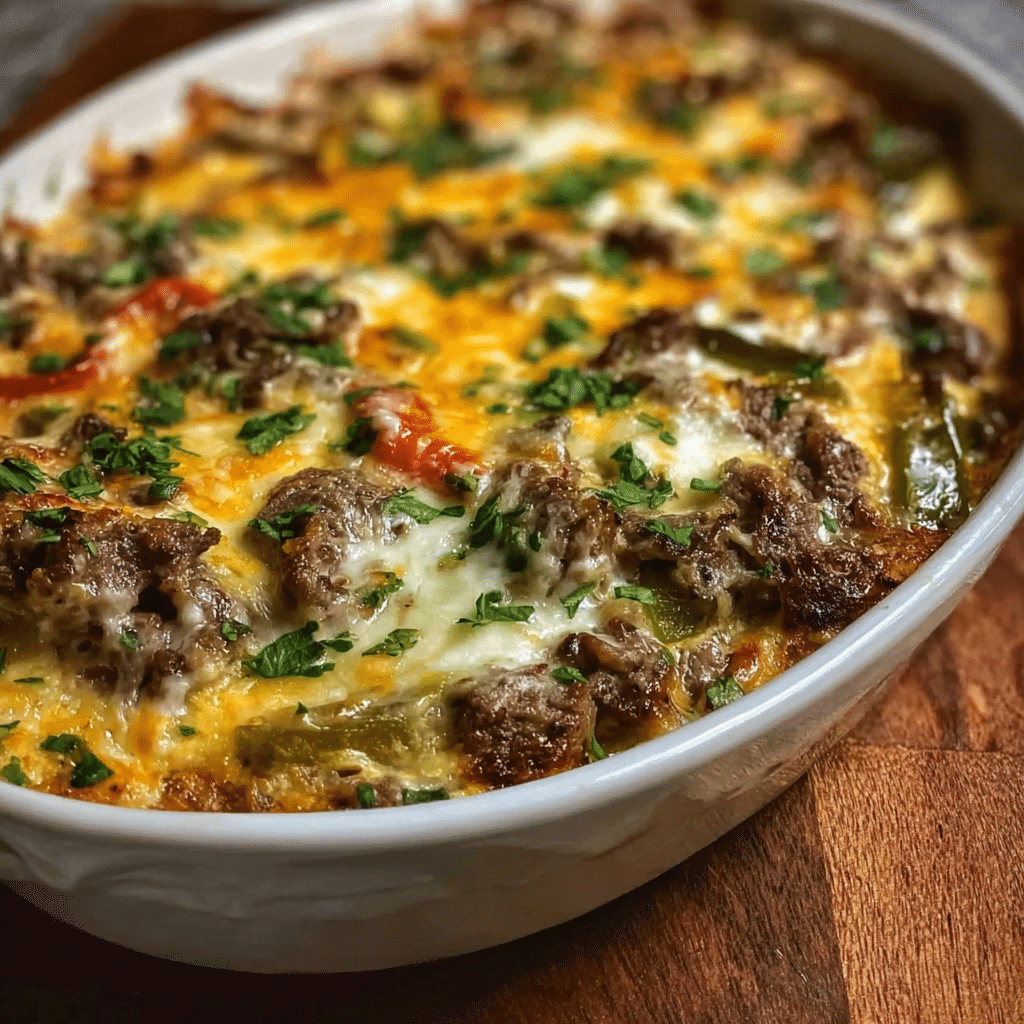
As I mixed the ingredients together, memories of my first trip to Philadelphia flooded back. The vibrant streets, the hustle and bustle of locals, and the enticing aromas wafting from food trucks selling cheesy, meaty sandwiches. I remember standing in line at a famous cheesesteak joint, debating whether to go for the wit or witout—meaning, with or without cheese. The excitement of biting into that warm, gooey sandwich was unforgettable. But as much as I loved the indulgence, I knew I had to find a way to enjoy those flavors without the carbs. That’s when the low carb philly casserole was born—a dish that respects tradition while catering to modern dietary needs.
The Story Behind This Recipe
This recipe holds a special place in my heart, not only because it was born out of necessity but also because it’s a bridge between my love for food and my commitment to a healthier lifestyle. One of the things I love most about cooking is the ability to adapt and reinvent dishes. The low carb philly casserole is a perfect example of that. By swapping out bread for a mix of vegetables and cheeses, I captured the essence of a Philly cheesesteak while keeping the carb count low. It’s an approachable dish that can be whipped up in under 30 minutes, making it perfect for busy weeknights when you want something delicious without spending hours in the kitchen.
What makes this recipe stand out from other casseroles is its versatility. You can customize it based on what you have on hand or your family’s preferences. Want more veggies? Toss in some mushrooms or spinach. Prefer a little spice? Add jalapeños or crushed red pepper. This dish is a canvas for creativity while still being deeply satisfying and comforting. It’s not just a meal; it’s a celebration of flavors that brings my family together around the dinner table.
Why You’ll Love This Dish
Seasonal relevance is another wonderful aspect of the low carb philly casserole. While it’s perfect for those brisk autumn evenings, it’s also a great dish for any time of year. Picture it: a summer evening when you want something hearty, but you don’t want to turn on the oven for a long time. This casserole can be made ahead and popped in the oven just before serving, allowing you to spend more time with loved ones and less time worrying about dinner.
Moreover, the emotional connection to this dish is significant. It’s not just about satisfying hunger; it’s about creating memories. I recall one family dinner where my kids were skeptical about the idea of a casserole with no bread, but one bite in, their expressions changed from doubt to delight. They were asking for seconds and thirds, and in that moment, I realized that I had created a dish that not only met my dietary needs but also brought joy to my family. This low carb philly casserole is now a staple in our home, and I can’t wait to share it with you.
In this article, you’ll learn not only how to make this delicious low carb philly casserole but also the rich history behind the dish, its cultural significance, and how it has evolved over time. So grab your apron, and let’s dive into the world of flavors that can make your weeknight dinners exciting and healthy!
The Rich History and Cultural Significance of low carb philly
The rich history and cultural significance of low carb philly are steeped in tradition and innovation. At its core, the Philly cheesesteak, which inspired this casserole, has its origins in Philadelphia, Pennsylvania, dating back to the early 20th century. It is said that in 1930, a hot dog vendor named Pat Olivieri decided to cook up some beef on his grill. He and a friend tasted the beef and decided to put it on a hoagie roll, marking the beginning of a culinary phenomenon. Over the decades, the cheesesteak has evolved, gaining popularity and spawning various interpretations, but the essence of quality beef, cheese, and a soft roll remains central to its identity.
Origins and History
As someone who has always been fascinated by food history, I love delving into the past of dishes that we often take for granted. The cheesesteak has become synonymous with Philadelphia cuisine, and its legacy is celebrated in numerous restaurants throughout the city. Places like Pat’s and Geno’s are not just eateries; they are landmarks, drawing tourists and locals alike who wish to experience the authentic taste of a cheesesteak. Each establishment has its unique take, with debates often arising about what constitutes the “best” cheesesteak. Is it the type of cheese—American, provolone, or Cheez Whiz? Or is it the way the meat is sliced and cooked? These discussions underline the pride that Philadelphians have in their culinary heritage.
Despite the traditional methods of preparation, the evolution of the cheesesteak has led to many modern iterations, including the low carb philly. With the rise of health consciousness and dietary restrictions, many home cooks and chefs alike have reimagined this iconic dish to suit the needs of a broader audience. This adaptability is what makes the low carb philly casserole not only relevant but also exciting, as it allows us to engage with our culinary roots while accommodating contemporary preferences.
Cultural Significance
The cultural significance of the cheesesteak extends beyond just its taste. It has become a symbol of Philadelphia itself, representing the city’s working-class roots and vibrant food scene. Cheesesteaks are often enjoyed during sporting events, a tradition that resonates deeply with the local culture. They are not just a meal; they are a part of the experience of cheering for the Eagles or the Phillies. The low carb philly casserole carries that same spirit, offering a way for families to enjoy the flavors of Philadelphia while adhering to healthier eating habits.
Moreover, this casserole can be served on various occasions, from casual family dinners to gatherings with friends. It’s a dish that invites storytelling, laughter, and connection, much like the original cheesesteak. But it also serves a purpose in today’s health-conscious world, providing a comforting, nutritious option without the guilt associated with traditional heavy meals.
Nutritional Benefits
Let’s not forget the nutritional benefits of the low carb philly casserole. The original cheesesteak, while delicious, can be high in calories and carbohydrates due to the bread and fatty cuts of meat. However, by transforming it into a casserole, we can incorporate leaner proteins, such as sirloin or chicken, and load it with colorful vegetables like bell peppers, onions, and even zucchini, all while using low-carb alternatives. This not only reduces the overall calorie count but also increases the nutritional value of the dish.
Moreover, the low carb philly casserole is a gluten-free option, making it accessible to those with gluten sensitivities. The inclusion of cheese adds a good source of calcium and protein, while the vegetables contribute essential vitamins and minerals. This dish truly exemplifies how we can enjoy our favorite flavors without compromising our health, making it a beloved recipe in our household and beyond.
In conclusion, the low carb philly casserole is more than just a healthful adaptation of a classic dish. It is a celebration of culinary history, cultural significance, and the joy of cooking for those we love. As we continue to explore this delectable recipe, we’ll discover how to create it in our own kitchens, infusing our meals with the rich flavors of Philadelphia while maintaining a modern twist.
Essential Ingredients for Perfect low carb philly
When it comes to creating an unforgettable low carb philly cheesesteak casserole, the foundation of any great dish lies in its ingredients. Each component plays a crucial role, not just in flavor, but also in the texture and overall experience of the meal. Let’s dive into the essential ingredients that will bring your low carb philly to life!
Essential Ingredients
- 2 pounds shaved steak: The star of the show! Shaved steak is thinly sliced beef that cooks quickly and absorbs flavors beautifully. Look for high-quality cuts such as ribeye for a rich, buttery flavor. When purchasing, ensure it has a good marbling of fat; this adds moisture and tenderness.
- Salt and pepper: These are the basic seasonings that will enhance the flavors of your ingredients. Always use fresh ground pepper for the best taste. A good quality sea salt or kosher salt can elevate your dish.
- 1 tablespoon avocado oil: A fantastic choice for sautéing, avocado oil has a high smoke point and a mild flavor that won’t overpower the dish. It’s also packed with healthy fats. If you prefer, olive oil can be a suitable substitute, though it has a lower smoke point.
- 1 chopped onion: Onions add sweetness and depth to your casserole. Yellow onions are commonly used, but you can also experiment with red or sweet onions for a milder flavor. Look for firm onions with dry, papery skin.
- 1 bell pepper cut into 1/2 inch strips (red, green, or yellow): Bell peppers provide a delightful crunch and vibrant color. Red peppers are sweeter, while green has a more peppery taste. Choose peppers that are firm and glossy for the best quality.
- 1 teaspoon garlic powder: Garlic powder offers a concentrated garlic flavor that blends seamlessly into the dish. It’s a fantastic time-saver, but if you’re a garlic lover, feel free to use fresh minced garlic instead.
- 1 tablespoon butter: Butter adds richness and a lovely creaminess to the casserole. For a healthier option, you can use ghee or coconut oil, but nothing quite compares to the flavor of good old-fashioned butter.
- 3/4 cup beef broth: Broth adds moisture and depth to the casserole. Opt for low-sodium beef broth to control the saltiness of your dish. Homemade broth is ideal, but store-bought works just fine. Make sure it’s free from artificial additives and preservatives.
- 4 ounces cream cheese, cubed: This ingredient brings creaminess and helps bind the casserole together. Full-fat cream cheese provides the best flavor, but low-fat options are available if you’re watching calories.
- 16 ounces grated provolone, divided: Provolone cheese melts beautifully and adds that signature cheesesteak flavor. Look for high-quality provolone from a deli or cheese shop. If you want a sharper flavor, feel free to mix in some aged provolone or even mozzarella.
Low Carb Philly Cheesesteak Casserole
Ingredients
- 2 pounds shaved steak
- Salt and pepper
- 1 tablespoon avocado oil
- 1 chopped onion
- 1 bell pepper cut into ½ inch strips (red, green, or yellow)
- 1 teaspoon garlic powder
- 1 tablespoon butter
- ¾ cup beef broth
- 4 ounces cream cheese cubed
- 16 ounces grated provolone divided
Instructions
- Preheat oven to 350° F. Season the steak with salt and pepper to taste.
- Heat the avocado oil in a large skillet over medium-high heat. Add the steak and cook until browned, about 2 minutes per side. Remove from the heat. Allow to cool slightly and chop.
- Add the onion and peppers to the skillet and cook for 6 minutes, until softened. Add the garlic powder and season to taste with salt and pepper. Return the chopped steak to the skillet and stir to combine. Remove from heat.
- Meanwhile, melt the butter in a saucepan and add the beef broth. Bring to a simmer over medium-high heat. Reduce heat to medium and add the cream cheese. Cook, whisking often until the cream cheese is melted. Reduce heat to low and add in 8 ounces of the provolone cheese. Cook until the cheese is melted.
- Add the cheese sauce to the steak mixture and stir to combine. Transfer to a casserole dish and top with the remaining cheese.
- Bake for 25 to 30 minutes until bubbly and heated through.
Shopping Tips
When shopping for ingredients for your low carb philly casserole, consider visiting local farmers’ markets for fresh produce. They’ll often have the freshest onions and bell peppers, which can make a noticeable difference in flavor. For meats, a reputable butcher can provide high-quality shaved steak and may even slice it fresh for you. Don’t hesitate to ask for recommendations!
Additionally, if you have dietary restrictions, check the labels of your broth and cream cheese to avoid preservatives or additives. Organic ingredients, while sometimes pricier, can offer better flavor and fewer chemicals, making them worth considering, especially for staple items.
Substitutions and Alternatives
Sometimes, you might find yourself in need of a substitution for one of the ingredients in your low carb philly. Here are some options:
- Shaved steak: If shaved steak isn’t available, thinly sliced flank steak or sirloin works well. Ground beef is also an option, but it will change the texture of the casserole.
- Onion: Shallots or leeks can be used for a different onion flavor profile. Green onions could work in a pinch too, adding a milder taste.
- Bell pepper: If you want to reduce carbs further, you can skip the bell pepper or use zucchini as a substitute for a similar texture.
- Cream cheese: For a dairy-free option, consider using cashew cream or a vegan cream cheese alternative. Just ensure it is a product you enjoy as it will influence the final taste.
- Provolone cheese: If provolone isn’t available, mozzarella or cheddar can serve as a substitute, although the flavor profile will shift slightly.
In conclusion, the ingredients you choose for your low carb philly cheesesteak casserole will significantly impact the overall flavor and texture of the dish. By selecting high-quality ingredients and understanding their roles, you set yourself up for a delicious and satisfying meal that honors the classic flavors of the beloved cheesesteak.
Detailed Step-by-Step low carb philly Cooking Instructions
Creating a low carb philly cheesesteak casserole is not just about throwing ingredients together; it’s about layering flavors and textures to craft a dish that’s as comforting as it is delicious. With a clear step-by-step approach, we’ll ensure that you achieve a perfect casserole every time!
Preparation Steps
- Gather your ingredients: Before you start cooking, it’s essential to have all your ingredients prepped and ready. This means measuring your beef broth, cubing your cream cheese, and grating the provolone cheese if you haven’t already. This mise en place technique is a chef’s best friend!
- Chop your vegetables: Dice the onion and slice the bell pepper into 1/2 inch strips. The uniform size helps them cook evenly. Set these aside in separate bowls, as they will be added to the pan at different times.
- Season the steak: Season your shaved steak generously with salt and pepper. This step is crucial as it enhances the natural flavors of the meat. Allow it to sit for about 10 minutes to absorb the seasoning.
- Prepare your cooking space: Clear a space on your counter or stovetop and gather your cookware. You’ll need a large skillet or Dutch oven to accommodate all the ingredients. A wooden spoon or spatula for stirring will also be handy.
- Preheat your cooking oil: In your skillet, heat 1 tablespoon of avocado oil over medium-high heat. You’ll know it’s ready when the oil shimmers slightly. This is an important step; too low a temperature will lead to steaming instead of browning.
Cooking Process
- Sauté the onions and peppers: Add your chopped onion to the skillet, stirring occasionally until they become translucent, about 3-4 minutes. Then, add the bell pepper strips and continue to cook for another 5-7 minutes, until they soften. The aroma will be heavenly! This step builds the flavor base for your low carb philly.
- Add the shaved steak: Increase the heat to high and add the seasoned shaved steak to the skillet. Stir frequently to avoid sticking. Cook for 5-7 minutes, or until the steak is browned and cooked through. Make sure not to overcrowd the pan, as this can lead to steaming rather than browning.
- Incorporate the garlic powder and butter: Once the steak is cooked, sprinkle in the garlic powder and add the tablespoon of butter. Stir until the butter has melted and everything is well combined. The garlic powder will infuse the dish with flavor at this point.
- Add the broth: Pour in the beef broth, scraping the bottom of the pan to deglaze and incorporate all the flavorful bits stuck to the skillet. Bring the mixture to a gentle simmer, allowing it to reduce slightly for about 3-5 minutes.
- Stir in the cream cheese: Reduce the heat to low and add the cubed cream cheese. Stir continuously until it completely melts into the mixture, creating a creamy sauce that binds everything together.
- Add provolone cheese: Gradually stir in 8 ounces of the grated provolone cheese, allowing it to melt into the mixture. This step is crucial for achieving that cheesy, gooey texture we all love in a cheesesteak casserole.
- Prepare for baking: Preheat your oven to 350°F (175°C). While the oven is heating, transfer the mixture to a baking dish, spreading it evenly.
Final Assembly
- Top with remaining cheese: Sprinkle the remaining 8 ounces of provolone cheese over the top of the casserole. This will create a beautiful, melty cheese layer that’s absolutely irresistible.
- Bake the casserole: Place the baking dish in the preheated oven and bake for 20-25 minutes, or until the cheese is bubbly and slightly golden. Keep an eye on it to avoid burning the cheese.
- Cool and serve: Once baked, remove the casserole from the oven and let it sit for about 5-10 minutes to cool slightly. This will help the casserole set up a bit, making it easier to scoop out servings.
- Garnish and enjoy: If desired, garnish your low carb philly casserole with some chopped fresh parsley for a pop of color and freshness. Serve it warm, and watch as your family and friends rave about this comforting dish!
Cooking a low carb philly cheesesteak casserole can seem daunting, but with these detailed steps, you’ll be able to navigate the process with confidence. Remember, the key is to take your time and enjoy the cooking experience. It’s not just about the meal; it’s about the journey!
Professional Tips and Techniques for low carb philly
When it comes to crafting a delicious low carb philly cheesesteak casserole, there are certain professional tips and techniques that can elevate your dish from ordinary to extraordinary. This isn’t just any casserole; it’s a love letter to the classic Philly cheesesteak, reimagined to fit a low-carb lifestyle. Whether you’re a seasoned chef or a budding home cook, these insights will help you master this recipe with confidence.
Professional Techniques
One of the key aspects of a successful low carb philly is the preparation of the ingredients. Start with high-quality, thinly sliced beef. Flank steak or ribeye is often favored for its rich flavor and tenderness. When slicing the beef, aim for a thickness of about 1/8 inch. For best results, freeze the meat for about 30 minutes before slicing; this firms it up and makes it easier to cut. Additionally, using a sharp knife ensures clean cuts that will cook evenly.
Next, let’s talk about the vegetables. Bell peppers and onions are traditional in a Philly cheesesteak and can be sautéed to perfection. To enhance their natural sweetness, cook them slowly over medium heat, allowing them to caramelize. This takes patience, but the flavor payoff is immense. You can also add mushrooms for an earthy depth, which complements the beef beautifully.
Another technique to consider is the layering of flavors. As you cook your beef, season it generously with salt, pepper, and garlic powder. This not only enhances the beef’s natural flavor but builds a robust base for your casserole. If you’re feeling adventurous, a splash of Worcestershire sauce can add a delightful umami kick.
Troubleshooting Guide
Even the best cooks run into hiccups now and then, so it’s essential to have a troubleshooting guide for your low carb philly casserole. One common issue is the casserole turning out too watery. This can happen if you use frozen vegetables or if the beef releases too much liquid during cooking. To combat this, always sauté your vegetables beforehand to reduce moisture. If you find your casserole is still watery, consider adding a thickening agent like almond flour or coconut flour, which are low-carb alternatives to traditional flour.
Another challenge might be achieving the right cheese melt. A blend of provolone and mozzarella is classic for cheesesteaks, but if your cheese doesn’t melt properly, it can create a less appealing texture. To ensure a gooey cheese layer, use freshly grated cheese rather than pre-shredded varieties, which often contain anti-caking agents that can affect melting.
Presentation Tips
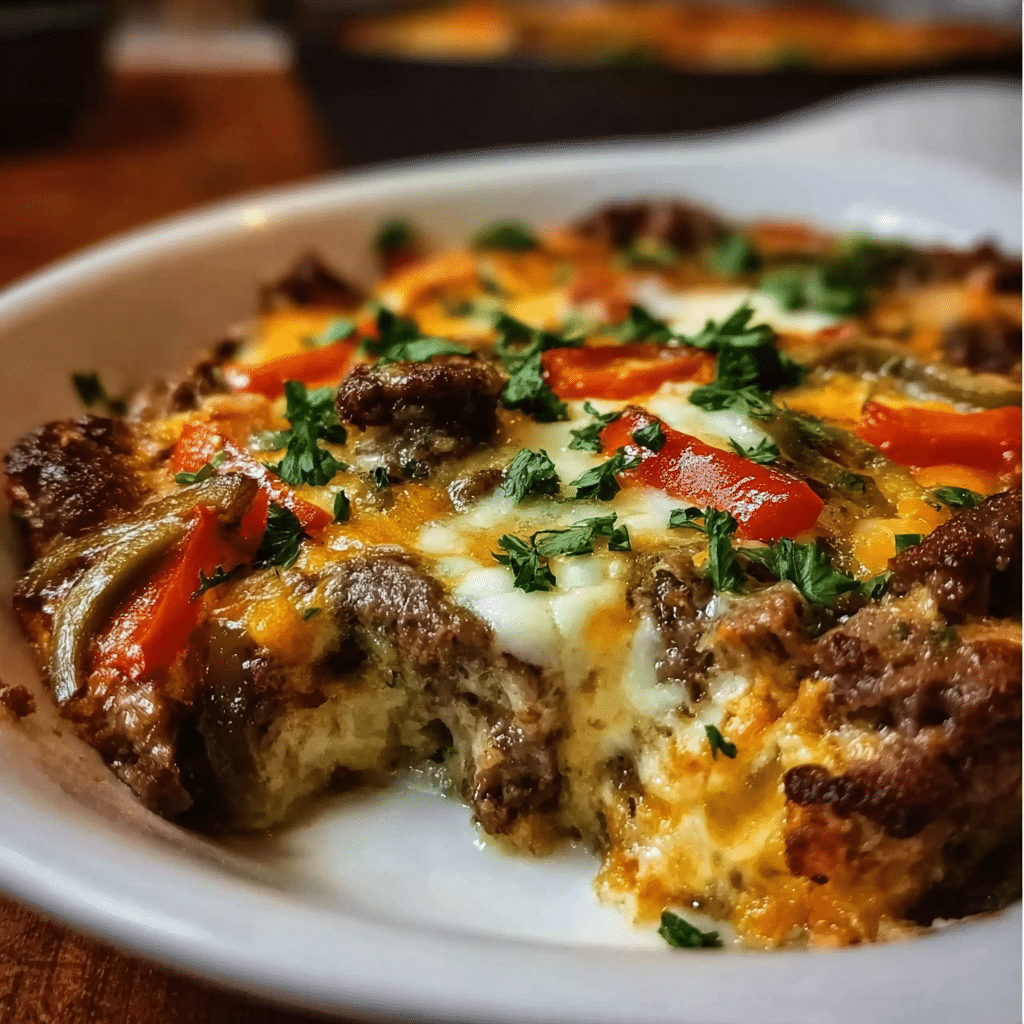
Presentation is crucial, especially for a dish as beloved as the low carb philly cheesesteak casserole. To plate it beautifully, consider using a deep, square casserole dish that showcases the layers of beef, peppers, onions, and cheese. After baking, let your casserole rest for about 10 minutes; this will help it set and make serving easier. When you cut into it, you’ll see the gorgeous layers, and it will hold its shape perfectly.
For a finishing touch, sprinkle fresh parsley or chopped green onions on top for a pop of color. Not only does it enhance the visual appeal, but it also adds a fresh flavor that complements the richness of the dish.
As for beverage pairings, a light-bodied red wine, such as Pinot Noir, complements the savory flavors of the casserole without overwhelming it. If you prefer something non-alcoholic, a sparkling water with a slice of lemon or lime is refreshing and cleanses the palate.
Lastly, meal prepping is a smart way to enjoy this low carb philly casserole throughout the week. You can prepare the filling ahead of time and store it in the refrigerator for up to three days. Just assemble the casserole and bake when you’re ready to serve. This makes weeknight dinners a breeze!
Creative Variations and Adaptations of low carb philly
Exploring the creative variations and adaptations of the low carb philly cheesesteak casserole can be as satisfying as making the original recipe. The beauty of this dish lies in its versatility, allowing you to play with flavors, ingredients, and cooking methods. Let’s delve into some exciting options that can help you customize this dish to fit your tastes and dietary preferences.
Seasonal Variations
As the seasons change, so can your low carb philly casserole. In the fall, consider incorporating roasted butternut squash or sweet potatoes for a touch of sweetness and a hint of earthiness. These ingredients not only add flavor but also provide a beautiful color contrast. In the summer, fresh zucchini or yellow squash can replace traditional starchy vegetables, maintaining the low-carb profile while adding a light, refreshing taste.
Winter brings its own bounty, and you can experiment with adding kale or spinach for a nutrient boost. Sauté these greens with your onions and peppers; they wilt down beautifully and enhance the casserole’s nutritional value without compromising flavor. Spring is the perfect time to introduce asparagus or baby bell peppers, which can add a crisp texture and vibrant color to your dish.
Dietary Adaptations
For those following specific dietary guidelines, there are countless ways to modify your low carb philly casserole. If you’re aiming for a keto-friendly version, stick with the original ingredients but consider using cauliflower rice as a base instead of traditional grains. This not only keeps the carbs down but also adds a delightful texture.
For a vegetarian or vegan adaptation, substitute the beef with a plant-based protein such as tempeh or seitan, and use vegan cheese to maintain that melty goodness. You can also load up on extra veggies to create a hearty, flavorful casserole that even meat lovers will enjoy. Additionally, for gluten-free eaters, simply ensure that any sauces or condiments used are certified gluten-free.
Creative Twists
If you’re feeling adventurous, why not experiment with international flavors in your low carb philly casserole? A Mexican twist can be achieved by adding diced jalapeños, taco seasoning, and pepper jack cheese, serving it with a dollop of sour cream and a sprinkle of cilantro. Alternatively, a Mediterranean version could feature ground lamb, feta cheese, and olives, creating a unique take on the classic dish.
When it comes to cooking methods, the possibilities are endless. While baking is traditional, consider preparing your casserole in a slow cooker for a set-it-and-forget-it approach. This method allows the flavors to meld beautifully and makes for an incredibly tender final product. If you’re short on time, a stovetop version is also achievable—simply sauté all the ingredients in a skillet, top with cheese, and cover until melted.
Finally, don’t forget about leftovers! If you find yourself with extra casserole, repurpose it into a breakfast scramble by mixing it with eggs and cooking it all together in a pan. This not only revitalizes the dish but provides a delicious and satisfying start to your day.
By embracing these variations, you can keep your low carb philly cheesesteak casserole fresh and exciting while catering to different palates and dietary needs. The key is to have fun in the kitchen and let your creativity shine!
Storage, Reheating, and Meal Prep for low carb philly
When it comes to enjoying a delicious low carb philly cheesesteak casserole, proper storage is crucial to ensuring that every bite tastes just as good as the first. This hearty dish deserves the same attention in storage as it does in preparation. Whether you’re making a big batch for a family gathering or simply meal prepping for the week, understanding how to store, reheat, and maintain the quality of your low carb philly is essential.
Short-term Storage
After you’ve enjoyed your freshly baked low carb philly cheesesteak casserole, you might find yourself with some leftovers. The best way to store these leftovers is to allow them to cool completely before transferring them to an airtight container. This prevents condensation from building up inside the container, which can lead to soggy casserole. A glass container works wonders, as it’s durable and won’t absorb any odors. I personally love using glass because it allows me to see what’s inside, making meal prep easier.
In the refrigerator, your low carb philly can last up to 3-4 days. When storing, it’s wise to portion out the casserole into single-serving containers. This not only makes it easy to grab a quick meal but also helps to keep the casserole fresher for longer since you’re not constantly opening the main container. If you’re like me and enjoy meal prepping, this technique can save you valuable time during busy weekdays!
Freezing and Long-term Storage
If you want to extend the life of your low carb philly cheesesteak casserole even further, consider freezing it. Freezing is an excellent option for preserving the flavors and nutrients of your meal. To do this, allow the casserole to cool completely, then cut it into individual portions. Wrap each portion tightly in plastic wrap or aluminum foil, and then place them in a freezer-safe bag or container. Be sure to label the bags with the date, so you know how long they’ve been stored. I often forget what I’ve frozen, so labeling is a lifesaver!
When stored properly, your casserole should remain good for up to 3 months in the freezer. To ensure the best quality, try to avoid freezer burn by removing as much air as possible from the bags. When you’re ready to eat, simply thaw your individual portion in the refrigerator overnight before reheating.
Reheating Best Practices
Reheating your low carb philly cheesesteak casserole is where some finesse is needed to maintain its texture and flavor. The best method is using the oven. Preheat your oven to 350°F (175°C), then place your casserole in an oven-safe dish. Cover it with aluminum foil to prevent it from drying out. Heat for about 20-25 minutes, or until it’s heated through. If you’re reheating a single portion, a microwave works fine, but be sure to cover it to avoid splatters. Heat it in short intervals, checking every minute to maintain the quality.
For an extra touch, if you love a crispy top, you can remove the foil during the last few minutes of heating in the oven! This method adds that delightful texture back to the casserole that we all love.
Food safety is paramount when reheating. Ensure that your casserole reaches an internal temperature of 165°F (74°C) to eliminate any risk of foodborne illness. Use a food thermometer to check, especially if you’ve thawed it from the freezer.
In terms of shelf life, remember that the quality will diminish over time. While your casserole might technically be safe to eat after a few weeks in the freezer, the flavors may not be as vibrant. It’s always ideal to enjoy your low carb philly within the recommended time frames for both taste and safety.
Finally, remember that portioning out your casserole not only aids in storage but also helps you watch your servings, especially if you’re following low carb or calorie-conscious diets. When packaging, consider using vacuum-sealed bags for even longer preservation and to prevent freezer burn. I’ve found that investing in good quality storage containers really pays off in the long run, both in terms of food safety and the enjoyment of your meals!
Nutritional Benefits and Health Information
Understanding the nutritional benefits of your low carb philly cheesesteak casserole can enhance your cooking experience and allow you to appreciate this satisfying dish even more. Not only does it cater to those following low carb diets, but it also packs a punch in terms of flavor and nutrition. Let’s dive into the nutritional aspects of this delicious casserole and discover the health benefits of its key ingredients.
Nutritional Profile
At its core, a low carb philly cheesesteak casserole typically consists of ingredients like beef, bell peppers, onions, mushrooms, and cheese, all baked into a cohesive dish. The exact nutritional profile can vary based on the specific ingredients and portions used, but generally, a serving of this casserole can contain around 300-400 calories. The macro distribution usually features a high protein content, thanks to the beef, which can provide around 25-30 grams of protein per serving.
Carbohydrates are kept low, often under 10 grams per serving, making it an excellent choice for those on ketogenic or low-carb diets. The fat content can vary, particularly depending on the type of cheese and cuts of meat used, but it usually ranges from 15-25 grams. It’s a fulfilling dish that manages to satisfy without causing a spike in blood sugar levels, which is often the goal of low carb cooking.
Health Benefits
One of the main benefits of the low carb philly cheesesteak casserole is its ability to provide essential nutrients without excessive carbohydrates. The primary ingredient, beef, is rich in protein, which is essential for muscle repair and growth. It’s also a great source of iron and vitamin B12, both necessary for energy production and overall health.
Vegetables such as bell peppers and onions contribute vitamins A and C, which are vital for immune function and skin health. The fiber content from these vegetables also aids digestion, making this dish not just filling but also beneficial for your gut. The inclusion of mushrooms adds additional nutrients like selenium and antioxidants, which can help combat oxidative stress in the body.
Incorporating healthy fats, especially if you choose full-fat cheese, can promote satiety, helping you feel full longer and reducing the tendency to snack unnecessarily. This aspect can be particularly helpful for those managing weight or blood sugar levels.
Dietary Considerations
When it comes to dietary considerations, the low carb philly cheesesteak casserole is relatively flexible. For those following gluten-free diets, ensure that any sauces or seasonings do not contain gluten. You can swap traditional high-carb ingredients for low-carb alternatives; for instance, using zucchini or cauliflower in place of bread can make this dish even more compliant with keto standards.
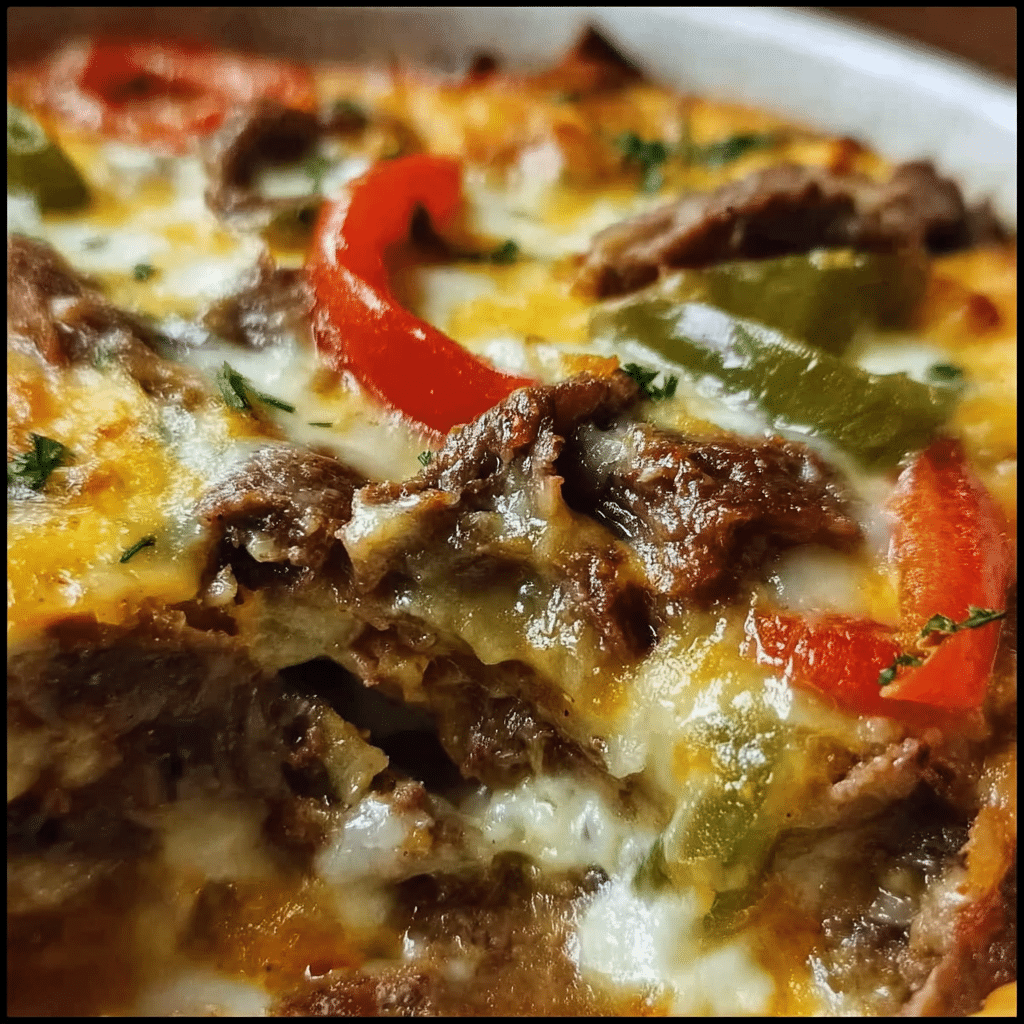
As for allergens, the main components to be aware of are dairy and potential soy products, especially if you include soy sauce in your seasonings. Always read labels carefully and consider your guests’ dietary needs when preparing this casserole.
For those looking to modify the recipe for personal health goals, consider using leaner cuts of meat or reducing the amount of cheese to lower the fat content. Alternatively, you could bulk up the vegetable content to add more fiber and nutrients without significantly increasing the caloric content.
Compared to similar dishes like traditional cheesesteaks or even lasagna, the low carb philly cheesesteak casserole offers a healthier twist that doesn’t compromise on flavor. The absence of bread means fewer empty carbs and more nutrient-dense ingredients, making it a winner for anyone looking to indulge without the guilt.
In conclusion, the low carb philly cheesesteak casserole is not just a meal; it’s a nutritious option that fits seamlessly into various dietary lifestyles. With its robust flavor profile and health benefits, it stands out as a fantastic choice for any dinner table. Whether you’re enjoying it fresh out of the oven or reheating leftovers, you can feel good knowing you’re treating yourself to something both delicious and nourishing.
Frequently Asked Questions About Low Carb Philly
Low carb philly cheesesteak casserole pioneer woman
The Pioneer Woman’s take on a low carb Philly cheesesteak casserole typically features a rich combination of sautéed bell peppers, onions, and tender beef, all topped with gooey cheese. To lower the carb content, consider using cauliflower rice or finely chopped zucchini in place of traditional rice or pasta. This not only adds bulk but also enhances the nutritional profile of the dish. Additionally, using a variety of cheeses like provolone or mozzarella can elevate the flavor while keeping carbs low. Don’t forget to season generously with garlic powder and black pepper for added depth!
Low carb philly cheesesteak casserole with rice
In a low carb Philly cheesesteak casserole with rice, you can substitute traditional rice with alternatives such as cauliflower rice or riced broccoli to keep the carb count down. Sauté your beef with onions and peppers until they’re caramelized, then mix in the riced vegetable and top with a generous layer of cheese. For added flavor, consider incorporating Worcestershire sauce or a dash of hot sauce to the beef while cooking. Bake until the cheese is bubbly and golden for a satisfying texture that mirrors the original dish without the extra carbohydrates.
Easy low carb philly cheesesteak casserole
An easy low carb Philly cheesesteak casserole can be made quickly by utilizing pre-sliced beef and frozen bell peppers and onions, which save on prep time. Simply brown the beef, add the vegetables, and mix in your low carb binder, like cream cheese or a low-carb cream sauce, to create a creamy base. Top with shredded cheese before baking to ensure a melty finish. To streamline the cooking process, consider using a one-pot method where everything is combined and baked in a single dish, making cleanup a breeze while still delivering on flavor and satisfaction.
Philly Cheesesteak Casserole Pioneer Woman
The Pioneer Woman’s Philly Cheesesteak Casserole is a hearty dish that combines the classic flavors of a Philly cheesesteak in a convenient casserole form. For a low carb version, swap out the pasta with cauliflower or zucchini noodles. This change not only reduces carbohydrates but also adds a nutritious element to the dish. By using a blend of peppers and onions along with seasoning like garlic and pepper, you can replicate the traditional taste while keeping it healthy. Baking until the cheese is melted will give you that comforting, gooey texture that everyone loves.
Philly cheesesteak casserole Allrecipes
When looking for a low carb Philly cheesesteak casserole recipe on Allrecipes, focus on those that highlight vegetables like cauliflower or mushrooms as a base instead of rice or pasta. This will help maintain the classic flavors while significantly reducing carbs. Many recipes also suggest using flank steak or sirloin for a leaner protein option. Consider adding spices like paprika or Italian seasoning to enhance the flavor profile. Don’t forget to top your casserole with plenty of cheese before baking to achieve that perfect melty finish everyone desires!
Healthy Philly cheesesteak casserole
To create a healthy Philly cheesesteak casserole, focus on using lean cuts of meat, such as chicken breast or turkey, which reduce the overall fat content. Incorporate lots of vegetables, such as mushrooms, spinach, and bell peppers, to increase fiber and nutrient density. Instead of a heavy cream sauce, opt for a light cheese sauce made with low-fat cream cheese or Greek yogurt mixed with spices for flavor. Baking the casserole until it’s bubbly and golden will enhance flavors, and using whole-grain or low-carb wraps in place of traditional bread can add a satisfying crunch without the excess carbs.
Philly cheesesteak casserole with ground beef
Using ground beef in your Philly cheesesteak casserole is a fantastic way to create a flavorful and hearty dish. Ground beef cooks quickly and can be seasoned with garlic, onion powder, and Worcestershire sauce for classic cheesesteak flavors. For a low carb version, consider mixing in cauliflower rice or diced bell peppers instead of traditional starches. Top the mixture with shredded cheese before baking to achieve that desired gooey texture. This dish is not only easy to prepare but also lends itself well to meal prep for the week ahead!
High Protein Philly cheesesteak casserole
For a high protein Philly cheesesteak casserole, focus on using protein-rich ingredients such as lean steak, ground turkey, or even shredded chicken. Incorporating beans or lentils can also boost protein content while adding fiber. Be sure to use plenty of vegetables like broccoli or spinach, which provide additional nutrients without adding many carbs. Topping your casserole with a blend of high-protein cheeses such as cottage cheese and shredded cheddar can enhance both flavor and protein levels. Baking until everything is heated through and the cheese is melted will create a satisfying and nutritious meal.