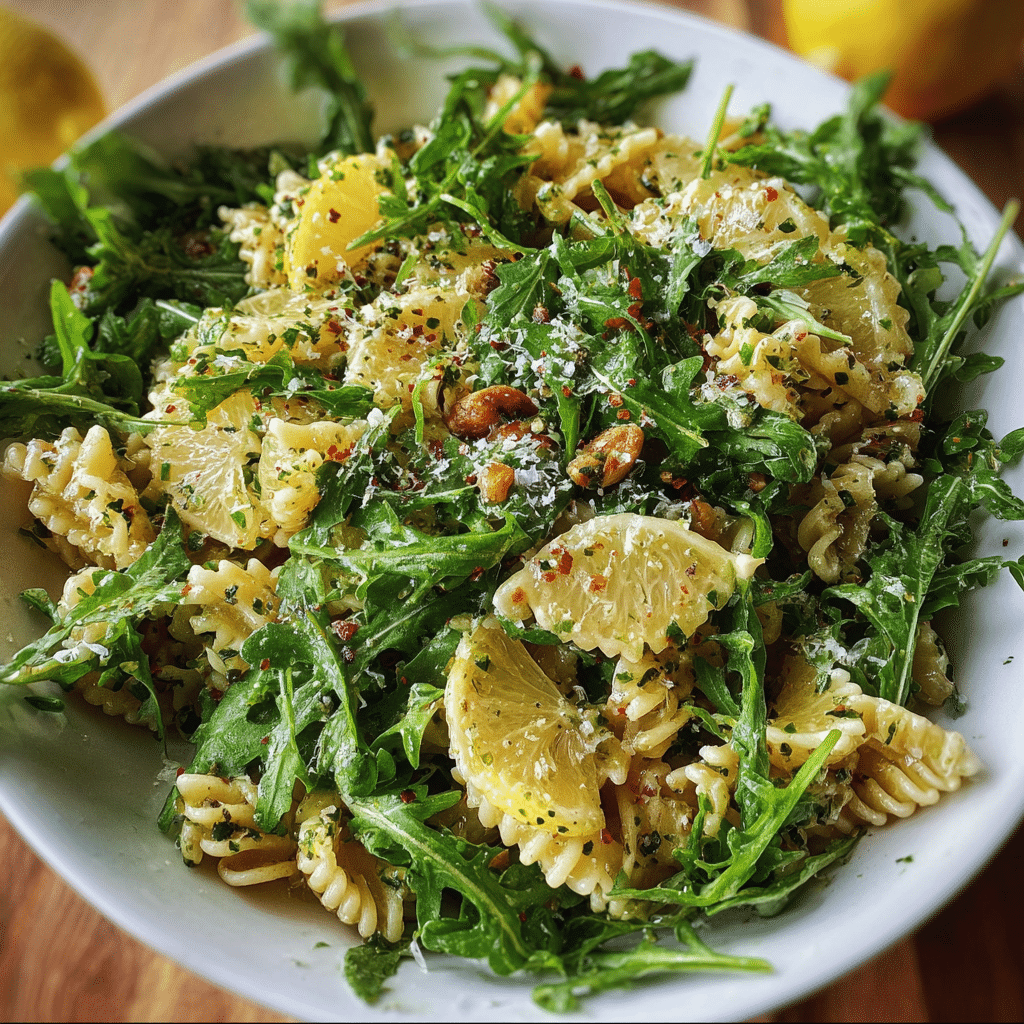
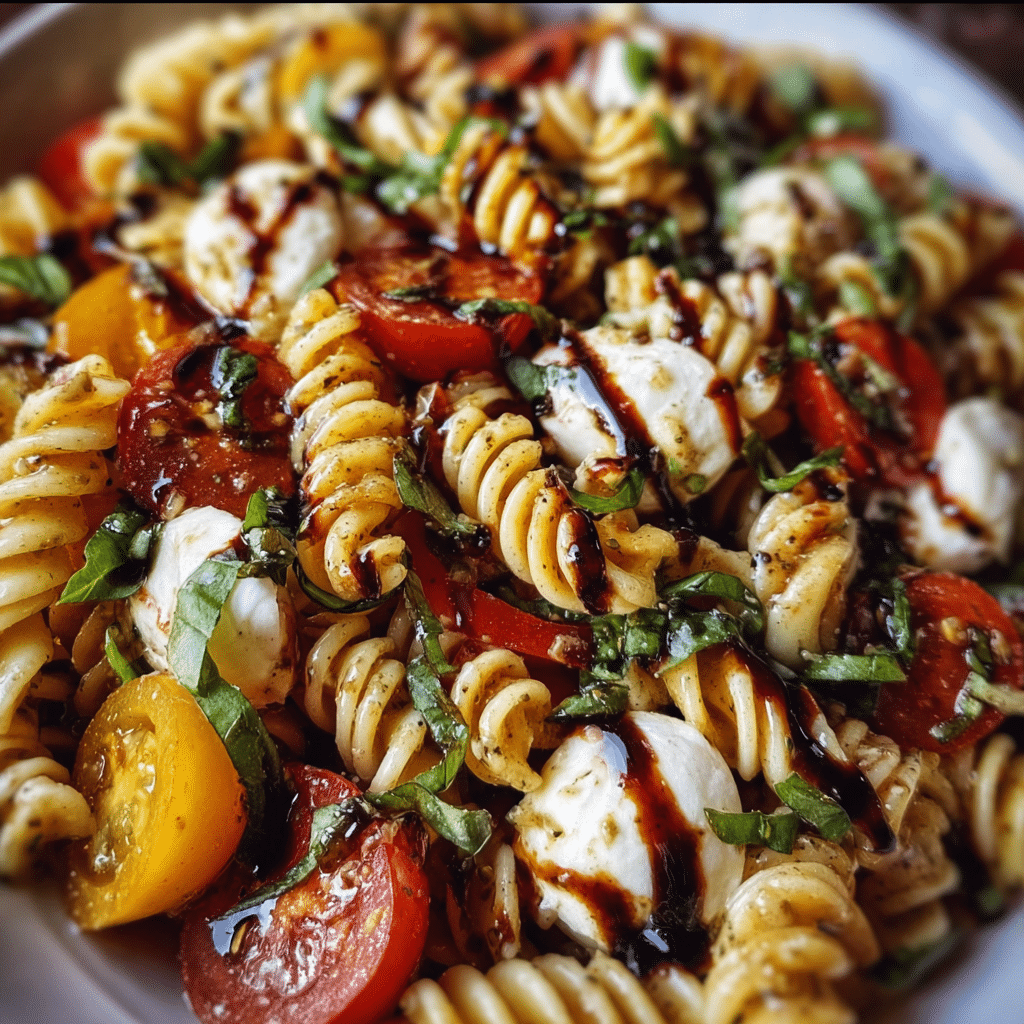
Maple dijon harvest pasta salad is not just a dish; it’s a beautiful blend of flavors that evokes warmth, nostalgia, and the essence of autumn. I remember the first time I stumbled upon this recipe—it was a crisp fall day, the leaves were turning golden, and I was sifting through family cookbooks in search of something to bring to a potluck. My grandmother’s handwritten notes caught my eye, and as I read through the ingredients, a spark of excitement ignited within me. The combination of maple syrup, Dijon mustard, and hearty pasta felt like the perfect way to celebrate the season, and I couldn’t wait to bring this dish to life.
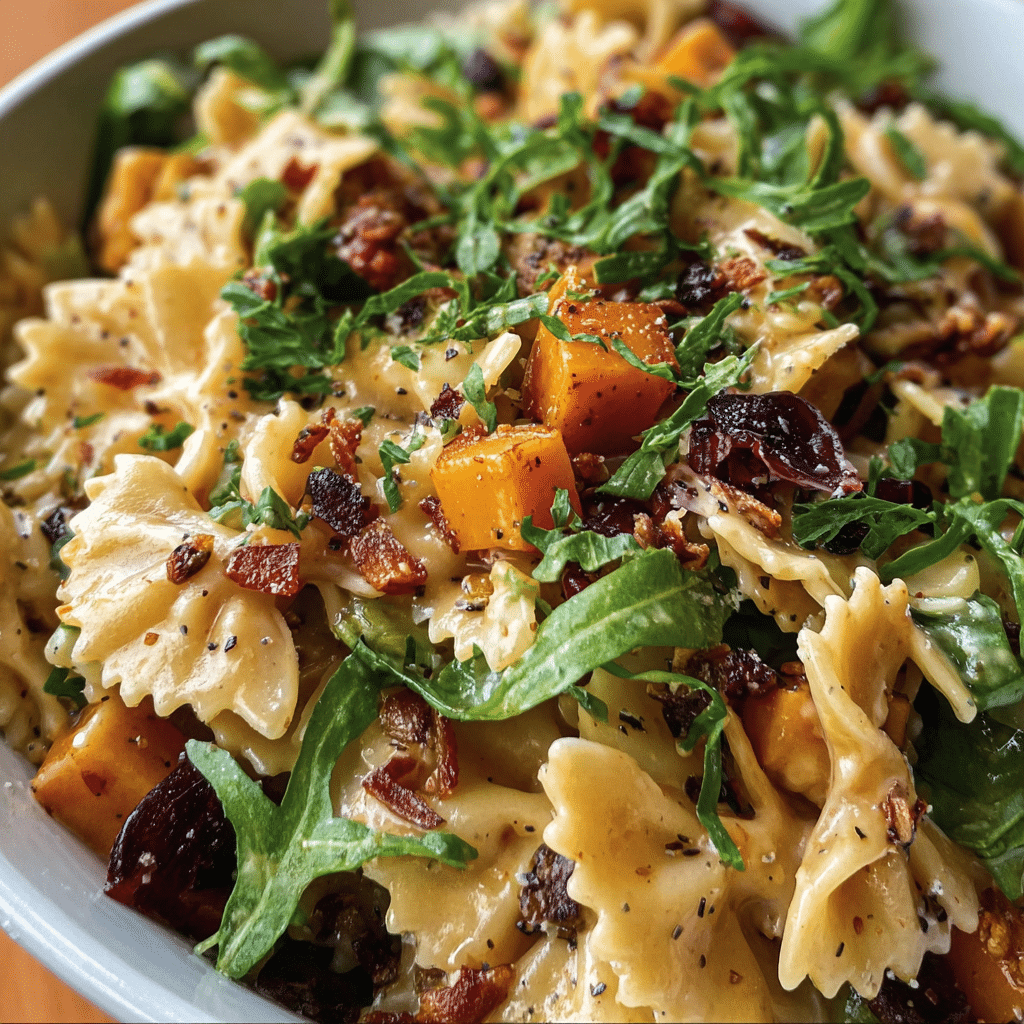
As I gathered the ingredients, each one seemed to tell a story. The maple syrup, a staple of my childhood, brought memories of weekends spent at the sugar shack, where the sweet aroma of boiling sap filled the air. The Dijon mustard, with its zesty bite, reminded me of my travels through France, where I first discovered how mustard could elevate a dish beyond the ordinary. The pasta, a blank canvas, was ready to embrace the flavors and create something extraordinary. This dish quickly became a family favorite, a staple at gatherings, and a recipe that I now pass down to my children, ensuring that the cycle of love and flavor continues.
The Story Behind This Recipe
The origins of pasta salads can be traced back to Italy, where al dente pasta is often tossed with vibrant ingredients, creating a harmony of textures and flavors. However, it was the fusion of traditional elements with modern twists that birthed the maple dijon harvest pasta salad. This dish encapsulates the essence of seasonal cooking, blending the sweetness of maple syrup with the tanginess of Dijon mustard, all while incorporating fresh vegetables and pasta. It’s a celebration of the harvest season, showcasing the bounty of autumn’s produce while being versatile enough to accommodate whatever is at hand.
What makes maple dijon harvest pasta salad truly special is its adaptability. Whether you’re looking to serve it warm or cold, as a side dish or a main course, there’s a version for everyone. For busy families, this dish is a lifesaver. It can be prepped ahead of time, making it perfect for weeknight dinners or packed lunches. Simply whip up a batch on Sunday, and you’ll have a delicious, nutritious meal ready to go all week long. The flavors deepen as the salad sits, making it even more delightful on the second or third day.
Why You’ll Love This Dish
Seasonal relevance plays a significant role in the enjoyment of maple dijon harvest pasta salad. Autumn is the perfect time to indulge in the rich flavors of this dish, as it incorporates seasonal ingredients such as squash, apples, and kale, all of which are abundant during this time of year. The vibrant colors reflect the changing leaves, adding a visual appeal that complements the taste. It’s a dish that not only fills the belly but warms the heart, evoking feelings of togetherness and gratitude.
As I serve this dish at family gatherings, I can’t help but feel an emotional connection to it. Each bite is a reminder of the love and care that goes into cooking for those we cherish. It’s a recipe that brings people together, sparking conversations and laughter around the table. I promise that as you dive into the world of maple dijon harvest pasta salad, you’ll discover not only a delicious recipe but also a way to create lasting memories with your loved ones. You’ll learn how to prepare this delightful dish, the variations you can experiment with, and the joy it brings during those cozy autumn evenings.
The Rich History and Cultural Significance of maple dijon harvest
The rich history and cultural significance of maple dijon harvest pasta salad are as layered as the flavors within it. To fully appreciate this dish, we must explore its origins, regional variations, and the evolution that has brought it to our tables today. The roots of pasta salad can be traced back to ancient civilizations, where grains were mixed with various ingredients to create hearty meals. However, it wasn’t until the 20th century that pasta salads became mainstream in American cuisine, often served at picnics, potlucks, and barbecues.
Origins and History
The maple dijon harvest pasta salad, specifically, finds its inspiration from the broader culinary practices of North America, where maple syrup has been a cherished ingredient for centuries. Native Americans were the first to tap maple trees, creating a process that would later be embraced by European settlers. The sweet, rich flavor of maple syrup became a staple in many households, often used in desserts and glazes. The introduction of Dijon mustard into American cooking can be attributed to French culinary influences, which began to weave their way into American kitchens in the late 19th and early 20th centuries.
As cultures collided, recipes evolved. The combination of maple syrup and Dijon mustard in a pasta salad reflects a beautiful blend of American and French culinary traditions. This dish captures the essence of comfort food while being versatile enough to showcase seasonal produce. Over the years, chefs and home cooks alike have put their own spin on this recipe, leading to regional variations that highlight local ingredients and preferences.
Cultural Significance
Maple dijon harvest pasta salad is often enjoyed during autumn gatherings, such as Thanksgiving, harvest festivals, and family reunions. It’s a dish that not only nourishes the body but also serves as a centerpiece for communal sharing. The act of passing a bowl of this vibrant salad around the table is a ritual that fosters connection and gratitude. In many families, it has become a tradition to prepare this dish, solidifying its place in cultural celebrations.
Various chefs and restaurants have embraced this dish, elevating it with gourmet twists. Some might add roasted vegetables for a smoky flavor, while others might include nuts for added crunch. The beauty of the maple dijon harvest pasta salad lies in its adaptability, allowing chefs to express their creativity while honoring the dish’s roots.
Nutritional Benefits
Beyond its delightful taste, the nutritional benefits of maple dijon harvest pasta salad make it an appealing choice for health-conscious individuals. The use of whole grain pasta provides a source of fiber, essential for digestive health. The addition of fresh vegetables, such as spinach, bell peppers, and apples, contributes vitamins and minerals that support overall well-being. Maple syrup, while sweet, contains antioxidants and can be a healthier alternative to refined sugars when used in moderation.
Moreover, the inclusion of healthy fats, such as olive oil or nuts, enhances the dish’s nutritional profile, making it a well-rounded meal that can satisfy hunger without compromising health. This dish is not just a tasty option; it’s a celebration of seasonal ingredients and a testament to the importance of nourishing our bodies with wholesome foods.
As we explore the depths of maple dijon harvest pasta salad, we uncover a dish rich in history, culture, and nutritional value. It’s more than a recipe; it’s a story waiting to be told, a tradition to be passed down, and a flavor that brings joy to our tables.
Essential Ingredients for Perfect maple dijon harvest
When it comes to creating a delightful dish that captures the essence of autumn, the maple dijon harvest pasta salad is a standout choice. This dish not only bursts with vibrant flavors but also celebrates the bounty of the season. To ensure that every bite is as delicious as the last, let’s dive into the essential ingredients that will make your pasta salad sing.
Essential Ingredients
- 2 cups dry pasta
- 2 cups sweet potato, pumpkin, or squash diced
- 1 cup kale, roughly torn
- 1 cup brussel sprouts, roughly chopped
- 1/4 cup roasted pecans, roughly chopped
- 3 tbsp olive oil, extra virgin
- 2 tsp fresh rosemary, roughly chopped
- 1 tsp fresh thyme, roughly chopped
- 1 tsp fresh sage, roughly chopped
- Salt (kosher, to taste)
- Black pepper (to taste)
- 3 tbsp olive oil, extra virgin
- 1/2 lemon, juiced
- 1 tsp maple syrup
- 1-2 tsp dijon mustard
- 2 tbsp champagne vinegar
- 2 tsp shallot, finely minced
- 1 clove garlic, minced
- Salt (kosher, to taste)
- Black pepper (to taste)
- Vegan parmesan (to taste)
Maple Dijon Harvest Pasta Salad
Ingredients
Base Ingredients
- 2 cups dry pasta
- 2 cups sweet potato, pumpkin or squash diced
- 1 cup kale roughly torn
- 1 cup brussel sprouts roughly chopped
- 1/4 cup roasted pecans roughly chopped
- 3 tbsp olive oil extra virgin
- 2 tsp fresh rosemary roughly chopped
- 1 tsp fresh thyme roughly chopped
- 1 tsp fresh sage roughly chopped
- salt kosher, to taste
- black pepper to taste
Dressing Ingredients
- 3 tbsp olive oil extra virgin
- 1/2 lemon juiced
- 1 tsp maple syrup
- 1–2 tsp dijon mustard
- 2 tbsp champagne vinegar
- 2 tsp shallot finely minced
- 1 clove garlic minced
- salt kosher, to taste
- black pepper to taste
- vegan parmesan to taste
Instructions
- Preheat the oven to 375F and line a baking sheet with a nonstick backing mat or parchment paper.
- Add pumpkin, brussel sprouts and kale to the baking sheet along with rosemary, thyme and sage. Toss with olive oil, season with salt and pepper and use your hands to coat the veggies evenly in the oil and herbs. Bake in the oven for 25-30 minutes, or until veggies are tender and cooked through.
- Meanwhile, cook pasta according to package directions. Drain and set aside to cool. If the pasta is sticky, toss in a small amount of olive oil to help.
- Prepare the dressing by whisking olive oil, lemon juice, maple syrup, dijon mustard, champagne vinegar, shallot, garlic and salt and pepper in a bowl. Toss cooked veggies and cooked pasta into the bowl with the dressing and coat evenly with the dressing.
- Serve with vegan parmesan to top. Store leftovers in an airtight container in the refrigerator for up to 5 days.
Each ingredient plays a crucial role in developing the flavors and textures of the maple dijon harvest pasta salad. Let’s explore the significance of each:
Dry Pasta: The foundation of your salad, pasta serves as the base. Opt for whole grain or legume-based pasta for added nutrition. Cook it al dente for a satisfying bite that holds up well against the other ingredients.
Sweet Potato, Pumpkin, or Squash: These seasonal vegetables bring natural sweetness and a creamy texture. Choose vibrant, firm specimens. They should feel heavy for their size and have smooth, unblemished skin. Roasting them enhances their flavor and adds a caramelized depth to the dish.
Kale: This leafy green adds a hearty texture and is packed with nutrients. Look for fresh, deep green leaves without wilting. Kale can also be massaged with a little olive oil and salt to soften its texture before adding it to the salad.
Brussel Sprouts: They add crunch and a slightly bitter note that balances the sweetness of the other ingredients. Select firm sprouts that are bright green. Trim the ends and remove any yellow leaves before cooking.
Roasted Pecans: Nuts provide a delightful crunch and nutty flavor. When selecting pecans, choose ones that are plump and fragrant. They can be roasted at home to enhance their flavor—just toss them in a pan for a few minutes until fragrant.
Olive Oil: Use high-quality extra virgin olive oil for dressing your salad. It adds richness and helps emulsify the dressing. Look for oils that are cold-pressed and come in dark bottles to protect them from light.
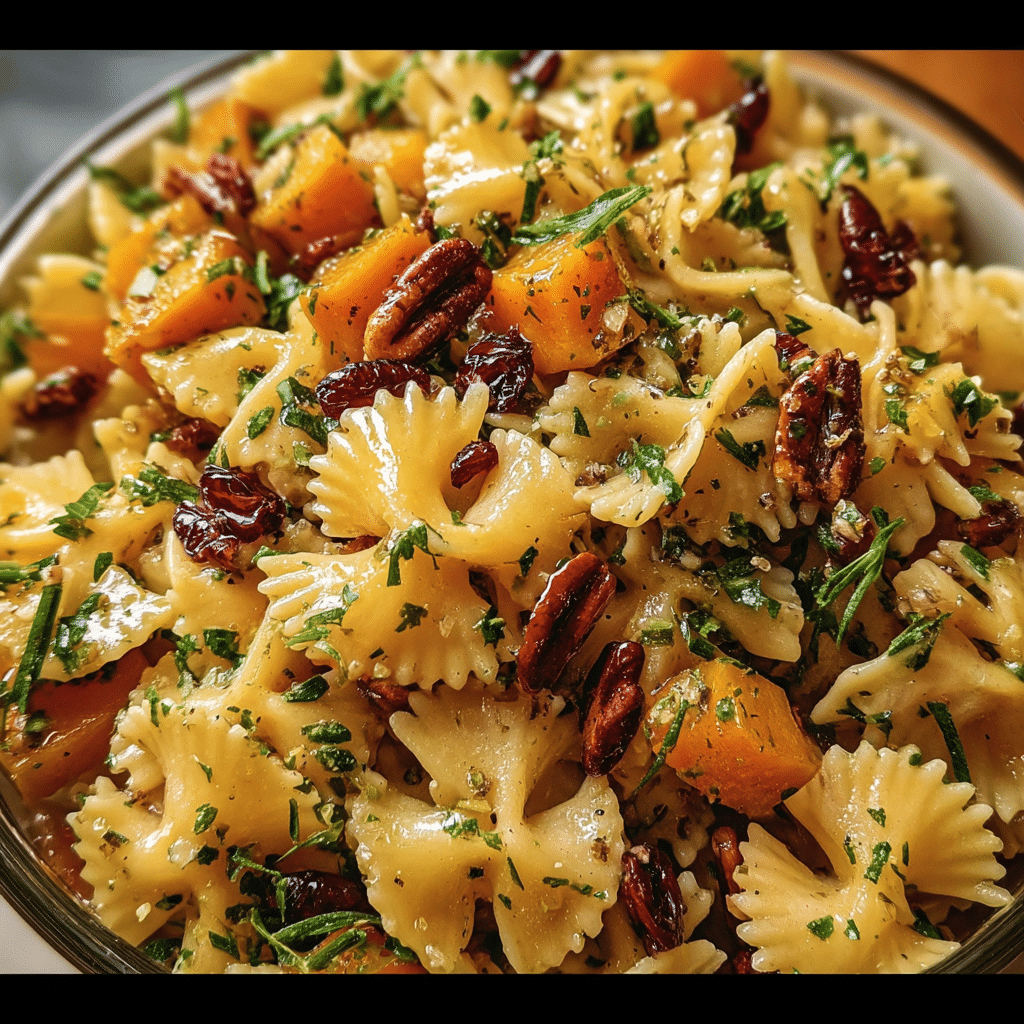
Herbs (Rosemary, Thyme, Sage): Fresh herbs elevate the dish with their aromatic qualities. Choose vibrant, fragrant herbs. These herbs can be substituted with dried versions, but fresh provides a brighter flavor.
Lemon Juice: The acidity from lemon juice brightens the salad and balances the sweetness. Fresh lemons are best; look for ones that are heavy and have a fine texture on the skin.
Maple Syrup and Dijon Mustard: These two ingredients are the stars of the dressing, bringing sweet and tangy notes. Choose real maple syrup for deep flavor, and opt for a good quality dijon mustard that will add depth and complexity.
Champagne Vinegar: This vinegar is milder and adds a subtle sophistication to the dressing. If you can’t find it, white wine vinegar can be a suitable substitute.
Shallots and Garlic: These aromatics provide depth and a hint of sweetness. Fresh is always best, and they should be firm to the touch. Mince them finely to ensure even distribution of flavor.
Vegan Parmesan: This is an optional addition for those who want a cheesy flavor without dairy. You can find a variety of vegan cheeses in stores, but nutritional yeast can also be a great substitute.
Shopping Tips
When shopping for these ingredients, consider visiting local farmers’ markets for the freshest produce. Seasonal vegetables like sweet potatoes and brussel sprouts are often at their peak flavor during the fall months. Organic options may be slightly more expensive, but they often have better taste and nutrient density.
Substitutions and Alternatives
If you have dietary restrictions, don’t worry! The maple dijon harvest pasta salad is versatile. For gluten-free diets, use gluten-free pasta. You can substitute butternut squash for sweet potatoes or even use cooked quinoa for a different texture. For nut allergies, sunflower seeds can replace pecans.
In terms of storage, it’s best to keep the dressing separate from the salad until ready to serve. This keeps the pasta from becoming soggy. Diced vegetables can be prepped ahead of time and stored in the refrigerator for a few days. Roasted vegetables, when stored properly in an airtight container, can last for about four days.
By selecting the freshest ingredients and being mindful of your dietary needs, you ensure that your maple dijon harvest pasta salad will not only taste good but will also be a healthy addition to your meal rotation!
Detailed Step-by-Step maple dijon harvest Cooking Instructions
Creating a delectable maple dijon harvest pasta salad is a rewarding culinary journey that brings together the cozy flavors of fall. With a well-structured approach, your salad will not only be mouth-watering but also visually appealing. Let’s break down the cooking process into manageable steps.
Preparation Steps
Before diving into the cooking process, it’s essential to prepare your kitchen and ingredients. This is known as mise en place, which means “everything in its place.” Here’s how to get started:
- Gather Your Ingredients: Ensure you have all your ingredients measured and ready to go. This includes your dry pasta, diced sweet potato, kale, brussel sprouts, pecans, and all dressing ingredients.
- Preheat Your Oven: If you’re roasting your sweet potatoes or squash, preheat your oven to 400°F (200°C). This temperature will yield perfectly roasted vegetables.
- Chop and Dice: Dice your sweet potatoes, and chop your brussel sprouts. Make sure to wash your kale thoroughly and tear it into bite-sized pieces. Mince the shallots and garlic finely, as this will help them distribute their flavors throughout the salad.
- Prepare the Dressing: In a small bowl, combine the olive oil, lemon juice, maple syrup, dijon mustard, champagne vinegar, minced shallots, and minced garlic. Whisk until well combined and season with salt and black pepper to taste. Set aside.
Cooking Process
Now that everything is prepped, it’s time to bring your dish to life!
- Roast the Vegetables: Spread the diced sweet potatoes and chopped brussel sprouts on a baking sheet. Drizzle with olive oil, season with salt and pepper, and toss to coat. Roast in the preheated oven for about 20-25 minutes, or until they are tender and slightly caramelized. Halfway through cooking, give them a stir to ensure even roasting.
- Cook the Pasta: While the vegetables roast, bring a large pot of salted water to a boil. Add your dry pasta and cook according to package instructions until al dente. This usually takes about 8-10 minutes. Drain the pasta and rinse it under cold water to stop the cooking process.
- Combine Ingredients: In a large mixing bowl, combine the cooked pasta, roasted sweet potatoes, brussel sprouts, torn kale, and chopped pecans. Drizzle the prepared dressing over the top and toss gently to ensure everything is evenly coated.
Final Assembly
Your maple dijon harvest pasta salad is almost ready to serve! Here’s how to put the finishing touches on it:
- Season to Taste: Before serving, taste your salad and adjust the seasoning as needed. You might want to add more salt, pepper, or even a drizzle of extra olive oil.
- Garnish: For an extra touch, sprinkle some vegan parmesan on top and perhaps a few extra pecans for crunch. Fresh herbs can also be a beautiful garnish.
- Serve: This salad can be enjoyed warm, at room temperature, or chilled. It’s versatile and makes for a great side dish or a hearty main course. If you’re preparing it for a gathering, consider serving it in a large bowl for a family-style presentation.
Common mistakes to avoid include overcooking your pasta (which can make it mushy), not seasoning your water adequately (which enhances the flavor of the pasta), and forgetting to toss the salad gently to avoid breaking up the ingredients. The key is to take your time and appreciate the process!
In terms of equipment, a large pot for boiling pasta, a baking sheet for roasting vegetables, and a large mixing bowl are essential. A good whisk for emulsifying your dressing and a sharp knife for chopping will make the process smoother. Most importantly, remember to enjoy the aromas and colors as you assemble your maple dijon harvest pasta salad. Cooking is as much about the experience as it is about the final dish!
Professional Tips and Techniques for maple dijon harvest
When it comes to crafting the perfect maple dijon harvest pasta salad, a few professional tips can elevate your dish from good to extraordinary. This recipe is not just about mixing ingredients; it’s about harmonizing flavors, textures, and colors to create a visually stunning and delicious dish that will leave your guests raving.
Professional Techniques
The first step in mastering the maple dijon harvest pasta salad is understanding the importance of quality ingredients. Fresh, seasonal vegetables not only add vibrant colors but also enhance the flavor profile. When choosing your produce, opt for locally sourced items whenever possible. For example, heirloom tomatoes in the summer or Brussels sprouts in the fall can make a significant difference in taste.
Another professional technique involves the pasta itself. For this salad, al dente is your best friend. Cooking the pasta just short of being fully tender allows it to hold up better when mixed with dressing and other ingredients. A good rule of thumb is to subtract one or two minutes from the package cooking time. After draining, rinse the pasta under cold water to stop the cooking process and to help it maintain a firm texture.
Now let’s talk about the dressing—the star of the maple dijon harvest show. A well-balanced dressing can make or break your salad. Use high-quality Dijon mustard, pure maple syrup, and a good olive oil as your base. Emulsifying the dressing is key; whisk the ingredients together vigorously to create a creamy texture that clings beautifully to the pasta and veggies. If you’re feeling adventurous, consider adding a splash of apple cider vinegar for a tangy kick.
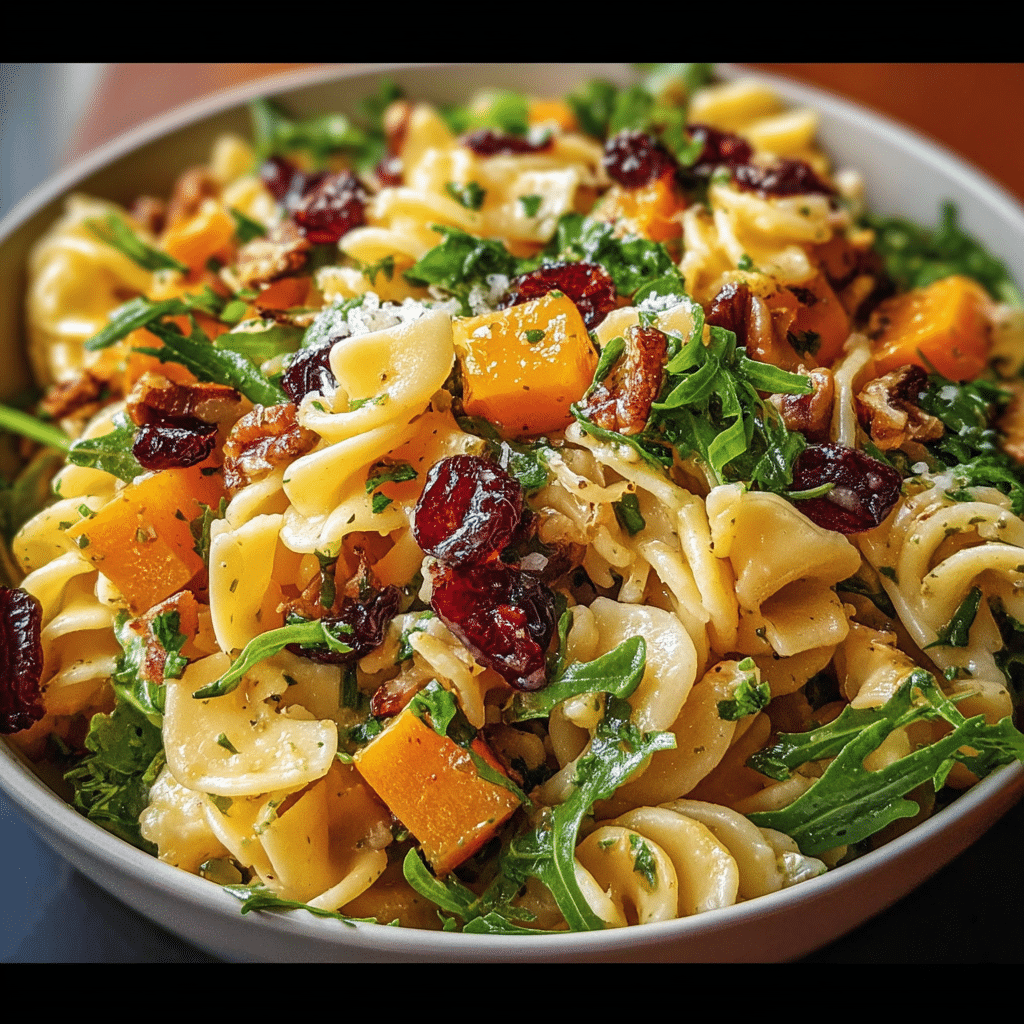
Troubleshooting Guide
Presentation Tips
Finally, if you’re preparing this salad ahead of time, keep the dressing separate until just before serving. This will prevent the pasta from becoming too soggy and maintain the freshness of the vegetables. In terms of meal prep, the maple dijon harvest pasta salad is perfect for making in bulk. Just store it in an airtight container in the fridge, and it will last for several days, making it an ideal choice for quick lunches or side dishes throughout the week.
Creative Variations and Adaptations of maple dijon harvest
The beauty of the maple dijon harvest pasta salad lies in its versatility. Once you master the basic recipe, you can easily adapt it to suit your tastes, dietary restrictions, and the seasons. Let’s explore some creative variations and adaptations that will keep your pasta salad exciting and fresh.
Seasonal Variations
Dietary Adaptations
Creative Twists
Storage, Reheating, and Meal Prep for maple dijon harvest
When it comes to enjoying a delightful Maple Dijon Harvest Pasta Salad, knowing how to properly store and reheat this dish can elevate your experience and extend its shelf life. Whether you’re making a large batch for a gathering or simply preparing meals for the week, understanding the nuances of storage can ensure that your salad remains fresh and delicious.
Short-term Storage
For immediate consumption, storing your Maple Dijon Harvest Pasta Salad in the refrigerator is the best option. Ideally, you should use airtight containers to minimize exposure to air, which can accelerate spoilage. Glass containers are particularly effective as they do not retain odors and are easy to clean. If you prefer plastic, ensure that it is BPA-free and labeled as food-safe.
When storing your salad, consider portioning it out into individual servings. This not only makes it convenient for quick meals but also helps with portion control. I often use small mason jars for this purpose; they’re perfect for salads and can be layered to keep ingredients fresh. For the Maple Dijon Harvest Pasta Salad, layer the dressing at the bottom, followed by the pasta, veggies, and any toppings you desire. When you’re ready to eat, just shake and enjoy!
Another tip is to keep the dressing separate until you’re ready to serve. This prevents the pasta from soaking up too much dressing and becoming mushy. If you have leftover dressing, store it in a small jar in the fridge, where it can last for up to a week.
Freezing and Long-term Storage
While pasta salads are generally best enjoyed fresh, you can freeze your Maple Dijon Harvest Pasta Salad if necessary. However, keep in mind that the texture of some ingredients, like cucumbers or bell peppers, may change upon thawing. To freeze the salad, follow these steps: first, prepare the salad without the dressing and any fresh toppings. Place the salad in a freezer-safe container or resealable freezer bag. I like to squeeze out as much air as possible from bags to help prevent freezer burn.
Label the container with the date and contents, which is crucial for keeping track of your food inventory. Generally, this salad can be frozen for up to three months. When you’re ready to enjoy it, transfer the salad from the freezer to the refrigerator to thaw overnight. Once thawed, toss it with fresh dressing and any additional toppings before serving.
Reheating Best Practices
Reheating your Maple Dijon Harvest Pasta Salad is straightforward, especially if you’ve stored it properly. If you’ve kept the salad in the fridge and want to serve it cold, simply take it out and give it a good stir before adding any additional dressing. If you prefer it warm, you can gently reheat the pasta in a microwave-safe bowl. Heat in 30-second intervals, stirring in between to ensure even heating. Be careful not to overheat, as this can alter the textures of the vegetables.
One of my favorite ways to enjoy leftovers is by transforming them into a warm pasta dish. Just add some sautéed vegetables or protein, like grilled chicken or chickpeas, and a splash of fresh maple syrup to enhance the maple flavor. This not only revitalizes the dish but also adds a new twist to your meal.
Food safety is paramount, especially when it comes to storing pasta salads. Always ensure your salad is cooled down before placing it in the refrigerator. The USDA advises that perishable foods should not be left out at room temperature for more than two hours. If you’re unsure about the freshness of your salad, trust your instincts—if it smells off or looks discolored, it’s better to err on the side of caution.
In terms of shelf life, a well-stored Maple Dijon Harvest Pasta Salad can typically last in the refrigerator for about 3-5 days. If you notice any signs of spoilage, such as a sour smell or mold, it’s best to discard it. By following these storage and meal prep strategies, you can enjoy your Maple Dijon Harvest Pasta Salad over several days without compromising on taste or quality. Embrace the joys of meal prep, and don’t hesitate to experiment with variations of this delightful dish!
Nutritional Benefits and Health Information
When it comes to indulging in a delicious Maple Dijon Harvest Pasta Salad, it’s not just about the flavors; it’s also about the nutritional benefits packed into each bite. This dish offers a healthy balance of carbohydrates, proteins, and essential vitamins, making it a fantastic addition to your meal rotation.
Nutritional Profile
The primary ingredients in the Maple Dijon Harvest Pasta Salad typically include whole grain pasta, a variety of colorful vegetables, nuts or seeds, and a dressing made with maple syrup and Dijon mustard. Whole grain pasta alone provides a hearty source of fiber, which is essential for digestive health. A typical serving of whole grain pasta contains around 200 calories, 7 grams of protein, and 6 grams of fiber, making it a filling choice for any meal.
Adding an assortment of vegetables, such as bell peppers, carrots, and spinach, elevates the nutritional value significantly. These vegetables are low in calories but high in vitamins A and C, as well as antioxidants that help mitigate oxidative stress in the body. For instance, bell peppers are particularly rich in vitamin C, which supports the immune system and skin health.
Don’t forget the nuts or seeds! They add a satisfying crunch while providing healthy fats, protein, and additional fiber. A tablespoon of walnuts or sunflower seeds can contribute around 50-100 calories, depending on the type, along with essential fatty acids that are crucial for heart health.
Health Benefits
The health benefits of the Maple Dijon Harvest Pasta Salad extend beyond just the individual ingredients. The combination of these wholesome components promotes a balanced diet, making this salad suitable for various dietary preferences. The fiber content from the pasta and vegetables can help maintain steady blood sugar levels, making it a smart choice for those monitoring their glucose levels.
Moreover, the use of maple syrup as a natural sweetener instead of refined sugars adds a distinctive flavor while providing some minerals, such as manganese and zinc. Manganese plays a vital role in bone formation and metabolism, while zinc is essential for immune function. The Dijon mustard not only enhances flavor but also can aid in digestion due to its vinegar content.
Interestingly, enjoying meals that are rich in whole foods, such as this pasta salad, can lead to healthier eating patterns overall. My personal experience has shown that when I incorporate colorful salads into my week, I tend to make better choices throughout the day. It’s about creating a lifestyle that embraces wholesome ingredients and delicious flavors!
Dietary Considerations
As more people become conscious of dietary restrictions and preferences, it’s essential to consider how the Maple Dijon Harvest Pasta Salad fits into various eating plans. For those following a vegetarian or vegan lifestyle, this salad is easily adaptable. You can substitute the pasta for gluten-free options like quinoa or brown rice pasta, making it suitable for those with gluten intolerance.
Allergen considerations are also vital. The nuts and seeds can be omitted or replaced with seeds like pumpkin seeds for nut-free alternatives. If you’re catering to a crowd, always check for food allergies beforehand to ensure everyone can enjoy this dish without concern.
In terms of calorie content, a single serving of the Maple Dijon Harvest Pasta Salad typically ranges from 250 to 350 calories, depending on the portion size and the quantity of dressing used. If you’re looking to modify the recipe for weight loss or calorie control, consider using less dressing or opting for a lighter vinaigrette.
In conclusion, the Maple Dijon Harvest Pasta Salad is not just a feast for the eyes and the palate; it’s a nourishing option that fits seamlessly into healthy eating habits. By understanding its nutritional profile, health benefits, and dietary considerations, you can make informed choices that enhance your overall well-being. So whether you’re meal prepping for the week or serving it at a gathering, this salad can be a delightful and nutritious addition to your dining table.
Conclusion: Mastering the Perfect maple dijon harvest
Creating the perfect maple dijon harvest is more than just following a recipe—it’s about understanding the techniques, ingredients, and cultural significance behind this beloved dish. Throughout this comprehensive guide, we’ve explored everything from the historical origins to modern variations, ensuring you have all the knowledge needed to make this recipe your own.
Whether you’re a beginner cook or an experienced chef, the techniques and tips we’ve shared will help you create a maple dijon harvest that’s not only delicious but also meaningful. Remember that cooking is a journey of discovery, and each time you make this dish, you’ll learn something new.
We encourage you to experiment with the variations we’ve discussed, adapt the recipe to your dietary needs, and most importantly, share it with the people you love. Food has the incredible power to bring people together, and Maple Dijon Harvest Pasta Salad is the perfect dish to create lasting memories around your dinner table.
Don’t forget to share your cooking adventures with us on social media, and feel free to ask questions in the comments below. Happy cooking!
Share this recipe and let us know how it turned out! Tag us on social media for a chance to be featured.