Meatball sub is not just a sandwich; it’s a culinary experience that wraps you in nostalgia and flavor. I remember the first time I encountered this glorious dish. It was a chilly afternoon during my college years, and I stumbled into a small sub shop after a long day of classes. The aroma of simmering marinara sauce wafted through the air, wrapping around me like a warm hug. As I sat down and took my first bite of a meatball sub, I was transported to a world where comfort food reigned supreme. The tender meatballs nestled in a crusty roll, slathered with rich tomato sauce and gooey mozzarella cheese, was a revelation. That moment marked the beginning of my love affair with meatball subs.
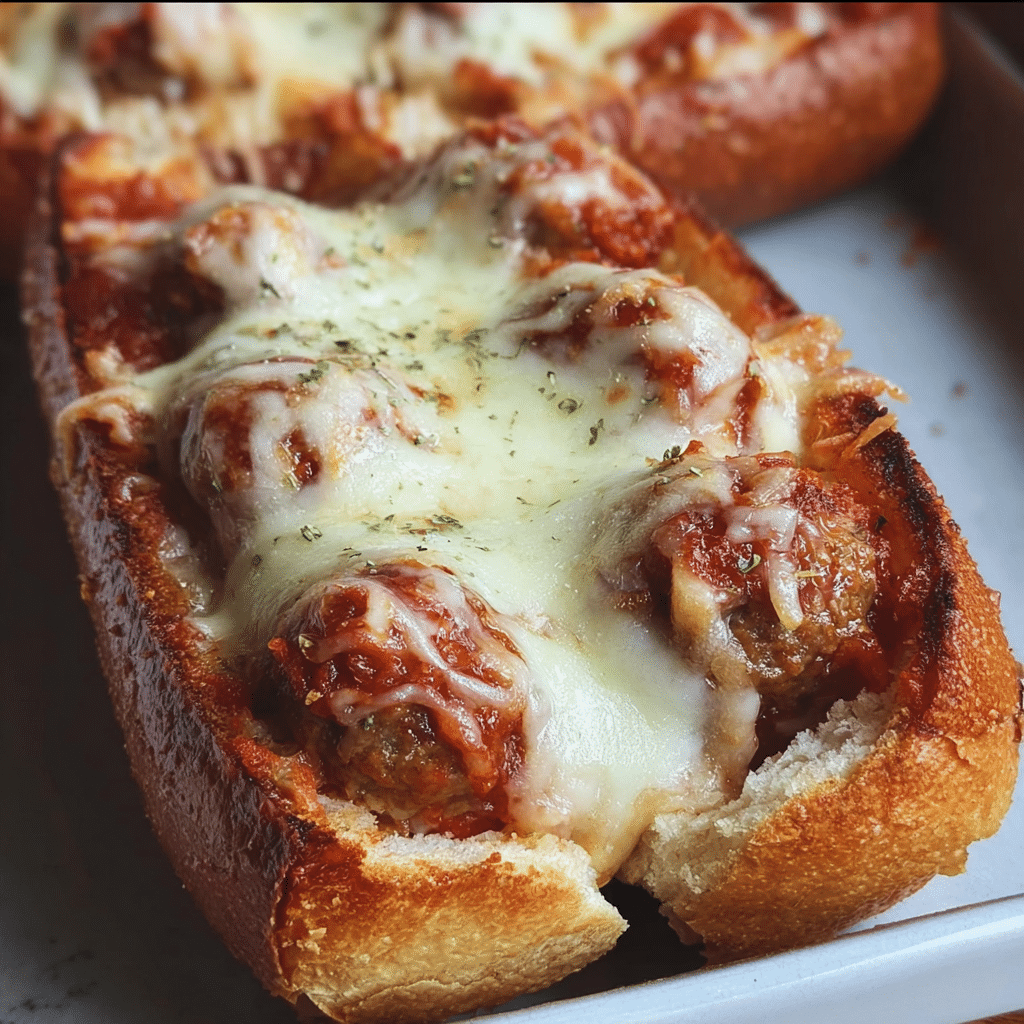
The Story Behind This Recipe
Fast forward to today, and I’ve spent countless hours perfecting my own meatball sub recipe in the cozy confines of my kitchen. I remember experimenting with different herbs and spices, trying to capture that same essence I had experienced in that little shop. The best part? It’s a dish that brings my family together. On busy weeknights, we gather in the kitchen, rolling meatballs, laughing, and reminiscing about our day. The meatball sub has become a staple in our household, not just for its taste but for the memories it creates.
Historically, the meatball sub finds its roots in Italian cuisine, which has been embraced and adapted across various cultures, particularly in the United States. Italian immigrants brought their culinary traditions to America, where the meatball sub evolved into the beloved sandwich we know today. This dish represents more than just food; it embodies the spirit of sharing and family—a philosophy that resonates deeply with those who enjoy it.
Why You’ll Love This Dish
One of the most compelling aspects of a meatball sub is its accessibility. For busy families looking for quick dinner solutions, this dish is perfect. It combines simple ingredients and a straightforward cooking process, allowing even novice cooks to whip up a delicious meal in no time. You can prepare the meatballs in advance, freeze them, and pull them out when needed, making it an excellent option for meal prepping. Plus, the satisfaction of biting into a hearty meatball sub after a long day is unmatched.
Seasonally, meatball subs shine in the colder months when comfort food is at its peak. There’s something about a warm, cheesy sandwich that feels especially comforting when the leaves are falling and the air turns crisp. But let’s be honest: meatball subs can be enjoyed year-round, whether at backyard barbecues in the summer or cozy family dinner nights in the winter.
The emotional connection to this dish runs deep. It evokes memories of family gatherings, where laughter and stories flow as freely as the marinara sauce. Each bite is a reminder of love and togetherness, making it more than just a meal—it’s a cherished experience.
In this ultimate guide to the meatball sub, you will learn everything from its rich history to how to create the perfect meatball sub at home. I’ll share tips and tricks that I’ve gathered over the years, along with my favorite variations that will keep your taste buds excited. Get ready to embark on a delicious journey through the world of meatball subs!
The Rich History and Cultural Significance of meatball sub
The rich history and cultural significance of the meatball sub are as layered as the sandwich itself. Originating from the Italian-American culinary tradition, the meatball sub has a fascinating backstory that intertwines with the immigrant experience in the United States. In the late 19th and early 20th centuries, Italian immigrants brought their food culture to America, introducing dishes that showcased their heritage. The meatball sub was a natural evolution of the Italian meatball, which was traditionally served with pasta or polenta, finding new life nestled in a warm, crusty roll.
Origins and History
As Italian immigrants settled in urban neighborhoods, particularly in cities like New York and Chicago, they adapted their recipes to fit the American palate. The meatball sub emerged as a popular street food, thanks to its portability and ease of consumption. Initially, meatballs were made from a mix of beef, pork, and breadcrumbs, seasoned with garlic, parsley, and Parmesan cheese. Over the years, variations began to arise as different regions and cultures influenced the preparation and serving of meatballs.
In New York City, for instance, delis and pizzerias began offering meatball subs as an affordable, satisfying option for lunch. The use of marinara sauce, an essential component, is a nod to the Italian tradition of combining flavors and textures. As the popularity of the meatball sub grew, so did its variations, with some opting for spicy marinara, others adding peppers or onions, and many topping it off with a generous helping of melted cheese.
Cultural Significance
The meatball sub has transcended its humble beginnings to become a beloved American classic. It is often served at family gatherings, tailgating parties, and potlucks, symbolizing comfort and community. In Italian-American households, it’s not uncommon for families to have their unique recipes passed down through generations, each adding a personal touch that reflects their family history. This dish has become a staple in many American pizzerias and sub shops, but it is also celebrated in home kitchens across the country.
Notable chefs like Mario Batali and Giada De Laurentiis have put their spin on the meatball sub, showcasing its versatility and adaptability. The dish has also been featured in popular culture, from movies to TV shows, further solidifying its status as a comfort food icon. There’s even a National Meatball Day celebrated on March 9, dedicated to this delightful dish, further emphasizing its cultural impact.
Nutritional Benefits
While the meatball sub is undeniably indulgent, it can also be made with health in mind. Using lean meats, whole-grain rolls, and fresh ingredients can enhance its nutritional profile. Meatballs can be packed with vegetables like spinach or zucchini, offering additional vitamins and minerals. The use of homemade marinara sauce not only elevates flavor but allows for control over sugar and salt content.
Moreover, meatball subs can be a source of protein, essential for muscle repair and overall health. Pairing the sandwich with a side salad or roasted vegetables can create a well-rounded meal, making it suitable for families looking to maintain a balanced diet while still enjoying the pleasures of comfort food.
In conclusion, the meatball sub is a dish rich in history and cultural significance. It reflects the immigrant experience, showcasing how food can evolve and adapt while still retaining its essence. This beloved sandwich continues to bring people together, making it a timeless favorite in kitchens and eateries alike.
Essential Ingredients for Perfect meatball sub
When it comes to creating the perfect meatball sub, the ingredients you choose are crucial. Each element plays a specific role in developing flavor, texture, and overall deliciousness. Here’s a comprehensive breakdown of the essential ingredients for your meatball sub that will elevate it from ordinary to extraordinary.
Essential Ingredients
- 1 pound (454g) ground beef: This is the backbone of your meatballs, providing a rich, savory flavor. Look for ground beef that is 80% lean to ensure your meatballs are juicy while still holding their shape during cooking.
- 1 pound (454g) ground pork: Mixing pork with beef enhances the flavor and moisture of the meatballs. The fat content in pork adds a delectable richness, making every bite heavenly.
- 3 and 1/2 teaspoons garlic powder: Garlic powder adds a deep, aromatic essence without the raw bite of fresh garlic. It’s convenient and blends seamlessly into the meat mixture.
- 3 teaspoons onion powder: Like garlic powder, onion powder contributes to the overall flavor profile without the texture of fresh onions. It brings a subtle sweetness to the meatballs.
- 2 and 1/2 teaspoons Italian seasoning: This blend of herbs—typically oregano, basil, and thyme—gives your meatballs that classic Italian flavor we all crave in a meatball sub.
- 2 teaspoons salt: Salt not only seasons the meat but also enhances the natural flavors of the ingredients. It’s a key player in making the meatballs taste great.
- 3/4 teaspoon freshly ground black pepper: Freshly ground black pepper adds a hint of spice and complexity, balancing the richness of the meat.
- 2 large eggs: Eggs act as a binder, holding the meatball mixture together and ensuring that they don’t fall apart during cooking.
- 1 cup (100g) parmesan cheese, finely grated: Parmesan cheese adds a nutty, salty flavor and helps keep the meatballs moist. Opt for freshly grated cheese for the best results.
- 1 cup panko breadcrumbs: Panko breadcrumbs provide a light, airy texture to the meatballs, allowing them to remain tender yet firm. They absorb moisture without becoming gummy.
- 3/4 cup (171ml) water: Water hydrates the breadcrumbs and helps create a moist meatball. It’s often overlooked but is essential for achieving the right texture.
- 1/3 cup (76ml) olive oil: Olive oil not only adds flavor but also keeps the meatballs moist while cooking. Use high-quality extra virgin olive oil for the best taste.
- 8 cloves garlic, minced: Fresh garlic adds a punch of flavor and aroma that is unmistakable. It caramelizes beautifully when cooked, enhancing the overall taste.
- 1/2 teaspoon crushed red pepper flakes: These flakes provide a delightful kick, perfect for those who enjoy a little heat in their meatball sub.
- 2 28-ounce cans crushed tomatoes with basil: The sauce is a crucial component of the meatball sub. Opt for quality canned tomatoes for a rich, fresh flavor. The basil in the tomatoes adds an aromatic touch.
- 1 and 1/2 teaspoons salt: Additional salt for the sauce enhances the flavor of the tomatoes and balances the sweetness.
- 1/2 teaspoon granulated sugar: A pinch of sugar cuts the acidity of the tomatoes, resulting in a well-rounded sauce.
- 1 and 1/2 teaspoons Italian seasoning: Additional seasoning for the sauce brings cohesion to the flavors.
- 1/2 cup fresh basil leaves, chopped: Fresh basil adds brightness and freshness to the sauce, making it taste vibrant and alive.
- 8 crusty sub rolls, cut in half: Choose rolls with a sturdy crust to hold all the meatballs and sauce without falling apart. A good roll is essential for any great meatball sub.
- 8 ounces provolone cheese, shredded: Provolone offers a mild flavor that melts beautifully over the meatballs, adding creaminess to each bite.
- 6 ounces fontina cheese, shredded: Known for its excellent melting qualities, fontina cheese provides a rich, buttery flavor that complements the other cheeses.
- 2 ounces parmesan cheese, finely grated: A final sprinkle of parmesan on top adds a nutty crust when baked, enhancing both flavor and texture.
- Fresh basil, torn, for garnish, optional: A garnish of fresh basil not only looks appealing but also adds a burst of fresh flavor right before serving.
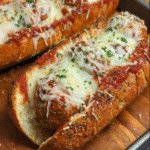
Meatball Sub
Ingredients
For the Meatballs:
- 1 pound (454g) ground beef
- 1 pound (454) ground pork
- 3 and 1/2 teaspoons garlic powder
- 3 teaspoons onion powder
- 2 and 1/2 teaspoons Italian seasoning
- 2 teaspoons salt
- 3/4 teaspoon freshly ground black pepper
- 2 large eggs
- 1 cup (100g) parmesan cheese finely grated
- 1 cup panko breadcrumbs
- 3/4 cup (171ml) water
For the Sauce:
- 1/3 cup (76ml) olive oil
- 8 cloves garlic minced
- 1/2 teaspoon crushed red pepper flakes
- 2 28 ounce cans crushed tomatoes with basil
- 1 and 1/2 teaspoons salt
- 1/2 teaspoon granulated sugar
- 1 and 1/2 teaspoons Italian seasoning
- 1/2 cup fresh basil leaves chopped
For the Subs:
- 8 crusty sub rolls cut in half
- 8 ounces provolone cheese shredded
- 6 ounces fontina cheese shredded
- 2 ounces parmesan cheese finely grated
- fresh basil torn, for garnish, optional
Instructions
For the Meatballs:
- Preheat the oven to 425 degrees (F). Line a large baking sheet with parchment paper and set aside.
- In a large bowl combine ground beef, pork, garlic powder, onion powder, Italian seasoning, black pepper, salt, egg, cheese, and breadcrumbs.
- Slowly add the water, a few tablespoons at a time, mixing with your hands until everything is just combined. Don’t over mix here or it’ll make the meatballs tough. The mixture should be very moist but still hold its shape when rolled into meatballs.
- Using an ice cream scoop or large spoon, scoop about two and half tablespoons of meat into your palms and roll it into a ball. Place the ball on the prepared baking sheet. Repeat with all of the meat.
- Place the baking sheet in the oven to bake for 20 minutes, or until they’re cooked though.
- While the meatballs bake, make your marinara sauce!
For the Sauce:
- Heat oil in a medium-sized pan over medium-low heat. Add in the garlic and sauté for one minute, or until the garlic is golden and fragrant. Add the crushed red pepper flakes.
- Add in the crushed tomatoes, salt, sugar, and seasoning and stir well to combine. Simmer the sauce for at least 15 minutes, stirring occasionally.
- Stir in basil and cook for 5 more minutes. Season with additional salt and pepper to taste.
- When meatballs are done cooking, add them to the sauce, stir to coat, use as directed below.
For the Subs:
- Preheat the oven to broiler. Slice the sub rolls in half, being sure to cut only 3/4 of the way through the roll.
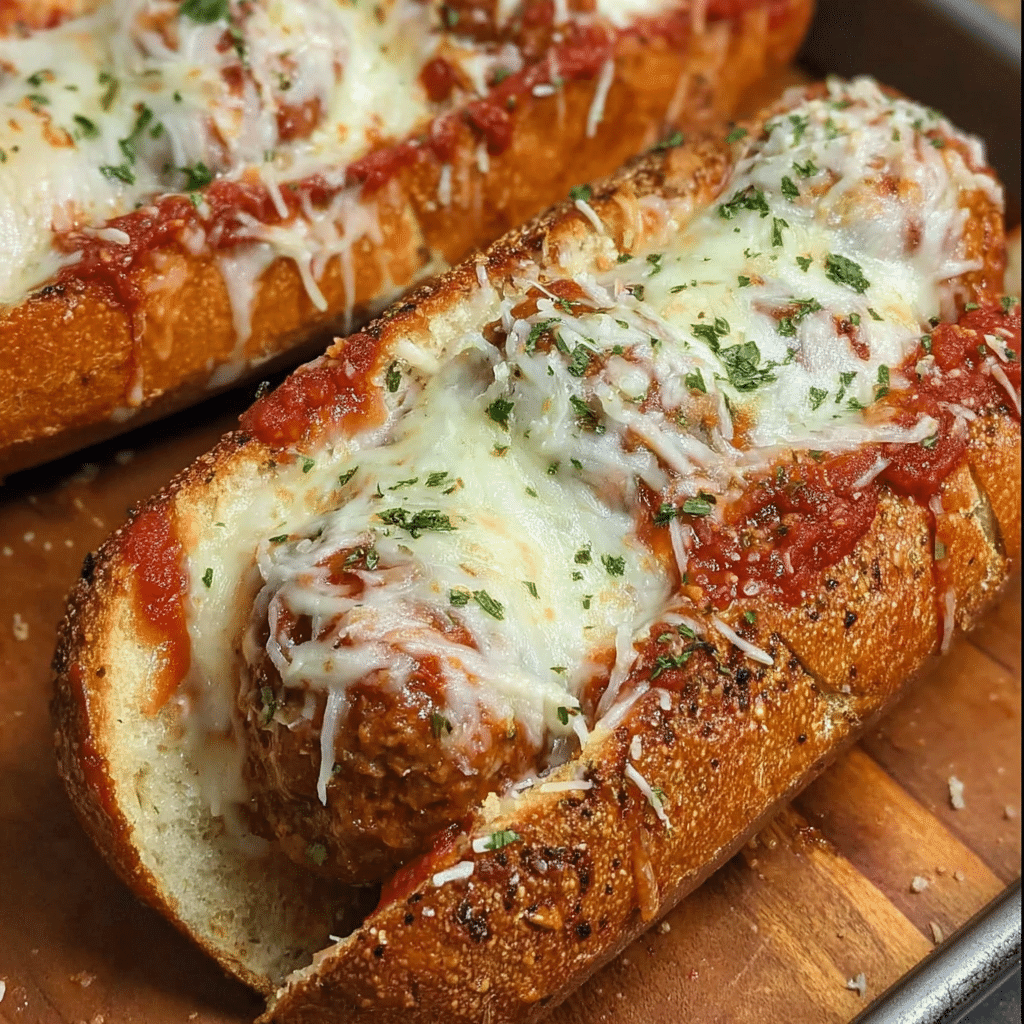
- Place 5 meatballs into each sub roll. Spoon extra sauce on top of each roll. Then divide the shredded provolone and fontina cheeses evenly on top of rolls.
- Carefully place the subs onto a baking sheet and place under the broiler until the cheese is melted and gooey and slightly golden brown in some spots. Don’t walk away and keep a close eye here, you don’t want them to burn! If you’re broiler runs hot, put it on the low setting .
- Remove from heat, sprinkle with basil and parmesan, and serve warm!
Shopping Tips
When shopping for ingredients for your meatball sub, quality is key. For meats, I recommend visiting a butcher for freshly ground options. You’ll often find that the flavor is superior to pre-packaged varieties. If you’re looking for ground beef and pork, ask your butcher about the fat content—an ideal mix should be about 80% lean for beef and similar for pork.
For the cheeses, always go for freshly grated options instead of pre-packaged. Pre-grated cheese often has anti-caking agents that can affect melting. Freshly grated cheese melts beautifully and offers superior flavor. Additionally, for canned tomatoes, look for those labeled as San Marzano for a sweeter, richer taste.
Substitutions and Alternatives
If you have dietary restrictions or preferences, there are plenty of substitutions available. For a healthier option, you might replace ground beef and pork with ground turkey or chicken. These lean meats will create a lighter meatball, but be mindful to add a little more fat, like olive oil, to keep them moist.
For those who are gluten-free, swap out panko breadcrumbs for gluten-free breadcrumbs or even crushed gluten-free crackers. Additionally, if you’re looking for a dairy-free option, consider nutritional yeast instead of cheese for a cheesy flavor without the dairy.
Storage is also something to consider; raw meats should be kept in the refrigerator for 1-2 days or frozen for longer periods. Grated cheese can be stored in an airtight container in the fridge for up to a week, while fresh herbs like basil should ideally be used within a few days for optimal flavor. Following these tips ensures you have the best ingredients at hand for a delicious meatball sub experience.
Detailed Step-by-Step meatball sub Cooking Instructions
Now that we’ve gathered all the essential ingredients for our meatball sub, it’s time to dive into the cooking process. This part of the journey is where the magic truly happens, transforming raw ingredients into a comforting and flavorful dish. Buckle up as we explore the step-by-step process of making the perfect meatball sub!
Preparation Steps
- Gather Your Ingredients: Begin by assembling all your ingredients in one spot. This makes the cooking process more manageable and ensures you don’t forget anything. Pre-measure everything so that you can focus on mixing and cooking.
- Preheat Your Oven: Preheat your oven to 375°F (190°C). This will ensure that when you’re ready to bake your meatballs, the oven is hot and ready to create that perfect crust.
- Prepare the Meatball Mixture: In a large mixing bowl, combine both the ground beef and ground pork. Use your hands or a fork to break up the meat gently. Avoid overmixing, as this can lead to dense meatballs.
- Add Dry Ingredients: Sprinkle in the garlic powder, onion powder, Italian seasoning, salt, and black pepper over the meat mixture. These spices will infuse the meat with flavor.
- Incorporate Eggs and Cheese: Crack the two large eggs into the meat mixture, followed by the grated parmesan and panko breadcrumbs. Mix gently until all the ingredients are combined.
- Add Water: Pour in the water to hydrate the breadcrumbs. This step is crucial for achieving a tender meatball texture. Mix gently again until just combined.
- Form the Meatballs: Using your hands, form the meat mixture into meatballs, approximately the size of a golf ball. Place them on a lined baking sheet—this prevents sticking and makes cleanup a breeze.
- Chop Fresh Basil: While your meatballs are resting, chop the fresh basil for your sauce. This will add a fresh aroma and flavor to the dish.
Cooking Process
- Prepare the Sauce: In a large saucepan over medium heat, add the olive oil. Once heated, add the minced garlic and sauté for about 30 seconds until fragrant. Be careful not to let it burn—burnt garlic can turn bitter!
- Add Crushed Tomatoes: Pour in the two cans of crushed tomatoes along with the basil, salt, granulated sugar, and Italian seasoning. Stir well and let it simmer for about 10 minutes, allowing the flavors to meld together.
- Cook the Meatballs: Place your meatballs in the sauce, ensuring they are submerged. Allow them to simmer gently for about 20-25 minutes, turning them occasionally for even cooking. This slow cooking method allows the meatballs to absorb the flavors from the sauce.
- Check for Doneness: Use a meat thermometer to check the internal temperature of the meatballs; they should reach at least 160°F (71°C) for ground beef and pork. Also, visually inspect them for a nice golden color.
- Prepare the Sub Rolls: While the meatballs are simmering, prepare your sub rolls by cutting them in half. If desired, lightly toast them in the oven for a few minutes to create a crispy exterior.
Final Assembly
- Layer the Meatballs: Once the meatballs are cooked, use a slotted spoon to transfer them from the sauce to the sub rolls. This prevents the bread from getting soggy.
- Add Cheese: Generously sprinkle the shredded provolone and fontina cheese over the meatballs. Don’t be shy—this is a meatball sub after all!
- Bake the Subs: Place the assembled subs back in the oven for about 5-10 minutes, until the cheese is melted and bubbly. Keep an eye on them to avoid burning the bread.
- Garnish and Serve: After removing the subs from the oven, sprinkle the additional grated parmesan and torn fresh basil on top for that finishing touch. Serve immediately and watch the smiles appear as your guests take their first bites!
Cooking a meatball sub might seem daunting at first, but with each step, you’ll find that it’s a labor of love. The aromas that fill your kitchen will be a testament to the delicious meal that awaits. Remember, practice makes perfect, and soon enough, you’ll be crafting these delicious sandwiches with ease.
Professional Tips and Techniques for meatball sub
When it comes to crafting the perfect meatball sub, there are numerous professional tips and techniques that can elevate your culinary game. This beloved sandwich, known for its hearty meatballs enveloped in rich marinara sauce and topped with gooey cheese, can be transformed from a simple meal into a gourmet experience with just a few insider secrets and techniques.
Professional Techniques
First and foremost, understanding the fundamentals of meatball preparation is key. A great meatball sub starts with the meatballs themselves. Choose a blend of meats for depth of flavor; a combination of ground beef and pork is a classic choice. The fat content in pork adds moisture and richness to the meatballs. Aim for an 80/20 ratio of meat to fat for optimal juiciness.
Don’t skip the seasoning! Incorporating fresh herbs like parsley and basil, finely minced garlic, and even a splash of Worcestershire sauce can make a world of difference. When mixing your meatball mixture, do so gently. Overmixing can lead to dense meatballs that are tough rather than tender. Instead, combine your ingredients just until they are evenly incorporated.
Next, consider the cooking method. While baking meatballs in the oven is a popular choice for ease and convenience, pan-frying them can give you a beautiful caramelized crust that enhances the overall flavor. If you choose to bake, using a broiler for the last few minutes can mimic that caramelization effect. For a truly rich flavor, try simmering your meatballs directly in the marinara sauce for the last 15-20 minutes of cooking.
Troubleshooting Guide
Even the most seasoned cooks encounter problems from time to time. One common issue with meatballs is that they fall apart during cooking. To prevent this, ensure you’re using enough binding agents, such as breadcrumbs and eggs. If your mixture is too loose, add more breadcrumbs until you achieve a consistency that holds together well.
Another potential problem is dryness. If your meatballs turn out dry, it could be due to overcooking. Use a meat thermometer to check for doneness; the internal temperature should reach 160°F. You can also add moisture by incorporating finely grated vegetables like zucchini or carrots into the meat mixture.
Presentation Tips
meatball sub. After assembling your sandwich, consider toasting the bread for that perfect crunch and to prevent it from becoming soggy. Use a soft hoagie roll that can hold up to the weight of the meatballs and sauce, and lightly toast it under the broiler until golden brown.
When it comes to plating, use a large plate to allow your sub to take center stage. Cut the sandwich diagonally for that classic look, and drizzle a bit of extra marinara sauce over the top for added visual appeal. A sprinkle of fresh basil or parsley can add a pop of color, while a dusting of parmesan cheese can create a gourmet touch.
For an extra layer of flavor, consider pairing your meatball sub with a glass of red wine, such as a Chianti or a Zinfandel, which complements the rich tomato sauce beautifully. If wine isn’t your thing, a crisp lager or a hoppy IPA can also provide a refreshing contrast to the hearty flavors of the sandwich.
Make-Ahead and Meal Prep Strategies
For those who love to meal prep, the meatball sub is an excellent choice. You can prepare the meatballs a day in advance, allowing the flavors to meld. Simply refrigerate them after forming, and then cook them the next day. Alternatively, you can make a large batch of meatballs and freeze them, giving you a quick meal option whenever you need it. Just remember to thaw them in the refrigerator overnight before cooking or reheating.
Scaling your recipe up or down is also straightforward. If you’re hosting a gathering, consider doubling or tripling the meatball recipe and serving them as sliders or in a large tray for guests to assemble their own subs. Conversely, if you’re cooking for one or two, simply halve the recipe and enjoy the leftovers for lunch the next day without compromising on flavor.
Creative Variations and Adaptations of meatball sub
The traditional meatball sub is a classic comfort food, but there are endless creative variations and adaptations that can keep this dish exciting and fresh. From seasonal ingredients to international twists, there’s a version for every palate.
Seasonal Variations
One way to keep your meatball sub interesting is by incorporating seasonal ingredients. For example, in the fall, consider adding roasted butternut squash or even a touch of apple cider to your meatball mixture for a sweet and savory flavor profile. You can also swap out the usual marinara for a pumpkin or butternut squash sauce to create a seasonal twist. In the summer, fresh herbs like basil and mint can be used liberally, and adding grilled vegetables can bring a fresh, vibrant touch to your sandwich.
Spring offers an opportunity to incorporate lighter ingredients, such as ground turkey or chicken, which can be flavored with lemon zest and fresh herbs. Topping your meatball sub with a zesty arugula salad instead of the usual cheese can provide a refreshing crunch that complements the meat and sauce perfectly.
Dietary Adaptations
With the growing trend towards dietary restrictions and preferences, adaptations of the classic meatball sub can cater to a wide range of diets. For those following a keto diet, consider using almond flour instead of breadcrumbs and opting for a low-carb marinara sauce. Zucchini noodles can be a fantastic substitute for traditional bread, making for a satisfying yet guilt-free alternative.
For vegans, plant-based meat substitutes like lentils, chickpeas, or store-bought vegan meatballs can be used to create a delicious meatball sub. Pair these with a rich marinara sauce made from fresh tomatoes and garlic, and top with vegan cheese or nutritional yeast for that cheesy flavor without the dairy. Gluten-free eaters can easily swap regular bread for gluten-free hoagie rolls and use gluten-free breadcrumbs to make the meatballs.
Creative Twists
Don’t shy away from experimenting with international flavors! Consider a Mexican-inspired meatball sub by adding taco seasoning to your meatball mixture, and topping it with guacamole, pico de gallo, and jalapeños. An Italian twist can be achieved by using Italian sausage in place of traditional ground beef, and topping with roasted red peppers and provolone cheese.
Cooking methods also play a vital role in how you can adapt your meatball sub. Using a slow cooker can infuse your meatballs with rich flavors as they simmer in sauce all day, making them incredibly tender. Alternatively, grilling meatballs can impart a smoky flavor that takes your sandwich to the next level.
Lastly, don’t forget about leftovers! If you find yourself with extra meatballs, transform them into a hearty pasta dish or a savory meatball stir-fry. You can even make meatball sliders for a fun and easy appetizer at your next gathering. The versatility of the meatball sub means that with a little creativity, you can never run out of ways to enjoy it!
Storage, Reheating, and Meal Prep for meatball sub
The meatball sub is a delightful sandwich that brings together juicy meatballs, rich marinara sauce, and melted cheese, all nestled in a soft, crusty sub roll. Whether you’ve made a big batch for a family gathering or enjoyed leftovers from a restaurant, understanding how to store, reheat, and prep your meatball sub can make all the difference in maintaining its deliciousness for days to come. In this section, we’ll explore the ins and outs of storing your meatball sub to ensure you can enjoy it at its best.
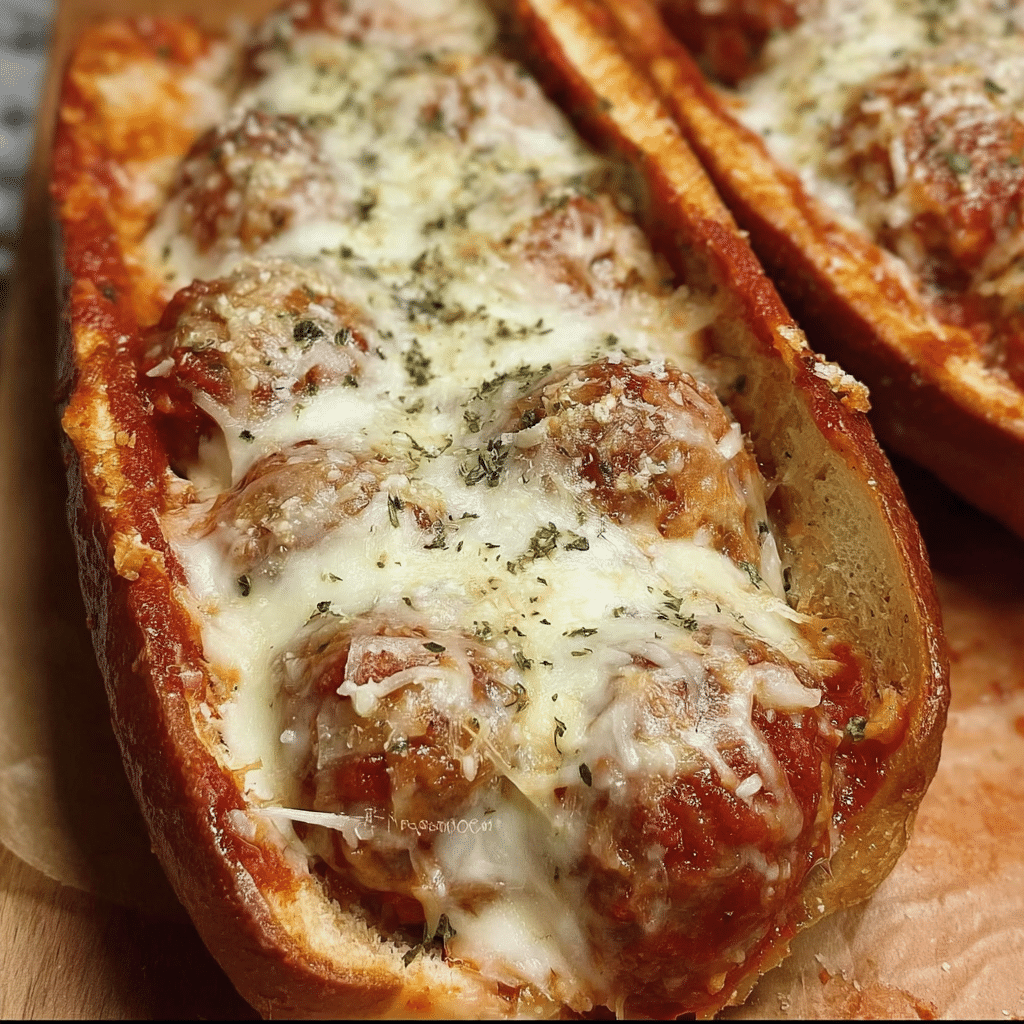
Short-term Storage
When it comes to short-term storage of your meatball sub, the refrigerator is your best friend. If you have leftovers from a homemade meal or takeout, it’s essential to store them properly to maintain flavor and texture. Ideally, you want to consume your meatball sub within 3 to 4 days of preparation. To do this, start by letting the sandwich cool down to room temperature. Storing hot food directly in the fridge can raise the overall temperature, which can be a breeding ground for bacteria.
Once cooled, you can wrap the meatball sub tightly in aluminum foil or plastic wrap. This helps to prevent it from drying out and keeps it fresh. Alternatively, you can place it in an airtight container. If you’re using a container, consider cutting the sub in half to fit it better, but be aware that this may slightly alter the texture of the bread.
For those who like to keep their ingredients separate, you might consider storing the meatballs and sauce in one container, and the bread in another. This method keeps the bread crusty and prevents it from becoming soggy. Just remember to reheat the meatballs and sauce before assembling your sub again.
Freezing and Long-term Storage
If you find yourself with an abundance of meatball subs, freezing is a great way to extend their shelf life beyond a week. The key to freezing your meatball sub successfully is to separate the components. Start by placing the cooked meatballs and marinara sauce in freezer-safe containers or resealable plastic bags. Be sure to remove as much air as possible from the bags to prevent freezer burn. You can freeze these components for up to three months.
For the bread, it is best to freeze it separately as well. Wrap the sub rolls tightly in plastic wrap or aluminum foil, and then place them in a freezer-safe bag. This prevents the bread from absorbing any moisture or odors from the freezer. When you’re ready to enjoy your meatball sub again, simply thaw the meatballs and sauce in the refrigerator overnight, and reheat them before assembling with the thawed or freshly baked bread.
Reheating Best Practices
Reheating your meatball sub properly is crucial to preserving its original flavor and texture. One of the best methods is to use an oven. Preheat your oven to 350°F (175°C), and place the wrapped sub on a baking sheet. Heat for about 10-15 minutes, or until warmed through. This method ensures that the bread stays crispy while the meatballs warm up nicely.
If you’re in a hurry, you can also use a microwave. However, this method can lead to a soggy bread texture. To reduce this, try wrapping the sub in a damp paper towel to help retain moisture while reheating. Heat on medium power in short bursts, checking frequently to avoid overheating.
Batch cooking your meatball subs can also make meal prep a breeze. You can prepare a large batch of meatballs and sauce, and then store them as discussed. This way, on busy weeknights, you can simply reheat the meatballs and serve them on fresh bread for a quick and satisfying meal.
As with any meal preparation, be mindful of food safety. Always store your meatball subs in the refrigerator within two hours of cooking to prevent bacterial growth. When reheating, make sure the internal temperature of the meatballs reaches 165°F (74°C) to ensure that they are safe to eat.
The shelf life of your meatball sub largely depends on how well you store it. Properly wrapped and stored in the refrigerator, you can expect your sandwich to last about 3-4 days. If frozen, you can enjoy your meatball subs for up to three months. Remember to label your containers with the date to keep track of freshness.
In conclusion, knowing how to store, freeze, and reheat your meatball sub can enhance your dining experience. Whether it’s a quick lunch at work or a comforting dinner at home, having a delicious meatball sub on hand can be a game-changer. With these tips, you can savor every bite, even days after you’ve made it.
Nutritional Benefits and Health Information
The meatball sub is not just a comfort food; it also packs a nutritional punch when prepared thoughtfully. Understanding the nutritional benefits and health information surrounding this classic sandwich is essential, especially for those seeking a balanced diet. In this section, we’ll delve into the various components of a meatball sub, exploring its nutritional profile, health benefits, and dietary considerations.
Nutritional Profile
A typical meatball sub is composed of several key ingredients: meatballs, marinara sauce, cheese, and a sub roll. Let’s break down the nutritional content. The primary ingredient, meatballs, can be made from various meats such as beef, pork, turkey, or chicken. A standard serving of meatballs (about 3-4 meatballs) can contain approximately 200-300 calories, depending on the type of meat and cooking method used.
Marinara sauce, often rich in tomatoes, garlic, and herbs, contributes vitamins A and C, as well as antioxidants like lycopene, which has been linked to various health benefits. A serving of sauce might add another 60-100 calories. The sub roll itself, typically made from white or whole wheat bread, can range from 150-250 calories. Finally, cheese, often mozzarella, adds flavor and creaminess, contributing around 80-100 calories per serving.
When you total these components, a standard meatball sub could range from 500 to 800 calories, depending on portion sizes and ingredients. For those watching their caloric intake, it’s essential to consider portion control and the potential for healthier ingredient substitutions.
Health Benefits
One of the most significant benefits of a meatball sub is its protein content. Meatballs, made primarily from meat, provide a substantial amount of protein, which is essential for muscle repair, immune function, and overall health. For instance, a turkey meatball is a leaner alternative, providing protein with less fat and fewer calories. This can make a meatball sub a satisfying meal that helps keep you full and energized.
Additionally, the incorporation of marinara sauce not only adds flavor but also contributes health benefits. Tomatoes are known for their high vitamin C content, which is crucial for a healthy immune system. They also contain potassium, which can help regulate blood pressure. The garlic and herbs typically found in marinara sauce provide anti-inflammatory properties and can aid in digestion.
The fiber content in the bread, especially if you opt for whole grain rolls, can also aid in digestion and contribute to a feeling of fullness, making the meatball sub a more balanced meal when prepared with wholesome ingredients.
Dietary Considerations
When it comes to dietary considerations, the meatball sub can be quite versatile. For those with gluten sensitivities, you can substitute traditional bread with gluten-free rolls or even lettuce wraps. You can also modify the meatballs to be made from leaner meats or plant-based alternatives for those following vegetarian or vegan diets. Plant-based meatballs made from lentils, beans, or commercial meat substitutes can provide a similar texture and flavor profile while accommodating various dietary needs.
For individuals monitoring their sodium intake, consider making homemade marinara sauce and controlling the salt content in your meatballs. Store-bought sauces often contain added sugars and preservatives, so opting for fresh ingredients can enhance both the healthiness and taste of your sub.
When comparing the meatball sub to similar dishes, such as a meatball hoagie or spaghetti and meatballs, the sub often provides a more balanced meal in terms of portability and component control. You can easily adjust the ingredients and portion sizes to suit your nutritional goals.
In conclusion, the meatball sub is a delicious and versatile meal that can fit into a variety of dietary plans. With mindful preparation and ingredient choices, you can enjoy this classic sandwich while reaping its nutritional benefits. Whether you’re indulging in a comforting homemade version or a quick takeout, understanding its nutritional profile can help you make informed decisions about your meals.