Mediterranean pasta salad is more than just a dish; it’s a vibrant tapestry of flavors, colors, and traditions that will transport you straight to the sun-kissed shores of the Mediterranean with every bite. I still remember the first time I discovered this delightful recipe. It was a sweltering summer afternoon, and I was at a family gathering, surrounded by loved ones and the tantalizing aroma of grilled vegetables and fresh herbs. My aunt, a culinary enthusiast and a true embodiment of Mediterranean spirit, unveiled a giant bowl of pasta salad that sparkled under the sunlight—a cornucopia of cherry tomatoes, crisp cucumbers, olives, and feta cheese, all tossed together with a drizzle of olive oil and a splash of lemon juice. Instantly, I was hooked.
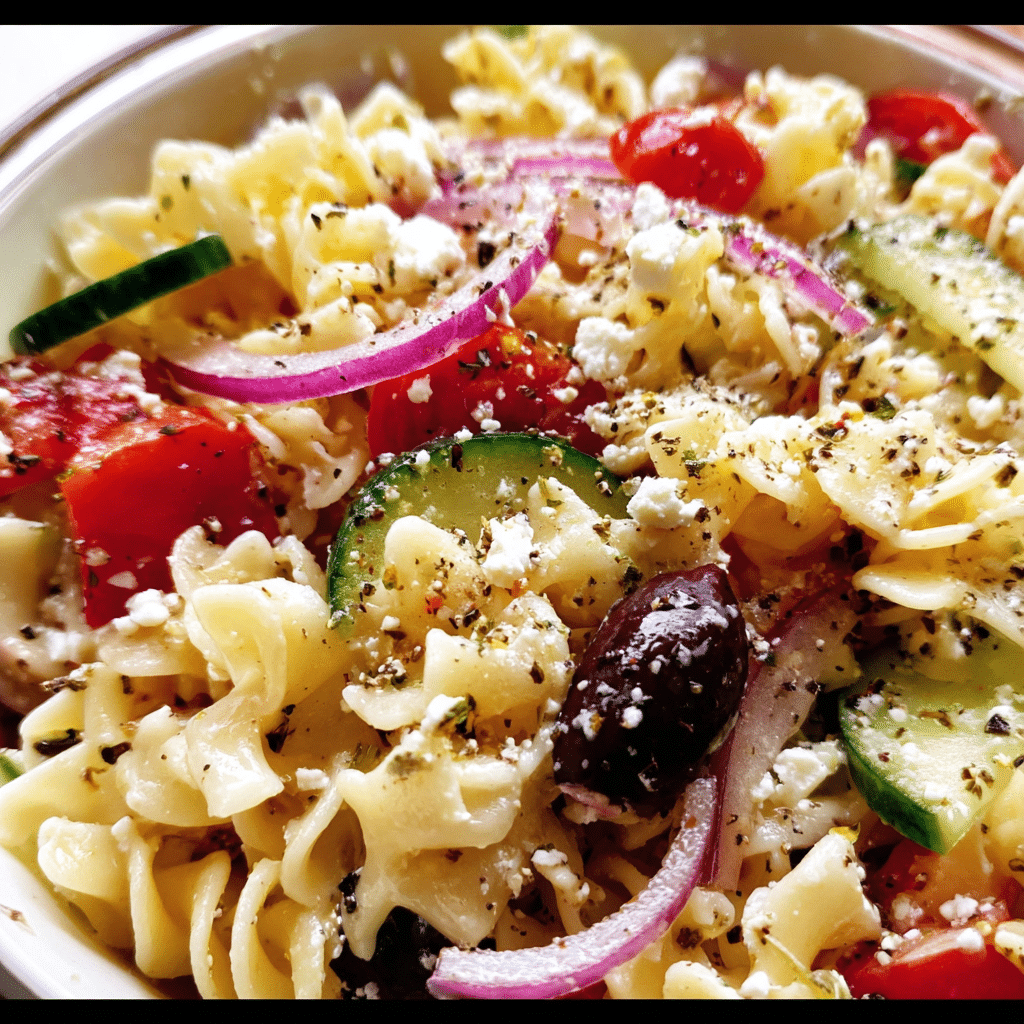
As I savored that first bite, I felt an explosion of flavors dance on my palate. The freshness of the vegetables, the creaminess of the feta, and the zesty dressing created a perfect harmony. It was not just a meal; it was an experience. The Mediterranean pasta salad became a staple at our family gatherings, each time evoking laughter, stories, and a sense of togetherness. I realized then that this dish was not just about the ingredients; it was about the memories created around it, the love infused into every bite, and the connections it fostered amongst us.
The Story Behind This Recipe
The origins of Mediterranean pasta salad are as diverse as the cultures that surround the Mediterranean Sea. Traditionally, pasta salads were simple, using whatever local ingredients were available, such as seasonal vegetables, fresh herbs, and a light dressing. This adaptability is what makes the Mediterranean pasta salad so special. Unlike heavier pasta dishes that are often rich and creamy, this salad embodies the essence of Mediterranean cuisine—fresh, vibrant, and healthful. It effortlessly combines the staples of the region: pasta, vegetables, olive oil, and cheese, making it a versatile option for any meal.
What sets Mediterranean pasta salad apart from other pasta salads is its emphasis on fresh ingredients and bold flavors. Unlike typical American pasta salads that often rely heavily on mayonnaise, the Mediterranean version embraces olive oil and vinegar, allowing the natural flavors of the vegetables and seasonings to shine through. It’s a dish that can be served cold or at room temperature, making it perfect for picnics, potlucks, or as a side dish at barbecues.
Why You’ll Love This Dish
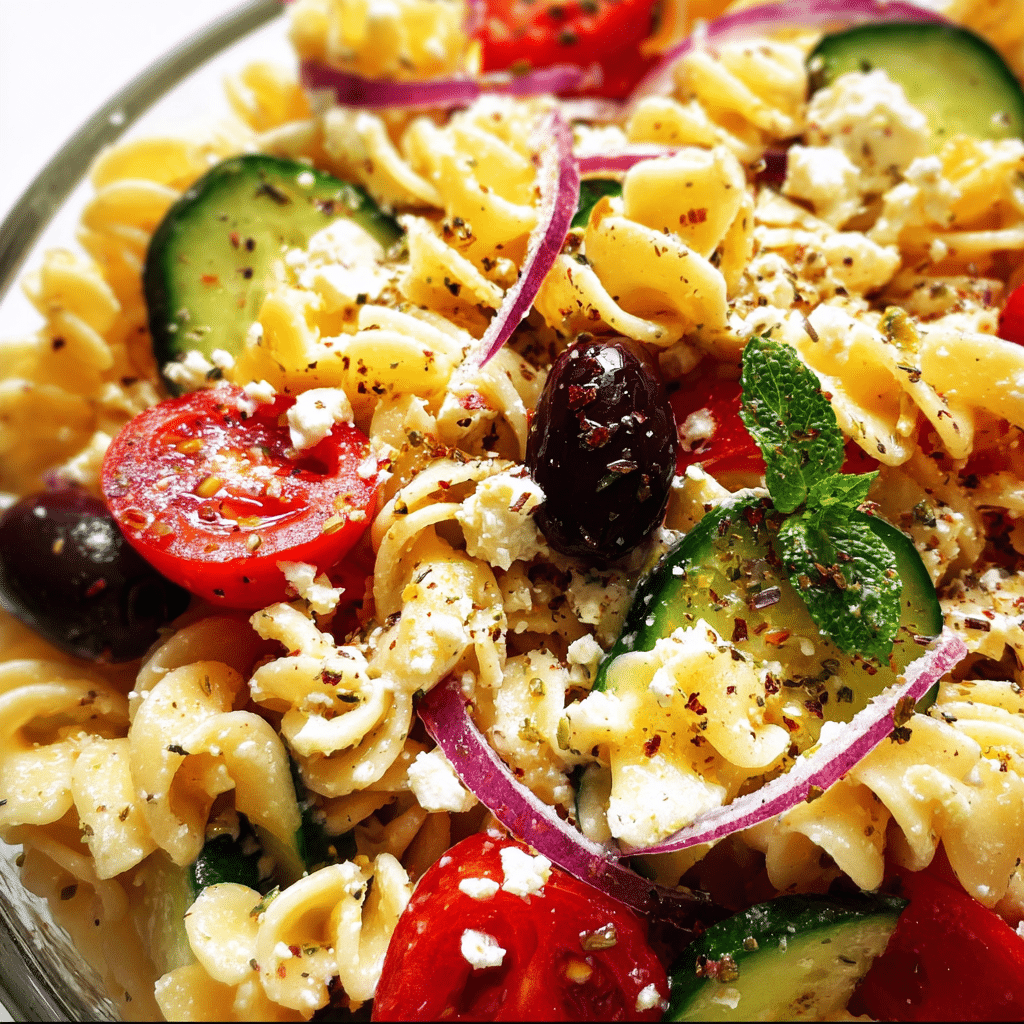
This dish is particularly ideal for busy families seeking quick dinner solutions. With its straightforward preparation and ability to be made in advance, Mediterranean pasta salad can easily be prepped in a large batch and stored in the fridge, ready to be served throughout the week. On hectic days when cooking feels like an insurmountable task, this salad can be a lifesaver. Just grab a bowl, scoop a serving, and you have a nourishing and satisfying meal in minutes.
Moreover, its seasonal relevance makes it a must-have in your culinary repertoire. In spring and summer, when produce is at its peak, the crispness of fresh cucumbers, the juiciness of ripe tomatoes, and the fragrant herbs bring this dish to life. In the fall, you can add roasted vegetables or even incorporate some protein like grilled chicken or chickpeas, ensuring that it remains a beloved option year-round.
For me, the Mediterranean pasta salad is more than just a recipe; it’s a connection to my family and the joyful moments we’ve shared over meals. Each ingredient carries a story, from the olive oil pressed from my uncle’s farm to the herbs grown in my grandmother’s garden. It encapsulates the essence of home, love, and togetherness, making it a dish that resonates deeply within my heart.
In this guide, you will learn not only how to prepare the perfect Mediterranean pasta salad but also how to customize it to suit your taste, dietary needs, and seasonal availability. You’ll discover the best combinations of ingredients, tips for meal prepping, and how to elevate this simple dish into a feast worthy of any occasion. Get ready to embark on a culinary journey that will not only satisfy your taste buds but also nourish your soul!
Print
Mediterranean Pasta Salad
Ingredients
Mediterranean Pasta Salad Ingredients:
- 12 ounces dry pasta (I used farfalle)
- 1 English cucumber, diced
- 1 pint cherry or grape tomatoes, halved
- 2/3 cup sliced kalamata olives
- 4 ounces crumbled feta cheese
- half of a medium red onion, peeled and thinly sliced
Lemon-Herb Vinaigrette Ingredients:
- 1/4 cup extra virgin olive oil
- 3 tablespoons red wine vinegar
- 1 tablespoon freshly-squeezed lemon juice
- 2 teaspoons dried oregano, minced
- 1 teaspoon honey (or your desired sweetener)
- 2 small garlic cloves, minced
- 1/4 teaspoon freshly-cracked black pepper
- 1/4 teaspoon salt
- pinch of crushed red pepper flakes
Instructions
- To Make The Mediterranean Pasta Salad:
- Cook the pasta al dente in a large stockpot of generously-salted water according to package instructions. Drain pasta, then rinse under cold water for about 20-30 seconds until no longer hot. Transfer the pasta to a large mixing bowl.
- Add cucumber, tomatoes, kalamata olives, feta cheese, and red onion to the mixing bowl, then drizzle all of the vinaigrette evenly on top. Toss until all of the ingredients are evenly coated with the dressing.
- Serve immediately, garnished with extra feta and black pepper if desired.
- To Make The Lemon-Herb Vinaigrette:
- Whisk all ingredients together until combined.
The Rich History and Cultural Significance of mediterranean pasta salad
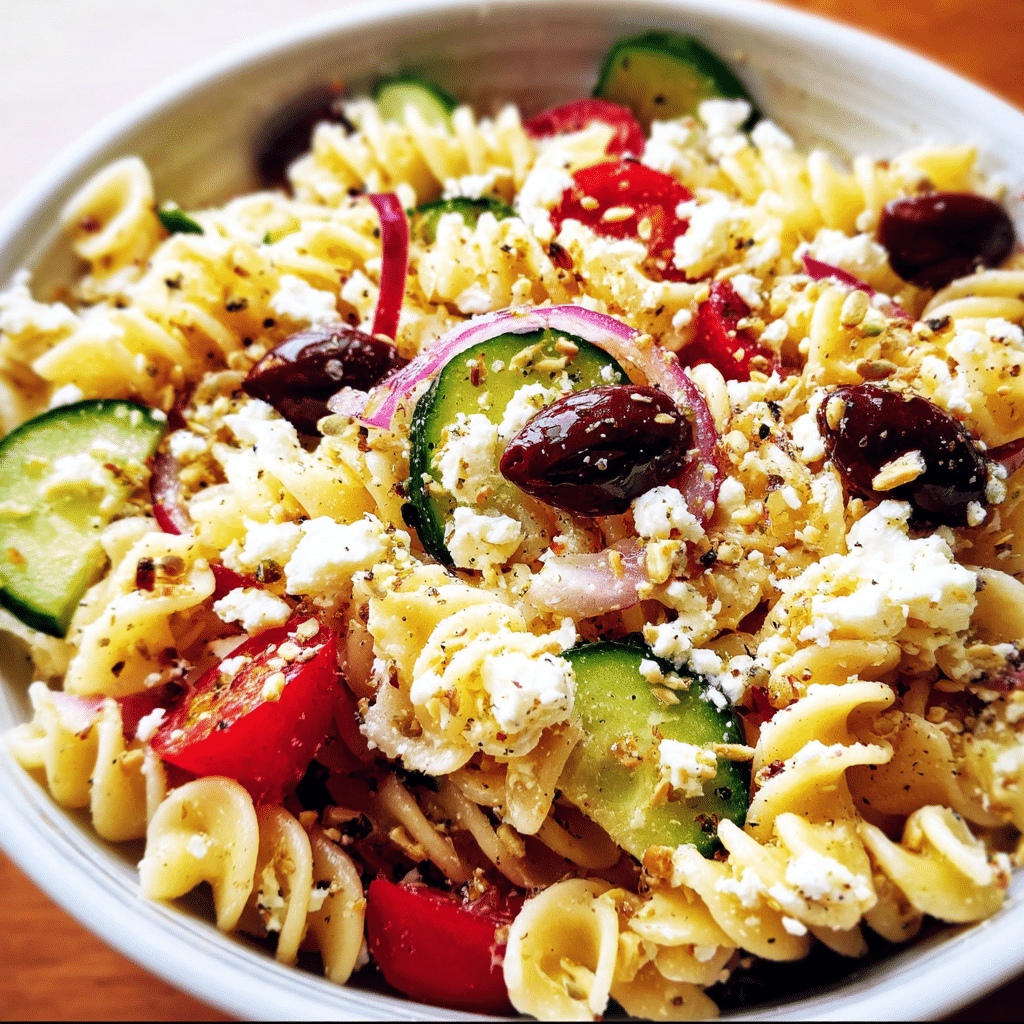
The Mediterranean pasta salad has its roots deeply embedded in the diverse culinary traditions of the Mediterranean region, which encompasses countries like Italy, Greece, Spain, and Turkey. Each of these nations brings its unique flair to the dish, resulting in a myriad of variations that reflect local ingredients and cultural influences. The history of this salad is a fascinating reflection of the Mediterranean lifestyle—one that emphasizes fresh, seasonal produce, simplicity in preparation, and the joy of sharing meals with loved ones.
Origins and History
In Greece, the famous “Greek salad,” which consists of tomatoes, cucumbers, olives, and feta cheese, has inspired many variations of Mediterranean pasta salad. The inclusion of these classic ingredients not only enhances the flavor profile but also pays homage to the rich agricultural heritage of the region. Over time, various Mediterranean countries have adopted their own interpretations, resulting in a broad spectrum of flavors and textures.
Cultural Significance
The Mediterranean pasta salad is more than just a dish; it serves as a symbol of hospitality and community. In many Mediterranean cultures, sharing food is an essential part of socializing and building relationships. This salad is often served at family gatherings, picnics, and celebrations, bringing people together around the table. The colorful presentation of the salad is also reflective of the Mediterranean lifestyle—vibrant, fresh, and full of life.
Moreover, the dish is celebrated for its versatility and adaptability. It can be served as a side dish or a main course, making it suitable for a variety of occasions. Whether it’s a casual barbecue with friends or a festive holiday gathering, Mediterranean pasta salad holds a special place in the hearts of many.
Nutritional Benefits
One of the many reasons why Mediterranean pasta salad has gained popularity is its nutritional value. The Mediterranean diet is renowned for its health benefits, largely due to its emphasis on whole foods, healthy fats, and fresh produce. This salad is packed with nutrients, offering a balanced combination of carbohydrates, proteins, vitamins, and minerals.
The use of whole-grain pasta can provide essential fiber, which aids in digestion and supports heart health. Fresh vegetables, such as tomatoes and cucumbers, are rich in antioxidants and vitamins, contributing to overall well-being. Adding ingredients like olives and feta cheese introduces healthy fats and protein, making the salad satisfying without being heavy.
In recent years, as more people become aware of the importance of healthy eating, Mediterranean pasta salad has found its way into meal prep routines and healthy lifestyle choices. Its ability to be customized based on dietary preferences—whether vegetarian, gluten-free, or dairy-free—makes it an appealing option for everyone.
As we delve deeper into the world of Mediterranean pasta salad, you’ll discover how to create your own version, drawing from the rich history and cultural significance that have shaped this beloved dish. With its roots entwined in tradition and a bright future ahead, there’s no better time to explore the endless possibilities of Mediterranean pasta salad!
Essential Ingredients for Perfect mediterranean pasta salad
When it comes to creating the perfect mediterranean pasta salad, the foundation lies in the ingredients you choose. Each component plays a pivotal role in contributing not only to the flavor but also to the aesthetic appeal and nutritional value of the dish. Let’s dive into the essential ingredients that make up this vibrant and hearty salad.
Essential Ingredients
- 12 ounces dry pasta (I used farfalle)
- 1 English cucumber, diced
- 1 pint cherry or grape tomatoes, halved
- 2/3 cup sliced kalamata olives
- 4 ounces crumbled feta cheese
- half of a medium red onion, peeled and thinly sliced
- 1/4 cup extra virgin olive oil
- 3 tablespoons red wine vinegar
- 1 tablespoon freshly-squeezed lemon juice
- 2 teaspoons dried oregano, minced
- 1 teaspoon honey (or your desired sweetener)
- 2 small garlic cloves, minced
- 1/4 teaspoon freshly-cracked black pepper
- 1/4 teaspoon salt
- pinch of crushed red pepper flakes
Let’s explore the significance of each ingredient in the mediterranean pasta salad:
Pasta: The backbone of your salad, the pasta serves as the canvas. I recommend using farfalle for its unique shape and ability to hold onto the dressing, but you can also experiment with other pasta shapes like rotini or penne. Cook it al dente to ensure it retains a bite and doesn’t become mushy when combined with the other ingredients.
English Cucumber: Diced English cucumber adds a refreshing crunch. Unlike regular cucumbers, they have fewer seeds and a thinner skin, making them perfect for salads. Look for cucumbers that are firm and dark green, avoiding any with soft spots or wrinkles.
Cherry or Grape Tomatoes: These little bursts of sweetness are essential for balancing the flavors in your mediterranean pasta salad. Choose tomatoes that are plump and brightly colored. They should smell sweet and earthy, indicating freshness. The halving allows their juices to mingle with the dressing.
Kalamata Olives: These provide a salty, briny flavor that amplifies the Mediterranean essence of the dish. Opt for pitted olives to save yourself the hassle. When selecting, look for olives that are firm and glossy, which indicates they’re fresh.
Feta Cheese: Crumbled feta adds creaminess and tang. It’s a staple in Mediterranean cuisine and should be used generously. Choose a high-quality feta that is creamy and not overly dry.
Red Onion: The sharpness of red onion offers a nice contrast to the other ingredients. When sliced thinly, it becomes milder and more palatable in the salad. Look for onions with a vibrant color and firm texture.
Extra Virgin Olive Oil: A good quality olive oil is crucial as it serves as the base for the dressing. Choose an oil that’s rich and fragrant, and avoid overly processed options that lack flavor.
Red Wine Vinegar: This adds acidity and depth to the dressing. Look for varieties that are unfiltered and organic for the best flavor. The right vinegar can significantly enhance the overall taste of your salad.
Lemon Juice: Freshly squeezed lemon juice brightens the salad and balances the richness of the olive oil. Always go for fresh lemons rather than bottled juice for the best flavor.
Dried Oregano: An essential herb in Mediterranean cooking, oregano adds distinct flavor. Choose a high-quality dried oregano for the best impact. Fresh oregano can be used as a substitution if available.
Honey: A touch of sweetness rounds out the flavors beautifully. If you prefer, you can substitute it with maple syrup or agave nectar for a vegan option.
Garlic: Freshly minced garlic is key for adding depth and aroma. When selecting garlic, choose bulbs that are firm, dry, and free from soft spots or green shoots.
Black Pepper, Salt, and Red Pepper Flakes: These seasonings enhance the overall flavor profile. Use freshly cracked black pepper for more intense flavor, and adjust the salt and red pepper flakes according to your taste preferences.
Shopping Tips
When shopping for ingredients for your mediterranean pasta salad, consider visiting local farmers’ markets for fresh produce. This not only supports local agriculture but often ensures you get the best quality fruits and vegetables. For items like pasta and olives, check specialty grocery stores or the international aisle of your local supermarket where you can find imported goods.

Seasonal availability also plays a role. Tomatoes and cucumbers are typically in season during the summer months, so aim to make your salad then for peak flavor. However, many of these ingredients are available year-round, making it a versatile choice for any season.
Substitutions and Alternatives
Dietary restrictions or personal preferences might require some adjustments. For a gluten-free version of your mediterranean pasta salad, look for gluten-free pasta options made from chickpeas or brown rice. If you’re vegan, you can omit the feta or substitute it with a plant-based cheese alternative. Other vegetables such as bell peppers or artichokes can also be delicious additions, allowing you to customize your salad to your liking.
For storage, most ingredients can be kept in the refrigerator for several days. However, it’s best to store the salad without dressing if you plan to make it ahead of time. This prevents the pasta from becoming soggy. Keep any leftovers in an airtight container for up to three days.
With this comprehensive understanding of the ingredients, you are well on your way to creating a delicious and colorful mediterranean pasta salad that celebrates the vibrant flavors of the Mediterranean.
Detailed Step-by-Step mediterranean pasta salad Cooking Instructions
Creating a delightful mediterranean pasta salad is not only about the ingredients; it’s also about the method. Cooking is a craft, and each step is equally important in bringing out the best flavors and textures. Here’s a detailed guide to help you master the process of making this refreshing dish.
Preparation Steps
- Gather Your Ingredients: Start by collecting all your ingredients. This makes the cooking process smoother and ensures you have everything you need at hand.
- Prep the Vegetables: Dice the English cucumber, halve the cherry or grape tomatoes, and thinly slice the red onion. The key to a beautiful salad is uniformity in size, so take your time with this step.
- Minced Garlic: Peel and mince your garlic cloves. Fresh garlic is aromatic and will infuse your dressing with flavor. Aim for a fine mince to avoid large chunks.
- Measure Out Your Ingredients: Use measuring cups and spoons to accurately portion the olive oil, vinegar, lemon juice, and seasonings. Having everything pre-measured, known as “mise en place,” helps streamline the cooking process.
- Cook the Pasta: Bring a large pot of salted water to a boil. Add the farfalle and cook according to package instructions until al dente. Stir occasionally to prevent sticking. This should take about 10-12 minutes.
Cooking Process
- Drain and Rinse the Pasta: Once the pasta is cooked, drain it in a colander and rinse it under cold water to stop the cooking process. This step is crucial to keep the pasta firm and prevent it from becoming mushy.
- Prepare the Dressing: While the pasta is cooling, whisk together the olive oil, red wine vinegar, freshly squeezed lemon juice, minced garlic, honey, dried oregano, black pepper, salt, and crushed red pepper flakes in a small bowl. Taste and adjust the seasoning as needed. This is where you can play around with flavors; if you like it tangier, add more vinegar.
- Combine Ingredients: In a large mixing bowl, combine the cooled pasta, diced cucumber, halved tomatoes, sliced olives, crumbled feta, and red onion. Gently toss to combine, ensuring that the pasta is coated evenly with the vegetables.
Final Assembly
- Add the Dressing: Pour your homemade dressing over the pasta and vegetable mix. Use a spatula or wooden spoon to gently fold the dressing in, making sure every piece is coated. This is where the magic happens, as the flavors meld together.
- Taste Test: Before serving, taste your mediterranean pasta salad. This is your chance to adjust any seasoning. If it feels a bit flat, a pinch more salt or a dash of lemon juice can elevate the flavor profile.
- Chill (Optional): For the best flavor, refrigerate the salad for at least 30 minutes before serving. This allows the flavors to meld even further. If you’re short on time, you can serve it immediately, but chilled is definitely better.
- Serve and Enjoy: Transfer your salad to a serving bowl or platter. Garnish with a sprinkle of additional feta or a few olives on top for presentation. Enjoy your mediterranean pasta salad as a refreshing side dish or a light meal!
Throughout this process, be mindful of common mistakes, like overcooking the pasta or skimping on the seasoning. Remember, cooking is all about experimentation and enjoyment. Feel free to make this recipe your own by adding or substituting ingredients based on your preferences.
In just about 30 minutes, you can whip up a beautiful and flavorful mediterranean pasta salad that’s perfect for any occasion—from a summer barbecue to a cozy dinner at home. With a little bit of practice, you’ll find yourself making this dish on repeat!
Professional Tips and Techniques for mediterranean pasta salad
Creating the perfect Mediterranean pasta salad is not just about tossing ingredients together; it’s an art that combines vibrant flavors, textures, and a bit of culinary finesse. Whether you’re preparing a dish for a sunny picnic or a cozy family dinner, mastering a few professional tips and techniques can elevate your Mediterranean pasta salad from ordinary to extraordinary.
Professional Techniques
When crafting a Mediterranean pasta salad, the choice of pasta is crucial. Opt for shapes like fusilli, farfalle, or penne that hold onto dressings and ingredients well. A common mistake is overcooking the pasta; it should be al dente—cooked through but still firm to the bite. This not only enhances the texture but also helps the pasta absorb the dressing without becoming mushy.
One insider tip is to rinse the pasta in cold water after draining it. This halts the cooking process and cools the pasta down, preventing it from clumping together. While rinsing is often debated, I find that it works particularly well for salads, ensuring that the pasta remains distinct and allows the vibrant flavors of the Mediterranean ingredients to shine through.
Another technique I love is to marinate the vegetables and olives beforehand. Combining cherry tomatoes, cucumbers, red onions, and olives with olive oil, lemon juice, salt, and a sprinkle of herbs for at least 30 minutes allows the flavors to meld beautifully. Not only does this step enhance the taste, but it also adds a lovely brightness to the salad.
Troubleshooting Guide
Even the best cooks encounter issues from time to time. One common problem with Mediterranean pasta salad is sogginess. If your salad ends up watery, it’s often due to overcooked pasta or the addition of wet ingredients without proper drainage. To avoid this, always ensure your vegetables are thoroughly dried before mixing them in. Also, consider adding the dressing just before serving to keep everything crisp.
If you find that your salad lacks flavor, try adjusting the seasoning. A touch of salt can enhance the flavors significantly, and a splash of vinegar or additional lemon juice can brighten everything up. Taste as you go; this is paramount in achieving that perfect balance of flavors.
Presentation Tips
Presentation is key when it comes to salads, especially for a Mediterranean pasta salad, which is as much about the visual appeal as it is about the taste. Consider serving your salad in a large, shallow bowl rather than a deep one. This allows all the colorful ingredients to be displayed beautifully.
For an added flair, garnish with freshly chopped herbs like parsley or basil just before serving. Not only does this add a pop of color, but it also enhances the aroma. You can even sprinkle some crumbled feta on top for a touch of creaminess that complements the tangy olives and zesty dressing.
When it comes to wine pairings, a crisp, chilled Sauvignon Blanc or a light-bodied red like Pinot Noir works wonders with the flavors of Mediterranean pasta salad. Both wines enhance the salad’s fresh ingredients and balance the acidity, making for a delightful meal.
For meal prep, consider preparing your ingredients ahead of time. Cook your pasta and chop your vegetables a day in advance. Store the pasta and veggies separately to avoid sogginess, and mix them with the dressing just before serving. This strategy not only saves time but also ensures your salad remains fresh and flavorful.
When scaling the recipe up or down, keep in mind that the dressings and seasonings might need adjustments. A good rule of thumb is to maintain a balance of 3 parts oil to 1 part vinegar or lemon juice. This ratio ensures your Mediterranean pasta salad remains flavorful without being overly oily or tangy.
Creative Variations and Adaptations of mediterranean pasta salad
The beauty of Mediterranean pasta salad lies in its versatility. With a few creative variations and adaptations, you can transform this classic dish into something new and exciting each time you make it. Let’s dive into some delicious ways to switch things up!
Seasonal Variations
One of the joys of cooking is using seasonal ingredients. For a summer Mediterranean pasta salad, incorporate fresh, ripe tomatoes and sweet bell peppers. As the seasons change, so can your ingredients. In the fall, consider adding roasted butternut squash or Brussels sprouts for a heartier version. Winter can bring in roasted root vegetables like carrots and parsnips, adding an earthy depth to your salad.
In the spring, toss in some fresh peas and asparagus, bringing a vibrant green color and a pleasant crunch. Each season offers a new palette of flavors, allowing you to keep your Mediterranean pasta salad fresh and exciting.
Dietary Adaptations
With the rise of dietary preferences, it’s essential to ensure that everyone can enjoy a Mediterranean pasta salad. For those following a keto diet, swap traditional pasta for zucchini noodles or shirataki noodles. This keeps the dish low-carb while still offering the beloved Mediterranean flavors.
If you’re catering to vegans, omit the feta cheese and replace it with avocado for creaminess or nutritional yeast for a cheesy flavor. Gluten-free eaters can easily find gluten-free pasta options that work beautifully in this dish. When preparing for a crowd, it’s wise to have a few variations ready to accommodate all dietary needs.
Creative Twists
Don’t hesitate to play with flavors and ingredients! For a Mediterranean-inspired Mexican twist, consider adding black beans, corn, and a hint of chili powder. Alternatively, a Middle Eastern fusion could include chickpeas, tahini, and a sprinkle of sumac, giving your salad a unique twist.
For those who love a bit of heat, spice things up with diced jalapeños or a drizzle of sriracha in your dressing. Experimenting with different herbs can also bring a refreshing twist—try mint or dill for a unique flavor profile.
Cooking methods can also bring variety to Mediterranean pasta salad. Instead of serving everything raw, consider roasting your vegetables for an added layer of flavor. Grilled eggplant, zucchini, and peppers can be a fantastic addition, especially in the summer when grilling season is in full swing.
Lastly, let’s talk about leftovers. If you find yourself with extra salad, don’t fret! Transform it into a delicious baked pasta dish by adding some marinara sauce and cheese, then baking until bubbly. You can also mix it into a frittata or omelet for a quick breakfast option.
Storage, Reheating, and Meal Prep for mediterranean pasta salad
When it comes to Mediterranean pasta salad, one of the most appealing aspects is its versatility—not just in flavors and ingredients, but also in how it can be stored and enjoyed later. Whether you’re preparing a vibrant dish for a summer picnic or a quick lunch for the week, understanding how to store, reheat, and meal prep this delightful salad is essential for maintaining its freshness and flavors.
Short-term Storage
After whipping up a batch of Mediterranean pasta salad, you might be tempted to dive right in. However, if you find yourself with leftovers, proper short-term storage is crucial. The best way to store your Mediterranean pasta salad is in an airtight container. Glass containers with tight-fitting lids are preferable, as they prevent moisture from entering and absorbing odors from the fridge. If you’re using plastic, ensure it’s food-grade and BPA-free to avoid any harmful chemicals leaching into your food.
For optimal freshness, refrigerate the salad within two hours of preparation. Generally, Mediterranean pasta salad can be kept in the refrigerator for about 3 to 5 days. However, the shelf life can vary depending on the specific ingredients you’ve included. For instance, if your recipe features fresh herbs or delicate greens, they may wilt faster, and the salad might lose its appeal sooner.
To extend the life of your Mediterranean pasta salad, consider storing the dressing separately if you anticipate leftovers. This way, the pasta and vegetables won’t become soggy, allowing you to enjoy that crisp, flavorful experience even days after the initial preparation.
Freezing and Long-term Storage
If you’re looking to keep your Mediterranean pasta salad for an extended period, freezing can be an option, but it requires some consideration. While the salad can be frozen, the texture of certain ingredients may change upon thawing. Ingredients such as tomatoes and cucumbers can become mushy, while olives and cheese may not fare well in the freezer.
To freeze Mediterranean pasta salad, start by portioning it into freezer-safe containers or bags, ensuring you remove as much air as possible to prevent freezer burn. Label each container with the date and contents. Generally, pasta salad can be frozen for up to three months, but for the best quality, aim to consume it within one month.
When you’re ready to enjoy your frozen Mediterranean pasta salad, the best method to thaw it is by moving the container from the freezer to the refrigerator and allowing it to defrost overnight. This gradual thawing helps retain as much of the salad’s original texture and flavor as possible. After thawing, it’s a good idea to give the salad a light toss and perhaps add a splash of fresh dressing to revitalize the flavors.
Reheating Best Practices
While Mediterranean pasta salad is often served cold or at room temperature, there may be times when you want to warm it up. If you choose to reheat your salad, do so gently to avoid overcooking the pasta or wilting the vegetables. The microwave is a quick option; simply place a portion in a microwave-safe dish, cover it loosely, and heat in short intervals, stirring in between, until warmed through. Keep in mind, however, that certain ingredients like leafy greens may not hold up well in the microwave.
Another option is to reheat the salad on the stovetop. Place the salad in a skillet over low heat, stirring gently to avoid sticking. This method allows for more control over the heating process. Just be cautious not to leave the salad on the heat for too long, as it can lead to a mushy texture.
Meal Prep and Batch Cooking Strategies
Making Mediterranean pasta salad a staple in your meal prep routine can save time and energy throughout the week. When preparing for meal prep, consider making a large batch on a Sunday. Use whole grain or gluten-free pasta to cater to different dietary needs, and incorporate an array of colorful vegetables like bell peppers, cherry tomatoes, and red onions for a nutrient boost.
Portion the salad into individual containers, ensuring you leave out the dressing until you’re ready to eat. This keeps everything fresh and prevents sogginess. A simple vinaigrette made with olive oil, lemon juice, garlic, and herbs can be stored in a small jar and poured over the salad just before serving.
Food Safety Considerations and Guidelines
Food safety is paramount when it comes to storing food, especially in warmer months when bacteria can grow more rapidly. Always refrigerate your Mediterranean pasta salad promptly after preparation to avoid leaving it at room temperature for too long. The USDA recommends not leaving perishable foods out for more than two hours, and if the temperature is above 90°F, that time reduces to one hour.
Additionally, always check for signs of spoilage before consuming leftovers. If you notice any off smells, discoloration, or a change in texture, it’s best to err on the side of caution and discard the salad. Trust your instincts—food safety is about ensuring you enjoy your meals without any risk to your health.
In conclusion, mastering the art of storage, reheating, and meal prepping Mediterranean pasta salad can significantly enhance your culinary experience. This refreshing dish not only tantalizes the taste buds but also provides convenience when stored correctly. By implementing these tips, you can enjoy the vibrant flavors of Mediterranean pasta salad over several days, making it a delightful addition to your meal rotation.
Nutritional Benefits and Health Information
As we dive into the world of Mediterranean pasta salad, it’s impossible to overlook the nutritional benefits that come packed within each colorful bite. This salad not only serves as a delightful dish full of flavor but also provides a plethora of health benefits thanks to its fresh ingredients. Let’s explore the nutritional profile, health advantages, and dietary considerations surrounding this Mediterranean classic.
Nutritional Profile
A typical serving of Mediterranean pasta salad can vary in its nutritional content based on the specific ingredients used. However, generally, it consists of whole-grain pasta, a medley of fresh vegetables, olives, feta cheese, and a light vinaigrette. On average, a one-cup serving of Mediterranean pasta salad contains approximately:
- Calories: 250-400 calories
- Protein: 10-15 grams
- Carbohydrates: 30-45 grams
- Fat: 10-20 grams
- Fiber: 3-6 grams
The actual numbers can fluctuate significantly based on the ingredients and portion sizes. For example, adding grilled chicken or chickpeas can increase protein levels, while the choice of dressing can influence calorie and fat content.
Health Benefits
The Mediterranean diet is renowned for its health-promoting properties, and Mediterranean pasta salad embodies many of these benefits. The key ingredients contribute to a well-rounded diet:
- Whole Grain Pasta: Provides complex carbohydrates that supply energy and fiber, which aids digestion and keeps you feeling full.
- Fresh Vegetables: Ingredients like bell peppers, cucumbers, and tomatoes are rich in vitamins, minerals, and antioxidants, supporting overall health.
- Olive Oil: A cornerstone of the Mediterranean diet, olive oil is packed with heart-healthy monounsaturated fats and anti-inflammatory properties.
- Feta Cheese: Offers a source of protein and calcium, contributing to bone health.
- Herbs and Spices: Fresh herbs like basil and parsley not only enhance flavor but are also loaded with antioxidants.
Collectively, these elements work together to support heart health, reduce inflammation, and may even lower the risk of chronic diseases. Additionally, consuming a diet rich in vegetables and healthy fats can support weight management and improve overall well-being.
Dietary Considerations
One of the best things about Mediterranean pasta salad is its adaptability to various dietary needs. For those who are gluten-sensitive or have celiac disease, swapping regular pasta for gluten-free alternatives made from chickpeas, quinoa, or brown rice can create an equally delightful dish. Vegan variations can easily be achieved by omitting cheese and using plant-based proteins like beans or lentils.
In terms of allergens, ingredients like feta cheese, olives, and certain dressings may pose issues for some individuals. Always be mindful of personal allergies and consider customizing your Mediterranean pasta salad based on your guests’ dietary restrictions.
For individuals following specific diet plans like the Mediterranean diet, paleo, or even keto, Mediterranean pasta salad can be tailored to fit these guidelines. For example, reducing the amount of pasta and increasing the vegetable content can make it more suitable for a low-carb or keto approach.
Adding in a variety of proteins, such as grilled chicken or chickpeas, can also enhance the nutritional value of this dish, making it a well-rounded meal option. For those looking to cut down on calories, using a light vinaigrette or yogurt-based dressing can provide flavor without the added fat.
In conclusion, Mediterranean pasta salad is not just a delicious meal but a powerhouse of nutrients that can cater to a wide range of dietary preferences. By understanding its nutritional benefits and making informed choices about ingredients, you can create a dish that not only tastes great but also supports a healthy lifestyle. So whether you’re meal prepping for the week or serving up a vibrant dish at a gathering, Mediterranean pasta salad is sure to please everyone while keeping health at the forefront.
Conclusion: Mastering the Perfect mediterranean pasta salad
Creating the perfect mediterranean pasta salad is more than just following a recipe—it’s about understanding the techniques, ingredients, and cultural significance behind this beloved dish. Throughout this comprehensive guide, we’ve explored everything from the historical origins to modern variations, ensuring you have all the knowledge needed to make this recipe your own.
Whether you’re a beginner cook or an experienced chef, the techniques and tips we’ve shared will help you create a mediterranean pasta salad that’s not only delicious but also meaningful. Remember that cooking is a journey of discovery, and each time you make this dish, you’ll learn something new.
We encourage you to experiment with the variations we’ve discussed, adapt the recipe to your dietary needs, and most importantly, share it with the people you love. Food has the incredible power to bring people together, and Mediterranean Pasta Salad is the perfect dish to create lasting memories around your dinner table.
Don’t forget to share your cooking adventures with us on social media, and feel free to ask questions in the comments below. Happy cooking!
Share this recipe and let us know how it turned out! Tag us on social media for a chance to be featured.