Moose farts, a term that may bring a chuckle or a raised eyebrow, actually refers to a delightful dish that has captured the hearts and appetites of many. My journey to discovering this quirky recipe began one chilly autumn evening, nestled in the heart of a cabin in the woods of Alaska. My family and I were enjoying a weekend retreat, surrounded by the vibrant hues of fall leaves and the gentle whisper of the wind. As we gathered around the fireplace, my neighbor, an elderly Alaskan native, shared stories of his childhood—stories that intertwined with his family’s culinary traditions. It was during one of these tales that he mentioned “moose farts,” piquing my curiosity. Little did I know that this would turn into a cherished recipe that would soon become a staple in my own home.
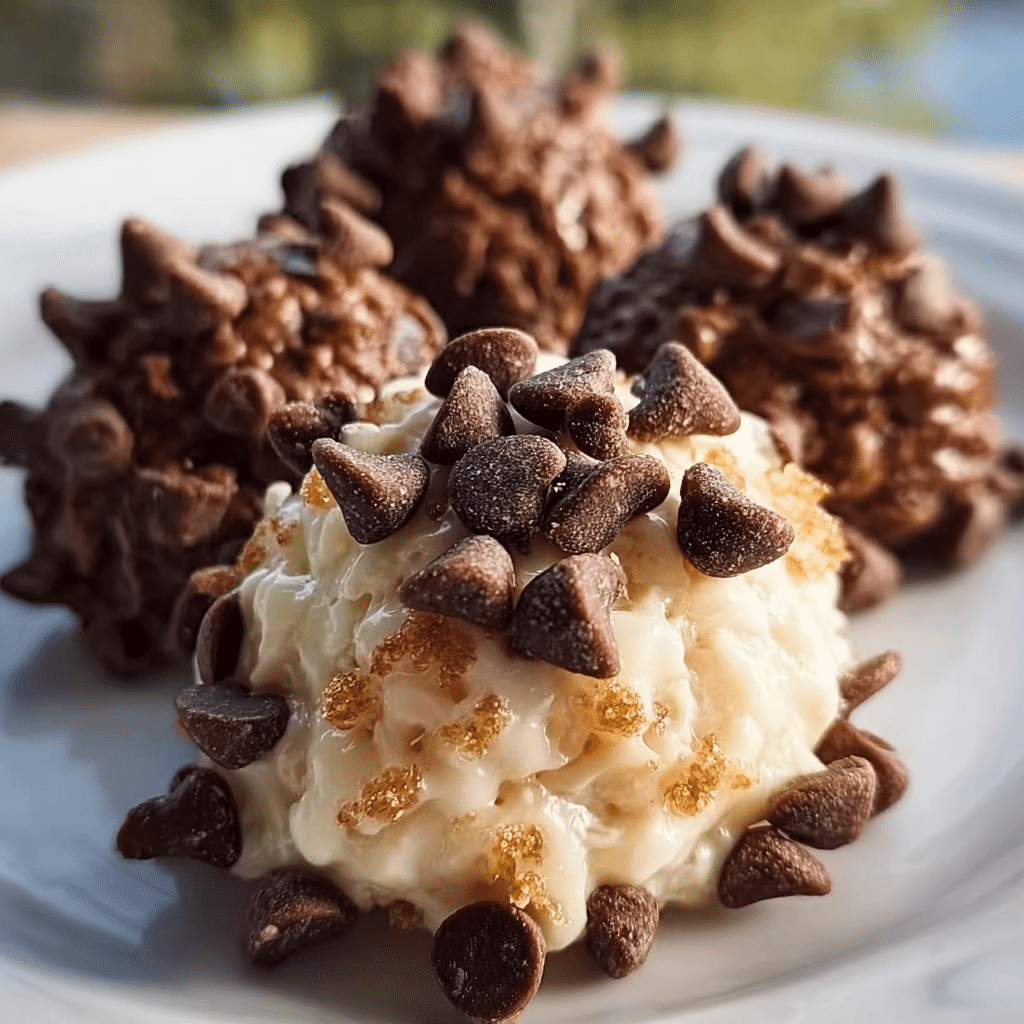
The name may sound humorous, but moose farts is a beloved comfort dish that combines a rich, savory filling with a crispy, flaky crust. Traditionally made with ground moose meat, vegetables, and a blend of herbs and spices, it is reminiscent of hearty pot pie but with a unique twist that speaks to the heart of Alaskan cuisine. It reflects the resourcefulness of the local people, who have long relied on the land for sustenance, using whatever ingredients are available to create delicious meals. The dish has roots in Indigenous Alaskan culture, where every part of the moose is utilized, ensuring nothing goes to waste. This cultural connection is part of what makes moose farts special; it is not just food, but a story—a narrative of survival, community, and tradition.
The Story Behind This Recipe
As I delved deeper into the recipe, I learned that moose farts is celebrated not only for its taste but also for its simplicity, making it perfect for busy families. In today’s fast-paced world, where dinner often feels like a chore, this dish is a lifesaver. It can be prepared in advance and stored in the freezer, allowing for those hectic weeknights when time is of the essence. A quick pop in the oven, and you have a wholesome meal ready to serve, filled with the rich flavors of the wilderness.
Another reason I hold moose farts close to my heart is the emotional connection it fosters. When I cook it, I am transported back to that cozy cabin, surrounded by laughter and warmth. It reminds me of the importance of family gatherings and the stories shared over a delicious meal. It’s a dish that brings people together, and every bite is infused with memories of love and camaraderie.
This recipe is particularly relevant in the fall and winter months when hearty meals are a welcome comfort against the chill of the season. The warm, savory filling and flaky crust evoke a sense of home, making it the perfect dish for Thanksgiving or a cozy family dinner. As you gather around the table, you’ll find that moose farts not only fills your belly but also nourishes your spirit.
In this guide, I promise to share everything you need to know about making moose farts, from the traditional recipe to modern adaptations. You’ll learn how to prepare it step-by-step, discover variations that cater to different dietary needs, and even find tips for making it a family affair in the kitchen. By the end of this journey, you’ll understand why moose farts is not just a meal, but a celebration of culture, family, and the great outdoors.
The Rich History and Cultural Significance of moose farts
The rich history and cultural significance of moose farts can’t be understated. Originating from the resourceful culinary traditions of Indigenous peoples in Alaska, this dish has evolved over generations, adapting to the availability of ingredients and the preferences of those who prepare it. Moose hunting has been a vital part of life in Alaska, and the meat is not only considered a delicacy but also a cornerstone of survival during the harsh winters. The use of moose in the recipe is a nod to this deep-rooted connection with nature and the land.
Origins and History
Moose farts, although it may sound like a playful term, alludes to a dish that embodies the spirit of the Alaskan wilderness. Traditionally, Indigenous populations utilized every part of the moose, giving rise to a variety of recipes that showcased this versatile meat. The dish itself likely emerged as a way to combine leftover ingredients—meat, vegetables, and spices—into a comforting meal that could feed a family. Over time, it became a beloved staple that was passed down through generations, each adding their unique twist.
In more contemporary settings, moose farts have found their way into local restaurants, where chefs honor traditional methods while incorporating modern culinary techniques. This blend of old and new has helped maintain the dish’s relevance, ensuring that it remains a beloved option for both locals and tourists alike. While the traditional recipe focuses on moose meat, many variations now exist, accommodating dietary restrictions with options like turkey or even plant-based substitutes.
Cultural Significance
Moose farts hold significant cultural value beyond just being a meal. They symbolize resourcefulness and respect for the environment, as they utilize ingredients that are locally sourced and often foraged. The dish is often prepared during communal gatherings, such as potlucks or family reunions, where sharing food fosters connection and storytelling. It is not uncommon to hear tales of past hunts or family adventures while enjoying a serving of moose farts, as the dish acts as a catalyst for conversation and bonding.
In many Alaskan households, preparing moose farts is a family affair—an opportunity to teach younger generations about cooking, the importance of local wildlife, and the traditions that have shaped their culinary heritage. This hands-on involvement creates lasting memories and instills a sense of pride in one’s cultural background.
Nutritional Benefits
From a nutritional standpoint, moose farts are a powerhouse meal. Moose meat is leaner than beef, providing a rich source of protein while being lower in fat. It is also packed with essential vitamins and minerals, such as B vitamins, iron, and zinc, making it a healthy choice for families. When combined with vegetables, this dish becomes even more nutritious, offering a well-rounded meal that supports a balanced diet.
Moreover, the use of whole ingredients and minimal processing in the preparation of moose farts aligns with modern dietary trends that emphasize whole foods. This dish not only nourishes the body but also supports local ecosystems by promoting the use of game meat and seasonal produce. The environmental consciousness behind the recipe further enhances its appeal, making it a dish that resonates with those who value sustainability.
In conclusion, exploring the rich history and cultural significance of moose farts reveals a dish that is much more than a quirky name. It is a celebration of community, tradition, and the bounty of the Alaskan landscape. As you dive into preparing this dish, remember that you are partaking in a legacy that honors both the land and the people who have cherished it for generations. The next time you serve moose farts at your table, you’ll be sharing not just a meal, but a piece of history.
Essential Ingredients for Perfect moose farts
When it comes to creating the delightful treat known as moose farts, having a complete understanding of the essential ingredients is key. These little morsels are a fantastic combination of flavors and textures, and each ingredient plays a vital role in making sure the moose farts turn out perfectly. Let’s dive into the world of these ingredients and understand not just what they are, but how to select the best ones, their roles in the recipe, and some handy shopping tips.
Essential Ingredients
- 1 can sweetened condensed milk (300 ml Canada, 14 oz US) – This creamy, thick substance is the backbone of the moose farts. It brings sweetness and moisture, binding all the ingredients together for a rich texture. When choosing sweetened condensed milk, look for brands that use high-quality milk without additives.
- 1/4 cup melted butter – Butter adds richness and flavor, enhancing the overall taste of the moose farts. Opt for unsalted butter for better control over the sweetness; organic butter can also be a great option, as it often has a more pronounced flavor.
- 1 1/2 cups dried coconut (fine or medium cut, unsweetened is best) – Coconut brings a tropical twist and chewy texture to the mix. Unsweetened coconut is preferable as it allows you to control the sweetness of the final product. When selecting coconut, look for fresh, fragrant flakes without any signs of spoilage.
- 1 1/2 cups graham cracker crumbs – These provide the base for our moose farts, contributing a lovely crunch and a hint of sweetness. You can either buy pre-crushed graham cracker crumbs or crush them yourself for a fresher taste. Look for brands that avoid artificial flavors and preservatives.
- 1 tsp vanilla extract – This ingredient adds depth and warmth to the flavor profile. Pure vanilla extract is a must for the best taste; imitation vanilla can be used in a pinch, but the flavor won’t be as complex.
- 1 1/2 cups chocolate chips – Chocolate is the star of the show, bringing indulgence and sweetness. For a rich flavor, choose high-quality dark chocolate chips. If you’re feeling adventurous, you could even opt for flavored chips, like mint or peanut butter, for a unique twist.
- Additional graham crumbs for rolling the cookie balls – This is used for rolling the moose farts to give them a finished look and extra crunch. You can use the same graham cracker crumbs as the base or switch it up with crushed nuts or coconut for a different texture.

Moose Farts
Ingredients
- 1 can sweetened condensed milk, 300 ml Canada, 14 oz US
- 1/4 cup melted butter
- 1 1/2 cups dried coconut, fine or medium cut (unsweetened is best)
- 1 1/2 cups graham cracker crumbs
- 1 tsp vanilla extract
- 1 1/2 cups chocolate chips
- Additional graham crumbs for rolling the cookie balls.
Instructions
- Melt the butter and and combine it with the sweetened condensed milk & vanilla extract until well blended.
- Add the graham crumbs, coconut and chocolate chips. Mix to combine well.
- Refrigerate for an hour or so before rolling the mixture into 1 1/4 inch balls. You want to make these on the smallish side as they are quite rich.
- Roll the balls in additional graham crumbs and once again chill until firm.
- Refrigerate in a sealed container to store.
Shopping Tips
When shopping for these ingredients, it’s essential to consider their quality. For instance, the sweetened condensed milk should be rich and creamy, indicating it’s made from high-quality milk. Check the expiration date to ensure freshness. For chocolate chips, opt for brands that use real cocoa butter, as this significantly affects the texture and flavor of your moose farts.
Seasonal availability is generally not an issue with these ingredients, as most can be found year-round in grocery stores. However, you might find coconut or graham crackers in specialized health food stores, particularly if you’re looking for organic or gluten-free options.
Substitutions and Alternatives
Not everyone can enjoy traditional moose farts due to dietary restrictions, but fear not! There are plenty of alternatives:
- Sweetened Condensed Milk: For a dairy-free version, you can use coconut condensed milk, which can provide a similar sweetness and creaminess.
- Butter: Substitute with coconut oil or vegan butter to keep this treat dairy-free.
- Dried Coconut: If you’re allergic to coconut, you can use finely chopped nuts or oats for a different texture.
- Graham Cracker Crumbs: Gluten-free alternatives are available, or you could crush rice cakes for a light base.
- Chocolate Chips: Use dairy-free chocolate chips or carob chips for a healthier twist.
Storage of these ingredients is straightforward; keep the sweetened condensed milk in a cool, dry place until opened, and refrigerate it after. Dried coconut should be stored in an airtight container to maintain freshness. Chocolate chips can also be kept in a cool, dark place, and graham crackers should be sealed well to prevent staleness.
For those on a budget, buying in bulk can save money, especially for items like coconut and chocolate chips. Keep an eye out for sales or coupons, and consider shopping at discount grocery stores for everyday ingredients.
In conclusion, understanding each ingredient’s role in making moose farts not only enhances your cooking experience but also empowers you to make informed choices while shopping. With these tips and insights, you’re well on your way to whipping up some delightful moose farts that will impress friends and family alike!
Detailed Step-by-Step moose farts Cooking Instructions
Now that we’ve covered the essential ingredients for making moose farts, let’s delve into the detailed step-by-step cooking instructions. This recipe is not only straightforward but also incredibly rewarding, as you’ll be treated to a delicious, no-bake treat that’s perfect for any occasion. So, roll up your sleeves, and let’s get started!
Preparation Steps
- Gather Your Ingredients: Start by ensuring you have all the ingredients on hand. Lay them out on your countertop for easy access. This is known as mise en place, a French culinary term meaning “everything in its place.” It not only helps streamline the cooking process but reduces the likelihood of forgetting an ingredient.
- Prepare Your Workspace: Clear off your kitchen counter or workspace. Make sure to have a mixing bowl, a spatula, and a baking sheet lined with parchment paper ready to go. Having a clean and organized workspace will make the process feel seamless.
- Measure Ingredients: Use measuring cups and spoons to accurately measure each ingredient. Precision is key in baking, so take your time here. For example, the 1 1/2 cups of dried coconut and graham cracker crumbs should be leveled off for accuracy.
Cooking Process
- Melt the Butter: In a small saucepan over low heat, melt the 1/4 cup of butter. You want it just melted—avoid browning it as that can alter the flavor. If you’re using coconut oil as a substitute, melt it in the same way.
- Mix the Sweetened Condensed Milk and Butter: In a large mixing bowl, combine the melted butter and the can of sweetened condensed milk. Stir well until the two are fully incorporated. This mixture should be smooth and creamy, providing the necessary moisture to hold everything together.
- Add the Dry Ingredients: Gradually stir in the 1 1/2 cups of graham cracker crumbs and 1 1/2 cups of dried coconut. The mixture will start to thicken and take on a dough-like consistency. This is a fun part, so don’t be afraid to get your hands in there and mix it up if a spatula isn’t cutting it!
- Incorporate Vanilla and Chocolate: Add in the 1 tsp of vanilla extract and the 1 1/2 cups of chocolate chips. Stir until everything is evenly distributed. At this point, your mixture should look decadent and inviting, with the chocolate chips dotting the coconut and graham cracker mixture.
Final Assembly
- Form the Moose Farts: With your hands, scoop out a tablespoon of the mixture and roll it into a ball. The mixture will be sticky, so wetting your hands slightly can help prevent it from sticking. Aim for a bite-sized ball, about the size of a golf ball.
- Roll in Graham Crumbs: Once formed, roll each ball in additional graham cracker crumbs to coat. This adds a lovely texture and makes them visually appealing. Place each coated ball on the parchment-lined baking sheet, leaving some space between them.
- Chill the Moose Farts: Once all the balls are formed and coated, place the baking sheet in the refrigerator for at least 30 minutes. This step is crucial, as it allows the flavors to meld and the balls to firm up. You can take this time to clean up your workspace or prepare for serving!
- Serve and Enjoy: After chilling, your moose farts are ready to be served. They make for a perfect dessert or snack, and they can even be packed for picnics. Just place them in an airtight container to keep them fresh. Trust me, once you take a bite, you’ll be hooked on their delightful flavor and texture!
Throughout this process, pay attention to visual and sensory cues. The mixture should be well combined, with an even distribution of chocolate chips and coconut. If you find your mixture too dry, consider adding a little more sweetened condensed milk, or if it’s too wet, a bit more graham cracker crumbs will do the trick. Common mistakes include not chilling the moose farts long enough, which can lead to a mess when trying to eat them, or not measuring ingredients accurately, which can affect the final taste and texture.
In terms of equipment, a sturdy mixing bowl and a good spatula are essential, but you can also use a stand mixer if you prefer. For the final assembly, a cookie scoop can help ensure uniformity in size, making your moose farts look professionally made!
With these detailed instructions, you’re well-equipped to create delicious moose farts right in your own kitchen. This recipe is not only easy but also allows for creativity, so feel free to make it your own. Happy cooking!
Professional Tips and Techniques for moose farts
When it comes to mastering the art of moose farts, there’s so much more than meets the eye. This culinary delight, often misunderstood and shrouded in mystery, can truly shine with a few professional tips and techniques. Let’s dive into the heart of the kitchen and explore the ins and outs of creating this whimsical dish.
Professional Techniques
First things first, let’s talk about the essential techniques that can elevate your moose farts from ordinary to extraordinary. The key to perfecting this dish lies in the balance of flavors and textures. Start by selecting the freshest ingredients; the quality of your base components will dramatically influence the final outcome.
One professional technique that I swear by is the art of mise en place, which means having everything in its place. Before you even think about cooking, gather all your ingredients and tools. This not only streamlines your process but also helps prevent mishaps. You don’t want to be scrambling for that crucial spice while your dish risks overcooking!

Next, consider the cooking method. Depending on your recipe, whether you’re roasting, sautéing, or slow-cooking, the technique can change drastically. For instance, if you’re looking to create a deeper flavor profile in your moose farts, try searing your ingredients before combining them. This caramelization adds a rich, complex taste that elevates the dish.
Troubleshooting Guide
Even the most seasoned cooks can run into hiccups when preparing moose farts. One common issue is the dish turning out too dry or lacking moisture. If you find yourself in this predicament, consider adding a splash of broth or a dollop of cream to bring back that luscious texture. Remember, moisture is key to a satisfying bite!
Another frequent complaint is that the flavors don’t meld well together. This is often due to improper cooking times. To avoid this, I recommend tasting as you go. It sounds simple, but adjusting the seasoning throughout the cooking process can make all the difference. If you find the dish too salty, balance it out with a bit of acid, such as lemon juice or vinegar.
Presentation Tips
Once you’ve mastered the cooking techniques, it’s time to focus on presentation. The first rule of thumb is to serve your moose farts on a beautiful plate. A simple white dish can act as a canvas, allowing the colors of your ingredients to pop. Think about garnishing with fresh herbs or a sprinkle of spices for added visual appeal.
In my experience, a good presentation elevates the dining experience. Try using a ring mold to create a tower of moose farts on the plate. This adds height and elegance, making your dish visually stunning. Additionally, consider drizzling a sauce around the plate for a touch of artistry.
Equipment Recommendations
Having the right equipment can significantly impact your success. For moose farts, I highly recommend investing in a quality chef’s knife. A sharp knife ensures clean cuts, which is crucial for even cooking. You might also want a heavy-bottomed pan for even heat distribution, which is essential when sautéing or browning ingredients.
Another tool that I’ve found invaluable is a digital kitchen scale. It helps in scaling recipes up or down accurately, ensuring that you maintain the balance of flavors no matter the size of your batch.
Make-Ahead Strategies
If you’re planning a gathering and want to serve moose farts without the stress of last-minute cooking, consider make-ahead strategies. Many components of the dish can be prepped in advance, allowing you to enjoy the company of your guests without being tied to the stove.
For instance, you can chop vegetables and store them in airtight containers in the fridge. You could also prepare the base of the dish a day ahead and simply reheat it before serving. This not only saves time but often enhances the flavors as they have more time to meld together.
Wine and Beverage Pairings
No meal is complete without the perfect beverage to complement it, and moose farts is no exception. A light, fruity white wine, such as a Sauvignon Blanc, pairs beautifully, enhancing the flavors without overpowering them. If you prefer reds, a Pinot Noir can bring out the earthiness of the dish.
For those who enjoy non-alcoholic options, consider a sparkling water with a slice of lemon or a refreshing herbal iced tea. The citrus notes will cut through the richness of the dish, providing a lovely balance.
In summary, mastering moose farts is an art that combines technique, creativity, and a little bit of heart. By employing these professional tips and techniques, troubleshooting common issues, and focusing on presentation, you can create a dish that not only tastes amazing but also looks stunning on the table.
Creative Variations and Adaptations of moose farts
Exploring the world of variations and adaptations for moose farts can be a delightful journey. Everyone has their unique twist on this quirky dish, and experimenting with different ingredients and methods can yield fascinating results. Let’s dive into some creative variations that will expand your culinary repertoire.
Seasonal Variations
One of the most exciting aspects of cooking is using seasonal ingredients. Depending on the time of year, you can adapt your moose farts to reflect the freshest produce available. In the spring, for instance, consider adding asparagus or peas for a pop of color and a fresh taste. These vibrant greens not only enhance the aesthetics but also provide a delightful crunch.
In the fall, roasted butternut squash can add a sweet, earthy flavor that contrasts beautifully with the other ingredients. I remember one chilly October evening, I replaced some of the traditional components with roasted squash and sage. The result was a comforting dish that perfectly matched the season’s spirit!
Dietary Adaptations
With the rise of dietary preferences and restrictions, it’s essential to have options that cater to everyone. For those on a keto diet, consider swapping out high-carb ingredients for low-carb alternatives. Zucchini noodles can replace traditional pasta, keeping the essence of moose farts while aligning with keto guidelines.
If you’re catering to a vegan audience, you can easily adapt this dish by replacing meat with plant-based proteins, such as lentils or chickpeas. These legumes not only provide texture but also contribute a hearty flavor that’s satisfying and nutritious. One of my favorite vegan adaptations involved using chickpeas and coconut cream, resulting in a creamy, dreamy rendition of moose farts.
Creative Twists
Don’t be afraid to think outside the box when it comes to the flavor profile of your moose farts. Adding international flair can turn a simple dish into a global sensation. Why not try incorporating Thai flavors with coconut milk and lemongrass? This combination gives the dish a refreshing twist that transports your taste buds to Southeast Asia.
Another interesting variation could be a Mexican-inspired version, utilizing spices like cumin and chipotle, along with black beans and corn. The smokiness of chipotle peppers can add depth and warmth, making your moose farts a crowd-pleaser at any gathering.
Cooking Methods
Exploring different cooking methods can also yield exciting results. While traditional methods might involve stovetop cooking, consider the convenience of a slow cooker for a set-it-and-forget-it approach. The slow cooking process allows flavors to develop more profoundly, resulting in a rich and flavorful dish.
Alternatively, for those pressed for time, an Instant Pot can be a game-changer. It drastically reduces cooking time while still delivering the depth of flavor you’d expect from a longer cooking process. I remember one evening, I had a dinner party planned, and I utilized my Instant Pot for moose farts. Not only did I save time, but I also surprised my guests with the vibrant flavors that developed in such a short time!
Leftover Transformation Ideas
Lastly, let’s not forget about leftovers! Sometimes, moose farts can create a delightful second act. Transforming your leftovers into something new can be as simple as mixing them into a frittata or creating a savory pie. I often take leftover moose farts and blend them into a creamy soup, adding a splash of broth and a few spices to create a comforting dish for lunch the next day.
In conclusion, the world of moose farts is rich with possibilities. By adapting the dish to the seasons, accommodating dietary needs, and experimenting with different flavors and methods, you can create an endless array of delicious and exciting variations. Embrace your creativity in the kitchen and enjoy the process!
Storage, Reheating, and Meal Prep for moose farts
When it comes to enjoying your favorite dishes, understanding how to properly store them can make all the difference. This is particularly true for something whimsically named “moose farts.” While the name might bring a chuckle, there’s no denying the importance of thorough storage methods to maintain the deliciousness of this unique dish. Let’s dive into the best practices for storing, reheating, and meal prepping moose farts.
Short-term Storage
After preparing a hearty batch of moose farts, the first thing you’ll want to consider is how to store leftovers. Ideally, you should place them in airtight containers to prevent any contamination or absorption of odors from your fridge. Glass containers are often the best choice since they’re non-reactive and can go from the fridge to the oven without any issues.
For short-term storage, moose farts can be kept in the refrigerator for 3-5 days. Make sure to let them cool completely before sealing them in their containers – this helps to avoid condensation which can make the dish soggy. If you find yourself with extra servings, it’s a good idea to portion them out. This not only makes reheating easier but also prevents you from constantly opening the same container, which can affect the overall quality of the remaining food.
For those planning to enjoy moose farts over a few days, consider using a labeling system. Write the date on the container and the name of the dish. Trust me, a little label can save you from the dreaded “what’s that?” moment later on!
Freezing and Long-term Storage
If you’re like me, you may find that you often prepare more moose farts than you can consume right away. No need to fret! Freezing is an excellent way to extend the life of your meal. To properly freeze moose farts, allow the dish to cool completely and then portion it into freezer-safe containers or heavy-duty freezer bags. When using bags, try to remove as much air as possible to prevent freezer burn, which can ruin the texture and flavor.
Moose farts can typically be stored in the freezer for up to three months without losing quality. It’s best to label each package with the date and contents – this will make it easier to keep track of what you have on hand. When you’re ready to enjoy your frozen moose farts, remember to plan ahead! The best way to thaw them is in the refrigerator overnight. This gradual thawing helps maintain the texture and flavor of the dish.
In a pinch, you can also use the microwave to defrost, but be sure to do so at a low power setting to avoid uneven heating.
Reheating Best Practices
Reheating moose farts can be a delightful experience if done correctly. The goal is to warm them up while keeping their flavor and texture intact. If you’re reheating from the fridge, the oven is one of your best options. Preheat your oven to 350°F (175°C), place the moose farts in an oven-safe dish, cover with foil to retain moisture, and heat for about 15-20 minutes, or until warmed through.
The microwave is another option, especially if you’re short on time. However, be cautious. Use a microwave-safe container, cover it with a lid or microwave-safe wrap to trap steam, and heat in intervals of 1-2 minutes, stirring in between to create even heat distribution.
For frozen moose farts, it’s best to thaw them in the refrigerator overnight and then reheat using one of the methods above. If you’re in a hurry and need to microwave them directly from frozen, increase the heating time, but keep an eye on them to avoid overcooking.
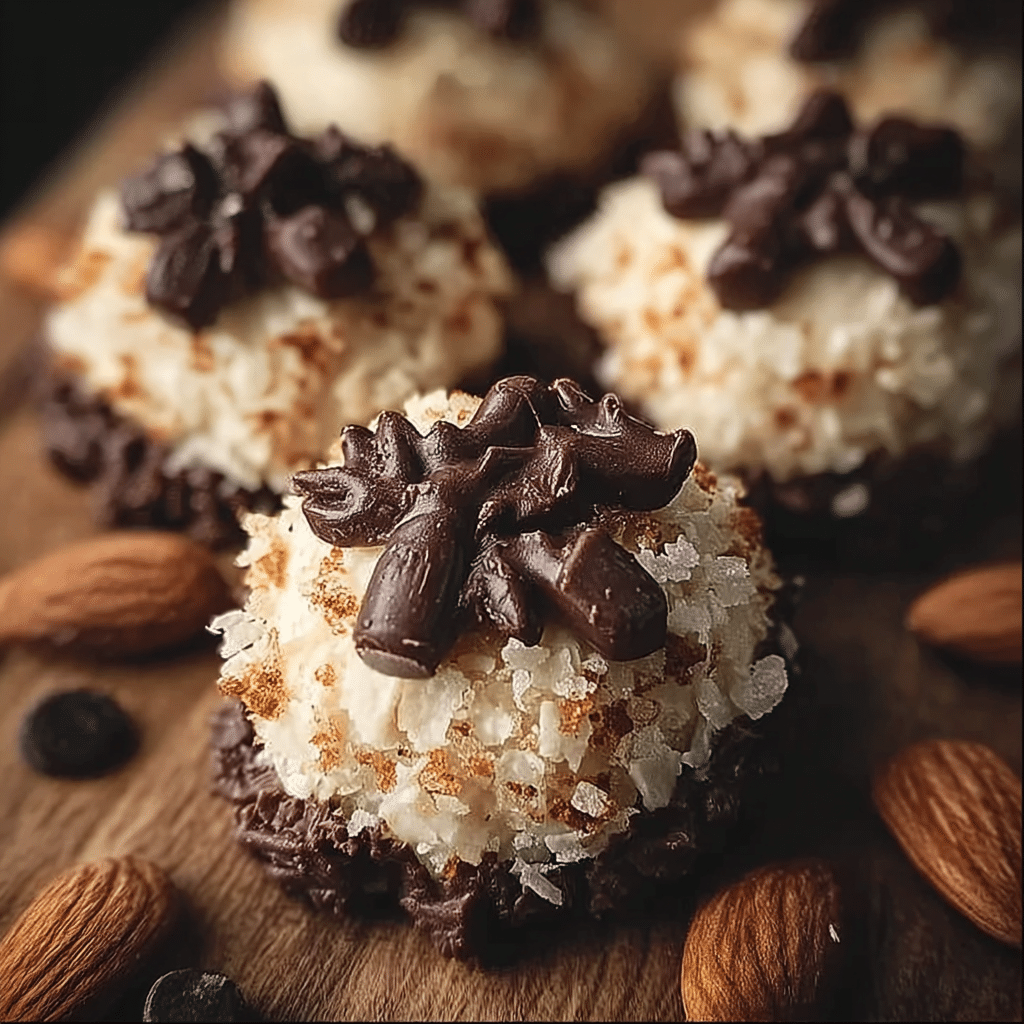
Meal prep is another fantastic way to ensure you always have moose farts on hand. I love to dedicate a Sunday afternoon to batch cooking. I prepare a large batch of moose farts and portion them out into individual servings. Not only does this save time during the week, but it also helps me control my portions and make healthier choices.
Food safety should always be a priority. Remember to store moose farts at a safe temperature, below 40°F (4°C) in the refrigerator and below 0°F (-18°C) in the freezer. It’s crucial to reheat the dish to an internal temperature of 165°F (74°C) to ensure any harmful bacteria are killed. Following these guidelines will help you enjoy your moose farts without worry.
In summary, proper storage, freezing, and reheating techniques are essential to maintaining the quality of moose farts. By incorporating these tips into your routine, you can enjoy this delightful dish anytime, whether it’s a quick weeknight dinner or a meal prepped for the week ahead.
Nutritional Benefits and Health Information
As we explore the whimsical world of moose farts, it’s essential to acknowledge the nutritional benefits that come along with this unique dish. Understanding the nutritional profile can help you appreciate not only the flavor but also the health benefits associated with the ingredients used to create moose farts.
Nutritional Profile
To grasp the nutritional breakdown of moose farts, we first need to look at the key ingredients that typically make up this dish. Depending on the recipe, moose farts may include items such as beans, vegetables, spices, and possibly meats or dairy. Each of these components brings its own set of nutritional values to the table.
For example, if your moose farts contain black beans, you’re adding a rich source of protein, fiber, and essential vitamins such as folate and iron. One cup of cooked black beans contains approximately 227 calories, 15.24 grams of protein, and 15 grams of fiber. The fiber content is particularly beneficial for digestive health and can aid in weight management.
Vegetables included in moose farts, such as bell peppers and onions, contribute vitamins A and C, potassium, and antioxidants that fight free radicals in the body. When combined, the various ingredients create a balanced meal rich in macronutrients—carbohydrates, proteins, and fats—and micronutrients—vitamins and minerals.
Health Benefits
The health benefits of moose farts extend beyond just their nutritional content. The fiber derived from beans and vegetables can help regulate blood sugar levels and reduce the risk of heart disease. The protein found in the dish supports muscle maintenance and overall body repair. Additionally, the vitamins and minerals contribute to a well-functioning immune system.
Moreover, if you choose to incorporate lean meats or plant-based proteins, you can further enhance the dish’s benefits. For instance, turkey or chicken can add lean protein, while tofu or tempeh can offer plant-based options for those following a vegetarian or vegan diet. Each choice adds layers of flavor while providing essential nutrients to fuel your body.
Dietary Considerations
When considering dietary restrictions, moose farts can be quite versatile. For those with gluten intolerance, using gluten-free grains or legumes as the base allows everyone to enjoy this dish without worry. Additionally, if you’re watching your calorie intake, you can modify the recipe by reducing high-calorie ingredients like cheese or sour cream, or by opting for lighter alternatives.
If you’re following a specific diet plan, such as Keto or Paleo, moose farts can be adapted to fit these guidelines. By adjusting the ingredients, you can create a low-carb version using cauliflower rice or a protein-heavy variant with added meats and fewer carbohydrates. This flexibility allows moose farts to cater to a wide range of dietary needs.
Furthermore, moose farts can be compared to similar dishes like chili or stew, which also combine various ingredients for a hearty meal. The versatility in spices and flavors makes it a comforting option, especially during colder months. You can easily tweak the spice levels to suit your taste, making it as mild or as fiery as you desire.
In conclusion, moose farts not only bring a playful name to the table, but they are also a nutritionally rich dish that can fit into various dietary lifestyles. Understanding the ingredients and their benefits allows you to enjoy this dish while nourishing your body. Whether you’re meal prepping or whipping up a cozy dinner, moose farts offer a delightful blend of taste and health benefits that make them a favorite in any kitchen.