Nigerian chicken stew is more than just a dish; it’s a vibrant tapestry of flavors, a comfort food that warms the soul, and a staple in many Nigerian households. I still remember the first time I had this delicious stew. It was a rainy afternoon, and the aroma wafting from my aunt’s kitchen was intoxicating. As I walked in, I was greeted by the rich scent of tomatoes, spices, and tender chicken simmering away in a pot. That moment marked the beginning of my love affair with Nigerian chicken stew, and it has since become a dish that holds a special place in my heart.
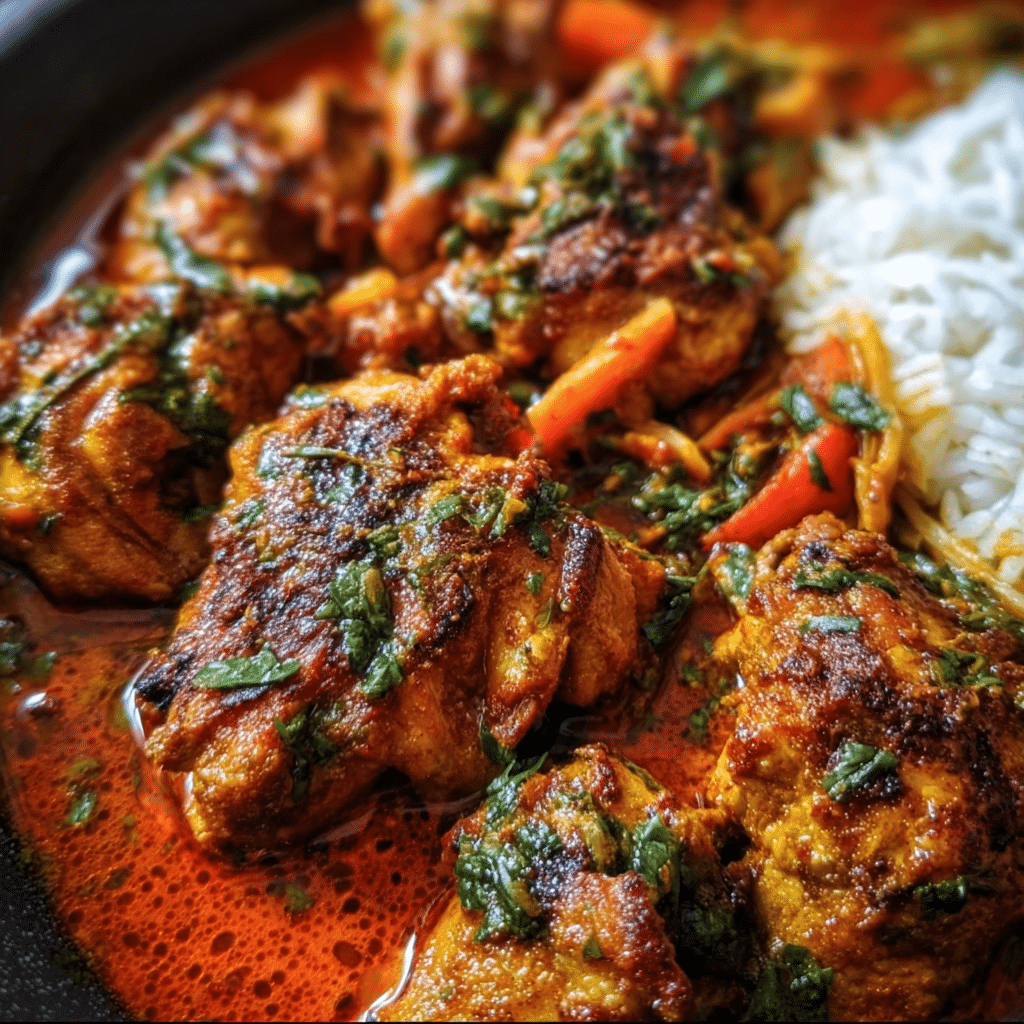
The magic of Nigerian chicken stew lies in its simplicity yet complex flavors. Growing up, my family often gathered around the dining table, and this stew was a regular feature. We would enjoy it with steaming bowls of rice or fluffy pounded yam, and no matter how busy life got, these moments of togetherness were sacred. Each bite of the stew was a reminder of home, family, and tradition. As I grew older, I took it upon myself to learn the recipe, not just to recreate those cherished memories but to pass them on to the next generation.
The Story Behind This Recipe
Nigerian chicken stew has its roots deeply embedded in the culinary traditions of Nigeria, a country known for its rich and diverse food culture. The dish typically features chicken cooked in a spicy tomato-based sauce, and its origins can be traced back to the indigenous cooking methods and the use of locally sourced ingredients. What makes this recipe special is not only the blend of spices but also the love and care put into its preparation. It is a dish that can be found in many Nigerian homes, with each family adding their own twist based on regional preferences and personal taste.
This stew is perfect for busy families looking for quick dinner solutions. It can be prepared in under an hour, making it an ideal weekday meal that doesn’t compromise on flavor or nutrition. The beauty of Nigerian chicken stew is that it can be made in bulk and stored for later, allowing for easy reheating on those hectic days when cooking feels like a chore. The stew’s versatility also shines through, as it pairs beautifully with various sides, from rice to plantains, ensuring that every meal feels special.
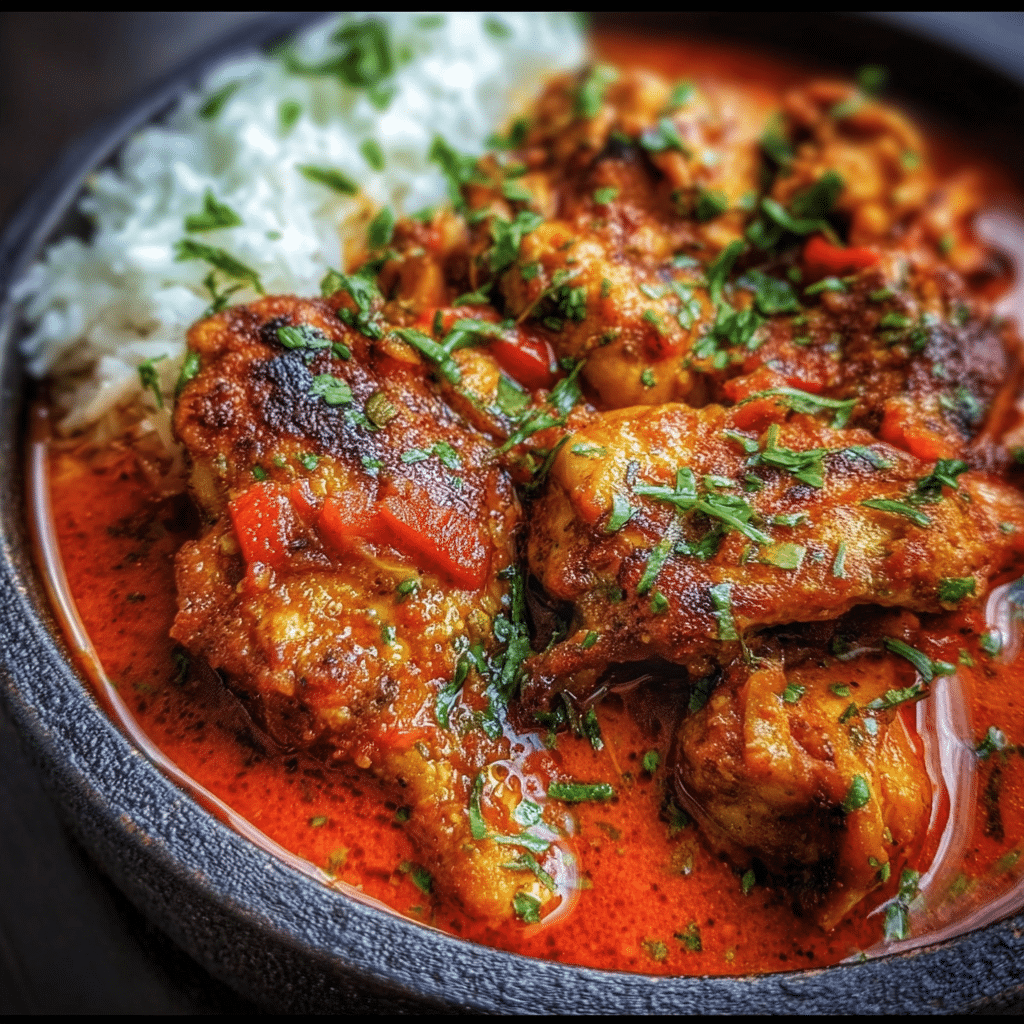
Seasonal relevance plays a part in when I prepare Nigerian chicken stew. While it can be enjoyed year-round, I find that the warm flavors of this dish are particularly comforting during the rainy season, when the skies are gray, and a hearty meal is exactly what the body craves. The emotional connection to this dish runs deep; it evokes memories of family gatherings, laughter, and the simple joy of sharing a meal. It’s not just food; it’s a reminder of home.
In this article, you will learn everything you need to know about Nigerian chicken stew, from its rich history and cultural significance to how to prepare it perfectly in your own kitchen. Whether you’re a seasoned cook or a novice in the kitchen, this guide will equip you with the knowledge to create a dish that is not only delicious but also steeped in tradition and love.
The Rich History and Cultural Significance of nigerian chicken stew
The rich history and cultural significance of Nigerian chicken stew are as layered as the flavors within the dish itself. To understand this beloved meal, we need to journey back through time to explore its origins, regional variations, and the evolution of its preparation methods. Nigerian chicken stew is a reflection of the diverse cultures and ethnic groups within Nigeria, each contributing its unique touch to this classic recipe.
Origins and History
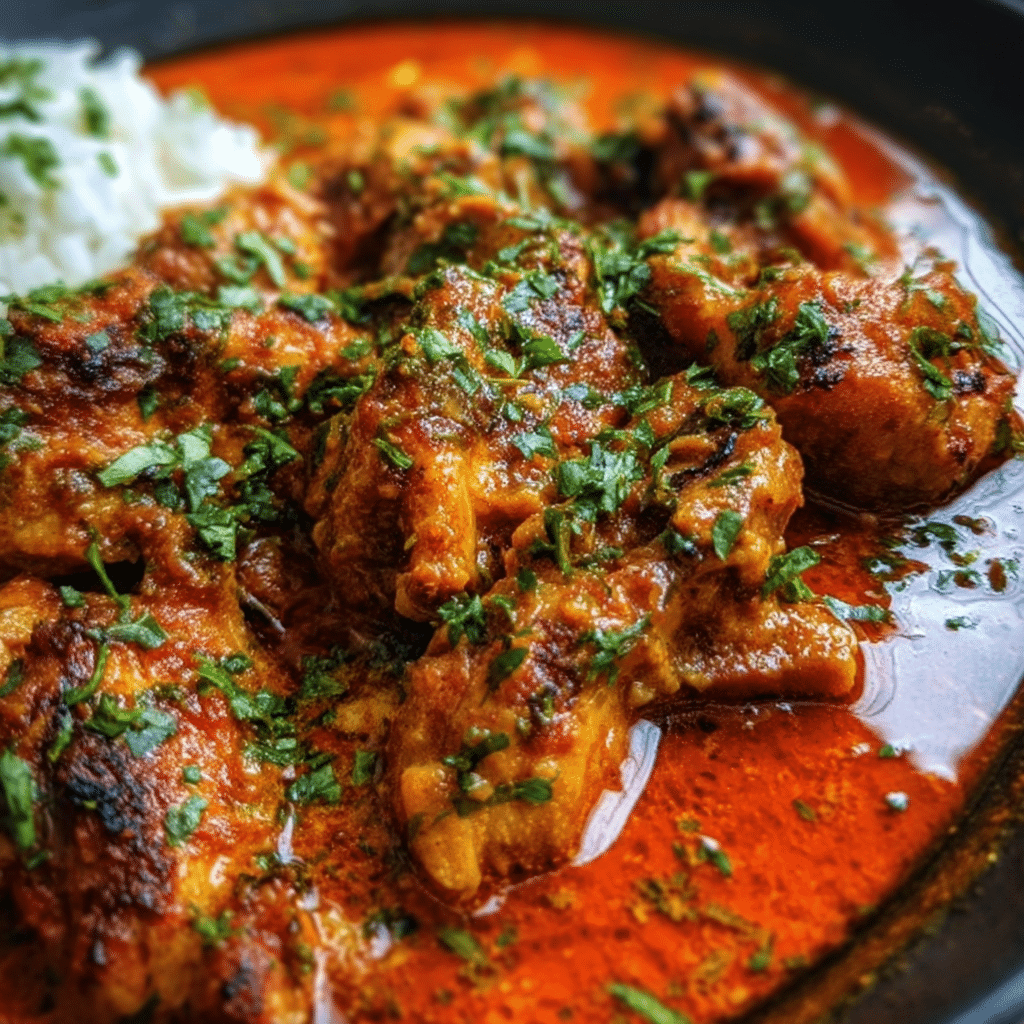
The history of Nigerian chicken stew is intertwined with the agricultural practices of the region. Traditionally, chicken was raised in homes as a source of protein, and the use of tomatoes and peppers in cooking can be traced back to the introduction of these ingredients through trade and exploration. The dish likely emerged as a way to bring together these locally sourced ingredients, resulting in a stew that is rich in flavor and nutrition.
Print
Nigerian Chicken Stew
Ingredients
Roast
- 3 Red Bell Peppers Tatashe
- 4 Tomatoes Medium size
- 2 Habanero pepper Scotch bonnet – Ata rodo
- 1 medium onion
- 5 Cloves Garlic
- 1 Inch Ginger Root
Chicken
- 8 to 10 Chicken drumsticks
- 1 teaspoon Thyme
- 1 teaspoon Paprika
- 1 tsp curry powder
- Salt and pepper to taste
- ½ Cup Vegetable oil
- 2 tbsp. onion diced
Stew
- 1 medium onion diced
- 1½– 2 Cups Chicken Stock
- 1 teaspoon Curry Powder
- 1 teaspoon Rosemary
- 1 teaspoon Paprika
- 2 bay leaves
- 2 teaspoon chicken bouillon powder or 2 Chicken cubes
Instructions
- Slice the tomatoes, peppers, and onions into two halves and place them in a sheet pan alongside the garlic cloves. Brush generously with oil and place in a 425F preheated oven and roast for 30 minutes or till slightly charred. Blend everything with the ginger root and set aside.
- Season the chicken with paprika, thyme, curry powder, salt, and pepper. Set aside.
- In a large skillet, heat oil over medium heat, add 2 tablespoon from the diced onions, and cook till the oil becomes fragrant.
- Add the chicken legs and fry until they become well browned on both sides—about 10 minutes on each side. Remove from pan and set aside.
- Add the remaining diced onions inside the same pan where the chicken was fried. Cook till the onions become translucent. Add the blended sauce and bay leaves and cook for 5 to 10 minutes.
- Add the chicken broth, paprika, curry powder, rosemary, bouillon powder, black pepper, and salt to taste.
- Gently put the fried chicken in the sauce and leave to simmer until the chicken becomes tender about 20 minutes – a little more or less depending on how big your chicken is.
- Stir occasionally to prevent burning and adjust the thickness of stew with water or stock if necessary.
- Serve over white rice, pasta, couscous, or eat with freshly baked bread.
Cultural Significance
Nigerian chicken stew is not just a meal; it is an integral part of Nigerian culture. It is often served during special occasions, family gatherings, and celebrations. The stew brings people together, creating a communal experience where food is shared and enjoyed. In Nigerian culture, sharing a meal is a sign of hospitality, and chicken stew is frequently a centerpiece at gatherings, symbolizing abundance and goodwill.
Nutritional Benefits
Essential Ingredients for Perfect nigerian chicken stew
When it comes to cooking, especially traditional dishes like nigerian chicken stew, the quality and selection of ingredients can make all the difference. This dish is not just about the taste; it’s about the aromas, the colors, and the memories it evokes. The nigerian chicken stew is a comforting blend of flavors and spices that embodies the heart and soul of Nigerian cuisine. Whether you’re cooking for family or friends, having the right ingredients on hand is crucial for achieving that authentic taste.
Essential Ingredients
Here’s a complete list of the ingredients you need to prepare a delicious nigerian chicken stew:
- 3 Red Bell Peppers (Tatashe)
- 4 Medium-sized Tomatoes
- 2 Habanero Peppers (Scotch Bonnet – Ata Rodo)
- 1 Medium Onion
- 5 Cloves Garlic
- 1 Inch Ginger Root
- 8 to 10 Chicken Drumsticks
- 1 teaspoon Thyme
- 1 teaspoon Paprika
- 1 teaspoon Curry Powder
- Salt and Pepper to taste
- ½ Cup Vegetable Oil
- 2 tablespoons Diced Onion
- 1 Medium Onion (Diced)
- 1½-2 Cups Chicken Stock
- 1 teaspoon Curry Powder
- 1 teaspoon Rosemary
- 1 teaspoon Paprika
- 2 Bay Leaves
- 2 teaspoons Chicken Bouillon Powder or 2 Chicken Cubes
Now, let’s dive deeper into the significance of each ingredient in this beloved stew.
Red Bell Peppers (Tatashe): These vibrant peppers are essential for the rich red color of the stew. They not only add sweetness but also provide a depth of flavor. When selecting them, look for firm, shiny skin without blemishes. In terms of seasonal availability, bell peppers are typically at their best in late summer through early fall.
Tomatoes: Fresh tomatoes are pivotal in imparting acidity and sweetness to the stew. Opt for medium, ripe tomatoes, which should be plump and fragrant. If fresh tomatoes aren’t available, canned tomatoes can be a good alternative, but fresh is always preferred for that homemade touch.
Habanero Peppers (Scotch Bonnet – Ata Rodo): These fiery little peppers are the soul of Nigerian stews. They deliver heat and a unique flavor profile. When choosing, look for bright, unblemished skins. If you are sensitive to heat, consider using fewer peppers or deseeding them before cooking.
Onion: Onions form the base of many Nigerian dishes, including nigerian chicken stew. They add sweetness and depth. A good onion should be firm and have a papery skin. For this recipe, you’ll need both sliced and diced onions, which contribute different textures and flavors.
Garlic and Ginger: These aromatics add warmth and depth. Fresh garlic should be plump and firm, while ginger should be smooth-skinned and fragrant. Mince them finely to release their natural oils, which enhances the flavor of the stew.
Chicken Drumsticks: These are the star protein in the nigerian chicken stew. Choose chicken that is plump with a fresh smell. If you prefer, you can substitute with thighs or a whole chicken cut into pieces.
Herbs and Spices (Thyme, Paprika, Curry Powder, Rosemary): These ingredients are vital for building the stew’s flavor profile. Fresh herbs are always preferable, but dried herbs can be used in a pinch. Smell and taste your herbs to ensure they are fresh; stale herbs can dull the flavor of your dish.
Vegetable Oil: This is used for frying the base of the stew. While palm oil is traditional, vegetable oil is a more neutral option that still yields delicious results. Use oil that is fresh and has no off-smells.
Chicken Stock: Homemade chicken stock adds richness and depth to your stew. If you don’t have homemade stock, opt for low-sodium store-bought stock. Always check the expiration date and look for brands with minimal additives.
Bay Leaves and Bouillon Powder: These ingredients enhance the stew’s flavor. Bay leaves should be whole and fragrant, while bouillon should not contain artificial flavors or preservatives.
Shopping Tips
When shopping for your ingredients, it’s best to visit local markets, especially for fresh produce like tomatoes and peppers. Farmers’ markets often have the freshest options, and you can ask farmers about their growing practices.
For spices and dried herbs, consider purchasing from bulk bins or ethnic grocery stores, which often offer better prices and fresher options. Always check the harvest dates if possible and avoid any that look faded or clumpy.
Substitutions and Alternatives
If you’re cooking for someone with dietary restrictions, there are several substitutions you can consider. For instance, if you’re avoiding chicken, tofu or chickpeas can serve as excellent protein alternatives. For a vegetarian version, simply omit the chicken and use vegetable stock instead of chicken stock.
When it comes to heat, if Scotch Bonnet peppers are too spicy, you can use milder peppers like jalapeños or even bell peppers without any heat. If you’re vegan, substitute the chicken with jackfruit, which can mimic the texture of chicken when cooked properly.
Storage tips for your ingredients are also essential. Store fresh vegetables in a cool, dry place, and keep your spices in airtight containers away from direct sunlight. For long-term storage, consider freezing peppers and herbs to maintain their freshness.
By understanding the role and importance of each ingredient, as well as tips for shopping and substitutions, you can confidently prepare a delicious nigerian chicken stew that will leave everyone asking for seconds!
Detailed Step-by-Step nigerian chicken stew Cooking Instructions
Cooking a delicious nigerian chicken stew is an art that requires attention to detail, patience, and a little bit of love. This dish, a staple in Nigerian households, is not just a meal; it’s a celebration of flavors, culture, and tradition. The cooking process can be divided into a few essential steps, and I’m here to guide you through each one to ensure your nigerian chicken stew turns out perfectly every time.
Preparation Steps
- Gather Your Ingredients: Before you dive into cooking, it’s crucial to have all your ingredients ready. This is what we call ‘mise en place’ in the culinary world. It not only saves time but also helps you focus on the cooking process. Ensure you have your chicken drumsticks, peppers, tomatoes, onions, garlic, ginger, and spices measured out and within reach.
- Prep Your Vegetables: Start by washing your red bell peppers, tomatoes, and habaneros thoroughly. Remove the stems and seeds from the bell peppers and chop them into quarters. For the tomatoes, you can either chop them or blend them, depending on your preference for a smoother stew. I personally love blending them as it gives a lovely, silky texture to the stew.
- Chop the Aromatics: Dice the onions, mince the garlic, and grate the ginger. I recommend using a microplane for the ginger; it releases essential oils that are packed with flavor. Make sure to set aside a portion of diced onions for later use in the sautéing process.
- Prepare the Chicken: If you haven’t done so already, wash the chicken drumsticks under cold water and pat them dry with paper towels. This step is important as it helps to remove any residual blood and ensures a better sear when frying.
Cooking Process
- Heat the Oil: In a large pot or Dutch oven, heat ½ cup of vegetable oil over medium heat. You want the oil to be hot but not smoking. A good test is to drop a small piece of onion into the oil; if it sizzles immediately, it’s ready.
- Sauté the Aromatics: Add the diced onions and sauté them until they turn translucent, about 3-5 minutes. Then, add the minced garlic and grated ginger. The aroma that fills your kitchen at this point is simply irresistible! Sauté for another minute until fragrant.
- Add the Chicken: Carefully add the chicken drumsticks to the pot, ensuring they are well-coated with the oil and aromatics. Sear the chicken for about 5-7 minutes on each side until golden brown. This step is crucial as it develops a rich flavor base for your stew.
- Incorporate the Peppers and Tomatoes: Once the chicken is nicely browned, add the blended red bell peppers, tomatoes, and chopped habaneros to the pot. Stir well to combine. You’ll notice the vibrant colors coming together – it’s a feast for the eyes!
- Add the Spices: Sprinkle in the thyme, paprika, curry powder, rosemary, bay leaves, and chicken bouillon powder. This is where the magic happens! Stir the mixture well, allowing the spices to bloom in the hot oil. Be sure to taste and adjust the seasoning with salt and pepper as you go.
- Pour in the Chicken Stock: Add 1½ to 2 cups of chicken stock to the pot. The stock will help to create a rich sauce that envelops the chicken. Bring the stew to a gentle simmer.
- Simmer and Cook: Cover the pot and let the stew simmer for about 30 minutes. During this time, the chicken will become tender and absorb all those wonderful flavors. If you find that the stew is becoming too thick, you can always add a bit more stock or water to achieve your desired consistency.
- Final Touches: After 30 minutes, check the chicken for tenderness. It should be cooked through and easily pull away from the bone. If you like a thicker stew, you can remove the lid and allow it to reduce further for a few more minutes. Adjust the seasoning one last time to your liking.
Final Assembly
Once your nigerian chicken stew is ready, it’s time to serve! This stew pairs beautifully with a variety of sides. Traditionally, it’s served with rice, but it also goes well with fufu, yam, or plantains. Garnish with fresh herbs if desired, and enjoy the rich aroma as you dish out the stew.
Common mistakes to avoid include overcrowding the pot when searing the chicken, which can lead to steaming instead of browning. Additionally, don’t rush the simmering process; patience is key to developing those deep flavors.
For equipment, a large, heavy-bottomed pot or Dutch oven works best for even cooking. If you’re in a hurry or don’t have a pot, a deep skillet with a lid can work as well. Just be mindful to keep an eye on the stew to prevent sticking.
As a personal tip, I often prepare a larger batch so that I have leftovers for the week. The flavors deepen even more the next day, making it a perfect meal prep option. Remember, the key to a delightful nigerian chicken stew is not just in the ingredients, but also in the love and care you pour into every step of the cooking process.
Professional Tips and Techniques for nigerian chicken stew
Nigerian chicken stew is a beloved dish that brings families together, filling homes with warmth and rich aromas. As you embark on your culinary journey to create the perfect Nigerian chicken stew, there are several professional tips and techniques that can elevate your dish from good to extraordinary. With a little insight, you can avoid common pitfalls and create a meal that will impress your family and friends.
Professional Techniques
To master the art of Nigerian chicken stew, begin by selecting the right chicken. A whole chicken is often preferred for its flavor, but you can use chicken thighs or drumsticks for a juicier outcome. When it comes to seasoning, marinating your chicken a few hours ahead—or even overnight—will allow the spices to penetrate the meat, enhancing the overall flavor. A marinade of ginger, garlic, and a touch of lime or lemon juice can work wonders in tenderizing the chicken and adding a zest that complements the stew.
Another essential technique is to ensure you achieve the right balance of flavors. The base of any great Nigerian chicken stew is the blend of tomatoes, onions, and peppers. For a richer taste, consider roasting your tomatoes and peppers before blending. This method caramelizes the natural sugars and adds a depth of flavor that is simply irresistible. After blending, allow the stew to simmer uncovered, which helps to reduce excess liquid while intensifying the flavors.
Don’t forget about the importance of layering flavors. Start by sautéing your onions until golden brown, then add in your blended tomato mixture, and let it cook until it thickens. This step is key to achieving that deep, rich color and flavor profile characteristic of authentic Nigerian chicken stew. Always season in layers—add salt, spices, and any additional flavorings at different stages of cooking to build complexity.
Troubleshooting Guide
Even the best chefs face challenges in the kitchen, so it’s essential to know how to troubleshoot common problems. If your stew is too acidic from the tomatoes, add a teaspoon of sugar to balance the flavors. Conversely, if it’s too salty, you can add a few slices of raw potato to absorb the excess salt—just remember to remove them before serving!
Should your stew turn out too watery, don’t panic! Allow it to simmer longer without a lid. This evaporation process will thicken the sauce beautifully. Conversely, if your stew is too thick, adding a splash of chicken broth or water can bring it back to the desired consistency.
For those who prefer a spicier kick, ensure you taste as you go and adjust the heat from your peppers. If you accidentally make it too spicy, adding a dollop of coconut milk or cream can help mellow the heat without sacrificing flavor.
Presentation Tips
When it comes to serving your Nigerian chicken stew, presentation is key. A colorful dish is always more appetizing, so consider garnishing your stew with freshly chopped parsley or cilantro before serving. Serve the stew in a large bowl, accompanied by sides of steamed rice, fried plantains, or a fluffy portion of fufu for a true Nigerian dining experience.
If you’re feeling creative, try plating the stew on a bed of rice, allowing the sauce to cascade over the grains. This not only looks appealing but also invites guests to dig in. Pair your dish with a refreshing beverage; palm wine or a chilled Nigerian lager complements the rich flavors of the stew beautifully, while a light white wine can provide a pleasant contrast.
For those who enjoy meal prep, consider cooking a larger batch of Nigerian chicken stew. This dish freezes well and can be a lifesaver on busy days. Just make sure to cool it completely before transferring it to airtight containers, and label them with the date. Enjoying a hearty bowl of homemade chicken stew on a hectic day is one of life’s simple joys!
Creative Variations and Adaptations of nigerian chicken stew
Nigerian chicken stew is a versatile dish that can be adapted to suit various tastes and dietary needs. Whether you’re looking to switch things up or accommodate specific preferences, creative variations and adaptations can breathe new life into this classic recipe.
Seasonal Variations
One of the joys of cooking is embracing seasonal ingredients, and Nigerian chicken stew is no exception. In the summer months, consider adding fresh vegetables like zucchini or bell peppers to the stew. Not only do they add color, but they also enhance the nutritional value and texture of the dish. Likewise, during cooler months, root vegetables such as carrots and sweet potatoes can be integrated into the stew for added sweetness and heartiness.
In the fall, try incorporating spices like cinnamon or nutmeg for a warm, comforting twist. These spices complement the tomatoes and create a unique flavor profile that celebrates the season. Additionally, if you have access to fresh herbs, such as basil or thyme, they can also be added for an aromatic touch.
Dietary Adaptations
In recent years, dietary preferences and restrictions have become more prevalent, and thankfully, Nigerian chicken stew can be easily adapted. For those following a keto diet, consider replacing traditional rice with cauliflower rice. This low-carb alternative absorbs the flavors of the stew beautifully and makes for a satisfying meal without the extra carbohydrates.
If you’re looking for a vegan option, you can substitute chicken with jackfruit or tofu. These plant-based proteins absorb flavors well, and when cooked with the same spices and techniques, they can deliver a delightful and satisfying dish. Just remember to adjust the cooking time accordingly, as these proteins require less time to cook than chicken.
For those avoiding gluten, simply ensure that the broth and any additional sauces used are gluten-free. Nigerian chicken stew is inherently gluten-free, making it a fantastic meal choice for those with sensitivities.
Creative Twists
Don’t be afraid to experiment with international fusion variations of Nigerian chicken stew! For a Caribbean twist, try adding coconut milk and a dash of curry powder. This combination infuses the stew with sweetness and a different spice profile, creating a creamy, rich dish that’s hard to resist.
Alternatively, consider a Mediterranean flair by incorporating olives and capers. The briny flavors will enhance the stew, while a sprinkle of feta cheese on top can add a delightful creaminess that pairs well with the tomato base.
As for cooking methods, while the stovetop is traditional, feel free to utilize a slow cooker for a hands-off approach. Just combine all ingredients in the slow cooker and let it do the work! This method allows the flavors to meld beautifully over time, resulting in a tender, savory dish that is perfect for busy weekdays.
Lastly, let’s talk about leftovers. If you find yourself with extra stew, don’t let it go to waste! Transform it into a hearty soup by adding more broth and some greens like spinach or kale. Alternatively, you could use it as a filling for wraps or sandwiches, providing a delicious lunch option that keeps well and tastes even better the next day.
In conclusion, Nigerian chicken stew is a dish that invites creativity and experimentation. Whether you stick to tradition or explore variations, the heart of this stew is the love and care you put into it. So gather your ingredients, unleash your culinary spirit, and enjoy the wonderful world of Nigerian cuisine!
Storage, Reheating, and Meal Prep for nigerian chicken stew
When it comes to preparing a delicious pot of nigerian chicken stew, one of the most valuable aspects to consider is how to properly store it. Whether you’re a busy parent looking to meal prep for the week or just want to savor the flavors of this beloved dish over several days, understanding the best storage methods is essential. In this guide, we will explore everything you need to know about storing, reheating, and meal prepping your nigerian chicken stew.
Short-term Storage
After you’ve prepared a hearty batch of nigerian chicken stew, you may find yourself with leftovers. The first thing you want to do is to cool the stew down to room temperature before storing it. This is crucial because placing hot food directly in the refrigerator can raise the internal temperature, potentially leading to food safety issues. Once cooled, transfer the stew into suitable storage containers.
For refrigerator storage, airtight containers are your best bet. Glass containers work wonderfully as they do not absorb odors and can be reheated directly in the oven or microwave. If you’re using plastic containers, ensure they are BPA-free and microwave-safe. Generally, nigerian chicken stew can be stored in the refrigerator for up to 3-4 days. Make sure to label the containers with the date so you can keep track of how long they’ve been stored.
When storing, you might want to divide the stew into individual portions. This not only makes reheating easier but also helps in controlling your portion sizes if you’re watching your diet. Using smaller containers can also help the stew cool more quickly, which is an added bonus for food safety.
Freezing and Long-term Storage
If you’ve made a large batch of nigerian chicken stew and want to save some for later, freezing is an excellent option. To freeze the stew, first, ensure it is completely cooled. Then, use freezer-safe containers or heavy-duty freezer bags. If using bags, be sure to remove as much air as possible before sealing them to prevent freezer burn.
When freezing, it’s best to portion out the stew just as you would for refrigerator storage. This makes it easier to thaw only what you need. Generally, nigerian chicken stew can be stored in the freezer for up to 3 months without significant loss of quality. However, for optimal taste, aim to consume it within the first month.
When ready to enjoy your frozen stew, transfer it to the refrigerator for a slow thaw overnight. If you’re pressed for time, you can also thaw it in the microwave using the defrost setting. However, be careful not to start cooking the edges while the center is still frozen. Once thawed, reheat on the stove or in the microwave until it reaches a safe internal temperature.
Reheating Best Practices
Reheating nigerian chicken stew is simple but requires some attention to detail to maintain its quality. If you are reheating on the stove, pour the stew into a saucepan and heat over medium heat, stirring occasionally. This helps to ensure even heating and prevents the stew from sticking to the bottom of the pan.
If you choose to use the microwave, transfer the stew to a microwave-safe container and cover it to prevent splattering. Heat in short increments, stirring in between, until it’s heated through. The key is to make sure that the stew reaches an internal temperature of at least 165°F (74°C) to ensure food safety.
As a personal tip, I love to add a splash of water or chicken broth when reheating, as it helps to restore the stew’s original consistency. Sometimes, the flavors can become a bit too concentrated after refrigeration, and this little trick gives it a fresh burst of flavor.
In terms of meal prep and batch cooking, nigerian chicken stew is a fantastic option for busy weeks. You can prepare a large batch on the weekend, portion it out, and store it away for easy meals throughout the week. Just remember to include a variety of sides, such as rice, yam, or plantains, to keep your meals exciting and diverse.
Lastly, food safety is paramount. Always check for any signs of spoilage before consuming leftovers, such as off smells or changes in texture. If in doubt, it’s always safer to discard the stew rather than risk foodborne illness. With these storage and reheating tips, you’ll have no problem enjoying your nigerian chicken stew at its best!
Nutritional Benefits and Health Information
As delicious as nigerian chicken stew is, it also packs a nutritional punch that can contribute positively to your overall health. This dish is not just about satisfying your taste buds; it is also about providing your body with essential nutrients and energy. In this section, we will delve deeper into the nutritional benefits of nigerian chicken stew, breaking down its key ingredients and discussing how they contribute to a balanced diet.
Nutritional Profile
A typical serving of nigerian chicken stew contains a variety of ingredients, including chicken, tomatoes, onions, peppers, and an array of spices. Chicken is a fantastic source of lean protein, which is essential for muscle growth and repair. Depending on the cut of chicken you choose, the calorie content can vary, but on average, a serving of chicken breast contains around 165 calories, 31 grams of protein, and minimal fat.
The stew’s base often includes tomatoes, which are rich in vitamins A and C, as well as antioxidants like lycopene, known for its potential heart health benefits. A medium tomato contains about 22 calories, making it a low-calorie addition that brings a wealth of nutrients to the table. Onions and peppers not only add flavor but also provide vitamins and minerals such as vitamin C, folate, and potassium.
Overall, a serving of nigerian chicken stew typically contains approximately 250-300 calories, depending on how much oil is used in the cooking process and the specific ingredients added. The macronutrient distribution is generally around 40% protein, 30% carbohydrates, and 30% fats, making it a balanced meal option for many dietary needs.
Health Benefits
The health benefits of nigerian chicken stew are numerous, thanks to the wholesome ingredients that make up this dish. The primary ingredient, chicken, is an excellent source of lean protein, which can aid in weight management and muscle development. The high protein content helps keep you feeling full, reducing the likelihood of snacking on unhealthy options throughout the day.
Tomatoes, a staple in the stew, provide a rich source of antioxidants that can help combat oxidative stress in the body. The presence of lycopene has been linked to reduced risk of certain chronic diseases, including heart disease and some types of cancer. Additionally, the spices commonly used in nigerian chicken stew, such as ginger and garlic, have anti-inflammatory properties that can bolster your immune system.
For those who are health-conscious, this stew can easily fit into various diet plans. Whether you’re following a low-carb, high-protein, or Mediterranean diet, nigerian chicken stew can be adapted to meet your needs. You can reduce the oil used in cooking to lower calorie counts or add more vegetables for a fiber boost.
Dietary Considerations
When it comes to dietary considerations, nigerian chicken stew is quite versatile. However, if you’re managing food allergies or intolerances, it’s essential to be aware of what goes into your stew. The base ingredients are generally gluten-free and dairy-free, making it suitable for those with common dietary restrictions.
If you’re looking to avoid potential allergens, always confirm that the spices and sauces used are free from gluten or other allergens. Additionally, if you are watching your sodium intake, consider using low-sodium chicken broth or omitting added salt in your preparation.
In terms of healthy modifications, you can easily incorporate more vegetables, such as spinach, carrots, or zucchini, into your nigerian chicken stew. This not only increases the nutritional value but also adds more volume, making the dish even more satisfying without significantly increasing the calorie count.
When compared to similar dishes like chicken curry or chicken chili, nigerian chicken stew stands out as a flavorful yet healthy option. It often contains fewer calories and fat, especially when prepared with lean cuts of chicken and minimal oil. Overall, nigerian chicken stew is not just a meal; it’s a nutritious journey that celebrates the rich culinary heritage of Nigeria while providing substantial health benefits.
Conclusion: Mastering the Perfect nigerian chicken stew
Creating the perfect nigerian chicken stew is more than just following a recipe—it’s about understanding the techniques, ingredients, and cultural significance behind this beloved dish. Throughout this comprehensive guide, we’ve explored everything from the historical origins to modern variations, ensuring you have all the knowledge needed to make this recipe your own.
Whether you’re a beginner cook or an experienced chef, the techniques and tips we’ve shared will help you create a nigerian chicken stew that’s not only delicious but also meaningful. Remember that cooking is a journey of discovery, and each time you make this dish, you’ll learn something new.
We encourage you to experiment with the variations we’ve discussed, adapt the recipe to your dietary needs, and most importantly, share it with the people you love. Food has the incredible power to bring people together, and Nigerian Chicken Stew is the perfect dish to create lasting memories around your dinner table.
Don’t forget to share your cooking adventures with us on social media, and feel free to ask questions in the comments below. Happy cooking!
Share this recipe and let us know how it turned out! Tag us on social media for a chance to be featured.