One pot chicken is more than just a meal; it’s a comforting embrace that wraps around you after a long day. I still remember the first time I tasted this delightful dish at my friend Clara’s home. It was a chilly evening, and the aroma wafting from her kitchen was enough to make anyone’s mouth water. The moment I stepped inside, I was greeted by a symphony of spices and the sizzling sound of chicken cooking in a single pot. Clara, with her warm smile, welcomed me to the table, and as we dug into the dish, I could sense an instant connection to the flavors and the warmth of her hospitality. It was then that I knew I had stumbled upon something truly special—one pot chicken became a staple in my kitchen thereafter.
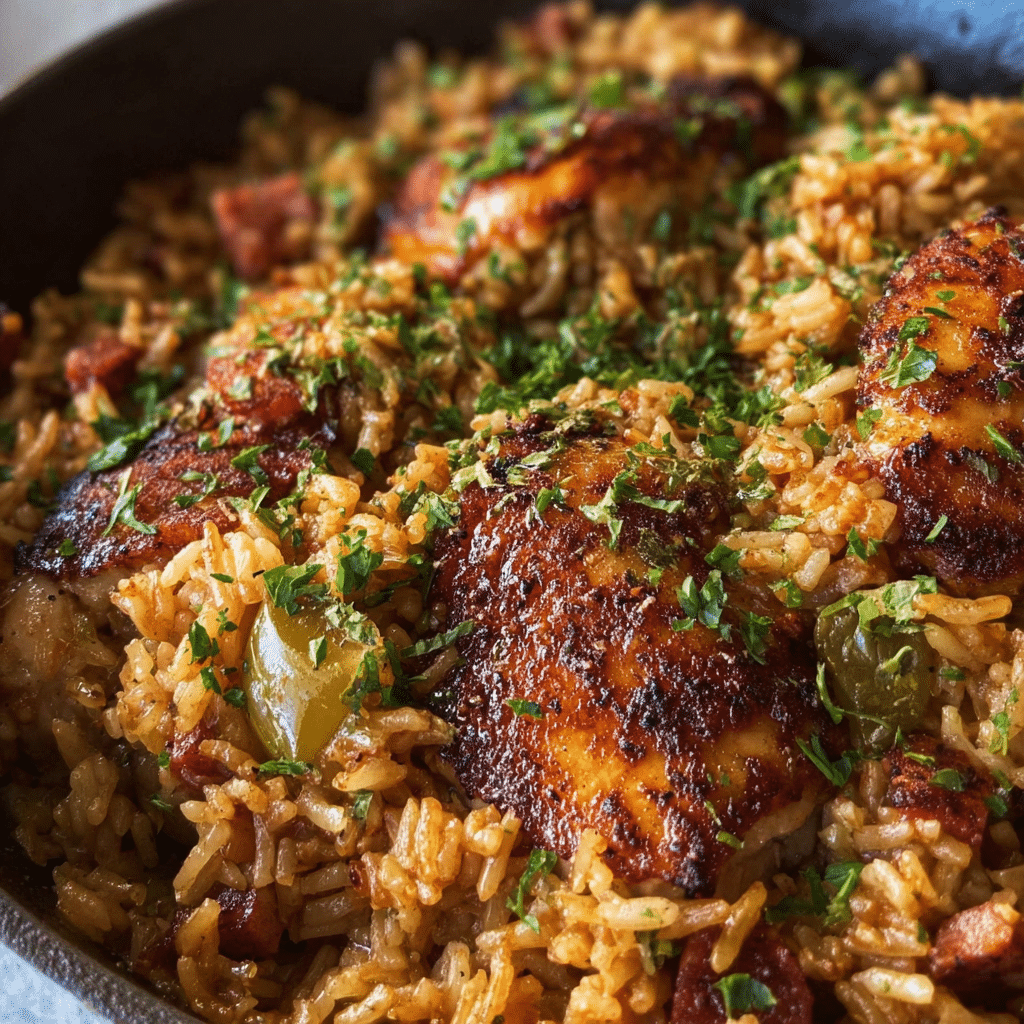
The beauty of one pot chicken lies in its simplicity and versatility. This dish is not just about throwing ingredients together; it’s about creating a wholesome experience that brings families together. The one pot method allows all the flavors to meld beautifully, creating a rich and savory dish that is perfect for any occasion. As I began experimenting with various ingredients and techniques, I realized how this dish transcends cultures, each adding its unique twist while retaining the essence of comfort food.
The Story Behind This Recipe
Historically, one pot meals have been a part of many cultures across the globe, serving as a practical solution for families looking to prepare nourishing meals without excessive fuss. It’s a tradition that dates back centuries, where cooking in one vessel was not only efficient but a way to keep the heat and flavors contained. By using a single pot, the nutrients and flavors are preserved, resulting in a dish that is both delicious and satisfying.
In my culinary journey, I’ve discovered that one pot chicken can be prepared in numerous ways, influenced by regional ingredients and cooking styles. Whether it’s a Cajun-inspired version with spicy andouille sausage, or a Mediterranean twist with olives and tomatoes, the possibilities are endless. This adaptability makes it a go-to recipe for busy families who need a quick yet satisfying meal solution. There’s something profoundly gratifying about knowing that you can create a delicious dinner with minimal cleanup, allowing more time for what truly matters—sharing moments with loved ones.
Why You’ll Love This Dish
One pot chicken is particularly perfect during busy weeknights when time is of the essence. With a few simple ingredients, you can create a meal that not only tastes incredible but also looks beautiful on the table. The vibrant colors from vegetables and the tantalizing aroma will make your kitchen the heart of your home, inviting everyone to gather around. Plus, it’s a fantastic way to sneak in some veggies for the little ones without them even noticing!
Seasonally, one pot chicken shines brightly in the cooler months. The warmth of the spices and the hearty ingredients provide comfort during the fall and winter, but it can also be enjoyed throughout the year. In the summer, consider a lighter version with fresh herbs and seasonal vegetables, maximizing the flavors of the season.
Ultimately, this dish resonates on an emotional level. It reminds me of family gatherings, laughter, and the simple joy of sharing a meal. Each time I prepare one pot chicken, I am transported back to that evening at Clara’s home, filled with warmth and camaraderie. I am excited to share this recipe with you, and I promise that by the end of this guide, you’ll have all the tools you need to create your own one pot chicken masterpiece, bringing joy and flavor to your dining table.
The Rich History and Cultural Significance of one pot chicken
The rich history and cultural significance of one pot chicken make it a fascinating dish that has evolved over time. Its origins can be traced back to ancient cooking practices where simplicity and resourcefulness were essential in preparing meals. While the exact roots of one pot chicken may vary, it’s clear that this cooking method has been embraced by numerous cultures, each adding their unique flair to the dish.
Origins and History
One pot cooking has a long history across various cultures, especially in regions where communal meals are a way of life. The concept of cooking everything in one pot can be found in many traditional cuisines, including Moroccan tagines, Italian risottos, and Indian biryanis. These dishes often combine proteins, grains, and vegetables, all cooked together to create a harmonious blend of flavors.
In the Southern United States, the tradition of one pot meals took on a life of its own, particularly with the influence of Creole and Cajun cooking. Dishes like jambalaya, which features chicken, sausage, and rice cooked together in a single pot, highlight the resourcefulness of using local ingredients and the community spirit of sharing meals. One pot chicken emerged as a variant that encapsulates the essence of home-cooked comfort food, infused with spices and flavors that are characteristic of Southern cuisine.
Cultural Significance
One pot chicken is not just a dish; it’s a cultural celebration. It is often prepared during family gatherings, holidays, and special occasions. In many cultures, food represents more than sustenance; it symbolizes love, tradition, and the passing down of family recipes from generation to generation. In my own family, one pot chicken has become a staple at Sunday dinners, where we gather around the table, share stories, and enjoy each other’s company.
In addition to its cultural significance, one pot chicken also serves as a reminder of the importance of togetherness and community. It’s a dish that invites conversation and connection, making it perfect for gatherings where the focus is not solely on the food but on the shared experience of eating together.
Nutritional Benefits
From a nutritional standpoint, one pot chicken can be incredibly wholesome, depending on how it is prepared. Using lean cuts of chicken provides a great source of protein, while the addition of vegetables offers essential vitamins and minerals. Whole grains, such as brown rice or quinoa, can be incorporated for added fiber and nutrients, making this dish not only delicious but also nutritious.
Moreover, cooking everything in one pot allows for the retention of nutrients that can sometimes be lost in more complex cooking methods. The flavors meld together, creating a dish that is both satisfying and fulfilling. This makes one pot chicken an excellent choice for families looking to prepare healthy meals without compromising on taste.
In conclusion, one pot chicken is a dish that holds a special place in culinary history, representing the beauty of simplicity and the joy of communal dining. Its adaptability, cultural significance, and nutritional benefits make it a perfect choice for anyone looking to create a meal that brings people together while celebrating the rich tapestry of global cuisine. As we delve deeper into the intricacies of preparing this beloved dish, I hope you feel inspired to embrace the tradition of one pot cooking in your own kitchen.
Essential Ingredients for Perfect one pot chicken
When it comes to cooking a flavorful and satisfying meal, the one pot chicken dish with dirty rice is a standout. It’s not just about throwing a few ingredients together; it’s about selecting the best components to create a harmonious blend of flavors and textures. This recipe requires a careful selection of ingredients, each playing a crucial role in bringing the dish to life. Let’s dive into the essential ingredients for crafting the perfect one pot chicken.
Essential Ingredients
- Marinade:
- 1 tsp salt
- 1 tsp garlic powder
- 1 1/2 tsp paprika
- 1/2 tsp pepper
- 1/2 tsp dried minced onion
- 1/2 tsp cayenne pepper
- 1/2 tsp oregano
- 1/4 tsp red pepper flakes
- 1 tsp lemon juice
- Olive oil (enough to make a paste, about 1 Tbsp)
- Rest of Dish:
- 2 Tbsp olive oil
- 1 link of andouille sausage, sliced into 1/4″ slices
- 4 bone-in skin-on chicken thighs
- 1 medium yellow onion, diced
- 1 jalapeno pepper, seeded and diced
- 2 celery stalks, diced
- 1/4 tsp cayenne pepper
- Pinch of red pepper flakes
- Salt and pepper to taste
- 1 cup dry long-grain rice
- 2 1/4 cup chicken stock or broth
- Sliced green onions for garnish
- Minced fresh parsley for garnish
One Pot Chicken and Dirty Rice Recipe
Ingredients
MARINADE:
- 1 tsp salt
- 1 tsp garlic powder
- 1 1/2 tsp paprika
- 1/2 tsp pepper
- 1/2 tsp dried minced onion
- 1/2 tsp cayenne pepper
- 1/2 tsp oregano
- 1/4 tsp red pepper flakes
- 1 tsp lemon juice
- enough olive oil to make a paste about 1 Tbsp, but this will vary from person to person
REST OF DISH:
- 2 Tbsp Olive oil
- 1 link of andouille sausage sliced into 1/4″ slices
- 4 bone-in skin on chicken thighs
- 1 medium yellow onion diced
- 1 jalapeno pepper seeded and diced
- 2 celery stalks diced
- 1/4 tsp cayenne pepper
- pinch of red pepper flakes
- salt and pepper to taste
- 1 cup DRY long-grain rice
- 2 1/4 cup chicken stock or broth
- Sliced green onions for garnish
- Minced fresh parsley for garnish
Instructions
- Combine all marinade ingredients in a medium sized mixing bowl. Add chicken thighs and turn to coat. Set aside.
- Preheat oven to 350 degrees F.
- Add drizzle of olive oil to dutch oven and heat over MED-HIGH heat. Brown andouille sausage on both sides, then transfer sausage to a plate.
- Add chicken thighs, skin side down, and sear for 2-3 minutes per side, to develop a nice crispy skin.
- Transfer chicken to plate with the sausage, and use a paper towel to wipe out any black bits from the pan. Brown bits and pan drippings are good to leave in though.
- Lower heat to MED-LOW and add in chopped onion, jalapeno and celery. Saute for about 2-3 minutes, until softened.
- Add cayenne, red pepper flakes and salt and pepper and stir.
- Add rice and chicken stock, give it a stir, and let simmer for 1 minute.
- Nestle chicken thighs and sausage on top of the rice (pour in the juices that are left on the plate as well). Return to a simmer, then cover.
- Bake at 350 degrees for 35 minutes (covered).
- Remove cover and bake another 10-15 minutes, until liquid is absorbed into the rice.
- Garnish with sliced green onions and minced parsley!
Now, let’s explore the significance of each ingredient in this delightful one pot chicken dish.
The marinade is essential as it infuses the chicken with flavor. The combination of spices such as paprika, garlic powder, and cayenne pepper not only contributes to the taste but also adds a beautiful color to the chicken when cooked. When choosing spices, opt for fresh, high-quality ones as they significantly enhance the flavor profile. A vibrant paprika can make a world of difference, so check the label for freshness. Store spices in a cool, dark place to prolong their shelf life.
Salt is more than just a seasoning; it’s a flavor enhancer. It draws out the natural flavors of the chicken and other ingredients. Always use kosher salt for marinating, as it dissolves easily and penetrates the meat better than table salt. For those on a low-sodium diet, consider using salt alternatives or simply reducing the amount used while marinating.
Next, we have the andouille sausage, which brings a smoky flavor to the dish. This sausage is a staple in Cajun cuisine and adds a layer of richness that complements the chicken perfectly. When selecting andouille sausage, look for ones that are made with quality meats and spices. If you can’t find andouille, chorizo or even kielbasa can serve as suitable substitutes, though the flavor will vary slightly.
The backbone of our dish, the bone-in skin-on chicken thighs, are preferred for their rich flavor and juicy texture. The skin renders fat during cooking, which keeps the meat moist. When purchasing chicken, look for organic or free-range options for better quality. If you’re concerned about fat, you can remove the skin before cooking, though you may sacrifice some flavor.
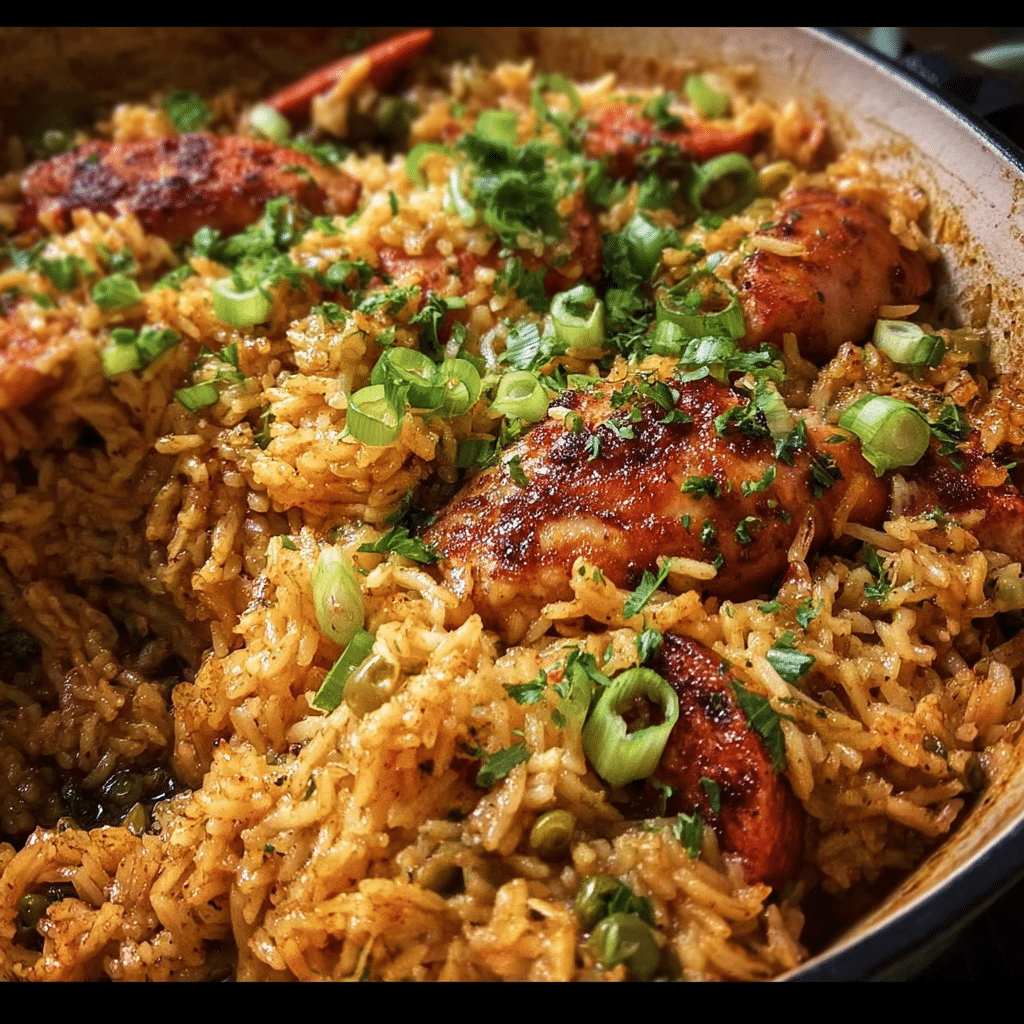
Vegetables like onions, jalapenos, and celery not only provide essential nutrients but also enhance the flavor and texture of the one pot chicken. Onions add sweetness and depth, while jalapenos contribute a mild heat. For a milder version, you can skip the jalapeno or use a bell pepper instead. Fresh vegetables should be firm and vibrant; avoid any that appear wilted or have dark spots. Seasonal vegetables can provide better flavor—purchase locally when possible.
Long-grain rice is the perfect grain for this dish as it absorbs the flavors of the broth while remaining fluffy. Avoid using short-grain rice, as it tends to become sticky. If you have dietary restrictions, consider using quinoa or cauliflower rice as a low-carb alternative. Ensure your rice is stored in a cool, dry place to prevent spoilage.
Chicken stock or broth is key for cooking the rice and adding depth to the dish. Homemade stock is always a plus, but if you’re using store-bought, look for low-sodium versions to control the salt content. If you’re vegetarian, vegetable broth can be used as a substitute.
Finally, garnishes like green onions and parsley add freshness and a pop of color to the finished dish. Opt for fresh herbs whenever possible, as dried herbs won’t deliver the same vibrant flavor. Store fresh herbs in the refrigerator wrapped in a damp paper towel to prolong their shelf life.
Shopping Tips
When preparing for your one pot chicken, make a shopping list based on the above ingredients. This will help streamline your grocery shopping and ensure you don’t forget any key components. Local farmer’s markets are a fantastic place to find fresh produce, and you may even discover unique ingredients not available in your standard grocery store. Don’t hesitate to ask vendors for recommendations on the freshest items they have.
Substitutions and Alternatives
If you have dietary restrictions or simply want to experiment, several substitutions can be made without compromising the essence of the one pot chicken. For instance, if you’re avoiding certain spices, consider using a Cajun seasoning blend instead of individual spices. For a healthier option, use skinless chicken thighs or even chicken breasts, though they may dry out more quickly. If you prefer vegetarian options, substituting tofu or tempeh for chicken and using vegetable broth will create a delicious alternative.
In conclusion, creating the perfect one pot chicken with dirty rice is about carefully selecting each ingredient. Pay attention to quality, freshness, and seasonal availability, and don’t hesitate to explore substitutions that cater to your tastes. With the right ingredients at hand, you’re set to create a memorable meal that will impress family and friends alike.
Detailed Step-by-Step one pot chicken Cooking Instructions
Cooking a delicious one pot chicken with dirty rice may seem daunting, but with a bit of preparation and understanding of the process, you’ll find it to be a rewarding culinary adventure. This section will walk you through the step-by-step instructions, ensuring that you achieve a flavorful and satisfying dish every time. The entire cooking process takes about 30 minutes, making it an ideal weeknight dinner.
Preparation Steps
- Marinate the Chicken: Begin by preparing the marinade for your chicken thighs. In a bowl, combine salt, garlic powder, paprika, pepper, dried minced onion, cayenne pepper, oregano, red pepper flakes, lemon juice, and olive oil. Mix until it forms a paste. Rub this marinade generously over the chicken thighs, ensuring every crevice is coated. For the best flavor, let the chicken marinate for at least 30 minutes, or longer if you have time—overnight in the refrigerator is ideal.
- Prep the Vegetables: While the chicken marinates, chop your vegetables. Dice the yellow onion, jalapeno, and celery, ensuring uniform pieces for even cooking. This is also a good time to slice the andouille sausage. Having everything prepped and ready to go, also known as mise en place, will make the cooking process smoother.
Cooking Process
- Heat the Olive Oil: In a large pot or Dutch oven, heat 2 tablespoons of olive oil over medium-high heat. You’ll know the oil is ready when it shimmers but doesn’t smoke. This is an important step as it helps to create a nice sear on the chicken.
- Sear the Chicken: Add the marinated chicken thighs to the pot, skin-side down. Sear for about 5-7 minutes until the skin is golden and crispy. This step adds depth of flavor through caramelization. Flip the chicken and sear the other side for an additional 3-4 minutes. Remove the chicken from the pot and set aside—it will finish cooking later.
- Cook the Sausage: In the same pot, add the sliced andouille sausage. Cook for about 3-4 minutes, allowing it to brown slightly and release its flavorful oils. This is the base of your dirty rice, so don’t rush this step.
- Sauté the Vegetables: Add the diced onion, jalapeno, and celery to the pot with the sausage. Sauté for about 5 minutes until the vegetables are softened and fragrant. The combination of these ingredients not only builds flavor but also creates a lovely aroma in your kitchen.
- Add Spices: Sprinkle in the remaining cayenne pepper and a pinch of red pepper flakes. Stir to combine, allowing the spices to toast for about a minute. This enhances their flavor and aroma, making your dish even more enticing.
- Incorporate the Rice: Add 1 cup of dry long-grain rice to the pot, stirring to coat the rice in the flavorful sausage and vegetable mixture. Toasting the rice for a minute or two before adding the liquid helps to deepen its flavor.
- Add the Chicken Stock: Pour in 2 1/4 cups of chicken stock or broth, stirring to combine. Bring the mixture to a gentle boil. This will create a flavorful cooking liquid for your rice.
- Return the Chicken: Nestle the seared chicken thighs back into the pot, skin-side up. The chicken will simmer gently, allowing its juices to mingle with the rice and other ingredients.
- Simmer: Reduce the heat to low, cover the pot, and let it simmer for about 20 minutes, or until the rice is tender and has absorbed most of the liquid. Avoid lifting the lid too often, as this can disrupt the cooking process.
- Check for Doneness: After 20 minutes, check the rice and chicken. The rice should be fluffy and fully cooked, and the chicken should reach an internal temperature of 165°F. If it needs more time, cover and let it cook for an additional 5 minutes.
Final Assembly
- Garnish: Once everything is cooked, remove the pot from heat. Let it sit for a few minutes before serving. This allows the flavors to meld further. To serve, garnish with sliced green onions and minced fresh parsley for a burst of color and freshness.
- Serve and Enjoy: Dish out generous portions of your one pot chicken with dirty rice. This dish is great on its own, but feel free to pair it with a side salad or your favorite bread to soak up the delicious flavors. Enjoy the compliments!
Cooking is an art, and every dish carries its own story. With this one pot chicken recipe, you’re not just preparing a meal; you’re creating a memory that can be shared with family and friends. Remember, the joy of cooking comes from the heart, so have fun with it, and don’t be afraid to make it your own!
Professional Tips and Techniques for one pot chicken
Cooking a delicious and satisfying one pot chicken dish is an art that combines technique, flavor, and a good dose of love. Whether you are a seasoned chef or a home cook just beginning your culinary journey, mastering the nuances of cooking chicken in one pot can elevate your meal to new heights. Let’s dive into some professional tips and techniques to help you create a memorable one pot chicken experience.
Professional Techniques
To achieve the most flavorful and tender chicken, understanding the cooking method is crucial. One of the key techniques is searing. Searing your chicken in a hot pan before adding other ingredients locks in moisture and creates a beautiful golden crust. This not only enhances the flavor but also adds an appealing visual aspect to your one pot chicken.
Another technique to consider is the use of aromatics. Onions, garlic, and herbs should be sautéed before adding your chicken. This step allows the flavors to meld beautifully, creating a fragrant base for your dish. Don’t be afraid to experiment with different herbs and spices; thyme, rosemary, and paprika can all add unique layers of flavor to your one pot chicken.
Using a high-quality chicken broth is also vital. It’s the liquid gold that gives your dish an extra depth of flavor. When choosing broth, opt for low-sodium varieties so you can better control the saltiness of your dish. Additionally, consider adding a splash of white wine or lemon juice for acidity, which will brighten up the flavors.
Troubleshooting Guide
Even the most experienced cooks run into snags from time to time. One common issue is overcooked or dry chicken. To avoid this, always check the internal temperature of your chicken; it should reach 165°F (75°C). If you notice that your chicken is cooking too quickly, reduce the heat and cover the pot to retain moisture.
Another common problem is uneven cooking. To ensure even cooking, cut your chicken pieces to a uniform size. If you’re using bone-in pieces, consider browning them for a few extra minutes before adding other ingredients, as they tend to take longer to cook through.
If your dish turns out too watery, it could be due to the type of rice you’re using or too much liquid being added. Long-grain rice, for example, absorbs less liquid than short-grain rice. Adjust your liquid ratios accordingly, and always remember that you can add more liquid later if necessary.
Presentation Tips
Presentation is key, especially when serving a dish that is as comforting as one pot chicken. To elevate your serving game, consider plating your dish in a large shallow bowl instead of a deep pot. This allows the vibrant colors of the vegetables and herbs to shine through.
Garnish your one pot chicken with fresh herbs like cilantro or parsley for a pop of color and freshness. A sprinkle of lemon zest or freshly cracked black pepper can also add a gourmet touch. Remember, the eyes eat first, so take the time to make your dish visually appealing!
Wine and Beverage Pairings
Pairing the right beverage with your one pot chicken can enhance the dining experience. A medium-bodied white wine, such as Sauvignon Blanc or Chardonnay, complements the flavors beautifully, especially if your dish has citrus notes or herbs. For red wine lovers, a light Pinot Noir can provide a nice balance without overpowering the chicken’s delicate flavors.
For non-alcoholic options, consider serving a sparkling water with a slice of lemon or a refreshing iced tea infused with herbs. These beverages will cleanse the palate and enhance the overall enjoyment of your meal.
In conclusion, the art of cooking one pot chicken is not just about following a recipe; it’s about understanding the techniques and making informed choices. By mastering these professional tips, you’ll be well on your way to creating your own signature dish that your family and friends will love.
Creative Variations and Adaptations of one pot chicken
One of the most exciting aspects of cooking is the ability to adapt and modify recipes to suit your tastes and preferences. When it comes to one pot chicken, the possibilities are endless! Let’s explore some creative variations and adaptations that can turn this classic dish into something uniquely yours.
Seasonal Variations
As the seasons change, so do the ingredients available to us. In the summer months, consider incorporating fresh vegetables like zucchini, bell peppers, and corn into your one pot chicken. These vibrant ingredients not only add color but also enhance the dish’s flavor profile with their natural sweetness.
During the fall, root vegetables like carrots, sweet potatoes, and parsnips provide a hearty base for your chicken dish. Adding herbs like sage or thyme can create a comforting, warm flavor that perfectly matches the season. In the winter, consider using winter greens like kale or collard greens, which can stand up to the cooking process and add a nutritious element.
Dietary Adaptations
In today’s diverse culinary landscape, accommodating various dietary needs is essential. For those following a keto diet, you can modify your one pot chicken by using cauliflower rice instead of traditional rice. This swap will maintain the dish’s integrity while keeping the carb count low. Additionally, incorporating high-fat, low-carb vegetables like asparagus or mushrooms can add richness and flavor.
If you’re looking for a vegan adaptation, substitute the chicken with chickpeas or tofu. Both options can soak up the flavors of your spices and sauce beautifully while providing a satisfying texture. You can also use vegetable broth and a medley of seasonal vegetables to create a hearty, plant-based meal that everyone will enjoy.
For those with gluten sensitivities, ensure that any broths or sauces used are gluten-free. Quinoa is an excellent alternative to rice, as it cooks quickly and provides a protein boost. You’ll still achieve that one-pot wonder without the gluten!
Creative Twists
Sometimes, the best innovations come from thinking outside the box. Consider an international twist on your one pot chicken by incorporating flavors from different cuisines. For a Mediterranean flair, add olives, sun-dried tomatoes, and feta cheese. For a spicy twist, infuse your dish with Mexican flavors by adding black beans, corn, and a sprinkle of cumin and chili powder.
Experimenting with different cooking methods can also yield exciting results. While traditional stovetop cooking is popular, consider trying a slow cooker or an Instant Pot for your one pot chicken. These methods allow for hands-off cooking, which can be a lifesaver on busy weeknights. Plus, the flavors have more time to develop, resulting in a richer dish.
Don’t forget about transforming leftovers! If you find yourself with extra one pot chicken, shred the chicken and toss it with some barbecue sauce for a quick sandwich filling. Alternatively, mix it into a salad or serve it over a baked potato for a completely different meal experience.
In summary, the versatility of one pot chicken makes it a fantastic base for culinary creativity. By embracing seasonal ingredients, accommodating dietary needs, and exploring global flavors, you can transform this classic dish into a unique masterpiece that reflects your personal taste and style. So grab your pot, get cooking, and don’t be afraid to get a little adventurous in the kitchen!
Storage, Reheating, and Meal Prep for one pot chicken
When it comes to cooking, one of my favorite go-to dishes has to be one pot chicken. Not only is it a delicious and hearty meal, but it also lends itself beautifully to storage and meal prep, making it an ideal choice for busy weeknights or meal planning. In this section, we will dive into the best practices for storing, reheating, and prepping one pot chicken, ensuring that you can enjoy this dish at its best, whether it’s fresh off the stove or saved for later.
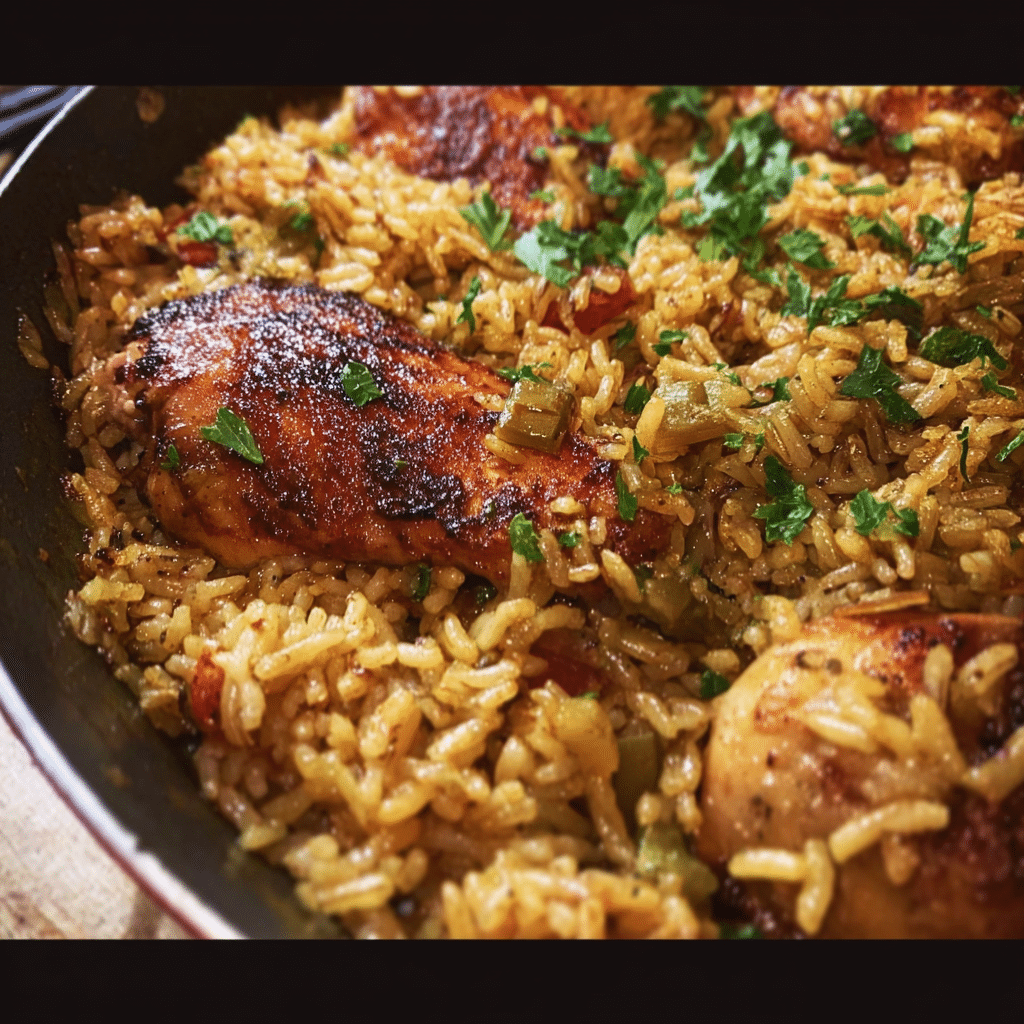
Short-term Storage
After making a scrumptious one pot chicken dish, it’s essential to handle the leftovers properly. If you plan to consume your leftovers within a few days, refrigeration is the best option. Allow the dish to cool down to room temperature before transferring it to airtight containers. This is crucial because placing hot food directly into the refrigerator can raise the temperature inside, potentially compromising the safety of other stored foods.
When choosing containers, opt for glass or BPA-free plastic options. Glass containers are fantastic because they are microwave-safe and won’t retain odors like some plastic varieties can. Portioning your one pot chicken into smaller containers can also make it easier to reheat individual servings without having to defrost the entire batch. Aim to consume refrigerated one pot chicken within 3 to 4 days for optimal taste and safety.
Freezing and Long-term Storage
If you want to keep your one pot chicken for longer than a few days, freezing is a fantastic option. Before freezing, make sure that the dish has cooled completely. You can transfer the one pot chicken into freezer-safe containers or heavy-duty freezer bags. If using bags, try to remove as much air as possible to prevent freezer burn. Label your containers with the date and contents for easy identification later.
One pot chicken can be frozen for up to three months. However, for the best flavor and texture, I recommend consuming it within one month. When you’re ready to enjoy your frozen one pot chicken, simply transfer it to the refrigerator the night before to thaw. If you’re in a rush, you can use the defrost setting on your microwave or submerge the sealed bag in cold water, changing the water every 30 minutes until thawed.
Reheating Best Practices
Reheating your one pot chicken properly is crucial to maintaining its flavor and texture. I recommend using either the stovetop or the oven for the best results. For stovetop reheating, place the chicken in a skillet over medium-low heat, adding a splash of chicken broth or water to keep it moist. Stir occasionally until heated through, which should take about 5 to 10 minutes.
If you prefer using the oven, preheat it to 350°F (175°C) and place the one pot chicken in an oven-safe dish, covering it with foil to retain moisture. Heat for about 20 minutes or until it reaches an internal temperature of 165°F (74°C). Avoid reheating in the microwave if possible, as it can lead to uneven heating and a rubbery texture.
Meal Prep and Batch Cooking Strategies
One pot chicken is an excellent candidate for meal prep. To streamline your week, consider making a large batch on the weekend. Not only does this save time, but it also allows you to enjoy a homemade meal during the busy week. When prepping, think about incorporating a variety of vegetables and grains to keep each meal interesting and nutritious.
To make batch cooking even easier, consider pre-chopping vegetables and measuring out spices ahead of time. You can store these in labeled containers in the fridge, ready to toss into the pot when you’re ready to cook. Additionally, you can experiment with different flavor profiles by switching up the seasonings or adding different types of rice or beans.
Food Safety Considerations and Guidelines
Food safety is paramount when it comes to storing and reheating meals. Always remember to refrigerate or freeze one pot chicken within two hours of cooking to prevent bacterial growth. If you notice any unpleasant odors, discoloration, or mold, it’s best to err on the side of caution and discard the dish.
When reheating, ensure that the internal temperature reaches 165°F (74°C) to eliminate any potential bacteria. You can use a food thermometer for accuracy. Additionally, never refreeze leftovers that have already been thawed, as this can lead to foodborne illness.
Shelf Life Expectations
Being aware of the shelf life of your one pot chicken is essential for meal planning. In the refrigerator, it will typically last for about 3 to 4 days. In the freezer, while it can remain safe for longer, the quality is best enjoyed within one month. If you notice a change in texture or taste when reheating, it’s a good indicator that it’s time to let go of that batch.
Portioning and Packaging Tips
When it comes to portioning your one pot chicken for storage, think about your meal needs. If you’re cooking for one or two, consider dividing the dish into single servings. This not only makes reheating easier but also helps prevent overindulgence. Using smaller containers for sides and toppings can also make mealtime more enjoyable, as you can mix and match with different flavors.
Finally, don’t forget to label everything! A simple sticky note or a marker can help you keep track of what you have in your fridge or freezer, avoiding unnecessary waste. With these storage and meal prep strategies, you can enjoy the delightful flavors of one pot chicken throughout the week, making your life easier and more delicious.
Nutritional Benefits and Health Information
As we delve into the world of one pot chicken, we can’t overlook its nutritional benefits and health information. This dish not only satiates your hunger but also nourishes your body with a variety of essential nutrients. In this section, we’ll explore the nutritional profile of one pot chicken, the health benefits of its key ingredients, and dietary considerations for different lifestyles.
Nutritional Profile
One pot chicken is a balanced meal that typically includes protein-rich chicken, flavorful spices, and a medley of vegetables and grains. A standard serving of one pot chicken can provide around 350-500 calories depending on the specific ingredients and portion size. The macronutrient breakdown generally includes approximately 30-40 grams of protein, 20-30 grams of carbohydrates, and 10-15 grams of fat.
The primary protein source, chicken, is a lean meat option that is low in saturated fat and high in essential amino acids. Additionally, the inclusion of vegetables such as bell peppers, onions, and carrots boosts the fiber content and provides vital vitamins and minerals. Whole grains, such as brown rice or quinoa, further enhance the dish’s nutritional value by adding complex carbohydrates and additional fiber.
Health Benefits
One of the standout features of one pot chicken is its versatility, allowing you to customize it with a variety of healthy ingredients. Chicken is an excellent source of lean protein, which is crucial for muscle repair and growth. It also contains important minerals such as selenium and phosphorus, which play a role in supporting immune function and bone health.
The vegetables often included in one pot chicken contribute an array of vitamins, including vitamin A, vitamin C, and various B vitamins. For example, bell peppers are high in antioxidants and can help reduce inflammation, while carrots are rich in beta-carotene, promoting good vision and skin health.
Moreover, if you choose whole grains, you’re incorporating additional fiber, which is beneficial for digestion and can help maintain healthy cholesterol levels. The combination of protein, fiber, and healthy fats in one pot chicken makes it a satisfying meal that can help regulate hunger and support weight management.
Dietary Considerations
When it comes to dietary considerations, one pot chicken can be easily adapted to suit various diets. For those following a gluten-free diet, simply swap out traditional rice with quinoa or cauliflower rice. Additionally, for a low-carb option, you can substitute rice with more vegetables or legumes to maintain the heartiness of the dish without the extra carbs.
For individuals with specific allergies, it’s essential to be mindful of the ingredients you choose. Opt for allergy-friendly vegetables and grains, and consider using alternatives like almond flour or gluten-free pasta if you’re looking for a different base. Furthermore, for those who prefer a vegetarian or vegan diet, you can easily modify the recipe by replacing chicken with plant-based proteins such as chickpeas or tofu.
As for calorie content, one pot chicken can fit into various diet plans, whether you’re following a ketogenic, Mediterranean, or balanced diet. The key is to adjust portion sizes and ingredient choices based on your individual dietary goals and preferences.
Healthy Modification Suggestions
One of the joys of cooking is experimentation, and one pot chicken is no exception! To make it even healthier, consider incorporating more leafy greens, such as spinach or kale, which can be added towards the end of the cooking process to retain their nutrients. You can also experiment with different herbs and spices to reduce the need for salt, enhancing flavor without the extra sodium.
If you’re looking to make it lighter, opt for skinless chicken breasts instead of thighs, or try using bone-in chicken for more flavor while keeping the fat content reasonable. You can also reduce the amount of oil used in the cooking process or replace it with a splash of broth to sauté the vegetables.
Comparison with Similar Dishes
When comparing one pot chicken to similar dishes, it stands out for its simplicity and heartiness. Unlike traditional casseroles that often require layering and baking, one pot chicken is a straightforward, one-pot meal that minimizes cleanup while maximizing flavor. It’s also less heavy than many creamy casserole dishes, making it a more health-conscious choice.
Additionally, one pot chicken can easily compete with popular dishes like jambalaya or paella. While these dishes often feature rich sauces and multiple cooking methods, one pot chicken is designed to be a straightforward, healthy alternative that still provides robust flavors without the additional calories. Its adaptability also allows for a variety of ingredients, making it a dish that can fit any occasion, from a casual family dinner to a festive gathering.
In conclusion, one pot chicken is not only a delightful meal that brings comfort to the table but also a nutritious option that can be tailored to fit various dietary needs. With its balanced macronutrients, health benefits from key ingredients, and easy modifications, it’s a dish that should become a staple in your cooking repertoire. So, whether you’re enjoying it fresh or savoring the leftovers, you can feel good about indulging in this versatile one pot wonder!