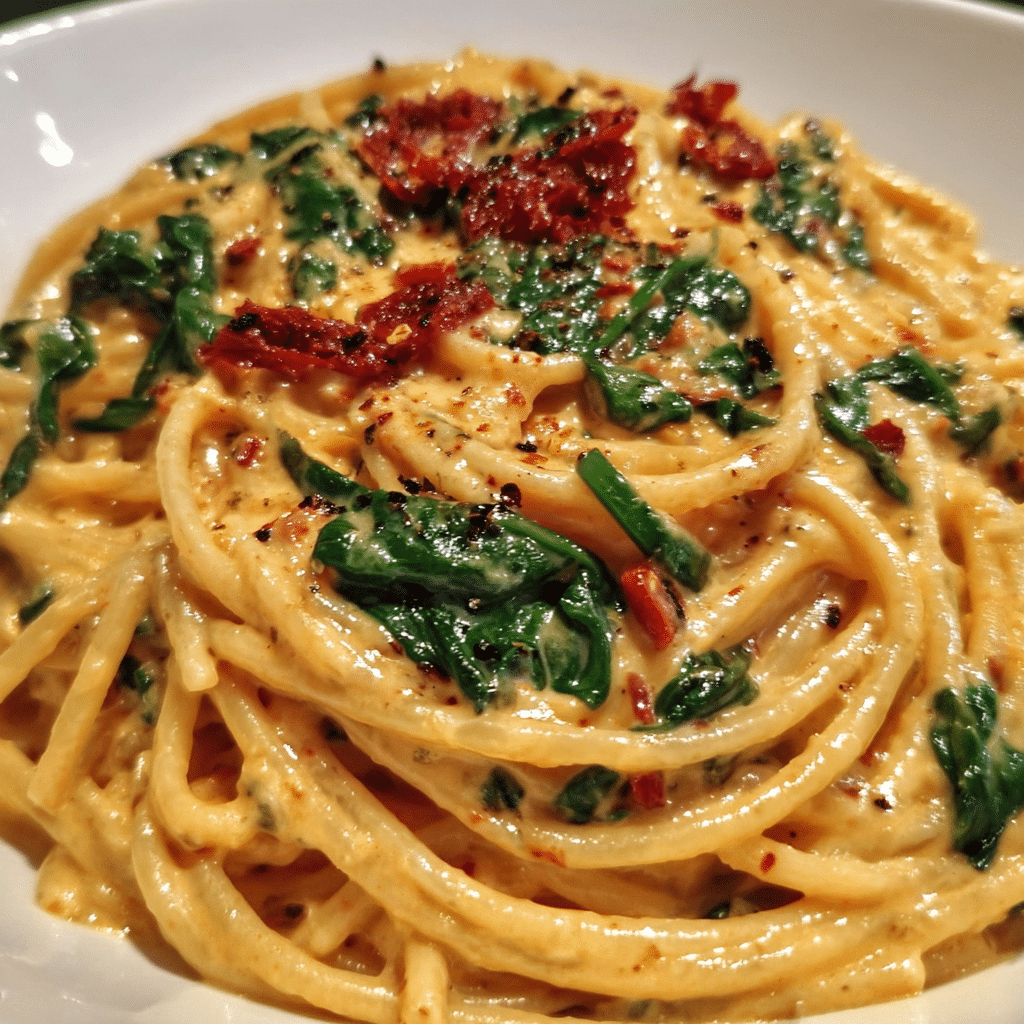
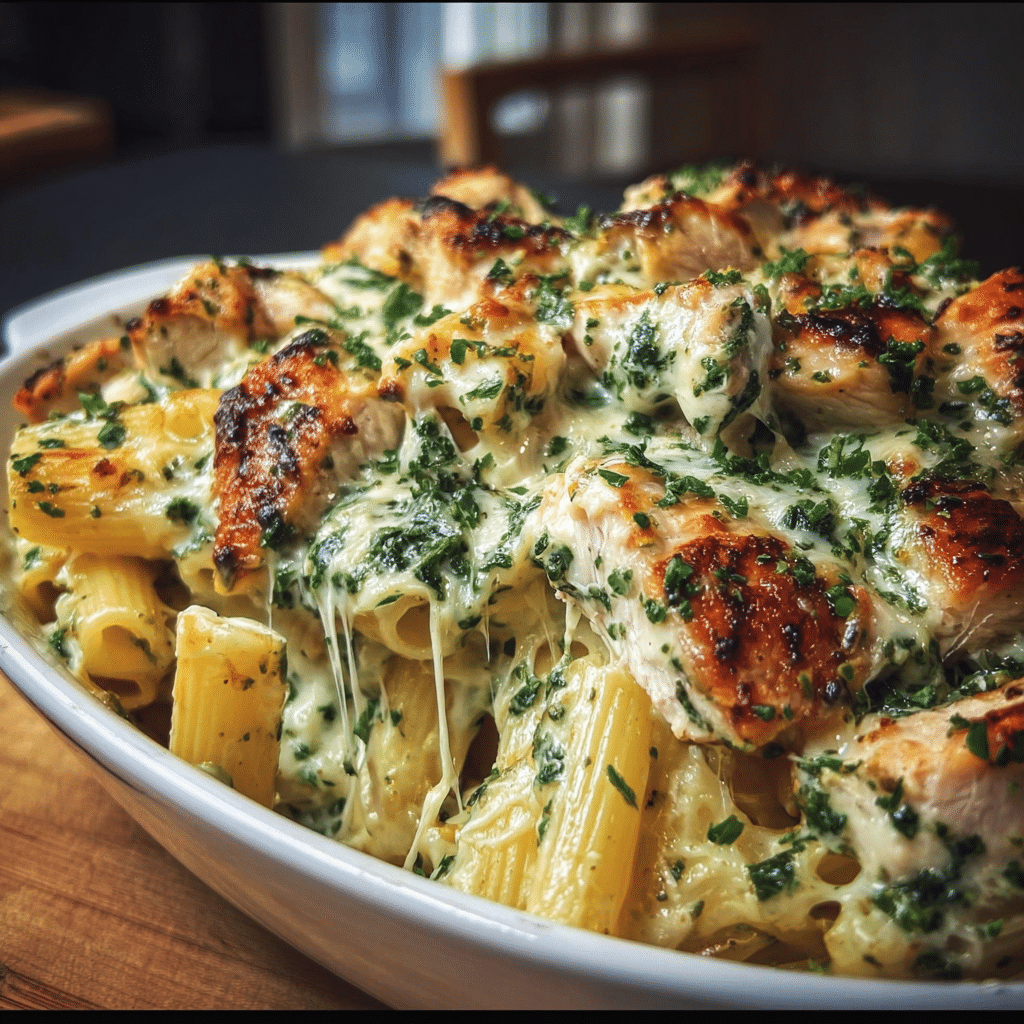
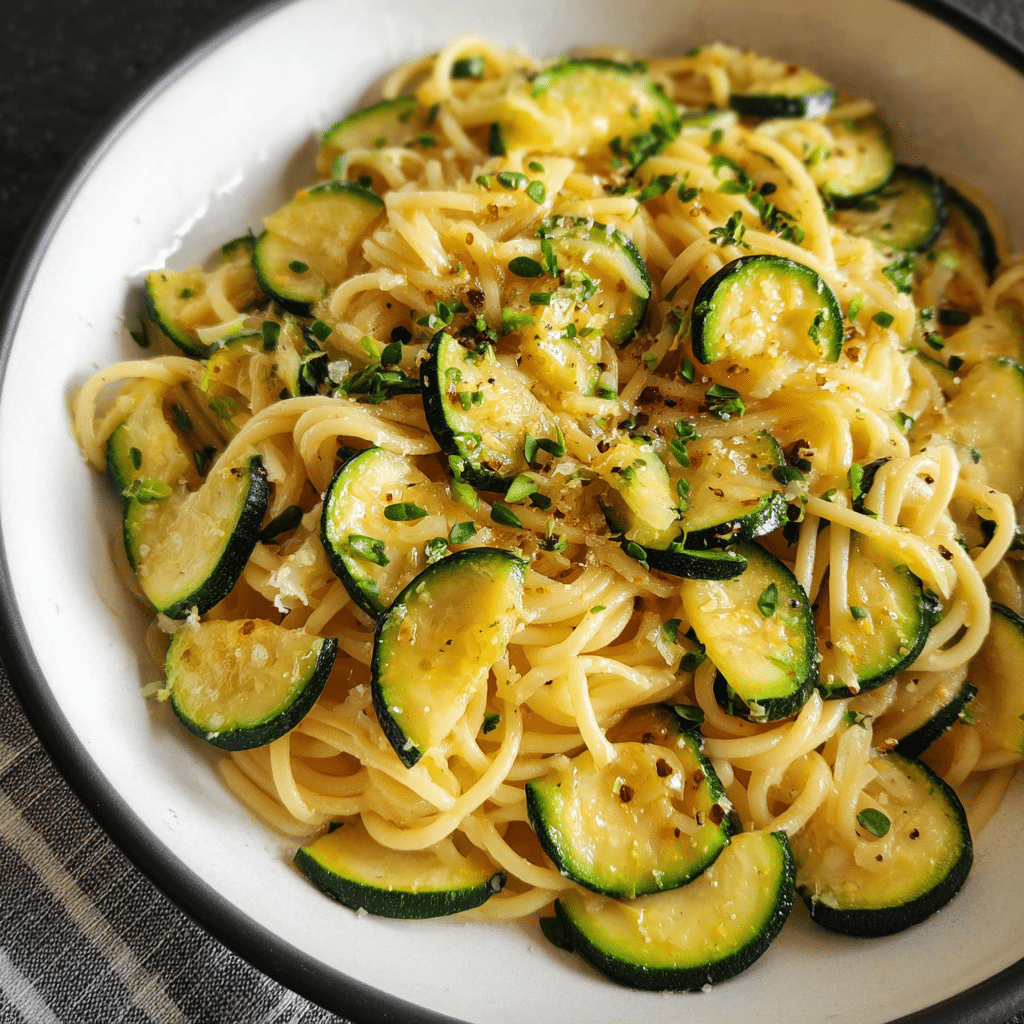
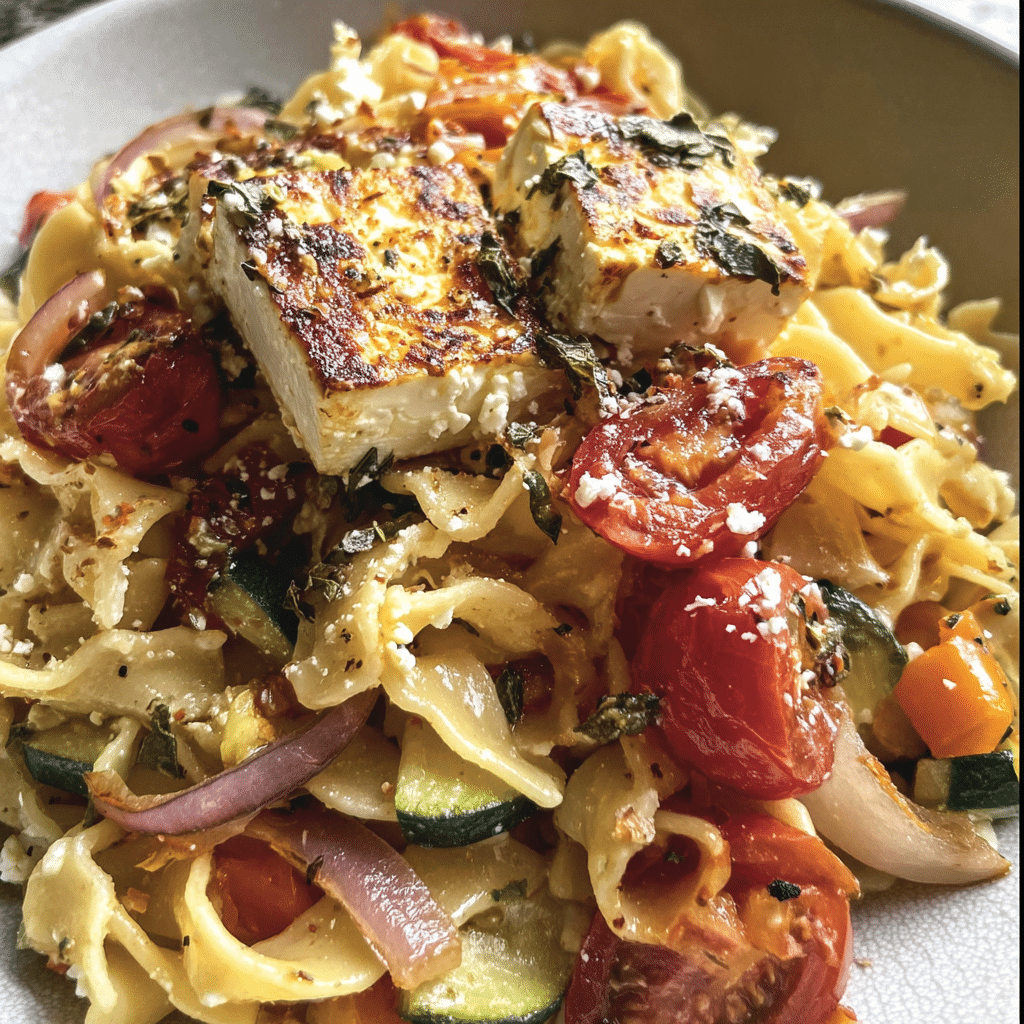
Seasonal relevance cannot be overstated when it comes to pasta primavera. This dish is best enjoyed in the spring and summer months when gardens are overflowing with produce. Fresh peas, tender asparagus, sun-ripened tomatoes, and vibrant bell peppers shine in this recipe, creating a visual feast that is as delightful to the eyes as it is to the palate. During these warm months, I find it a joy to visit local farmers’ markets, selecting the freshest vegetables for my pasta. Each visit becomes an adventure, allowing me to engage with local growers and discover new ingredients to incorporate into my cooking.
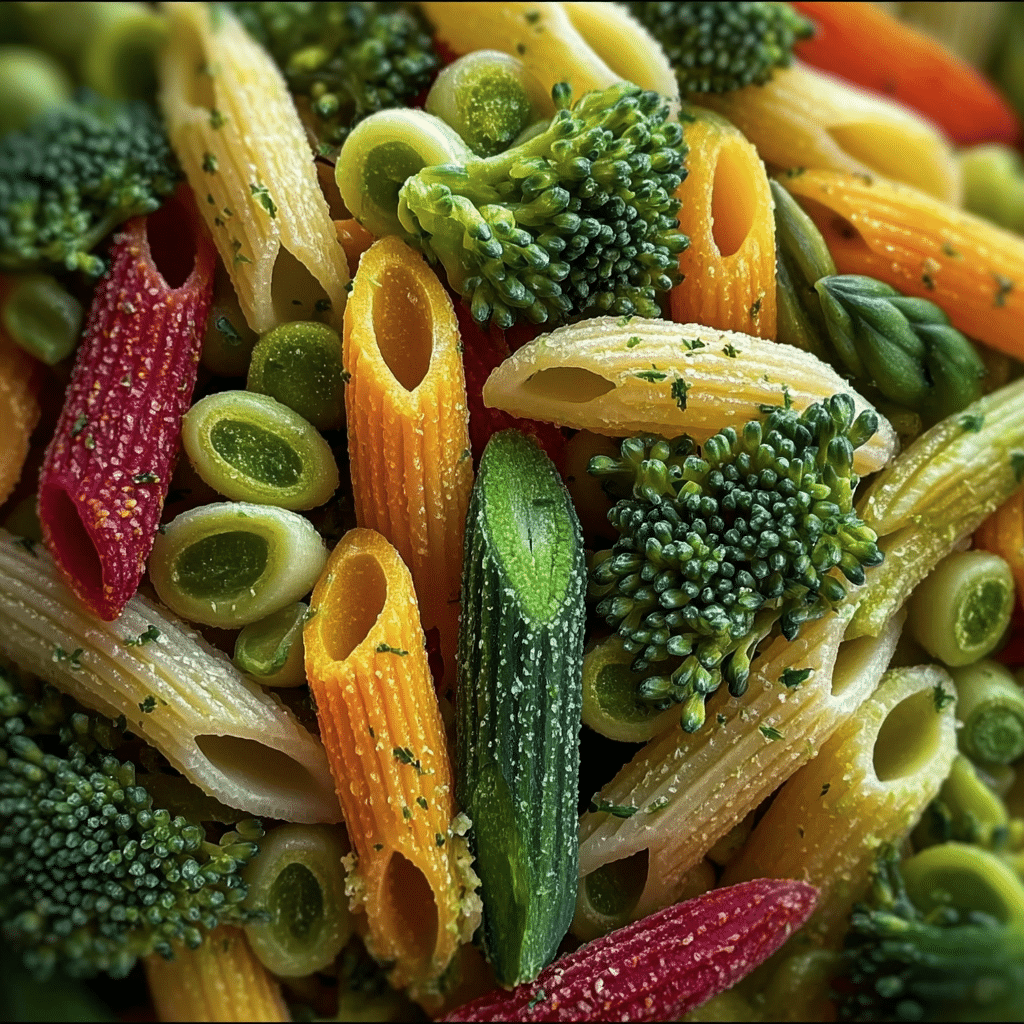
On a more personal note, the emotional connection I have with pasta primavera runs deep. It reminds me of my childhood, of summer barbecues, and the warmth of family gatherings. Each time I prepare this dish, I am transported back to those carefree days, where the only worries were whether to add more garlic or to sprinkle freshly grated Parmesan cheese on top. This dish is not just food; it is a vessel of memories, a way to connect with loved ones, and a means to celebrate the joy of cooking.
In this guide, you will learn everything there is to know about pasta primavera. From its history and cultural significance to various recipes and cooking tips, you’ll discover how to make this delightful dish your own. Whether you are a seasoned cook or a novice in the kitchen, you will find inspiration and practical advice to elevate your meals. Join me as we explore the world of pasta primavera and uncover the secrets that make it a timeless classic.
The Rich History and Cultural Significance of pasta primavera
The rich history and cultural significance of pasta primavera are interwoven with the evolution of Italian cuisine itself. To truly appreciate this delightful dish, one must delve into its origins and the broader culinary context that gave rise to it. While many associate pasta primavera with Italian-American cooking, its roots can be traced back to Italy, where fresh, seasonal ingredients have always been paramount.
Origins and History
The exact origins of pasta primavera are somewhat murky, with various stories suggesting its creation in the 1970s. Some culinary historians attribute it to a New York City restaurant called “Le Cirque,” where it was introduced to a wider audience. Others argue that it may have originated from a traditional Italian dish called “pasta alle verdure,” which features pasta tossed with assorted vegetables. Regardless of its precise beginnings, what is clear is that pasta primavera emerged as a response to a growing appreciation for fresh produce and lighter cooking styles. This shift reflected a broader trend in the culinary world, where chefs began to prioritize simplicity and the natural flavors of ingredients over heavy sauces and elaborate preparations.
Originally, pasta primavera was a dish made in the spring, utilizing the fresh vegetables available during the season. The recipe has evolved over time, allowing for flexibility in the choice of ingredients based on what is locally available. You can find variations of pasta primavera across different regions, showcasing the unique produce and culinary traditions of each area. For instance, in Southern Italy, you might encounter a version that features eggplant and cherry tomatoes, while in Northern Italy, asparagus and peas may take center stage. This adaptability is part of what makes pasta primavera such a beloved dish among home cooks.
Cultural Significance
In Italian culture, food is not merely sustenance; it is an integral part of community and family bonding. Pasta primavera embodies this philosophy, as it encourages the use of fresh ingredients and promotes meals that can be shared with loved ones. It is often served during family gatherings, summer barbecues, or casual weeknight dinners, providing a sense of comfort and familiarity. The dish allows families to come together, share stories, and celebrate the joy of cooking while enjoying the vibrant flavors of fresh vegetables.
Moreover, pasta primavera reflects a broader cultural movement towards healthy eating and sustainability. As more people become conscious of the environmental impact of their food choices, this dish stands out as a beacon of wholesome eating. It encourages the consumption of seasonal produce, supporting local farmers and promoting a connection to the land. Many chefs today have embraced this ethos, crafting their own versions of pasta primavera that highlight the importance of seasonal ingredients and sustainable cooking practices.
Nutritional Benefits
One of the most compelling aspects of pasta primavera is its nutritional profile. By focusing on fresh vegetables and whole-grain pasta, this dish can be a powerhouse of vitamins, minerals, and fiber. The variety of vegetables used not only adds color and texture but also contributes to a well-rounded meal that is low in calories and high in nutrients. For instance, bell peppers are rich in vitamin C, while broccoli and zucchini provide essential vitamins and minerals that support overall health.
Additionally, pasta primavera can be easily adapted to accommodate various dietary preferences. By choosing whole-grain or legume-based pasta, you can increase the fiber content and create a more filling meal. For those who prefer a plant-based diet, simply omitting cheese or using a dairy-free alternative allows everyone to enjoy this dish without compromising their values. This versatility ensures that pasta primavera can be enjoyed by everyone, making it a perfect choice for family dinners where dietary restrictions may vary.
In conclusion, the rich history and cultural significance of pasta primavera highlight its importance in Italian cuisine and beyond. This dish serves as a canvas for creativity, allowing cooks to experiment with various seasonal ingredients while celebrating the joy of cooking. Whether you are preparing it for a casual weeknight dinner or a special gathering, pasta primavera is sure to bring family and friends together around the table, creating lasting memories with each delightful bite.
Essential Ingredients for Perfect pasta primavera
When it comes to creating an exquisite pasta primavera, the choice of ingredients plays a pivotal role in achieving that delightful balance of flavors and textures. This beloved dish, which translates to “spring pasta,” is a celebration of vibrant vegetables and fresh herbs, making it a perfect representation of seasonal cooking. Let’s dive into the essential ingredients that will create a memorable pasta primavera experience.
Essential Ingredients
- 300g / 10 oz linguine (or fettucine, or other long and flat pasta): The foundation of any pasta primavera is, of course, the pasta itself. Linguine is preferred for its ability to hold onto the sauce while providing a satisfying bite. Look for high-quality durum wheat pasta, as it holds its shape well when cooked.
- 150g / 5oz white mushrooms, sliced 0.4cm / 1/6″ thick: Mushrooms add a rich, earthy flavor and a meaty texture to the dish. When selecting mushrooms, choose firm ones with a smooth surface and avoid any that appear wet or slimy.
- 1/2 large zucchini, cut into 0.5cm / 0.2″ rounds (100g/4 oz piece): Zucchini adds a mild sweetness and a lovely crunch. Opt for small to medium-sized zucchinis, which tend to be more flavorful. Look for vibrant green skin without blemishes.
- 1 bunch broccolini: This tender green vegetable, a hybrid of broccoli and Chinese broccoli, provides a beautiful pop of color and a slight bitterness that balances the creaminess of the sauce. Choose broccolini that is bright green with firm stalks.
- 1 1/2 cup snow peas (~10 pieces, 75g/2.5oz): Snow peas add a delightful crunch and a hint of sweetness. When shopping, look for crisp peas that are bright green and not limp.
- 1 bunch green asparagus (~8 to 10): Asparagus offers a unique flavor and texture. When selecting, choose thin stalks that snap easily when bent, as this indicates freshness.
- 1 cup green peas, defrosted: Fresh or frozen green peas add a sweetness that complements the other vegetables. If using frozen peas, ensure they are thawed before adding them to the dish.
- 10 cherry tomatoes, cut in half: Cherry tomatoes bring acidity and a burst of flavor. Look for plump, firm tomatoes that are bright in color.
- 2 garlic cloves, finely minced: Garlic adds depth and aroma to the pasta primavera. Fresh garlic is always best, so opt for firm cloves with tight skin.
- 5 tbsp / 75 g unsalted butter: Butter enriches the sauce, lending it a creamy texture. Use unsalted butter to control the saltiness of the dish.
- 1 cup thickened / heavy cream: This ingredient creates a luscious sauce that binds the flavors together. For a lighter option, you could substitute half-and-half, but the richness of heavy cream is ideal.
- 1/2 cup Parmigiano reggiano, finely grated: This aged cheese brings a salty, nutty flavor that enhances the dish. Always choose authentic Parmigiano Reggiano for the best taste.
- 3 tbsp extra virgin olive oil: Olive oil provides a fruity flavor and is essential for sautéing the vegetables. Look for high-quality, cold-pressed extra virgin olive oil.
- 1/3 cup pasta cooking water, scoop out just before draining: This starchy water is key for adjusting the sauce’s consistency, ensuring it clings to the pasta perfectly.
- 1 tsp cooking/kosher salt: Salt enhances the flavors of the dish. Be mindful of the salt content in other ingredients, particularly cheese and butter.
- 1/4 tsp black pepper: Freshly ground black pepper adds a hint of heat and complexity.
- 1/2 cup fresh basil leaves, finely sliced: Basil infuses a fresh, aromatic note into the pasta primavera. Always choose fresh basil over dried for optimal flavor.
- 2 tbsp pinenuts, toasted: Toasted pinenuts introduce a buttery crunch and richness. When buying pinenuts, opt for whole nuts that are light in color and have a pleasant aroma.
Pasta Primavera
Ingredients
- 300g / 10 oz linguine (fettucine, or other long and flat pasta, Note 1)
Vegetables (Note 2):
- 150g / 5oz white mushrooms , sliced 0.4cm / 1/6″ thick (~8 pieces)
- 1/2 large zucchini , cut into 0.5cm / 0.2″ rounds (100g/4 oz piece)
- 1 bunch broccolini
- 1 1/2 cup snow peas (~10 pieces, 75g/2.5oz)
- 1 bunch green asparagus (~8 to 10)
- 1 cup green peas , defrosted
- 10 cherry tomatoes , cut in half
- 2 garlic cloves , finely minced
Cream sauce:
- 5 tbsp / 75 g unsalted butter
- 1 cup thickened / heavy cream (Note 3)
- 1/2 cup Parmigiano reggiano , finely grated (sub regular parmesan, Note 4)
Cooking:
- 3 tbsp extra virgin olive oil
- 1/3 cup pasta cooking water , scoop out just before draining (Note 6)
- 1 tsp cooking/kosher salt
- 1/4 tsp black pepper
- 1/2 cup fresh basil leaves , finely sliced (Note 5)
- 2 tbsp pinenuts , toasted (Note 7)
Instructions
Cut vegetables:
- Broccolini – Cut off florets then cut in half lengthwise. Then slice the stems diagonally into 2.5 cm / 1″ lengths.
- Snow peas – Remove the tough string running down the “seam” of the pea. Stack several peas and slice on the diagonal about 1cm / 0.4″ wide.
- Asparagus – Snap the base off the asparagus, it will naturally break where the woody stem stars. Cut tips off, leave whole and set aside. Slice the stems diagonally into 2.5 cm / 1″ lengths.
Cream Sauce:
- Melt butter in a saucepan over medium-high heat. Add cream and Parmigiano reggiano. Stir, and once the cream starts simmering gently, stir until the cheese melts then take it off the stove and set aside.
Pasta:
- Bring a large pot of water to the boil over high heat. Add 1 tablespoon of salt and add the pasta. Cook for the time per the packet minus 1 minute. Meanwhile, cook vegetables.
- Reserve pasta water: Just before draining the pasta, scoop out a mug of pasta cooking water and set aside. Drain the pasta.
Cook:
- Mushrooms: Heat half the olive oil in a large skillet over high heat. Cook mushrooms for 4 minutes until golden, remove to a plate.
- Veg: Heat remaining oil in the same skillet. Cook broccolini, snow peas and asparagus for 2 minutes. Add zucchini, tomato, green peas, garlic, salt and pepper. Cook for a further 3 minutes. Add mushroom back in, toss, then remove from heat.
- Toss! Return pasta into the now-empty pot. Add vegetables, cream sauce and 1/3 cup pasta water. Toss over medium heat using 2 wooden spoons until the sauce thickens and clings to the pasta strands rather than pooling in the base of the pot, about 1 to 2 minutes. (If at any stage the pasta gets too thick, add a splash more pasta water and toss on stove).
- Basil & pine nuts – Quickly toss through basil. Divide between 4 bowls. Sprinkle with pine nuts. Devour immediately!
Shopping Tips
When shopping for the ingredients for your pasta primavera, consider visiting local farmers’ markets or organic grocery stores, especially for vegetables. Seasonal produce is not only fresher but often more flavorful. Look for “in-season” vegetables: zucchini and asparagus are typically available in the spring, while mushrooms and tomatoes are often year-round. Buying organic can also be a great choice for those concerned about pesticide use, especially for ingredients like basil and tomatoes.
Substitutions and Alternatives
For those with dietary restrictions, there are several substitutions you can make without sacrificing flavor. You can use gluten-free pasta if you’re avoiding gluten; just be sure to follow the package instructions for cooking times. If you’re vegan, consider replacing the heavy cream with coconut cream or a cashew cream, and replace the butter with a vegan alternative. Nutritional yeast can be a great substitute for cheese, providing that umami flavor. For a lighter dish, you might also consider skipping the cream entirely and using a vegetable broth instead. Always feel free to experiment with different vegetables based on what’s available to you.
In conclusion, the ingredients of pasta primavera are more than just components of a meal; they are a celebration of the season. By choosing high-quality, fresh ingredients and understanding their roles in the dish, you will be well on your way to creating a delicious and memorable pasta experience.
Detailed Step-by-Step pasta primavera Cooking Instructions
Creating a delectable pasta primavera is not just about the ingredients; it’s also about the technique and love that goes into the cooking process. This dish is a symphony of flavors and textures, and following the right steps will ensure that you produce a meal worthy of any dinner table. With a cooking time of approximately 30 minutes, you can have this vibrant dish ready to serve in no time. Let’s break down the step-by-step process to make your pasta primavera shine.
Preparation Steps
- Mise en Place: Start by preparing all your ingredients before you begin cooking. This French culinary term, which means “everything in its place,” is crucial for a smooth cooking process. Slice the mushrooms, zucchini, and cherry tomatoes, and mince the garlic. Wash and trim the broccolini, asparagus, and snow peas. Having everything ready to go will streamline your cooking and help prevent any last-minute scrambles.
- Cook the Pasta: Fill a large pot with water, and add a generous amount of salt (about 1 tablespoon per liter of water). Bring it to a rolling boil. Add the linguine and cook according to package instructions until al dente. Usually, this takes about 8-10 minutes. Be sure to reserve 1/3 cup of the pasta cooking water before draining, as it will be essential for adjusting the sauce later.
- Toast the Pinenuts: While the pasta is cooking, toast your pinenuts in a dry skillet over medium heat. Stir frequently to avoid burning. This process usually takes about 3-4 minutes. Once golden and fragrant, remove them from the heat and set aside.
Cooking Process
- Sauté the Vegetables: In a large skillet, heat 3 tablespoons of extra virgin olive oil over medium heat. Add the minced garlic and sauté for about 30 seconds until fragrant, being careful not to let it burn. Next, add the sliced mushrooms and cook for about 3-4 minutes until they are tender and slightly browned.
- Add the Remaining Vegetables: Toss in the zucchini rounds, broccolini, snow peas, and asparagus. Stir well and cook for an additional 5-6 minutes. You want the vegetables to be vibrant and slightly tender but still crisp. If the skillet gets too dry, add a splash of your reserved pasta water to help steam the veggies.
- Incorporate the Cream: Once the vegetables are cooked to your liking, reduce the heat to low and add the 1 cup of heavy cream, stirring gently to combine. Allow it to simmer for about 2-3 minutes. This is where the magic happens—watch as the cream thickens and envelops the vegetables in a luscious sauce.
Final Assembly
- Combine Pasta and Sauce: Add the drained linguine to the skillet with the creamy vegetable mixture. Toss everything together, adding the reserved pasta cooking water a little at a time until you reach the desired sauce consistency. The starch from the pasta water will help everything cling beautifully.
- Season: Add salt and black pepper to taste. Remember, the cheese will add saltiness, so proceed with caution. Stir in the grated Parmigiano Reggiano and fresh basil leaves, allowing them to wilt slightly in the warm pasta.
- Serve: Plate your pasta primavera and top with toasted pinenuts for a delightful crunch. A drizzle of good quality extra virgin olive oil can elevate the dish even further. Garnish with extra basil leaves if desired, and serve immediately while it’s still warm.
Cooking pasta primavera is not just about following a recipe; it’s about connecting with the ingredients, the seasons, and the act of creating something beautiful. Remember, the key to a successful dish lies in patience and attention to detail. Avoid common pitfalls like overcooking the vegetables or neglecting the seasoning. With these tips in mind, you’re ready to impress your family or friends with your culinary skills!
Professional Tips and Techniques for pasta primavera
When it comes to preparing a delightful dish of pasta primavera, one can never underestimate the value of professional tips and techniques. This vibrant dish, celebrated for its colorful medley of vegetables, is not just a feast for the eyes but also a celebration of fresh flavors. Throughout my culinary journey, I’ve gleaned numerous insights that can elevate your pasta primavera game to new heights. Whether you’re a novice in the kitchen or a seasoned chef, these tips will help you create a dish that bursts with flavor and freshness.
Professional Techniques
First and foremost, let’s talk about the pasta. Selecting the right type of pasta can significantly impact the final dish. Traditional pasta primavera often calls for long, thin pasta like spaghetti or fettuccine, which allows the sauce and vegetables to cling beautifully. However, feel free to experiment with shapes that appeal to you; penne or farfalle can be delightful alternatives. It’s essential to cook your pasta al dente, which means it should have a slight bite to it. This texture will hold up well against the sautéed vegetables and sauce.
Another insider secret is to reserve some of the pasta cooking water before draining. This starchy water is a wonderful addition to your sauce, helping to bind it and giving it a silky texture. It’s a trick I learned from my grandmother, who always emphasized that a good sauce should cling to the pasta without being too heavy.
Now, let’s move onto the vegetables. The beauty of pasta primavera lies in its versatility. You can use whatever seasonal vegetables you have on hand. Bell peppers, zucchini, asparagus, and cherry tomatoes are classic choices, but don’t shy away from adding your personal favorites. The key is to cut the vegetables into uniform sizes to ensure even cooking. A great technique is to sauté them in batches, starting with the firmest vegetables and ending with the softer ones, to maintain the integrity and texture of each one.
Troubleshooting Guide
Even the best chefs encounter hurdles in the kitchen, and pasta primavera is no exception. One common issue is overcooked vegetables, which can lose their vibrant color and crunchiness. To avoid this, remember to cook each type of vegetable separately based on its cooking time. For instance, add broccoli florets in first, followed by bell peppers and snap peas, ensuring that each vegetable is perfectly tender but not mushy.
If you find yourself with a too-dry pasta primavera, don’t panic! Simply add a splash of the reserved pasta water while tossing everything together. This will rehydrate the dish and enhance the overall flavor. Alternatively, if your sauce is too runny, allow it to reduce on low heat for a few minutes to thicken it up.
Presentation Tips
Presentation is key when serving pasta primavera. After all, we eat with our eyes first! Once your dish is ready, consider a few finishing touches. A drizzle of high-quality olive oil or a sprinkle of freshly grated Parmesan can elevate the dish significantly. For color contrast, add a sprinkle of freshly chopped parsley or basil just before serving. Using a large, shallow bowl for serving allows the vibrant colors of the vegetables to take center stage.
For wine pairing, a light, crisp white wine, such as Pinot Grigio or Sauvignon Blanc, complements the freshness of the vegetables beautifully. If you prefer red, a light-bodied Chianti can work well without overpowering the dish. Remember, the goal is to enhance the meal, not overshadow it.
Lastly, if you’re prepping for a crowd or meal prepping for the week, pasta primavera is quite accommodating. You can cook the pasta and veggies separately, then combine them just before serving. This way, you can keep everything fresh and prevent the pasta from absorbing too much sauce. Store the components in airtight containers in the fridge, and they’ll last a few days, making weeknight dinners a breeze!
In summary, mastering pasta primavera involves understanding the techniques and nuances that make this dish shine. With the right pasta, perfectly cooked vegetables, and a few insider tips, you can transform a simple meal into a culinary masterpiece. Embrace the flexibility of this dish and let your creativity shine!
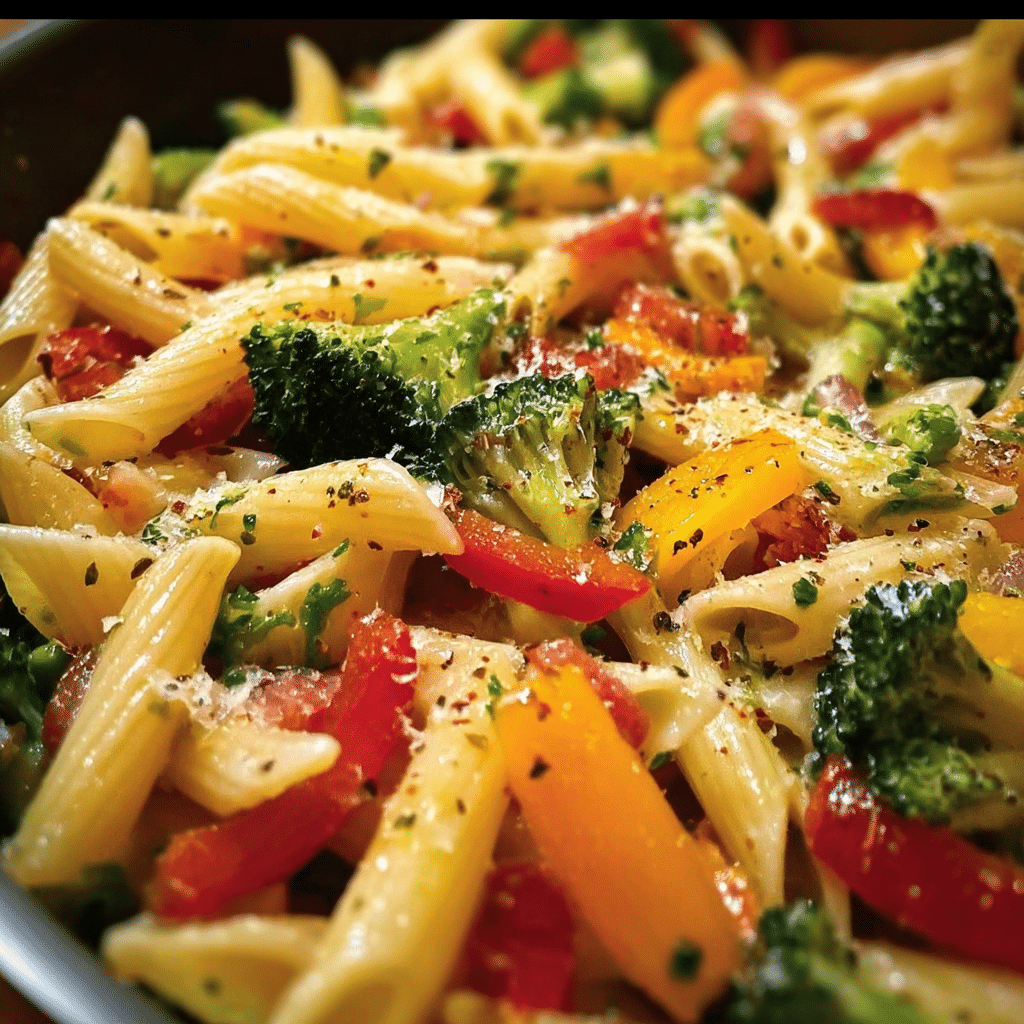
Creative Variations and Adaptations of pasta primavera
While traditional pasta primavera is a delightful dish, there’s no reason to stop there. The beauty of this recipe lies in its adaptability, allowing for countless creative variations and adaptations. As a passionate home cook, I’ve learned that experimenting with different ingredients and techniques can lead to some of the most memorable meals. Let’s explore some exciting ways to put your unique spin on this beloved classic.
Seasonal Variations
One of the best aspects of pasta primavera is its seasonal flexibility. In spring, you might opt for tender asparagus, peas, and radishes, celebrating the season’s fresh produce. As summer rolls in, zucchini, bell peppers, and cherry tomatoes shine, bringing vibrant colors and flavors to the dish. In the fall, consider incorporating roasted butternut squash or Brussels sprouts for a hearty twist. Winter months call for heartier vegetables like carrots, parsnips, and even kale, allowing you to enjoy this dish year-round while embracing seasonal ingredients.
Additionally, think about your cooking methods. While sautéing is the most common technique, roasting vegetables before tossing them with pasta can add depth and flavor. The caramelization from roasting enhances the natural sweetness of the vegetables, creating a richer taste experience. It’s a simple adjustment that can take your pasta primavera to the next level.
Dietary Adaptations
With the growing awareness of various dietary needs, pasta primavera can easily be adapted for everyone at the table. For a keto-friendly version, swap traditional pasta for zucchini noodles or spaghetti squash. Not only does this lower the carbohydrate content, but it also adds an extra serving of vegetables to your meal without sacrificing flavor.
For a vegan adaptation, simply omit any cheese and use vegetable broth instead of butter. You can enhance the dish with nutritional yeast to give it a cheesy flavor without the dairy. Gluten-free eaters can enjoy pasta primavera by choosing gluten-free pasta options available in stores, ensuring everyone can savor this delicious meal.
Creative Twists
Let’s talk about some exciting creative twists that can make your pasta primavera stand out. Consider adding protein sources like grilled chicken, shrimp, or even chickpeas for a heartier meal. The addition of protein not only enhances the nutritional value but also gives the dish a satisfying texture.
Spice lovers can elevate their pasta primavera by incorporating fresh herbs like basil, oregano, or thyme, or even a pinch of red pepper flakes to add a little heat. For a unique flavor experience, try adding a splash of lemon juice or zest for brightness, or a drizzle of balsamic glaze for a touch of sweetness.
Leftovers can often be transformed into something entirely new! Consider turning leftover pasta primavera into a delightful frittata. Simply whisk together some eggs, pour them over your pasta and veggie mixture in a skillet, and bake until set. You’ll have a completely new dish that’s great for breakfast or brunch!
In conclusion, the possibilities for pasta primavera are virtually endless when you embrace creativity and seasonal ingredients. Whether you’re making dietary adaptations, experimenting with flavors, or finding new cooking methods, you can create a dish that suits your taste and lifestyle while still honoring the traditional spirit of this beloved recipe. So, roll up your sleeves and let your culinary imagination run wild!
Storage, Reheating, and Meal Prep for pasta primavera
When it comes to pasta primavera, one of the best things about this delightful dish is its versatility—not only in terms of ingredients but also in how it can be stored, reheated, and even prepped for meals ahead of time. Whether you’re a busy parent looking to streamline weeknight cooking or a meal prep enthusiast wanting to enjoy delicious flavors without the fuss, understanding the best storage methods will enhance your experience with pasta primavera significantly.
Short-term Storage
Once you’ve whipped up a batch of pasta primavera, it’s essential to store it correctly if you plan to enjoy it later. For short-term storage, the refrigerator is your best friend. First, allow the dish to cool down to room temperature; this helps to prevent condensation from forming in your storage container, which can lead to sogginess.
Use airtight containers, preferably glass or BPA-free plastic, to store your pasta primavera. Glass containers are particularly great as they do not retain odors and are easy to clean. If you’ve prepared a large batch, divide it into smaller portions before refrigerating. This not only makes it easier to grab a quick meal but also helps to cool the pasta more quickly.
In the refrigerator, your pasta primavera should keep well for about 3-5 days. Be mindful of the vegetables in the dish; some may lose their texture and flavor over time. If you notice any signs of spoilage, such as an off smell or discoloration, it’s best to err on the side of caution and discard the dish.
Freezing and Long-term Storage
If you want to save your pasta primavera for even longer, freezing is an excellent option. Freezing helps maintain the flavor and nutritional benefits of your dish. To freeze, first ensure that the pasta and vegetables have cooled completely. Then, transfer the dish into freezer-safe containers or heavy-duty freezer bags. If using bags, try to remove as much air as possible to prevent freezer burn.
One handy tip I learned from my own kitchen experiments is to freeze the pasta primavera in individual portions. This allows you to defrost only what you need without affecting the entire batch. When freezing, label the containers with the date and contents, so you can keep track of how long they’ve been in the freezer. Generally, your dish will maintain its best quality for about 2-3 months in the freezer.
When it’s time to enjoy your frozen pasta primavera, you can easily defrost it overnight in the refrigerator or use the microwave for a quicker option. However, I recommend reheating on the stove with a splash of olive oil or vegetable broth. This method helps to restore moisture and brings back some of that fresh flavor.
Reheating Best Practices
Reheating can make or break your experience with pasta primavera. You want to ensure that it’s warm but not overcooked, especially since pasta can quickly become mushy. The stovetop method is my go-to; simply add a bit of olive oil or water to a skillet and heat over medium-low. Add your pasta and stir gently until it’s heated through. This helps maintain the integrity of the vegetables as well.
If you prefer the microwave, use a microwave-safe dish and cover it with a damp paper towel. This will help keep moisture in and prevent the pasta from drying out. Heat in short intervals, stirring in between, until warmed through.
Food safety is another critical aspect of storing and reheating pasta primavera. Always ensure that your leftovers are stored within two hours of cooking to prevent bacterial growth. When reheating, aim for an internal temperature of 165°F to ensure any potential bacteria are eliminated.
To sum it up, proper storage and reheating techniques can elevate your experience with pasta primavera. With the right knowledge, you can enjoy this vibrant dish multiple times throughout the week without sacrificing flavor or quality. So go ahead, make a big batch, and savor every bite!
Nutritional Benefits and Health Information
When you think of pasta primavera, you might conjure images of a colorful plate bursting with fresh vegetables and al dente pasta, all tossed in a light sauce. Not only is this dish visually appealing, but it also packs a nutritional punch that can fit into various dietary plans. Let’s dive into the nutritional benefits and health information surrounding this beloved recipe.
Nutritional Profile
The beauty of pasta primavera lies in its adaptability. The base ingredients typically include pasta, seasonal vegetables, and a light sauce, often made from olive oil, garlic, and sometimes a hint of cheese. A typical serving of pasta primavera (about 1.5 cups) can provide roughly 300-400 calories, depending on the type of pasta and the amount of oil used. The macronutrient distribution generally includes:
- Carbohydrates: 50-60g
- Protein: 10-15g
- Fats: 10-15g
Additionally, since it’s rich in vegetables, a serving can offer significant amounts of dietary fiber, which is essential for digestive health. Fiber helps keep you feeling full longer, making this dish a great option for weight management.
Health Benefits
The health benefits of pasta primavera largely stem from its fresh vegetable components. Commonly used vegetables like bell peppers, zucchini, asparagus, and broccoli are not only colorful but also rich in vitamins and minerals. For instance, bell peppers are high in vitamin C, which supports the immune system, while broccoli is packed with vitamins K and A, along with fiber and antioxidants. These nutrients can help reduce inflammation and lower the risk of chronic diseases.
Moreover, incorporating whole grain pasta can further enhance its health profile. Whole grains provide more nutrients and fiber compared to their refined counterparts, which can assist in maintaining steady energy levels and improving heart health.
Dietary Considerations
As a versatile dish, pasta primavera can be easily modified to fit various dietary restrictions. For those on a gluten-free diet, using gluten-free pasta is a straightforward swap. Similarly, for vegans, simply omit cheese or opt for a dairy-free alternative; the flavor remains intact thanks to the fresh vegetables and herbs.
Those watching their calorie intake can adjust portion sizes or even substitute pasta with spiralized vegetables like zucchini or squash for a low-carb option. This not only cuts down on calories but also increases the vegetable content of your meal, making it even more nutritious.
When you consider these various adjustments, pasta primavera can truly be a dish for everyone, catering to different health needs while remaining flavorful and satisfying.
In summary, pasta primavera is more than just a delicious meal; it’s a wholesome option that encourages the consumption of vegetables and offers a variety of health benefits. Whether you’re enjoying it as a light lunch or a hearty dinner, you can feel good about nourishing your body with this vibrant dish.
Conclusion: Mastering the Perfect pasta primavera
Creating the perfect pasta primavera is more than just following a recipe—it’s about understanding the techniques, ingredients, and cultural significance behind this beloved dish. Throughout this comprehensive guide, we’ve explored everything from the historical origins to modern variations, ensuring you have all the knowledge needed to make this recipe your own.
Whether you’re a beginner cook or an experienced chef, the techniques and tips we’ve shared will help you create a pasta primavera that’s not only delicious but also meaningful. Remember that cooking is a journey of discovery, and each time you make this dish, you’ll learn something new.
We encourage you to experiment with the variations we’ve discussed, adapt the recipe to your dietary needs, and most importantly, share it with the people you love. Food has the incredible power to bring people together, and Pasta Primavera is the perfect dish to create lasting memories around your dinner table.
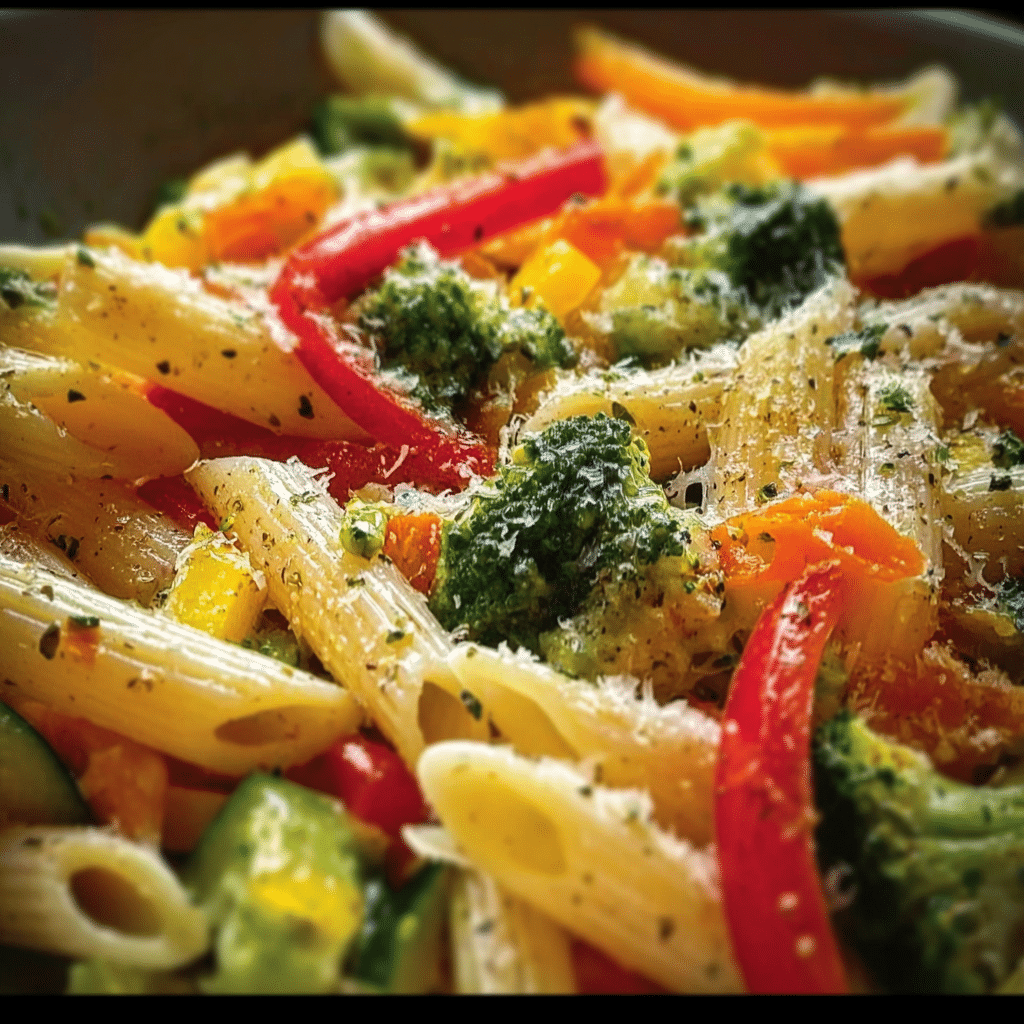
Don’t forget to share your cooking adventures with us on social media, and feel free to ask questions in the comments below. Happy cooking!
Share this recipe and let us know how it turned out! Tag us on social media for a chance to be featured.