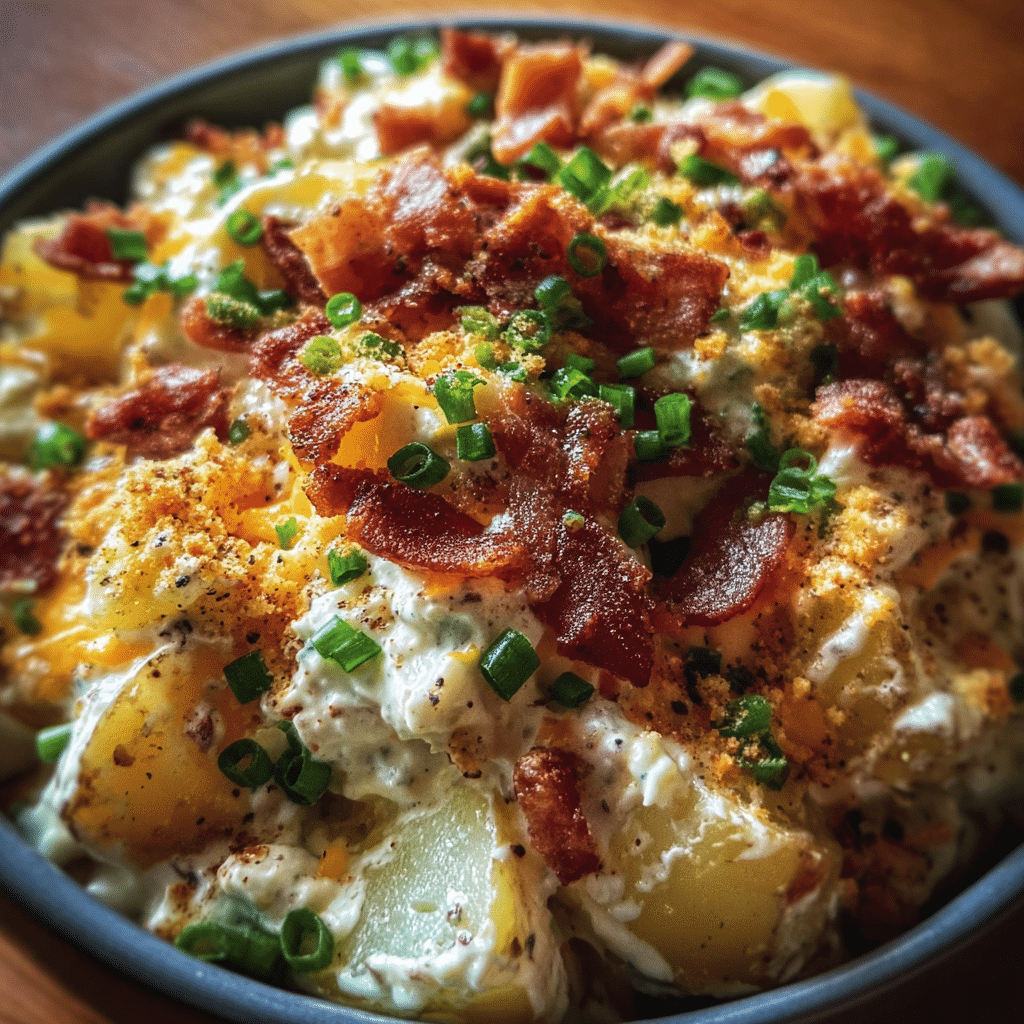
Peruvian potato salad is more than just a dish; it’s a connection to my childhood, a celebration of culture, and a testament to the versatility of potatoes themselves. I distinctly remember the first time I tasted this vibrant salad at my grandmother’s house in Lima. As a child, I was always fascinated by the colorful array of foods that adorned her dining table, but it was the Peruvian potato salad that truly captivated my attention. The creamy dressing, combined with the crunch of fresh vegetables and the subtle kick of spices, was unlike anything I had ever experienced. It was a dish that spoke of home, family, and warmth, and it sparked a lifelong love for Peruvian cuisine within me.
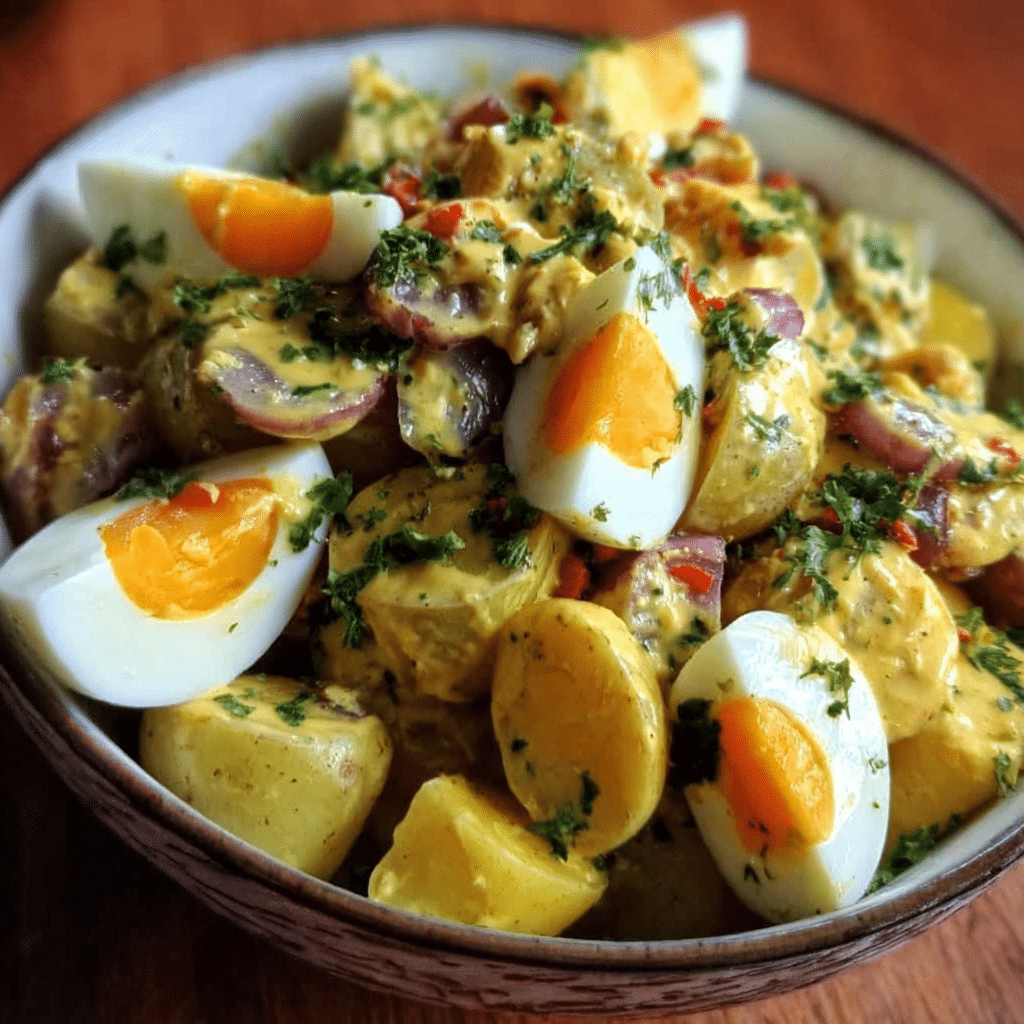
The origins of Peruvian potato salad are rooted in a rich tapestry of history that reflects the diverse influences on Peruvian cooking. With over 4,000 varieties of potatoes grown in Peru, it’s no wonder that this ingredient plays a starring role in many traditional dishes. The salad itself is typically made with a base of boiled potatoes, often mixed with ingredients like carrots, peas, and sometimes even beets, all dressed in a creamy mayonnaise that ties it together beautifully. The charm of Peruvian potato salad lies in its simplicity, yet it holds the essence of our culinary traditions, making it a beloved staple at family gatherings and celebrations.
The Story Behind This Recipe
As I grew older, my grandmother taught me how to prepare this dish, passing down not just the recipe, but the stories that accompanied it. She would talk about how this salad was traditionally served during festivals and special occasions, often alongside grilled meats and other hearty dishes. Each ingredient had a story—each potato variety a history that linked us to the land and our ancestors. My grandmother would tell me about the importance of community in Peruvian culture, and how sharing a meal, especially one as comforting as Peruvian potato salad, brought families together. The act of preparing and enjoying food became a cherished ritual that I carry with me today.
What makes Peruvian potato salad particularly special is its adaptability. In our busy lives, it offers a quick solution for dinner that doesn’t compromise on flavor or nutrition. The salad can be made in advance, stored in the refrigerator, and served cold—perfect for those hectic weeknights when everyone is rushing home. It’s also a great way to sneak in some vegetables, ensuring that even the pickiest eaters can enjoy a nutritious meal. In a world where we often reach for convenience foods, this salad stands out as a homemade option that embodies love and care.
Seasonal relevance is another aspect that enhances the appeal of Peruvian potato salad. While it’s a popular choice year-round, it shines during the summer months when fresh produce is abundant. The crunch of crisp veggies paired with the creamy dressing creates a refreshing experience that is perfect for picnics and outdoor barbecues. It’s not just food; it’s a celebration of the seasons, of family gatherings, and of the shared joy that comes from cooking together. Every spoonful brings back cherished memories and a sense of belonging that is hard to replicate.
As you embark on the journey of making your own Peruvian potato salad, I promise you will learn not only how to prepare this delightful dish but also the history and culture that surround it. You’ll discover tips for customization, whether you prefer it with a tangy twist or a spicy kick, and how to incorporate seasonal ingredients for an even fresher taste. More than just a recipe, this guide will help you appreciate the deeper connections we forge through food, and how every bite can transport us back to moments that matter.
The Rich History and Cultural Significance of peruvian potato salad
The rich history and cultural significance of Peruvian potato salad are as layered and diverse as the ingredients that make it up. This dish is not merely a salad; it is a reflection of Peru’s agricultural heritage and the ingenuity of its people. The potato, a native crop of the Andean region, has been cultivated for over 7,000 years. It is said that the Incas revered this humble tuber, incorporating it into their diet and rituals. Today, Peru is home to thousands of potato varieties, each with its unique flavor and texture, making it an ideal candidate for a myriad of dishes, including our beloved Peruvian potato salad.
Origins and History
The origins of Peruvian potato salad can be traced back to the fusion of indigenous Andean culture and Spanish colonial influences. When the Spanish arrived in the 16th century, they brought with them new ingredients and culinary techniques that would forever change Peruvian cuisine. The blending of these cultures resulted in a salad that showcases the best of both worlds. Traditional recipes often include ingredients like mayonnaise, which was introduced by the Spanish, along with local vegetables that highlight the rich agricultural diversity of Peru.
Over the years, Peruvian potato salad has evolved to incorporate regional variations. In coastal areas, you might find it paired with seafood, while in the highlands, the addition of local herbs and spices can transform the dish entirely. Each family has its twist on the recipe, resulting in a delightful patchwork of flavors that reflect local tastes and preferences. This adaptability is a testament to the potato’s versatility, allowing the dish to maintain its relevance over generations.
Cultural Significance
In Peru, food is an integral part of social life, and Peruvian potato salad plays a vital role during special gatherings. It is often served during fiestas, weddings, and family reunions, symbolizing unity and celebration. The act of preparing and sharing this salad is a way of honoring tradition, fostering connections, and creating lasting memories. Each family recipe carries with it the stories and experiences of those who came before, making each bite a journey through time and culture.
Famous chefs and restaurants have also embraced Peruvian potato salad, elevating it to new heights in the culinary world. Renowned Peruvian chef Gastón Acurio has showcased this dish in his restaurants, celebrating the flavors of Peru and introducing them to a global audience. His passion for traditional ingredients and innovative techniques has inspired many to explore the depth of Peruvian cuisine, ensuring that dishes like potato salad are recognized and appreciated beyond the borders of Peru.
Nutritional Benefits
From a nutritional perspective, Peruvian potato salad is a wholesome choice that packs a punch. Potatoes are rich in vitamins and minerals, including vitamin C, potassium, and dietary fiber. When combined with fresh vegetables like peas and carrots, the salad becomes a colorful, nutrient-dense dish that can be enjoyed guilt-free. The use of mayonnaise adds a creamy texture, but it can be easily modified for healthier alternatives, such as yogurt or avocado, making it suitable for various dietary preferences.
In conclusion, Peruvian potato salad is a dish that embodies the rich culinary heritage of Peru. Its journey from ancient agricultural practices to contemporary dining showcases the importance of potatoes in our diets and cultural identity. As you explore this delightful recipe, you’ll not only create a tasty meal but also connect with the vibrant history and traditions that make Peruvian cuisine so unique. Join me in celebrating this dish, and let each spoonful remind you of the rich stories that food can tell.
Essential Ingredients for Perfect peruvian potato salad
When it comes to creating a truly authentic and delicious peruvian potato salad, the quality and selection of ingredients play a crucial role in the overall taste and presentation of the dish. Let’s dive into the essential ingredients that will make your peruvian potato salad shine.
Essential Ingredients
- ⅓ cup chopped onion
- 2 tablespoons olive oil, to cook the onion
- 6 tablespoons yellow pepper paste, store-bought or homemade; see Notes below
- 9 ounces queso fresco; see notes below
- ½ cup evaporated milk or whole milk
- ¼ cup olive oil
- 3 or 4 water crackers or saltines
- Salt and black pepper, to taste
- ½ teaspoon lime juice
- 2 pounds baby or small potatoes, skins left on
- 2 or 3 tablespoons olive oil, for the potatoes
- 4 eggs, hard-boiled
- ½ cup of black olives, to serve
- 2 tablespoons chopped fresh parsley, to serve
Peruvian Potato Salad
Ingredients
Yellow pepper sauce:
- ⅓ cup chopped onion
- 2 tablespoons olive oil, to cook the onion
- 6 tablespoons yellow pepper paste, store-bought or homemade; see Notes below
- 9 ounces queso fresco, see notes below
- ½ cup evaporated milk or whole milk
- ¼ cup olive oil
- 3 or 4 water crackers or saltines
- Salt and black pepper, to taste
- ½ teaspoon lime juice
Potatoes:
- 2 pounds baby or small potatoes, skins left on
- 2 or 3 tablespoons olive oil, for the potatoes
To assemble:
- 4 eggs, hard-boiled
- ½ cup of black olives, to serve
- 2 tablespoons chopped fresh parsley, to serve
Instructions
- In a skillet, sautée ⅓ cup chopped onion in 2 tablespoons olive oil over medium heat until lightly golden.
- Add 6 tablespoons yellow pepper paste and cook, stirring, for 1 minute.
- Use an immersion blender directly in the pan or transfer the mixture to a blender.
- Add 9 ounces queso fresco, ½ cup evaporated milk, 3 or 4 water crackers or saltines, salt and pepper to taste, and ¼ cup olive oil. Blend until smooth.
- Add ½ teaspoon lime juice and check seasonings, adjusting if necessary. If you want a thinner consistency, add a few more tablespoons olive oil.
- Meanwhile, cook 2 pounds baby potatoes in a large pan of salted water. Drain, transfer to a large bowl, add a couple of tablespoons olive oil, toss and let cool.
- In a serving bowl put potatoes and toss with some of the pepper sauce.
- Add some more sauce, sprinkle with 2 tablespoons chopped fresh parsley and arrange 4 hard-boiled eggs, cut into quarters, around the edges of the bowl. Scatter ½ cup black olives on top.
- Serve with a bowl of extra sauce drizzled with olive oil.
Now, let’s explore the importance of each ingredient in your peruvian potato salad.
Chopped Onion: The chopped onion adds a delightful crunch and sharpness to the salad. I recommend using red onions for a milder flavor, but you can use white or yellow onions if preferred. When selecting onions, look for firm bulbs that are free of dark spots.
Olive Oil: This ingredient is key for sautéing the onions. It brings depth and richness to the dish. Extra virgin olive oil is a great choice, as it has a robust flavor that complements the other ingredients. Remember to store it in a cool, dark place to maintain its quality.
Yellow Pepper Paste: A hallmark of Peruvian cuisine, this paste adds a vibrant color and a mild heat to the salad. You can find it in Latin grocery stores or make your own from yellow peppers. The paste should be smooth and not too bitter; check labels for added preservatives.
Queso Fresco: This fresh cheese is creamy and crumbly, adding a rich mouthfeel to the peruvian potato salad. If you can’t find queso fresco, feta cheese can be a good substitute, though the flavor will differ slightly.
Evaporated Milk or Whole Milk: This creamy element helps bind the salad together. Evaporated milk gives a richer flavor, but whole milk works just as well. Look for options without added sugars or flavors for the best results.
Water Crackers or Saltines: These are crushed and mixed into the salad, adding texture and thickening it slightly. They help absorb moisture without overwhelming the flavors. Choose low-sodium options if you are watching your salt intake.
Salt and Black Pepper: These are essential for seasoning the salad. Always taste your dish as you go and adjust seasoning accordingly. Freshly ground black pepper provides a more robust flavor compared to pre-ground varieties.
Lime Juice: The acidity from lime juice brightens the flavors of the peruvian potato salad. Choose fresh limes for the best flavor. The zest can also be added for an extra citrus kick if desired.
Potatoes: Baby or small potatoes are ideal for this dish. They are tender and don’t require peeling, which adds a rustic touch. When selecting potatoes, look for firm ones without any sprouts or blemishes.
Hard-Boiled Eggs: The eggs add protein and a creamy texture. Make sure to boil them until they are just firm; overcooking can result in a greenish yolk. For easy peeling, use older eggs if possible.
Black Olives: These are often used as a garnish, adding a salty, briny flavor that contrasts well with the creaminess of the salad. Choose high-quality olives that are plump and flavorful.
Chopped Fresh Parsley: This is used for garnish and adds a fresh, herbal note to the dish. Look for bright green leaves without any yellowing. Fresh parsley should feel crisp and fragrant.
Shopping Tips
When shopping for ingredients for your peruvian potato salad, make a list to ensure you don’t forget anything. Visit your local farmer’s market for fresh produce, particularly potatoes, as they are often harvested locally, ensuring quality and flavor.
For specialty items like yellow pepper paste and queso fresco, check Latin grocery stores or ethnic sections of larger supermarkets. These ingredients are often fresher and more authentic than their mainstream counterparts.
Consider purchasing organic produce where possible, especially for potatoes and herbs, as they tend to have better flavor and are free from pesticides. However, balance organic purchases with your budget, as conventional options can often be more affordable.
Substitutions and Alternatives
If you’re dealing with dietary restrictions or preferences, there are some great substitutions to consider while preparing your peruvian potato salad.
- Onions: If you are sensitive to onions, you can skip them or use green onions for a milder flavor.
- Olive Oil: For those with allergies, avocado oil or grapeseed oil can be used as alternatives.
- Queso Fresco: For a dairy-free version, try using a vegan cheese or omit it entirely.
- Evaporated Milk: Almond or coconut milk can be used as dairy-free alternatives; just ensure they are unsweetened.
- Potatoes: Sweet potatoes can be a fun twist but will change the flavor profile significantly.
- Eggs: For a vegan version, consider using tofu to replicate the texture, although it won’t have the same flavor.
In conclusion, every ingredient in your peruvian potato salad is essential in crafting a dish that is not only filling but bursting with flavor and character. By selecting quality ingredients and understanding their roles, you are well on your way to creating a truly delicious meal that can be a centerpiece at any gathering.
Detailed Step-by-Step peruvian potato salad Cooking Instructions
Creating a remarkable peruvian potato salad is not just about gathering the right ingredients; it’s also about mastering the cooking techniques and following a detailed process. This recipe will guide you through every step, ensuring that your salad is a delightful centerpiece for any meal.
Preparation Steps
- Start by gathering all your ingredients. This includes the potatoes, onion, olive oil, yellow pepper paste, queso fresco, evaporated milk, water crackers, salt, black pepper, lime juice, eggs, olives, and parsley. Having everything ready will streamline your cooking process.
- Wash the baby potatoes thoroughly under cold water to remove any dirt. Since we’ll be leaving the skins on, it’s essential to ensure they’re clean. Place the potatoes in a large pot.
- Fill the pot with enough water to cover the potatoes by an inch. Add a generous pinch of salt to the water, which will help season the potatoes as they cook.
- While waiting for the potatoes to boil, prepare your other ingredients. Chop the onion finely and set it aside. This will add a fresh crunch to your salad.
- In a small skillet, heat 2 tablespoons of olive oil over medium heat. Once the oil is hot, add the chopped onion and sauté it until it becomes translucent and fragrant, about 5-7 minutes. Stir occasionally to prevent burning.
- After the onions are cooked, remove them from heat and let them cool slightly. This will prevent them from heating the other ingredients when mixed.
- By now, your potatoes should be boiling. Check them with a fork after about 15-20 minutes. They should be tender but not falling apart. If they’re done, drain the water and allow the potatoes to cool slightly.
- Once the potatoes are cool enough to handle, cut them into bite-sized pieces, keeping the skins on for added texture and nutrition.
- In a large mixing bowl, combine the yellow pepper paste, cooled sautéed onions, evaporated milk, and ¼ cup of olive oil. Mix well until all the ingredients are thoroughly combined.
- Add the chopped potatoes to the mixing bowl, followed by the crushed water crackers. Gently fold the ingredients together using a spatula, being careful not to mash the potatoes.
- Next, add the crumbled queso fresco, salt, black pepper, and lime juice to the mixture. Again, fold everything together gently until well incorporated. Taste and adjust seasoning as needed.
- Now, let’s focus on the eggs. Hard boil the eggs by placing them in a pot, covering them with water, and bringing it to a boil. Once boiling, cover the pot and remove it from heat. Let the eggs sit for 10-12 minutes before plunging them into cold water. After cooling, peel and chop them into quarters or slices.
Cooking Process
Cooking the perfect peruvian potato salad requires attention to detail and some culinary intuition. Here are some additional tips to ensure success:
- While boiling the potatoes, check them periodically. They should be fork-tender but not mushy. Overcooking can lead to a watery salad.
- Monitor the heat while sautéing the onions. If they’re browning too quickly, reduce the heat to avoid burning and bitterness.
- Ensure your mixing bowl is large enough to accommodate all ingredients, allowing ample space to fold without splashing.
Final Assembly
- Once everything is mixed, gently fold in the hard-boiled eggs. This is where you can add another layer of flavor and texture, but again, be careful not to break the eggs too much.
- Transfer the salad to a serving dish and arrange the black olives on top for garnish. This adds a beautiful contrast and a salty punch.
- Sprinkle the chopped fresh parsley over the top for a pop of color and freshness. This not only looks appealing but also enhances the overall flavor profile.
- Cover the salad with plastic wrap and allow it to chill in the refrigerator for at least 30 minutes before serving. This resting time allows the flavors to meld beautifully.
- When ready to serve, give the salad a gentle stir and adjust seasoning as necessary. Serve chilled or at room temperature.
In total, the cooking time for your peruvian potato salad should be around 30 minutes, not including the chilling time. This dish is versatile enough to be made ahead of time, making it perfect for gatherings or meal prep.
By following these detailed instructions, you’ll master the art of creating an authentic peruvian potato salad that is sure to impress family and friends. Enjoy the process, and don’t forget to taste as you go!
Professional Tips and Techniques for peruvian potato salad
When it comes to making the perfect Peruvian potato salad, there’s a world of techniques and tips that can elevate your dish from good to extraordinary. This dish, known as “ensalada de papa” in Spanish, is a beloved staple in Peruvian cuisine and often graces the tables during family gatherings and celebrations. Let’s dive into the professional tips and techniques that will not only help you master this recipe but also troubleshoot common issues you might encounter along the way.
Professional Techniques
Understanding the right techniques is crucial when preparing Peruvian potato salad. The first step is selecting the right type of potatoes. In Peru, a variety called “papa amarilla” is often used due to its creamy texture and buttery flavor. However, if you can’t find this specific potato, Yukon Gold is a great substitute. Aim for potatoes that are firm and free of blemishes.
When cooking the potatoes, it’s essential to start them in cold water. This method allows the potatoes to cook evenly, preventing the exterior from becoming mushy while the interior remains undercooked. Add a generous pinch of salt to the water; this will season the potatoes as they cook. Boil them until they are tender but not falling apart—this usually takes about 15 to 20 minutes depending on the size of the chunks.
Once your potatoes are cooked, allow them to cool slightly before mixing them with the other ingredients. This step is vital because adding hot potatoes to cold ingredients can lead to a mushy salad. Instead, let them cool to room temperature, then gently fold in the remaining ingredients. This will keep everything intact and ensure a beautiful presentation.
Troubleshooting Guide
Even the most seasoned cooks can encounter hiccups while preparing Peruvian potato salad. One common issue is overcooking the potatoes. If you find that your potatoes have turned to mush, worry not! You can salvage your dish by transforming it into a creamy potato dip. Mash the overcooked potatoes, mix in some mayo, mustard, and spices, and serve it with chips or crackers.
Another frequent problem is balancing the flavors. If your salad tastes bland, consider adding more acidity with a splash of vinegar or lemon juice. You can also amp up the seasoning with salt or pepper. The key to a delicious salad lies in the right balance of flavors, so taste as you go!
Presentation Tips
Presentation can make a significant difference when serving Peruvian potato salad. Use a large, shallow platter to showcase the vibrant colors of the salad. Consider garnishing with fresh cilantro or parsley for a pop of color. You could even create a decorative border with sliced olives or diced peppers around the edge.
For a more elegant presentation, serve individual portions in small bowls or ramekins. This approach not only looks appealing but also makes it easy for guests to serve themselves. Drizzling a bit of high-quality olive oil over the top right before serving can enhance the visual appeal and add a touch of luxury.
Make-Ahead and Meal Prep Strategies
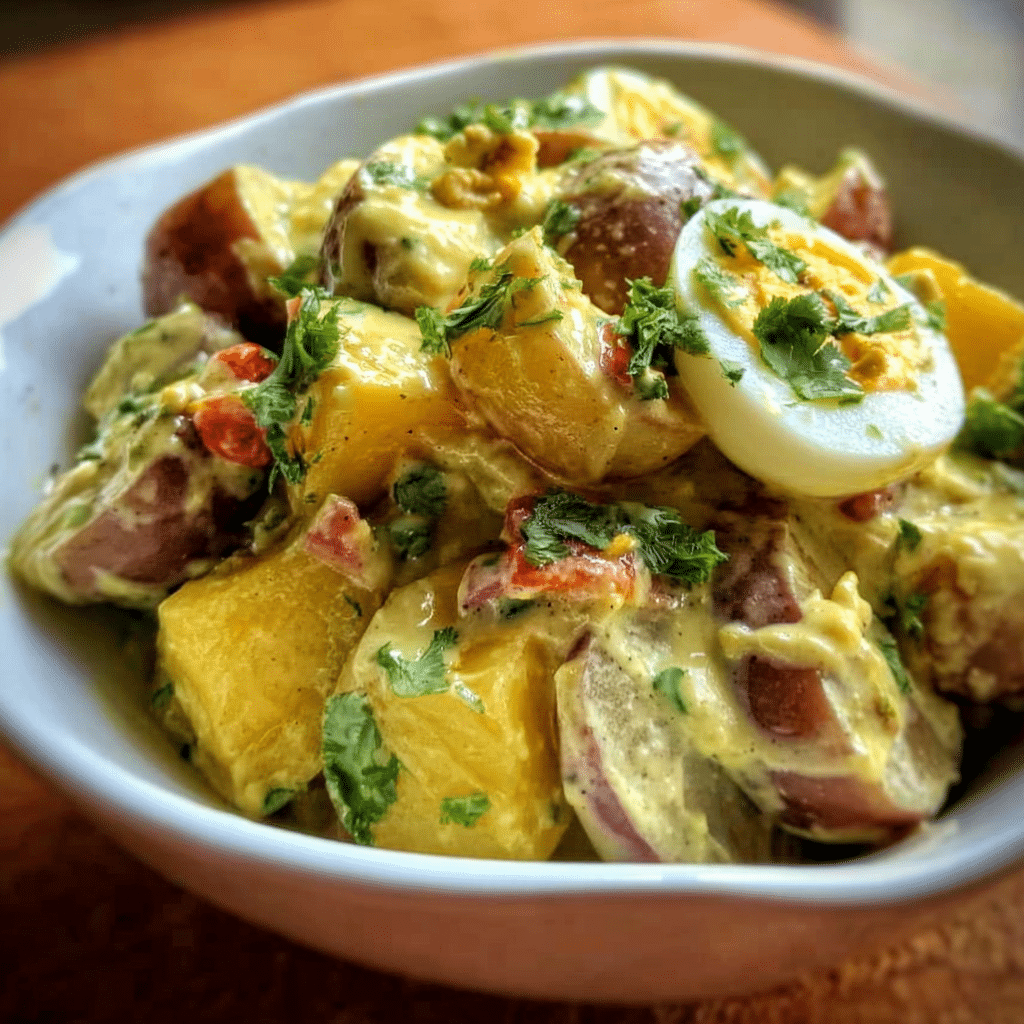
Preparing Peruvian potato salad in advance can save time and effort, especially for gatherings. You can boil and chop the potatoes a day before, storing them in an airtight container in the refrigerator. Just make sure to keep the salad components separate until you’re ready to serve to prevent sogginess. If you plan to make the salad a day ahead, add the dressing right before serving for the best flavor and texture.
Scaling the recipe up or down is also quite simple. If you’re hosting a large gathering, consider doubling or tripling the quantities of each ingredient. A good rule of thumb is to allow about ½ cup of salad per person. For smaller gatherings, you can easily halve the recipe without any issues.
Finally, consider pairing your Peruvian potato salad with a refreshing beverage. A chilled white wine, such as Sauvignon Blanc or a light-bodied red, complements the creamy textures and flavors beautifully. For a non-alcoholic option, a sparkling water with a splash of lime can be equally delightful.
Creative Variations and Adaptations of peruvian potato salad
While the traditional Peruvian potato salad is delicious on its own, there are countless creative variations and adaptations that can cater to different tastes and dietary preferences. This dish is incredibly versatile, and I’ve found that experimenting with different ingredients can yield some delightful surprises. Let’s explore some exciting variations that can take your potato salad to the next level.
Seasonal Variations
One of the best aspects of Peruvian potato salad is its ability to adapt to seasonal ingredients. In spring, consider adding fresh peas or asparagus for a vibrant twist. These ingredients not only enhance the flavor but also add a burst of color to your dish. In the summer, try incorporating diced tomatoes and fresh corn for a refreshing touch that pairs beautifully with those warm evenings.
As the colder months roll in, you might want to add roasted root vegetables like carrots or parsnips, which provide a wonderful sweetness to balance the creaminess of the potatoes. Fall is the perfect time to incorporate slices of roasted butternut squash for a hearty addition.
Dietary Adaptations
Whether you have guests with specific dietary restrictions or are simply looking to cater to various preferences, modifying your Peruvian potato salad is easier than you might think. For a keto-friendly version, swap out the mayonnaise for a low-carb alternative or make a creamy dressing using avocado. You can also add extra protein, such as diced grilled chicken or hard-boiled eggs, to make it more filling.
If you’re aiming for a vegan-friendly adaptation, replace the mayonnaise with a plant-based version or a simple vinaigrette made of olive oil, vinegar, and mustard. This not only caters to vegan diets but also adds a lightness to the salad that many appreciate.
Creative Twists
For those who love a bit of spice, consider adding chopped jalapeños or a dash of hot sauce to your Peruvian potato salad. This can elevate the flavor profile and give it an exciting kick. Likewise, experimenting with herbs can lead to fascinating results—try adding fresh dill or tarragon for a different aromatic experience.
Moreover, why not play around with the cooking methods? Instead of boiling the potatoes, you could roast them with a drizzle of olive oil and your favorite spices. Roasting adds a lovely caramelization that brings out the natural sweetness of the potatoes, making for a unique twist on the classic recipe.
Lastly, let’s not forget about transforming leftovers! If you find yourself with extra potato salad, consider using it as a filling for wraps or sandwiches. Alternatively, you can mix it into a frittata for a hearty breakfast option that will use up every last bit of your delicious creation.
In conclusion, the charm of Peruvian potato salad lies in its adaptability. With these variations and ideas, you can easily tailor the dish to suit any occasion or preference, making it a beloved part of your culinary repertoire!
Storage, Reheating, and Meal Prep for peruvian potato salad
When it comes to making peruvian potato salad, one of the most delightful aspects is its versatility and how well it stores. Whether you’re preparing it for a big family gathering or just for yourself, knowing how to properly store this dish can elevate your culinary experience and ensure that each bite is as delicious as the first.
Short-term Storage
After preparing your peruvian potato salad, you may want to store it for later enjoyment. The first step in short-term storage is to let the salad cool down to room temperature if it has been freshly made. Placing hot food directly into the refrigerator can raise the internal temperature of your fridge, potentially putting other foods at risk of spoilage.
Use an airtight container to store your salad in the refrigerator. Glass containers with secure lids work excellently for this, as they do not absorb odors and are easy to clean. If you’re using plastic containers, make sure they are BPA-free to avoid any harmful chemicals leaching into your food. Additionally, try to consume your peruvian potato salad within three to five days for optimal freshness. If you notice any off smells or changes in texture, it’s best to err on the side of caution and dispose of it.
Freezing and Long-term Storage
Now, if you find yourself with a larger batch of peruvian potato salad and you’re wondering how to store it for a longer period, freezing is a viable option. However, it’s important to note that freezing can change the texture of certain ingredients, especially the potatoes, which may become grainy or mushy once thawed. To mitigate this, consider freezing only the base components of the salad, like the potatoes and any cooked vegetables, separately from the dressing.
When freezing, use freezer-safe containers or heavy-duty freezer bags. Remove as much air as possible from the bags to prevent freezer burn. Label the containers with the date so that you’ll know when to use them. Generally, peruvian potato salad can be frozen for up to three months without significant loss of flavor or quality. When you’re ready to enjoy it again, thaw the salad in the refrigerator overnight before serving.
Reheating Best Practices
Once you’re ready to bring that frozen or refrigerated peruvian potato salad back to life, reheating is key. If you’ve stored your salad with the dressing separately, mix them together after reheating the base components. You can gently reheat the potato salad in the microwave using a microwave-safe dish, covering it with a damp paper towel to keep moisture in. Heat in short increments, stirring in between, until warm.
Another option is to reheat it on the stovetop over low heat. This method can help maintain the texture better than the microwave, though it requires a bit more attention. Stir frequently to avoid sticking and burning. Once warmed, adjust the seasoning if needed, and consider adding a little fresh dressing or herbs to liven it up.
Meal Prep and Batch Cooking Strategies
Meal prepping with peruvian potato salad can be a game-changer for busy weeks. This dish is not just easy to prepare; it’s also highly adaptable. When meal prepping, I often make a double batch on the weekend. Start by cooking your potatoes and any other ingredients you want to include. Allow them to cool before portioning them out into meal-sized containers. This way, you can grab a ready-to-eat lunch or side dish throughout the week.
To keep your salad fresh, consider packing the dressing separately and adding it just before serving. This method prevents the potatoes from becoming soggy and maintains the vibrant flavors of the other ingredients. Additionally, if you know you’ll be eating it over several days, you can mix in fresh herbs or additional veggies each day to keep things exciting.
Food Safety Considerations and Guidelines
Food safety is an essential part of storing peruvian potato salad. Always ensure that your kitchen utensils and containers are clean and sanitized before use. When storing the salad, make sure it is cooled properly before placing it in the refrigerator or freezer to prevent bacteria growth. Always check the temperature of your fridge—ideally, it should be at or below 40°F (4°C).
When thawing frozen salad, do so in the refrigerator rather than at room temperature to avoid any foodborne illnesses. Additionally, if you notice any changes in smell, color, or texture after storing, it’s best to discard the salad. Remember that while peruvian potato salad is delicious and versatile, safety should always come first.
Shelf Life Expectations
The shelf life of peruvian potato salad largely depends on how it’s stored. In the refrigerator, it will typically last for three to five days, while frozen salad can maintain its quality for up to three months. If you’re ever in doubt, trust your instincts—if something doesn’t seem right, it’s always safer to throw it out. Understanding these timeframes can help you enjoy your delicious creations without any worries.
Portioning and Packaging Tips
For those who love variety, portioning your peruvian potato salad into smaller servings can be a delightful way to enjoy it over the week. I recommend using smaller containers or even mason jars, which are great for maintaining freshness and are visually appealing as well. You can layer the ingredients to keep them looking vibrant and appetizing. If you plan to include protein or other toppings, consider packing them separately until you’re ready to eat to maintain the best texture.
In conclusion, mastering the art of storage for peruvian potato salad is an essential skill that enhances your cooking experience and ensures that you can enjoy this dish at its best over time. With these tips, you can confidently prepare, store, and enjoy your delicious salad, allowing you to savor the flavors of Peru in each bite, whether it’s the first taste or the last.
Nutritional Benefits and Health Information
As we dive into the world of peruvian potato salad, it’s essential to look beyond its delicious flavors and vibrant colors to understand the nutritional benefits it offers. This dish is not only a staple in Peruvian cuisine but also a treasure trove of nutrients that can easily fit into various dietary plans.
Nutritional Profile
The primary ingredients in peruvian potato salad—potatoes, vegetables, and sometimes eggs or protein—contribute to a well-rounded nutritional profile. A typical serving size contains approximately 200-300 calories, but this can vary based on the specific ingredients and quantities used. The key macronutrients include carbohydrates from the potatoes, protein from any added ingredients like eggs or chicken, and healthy fats from dressings, often made with ingredients like avocado or olive oil.
In terms of macronutrient distribution, you can expect around 10-15 grams of protein (if eggs or protein are included), 25-35 grams of carbohydrates, and 10-15 grams of fat, depending on the dressing. This composition makes peruvian potato salad a satisfying choice for a meal or side dish. Additionally, potatoes are rich in fiber, which aids digestion and promotes a feeling of fullness.
Health Benefits
One of the standout features of peruvian potato salad is its health benefits, thanks to its key ingredients. Potatoes are a fantastic source of vitamins C and B6, potassium, and antioxidants. Vitamin C is known for its immunity-boosting properties, while potassium helps regulate blood pressure and supports heart health. The inclusion of fresh vegetables not only adds color and crunch but also provides essential nutrients like folate and fiber.
If you choose to add eggs or lean protein, you’re also incorporating additional nutrients such as vitamin D, calcium, and iron, which are vital for maintaining strong bones and overall health. The healthy fats from the dressing can also contribute to heart health and provide energy. This combination of ingredients makes peruvian potato salad not just a tasty treat but a wholesome addition to your diet.
Dietary Considerations
When it comes to dietary considerations, peruvian potato salad is quite versatile. It can be easily adapted to fit various dietary restrictions. For those who are vegetarian or vegan, simply omit the eggs or protein and replace traditional mayonnaise with a plant-based alternative or a simple vinaigrette made with olive oil and vinegar. This retains the creamy texture without compromising on taste.
For gluten-free diets, this salad is naturally gluten-free, making it a safe option for those with gluten sensitivities. However, always double-check the ingredients of any store-bought dressings to ensure they meet gluten-free standards. Additionally, for those managing their weight, being mindful of the portion size is key, as the calories can add up quickly, especially with creamy dressings.
Calorie Content and Macronutrient Distribution
As previously mentioned, the calorie content of peruvian potato salad can vary, but on average, a serving can range from 200-300 calories. This makes it a relatively light dish, especially when compared to other heavier salads or side dishes. It’s also important to note that the macronutrient distribution can be modified based on personal preferences. If you prefer a higher protein content, consider adding more eggs or chicken. If you’re looking to reduce carbohydrates, you might use fewer potatoes and add more vegetables instead.
Understanding these aspects allows you to tailor the salad according to your dietary goals, whether you’re focusing on weight loss, muscle gain, or simply maintaining a balanced diet.
Vitamin and Mineral Content
The vitamin and mineral content of peruvian potato salad is impressive. With the base of potatoes providing significant amounts of vitamin C and B6, combined with the various colorful vegetables often included, the salad can be a great source of vital nutrients. For instance, bell peppers add vitamin A, while parsley or cilantro can enhance the vitamin K content.
Furthermore, if you include eggs, you’re adding choline—a nutrient important for brain health—and iron, which is crucial for transporting oxygen in the blood. This combination of ingredients not only supports overall well-being but also contributes to a diverse range of flavors and textures in the dish.
Healthy Modification Suggestions
If you’re looking to make healthier modifications to your peruvian potato salad, consider substituting traditional mayonnaise with Greek yogurt for a lighter, protein-rich alternative. You can also experiment with different herbs and spices to enhance flavor without adding extra calories. Fresh herbs like dill, basil, or cilantro can provide a burst of flavor and nutrients.
Another modification could involve incorporating a variety of colorful vegetables, such as peas, corn, or even diced avocados, which add healthy fats and additional fibers. This not only boosts the nutritional value but also adds a beautiful array of colors to your salad, making it visually appealing and even more appetizing.
Comparison with Similar Dishes
When considering peruvian potato salad within the context of similar dishes, it often stands out for its unique flavor profile and cultural significance. Compared to traditional potato salads from other regions, which may rely heavily on mayonnaise, Peruvian versions often incorporate fresh herbs, lime juice, and spices that lend a refreshing twist to the classic dish.
Additionally, the use of different types of potatoes, such as the native Peruvian purple potato, introduces a range of antioxidants not commonly found in standard potato salads. This cultural context enriches the experience of enjoying peruvian potato salad, inviting you to explore the vibrant culinary landscape of Peru with every bite.
In conclusion, peruvian potato salad is more than just a side dish; it’s a nutritious and versatile option that can easily adapt to various dietary needs while providing a wealth of health benefits. With its rich history and delightful flavors, it’s a dish that invites everyone to the table, encouraging shared meals and memories—one delicious scoop at a time.
Conclusion: Mastering the Perfect peruvian potato salad
Creating the perfect peruvian potato salad is more than just following a recipe—it’s about understanding the techniques, ingredients, and cultural significance behind this beloved dish. Throughout this comprehensive guide, we’ve explored everything from the historical origins to modern variations, ensuring you have all the knowledge needed to make this recipe your own.
Whether you’re a beginner cook or an experienced chef, the techniques and tips we’ve shared will help you create a peruvian potato salad that’s not only delicious but also meaningful. Remember that cooking is a journey of discovery, and each time you make this dish, you’ll learn something new.
We encourage you to experiment with the variations we’ve discussed, adapt the recipe to your dietary needs, and most importantly, share it with the people you love. Food has the incredible power to bring people together, and Peruvian Potato Salad is the perfect dish to create lasting memories around your dinner table.

Don’t forget to share your cooking adventures with us on social media, and feel free to ask questions in the comments below. Happy cooking!
Share this recipe and let us know how it turned out! Tag us on social media for a chance to be featured.