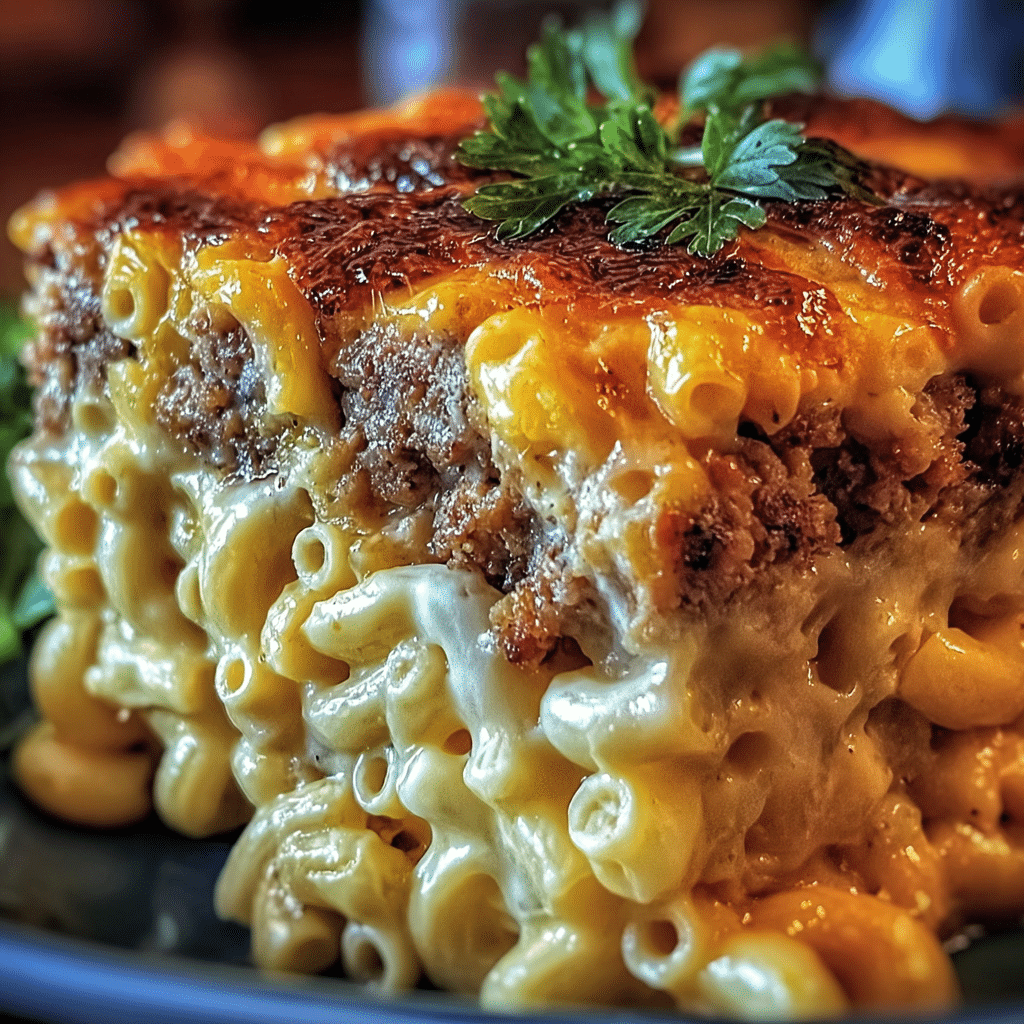
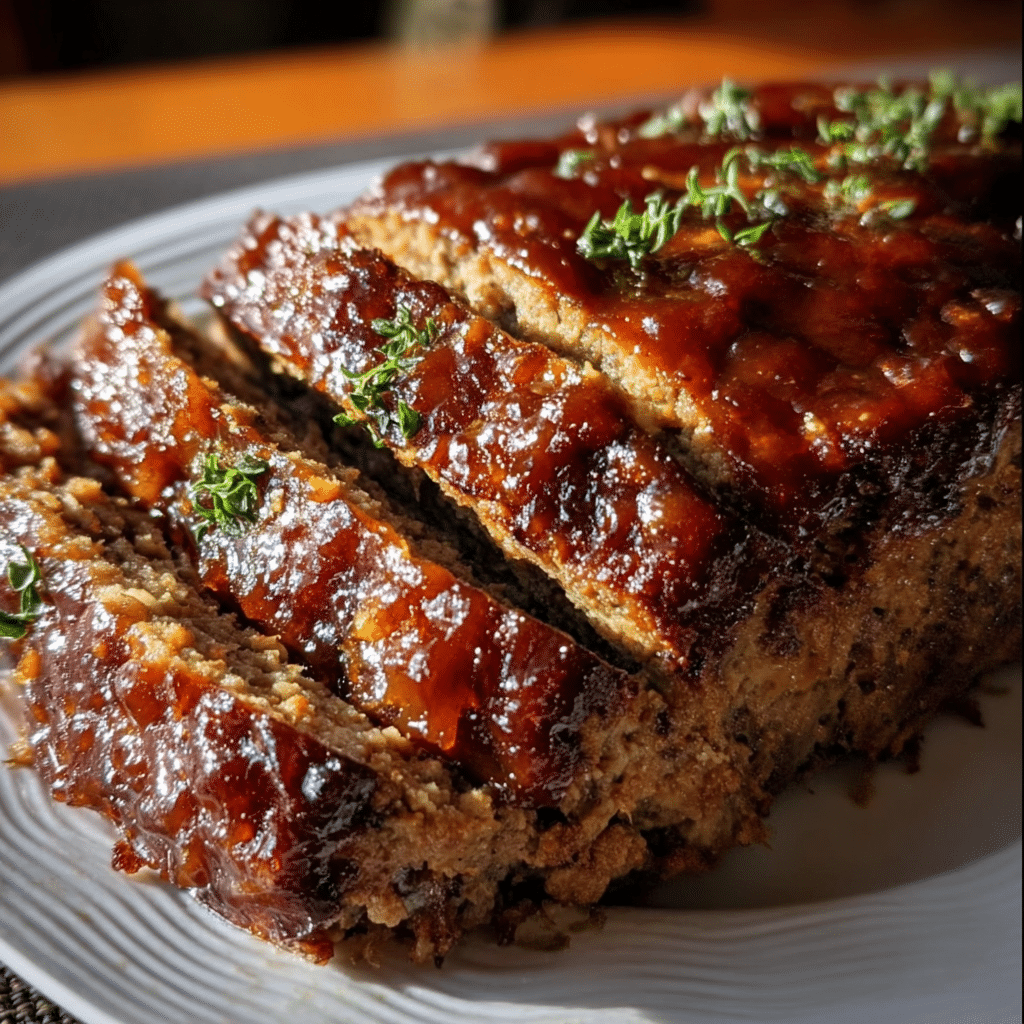
Philly cheesesteak meatloaf is not just a dish; it’s an experience that brings together the comforting essence of home cooking and the bold flavors of Philadelphia’s iconic sandwich. I first stumbled upon this unique recipe during a family gathering, where my cousin decided to put a twist on the classic meatloaf we all knew and loved. As the aroma of sautéed onions and bell peppers mingled with the rich scent of ground beef wafted through the kitchen, I couldn’t help but feel a wave of nostalgia wash over me. It was a culinary revelation that transformed my perception of meatloaf forever.
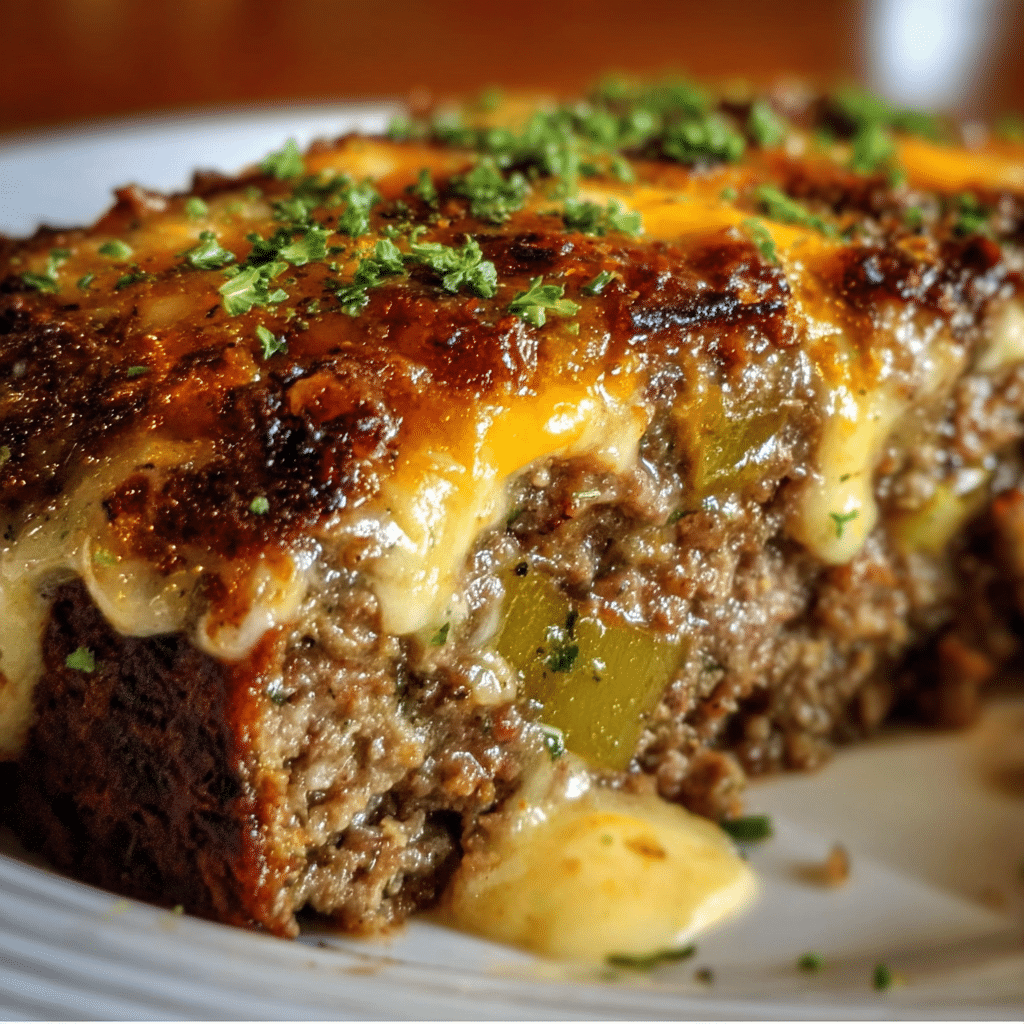
Growing up, meatloaf was a staple in my household, often served with mashed potatoes and green beans. However, the idea of merging it with the beloved Philly cheesesteak was something I had never encountered. My cousin’s creativity inspired me to explore this dish further, and what I discovered was a remarkable blend of flavors and textures that pays homage to both classic American comfort food and the vibrant culinary culture of Philadelphia.
The Story Behind This Recipe
The roots of the Philly cheesesteak can be traced back to the early 20th century in Philadelphia, where it emerged as a street food. Invented by Pat and Harry Olivieri, the sandwich quickly gained popularity among locals and eventually made its way into the hearts and stomachs of food lovers around the world. The traditional cheesesteak consists of thinly sliced ribeye beef, melted cheese (typically Cheez Whiz, provolone, or American), and sautéed onions, all served in a soft hoagie roll.
Incorporating these elements into a meatloaf recipe may seem unconventional, but it reflects a broader trend in cooking: the blending of classic recipes with modern twists. This Philly cheesesteak meatloaf pays tribute to its namesake by including seasoned ground beef, cheese, and the essential ingredients that make a cheesesteak so irresistible. The result is a hearty and satisfying dish that not only honors its Philadelphia origins but also caters to the needs of contemporary families seeking quick and delicious dinner solutions.
Why You’ll Love This Dish
As a busy parent, I understand the struggle of preparing meals that are both nutritious and appealing to the entire family. The Philly cheesesteak meatloaf stands out because it combines convenience with flavor. It’s a one-dish wonder that can be prepared ahead of time and baked when you’re ready to eat. This makes it an ideal choice for busy weeknights, and it also holds up well for leftovers, making it perfect for lunch the next day.
Moreover, the versatility of this recipe is what truly makes it shine. You can customize it by adding your favorite vegetables or adjusting the seasoning to suit your family’s preferences. Whether you choose to add mushrooms, green peppers, or even jalapeños for a kick, the base of ground beef and cheese remains a comforting constant. You can also swap out the cheese type or use a blend to create a unique flavor profile that reflects your tastes.
Seasonally, this dish is perfect for colder months when hearty meals are sought after for warmth and comfort. However, it can easily be enjoyed year-round, especially when served with a side salad or roasted vegetables. The emotional connection I have with this dish stems from the time spent in the kitchen with family, sharing laughter and stories while preparing a meal that brings everyone together.
In this ultimate guide to Philly cheesesteak meatloaf, you will learn not only how to make this delectable dish but also the rich cultural significance behind it. From selecting the right ingredients to mastering the perfect cooking technique, I will walk you through every step, ensuring that you can recreate this iconic dish in your own kitchen. Join me as we embark on a culinary journey that combines tradition with innovation, and discover how to bring a taste of Philadelphia into your home.
The Rich History and Cultural Significance of philly cheesesteak meatloaf
The rich history and cultural significance of Philly cheesesteak meatloaf are deeply intertwined with the culinary landscape of Philadelphia itself. To understand this unique dish, we must first delve into the origins of the Philly cheesesteak, which serves as its foundation. This beloved sandwich emerged in the early 1930s, thanks to the ingenuity of Pat Olivieri, who served it from a food cart in South Philadelphia. The idea of combining thinly sliced steak with melted cheese quickly caught on, and today, it stands as a symbol of Philadelphia’s vibrant food scene.
Origins and History
As the popularity of the cheesesteak grew, so did the variations of how it was prepared and served. Over the decades, different shops and restaurants began to put their own spin on the classic, leading to the diverse interpretations we see today. The iconic combination of ribeye beef, sautéed onions, and cheese on a soft roll became a staple not just in Philadelphia but across the United States. The cheesesteak is now recognized as a quintessential American dish, beloved by many for its hearty flavor and satisfying components.
The transition from a sandwich to a meatloaf may seem like a significant leap, but it speaks to the adaptability of the original recipe. When we think of meatloaf, we often envision a comforting, homestyle meal that evokes memories of family dinners and gatherings. By merging the flavors of a Philly cheesesteak into a meatloaf, cooks can preserve the essence of both dishes while creating something new and exciting. This innovative approach has allowed the Philly cheesesteak meatloaf to carve out its own niche in the world of comfort food.
Cultural Significance
In Philadelphia, the cheesesteak is more than just food; it’s a cultural icon. It represents the city’s working-class roots and the spirit of innovation that has characterized its culinary scene. The meatloaf version takes this cultural significance and expands it, making the flavors accessible to a wider audience. It is a dish that can be served at family gatherings, potlucks, or even as a casual weeknight dinner, bringing people together regardless of their background.
As the recipe has evolved, it has also been embraced by various culinary influencers and chefs who have added their own unique twists. Some have incorporated regional ingredients or spices, while others have experimented with different types of meat, such as turkey or chicken, to cater to diverse dietary preferences. This evolution reflects a broader trend in contemporary cooking, where traditional recipes are reimagined to meet the needs of modern families.
Nutritional Benefits
While meatloaf is often perceived as a guilty pleasure, the Philly cheesesteak meatloaf can be modified to include healthier ingredients without sacrificing flavor. By using lean ground beef or even alternatives like ground turkey or plant-based meat, you can create a dish that is lower in fat but still packed with protein. Adding vegetables such as bell peppers, onions, or even spinach not only enhances the flavor but also boosts the nutritional value of the dish.
Additionally, using whole-grain breadcrumbs or oats can provide extra fiber, making this meatloaf a more wholesome option. This adaptability allows families to enjoy a classic dish while being mindful of their health and dietary choices. With the right ingredients and preparation, the Philly cheesesteak meatloaf can be a nutritious and satisfying meal that everyone at the table will love.
As we continue to explore this engaging recipe, it’s essential to celebrate the rich history and cultural significance that shape not only the Philly cheesesteak meatloaf but also the culinary traditions it represents. Embracing these elements will enrich your cooking experience and create a deeper connection to the meals you prepare for your loved ones.
Essential Ingredients for Perfect philly cheesesteak meatloaf
When it comes to creating a dish that combines comfort food with a delightful twist, philly cheesesteak meatloaf stands out as a showstopper. This dish marries the classic elements of a traditional Philly cheesesteak into the hearty embrace of meatloaf, making it a perfect choice for family dinners or gatherings with friends. To achieve the best flavor and texture, it’s essential to choose the right ingredients. Below, I’ll walk you through each component of this fantastic recipe.
Essential Ingredients
- 1 1/2 pounds lean ground beef: The foundation of your meatloaf, lean ground beef is crucial for a juicy yet healthy dish. Aim for an 80/20 ratio of meat to fat, which keeps the meatloaf moist without being greasy.
- 1 large onion, chopped: Onions add sweetness and depth to the meatloaf. They caramelize beautifully when cooked, enhancing the overall flavor profile.
- 1 green bell pepper, chopped small: This ingredient brings a subtle crunch and vibrant color to your meatloaf, reminiscent of the classic cheesesteak.
- 1/2 cup of whole milk: Whole milk enriches the mixture and helps bind the ingredients together, creating a tender texture.
- 1/2 cup mushrooms, chopped (optional): While this ingredient is optional, it can add an earthy flavor and moisture. However, if you’re like me and not a fan of mushrooms, feel free to skip them!
- 1 tablespoon olive oil: Used for sautéing the vegetables, olive oil adds healthy fats and a light, fruity flavor that enhances the dish.
- 1 cup bread crumbs: Whether you choose regular, Italian style, or panko, bread crumbs are essential for giving the meatloaf structure while keeping it moist. Panko tends to create a lighter, airier texture.
- 1 large egg: This acts as a binder, helping to hold everything together. Eggs also contribute to the overall moisture of the meatloaf.
- 1/2 tsp salt & 1 tsp pepper: These spices are fundamental for seasoning the meatloaf. Adjust them according to your taste preferences.
- 1 tsp garlic powder: Garlic powder infuses the meatloaf with a warm, savory flavor without the need for fresh garlic, which can overpower.
- 1 tsp onion powder: This complements the fresh onions, enhancing the overall onion flavor.
- 1/2 tsp Adobo seasoning: A pinch of this seasoning adds complexity and depth, giving your meatloaf a bit of a kick.
- 3 tablespoons Worcestershire sauce: This sauce adds a tangy depth and umami flavor, essential for a rich meatloaf.
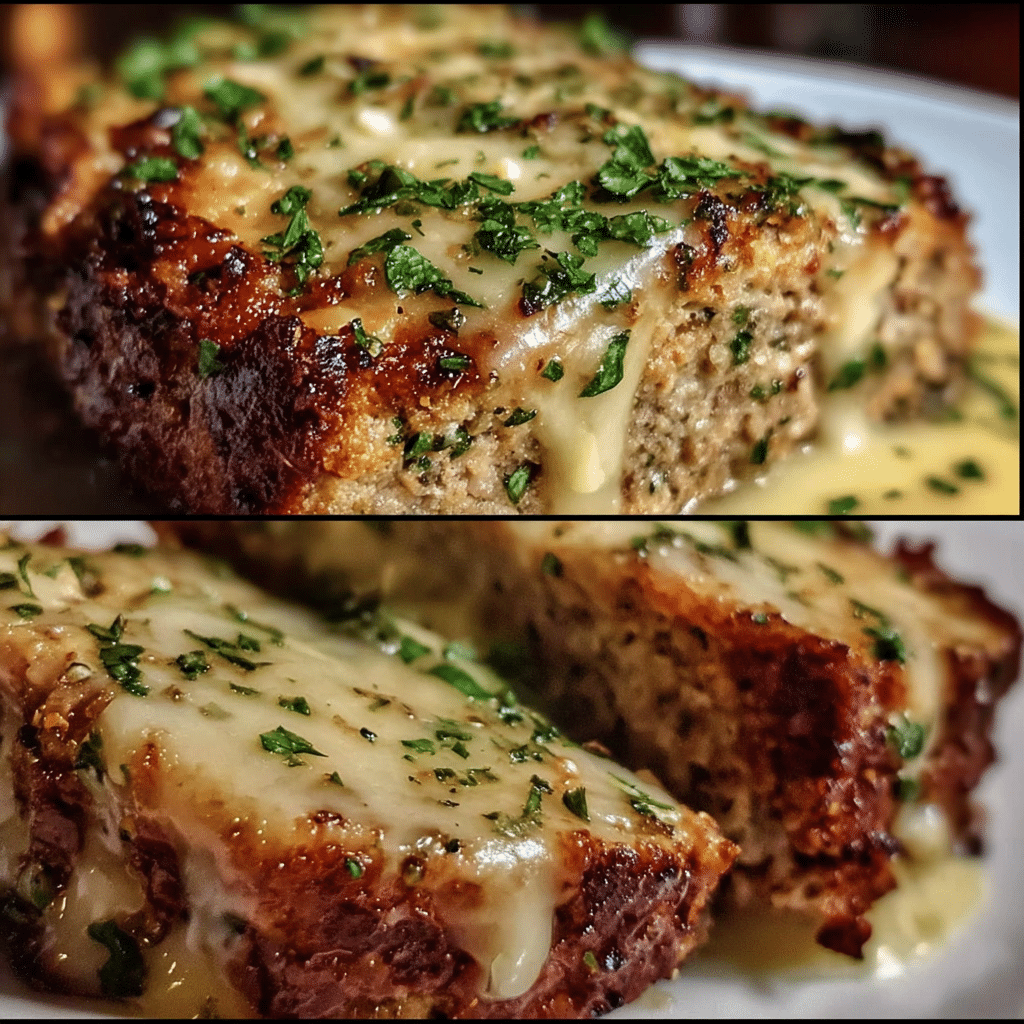
- 8 slices of mozzarella OR provolone cheese: The crowning glory of your philly cheesesteak meatloaf. Thick-cut cheese melts beautifully, adding that signature cheesesteak gooeyness.
Philly Cheesesteak Meatloaf
Ingredients
- 1 1/2 pounds lean ground beef
- 1 large onion chopped
- 1 green bell pepper chopped small
- 1/2 cup of whole milk
- 1/2 cup mushrooms chopped optional family loves them I hate them
- 1 tablespoon olive oil
- 1 cup bread crumbs regular, italian style or panko
- 1 large egg
- 1/2 tsp salt & 1 tsp pepper
- 1 tsp garlic powder
- 1 tsp onion powder
- 1/2 tsp Adobo seasoning
- 3 tablespoons Worcestershire sauce
- 8 slices of mozzarella OR provolone cheese i used mozz (Thick CUT)
Instructions
- Preheat the oven to 350F.
- In a medium skillet sauté the diced onion & peppers in oil until tender & soft.
- Once peppers and onions are cooked, you then mix them in with the rest of the ingredients, including meat & milk – (except sliced cheese) in a large mixing bowl. Work mixture with your hands until fully incorporated.
- Lightly spray a loaf pan with pam spray or butter or even olive oil, then take exactly HALF of the mixture & place into the prepared loaf pan
- Top it with 4 slices of your choice of cheese
- Place the remaining meat mixture on top of the cheese BUT reserving the last 4 slices, set those aside
- Bake for 30 minutes
- Remove from the oven, top with the last 4 slices, sprinkle with parsley then put back into the oven for a remaining 10-15 minutes OR until the cheese is melted to your liking (i like mine a bit crispy)
- Let stand a few minutes before removing from the pan, then serve.
- ENJOY!
Shopping Tips
When shopping for ingredients for your philly cheesesteak meatloaf, quality is key. Here are some tips to ensure you select the best ingredients:
- Ground Beef: Look for bright red color with a firm texture. If possible, buy from a butcher or a trusted grocery store, and choose grass-fed for a richer flavor.
- Vegetables: Choose vegetables that are firm and vibrant. For bell peppers, look for smooth skin without blemishes. Onions should be heavy for their size and free of soft spots.
- Dairy Products: Opt for whole milk and cheese that are fresh. Check the expiration date and opt for brands that use natural ingredients.
Substitutions and Alternatives
Not everyone has the same taste preferences or dietary needs. Here are some substitutions for various ingredients in your philly cheesesteak meatloaf:
- Ground Beef: If you prefer a leaner option, ground turkey or ground chicken can be used, though they may require additional moisture.
- Whole Milk: Almond milk or oat milk can be used as a dairy-free alternative.
- Bread Crumbs: For gluten-free options, substitute with gluten-free bread crumbs or crushed gluten-free crackers.
- Mushrooms: If you dislike mushrooms, consider adding finely chopped zucchini or carrots for added moisture and nutrients.
As you prepare your ingredients, it’s also essential to store them properly. Ground beef should be used within a day or two of purchase, or frozen if you plan to use it later. Vegetables should be kept in the refrigerator, ideally in a crisper drawer to maintain freshness. Cheese should be wrapped tightly to prevent it from drying out.
By selecting the best ingredients and understanding their roles, you’re setting the stage for a delicious philly cheesesteak meatloaf that will impress anyone lucky enough to be at your dinner table.
Detailed Step-by-Step philly cheesesteak meatloaf Cooking Instructions
Creating the perfect philly cheesesteak meatloaf is not just about the ingredients; the method you use is equally important. Below, I’ll guide you through a detailed step-by-step process that will make your cooking experience seamless and enjoyable.
Preparation Steps
- Preheat Your Oven: Begin by preheating your oven to 350°F (175°C). This ensures that your meatloaf cooks evenly and thoroughly.
- Gather Your Ingredients: Have all your ingredients ready. This is known as mise en place, a French term meaning “everything in its place.” It makes the cooking process much smoother.
- Chop Your Vegetables: Start by chopping your onion and green bell pepper into small pieces. If you’re using mushrooms, chop them as well. The smaller the pieces, the better they will meld into the meatloaf.
- Sauté the Vegetables: In a skillet, heat the tablespoon of olive oil over medium heat. Add the chopped onion, bell pepper, and optional mushrooms. Sauté them until they are soft and translucent, about 5-7 minutes. This step is crucial as it will deepen the flavor of your meatloaf.
- Allow to Cool: Once sautéed, remove the skillet from heat and let the vegetable mixture cool for a few minutes. You don’t want to cook the egg when you combine everything!
- Combine the Ingredients: In a large mixing bowl, combine the ground beef, sautéed vegetables, bread crumbs, milk, egg, Worcestershire sauce, salt, pepper, garlic powder, onion powder, and Adobo seasoning. Use your hands to mix everything together gently. Be careful not to over-mix; this can lead to a tough meatloaf.
Cooking Process
- Shape the Meatloaf: Transfer the meat mixture to a baking dish or a meatloaf pan. Shape it into a loaf, making sure it’s even in thickness for uniform cooking.
- Add the Cheese: Slice the mozzarella or provolone cheese and place it in the center of the meatloaf. You can also top the meatloaf with additional cheese if you want extra gooeyness.
- Bake the Meatloaf: Place the meatloaf in the preheated oven and bake for about 30 minutes. Keep an eye on it and look for a golden-brown crust on top.
- Check for Doneness: Use a meat thermometer to ensure the internal temperature has reached 160°F (70°C). If you don’t have a thermometer, cut into the center to check that it’s no longer pink.
- Rest the Meatloaf: Once done, remove it from the oven and let it rest for about 10 minutes. This helps the juices redistribute, making every slice moist and flavorful.
Final Assembly
- Slice and Serve: After resting, slice your philly cheesesteak meatloaf into thick pieces. Serve it with your favorite sides, such as mashed potatoes or a fresh salad.
- Storing Leftovers: If you have leftovers, store them in an airtight container in the refrigerator for up to 3 days. Reheat in the oven or microwave, but be careful not to dry it out.
- Freeze for Later: You can also freeze slices for a quick meal later. Just wrap them tightly in plastic wrap and place them in a freezer-safe bag.
Making philly cheesesteak meatloaf is a delightful adventure that combines the rich flavors of a Philly cheesesteak with the comforting nature of a classic meatloaf. Follow these steps, and you’ll create a dish that’s sure to become a family favorite, bringing smiles and satisfied bellies to your table!
Professional Tips and Techniques for philly cheesesteak meatloaf
When it comes to crafting the perfect philly cheesesteak meatloaf, professional tips and techniques can elevate your dish from ordinary to extraordinary. This dish, reminiscent of the classic Philly cheesesteak sandwich, combines the rich flavors of beef, cheese, and peppers into a comforting meatloaf that is sure to impress your family and friends. Here are some insider secrets that will help you create a mouthwatering masterpiece.
Professional Techniques
To begin, one of the most critical techniques when preparing philly cheesesteak meatloaf is to choose the right cut of meat. While ground beef is the traditional choice, consider using a blend of ground beef and pork for added moisture and flavor. The fat content in pork keeps the meatloaf tender, preventing it from becoming dry during the cooking process.
Next, don’t forget to sauté your vegetables before mixing them with the meat. Onions and bell peppers are essential for this recipe, and a quick sauté will bring out their natural sweetness and deepen their flavors. This step is not just a technique; it’s a transformation. The aromas that fill your kitchen as you cook these vegetables are nothing short of heavenly.
Another professional tip is to avoid overworking the meat mixture. When combining the meat with other ingredients, use your hands gently, mixing until just combined. Overmixing can lead to a dense, tough meatloaf, and that is the last thing you want for your philly cheesesteak meatloaf.
Troubleshooting Guide
Even the best chefs face challenges in the kitchen, so it’s vital to have a troubleshooting guide on hand. If your meatloaf falls apart when slicing, it may be due to insufficient binding agents. Ensure you have enough breadcrumbs or eggs in your mixture. The role of these ingredients is crucial; they help hold everything together.
If you find your philly cheesesteak meatloaf is too dry, consider adding a bit of beef broth or even some cream cheese to the meat mixture. This will enhance the moisture and add a unique creaminess to your dish. Also, keep an eye on your cooking time; overcooking is a common pitfall that can lead to dryness.
Presentation Tips
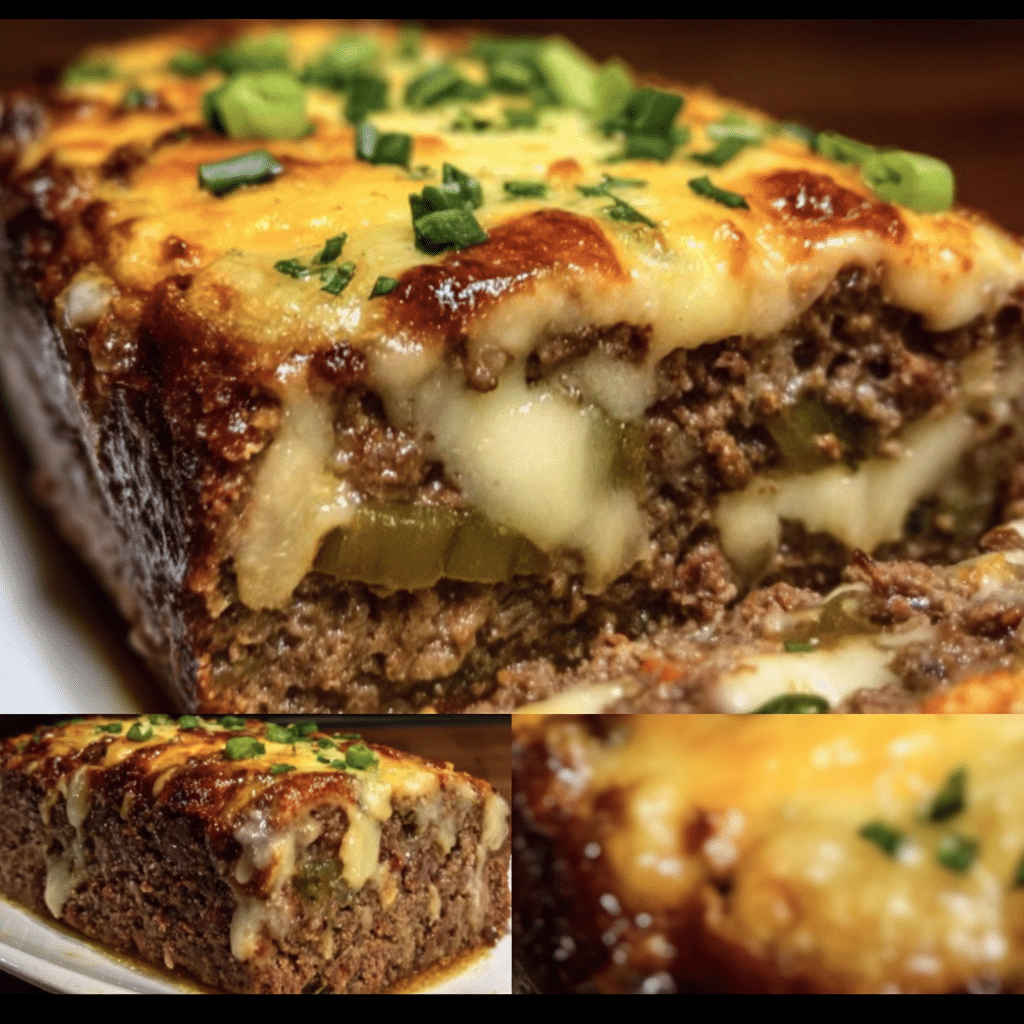
Presentation is everything, especially when serving such a comforting dish. To plate your philly cheesesteak meatloaf beautifully, consider slicing it into thick, hearty pieces and arranging them on a warm plate. A drizzle of homemade cheese sauce over the top can add an appealing visual element, making it look as if it’s straight from a gourmet restaurant.
Garnish with finely chopped parsley or fresh chives for a pop of color and freshness. Serve alongside a vibrant salad or some roasted vegetables for a balanced meal that looks as good as it tastes. Remember, we eat with our eyes first!
Make-Ahead and Meal Prep Strategies
For those busy weeknights or family gatherings, the philly cheesesteak meatloaf can be a lifesaver. One of the best strategies is to prepare the meatloaf mixture a day in advance. Simply cover it tightly and store it in the refrigerator overnight. This allows the flavors to meld beautifully and makes your cooking day much easier.
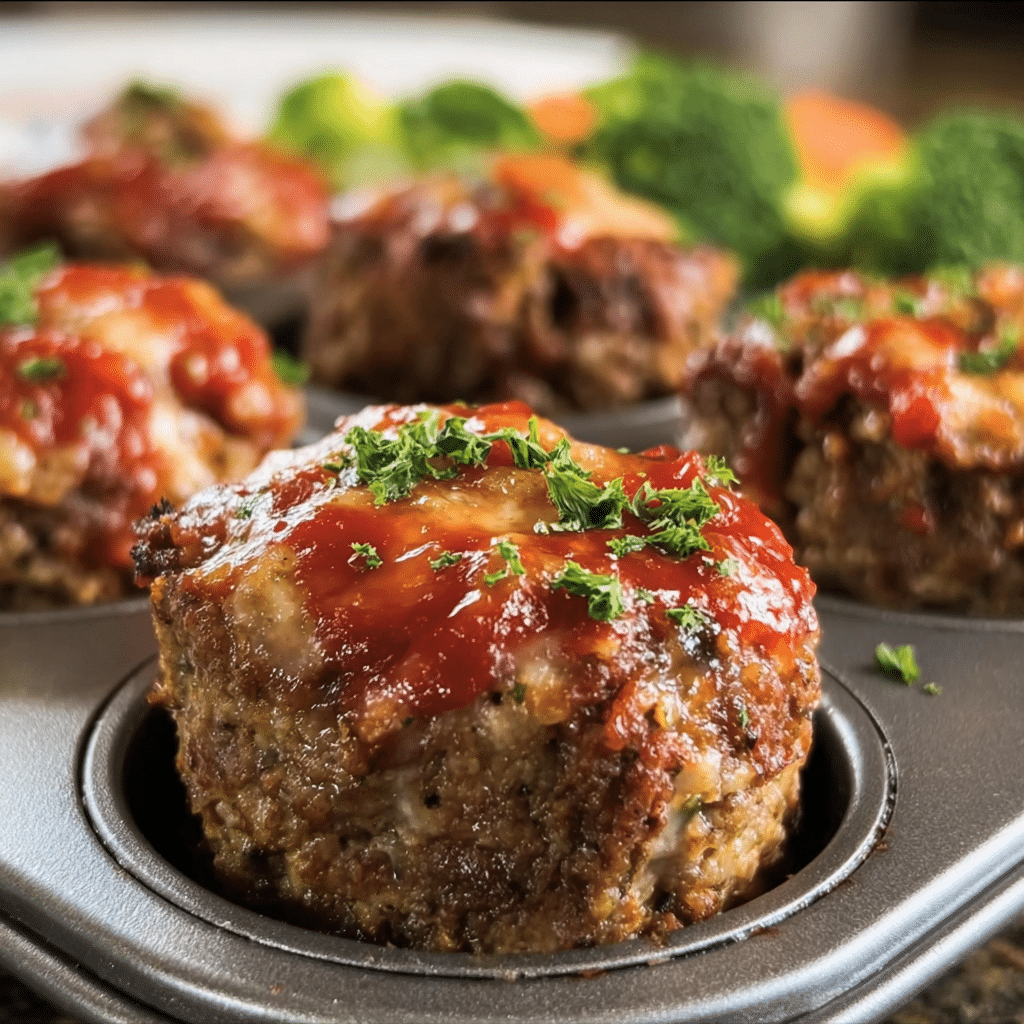
If you want to scale the recipe, consider making mini meatloafs in muffin tins. This not only reduces cooking time but also allows for convenient portion control. These mini versions are perfect for lunchboxes or quick dinners during the week.
Wine and Beverage Pairings
Finally, let’s talk about the perfect beverage pairings for your philly cheesesteak meatloaf. A robust red wine, such as a Cabernet Sauvignon or a Malbec, pairs beautifully with the savory flavors of the meatloaf. The tannins in these wines complement the richness of the meat, elevating your dining experience.
If you prefer non-alcoholic beverages, a refreshing iced tea or a homemade lemonade can cleanse the palate between bites, enhancing the overall meal experience. With these tips and techniques, you’re well on your way to mastering the art of philly cheesesteak meatloaf.
Creative Variations and Adaptations of philly cheesesteak meatloaf
When it comes to the philly cheesesteak meatloaf, creativity knows no bounds. This dish is highly adaptable, allowing home cooks to infuse their unique styles and preferences. Let’s explore some exciting variations and adaptations that will keep your meatloaf game fresh and exciting.
Seasonal Variations
Seasonal ingredients can transform your traditional philly cheesesteak meatloaf into something truly special. In the fall, consider adding roasted butternut squash or sweet potatoes to the meat mixture for a hint of sweetness and a lovely orange hue. These flavors not only complement the savory elements but also create a beautiful presentation.
In the summer, fresh herbs like basil or cilantro can be incorporated for a burst of freshness. You might also consider using grilled vegetables instead of sautéed ones to enhance the smoky flavor profile. Don’t be afraid to experiment with seasonal herbs and spices; they can bring new life to your dish!
Dietary Adaptations
As food preferences and dietary restrictions evolve, so too can your philly cheesesteak meatloaf. For those following a keto diet, swap out traditional bread crumbs for crushed pork rinds or almond flour. This modification will keep the meatloaf low in carbs while maintaining its delicious flavor and texture.
For a vegan adaptation, consider using lentils or chickpeas as the base, mixing in finely chopped mushrooms and vegetables to create a hearty meatloaf. A vegan cheese sauce can mimic the gooey cheesiness often associated with traditional cheesesteaks, allowing everyone to enjoy this classic dish.
If gluten-free is your preference, simply use gluten-free breadcrumbs or oats in place of regular breadcrumbs. There are countless ways to accommodate dietary needs while still enjoying the flavors of philly cheesesteak meatloaf.
Creative Twists
Let’s delve into some creative twists that can take your meatloaf to the next level. How about trying different types of cheese? While provolone is a classic choice, experimenting with pepper jack adds a delightful kick of heat. Alternatively, a blend of different cheeses can create a unique flavor profile that keeps your guests guessing.
Another fun twist is to incorporate different cooking methods. Instead of baking, try cooking your meatloaf in a slow cooker. This method allows the flavors to meld together beautifully and results in an incredibly moist meatloaf. Just set it and forget it, allowing you to focus on preparing sides or enjoying time with family.
Leftover transformation is another excellent way to experience this dish in new ways. If you have leftover philly cheesesteak meatloaf, consider using it as a filling for sandwiches, tacos, or even a breakfast hash. The possibilities are endless!
With these variations and adaptations, your journey with philly cheesesteak meatloaf can be as dynamic as your own culinary creativity. Embrace the versatility of this dish and make it your own, ensuring that every bite is a delightful experience!
Storage, Reheating, and Meal Prep for philly cheesesteak meatloaf
When it comes to the beloved dish known as philly cheesesteak meatloaf, understanding how to properly store, reheat, and prepare this delicious meal ahead of time can enhance your culinary experience significantly. Whether you’re a meal prep enthusiast or simply someone who enjoys leftovers, knowing the best practices for storage can help you savor every bite long after the first serving.
Short-term Storage
After you’ve whipped up a mouthwatering philly cheesesteak meatloaf, the first thing to consider is how to store it effectively in the short term. If you think you’ll be enjoying your meatloaf within a few days, the refrigerator is your best bet. Start by allowing the meatloaf to cool down to room temperature—this prevents condensation from forming, which can make the meatloaf soggy.
Once cooled, slice the meatloaf into portions. This not only makes it easier to reheat but also helps in preserving the texture. Use airtight containers or wrap individual slices in plastic wrap before placing them in a resealable freezer bag. Remember to label your containers with the date to keep track of freshness. In the refrigerator, your philly cheesesteak meatloaf should last about three to four days. If you notice any off smells or changes in texture, it’s best to err on the side of caution and discard it.
Freezing and Long-term Storage
If you want to store your philly cheesesteak meatloaf for a longer period, freezing is the ideal method. Freezing not only preserves the flavor but also maintains the nutritional value of the ingredients. To freeze, follow the short-term storage steps but instead of placing the meatloaf in the refrigerator, place it in the freezer. It’s best to wrap the meatloaf tightly in plastic wrap, followed by aluminum foil to prevent freezer burn. Alternatively, use a vacuum sealer for optimal freshness.
When frozen properly, your meatloaf can last for up to three months. However, the longer it stays in the freezer, the more it may lose its original texture and flavor. For best results, consume it within the first month. When you’re ready to enjoy it again, transfer the meatloaf from the freezer to the refrigerator to thaw overnight. Avoid thawing at room temperature, as this can encourage bacterial growth.
Reheating Best Practices
Reheating your philly cheesesteak meatloaf properly is crucial to maintaining its delicious flavor and texture. The best method for reheating is using an oven, as it allows for even heating without drying out the meatloaf. Preheat your oven to 350°F (175°C). Place the meatloaf on a baking sheet lined with parchment paper or in a baking dish. To keep it moist, cover it with aluminum foil. Heat for about 15-20 minutes, or until it reaches an internal temperature of 165°F (74°C).
If you’re in a hurry, the microwave is another option, though it can sometimes lead to uneven heating. Place a slice of meatloaf on a microwave-safe plate and cover it with a damp paper towel to retain moisture. Heat in 30-second intervals until warmed through, being careful not to overcook, as this can lead to a rubbery texture.
For those who love a crispy crust, consider reheating your meatloaf in a skillet on the stovetop. Heat a small amount of oil over medium heat and add the meatloaf slices. Cook for about 3-4 minutes on each side, or until heated through and crispy on the outside.
When it comes to meal prep, philly cheesesteak meatloaf shines as a versatile dish. Prepare a larger batch over the weekend, slice it, and store it in portion-sized containers. This way, you have a quick and satisfying meal ready to go during your busy week. You can pair it with various sides—like mashed potatoes, green beans, or a simple salad—creating a wholesome dinner in no time.
Food safety is paramount when it comes to storing and reheating your meatloaf. Always ensure that you cool it down properly before storing and never leave it out at room temperature for more than two hours. Bacteria thrive in the “danger zone” between 40°F and 140°F (4°C and 60°C), so being mindful of these temperatures can help prevent foodborne illnesses.
In summary, whether you’re storing leftovers or preparing for the week ahead, knowing how to manage your philly cheesesteak meatloaf will ensure that you can enjoy it at its best. From short-term storage in the refrigerator to long-term freezing, and the best reheating methods, each step plays a crucial role in preserving the integrity of this delicious dish. With a little planning and care, your meatloaf can be just as delicious the second time around!
Nutritional Benefits and Health Information
Understanding the nutritional benefits of philly cheesesteak meatloaf can elevate your appreciation for this hearty dish. Often considered comfort food, it’s essential to look beyond its delicious taste and examine how it can fit into a balanced diet. From the key ingredients to the overall health benefits, let’s delve into the nutritional profile of this unique meatloaf.
Nutritional Profile
Let’s break down the main components of a traditional philly cheesesteak meatloaf. Typically made with ground beef, bell peppers, onions, cheese, and breadcrumbs, this dish packs a punch in terms of flavor and nutrition. A standard serving of meatloaf (about 1 slice or 4 oz) generally contains approximately:
- Calories: 350-400 calories
- Protein: 25-30 grams
- Fat: 20-25 grams
- Carbohydrates: 15-20 grams
- Fiber: 1-2 grams
- Sodium: 600-800 mg
These numbers can vary based on the specific ingredients and their quantities. For instance, using lean ground beef instead of regular ground beef can lower the fat content significantly, making the meatloaf a healthier choice without compromising taste.
Health Benefits
Each ingredient in philly cheesesteak meatloaf contributes unique health benefits. Ground beef is a fantastic source of high-quality protein, which is vital for muscle repair and growth. It also provides essential vitamins and minerals, including iron, zinc, and vitamin B12, which are crucial for energy production and immune function.
Bell peppers and onions not only add flavor but also provide antioxidants and vitamins. Bell peppers, for example, are rich in vitamin C, which supports the immune system and skin health. Onions contain quercetin, a powerful antioxidant known for its anti-inflammatory properties.
Cheese, while often regarded as high in fat, offers calcium and protein. Choosing a lower-fat cheese can help reduce overall saturated fat intake while still providing the creamy texture that enhances the meatloaf.
Dietary Considerations
When preparing philly cheesesteak meatloaf, it’s essential to consider dietary restrictions and preferences. For those following a gluten-free diet, substituting traditional breadcrumbs with gluten-free alternatives or oats can ensure everyone can enjoy this dish. Vegans can also adapt the recipe using plant-based meat substitutes, nutritional yeast for a cheesy flavor, and flaxseed as a binder instead of eggs.
For those monitoring sodium intake, using low-sodium beef broth and cheese can help maintain flavor while reducing overall salt content. When it comes to calorie counting, adjusting portion sizes and ingredient choices are effective strategies for fitting this delicious meatloaf into a healthy eating plan.
In terms of its place among similar dishes, philly cheesesteak meatloaf holds its own. Compared to traditional meatloaf, which can often be heavier and more calorie-dense due to added sauces and fatty meats, the Philadelphia-inspired version offers a unique twist with added vegetables and cheeses that boost its flavor profile without drastically increasing the calorie count.
In conclusion, while philly cheesesteak meatloaf is undoubtedly a comfort food staple, it also possesses numerous nutritional benefits that can be enjoyed in moderation. With thoughtful ingredient choices and portion control, this dish can easily fit into a balanced diet, providing a satisfying meal that the whole family will love. Whether you’re indulging in a slice for dinner or enjoying it as leftovers, you can feel good about the nourishment it brings to your table.
Conclusion: Mastering the Perfect philly cheesesteak meatloaf
Creating the perfect philly cheesesteak meatloaf is more than just following a recipe—it’s about understanding the techniques, ingredients, and cultural significance behind this beloved dish. Throughout this comprehensive guide, we’ve explored everything from the historical origins to modern variations, ensuring you have all the knowledge needed to make this recipe your own.
Whether you’re a beginner cook or an experienced chef, the techniques and tips we’ve shared will help you create a philly cheesesteak meatloaf that’s not only delicious but also meaningful. Remember that cooking is a journey of discovery, and each time you make this dish, you’ll learn something new.
We encourage you to experiment with the variations we’ve discussed, adapt the recipe to your dietary needs, and most importantly, share it with the people you love. Food has the incredible power to bring people together, and Philly Cheesesteak Meatloaf is the perfect dish to create lasting memories around your dinner table.
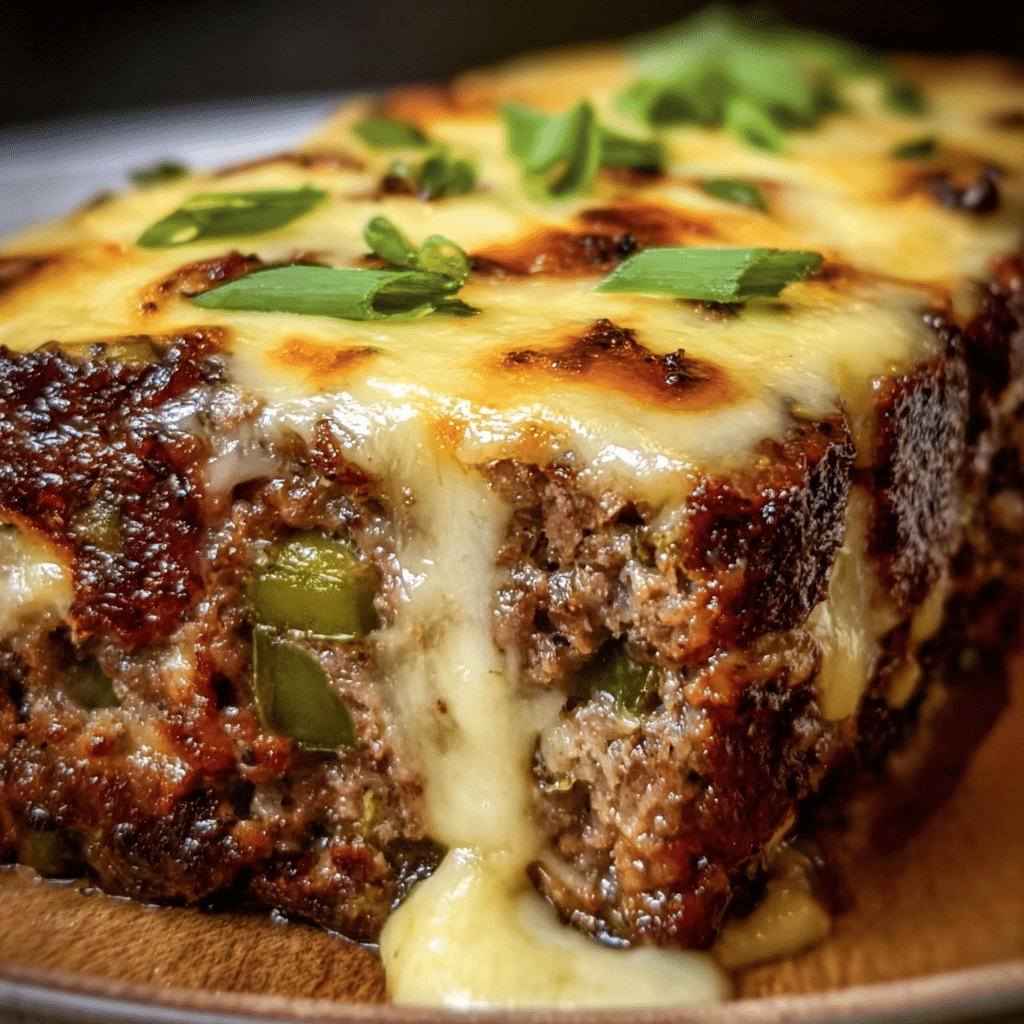
Don’t forget to share your cooking adventures with us on social media, and feel free to ask questions in the comments below. Happy cooking!
Share this recipe and let us know how it turned out! Tag us on social media for a chance to be featured.