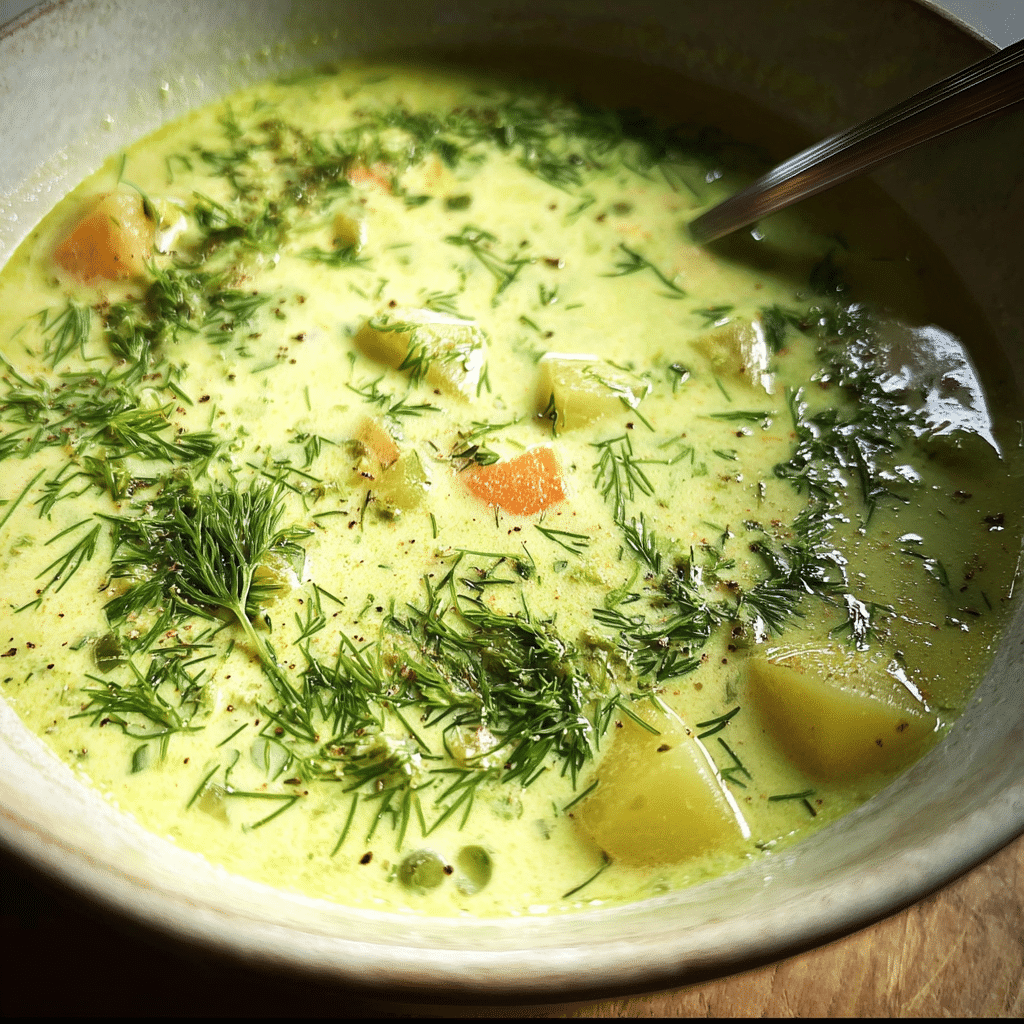
Pistou soup, a fragrant and vibrant dish originating from the sun-drenched regions of Provence, France, embodies the essence of summer in a bowl. I vividly remember the first time I encountered this delightful recipe. It was during a family trip to a quaint little café in Nice, where the aroma of fresh basil and garlic wafted through the air, enticing me to order a bowl. Little did I know that this seemingly simple dish would ignite my passion for cooking and become a staple in my kitchen.
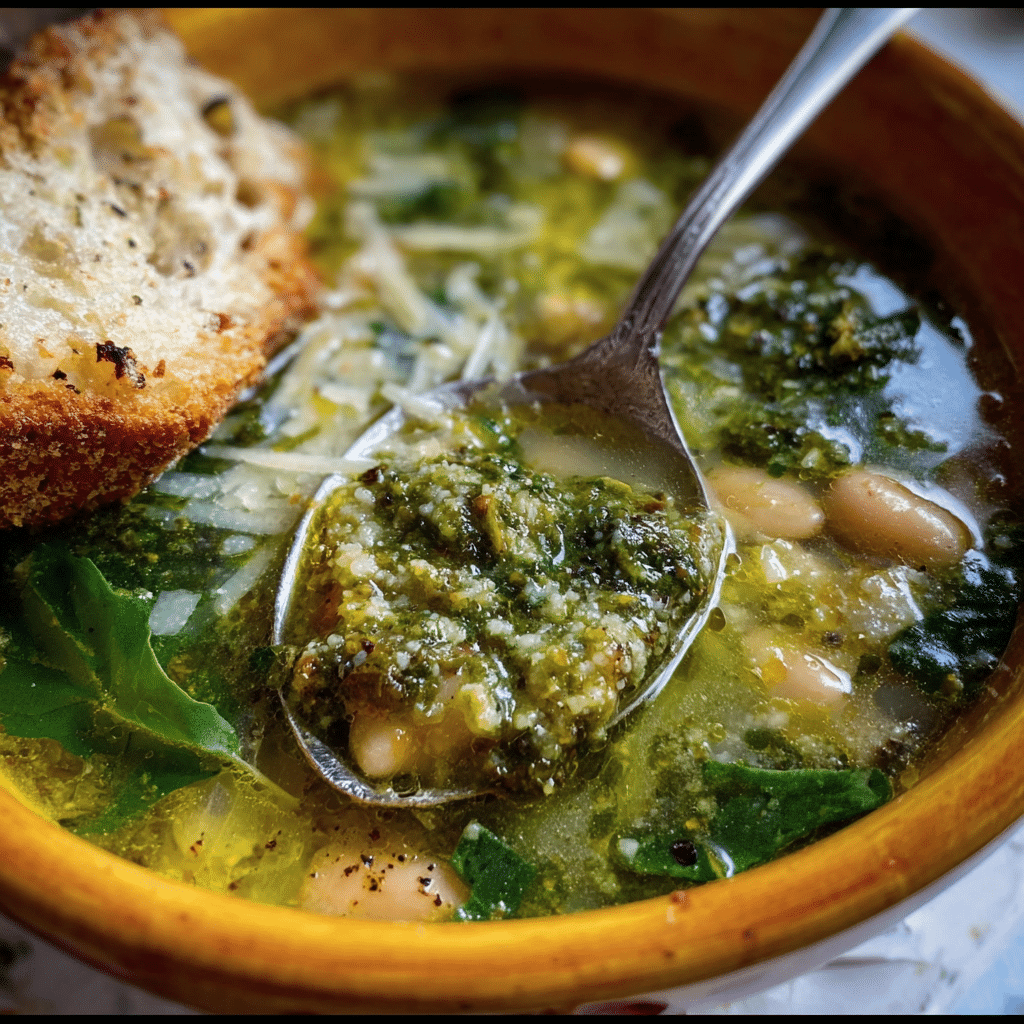
As I took my first spoonful of pistou soup, the flavors exploded on my palate, capturing the essence of the Mediterranean. The combination of fresh vegetables, hearty beans, and the aromatic pistou—a blend of basil, garlic, and olive oil—created a symphony of tastes that spoke to my soul. It was then that I realized the power of food to evoke memories, transport you to different places, and connect you with loved ones. Since that day, I have made it my mission to perfect my pistou soup recipe and share it with friends and family, creating new memories with each bowl served.
The Story Behind This Recipe
So, what exactly makes pistou soup so special? For starters, it hails from a region rich in culinary traditions and flavors. Originating in Provence, this dish is often compared to the Italian minestrone but with a distinct twist. The defining element of pistou soup is, of course, the pistou itself—a fresh herb paste that elevates the dish to new heights. Unlike pesto, which includes nuts and cheese, pistou is a simple blend of fresh basil, garlic, and high-quality olive oil, resulting in a bright and vibrant flavor profile.
This soup is not just about filling your stomach; it’s about celebrating the beauty of seasonal ingredients. You can use whatever vegetables are in season, making it a versatile dish that can change with the weather. Whether you’re using summer zucchini and fresh tomatoes or hearty root vegetables in the winter, pistou soup adapts beautifully to whatever you have on hand. This makes it an ideal recipe for busy families looking for quick dinner solutions, as it allows you to clean out your fridge while enjoying a wholesome meal.
Emotionally, pistou soup holds a special place in my heart. It’s a dish that reminds me of family gatherings, laughter around the dinner table, and the joy of sharing a homemade meal. Each time I prepare it, I’m transported back to that charming café in Nice, where the sun was shining, and the world felt a little brighter. It’s not just a recipe; it’s a connection to my travels and the experiences I’ve had along the way.
In this guide, you can expect to learn everything there is to know about pistou soup—from its rich history to variations that you can try at home. You’ll discover the best ingredients to use, tips for making your own pistou, and how to customize the soup to suit your family’s tastes. Whether you’re a seasoned cook or a beginner, this guide is designed to help you embrace the joy of making pistou soup, creating your own cherished memories in the kitchen.
Why You’ll Love This Dish
Pistou soup is perfect for those busy weeknights when you need a nutritious meal on the table in no time. With minimal prep and cooking time, you can whip up a comforting, hearty dish that everyone will love. The vibrant colors of the fresh vegetables and the aromatic pistou make for a visually stunning presentation that’s sure to impress your family and friends.
Moreover, this soup is incredibly forgiving. You can mix and match ingredients based on what you have available, allowing for endless variations. Whether you prefer adding pasta, swapping in different beans, or incorporating your favorite seasonal vegetables, the possibilities are virtually limitless. Plus, it’s an excellent way to sneak in those veggies for picky eaters! With its versatility and ease, pistou soup is destined to become your go-to recipe for quick, satisfying dinners year-round.
The Rich History and Cultural Significance of pistou soup
The rich history and cultural significance of pistou soup are woven into the very fabric of Provençal cuisine. Originating in the south of France, this dish has roots that stretch back centuries. The term “pistou” derives from the Provençal word “pistare,” which means to pound or crush, referring to the method of preparing the herb paste that defines this soup. While the exact origins are somewhat murky, it is widely believed that pistou soup emerged in the late 19th century as a way to utilize the bounty of fresh vegetables from the region’s gardens.
Origins and History
In the early days, pistou soup was a humble dish, often made by farmers and laborers as a way to nourish themselves after a long day’s work. The ingredients were simple and readily available: beans, seasonal vegetables, and a dollop of pistou to enhance the flavor. This practicality is a hallmark of Provençal cooking, where the emphasis is placed on fresh, local ingredients and straightforward preparation methods.
As time went on, pistou soup evolved, gaining popularity across the region and eventually becoming a staple in French households. The soup is often associated with the annual harvest, particularly in late summer when gardens overflow with ripe tomatoes, zucchini, and basil. Families would gather to share meals celebrating the end of the harvest season, with pistou soup often served as the centerpiece of these gatherings.
Cultural Significance
Pistou soup holds a special place in the hearts of many in Provence. It is often served at communal gatherings and family celebrations, symbolizing togetherness and the joy of sharing food. The dish is also a representation of the region’s culinary philosophy, which emphasizes the importance of fresh, seasonal produce and the art of simple cooking. When you enjoy a bowl of pistou soup, you’re not just savoring a meal; you’re partaking in a cultural tradition that has been passed down through generations.
There are numerous regional variations of pistou soup, with each town and family adding their unique spin to the recipe. Some versions may include pasta or rice, while others may feature different types of beans or vegetables. The flexibility of the dish allows for creativity and personalization, making it a beloved recipe for many home cooks. Notably, there are famous restaurants in Provence, such as La Petite Maison in Nice, that have garnered attention for their exquisite interpretations of pistou soup, showcasing the dish’s versatility and appeal.
Nutritional Benefits
Aside from its rich history and cultural significance, pistou soup is also packed with nutritional benefits. The base of the soup is typically made from a medley of vegetables, which provide essential vitamins and minerals. For instance, tomatoes are rich in antioxidants, particularly lycopene, which has been linked to numerous health benefits, including heart health. Beans offer a great source of protein and fiber, making this dish hearty and satisfying.
The addition of the pistou not only enhances the flavor but also contributes to the health benefits of the soup. Fresh basil is known for its anti-inflammatory properties and is a good source of vitamins A and K. Garlic, a key ingredient in the pistou, is celebrated for its immune-boosting and cardiovascular benefits. Altogether, pistou soup is not just a delicious meal; it’s a nourishing option that supports a healthy lifestyle.
As you can see, pistou soup is more than just a dish; it’s a celebration of culture, history, and wholesome ingredients. With its roots deeply embedded in Provençal tradition, it continues to be a beloved recipe that brings families together around the dinner table. In our next sections, we’ll delve deeper into the specifics of making this aromatic soup, providing you with tips and tricks to recreate this culinary masterpiece in your own kitchen.
Essential Ingredients for Perfect pistou soup
When it comes to making a delightful bowl of pistou soup, the ingredients you choose can make all the difference. As a dish deeply rooted in Provençal cuisine, pistou soup is not only about flavor but also about the quality and freshness of its components. Below, we’ll explore the essential ingredients that contribute to the richness of this beloved soup, providing you with valuable insights into their roles, how to select them, and tips for preparation.
Essential Ingredients
- Chicken: 1 lb, diced
- Beef: 1 lb, diced
- Pork: 1 lb, diced
- Seafood: 1 lb, a mix of shrimp and mussels
- Pasta: 1 cup, small shapes like ditalini or orzo
- Fruits: 1 cup, diced seasonal fruits for garnish
- Vegetables: 4 cups, a mix of carrots, zucchini, and green beans
Pistou Soup
Ingredients
- 3 quarts vegetable broth
- 2 cups water
- 2 cups fresh green beans – rinsed, trimmed, and snapped into bite-size pieces
- 4 zucchini, cut into small cubes
- 3 carrots, cut into bite size pieces
- 4 potatoes, cut into bite sized pieces
- 1 bunch basil, leaves picked from stems
- 10 cloves garlic, minced
- 3 tomatoes, chopped
- ½ cup olive oil
- 1 teaspoon salt
- 1 (15 ounce) can kidney beans, drained and rinsed
- 1 (15.5 ounce) can white beans, drained and rinsed
- 1 (14.5 ounce) can diced tomatoes
- 1 (8 ounce) package spaghetti, broken into 2-inch pieces
- ½ cup shredded Gruyere cheese
- ½ cup grated Parmesan cheese
Instructions
-
Bring the vegetable broth and water to a boil in a large pot. Stir in the green beans, zucchini, carrots, and potatoes. Return to a boil, reduce heat to medium-low, and simmer 45 minutes.
-
Meanwhile, prepare the pistou by processing the basil leaves, garlic, tomatoes, olive oil, and salt together in a food processor until finely chopped; set aside.
-
Stir the kidney beans, white beans, canned diced tomatoes, and spaghetti into the soup and return to a simmer. Cook until the spaghetti is tender, about 10 minutes. Remove the soup from the heat and stir in the pistou. Sprinkle with Gruyere cheese and Parmesan cheese to serve.
Each of these ingredients plays a pivotal role in creating the unique flavor profile of pistou soup. Let’s delve deeper into their significance and how to choose the best quality.
Chicken, Beef, and Pork: These proteins form the hearty base of the soup, providing rich flavors and textures. When selecting meat, look for cuts that are fresh and have a nice color without any discoloration. For chicken, breasts or thighs are ideal; for beef, consider chuck or sirloin; and for pork, tenderloin works beautifully. If you’re sourcing from a butcher or a farmer’s market, do not hesitate to ask about their farming practices—organic or grass-fed options can enhance both flavor and nutrition.
Seafood: The addition of seafood adds a coastal flair to pistou soup. Fresh shrimp and mussels not only taste divine but also bring a wonderful brininess that complements the earthy flavors of the meats and vegetables. When purchasing seafood, look for a fresh smell of the ocean and firm texture. If you’re unsure, your local fishmonger can provide insights into what’s the freshest catch of the day.
Pasta: The pasta in pistou soup adds substance and heartiness, making the dish more filling. Small pasta shapes like ditalini or orzo absorb the broth nicely. Choose high-quality pasta, ideally made from durum wheat, which holds its shape well during cooking.
Fruits: Although not traditional, incorporating seasonal fruits as a garnish can elevate the dish, adding a refreshing sweetness that contrasts beautifully with the savory elements. Look for fruits that are in season—like cherry tomatoes in the summer or pears in the fall—for the best flavor.
Vegetables: A colorful medley of vegetables is quintessential to pistou soup. Carrots, zucchini, and green beans not only provide nutrition but also contribute to the vibrant presentation of the dish. When selecting vegetables, opt for organic when possible; they tend to have better flavor and are free from harmful pesticides. Choose firm vegetables without blemishes and that are locally sourced for optimum freshness.
Shopping Tips
When shopping for ingredients for pistou soup, consider visiting local farmers’ markets. Not only will you find seasonal and organic produce, but you will also support local agriculture. Additionally, buying in bulk can often save you money, especially on staples like pasta and beans. Always check the labels for any added preservatives, particularly in meats and seafood, to ensure you are getting the best quality. To make the most of your budget, consider purchasing frozen seafood if fresh options are too pricey—frozen seafood is often flash-frozen right after being caught, preserving its quality.
Substitutions and Alternatives
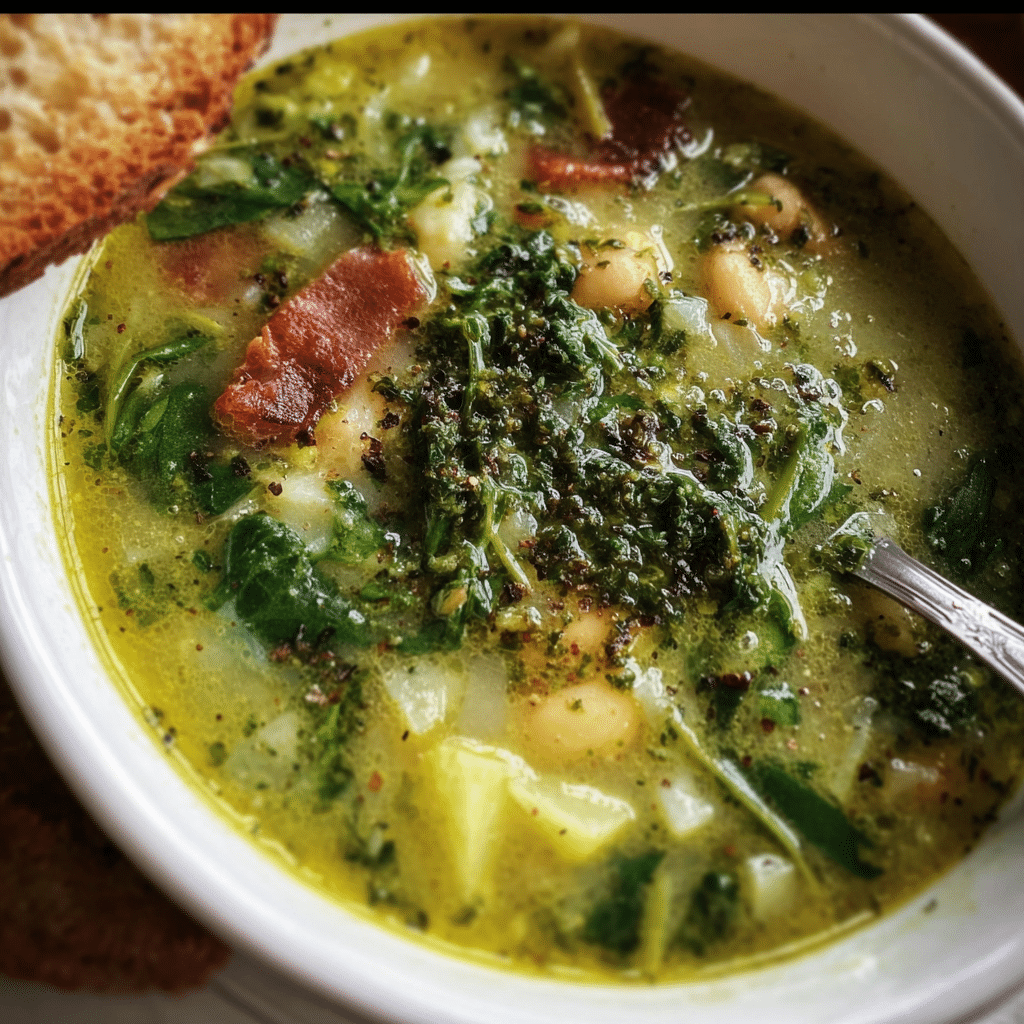
Cooking is all about flexibility, and pistou soup is no exception. If you have dietary restrictions or preferences, there are numerous substitutions available. For a vegetarian version, you can omit the meats and seafood entirely and replace them with hearty beans like cannellini or chickpeas for protein. You can also enhance the soup with additional vegetables, such as spinach or kale, to increase the nutritional value. For gluten-free options, opt for gluten-free pasta or even spiralized vegetables as a substitute.
Storage is another crucial aspect to consider. If you have leftover ingredients, ensure you store them properly to maintain freshness. Meats should be kept in the refrigerator for no more than a few days, while seafood should ideally be consumed within 24 hours. Vegetables can often last up to a week in the fridge, while dried pasta can be stored in a cool, dry place for a long shelf life.
In conclusion, the ingredients for pistou soup are not just elements of a recipe; they are a celebration of flavors, textures, and seasonal bounty. By selecting high-quality, fresh ingredients and being mindful of substitutions and storage, you can create a delicious and nourishing bowl of soup that brings the taste of Provence right to your kitchen.
Detailed Step-by-Step pistou soup Cooking Instructions
Ready to dive into making your very own bowl of pistou soup? With its rich blend of flavors and textures, this dish is both satisfying and comforting. In this section, we’ll guide you through detailed step-by-step instructions to ensure your cooking experience is as enjoyable as the final product. From preparation to the final assembly, let’s make sure you have everything you need to create a masterpiece!
Preparation Steps
- Mise en Place: Begin by gathering all your ingredients. This classic French term means “everything in its place.” Measure out your chicken, beef, pork, and seafood, and set aside. Chop your vegetables into bite-sized pieces and dice your fruits for garnish. Having everything prepped will streamline your cooking process.
- Soup Base: In a large stockpot or Dutch oven, heat a tablespoon of olive oil over medium heat. Once the oil shimmers, it’s time to add your diced chicken, beef, and pork. Season with salt and pepper. Sauté the meats until they are browned on all sides, which takes about 5-7 minutes.
- Add Vegetables: Once your meats are browned, stir in your chopped onions and garlic. Cook until the onions are translucent, about 3-4 minutes. Next, add your diced carrots, zucchini, and green beans. The vegetables will add depth and sweetness to your pistou soup.
- Incorporate Broth: Pour in about 6 cups of chicken or vegetable broth, bringing everything to a gentle simmer. This is where the magic begins! Allow the soup to simmer for about 10 minutes to meld the flavors.
Cooking Process
- Add Seafood: At this point, introduce your seafood into the pot. Shrimp and mussels take mere minutes to cook, so add them during the last 5 minutes of simmering. You’ll know they’re done when the shrimp turn pink and the mussels open up. If any mussels remain closed, discard them.
- Pasta Time: Stir in your pasta of choice. Cook according to the package directions, usually about 7-10 minutes. Keep an eye on it; overcooked pasta can become mushy, which you want to avoid in your pistou soup.
- Season to Taste: As the pasta cooks, taste your soup and adjust the seasoning. You may want to add more salt, pepper, or even a sprinkle of herbs like thyme or basil for added flavor. Remember, the key to a great soup is layering flavors!
Final Assembly
- Prepare the Pistou: While your soup simmers, let’s make the pistou! Traditionally, pistou is made with fresh basil, garlic, and olive oil. In a food processor, combine 1 cup of fresh basil leaves, 2 cloves of garlic, and 1/2 cup of olive oil. Blend until smooth. This vibrant green sauce will be the star of your pistou soup.
- Serve: Once the pasta is al dente, ladle the soup into bowls. Spoon a generous dollop of the fresh pistou on top of each bowl. The warmth of the soup will slightly melt the pistou, releasing its aromatic flavors.
- Garnish: Finally, sprinkle your diced seasonal fruits over the soup for a pop of color and sweetness. This is a unique twist that brings balance to the dish.
- Enjoy: Serve with crusty bread on the side, and enjoy the wonderful aroma and flavors of your homemade pistou soup!
Throughout this cooking process, take your time to savor each step. Cooking is not just about feeding the body; it’s an experience that engages the senses. Pay attention to the sizzle of the meat, the vibrant colors of the vegetables, and the aromatic scents that fill your kitchen. Remember, it’s all about embracing the process and enjoying the journey as much as the delicious outcome. With these detailed instructions, you’ll be well on your way to mastering pistou soup and impressing your friends and family with your culinary skills!
Professional Tips and Techniques for pistou soup
Pistou soup, a vibrant and fragrant dish hailing from the sun-drenched region of Provence in France, is a delightful blend of fresh vegetables, aromatic herbs, and a dollop of pistou sauce, which is a basil-infused paste similar to pesto. While the base recipe is simple, mastering the art of making pistou soup requires some professional tips and techniques that will elevate your soup from good to exceptional.
Professional Techniques
To create the perfect pistou soup, start with high-quality, fresh ingredients. The vegetables typically include zucchini, green beans, and potatoes, but you can also incorporate seasonal vegetables depending on what’s available. Here’s where the professional touch comes in: properly prepping your vegetables is crucial. Make sure to cut them into uniform sizes to ensure even cooking. As someone who enjoys spending time in the kitchen, I’ve learned that a good knife skill can make all the difference.
Another tip is to sauté your vegetables in olive oil before adding the broth. This step enhances the flavors as the oil helps to caramelize the natural sugars in the vegetables, creating a lovely depth of flavor. When heating your olive oil, be careful not to let it smoke – heat it gently, and once it’s warm, add your chopped onions or garlic first. This will help to infuse the oil with flavor, making your pistou soup even more fragrant.
For the pistou sauce, the classic combination of basil, garlic, and olive oil is integral. Using a mortar and pestle to create your pistou will yield a more flavorful result, as it breaks down the basil leaves and releases essential oils, creating a more aromatic paste. However, if you’re short on time or don’t have a mortar and pestle, a food processor will work just fine – just be careful not to over-process, as you want to retain some texture in your sauce.
Troubleshooting Guide
Even seasoned cooks encounter issues when preparing pistou soup. One common problem is a bland flavor. If you find your soup lacking in taste, consider adding a splash of lemon juice or a sprinkle of salt at the end. This can brighten the flavors and bring everything together. Additionally, if your soup is too thick, thin it out with more broth or water; conversely, if it’s too thin, let it simmer uncovered for a few minutes to reduce.
Sometimes, the soup can end up too oily, especially if you’ve added too much pistou. To remedy this, try adding more vegetables or a splash of broth to balance out the richness. And remember, tasting as you go is essential. Adjusting the seasoning in small increments allows you to fine-tune your pistou soup to your liking.
Presentation Tips
When it comes to plating, presentation is key to enhancing the dining experience. Serve your pistou soup in warm bowls to keep it at an optimal temperature. Ladle the soup into bowls, then add a generous spoonful of pistou on top. Swirl it slightly with a fork or a chopstick for a beautiful marbled effect. You can also add a drizzle of high-quality olive oil for an extra touch of elegance.
Garnishing with freshly grated Parmesan cheese or a sprinkle of croutons adds texture and flavor. Consider serving the soup alongside a crusty baguette for dipping, which is a staple in traditional French dining. Pair your pistou soup with a light, crisp white wine, such as a Provence rosé or a Sauvignon Blanc, to complement the fresh flavors of the dish. These wines will enhance the herbal notes in the pistou while balancing the richness of the soup.
Make-Ahead and Meal Prep Strategies
Pistou soup is an excellent option for meal prep, as the flavors deepen and improve after a day in the refrigerator. You can prepare the soup in advance and store it for up to three days. Just be sure to keep the pistou separate until you’re ready to serve, as the vibrant green color of the basil can fade over time. To reheat, simply warm it gently on the stovetop, adding a splash of water or broth if it’s too thick.
If you’re looking to scale your recipe up or down, the beauty of pistou soup is its flexibility. It can easily be doubled for a crowd or halved for a smaller gathering. Just keep the ratios consistent, and remember that the cooking time may vary slightly based on the quantity. This adaptability makes it a perfect dish for both casual weeknight dinners and more formal gatherings.
Creative Variations and Adaptations of pistou soup
Pistou soup, with its rich heritage and vibrant flavors, is a canvas for creativity in the kitchen. While the traditional recipe is comforting and delicious, there are countless ways to adapt and reinvent this dish to suit various tastes and dietary needs. Let’s explore some exciting variations and creative adaptations of pistou soup that can breathe new life into this classic French dish.
Seasonal Variations
One of the joys of cooking with fresh ingredients is the opportunity to incorporate seasonal produce into your pistou soup. In the spring, consider adding tender asparagus and peas, which will lend a bright color and fresh taste to the soup. During the summer months, vibrant tomatoes and sweet corn can be added for a burst of sweetness. In the fall, root vegetables like carrots and parsnips can provide a heartier base, while in winter, hearty greens like kale or Swiss chard can be a robust addition.
Each vegetable brings its unique flavor profile and texture, enhancing the overall experience of the pistou soup. When experimenting with seasonal variations, be sure to adjust the cooking times for different vegetables: softer veggies like zucchini will cook faster than denser ones like potatoes.
Dietary Adaptations
In our increasingly health-conscious world, dietary modifications are essential for accommodating various dietary needs. If you’re looking to make a keto-friendly version of pistou soup, consider replacing the traditional potatoes with cauliflower. This swap will maintain the creamy texture while significantly reducing carbohydrates. For a vegan version, simply omit any cheese in the pistou and use vegetable broth instead of chicken stock.
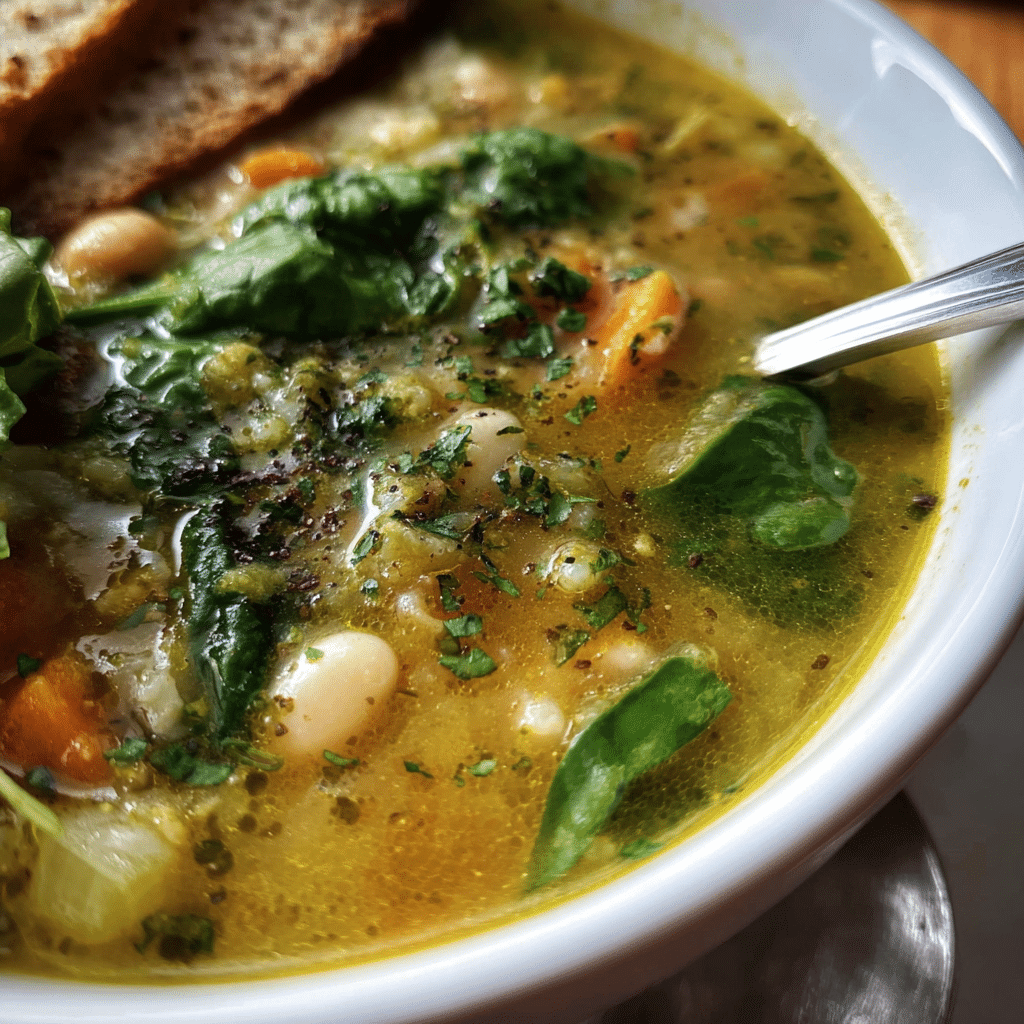
Gluten-free cooking is also easy with pistou soup, as it naturally does not contain gluten. Ensure that the broth you choose is gluten-free, and you’re good to go! Additionally, if you want to spice things up, consider adding a pinch of crushed red pepper flakes or a dash of hot sauce to the soup to give it an extra kick.
Creative Twists
For those who love to experiment, why not try infusing your pistou soup with international flavors? You can take inspiration from Italian cuisine by adding cannellini beans for protein and creaminess. Alternatively, a Middle Eastern twist could involve adding a hint of cumin and coriander, transforming the flavor profile entirely.
Another idea is to utilize different cooking methods. Instead of a traditional stovetop approach, consider a slow cooker for a set-it-and-forget-it option. Simply add all your ingredients and let them cook on low for several hours, allowing the flavors to meld beautifully. If you’re short on time, you can even make pistou soup in an Instant Pot, which will speed up the cooking process while still producing a rich and flavorful result.
Finally, let’s not forget about leftovers! If you find yourself with extra pistou soup, consider transforming it into a pasta dish. Cook your favorite pasta, then toss it with the leftover soup to create a hearty meal. You can also blend the soup for a creamy sauce over grilled chicken or fish. The possibilities are endless!
Storage, Reheating, and Meal Prep for pistou soup
When it comes to enjoying a comforting bowl of pistou soup, understanding how to properly store, reheat, and meal prep this delightful dish is essential. Whether you’ve made a big batch or have leftovers from a cozy dinner with friends, knowing how to handle your pistou soup will ensure that you savor its flavors for days to come. Let’s dive into the nitty-gritty of storage, reheating, and meal prep strategies to keep your pistou soup tasting fresh and delicious.
Short-term Storage
After you’ve finished cooking your beautiful pistou soup, it’s crucial to store it correctly to maintain its flavors and texture. If you’re planning to enjoy your soup within a few days, the refrigerator is your best friend. Begin by allowing the soup to cool completely at room temperature. This is a vital step; placing hot soup directly into the fridge can raise the internal temperature of your refrigerator, potentially compromising food safety for other items.
Once cooled, transfer your soup into airtight containers. Glass containers are an excellent option as they’re non-porous and won’t absorb any odors. If you’re using plastic, make sure it’s BPA-free and designed for food storage. Portioning your soup into smaller containers can be a game-changer. It not only helps with quick reheating but also allows you to enjoy the soup over a few days without losing quality. Aim to consume your refrigerated pistou soup within 3 to 4 days for optimal flavor and safety.
Freezing and Long-term Storage
For those who want to enjoy their pistou soup for longer, freezing is the way to go. Freezing soup can be a fantastic way to preserve its freshness and flavor. To freeze, follow the same cooling instructions as before. Once cooled, ladle the soup into freezer-safe containers or heavy-duty freezer bags. If using bags, lay them flat in the freezer, allowing for easier stacking and quicker thawing later on. Be sure to leave some space at the top of the container or bag to accommodate the soup’s expansion as it freezes.
When it comes to shelf life, properly stored pistou soup can last in the freezer for up to 3 months. However, for the best quality, try to consume it within the first month. When you’re ready to enjoy your frozen soup, simply transfer it to the fridge to thaw overnight before reheating. Alternatively, you can thaw it in a pot over low heat, stirring occasionally, until it’s warm throughout. Just remember that some ingredients, like potatoes or zucchini, may change texture slightly after freezing, so keep that in mind when planning your soup ingredients.
Reheating Best Practices
Reheating your pistou soup properly is key to maintaining its rich flavors and delightful texture. The best method is to reheat it on the stovetop over medium heat. Pour your soup into a saucepan and warm it slowly, stirring occasionally to prevent sticking. I always recommend tasting as you reheat; sometimes, a splash of fresh broth or water can help bring back the original consistency and flavor, especially if the soup has thickened during storage.
If you’re in a rush, you can use the microwave, but be cautious! Transfer your soup into a microwave-safe bowl, cover it loosely with a microwave-safe lid or plastic wrap, and heat in short intervals, stirring in between to ensure even heating. This method can sometimes lead to hot spots, so vigilance is necessary.
Meal prep is another excellent strategy to keep your weeknight dinners easy and delicious. If you plan to batch cook pistou soup, consider cooking a larger quantity on the weekend and storing it in individual portions. This way, you can quickly grab a container for lunch or dinner during the week. Add a fresh drizzle of pistou or a sprinkle of cheese just before serving to elevate the flavors!
Lastly, it’s essential to keep food safety at the forefront. Always check for any signs of spoilage before consuming leftover soup. If in doubt, it’s better to err on the side of caution and discard it. Remember, the goal is to enjoy your pistou soup while it’s at its best!
Nutritional Benefits and Health Information
As we dive into the nutritional benefits and health information of pistou soup, it’s essential to recognize that this dish is not only comforting but also packed with numerous health benefits. With its vibrant flavors and wholesome ingredients, pistou soup offers nourishment that’s hard to beat. Let’s explore the nutritional breakdown and discover why this soup deserves a regular spot on your dinner table.
Nutritional Profile
The base of pistou soup usually includes a medley of seasonal vegetables like green beans, zucchini, and carrots, along with a hearty broth, making it a nutrient-dense option. A typical serving size (about one cup) contains approximately 150-200 calories, depending on the specific ingredients and portion sizes used. The soup is naturally low in calories while providing a good amount of dietary fiber, which is essential for digestive health.
In terms of macronutrients, you can expect a healthy balance of carbohydrates, proteins, and fats. The vegetables contribute carbohydrates and fiber, while the addition of pistou, which is typically made from basil, garlic, olive oil, and sometimes nuts, adds healthy fats and a small amount of protein. This balance makes pistou soup a satisfying option that can fit into various dietary preferences.
Health Benefits
One of the standout features of pistou soup is its rich array of vitamins and minerals, primarily from the vegetables used. For instance, green beans are an excellent source of vitamins A, C, and K, which are vital for maintaining healthy skin, immune function, and bone health. Zucchini contributes potassium, which helps regulate blood pressure, while carrots are known for their high beta-carotene content, promoting good vision and skin health.
Olive oil, a key ingredient in pistou, is rich in monounsaturated fats and antioxidants. Regular consumption of olive oil has been linked to heart health, reducing inflammation, and even supporting brain health. The garlic in pistou not only adds flavor but also boasts antimicrobial properties and benefits for cardiovascular health.
Dietary Considerations
As we consider pistou soup in different dietary contexts, it’s worth noting that the soup is inherently vegetarian and can easily be made vegan by omitting any cheese toppings. Those on gluten-free diets can enjoy this soup without worry, as it naturally doesn’t contain gluten unless you add bread or croutons. Moreover, you can easily make adjustments to cater to allergies; for example, if you’re allergic to nuts, you can skip them in the pistou without sacrificing flavor.
For those watching their calorie intake or following specific meal plans, pistou soup can fit beautifully into low-calorie and low-carb diets. If you want to increase the protein content, consider adding legumes like chickpeas or lentils, or even shredded chicken if you’re not strictly vegetarian. The versatility of this soup allows it to adapt to various dietary needs without losing its essence.
In conclusion, pistou soup not only warms the soul but also provides a plethora of nutritional benefits. With its rich blend of vegetables, healthy fats, and aromatic herbs, it’s a dish that nourishes both body and spirit. Whether you’re enjoying it on a chilly evening or preparing it as part of your weekly meal prep, you can feel good about making pistou soup a staple in your culinary repertoire.
Conclusion: Mastering the Perfect pistou soup
Creating the perfect pistou soup is more than just following a recipe—it’s about understanding the techniques, ingredients, and cultural significance behind this beloved dish. Throughout this comprehensive guide, we’ve explored everything from the historical origins to modern variations, ensuring you have all the knowledge needed to make this recipe your own.
Whether you’re a beginner cook or an experienced chef, the techniques and tips we’ve shared will help you create a pistou soup that’s not only delicious but also meaningful. Remember that cooking is a journey of discovery, and each time you make this dish, you’ll learn something new.
We encourage you to experiment with the variations we’ve discussed, adapt the recipe to your dietary needs, and most importantly, share it with the people you love. Food has the incredible power to bring people together, and Pistou Soup is the perfect dish to create lasting memories around your dinner table.
Don’t forget to share your cooking adventures with us on social media, and feel free to ask questions in the comments below. Happy cooking!
Share this recipe and let us know how it turned out! Tag us on social media for a chance to be featured.