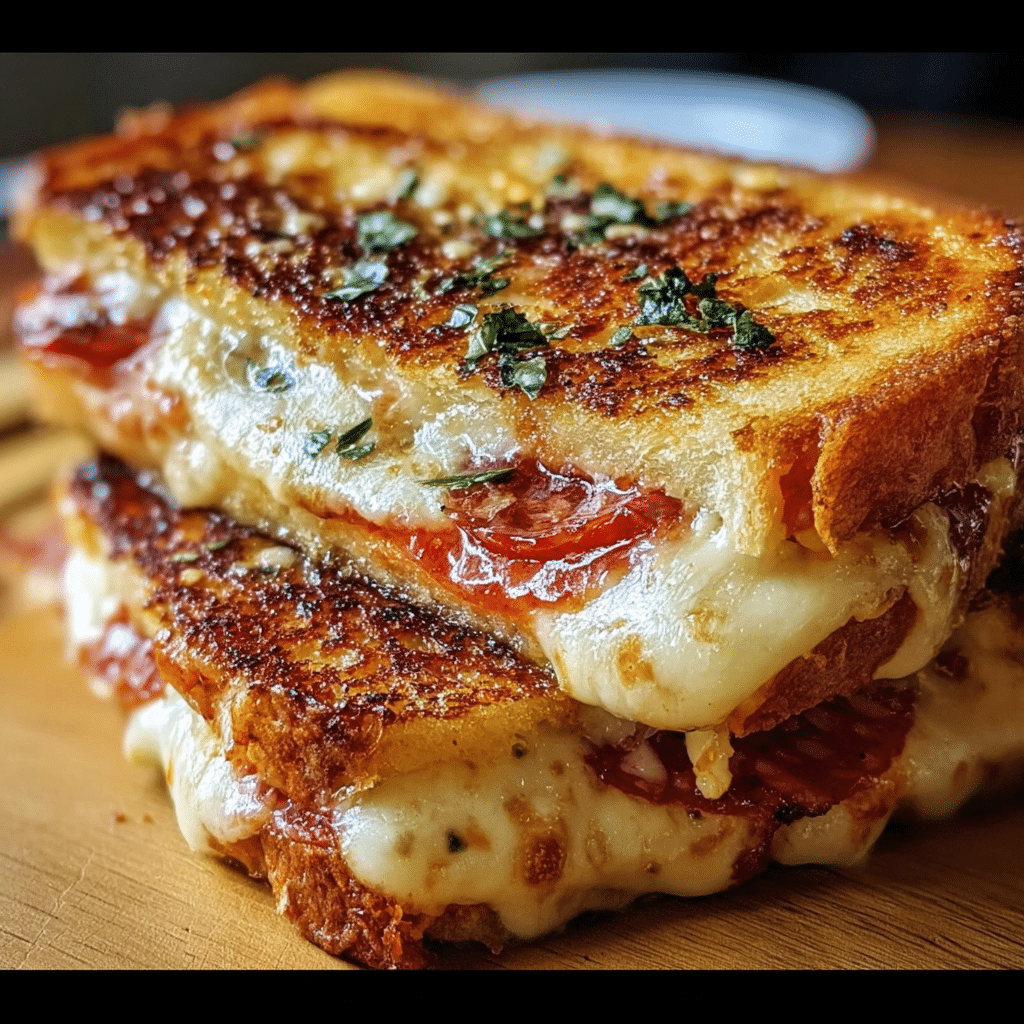
Pizza grilled cheese is a delightful fusion of two beloved comfort foods that has taken the culinary world by storm. I still remember the first time I stumbled upon this mouthwatering creation. It was a chilly evening, and I was rummaging through my kitchen, trying to figure out what to make for dinner. My kids were in the living room, endlessly debating whether they wanted pizza or grilled cheese. That’s when it hit me—why not combine the two? With a few slices of bread, some gooey cheese, and leftover pizza toppings, I created a dish that not only satisfied their cravings but also warmed our hearts.
The Story Behind This Recipe
That first bite was nothing short of magical. The crispy, buttery exterior of the grilled cheese contrasted perfectly with the melty cheese and savory toppings reminiscent of pizza. The kids were ecstatic, and I felt like a culinary genius (even if it was just a simple dinner!). Since that night, pizza grilled cheese has become a staple in our home. It’s not just a meal; it’s a bonding experience, a fun way to engage the kids in the kitchen, and a reminder that sometimes, the best recipes are born out of necessity and creativity.
As I delved deeper into this dish, I discovered that pizza grilled cheese is more than just a convenient meal; it has a rich cultural background that reflects the evolution of comfort food. Originating from the classic grilled cheese sandwich—a staple of American cuisine—pizza grilled cheese takes that beloved recipe and elevates it to new heights by incorporating the flavors and textures of pizza. This melding of two iconic dishes speaks to our collective love for food that is both nostalgic and innovative.
Why You’ll Love This Dish
What makes pizza grilled cheese so special and different from other recipes is its versatility. You can customize it according to your family’s taste preferences, using whatever toppings you have on hand. Whether it’s pepperoni, olives, or sautéed vegetables, the possibilities are endless! This makes it the perfect solution for busy families looking for quick dinner options. With minimal prep time and a mere 10-15 minutes for cooking, you can whip up a satisfying meal that everyone will love.
Seasonal relevance also plays a role in the appeal of pizza grilled cheese. During the cooler months, you can enjoy it as a cozy dinner option, while in the warmer months, you can embrace the fresh produce from your garden or local market, adding a touch of summer to your dish. It’s a meal that can adapt to any season, reminding you of the joy of cooking and sharing food with loved ones.
On a more personal note, pizza grilled cheese holds a special emotional connection for me. It represents the joy of family gatherings, the laughter shared over a meal, and the simple pleasure of creating something delicious together. It’s a reminder that food doesn’t always have to be complicated to be extraordinary. It’s about bringing people together, sharing stories, and making memories, one cheesy bite at a time.
In this article, you will learn everything you need to know about pizza grilled cheese—from its history and cultural significance to tips on how to make the perfect sandwich. You’ll discover different variations and toppings that will excite your taste buds and inspire your cooking. So, grab your favorite cheese and let’s dive into the world of pizza grilled cheese!
The Rich History and Cultural Significance of pizza grilled cheese
The rich history and cultural significance of pizza grilled cheese is as fascinating as the dish itself. To fully appreciate this culinary creation, we need to explore its origins and how it has evolved over time. While both grilled cheese and pizza have their own storied pasts, the marriage of the two has resulted in a dish that reflects a unique blend of traditions.
Origins and History
Grilled cheese sandwiches have been a staple in American households since the early 20th century. While the origins of bread and cheese together date back to ancient civilizations, the modern grilled cheese as we know it was popularized during the Great Depression when people sought affordable, filling meals. Meanwhile, pizza has its roots in Naples, Italy, where it was originally crafted as a flatbread topped with tomatoes, cheese, and other ingredients. The rise of pizza in America began in the late 19th and early 20th centuries, brought over by Italian immigrants who introduced their culinary traditions to a new land.
Over the years, both of these dishes have undergone transformations influenced by regional tastes and culinary innovations. The pizza grilled cheese, a product of this evolution, became a popular comfort food for families looking to satisfy multiple cravings at once. The creative combination of these two dishes has allowed it to thrive in various culinary circles, from food trucks to upscale restaurants, each offering their unique twist on this classic fusion.
Cultural Significance
Pizza grilled cheese has found its place in the hearts of food lovers around the globe, thanks to its ability to evoke nostalgia while offering a modern twist. It embodies the spirit of casual dining, suitable for everything from family dinners to late-night snacks. Its versatility has made it a favorite among various cultures, often appearing in different regional variations. In some areas, you might find it loaded with local ingredients, while in others, it sticks to the classic pepperoni and mozzarella combination.
Moreover, the dish carries a cultural significance that extends beyond the kitchen. It represents the fusion of culinary traditions, highlighting how food can bring people together, regardless of their background. It is often served at gatherings, parties, and casual get-togethers, making it not just a meal but a social experience. The act of sharing a pizza grilled cheese can create bonds, spark conversations, and even inspire new recipes as families and friends gather around the table.
Nutritional Benefits
While pizza grilled cheese is undeniably a comfort food indulgence, it can also be a source of nutrition if prepared thoughtfully. By selecting whole-grain bread, low-fat cheeses, and incorporating fresh vegetables, you can elevate this dish into a more balanced meal. Adding ingredients like spinach, tomatoes, or peppers not only enhances the flavor but also boosts the nutritional profile of the sandwich.
Additionally, using lean proteins such as turkey or chicken sausage as toppings can provide extra nutrients while maintaining that familiar pizza flavor. For those with dietary restrictions, alternatives such as gluten-free bread and dairy-free cheese options ensure that everyone can enjoy this delightful dish. By being mindful of the ingredients, pizza grilled cheese can be a fulfilling meal that satisfies both your cravings and your nutritional needs.
In conclusion, the history and cultural significance of pizza grilled cheese serve as a testament to the creativity and adaptability of home cooking. As we continue to explore this fascinating dish, we will uncover even more ways to enjoy it and the joy it brings to our lives. So, let’s keep the spirit of pizza grilled cheese alive, not just as a meal but as a celebration of culinary fusion and shared moments around the table.
Essential Ingredients for Perfect pizza grilled cheese
If you’re anything like me, the combination of pizza and grilled cheese is nothing short of a culinary dream. When I first stumbled upon the concept of pizza grilled cheese, I knew I had to recreate it in my kitchen. But before we dive into the deliciousness, we need to talk about the ingredients. Each component plays a crucial role in making the perfect pizza grilled cheese, and knowing how to select and use them can elevate your dish from good to unforgettable.
Essential Ingredients
- ½ cup unsalted butter very soft
- 1 tablespoon grated parmesan cheese
- 1 teaspoon garlic powder
- ½ teaspoon dried Italian seasoning
- 8 slices white bread
- 12 slices mozzarella cheese
- 6 ounces pepperoni
- Warm pizza sauce for dipping
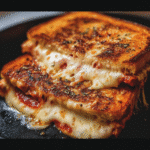
Pizza Grilled Cheese
Ingredients
- ½ cup unsalted butter very soft
- 1 tablespoon grated parmesan cheese
- 1 teaspoon garlic powder
- ½ teaspoon dried Italian seasoning
For assembly:
- 8 slices white bread
- 12 slices mozzarella cheese
- 6 ounces pepperoni
- Warm pizza sauce for dipping
Instructions
- In a medium-sized bowl, place the butter, parmesan cheese, garlic powder, and Italian seasoning and mix it together until all is combined and smooth.
- Spread the butter mixture over one side of the bread slices evenly. Then lay the pieces of bread butter side up onto a sheet tray until you’re ready to use them.
- Over medium-low heat, in a skillet, place a piece of bread butter side down into the skillet. Then place a slice of mozzarella on top of the bread. Then, add 6 pepperoni slices, followed by another slice of mozzarella cheese, 6 more pepperonis, and a final slice of mozzarella cheese.
- Place the top piece of bread on, butter side up. You may end up with leftover pepperoni.
- Place a lid on the skillet to help melt the cheese, and cook until the bottom of the bottom piece of bread is a golden brown, typically takes about 3-5 minutes. Carefully flip the sandwich over using a spatula. Place the lid back on again and continue to cook the other side, until it’s golden brown on the bottom and the cheese is melted in the center. Repeat with the remaining sandwiches.
- Serve immediately with warm pizza sauce for dipping and enjoy.
Let’s break down the significance of each ingredient:
- Unsalted Butter: The unsalted variety allows you to control the saltiness of your dish. When softened to a spreadable consistency, it becomes the key ingredient for achieving that golden-brown crust. Opt for high-quality butter, as it adds a rich flavor to your pizza grilled cheese.
- Grated Parmesan Cheese: This cheese adds a burst of umami flavor and a slightly nutty taste. Mixing it into the butter creates a flavorful spread that enhances the crust and offers a delightful contrast to the mozzarella.
- Garlic Powder: A staple in Italian cuisine, garlic powder infuses the butter blend with a savory kick. It’s a great way to add depth to your pizza grilled cheese without the need for fresh garlic, which can burn easily during cooking.
- Dried Italian Seasoning: This blend of herbs, typically including oregano, basil, and thyme, brings the essence of pizza into your sandwich. It’s essential for achieving that authentic pizza flavor.
- White Bread: Classic white bread is the best choice for this recipe because it toasts beautifully and has a soft texture that complements the gooey cheese. Look for fresh bread without preservatives for the best taste.
- Mozerella Cheese: The star of the show! Mozzarella is known for its meltability, making it perfect for a pizza grilled cheese. Use fresh mozzarella for an ultra-creamy texture, or opt for pre-sliced for convenience.
- Pepperoni: The iconic pizza topping. It adds a spicy and savory flavor that perfectly complements the cheese. Choose high-quality pepperoni for the best taste experience.
- Warm Pizza Sauce: Serving your pizza grilled cheese with warm pizza sauce for dipping elevates the dish, allowing you to enjoy that classic pizza experience. Look for a sauce made with tomatoes, garlic, and herbs to keep it authentic.
Shopping Tips
When shopping for ingredients, freshness is key. For items like bread and cheese, it’s best to purchase from local bakeries or artisanal cheese shops. For the butter, look for options that are labeled “grass-fed” or “organic” for the best flavor. If you’re in a hurry, many grocery stores also offer good quality pre-sliced cheeses and deli meats.
Don’t forget to check the expiration dates, especially for perishable items like cheese and pepperoni. If you’re buying in bulk, consider freezing any extras for later use. This can help save money and reduce waste. Additionally, if you have access to farmer’s markets, you may find some fresh, unique ingredients that can enhance your pizza grilled cheese experience.
Substitutions and Alternatives
For those with dietary restrictions, there are plenty of substitutions you can make without sacrificing flavor. If you are lactose intolerant, try using lactose-free cheese options, or consider vegan cheese brands that melt well. For gluten-free options, many brands offer gluten-free bread that can work just as well.
If you’re avoiding red meat, turkey pepperoni or even veggie pepperoni can provide a similar flavor profile without the meat. Additionally, you can play around with your seasoning; fresh herbs can be used in place of dried if you have them available.
When it comes to butter, olive oil or coconut oil can serve as healthier alternatives that will also provide a distinct flavor. Just remember that these substitutes may slightly change the texture and flavor profile of your pizza grilled cheese.
Finally, if you have any leftover ingredients, consider using them in other recipes. The remaining pizza sauce can be stored in the fridge for a week or frozen for future use, while leftover mozzarella can be melted in pastas or salads.
In conclusion, understanding the role of each ingredient in your pizza grilled cheese not only helps you create a mouthwatering dish but also empowers you to make informed choices while shopping. With the right ingredients, your journey to the ultimate pizza grilled cheese begins!
Detailed Step-by-Step pizza grilled cheese Cooking Instructions
Detailed Step-by-Step pizza grilled cheese Cooking Instructions
Now that we’ve gathered all the essential ingredients for our pizza grilled cheese, it’s time to roll up our sleeves and get cooking! This dish is not only delicious but also fairly easy to prepare. With a bit of practice, you’ll become a pro at making this cheesy delight. Let’s dive into the detailed cooking instructions!
Preparation Steps
- Gather Your Ingredients: Start by measuring out all your ingredients. Having everything ready to go will streamline the cooking process. Set your butter out to soften if you haven’t already.
- Make the Butter Mixture: In a small bowl, combine the softened unsalted butter, grated parmesan cheese, garlic powder, and dried Italian seasoning. Mix well until all the ingredients are thoroughly combined. This will be your flavorful spread for the bread.
- Prepare the Bread: Lay out your 8 slices of white bread on a clean surface. Grab a butter knife and generously spread the butter mixture on one side of each slice. Make sure to cover the entire surface for an even, crispy crust.
- Layer the Cheese and Pepperoni: On the unbuttered side of 4 slices, layer about 3 slices of mozzarella cheese, followed by a handful of pepperoni. Top with another 3 slices of mozzarella cheese to ensure maximum gooeyness. Finally, place the remaining 4 slices of bread on top, buttered side facing out.
Cooking Process
- Heat Your Pan: Preheat a large skillet or griddle over medium heat. To test if it’s ready, sprinkle a few drops of water; if they dance across the surface, you’re good to go!
- Cook the Sandwich: Carefully place two assembled sandwiches in the skillet. Cook for about 3-4 minutes or until the bread is golden brown. Use a spatula to gently press down on the sandwiches, ensuring even cooking.
- Flip and Repeat: Once the bottom is nicely toasted, carefully flip the sandwiches over using a spatula. Cook for another 3-4 minutes. Keep an eye on the heat; if it’s too high, the bread will burn before the cheese melts.
- Check for Doneness: The sandwiches are done when both sides are golden brown and the cheese is melted. You can peek inside one of the sandwiches to check for gooeyness!
- Let Them Rest: Once cooked, remove the sandwiches from the skillet and allow them to rest on a cutting board for a minute. This helps the cheese set slightly and makes cutting easier.
Final Assembly
- Cut the Sandwiches: Use a sharp knife to cut each sandwich diagonally, showcasing that melty cheese and pepperoni filling. This not only makes them visually appealing but also easier to dip into the warm pizza sauce.
- Serve with Pizza Sauce: Warm up your pizza sauce in a small bowl or a saucepan. Serve it alongside your pizza grilled cheese for dipping. This adds an extra layer of flavor and brings the whole dish full circle.
- Enjoy! Finally, gather your friends or family, and enjoy this delicious creation together. The combination of crispy, buttery bread, gooey cheese, and savory pepperoni is sure to be a hit!
Cooking time for this delicious pizza grilled cheese is approximately 30 minutes, including preparation. Remember, the key to a successful cooking experience is patience and practice. Take your time, enjoy the process, and soon enough, you’ll be mastering your own variations of this delightful dish. Whether you’re making it for a cozy family dinner or a fun game night snack, this pizza grilled cheese is bound to impress!
Professional Tips and Techniques for pizza grilled cheese
When it comes to crafting the perfect pizza grilled cheese, a few insider tips and techniques can elevate your creation from ordinary to extraordinary. Whether you’re a novice cook or an experienced chef, these professional techniques will help you master this delicious comfort food.
Professional Techniques
The first step in making a stellar pizza grilled cheese is selecting the right bread. A crusty, artisanal bread or a hearty sourdough can provide the perfect base. These types of bread not only add texture but also absorb the flavors of the melted cheese and toppings. If you want a classic comfort feel, opt for white bread or whole wheat.
Next, let’s talk about cheese. While mozzarella is the traditional choice, consider blending it with other cheeses for a more complex flavor profile. A combination of cheddar and provolone can add sharpness and depth, while fontina can introduce a creamy richness. Don’t be afraid to experiment with different cheese types; after all, the beauty of a pizza grilled cheese lies in its versatility.
One of the most important techniques in achieving that golden-brown crust is the cooking method. It’s essential to cook your sandwich on a low to medium heat. This allows the cheese to melt thoroughly without burning the bread. A cast-iron skillet is a fantastic tool for this, as it distributes heat evenly. If you don’t have one, a non-stick skillet will do just fine, but be sure to monitor the temperature closely.
Another professional tip is to butter your bread generously. This not only helps in achieving that delectable crust but also adds flavor. You might even consider mixing herbs or garlic powder into the butter for an extra layer of taste. Additionally, some chefs recommend spreading a thin layer of pizza sauce inside the sandwich before adding cheese and toppings. This adds a delicious tang that complements the melted cheese perfectly.
Troubleshooting Guide
pizza grilled cheese and how to solve them.
- Problem: The cheese isn’t melting.
- Solution: If your cheese is not melting, it could be due to the type of cheese you’re using. Some cheeses melt better than others. Always opt for a cheese that is known for its melting qualities, like mozzarella or cheddar. Additionally, try covering the pan with a lid for a few minutes to trap heat and encourage melting.
- Problem: The bread is burning before the cheese melts.
- Solution: This usually happens if the heat is too high. Lowering the heat and cooking your sandwich slowly will help both the cheese melt and the bread toast to perfection.
- Problem: The sandwich is soggy.
- Solution: Soggy bread can occur if you overload your pizza grilled cheese with too many toppings or if the sauce is too runny. Keep your toppings minimal, and consider using thicker pizza sauce or spreading it sparingly.
Presentation Tips
pizza grilled cheese. After all, we eat with our eyes first! Here are some ideas to make your dish visually appealing:
- Cut It Right: Cutting your sandwich diagonally can create a more appealing presentation. You can even fan out the pieces for a restaurant-style look.
- Garnish: A sprinkle of fresh basil or oregano on top can not only add a pop of color but also enhance the flavor. You can also drizzle a bit of balsamic glaze over the top for a touch of sophistication.
- Serve with Dipping Sauce: Consider serving your pizza grilled cheese with a small bowl of marinara or ranch dressing for dipping. This not only adds flavor but also adds to the overall presentation.
Wine and Beverage Pairingspizza grilled cheese can enhance the meal experience. A light-bodied red wine, like Pinot Noir, complements the flavors without overpowering them. If you’re not a wine drinker, a crisp, cold lager or a sparkling water with a slice of lemon can provide a refreshing contrast to the richness of the sandwich.
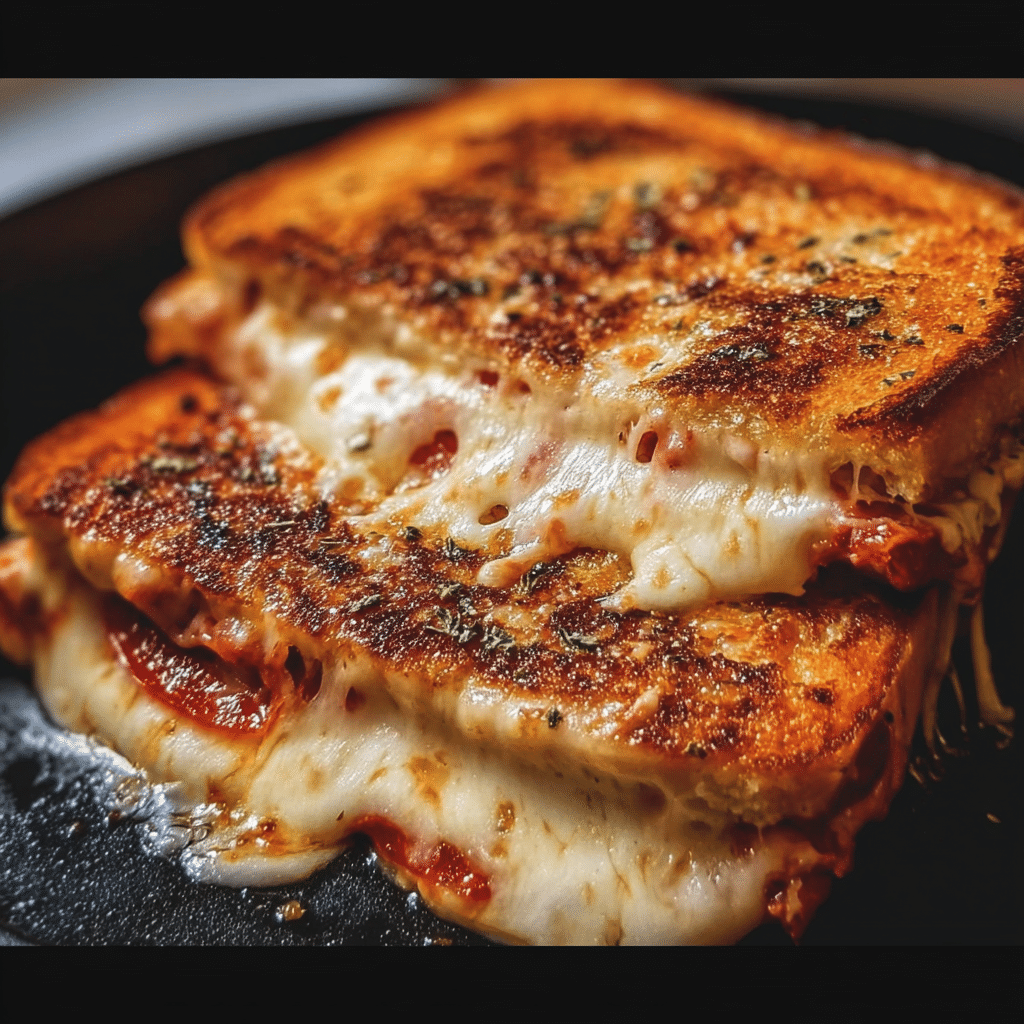
Whether you’re making this for a quick lunch or an indulgent dinner, these professional tips and techniques will help you create a mouthwatering pizza grilled cheese that’s sure to impress your friends and family.
Creative Variations and Adaptations of pizza grilled cheese
One of the best things about the pizza grilled cheese is its versatility. You can adapt it to suit any taste preference, seasonal ingredient availability, or dietary restriction. Let’s dive into some creative variations and adaptations that will keep your culinary creativity alive.
Seasonal Variations
pizza grilled cheese a new twist. In the spring, consider adding fresh asparagus or sautéed leeks for a pop of flavor. In summer, ripe tomatoes and basil can bring a refreshing taste that evokes the essence of a Margherita pizza. When fall arrives, roasted pumpkin or butternut squash can add a sweet and earthy element, while a sprinkle of sage or nutmeg can enhance the flavors. In winter, sautéed mushrooms and spinach can add depth and heartiness.
Another fun idea is to incorporate seasonal cheeses. For example, in the summertime, a creamy burrata can elevate your sandwich, while in the winter, a sharp aged cheddar can add a wonderful depth of flavor.
Dietary Adaptations
pizza grilled cheese can easily be adapted for various dietary needs. For those following a keto diet, you can use low-carb bread or even make a crustless version using cheese as the base. Simply melt cheese in a skillet and add toppings before folding it over for a cheesy delight.
If you’re looking to make a vegan version, there are numerous plant-based cheeses available that melt well. You can also create your own cheese sauce using cashews, nutritional yeast, and spices for a creamy, flavorful alternative. For gluten-free eaters, simply substitute traditional bread with gluten-free options available on the market.
Creative Twists
pizza grilled cheese internationally? A Mediterranean twist could include adding feta cheese, olives, and roasted red peppers. For a Mexican flair, include pepper jack cheese, black beans, and jalapeños, with a sprinkle of taco seasoning. You could also try an Asian-inspired version by adding kimchi and using a combination of mozzarella and spicy gochujang sauce, giving it a unique kick.
And let’s not forget about using leftovers! If you have leftover pizza, consider turning it into a pizza grilled cheese. Just layer the toppings and cheese between two slices of bread; it’s a fantastic way to reduce food waste while enjoying a delicious meal.
In conclusion, the pizza grilled cheese is a canvas for your culinary creativity. The variations and adaptations are endless, allowing you to tailor this dish to your preferences and the ingredients you have on hand. Whether you stick to the classic recipe or venture into new territories, this sandwich is sure to satisfy your taste buds.
Storage, Reheating, and Meal Prep for pizza grilled cheese
When it comes to enjoying a delicious pizza grilled cheese, one of the most common questions that come to mind is how to store, reheat, and meal prep this mouthwatering creation. After all, who doesn’t want to savor the cheesy, tomatoey goodness a second time? In this comprehensive guide, we’ll delve into the best practices for keeping your pizza grilled cheese fresh and delicious, whether you’re planning for a quick lunch or a cozy dinner. So grab your favorite cheese and let’s dive in!
Short-term Storage
Once you’ve whipped up a batch of pizza grilled cheese, the first step in ensuring its longevity is proper short-term storage. If you plan to enjoy your pizza grilled cheese within a few days, the refrigerator is your best bet. Allow the sandwiches to cool down to room temperature before storing them; this helps prevent condensation and sogginess.
For short-term storage, I recommend using airtight containers. Glass containers with tight-fitting lids work wonderfully, but you can also use plastic containers. Just make sure they’re labeled as food-safe. If you’re using a plastic wrap, ensure that it is tightly sealed against the surface of the grilled cheese to minimize air exposure. This prevents the bread from becoming stale and keeps the flavors intact. Generally, pizza grilled cheese can be stored in the refrigerator for up to three days. However, for the best taste and texture, I suggest consuming them within 1-2 days.
Freezing and Long-term Storage
If you’ve made a large batch of pizza grilled cheese and want to save some for later, freezing is a fantastic option. Freezing can extend the shelf life of your pizza grilled cheese to about 2-3 months. To freeze your sandwiches properly, start by letting them cool down completely.
Next, wrap each sandwich individually in plastic wrap or aluminum foil. This prevents freezer burn and preserves the quality of the grilled cheese. After wrapping, place the sandwiches in a freezer-safe bag or container. Be sure to label them with the date so you can keep track of how long they’ve been in the freezer.
When you’re ready to enjoy your frozen pizza grilled cheese, remove the desired number of sandwiches from the freezer and let them thaw in the refrigerator overnight. This slow thawing method helps maintain the structure and flavor. If you’re in a hurry, you can microwave them for a few minutes on a low setting, but be cautious, as this can lead to a soggy sandwich.
Reheating Best Practices
Reheating pizza grilled cheese properly is crucial to ensure that you enjoy it just as much as when it was freshly made. The best method for reheating is using a skillet or griddle, which allows the bread to crisp up while the cheese melts perfectly. Start by heating a non-stick skillet over medium heat. Place the sandwich in the skillet and cover it with a lid. This helps trap heat and moisture, ensuring the cheese melts uniformly. Flip the sandwich after about 3-4 minutes, or when it turns golden brown, and cook for another 3-4 minutes on the other side.
If you’re in a rush, the microwave can be used, but keep in mind that it may not provide the desired crispy texture. To microwave, place the sandwich on a microwave-safe plate, cover it with a damp paper towel, and heat it for about 30 seconds to 1 minute, checking frequently to avoid overheating.
Another excellent reheating method is using an oven. Preheat your oven to 350°F (175°C), place the sandwich on a baking sheet, and heat for about 10-15 minutes. This method provides a nice crispiness while keeping the cheese gooey.
In terms of food safety, always ensure that your pizza grilled cheese is heated to a safe internal temperature of 165°F (74°C) before consuming. This is particularly important if the sandwich has been stored in the refrigerator or freezer.
Finally, when planning for meal prep, consider portioning the sandwiches into single servings. This makes reheating easier and allows you to grab a quick meal on the go. You can also experiment with different fillings or toppings to keep things exciting. Who says pizza grilled cheese can’t have a bit of variety?
By following these storage and reheating methods, you can enjoy your pizza grilled cheese long after it’s made, ensuring that every bite is as delicious as the first!
Nutritional Benefits and Health Information
Understanding the nutritional benefits and health information surrounding your pizza grilled cheese can elevate your cooking experience. This delightful fusion of pizza and grilled cheese isn’t just a guilty pleasure; it can also be enjoyed in a healthier way, depending on the ingredients you choose. Let’s break down the nutritional aspects of pizza grilled cheese and explore how to make it a wholesome option for your meals.
Nutritional Profile
The base of any pizza grilled cheese consists of bread, cheese, and pizza toppings. The nutritional breakdown varies based on the types and amounts of these ingredients, but a typical serving can range from 400 to 600 calories. Let’s look at the primary components:
- Bread: Whole grain or sourdough bread adds fiber, which is essential for digestive health. A slice of whole grain bread usually contains around 80-100 calories and contributes to the overall carbohydrate content.
- Cheese: Cheese is the star of the show when it comes to pizza grilled cheese. A standard serving of mozzarella cheese (about 1 ounce) has approximately 70-80 calories and is a great source of calcium and protein.
- Pizza Toppings: Depending on your preferences, toppings like pepperoni, vegetables, or even pineapple can enhance the flavor and nutritional content. For example, adding veggies not only increases fiber but also provides vitamins and minerals.
Health Benefits
Pizza grilled cheese can offer several health benefits, depending on the ingredients you select. For instance, by using whole grain bread, you’re not only adding a nutty flavor but also increasing the fiber content, which can help with weight management and keep you feeling full longer. Additionally, cheese contributes valuable calcium and protein, which are vital for maintaining strong bones and muscles.
Incorporating vegetables as toppings can provide antioxidant benefits. For instance, bell peppers and spinach are rich in vitamins A and C, which can support immune function and skin health. If you’re mindful of your sodium intake, consider using low-sodium cheese and opting for fresh vegetables instead of processed toppings to keep your pizza grilled cheese healthy.
Dietary Considerations
When it comes to dietary considerations, pizza grilled cheese can be tailored to fit various dietary needs. For gluten-free eaters, using gluten-free bread can make this dish accessible without sacrificing flavor. Vegan options are also available by using dairy-free cheese and plant-based bread, which can cater to those following a plant-based diet.
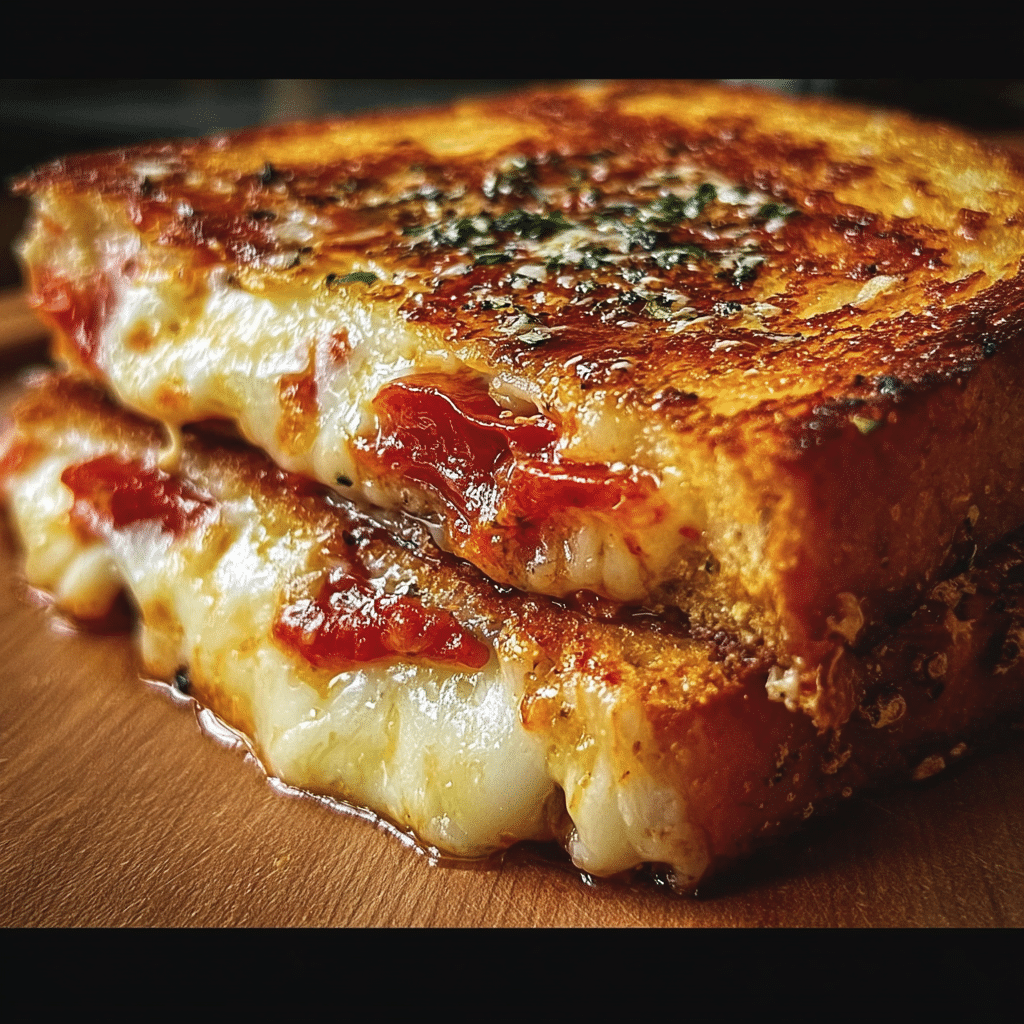
Allergen information is essential to consider as well. Common allergens in pizza grilled cheese include gluten, dairy, and sometimes soy, depending on the type of cheese and bread used. Always check labels and ingredient lists if you’re preparing this dish for someone with food allergies.
In terms of macronutrients, a typical pizza grilled cheese can provide a balanced mix of carbohydrates, proteins, and fats, making it a satisfying meal option. It’s important to be conscious of portion sizes, especially if you’re watching your calorie intake. Consider pairing your pizza grilled cheese with a side salad or a serving of fruit to round out your meal and add more nutrients.
For those looking to make healthier modifications, consider the following tips:
- Choose whole grain or sprouted bread for added fiber.
- Opt for low-fat cheese options to reduce calorie and fat content.
- Add a variety of vegetables for enhanced flavor and nutrition.
- Experiment with different herbs and spices instead of high-calorie sauces for added flavor without the extra calories.
In comparison to similar dishes, pizza grilled cheese offers a unique twist. While a traditional grilled cheese sandwich primarily focuses on cheese and bread, adding pizza toppings transforms the flavor profile and adds excitement. Moreover, it can be a more balanced meal than traditional pizza, which often has a higher crust-to-topping ratio.
In conclusion, pizza grilled cheese is not just a delicious comfort food; it can also be a nutritious meal option when prepared thoughtfully. By understanding its nutritional benefits and making conscious ingredient choices, you can create a pizza grilled cheese that satisfies your cravings while still being mindful of your health.