Polish dill soup is a dish that holds a special place in my heart, embodying the essence of home-cooked comfort food. I remember the first time I encountered this delightful soup during a summer visit to my grandmother’s house in Poland. The air was thick with the scent of fresh dill and simmering vegetables, and as I entered her cozy kitchen, I was immediately enveloped in warmth and nostalgia. My grandmother, with her skilled hands and infectious smile, was stirring a pot of polish dill soup, a family recipe passed down through generations. I could hardly wait to taste it, and when I did, I was transported to a world of flavors that danced harmoniously on my palate.
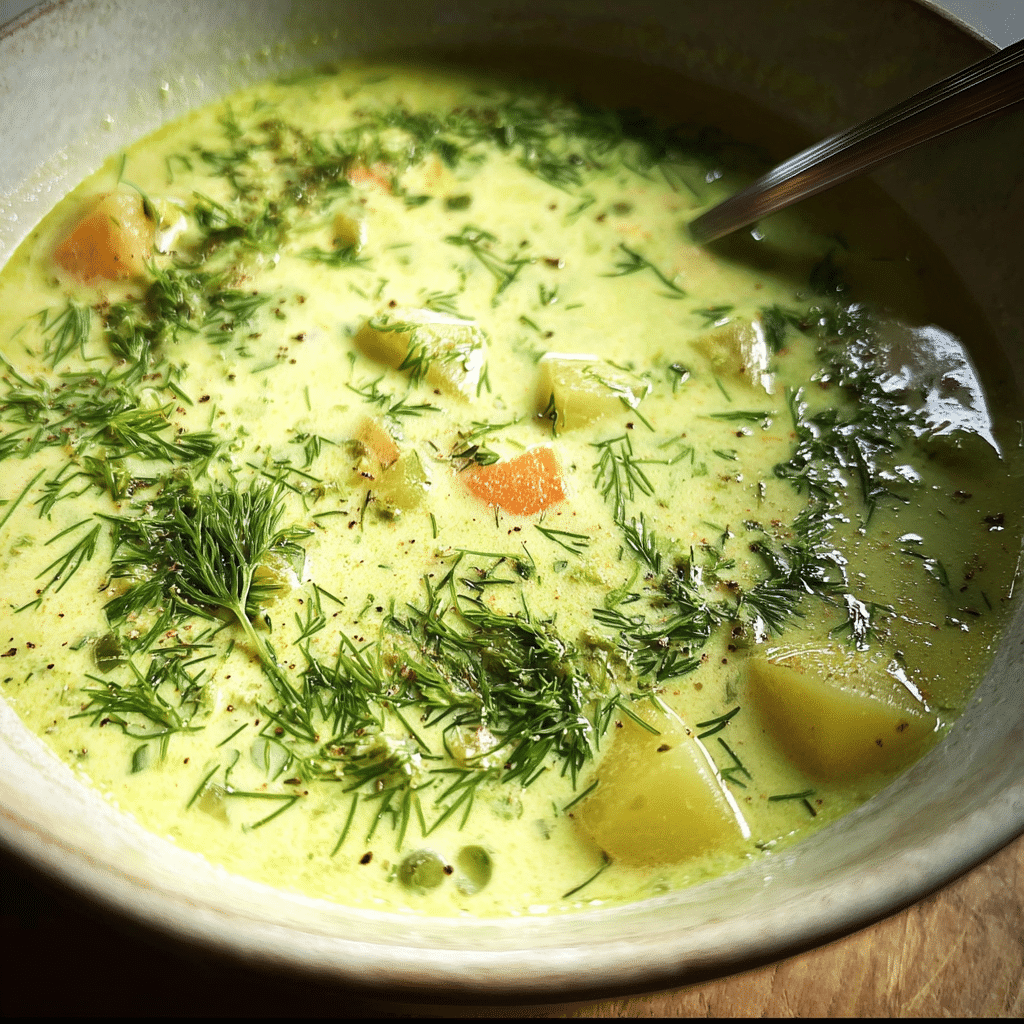
The beauty of polish dill soup lies in its simplicity. Traditionally made with fresh dill, potatoes, and a rich broth, this soup is a reflection of Polish culinary traditions that prioritize fresh, local ingredients. It is a dish that not only nourishes the body but also feeds the soul. I learned that the secret to its unique flavor is the love and care that goes into its preparation, something my grandmother always emphasized. This soup is a perfect example of how food can tell stories, evoke memories, and connect us to our roots.
The Story Behind This Recipe
Polish dill soup is not just another dish in the vast landscape of Polish cuisine; it is a symbol of hospitality and home. Its origins can be traced back to the rural communities of Poland, where families relied on seasonal vegetables and herbs to create hearty meals. Dill, an herb deeply rooted in Eastern European cooking, is celebrated for its aromatic qualities and health benefits. Growing up, I remember my grandmother tending to her herb garden, and I often tagged along, eager to learn about the plants that would eventually find their way into our meals.
This soup stands out for its adaptability. It can be made vegetarian or with meat, depending on personal preference. In my family, we often made it with a chicken or vegetable broth, enhancing its flavor while keeping it light and refreshing. What I appreciate most about polish dill soup is its ability to transform a busy weeknight into a moment of culinary joy. It’s a straightforward recipe that comes together quickly, making it an ideal choice for families on the go. Just chop some vegetables, simmer them in broth, and finish with a generous handful of fresh dill, and you have a meal that feels both comforting and nourishing.
Why You’ll Love This Dish
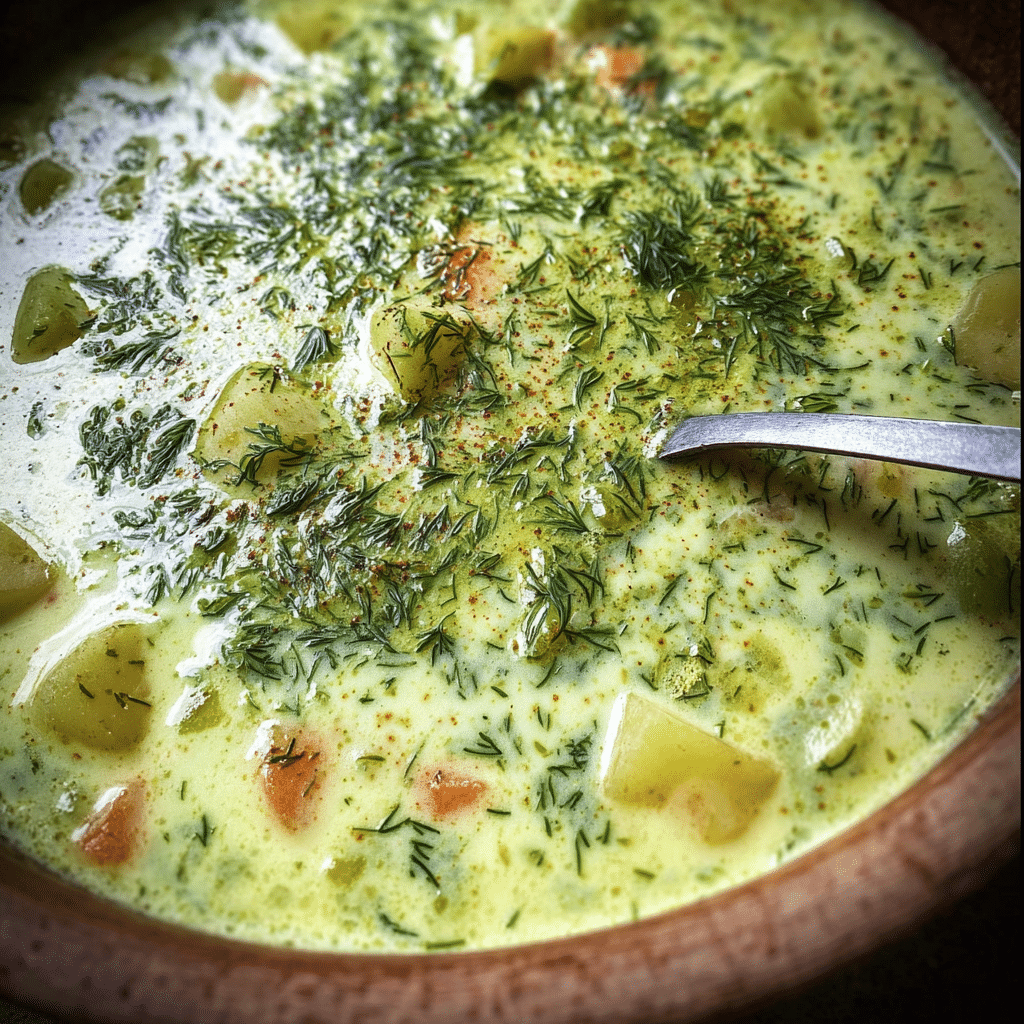
There’s something inherently special about polish dill soup that resonates with all ages. Children are often drawn to its creamy texture and mild flavor, while adults appreciate the depth of taste that comes from fresh ingredients. As the seasons change, so does the soup; it can be a light dish perfect for spring or a warm, hearty option in the colder months. I often find myself making it during the spring when dill is at its peak. The bright green herb adds a burst of color and flavor that signals the arrival of warmer weather.
Emotionally, this soup connects me to my family and heritage. It is a dish that has been served at many family gatherings, from holiday dinners to casual Sunday lunches. Each bowl is filled not just with ingredients but with stories and shared laughter. It reminds us of our roots and the importance of gathering around the table. In a world that often feels rushed, polish dill soup serves as a reminder to slow down and appreciate the simple joys in life.
Throughout this guide, I promise to share not only the recipe for polish dill soup but also the techniques and tips that will help you create your own version of this beloved dish. I’ll delve into the ingredients, discuss variations, and explore the cultural significance behind this comforting soup. Whether you’re a seasoned cook or a beginner looking to explore new flavors, you’ll find something valuable here. So, let’s embark on this culinary journey together and discover the magic of polish dill soup!
The Rich History and Cultural Significance of polish dill soup
The rich history and cultural significance of polish dill soup is deeply intertwined with Polish culinary traditions, reflecting the simplicity and heartiness that characterize much of the country’s cuisine. To understand this beloved dish, we must first explore its origins, regional variations, and the evolution of its recipe over the years.
Origins and History
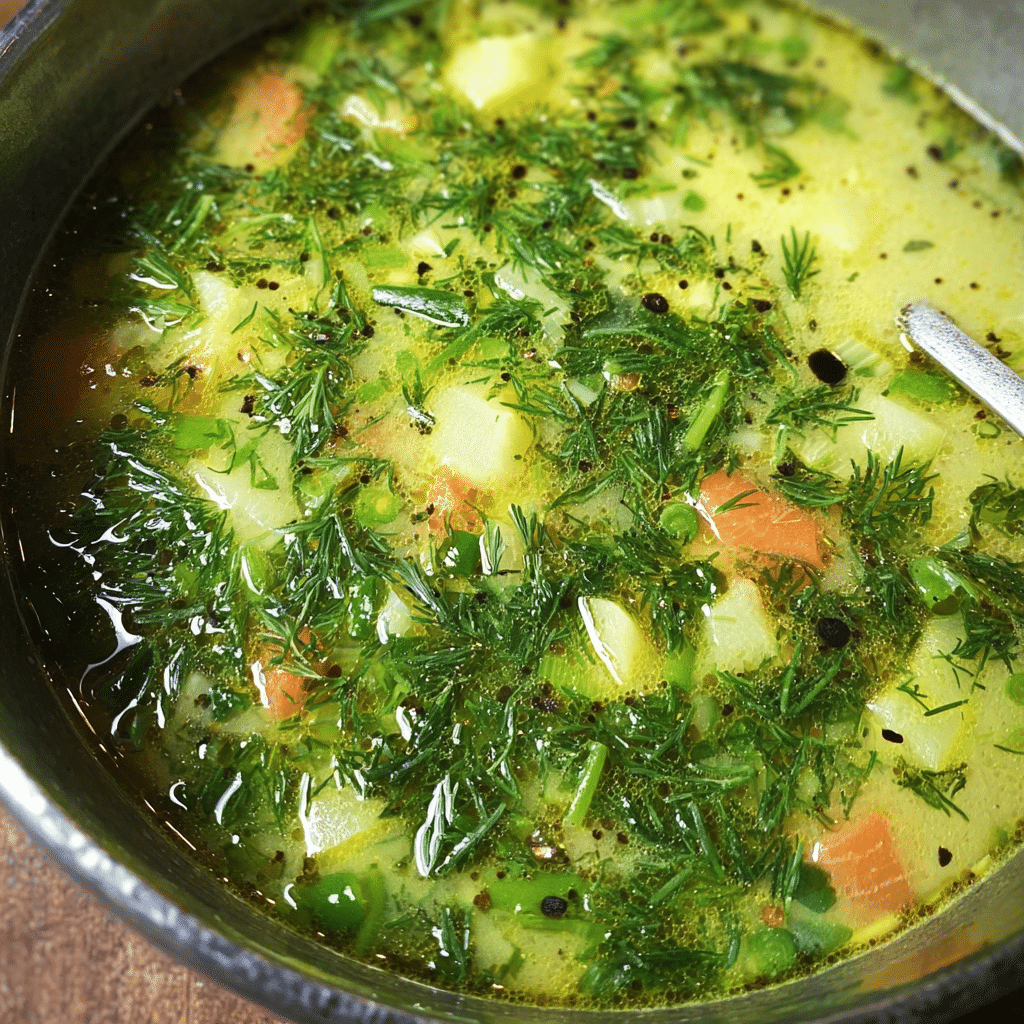
Polish dill soup, known as “zupa koperkowa” in Polish, derives its name from the key ingredient—dill. Dill has been cultivated in Europe for thousands of years, and in Poland, it is celebrated not only for its culinary uses but also for its medicinal properties. The use of seasonal herbs and vegetables in Polish cooking has a long-standing tradition, where families would gather ingredients from their gardens or local markets. This practice has been passed down through generations, and polish dill soup emerged as a staple meal that was both nourishing and accessible.
Print
Polish Dill Soup
Ingredients
- 2 large carrots
- 2 large celery stalks
- 1 medium yellow onion
- 1 large leek
- 4 to 6 whole dill pickles (made with salt and water brine, not vinegar brine)
- 1 pound Yukon gold potatoes (4 to 6 medium)
- 4 cloves garlic
- 3 tablespoons unsalted butter
- 1 (48-ounce) carton low-sodium chicken or vegetable broth (6 cups)
- 1 1/4 cups dill pickle brine, divided
- 2 fresh or dried bay leaves
- 1/2 teaspoon freshly ground black pepper, plus more as needed
- 1 medium bunch fresh dill
- 1/2 cup sour cream, plus more for serving
- 2 teaspoons distilled white or white wine vinegar
- Kosher salt
- Rye bread, for serving (optional)
Instructions
-
Prepare the following, adding each to the same medium bowl as you complete it: Peel and grate 2 large carrots on the large holes of a box grater (about 2 cups); dice 2 large celery stalks (about 1 1/4 cups); quarter and thinly slice 1 medium yellow onion (about 1 cup); trim the root end and the dark green tops from 1 large leek and remove the outer leaves, then halve the leek lengthwise and rinse the cut sides under running water to remove any sediment, and thinly slice crosswise (about 1 1/2 cups).
-
Grate 4 to 6 whole dill pickles on the large holes of the box grater into a second medium bowl until you have 1 packed cup. Peel 1 pound Yukon gold potatoes if desired, then cut into 1/2-inch pieces (about 3 cups), and add to the bowl. Finely grate or mince 4 garlic cloves and add to the bowl.
-
Melt 3 tablespoons unsalted butter in a medium Dutch oven or heavy-bottomed pot over medium-high heat. Add the carrot mixture and cook, stirring occasionally, until starting to soften, about 4 minutes. Add the potato mixture and cook until onions are lightly browned in spots, 4 to 5 minutes more.
-
Add 1 (48-ounce) carton low-sodium chicken or vegetable broth, 1 cup of the dill pickle brine, 2 fresh or dried bay leaves, and 1/2 teaspoon black pepper. Bring to a boil. Reduce the heat to maintain a simmer and cook until the potatoes are tender, 15 to 20 minutes. Meanwhile, pick the fronds from 1 medium bunch fresh dill until you have 2 loosely packed cups.
-
Transfer 1 cup of broth from the soup to a bowl, add 1/2 cup sour cream, and stir until smooth. Return the sour cream mixture to the soup. Remove the pot from the heat. Add the remaining 1/4 cup dill pickle brine and 2 teaspoons distilled white or white wine vinegar, and stir to combine. Taste and season with kosher salt and more black pepper as needed.
-
Top each serving with a dollop of sour cream, black pepper, and a generous sprinkle of fresh dill. Serve with rye bread if desired.
Cultural Significance
Nutritional Benefits
Essential Ingredients for Perfect polish dill soup
When you’re ready to dive into the world of making a comforting bowl of polish dill soup, it’s crucial to have all the right ingredients at your fingertips. This soup is a wonderful blend of flavors and textures that can transport you straight to Poland with every spoonful. Let’s explore each component that goes into crafting the perfect polish dill soup.
Essential Ingredients
- 2 large carrots
- 2 large celery stalks
- 1 medium yellow onion
- 1 large leek
- 4 to 6 whole dill pickles (made with salt and water brine, not vinegar brine)
- 1 pound Yukon gold potatoes (4 to 6 medium)
- 4 cloves garlic
- 3 tablespoons unsalted butter
- 1 (48-ounce) carton low-sodium chicken or vegetable broth (6 cups)
- 1 1/4 cups dill pickle brine, divided
- 2 fresh or dried bay leaves
- 1/2 teaspoon freshly ground black pepper, plus more as needed
- 1 medium bunch fresh dill
- 1/2 cup sour cream, plus more for serving
- 2 teaspoons distilled white or white wine vinegar
- Kosher salt
- Rye bread, for serving (optional)
Each ingredient in this list plays a pivotal role in creating the signature taste and texture of polish dill soup. Let’s break down their significance and how to choose the best versions for your soup.
Carrots add a natural sweetness and vibrant color to the soup. When selecting carrots, look for firm ones with a deep orange hue. Avoid those that are soft or have blemishes. Celery stalks provide a crisp texture and a subtle earthiness. Opt for stalks that are bright green and crunchy. The yellow onion is essential for building the soup’s base flavor; a fresh onion should feel heavy for its size and have a papery skin.
Leeks are another key ingredient, contributing a mild onion flavor that pairs beautifully with the other ingredients. Choose leeks that are firm and have a vibrant green top. The dill pickles are the star of the show; they bring a tangy, briny flavor that defines the polish dill soup. Look for pickles made with salt and water brine, as vinegar-brined pickles can overwhelm the dish. Yukon gold potatoes are the perfect starchy addition, lending creaminess and substance to the soup. Select potatoes that are smooth and free of blemishes.
Garlic adds a robust aroma and depth of flavor. Fresh garlic should be firm and free of sprouting. Unsalted butter is essential for sautéing the vegetables, allowing you to control the saltiness of your soup. Use a high-quality broth—either homemade or a low-sodium store-bought option—to ensure your soup has a rich and savory base. The dill pickle brine is what gives this soup its unique flavor; it’s important to measure carefully to maintain the right balance.
Fresh or dried bay leaves add a subtle herbal note, while freshly ground black pepper enhances the overall flavor profile. Fresh dill is a must-have for garnish and an aromatic boost; it should be vibrant and fragrant. Sour cream adds creaminess and a slight tang, rounding out the flavors beautifully. Finally, a splash of distilled white or white wine vinegar brightens up the soup, enhancing its flavors. And for a traditional touch, a slice of rye bread makes for a perfect accompaniment.
Shopping Tips
When shopping for ingredients for polish dill soup, consider visiting local farmers’ markets for the freshest produce, especially for your vegetables and herbs. Not only do they tend to be fresher, but you may also find organic options that are grown without pesticides. If you prefer shopping at a grocery store, look for the produce section that has the freshest items; often, they have signage indicating when the items were delivered.
Buying in bulk can save you money if you plan to make polish dill soup regularly. Consider purchasing potatoes, carrots, and celery in larger quantities, as they have a longer shelf life. Fresh dill can sometimes be hard to find; if you can’t locate any, dried dill can be used as a substitute, although the flavor will be less vibrant.
Substitutions and Alternatives
If you’re looking to modify the recipe due to dietary restrictions or personal preferences, there are several substitutions available. For a vegan version of polish dill soup, swap out the chicken broth for vegetable broth and use olive oil instead of butter. If you’re lactose intolerant, you can replace the sour cream with a dairy-free alternative, such as cashew cream or coconut yogurt. To make it gluten-free, ensure your rye bread is gluten-free or simply serve with a different type of bread.
For those who may be avoiding nightshades, you can omit the potatoes altogether or substitute them with cauliflower for a similar texture. Don’t hesitate to experiment with other herbs if you’re not a fan of dill; tarragon or parsley can also bring a delightful freshness to the soup.
In conclusion, gathering the right ingredients for polish dill soup creates the foundation for a delightful culinary experience. Each ingredient brings its unique character to the dish, making it a truly comforting bowl of goodness. With quality produce, thoughtful substitutions, and a little bit of love, you can create a soup that resonates with your personal touch and pays homage to its Polish origins.
Detailed Step-by-Step polish dill soup Cooking Instructions
Now that you have all the essential ingredients lined up, it’s time to roll up your sleeves and get cooking! Making polish dill soup is not only a rewarding experience but also a wonderful way to fill your kitchen with enticing aromas. Let’s dive into the step-by-step process, ensuring every detail is covered so that your soup turns out perfectly every time.
Preparation Steps
- Mise en Place: Begin by gathering all your ingredients. This step, known as mise en place, is crucial in ensuring a smooth cooking process. Chop the carrots, celery, onion, and leek into small, uniform pieces for even cooking. Dice the dill pickles and set them aside. Peel and chop the Yukon gold potatoes into bite-sized cubes, and mince the garlic cloves.
- Measure Your Liquids: Measure out 6 cups of low-sodium chicken or vegetable broth and 1 1/4 cups of dill pickle brine. Having these ready will streamline the cooking process.
- Prep the Fresh Dill: Rinse the fresh dill under cold water and pat it dry. Remove the leaves from the stems and roughly chop them, setting aside a few sprigs for garnish later.
- Gather Your Cooking Equipment: You’ll need a large stockpot or Dutch oven for cooking the soup. Make sure you have a cutting board, knife, measuring cups, and a stirring spoon ready to go.
Cooking Process
- Sauté the Aromatics: Place your large stockpot over medium heat and add 3 tablespoons of unsalted butter. Once melted, add the chopped onions, carrots, celery, and leeks. Sauté for about 5–7 minutes until the vegetables are soft and the onions are translucent. This step builds the flavor base for your polish dill soup.
- Add Garlic: Stir in the minced garlic and cook for an additional 1–2 minutes until fragrant, being careful not to let it burn. The aroma of the garlic will enhance the overall depth of your soup.
- Incorporate Potatoes and Broth: Add the diced Yukon gold potatoes to the pot, followed by the 6 cups of broth and 1 1/4 cups of dill pickle brine. Stir well to combine all the ingredients.
- Add Bay Leaves and Seasoning: Toss in the bay leaves and freshly ground black pepper. Bring the mixture to a gentle boil, then reduce the heat to low. Cover the pot and let the soup simmer for about 20 minutes or until the potatoes are tender, stirring occasionally.
- Finish with Dill and Sour Cream: Once the potatoes are tender, remove the bay leaves. Stir in the chopped fresh dill and sour cream, mixing until smooth. Taste and adjust seasoning with kosher salt and additional black pepper if desired.
Final Assembly
- Serving Up: Ladle the polish dill soup into bowls. If you like, add an extra dollop of sour cream on top for creaminess and garnish with a sprig of fresh dill.
- Pairing: Serve the soup alongside slices of rye bread for a traditional Polish touch, or your favorite crusty bread for dipping.
- Storage Tips: If you have leftovers, allow the soup to cool completely before transferring it to an airtight container. It can be stored in the refrigerator for up to 3 days. Reheat gently on the stove, adding a splash of broth if the soup has thickened.
- Freezing: You can also freeze the soup. Portion it into freezer-safe containers and store for up to 3 months. Thaw overnight in the fridge before reheating.
- Common Mistakes: One common mistake is overcooking the vegetables, which can lead to a mushy texture. Keep an eye on your cooking time, especially when simmering the potatoes.
- Chef Secrets: A dash of vinegar at the end brightens the flavors, so don’t skip that step! Additionally, using homemade broth can elevate your soup to a whole new level of flavor.
With these detailed instructions, making polish dill soup becomes an easy and enjoyable culinary adventure. Whether you’re cooking for family or friends or simply treating yourself, this soup is sure to warm your heart and satisfy your taste buds. Enjoy the process and don’t forget to savor every spoonful!
Professional Tips and Techniques for polish dill soup
When it comes to crafting the perfect polish dill soup, there’s a world of culinary wisdom to delve into. This traditional soup, known for its aromatic dill flavor and creamy texture, can be a comforting dish on a chilly evening or a delightful starter for a festive feast. Whether you’re a seasoned chef or a home cook looking to impress, understanding some professional tips and techniques can elevate your soup-making game to new heights.
Professional Techniques
One of the most essential techniques in making polish dill soup is mastering the art of flavor building. Start with a base of sautéed onions and carrots in butter. This not only adds sweetness but also forms a rich foundation for your soup. I remember the first time I made this soup; I was so eager to toss in all the ingredients that I overlooked the aromatics. The result was a flat flavor profile, which taught me the importance of patience in the cooking process.
Another crucial technique is the proper use of dill. Fresh dill is the star of the show in polish dill soup, so always opt for fresh over dried if possible. When chopping dill, use a sharp knife to avoid bruising the leaves. This keeps the vibrant color and flavor intact. You can also add dill at different stages of cooking; some at the beginning for a deep infusion and then a final sprinkle before serving for a burst of freshness.
For those adventurous in the kitchen, consider experimenting with the consistency of your polish dill soup. If you’re looking for a thicker soup, purée part of it after simmering, then stir it back into the pot. This method creates a luscious texture that feels indulgent yet remains comforting. Alternatively, for a lighter option, you can skip the cream entirely or use a plant-based alternative, which pairs beautifully with the dill.
Troubleshooting Guide
Even the most experienced cooks can run into bumps while preparing polish dill soup. One common issue is ending up with a soup that is too salty. If you find yourself in this situation, adding a diced potato can absorb some of the saltiness. Just remember to remove it before serving! Another problem might be curdled cream if you’re using dairy. To prevent this, temper your cream by gradually whisking in some hot soup before adding it to the pot. This helps the cream integrate smoothly without curdling.
If your soup is lacking depth, consider adding a splash of white wine or a squeeze of lemon juice. Acid can help brighten flavors and elevate the overall dish. Lastly, if the dill flavor is too overpowering, balance it with a touch of sugar or a dash of vinegar to mellow it out.
Presentation Tips
Presentation is key in making your polish dill soup not only delicious but visually appealing as well. Serve your soup in shallow bowls to showcase its creamy texture, and garnish with a dollop of sour cream or a swirl of crème fraîche. A sprinkle of freshly chopped dill and a few whole leaves can add a burst of color and freshness. You can even add a slice of lemon on the side for an inviting touch.
For a whimsical flair, consider using a fun soup spoon or serving it in a rustic bread bowl. The warmth of the bread complements the soup beautifully and adds an element of experience to your meal. Remember, we eat with our eyes first, so taking the time to present your polish dill soup with care can truly elevate the dining experience.
Scaling the Recipe
One of my favorite aspects of polish dill soup is its versatility in scaling. Whether you’re cooking for two or twenty, this soup can be easily adjusted. If you’re scaling up, simply double or triple the ingredients, but be mindful that the cooking time may need adjustment. For smaller portions, consider making a big batch and freezing leftovers for a quick meal later on. Soups freeze wonderfully, and the flavors often deepen and improve after a stint in the freezer.
Wine and Beverage Pairings
Pairing the right beverage with your polish dill soup can enhance the meal significantly. A crisp, dry white wine such as Sauvignon Blanc or a light-bodied Pinot Grigio complements the soup’s flavors beautifully. If you prefer non-alcoholic options, a sparkling water with a hint of lemon can refresh your palate between bites. I personally enjoy serving a light beer alongside this dish, as the effervescence and mild maltiness bring out the dill’s herbaceous notes.
In conclusion, mastering polish dill soup involves a blend of professional techniques, troubleshooting skills, and a flair for presentation. With these tips in mind, you’ll be well on your way to creating a soup that not only warms the soul but also delights the senses.
Creative Variations and Adaptations of polish dill soup
The beauty of polish dill soup is its adaptability. While the traditional recipe focuses on dill, potatoes, and a creamy base, there are countless creative variations and adaptations that can elevate this dish, making it suitable for any season, dietary preference, or culinary whim. Let’s explore some exciting ways to reinvent this classic soup.
Seasonal Variations
Seasonal ingredients can dramatically change the flavor profile of your polish dill soup. In the spring, consider adding fresh peas or asparagus for a pop of color and sweetness. These bright greens pair well with dill and create a vibrant contrast against the creamy base. In the fall, swap out the potatoes for roasted butternut squash or pumpkin, which adds a delightful earthiness and vibrant color to your soup.
During winter, hearty vegetables like parsnips or root vegetables can be introduced to give the soup a rustic, warming quality. I remember one chilly evening, I added roasted carrots and parsnips to my polish dill soup, and the sweetness of the roasted vegetables perfectly complemented the dill, making the soup feel even more comforting. In summer, you could even blend in some fresh tomatoes for a refreshing, lighter version.
Dietary Adaptations
As various dietary needs arise, polish dill soup can easily be modified. For a vegan version, replace the cream with coconut milk or cashew cream, which provides a rich consistency without the dairy. You might also use vegetable broth instead of chicken broth to keep it plant-based. A gluten-free adaptation simply involves ensuring your broth and any thickening agents are gluten-free.
If you’re following a ketogenic diet, consider using cauliflower instead of potatoes. When puréed, cauliflower gives a creamy texture while significantly lowering the carb content. I’ve had great success with this adaptation; it’s a fantastic way to enjoy the flavors of polish dill soup without the added carbs.
Creative Twists
To add a unique twist to your polish dill soup, consider incorporating international flavors. For instance, adding a hint of curry powder or turmeric can introduce an intriguing warmth and depth. Alternatively, infusing the soup with a bit of smoked paprika can create a delightful smoky flavor that beautifully complements the dill.
Another fun idea is to serve your polish dill soup with a dollop of flavored crème fraîche, such as garlic or lemon zest, for a gourmet touch. If you have leftover cooked chicken, shred it and add it to the soup for added protein and heartiness. This not only gives the dish a new dimension but also is a wonderful way to use up leftovers.
For cooking methods, while the traditional stovetop method is fantastic, consider using a slow cooker for a set-and-forget option. Just toss in all the ingredients and let it simmer throughout the day – your home will smell divine! An Instant Pot is another dynamic option, allowing you to create this soup in a fraction of the time without sacrificing flavor.
Lastly, if you have leftovers, transform them into a delicious pasta sauce by simmering with a bit more stock and adding cooked pasta. This not only reduces food waste but offers a delightful twist on the classic soup, making it a versatile dish that can evolve throughout the week.
In conclusion, the possibilities with polish dill soup are endless. With thoughtful ingredient swaps, dietary adaptations, and creative twists, this beloved Polish classic can be enjoyed year-round in a myriad of delightful ways. Embrace your culinary creativity and let this soup become a canvas for your imagination!
Storage, Reheating, and Meal Prep for polish dill soup
When it comes to Polish dill soup, the love for this comforting dish doesn’t end when the meal is over. In fact, one of the great joys of cooking is knowing that you can savor the flavors of your favorite recipes long after the initial dining experience. That’s where proper storage, reheating, and meal prep strategies come into play. Whether you find yourself with leftovers or you’re planning a week’s worth of meals, understanding how to store Polish dill soup effectively will ensure that its delightful flavors remain intact.
Short-term Storage
If you’ve made a big pot of Polish dill soup and have leftovers, the first thing you should consider is how to store it in the refrigerator. The key to keeping your soup fresh is to let it cool down to room temperature before transferring it to airtight containers. This prevents condensation from forming, which can lead to unwanted moisture and spoilage. When it comes to choosing the right container, opt for glass or BPA-free plastic containers that can be sealed tightly. Not only do these materials hold up well in the refrigerator, but they also don’t impart any flavors to your soup.
For best practices, divide your soup into smaller portions before refrigerating. This not only makes it easier to grab a quick meal but also allows the soup to cool faster, reducing the risk of bacterial growth. Store the soup in the fridge for up to three to four days. If you notice any off smells or changes in texture, it’s best to discard it.
Freezing and Long-term Storage
If you’re looking to store your Polish dill soup for an extended period, freezing is the way to go. Freezing can preserve the soup’s flavor and quality for up to three months. To freeze, use freezer-safe containers or heavy-duty freezer bags. If you use bags, lay them flat in the freezer to save space, and don’t forget to label them with the date of freezing and the contents. It’s always a joy to pull out a meal that you’ve prepared ahead of time, and knowing exactly what’s in your freezer helps keep things organized.
Before freezing, consider the texture of your soup. Ingredients like potatoes or dairy can change consistency once frozen and thawed, potentially affecting the quality of your Polish dill soup. If your recipe contains these ingredients, you might want to prepare a batch without them for freezing and add them fresh when you reheat the soup later. Always remember to leave some space in the containers when freezing, as liquids expand when frozen.
Reheating Best Practices
Once you’re ready to enjoy your Polish dill soup again, reheating it properly is essential to retain its deliciousness. The best method for reheating is to do it gently on the stovetop. Pour the soup into a saucepan over low to medium heat and stir occasionally to ensure even heating. If the soup has thickened in the fridge or freezer, you may need to add a splash of broth or water to loosen it up. This will also help bring back that delicious, rich flavor.
If you’re in a rush, you can also use the microwave. Pour the soup into a microwave-safe bowl, cover it loosely to avoid splatters, and heat it in short intervals, stirring in between. This helps to avoid hot spots, where some parts of the soup may become too hot while others remain cold.
Food safety is paramount when it comes to reheating. Always ensure that your Polish dill soup is heated to an internal temperature of 165°F (74°C) before consuming. If you’ve thawed your soup in the fridge, it’s safe to reheat it once. However, if you’ve thawed it in the microwave or cold water, it should be consumed immediately and not refrozen.
In summary, proper storage and reheating techniques can enhance your experience of enjoying Polish dill soup. By understanding how to divide, store, and reheat, you can ensure that this delightful dish remains a staple in your home, ready to warm your heart and soul at any time.
Nutritional Benefits and Health Information
Polish dill soup is more than just a comforting dish; it’s a bowl brimming with nutritional benefits that can complement various dietary needs. As we dive into the nutritional profile of this soup, we will explore the healthy ingredients that make it a wholesome choice, along with suggestions for modifications that can cater to different health considerations.
Nutritional Profile
At its core, Polish dill soup is typically made with fresh vegetables, broth, and herbs, primarily dill, which is where it garners much of its flavor and nutritional value. A standard serving of Polish dill soup (about one cup) can contain approximately 100 calories, depending on the ingredients used. The macronutrient distribution will vary, but you can expect a healthy mix of carbohydrates from the vegetables, a small amount of protein from any added meat or legumes, and minimal fat, especially if you opt for a broth-based version.
For instance, common ingredients such as potatoes, carrots, and onions provide essential vitamins and minerals. Potatoes are an excellent source of vitamin C and potassium, while carrots are rich in beta-carotene, an antioxidant that converts to vitamin A in the body. The star ingredient, dill, is not only flavorful but also packed with antioxidants and has been linked to digestive health benefits.
Health Benefits
The health benefits of Polish dill soup go beyond just its ingredients. Dill itself is known for its medicinal properties, which have been utilized in traditional medicine for centuries. It has antimicrobial and anti-inflammatory properties that can aid digestion and may even help alleviate menstrual pain. The vegetables in the soup contribute to overall health by providing fiber, which promotes gut health and aids in digestion.
Furthermore, the low-calorie nature of the soup makes it an excellent option for those looking to maintain or lose weight without sacrificing flavor. The combination of broth and vegetables can keep you feeling full and satisfied, making it a perfect starter for a meal or a light lunch option. Additionally, incorporating whole grains, such as barley or brown rice, can add extra fiber and nutrients, transforming your Polish dill soup into a more filling dish.
Dietary Considerations
When considering the dietary aspects of Polish dill soup, it’s essential to keep in mind any allergens or dietary restrictions. The basic recipe is vegetarian-friendly, and with a few simple substitutions, it can easily be made vegan. For example, using vegetable broth instead of chicken broth and omitting any meat can cater to plant-based diets.
If you’re watching your sodium intake, you can also make your own broth at home, controlling the amount of salt added. For gluten-free options, ensure that any grains or thickening agents used are certified gluten-free, as some soups may utilize flour for thickening.
As you can see, Polish dill soup is not only a delightful dish but also a powerhouse of nutrients. Its versatility allows it to fit into various dietary plans, making it an excellent choice for anyone looking to enjoy a healthy meal. Whether you’re serving it as a main course or as a starter, you can feel good about the ingredients you’re consuming. So gather your fresh vegetables, herbs, and broth, and dive into a bowl of this nourishing soup that pays homage to Polish culinary traditions.
Conclusion: Mastering the Perfect polish dill soup
Creating the perfect polish dill soup is more than just following a recipe—it’s about understanding the techniques, ingredients, and cultural significance behind this beloved dish. Throughout this comprehensive guide, we’ve explored everything from the historical origins to modern variations, ensuring you have all the knowledge needed to make this recipe your own.
Whether you’re a beginner cook or an experienced chef, the techniques and tips we’ve shared will help you create a polish dill soup that’s not only delicious but also meaningful. Remember that cooking is a journey of discovery, and each time you make this dish, you’ll learn something new.
We encourage you to experiment with the variations we’ve discussed, adapt the recipe to your dietary needs, and most importantly, share it with the people you love. Food has the incredible power to bring people together, and Polish Dill Soup is the perfect dish to create lasting memories around your dinner table.
Don’t forget to share your cooking adventures with us on social media, and feel free to ask questions in the comments below. Happy cooking!
Share this recipe and let us know how it turned out! Tag us on social media for a chance to be featured.