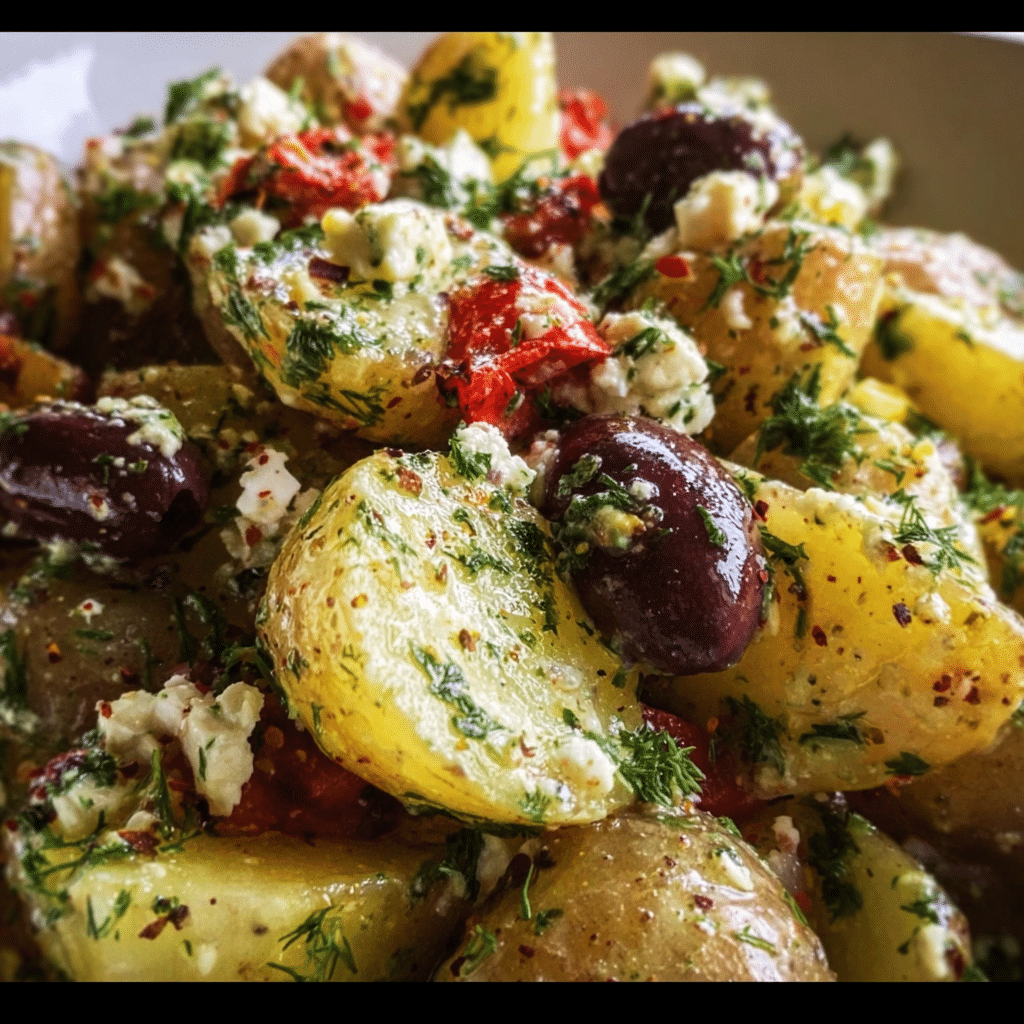
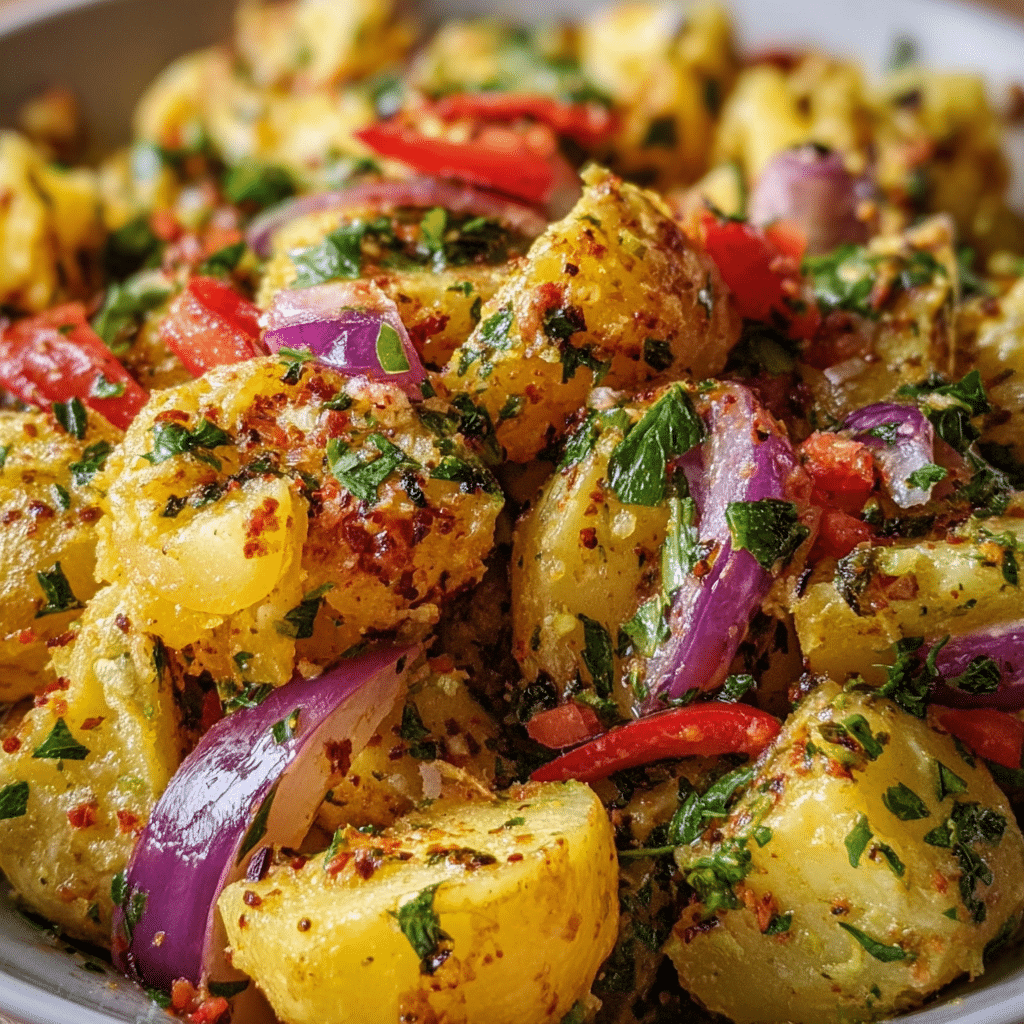
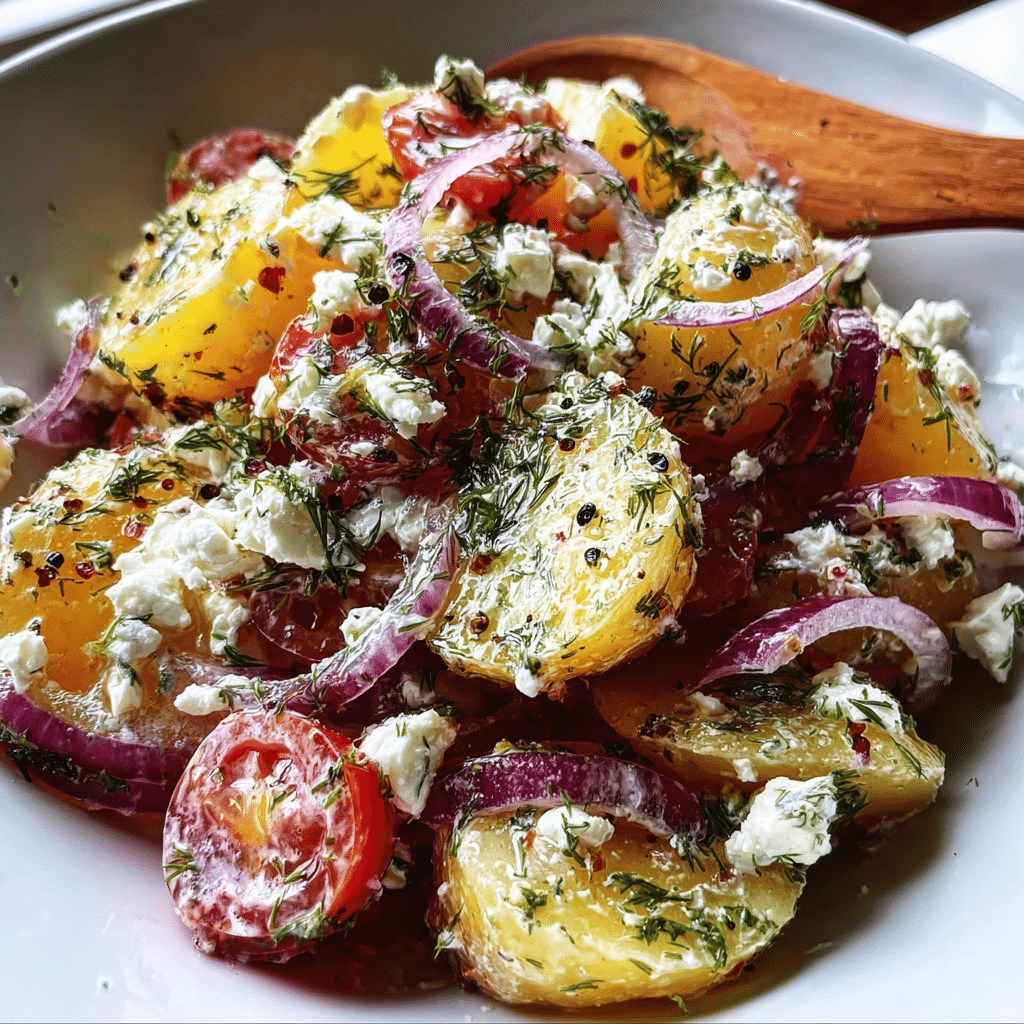
Potato feta salad is not just a dish; it’s a comforting embrace on a plate, a blend of flavors that can transport you to sun-drenched Mediterranean shores even on the busiest weeknights. I remember the first time I stumbled upon this delightful recipe; it was during a summer family gathering at my aunt’s house. The sun was setting, casting a golden hue over the garden, and the air was filled with laughter and the tantalizing aroma of grilled meats and fresh herbs. As I mingled with relatives, my aunt proudly presented her potato feta salad, and my senses ignited with curiosity. The sight of tender potatoes mingled with bright green herbs and creamy feta was enough to make my mouth water.
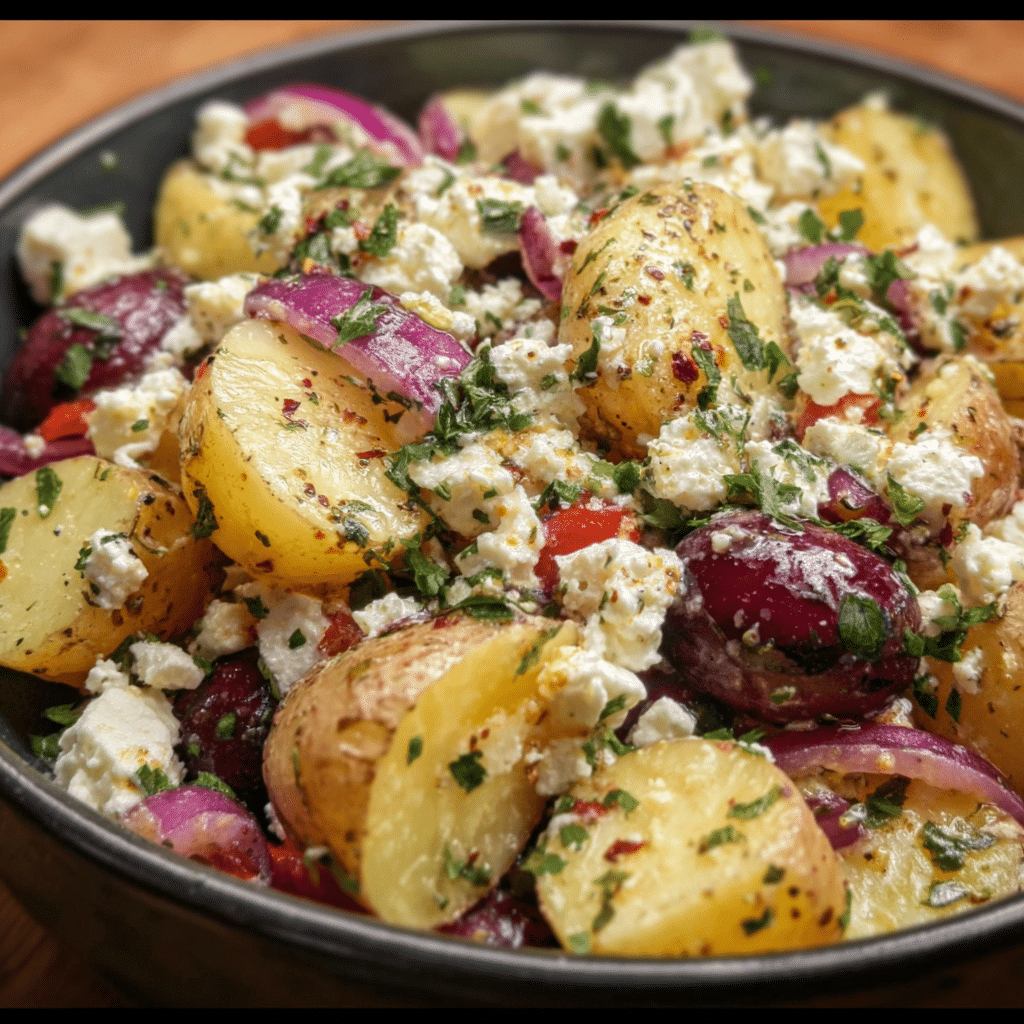
As I took my first bite, the flavors burst onto my palate in a beautiful symphony; the earthiness of the potatoes combined harmoniously with the tangy feta and the freshness of the herbs. It was a moment of culinary revelation for me. I had always been a fan of potatoes, but this dish elevated them to a whole new level. I learned that potato feta salad was not just a simple side dish; it was a celebration of ingredients that were staples in Mediterranean cooking, a dish that could easily stand alone as a meal.
The Story Behind This Recipe
The history of potato feta salad is as rich and diverse as the cultures that embrace it. Originating from Mediterranean countries, particularly Greece, this dish is a testament to the simplicity and sophistication that defines Greek cuisine. Potatoes, brought to Europe from the New World, became popular due to their versatility and ability to thrive in various climates. When combined with feta cheese, a staple in Greek diets, the potato feta salad emerged as a refreshing side or a light meal that captures the essence of summer.
This salad has evolved over the years, with many variations popping up across different regions. In some areas, olives, sun-dried tomatoes, or capers are added to enhance the salad’s flavor profile, while in others, a drizzle of olive oil and a sprinkle of lemon juice are enough to elevate the dish. What makes this potato feta salad special is its adaptability; it can be served warm or cold, and it tastes just as delightful no matter the season. This versatility makes it perfect for busy families looking for quick dinner solutions. You can prepare it in advance, allowing the flavors to meld, making it a go-to recipe for potlucks, barbecues, or even a quick weeknight dinner.
Moreover, potato feta salad holds a special place in my heart. It reminds me of family gatherings, where we would sit around the table, share stories, and enjoy good food together. It’s a dish that evokes nostalgia and warmth, a reminder of the love and care that goes into preparing meals for those we cherish. I often find myself making this salad when I want to feel connected to my roots or when I’m hosting friends and family. The smiles on their faces as they take their first bites are a reward that no other dish can match.
Why You’ll Love This Dish
If you’re looking for a salad that’s not only delicious but also embodies comfort and community, look no further than potato feta salad. In this article, you will learn how to prepare this delightful dish, explore its variations, and understand its cultural significance. I’ll share tips on how to customize it to suit your taste preferences, along with storage suggestions to keep it fresh for days. Whether you’re a seasoned chef or a beginner in the kitchen, this recipe is approachable and rewarding. So, roll up your sleeves, and let’s dive into the wonderful world of potato feta salad!
The Rich History and Cultural Significance of potato feta salad
The rich history and cultural significance of potato feta salad are intertwined with the agricultural practices and culinary traditions of the Mediterranean region. This salad, which showcases the humble potato and the tangy feta cheese, reflects the essence of Mediterranean cooking—simple yet flavorful, fresh yet hearty. To truly appreciate this dish, we must delve into its origins and explore how it has been embraced and adapted by various cultures.
Origins and History
Potatoes are native to the Andes mountains in South America, but they were introduced to Europe in the late 16th century. Their adaptability and nutritional value quickly made them a staple across the continent. In Greece, where potatoes became a common ingredient in many dishes, the combination of potatoes with feta cheese, which has been produced for thousands of years, formed the basis for many beloved recipes, including the potato feta salad.
Feta cheese itself is steeped in history, with roots dating back to ancient Greece. It is made primarily from sheep’s milk or a mixture of sheep and goat milk, and it is known for its crumbly texture and salty taste. Traditionally, feta was preserved in brine, which allowed it to maintain its flavor and freshness. This preservation method has been passed down through generations, making feta a beloved cheese not only in Greece but also in many Mediterranean countries.
As the potato feta salad evolved, it began to incorporate various ingredients reflective of regional preferences. In Greece, you might find it served with olives or capers, while in other countries, fresh vegetables like cucumbers and bell peppers may also be included. Each variation tells a story of local ingredients and dietary habits, showcasing the versatility of this simple salad.
Cultural Significance
Potato feta salad is more than just a dish; it embodies the spirit of sharing and togetherness that is so central to Mediterranean culture. It is often served at family gatherings, celebrations, and holidays, where it brings people together around the table. In Greece, it’s a common sight at summer picnics and barbecues, where its refreshing taste complements grilled meats beautifully.
Moreover, this salad has found its way into the hearts of food lovers around the world. Many renowned chefs have embraced the dish, adding their unique twists while respecting its traditional roots. Restaurants specializing in Mediterranean cuisine often feature potato feta salad on their menus, celebrating the flavors of the region and introducing it to new audiences.
Nutritional Benefits
In addition to its cultural significance, potato feta salad is also packed with nutritional benefits. Potatoes are a great source of vitamins C and B6, potassium, and dietary fiber. They are filling and provide sustained energy, making them an excellent choice for a light meal or side dish. Feta cheese adds a punch of protein and calcium, which are essential for maintaining strong bones and overall health.
Furthermore, depending on the ingredients you choose to include, the potato feta salad can be a canvas for a variety of nutrient-rich vegetables. Adding fresh herbs like parsley, dill, or mint not only enhances the flavor but also boosts the salad’s nutritional profile, providing antioxidants and vitamins. This makes potato feta salad a wholesome choice that can fit into a balanced diet, appealing to health-conscious eaters and food enthusiasts alike.
In conclusion, potato feta salad is a dish with deep roots and rich cultural significance. Its origins reflect the agricultural practices of the Mediterranean, while its evolution showcases the adaptability of culinary traditions. With its blend of flavors, nutritional benefits, and ability to bring people together, it is no wonder that potato feta salad continues to be a beloved dish around the world. Whether enjoyed at family gatherings, picnics, or as a quick weeknight meal, this salad is sure to leave a lasting impression.
Essential Ingredients for Perfect potato feta salad
Creating a delicious and satisfying potato feta salad is as much about the quality of the ingredients as it is about the technique. Each ingredient plays a critical role in achieving the perfect balance of flavors and textures that make this salad a true crowd-pleaser. Let’s dive into the essential components that will elevate your potato feta salad to new heights.
Essential Ingredients
- 2 pounds petite white or red potatoes: These small potatoes are ideal for salads due to their waxy texture, which helps them hold their shape during cooking. Look for firm, unblemished potatoes without any sprouts or green spots.
- 1 cup pitted kalamata olives: These briny, rich olives add a depth of flavor and a hint of Mediterranean flair to your salad. Opt for high-quality olives, preferably from a jar or deli counter, for the best taste.
- 7 ounces oil-packed sun-dried tomatoes: The sweetness and tang of sun-dried tomatoes complement the creaminess of feta perfectly. Ensure they are drained well before chopping to avoid excess moisture in the salad.
- 4 ounces capers: These little flavor bombs provide a salty bite that contrasts beautifully with the creamy feta. Rinse them thoroughly to remove excess salt before using.
- 1 cup red onion: Thinly sliced red onion adds a sharpness to the salad, balancing the flavors with its slight sweetness. Choose a fresh onion with vibrant color and firm skin.
- ½ cup fresh dill: Fresh herbs like dill brighten up the dish and add a refreshing flavor. Look for bright green fronds without any wilting or yellowing.
- ½ cup feta cheese: Crumbled feta adds a creamy, tangy element that ties all the flavors together. Choose a good quality feta, preferably made from sheep’s milk, for richer flavor.
- ½ cup extra-virgin olive oil: A high-quality olive oil will enhance the overall flavor of your potato feta salad. Look for oil that is labeled “extra virgin” and comes from a reputable source.
- ½ cup red wine vinegar: This adds acidity and brightness to the salad. Opt for a good quality vinegar for the best flavor.
- 2 cloves garlic: Minced or pressed garlic adds a punch of flavor. Fresh garlic is always best; avoid pre-minced varieties for the freshest taste.
- 2 teaspoons dry mustard: Dry mustard adds a subtle heat and depth. It also helps emulsify the dressing, creating a smooth texture.
- 2 teaspoons dried thyme: This herb adds an earthy flavor that complements the potatoes well. Make sure to store dried herbs in a cool, dark place for maximum freshness.
- 2 teaspoons dried oregano: Another herb that works well in Mediterranean dishes. Oregano brings a robust flavor that pairs beautifully with the other ingredients.
- 1 teaspoon kosher salt: Salt is essential for bringing out the flavors of the ingredients. Kosher salt is preferred for its texture and flavor.
- 1 teaspoon freshly ground black pepper: Freshly ground pepper adds warmth and a slight kick to the dish.
Potato And Feta Salad
Ingredients
2 pounds petite white or red potatoes- 1 cup pitted kalamata olives
- 7 ounces oil-packed sun dried tomatoes , drained and chopped
- 4 ounces capers , drain and reserve brine
- 1 cup red onion , thinly sliced
- ½ cup fresh dill , roughly chopped
- ½ cup feta cheese , crumbled
Greek Salad Dressing
- ½ cup extra-virgin olive oil
- ½ cup red wine vinegar
- 2 cloves garlic , pressed or minced
- 2 teaspoons dry mustard
- 2 teaspoons dried thyme
- 2 teaspoons dried oregano
- 1 teaspoon kosher salt
- 1 teaspoon freshly ground black pepper
Instructions
- Add the potatoes to a medium pot and fill with enough water to cover the potatoes by 1 inch, then bring to a boil. Add 1-2 teaspoons of kosher salt, reduce to a rolling simmer, and cook until tender or when the potatoes can be pierced with a fork or skewer, about 15 minutes.
- While the potatoes are cooking, make the dressing. To a jar fitted with a lid, add the olive oil, red wine vinegar, garlic, dry mustard, oregano, thyme, kosher salt, and freshly ground black pepper. Top with lid, shake well, and set aside.
- The potatoes are done cooking when they can be easily pierced with a sharp knife or skewer. Drain them. Then when the potatoes are cool enough to handle, cut them in half or into bite-sized chunks, depending on how big they are. While they’re still warm, drizzle with the reserved caper brine, toss, and set aside to cool.
- Add the kalamata olives, red onion, capers, sun dried tomatoes, and dill. Gently toss with the dressing. Taste for seasoning and add more salt and pepper to taste, then top with the feta cheese. Serve warm, at room temperature, or chilled. This salad is best served at least an hour after cooking so the potatoes absorb the dressing and flavor. Keeps in the refrigerator for 3-4 days.
Shopping Tips
When shopping for ingredients, always prioritize freshness and quality. Farmers’ markets and specialty grocery stores often have the best selection of fresh herbs and organic potatoes. If you’re in a hurry, major grocery chains usually stock everything you need, but check the produce section for the freshest options. For olives and feta, visiting a Mediterranean or Greek grocery can yield some exceptional finds, including local artisanal products.
Seasonal availability is also a factor; while potatoes are available year-round, herbs like dill are best in the spring and summer. If you want to ensure that your salad has the freshest taste, consider growing your herbs at home. Even a small windowsill garden can provide you with a constant supply of fresh dill, basil, or other herbs you may enjoy.
Substitutions and Alternatives
If you have dietary restrictions or simply want to make adjustments, there are plenty of substitutions available. For a gluten-free version, rest assured that this potato feta salad is naturally gluten-free. If you’re vegan, consider using grilled or roasted vegetables instead of feta and olives to maintain that depth of flavor. For a nut-free version, simply ensure that any packaged products don’t contain traces of nuts.
When it comes to olives, if you’re not a fan of kalamata, feel free to substitute with green olives or even capers for a different flavor profile. If you’re watching your sodium intake, you can use low-sodium olives and capers, but remember that they may alter the overall flavor balance, so taste as you go.
Storage is another crucial aspect to consider. Store your potatoes in a cool, dark place, and your fresh herbs should be kept in the fridge wrapped in a damp paper towel to keep them fresh longer. Feta cheese can last a week or more in the fridge if stored properly in brine or olive oil. Olives, too, should be kept sealed to maintain their flavor and texture.
Lastly, when it comes to cost-saving tips, consider buying ingredients in bulk, especially herbs and spices. They tend to be cheaper in larger quantities and last a long time if stored correctly. And remember, the beauty of a potato feta salad lies in its versatility; feel free to swap out any ingredient that might be too pricey or hard to find with something more accessible.
Detailed Step-by-Step potato feta salad Cooking Instructions
Detailed Step-by-Step Potato Feta Salad Cooking Instructions
Creating a mouthwatering potato feta salad is a delightful experience that combines the art of cooking with the joy of creating something beautiful and delicious. This salad not only serves as a fantastic side dish but can also shine as a main course. Follow these detailed instructions to craft your own perfect potato feta salad.
Preparation Steps
- Gather Your Ingredients: Begin by assembling all your ingredients. This will make your cooking process much smoother. Take a moment to check off each item on your list to ensure nothing is forgotten.
- Wash and Cut Your Potatoes: Rinse the petite potatoes under cool running water to remove any dirt. Once clean, slice them in half or quarters, depending on their size. The aim is uniformity so they cook evenly.
- Prepare the Vegetables: While the potatoes are cooking, thinly slice your red onion. It’s also a good time to chop your fresh dill and drain the sun-dried tomatoes and capers. Have all these ingredients ready to go for a seamless assembly later.
- Minced Garlic: Peel and mince your garlic cloves. If you have a garlic press, this will save you time! Set the minced garlic aside.
Cooking Process
- Boil the Potatoes: Fill a large pot with water and add a generous pinch of kosher salt. Bring the water to a rolling boil, then carefully add the potatoes. Boil for about 15-20 minutes, or until they are fork-tender. Keep an eye on them; overcooked potatoes can turn mushy!
- Drain and Cool: Once cooked, drain the potatoes in a colander and let them cool for a few minutes. This step is crucial as it allows for easier handling when mixing with other ingredients.
- Prepare the Dressing: In a large mixing bowl, whisk together the extra-virgin olive oil, red wine vinegar, pressed garlic, dry mustard, dried thyme, dried oregano, salt, and freshly ground black pepper. Taste and adjust according to your preference; you may want a bit more acidity or seasoning.
- Combine Ingredients: Once the potatoes have cooled slightly, add them to the bowl with the dressing. Toss gently to coat the potatoes without breaking them apart.
Final Assembly
- Add Remaining Ingredients: Now, it’s time to add the kalamata olives, sun-dried tomatoes, capers, red onion, dill, and crumbled feta cheese to the potato mixture. Gently fold these ingredients in, ensuring they are evenly distributed throughout the salad.
- Taste and Adjust: This is your chance to taste the salad and see if it needs anything else—perhaps a touch more salt or a squeeze of lemon for brightness. This step is essential for achieving a balanced flavor.
- Chill Before Serving: Cover the salad with plastic wrap or transfer it to an airtight container and let it chill in the refrigerator for at least 30 minutes before serving. This allows the flavors to meld beautifully. If you’re short on time, even 10-15 minutes can help!
- Presentation: When ready to serve, give the salad a gentle toss and plate it up. A touch of extra dill on top for garnish adds a beautiful visual appeal.
Common mistakes to avoid when making potato feta salad include not allowing the potatoes to cool before mixing them with other ingredients, which can lead to a mushy salad, or skimping on the dressing—this salad is all about balance!
For those looking to elevate their culinary skills, consider investing in a good quality chef’s knife for precise cuts and a sturdy cutting board. Timing is essential when preparing this dish; multitask effectively by cutting your vegetables while the potatoes boil, and you’ll find that the entire process can be quite efficient.
Remember, food safety is paramount. Always ensure that your potatoes are cooked thoroughly and stored in the refrigerator if you’re not serving them immediately. Enjoy the process; cooking should always be a joyful experience!
Professional Tips and Techniques for potato feta salad
Creating the perfect potato feta salad is not just about tossing ingredients together; it’s an art that requires a blend of techniques, knowledge, and a sprinkle of creativity. Whether you’re a novice cook or a seasoned chef, understanding the nuances of this dish can elevate your salad from ordinary to extraordinary. Here are some professional tips and techniques to help you master your potato feta salad.
Professional Techniques
To begin with, let’s discuss the importance of selecting the right potatoes. For a potato feta salad, waxy potatoes like Yukon Gold or red potatoes are ideal. They have a creamy texture and hold their shape well after boiling, unlike starchy potatoes that can become mushy. When preparing your potatoes, aim for uniformity in size when cutting them into cubes to ensure even cooking.
Cooking the potatoes is another critical step. Start by placing the diced potatoes in cold water and bringing them to a boil. This method prevents the outside from becoming overcooked while the inside remains hard. Salt the water generously; this not only flavors the potatoes but also helps them cook more evenly.
Once the potatoes are tender, drain them and let them cool slightly before adding the feta and other ingredients. This cooling period allows the flavors to meld without the feta melting into the salad.
When it comes to dressing your potato feta salad, consider a homemade vinaigrette. A simple combination of olive oil, lemon juice, garlic, and herbs can elevate the dish significantly. Use a whisk to combine the ingredients thoroughly, creating an emulsion that will coat the potatoes beautifully. Drizzle the dressing over the salad while it’s still warm to enhance absorption.
Troubleshooting Guide
Even the most experienced cooks encounter challenges in the kitchen. Here are some common problems you might face when making a potato feta salad and how to troubleshoot them:
- Problem: Potatoes are mushy. Ensure you’re not overcooking them. A good rule of thumb is to test them with a fork; they should be tender but still have a bit of bite.
- Problem: Salad is bland. Don’t skimp on seasoning! Salt is your friend. Additionally, consider adding more fresh herbs or a splash of vinegar for acidity.
- Problem: Feta crumbles too much. If you prefer larger chunks of feta, opt for a block of feta rather than crumbled. This way, you can control the size and texture of the cheese in your salad.
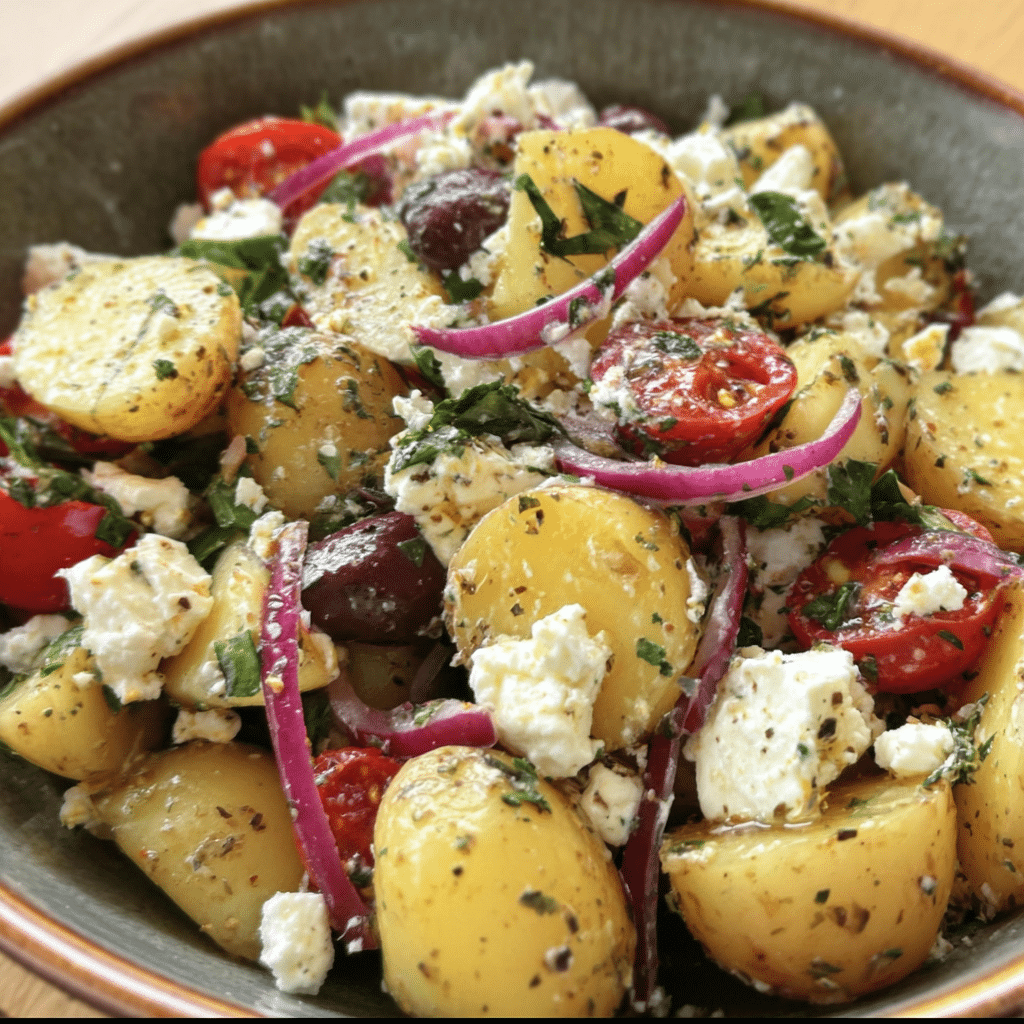
Presentation Tips
Presentation is key when it comes to serving your potato feta salad. A well-presented dish not only looks appetizing but also enhances the dining experience. Start by choosing a beautiful serving bowl; a rustic wooden bowl or a vibrant ceramic dish can add character to your table.
Layer the ingredients rather than mixing them all together. Start with a base of potatoes, then sprinkle the feta and finish with fresh herbs for a pop of color. Drizzling a little extra dressing over the top can add visual appeal and moisture. Consider garnishing your salad with edible flowers or microgreens for an elegant touch.
When it comes to wine pairings, a crisp white wine, such as Sauvignon Blanc or a light-bodied red like Pinot Noir, complements the flavors of a potato feta salad beautifully. These wines enhance the freshness of the salad without overpowering the delicate flavors of the feta and herbs.
If you’re planning to make your salad ahead of time, consider keeping the dressing separate until just before serving. This will prevent the potatoes from becoming soggy and allow them to maintain their texture and flavor. You can also store leftovers in an airtight container in the fridge, where they will keep well for a day or two.
As you become more comfortable with making your potato feta salad, don’t hesitate to experiment with different flavors and ingredients. Remember, cooking is a personal journey, and every dish you create should reflect your taste and style.
Creative Variations and Adaptations of potato feta salad
The beauty of a potato feta salad lies not only in its classic preparation but also in its versatility. With a few simple adjustments and creative twists, you can transform this dish into a myriad of delightful variations. Let’s explore some exciting adaptations that can cater to different tastes and dietary needs.
Seasonal Variations
One of the best ways to keep your potato feta salad fresh and exciting is to incorporate seasonal ingredients. In spring, consider adding fresh peas and radishes for a burst of color and sweetness. These ingredients not only enhance the flavor but also add a delightful crunch.
Summer is the perfect time to include vibrant cherry tomatoes and cucumbers. These ingredients can lighten the salad and bring a refreshing quality, perfect for warm evenings. In the fall, roasted butternut squash or sweet potatoes can be added for a sweeter, heartier salad. Toss in some toasted walnuts or pecans for an added layer of texture and nutty flavor.
Winter calls for heartier greens like kale or spinach. Incorporating these greens can add a nutritional boost, making your potato feta salad a complete meal. Using roasted garlic in the dressing can also warm up the flavors during colder months.
Dietary Adaptations
Adjusting the potato feta salad for dietary restrictions is simpler than you might think. For a vegan version, replace feta with tofu or a store-bought vegan feta cheese alternative. A drizzle of tahini or a cashew cream dressing can also provide a creamy texture that mimics traditional feta.
If you’re looking for a low-carb or keto adaptation, consider swapping potatoes for cauliflower. Cauliflower can be steamed and seasoned to mimic the texture of potatoes, allowing you to enjoy a similar dish with fewer carbs. You might also want to increase the amount of feta for a creamier consistency and add some avocado for healthy fats.
For those with gluten sensitivities, rest assured that the classic potato feta salad is naturally gluten-free. However, always check the labels for any pre-packaged ingredients to avoid hidden gluten sources.
Creative Twists
Don’t shy away from experimenting with flavors and ingredients. Adding a hint of spice can create an exciting twist on your potato feta salad. Consider incorporating diced jalapeños or a sprinkle of chili flakes for some heat. On the other hand, introducing a Mediterranean flair with olives, sun-dried tomatoes, or artichokes can transport your taste buds to sunnier shores.
Different cooking methods can also yield interesting results. Instead of boiling your potatoes, try roasting them with olive oil, garlic, and herbs for a caramelized flavor. You could also grill the potatoes for a smoky essence that pairs beautifully with the creamy feta.
Another fun idea is to transform leftovers into a new dish. If you have extra potato feta salad, consider turning it into a savory potato cake. Simply mix the leftovers with breadcrumbs and an egg, form patties, and pan-fry until golden brown. This not only reduces food waste but also gives you a delicious new meal.
Ultimately, your potato feta salad can be a canvas for all your culinary creativity. With these variations and adaptations, you can cater to different palates while keeping the essence of this beloved salad intact. Embrace the process, and don’t hesitate to make it your own!
Storage, Reheating, and Meal Prep for potato feta salad
When it comes to enjoying a delightful potato feta salad, understanding how to store and reheat this dish can significantly enhance your culinary experience. This salad, with its creamy feta and hearty potatoes, is versatile and can be enjoyed in various ways, whether you’re preparing it for a picnic, a potluck, or simply for a cozy dinner at home. Let’s dive into the detailed storage instructions, meal prep strategies, and food safety tips to keep your potato feta salad fresh and delicious.
Short-term Storage
After you’ve prepared your potato feta salad, the first thing to consider is how to store it for short-term use. If you’re planning to eat the salad within a few days, the refrigerator is your best friend. Transfer your salad into an airtight container, which helps to keep it fresh and prevents any odors from the fridge from mingling with your delicious creation. Glass containers are often a great choice because they don’t absorb odors and are easy to clean. If you use plastic, opt for BPA-free options.
Before sealing the container, make sure the salad has cooled down to room temperature. This is crucial because placing warm food into a container can create condensation, leading to soggy ingredients and a less enjoyable texture. Ideally, your potato feta salad can be stored in the fridge for about 3 to 5 days. However, for the best taste and texture, aim to consume it within the first couple of days.
Freezing and Long-term Storage
Freezing your potato feta salad can be a bit tricky due to the ingredients used. Potatoes can turn grainy when frozen, and feta cheese may lose its creamy texture. However, if you find yourself with a larger batch that you can’t consume in a few days, it’s still possible to freeze portions of it. Start by separating the potato feta salad into individual servings; this makes it easier to thaw only what you need later on. Use freezer-safe bags or containers, ensuring to remove as much air as possible to prevent freezer burn.
When it’s time to thaw your potato feta salad, place it in the refrigerator overnight for a slow, safe thaw. If you’re in a rush, you can also use the microwave on a low setting, but be cautious as this can affect the texture of the potatoes and cheese. Once thawed, give the salad a good stir and consider adding a splash of olive oil or fresh herbs to revitalize the flavor before serving.
Reheating Best Practices
If you prefer to enjoy your potato feta salad warm, reheating is an option, but it’s essential to do it correctly to maintain its quality. Start by transferring the desired amount of salad to a microwave-safe dish. Heat it on medium power in short intervals of 30 seconds, stirring in between until it reaches your desired warmth. Be careful not to overheat it, as this can cause the potatoes to become mushy and the feta to lose its delightful creaminess.
If you’re looking to enjoy the salad cold, it’s best to let it sit out for a few minutes before serving, which can enhance the flavors as they come back to room temperature. If you’ve added any fresh herbs or dressing, consider adding them just before serving to maintain their vibrant flavors and textures.
Meal prep is a fantastic strategy if you love having fresh meals ready to go. Preparing your potato feta salad in advance can save time on busy days. You can chop your potatoes and other ingredients ahead of time and store them separately in the fridge. This way, when you’re ready to assemble the salad, all you have to do is mix everything together. Just remember to keep the dressing separate until you’re ready to serve, which helps to maintain the crispness of the potatoes.
Food safety is paramount when storing and reheating your potato feta salad. Always ensure you’re using clean utensils when handling the salad to prevent cross-contamination. If your salad has been left out at room temperature for more than two hours, it’s safer to discard it to avoid any risk of foodborne illness. Always trust your senses; if it smells off or the texture seems wrong, it’s better to err on the side of caution.
In terms of shelf life, when stored properly in the refrigerator, your potato feta salad should remain fresh for about 3 to 5 days. If you’ve opted to freeze it, aim to consume it within 2 to 3 months for the best quality. If you find yourself with excess dressing, consider portioning it into small containers that can be added to fresh salads later, ensuring you make the most of your ingredients.
To sum it up, proper storage and reheating techniques are essential for enjoying your potato feta salad at its best. By following these guidelines, you can ensure that every bite remains delicious and satisfying, whether enjoyed fresh or from the fridge.
Nutritional Benefits and Health Information
The potato feta salad is not just a culinary delight; it’s also packed with nutrition and health benefits that make it a fantastic addition to your diet. Let’s explore the nutritional profile of this dish, the health benefits of its key ingredients, and dietary considerations that make it accessible to many different eating plans.
Nutritional Profile
At its core, the potato feta salad combines hearty potatoes, creamy feta cheese, and often a variety of colorful vegetables. Potatoes are a great source of carbohydrates, providing energy for your body. A medium-sized potato contains approximately 130 calories, 30 grams of carbohydrates, and about 3 grams of protein. They are also rich in potassium, which is essential for heart health and muscle function.
Feta cheese, on the other hand, adds a rich flavor and creamy texture to the salad. A 1-ounce serving of feta contains around 75 calories, 6 grams of protein, and 6 grams of fat, making it a good source of calcium and phosphorus. The combination of these ingredients not only gives the potato feta salad a delicious taste but also offers a balanced mix of macronutrients.
Adding vegetables like bell peppers, cucumbers, or red onion increases the fiber content and delivers a variety of vitamins and minerals. For example, bell peppers are high in vitamin C and antioxidants, while cucumbers provide hydration and low-calorie crunch. Overall, a serving of potato feta salad can range from 200 to 300 calories, depending on the portion size and added ingredients.
Health Benefits
The health benefits of potato feta salad are numerous, beginning with the nutritional value of each ingredient. Potatoes are often underrated in the health community, yet they are a powerhouse of nutrients. They are high in fiber, especially when the skin is left on, which aids in digestion and promotes satiety. This can be particularly beneficial if you are looking to manage your weight.
Feta cheese not only enhances the flavor of the salad but also provides healthy fats that can help keep you full longer. The calcium in feta supports healthy bones, and its protein content can assist in muscle repair and growth. When combined with vegetables, the salad becomes a colorful plate that is visually appealing and nutritionally dense.
Another significant health benefit is the antioxidant properties found in many of the vegetables typically added to potato feta salad. Ingredients like tomatoes and herbs are known for their anti-inflammatory properties, which can contribute to overall well-being. The vitamins and minerals, including vitamin A, vitamin C, and various B vitamins, help support your immune system and promote healthy skin.
Dietary Considerations
When it comes to dietary considerations, potato feta salad can easily fit into various meal plans. For those following a vegetarian diet, it’s a perfect option as it provides both protein and essential nutrients without any meat. Gluten-free eaters can enjoy this salad without worry, as potatoes and feta cheese are naturally gluten-free.
If you’re monitoring your sodium intake, it’s worth noting that feta cheese can be high in sodium, so you may want to adjust the amount you use or opt for a lower-sodium version. Additionally, if you’re looking for a lighter salad, consider using less cheese or adding more vegetables to balance it out. You can also replace regular feta with a vegan feta cheese option if you’re following a dairy-free diet.
For those interested in healthy modifications, you can easily incorporate whole grains or legumes into your potato feta salad. Adding quinoa or chickpeas can increase the fiber and protein content, making it even more satisfying. You can also experiment with different dressings, perhaps using a lemon vinaigrette or a yogurt-based dressing for a lighter touch.
In comparison to similar dishes like pasta salad or grain-based salads, potato feta salad stands out due to its heartiness and comfort food appeal. While pasta salads are often higher in refined carbohydrates, potato salads provide a great source of potassium and can be modified to include a variety of vegetables, making them a more nutrient-packed option.
In conclusion, the potato feta salad is not only a delicious choice for any meal but also a nutritionally beneficial one. With its blend of wholesome ingredients, it caters to a variety of dietary needs while delivering on flavor and satisfaction. So the next time you prepare this salad, you can feel good knowing you’re enjoying a dish that’s both tasty and nutritious!
Conclusion: Mastering the Perfect potato feta salad
Creating the perfect potato feta salad is more than just following a recipe—it’s about understanding the techniques, ingredients, and cultural significance behind this beloved dish. Throughout this comprehensive guide, we’ve explored everything from the historical origins to modern variations, ensuring you have all the knowledge needed to make this recipe your own.
Whether you’re a beginner cook or an experienced chef, the techniques and tips we’ve shared will help you create a potato feta salad that’s not only delicious but also meaningful. Remember that cooking is a journey of discovery, and each time you make this dish, you’ll learn something new.
We encourage you to experiment with the variations we’ve discussed, adapt the recipe to your dietary needs, and most importantly, share it with the people you love. Food has the incredible power to bring people together, and Potato and Feta Salad is the perfect dish to create lasting memories around your dinner table.
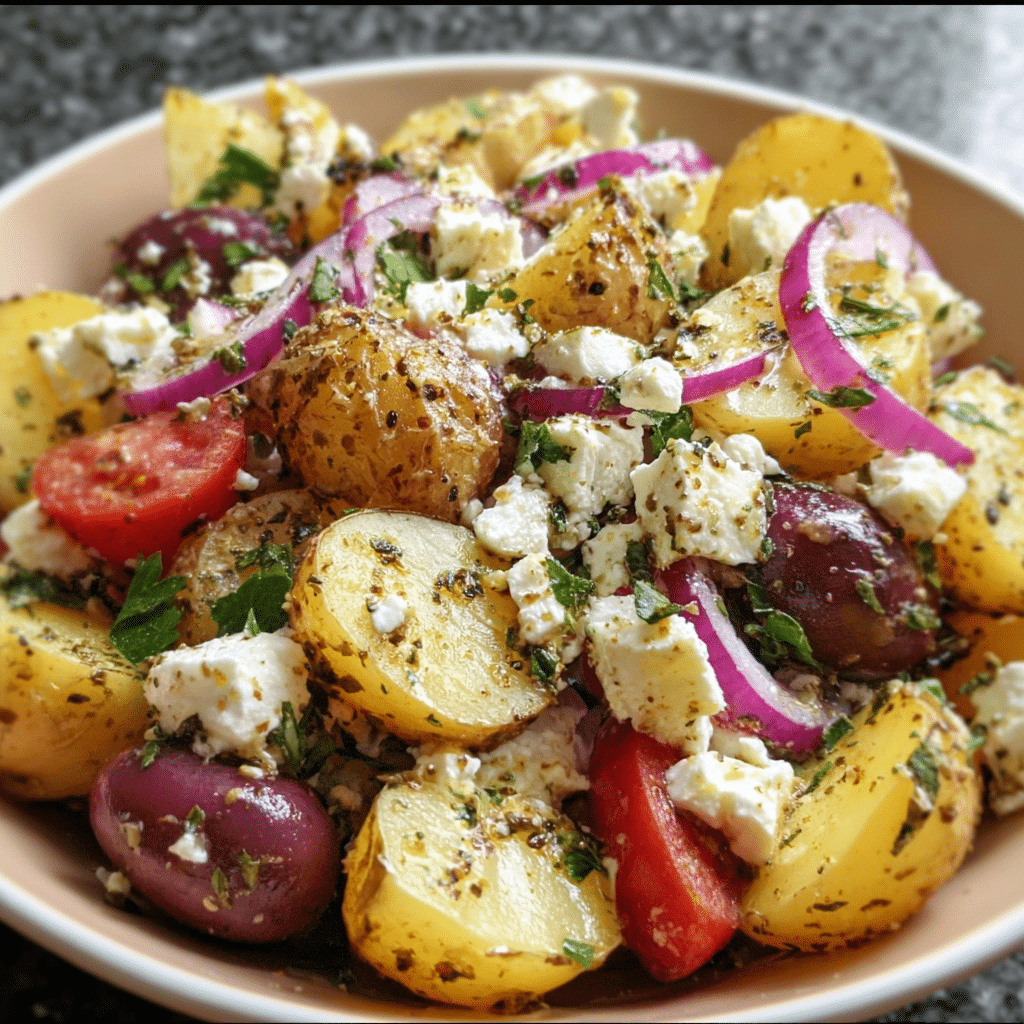
Don’t forget to share your cooking adventures with us on social media, and feel free to ask questions in the comments below. Happy cooking!
Share this recipe and let us know how it turned out! Tag us on social media for a chance to be featured.